After a visit to a distant cousin of Denise’s in the lovely Yorkshire town of Wetherby, we headed south to be ready to take the truck to Mansfield to PB Electrics for service on the Webasto Dual Top. It was misbehaving and we had found a Webasto repair station with a special “Dual Top” certification.
Our next stop was near Bakewell, famous for its tarts. We spent the weekend at a campground near the charming village of Youlegreave. The internet was full of horror stories about the road to the campsite, narrow, people parked on both sides, steep, tight curves, a disgrace, should not have a campsite there, and the list went on. We drove it and decided that, for once, the internet had understated the challenge. I really have to admire the people who work their way in (and out) with huge caravans (trailers) pulled by tiny cars!
We rode our bikes back into Youlegreave up the impossible road. Youlgreave is a tiny village, with two pubs and a church and it was heaving with tourists and hordes of cyclists. (Don’t get behind a line of cyclists ordering £60 worth of drinks!) We sat in the sun and enjoyed watching the people – and the bus navigating the narrow street
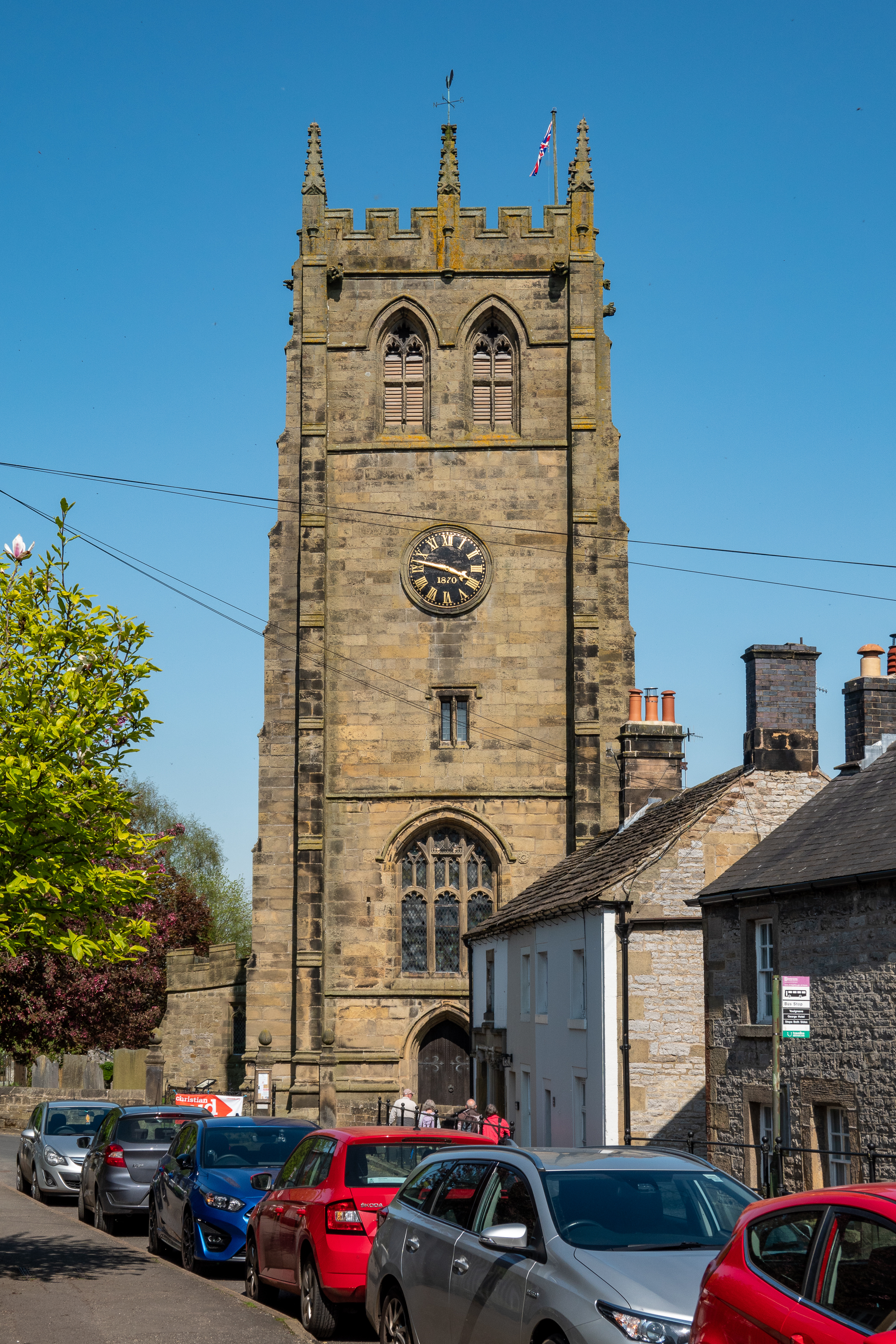
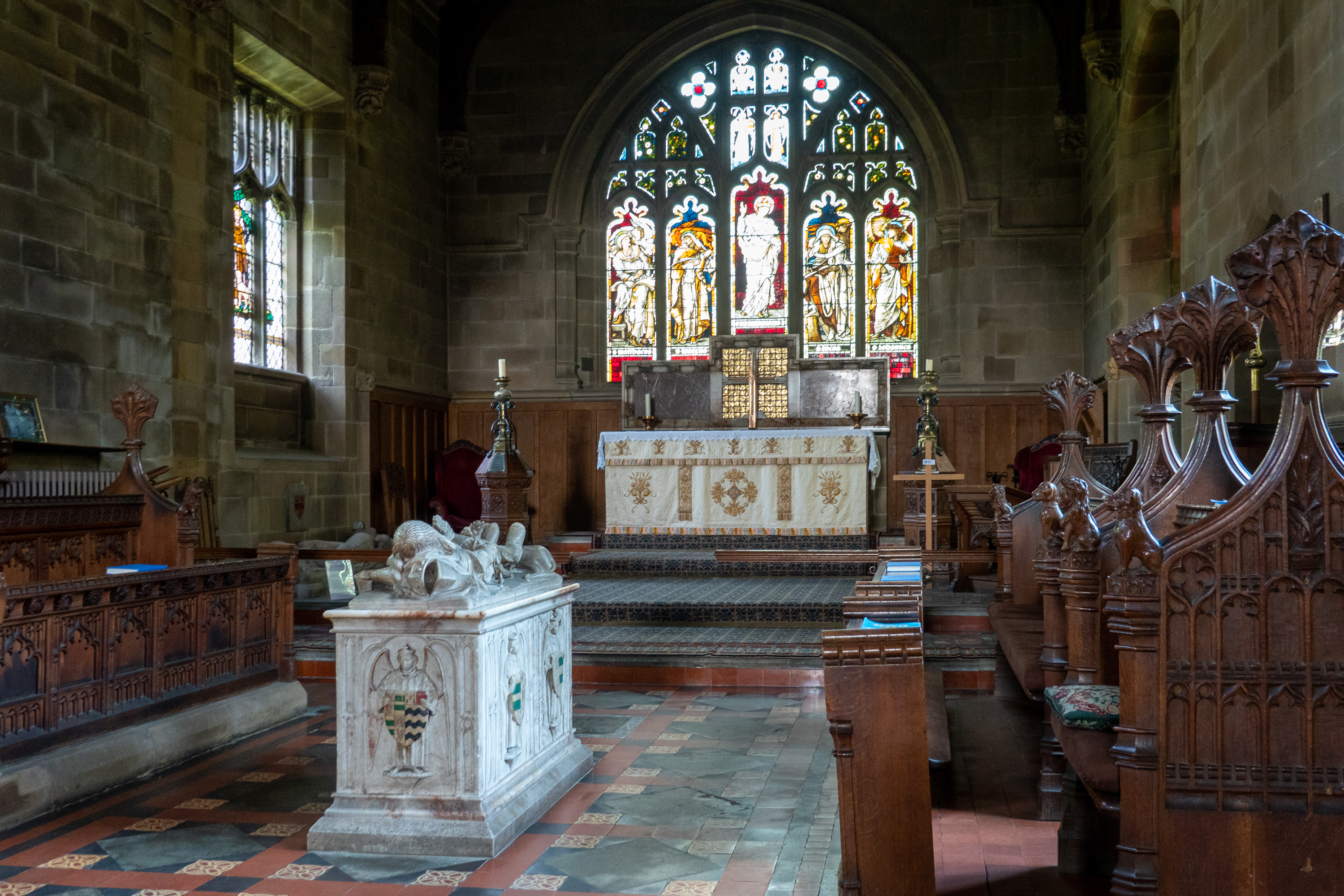
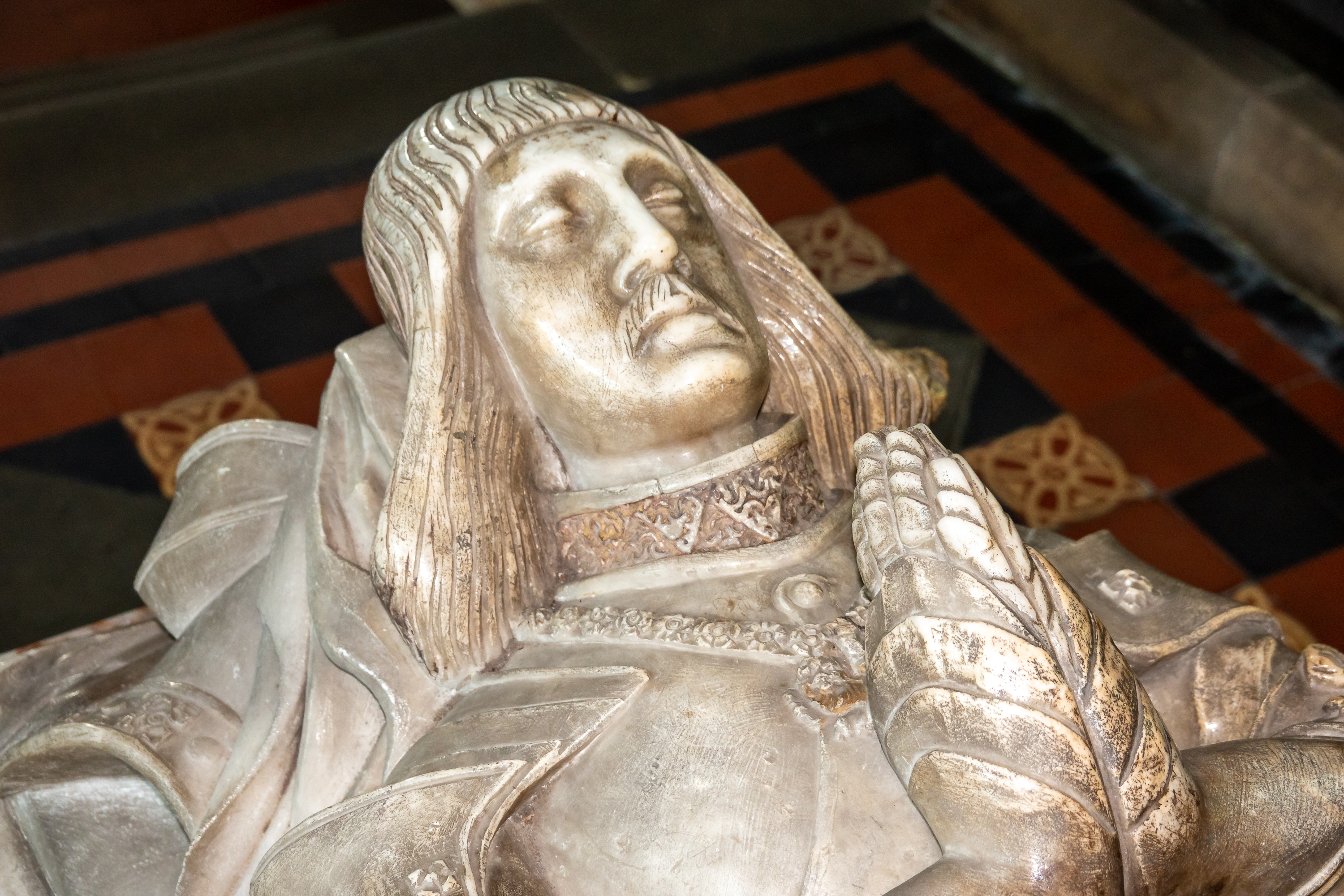
The Youlgreave church was simply a find, way below the tourist radar. Wonderful commentary and information here: https://greatenglishchurches.co.uk/html/youlgreave.html Amazing that people study these churches in such detail.


We also found figures representing the Coronation still on display in the village square.

After finishing our drinks at the local pub we cycled back to the camper.
We then headed into Bakewell for some useful shopping. And some badness in the form of Bakewell tarts, both the original and the iced! After pretty much skipping lunch we continued to Rose Cottage, a lovely restaurant in our BritStops book. They did not think that they were members of BritStops but they let us stay anyway and we enjoyed a roast beet carvery dinner with Yorkshire Puddings. It was Mother’s Day US style after all!

We found a campsite gem just outside of Mansfield, the Lurcher Farm Cottage. Surrounded by fields, we found our way to the corner of a large field and settled in. The owner proved to be exceptionally flexible as we came and went over the course of the next week or so. Denise enjoyed the public footpaths that went by the campground, and we also had sunny days so managed some laundry. The heating/hot water repair went smoothly and while waiting for a couple of items to be sorted out in the camper, we took ourselves to Lincoln for the weekend.
En route, we stopped to admire the airplanes at the Newark Air Museum. (http://www.newarkairmuseum.org)
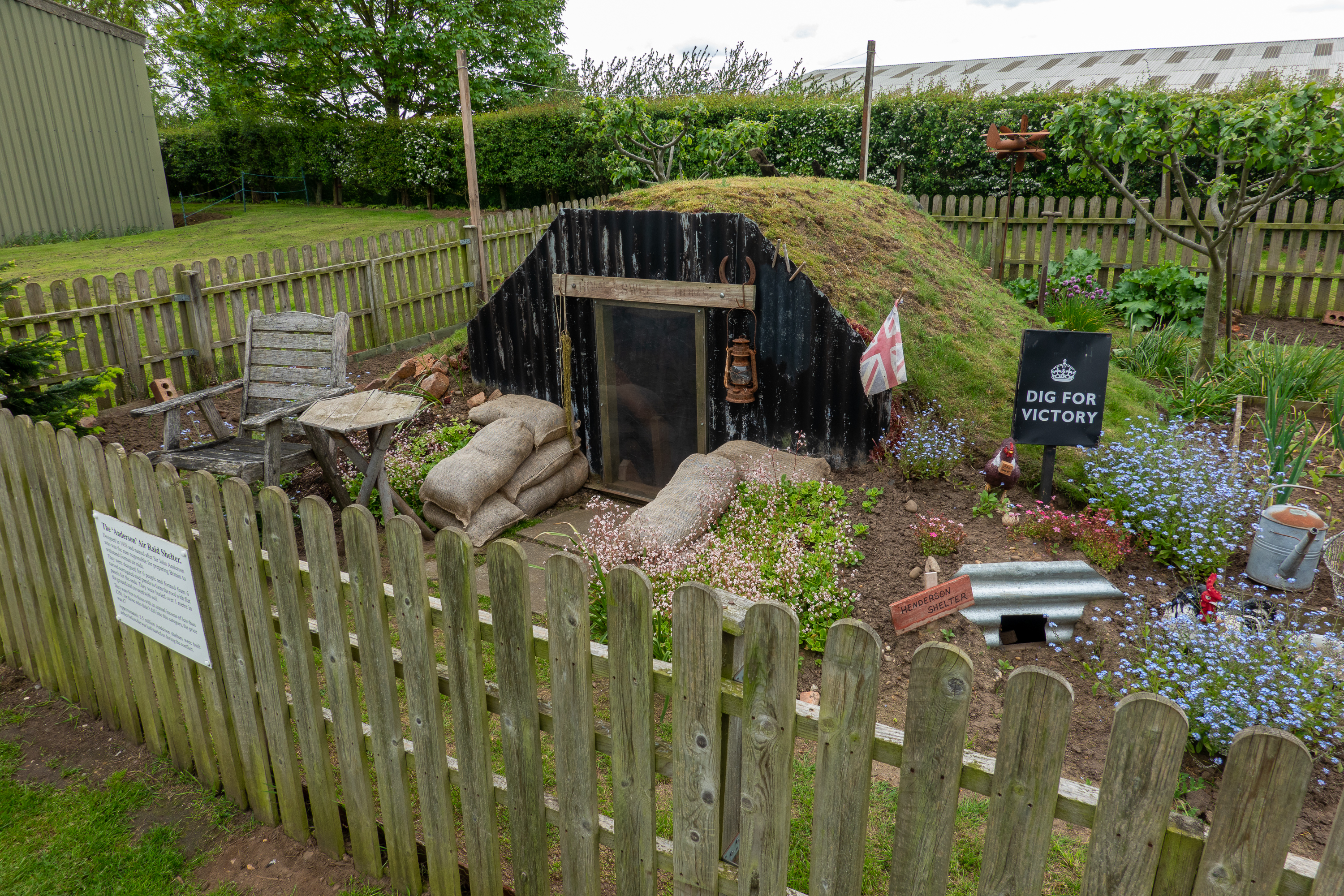



We thoroughly enjoyed Lincoln. Our campsite, surrounded by fields of horses, was close to a bike route, so we cycled into Lincoln on two consecutive days.

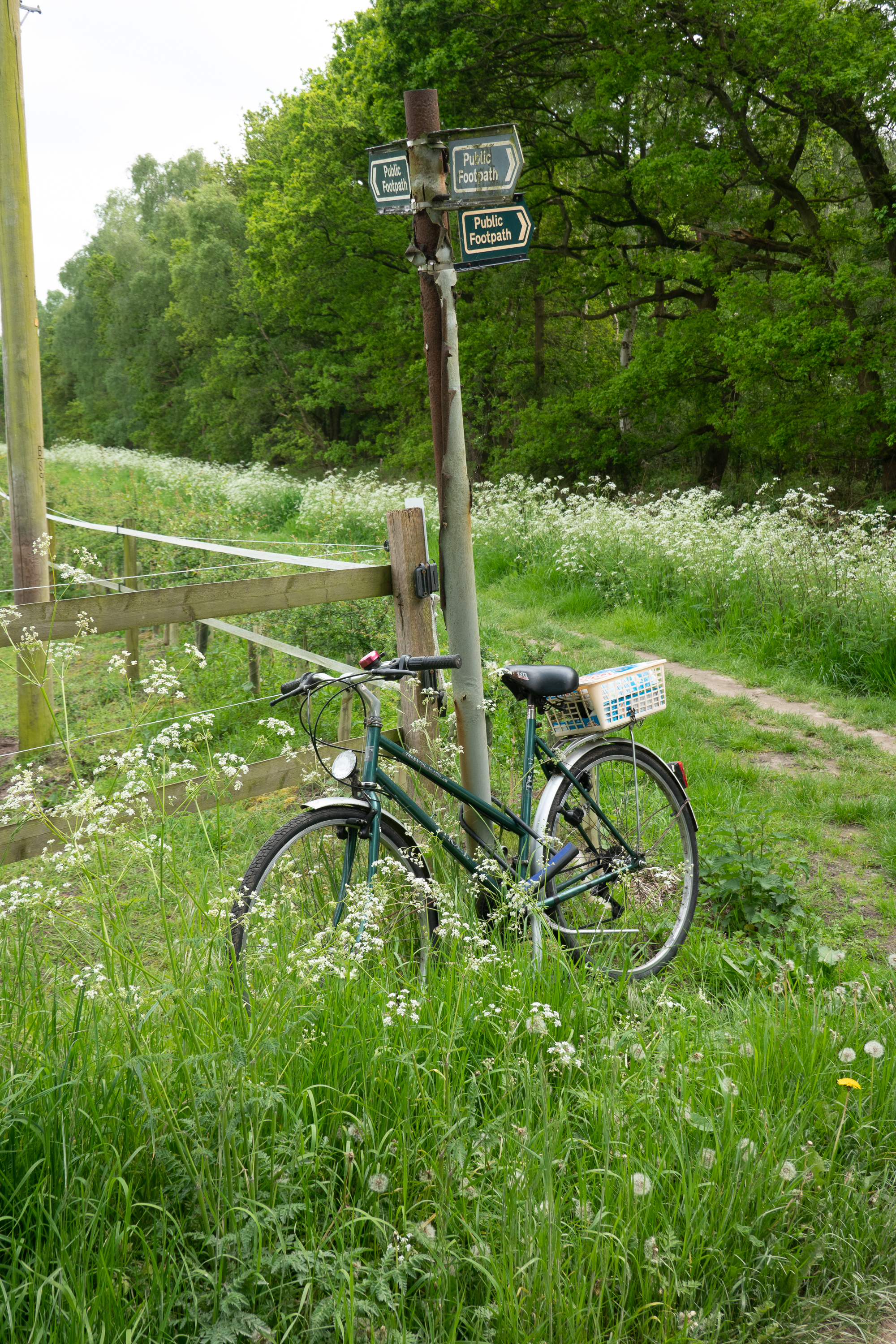
Once for research and to find out how to lock up the bikes and once to actually see the town.
Lincoln is an old Roman site (like every place else) founded on a hill overlooking a pool (Brayford Pool) in the River Witham. (https://en.wikipedia.org/wiki/Lincoln,_England)
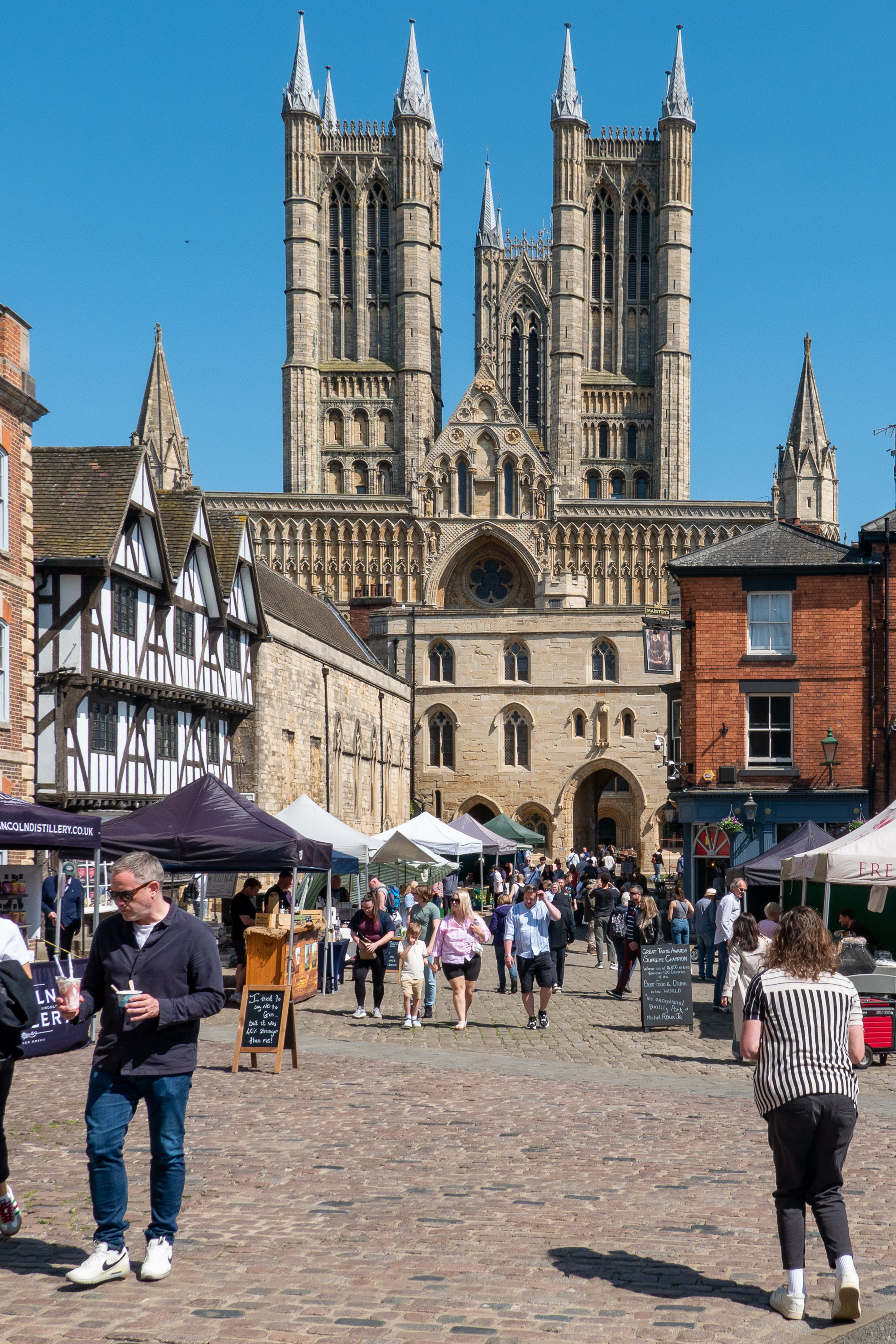

In modern times, it is famous as one of the homes of the tank.
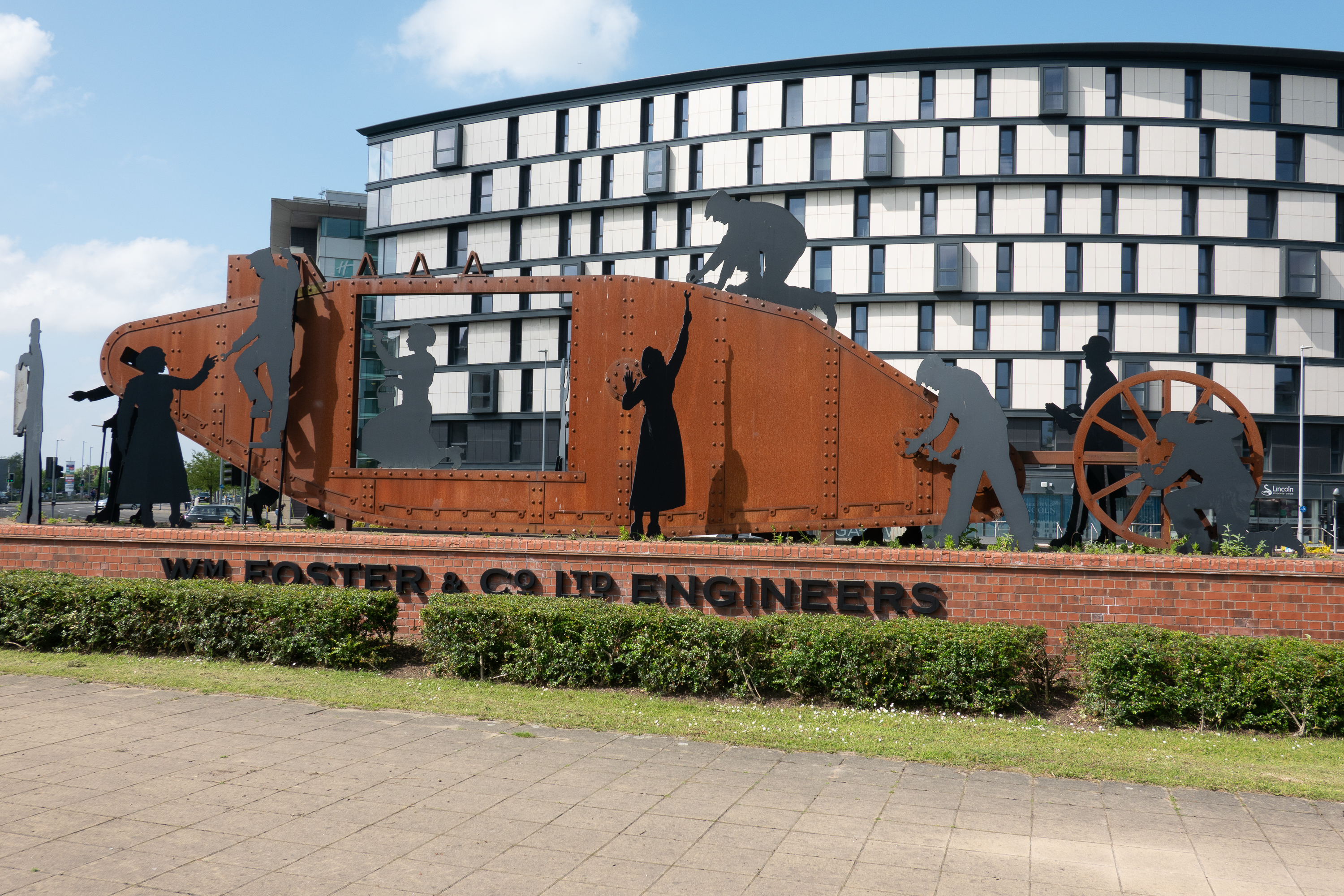

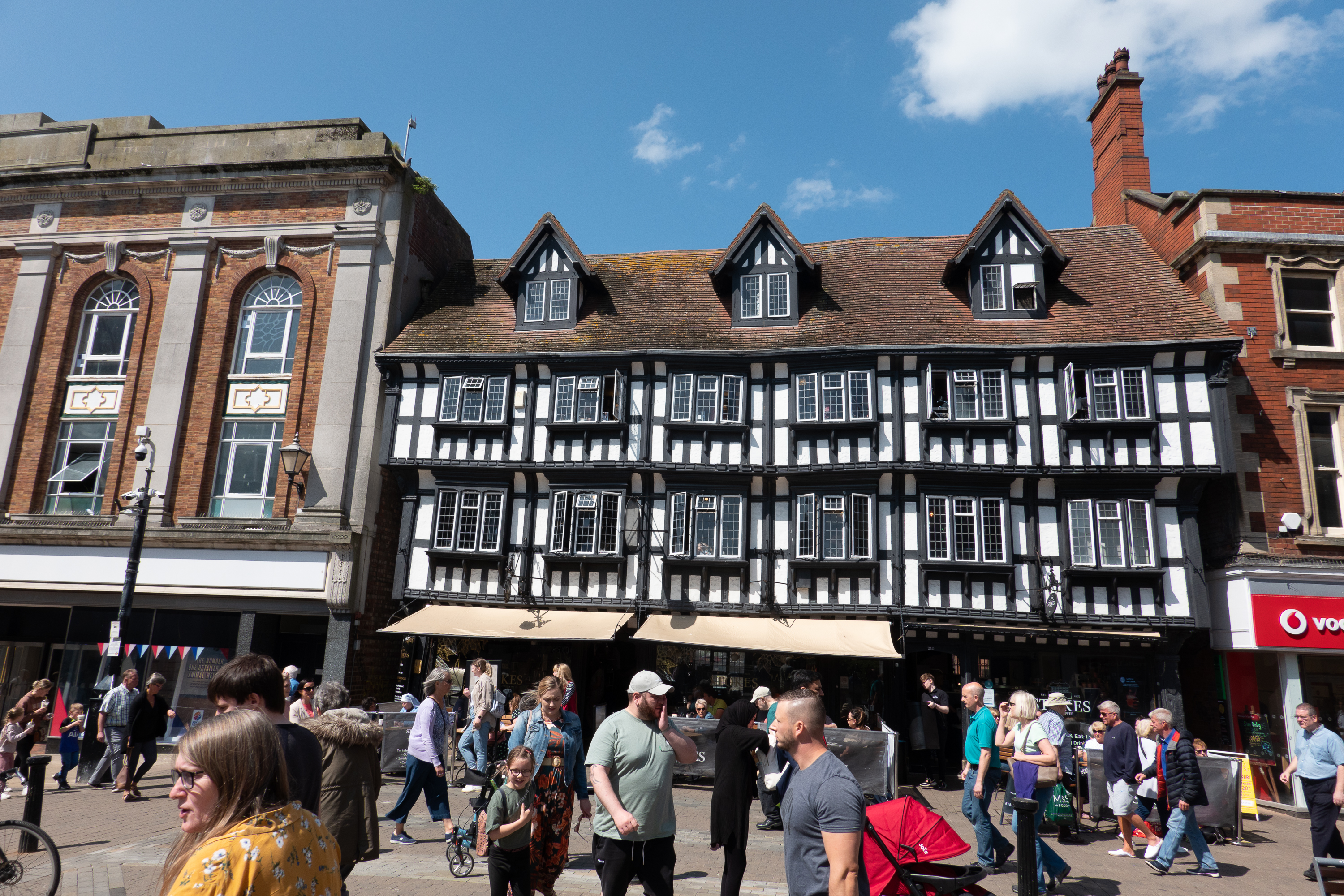
We were amazed how steep the cobbled streets were in the old part of the town. In fact one of the streets is called Steep Street!


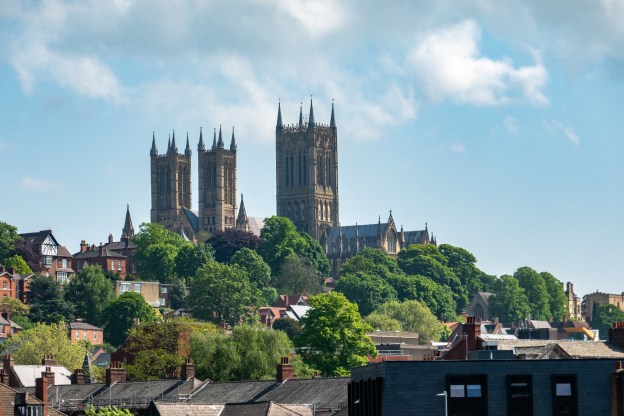
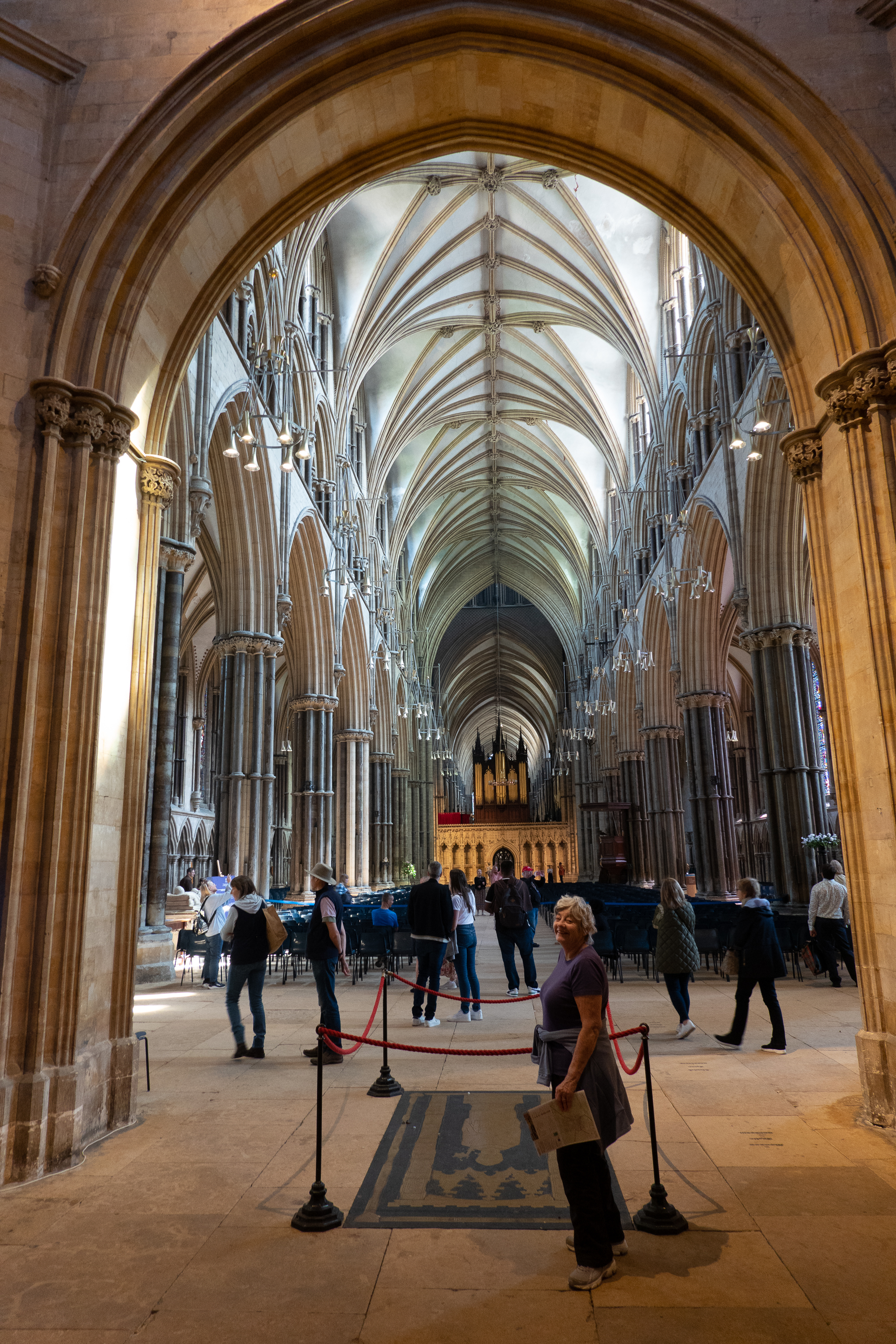
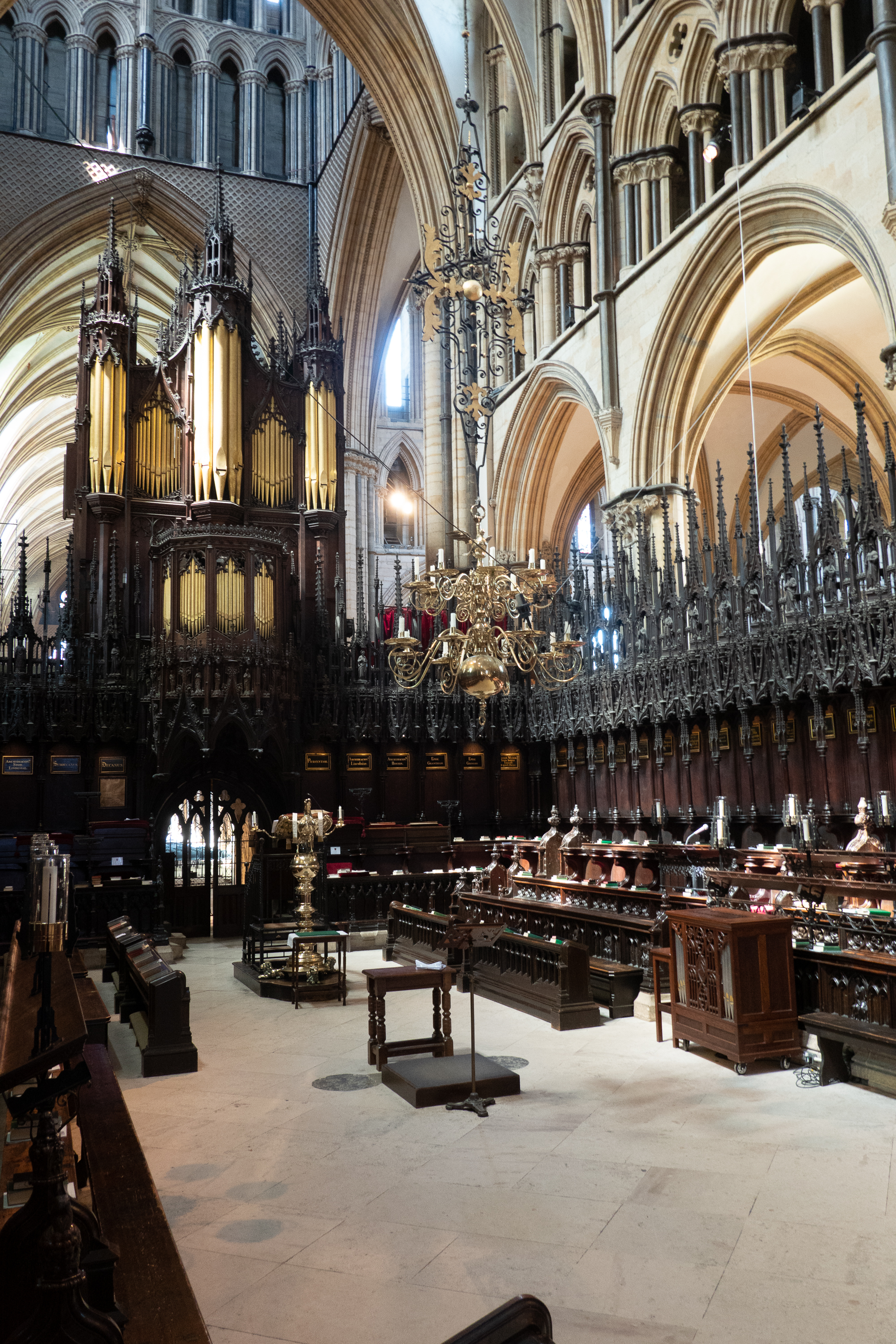
But we made it to the top and thoroughly enjoyed our visit to the Cathedral and a brief visit to the Castle. Our pizza lunch was excellent also!
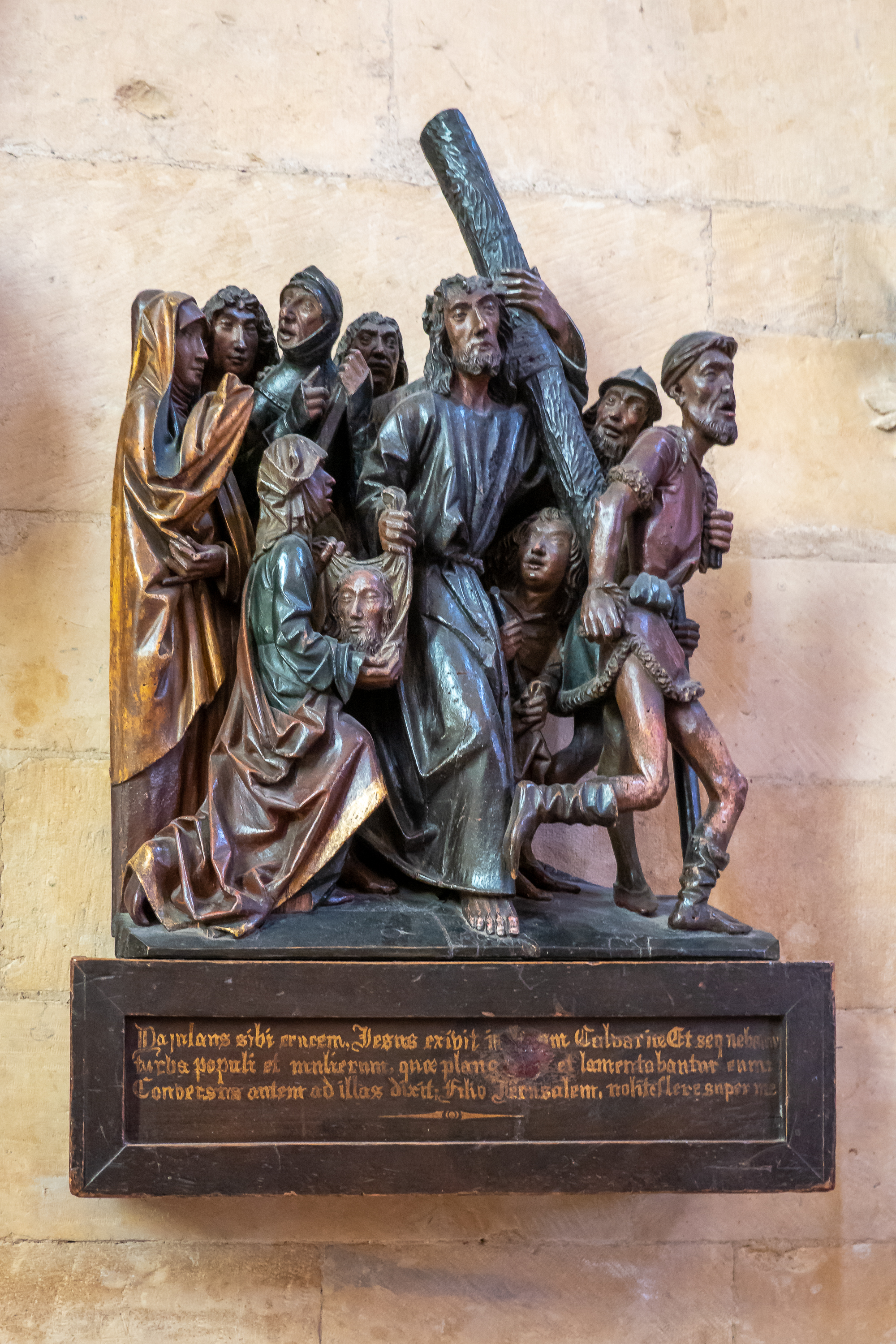
Lincoln Cathedral is the opposite of Youlgreave – it is on the main tourist route and well worth it. (https://en.wikipedia.org/wiki/Lincoln_Cathedral)




Lincoln had one shop that is unique in our experience. A shop dedicated to selling instruments and other odd items, mostly from airplanes.
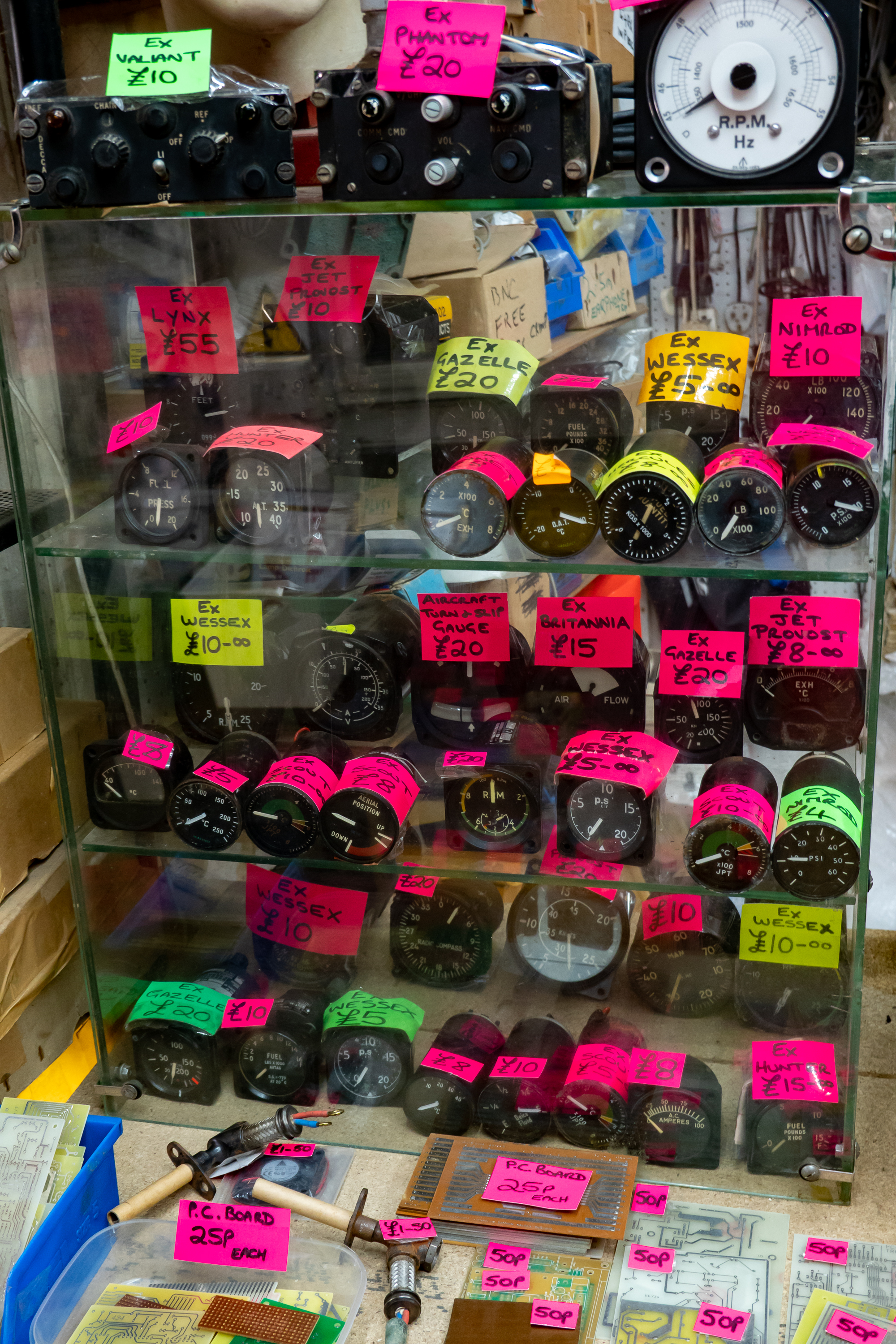
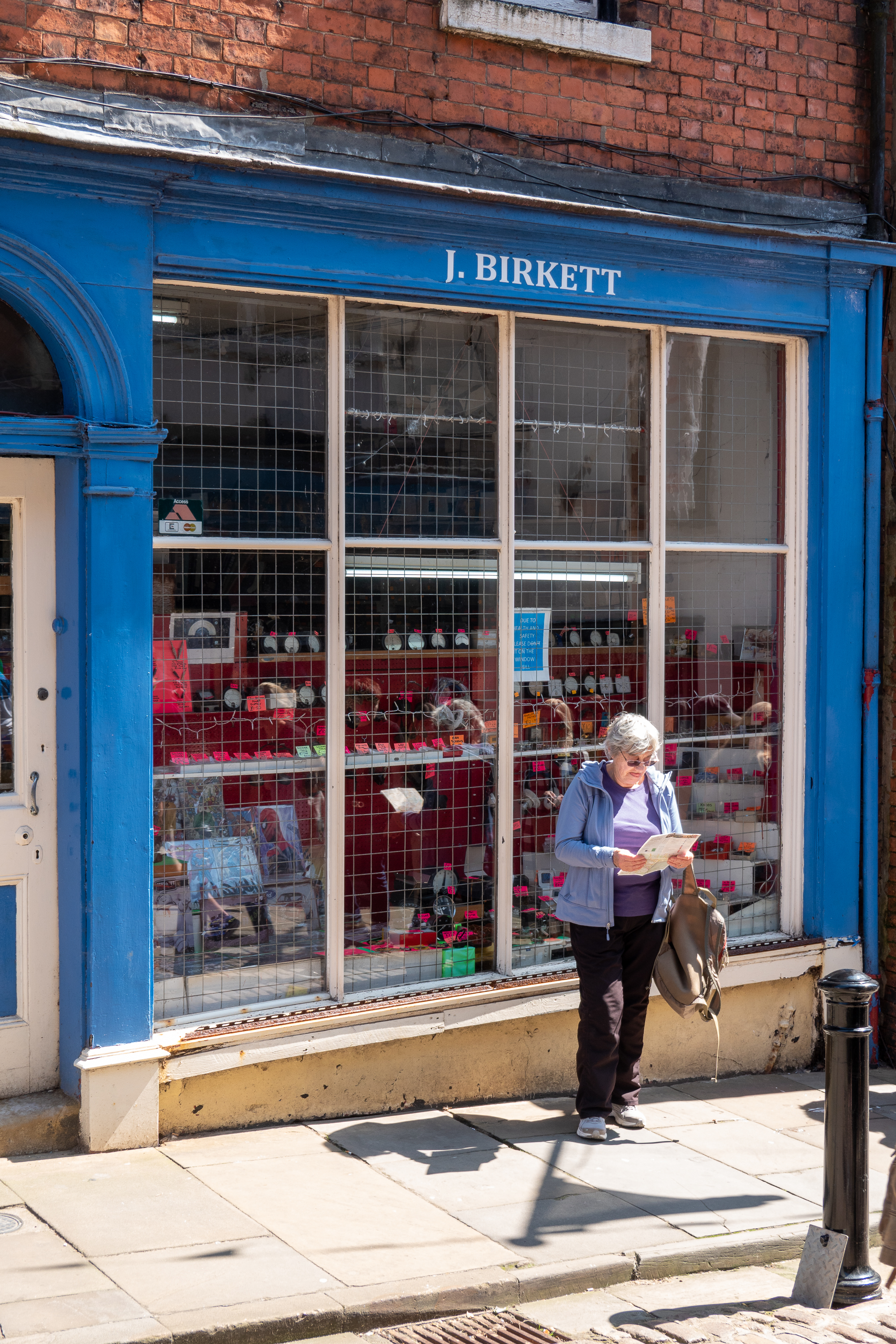

Back in Mansfield, we dropped off the camper and headed to Nottingham by train for a day or two.
Other than the usual Robin Hood associations, we knew nothing of Nottingham. One of he first things we learned is that Nottingham has a huge network of caves, dating back to the Middle Ages, at least. Over the years they were used as storerooms, Luddite meeting places (complete with alarms – pebbles dropped down a vent), tanneries, and, during WWII, bomb shelters. Many caves have been damaged or lost with the construction of building foundations and railway tunnels. We visited the City of Caves. (https://www.nationaljusticemuseum.org.uk/cityofcaves)

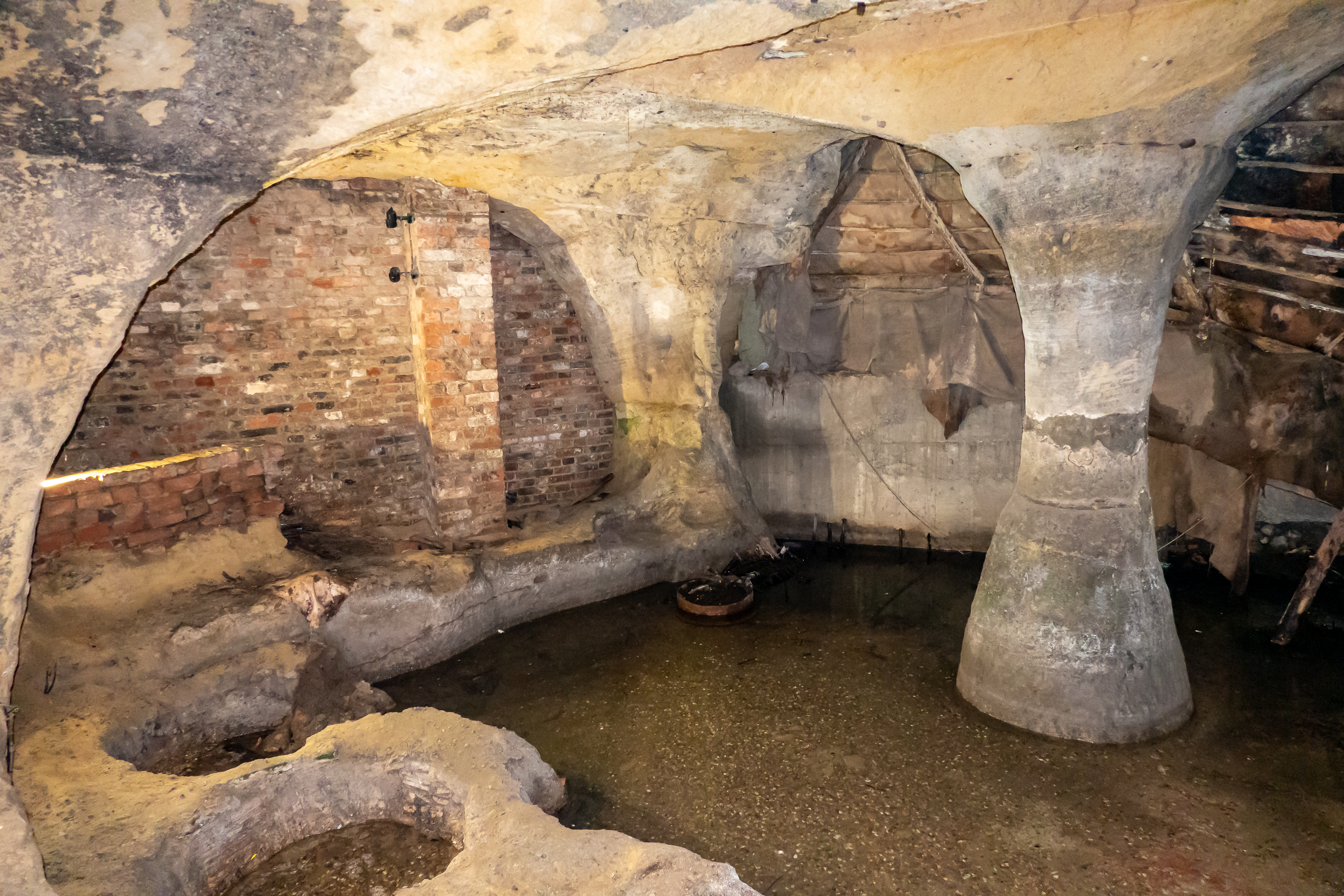

Caves explored, it was time for some horrible history – so we visited the sister Museum of Justice. Let’s just say that juristic procedure has improved since past times!

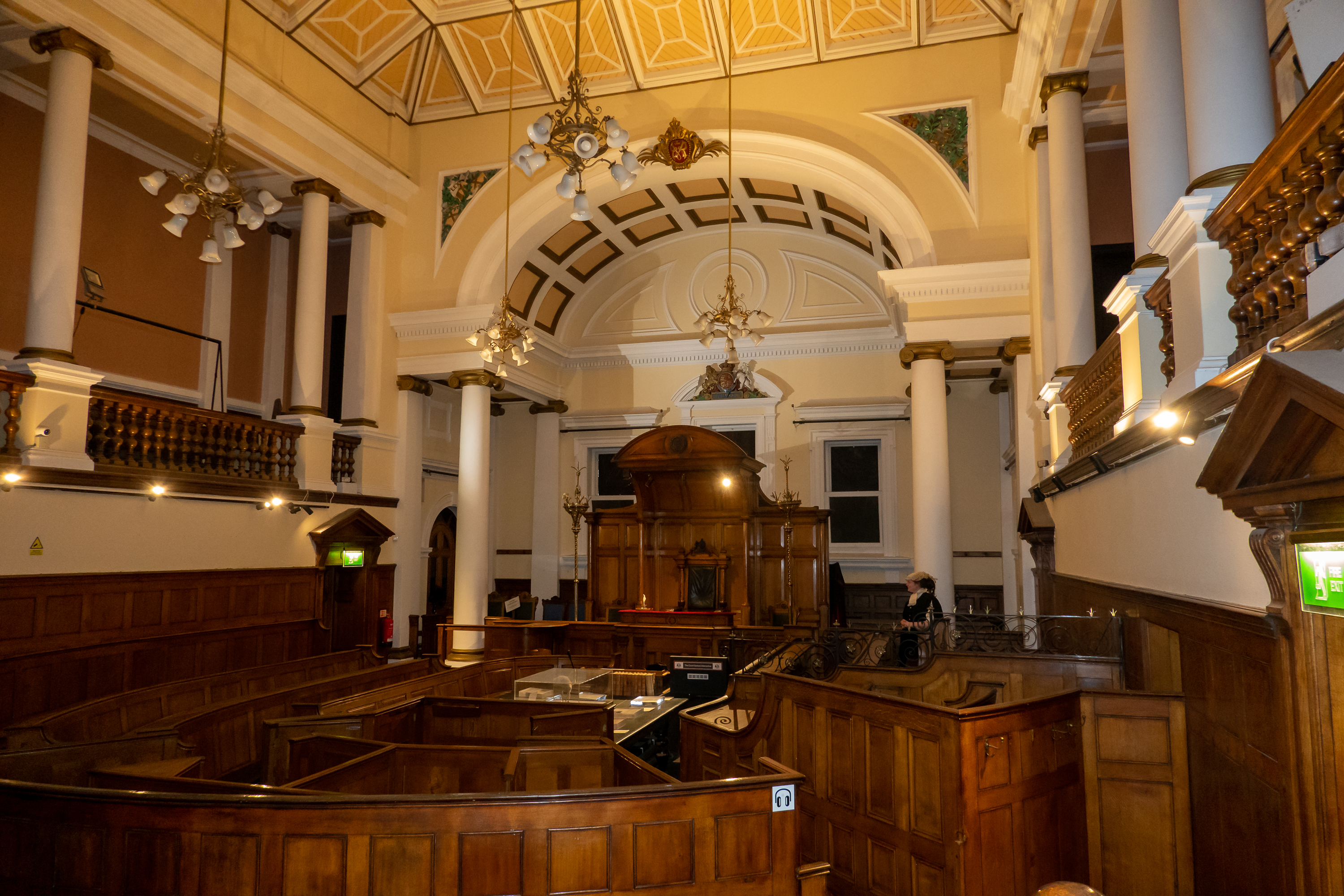
The actual court room wasn’t that different. But there were some interesting details. The defendant did not have representation, you were on your own – a bit of a challenge for the mostly illiterate young men (and a few women) on trial. The odds were stacked against you with everything from upper class judges to the fact that the defendant entered the court by a special stair that led directly from the dark cells below. So you would enter the court blinking in the glare.
Before Victorian times, imprisonment was not a common punishment. You were only held long enough for trial and execution or transportation. Still, the cells were bad enough and you had to wait for a magistrate to be available.

While you awaited your fate, you did get to go to the exercise yard where you could spend time carving your details into the wall.


Soon enough, it might be your turn to “dance on air.” In the yard, if you were ordinary, or out on the front steps (see image above) if you were special. Executions were nowhere near as common as you might think, and thus the drew a crowd. And, it is recorded, pickpockets. One crowd was so large and unruly that some twenty people were killed. (!!)
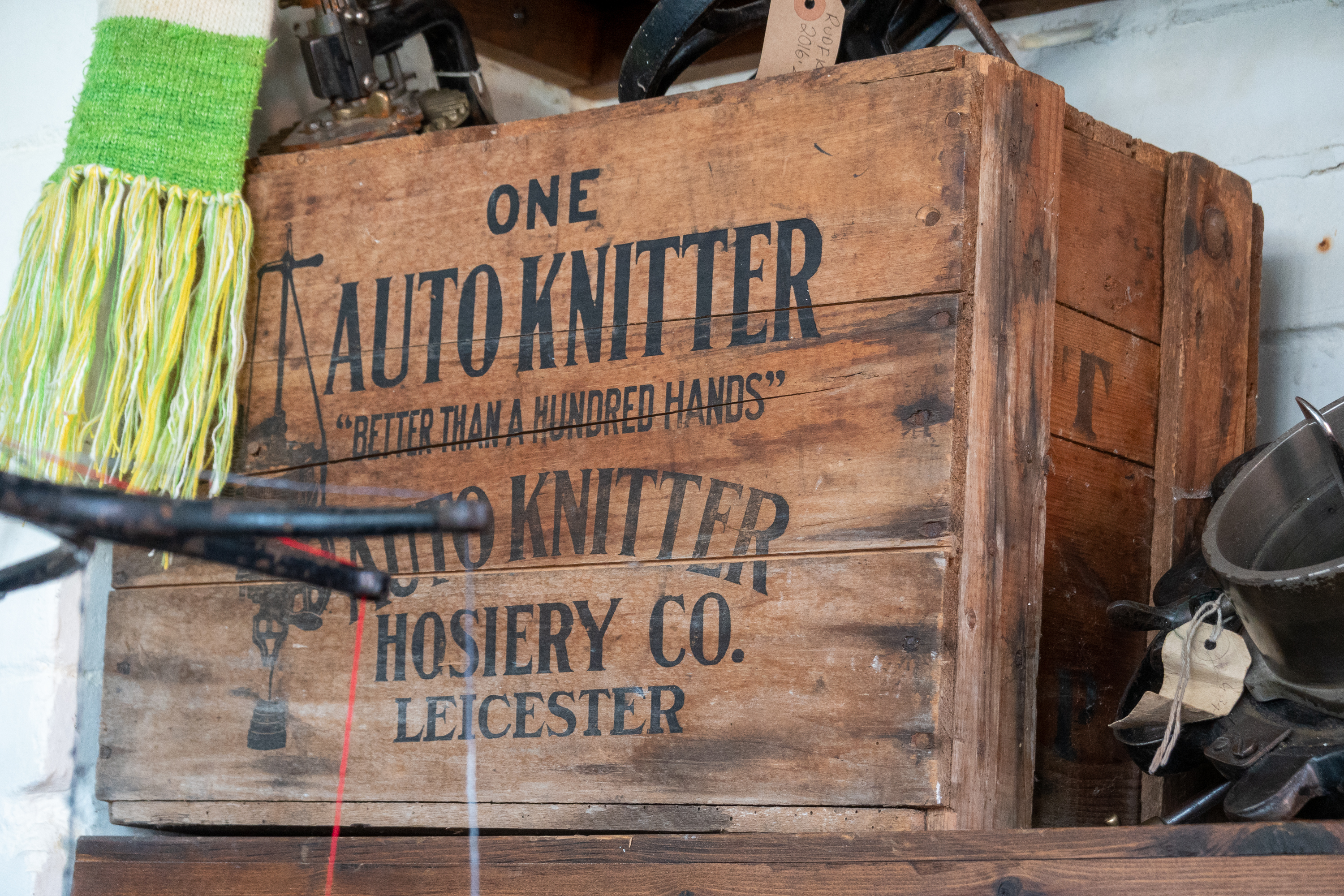
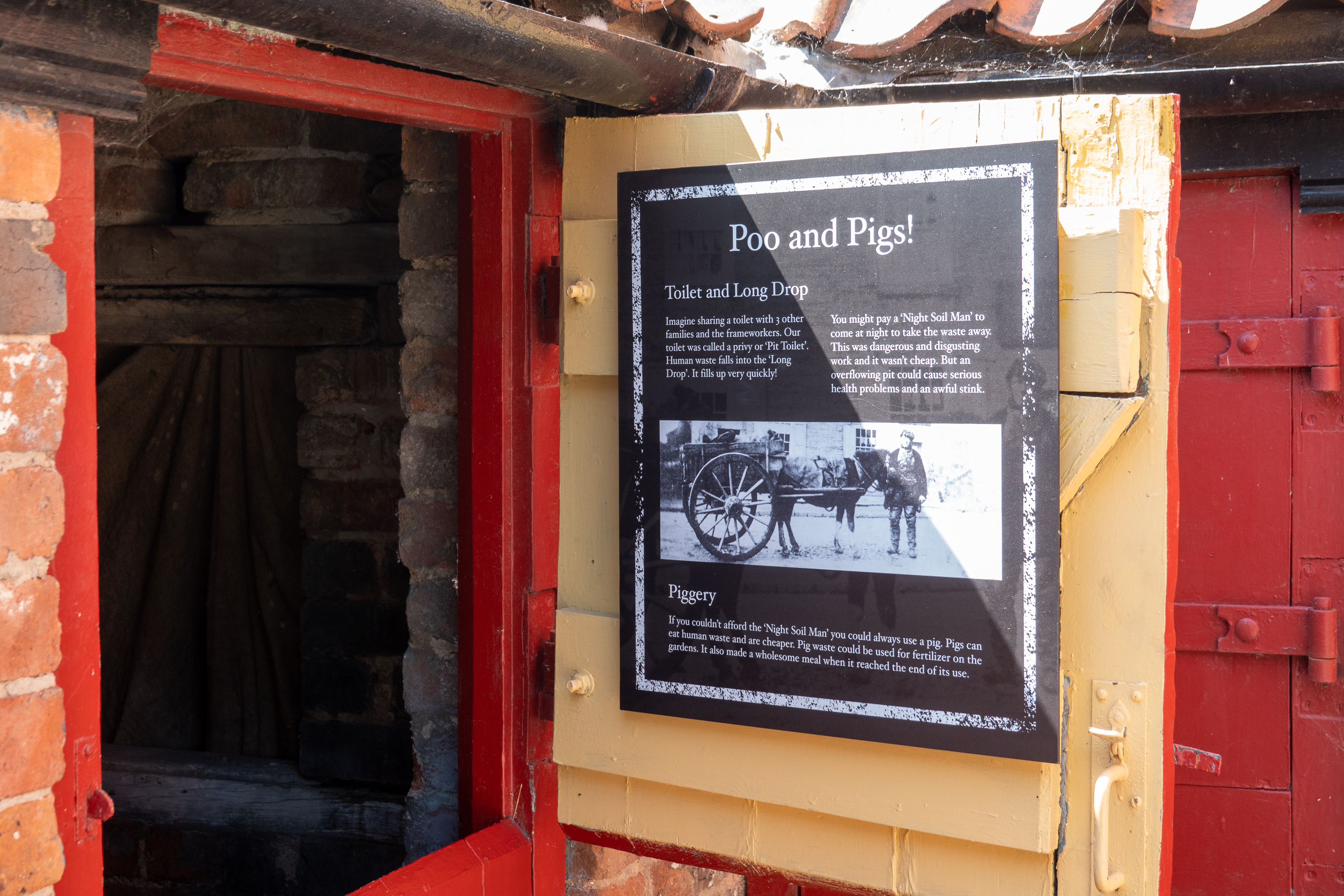
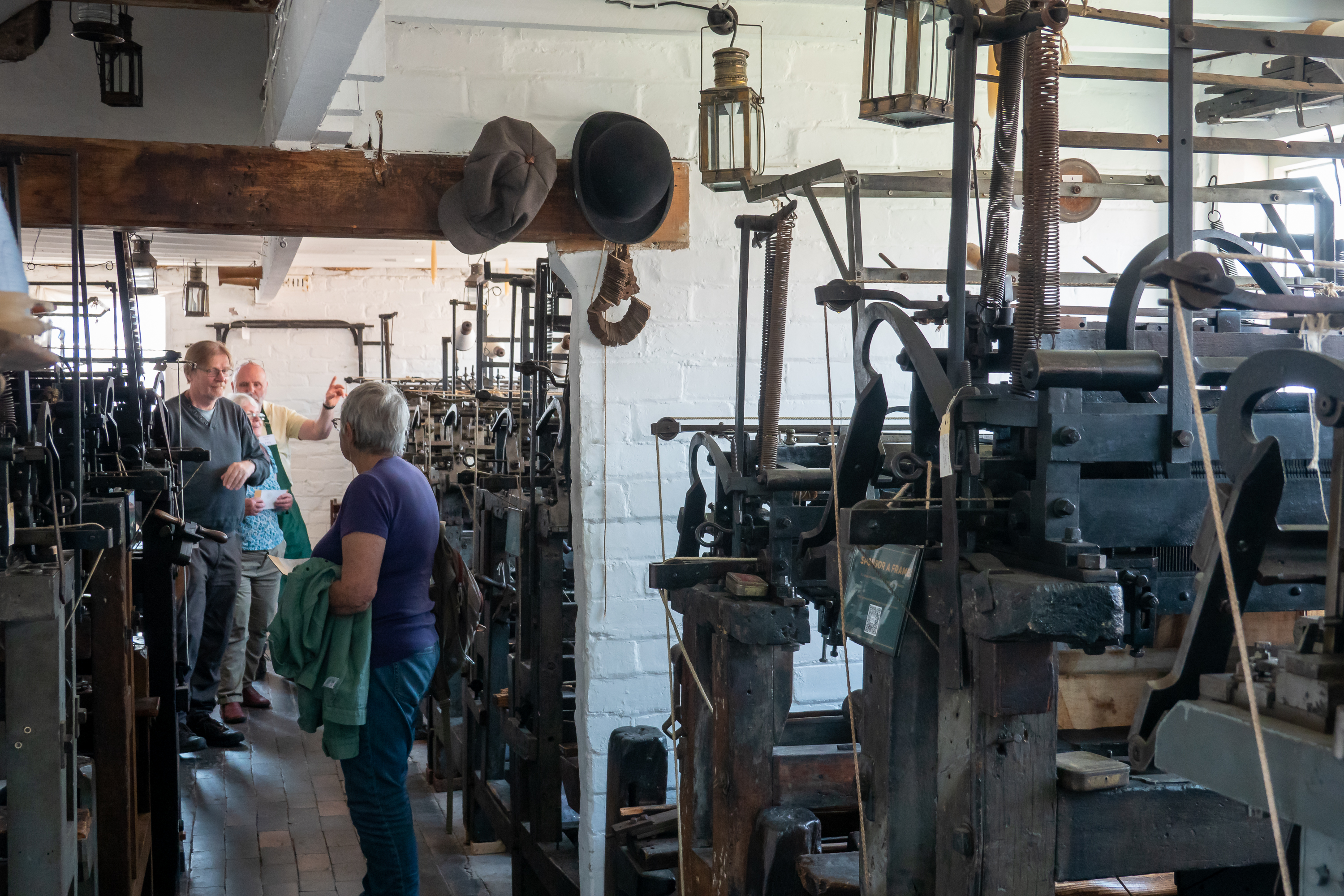
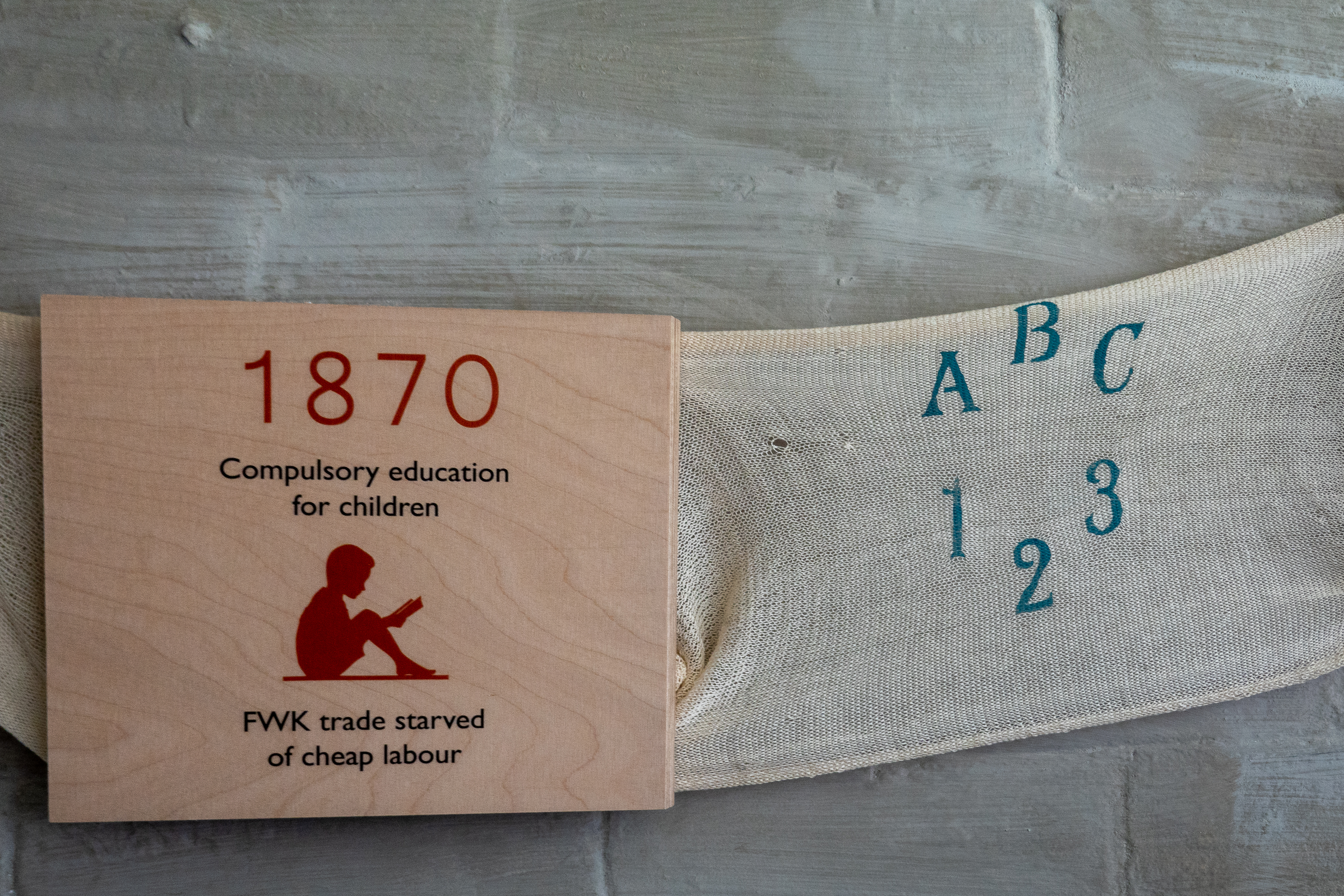
We also took the bus to Roddington to the Framework Knitters Museum. Knitting in wool and then cotton on these framework machines, developed in 1587, was a cottage industry and the whole history was quite amazing. We toured a couple of cottages and watched a demonstration on one of the machines.
Imagine the racket of twenty of the machines jammed into a tiny space. Hearing loss was common among the men (no women) who were knitters. Individual knitters rented their machines and were paid piecework.


 DiploStrat