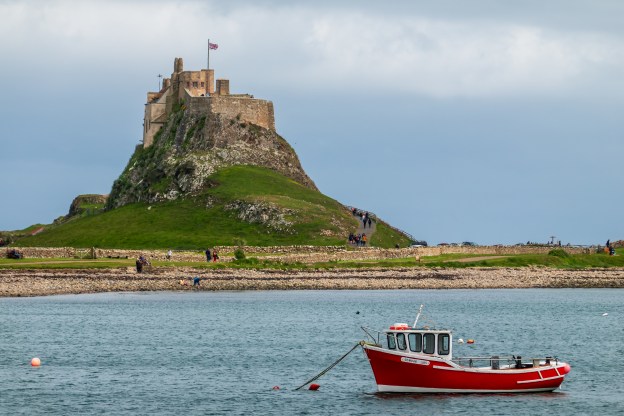
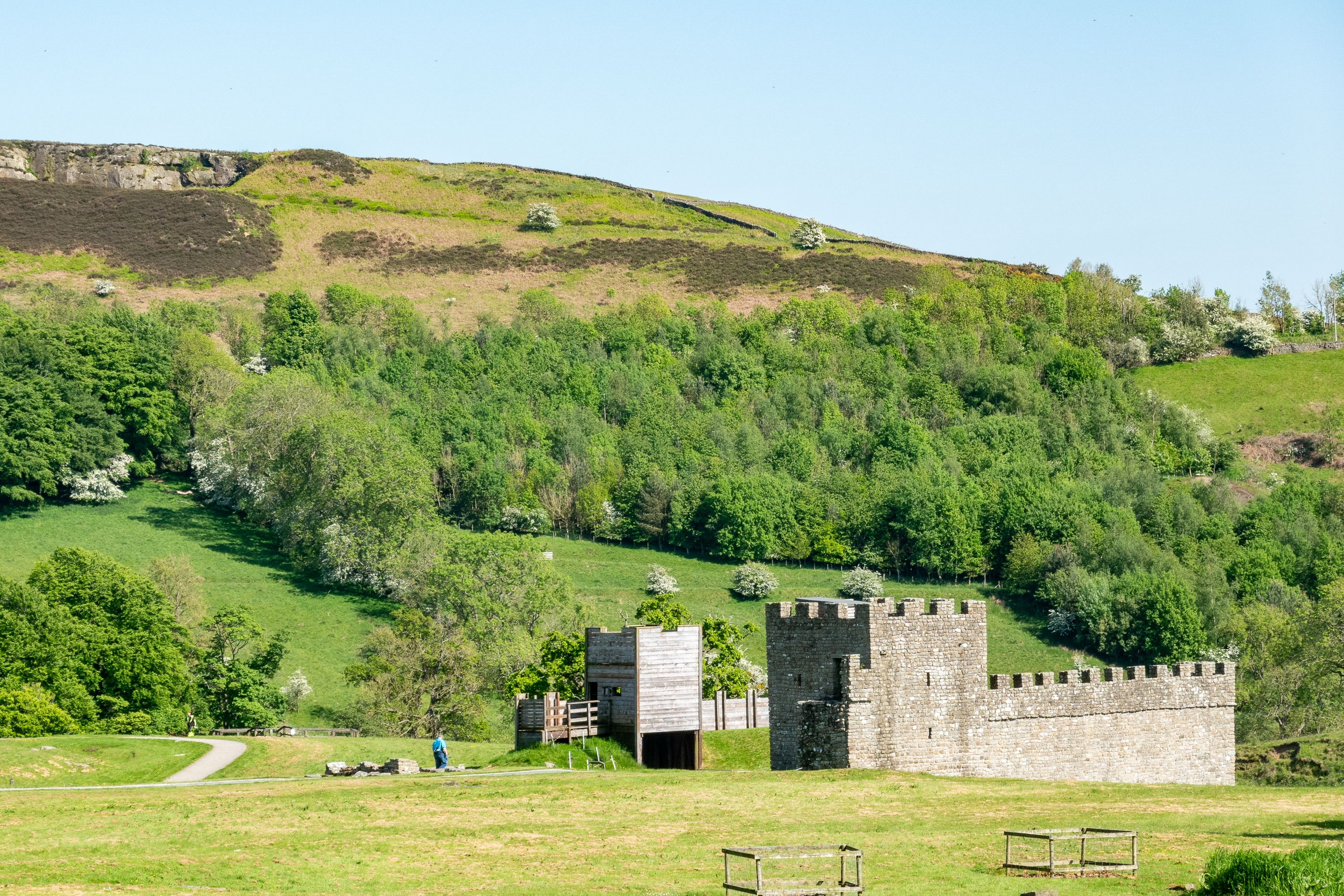
Bank Holiday weekends finally over, we headed north to revisit Hadrian’s Wall, an area we had visited years previously. The last time we visited it was pouring rain! This time the weather was much better. So much so that, once installed in our campsite, at Brockalee Campground, we decided not to waste the sunny afternoon and set off on our bikes to see if we could find the Roman camp at Vinolanda again.
We could but we chose not to enter the Vidolanda museum, but rather to continue to the Wall itself at Steel Rig. (https://www.northumberlandnationalpark.org.uk/places-to-visit/hadrians-wall/steel-rigg/) For anyone who missed it, Hadrian’s Wall, and the lesser known Antoinine Wall, are a fascinating study in Roman governance and political/military/economic policy. (https://en.wikipedia.org/wiki/Hadrian%27s_Wall)
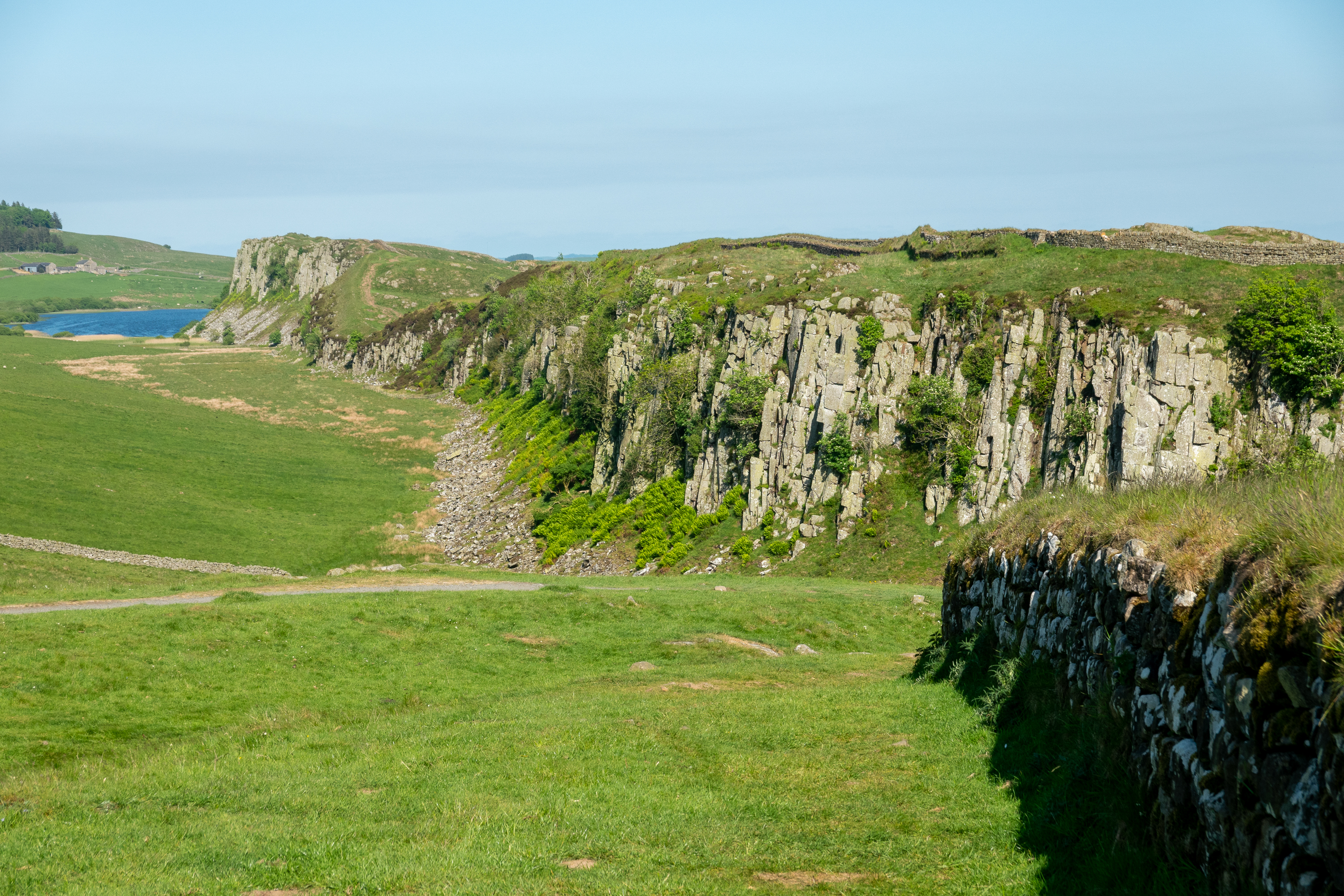
The views on a sunny day were so much better than they had been in mist and rain.

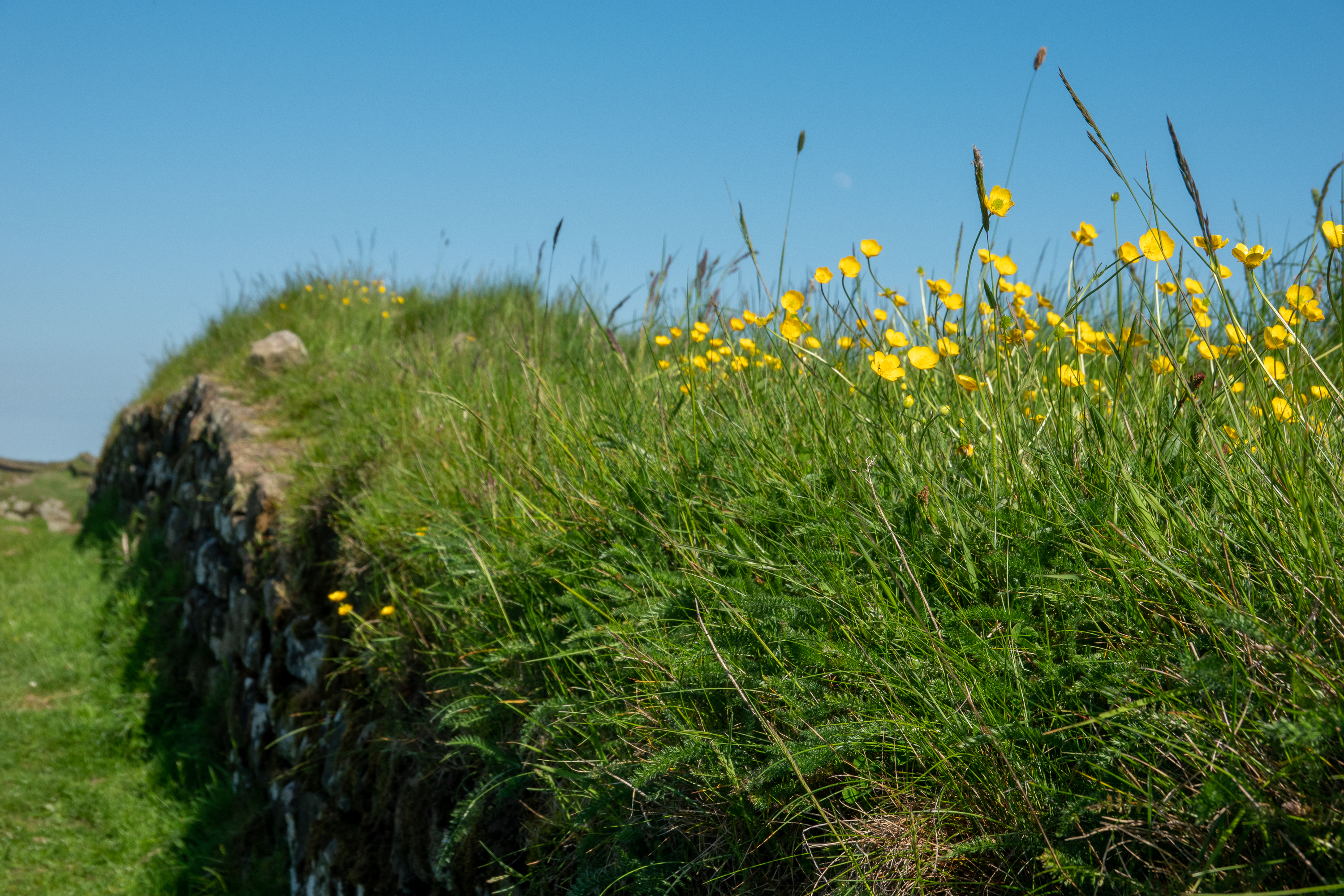
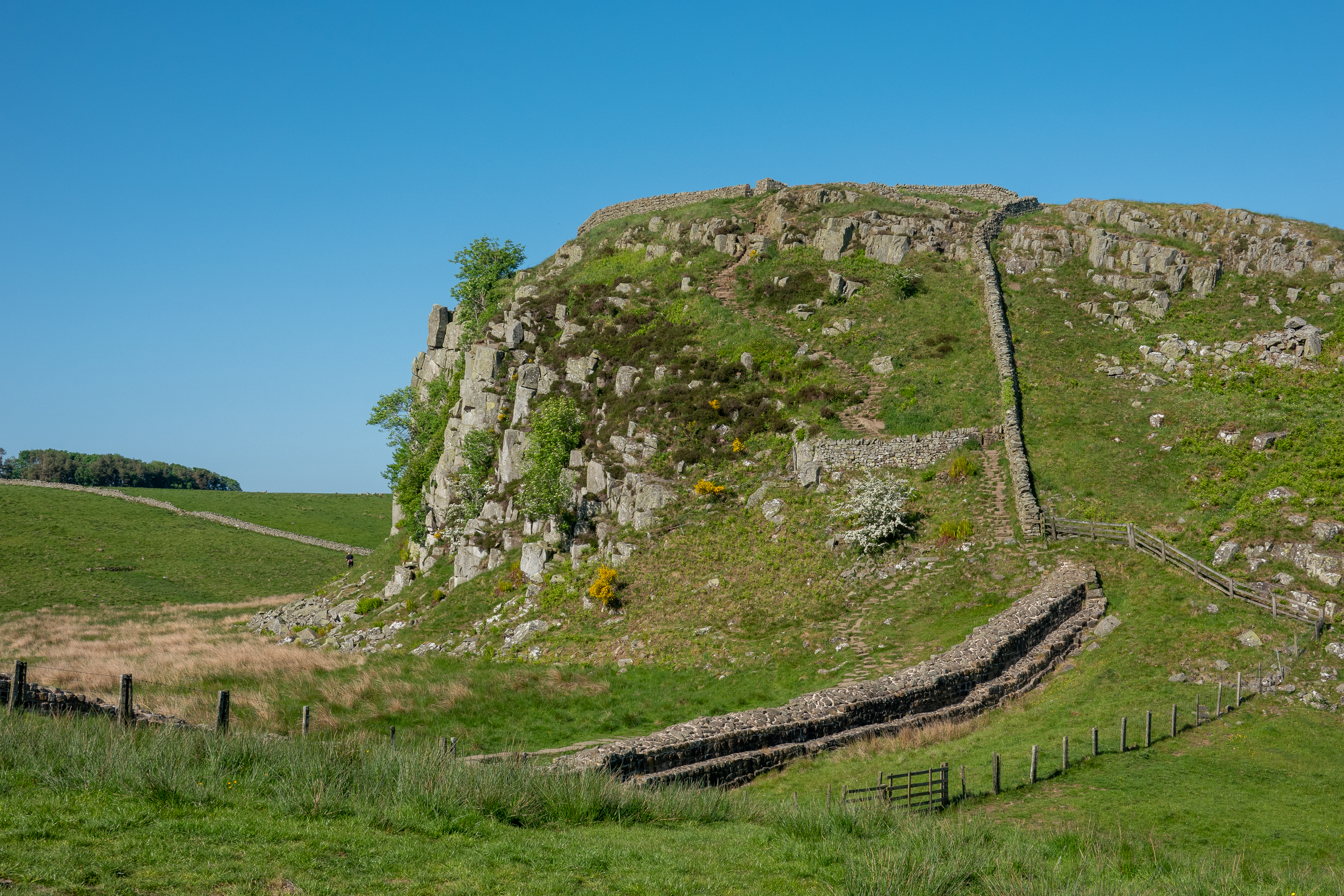
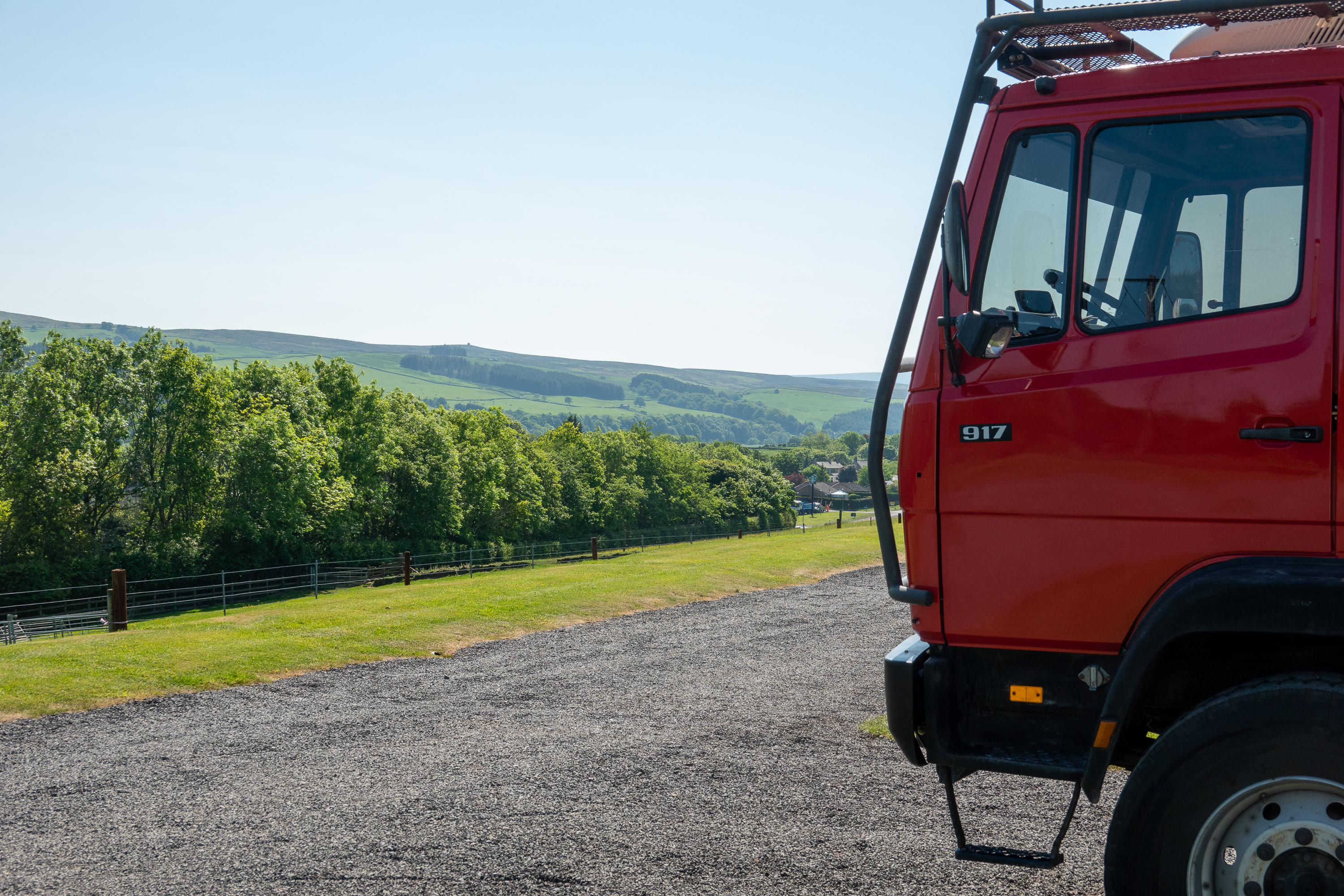
The Brockalee Campground is a small site with a superb view over the hills and just up the road from Hadrian’s Wall and Vinolanda. We certainly would recommend it. (https://www.campingandcaravanningclub.co.uk/campsites/uk/northumberland/hexham/brockaleefarmcampsite/) On our way out, we decided to revisit the Roman Army Museum. (https://www.vindolanda.com/roman-army-museum) This is a really well done museum with excellent, detailed presentations and recreations; an essential stop for anyone visiting Hadrian’s Wall. We spent a great hour with a medical doctor who, in costume, did a detailed presentation on Roman medicine and surgery.
Then off to Northumberland.
Denise had long wanted to visit Linesfarne, the “Holy Isle.” Lidesfarne was a center for early Celtic Christianity and bore the full force of Viking raids. (https://en.wikipedia.org/wiki/Lindisfarne) Lindesfarne was where Saint Aidan began his ministry. (https://en.wikipedia.org/wiki/Aidan_of_Lindisfarne)
Today Lindesfarne is home to fewer than 200 people and accessible only by a causeway at low tide, and not a place where you would want to try to park a large truck. So we booked a boat trip to Lindisfarne from the town of Seahouses.
The day dawned grey and cold and the sea was quite rough. We were glad to have dressed warmly for the sea crossing as there was no shelter on the boat. The best part of the trip was passing by the Farne Islands which are closed to landing because of the risk of avian flu. Sailing by, we were able to see thousands of nesting birds, kittiwakes, ghilliemoffs, shags, puffins and a gannet or two. We also saw a number of grey seals.
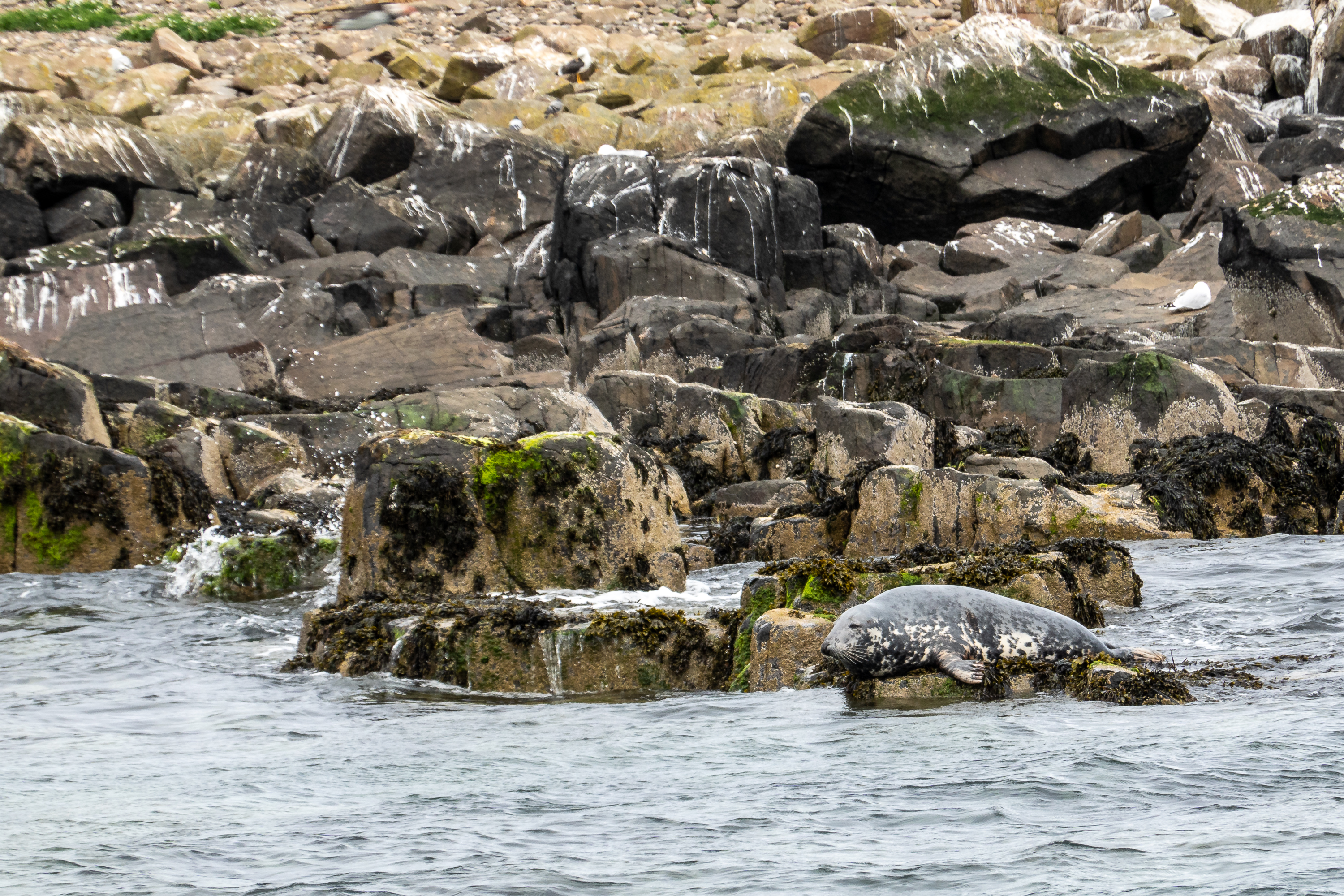
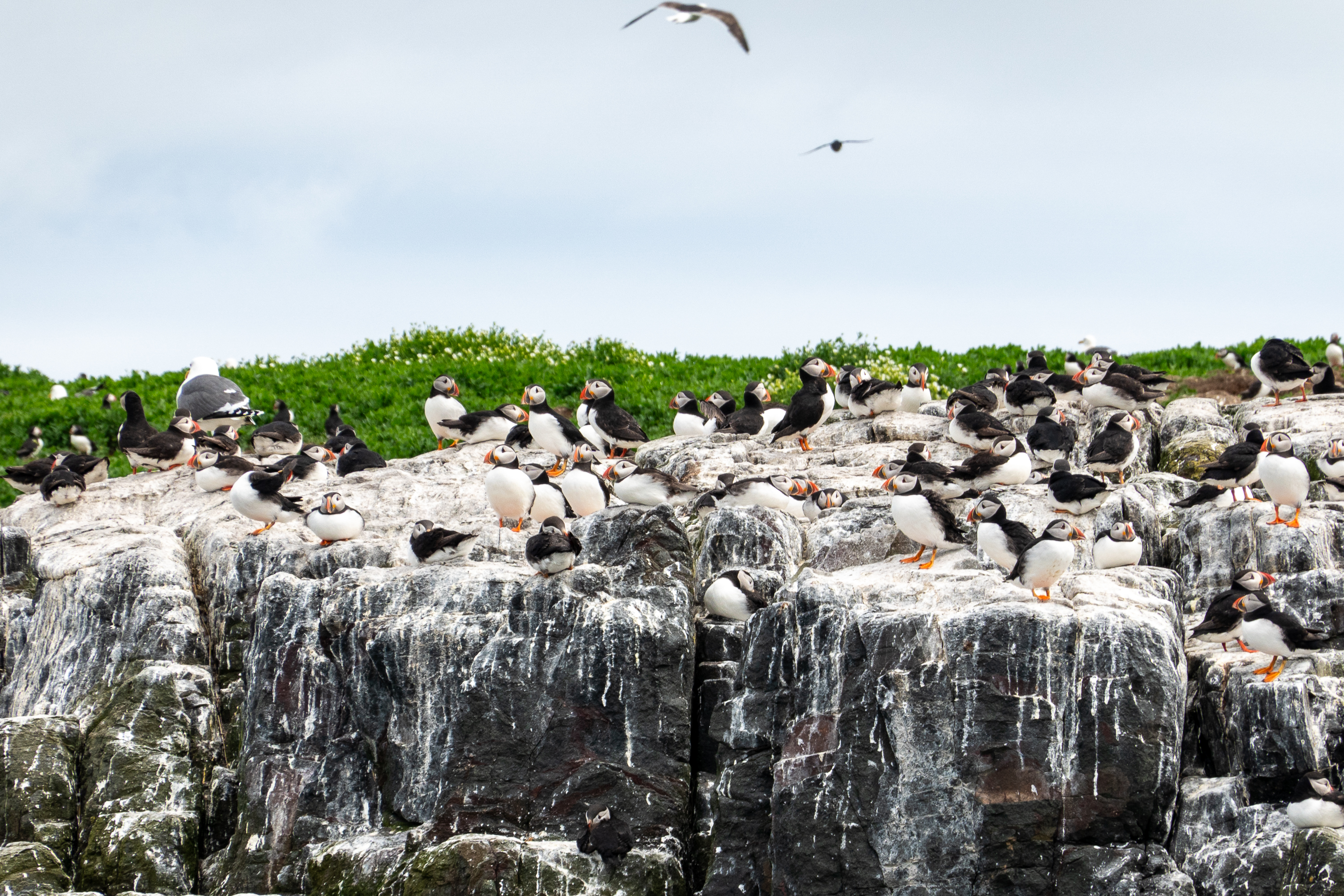
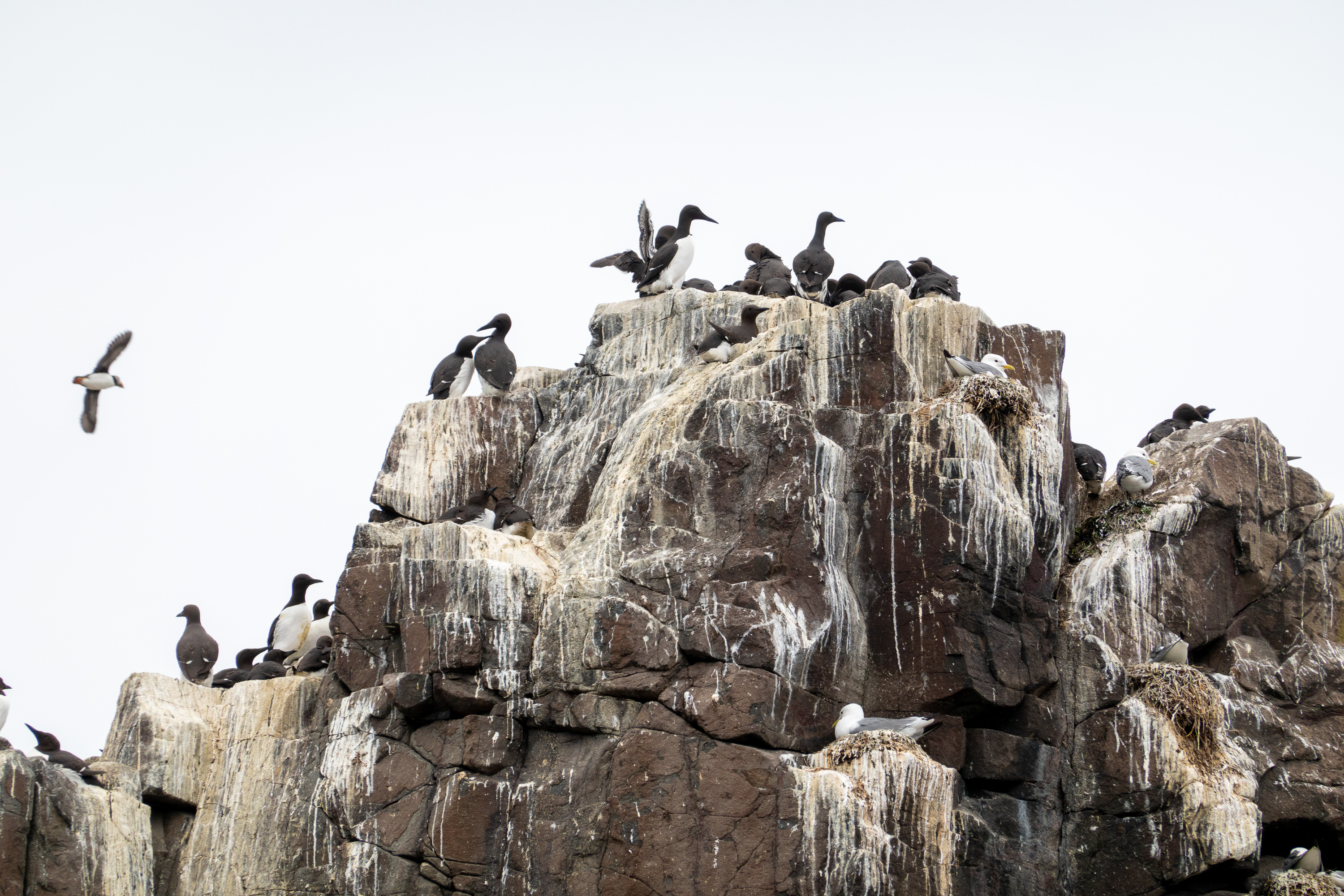
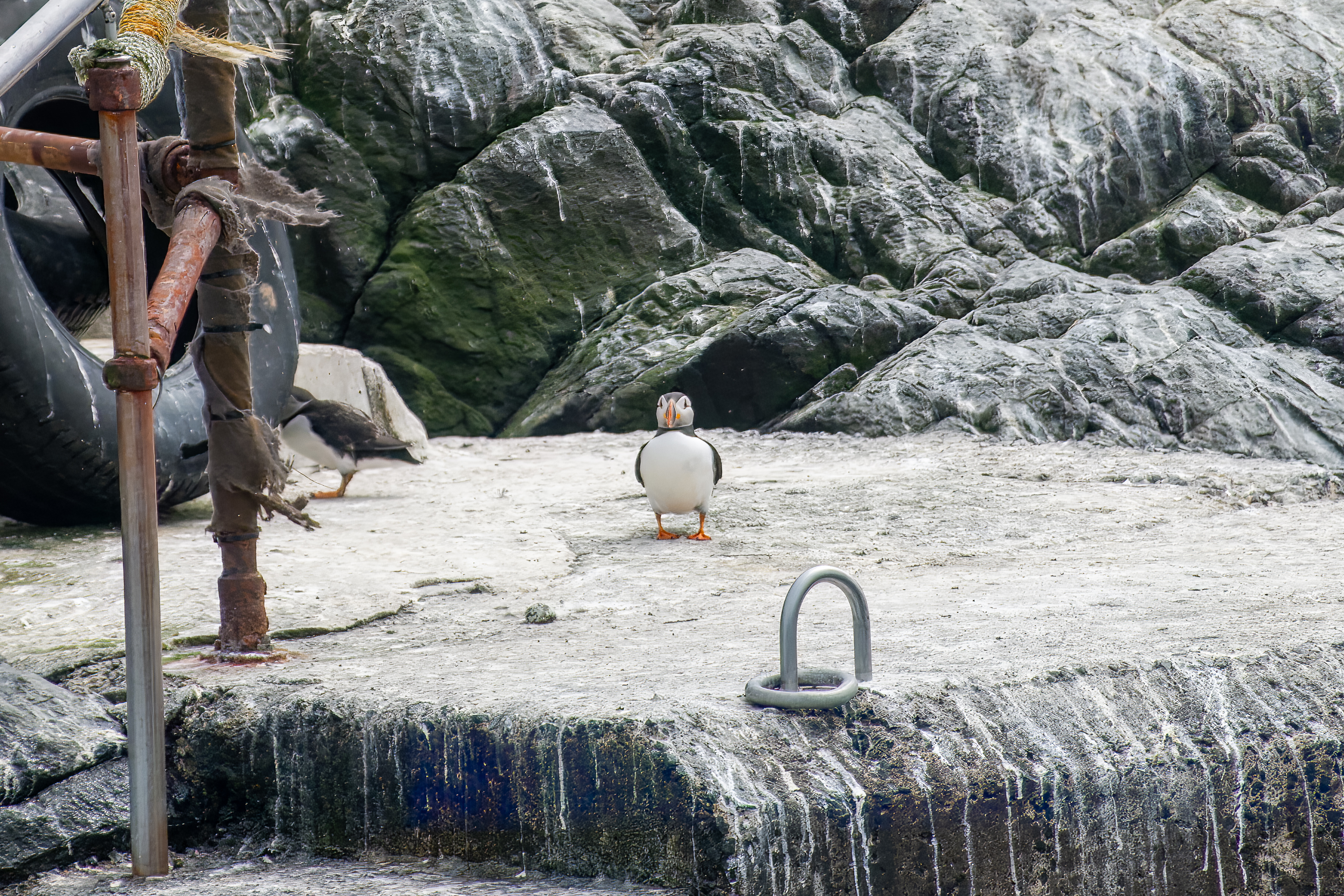
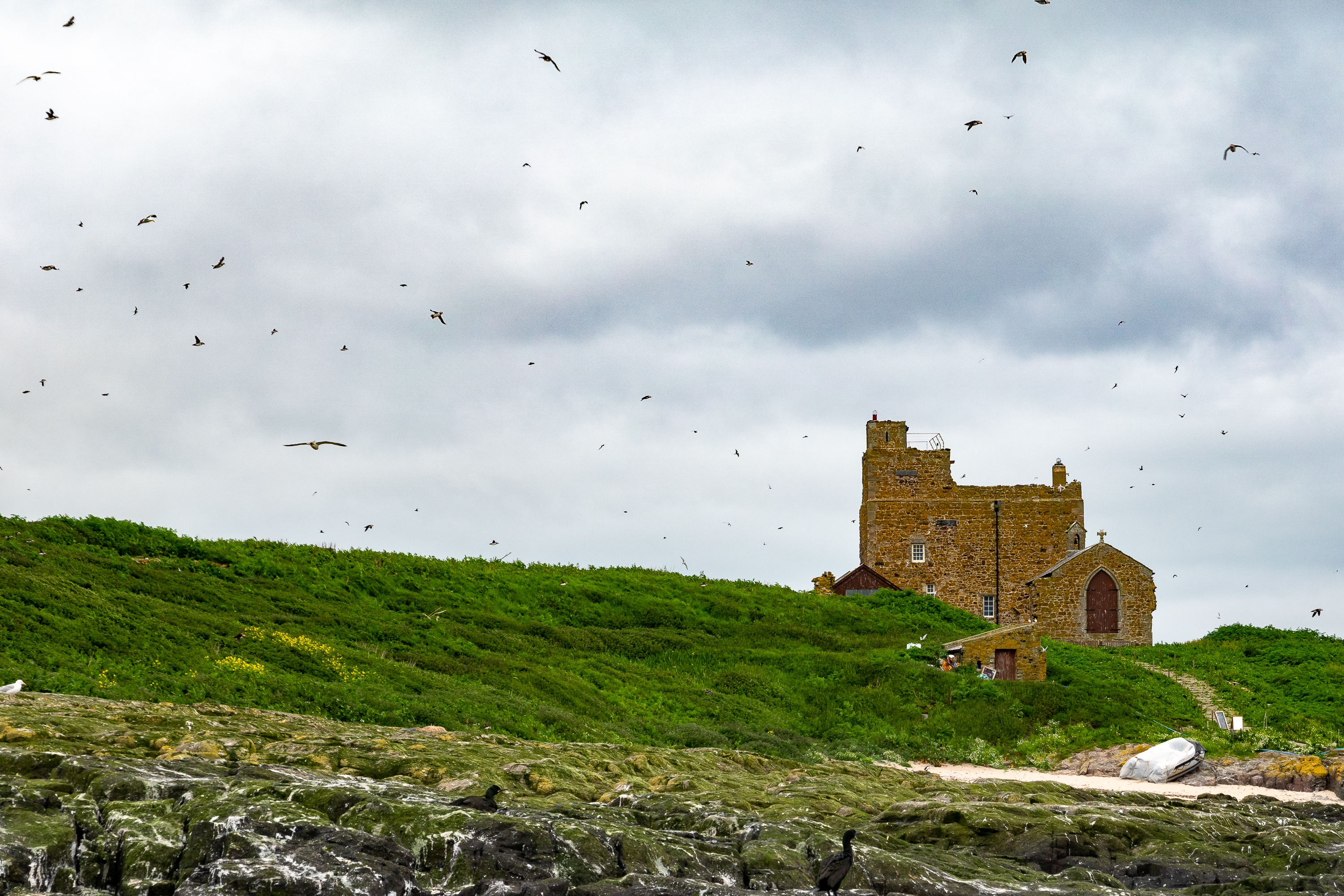

After about an hour sailing around the islands, we sailed up the coast past Bamburgh castle to Lindesfarne.

The tide was high in Lindisfarne so tourists could not drive the causeway and thus there were no crowds. We visited the main part of the town, enjoyed lunch in a cafe, and wandered the ruined Priory.
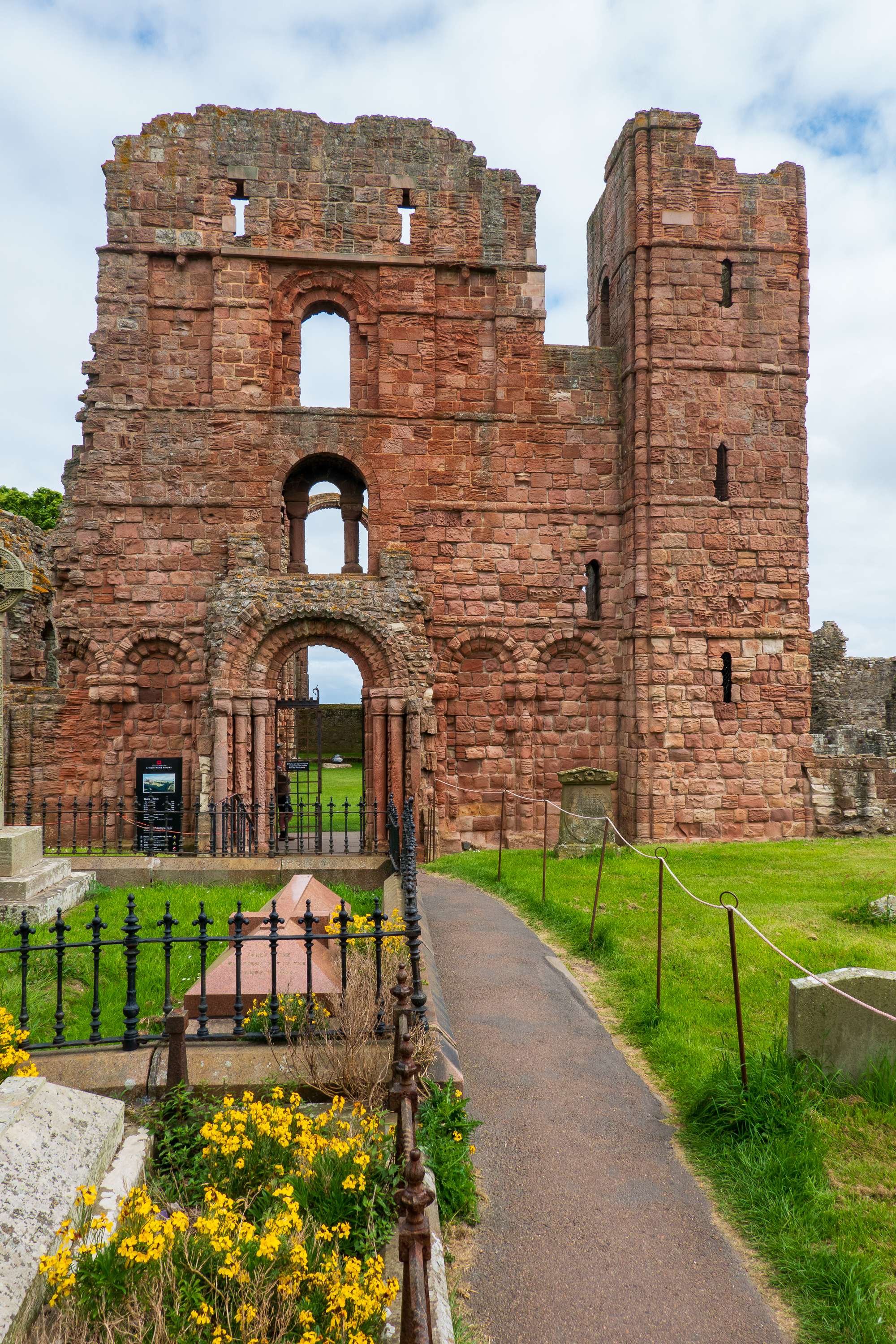


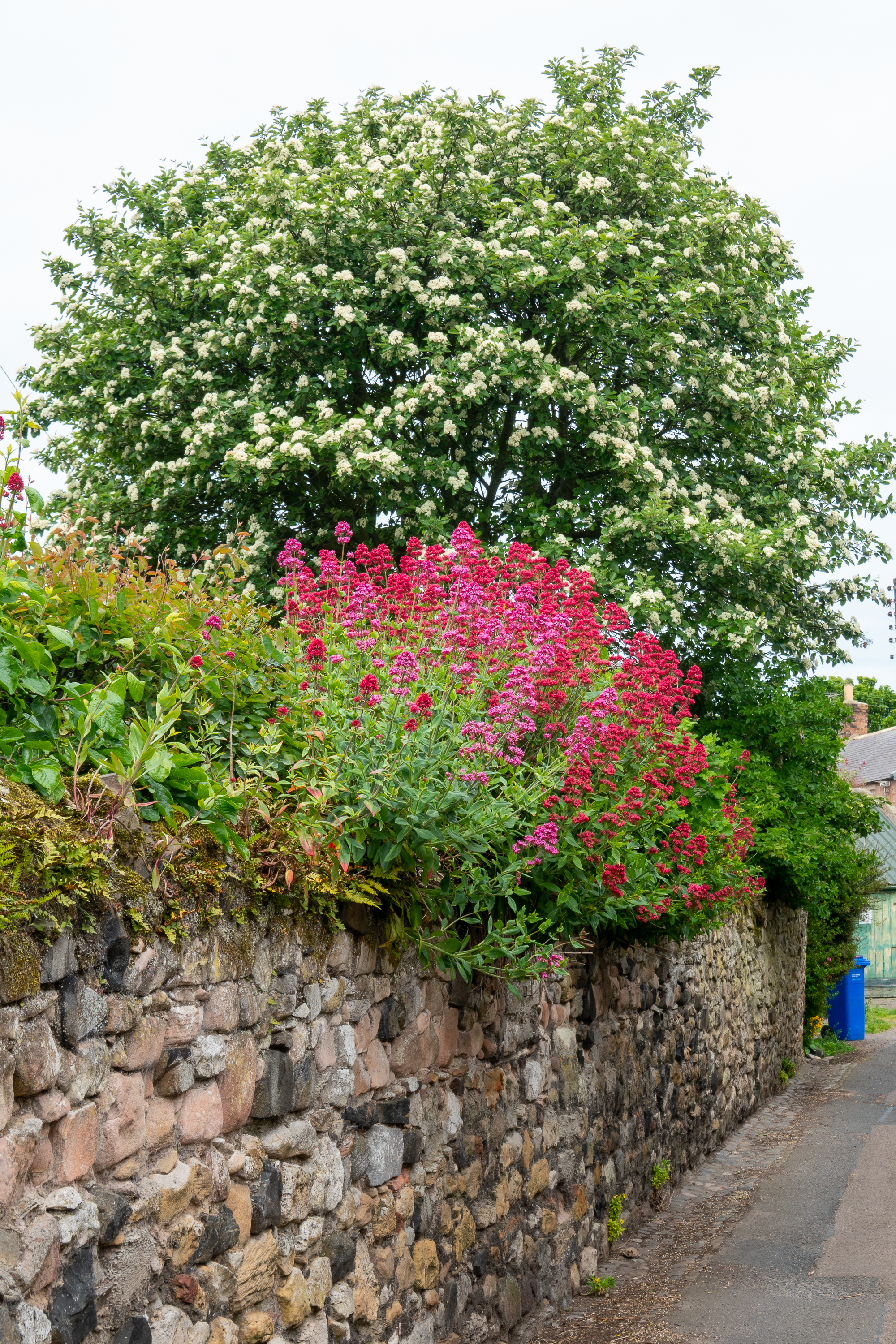

We spent some time in the (relatively) modern church, which provided a lot of information on the history of Christianity on the island. We then returned to the boat and set off for Seahouses. The highlight of the return trip was a pod of dolphins playing in the water just off of Bamburgh Castle. Great fun! Everyone on board was thrilled.
At Seahouses we were greeted with a parking ticket! Grrr! Took three days for them to finally post it so we could pay. Double GRRRR!
The next day we cycled into the town of Bamburg to visit St. Aidan’s Church and Bamburgh Castle.


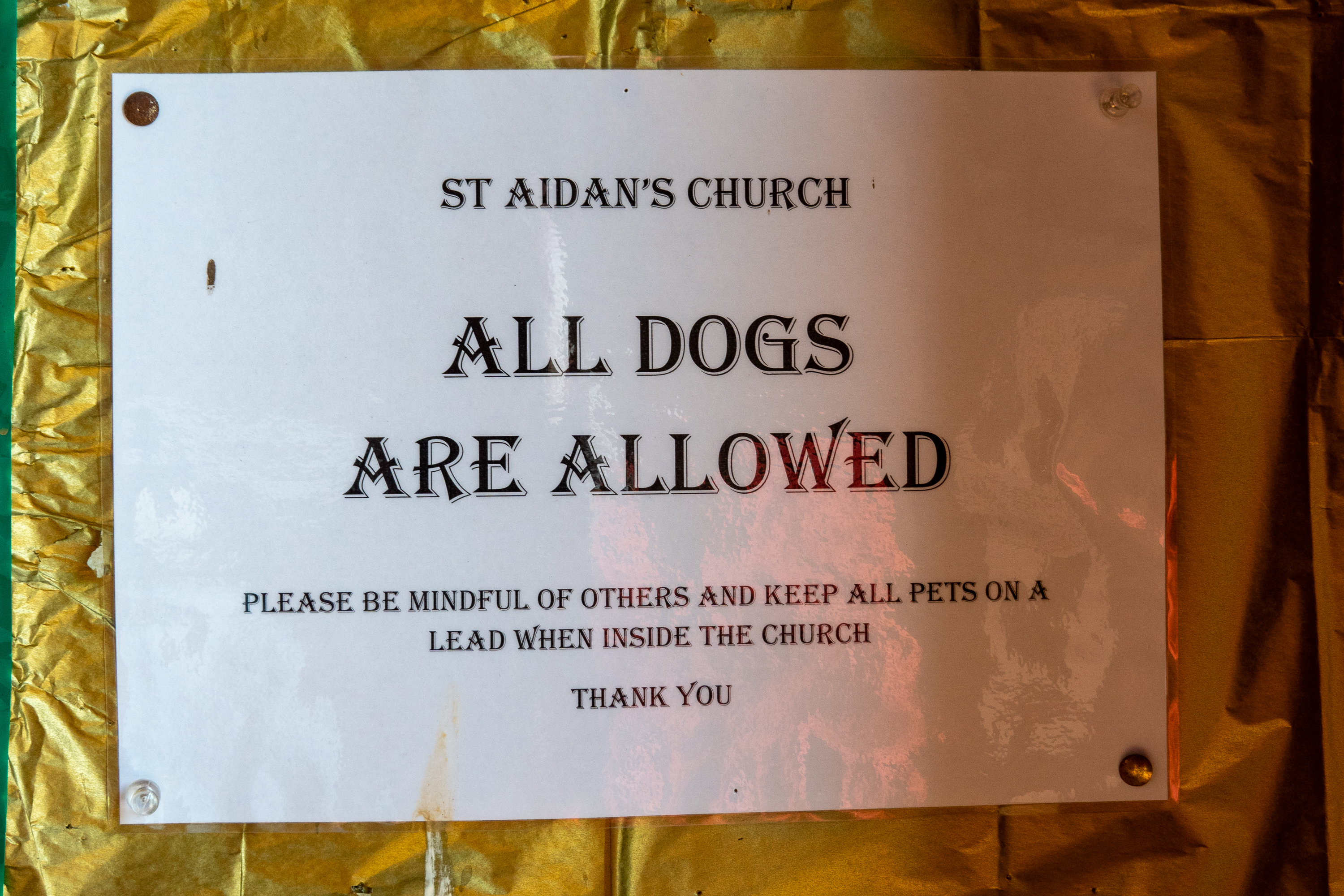
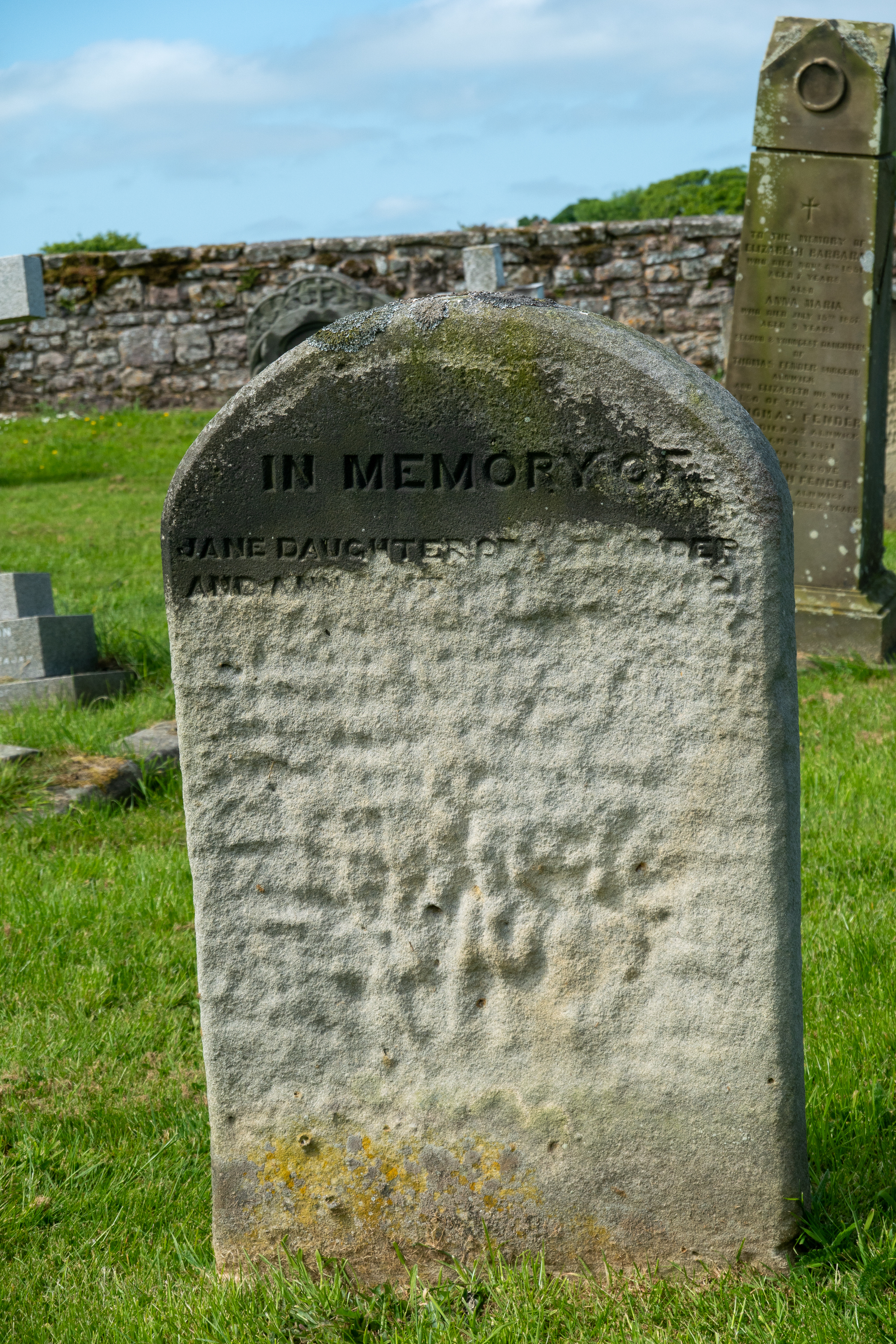
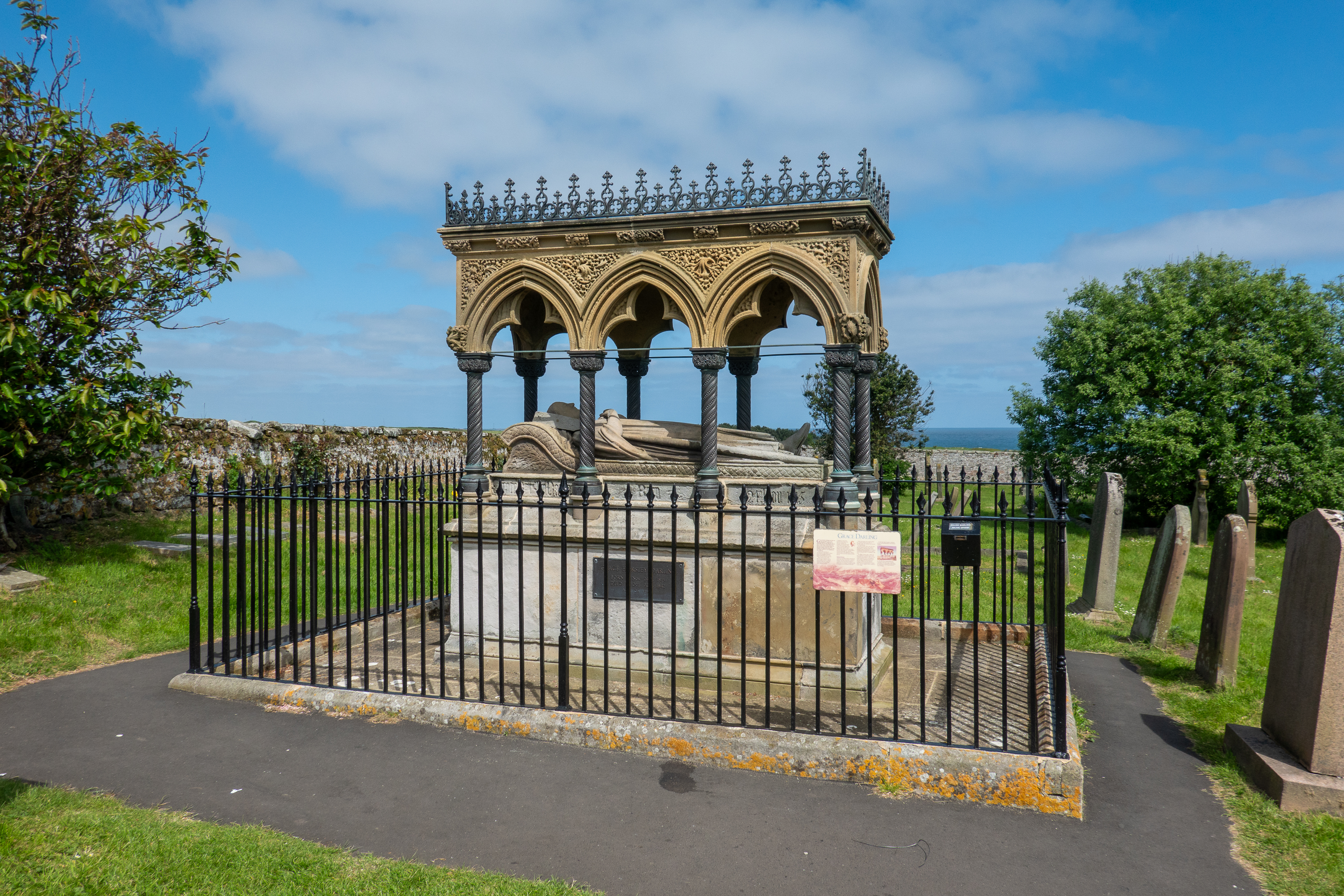
https://en.wikipedia.org/wiki/Grace_Darling

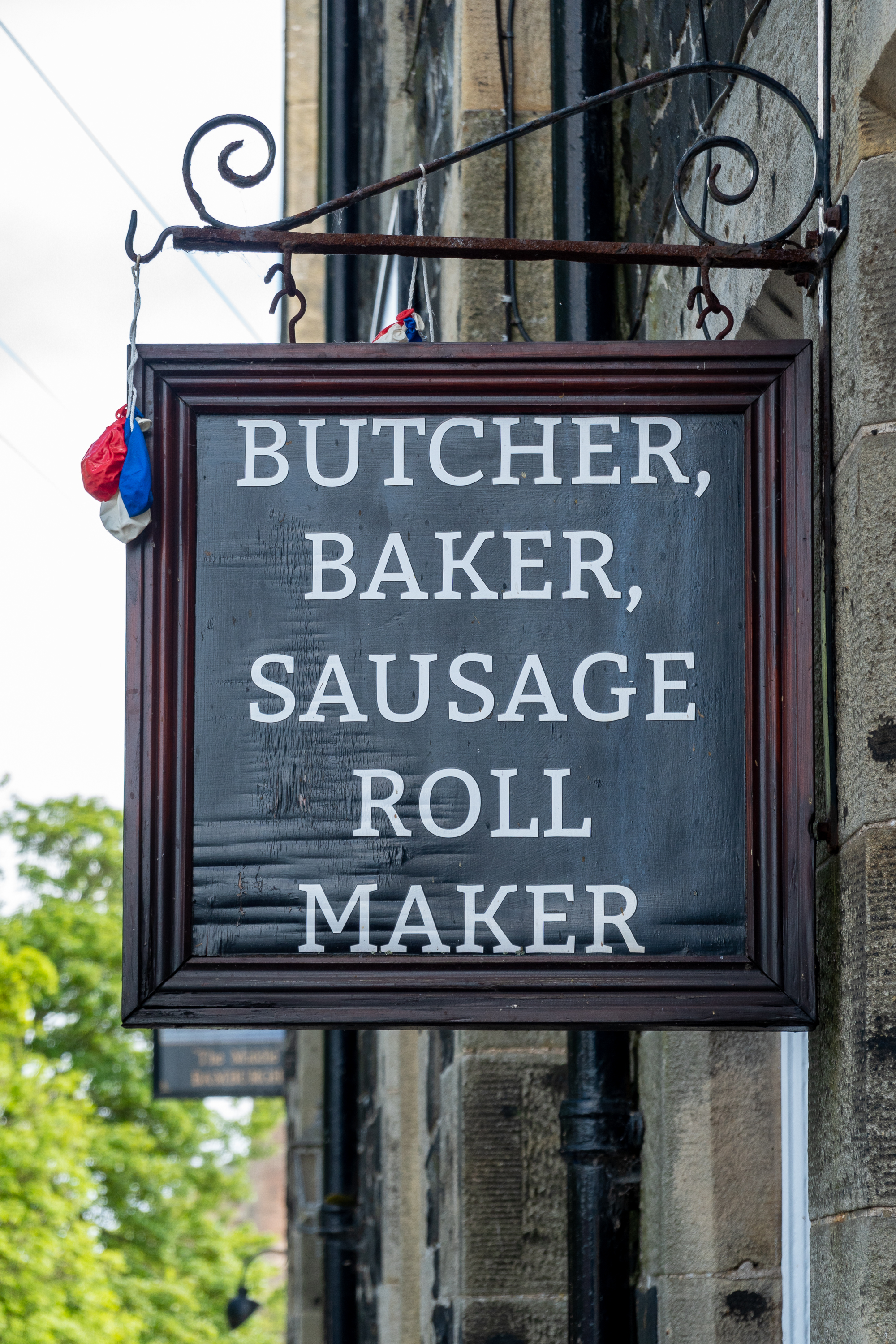
Lunch was a snack pastry and sandwich from a local “Butcher, Baker and Sausage Roll Maker”. (And it was very good.)
Bamburgh Castle is used, very anachronistically, in the TV series “The Last Kingdom.” Anachronistic not because of location, but because of architecture. The castle you see today is a Victorian fantasy rebuild of a real medieval castle. At the time of “The Last Kingdom,” it would have been a Dark Ages wooden stockade, well within the ability of the Vikings to raid and capture.
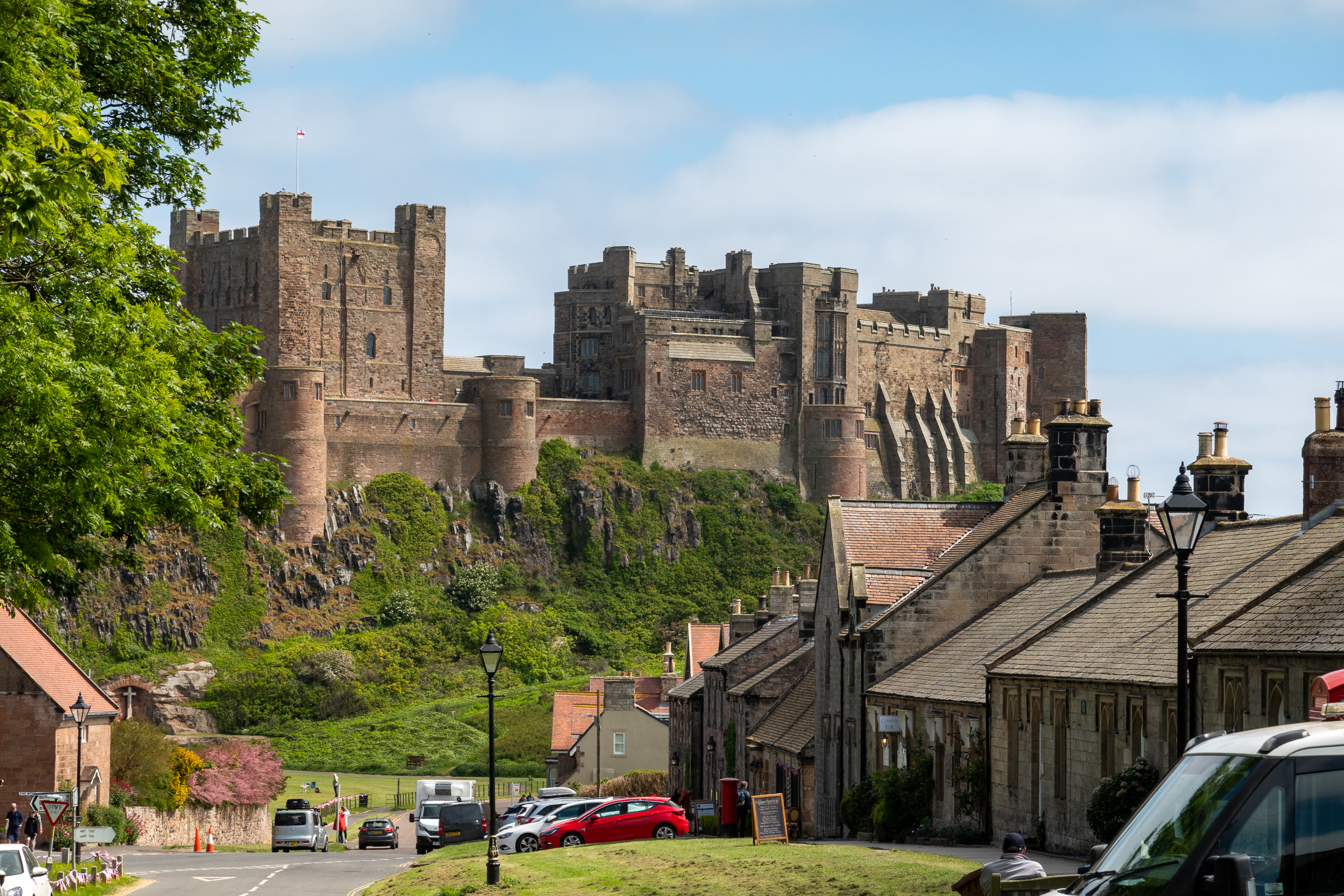


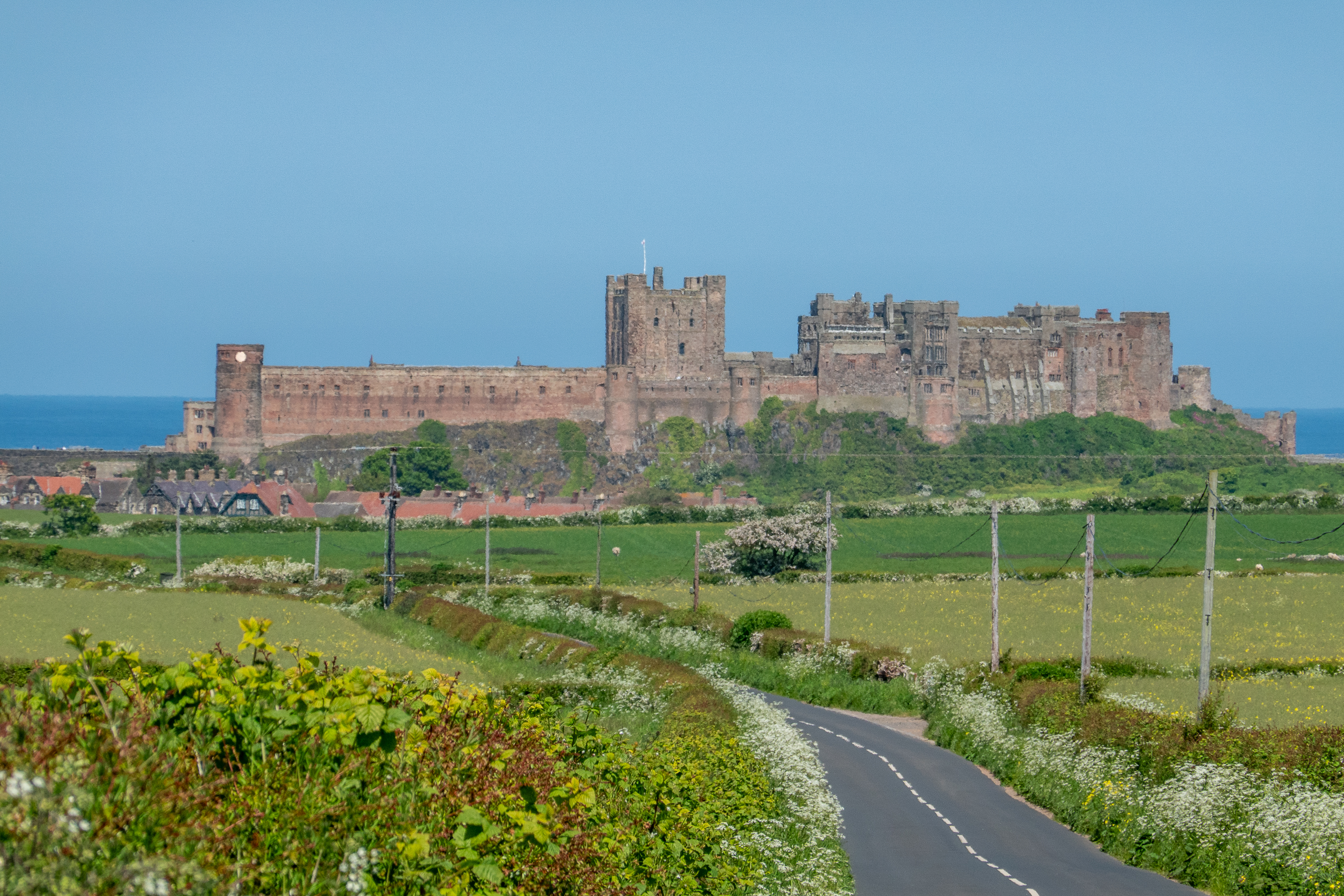
We confess to enjoying a scone and cappuccino coffee at the Castle also. We even cycled back into Bamburgh town the next day to enjoy some ice-cream.
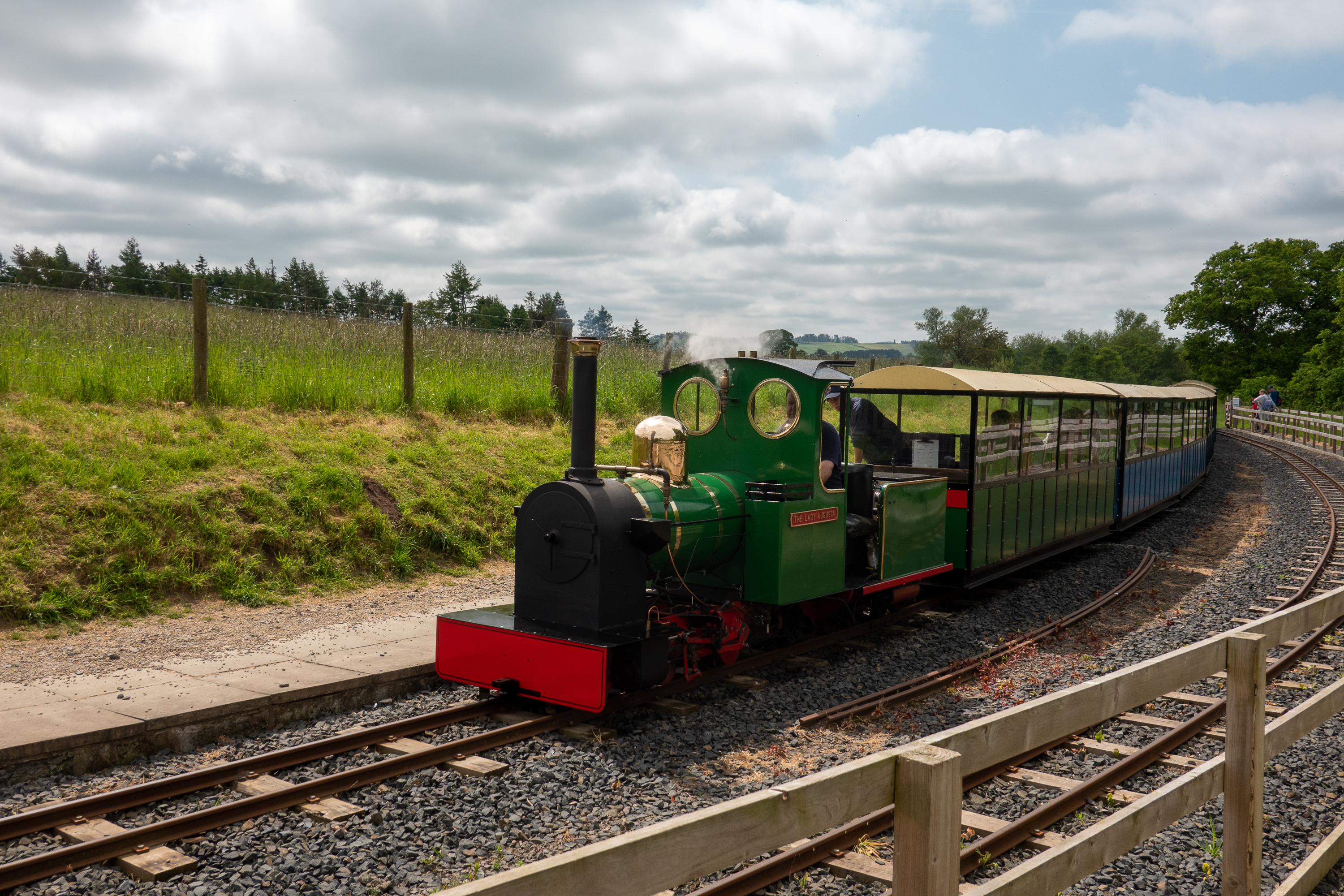
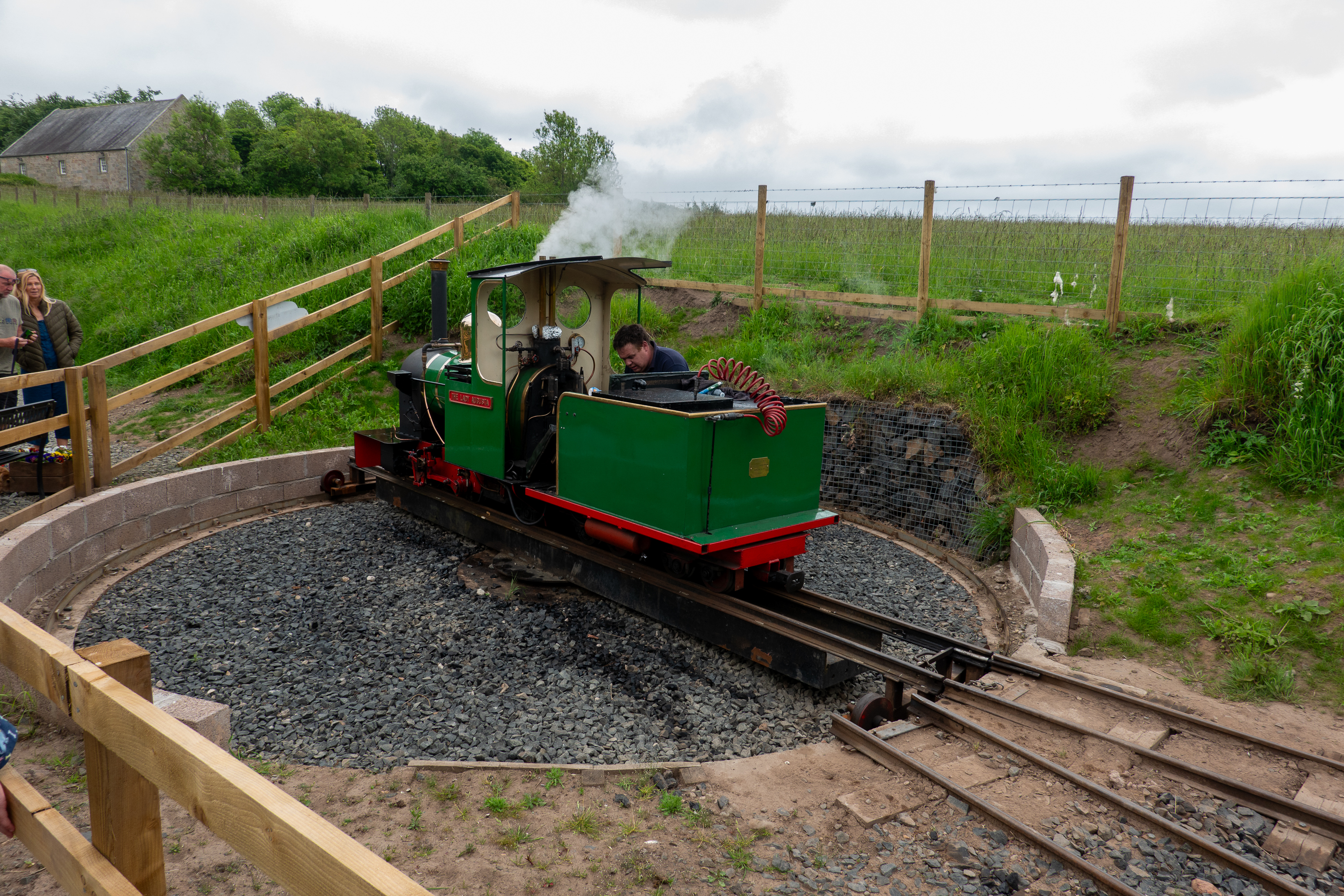
Then it was time to get back on the road to Scotland. On our way to Edinburgh we discovered the Ford and Etal miniature narrow gauge steam railway, so we stopped off for a ride. (https://www.heatherslawlightrailway.co.uk)

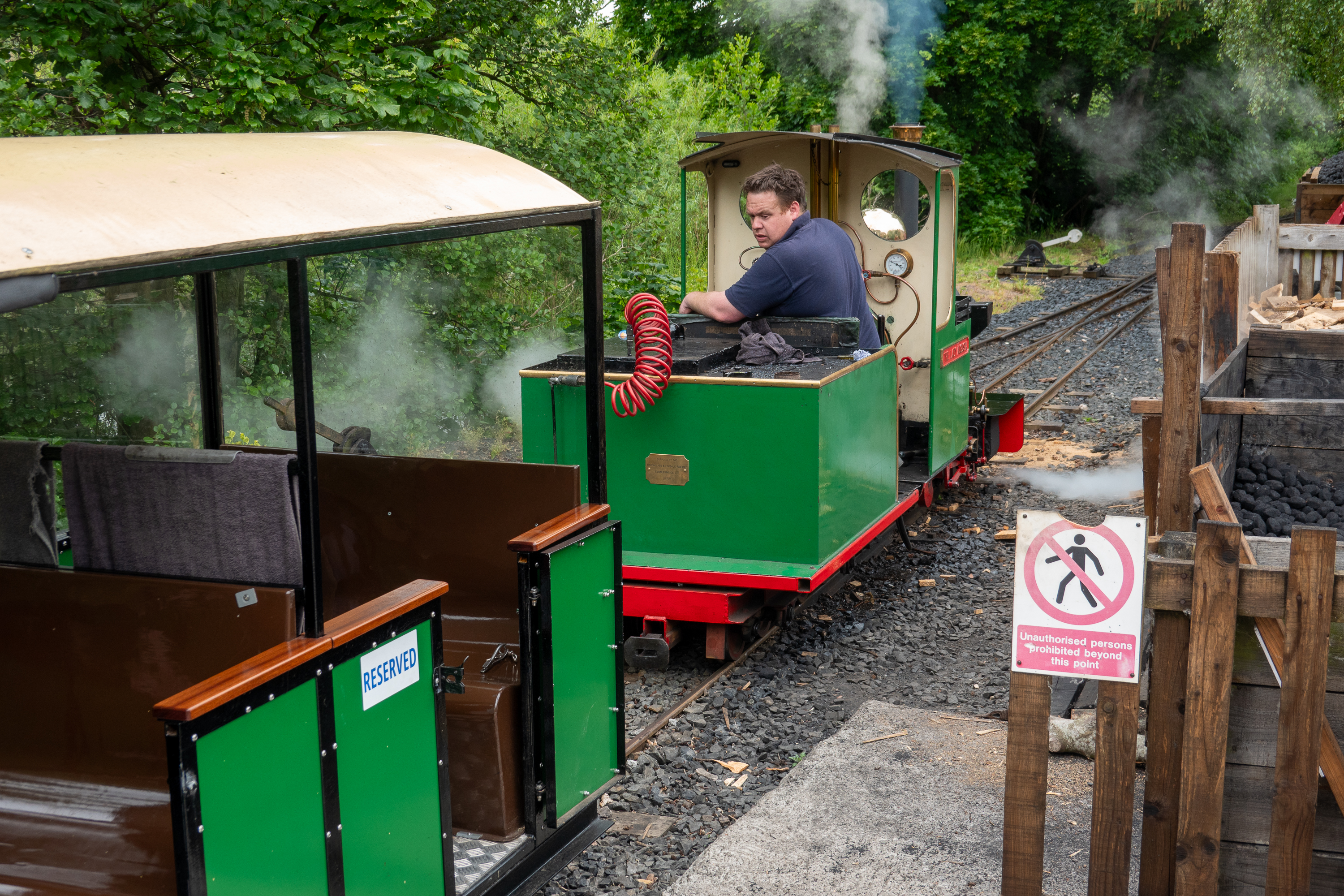
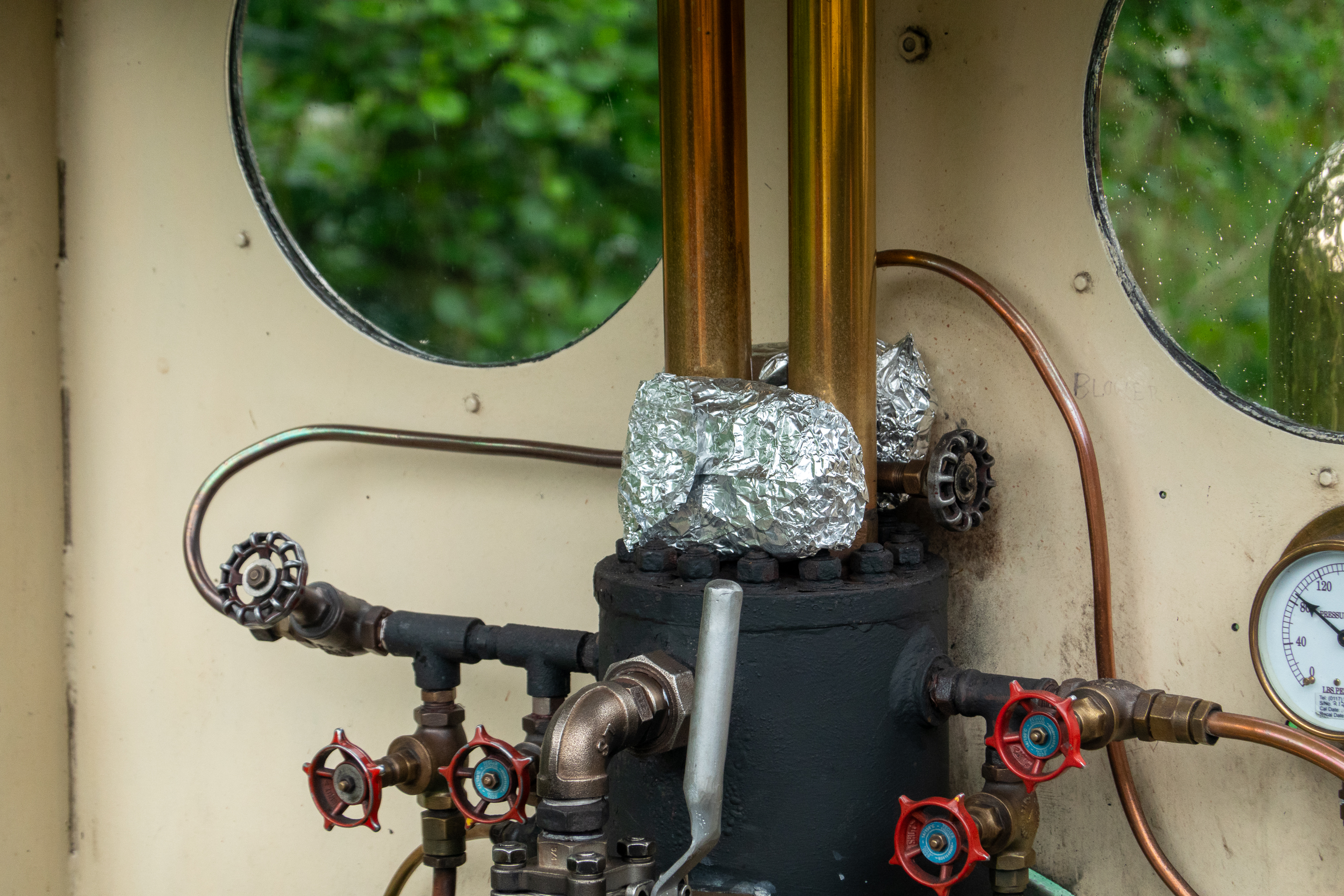
With a gauge of only 15 inches, it was almost like riding a toy train, but it was built to do real work. Quite fun and we enjoyed a lovely lunch in the Lavender Tea Room in Etal.
The ruined Etal Castle also provided an interesting visit. This was the medieval English equivalent to the Roman mile castles, set up as a defense against the Scottish reivers.
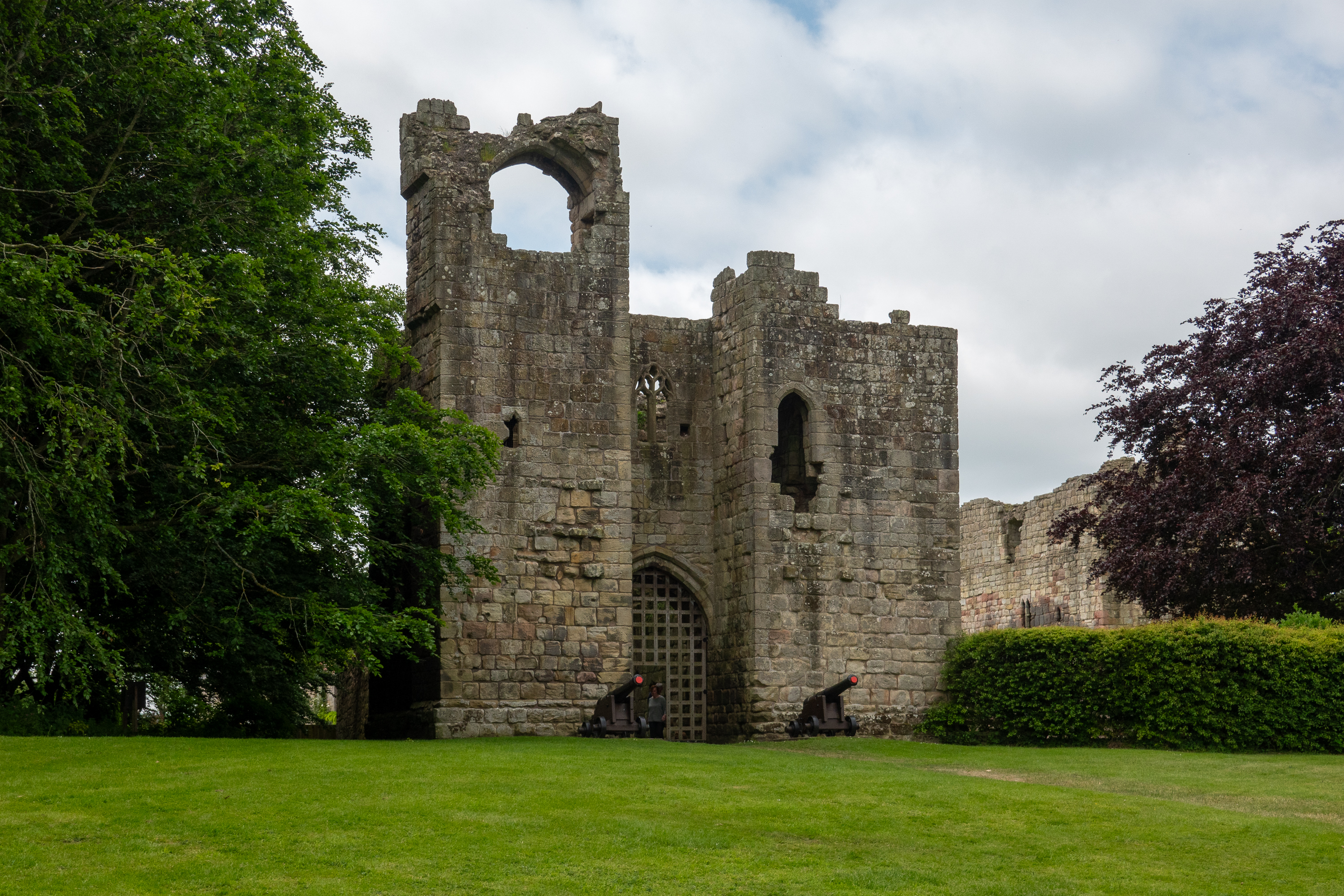

It was an interesting study in a miniature castle, barely larger than a fortified manor house. It could not resist the full Scottish invasion at the time of the Battle of Flooden.(https://en.wikipedia.org/wiki/Etal_Castle)
So after a pleasant morning, we continued north.
 DiploStrat