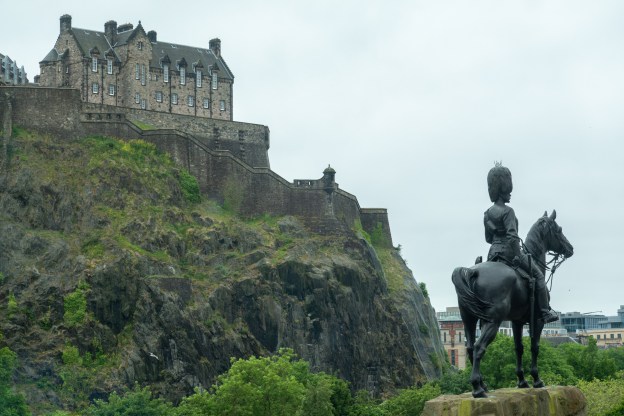
Big cities are always a challenge when traveling by camper – driving in a strange city can be hard and, in a city, like Edinburgh, where parking is already difficult for cars, a camper is simply impossible. Thus we carefully picked the Mortonhall Campground in Edinburgh because it is on the number 11 bus route, and the buses run every 10 minutes. (https://www.meadowhead.co.uk/parks/mortonhall/) This is serious transit service! And we got to know the route quite well, as we used it both days we were there to get to and from the tourist area of Edinburgh.
Denise had always wanted to visit Holyrood House Palace. (Fred, on the other hand, had never heard of it.) Holyrood House is, to this day, the residence of the Royal Family in Scotland. The place simply drips history and thus the Wikipedia entry is a LONG read: https://en.wikipedia.org/wiki/Holyrood_Palace , but well worth it. So this was our first goal. Fortunately, we were able to get tickets for the next day. And only the next day, as someone named Charles was coming to visit and would be taking over the whole place! Yes, it is more than just a tourist attraction.
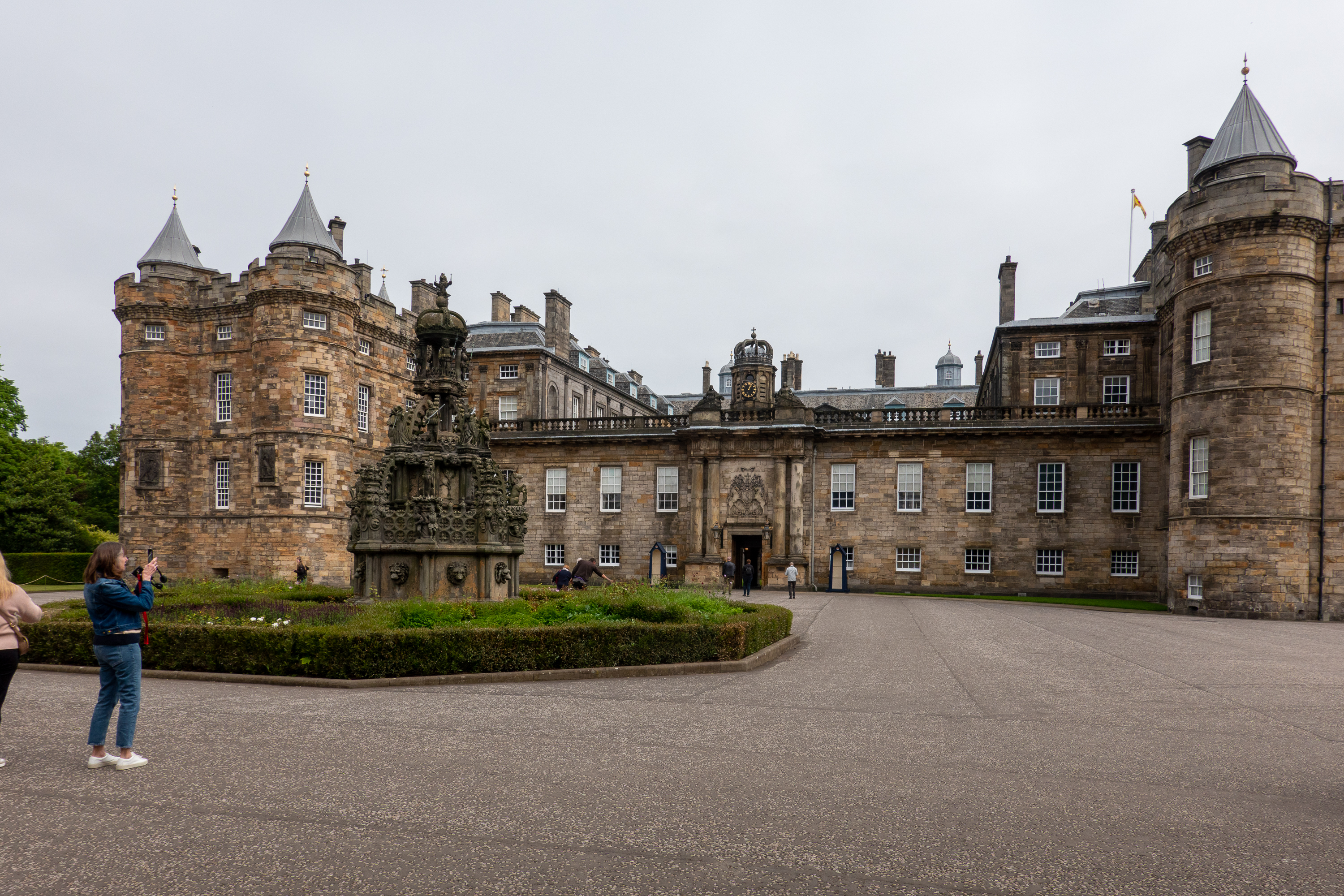
The first day we caught the city bus for the 30 minute ride into town. Once we arrived downtown, we started with a hop on hop off bus with a live guide, which we found so much better than the recorded version. Also a great way to get oriented to the layout of the city. Our first hop off was the palace of Holyrood House.
Fred found the design of the Palace unexpected. The palace is built with cloisters around a central atrium, a design dating back to the Romans and commonly found in Mediterranean buildings in a much warmer climate.

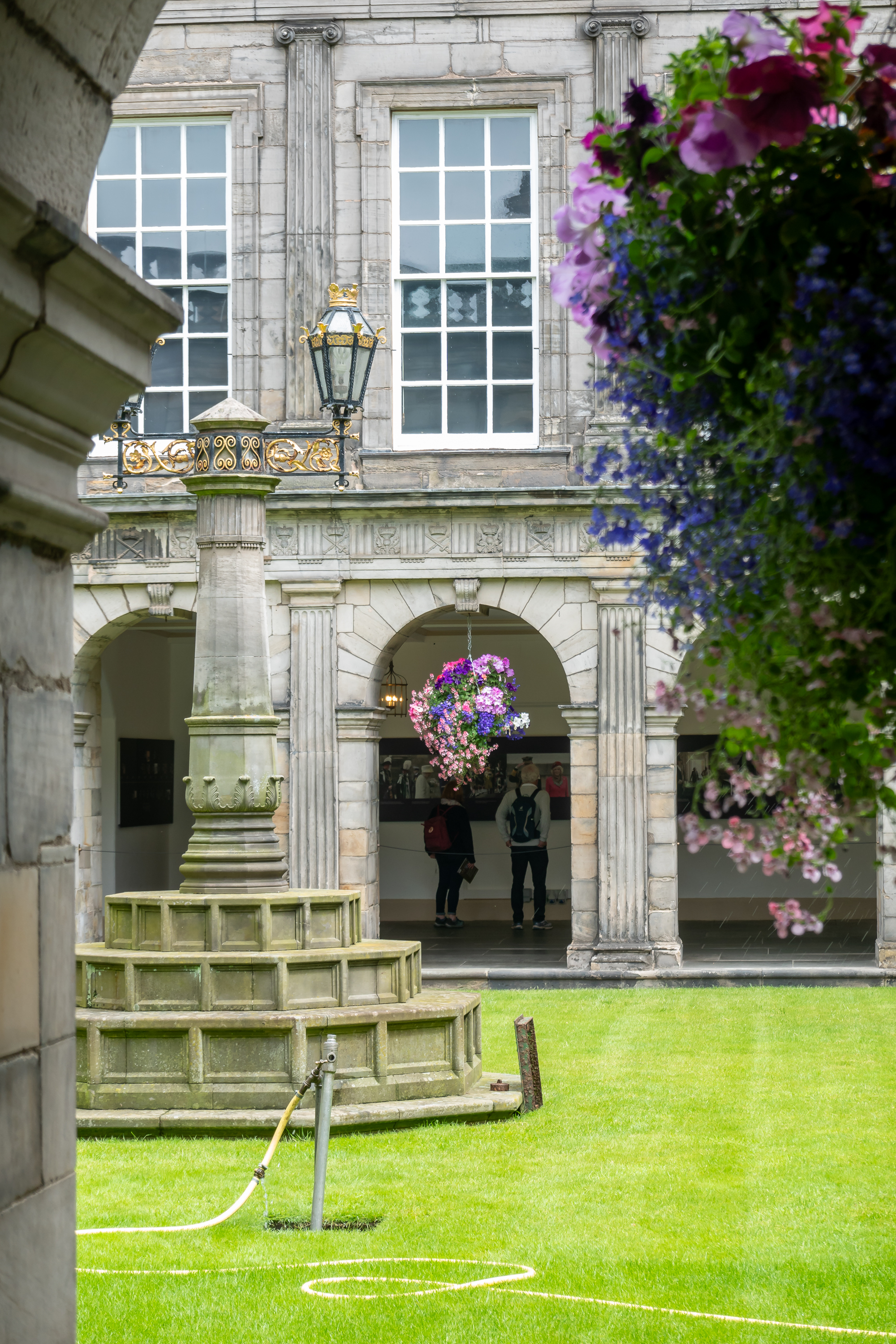
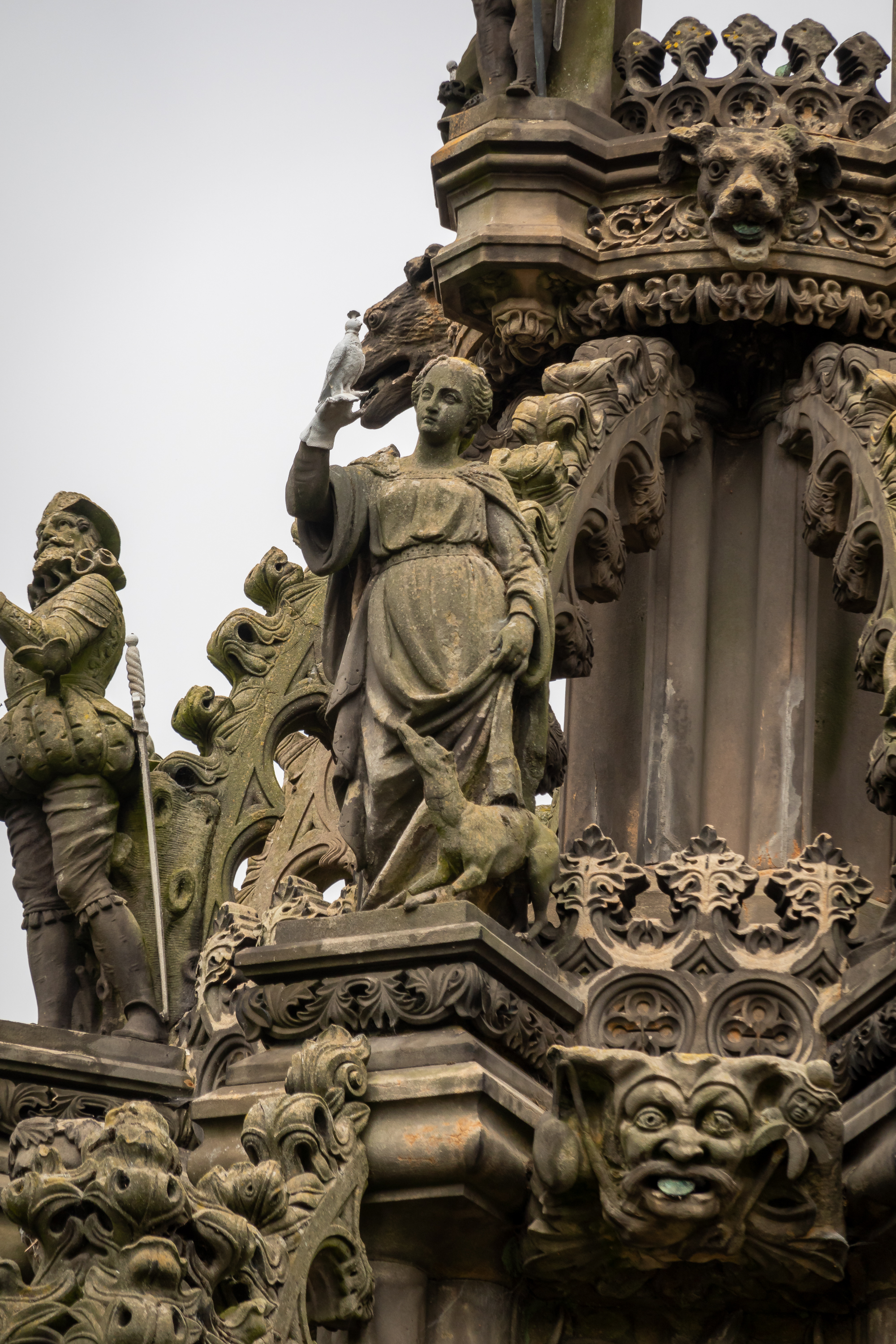
Photography is prohibited inside the palace but is is most impressive. The place was build along side an existing abbey. The abbey suffered over the years from wars and religious strife and is now in ruins.

We hopped back on the bus to get back to the bus stop for our bus back to the campground. Waiting for the bus, we could admire the architecture. (Yup, a lot of buses)
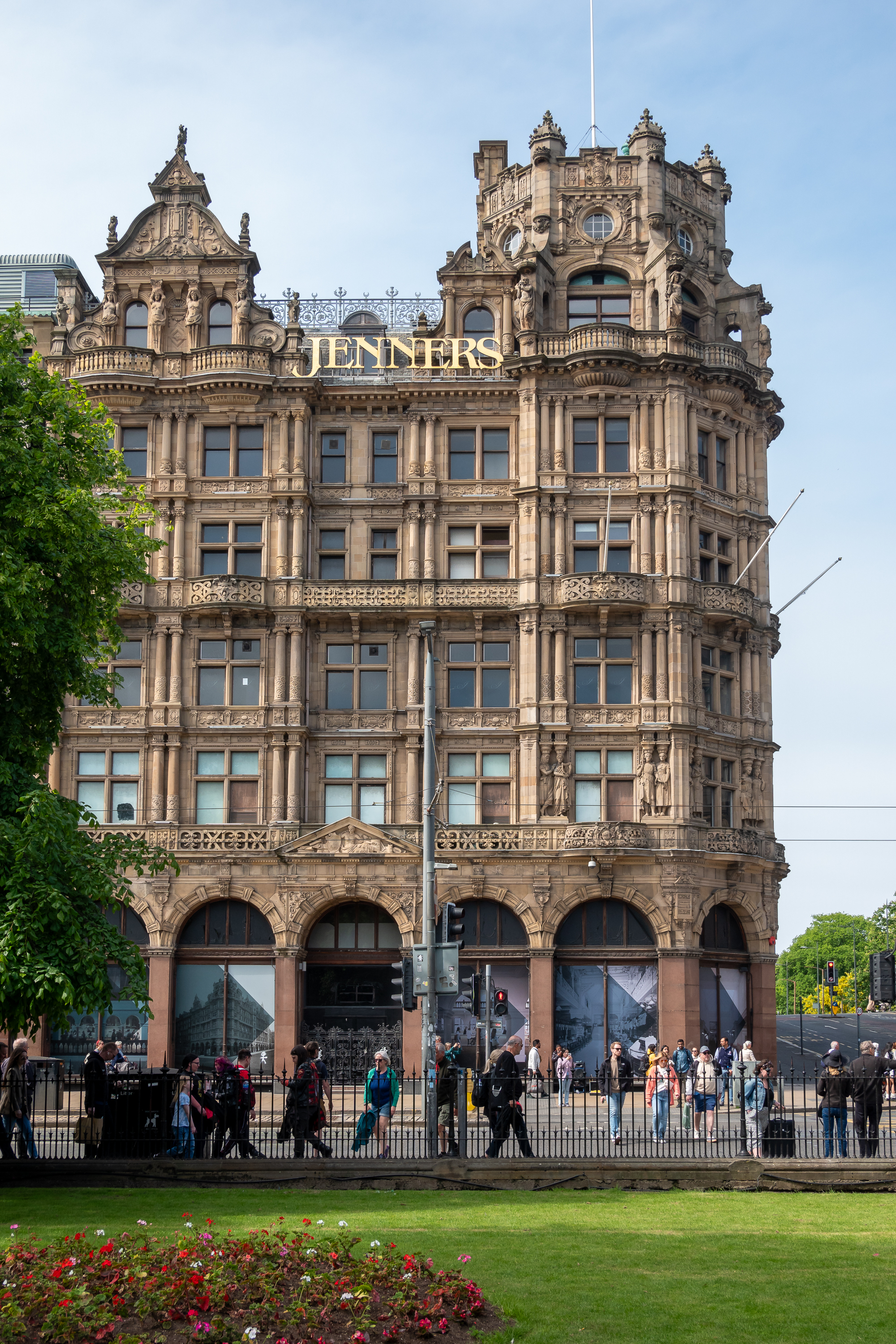
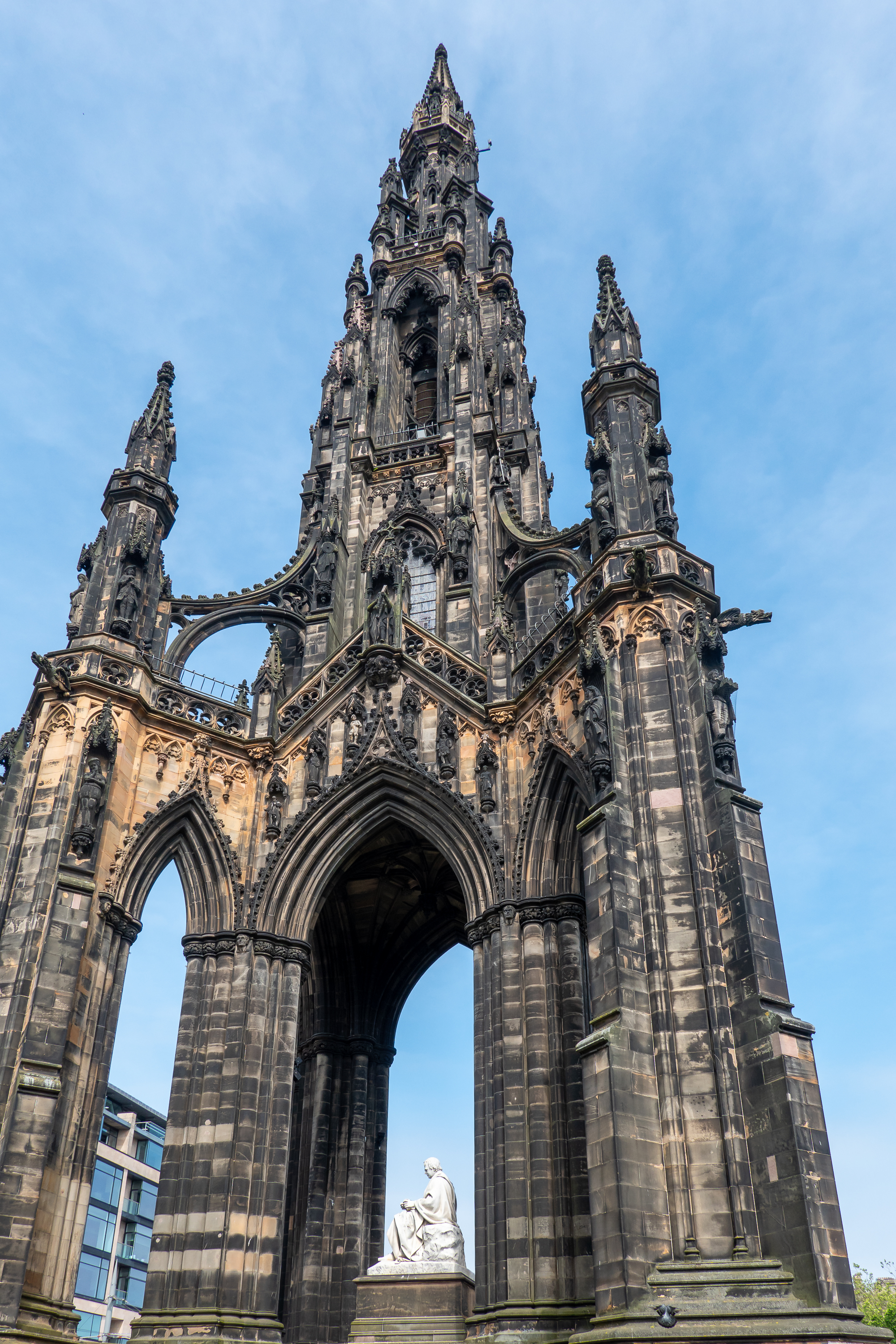
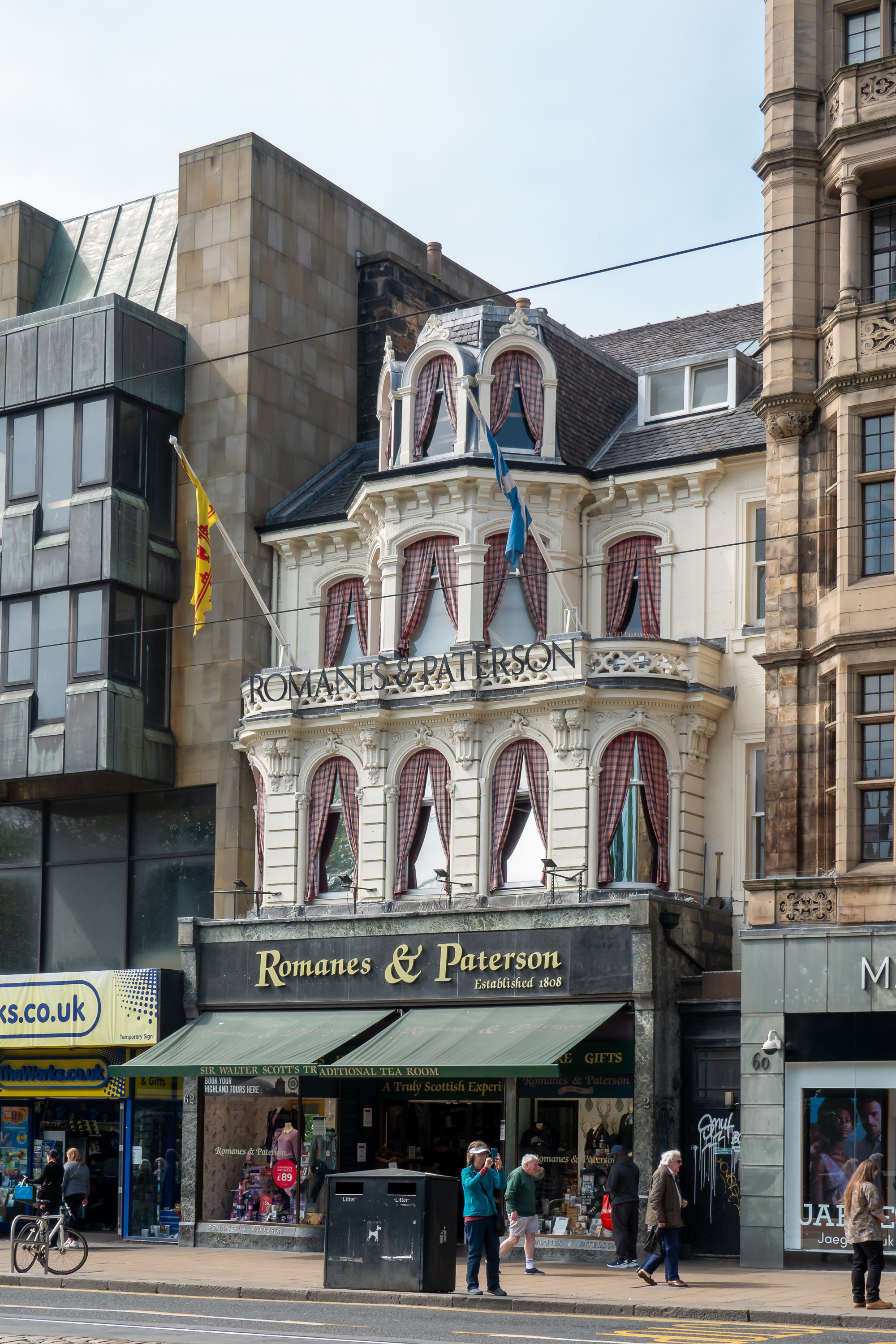
The second day, we had procured tickets for Edinburgh Castle so we were back on the bus, this time getting off a bit up the hill. After fortifying ourselves with a cappuccino, we set off to climb up to the castle, congratulating ourselves on getting off the bus halfway up. Edinburgh castle, too, has a long and complex history, changing hands many, many times. (https://en.wikipedia.org/wiki/Edinburgh_Castle) To be fair, there was a Scottish nobleman who switched sides so many times that he was known as “Bobbing John.” (https://en.wikipedia.org/wiki/John_Erskine,Earl_of_Mar(1675–1732)) Fans of the band Steeleye Span will know him from the song, “Cam ye or’e frae France?” (https://en.wikipedia.org/wiki/Cam_Ye_o%27er_frae_France) And, if you are not a Steeleye Span fan, you should be!

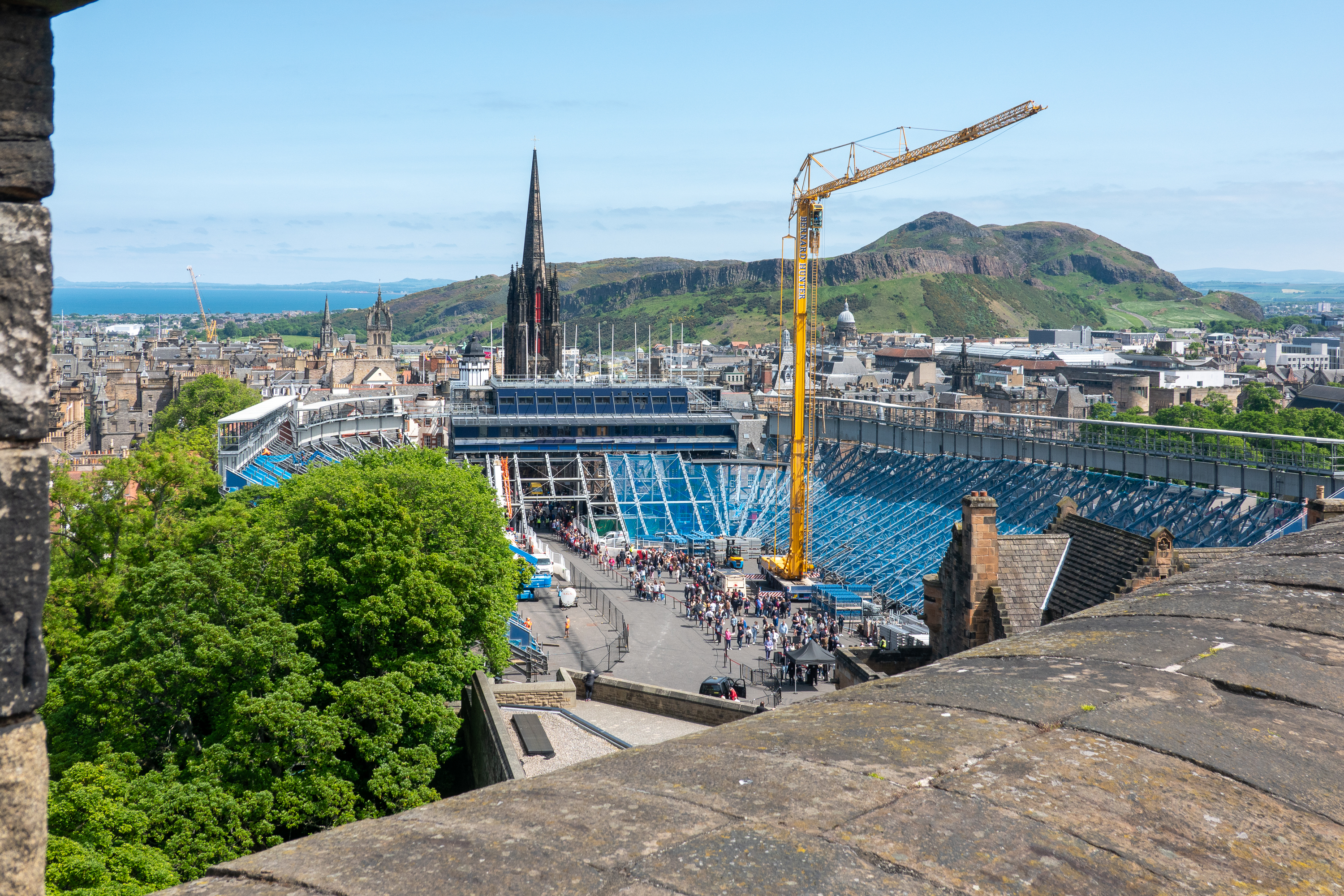
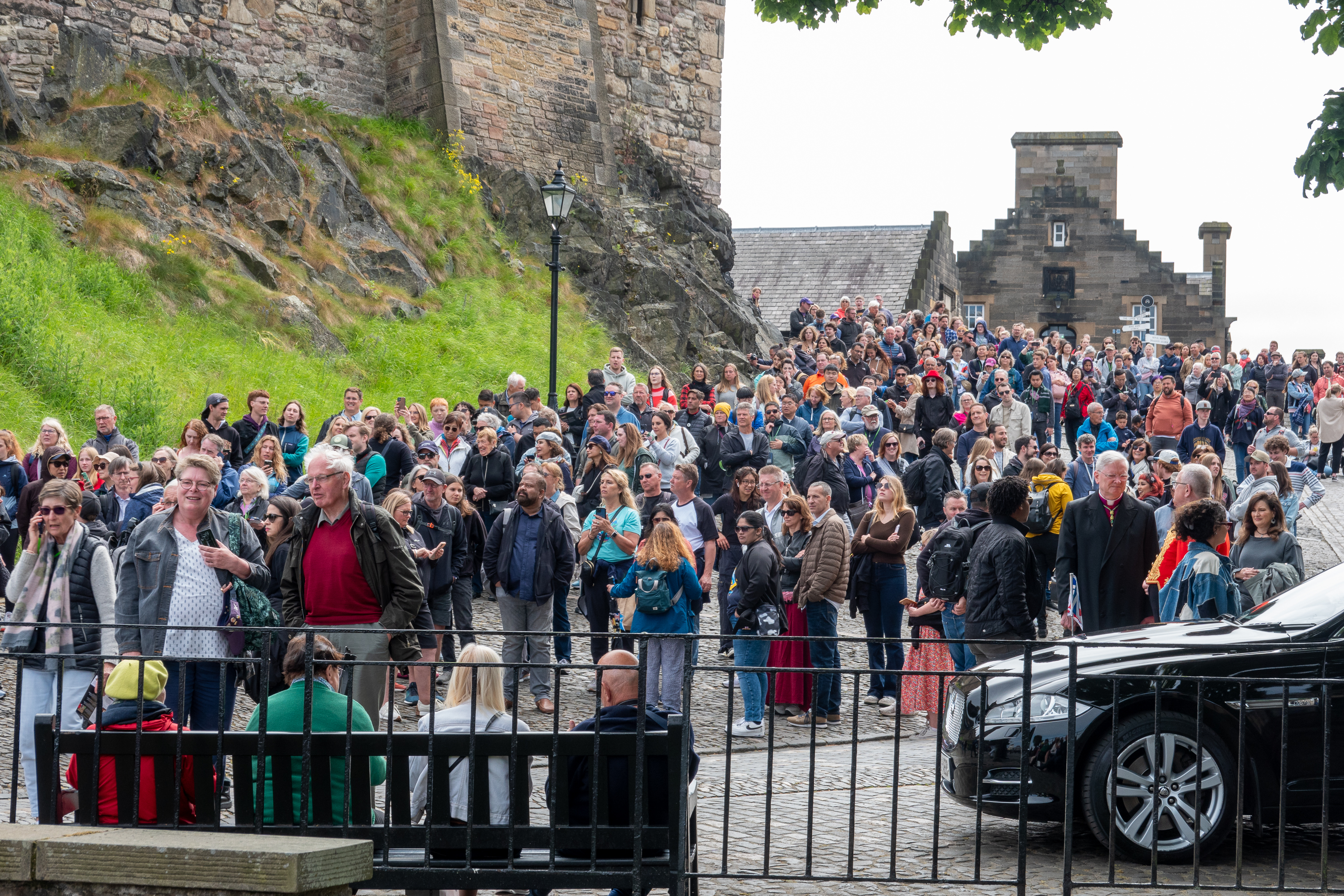
So the first thing we found was that the road was closed for repairs, and we would have to climb DOWN a million stairs before we could start up the hill again. (Good thing it was a good coffee!) When we finally reached the top, through the heaving crowds, we were fascinated by the fact that they were already constructing the seating for the Edinburgh Tattoo though apparently there was a popular concert also in the near future.
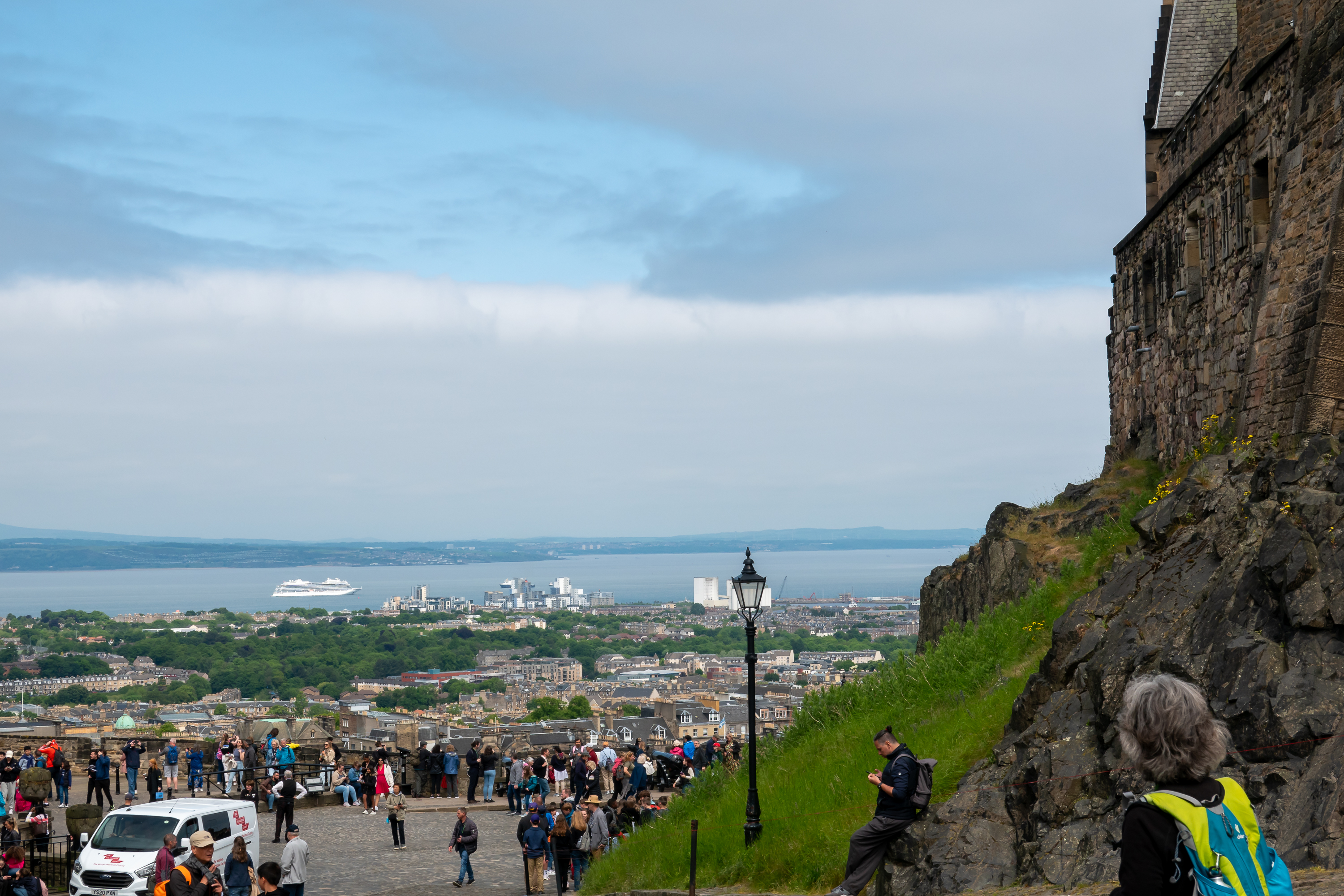
A Viking cruise ship anchored nearby gave a us a hint as to where some of the folks were coming from. We had a bit of nostalgia from Viking trips, but we were quite happy not to be in a group with our ear pieces!
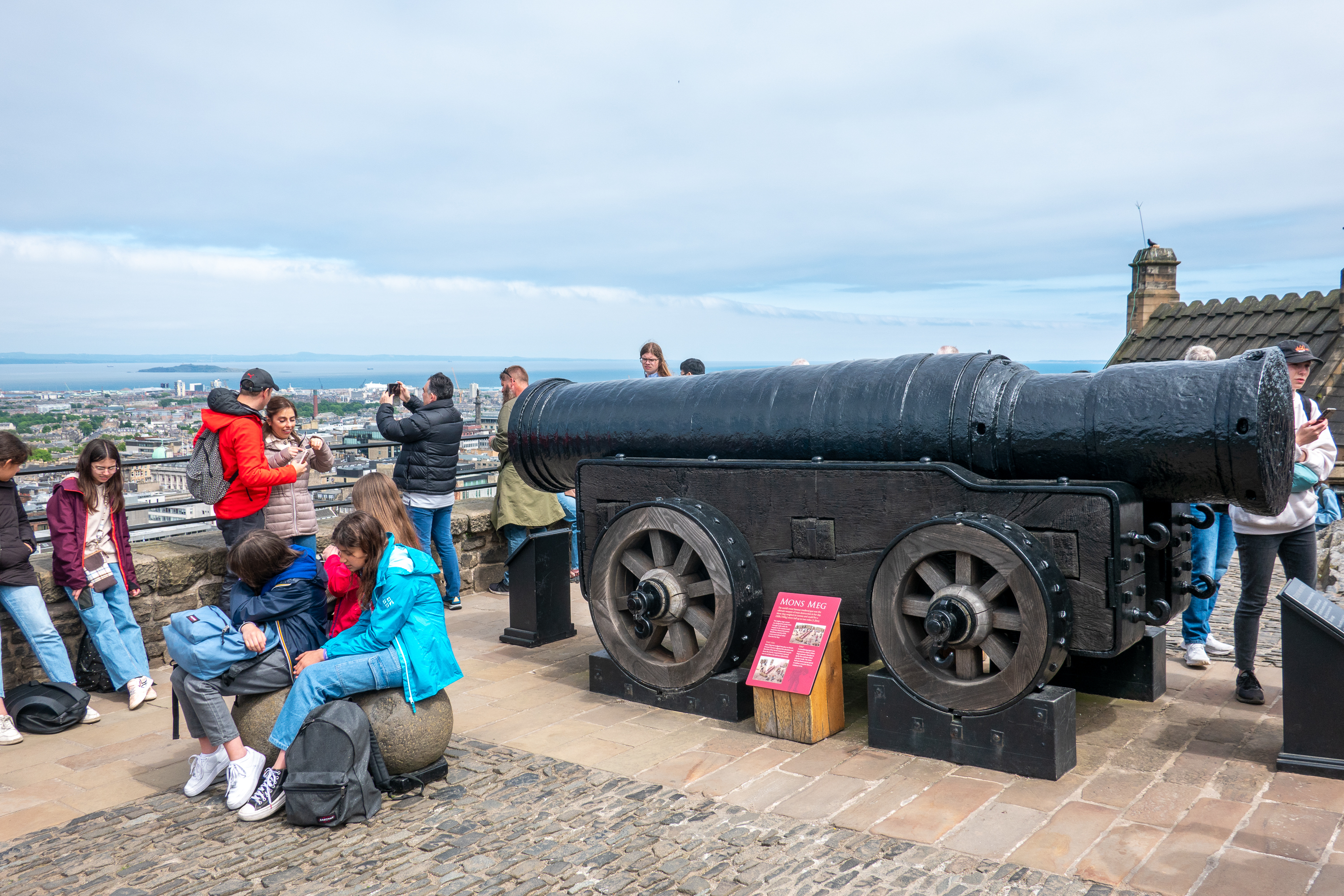
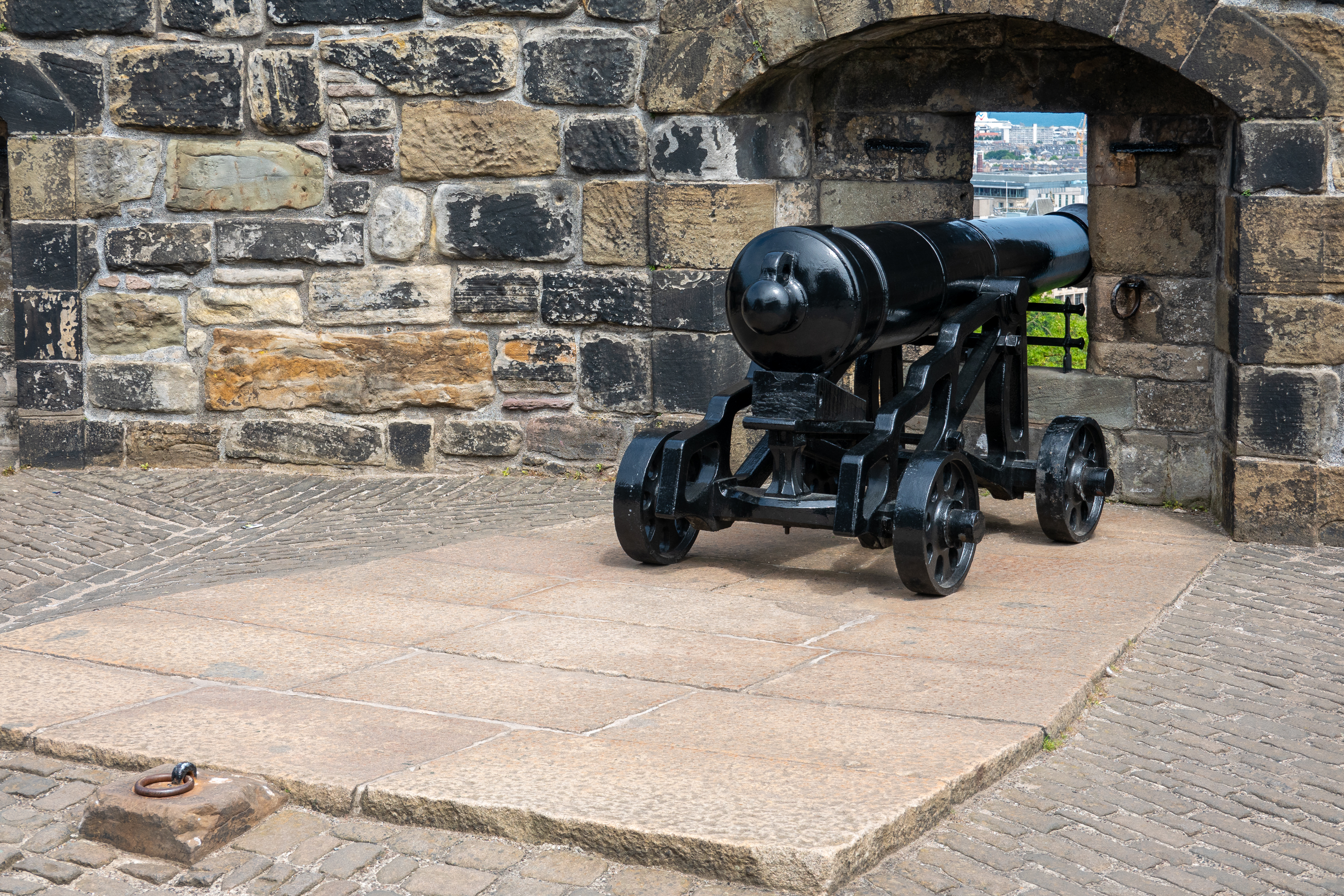
“Mons Meg” has a bore of almost 20 inches, making her one of the largest guns ever made. The gun carriage was only used to move the gun; she was actually fired from an earthen embankment. Like trebuchets of a previous era, she was not aimed at the defenders of a castle, rather used as a form of long range battering ram against the walls. Thus the goal was that each stone ball land in almost the same place in order to break down the wall.
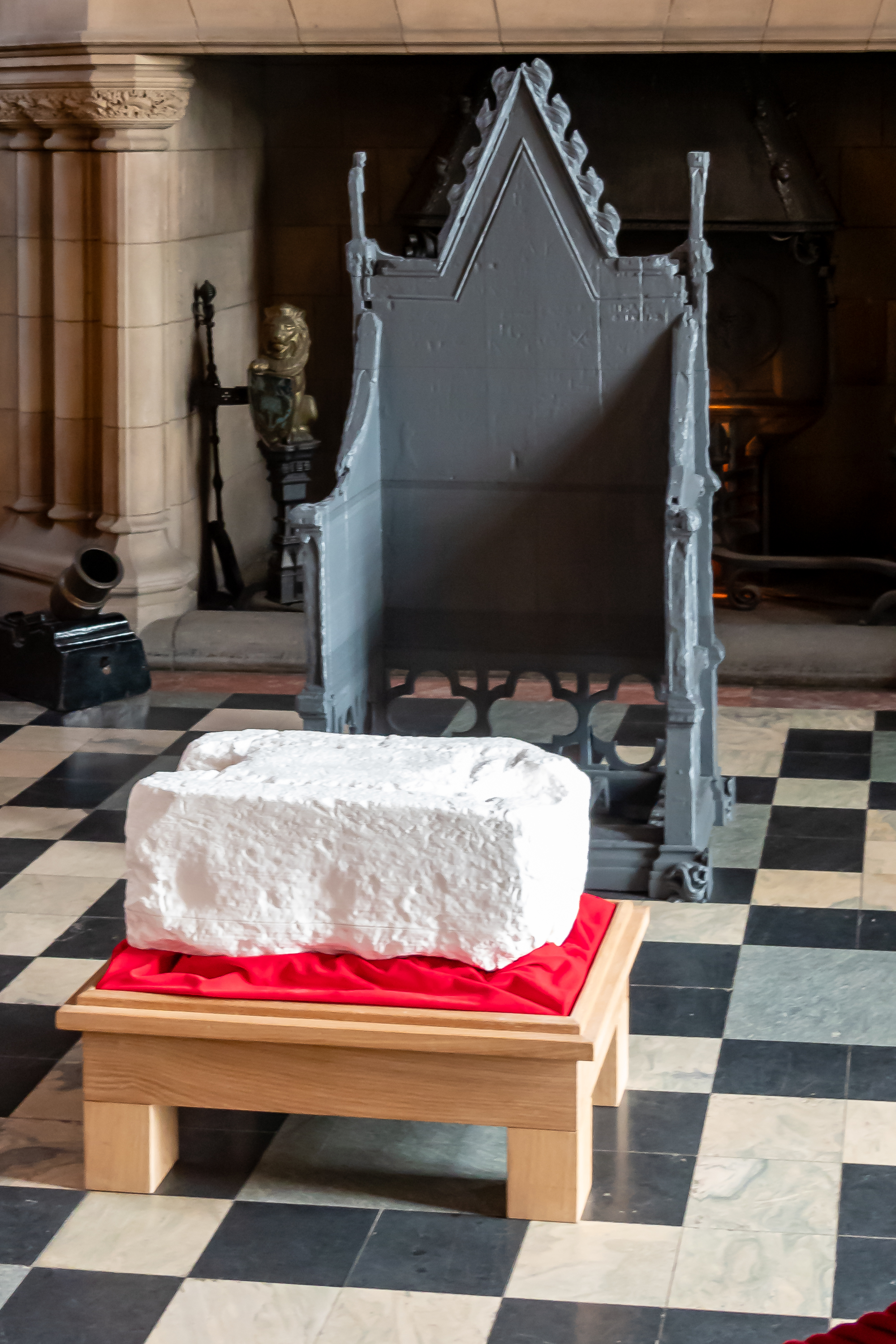
We liked the Great Hall and spent some time discussing it and the copy of the Stone of Destiny on display there with one of the docents. The real one was used in the recent Coronation of King Charles. The stone was originally seized by Edward I, aka “The Hammer of the Scots” or, if you prefer, “Edward Longshanks.” When he took it, it symbolized English domination. When James VI of Scotland became James I of England, the role reversed – you could not be legitimate “unquestioned” king of England unless you sat upon the Scottish stone.
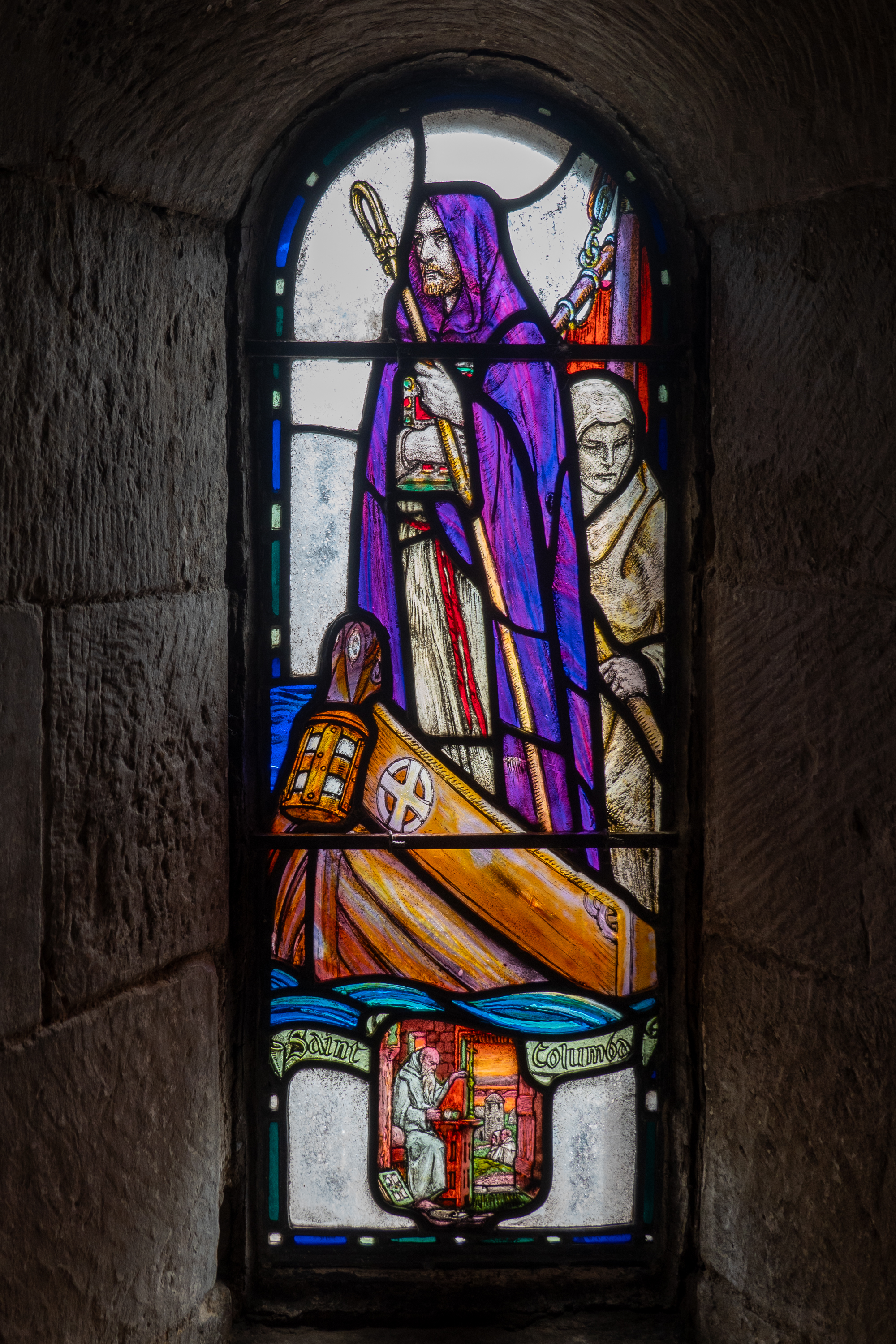
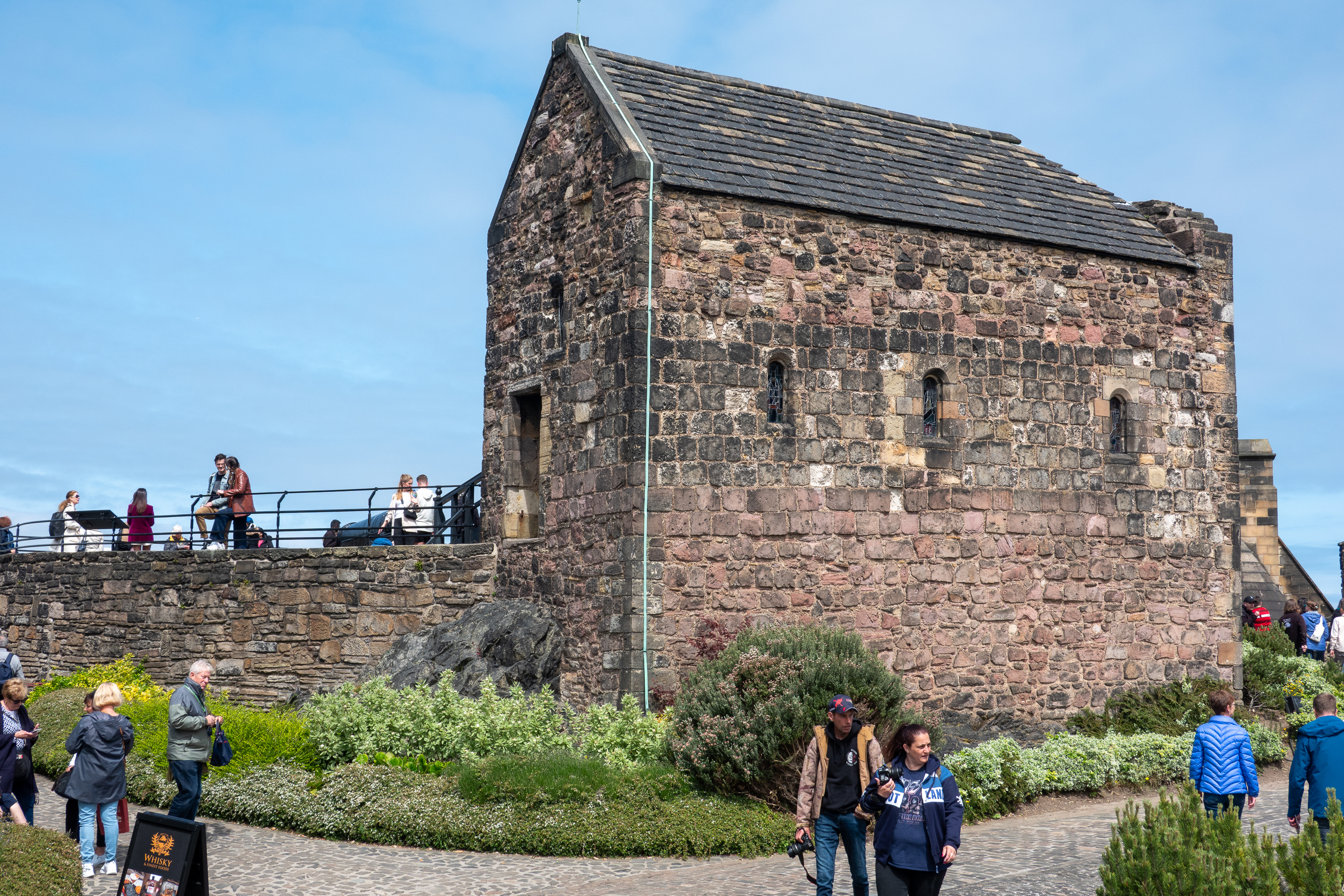
Denise loved the tiny St. Margaret’s Chapel.

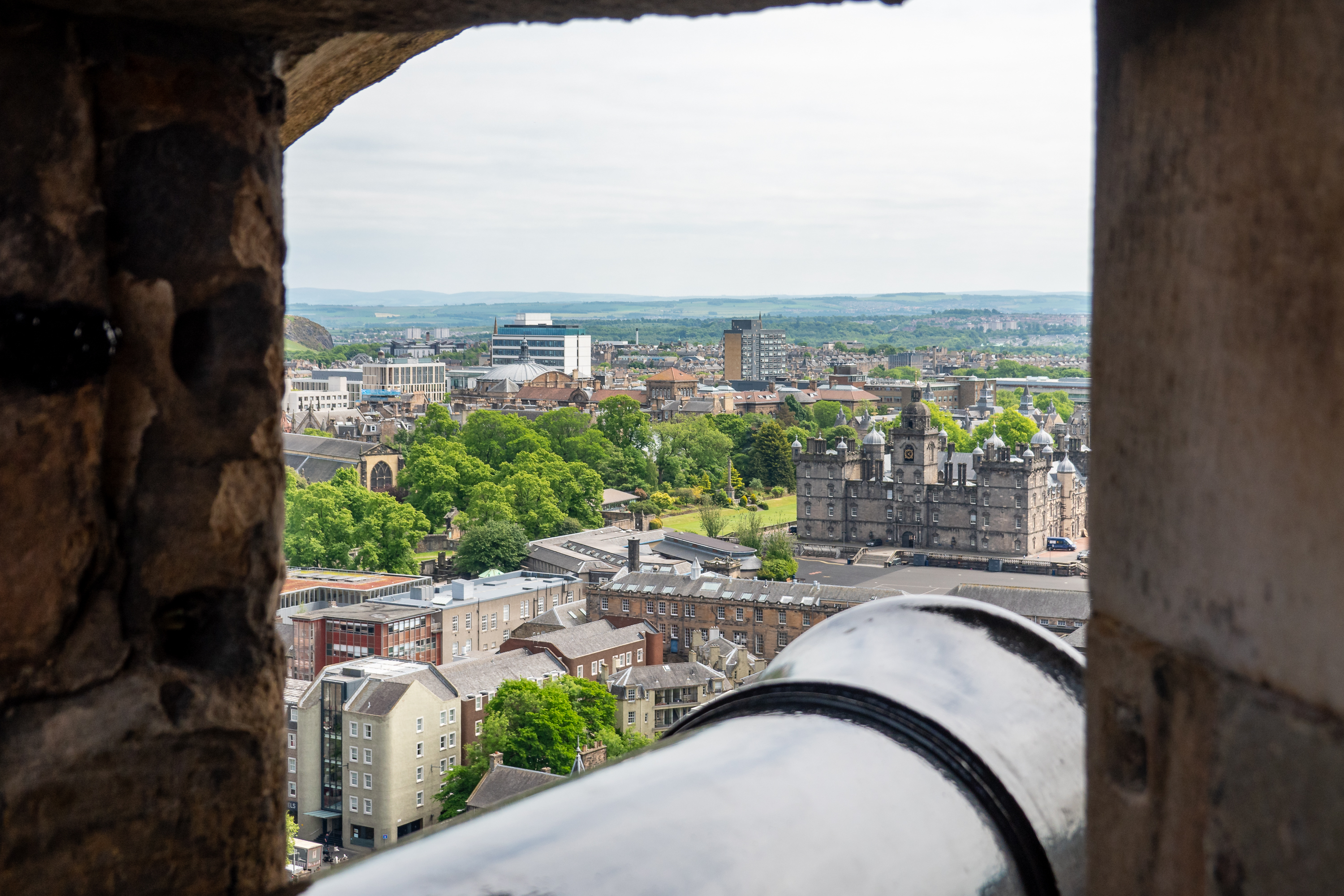
Then it was time to start the trudge down the mountain to find our bus.
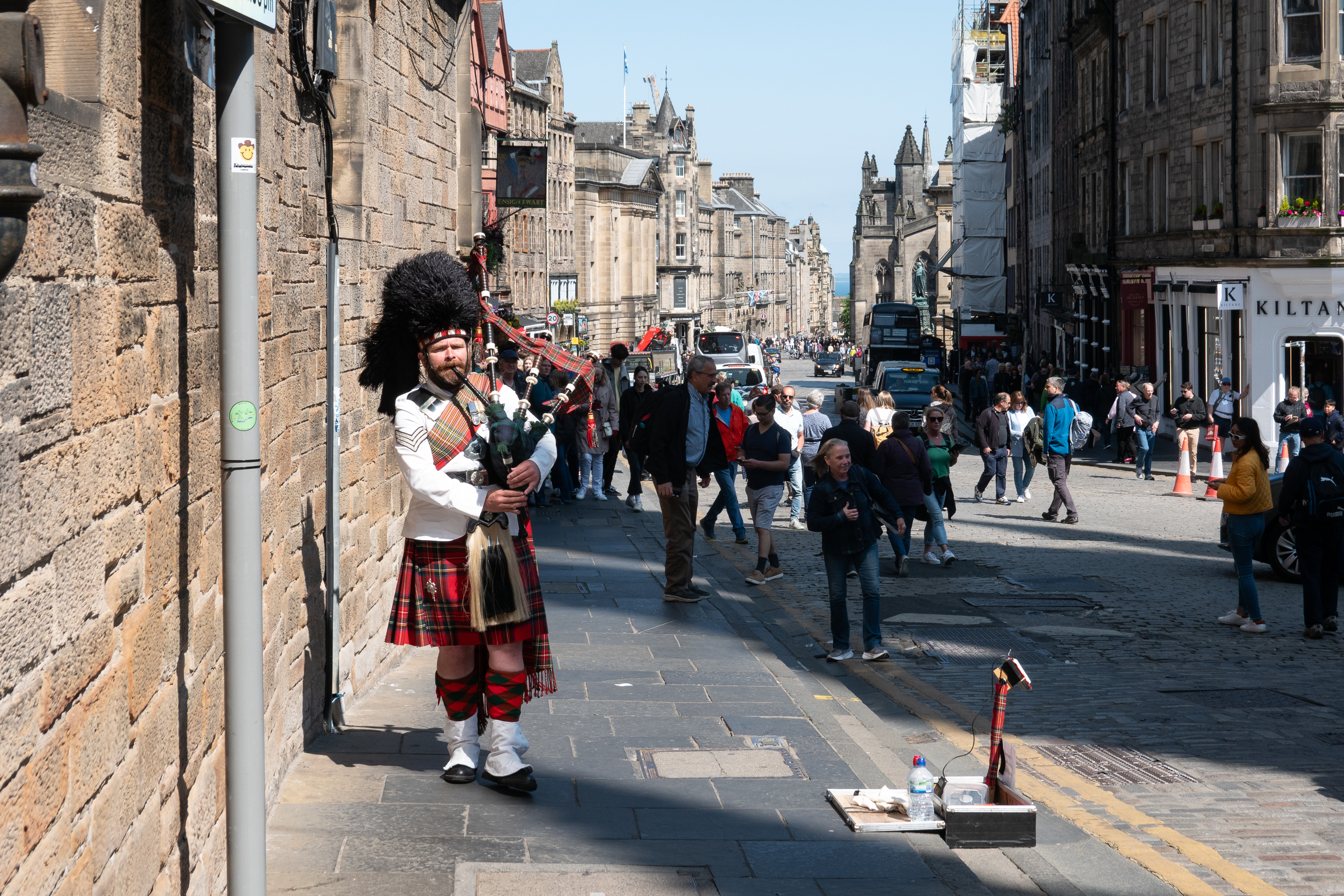
As it is Scotland, the busker was a piper in full regalia. We stopped to listen and made a contribution as he was very good. A wonderful, magical moment.

A great visit.
 DiploStrat
Pingback: Ghent | DiploStrat