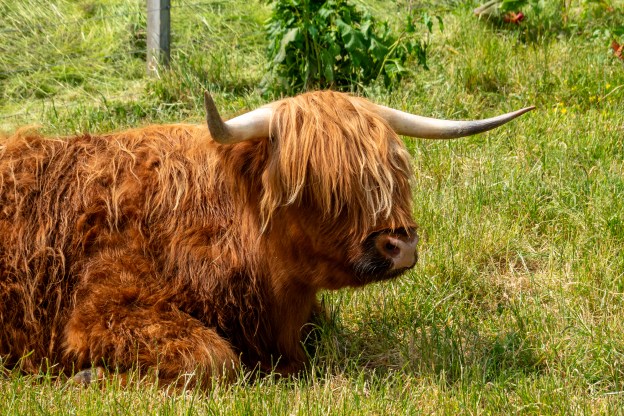
Leaving Edinburgh, we set out through the Cairngorm mountains towards Inverness. Our final destination was John o’Groats. Why John o’Groats? Well, because everybody wants to start or end every trip there and, more practically, you can take a ferry to the Orkney islands.
But first, we stopped at the village of Dalhwhinnie. Why? Because a local coffee shop offers free overnight parking for motorhomes. (https://apiarydalwhinnie.co.uk/) The Apiary was charming, but sadly does not serve dinner. So we had to content ourselves with a coffee and learned that Dalwhinnie has the lowest average temperature in Scotland, and probably the UK. OK, off our list for retirement homes. But we had a sunny day and sat out to enjoy it and admire all of the touring cyclists who were stopping for drinks and snacks.
We walked down the road to the Dalwhinnie distillery. Here too, we were too late for a tour, but we did have a wonderful tasting, complete with chocolates. (https://en.wikipedia.org/wiki/Dalwhinnie_distillery)
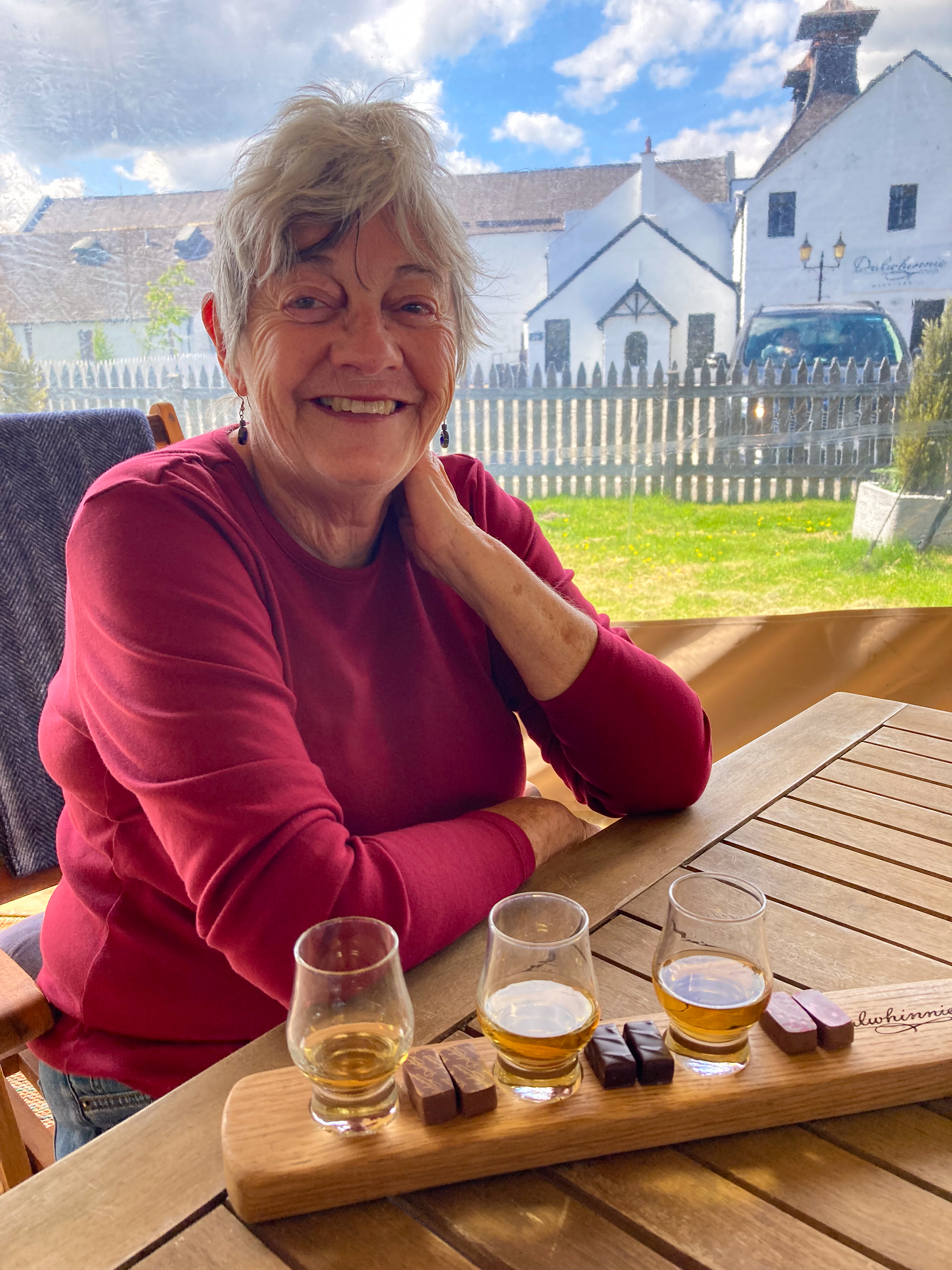
It was only later that we discovered that Dalwhinnie is favored by many of our friends who actually know Scotch whiskeys, and, after visiting more distilleries ourselves, we really regretted not having bought a few bottles!
Next up was Inverness, the “Gateway to the Highlands.” We wanted to visit the Culloden battlefield because Bonnie Prince Charlie and the whole Jacobite saga so command popular imagination.
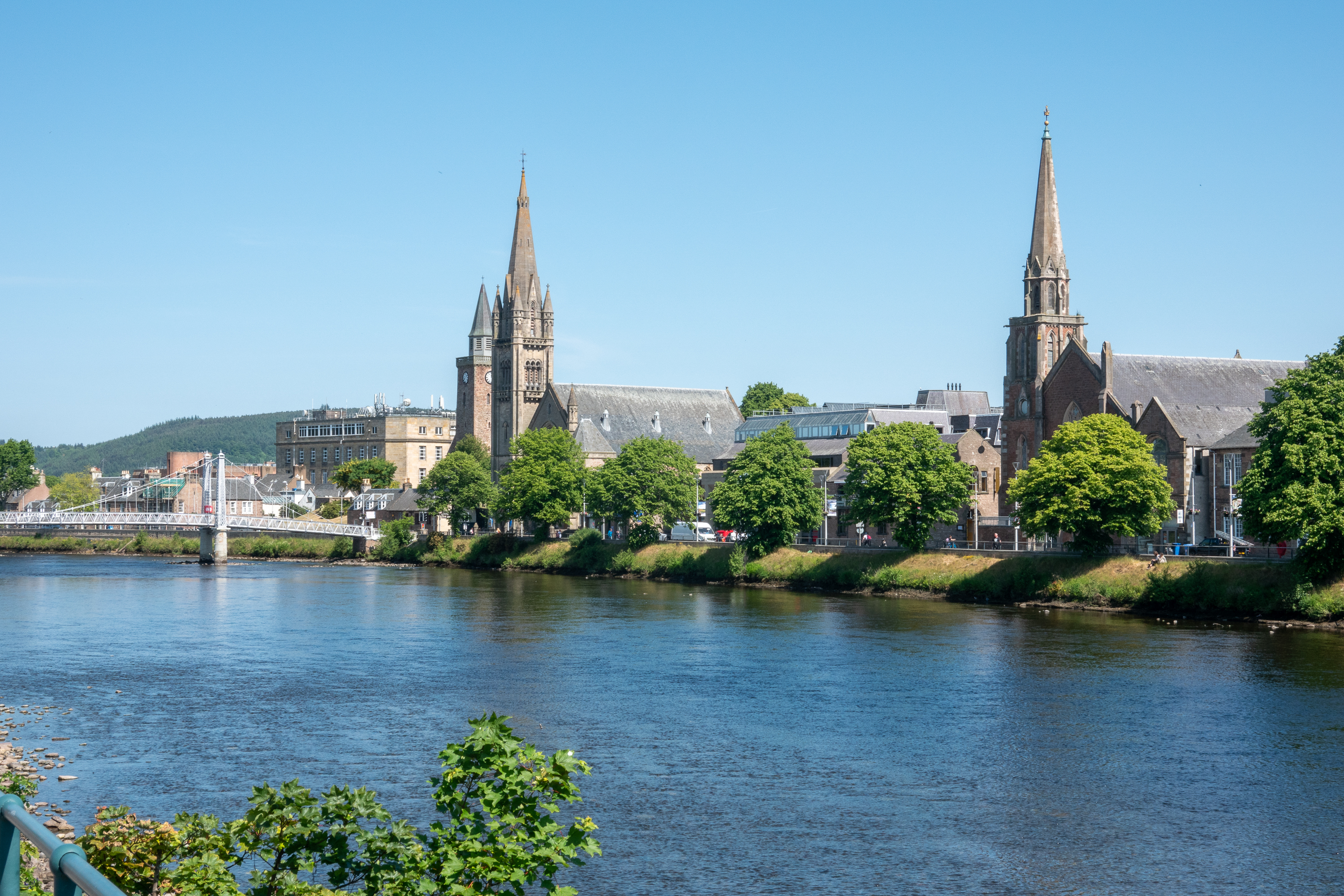
Inverness is not as quaint as some Scottish cities but the area along the river is beautiful. We had a great time raiding the woolen shops.
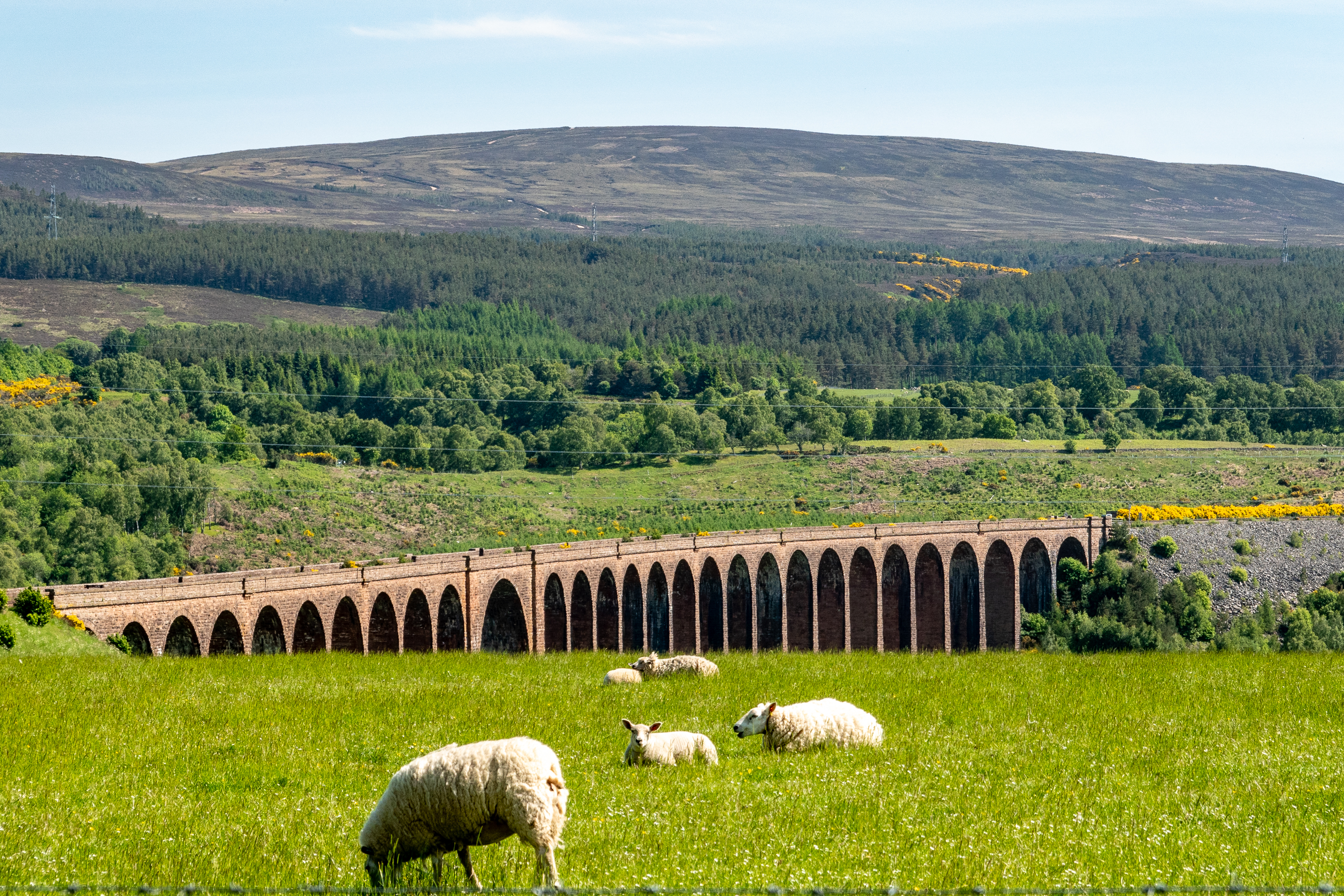
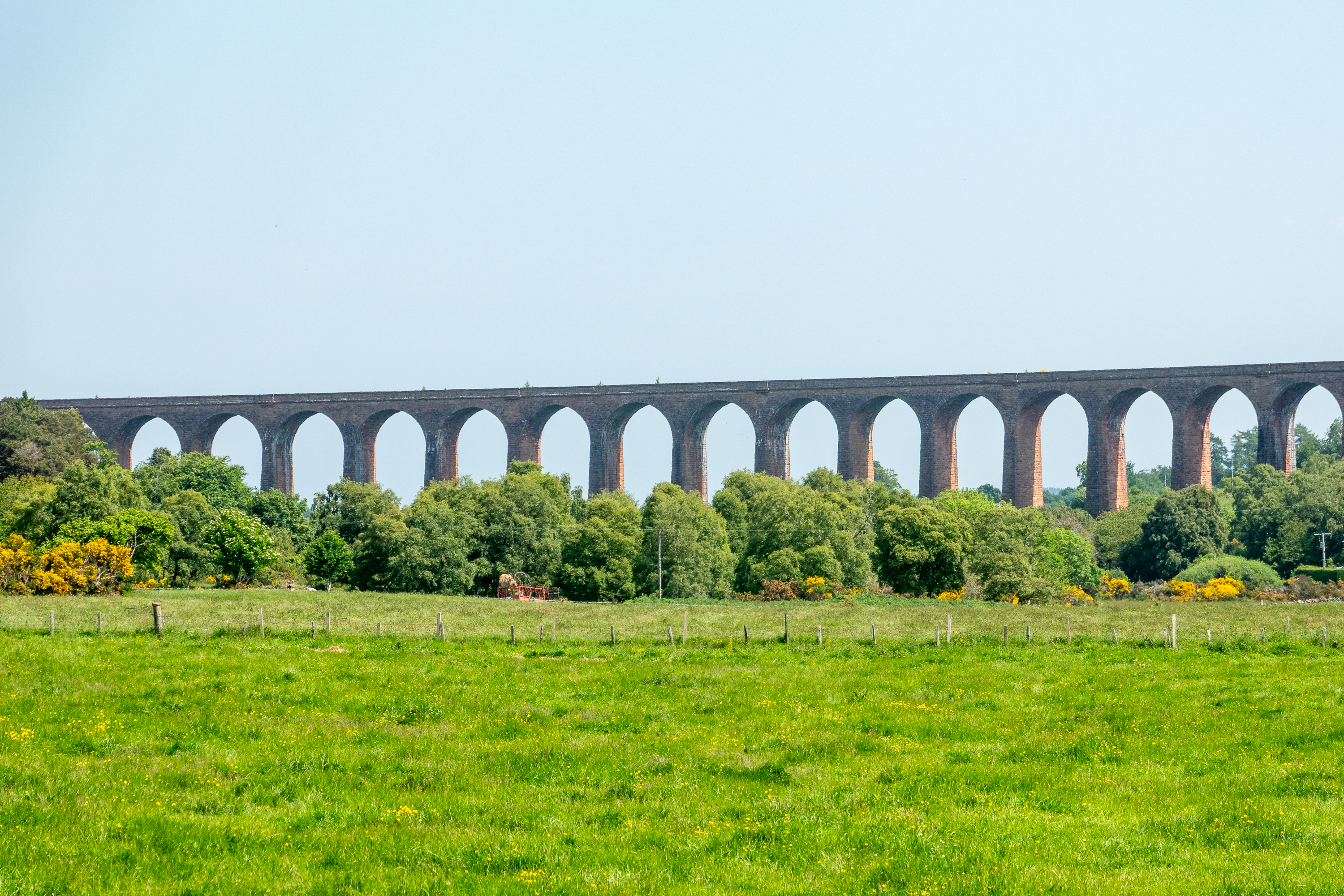
Lots of people will have noted the “Harry Potter” viaduct, which is certainly spectacular, but the simple fact remains that the Victorians built dozens, if not hundreds of amazing viaducts all over the country. Just down the road from our campsite is the Culloden Viaduct. At 1800 feet, it is the longest masonry viaduct in Scotland, and it doesn’t even merit a sign. We found it quite by accident, simply by looking out the window.
Color us Jacobite skeptics so we were thus pleased that the guide book to the Culloden site begins with a chapter on the “myths of Culloden.” The political background to the battle of Culloden is critical reading for Americans, as our Founding Fathers were keenly aware of the necessity of French intervention if we were going to gain independence from England. Spoiler alert: We got it, Charlie didn’t. We history buffs always like to see tactical events placed in full political/military context. The Jacobites had won almost every battle that they fought before Culloden, and then they did everything wrong and lost badly at Culloden. (https://en.wikipedia.org/wiki/Battle_of_Culloden)

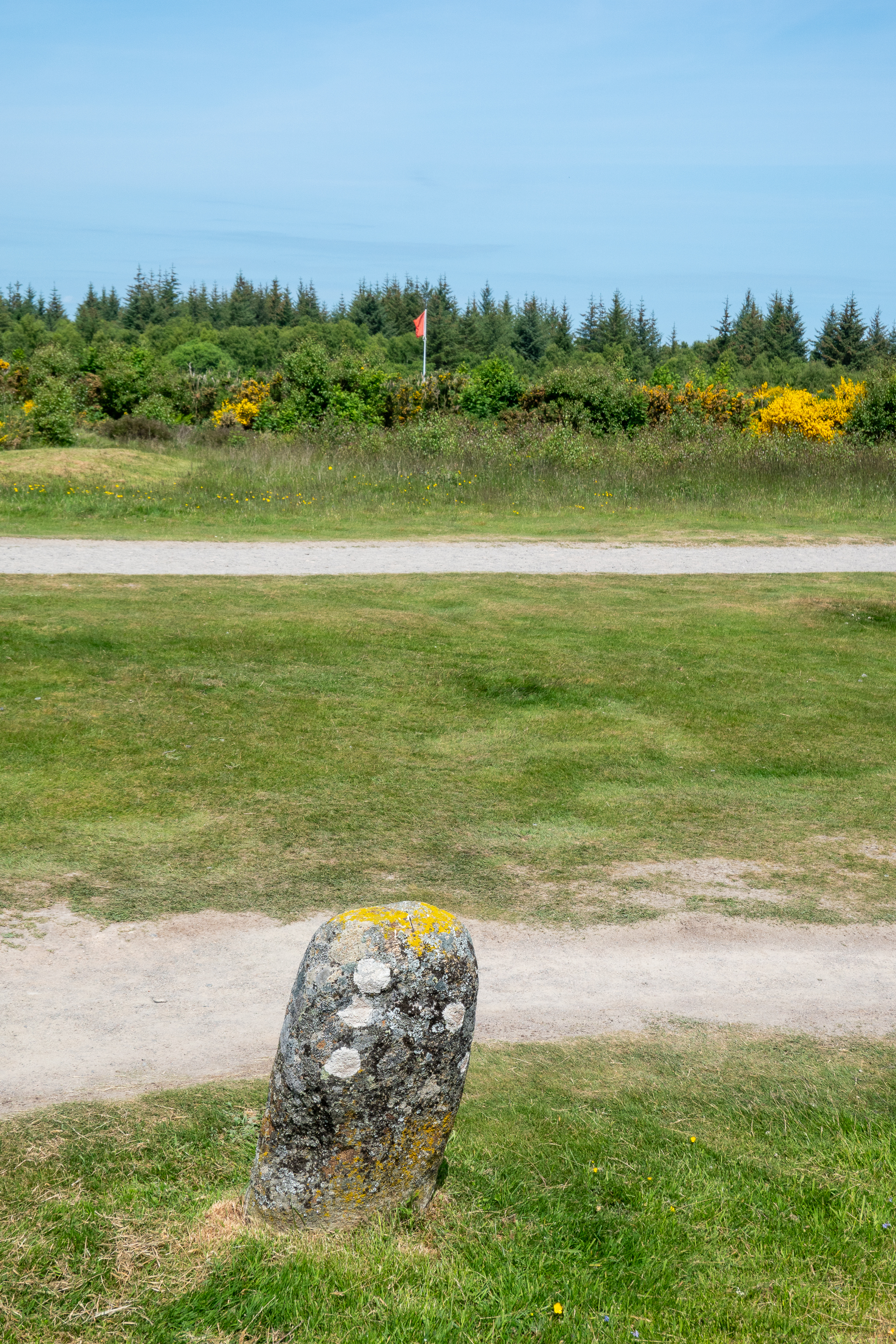
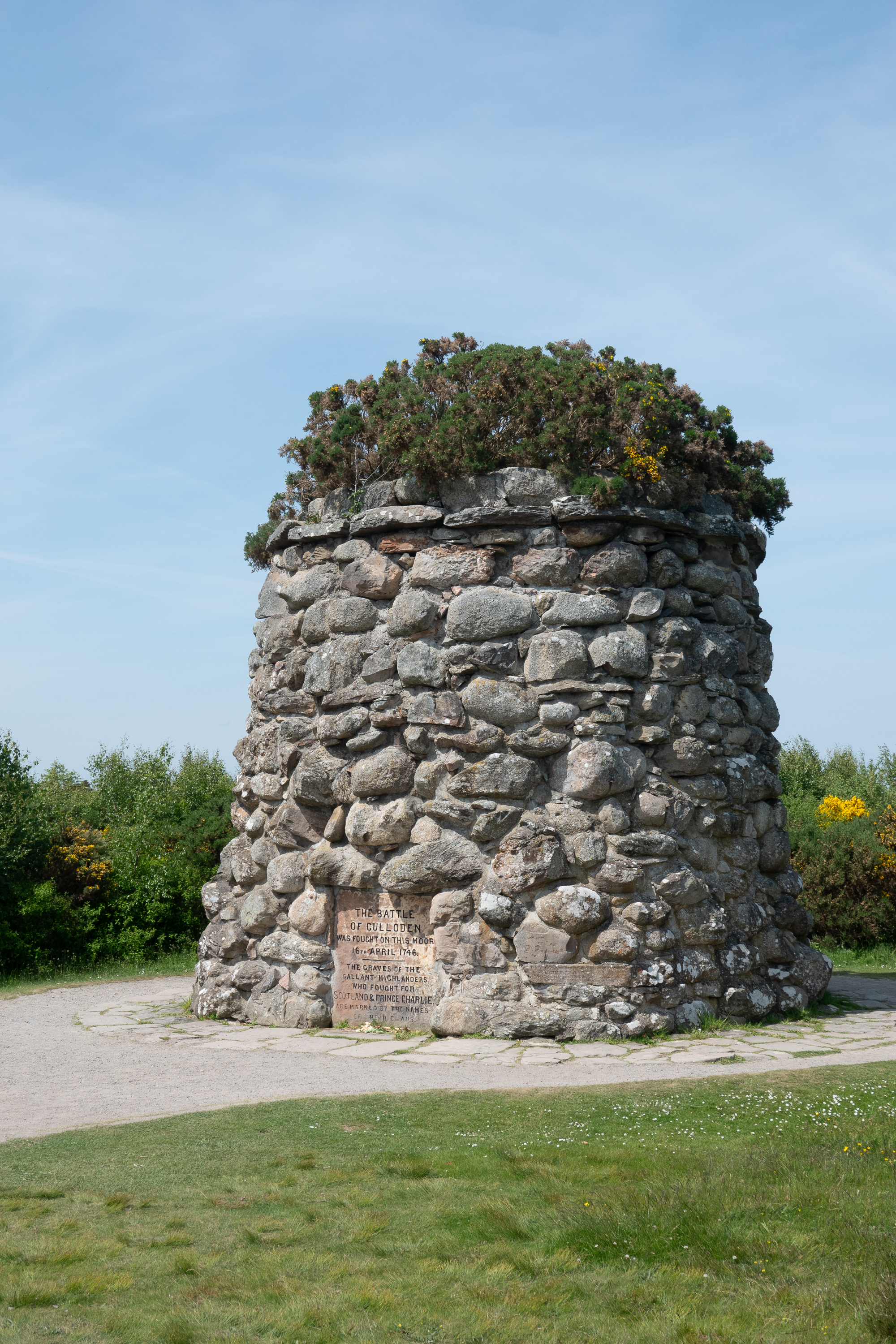
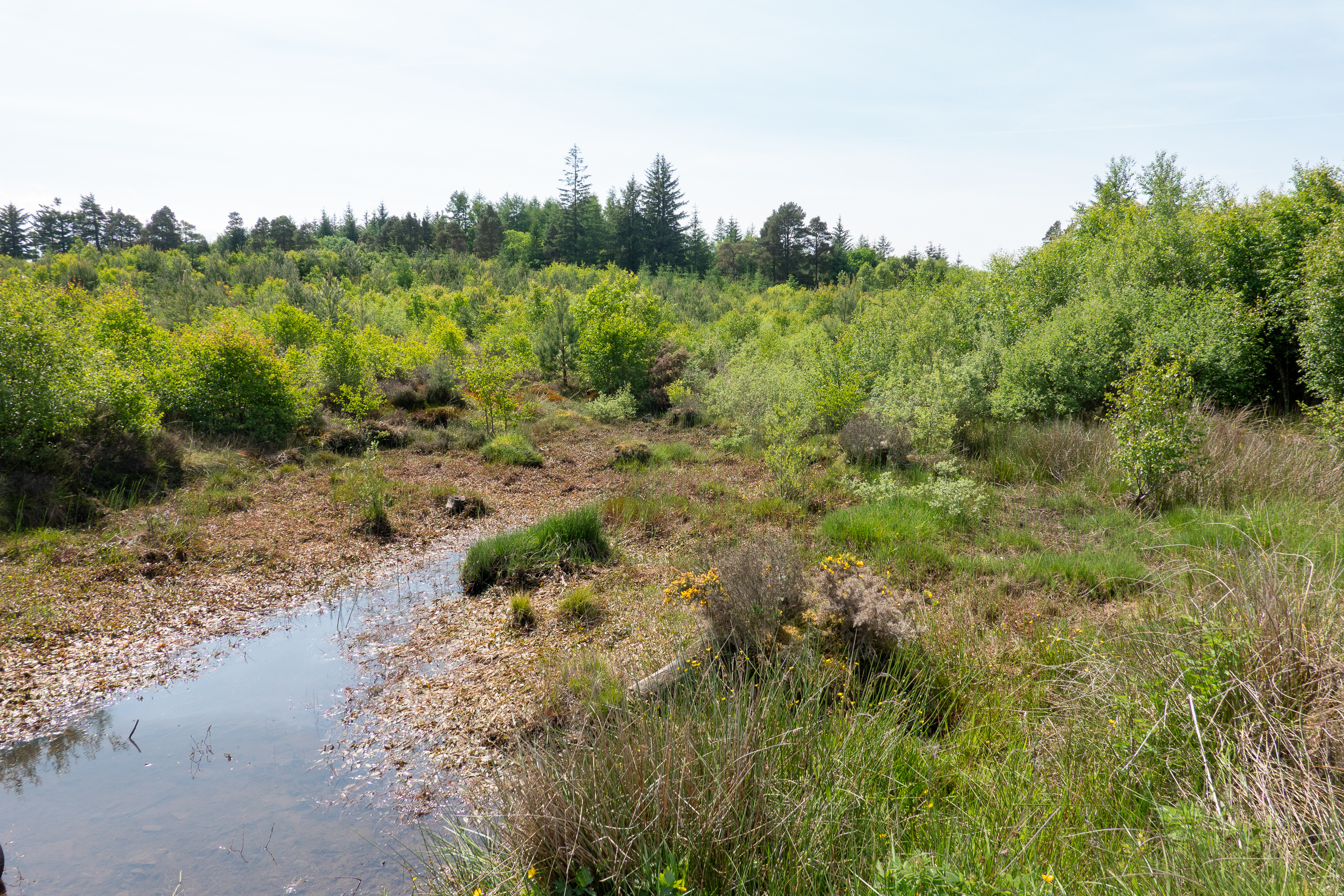

The Hanoverian revenge after the battle was savage and led to the end of the clan system. (And a ban on bagpipes.)
Just down the road is a wonderful little site, Clava Cairns. (https://www.visitscotland.com/info/see-do/clava-cairns-p245611) It always amazes us how real archeologists can look at a few stones in a field and “see” what it was. This is especially true of prehistoric sites.
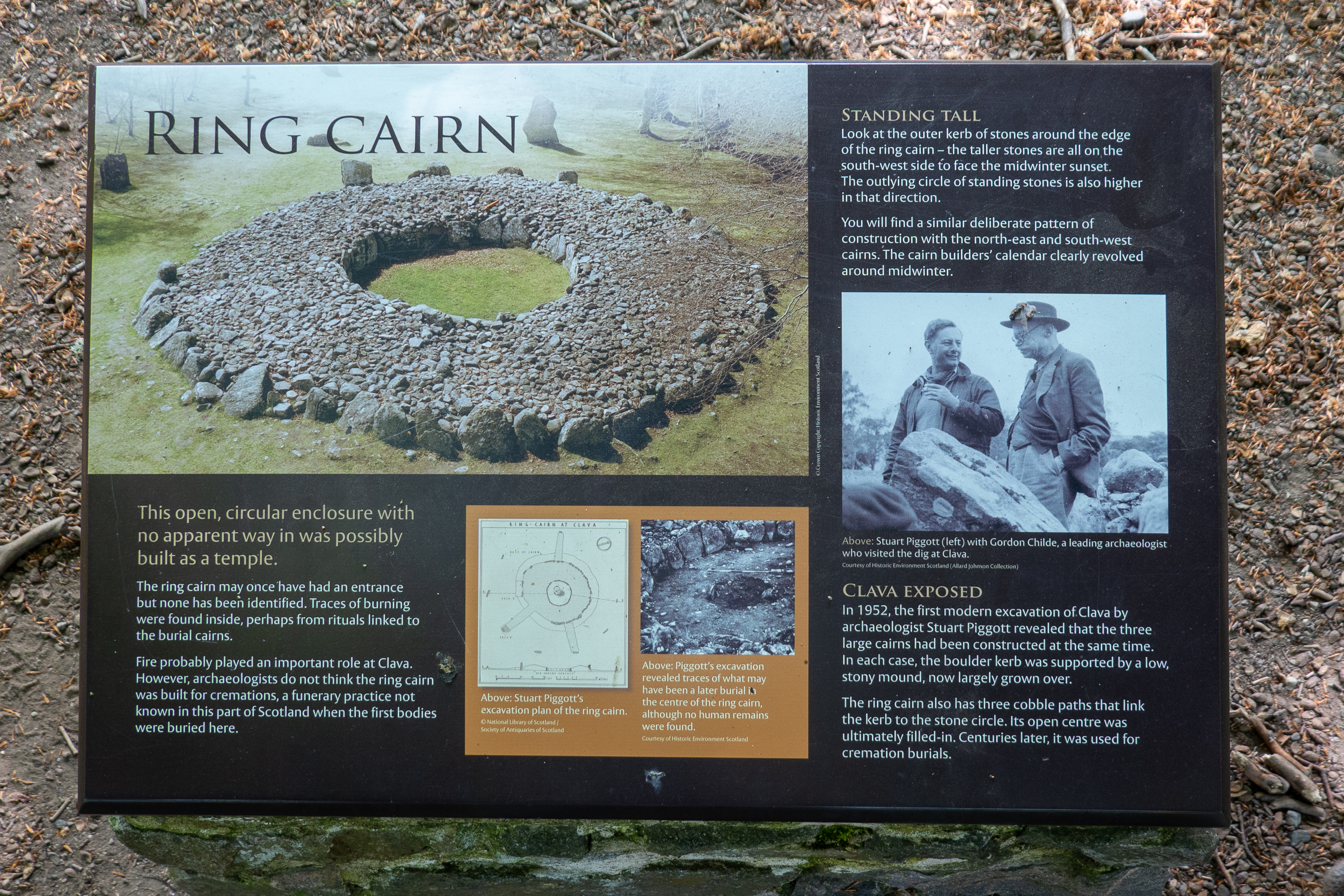
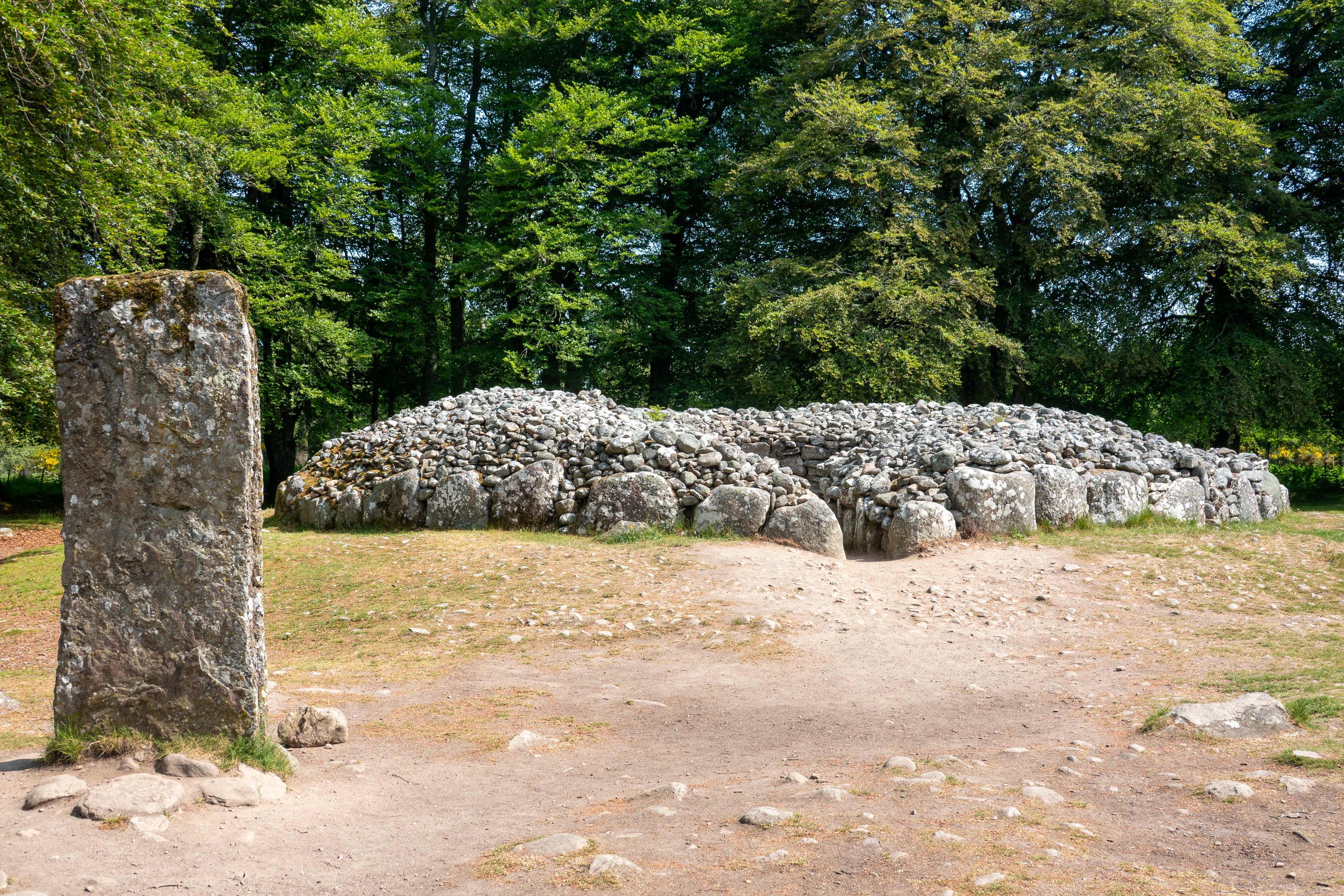

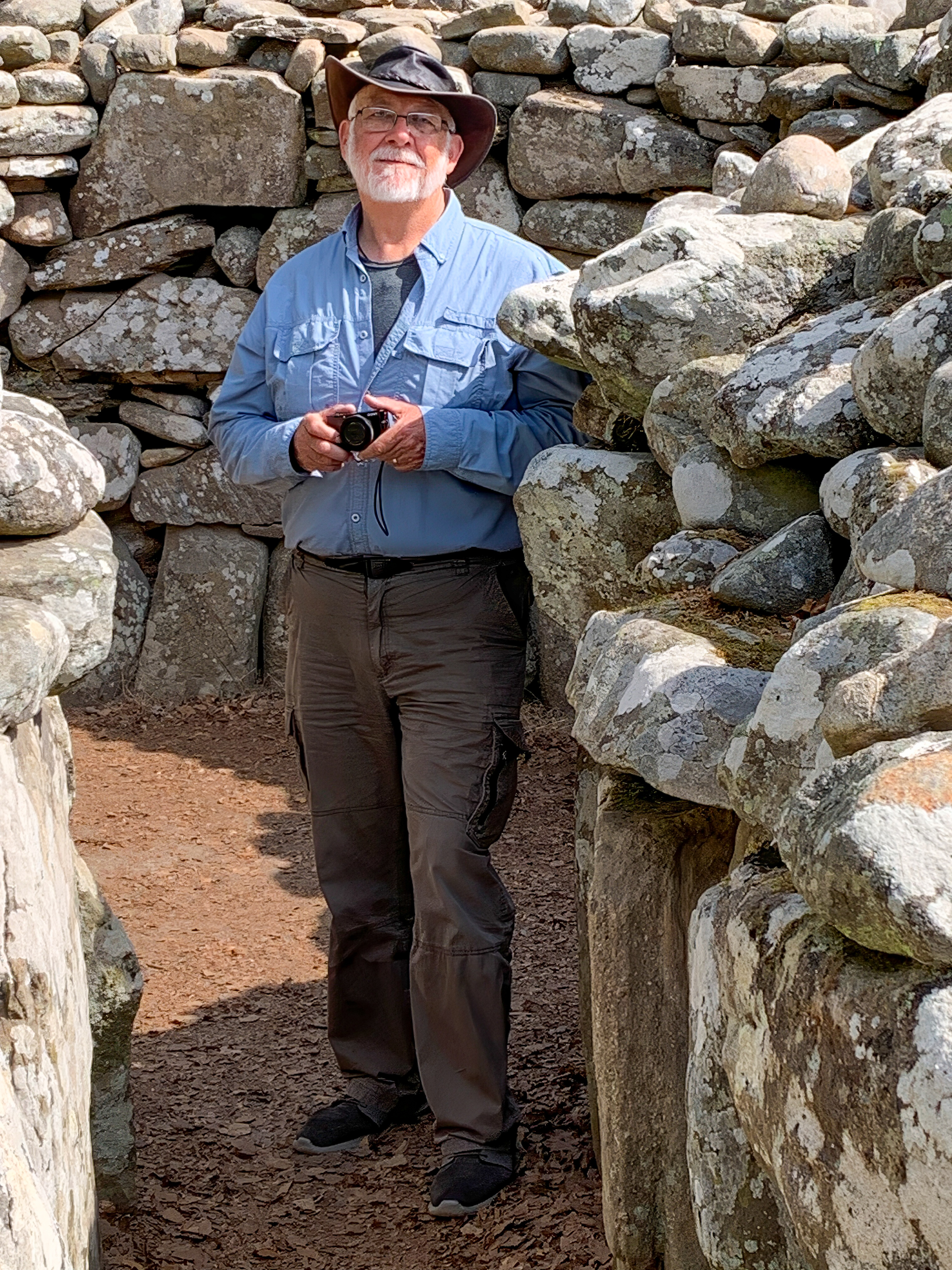
And sometimes, even after a site is excavated, its purpose can be hard to discern.
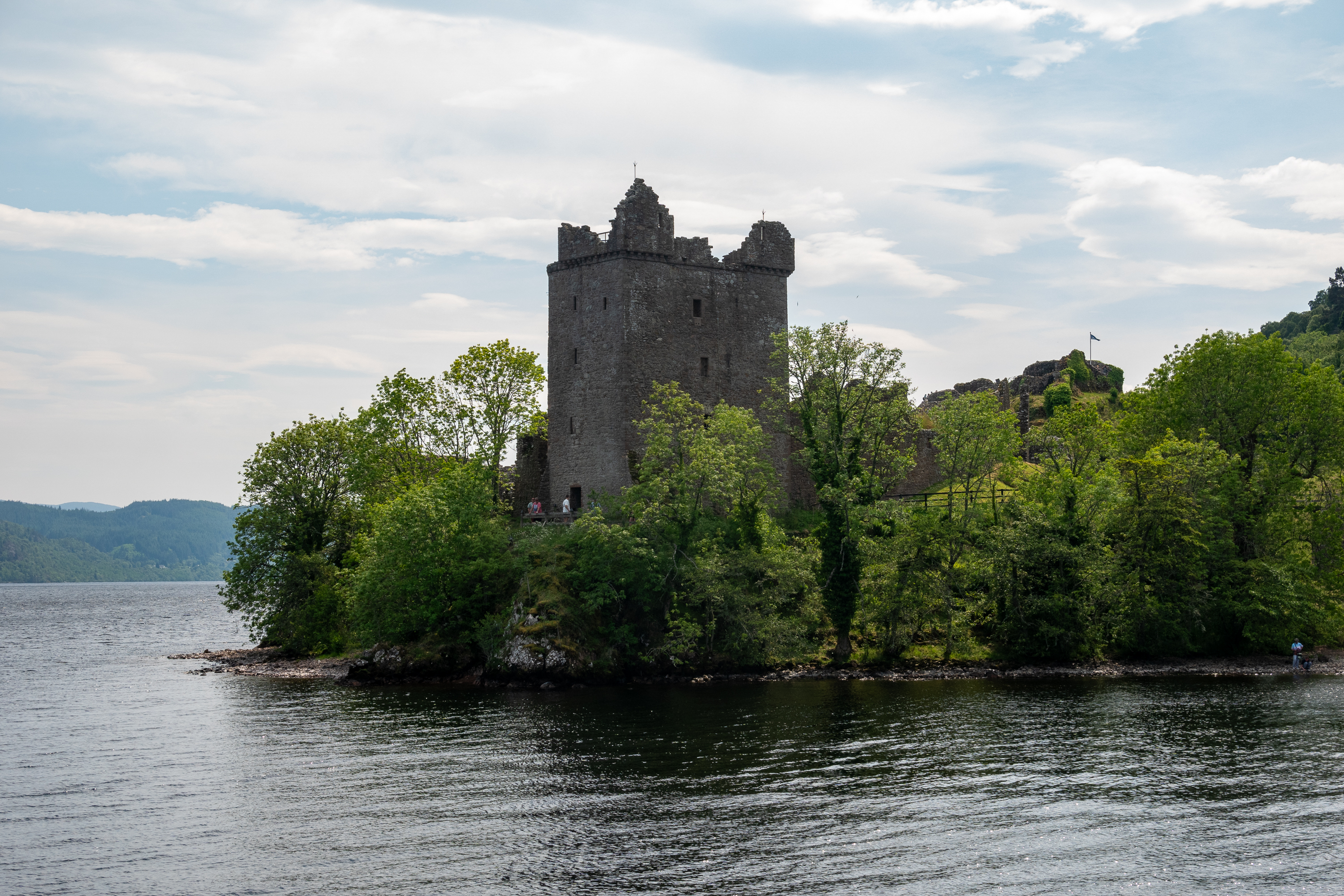
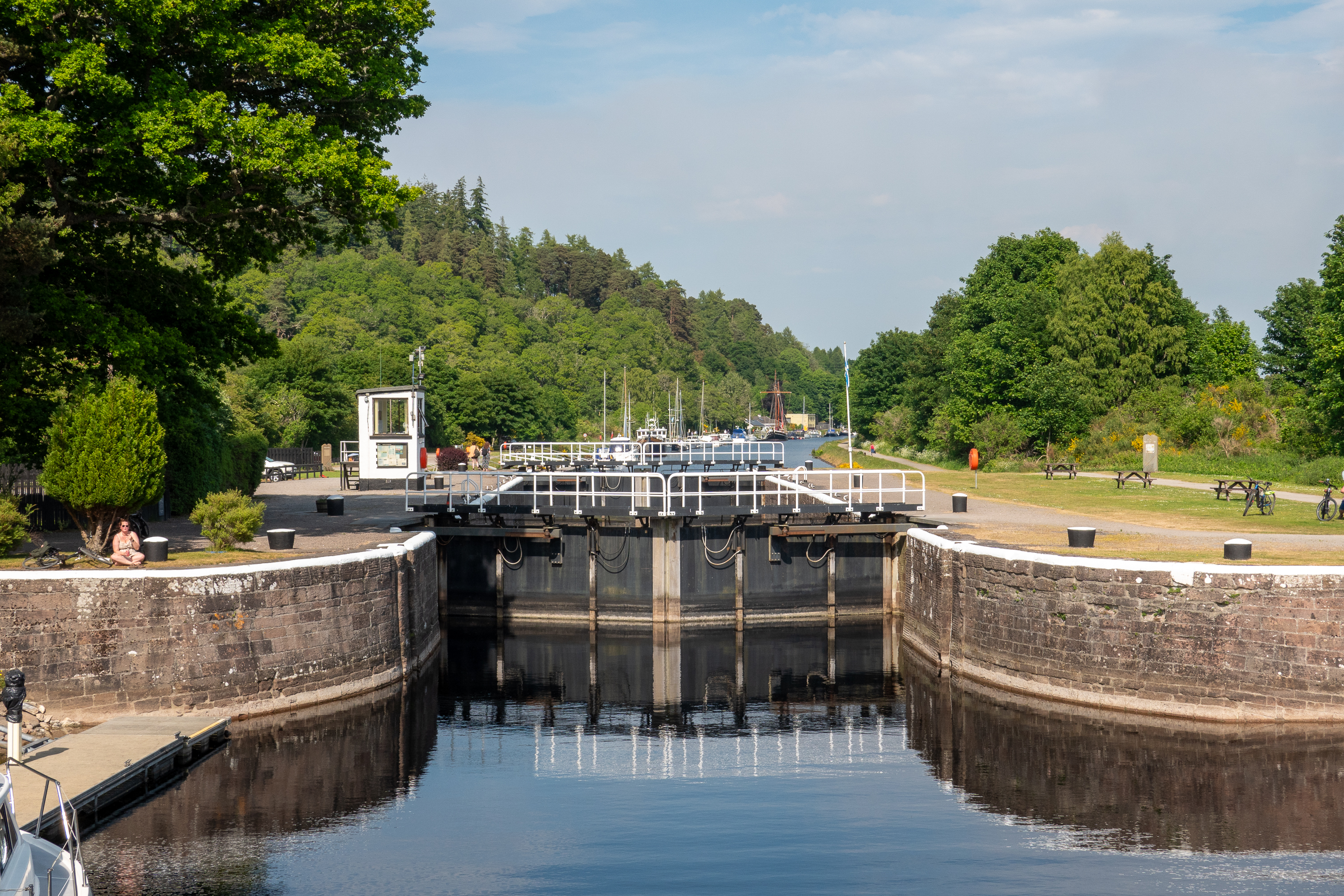
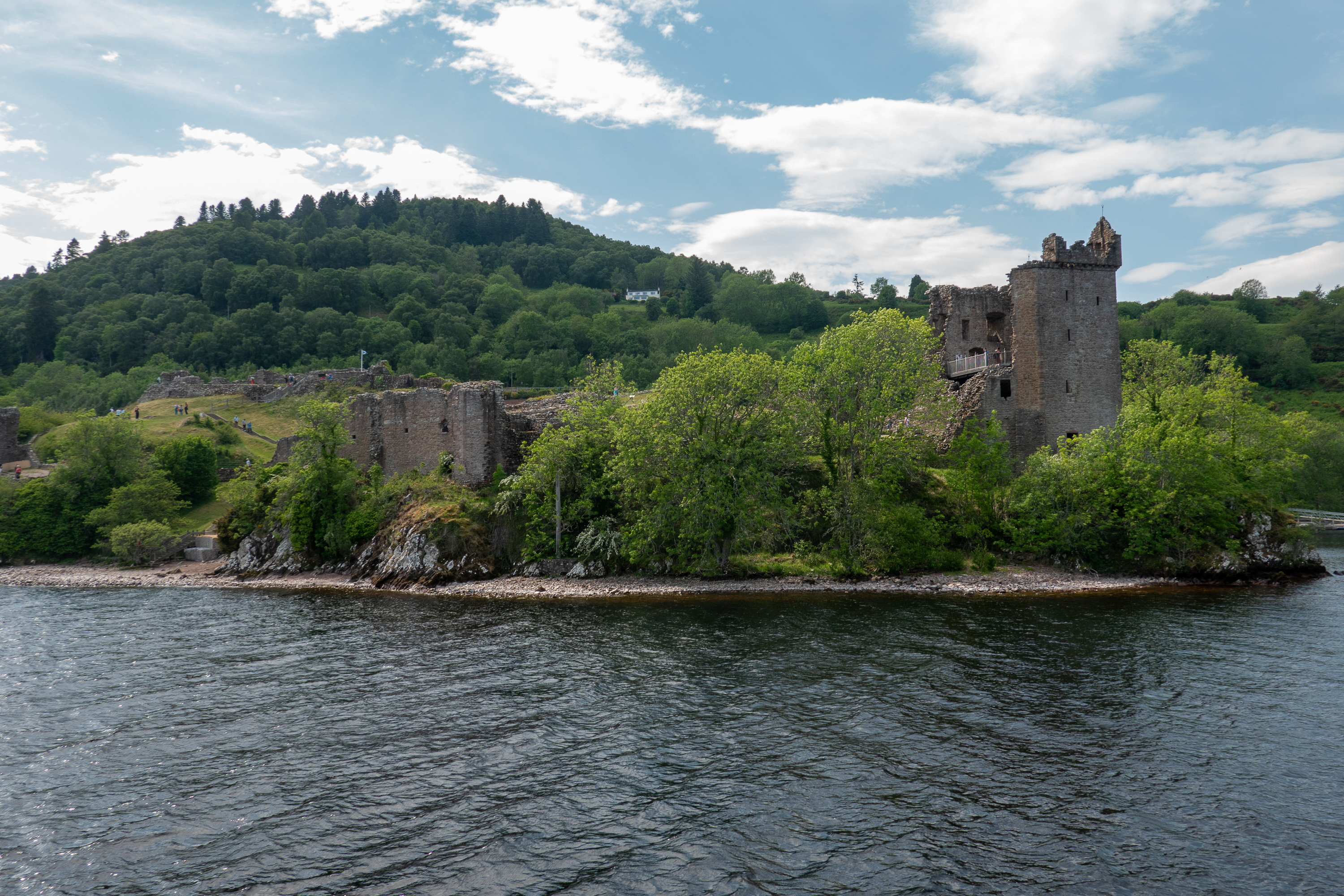
Inverness is at the top of Loch Ness and linked to it by the Caledonian Canal. (https://en.wikipedia.org/wiki/Caledonian_Canal ) When your daughter was born in Panama you tend to develop a canal fetish, so we had to take a quick trip down the canal and out into the loch. Only went as far as Urquhart Castle (https://en.wikipedia.org/wiki/Urquhart_Castle), but it was a nice sunny day.

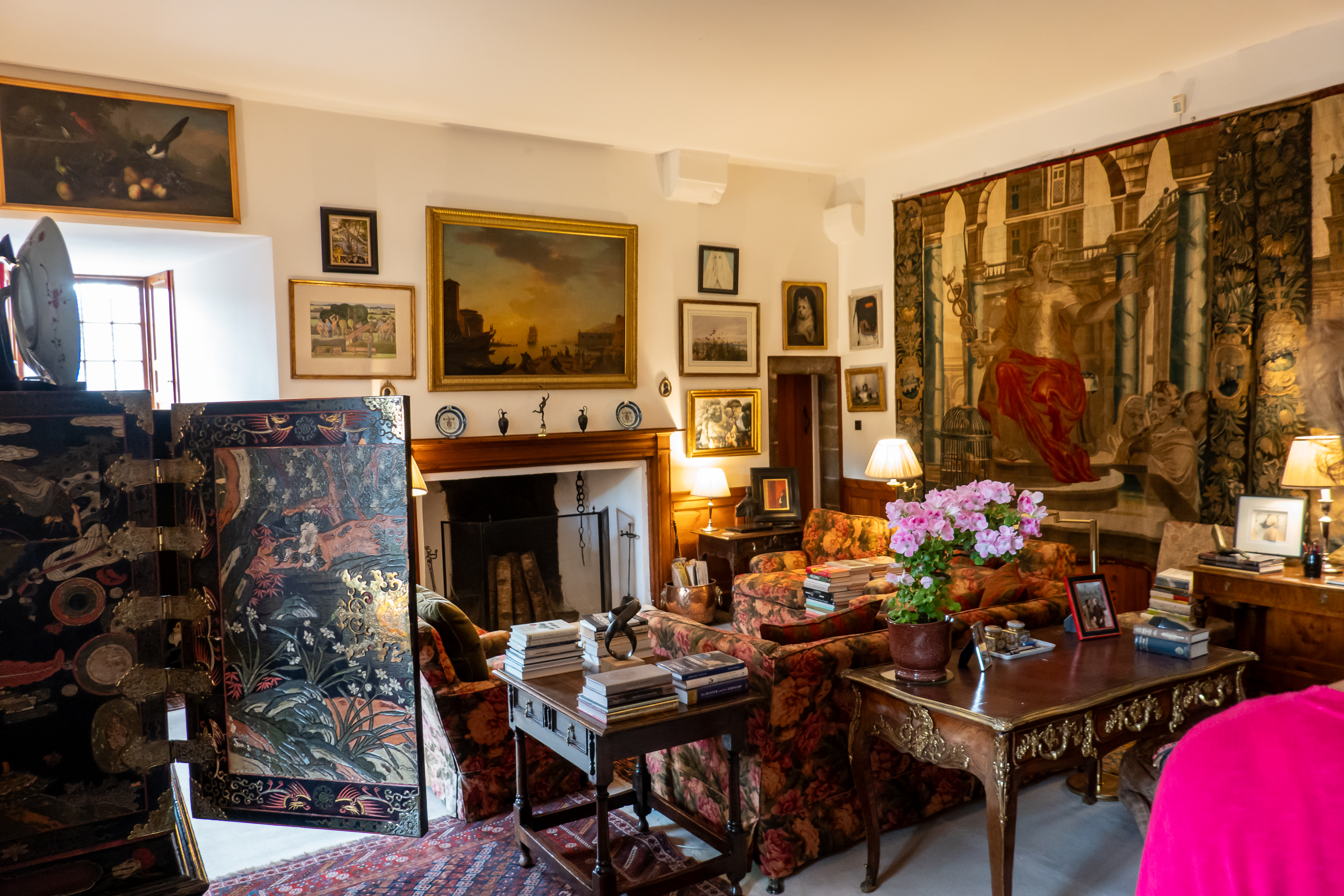
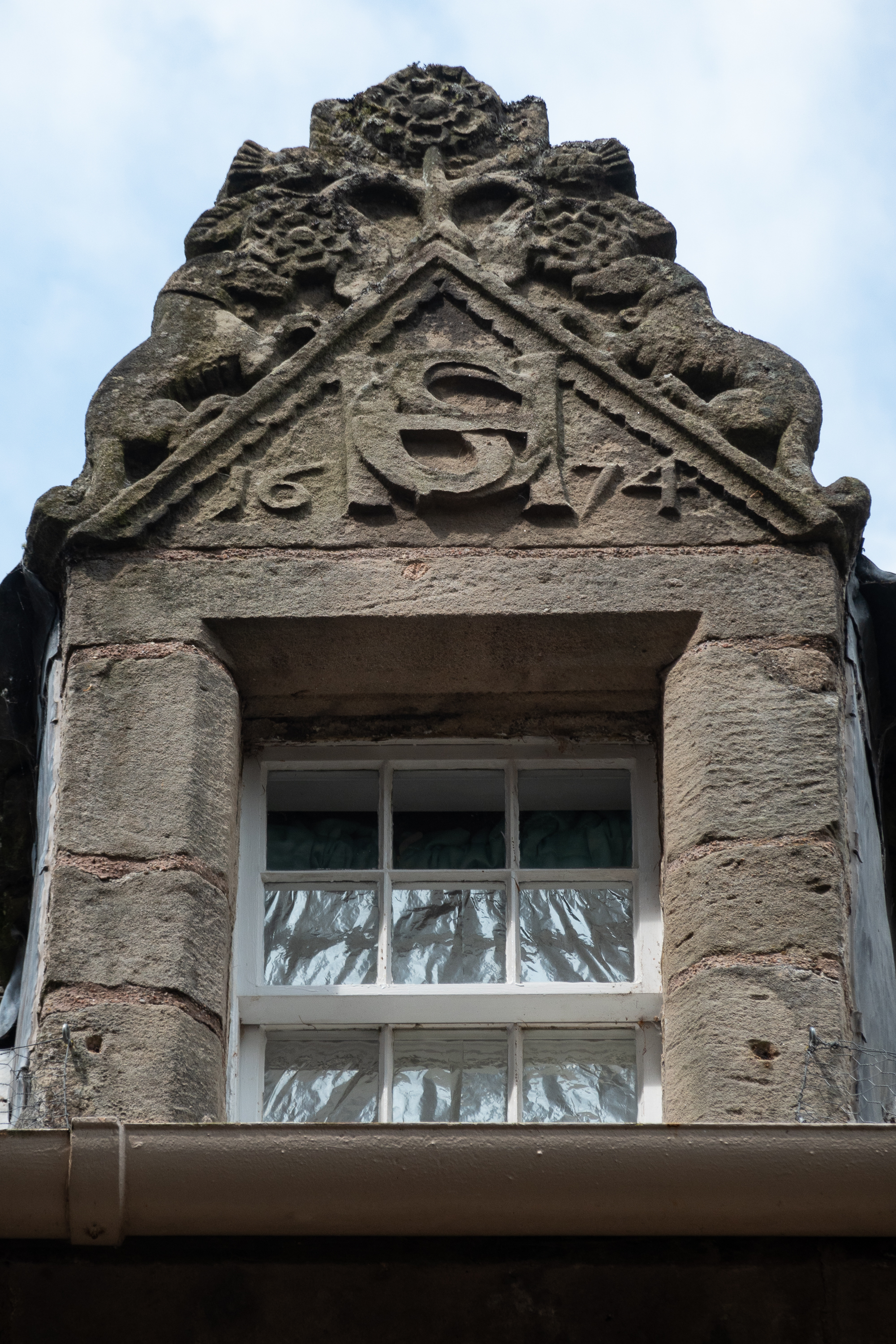
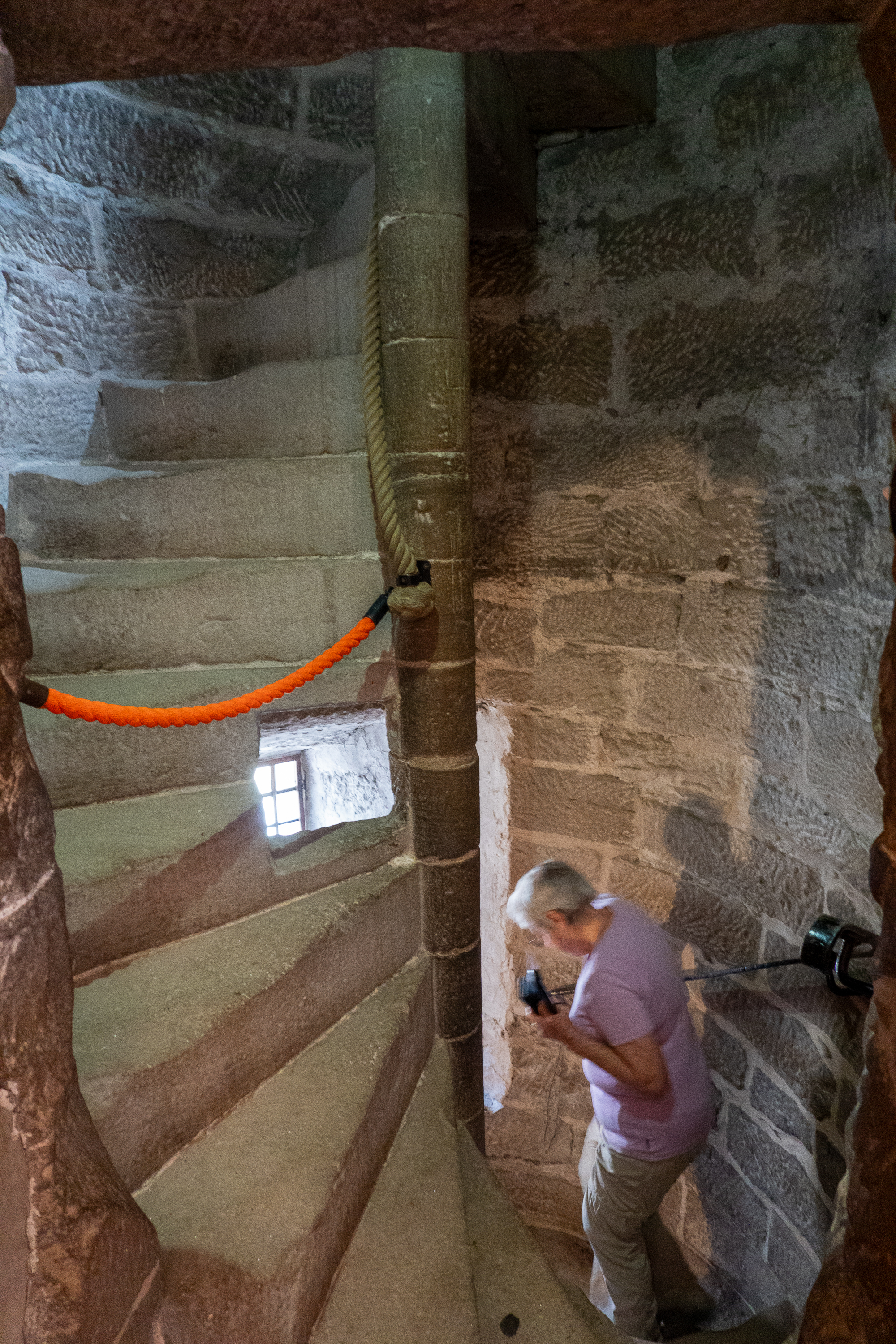
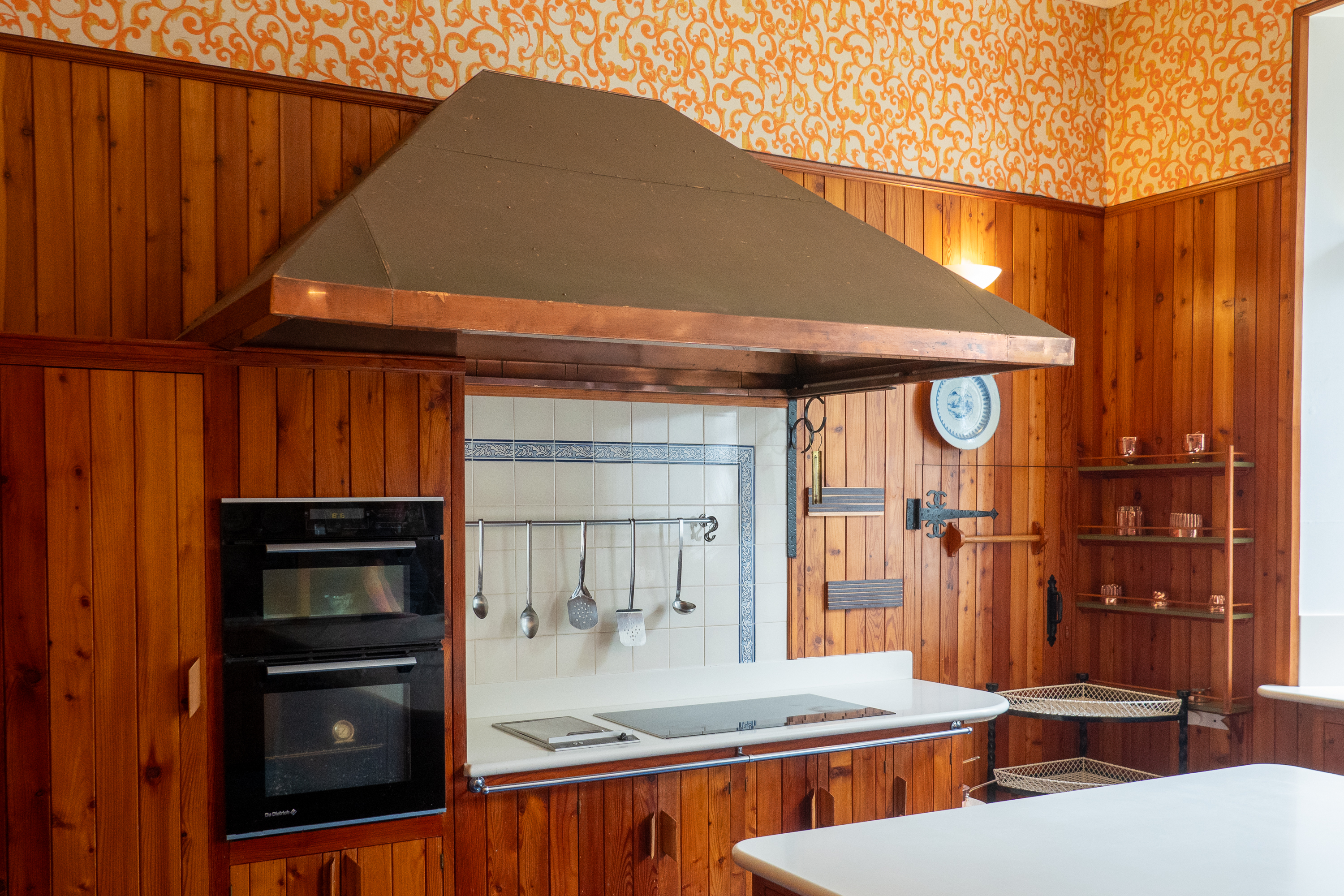
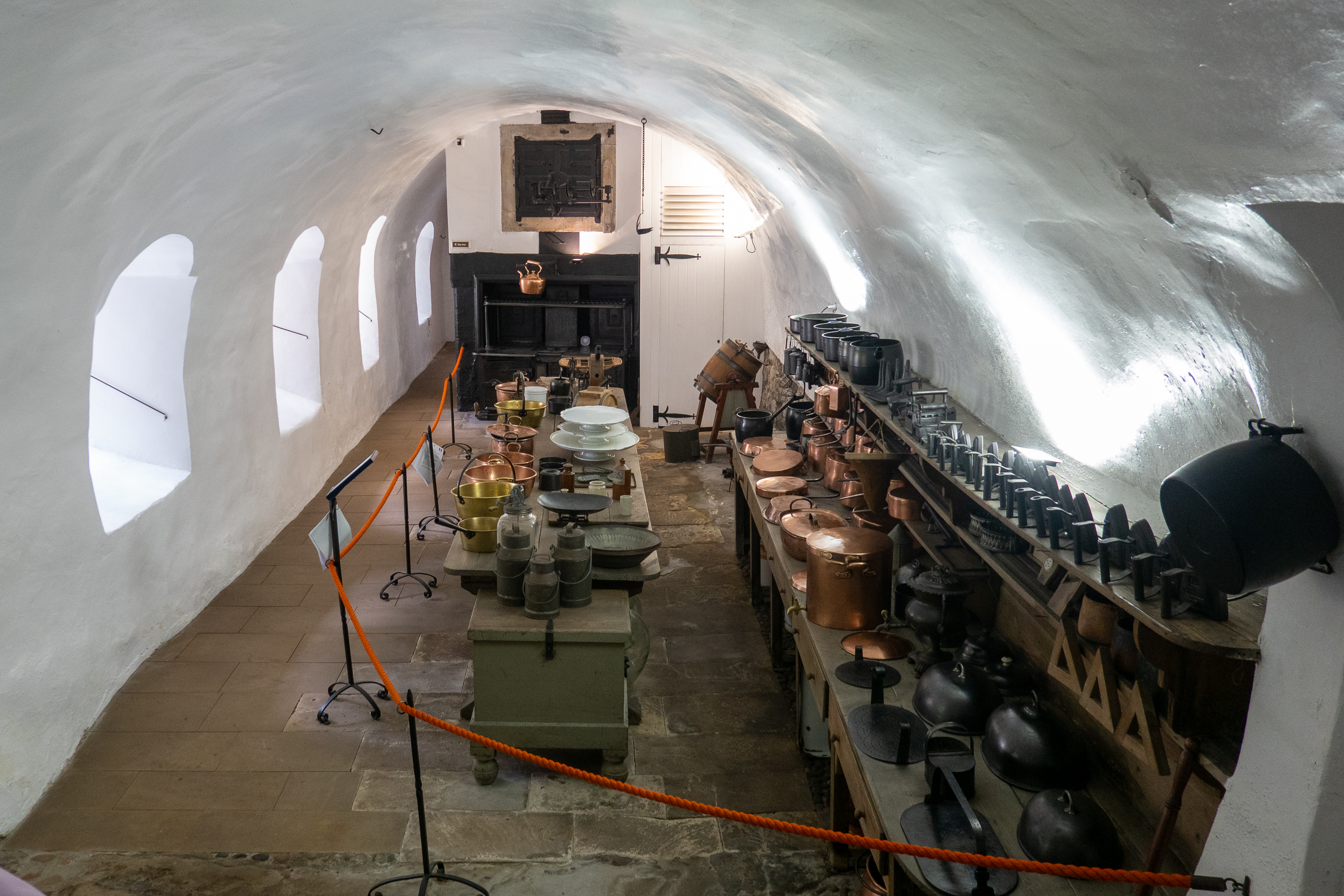
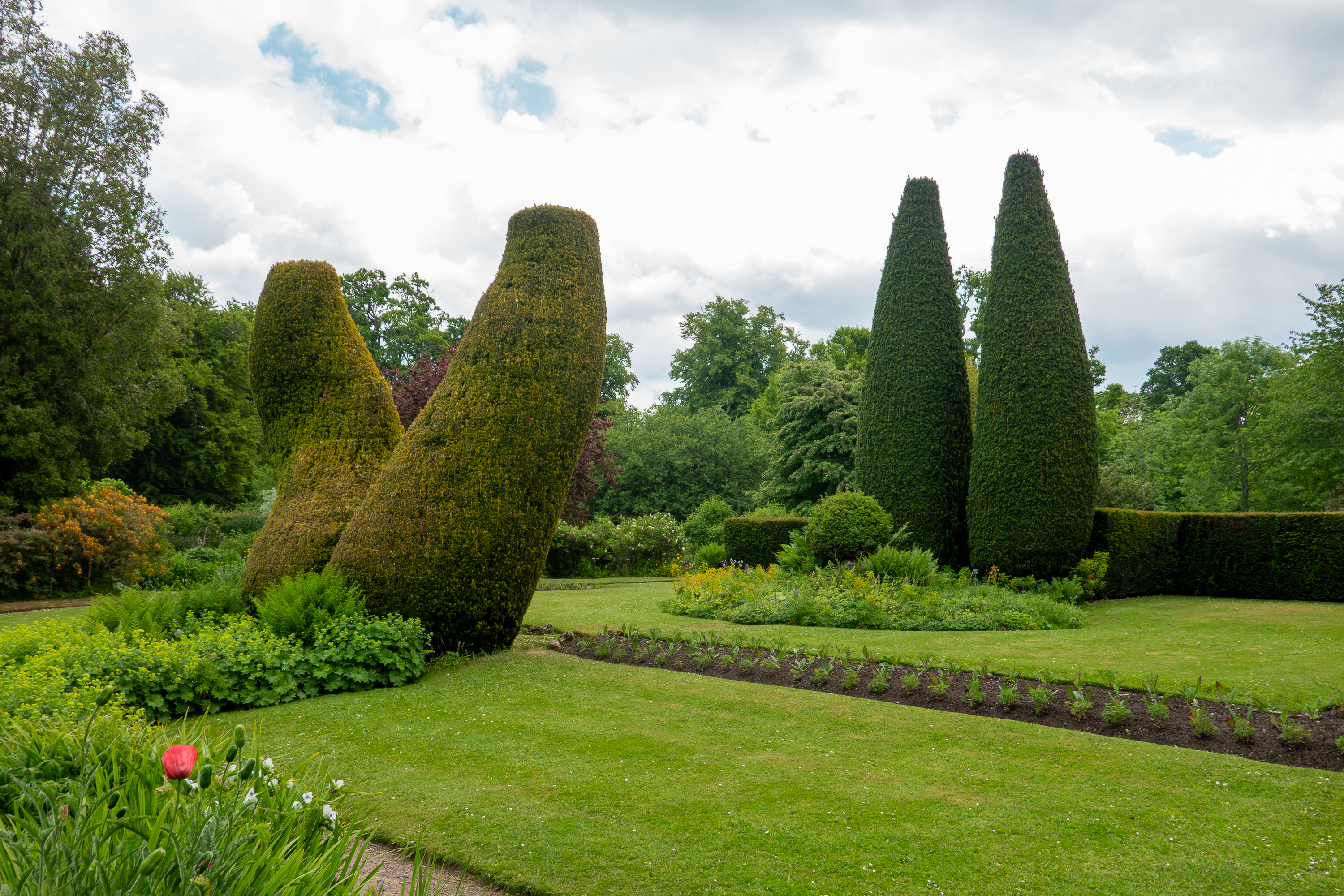
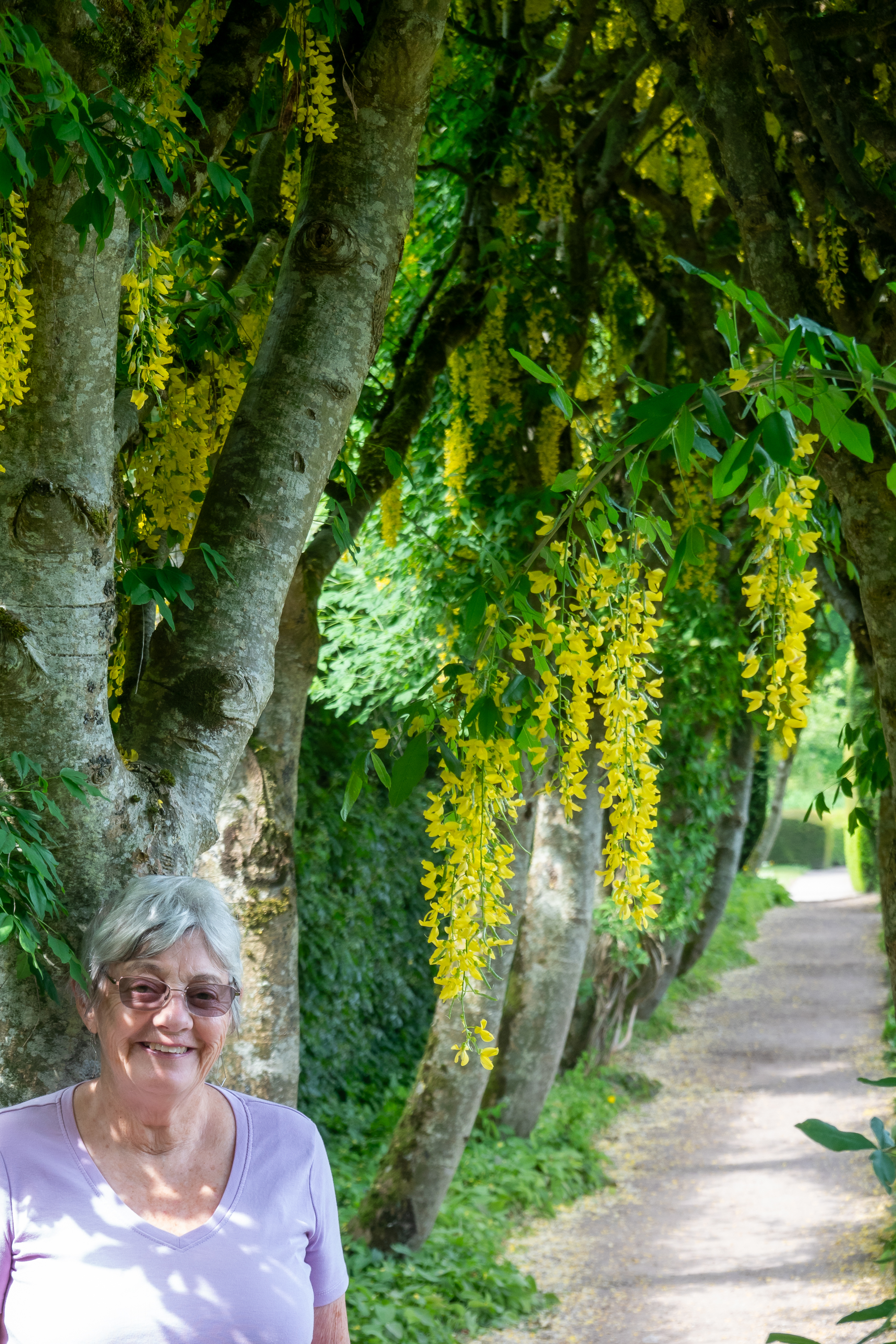
No, Macbeth was never thane of Cawdor Castle. But it is still worth a visit as it is a nifty fortified manor house, still owner occupied and it even has a secret or lost chamber. And Denise liked the gardens. (https://en.wikipedia.org/wiki/Cawdor_Castle) Any building that is constructed around a living Holly tree is interesting, even if the tree died in about 1372!


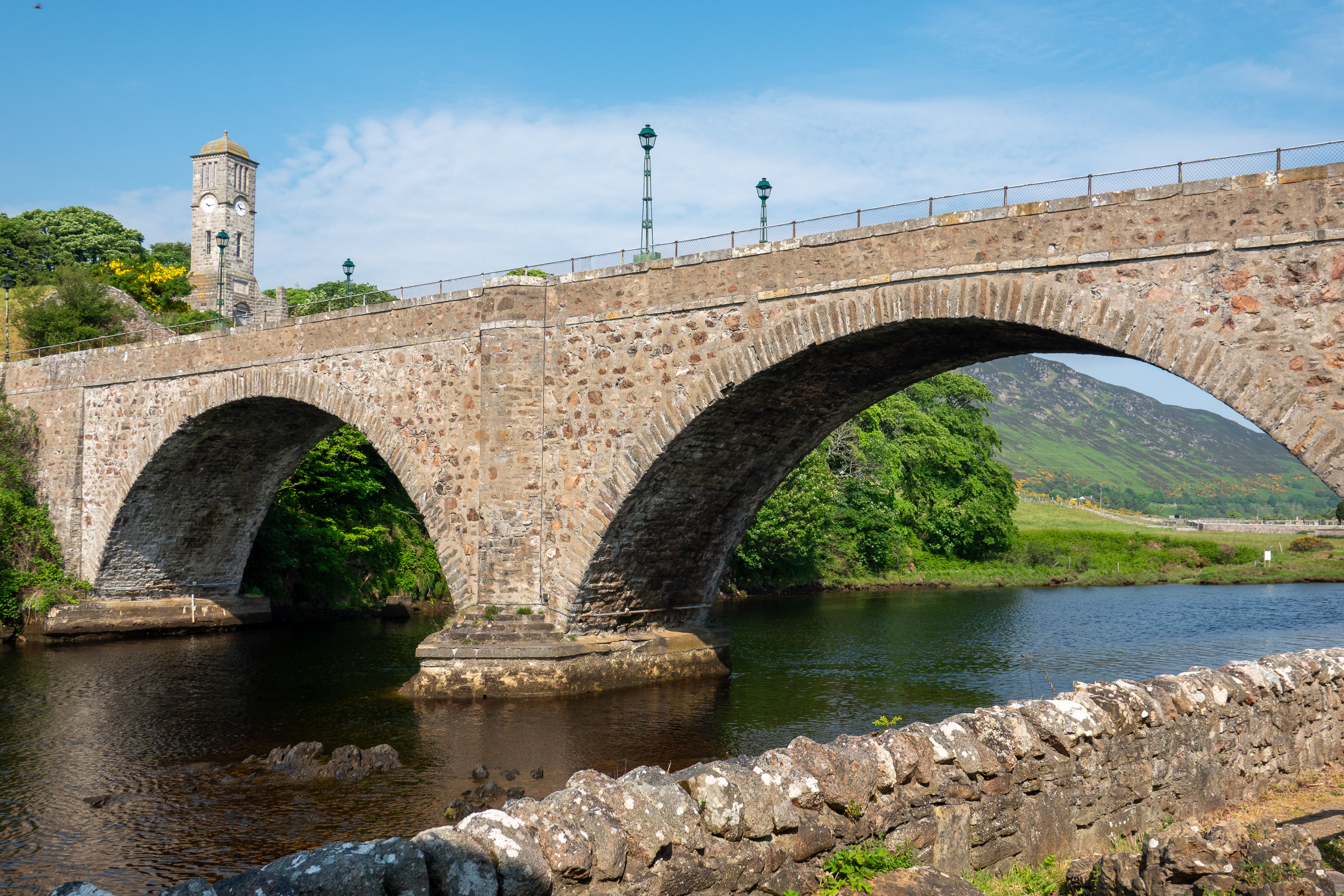
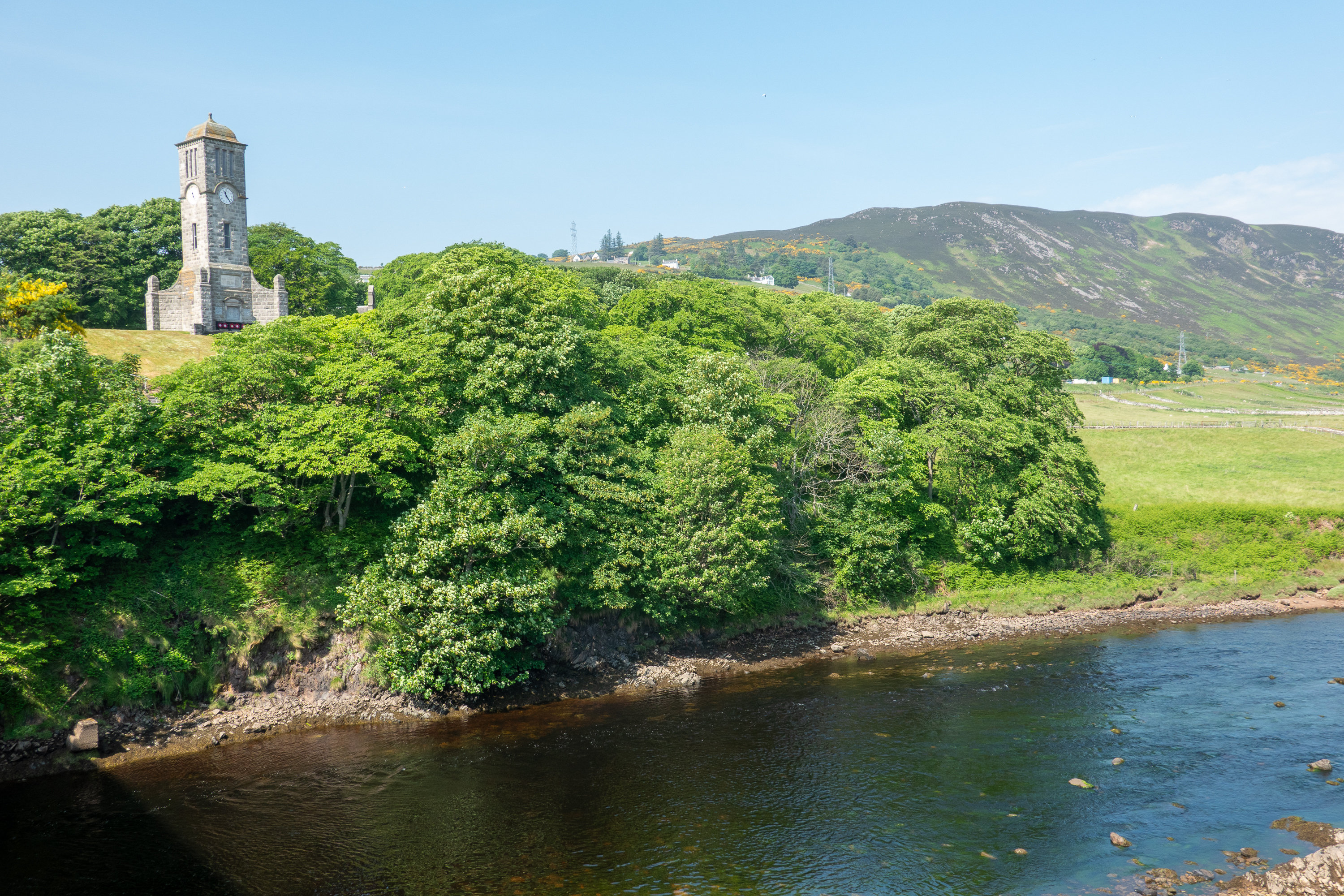
We continued up the coast to the town of Helmsdale. Again, the reason was free camping. And a good fish and chips dinner. (http://www.bannockburninn.co.uk/)


The next day we set out to explore a really charming town. Helmsdale was a Highland Clearances town, where highlanders were resettled after being removed from the land. Some became fishermen, but many emigrated. There is a small, but very nice museum. (https://timespan.org.uk/museum/) And, of course, a coffee shop where we scored scones, fresh out of the oven!
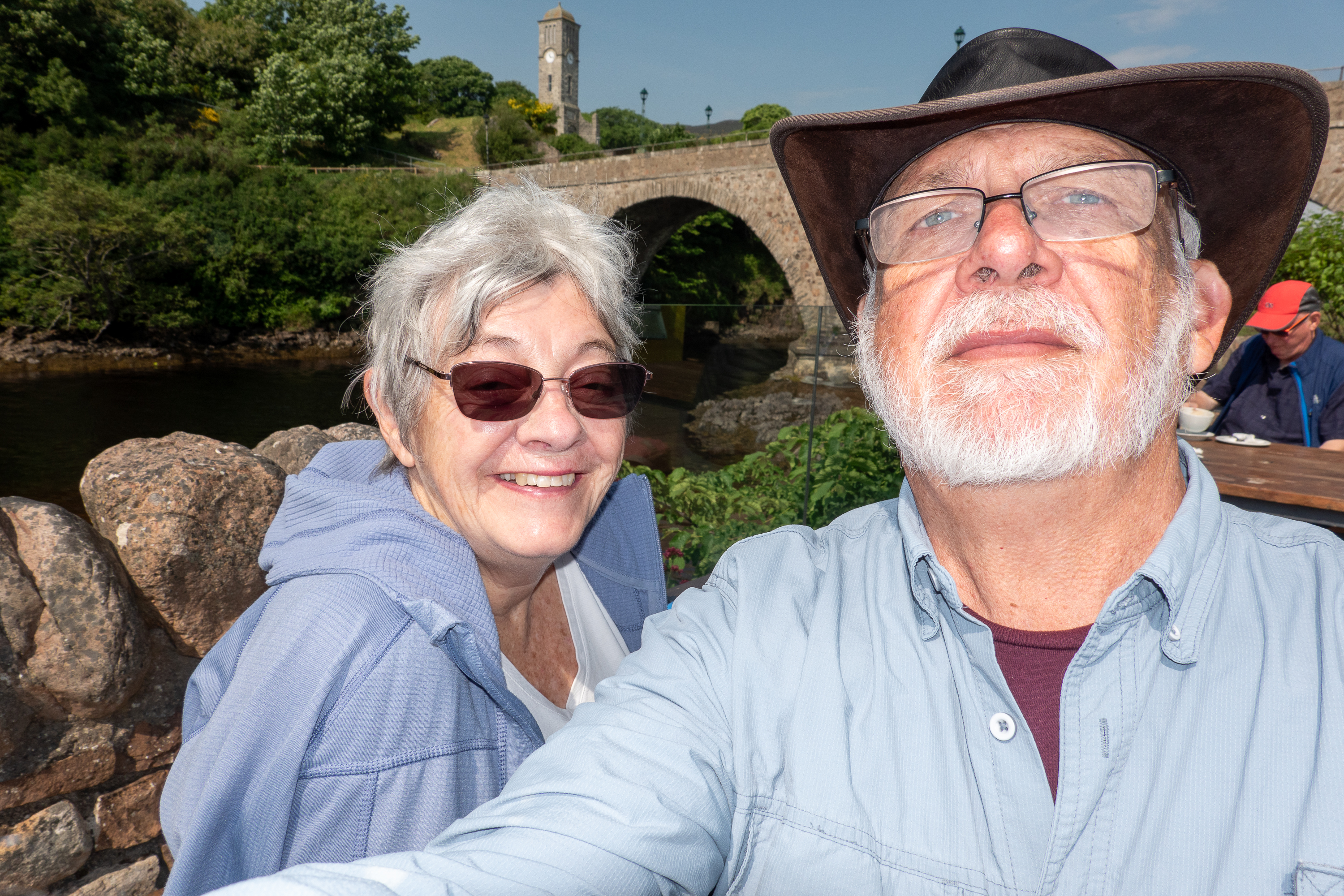
We’re learning.
We made a quick stop at the Hill of Many Stanes. (https://www.historicenvironment.scot/visit-a-place/places/hill-omany-stanes/)


And then we reached John o’Groats.
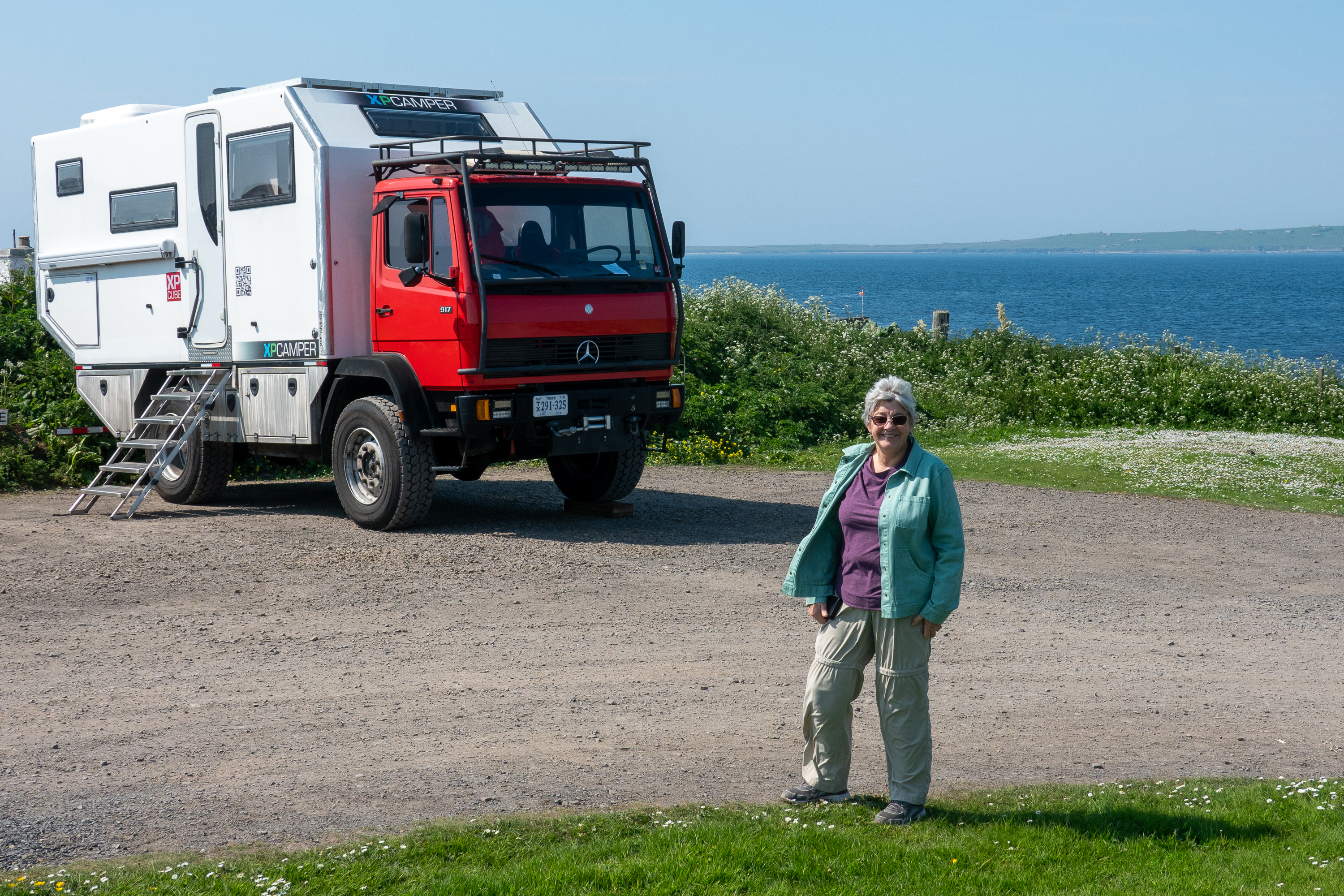
OK, there isn’t much here but the campground, which we chose simply because it was close to the ferry dock, turned out to be lovely with wonderful views. Denise never tired of gazing out of the window at the sea and the island of Stroma.
 DiploStrat