
It was time to head south but time was an issue as we were expected at Atkinson Vos on June 26. So we headed to Thurso and then opted to return down the A9, which had less spectacular scenery but would be a faster drive in the 917. There is no doubt that the rest of the NC 500 would have been amazing but also very narrow and slow for us. We spent the night at Dingwall and then continued south to Glen Coe.
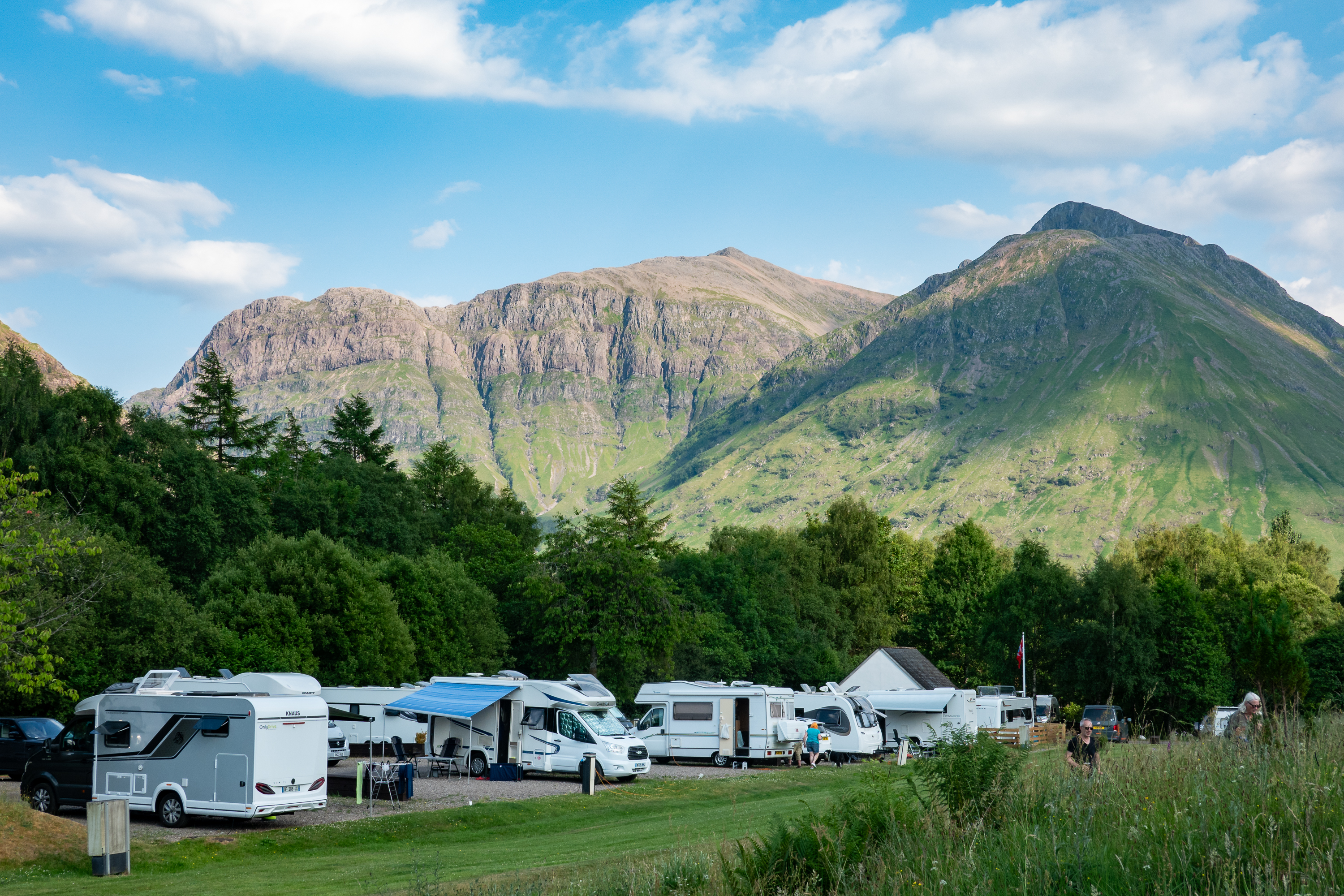
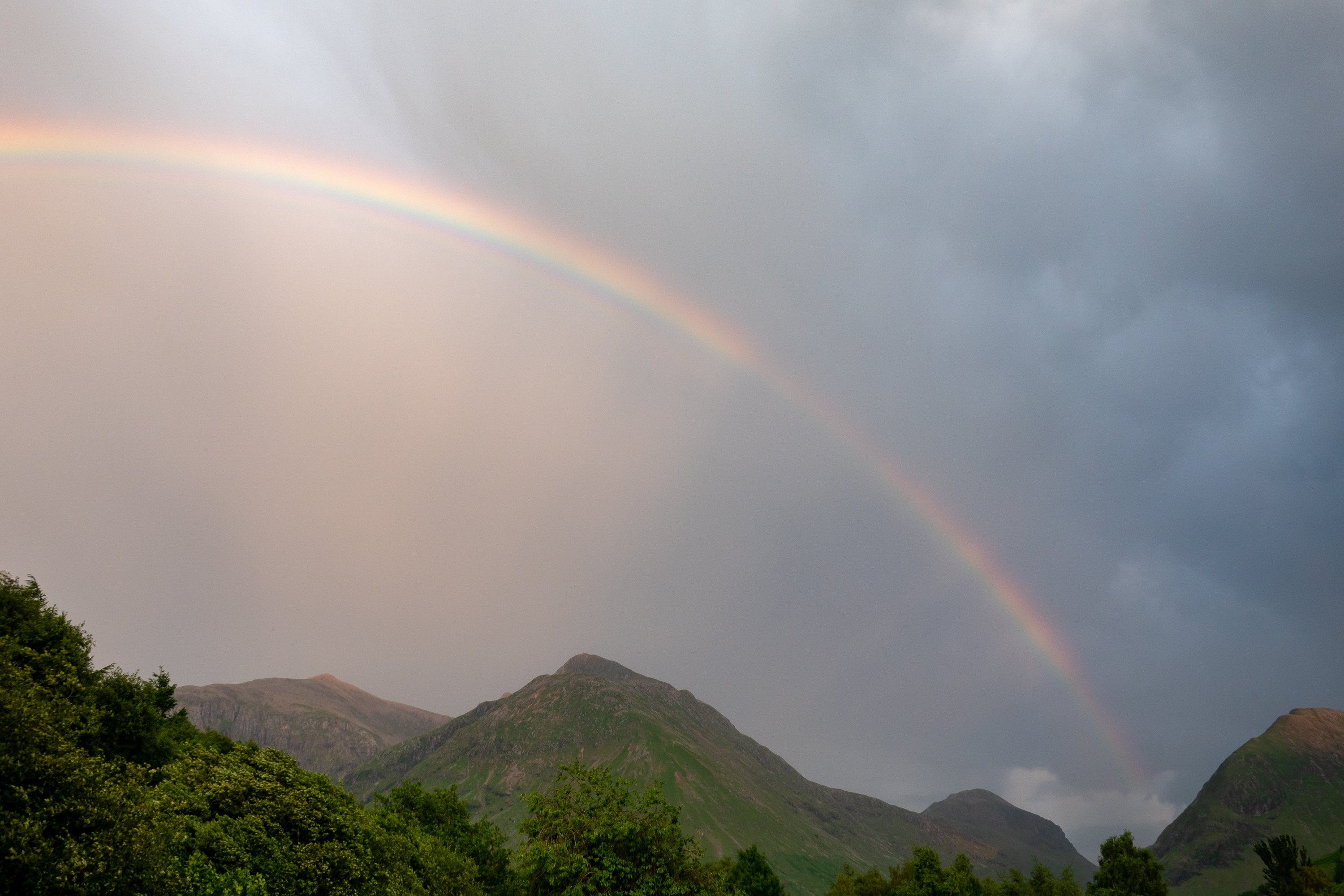
The Glen Coe campsite, surrounded by mountains, was beautiful and walking distance from Glencoe village and Glen Coe Visitor Center. Watching the clouds on the peaks around us was spectacular.
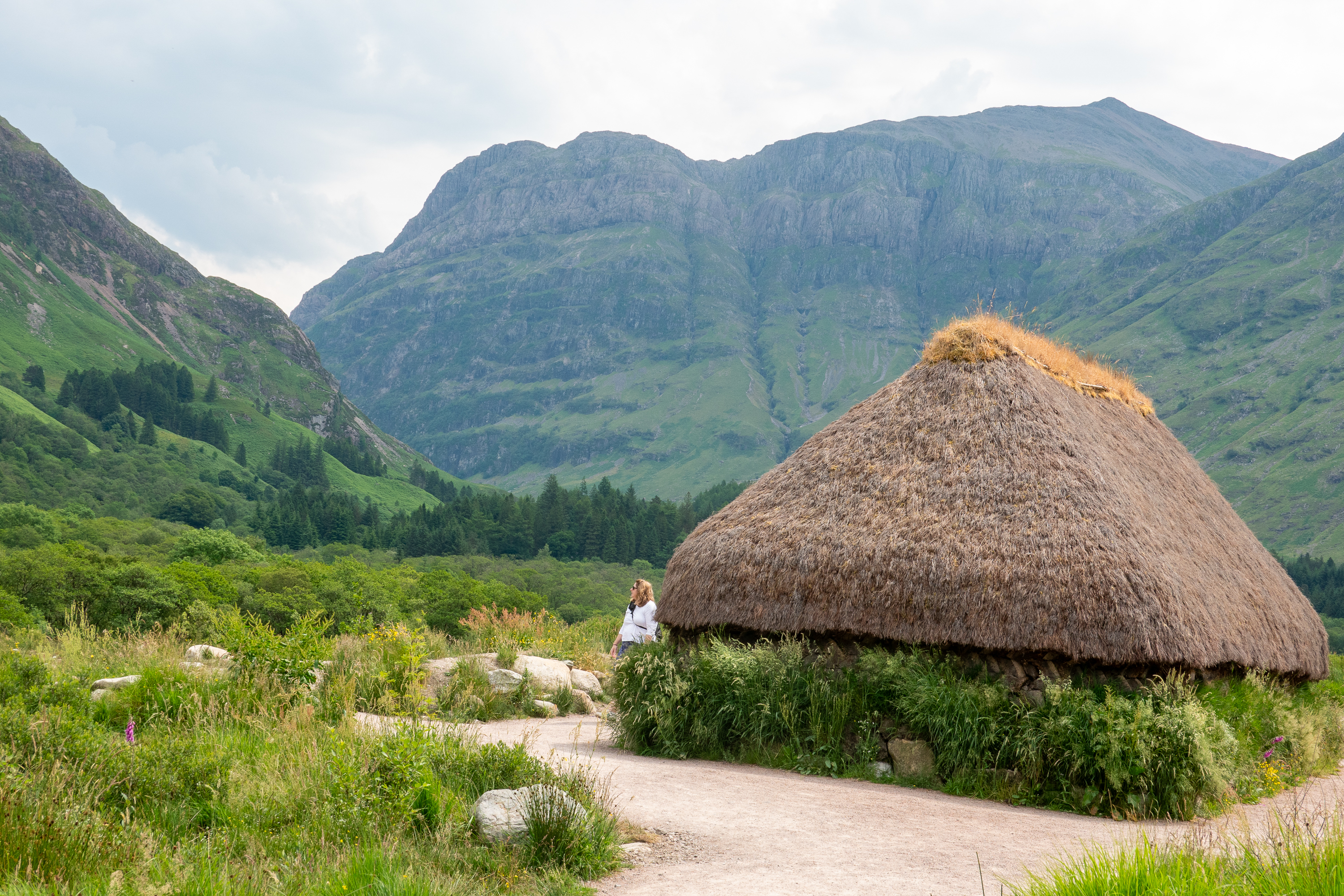
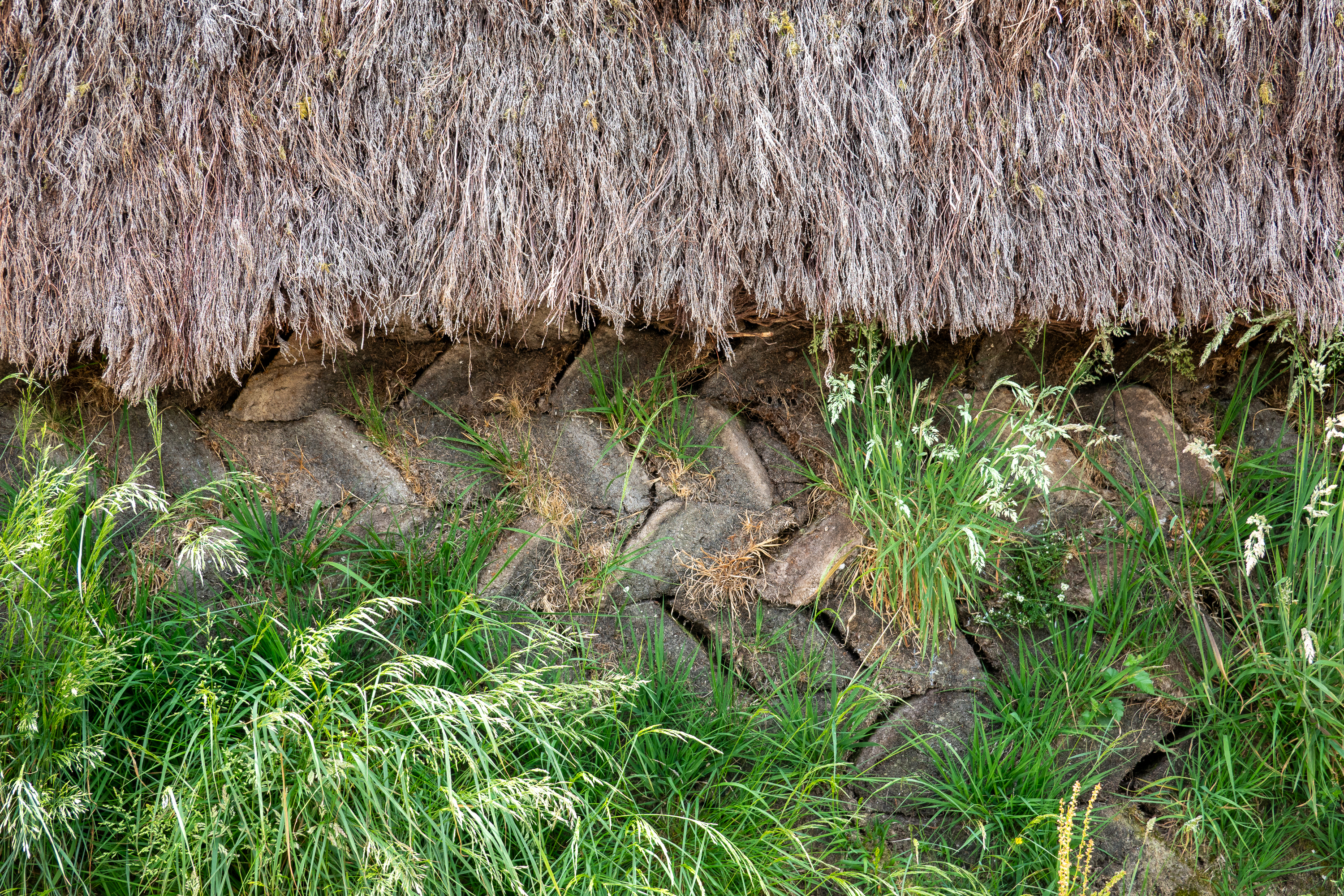
We walked to the Glen Coe Visitor Center. Beyond films about the massacre, the highlight of the center is a meticulously reconstructed traditional Scottish house.
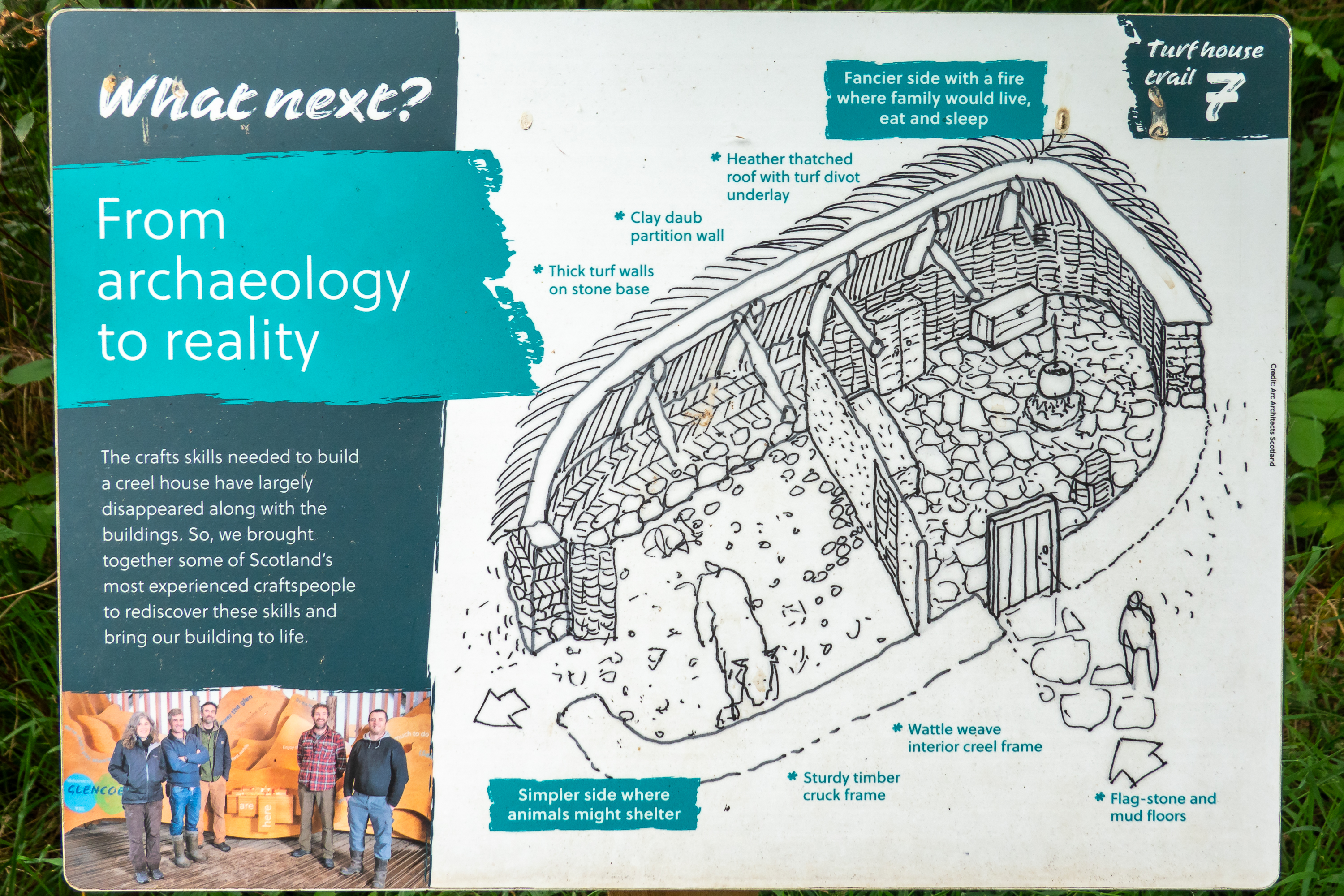
Called a creel house, these buildings, once common, are now a bit of a lost art.


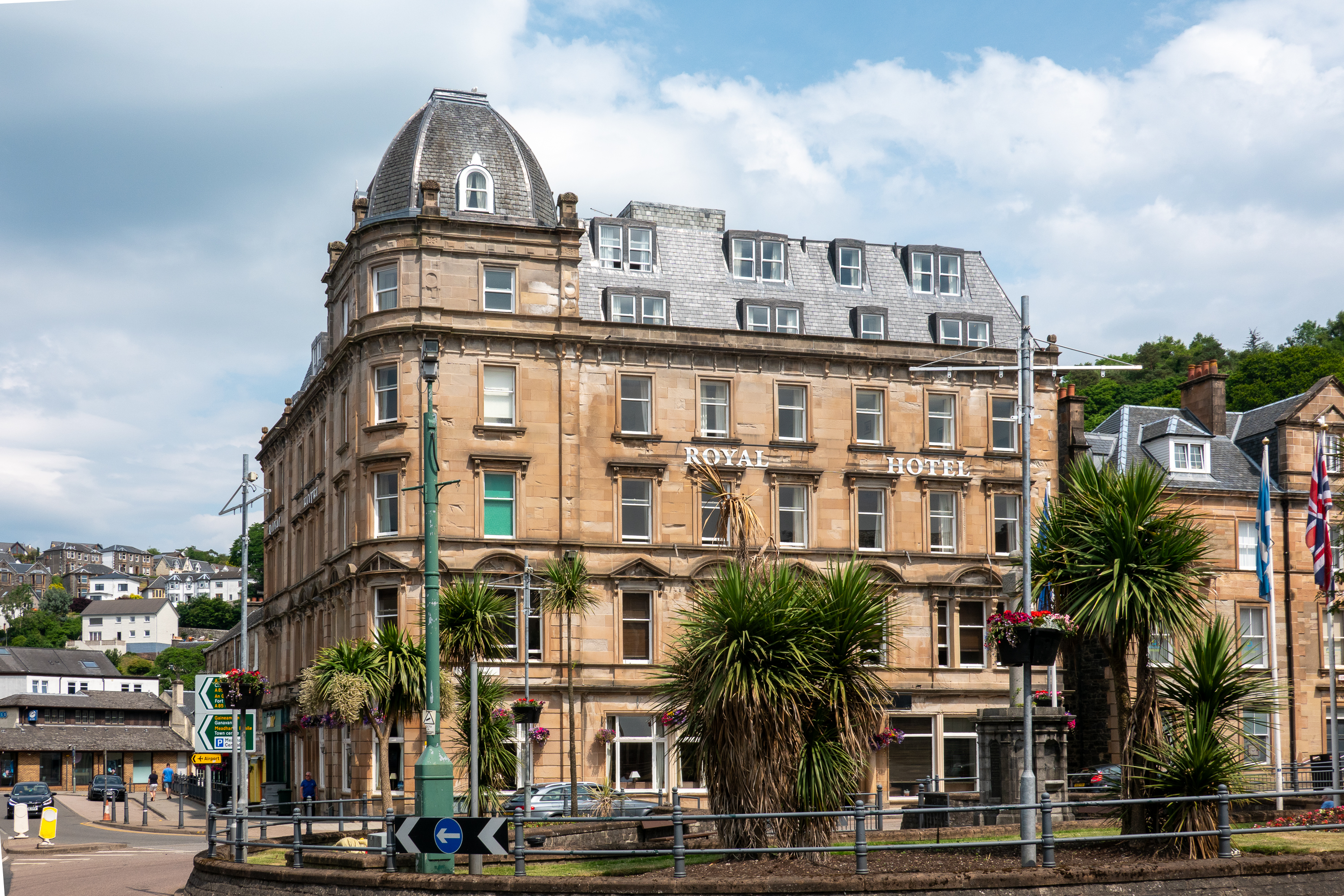
It was clear that the weather was changing, so we set the following day as our Oban visit day. We drove through only one rainstorm. Oban is noted as a ferry port and the jumping off point for tours of the Western Isles.

We liked Oban and enjoyed a seafood lunch on the quay, but did not have time to take a ferry to the Western Isles ourselves. We shall have to return!

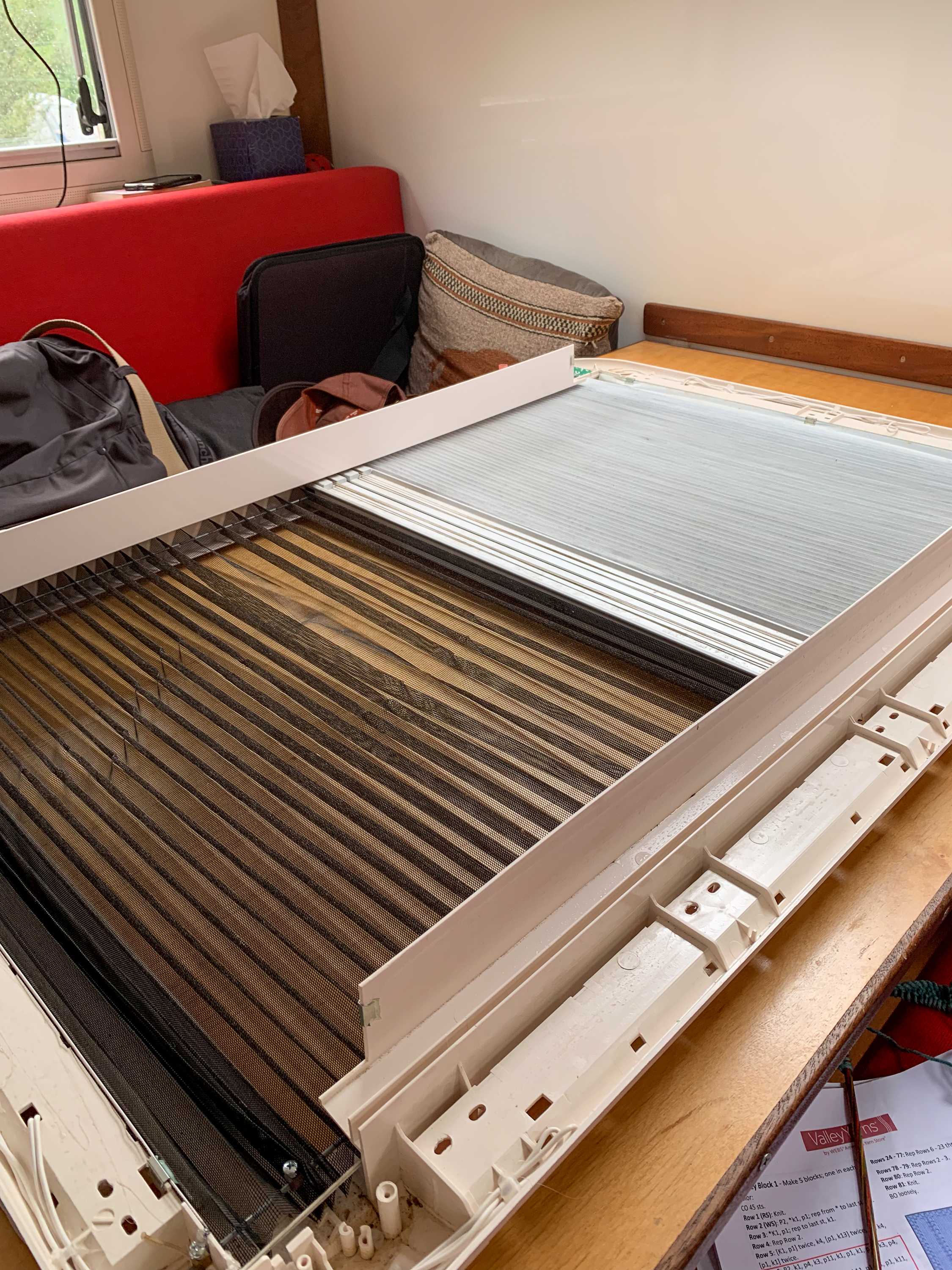
The balance of our time in Glen Coe was spent on maintenance and relaxation. Our skylight had thrown the cords that controlled the shade and, in the land of near Midnight Sun, we needed the shade to work if we were to sleep past about three A.M. We pulled the skylight apart and got lucky as we were able to fix the misbehaving cords. On a maintenance roll, we even cleaned a fan or two.
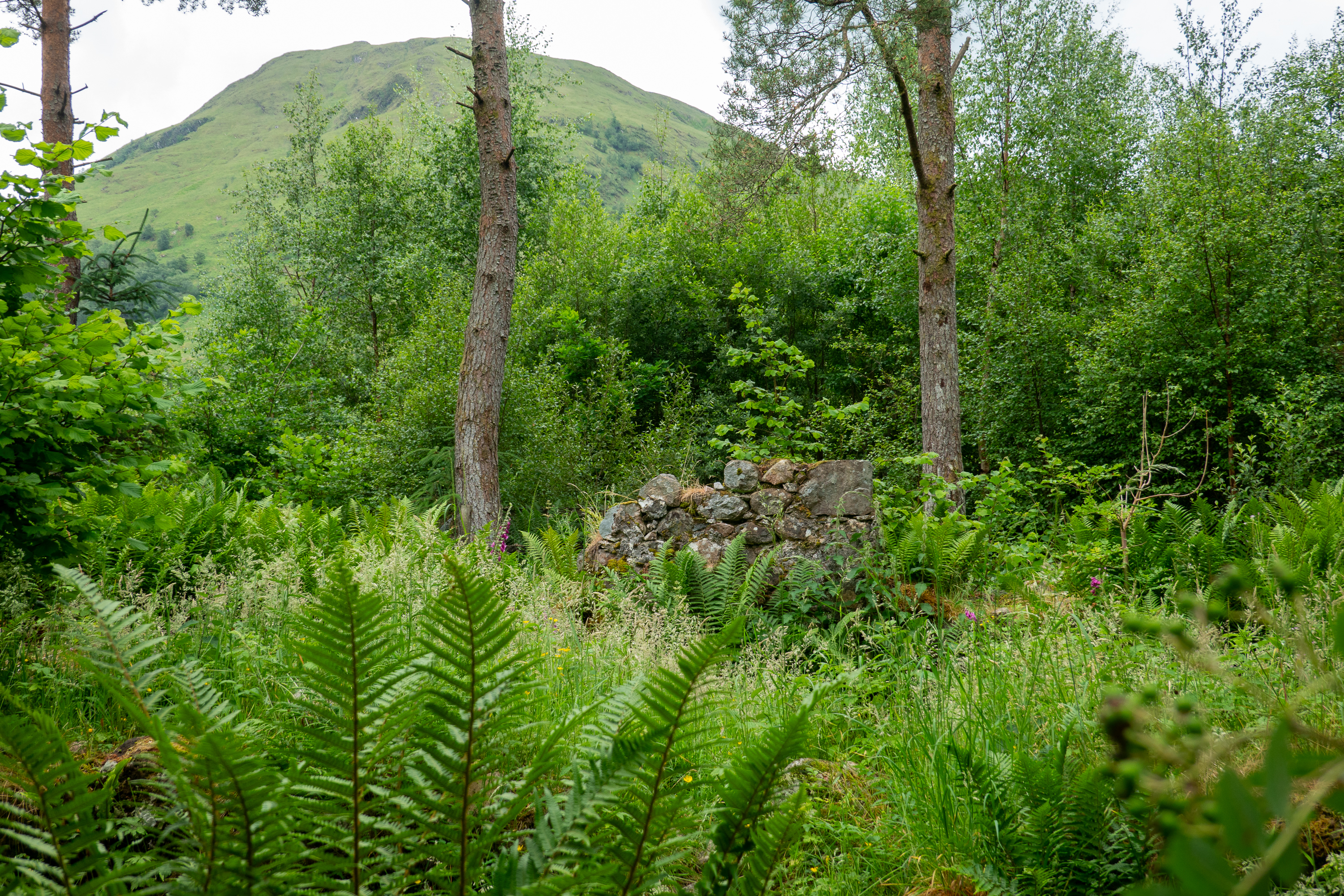
We also walked to the village and, quite by accident, stumbled on one of the massacre sites, hidden in the trees just off the trail.

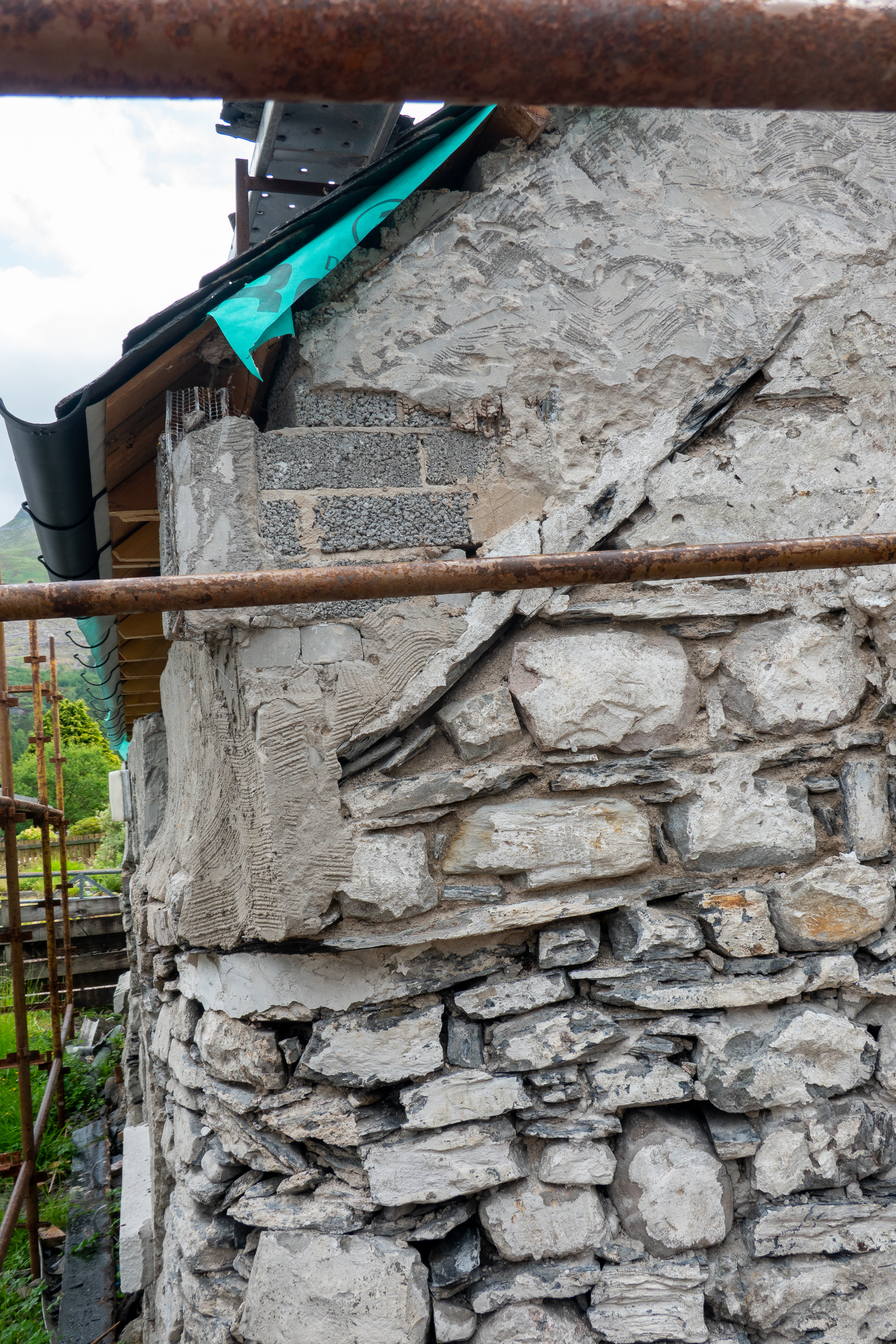
Glencoe village is tiny, but it was interesting to see ancient houses being expanded with modern cinderblock construction.
Upon leaving, we turned south through the Glen Coe Pass, a scenic drive through the mountains.

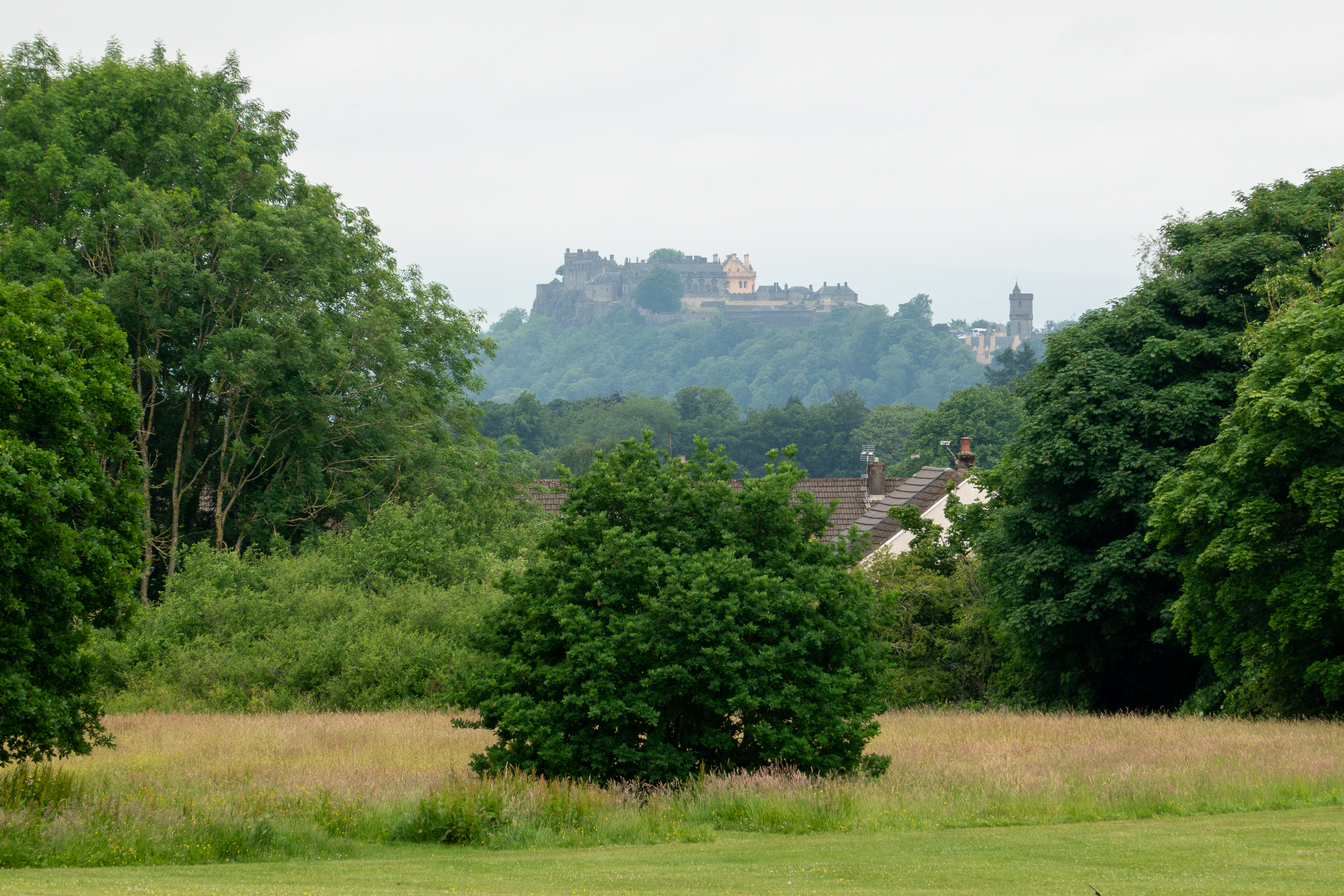
Descending the mountains we drove on to the Stirling area, stopping at a campsite below Witches Craig, with the Wallace (aka Braveheart) memorial in the background.

We had picked the Stirling area as Fred really wanted to see the Falkirk Wheel, an amazing device for lifting canal boats without the use of locks. We booked a tour so that could actually experience the lift and descent for ourselves. Fred also wanted to see the “Warwolf” but, alas, it was long gone. https://en.wikipedia.org/wiki/Warwolf

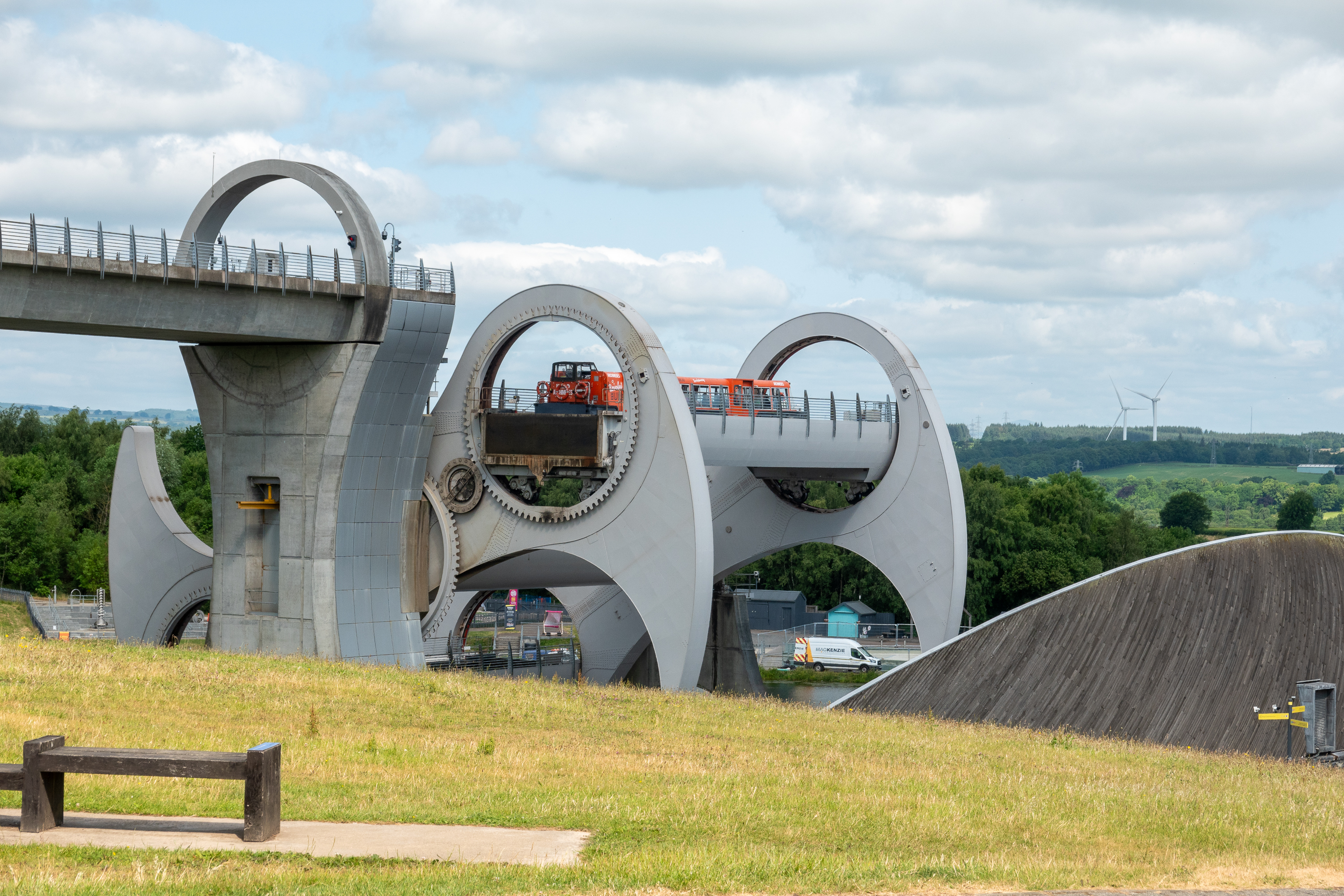
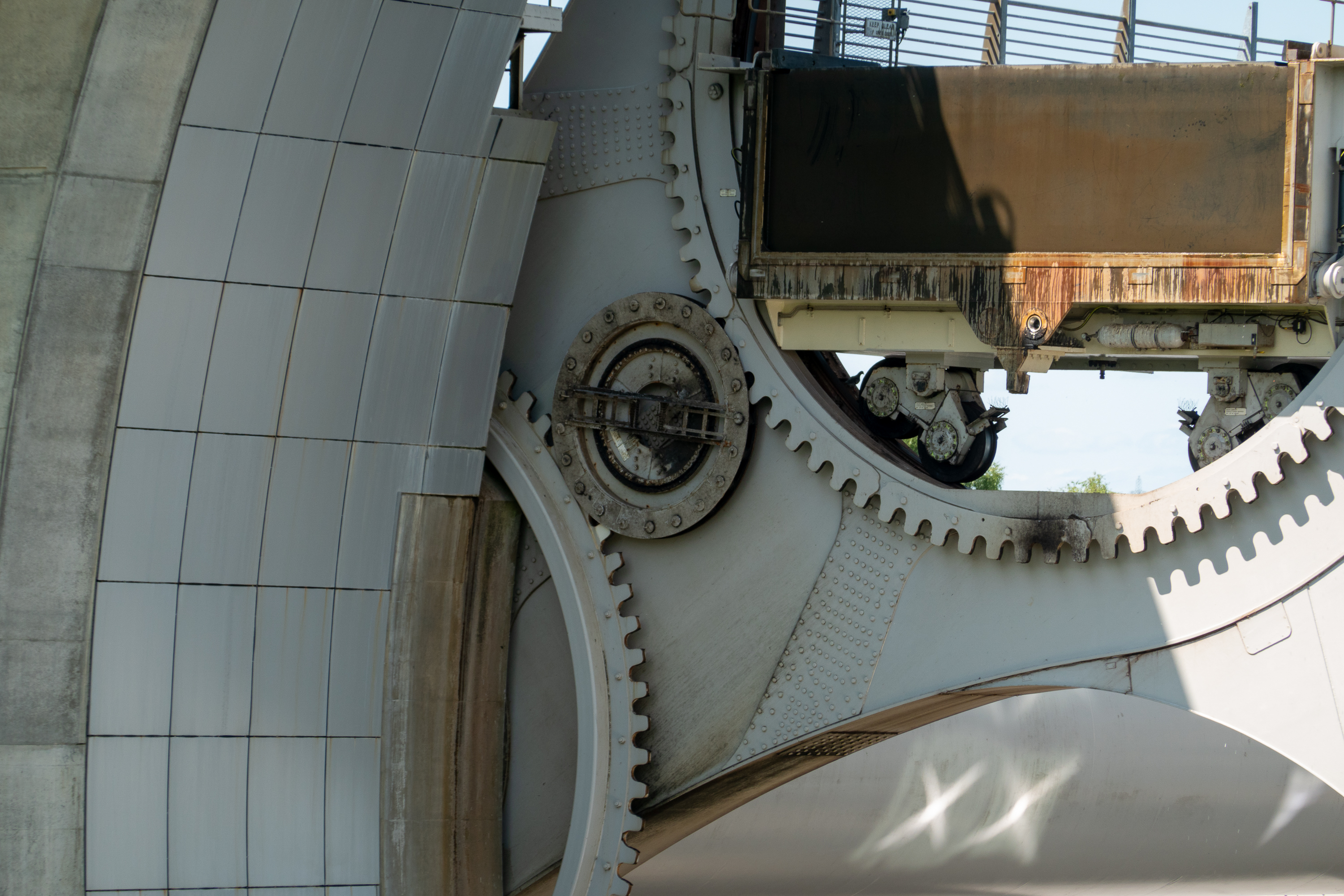
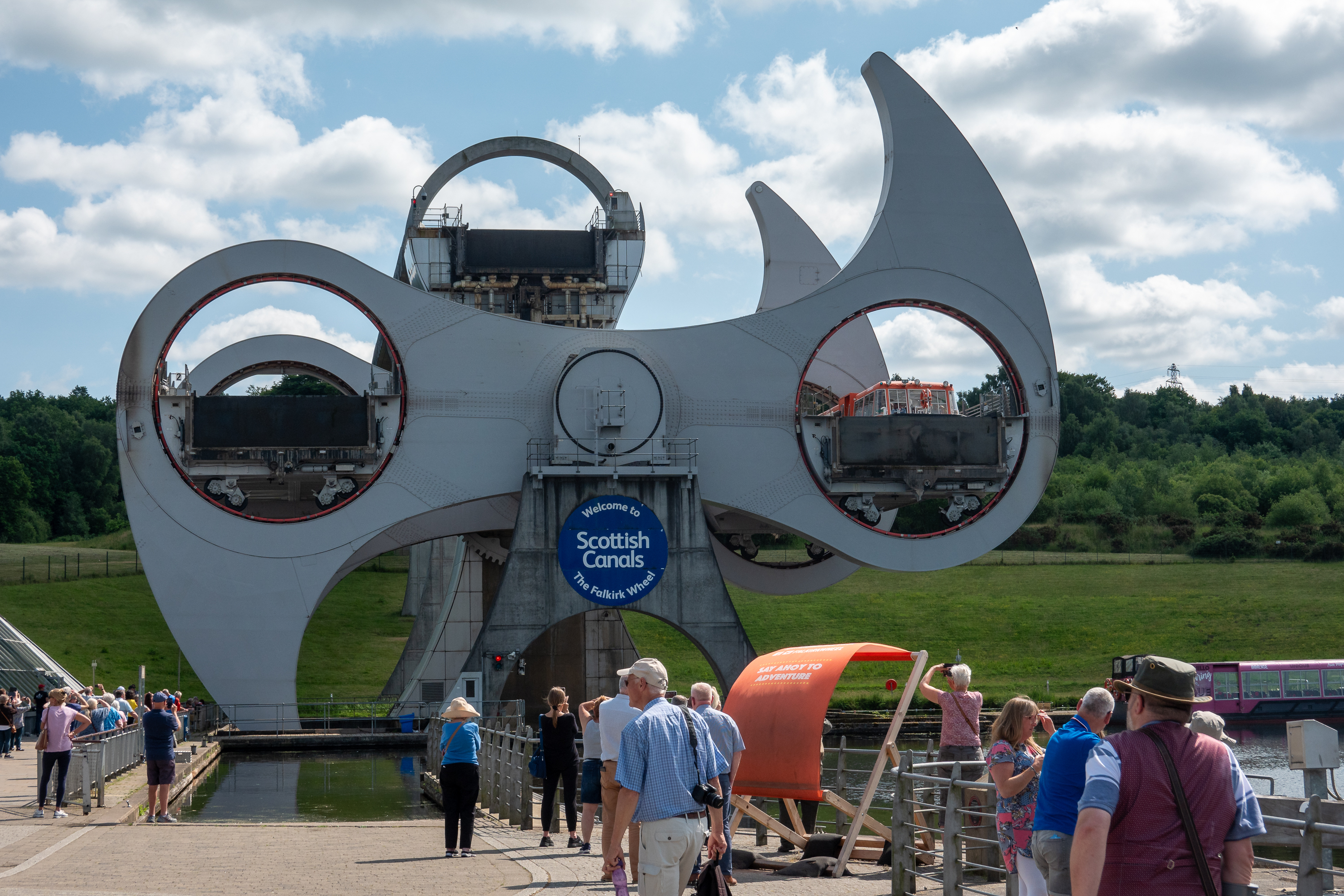
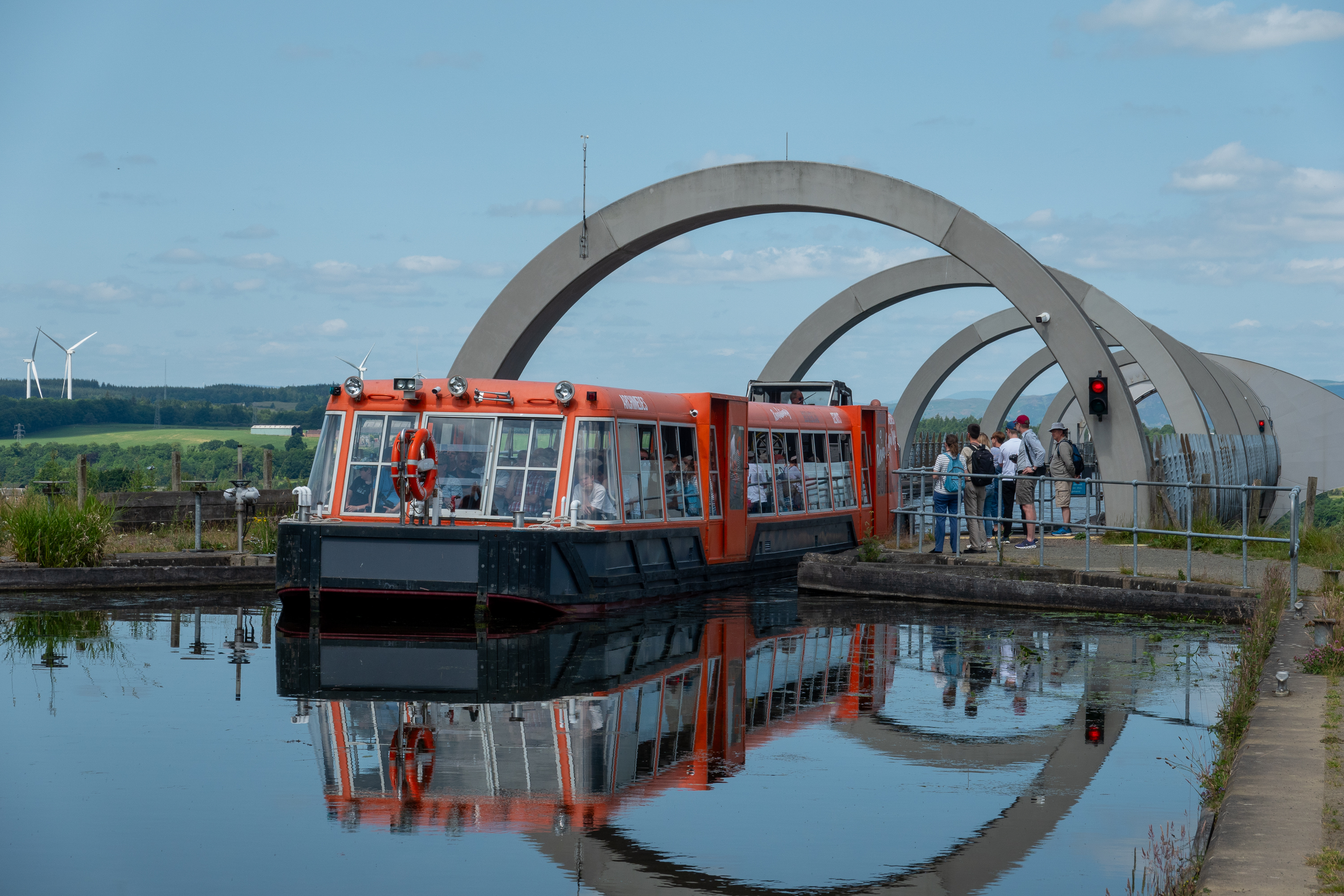
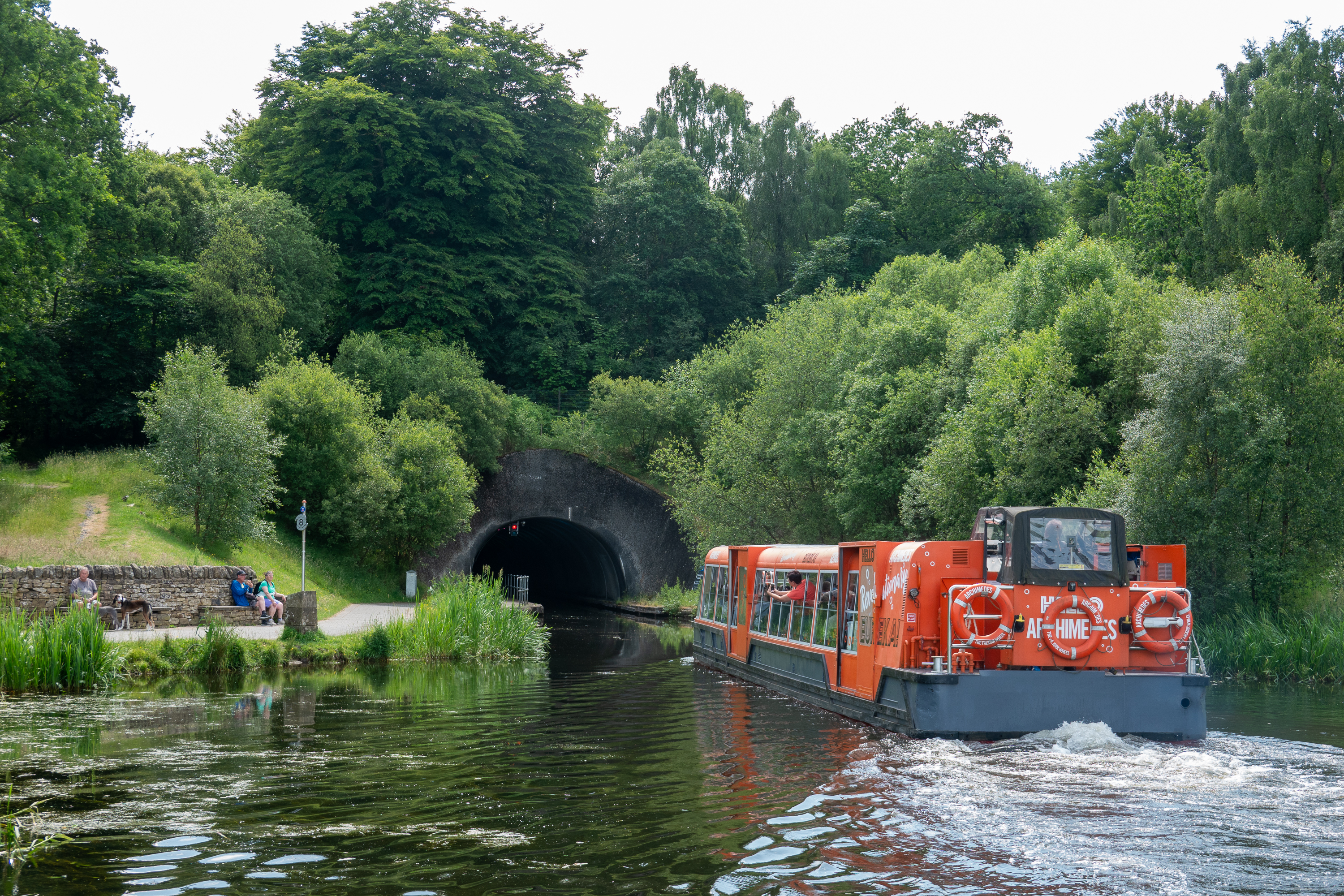
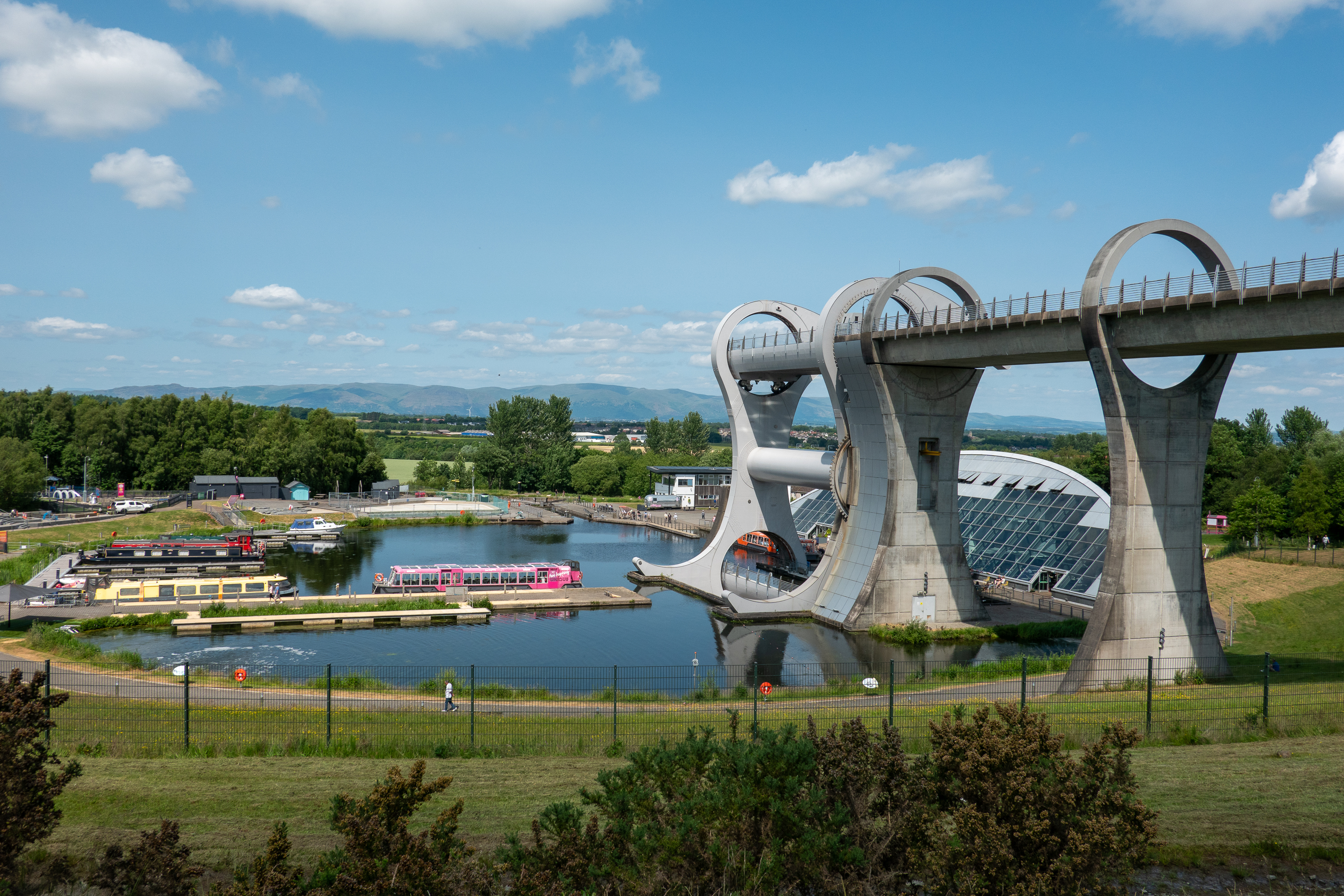
Basically, the wheel works on the Archimedes principle of displacement – each of the two gondolas, filled with water, always weighs the same amount as a boat displaces it own weight. Thus it takes very little energy to turn the wheel as it is always balanced. https://en.wikipedia.org/wiki/Falkirk_Wheel
Readers of our blog will note our obsession with Hadrian’s Wall. But Fred had always wanted to see the much less known Antonine Wall. Built by the emperor Antonius Pius, it lies to the north of Hadrian’s Wall and was mostly earthworks. (History nuts are like that.) https://en.wikipedia.org/wiki/Antonine_Wall
There is very little left of the Antonine Wall and it is notoriously hard to find, so we were amazed to learn that we had actually stumbled on what was reported to be the best site to visit. We HAD to go! We set off to walk the couple of miles though the trees to see it.

There is a lot less there than at the various Hadrian’s Wall sites, but we could see a plan of the fort with various remnants and the ditch surrounding the fort.
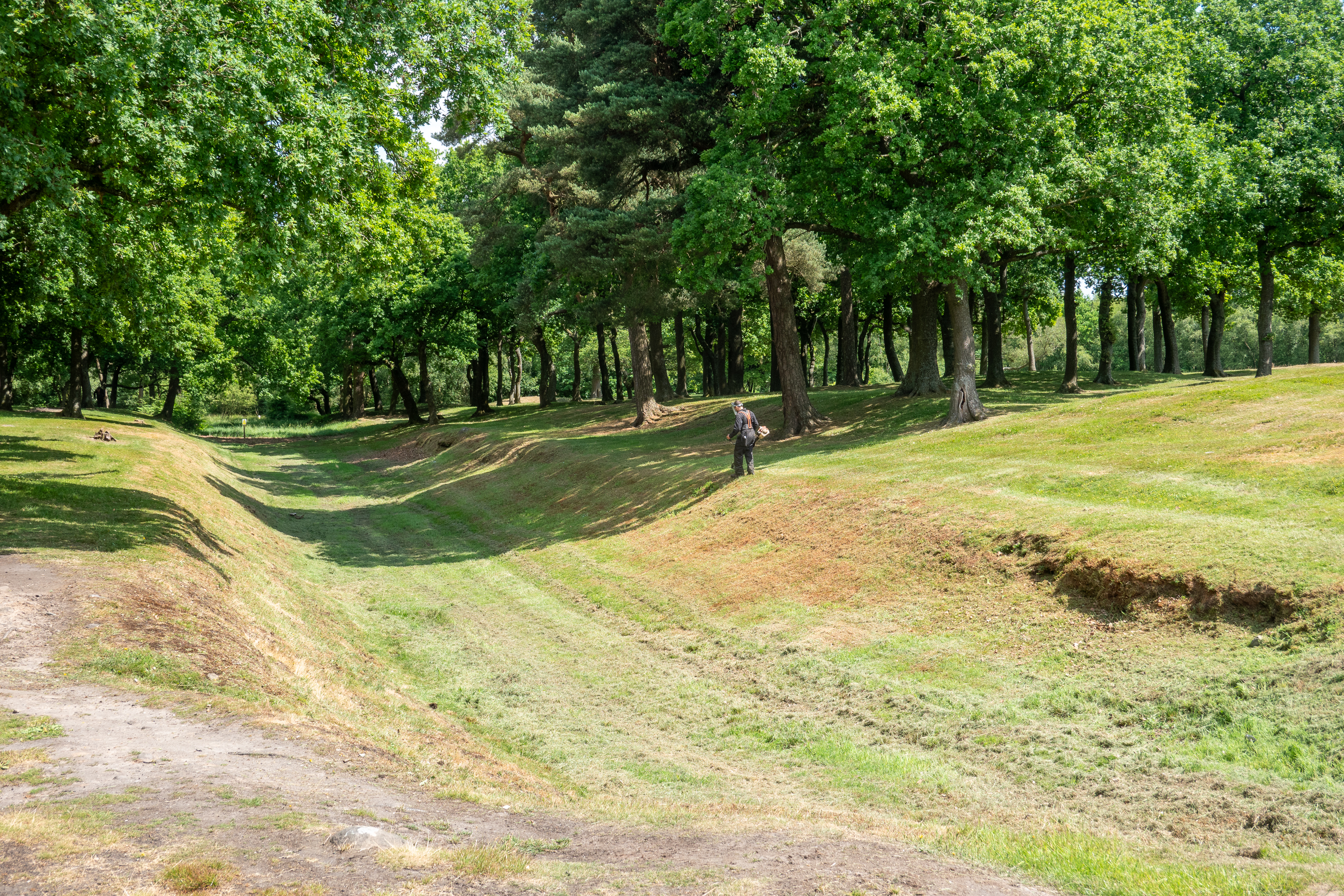
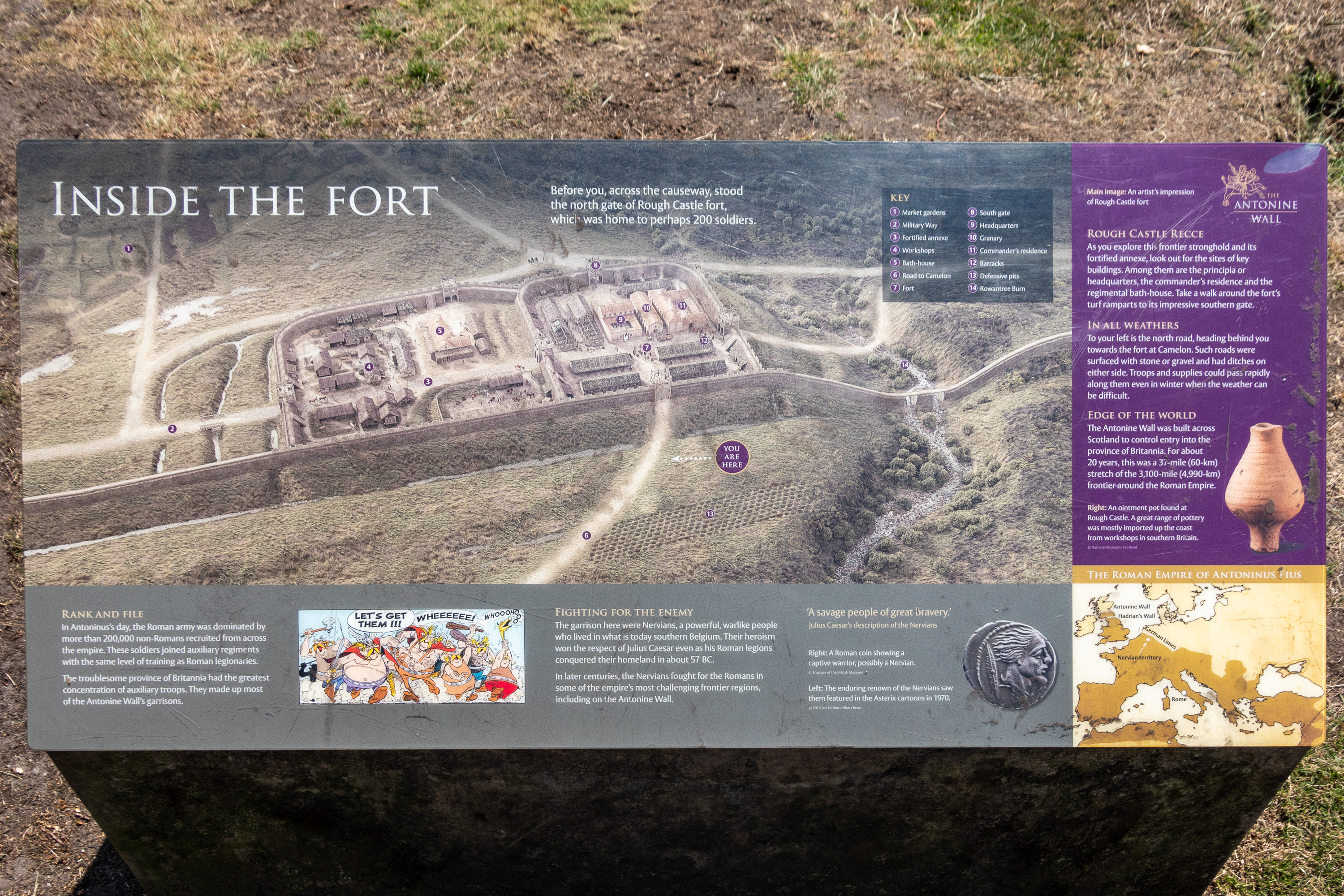
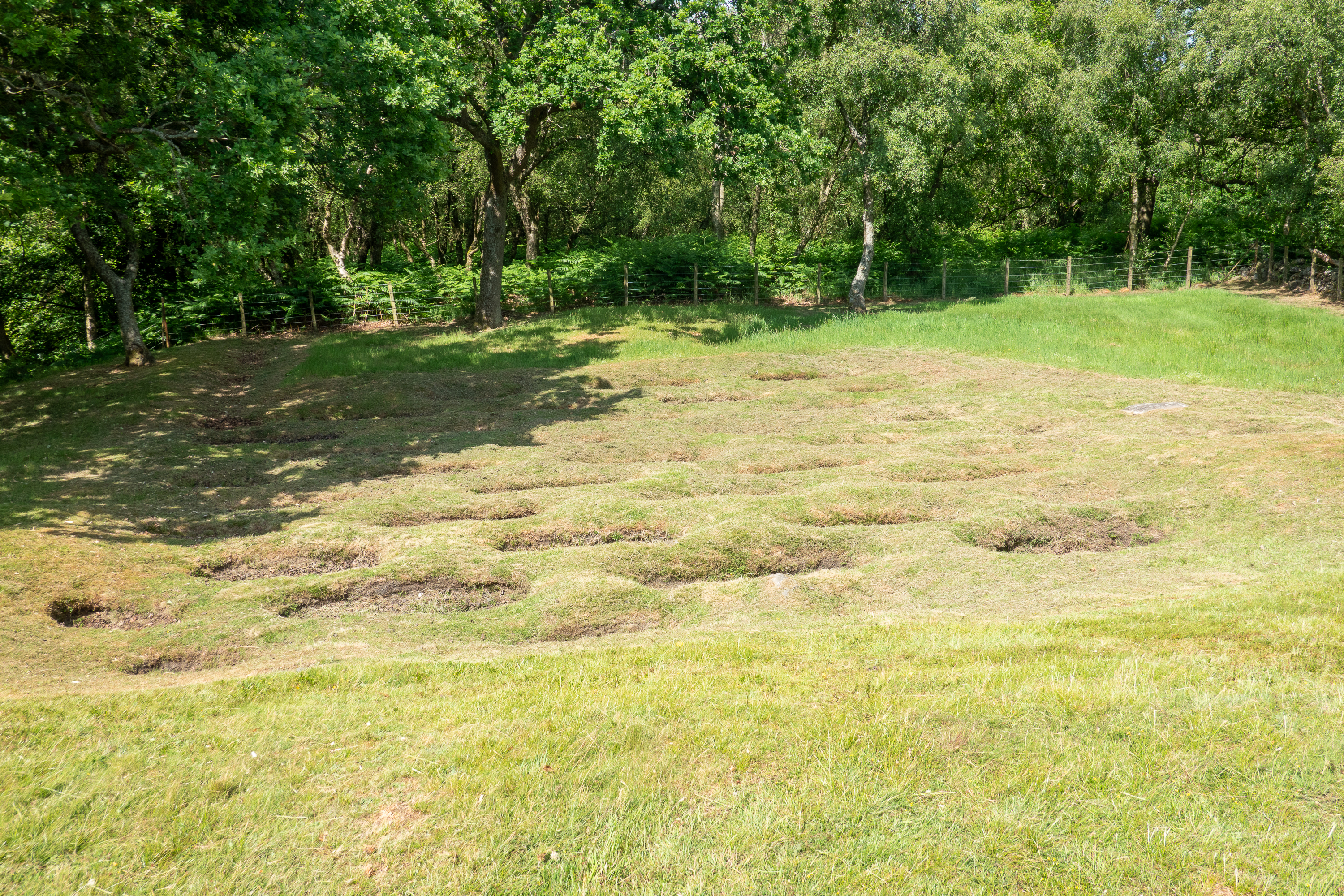
Also visible were the pits for protective pointed stakes, an early form of barbed wire. The wall was apparently attacked several times and destroyed before being finally abandoned. There were excellent explanatory boards in various spots. It is amazing what can be determined with careful study – most of us would simply see some rocks in a field.

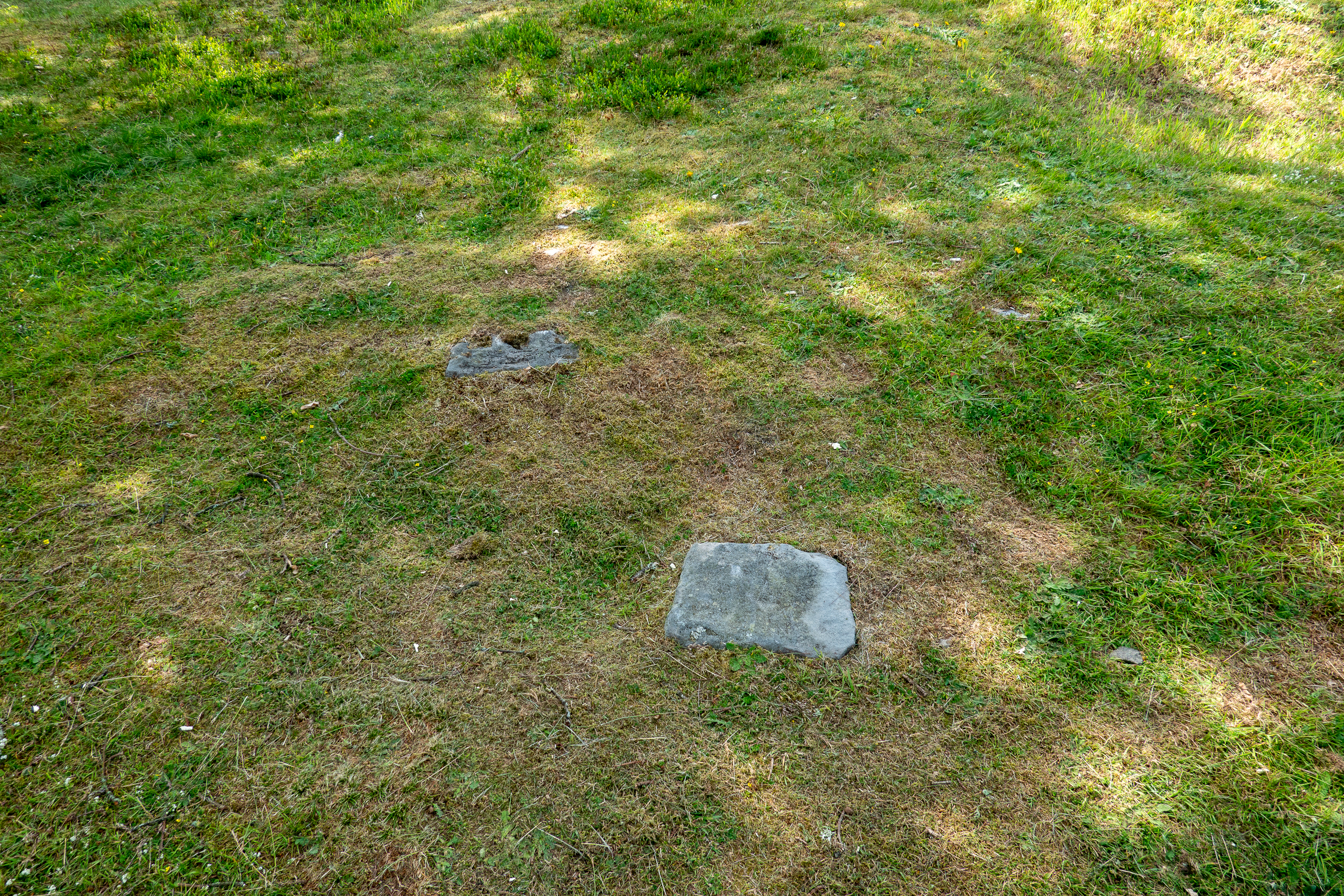

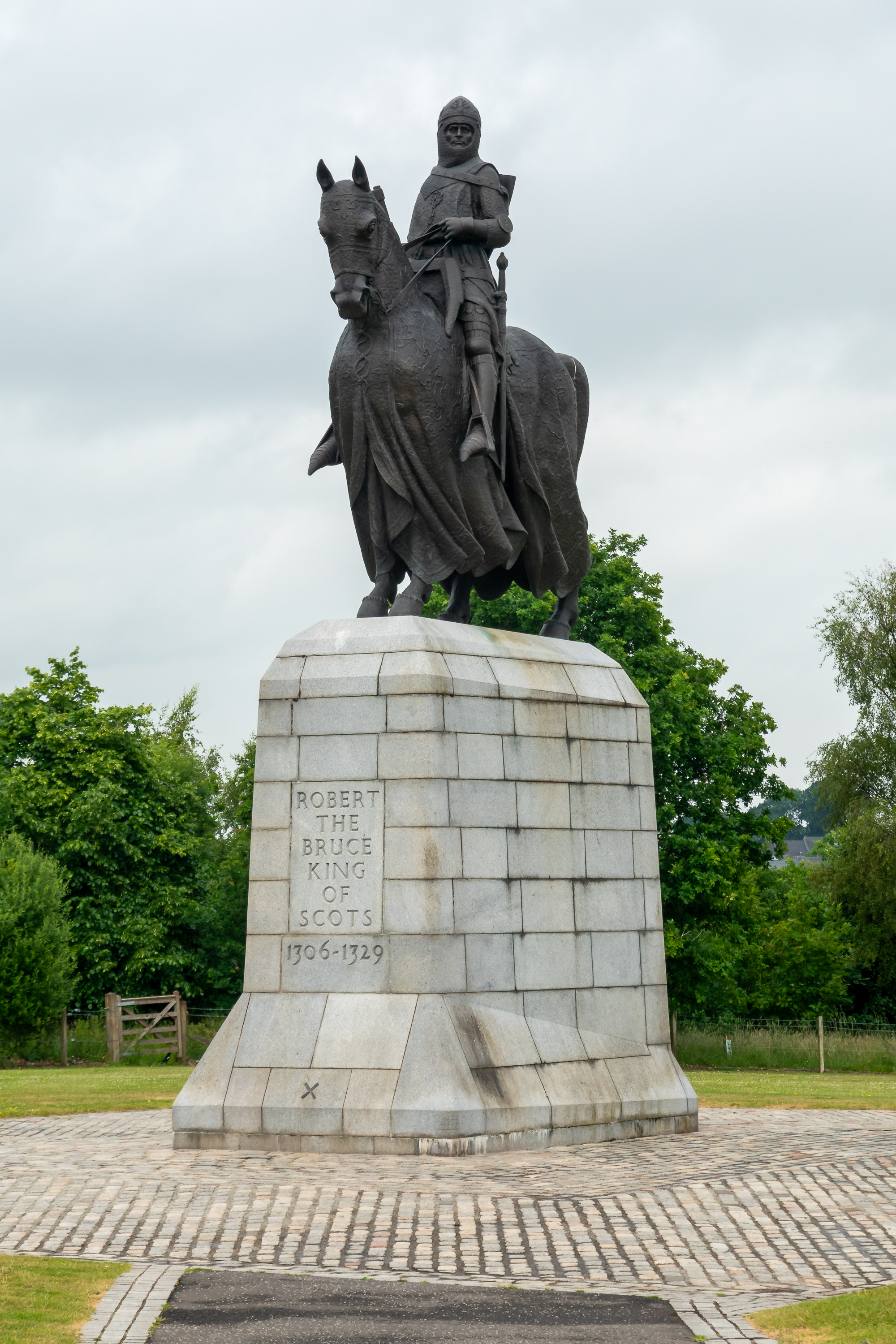
We stopped next at the Battle of Bannockburn site. Far from being the tourist trap we feared, we thoroughly enjoyed an excellent historical presentation of the causes of the battle and its political results. The guide was superb and was able to answer many off topic questions. We walked as much of the battlefield as we could (a lot took place in the back gardens of the local houses) but we could walk where Robert the Bruce stood to see the progress of the battle.
We continued south to Settle, back to our former campsite, and then delivered the truck to Atkinson Vos as pre-arranged. (https://www.campingandcaravanningclub.co.uk/campsites/uk/north-yorkshire/settle/lodgebarn/)

 DiploStrat