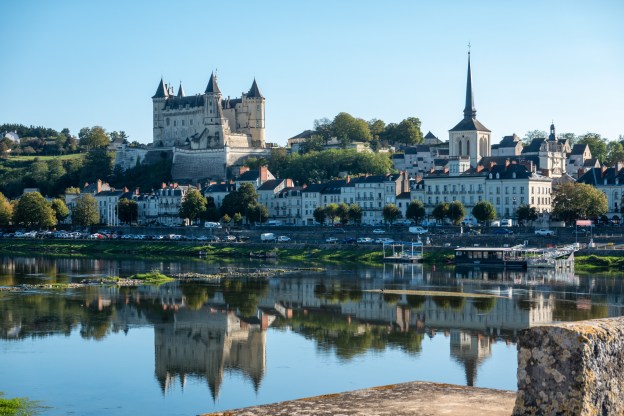
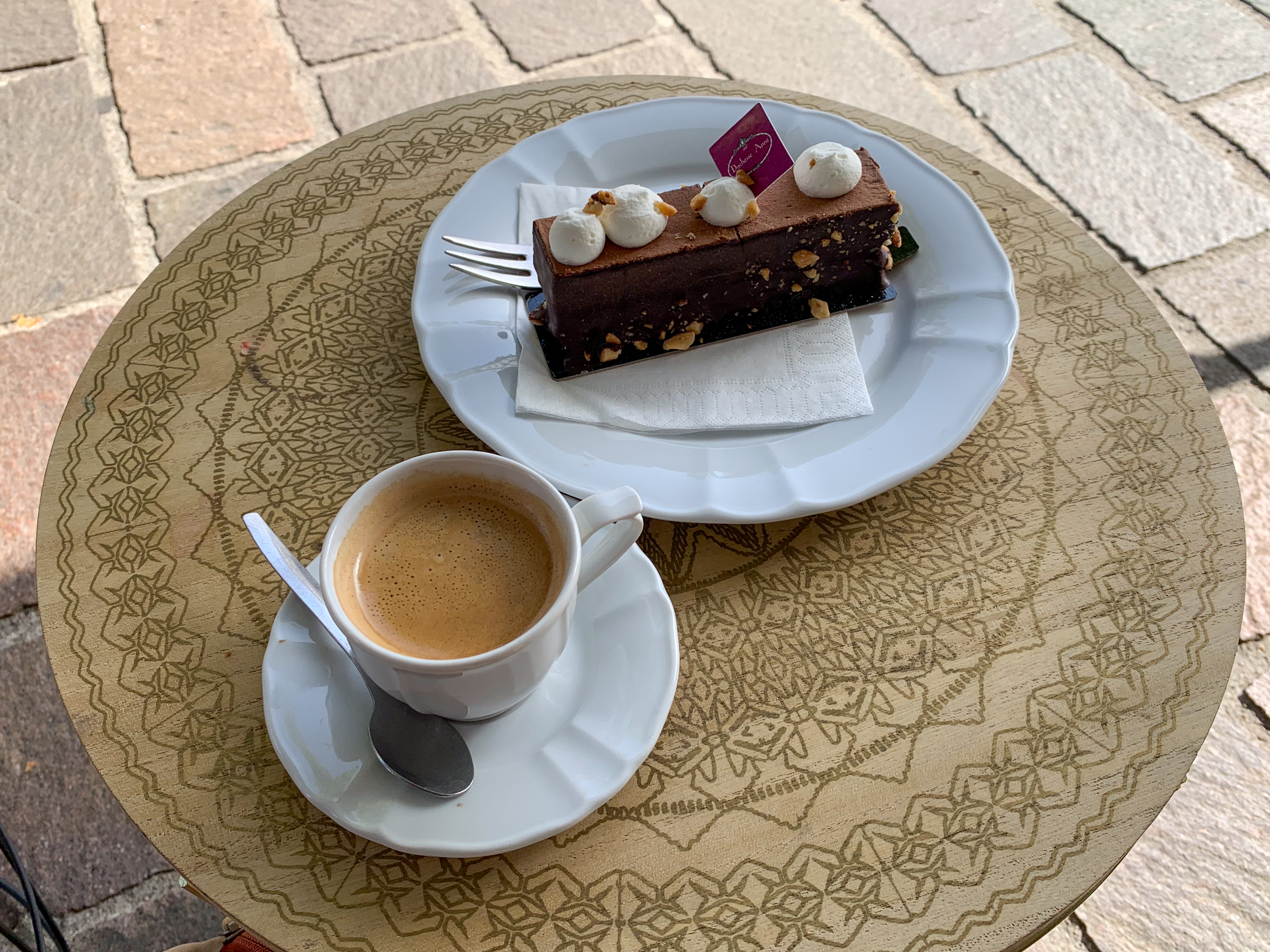
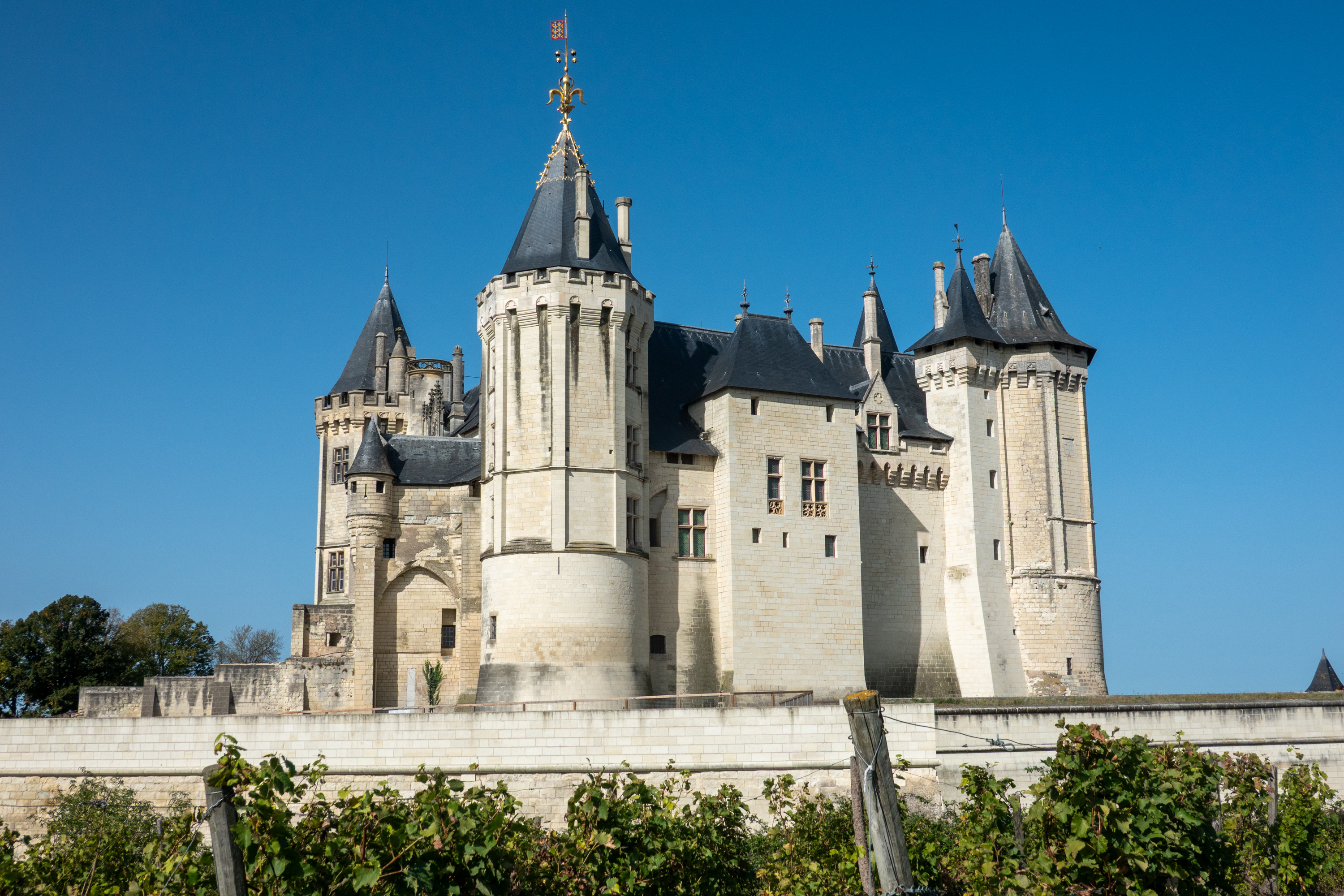
Our first stop was the small town of Saumur, where we found a pleasant campground, with a view of the Chateau, on an island in the river Loire. The drought was obviously quite serious in this part of France as there was very little water in the Loire. It was primarily stretches of sand with water in a few sections. Fred assembled the bikes and we set out for the Tourist Information office for a map. We also discovered the Maison de Vin, next door, and learned a lot about the many local “appellations” or types of wine. The Information Office also recommended a Bakery/Patissier called La Duchesse Anne, to which we repaired forthwith! It was indeed wonderful and we enjoyed coffee and a cake there on three consecutive days!
The following day we cycled out to the Musee de Champignons or Mushroom Museum. It was an interesting concept that both tracked the history of mushrooms, displayed the various kinds, and also grew them for sale.

The cliffs along the Loire are made of a soft limestone which produces natural caves. And, as the rock is so soft, the caves have been expanded into quarries, wine cellars, houses, and mushroom farms.
We wandered through quite fascinated by the different methods of cultivation and ended our visit with a purchase of what turned out to be wonderfully tasty mushrooms. Denise wishes she had bought more. Even Fred ate them.
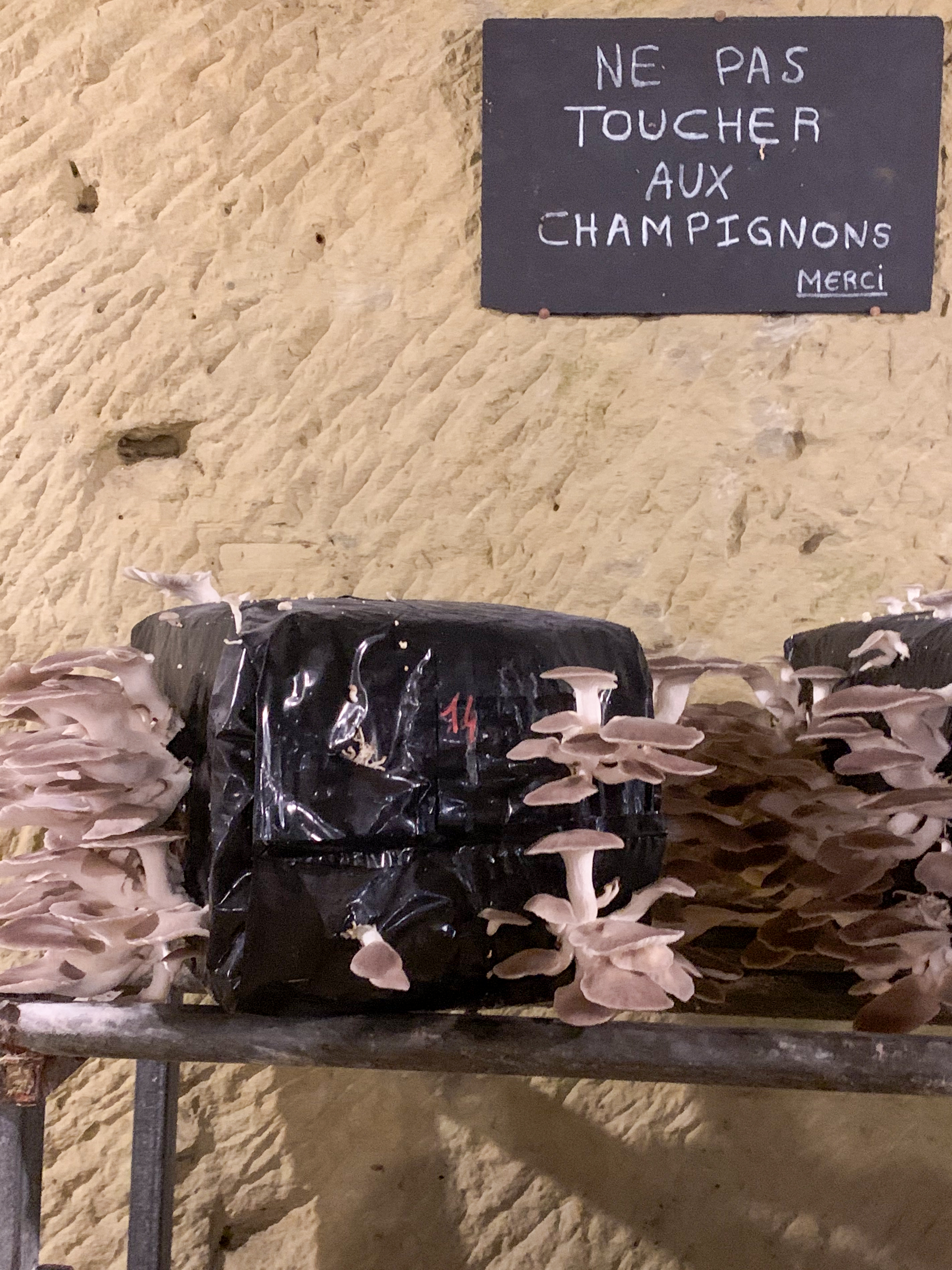
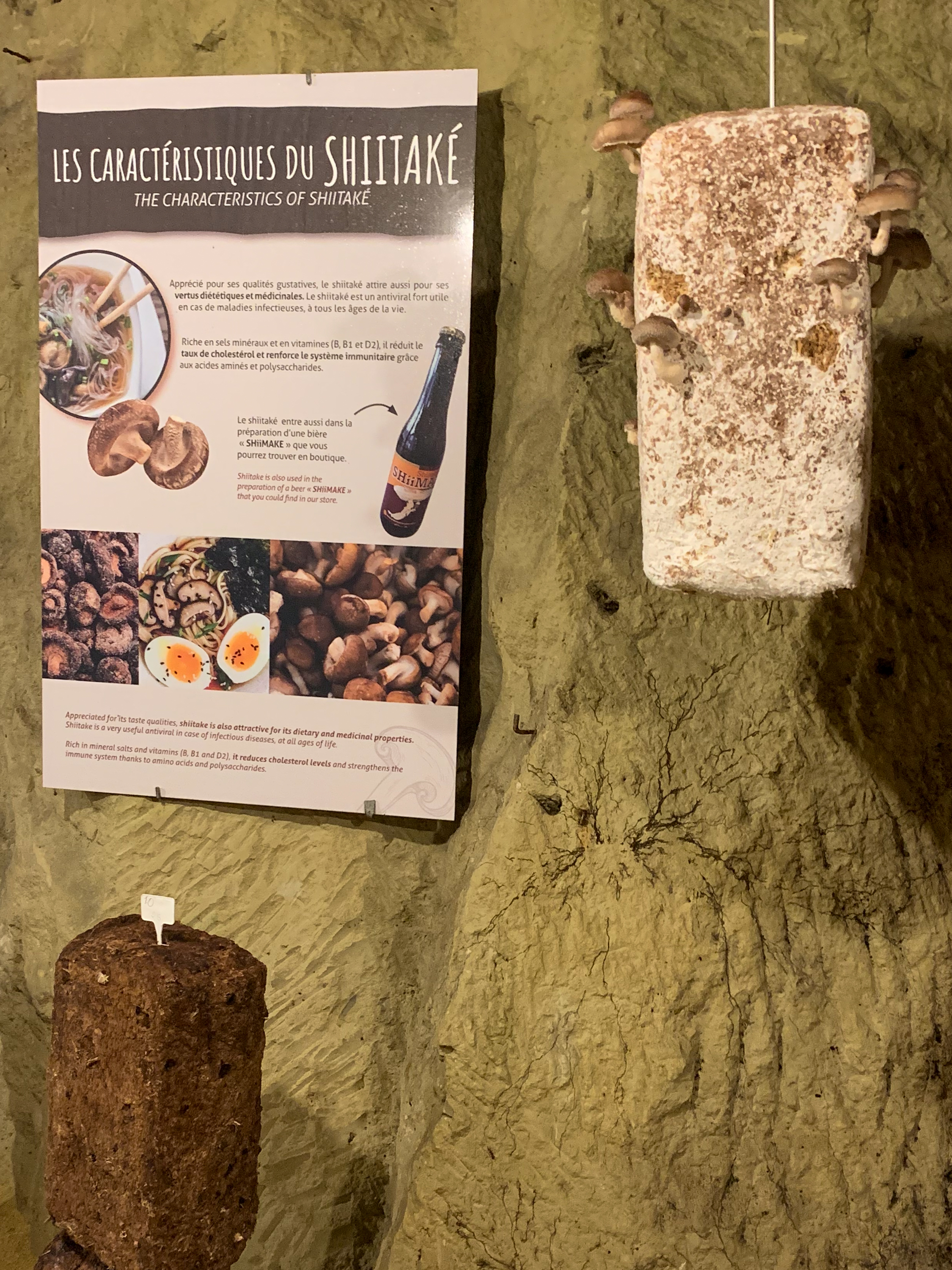
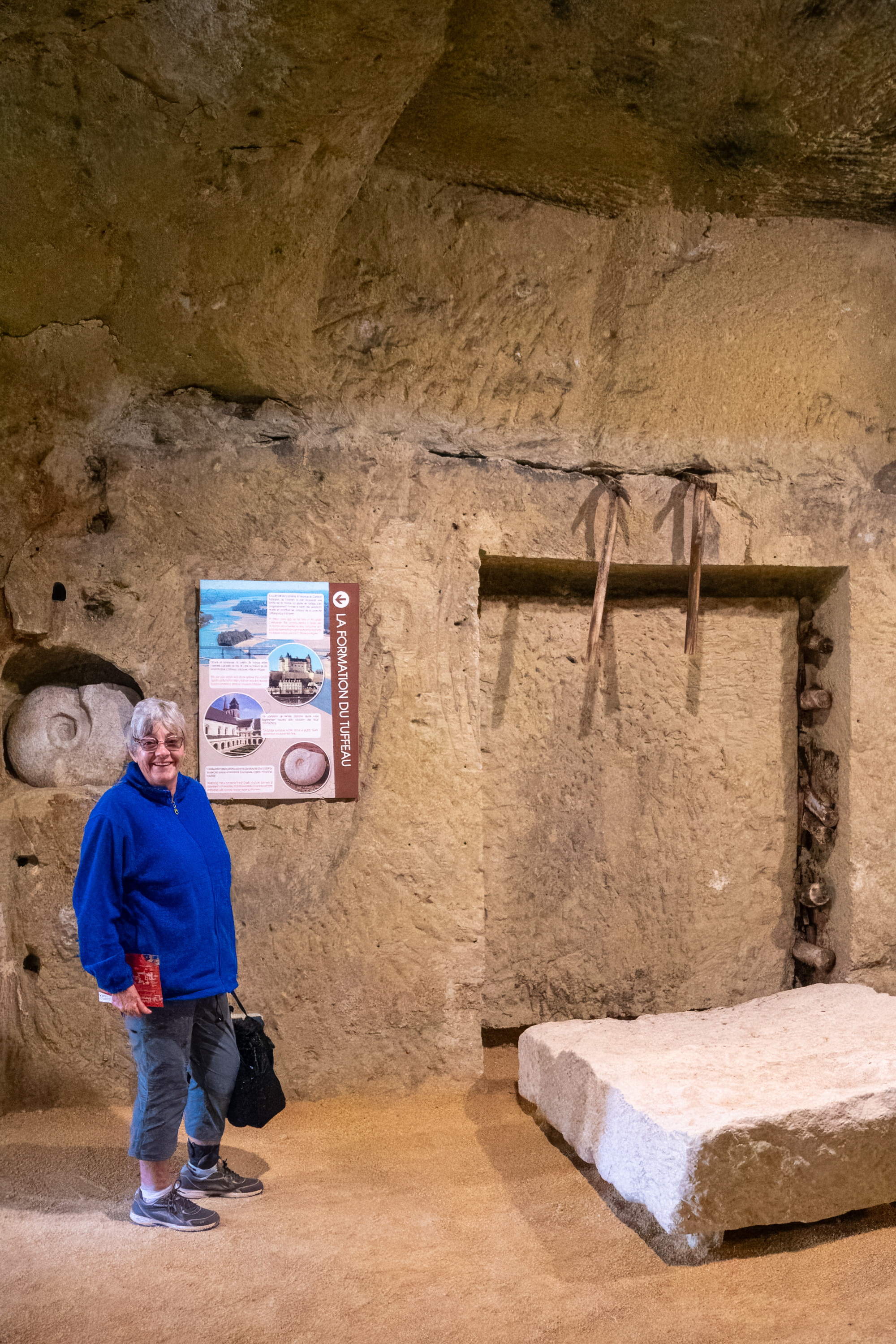
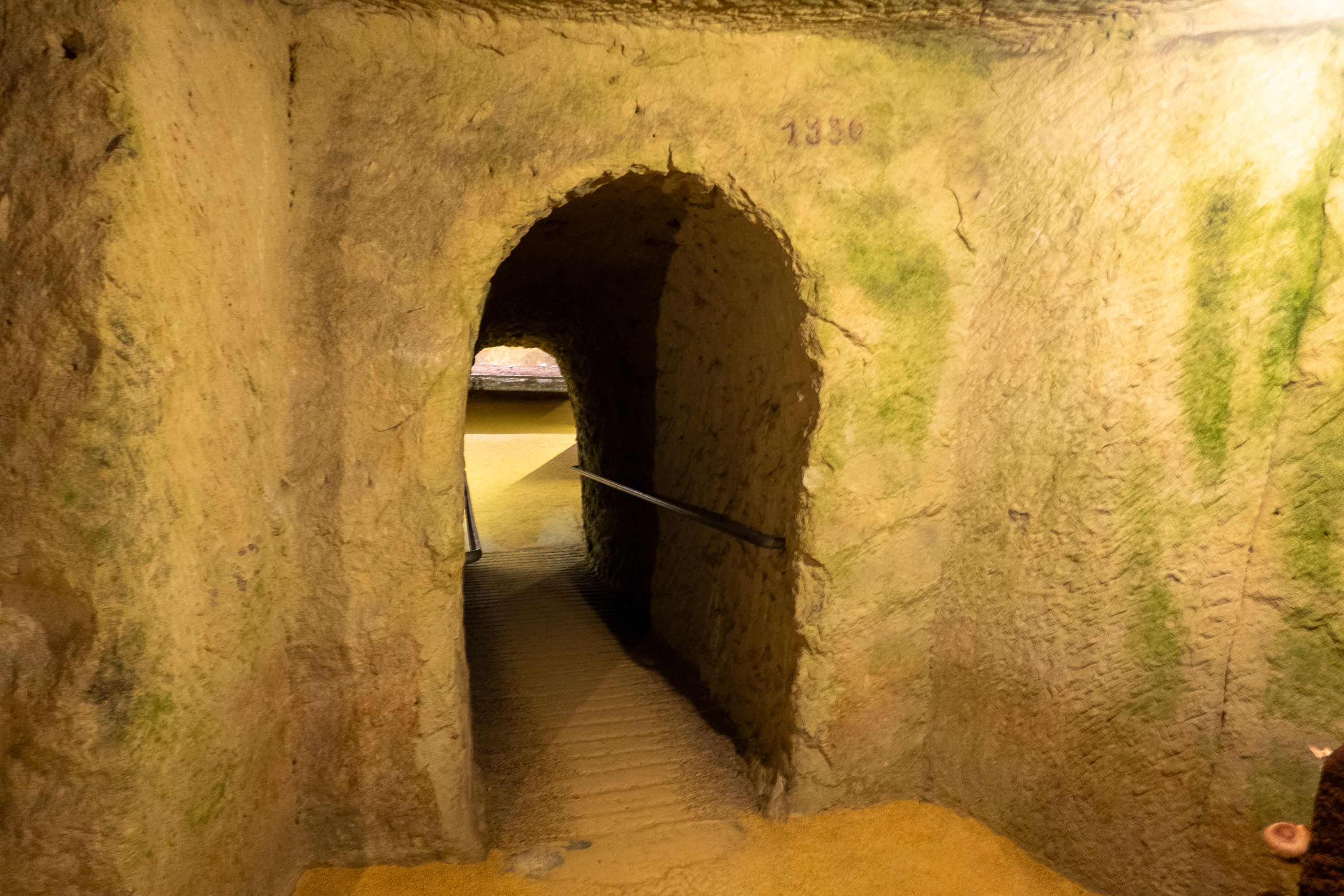

No, they don’t leave the mushrooms in the dark and feed them stuff, but they are grown on various types of composted material. And there is not a lot of light, either.
In the afternoon, we cycled to the Musée de Blindes or Tank Museum. Yes, another one! Fred enjoyed it! Denise made it through! (https://www.museedesblindes.fr/en/)
One of their claims to fame is the only running Tiger II. (The Bovington museum boasts a running Tiger I.) The Tiger tanks were slow, but their heavy armor made them impervious to almost every Allied anti-tank weapon. The low velocity 75mm gun, fitted on most Sherman tanks, could not penetrate the armor at any range. The high velocity 88mm, on the other hand, was very accurate and could penetrate any Allied tank at out to two miles. Terrifying.
There are books on all of this. Let us just say that Fred is not a great fan of General Leslie McNair. But, in a Darwinian way, he was right – there were never enough Tigers or Panthers to change the balance – but this was no comfort to the Allied tankers who got off the first shot, only to watch it bounce of without causing damage. The superior German armor was defeated with air power – bombing the factories and close air support, and numbers. One German tanker complained, “We run out of ammunition before they run out of tanks!” The complexity and weight of these tanks meant that many had to be abandoned when they broke down.


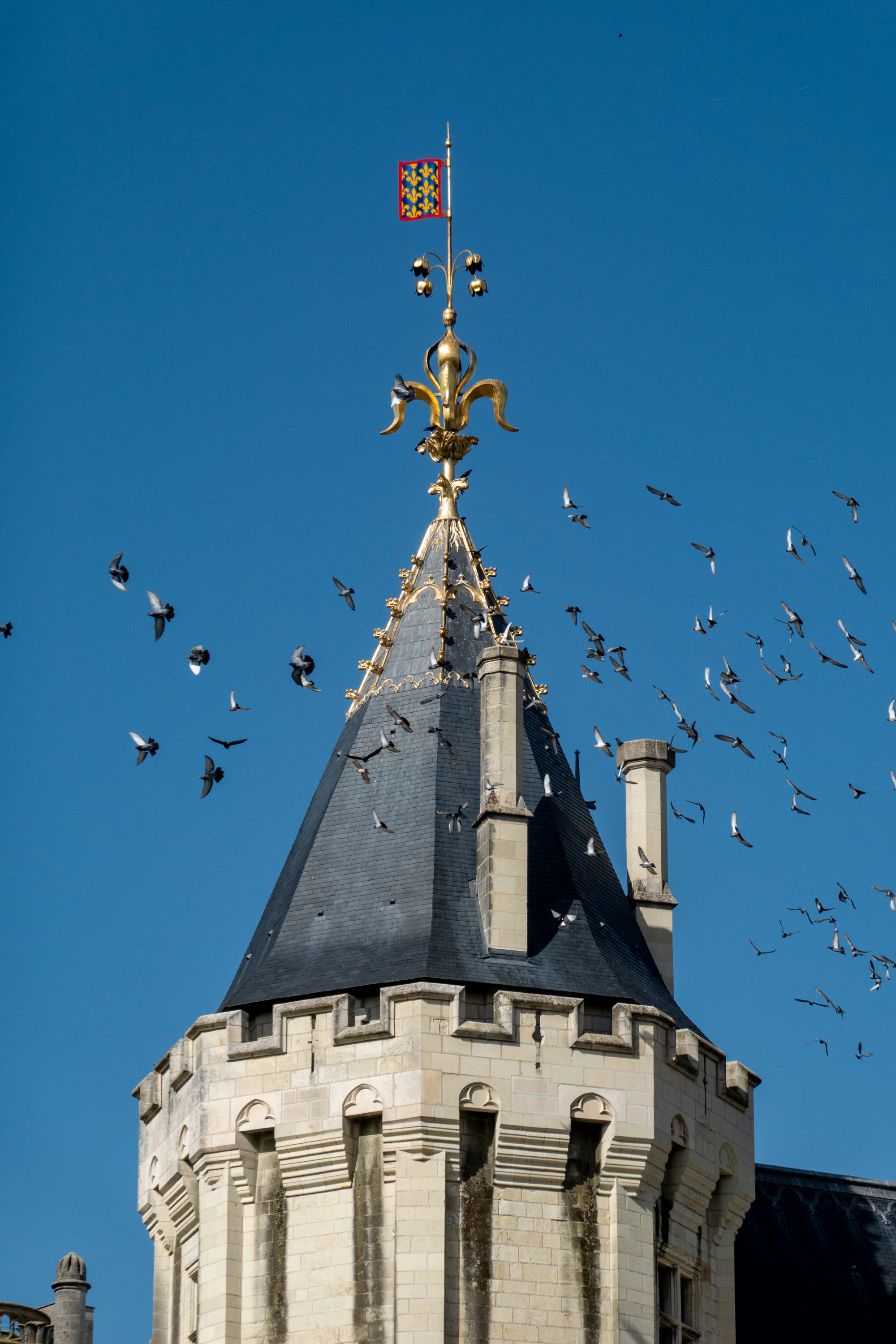
Our final jaunt was in the trusty Little Tourist Train which took us up the big hill to the Chateau, now a museum, and showed us some of the old part of town which we had not discovered for ourselves.
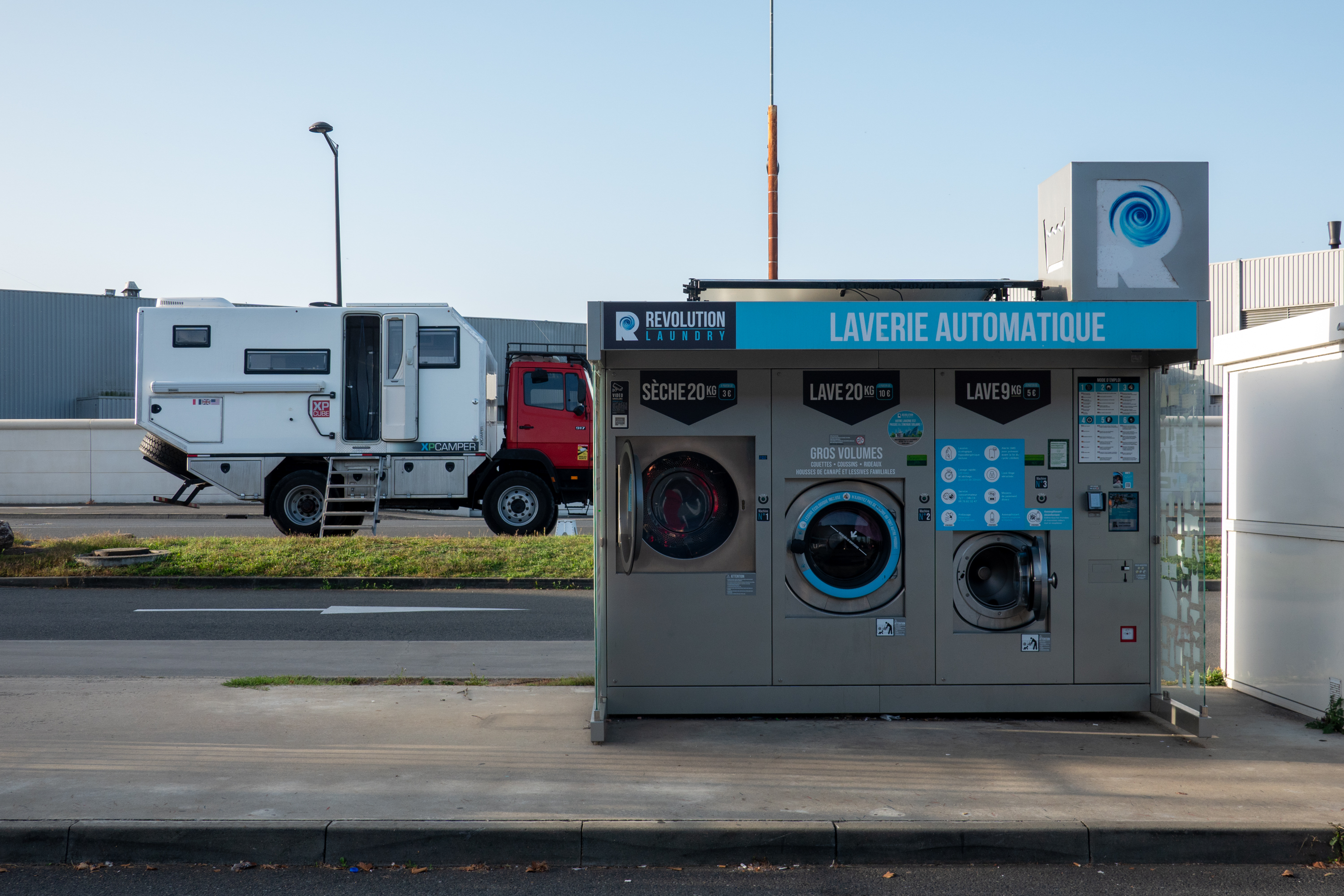
Our greatest discovery has been the Revolution Launderette/Lavarie. (Now “WashME.” https://www.revolution-laundry.com/fr-fr/) We first found one in Skipton and were delighted to find them in France as well. Generally found in supermarket parking lots, they are easy to get to and have a BIG washing machine and dryer. (‘murican Speed Queen.) So you can shop while doing the laundry and there is room to do the sheets, etc. And did we mention that they take credit cards and the soap in included? Perfect!

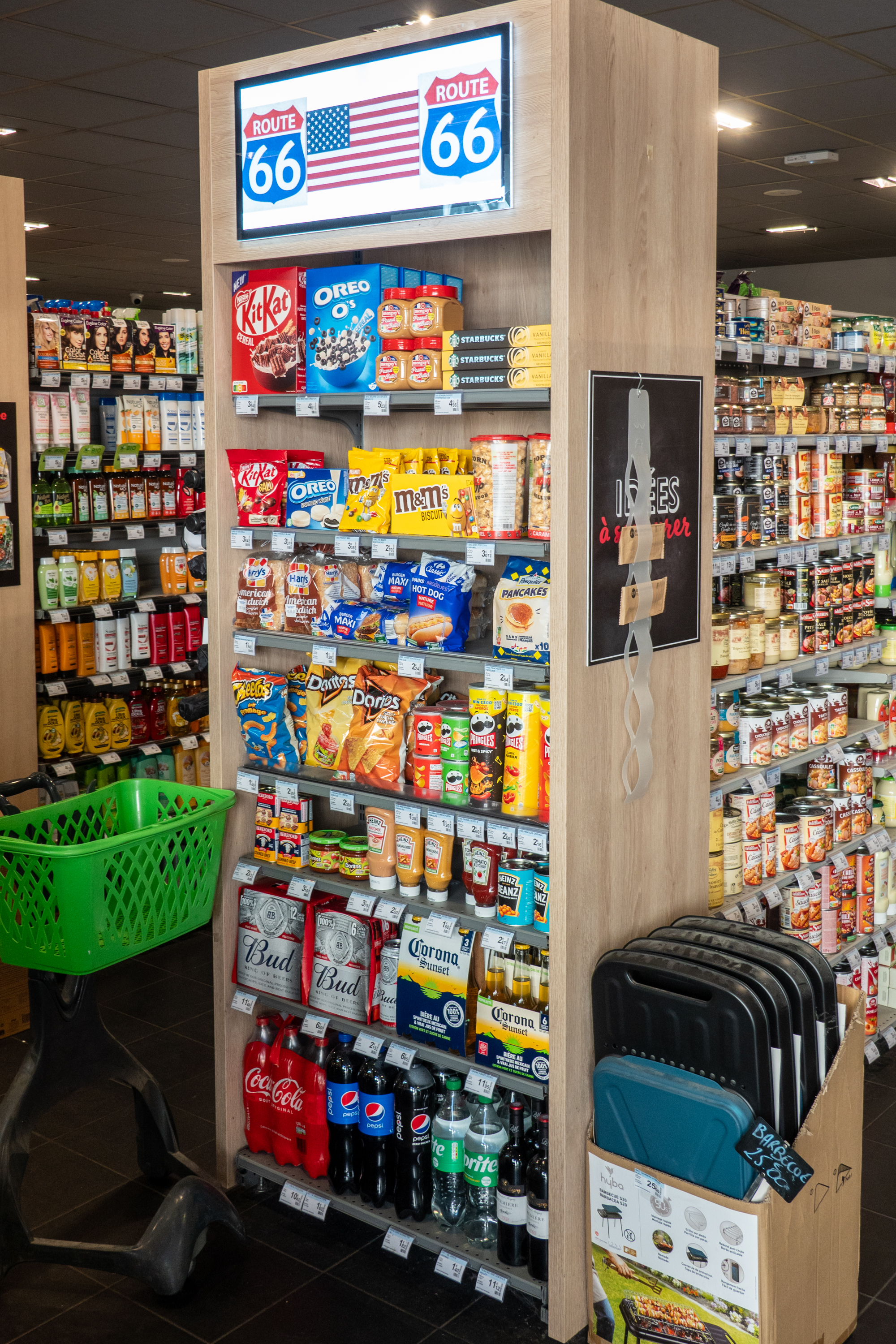
The Loire campaign has begun.
 DiploStrat