Our campground in Malden sits right between the two major drop zones of the 82nd Airborne. We crossed the Maas-Waal canal to the west of town anytime we drove anywhere. Our rides into town to tour or visit the bike shop went right down the route of the old road. The sense of history was palpable.

To our east, in the Groesbeek landing zone, is the Freedom Museum. (https://freedommuseum.com/#) This museum, a bit like the Peace Museum in Caen, France, touches on a subject that most British and Americans cannot really understand – life under occupation. The US and Britain suffered terrible losses, but we never suffered an occupation by a foreign army. Occupation raises many complex issues as each person tries to decide where to place themself on the spectrum between full collaboration and active resistance. There are some very thoughtful exercises you can do to help you understand the challenges. And the usual selections of moving maps and and bomb shelter where you can feel a raid. Not at all the usual military museum – highly recommended.
Finally, on a day with a decent weather forecast and rain jackets in hand, we set off to Arnhem to see the bridge that really was too far. We started by taking the bus to the station in Nijmegen, then the nifty double decker train to Arnhem (which took about 10 minutes!).

Once in Arnhem, we found the bus at the station to take us to Oosterbeek, home of the Airborne Museum in Hartenstein. (https://en.wikipedia.org/wiki/Airborne_Museum_’Hartenstein’) If Arnhem itself is a bit gritty, Oosterbeek is a lovely spa suburb.
A very different museum from the Freedom Museum, this museum is based on the important role that the Villa Hartenstein played to both the Allies and the Germans, both of whom used it as their headquarters (at different times!) during Operation Market Garden.
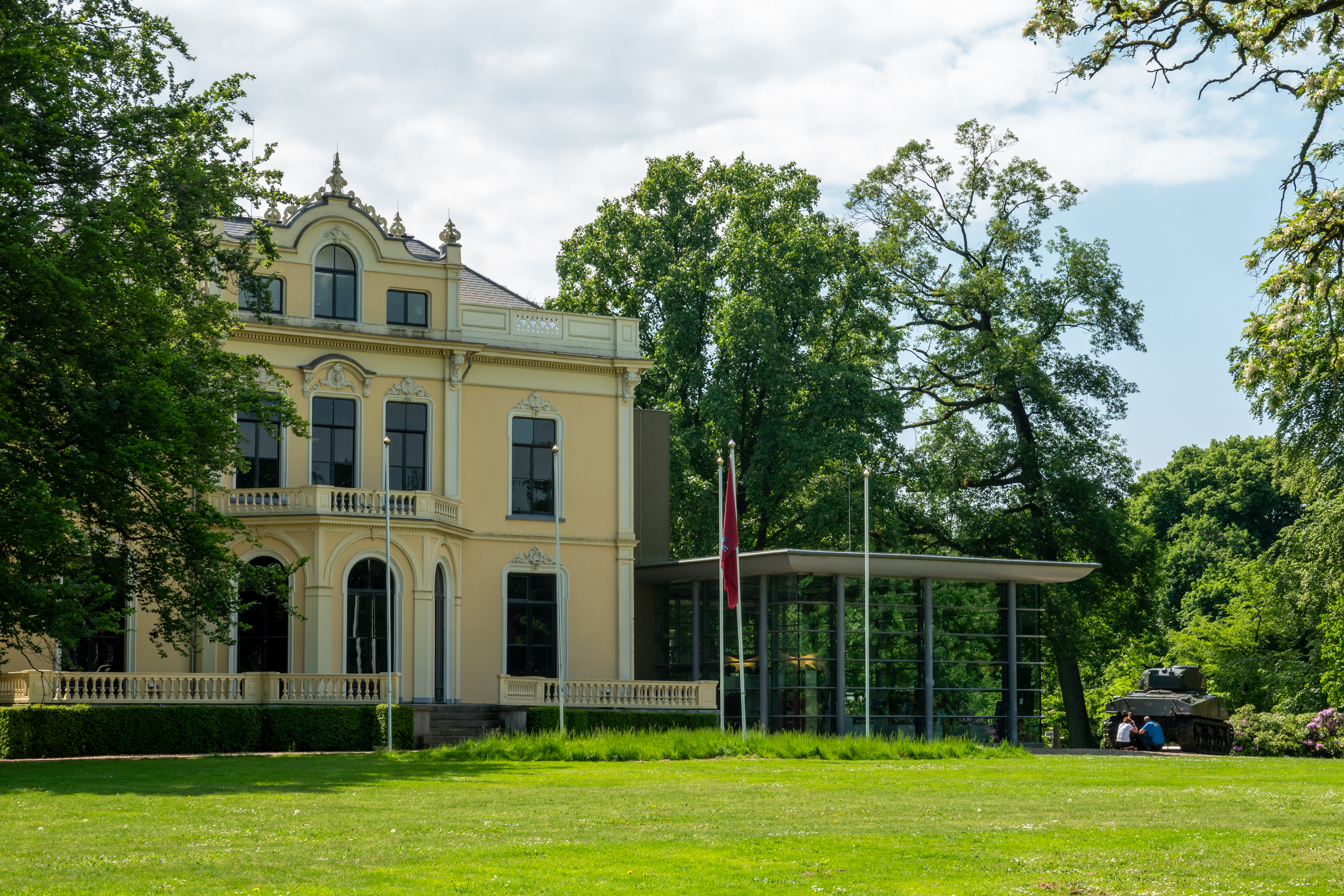
The museum is known for the “Airborne Experience,” which lets you walk through the battle from one side to the other. It was well done. The actual room that Colonel Urquhart used as his headquarters has been restored, complete with mannikins. The nearby St. Elizabeth hospital was used by both sides, at the same time. A most challenging arrangement!
Next to the museum was a lovely restaurant. We joined a decidedly upmarket crowd (and a few cyclists) for a nice lunch in the sun.


After taking the bus back into town, we walked until we could see the Arnhem bridge.
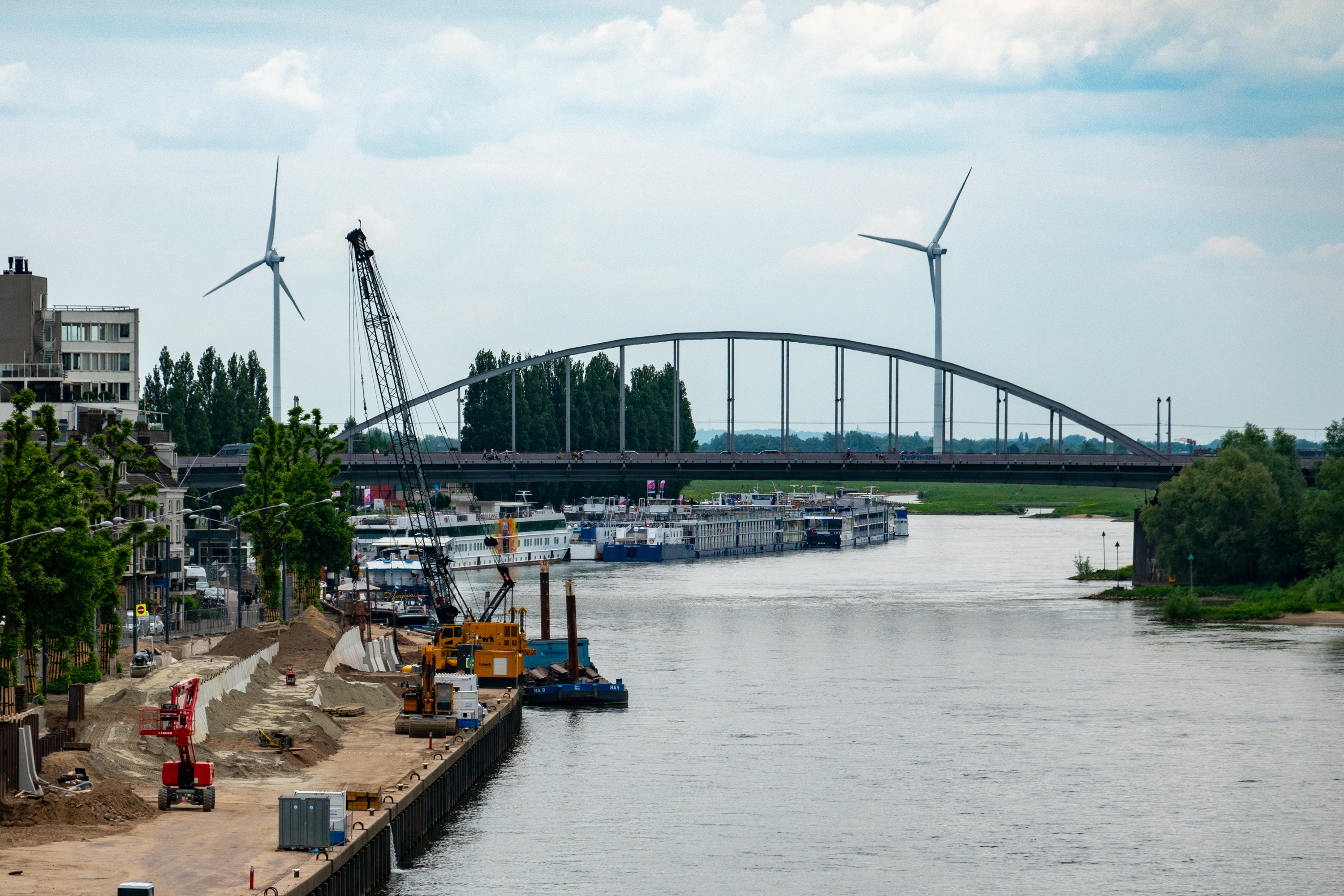
Photo taken, we headed back to the station to repeat our journey back to the camper. And it did not rain!
 DiploStrat