
We headed north to Roskilde and camped in a parking lot. Not the height of luxury, but it was quiet and there were no knocks on the door in the night. Next morning we set off on our bicycles for the Viking Ship Museum, despite the nasty black cloud on the horizon. (https://www.vikingeskibsmuseet.dk/en/) Sure enough, a 15 minute bike ride later, the heavens opened, just as we were locking up the bikes. We headed for coffee and dried off a bit before joining a 45 minute tour in English.
In the museum building, where the original ships are displayed, our guide was a young historian who knew a great deal about the period and gave us lots of information on the five different Viking ships which had been raised from the bay nearby. He was also well versed in Viking history in general and their expansion across the world. As a geo-history nut, Fred loved discussing this part with him.
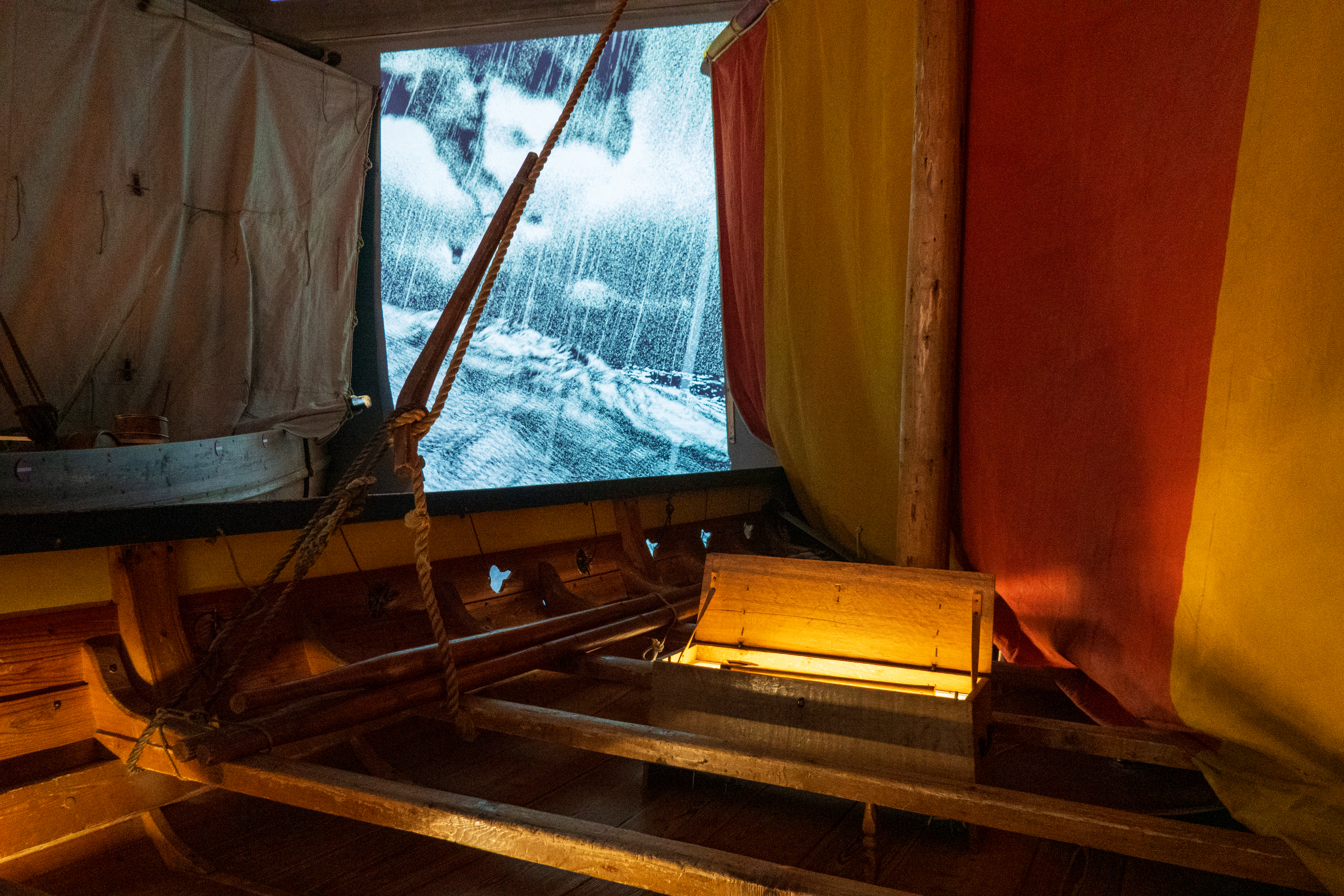
Known as the Skuldelev ships, the museum ships were all older ships that had been deliberately sunk around 1070 to block the channel and to protect Roskilde from attack. They were found in the bay, about 20 kilometers north of Roskilde.

Obviously none of the ships was complete, and they had deteriorated during the hundreds of years that they had been under water, but the museum has pieced them together as accurately as possible. At 30 metres, Skuldelev 2, rebuilt as the Sea Stallion, was one of the largest Viking warships ever found. (https://en.wikipedia.org/wiki/Havhingsten_fra_Glendalough)

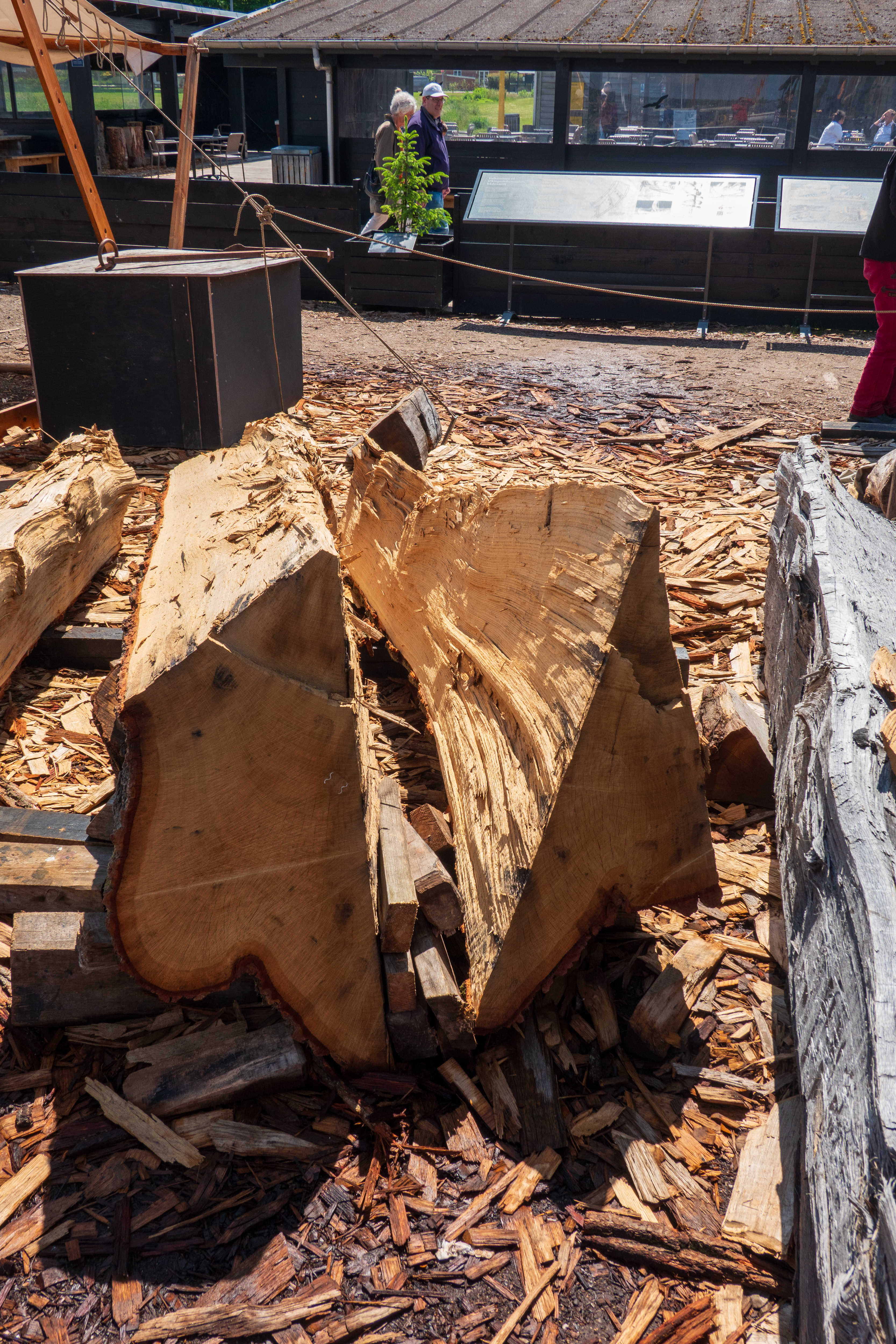

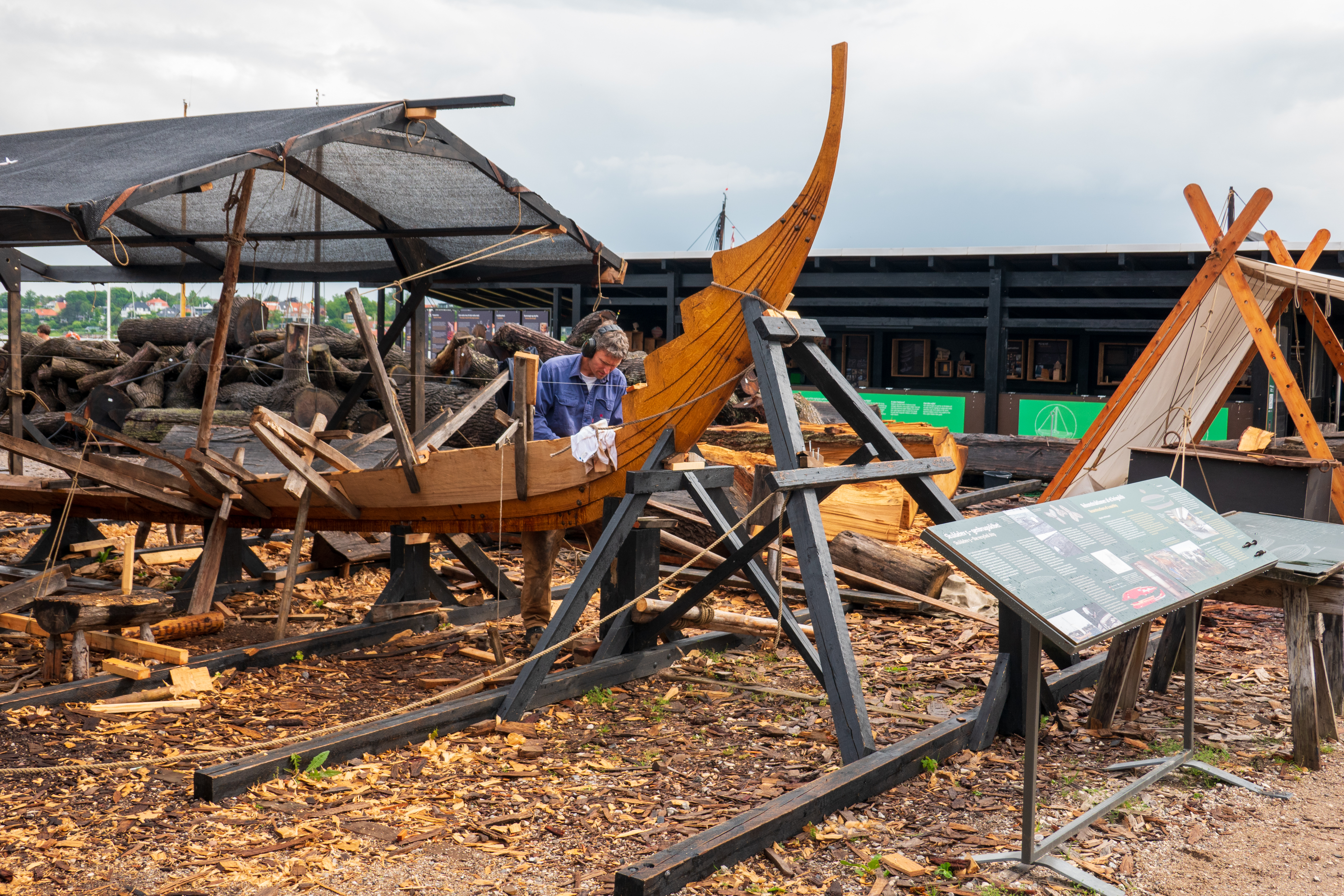
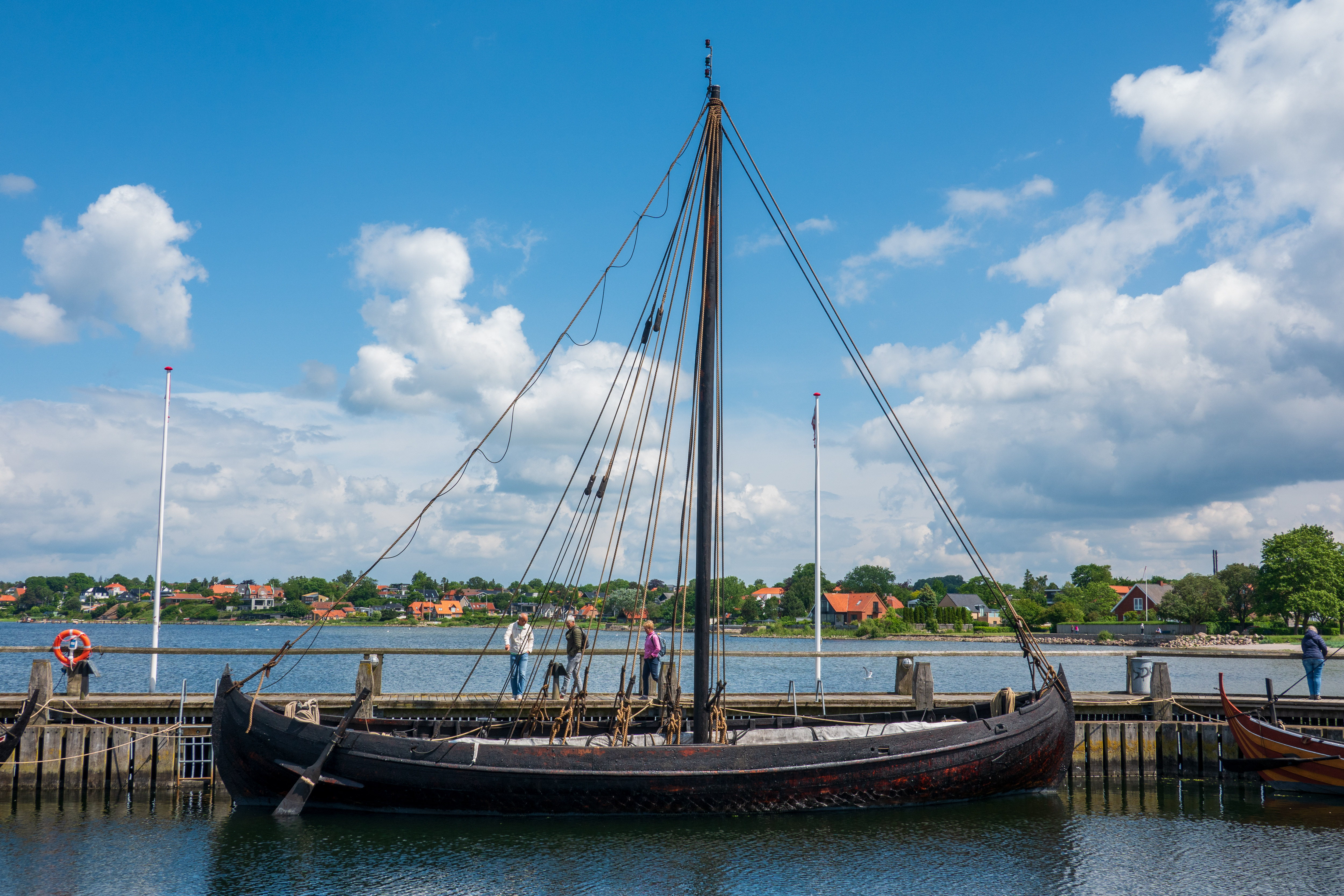
Back outside, we visited the Sea Stallion, a full scale reconstruction (not a replica) of a Viking ship built in Dublin around 1042. (Who knew the Vikings actually settled, as opposed to raiding, in Ireland?) The reconstructed ship was even sailed to Dublin, but it is speculated that the modern crew took longer than the Vikings would have taken back in the day.
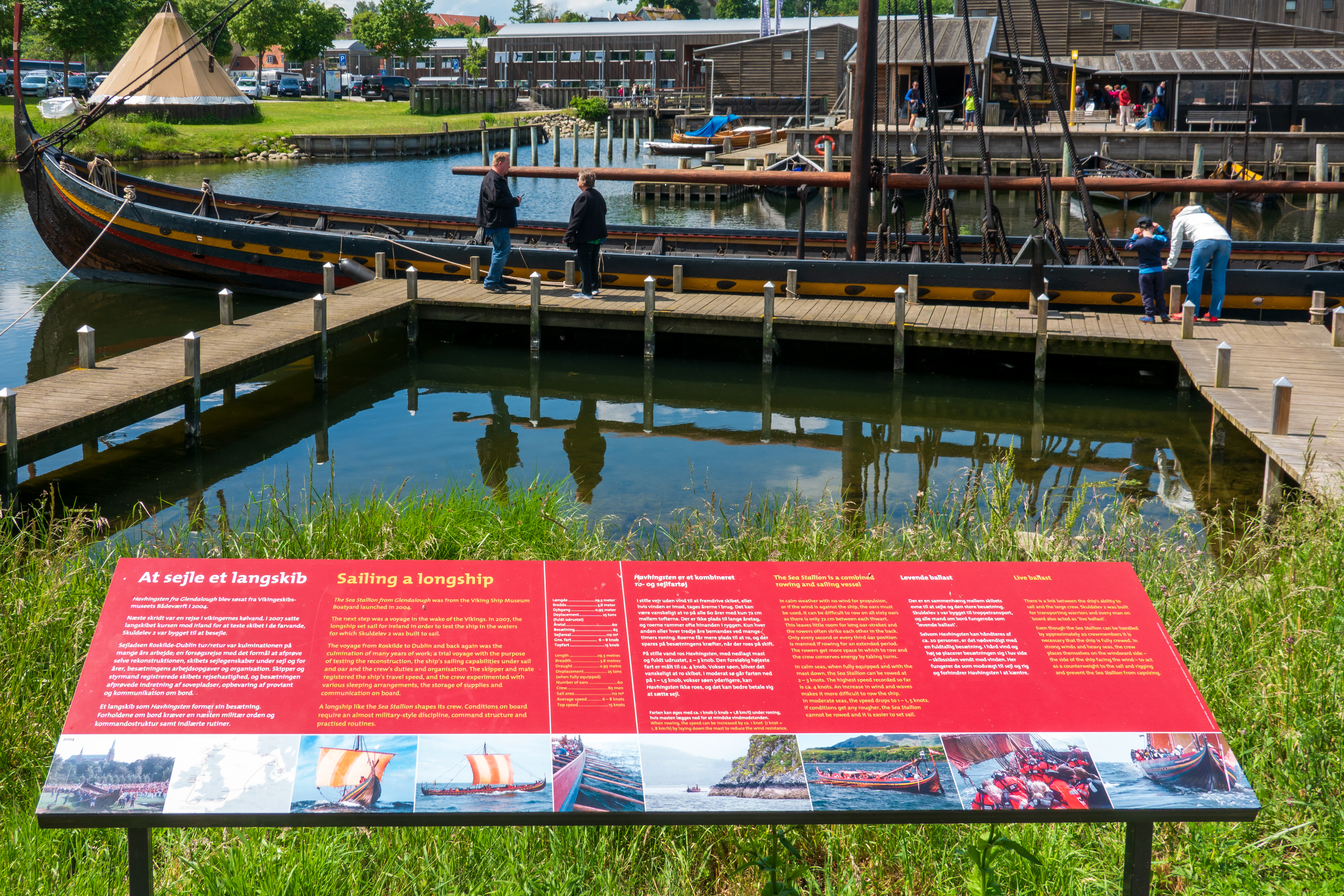
So what is the difference between a replica and a reconstruction? The movie company, Universal built a Viking ship for the movie The Vikings and MGM built a replica of HMS Bounty for Mutiny on the Bounty. The ships looked right, but were built with modern techniques and the Bounty even had a diesel engine. A reconstruction, on the other hand, is built with period correct techniques and tools – a lot harder, but a fantastic opportunity to see how ancient techniques actually worked. Note: some were a lot better than you would expect.
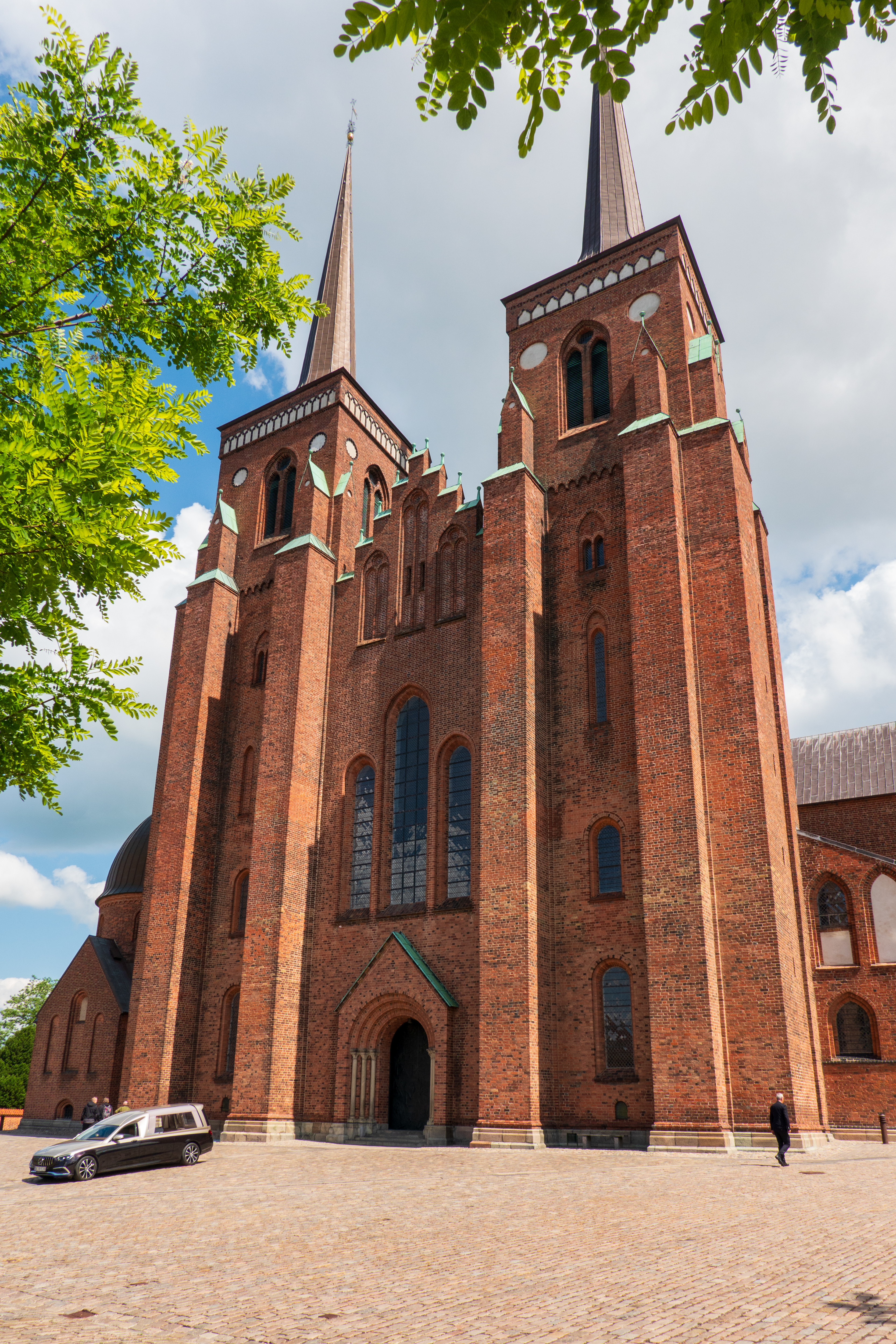
We finished our visit with lunch, a “Viking Platter.” A selection of interesting dishes – one being more than enough for the two of us. We then headed up the hill to the church. Sadly, a funeral prevented a visit inside.
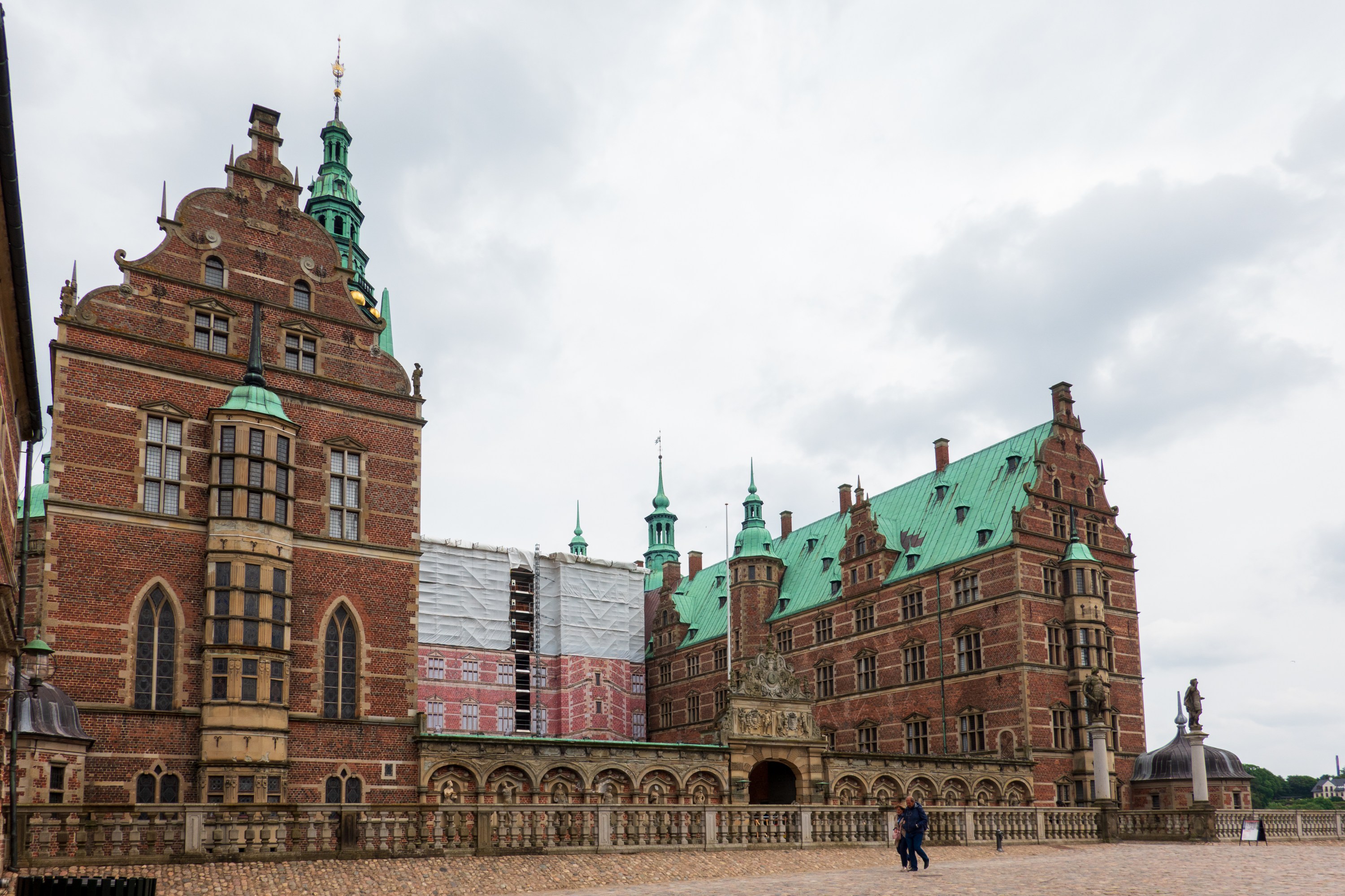
We moved on to a lovely campground in Hillerod and, in a burst of sunshine, set out to find the Frederiksborg castle. (https://dnm.dk/en/frederiksborg-castle/) From the website: Frederiksborg Castle was built by King Christian IV in the early decades of the 17th century and is the largest Renaissance complex in the Nordic region. The aim of the building was to show off and enhance Christian IV’s status as a powerful European monarch. Accordingly the castle is richly adorned with symbolic and decorative elements: for example, the impressive Neptune Fountain and the Marble Gallery of the King’s Wing. Another study in obscene income inequality. And keeping up with the neighbor nation Joneses!
A short ride and we were at the main entrance. It was closed as it was later than 5 PM and so we set off back to the campground as it began to rain!! Again!
The next morning we headed to the Castle. No sun, but no rain.
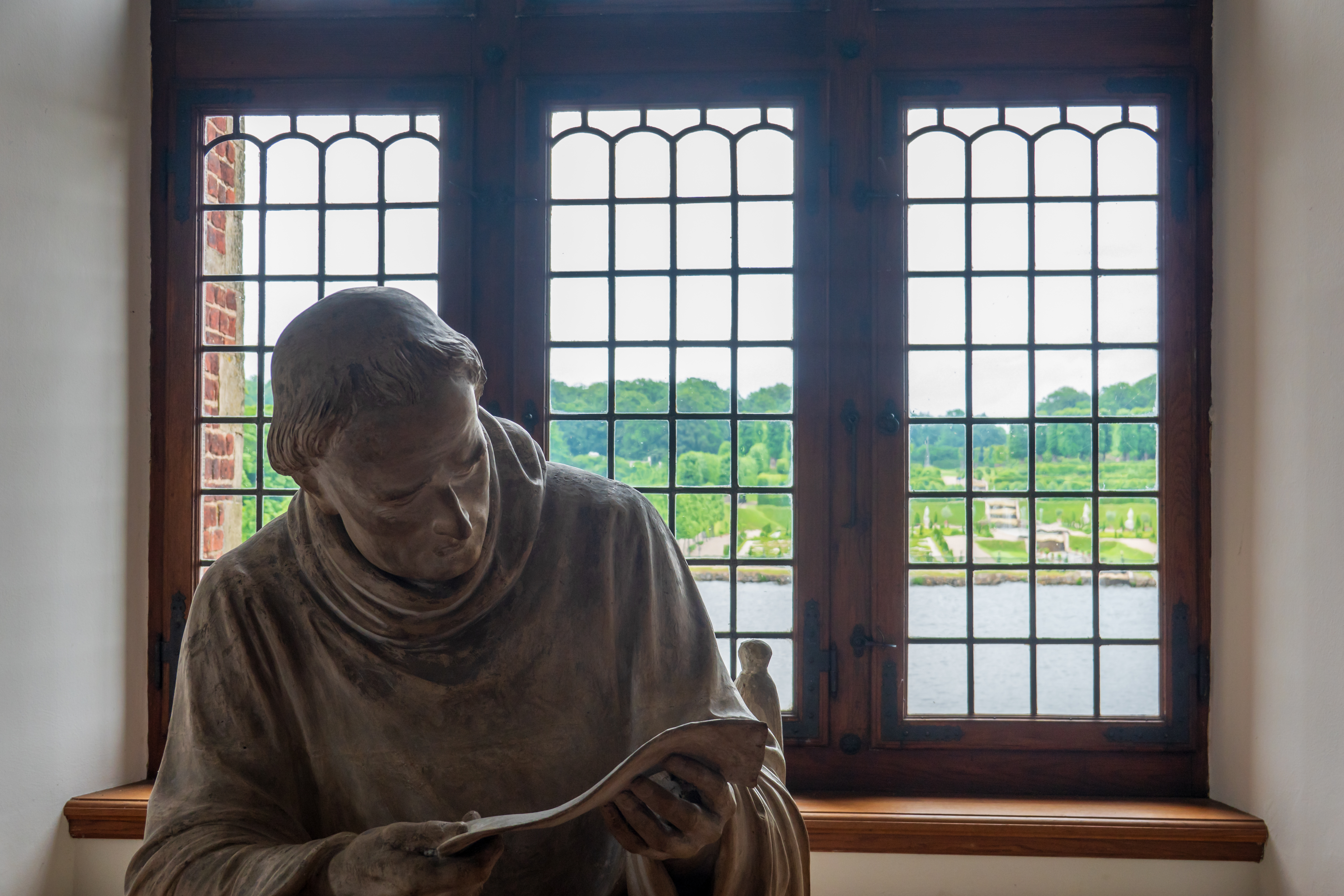
It was was “royally” decorated with spectacular ceilings in reception rooms.
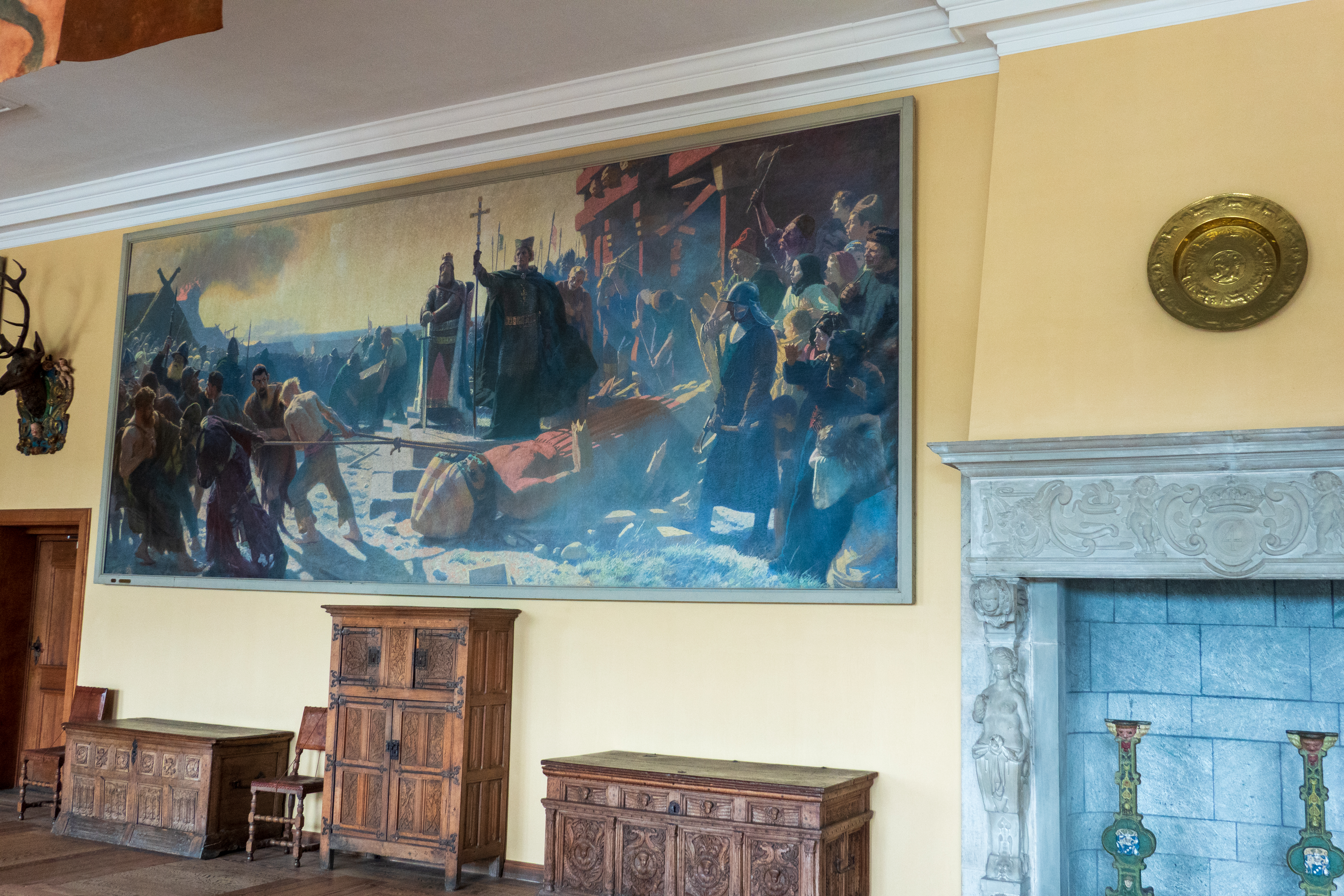
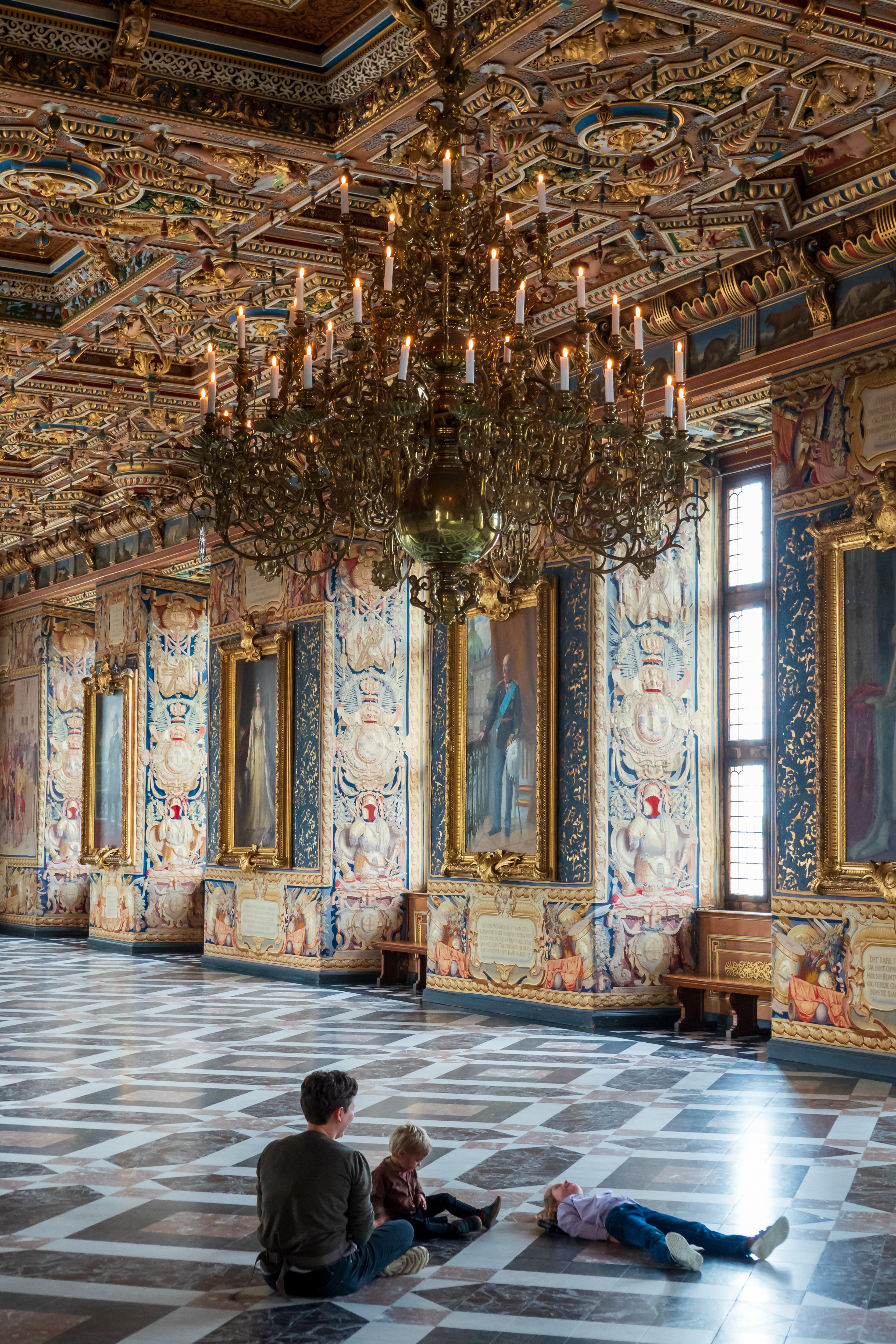
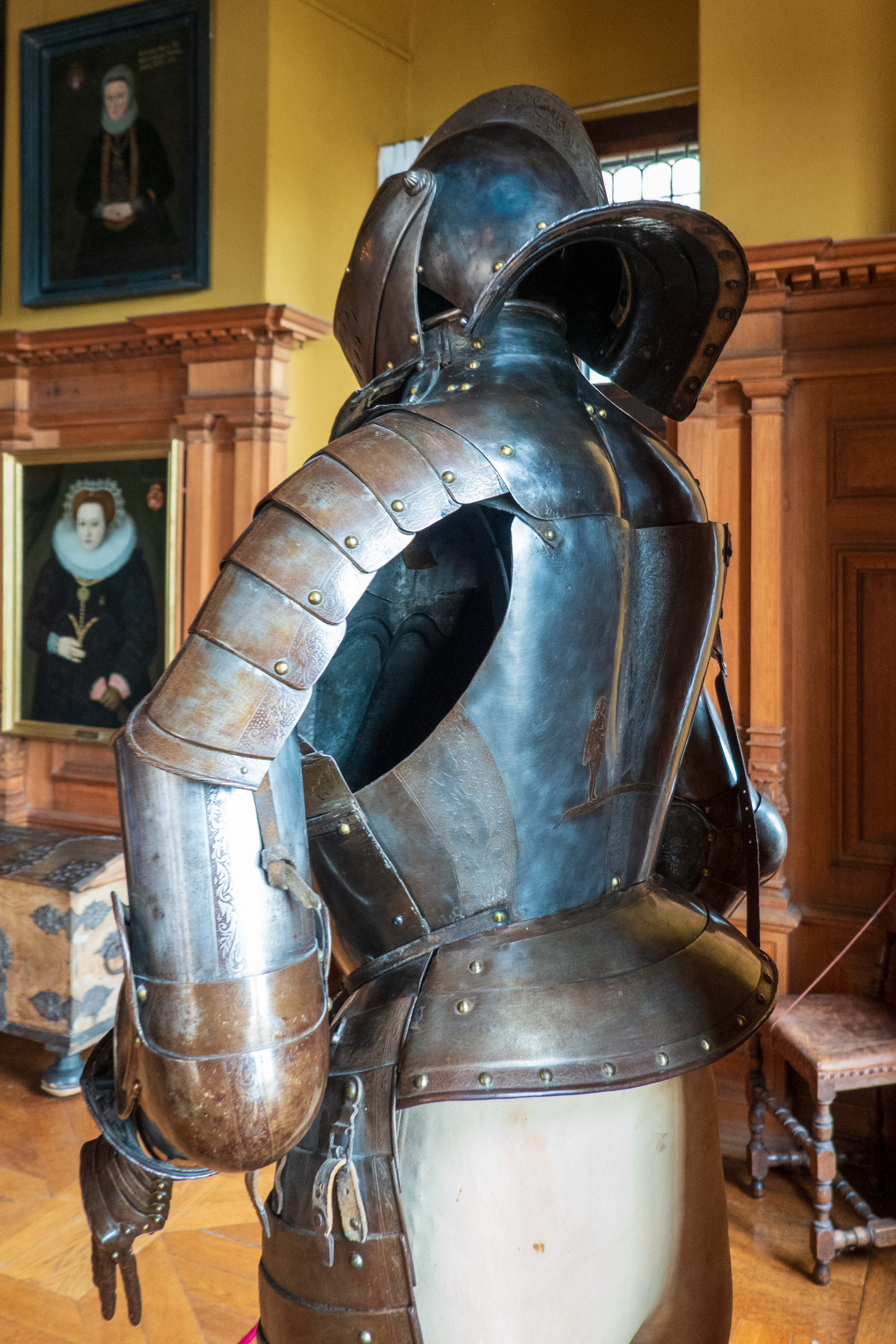


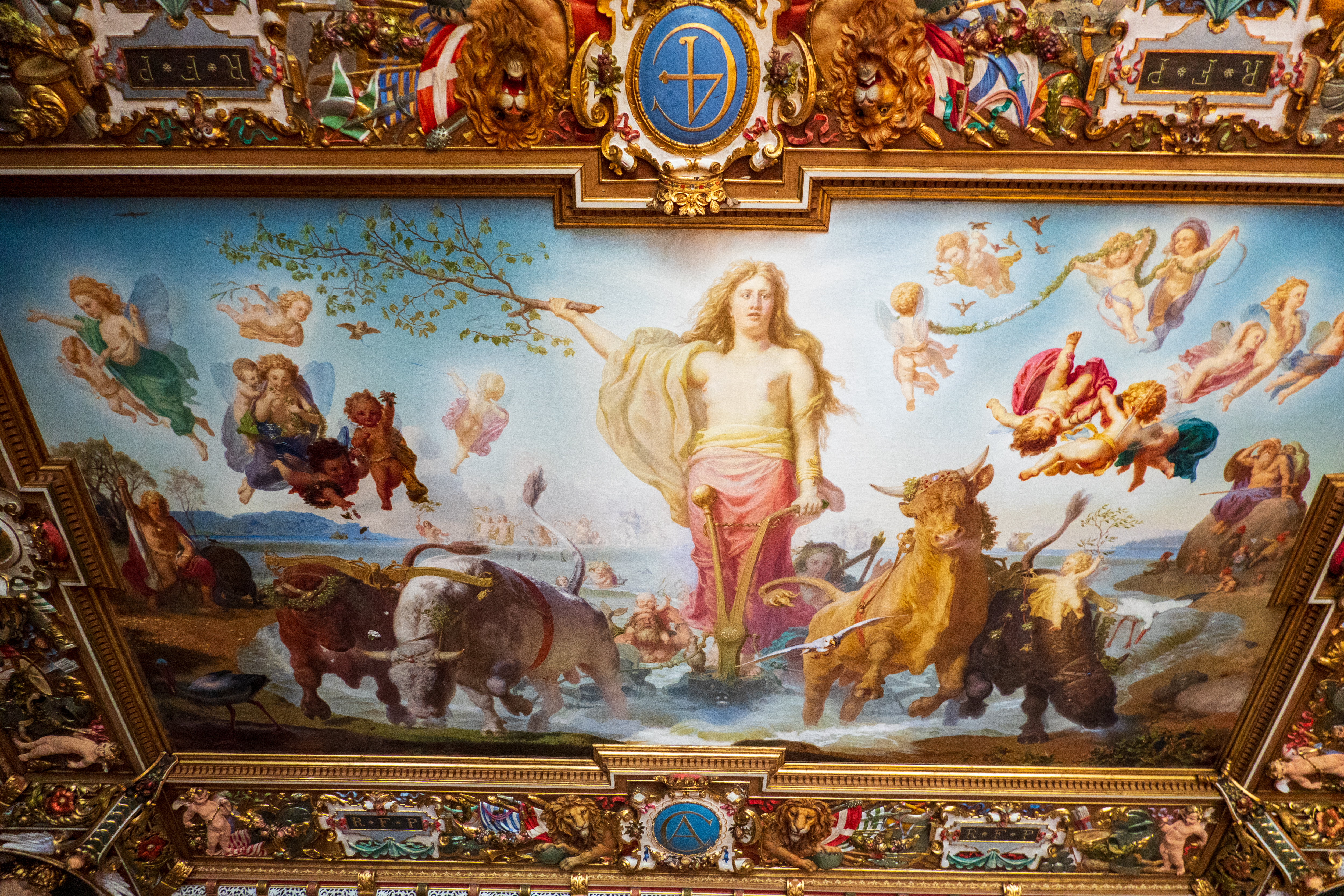
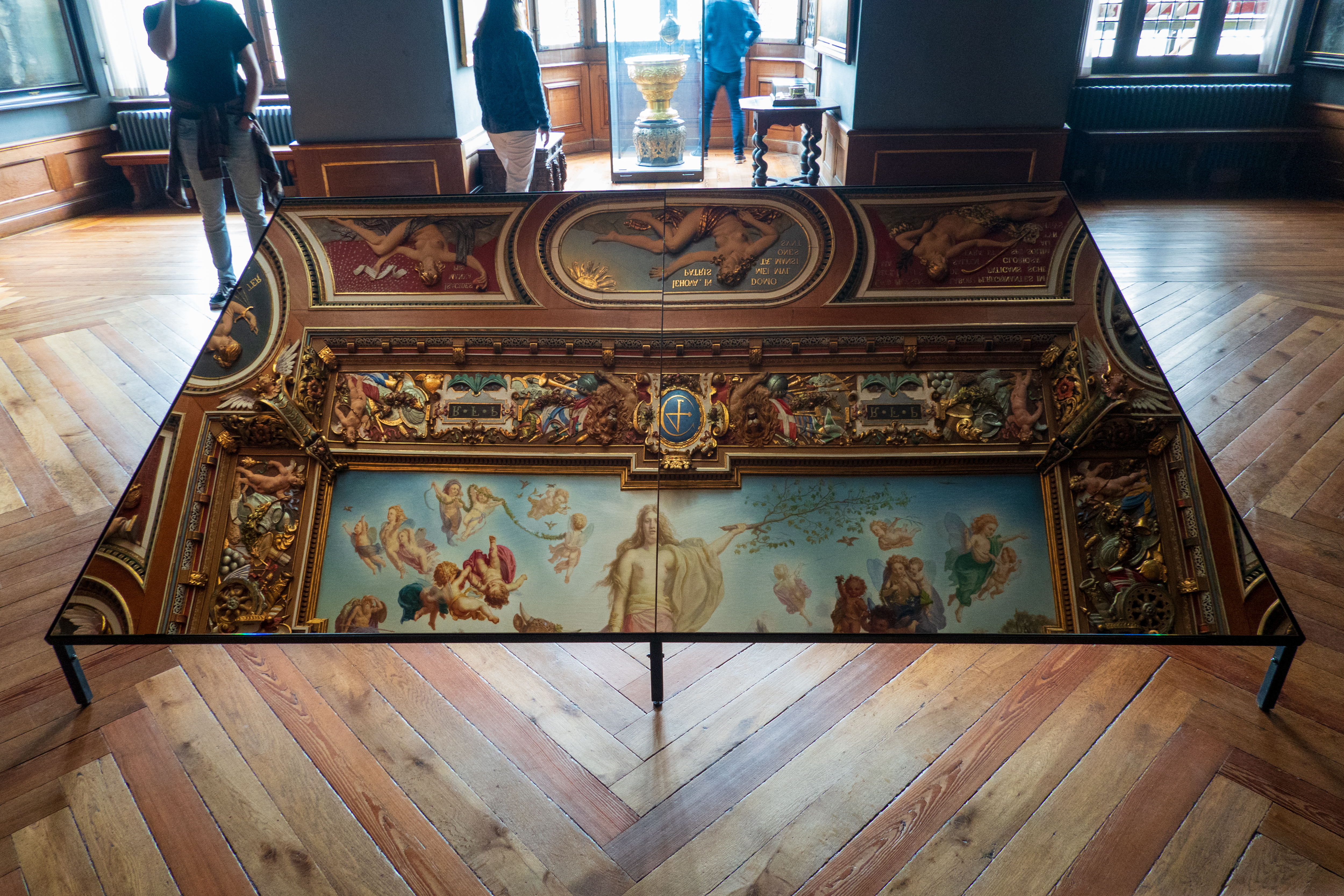
The highlight from our point of view was the chapel, which was simply glorious. We were walking along a corridor when one of the docents told us to hurry – the chapel would be opened for only a few minutes before the wedding. Wonderful opportunity to see everything lit up and decorated.
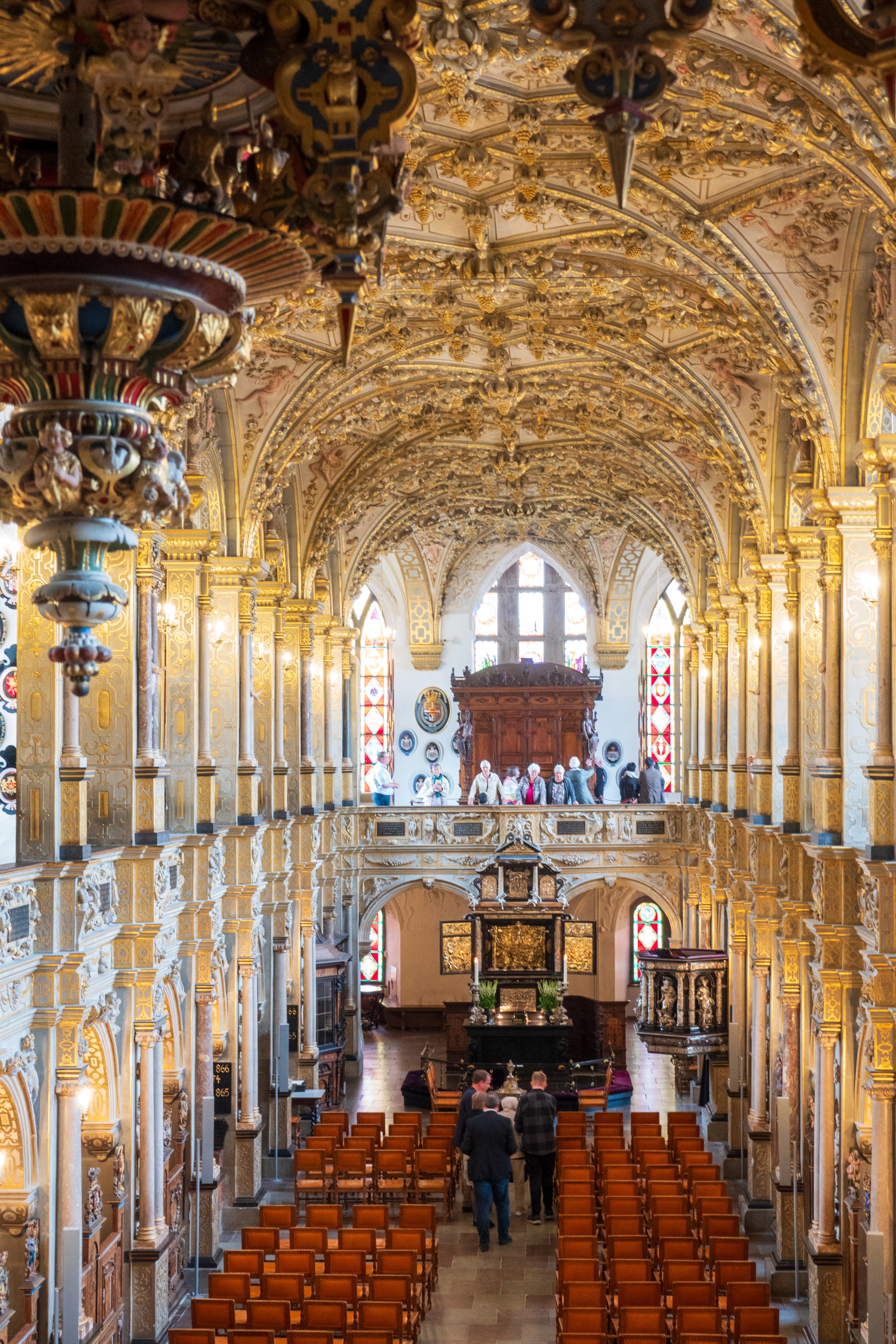
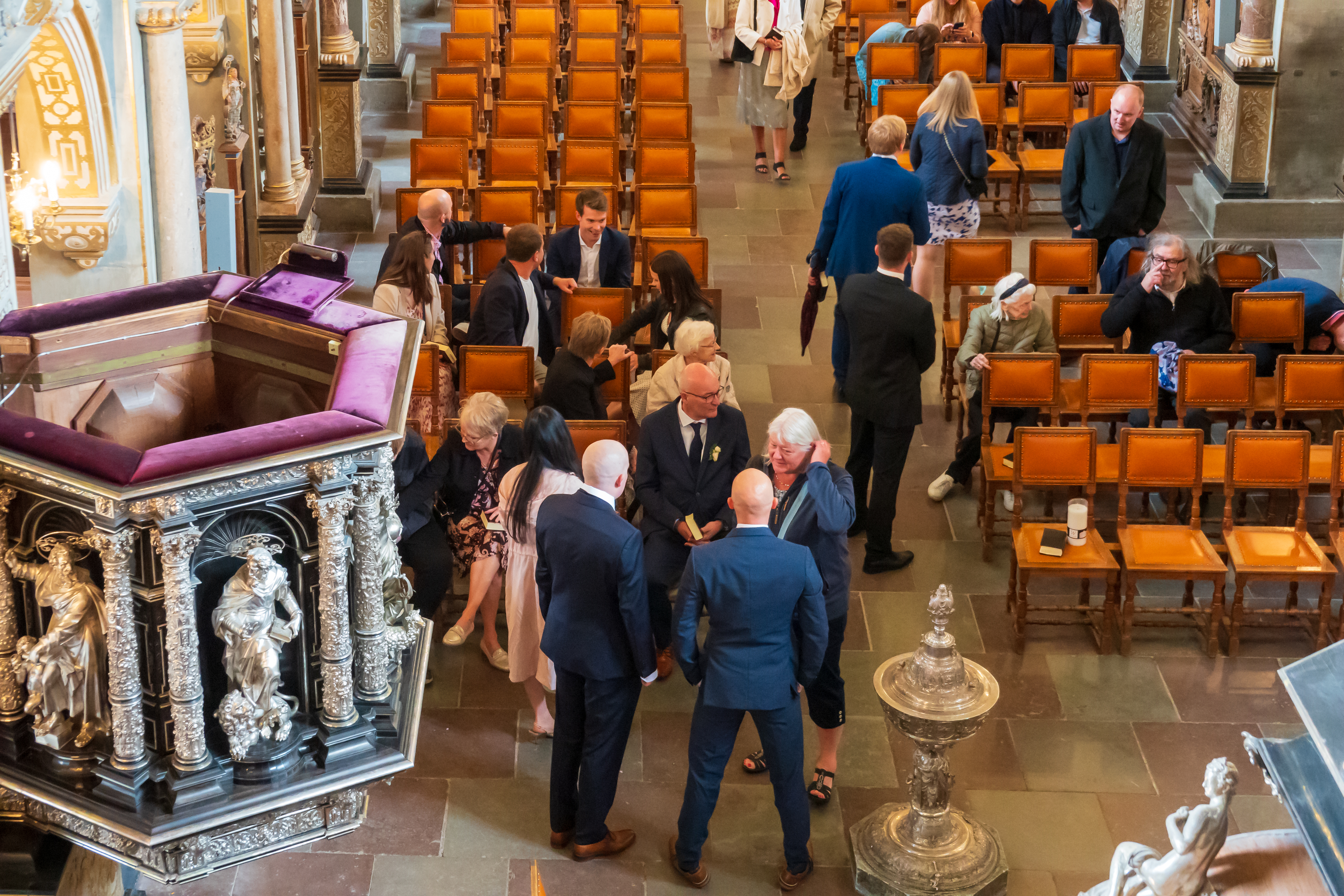
Preparations were underway for a wedding but we were permitted to enter the gallery running the length of the chapel and to marvel at the ornate ceiling and at the number of royal boxes each with its individual crest.


We returned to collect the camper and set out for Copenhagen.
Beginning to fear that there are no Danish pastries in Denmark.
 DiploStrat