
Our next stop was Berchtesgaden, famous as Hitler’s Bavarian playground. Although he and his cronies all had houses in Obersalzberg, Hitler himself had a fear of heights and did not like going up to his “Eagle’s Nest.” After riding up and down the road, we decided that he was not entirely wrong. We found space in a most pleasant Stellplatz, surrounded by high cliffs, and settled in for a visit. A visit to Berchtesgaden actually has three components; Berchtesgaden the town, the smaller town of Obersalzberg above it, and, finally, the Eagle’s Nest on the mountain overlooking everything.
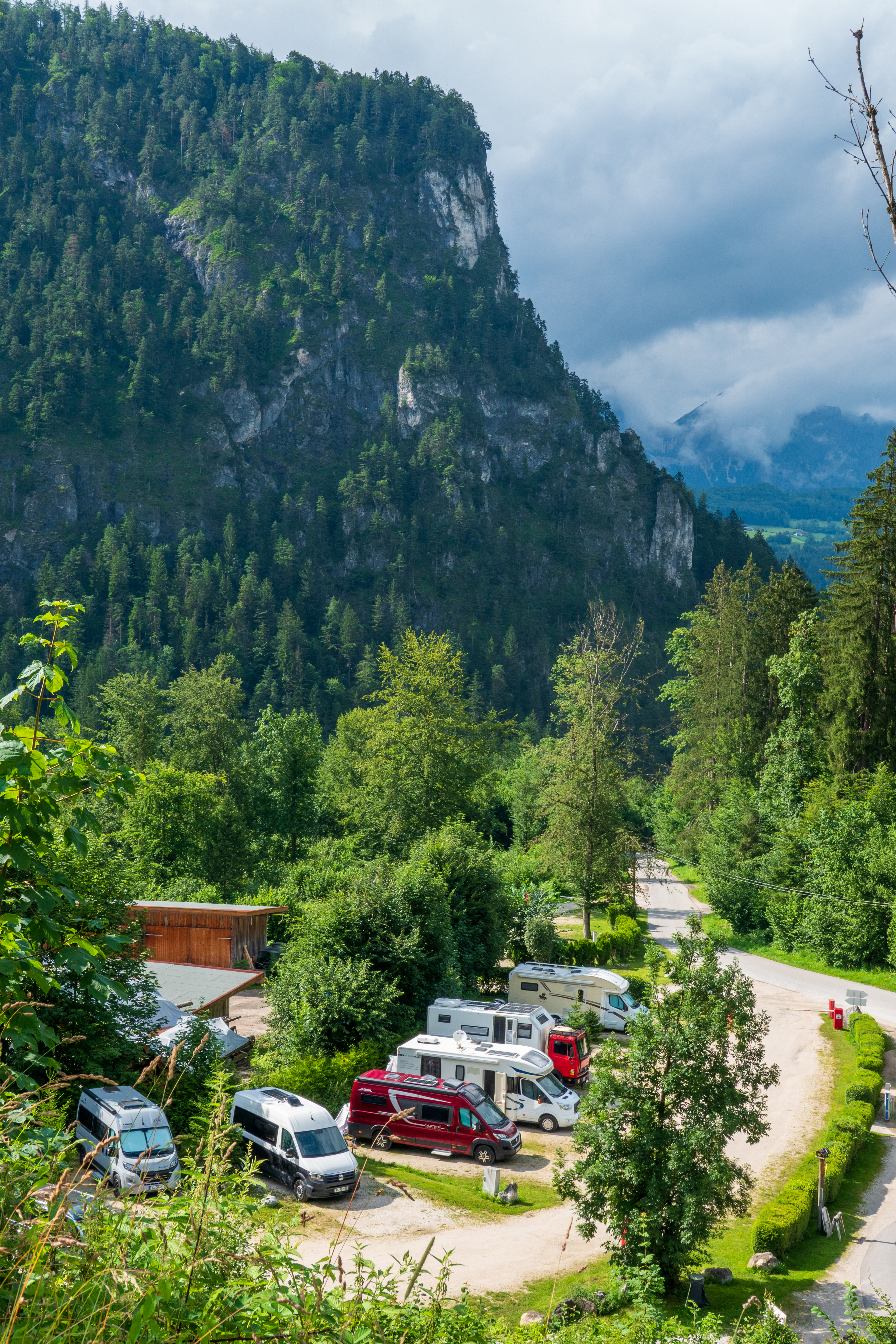

It is an easy bike ride to the town, although the steep road down to the main road was off-putting!
The next day, we set out to visit Obersalzberg and the Eagle’s Nest. Given the distance and the grades on the road, we decided not to attempt the trip by bicycle. The weather was not great but the forecast was not any better for the following day, so, we headed to the bus stop near the campsite to take the bus into the bus station at Berchtesgaden. There we would change buses to head up the mountain to Obersalzberg, and then take the special bus to the Eagle’s Nest. It did not work out quite like that!
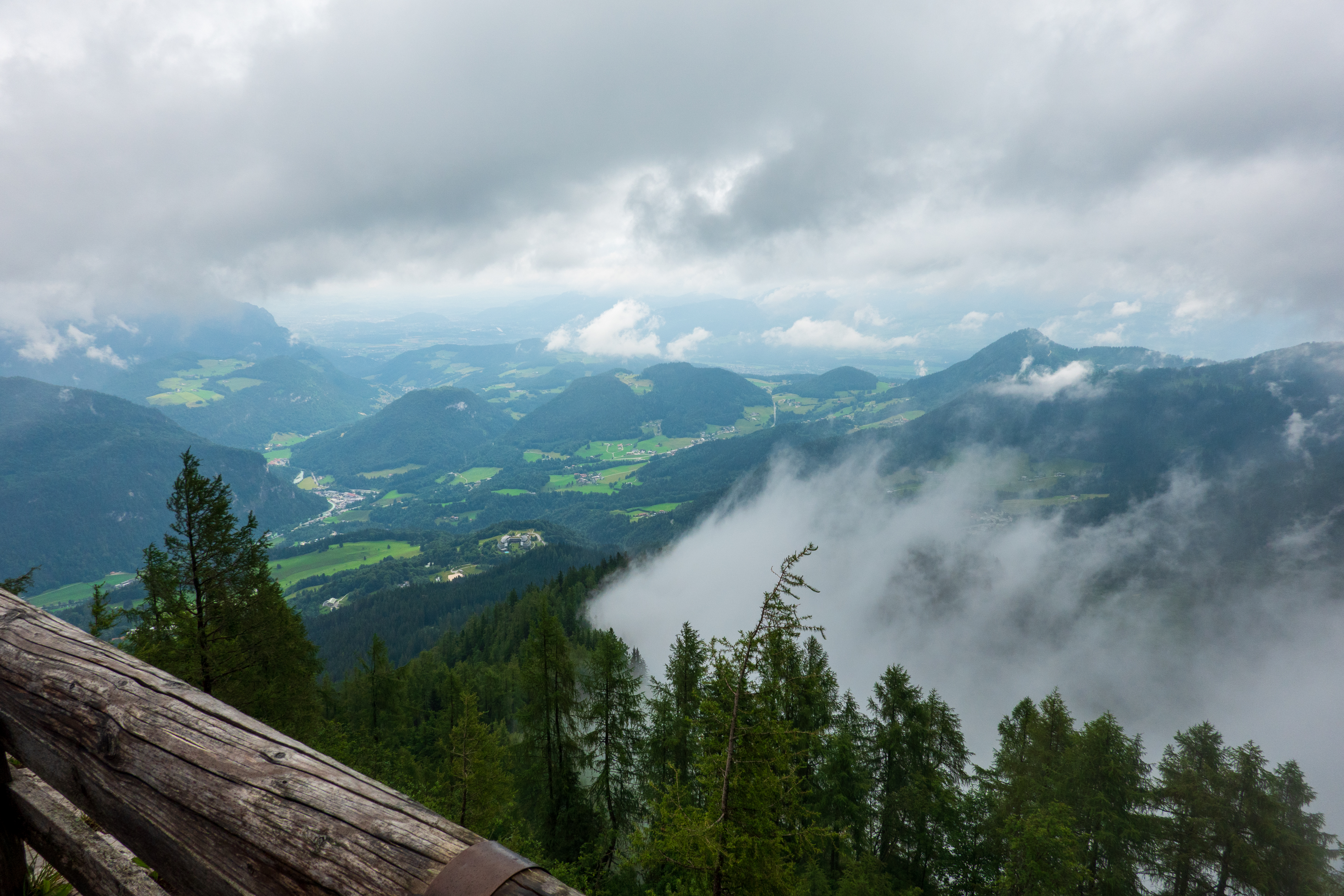
In a hint of what was to come, the first bus to Berchtesgaden was full and did not stop. Then, when we got into town, the bus to Obersalzberg, was absolutely full and left without us. The next bus would leave in an hour. This was frustrating to say the least, but there was a convenient taxi rank nearby so we shared a taxi with a young man from Switzerland who was going to hike to Eagles Nest! Brave, and fit, lad! And so, ten minutes later we were at the bus station in Obersalzberg. We decided to go all the way to the Eagle’s Nest as it did not look likely to rain in the immediate future, so we hopped on that bus. The road is narrow and only one lane, so all of the buses go up and down in convoy. The all electric buses have an advantage on the descent as they have electric motor braking! It was spectacular. The Eagle’s Nest was never anything but a party room/lodge for holding receptions or, if you were in with the in crowd on a sunny day, sun bathing. So once you get there, there is not a lot to do. The primary purpose of the Eagle’s Nest was diplomatic, to impress foreign dignitaries, so it is mostly dramatic reception rooms, now turned into dining and event rooms.

With no sun, we headed into the restaurant, which was of course full. A very nice couple invited us to join them at their well placed table in front of a window. We ordered soup and enjoyed it while watching the clouds occasionally break to give a view for a moment or two. We were able to get a couple of views of the valley, somewhat obscured by clouds but still spectacular.

Back down to Obersalzberg, we spent a couple of hours in the Documentation Center. It was a somewhat depressing visit as it was clear that the Nazi interest in the area was not beneficial to the original inhabitants. While great numbers were fervent supporters, many were moved out of large areas of the town to make a special, secure village for high Nazi officials. But we learned a lot. At a time when Americans are whining about “erasing history” by taking down Confederate monuments from the 1920’s, the Germans are making sure that today’s school kids get a good view of the Nazi era, up close and personal. It is sobering – both in how easily people got sucked in, and the tremendous price they paid in the end. For example, letters from a soldier at the front span the range of giddy triumph through to total despair. And a lot never came back.
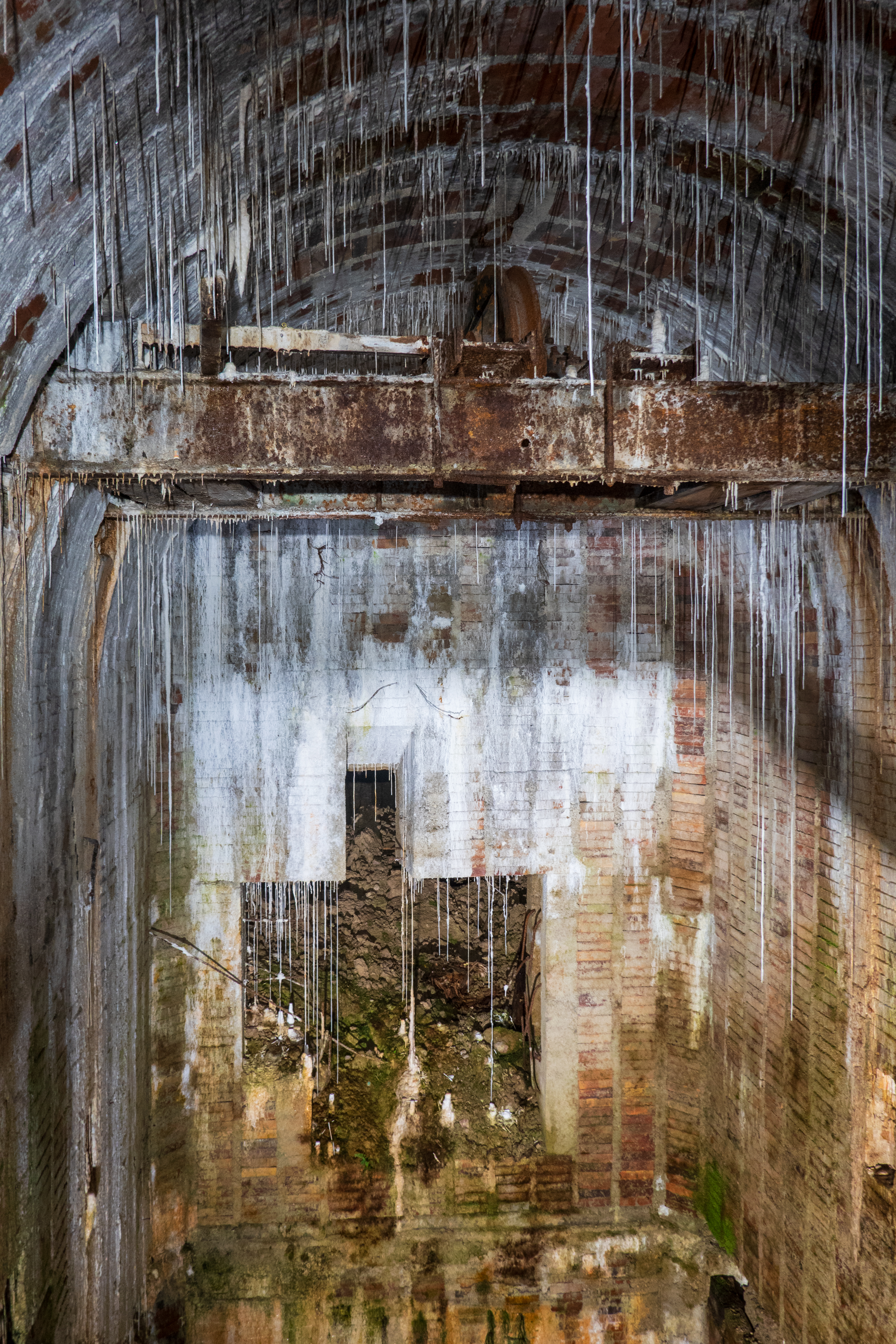
In 1943 the Nazis panicked about the danger of air raids and started a network of tunnels, several kilometers long,. You can visit a few of them. (The US air force actually made the decision not to bomb the area – by the time they could actually reach this deep into Germany, General Arnold did not want to try to kill Hitler as “he was making so many mistakes.”) The tunnels connected everybody’s houses, the SS barracks, and provided a complete alternate capital from which to continue the Third Reich after the fall of Berlin. Fortunately, they were never quite completed or used. There is a deep dive website here: https://www.thirdreichruins.com/bunkers.htm We saw only a tiny part but it was impressive.




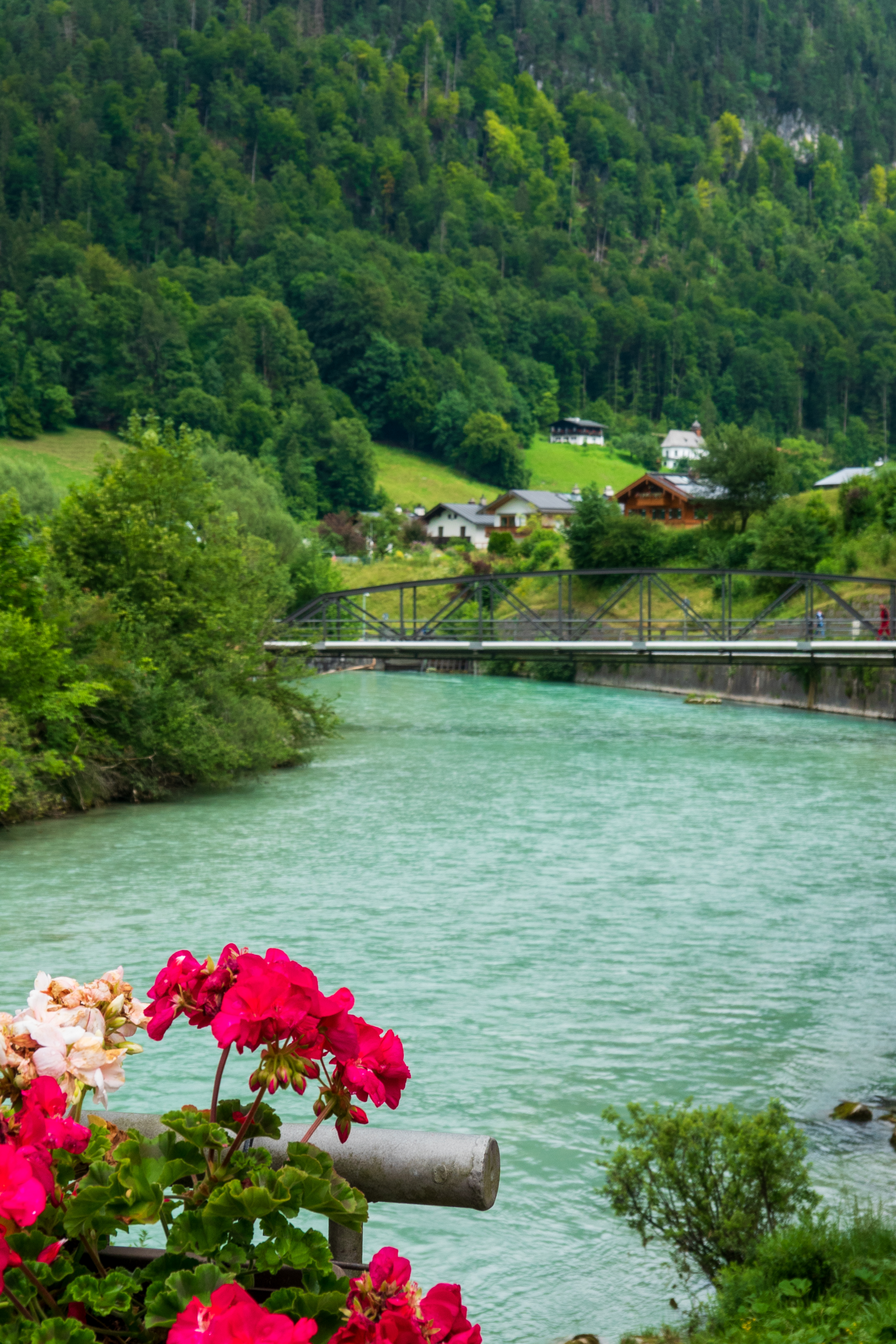
We then took the bus back to Berchtesgaden and connected with our bus back to the camper. Much easier this time.
The next day we biked into Berchtesgaden and went to the Salt Mine to book at tour. The next tour was in a couple of hours, so after a quick supermarket visit we went for lunch at the restaurant at the Salt Mine.

After lunch we garbed ourselves in coveralls and off we went on a little train with mere centimeters of clearance on every side. The tour included two slides (great fun!), some walking and finally another train to take us back to the start. (https://www.salzbergwerk.de/en)

The tour was very informative, explaining how the salt was mined. The mine has been active since 1517 and by the 1800’s they were using water, which is pumped in to dissolve the salt. The brine is then pumped out and taken to plants for drying and packaging. A great tour and well worth it. An interesting contrast to the sea salt collection at Aigues Mortes or the lake collection at Lac Assal, in Djibouti. (https://pbase.com/diplostrat/image/76376469)
 DiploStrat