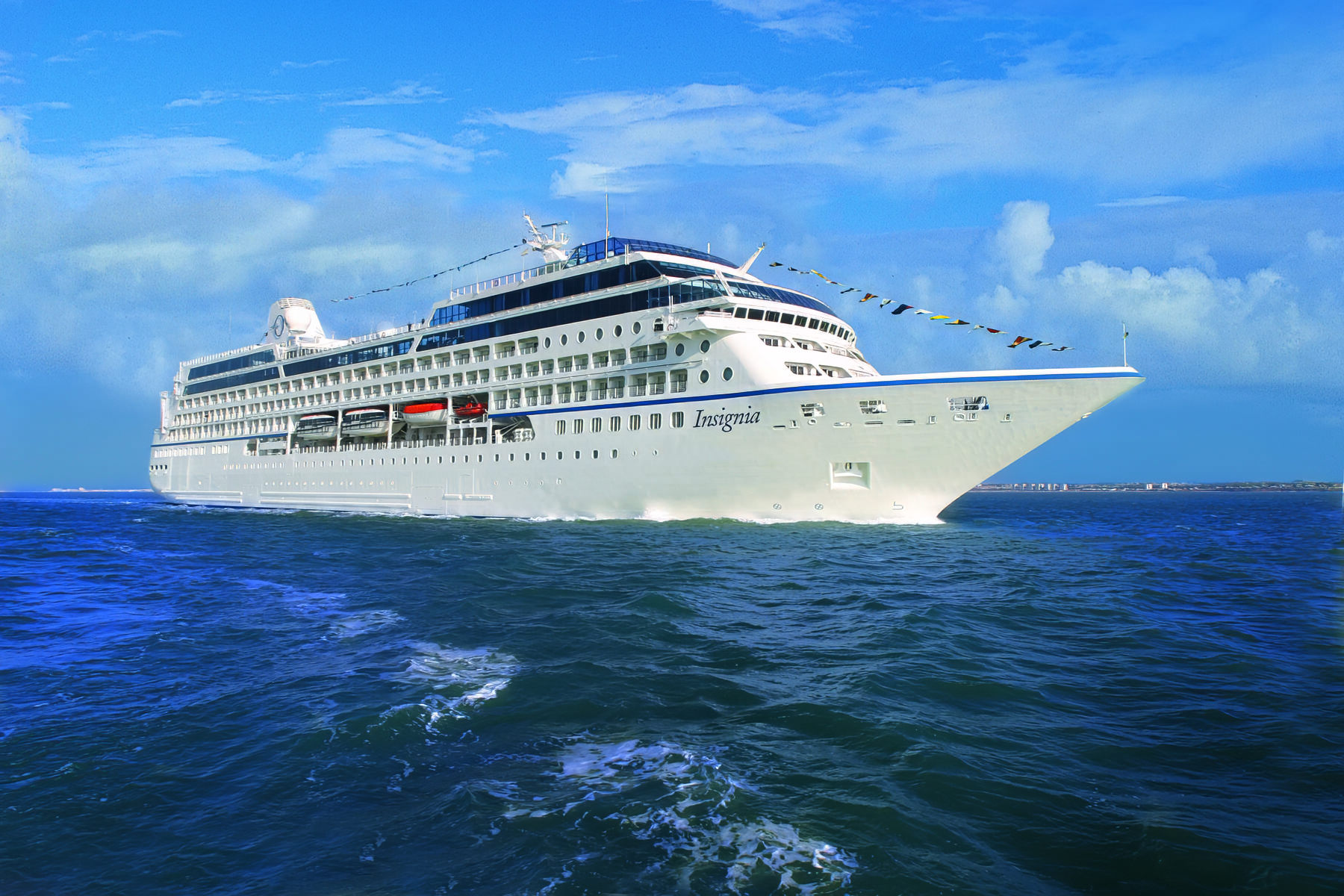
We started the Euro saga by sea and, thereafter, returned to the US on round trip tickets from UK. But these tickets limit the time in the US, so we needed to break the cycle and have more time in the US. We cast around for options. A one way ticket cost almost as much as a round trip, so we decided to try to go by sea. The obvious choice is the Queen Mary, but having been on her twice, she is not our favorite ship. Then Denise had a breakthrough; she discovered an Oceania ship from London to New York, with stops in Ireland and, of all places, Sainte Pierre and Miquelon. (More on this later.) (https://www.oceaniacruises.com) We had never taken a trip with Oceania, but friends of ours love it. The dates worked and so we signed up.
The ship was leaving from Tilbury Docks on the eastern side of London. With the 917 safely parked, and our bags packed, we took the train from Yatton, to Paddington Station in London. We then managed to meet (always a challenge) the taxi service, which we had prebooked. Traffic was absolutely horrendous and the 45 miles took about two and a half hours. We had a rather uninspiring stay at a hotel near the port, before finding another taxi to take us to the port, the next day.

The Tilbury terminal turned out to be an old port, newly refinished, and perhaps most famous as the landing port for the Windrush immigrants. (https://www.bbc.com/news/uk-43782241) And we would never had heard of these folks were it not for an episode of Call the Midwife.
Boarding was easy and we sailed that evening, following a car/truck ferry down the Thames.


After dark we sailed past a mysterious set of towers in the river. The Maunsell Forts were built to keep the Germans from laying mines and to provide a platform for anti-aircraft guns. It appears that we passed the Red Sands fort. (https://en.wikipedia.org/wiki/Maunsell_Forts)
After the war, they fell into disuse and some were used for “pirate” radio stations back when the UK did not permit private radio stations. I remember listening to “wonderful, Radio London” back in the summer of 1967.
The next morning, we were in Bruges. (OK, Zeebrugge, to be exact.) We chose not to go ashore, as we had visited Bruges a couple of weeks previously and frankly wanted a day to recover from putting the camper in storage, multiple train and taxi trips, and the rest. (https://diplostrat.net/2024/07/24/more-horses/) We caught up with the Yasmine, the ferry we had seen leaving London and watched a nifty dredge busy deepening the channel and, in the process, delighting all of the hungry sea birds.


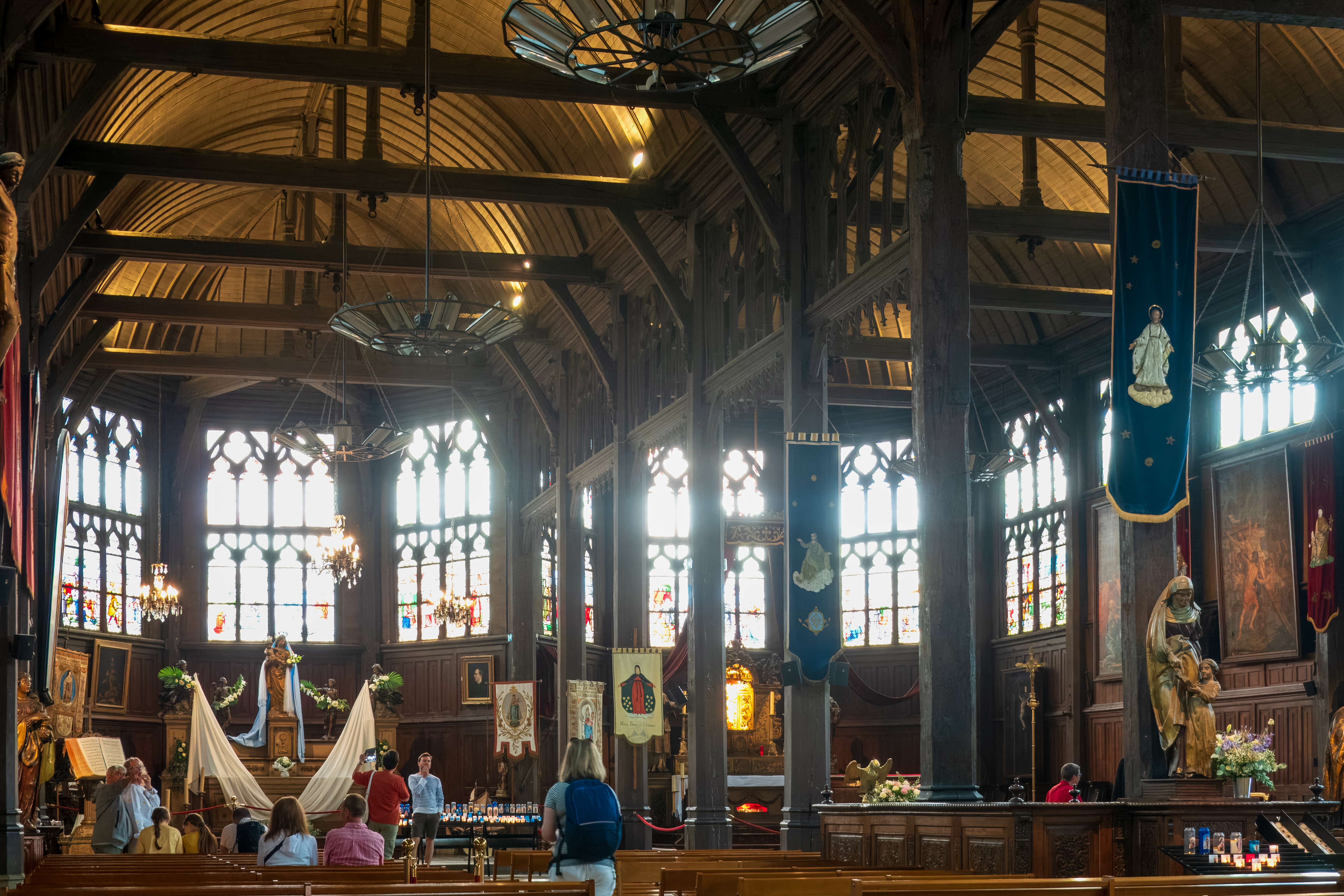
The next stop, Honfleur, in France, turned out to be an unexpected gem. Honfleur is a charming historic town with a lovely old port, right across the river from the much bigger port of Le Havre. (https://en.wikipedia.org/wiki/Honfleur) It was an easy shuttle ride to town where the bus stopped in the middle of a HUGE aire – campers as far as the eye could see. We, of course, set off in search of coffee and a croissant, which we enjoyed overlooking the little harbor basin.

We had managed to pack one electric toothbrush motor, but no brushes. After a quick visit to a pharmacy to acquire the last brush in the store, we raided a chocolate factory for gifts and set out to visit the very old church.




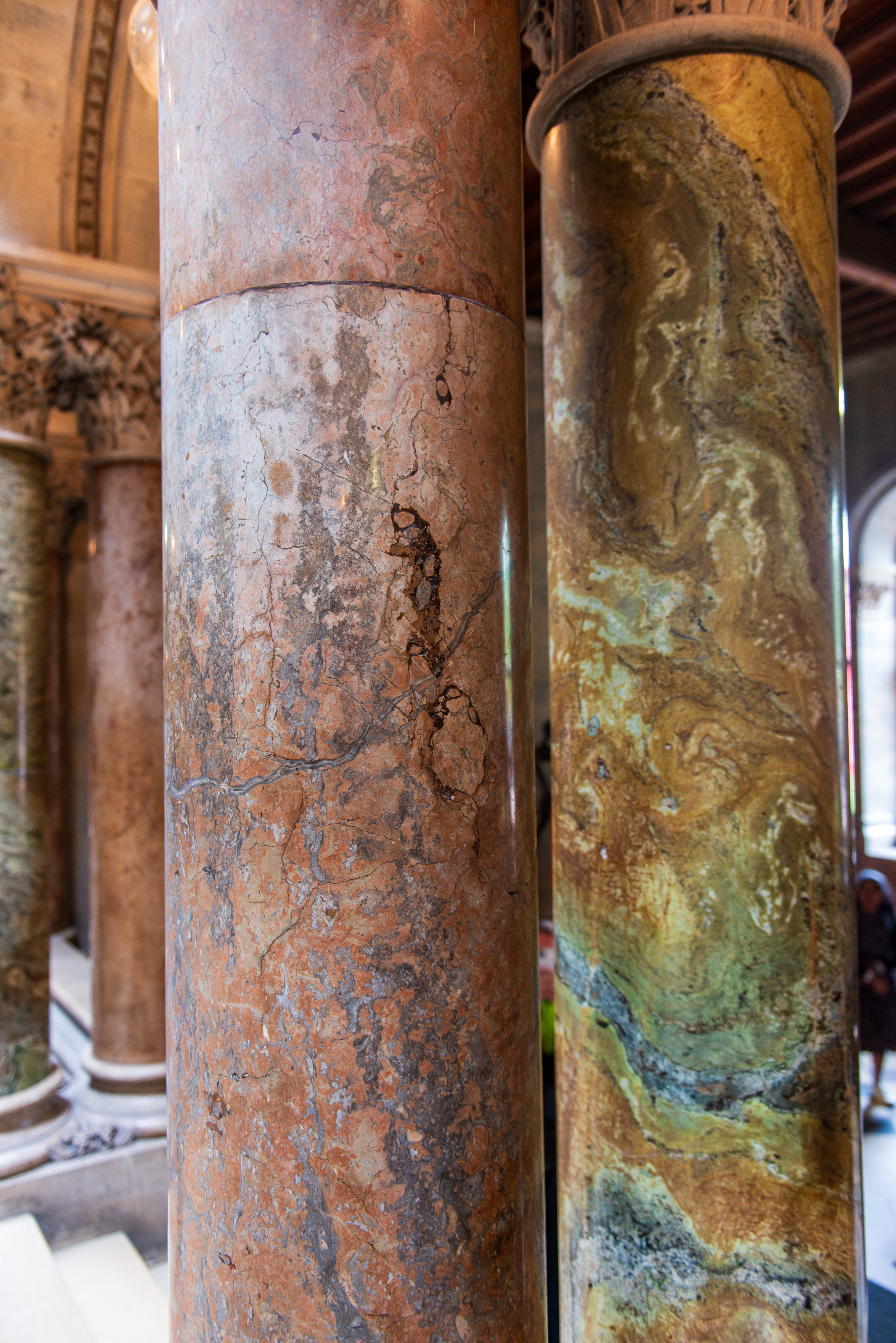
The ship then headed for Ireland where the weather proved to be very Irish, at least in Dublin. The expression is, I believe, “a soft day”. It was a bit misty and moist but we had a super afternoon at the University of Dublin. We had prebooked a visit to the University to visit the Book of Kells. First we had an excellent tour of the university campus.


Then we entered the exhibition of the Book of Kells. (https://en.wikipedia.org/wiki/Book_of_Kells) The exhibit included history and explanations of the creation of the book, why it is in Dublin, and culminated in seeing the book itself. (https://www.visittrinity.ie/book-of-kells-experience/) It is quite beautiful.
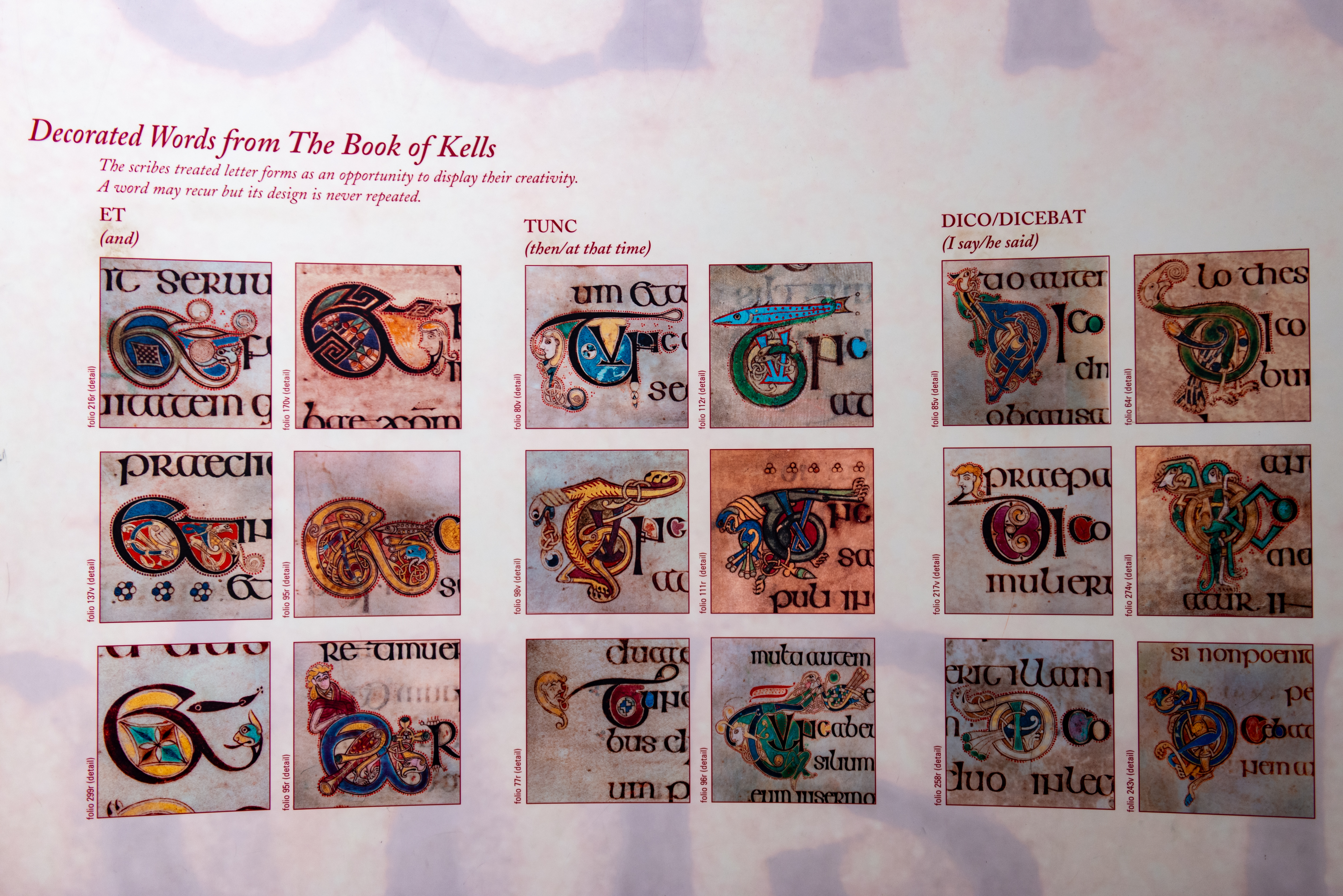
This video exhibit was very pretty. Not sure we understand the point of the decorations floating away, but it is spectacular.
The Library was itself spectacular, even though a lot of the books had been removed so that the library could be renovated. How long would it take to read all of those books? And most are ancient originals. (The dust alone might be fatal!)


But enough books remained in the stacks to give you a good idea of the tremendous scope. The library also contained the harp of Brian Boru. (https://en.wikipedia.org/wiki/Brian_Boru)

We wished we could have had a second day in Dublin to visit some of the other museums, specifically the emigration museum. We may have to return!
And on to Belfast where we had booked a trip to the Giants Causeway. (https://en.wikipedia.org/wiki/Giant%27s_Causeway) Denise had long wanted to see the “causeway” and we were delighted to get the chance. We passed on the Titanic displays.
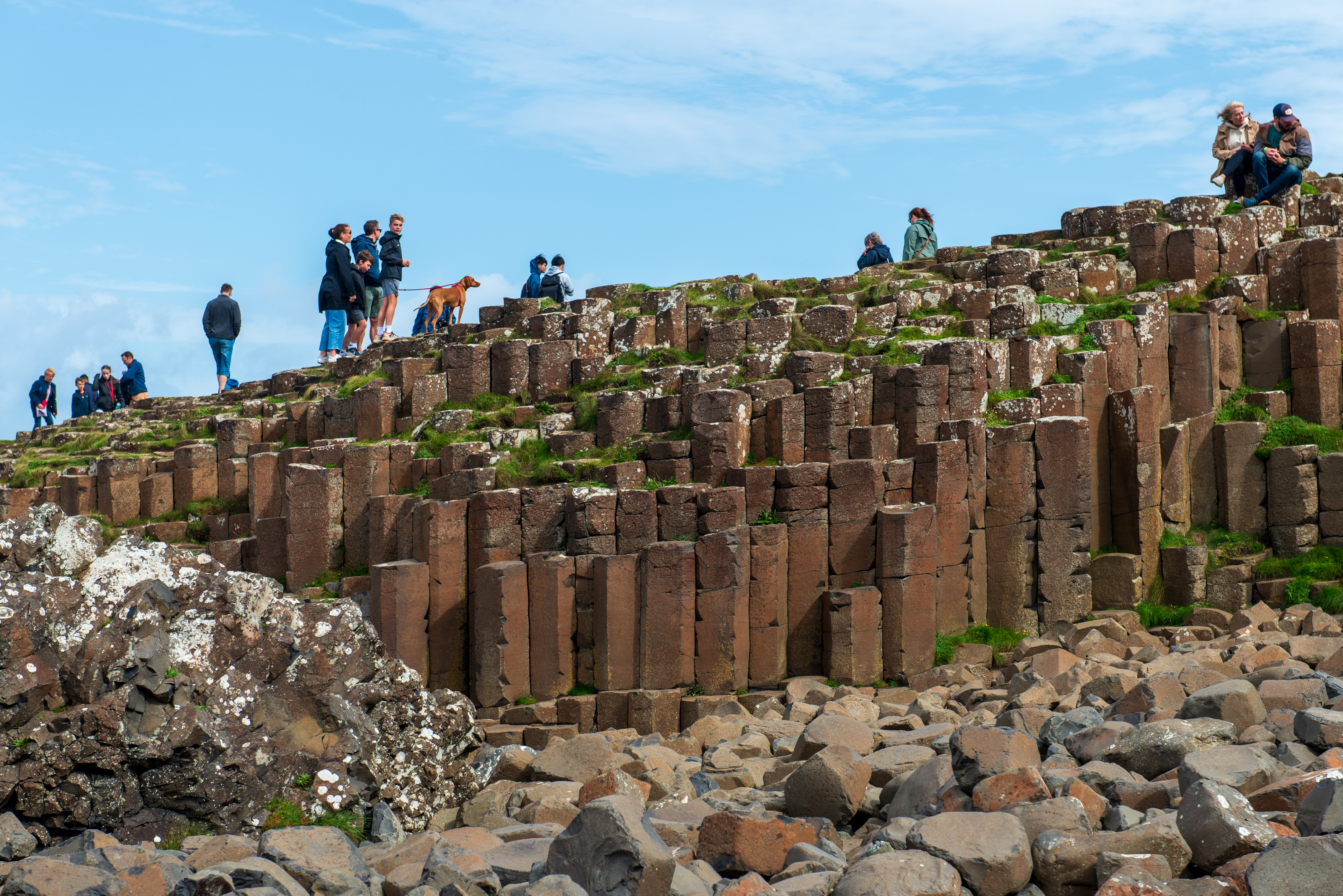


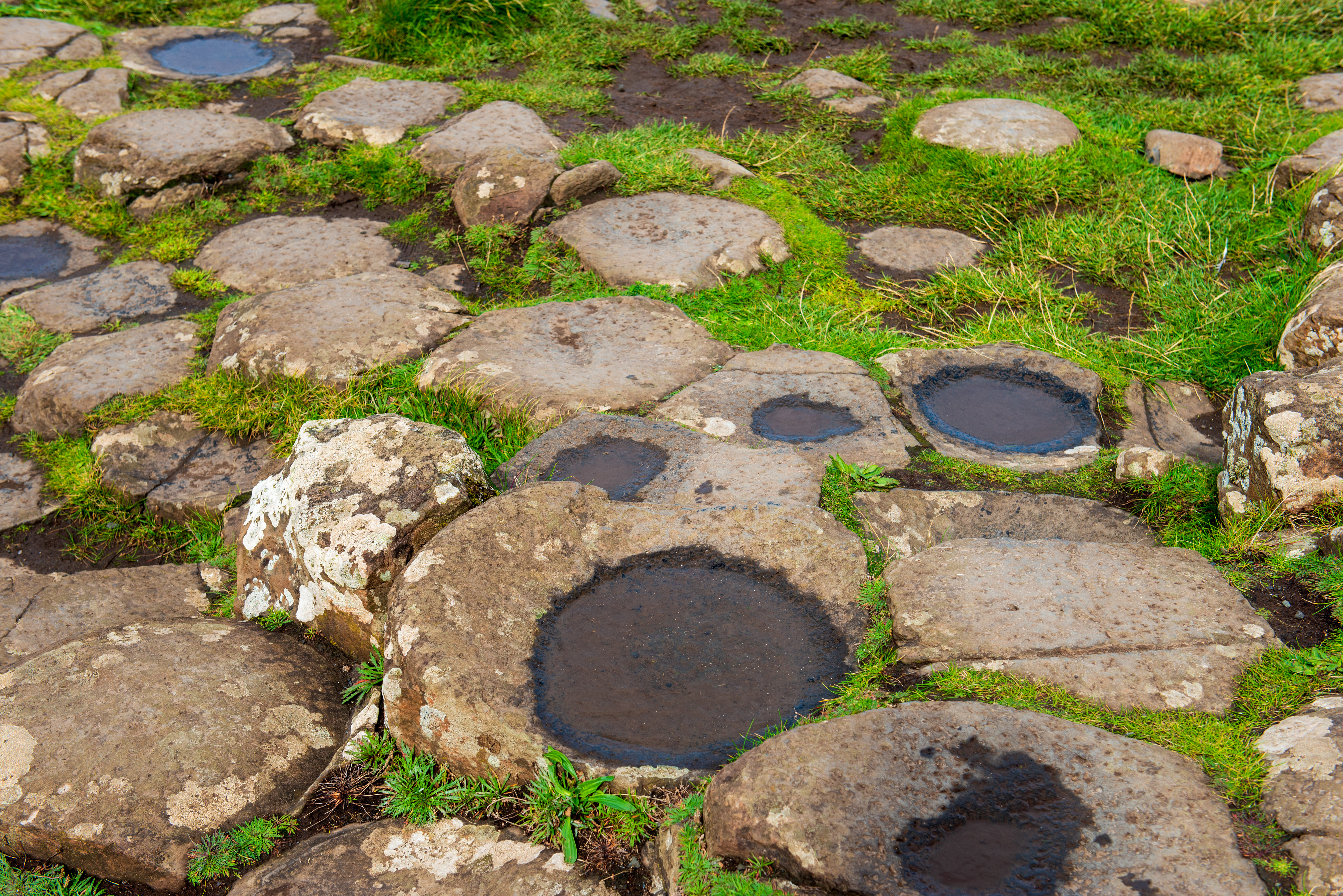
The views from the bus were spectacular and walking down to the Causeway and back to the visitor center was interesting (and good exercise). And it did not rain!
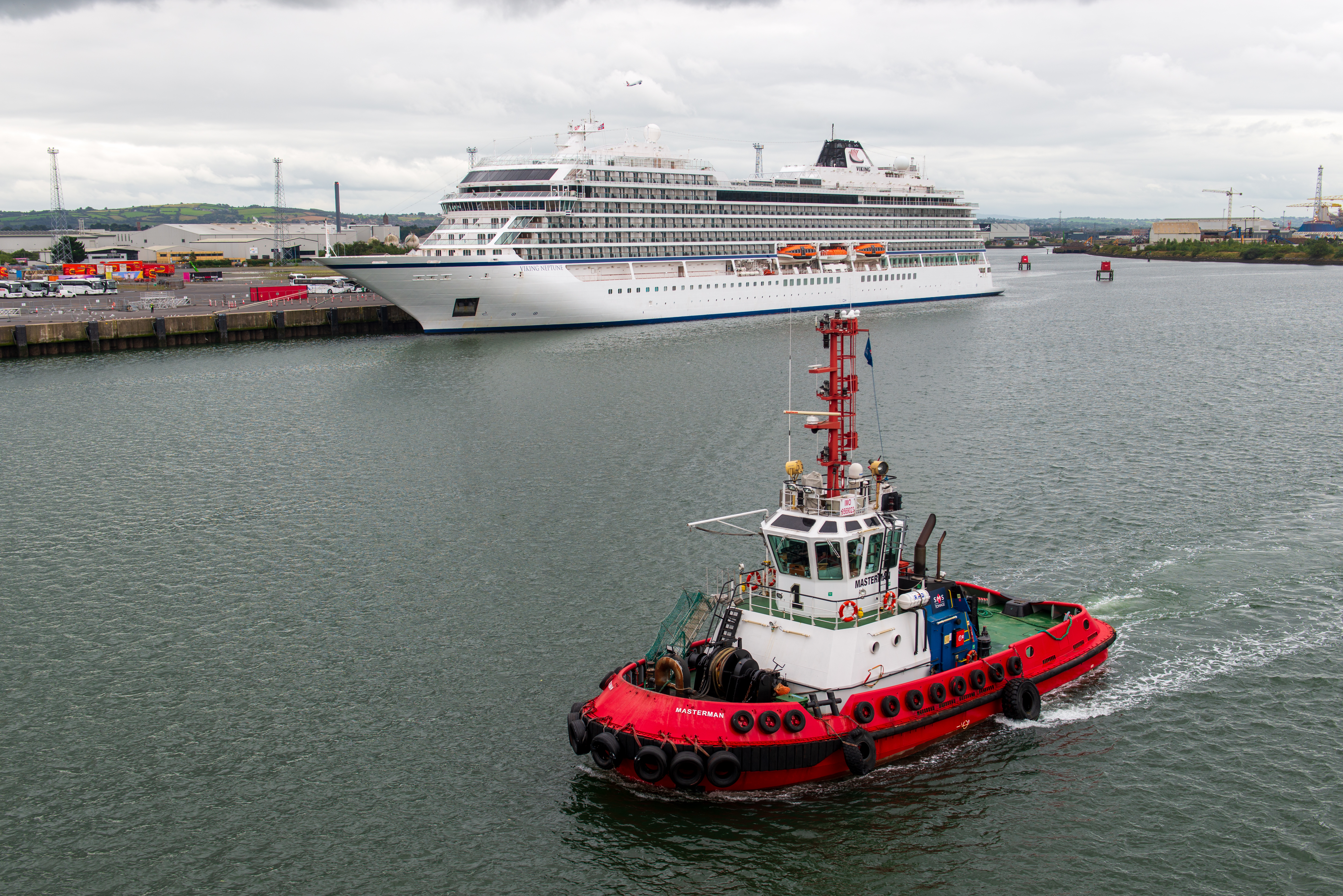
Sailing out of Belfast, we passed a familiar sight, a Viking ship, a twin of the ship that we took to Europe back in 2023.
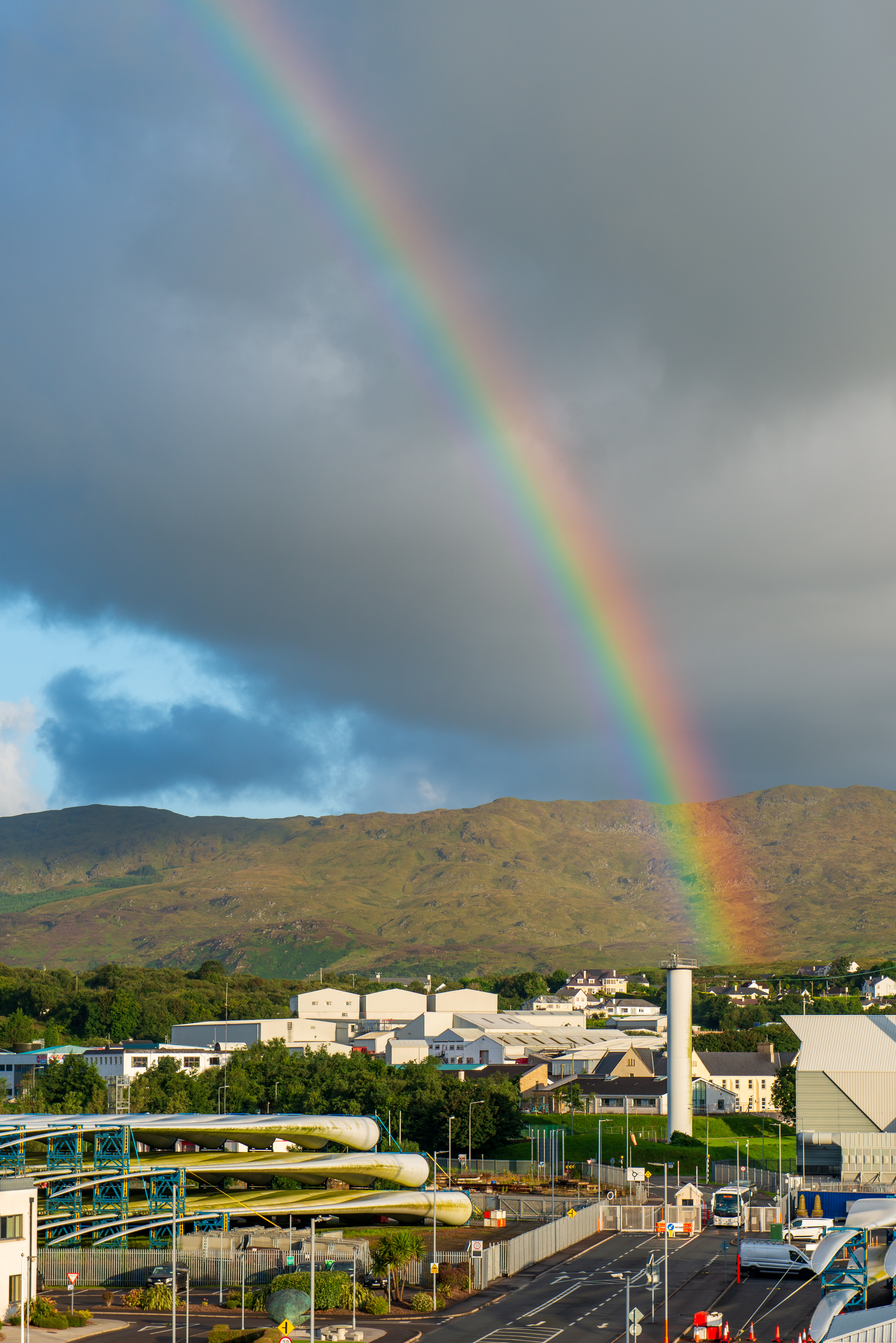
The final stop in Ireland was in Killeybegs, which no one on board had ever heard of. We certainly had not. We went ashore and found a coffee shop, and enjoyed a walk around the very small fishing town. Small as it was, it made one person very happy; we helped him find a cell phone store which actually had a cable that he had not been able to find!


We then set off across the Northern Atlantic. It was a lot rougher than we expected (it was August) and the Insignia, originally designed to sail the Caribbean, did not do well in rough seas. In fact, we were obliged to miss our next stop in St. John’s, Newfoundland because our speed had to be reduced to keep passengers safe. We all regretted this. (We learned that several other ports had been cancelled on the way over to UK.) So we held on tight and enjoyed our days at sea, pleased that we did not need the ubiquitous seasickness bags, scattered everywhere about the ship.


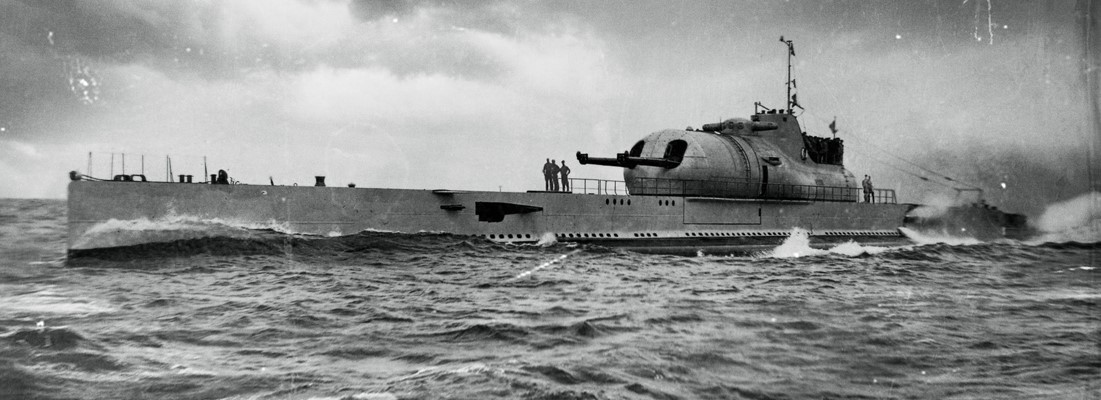
There is a small archipelago of some eight islands off the coast of Canada and these islands are actually a part of France; a self governing territory that sends a representative to the National Assembly. And the story of how this came to be is even more fascinating and convoluted, turning on wars, Cod fish, Al Capone, and involving one of the largest and strangest submarines ever built. You can’t make this up: https://en.wikipedia.org/wiki/Saint_Pierre_and_Miquelon) We skipped the shuttle and walked into town, admiring the views of the harbor.
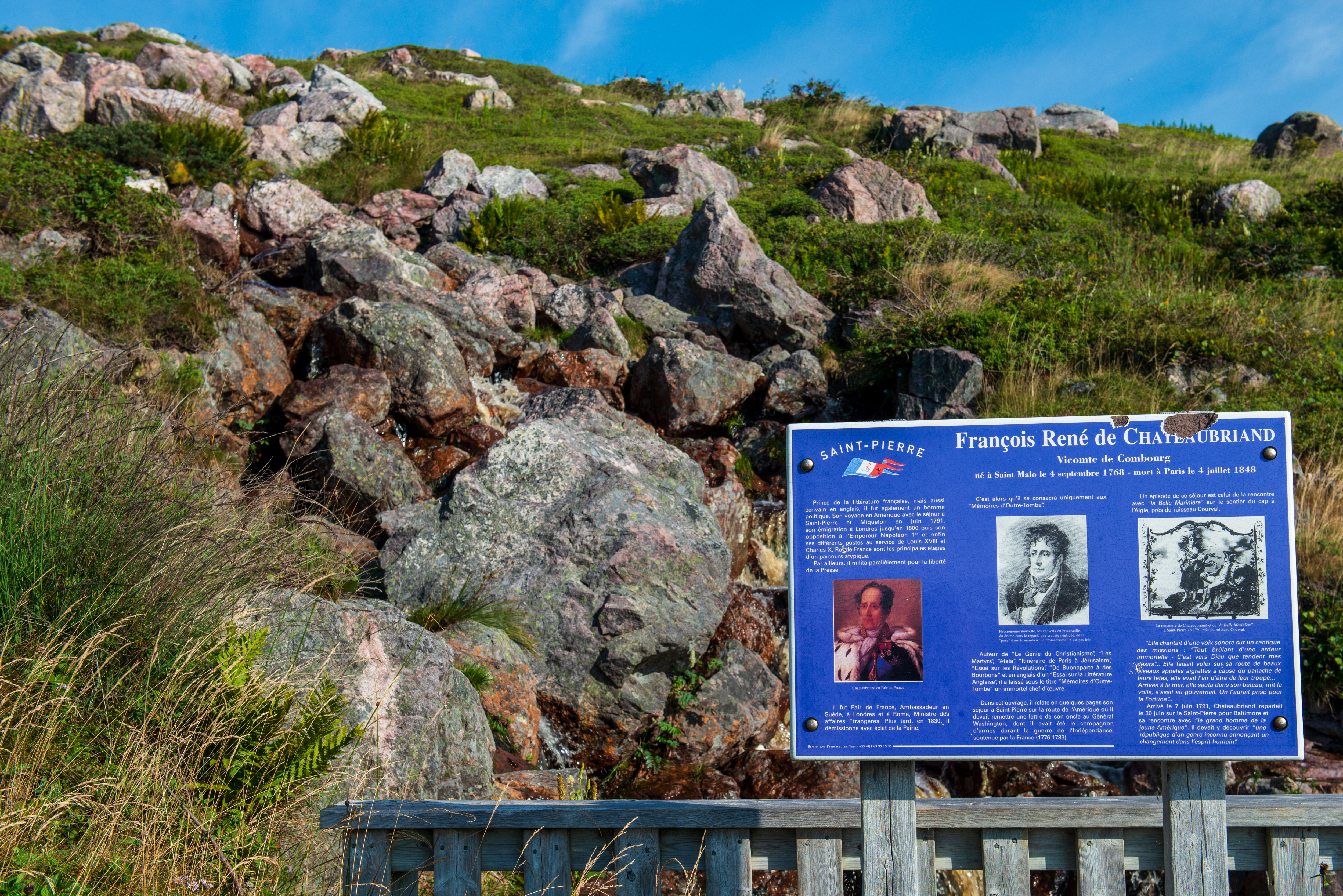
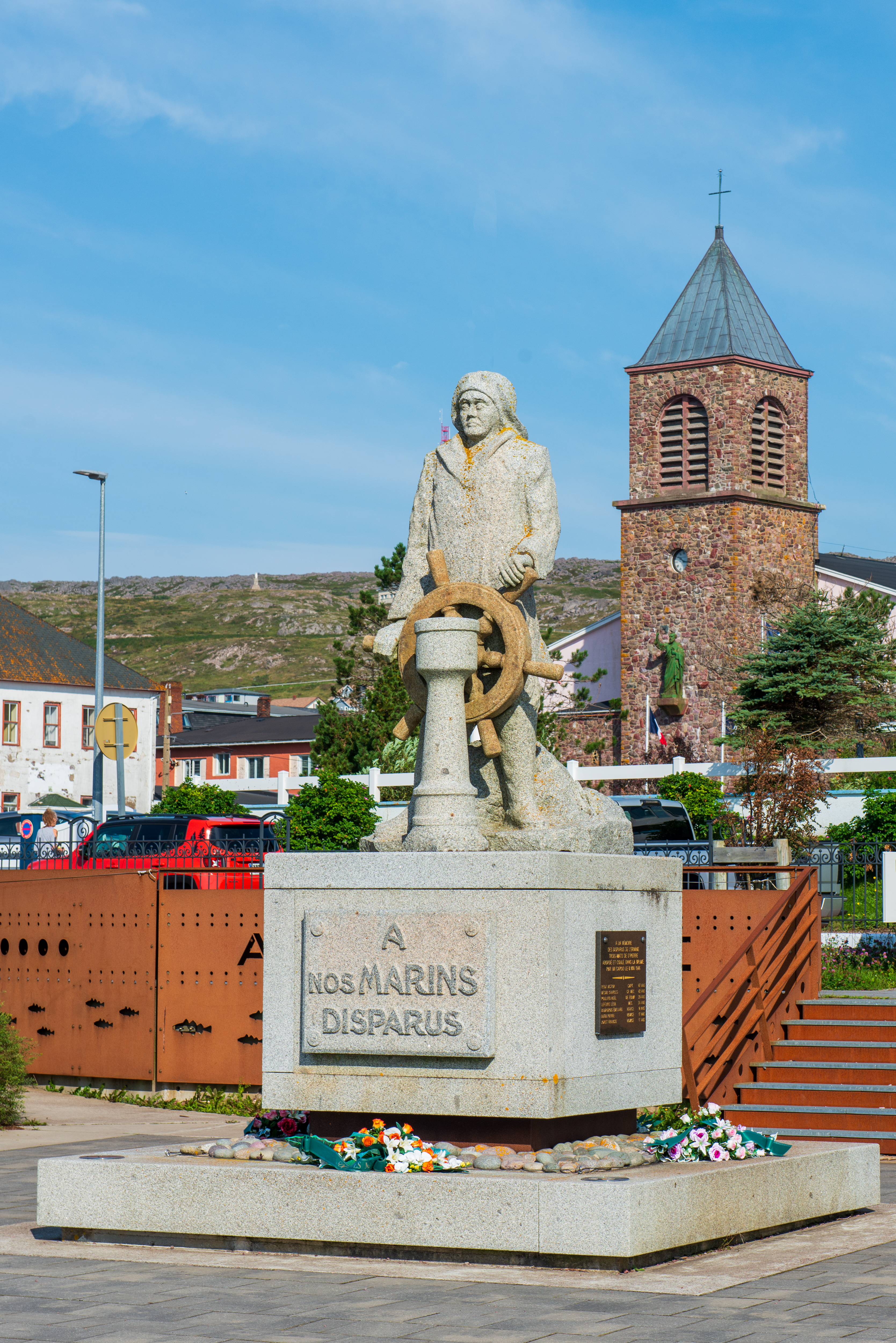

We wandered the scenic town and had a last galette lunch from a food truck. We also visited the little museum with neat prohibition exhibits. Fortunately, the weather was glorious. And then it was off to the Isle-aux-Marins, a mostly uninhabited island in the harbor. (https://en.wikipedia.org/wiki/Île-aux-Marins)
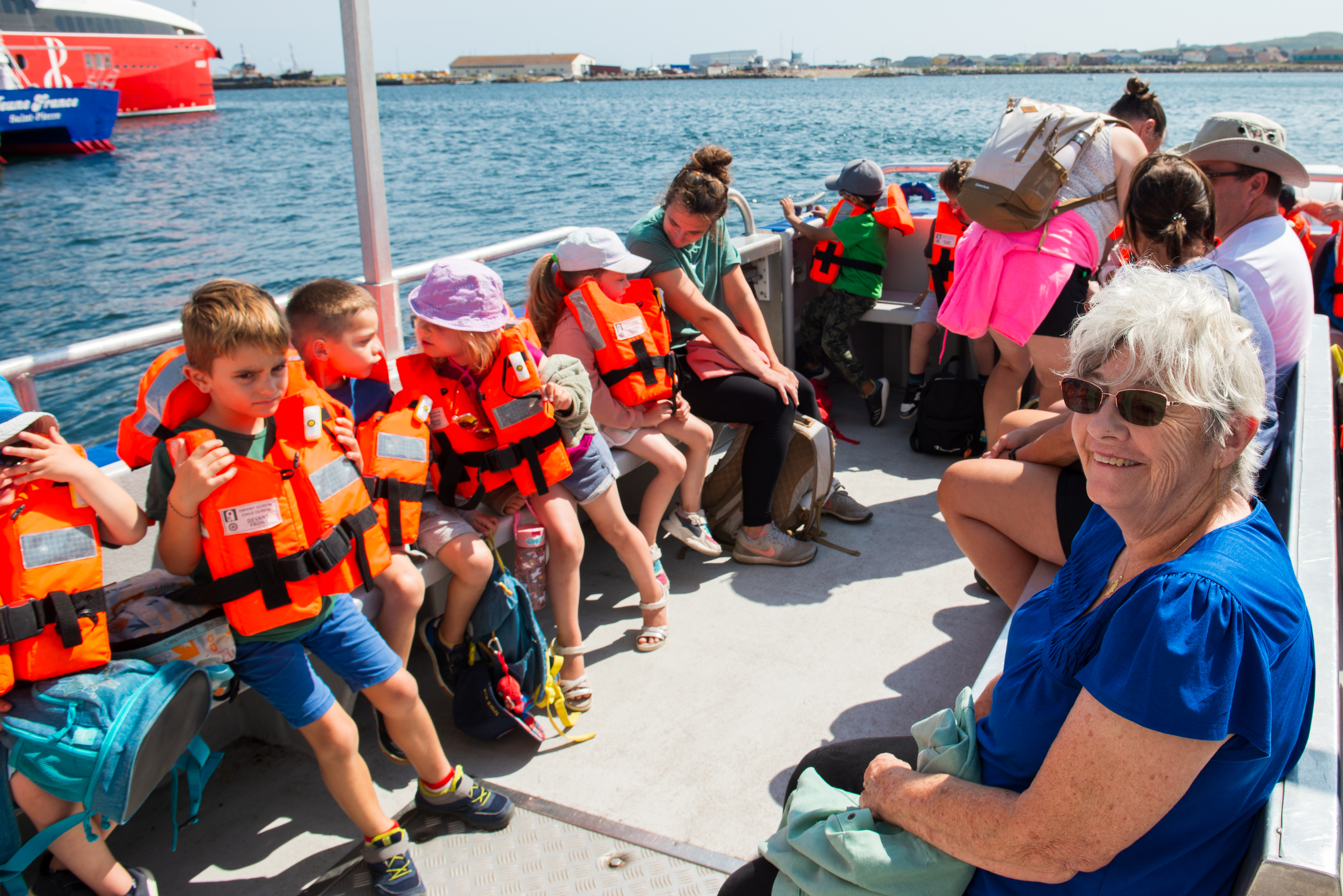

We visited the museum on the island, which included relics from the wreck of the German cargo liner, the Transpacific. (https://thehoworths.com/2015/08/wreck-of-the-transpacific/)
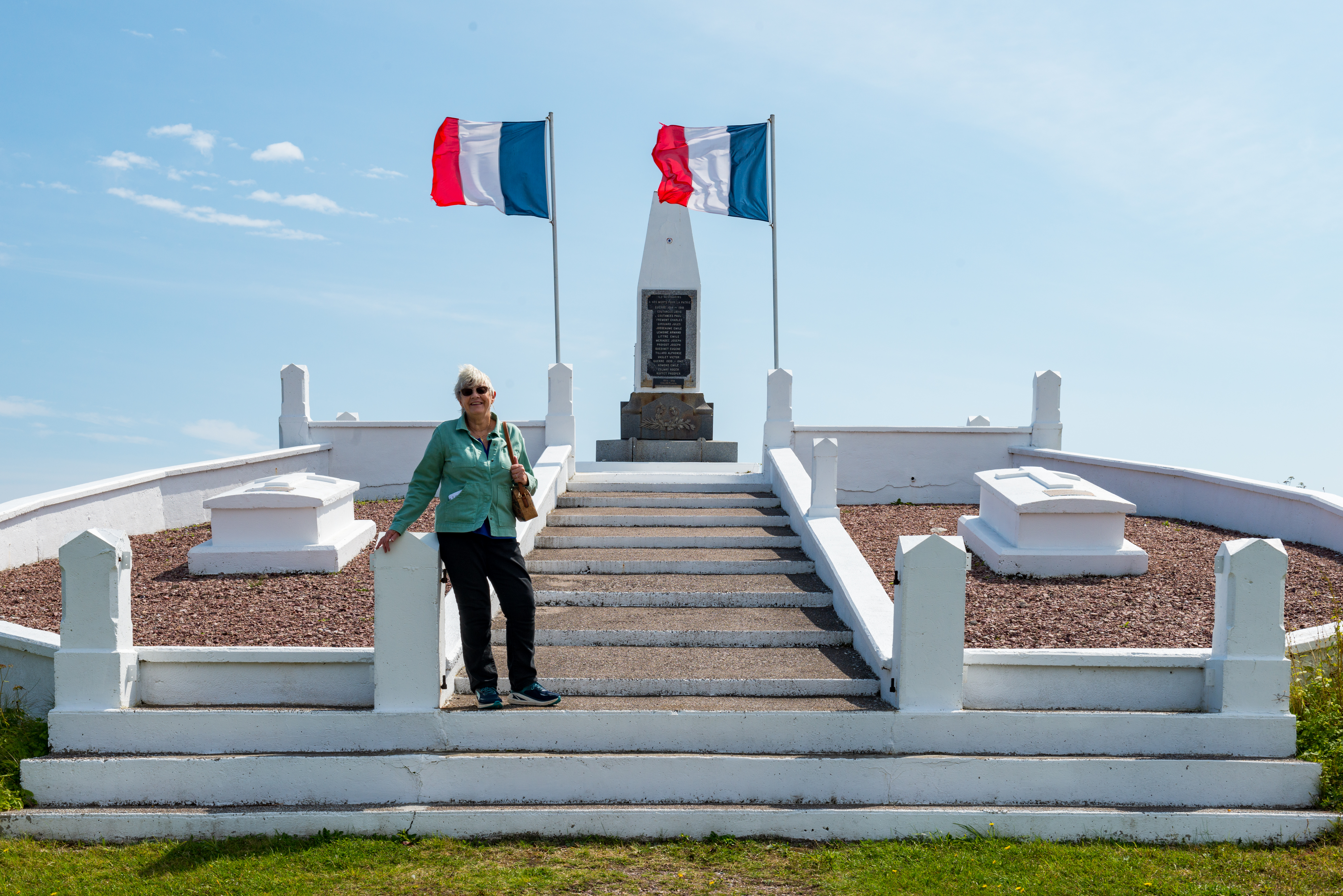

And that submarine? Meet the Surcouf! Yes, those are eight inch guns – the same size as a US heavy cruiser. She even carried a spotter aircraft. She sat so low in the water that her range finder was only good to about 10,000 yards. Insane! Read more here: https://www.silverhawkauthor.com/post/french-cruiser-submarine-fs-surcouf-nn-3-lost-18-feb-1942
And back to the ship to sail for Portland, Maine.
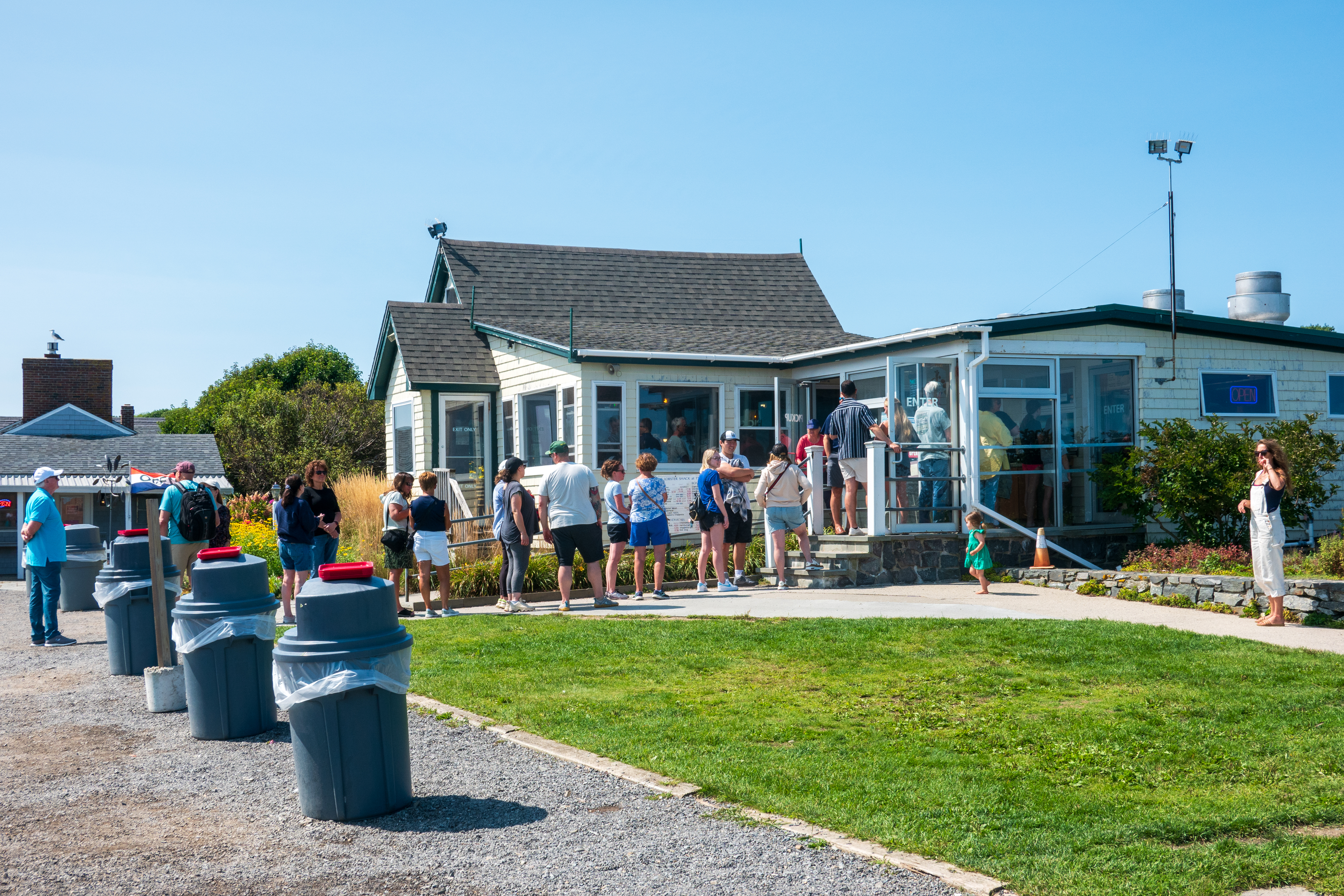
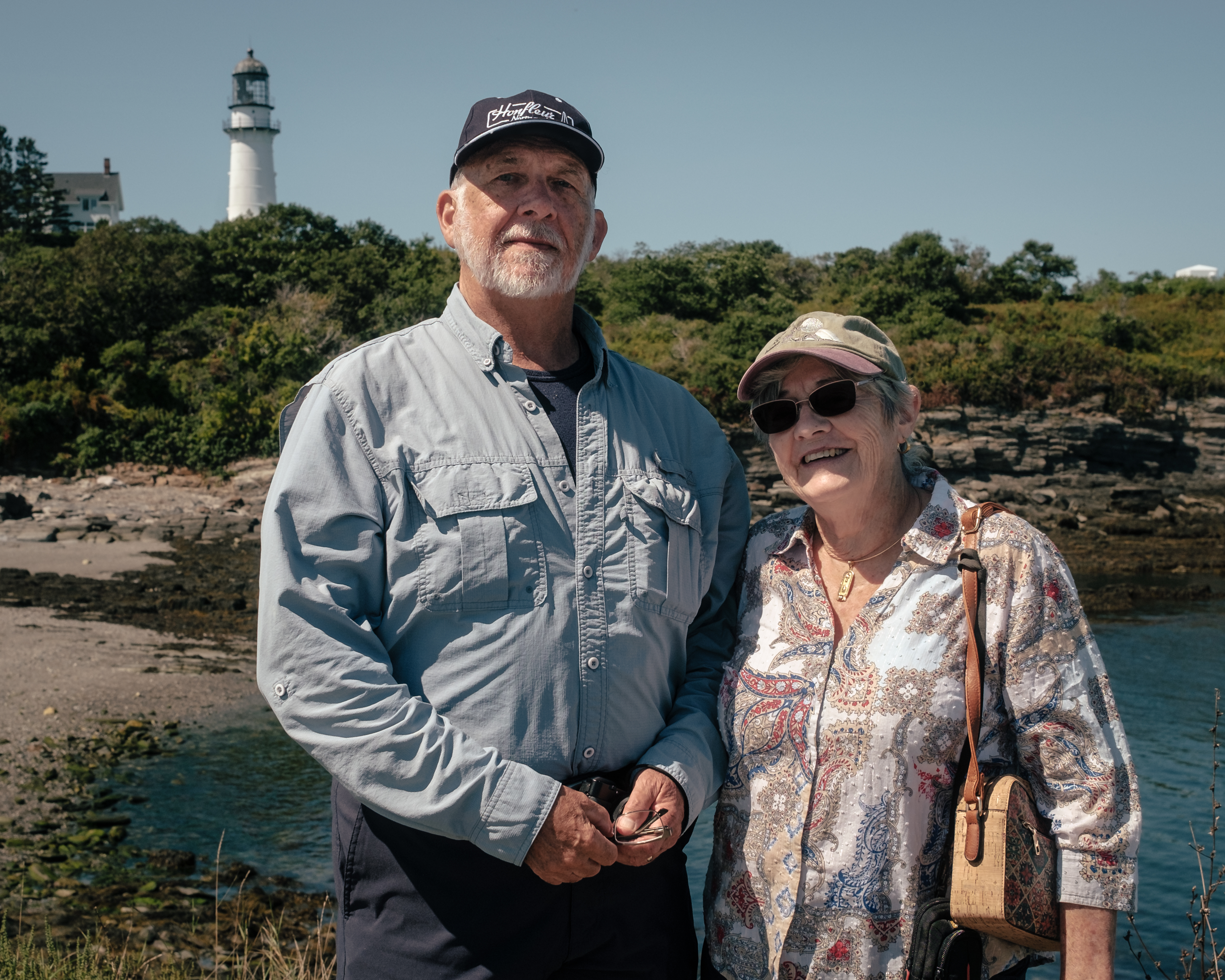
We were met by old friends, Tiger camper owners, and photographers. They swept us up and entertained us all day – lunch, views, history, we did it all! (https://www.stonecoastphotography.com)
Fred’s father had been the officer in charge of the US Navy “armed guards” on a Liberty ship during World War II. They manned the guns. (https://en.wikipedia.org/wiki/Liberty_ship) Like many veterans, he rarely talked about his experiences, so there is a huge gap in family lore. It was fascinating to visit the site where so many Liberty ships, the ships that won the war, were build and launched.





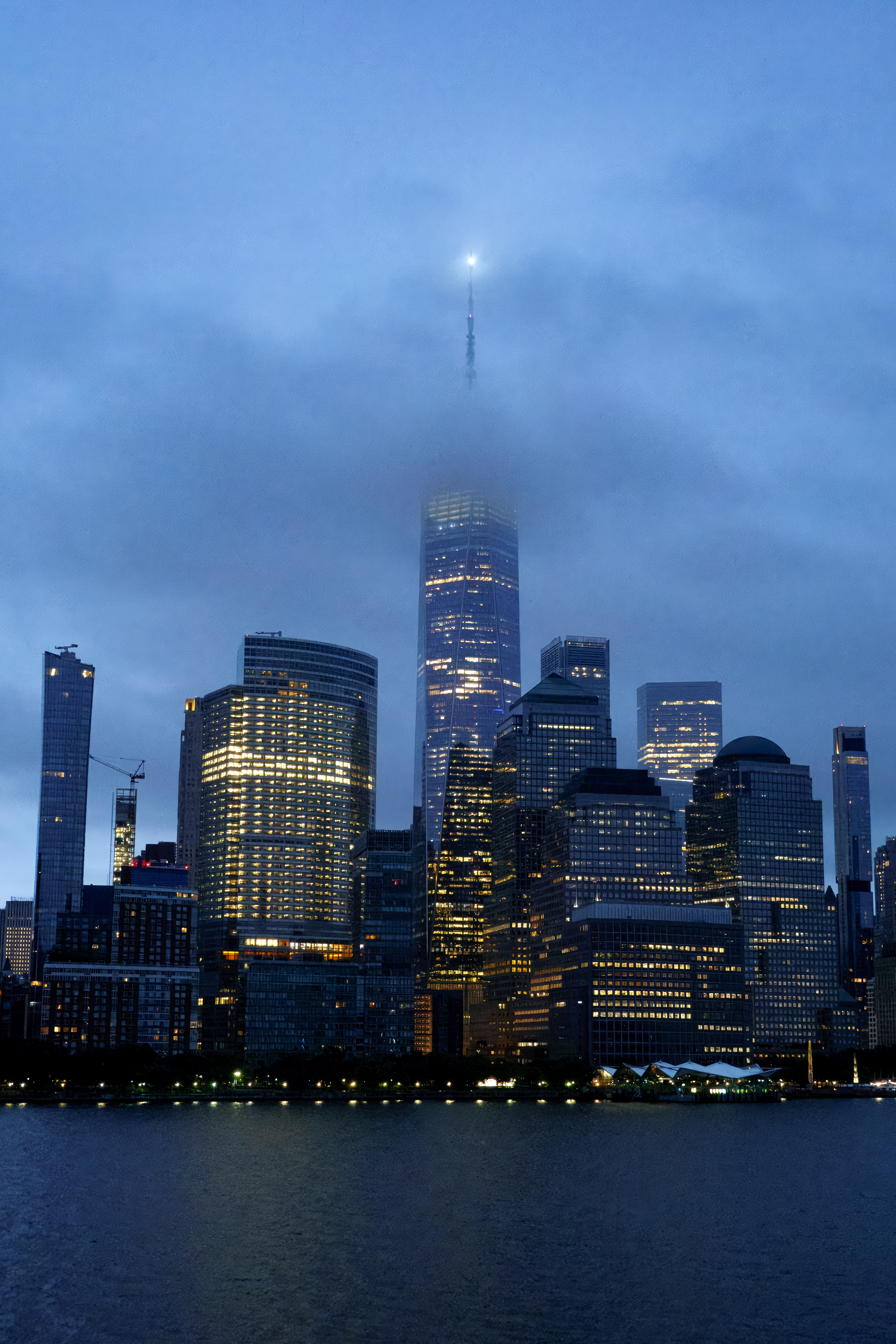
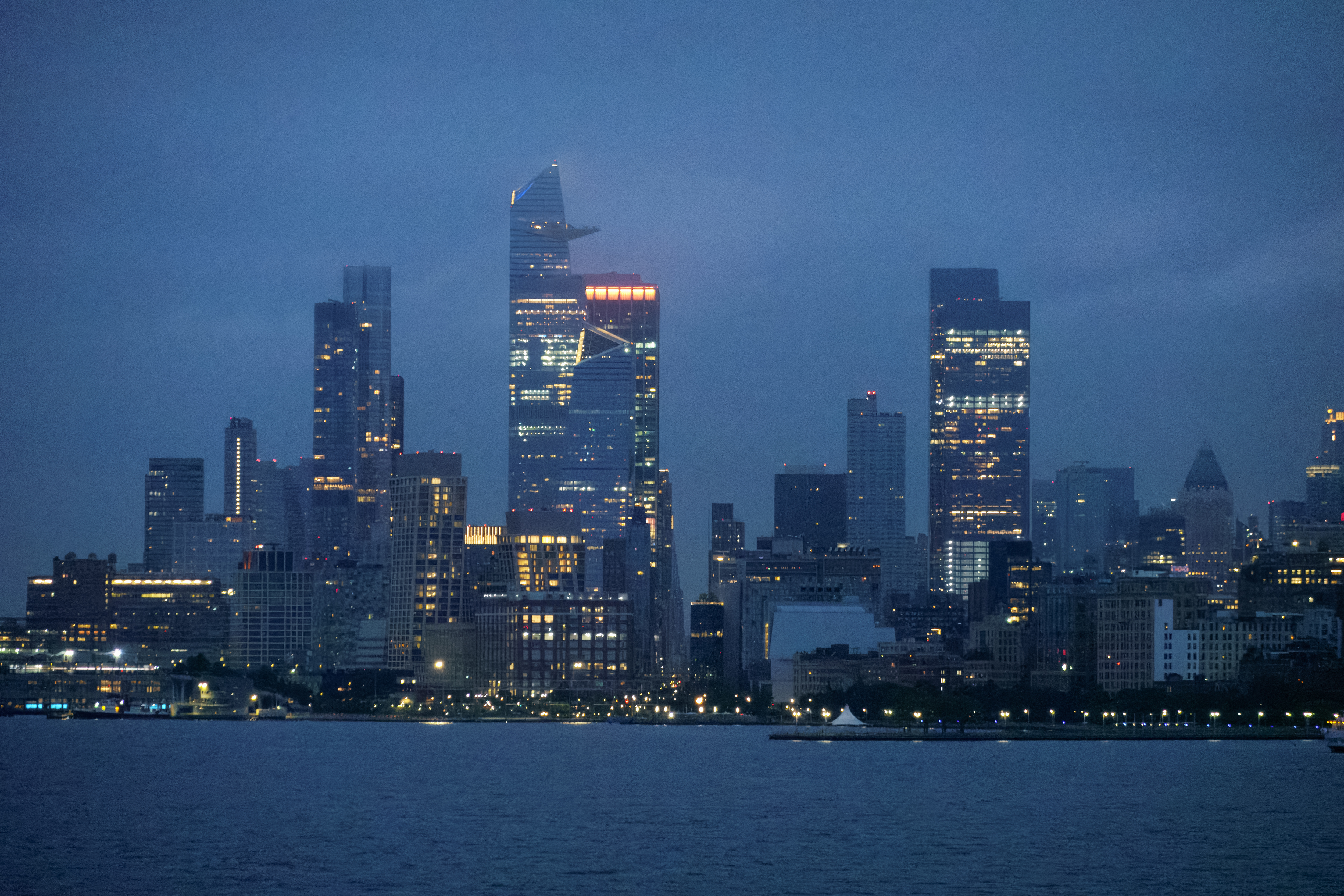
We stayed on board in Newport and the next day, arrived in New York. We sailed up the river at daybreak to dock at almost the same pier where Fred first left the United States back in 1955. Been a long, strange trip to come full circle.
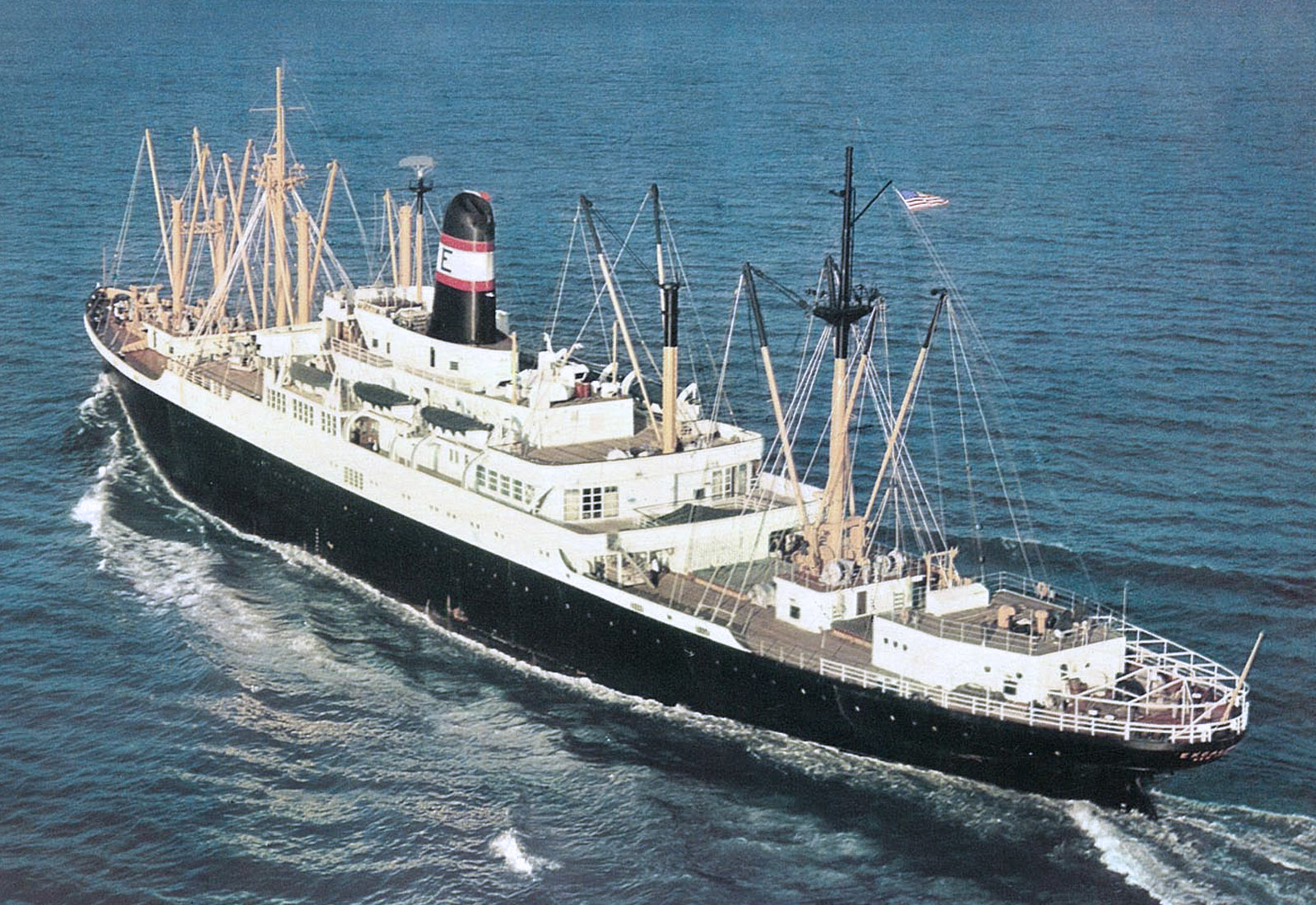
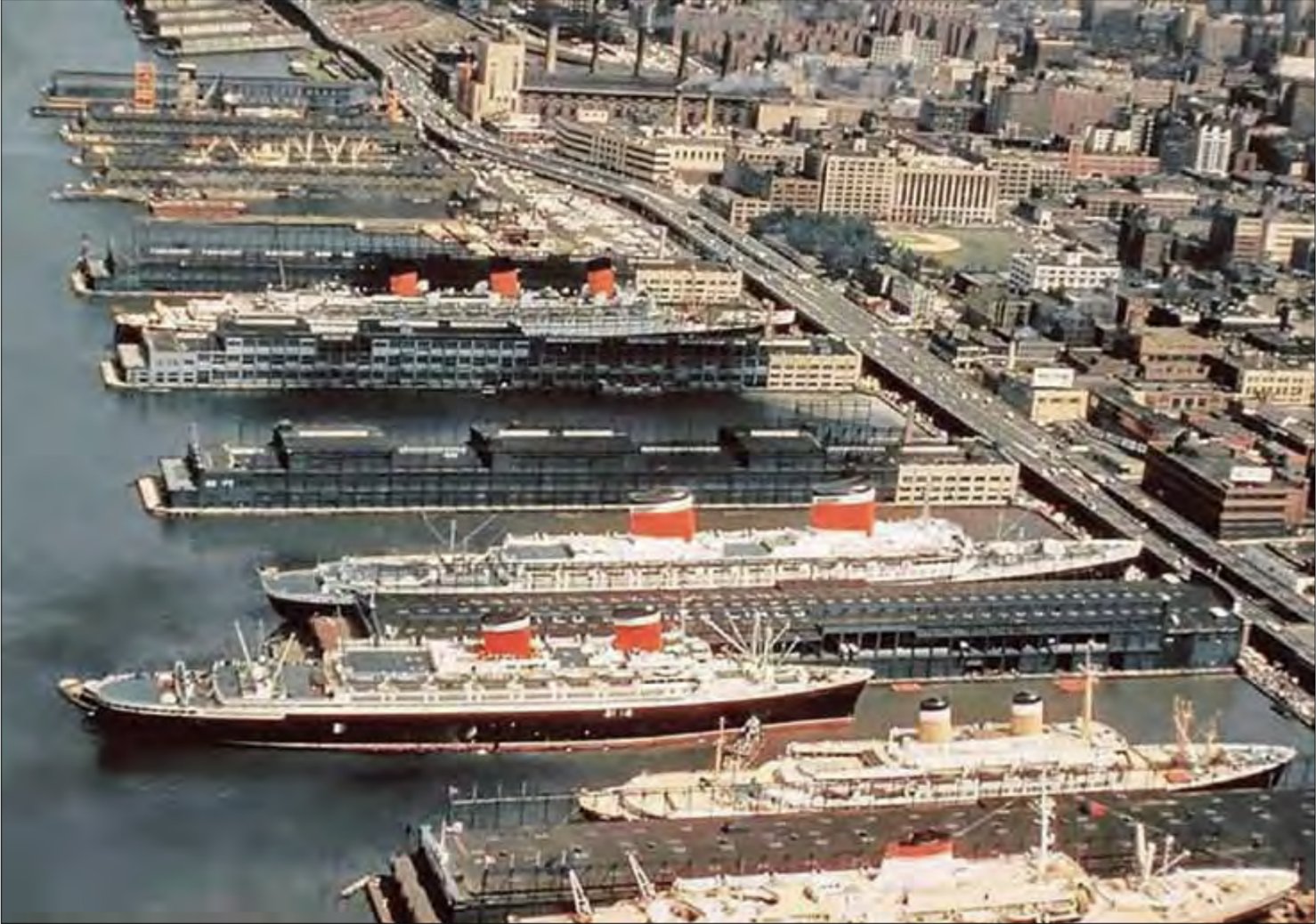
Fred first left the US, bound for New Delhi, via Beirut, on one of the Four Aces, the S.S. Exeter. The ship with the yellow stacks in the picture below, is either the S.S. Constitution or the S.S. Independence, American Export Lines ships, tied up at the same pier. The Cook family later used these ships for home leave travel from Naples to New York.
We hopped on the Acela for Washington and, in a few hours, collapsed at home.
 DiploStrat