Monthly Archives: March 2025

Sicilia, off to a Soggy Start

We left France and crossed over into Italy, a most interesting trip with lovely scenery and a huge tunnel, which due to our registration as a truck, not a camper, cost us €200 Euros!!!!! We were somewhat stunned but paid up. The hardest part was that the lady in the toll booth kept demanding different registration papers. Turns out that she was desperately searching for any document that would allow her to charge the lower rate. We, on the other hand, were panicking that we would not be able to cross. (https://en.wikipedia.org/wiki/Fréjus_Road_Tunnel) Once though the 13 km of tunnel, we headed for an agricampeggio, or campsite at a small farm, way up the mountain above Asti.  (Another first gear grind on a one lane road.) We did not make it into the town of Asti, as we had a number of maintenance issues to accomplish. We de-limed the boiler of the Webasto heating system, which took a while!  We also cleaned and checked the bicycles so as to be able to use them, if the opportunity presented.

We left about 3 PM on the third day and headed for Genoa where we were booked on the evening ferry to Palermo.  It proved to be a pleasant drive.

We were able to find a semi-legal spot to park and make coffee. Always a challenge on the weekend as many trucks are not allowed to work and so they clog all of the rest areas as they wait out the time. So, as in this case, do laundry. The infrastructure for long haul truckers is not as good as it is in the US.

The descent into Genoa involved a thousand tunnels, bridges, and bewildering on and off ramps. But Miss Neverlost (TomTom GPS) was spot on and the boarding process was actually very easy. 

We were early and it was not crowded.
Dramatic sky.

One of the marshalers was actually a West Cameroonian! We were loading about 100 – 150 vehicles this evening; easy. In high summer it would be 800 and much more chaotic. As always, the actual parking inside the ship is traumatic as they want you closer to the bulkhead, closer to the vehicle in front of you, and there are a thousand people shouting “Faster, faster!” But we survived.

Our cabin was small but adequate for sleeping. It was, however, freezing and, as we had brought the wrong clothes, we ended up sleeping in our coats!

Would have killed for a nice, Scandinavian duvet!

The ferry was quite empty, so finding a seat to view the sea while drinking a cappuccino was easy.  The restaurant served excellent pizza also!  The Mediterranean Sea was calm and we arrived in Palermo a little early.  We had booked a downtown sosta, which had been recommended to us with the proviso that it totally lacked charm but was practical for sightseeing.  The drive was the usual challenge, unexpected one way streets, double parked cars, bus lanes, traffic, and darkness, but we made it. Our space was tight but we did manage to get our ladder down.  And once in, we did not move the truck until we left!
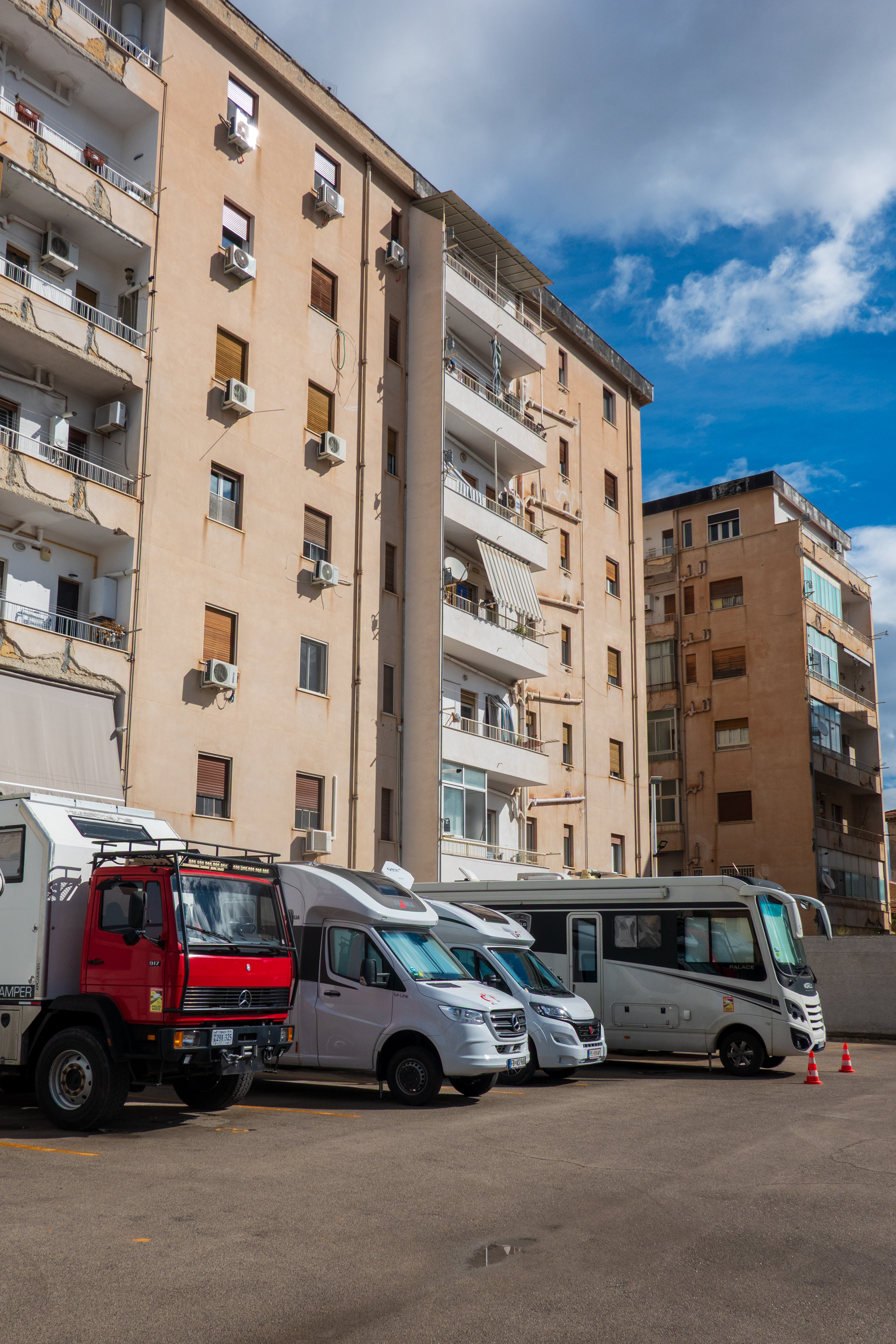
We are NEVER the biggest, but there wasn’t any extra room, either.

Palermo was interesting and we enjoyed our visit except for the constant rain.  We managed to miss some of it by ducking into a coffee shop for morning coffee and a restaurant for an excellent meal at lunch time.  We started at the Quattro Canti, the four corners.  This is officially known as Piazza Vigliena, and is a Baroque square.  It is considered the center of the Historic District and is the intersection of the two major streets in Palermo.  

Denise counts the corners.
News stand.
These ladies look as if they are waiting to offer directions.
Lion outside the theatre.
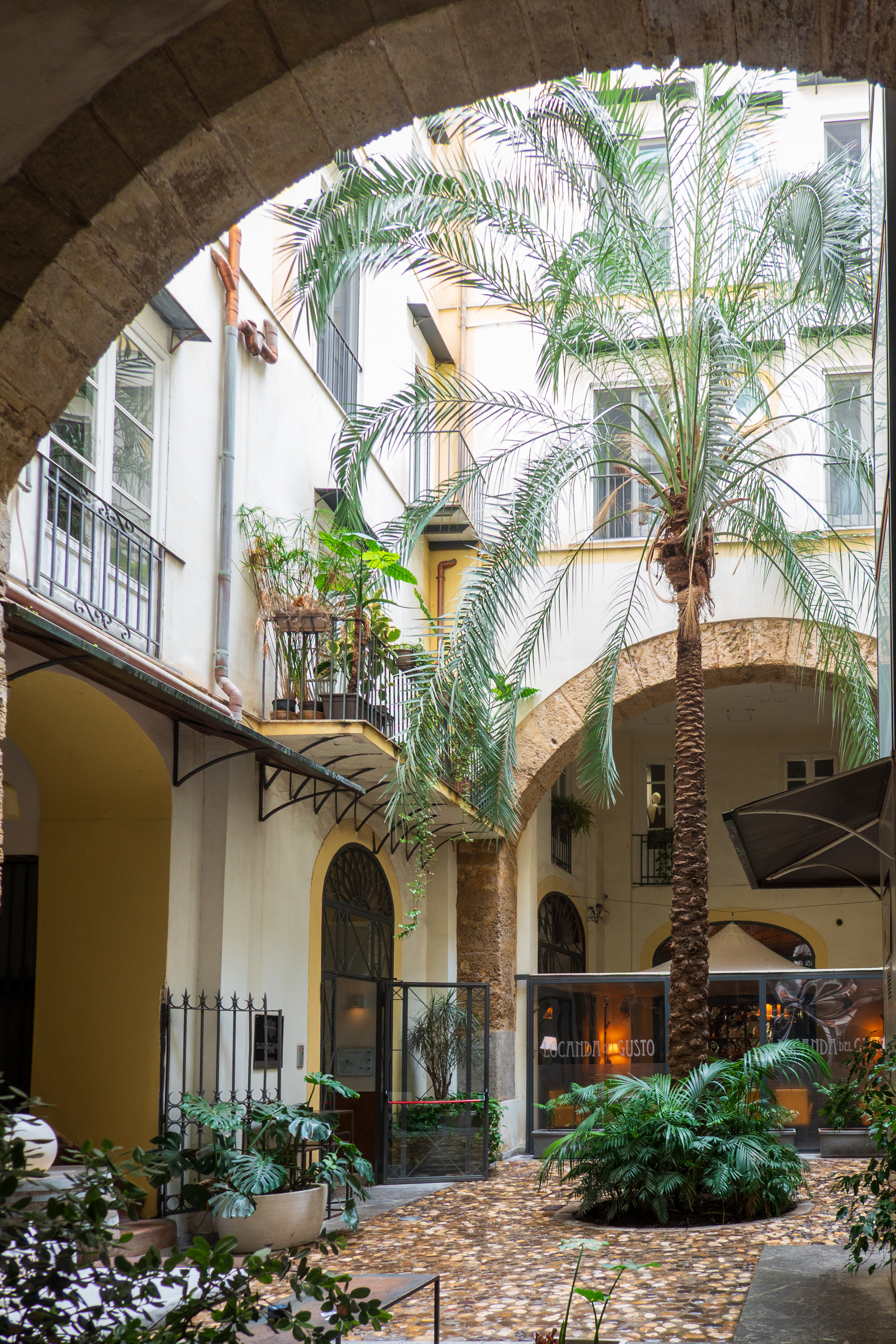
Every time you looked through an arch or doorway, you found a beautiful inner courtyard.

We never pass up a cathedral.

Ready for a procession.
The great doors only open on special occasions.
Saint Christopher is the patron saint of travelers. We always hope he will look out for us.
Detailed Biblical images.

Lunch was at a very nice little restaurant on a side street, leading to the theatre.

Classic narrow residential street. Gotta wonder that they get satellite at all.
I’ll guess, water pumps to get water to upper floor apartments?


We visited the amazing Norman Palace with its Palatine Chapel, famous for detailed mosaics telling various Bible stories.  Unfortunately the State rooms were closed as they are used by the Senate of Sicily.  (https://en.wikipedia.org/wiki/Palazzo_dei_Normanni#:~:text=The%20Palazzo%20dei%20Normanni%20(%22Norman,the%20subsequent%20rulers%20of%20Sicily.)

Inside the palace.
Great wheels. Note that the whole cabin is on long leather springs.
Incredible ceiling. This far south, the art looks very Byzantine.
Saints Peter and Paul debate Simon (the Magus) before Nero. Never heard of Simon – a rather interesting fellow: https://en.wikipedia.org/wiki/Simon_Magus#/media/File:Death_of_simon_magus.jpg
Music stand.
Mosaic detail.

We then got absolutely soaked walking back to the camper as it thundered, it hailed, and it poured. 

City gate.
A REALLY tenacious tree!

We had planned to stay another day to visit Monreale but a similar weather forecast inspired us to head south where it looked to be a bit drier.

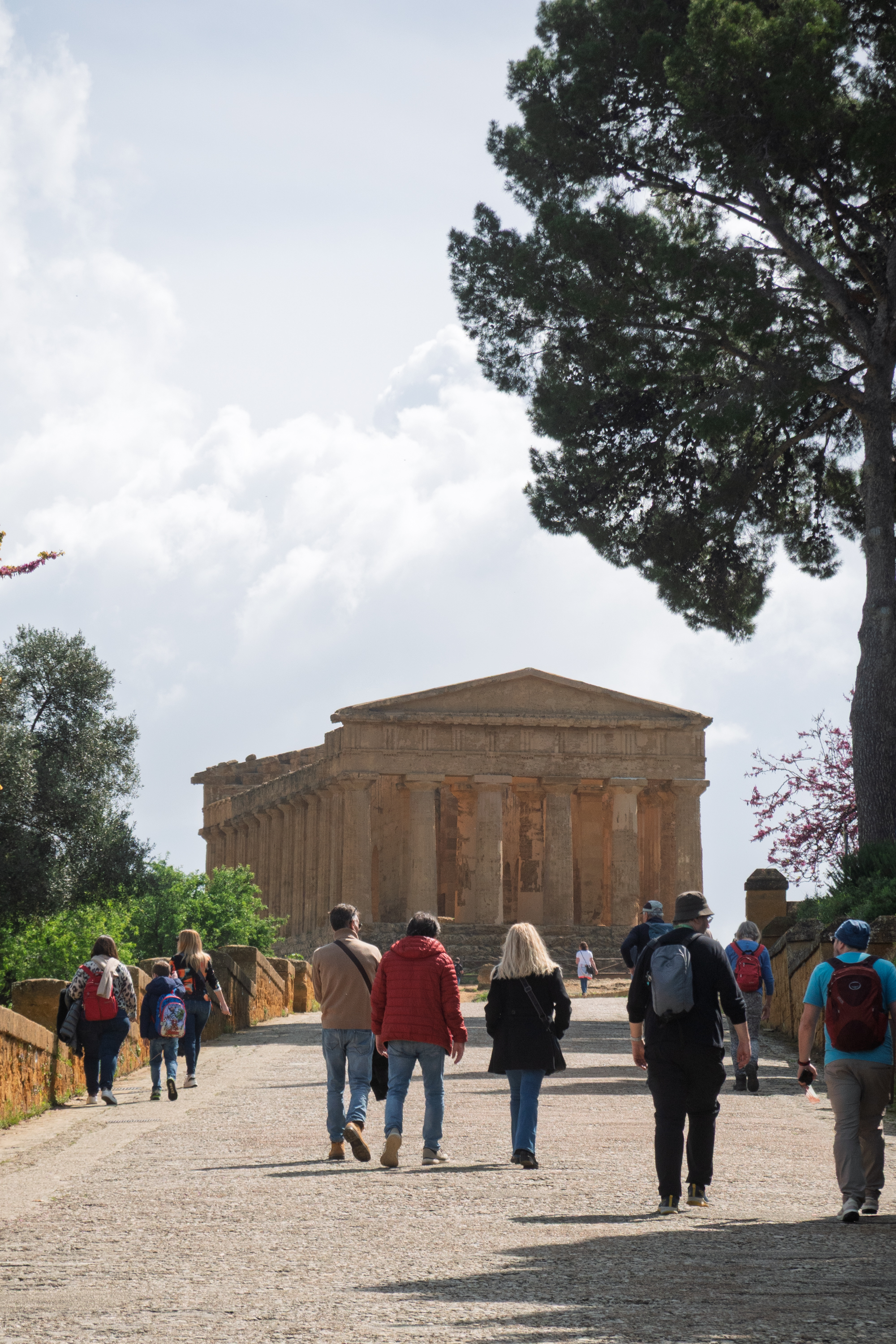
So we headed to Agrigento, where we hoped to see the Valley of the Temples.  It was pouring, so we had to stay an extra day there in order to get a dry day for visiting the temples, and what a day it was. Cloudless skies gave us a real appreciation for what it must be like to visit in July. It was actually warm enough to enjoy a gelato. The Greek temple ruins were amazing and stretched out over two miles or so. So walking both ways was a healthy four miles. We enjoyed the exercise! (Not!)

Looking back from the top. Was a long hike to get here!
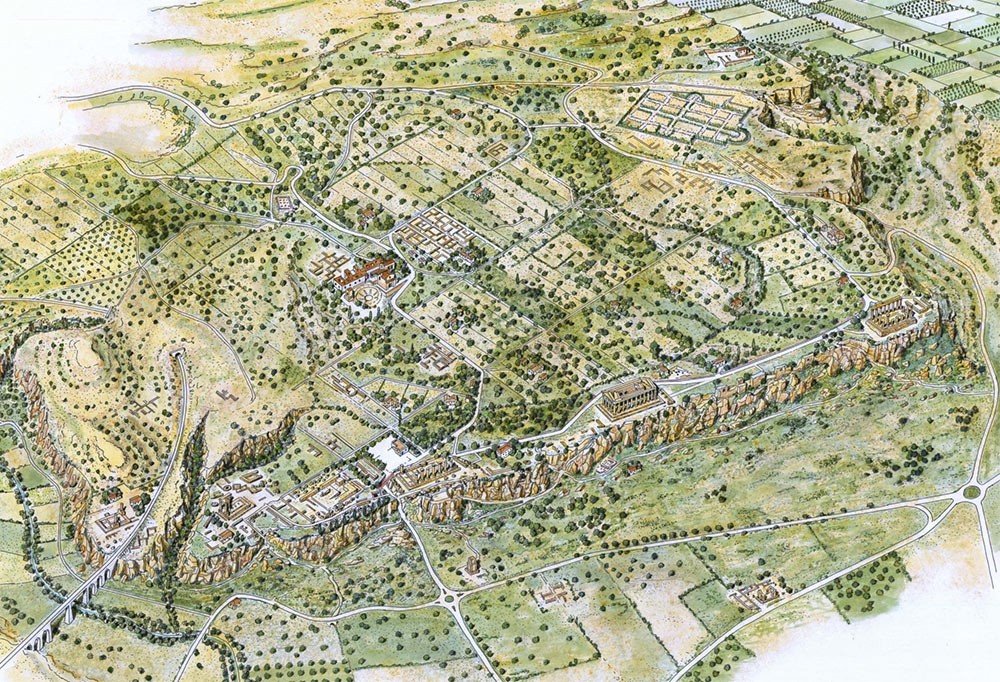
You enter at the lower left and work your way along the ridge to the temple at the middle right, and then back. The Roman town was more in the upper middle of this image.
Denise and massive column capital.
Denise and her new boyfriend.
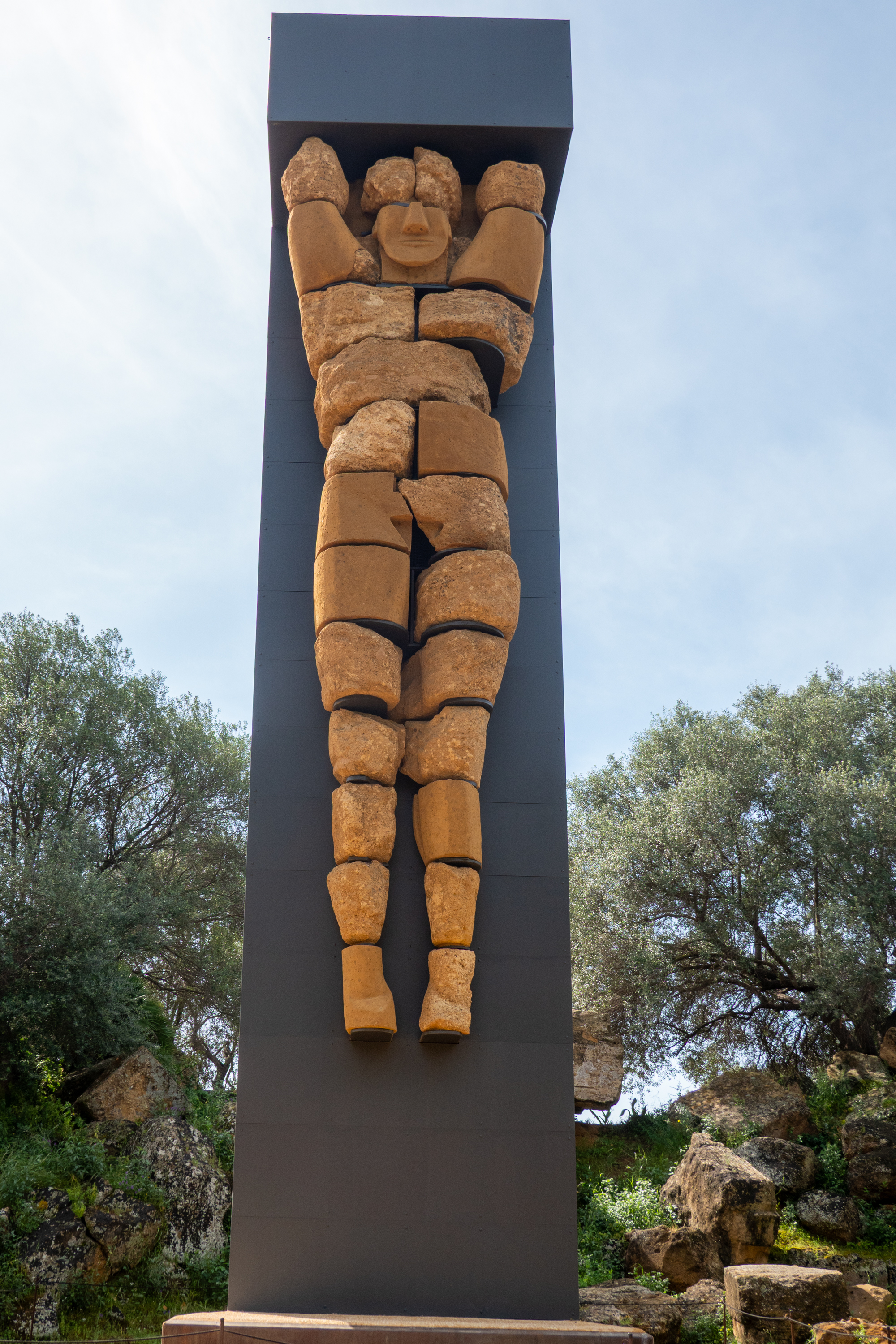
Statue pieces re-erected.

Explanation of the giant statues.
There are accounts that the city, sitting on its ridge, was most impressive when seen from the sea.
The Parthenon, in Athens, is most impressive. Then you realize that it was but one of dozens of identical temples, scattered throughout the Mediterranean.
Yes, those are doric capitals.
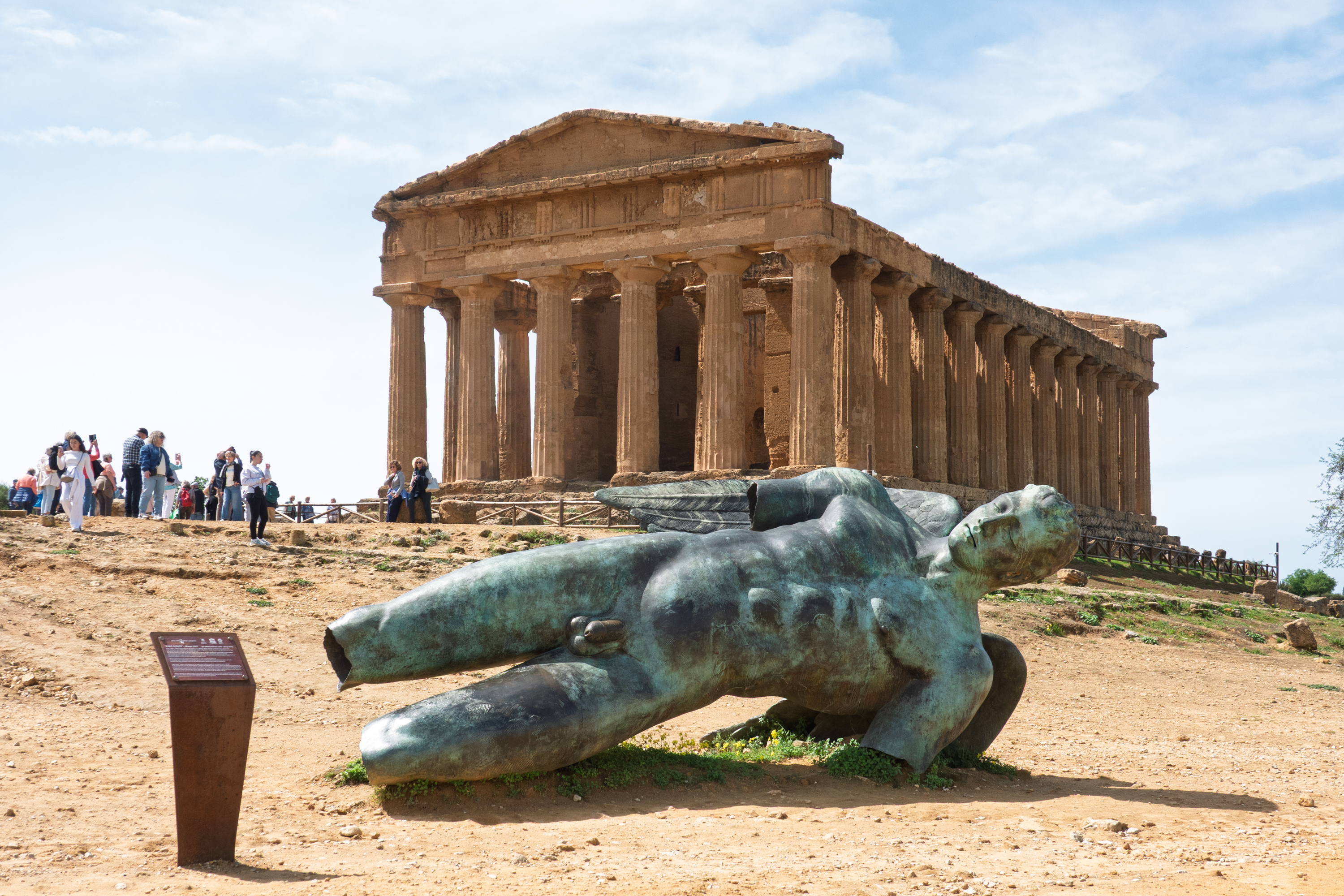
The Arigento money shot; a modern reproduction of a statue of Icarus, in front of the temple of Concord. Accordingly to legend, Icarus and his father were fleeing to Sicily. Icarus, of course, flew too high and the sun’s heat melted the wax that held the feathers to his wings, leading to a fatal fall.
Read the story here” https://en.wikipedia.org/wiki/Icarus#:~:text=Icarus%20ignored%20Daedalus’s%20instructions%20not,and%20Icarus%20escape%20by%20ship.

The local bus took us up the hill to the temples but we cheated and took a taxi back. expensive, but worth every penny!

Other than the visit, we did two loads of laundry on “dry” afternoons that poured with rain so we ended up with the camper full of damp clothes!

On the Road Again – A Dash Through England and France

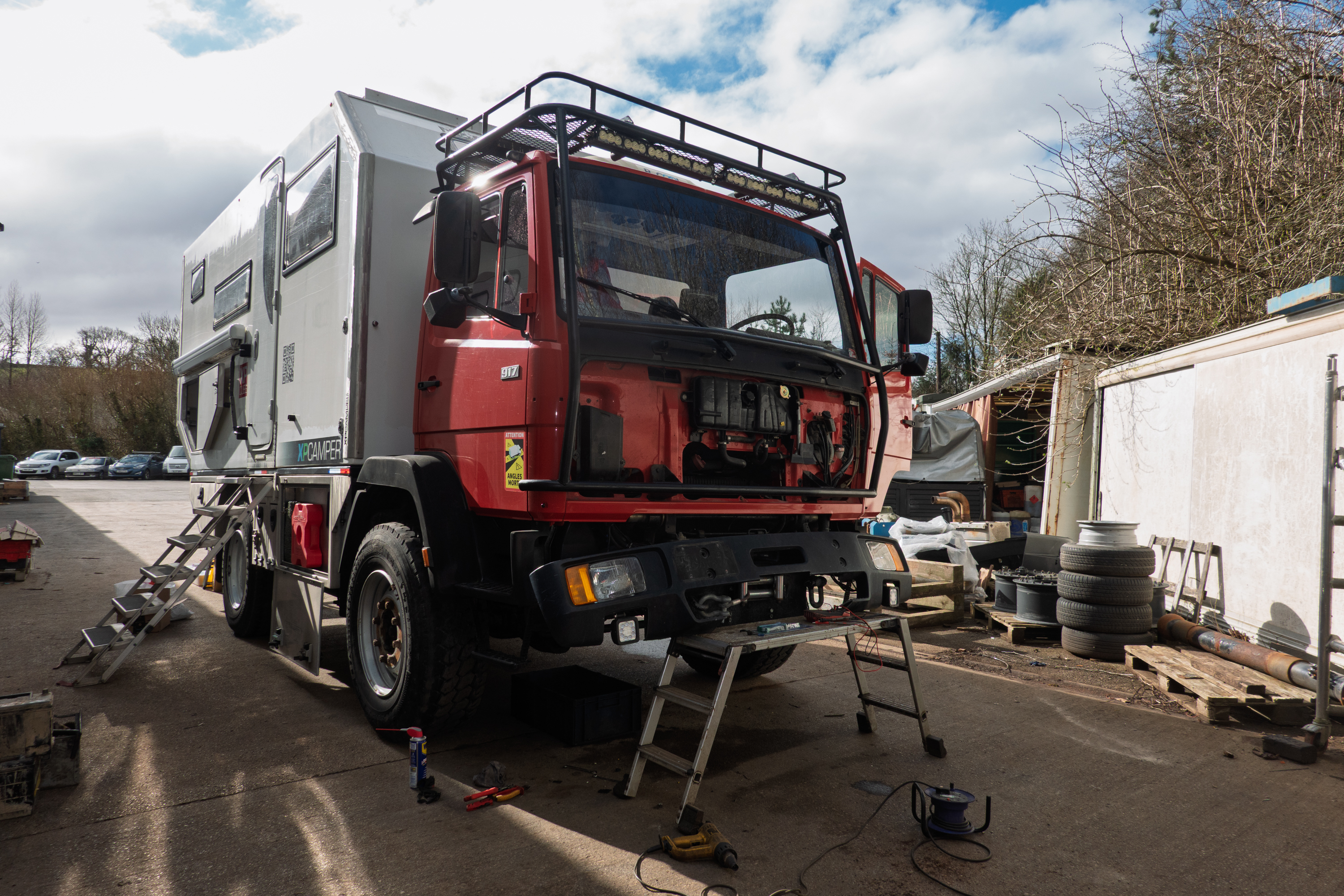
We flew into Heathrow from Oslo and made our way to Yatton to pick up the camper for what may be the last time.  The night we arrived, we enjoyed a wonderful dinner with some old friends who made the effort to come down from Bristol and see us in our hotel.  It was a joy to see them after too many years.  The next morning we had a ride to the camper with the owner of the storage lot, Motorhome Matt. (https://www.motorhomematt.co.uk) Matt has truly given us service above and beyond. Then after loading everything up we set out for Chichester and Denise’s brother’s house.

Denise’s sister took us on the rounds of the stores to stock the camper. She also organized an excellent family lunch and get together in amazingly good weather for England in early March. Fred even washed the truck!

After a great weekend we set out for the north and the annual visit to Atkinson Vos.  There were a number of issues to address, including the installation of new headlights as ours had drowned in the constant rain of the previous winter storage. 

Say “Ahhh!”
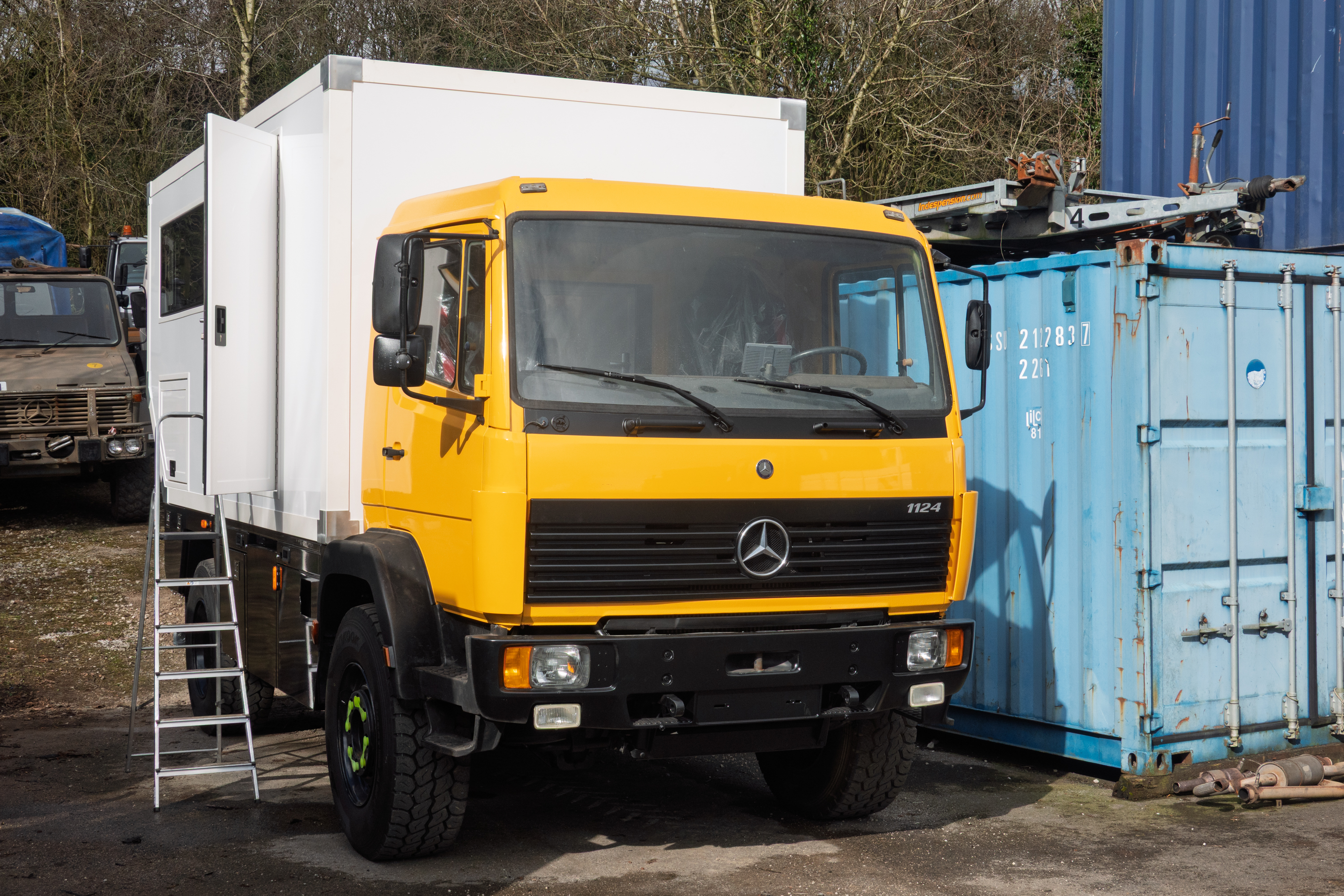
A twin of our truck, under construction.
Denise and the chicas, errr, Yorkshire lasses of Atkinson Vos.

Real people don’t get misty eyed at the prospect of not returning to a garage, but Atkinson Vos have simply been wonderful. It is hard to imagine that we will probably not be back.

Soon, all was accomplished and we headed south to spend time with an old friend from Botswana, in Glossop in the Derbyshire Peaks.  Each time we cross the moors in Yorkshire, the Peaks in Derbyshire or the South Downs, we are reminded how beautiful England is.

Next stop was Mansfield for servicing of the Webasto Dual Top. We were welcomed back like old friends. They replaced some pieces and we learned that our Dual Top had the worst encrustation of lime scale that they had ever seen! Fred made a run to a near by store for a case of descaling solution.

And then it was on, to Derby, where we stopped at a wonderful Mercedes Benz truck dealership to try to get a front end alignment.  Unfortunately, this could not be done, as we need a new part which is unavailable anywhere in Europe as it is obsolete. Amazingly, the dealership refused any payment. We did persuade them to accept a bottle of firewater – for their Christmas Party.  Fred is working the part problem.  We shall eventually solve it but it may take a while. As our Belgian supplier noted, “We have over 60,000 MAN and Mercedes Benz parts, but we ain’t got that one!” (Liberal, idiomatic translation.) While the truck was on the rack, we made a walking visit to our first UK Costco, about a mile away. Truly wild to compare and contrast with a US Costco! The real challenge was getting all of our purchases into our shopping bags and then carrying them the mile back to the truck. Many rest stops were required!

Our next stop after Derby was Havant, near Portsmouth, back in the south of England.  Amazingly Denise could attend an informal annual reunion with the girls from her year of the Northern Grammar School for Girls in Portsmouth.  She had left the school in 1966 to go to Australia, where her father had been assigned with the Royal Navy.

Denise with the ladies

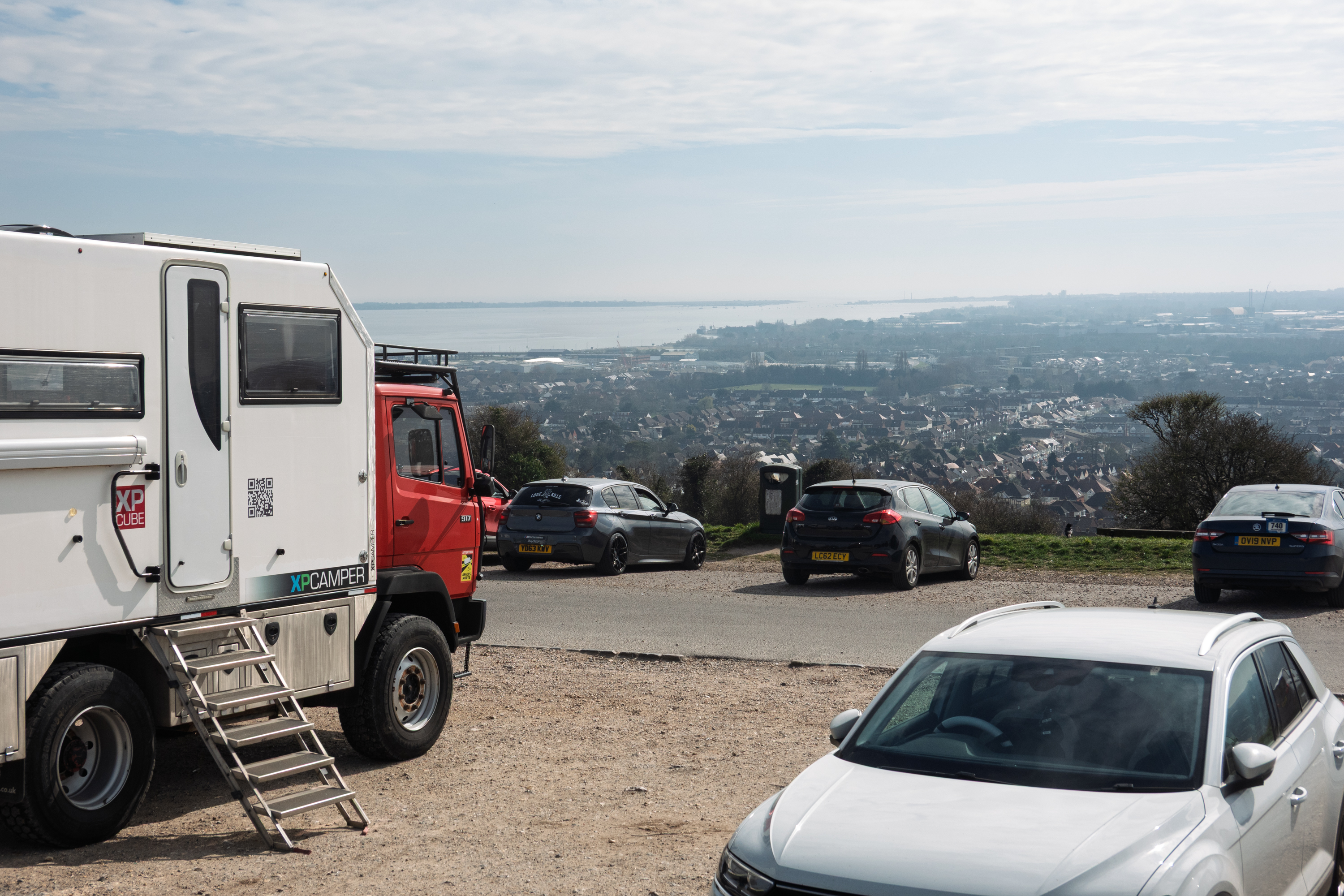
Denise was surprised how many of the ladies remembered her and she had a wonderful time. As there was no place to park at the pub, Fred passed the time on a scenic overlook on Portsdown Hill, watching for French invaders.

No French invaders today.

We then headed on to visit Denise’s sister and brother in law in Kingsfold, in West Sussex. We all went for dinner at the local pub, which let us camp for the night. Another great evening!  The next day we headed to the coast and took the Shuttle to Calais.  First stop was the Cite de L’Europe for a shopping expedition at the monster Carrefour!  Always a happy place!

The larders stocked with French goodies, we headed out to an aire we had located in the town of Aire-sur-la-Lys.  This turned out to be a municipal aire, run by the town, and right beside a canal basin full of boats.  (Seems like a joke – we stayed at an aire in Aire.)

Denise buying more veggies from a couple making the round of the aire.

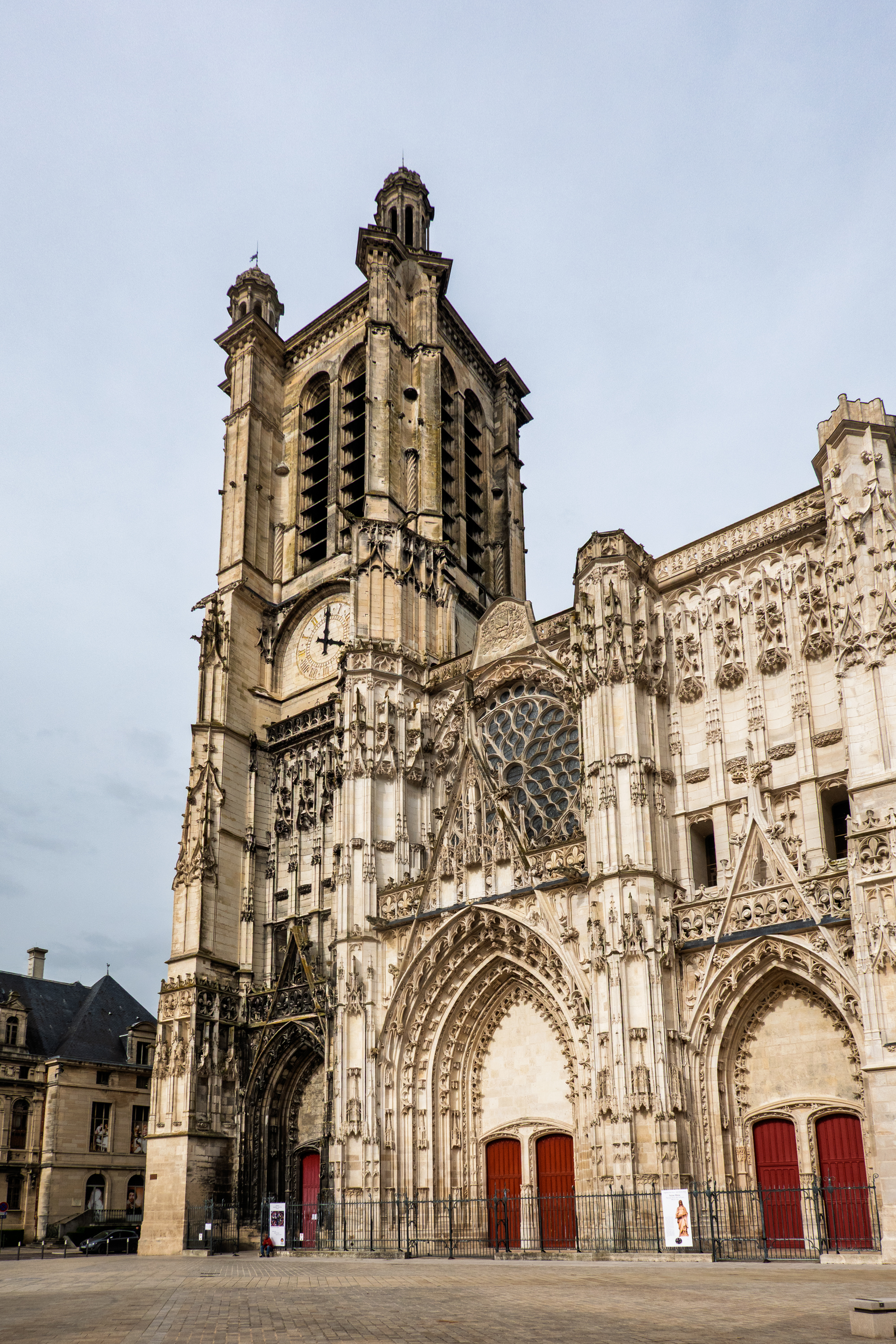
Quite lovely and we could have stayed longer, but we set off the next day and stopped at Troyes. We arrived in time for a walk into town. 

Settling in for the night.
As in many other places in France, it is clear that the French remember and appreciate the US contribution to the liberation.

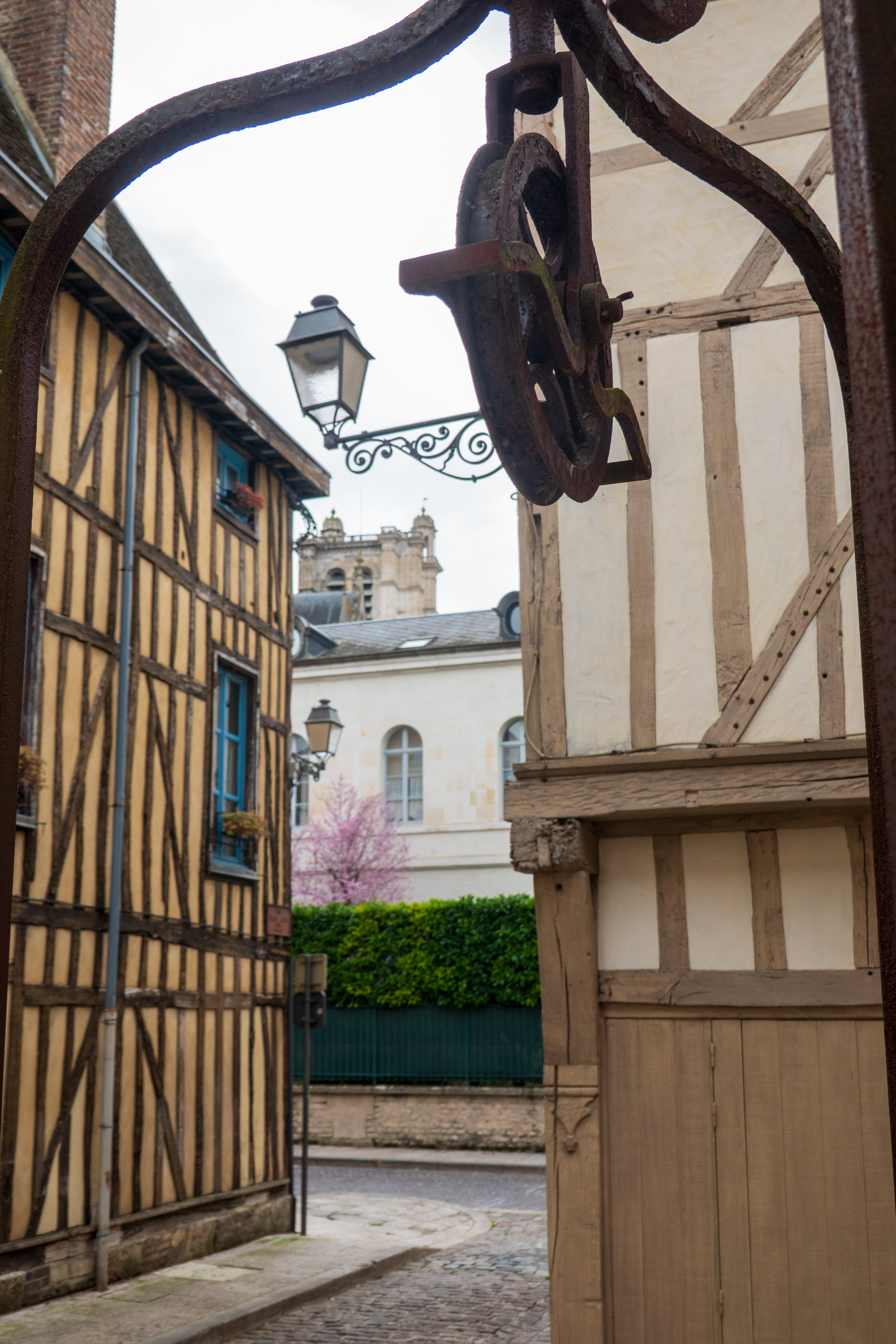
Troyes had been recommended as a quaint place, famous for its very English looking half-timbered buildings. (https://en.wikipedia.org/wiki/Troyes) Denise has a talent for finding lesser known places to stop.

Yes, this is really Fance, not England.

A whole town of houses from the 14th and 15th centuries, some of which had fallen down, some of which were half way there, and some of which looked like they had been built yesterday.

Less than inspiring!
This column was simply a monster.
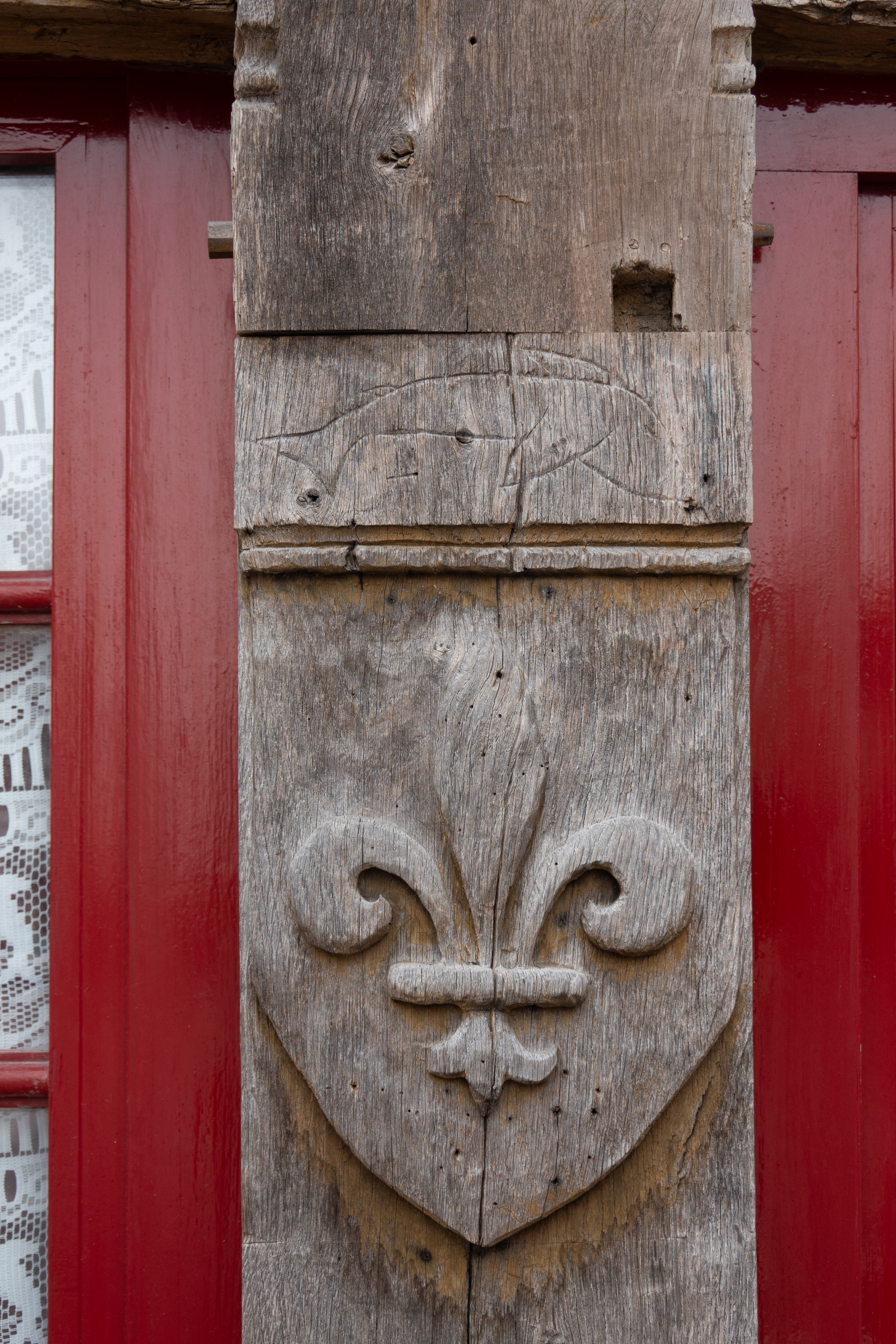
Fleur de lys and the dauphin.
Some of the buildings had notations.
Vendor of Blackthorne fire water.
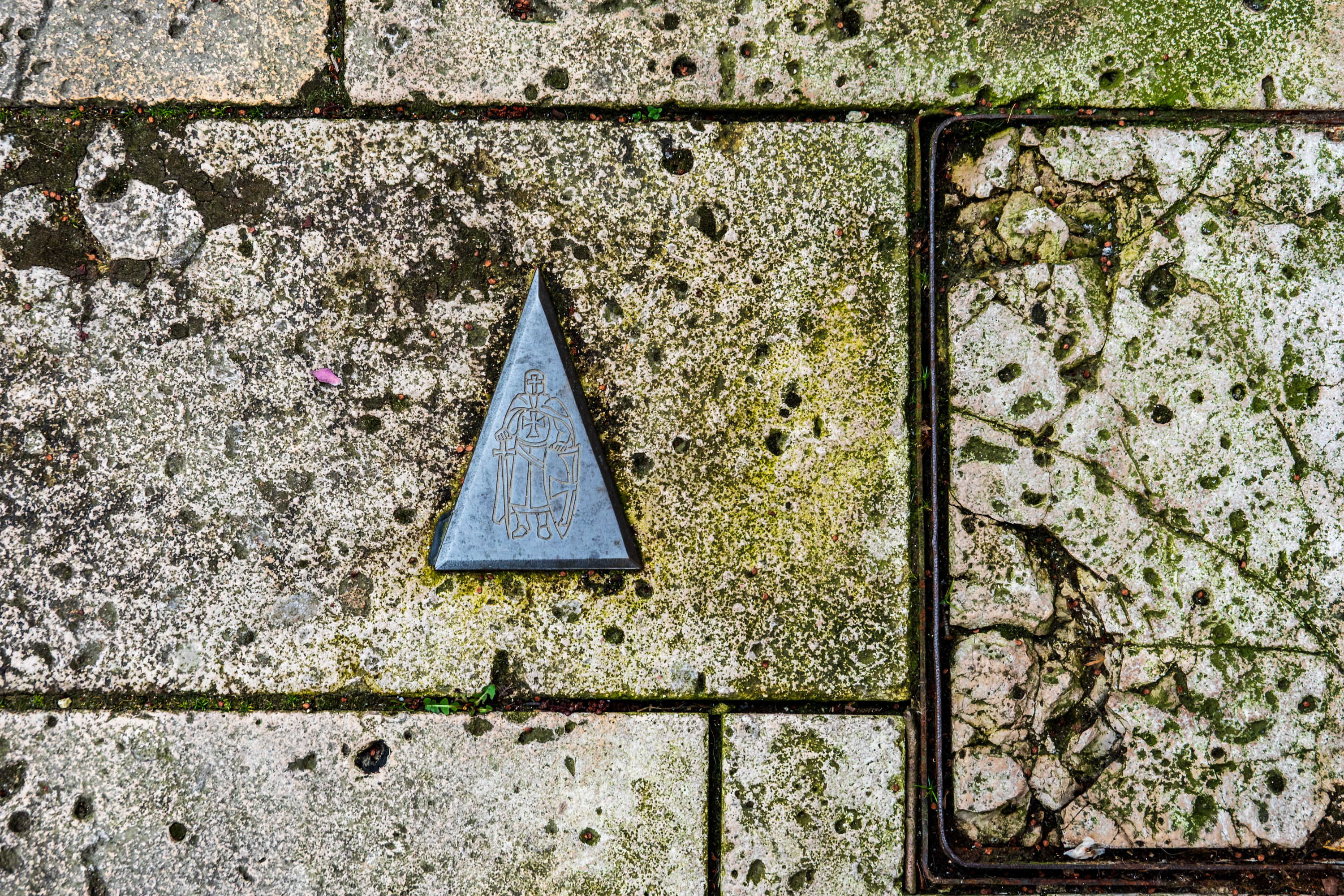
There were pilgrim markers all over town.
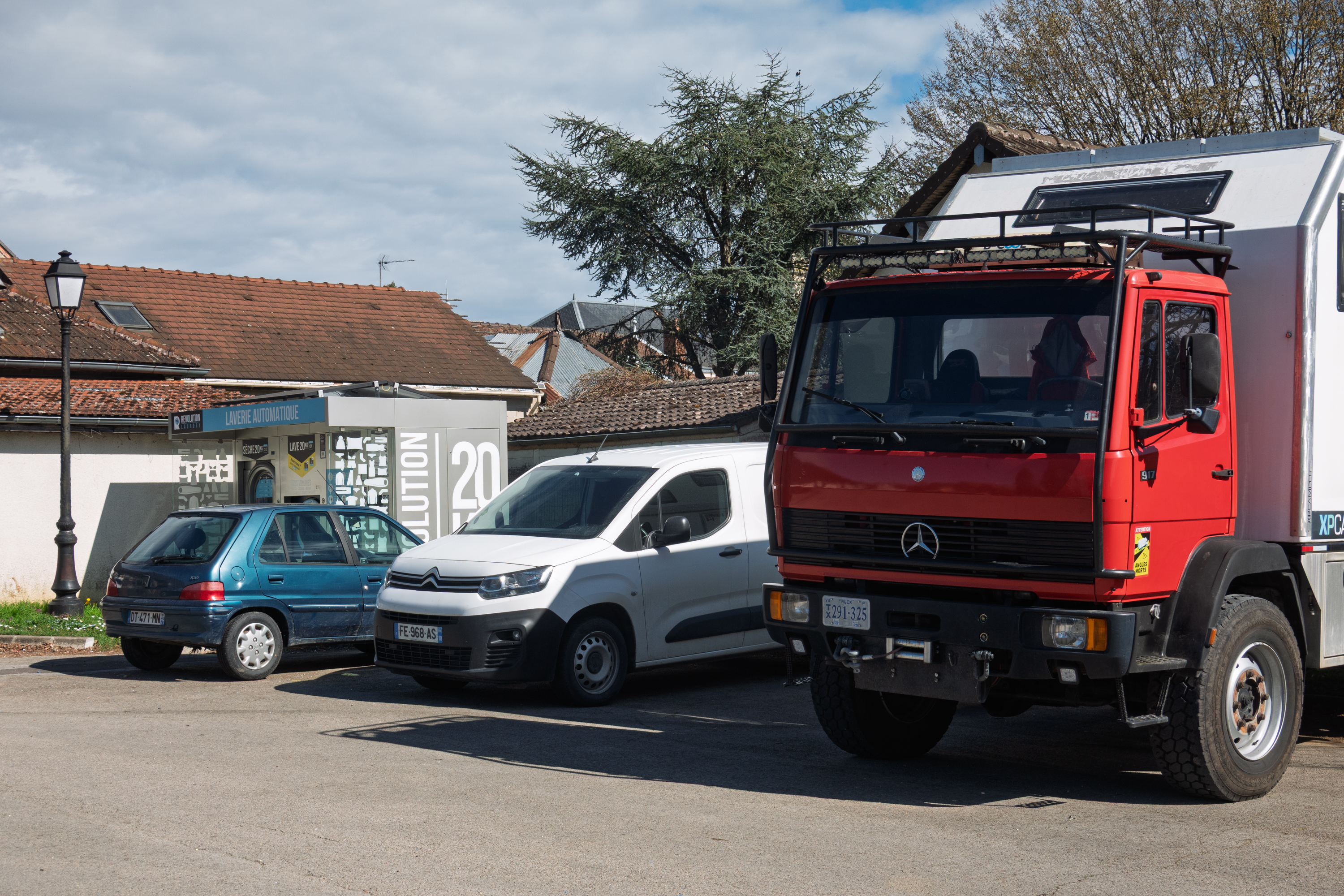
One of our favorite stops – a Revolution launderette. In rainy Europe a big dryer is wonderful, nay, essential.
And when you find the launderette in a picturesque town, on market day, and with easy parking – heaven.

Our final stop in France was in the Beaujolais region.  We stopped at a winery called Domaine Philippe Aufranc, just above (literally) the village of Fleurie.  This is the first of our many camping sites at the top of mountains and was an exercise in a first gear grind up a narrow, one lane road. (No traffic on a dark Saturday evening.) The winery was closed on the Saturday in the late afternoon when we arrived; there was nobody there. Not hard to find a roomy spot.

However, we were able to touch base with the owner the next morning and enjoyed a private tasting. At least Denise did, Fred was driving. We bought several bottles. We were literally just up the hill from the famous George le Boeuf vineyard, so the neighborhood was good for wine.

And then, on into Italy.

And finally, Bergen!

We landed in Bergen and took a coach to our hotel.  They had no space until 3:00 PM and were not terribly helpful about anything, so we jammed our luggage in their luggage room, which was totally uncontrolled and full to the brim.  That done, we set out to discover Bergen on a grey, damp day.

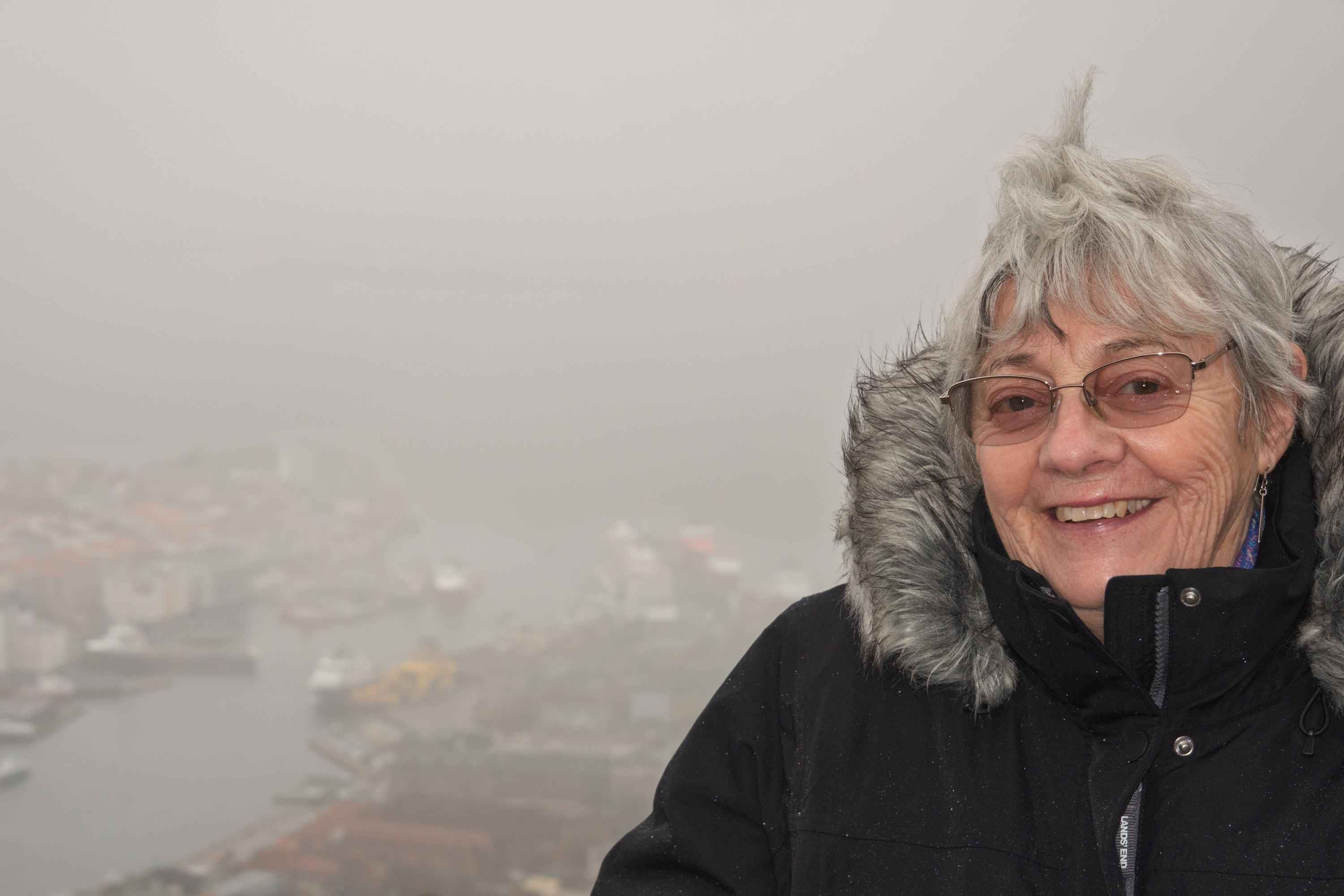
First stop was a coffee shop for sustenance! Then we headed for the cable car to go up the Floien, which provides wonderful views of the city.  And indeed the view was spectacular and we were just in time to see it before the clouds rolled in and the view disappeared! 

Great view! But enjoy it quick, the clouds are rolling in!
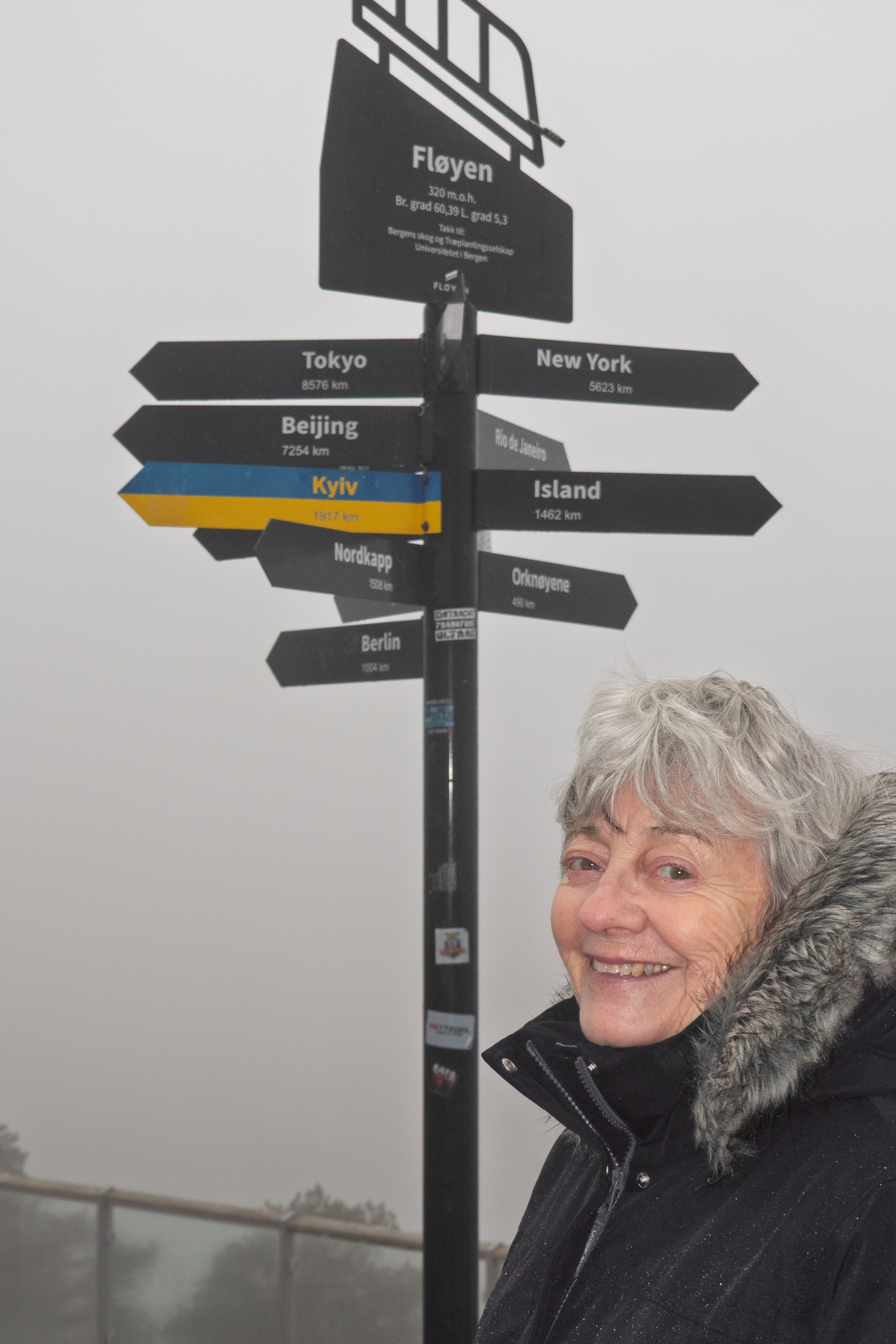
Denise determining where we are.

Escaping the souvenir stands, we re-boarded the cable car and descended to the waterfront. Then, as it began to rain, we headed to the Hanseatic Museum.  In Lübeck in Germany, we first remarked on the importance of the Hanseatic League, in the development of trading and society in general in the early Middle Ages.  Their trading routes stretched from Tallinn to London. We had seen mention of the League in Denmark, Holland and in northern Germany with Bergen the most northern reach of the League. For those who need a review before the quiz, here you go: https://en.wikipedia.org/wiki/Hanseatic_League

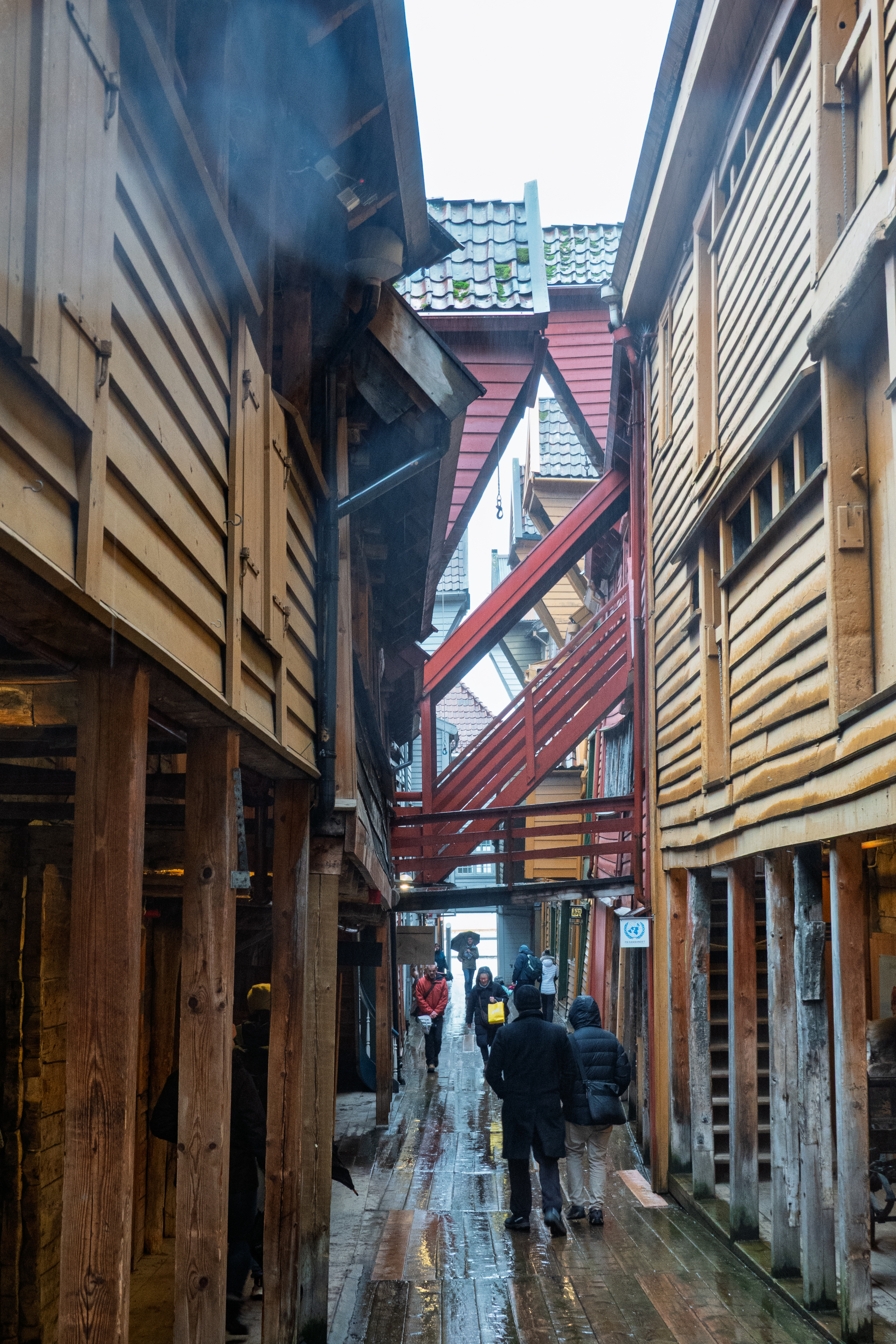
The museum was housed in a “tenement” or multi story house where visiting traders would lodge while doing business in Bergen. (See image at the top.) Cod was brought from Northern Norway and exchanged for grain and other goods from further south. 

It seems that, at least initially, the Germans sailed to Bergen in the summer, and then overwintered, hence the need for the communal housing. In the beginning, they could not bring their wives, but eventually some married local women and settled in Bergen.

Tenements along the Bryggen, Bergen’s old waterfront. Repurposed as stores, hotels, and museums.
Back of the tenements.
Original tenement repurposed into a boutique store.
Communal kitchen
What do you do if you get bored waiting for dinner? You carve graffiti.
Original painted decorations over a doorway.
The bridges between the buildings reminded of the lady bridges in Jeddah. Only here the goal was to stay out of the rain and snow.
Ornate lamp. Dated 1938??

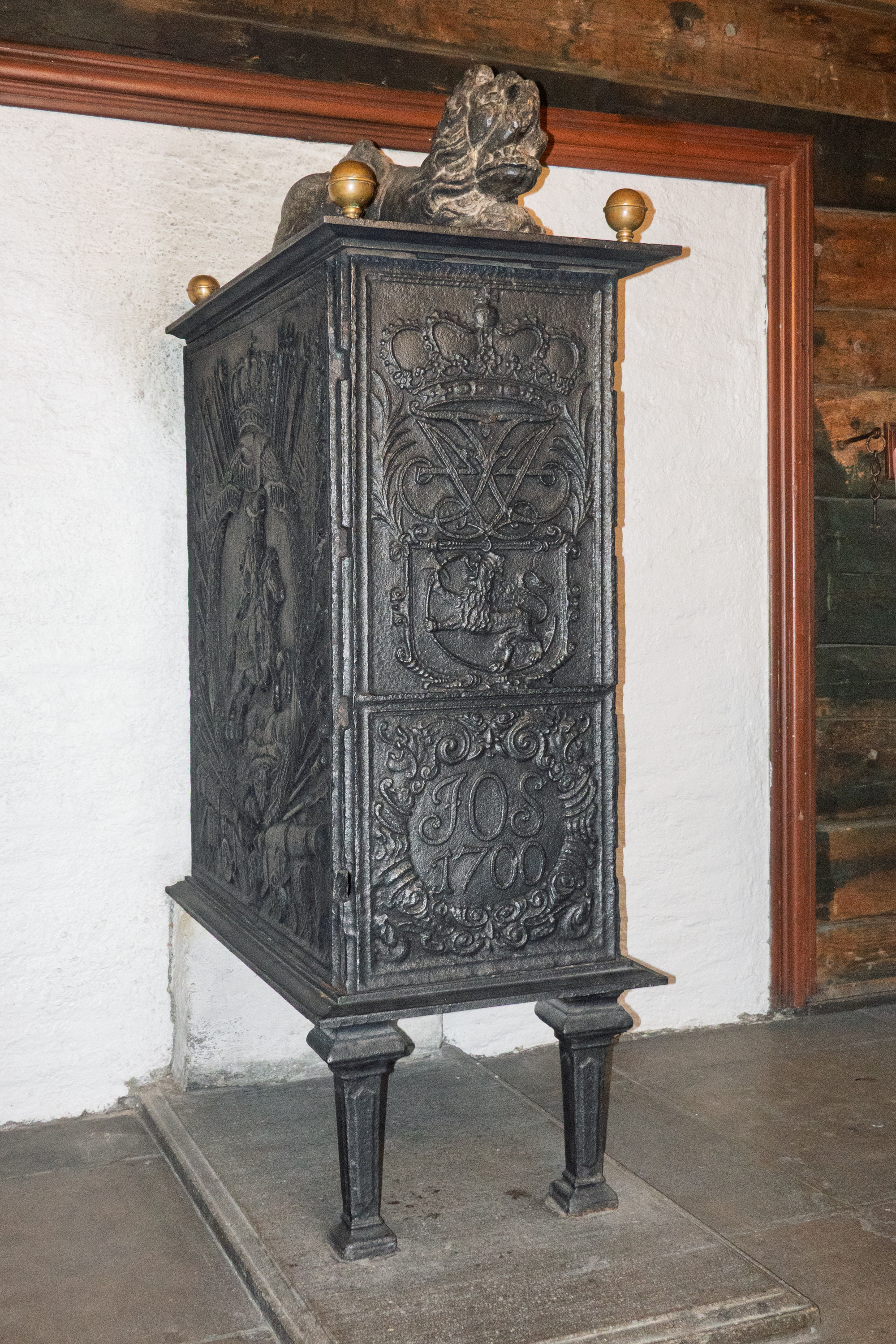
Most of the common rooms had big heaters.
Hand washing station.

The German influence is so strong that local wags joke that it is impossible to make a sentence in Norwegian without using at least one German word.

As we were definitely in the off season, we found a lot of restaurants closed. We ended a tiny little pizzeria run by some charming Syrians.  It was excellent!

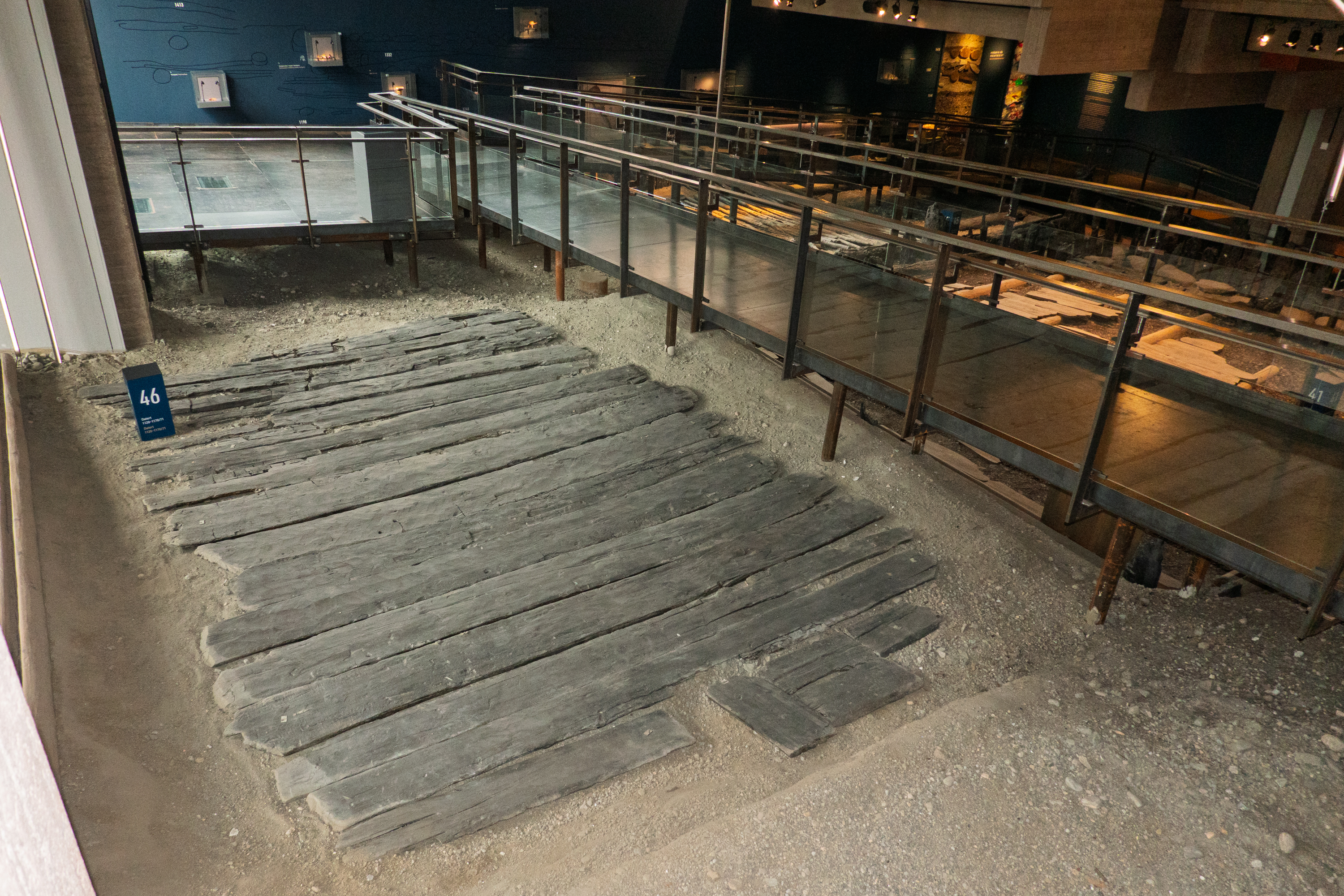
We then wandered along the Bryggen, the old port with its colored houses facing the sea and narrow, cobbled lanes between buildings  We went to the Bryggens Museum, which has remnants of old buildings and displays of the history of the port. 

Original, wooden flooring.
A very official document, complete with seals.

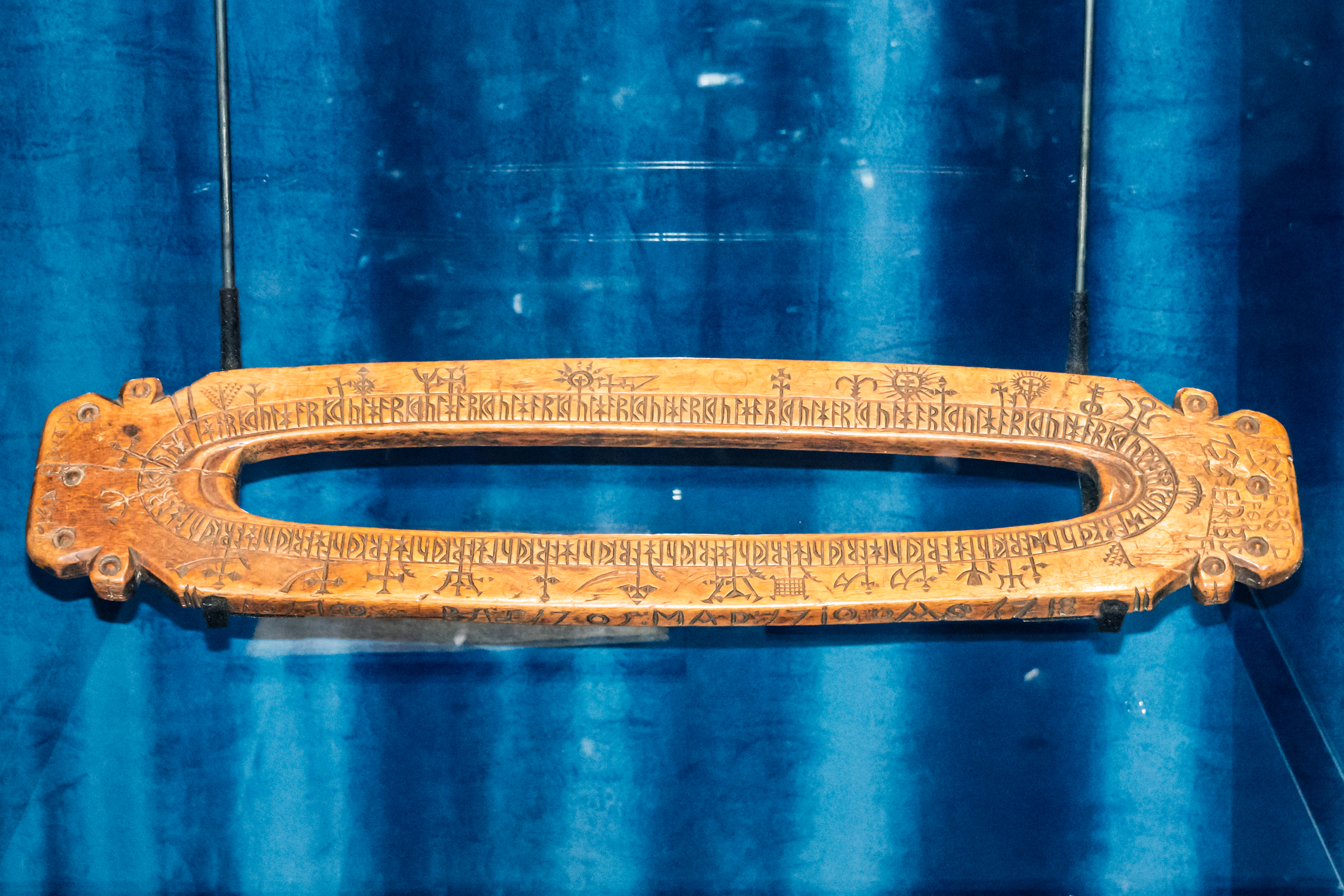
Fascinating “perpetual” calendar, marked in runes, but with Christian saints’ days marked.

On the second floor was an amazing exhibit of the Law Code set by King Magnus VI, (the Lagabote, the Law Mender,) in 1274.  It had some amazingly modern ideas. (https://en.wikipedia.org/wiki/Magnus_the_Lawmender)

The next day we headed to the train station to take the train from Bergen to Oslo, known to be an amazing mountain trip.  We were getting ready to take our luggage to the platform when we were notified that the train was cancelled due to landslides.  Bummer! Here is the trip we wanted! (https://www.visitnorway.com/plan-your-trip/getting-around/by-train/the-bergen-railway/) Maybe next time.

In a near panic, we grabbed a taxi and headed for the airport. Once there, we were stunned to learn that there are no ticket sales points – all tickets must be purchased on line. We found a bench and went to work. We finally got through to SAS, and once we were in the system a charming desk clerk, who turned out to be the supervisor, got us onto the next flight.  It might have been cheaper to have flown to the US, but we were able to maintain our Oslo hotel reservations, and British Airways flight to the UK for the following day

Over the Top and Back Down

We continued up the coast but unfortunately a norovirus had been brought aboard our ship. There were multiple announcements about the danger, but, after a life in challenging countries, we were confident that our personal washing/sanitary regime would be adequate. We were careful, but we were wrong – it was not enough.

Fred succumbed first.  And Denise a couple of days later.

We passed a beautiful range of mountains known as the “Seven Sisters.”

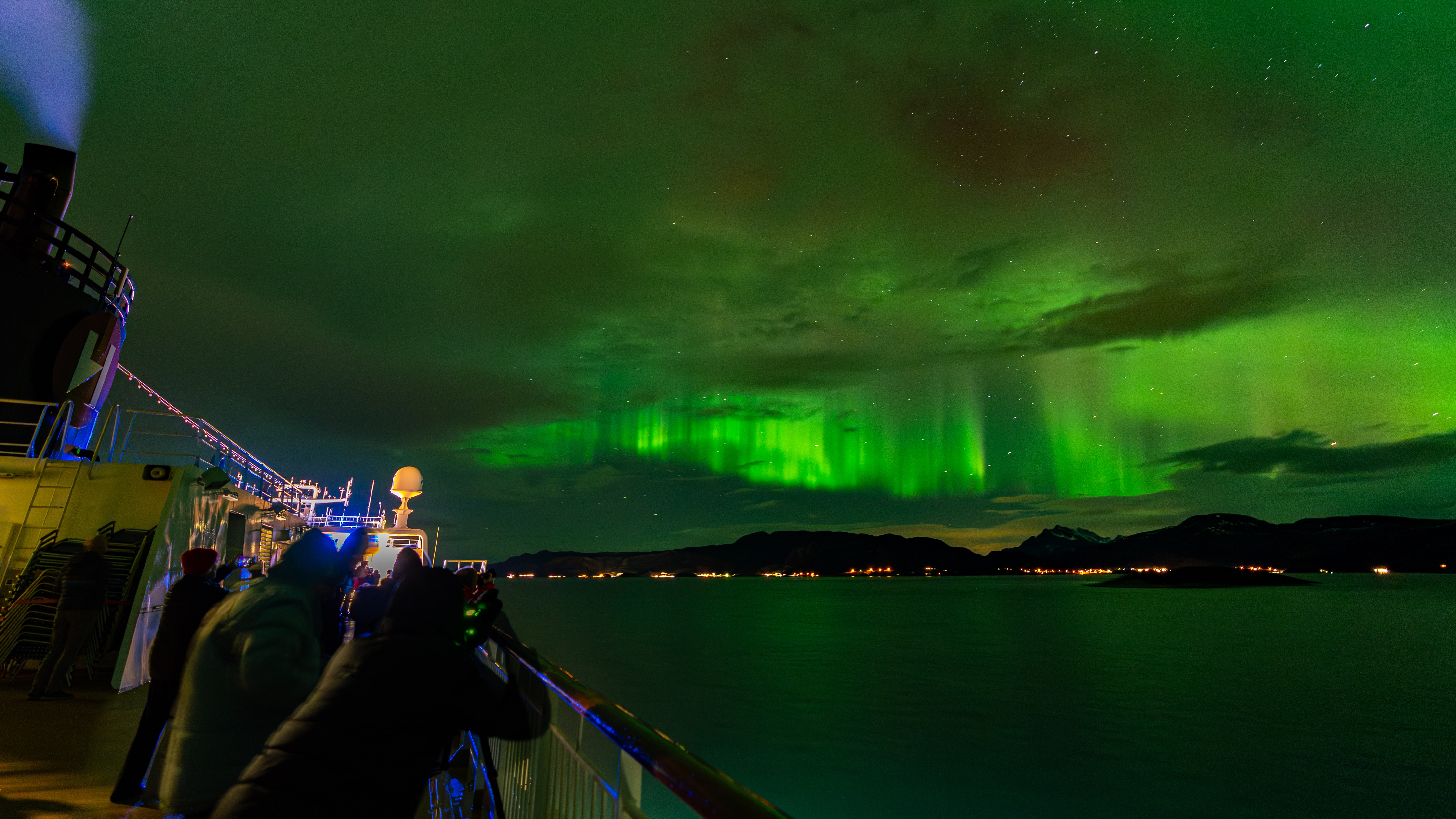
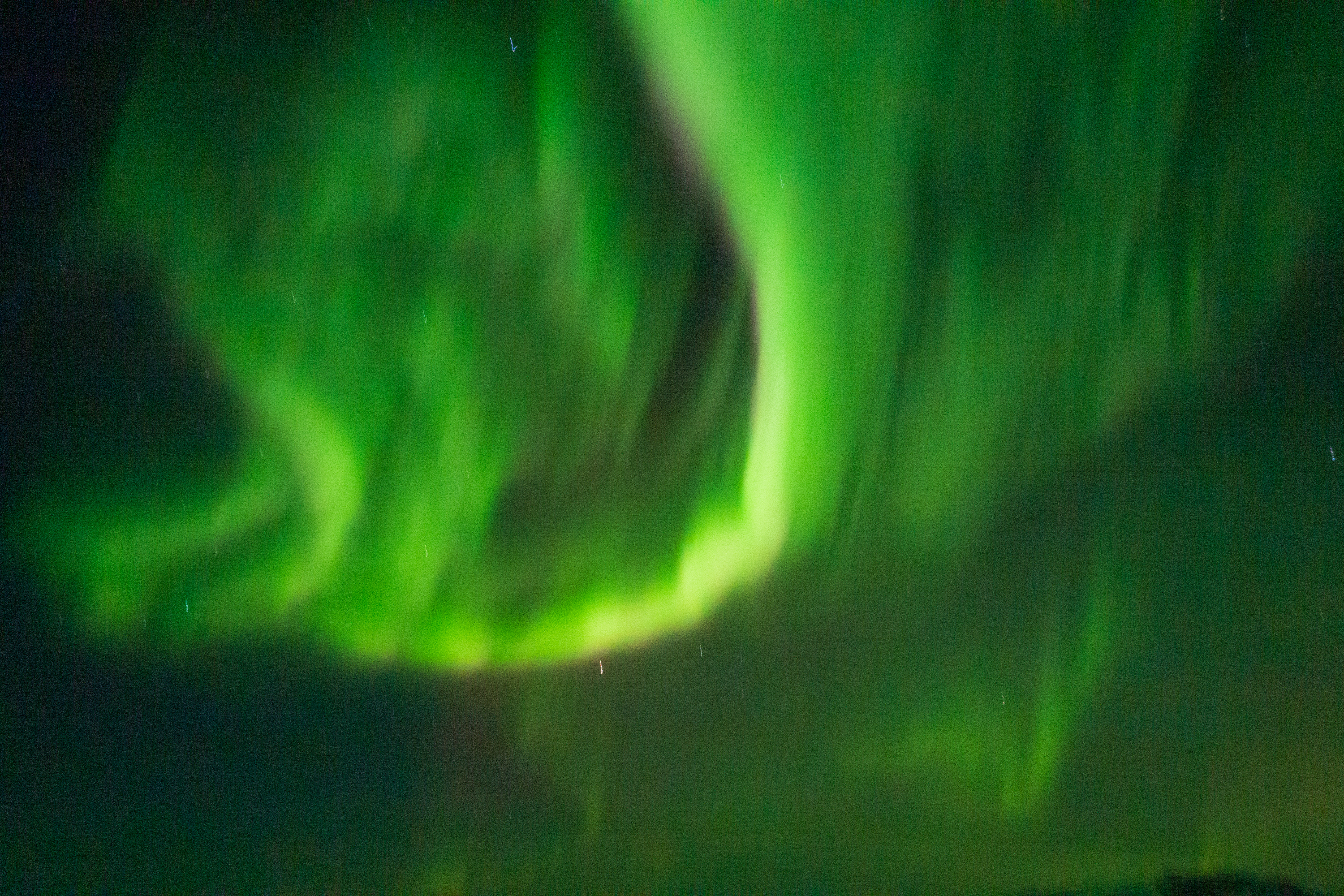
Crossing the Arctic Circle there was an announcement that the northern lights were visible. We joined the crowds on deck admiring and trying to get a photo. The best northern lights photos are time lapse images taken with a tripod on solid ground. Hand held on a moving ship is not going to get you much. But “not much” is still quite spectacular.

It is REALLY hard to hand hold for over a second on a moving ship!
There was an excellent pro photographer on board. He shared some of his photos.

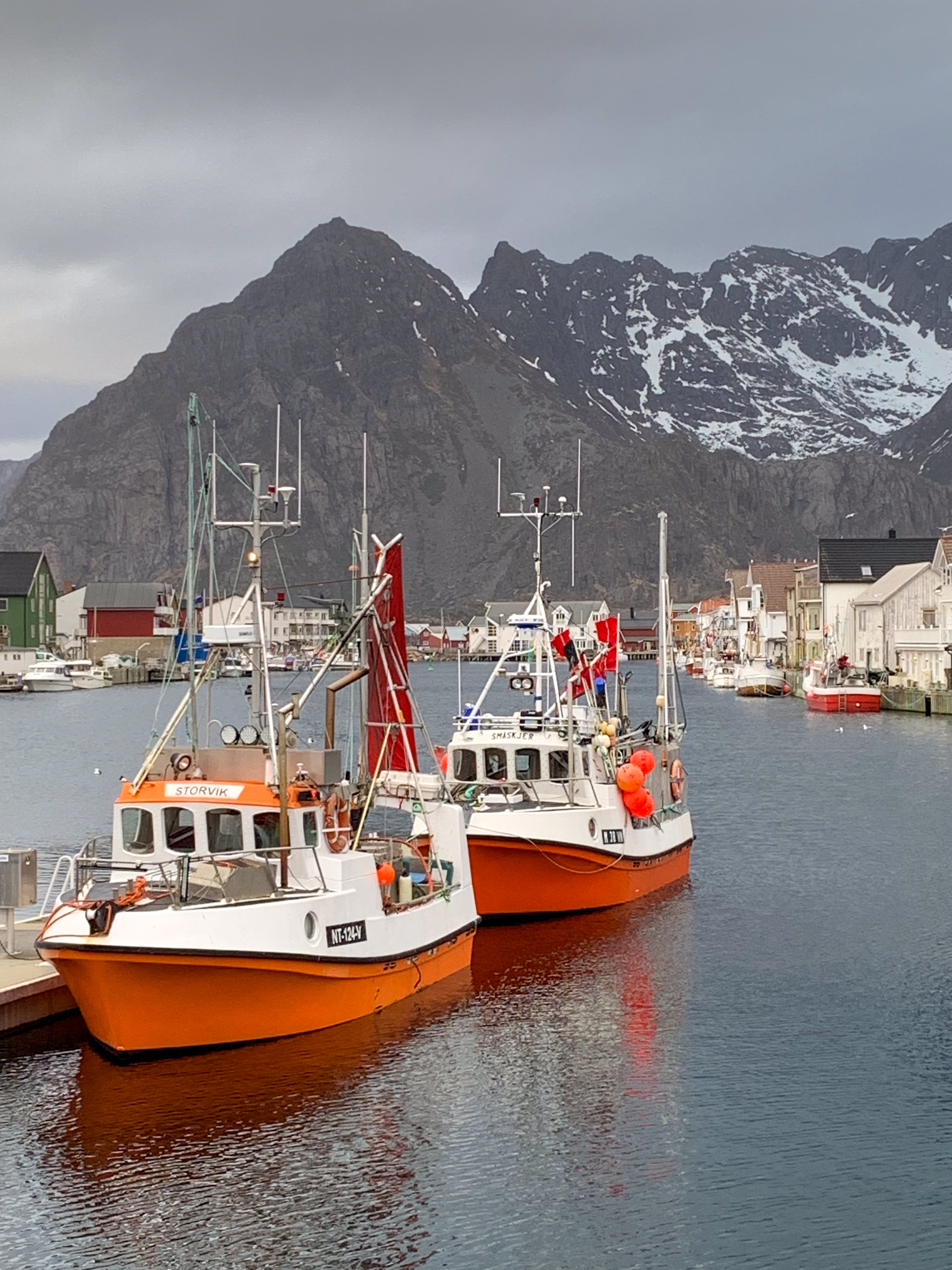
The Lofoten Islands are where the world’s larges cod catches are made between January and April of each year. Denise made a visit to Henningsvaer in the Lofoten, a fishing village about 12 Km southwest of Svolvaer.

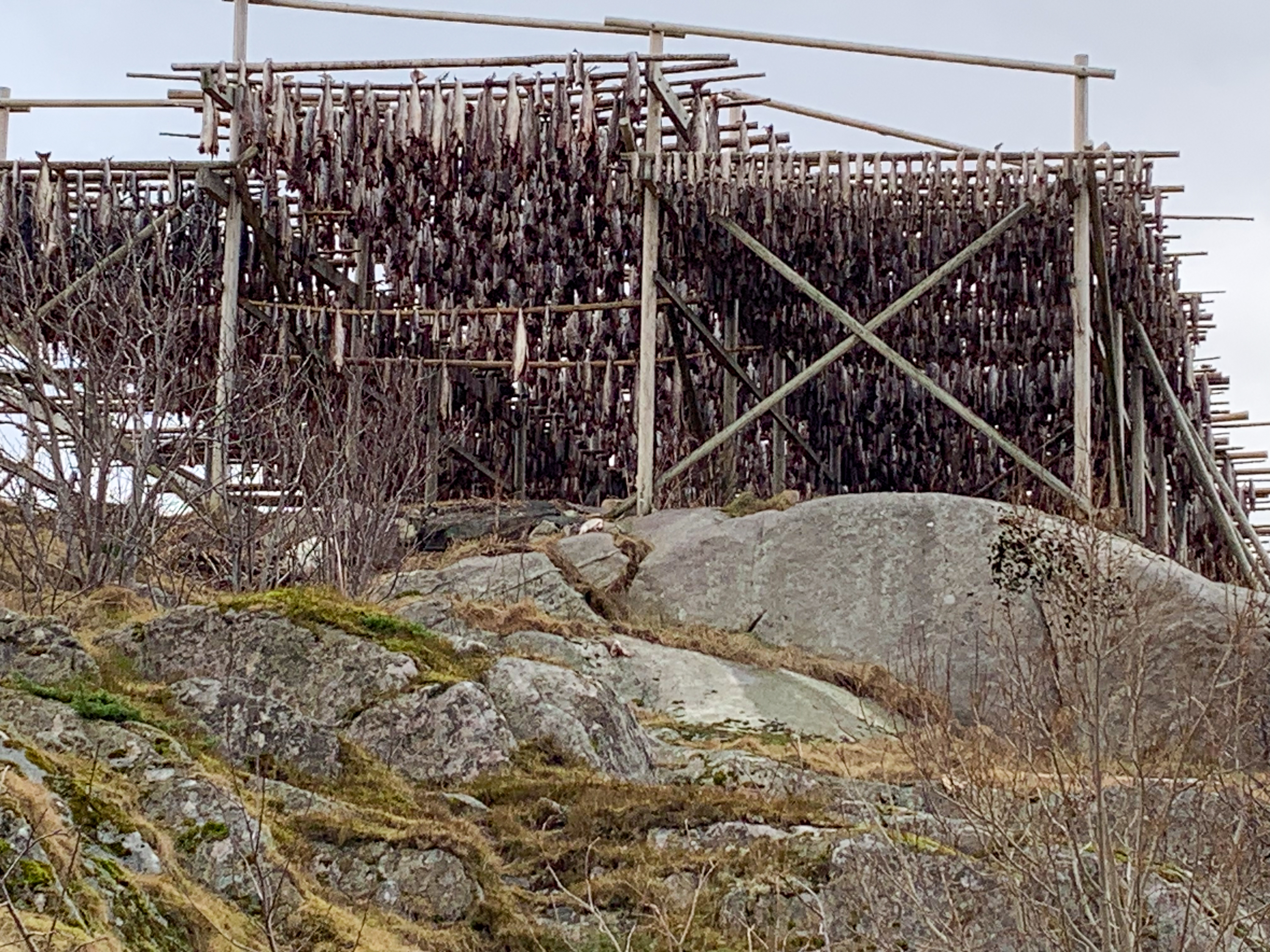
 A brief film in an Art Gallery set the tone and a wander through the village completed it. Quite interesting are the racks upon which the fish is dried before being shipped all over the world.

Bacalao on in the raw!

The village is known for having a flat full sized soccer field – a real challenge in mountainous region. Teams come from all over to play there.

We continued to Stokmarknes, where there is a most interesting Hurtigruten Maritime Museum. The company was founded in 1893 to facilitate postal service to northern Norway. The history of the company was also shown.  The Museum includes a full sized ship, MS Finnmarken, which retired in 1956. (https://www.museumnord.no/en/our-venues/hurtigruten-museum/)

Arriving at Tromso, Denise took a cable car trip up to Storsteinen.

There were amazing views of the town below from the viewing area. 

She then visited the Arctic Cathedral, a quite spectacular modern church.

Courtesy of the onboard photographer.
Courtesy of Denise.

Our next stop, Honningsvag, should have enabled us to visit the North Cape, however, by now, we were both self isolating due to sickness. Sorry, no photos.

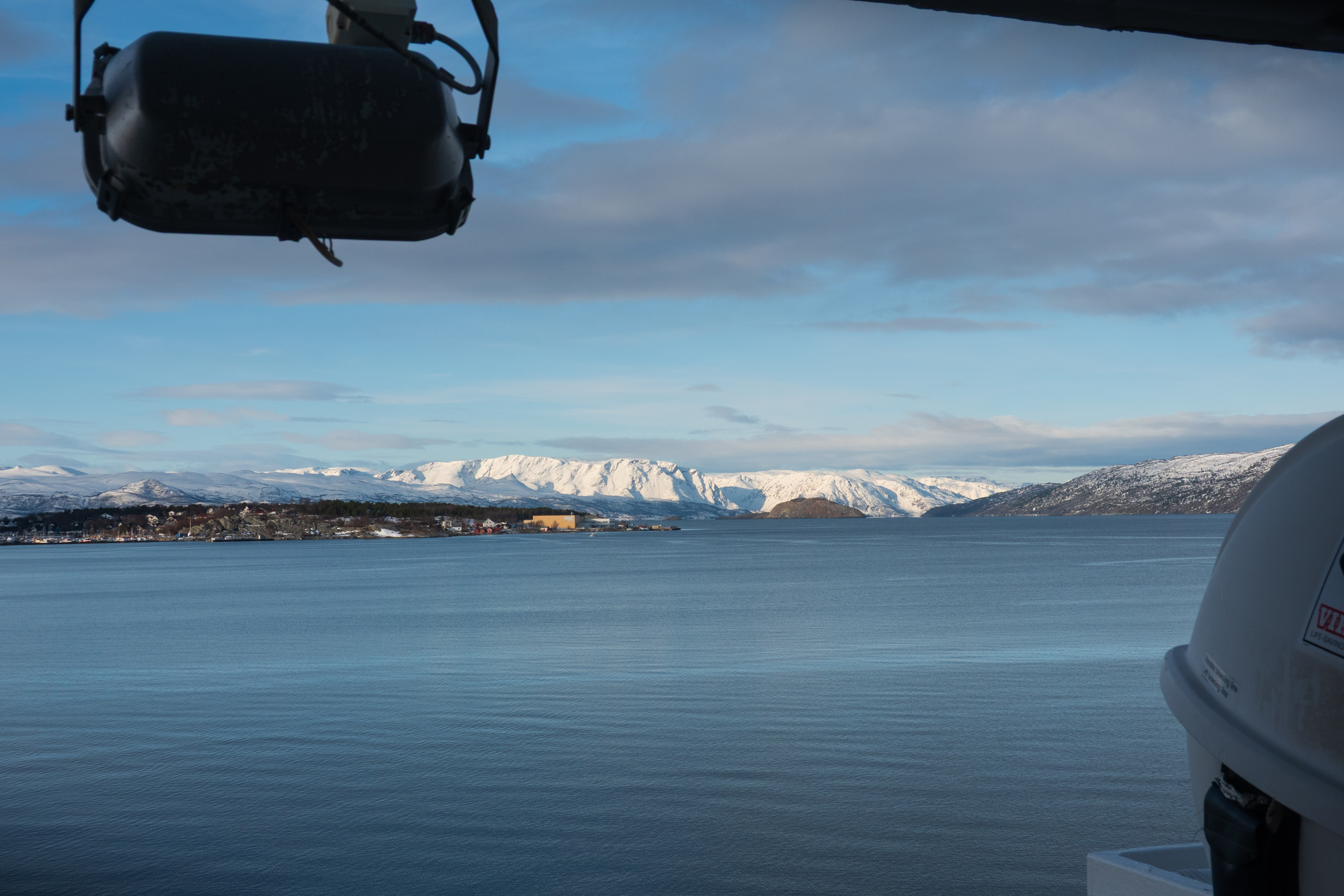
Alta Harbor

By the time we stopped at Alta, we were able to take a walk in the town and to visit the Northern Lights Cathedral. 

This is another really spectacular modern cathedral with an exhibition showing how Alta became the epicenter for research into the Aurora Borealis between the 19th and 20th centuries.  We also enjoyed the short film about the Northern Lights.  The visit to the town was also interesting. It was very modern and amazingly clean.

Northern lights cathedral.
Street scene.
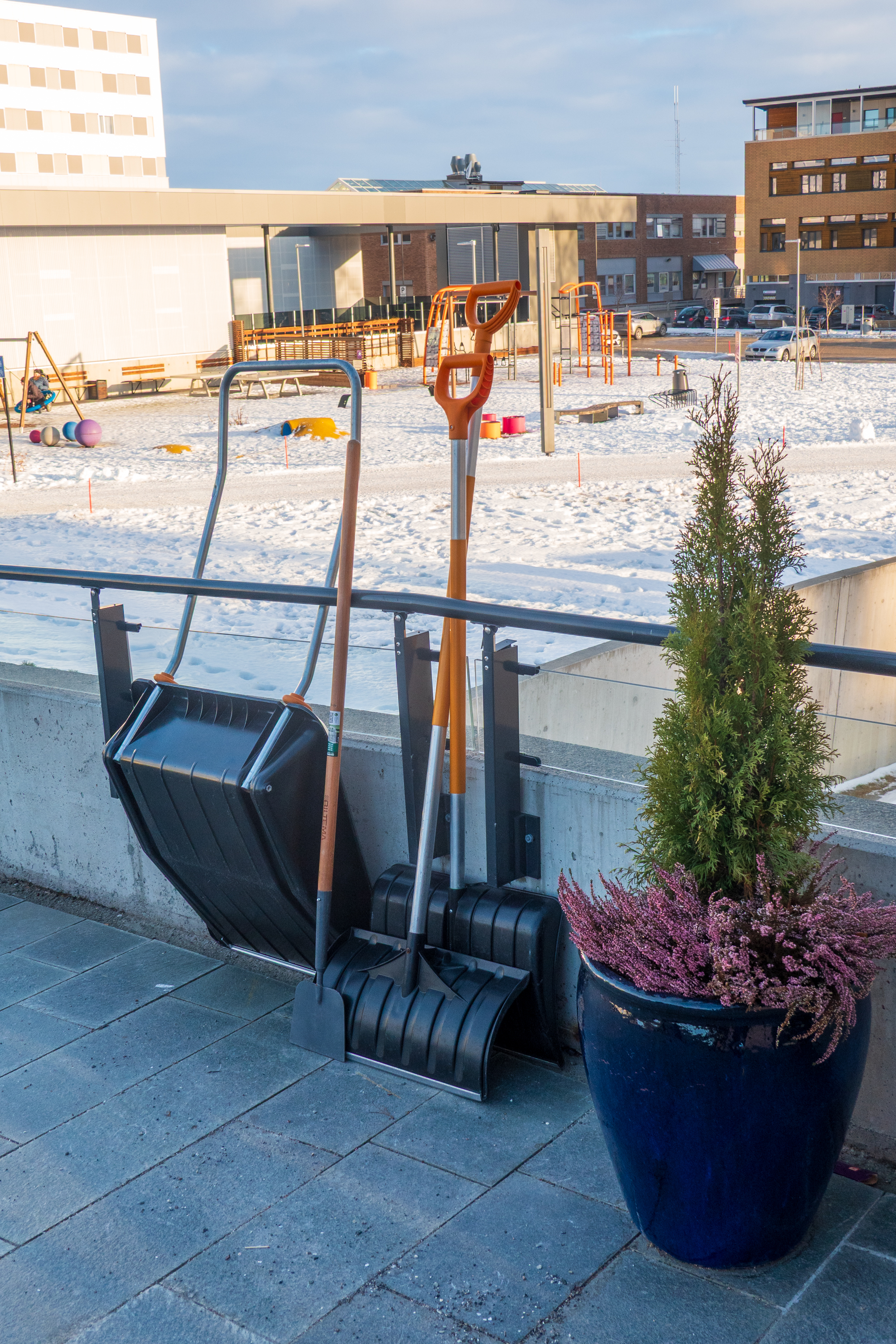
Study in snow removal gear.
The northern lights were visible every night.
Another nice pro shot.

We also took the opportunity to walk in the towns of Lodingen and Rorvik, interesting coastal towns.

Lodingen was tiny and we enjoyed a snowy walk.

Denise in the snow.
Pretty sunset.

In Rorvik we visited the small Maritime Museum, which included a fascinating exhibit by a local salmon farm company. We learned all about salmon farming and how Norway has perfected it for maximum sustainability. The fish live in special netted areas known as “acuatraz.”

Like many buildings in Norway, this is very modern, like a miniature of the Sydney Opera House.

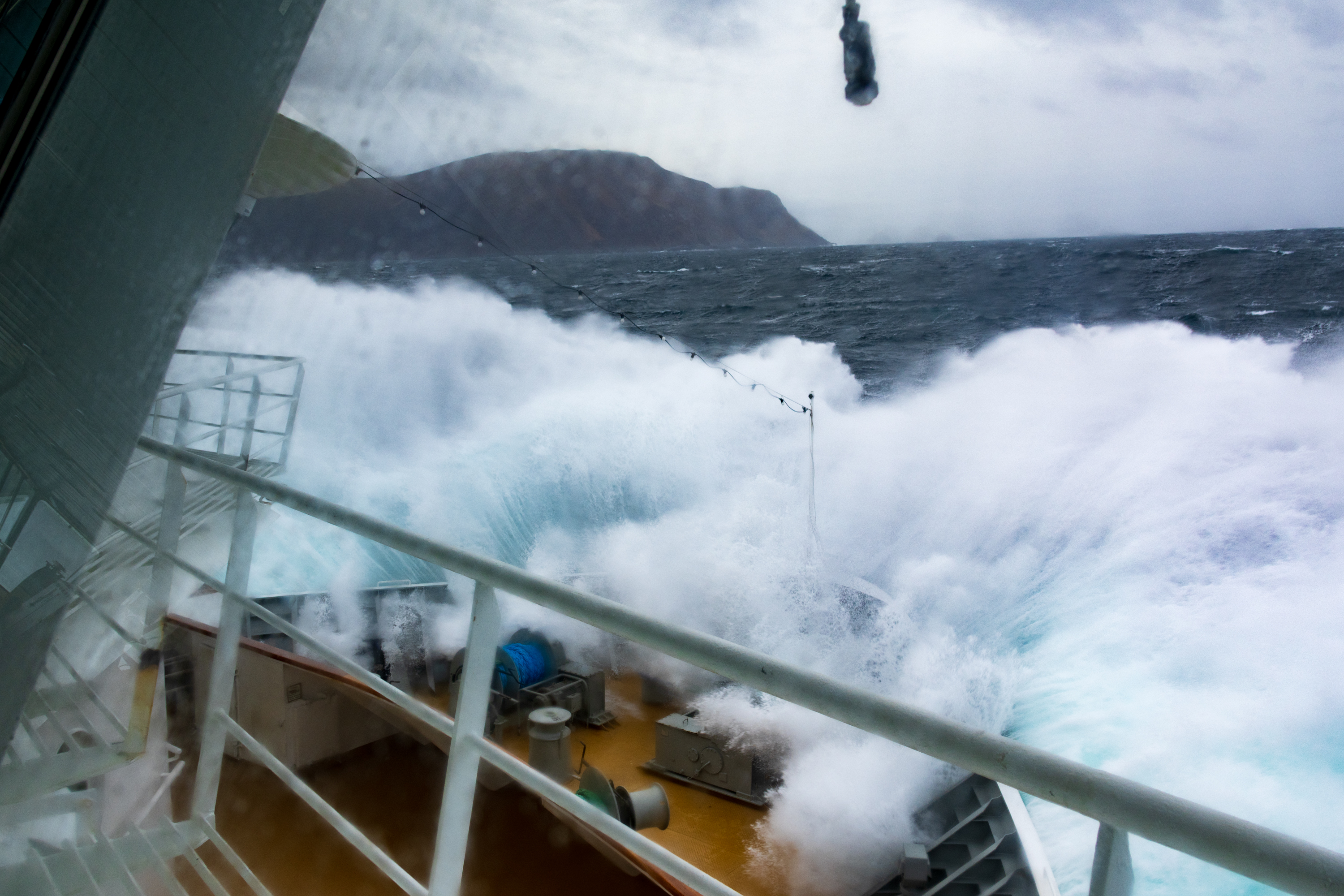
Unfortunately our visit to Molde was cancelled due to rough seas and we sailed to Bergen using as many inland waterways as possible to reduce the possible damage to passengers!

This is why they don’t put extra paint on the sides!

Waves were projected to be as high as 16 feet. And they were.