
On our second day we started out to see Trajan’s Monument and Market. A city bus took us to the Piazza Venezia where we saw the huge Vittorio Emmanuel II Monument, built to celebrate the unification of Italy.
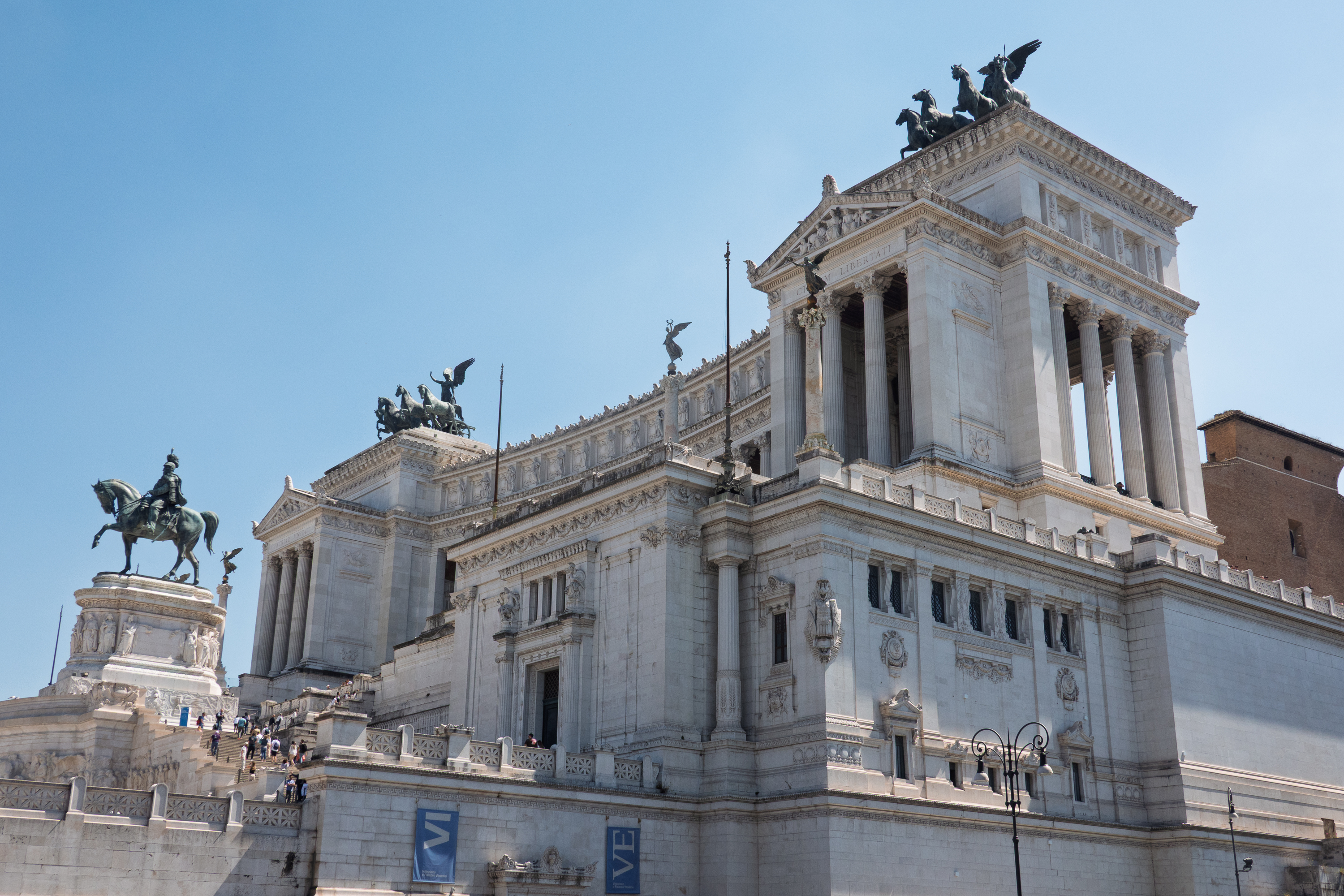
We crossed the square to Trajan’s Column and continued walking on the bridges across and above the Forum to the building known as Trajan’s Market, now home to the Museum of the Imperial Forums. (https://www.mercatiditraiano.it/en)


Trajan was an accomplished emperor. Some of those accomplishments came at the expense of other nations and, sadly, some have impacts that carry on to this day. (https://en.wikipedia.org/wiki/Trajan) The column is famous for its very detailed images of the Roman Army on campaign. It is so tall, that the ancient Romans would never have been able to see it up close. Today, we can actually examine the images: https://www.trajans-column.org/?page_id=107 History nuts like Fred can stare at them for hours, and then critique all of the movies about Rome.
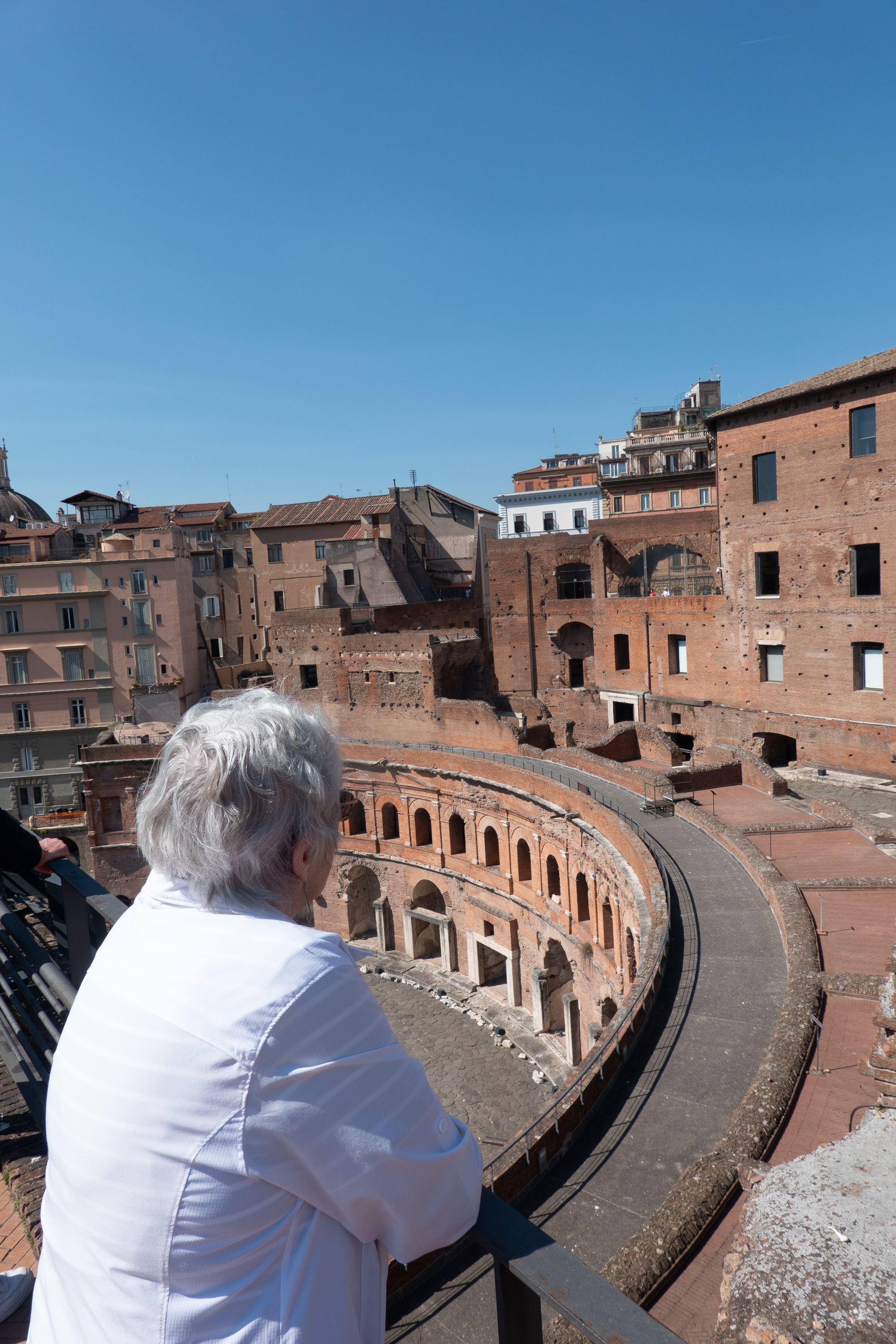
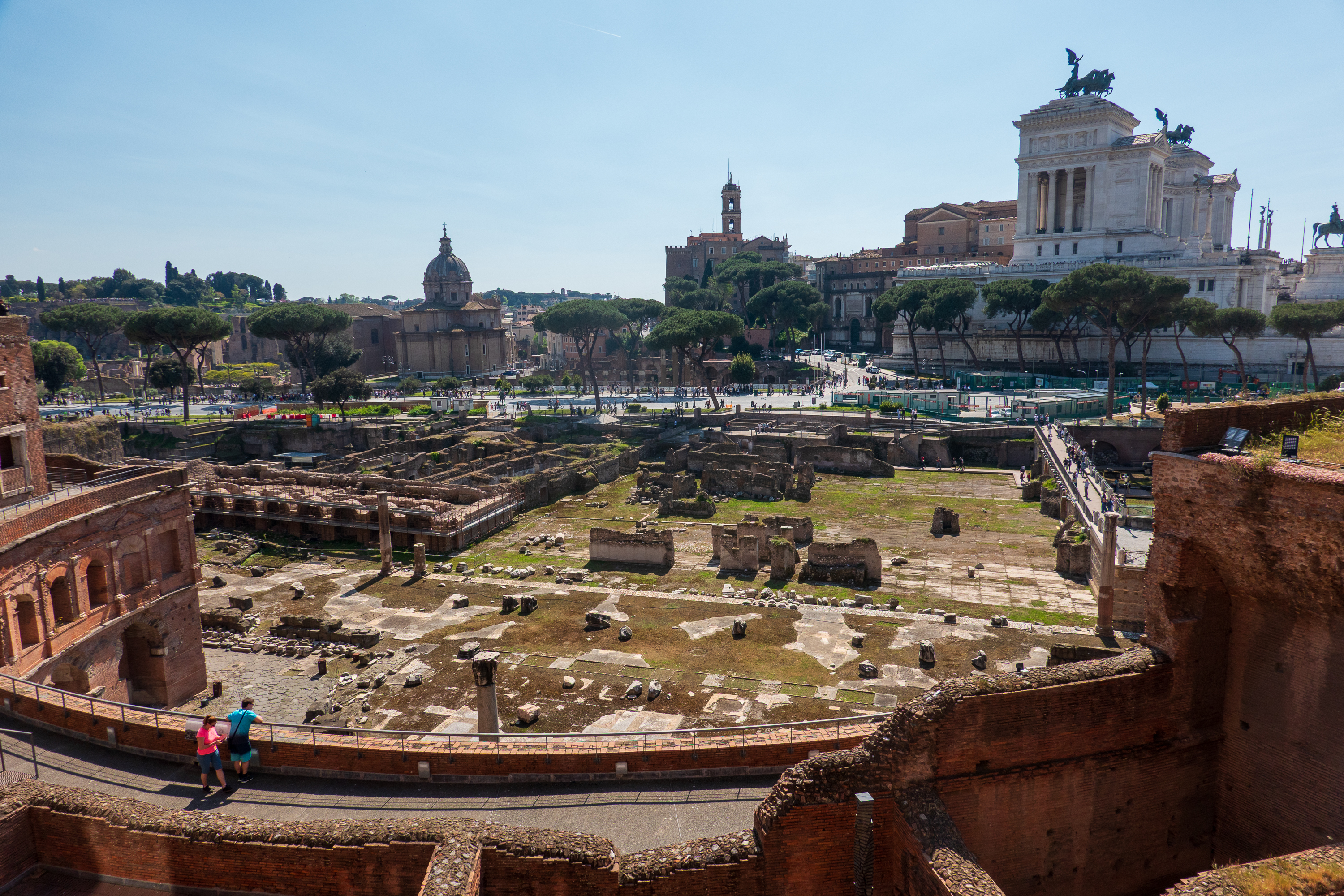
“Trajan’s Market” was actually more likely to have been a huge, multi-story administrative complex, rather than a shopping center, it was quite impressive. We really enjoyed the Museum. We were unaware that there were, in fact, different forums built or expanded by different emperors over the centuries! The view from the roof over the Forum was spectacular.


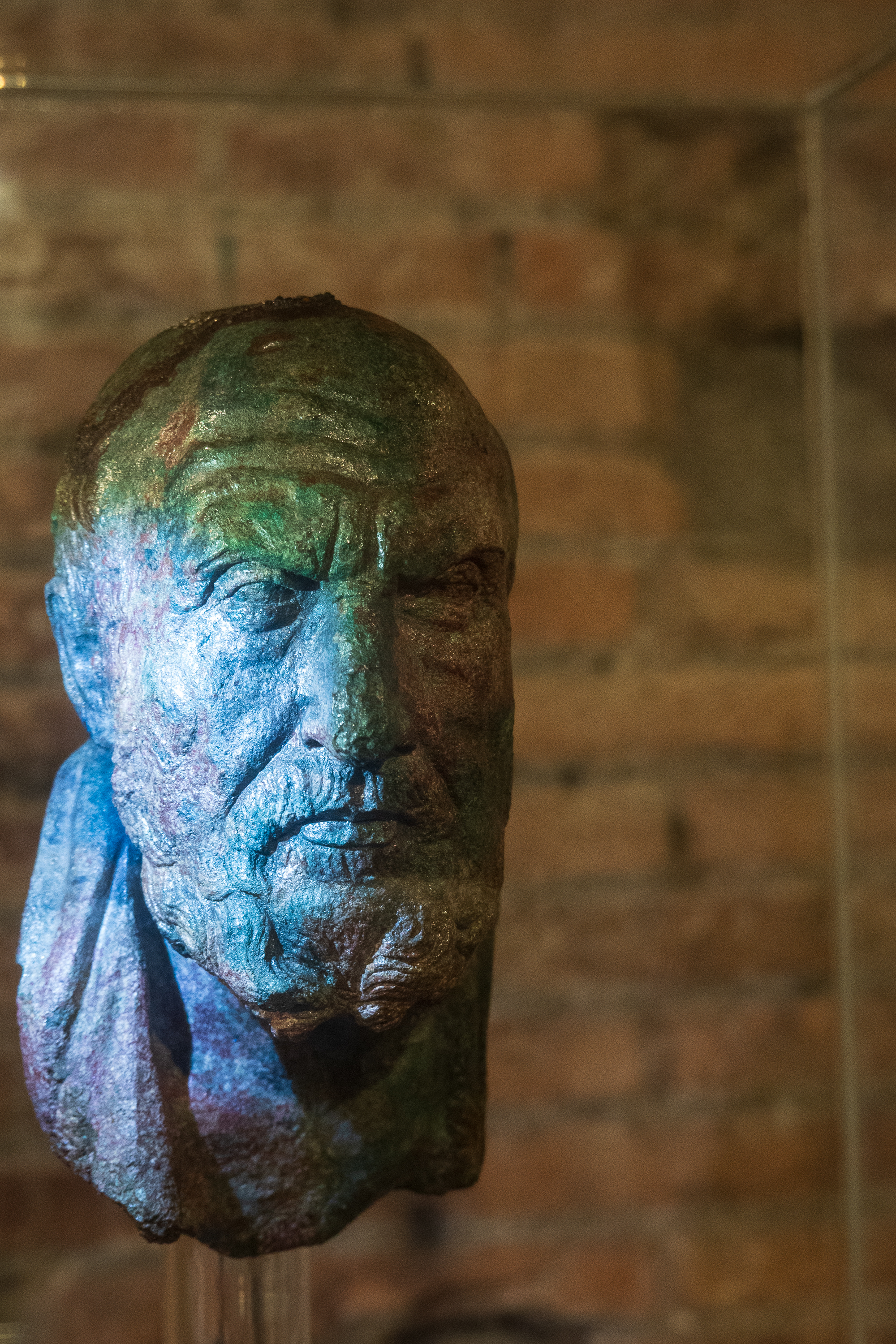


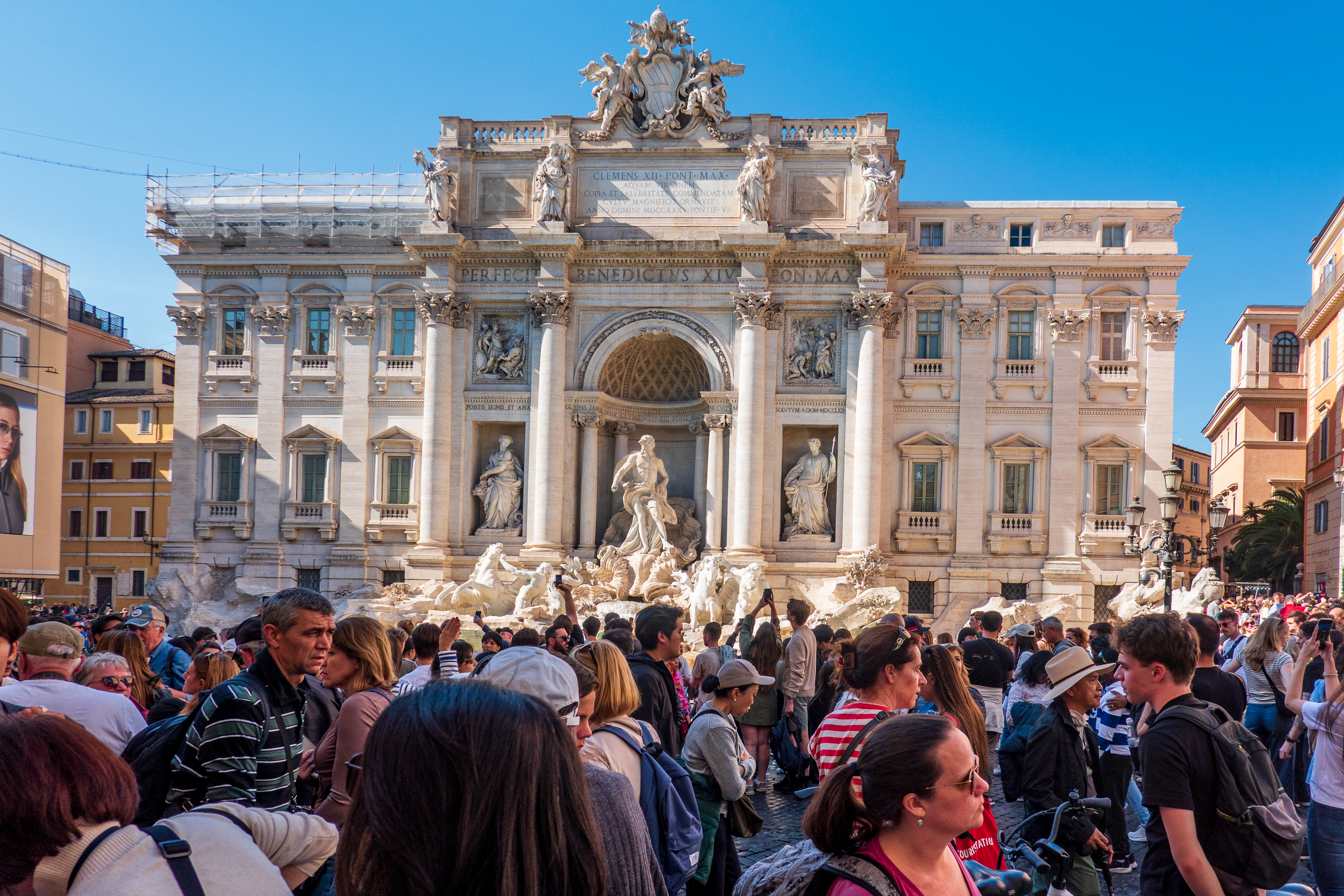
We then headed to the Trevi fountain, to commune with a couple of thousand other visitors. At least that is what it seemed like! That box checked, we enjoyed a gelato to recover and then headed back to the train station.

Our third day was Vatican Day. We saw the Vatican in the company of a friend, a former colleague from our time in Bangui. Javier, originally from Venezuela, is now the Chief of Protocol for the Holy See.

Protocol is a challenge under the best of circumstances – do it right and nobody notices; get something wrong and EVERYBODY notices. As you might imagine, the Pope’s passing created tremendous amounts of work.
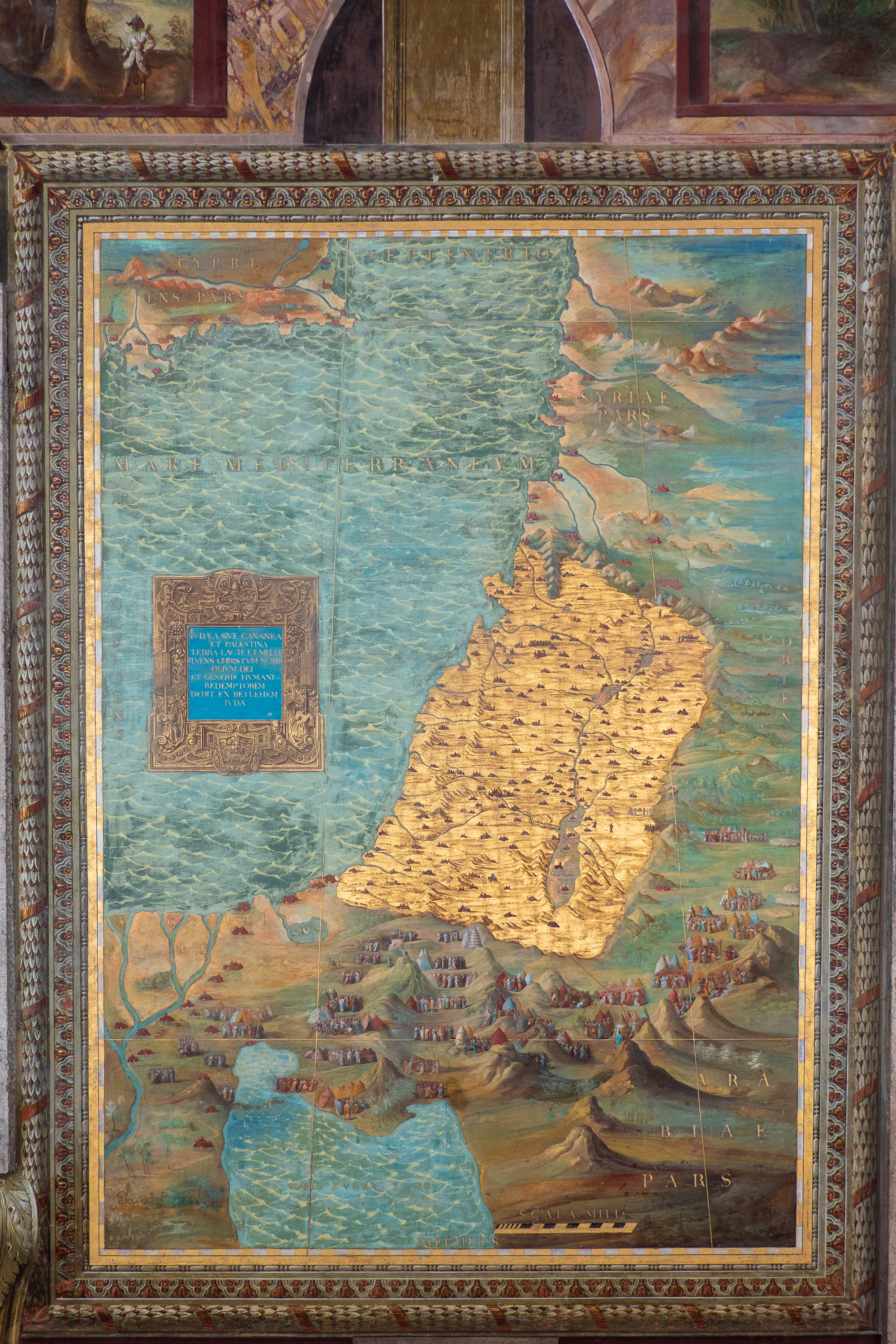
It was an amazing visit, and the memory of it will stay with us forever. We started in the corridors, or loggias, of the administrative office buildings of the Vatican’s Department of State, where Raphael painted the stories of the Bible, from the creation onwards, on the ceilings. Quite amazing. We have worked in a lot of office buildings, but never one like this.


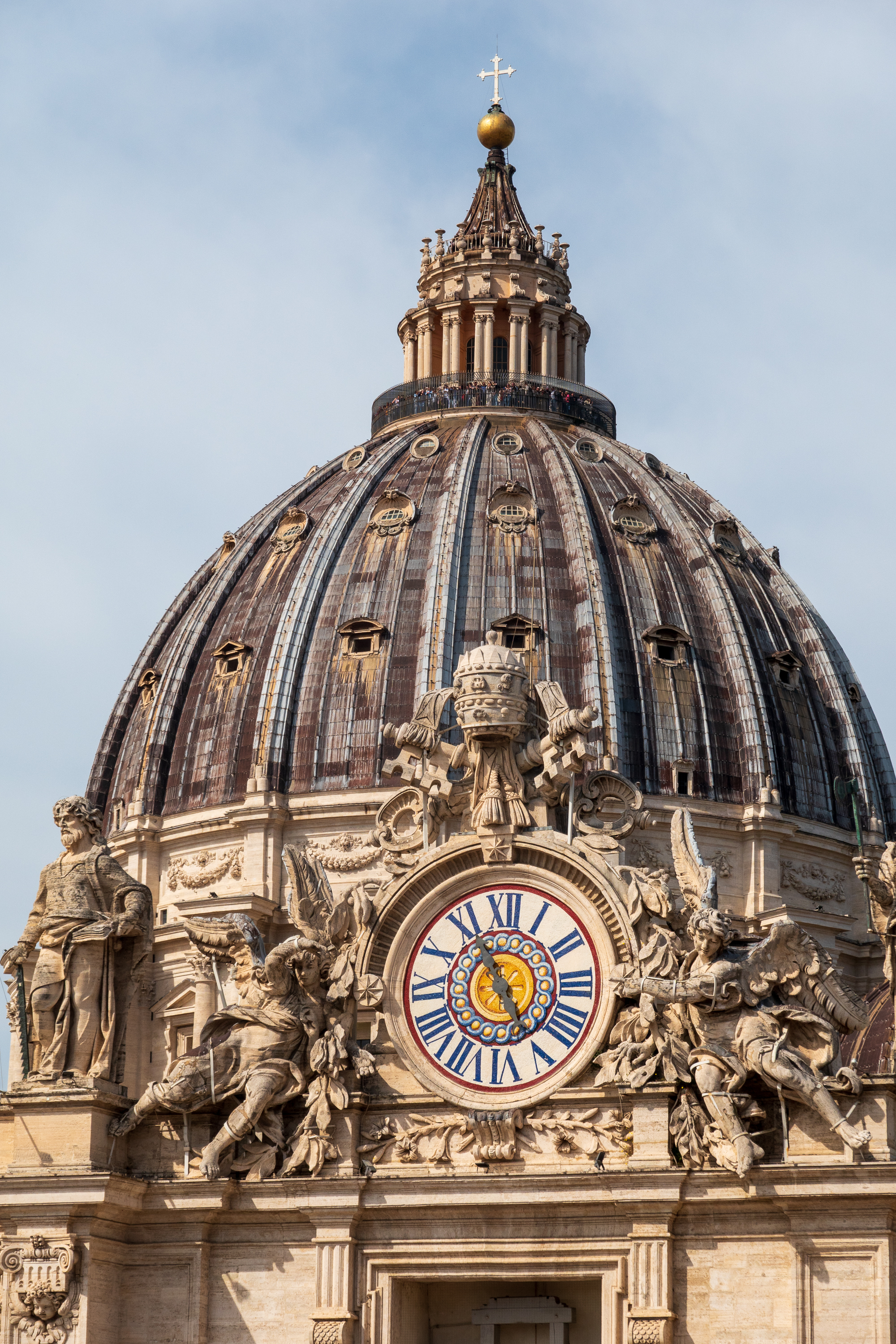
We also viewed the Basilica of St. Peter from above.

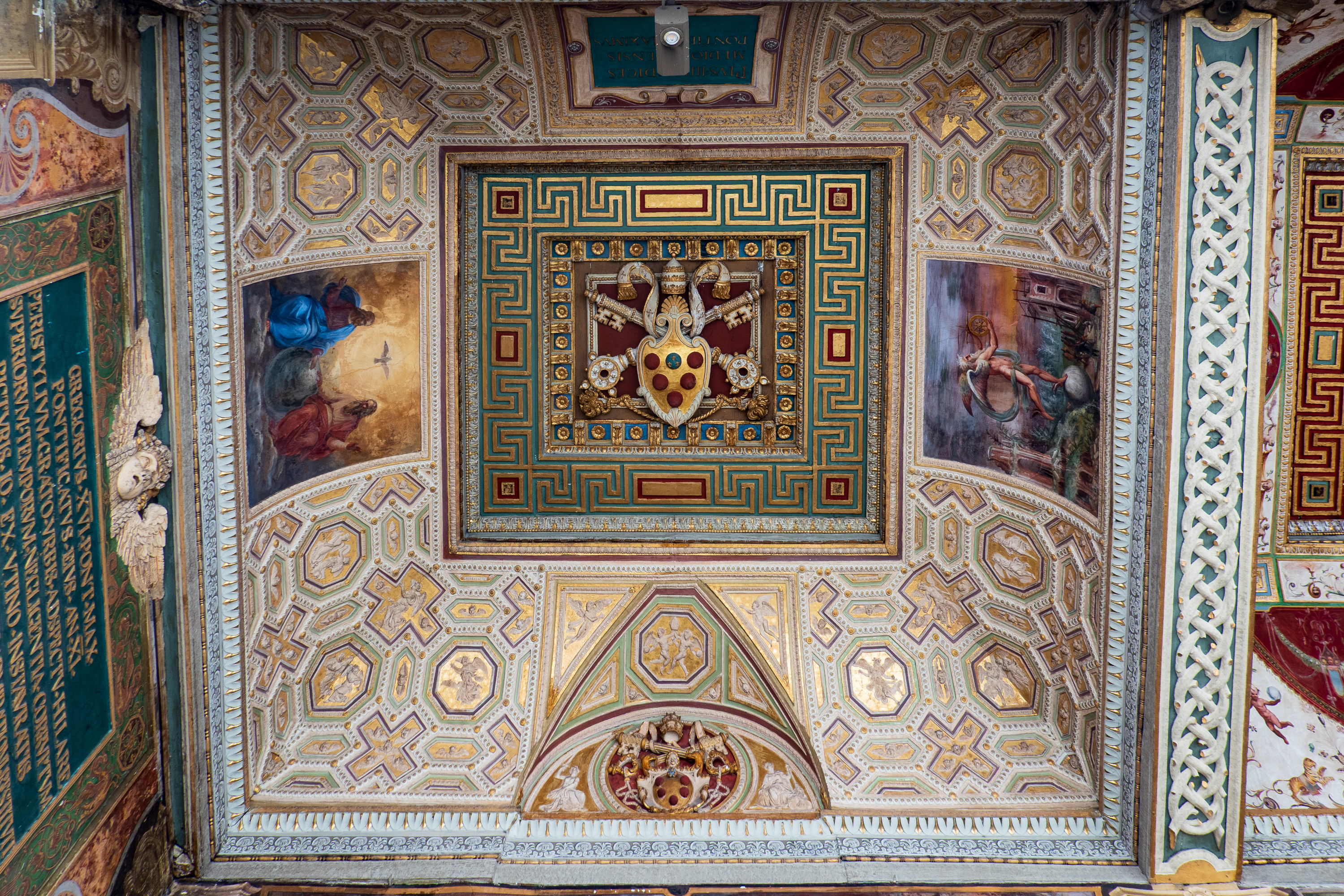
We then followed the conclave processional route through the Hall of Dukes and the Hall of Kings. At the time of our visit the Pope was out of hospital and in residence. Since his death, our visit takes on a special note as the incredible decoration of these rooms will be yet again seen on TV screens when the conclave to elect a new Pope begins. While the Sistine Chapel is open to tourists – so many that we could not peek in – these rooms are not open to the public. And yet their level of decoration is the same or greater than the Sistine Chapel.
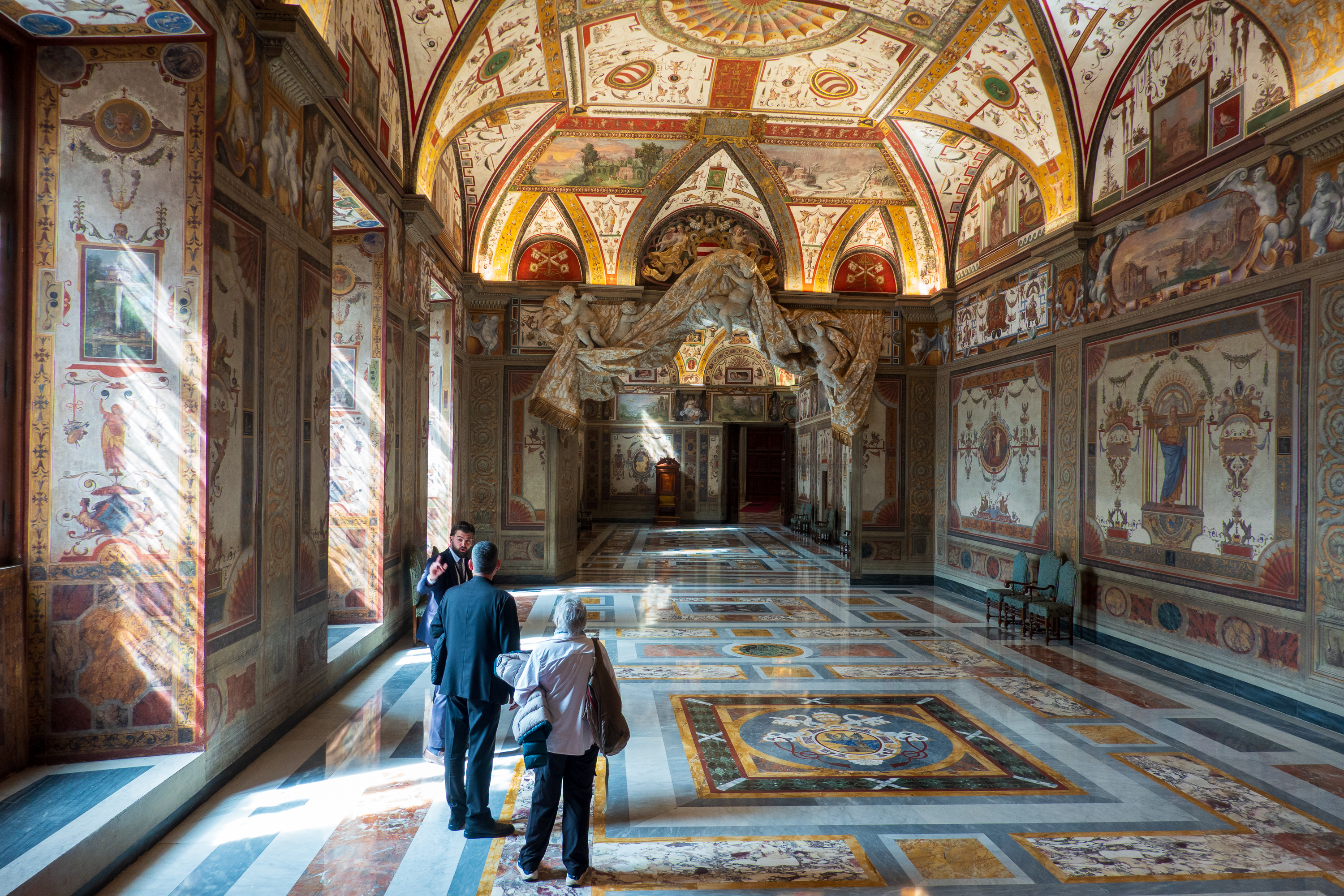

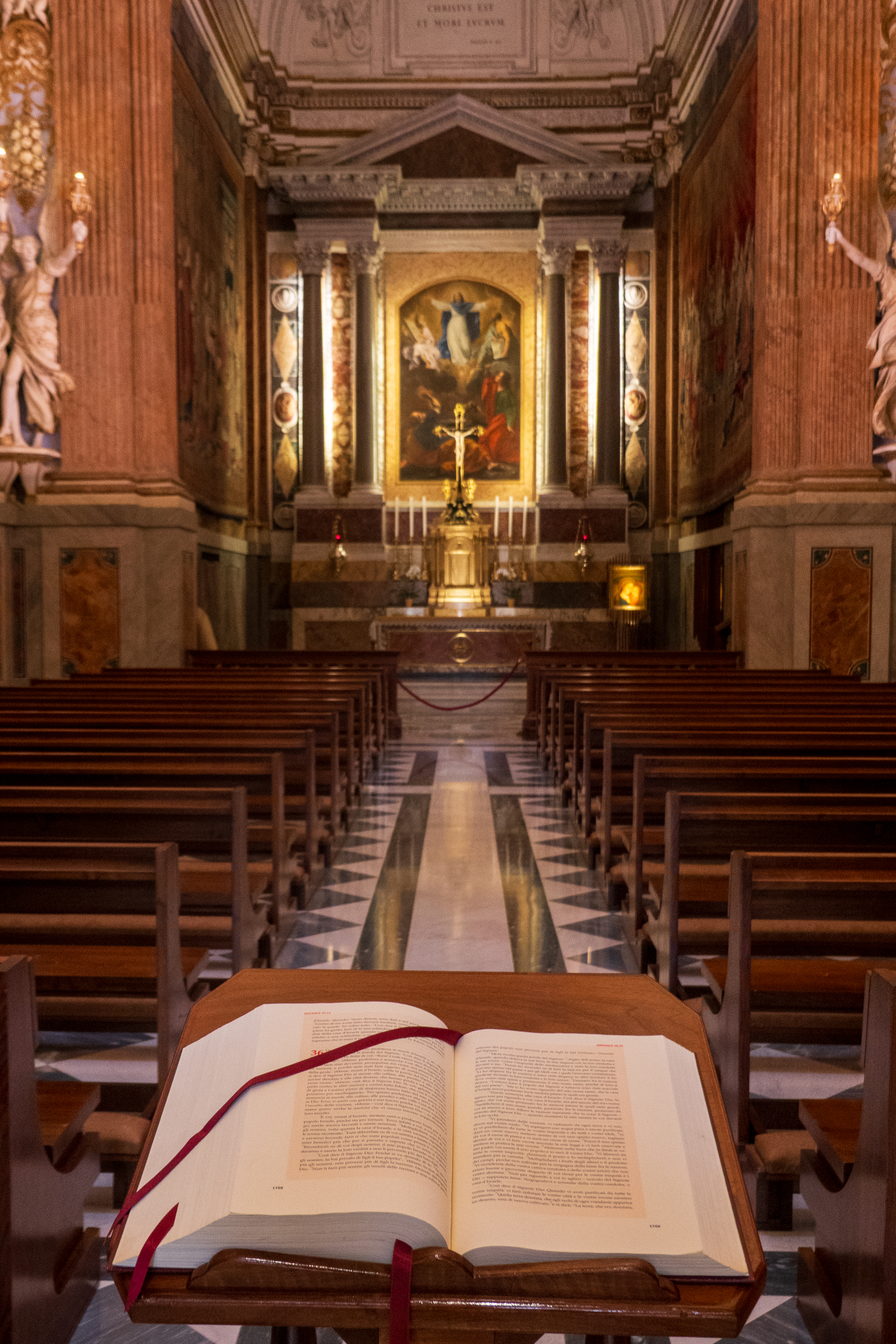


We admired the Pauline Chapel: https://en.wikipedia.org/wiki/Cappella_Paolina Cool 3D view of the Pauline Chapel: https://www.vatican.va/various/cappelle/paolina_vr/
We took a break to visit Vatican gardens, where every plant mentioned in the Bible is grown. The garden is quiet and peaceful and very well maintained. The wisteria was in full bloom. Just lovely.

A quick visit to the Basilica came next. Despite the crowds, we marveled at the Pieta, by Michelangelo and the baldachin (https://en.wikipedia.org/wiki/St._Peter%27s_Baldachin) above the grave of Saint Peter. The frescoes everywhere were amazing.
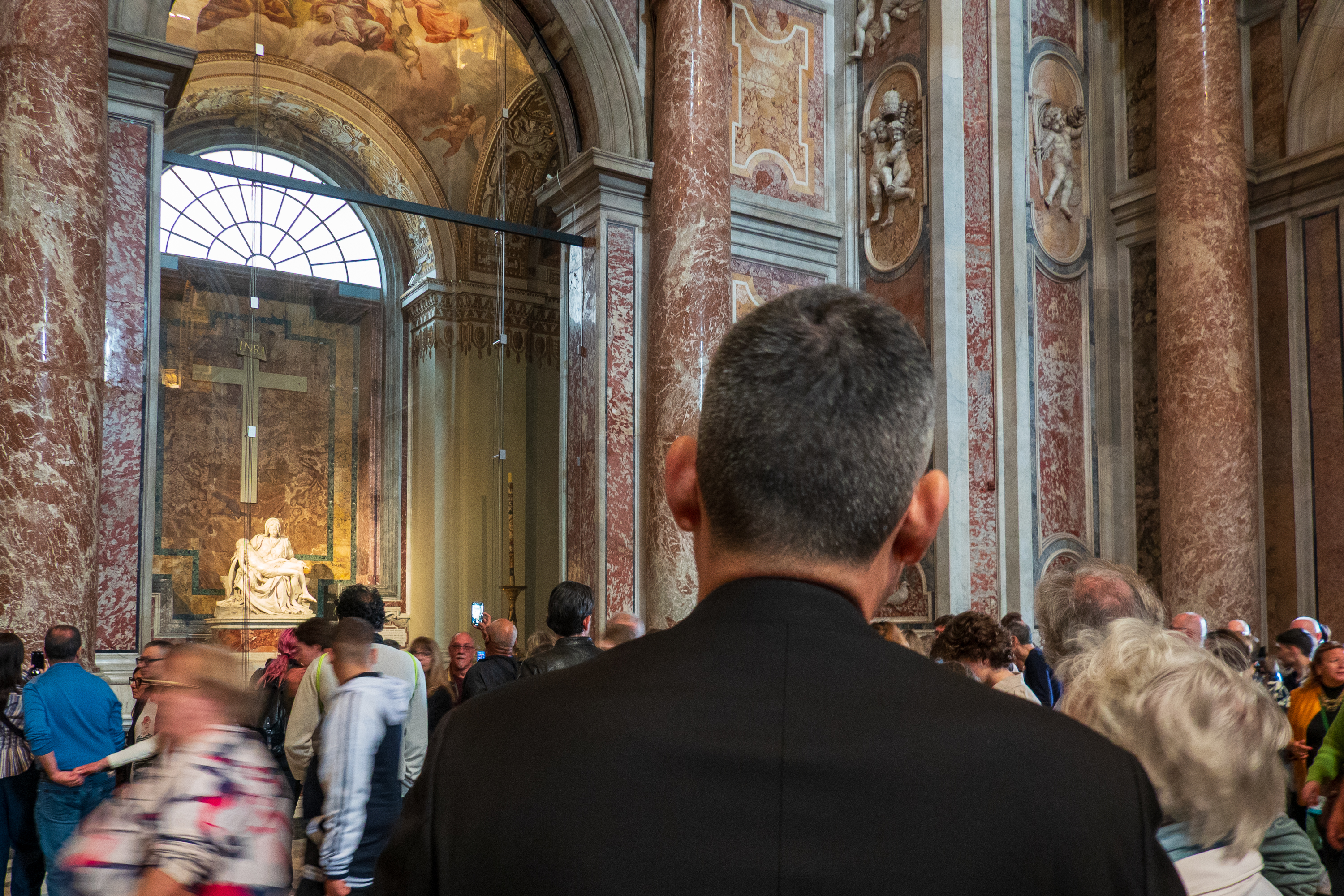

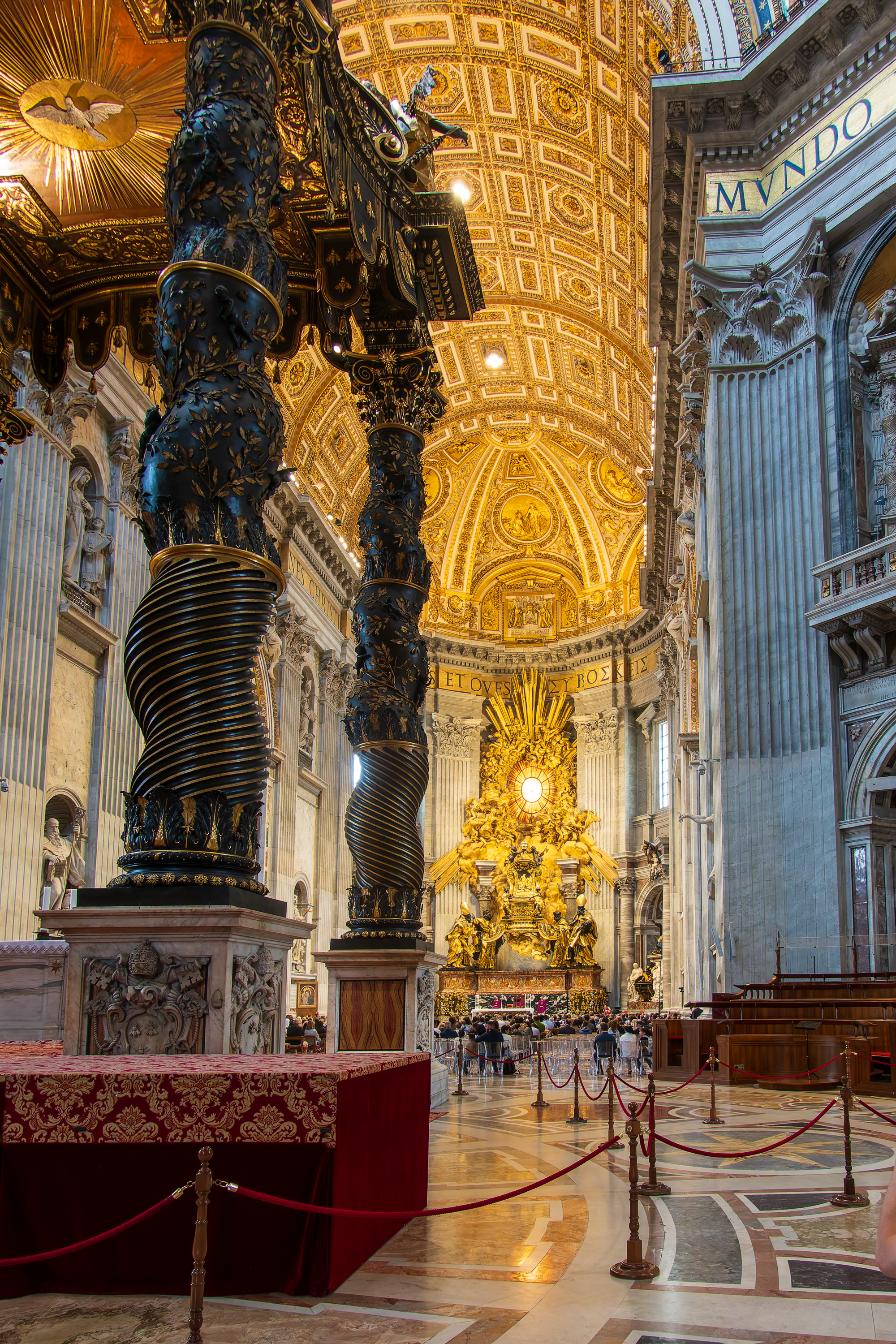


Like everybody else, we were in awe of the Basilica. (https://en.wikipedia.org/wiki/St._Peter%27s_Basilica) It is simply overwhelming, in size, history, and religious importance.
We had a most interesting experience during our visit. A gentleman, perhaps hearing us speaking English, approached Javier and asked for his blessing. Javier gave it, of course. But it was a poignant reminder that not all of the visitors were tourists like us – many are true pilgrims. We discussed with Javier at length how hard it is to balance the role of the Basilica as a living church with the demands of tourism. (A challenge not unique to Saint Peter’s.) Seems that Pope Francis was particularly concerned about maintaining a dignified church while still making anyone feel welcome. During our visit we could see a section of the Basilica cordoned off for a reaffirmation of wedding vows. It really is an active church.
We then headed to the Residence for lunch. We ate in what is basically the cardinals’ dining hall. Even looks a bit like a college dining room – not at all decorative. (A bit of a jolt after so many ornate spaces.) Until his illness, the Pope ate lunch here every day, his table was just over there. And yes, there was pasta and it was very good.
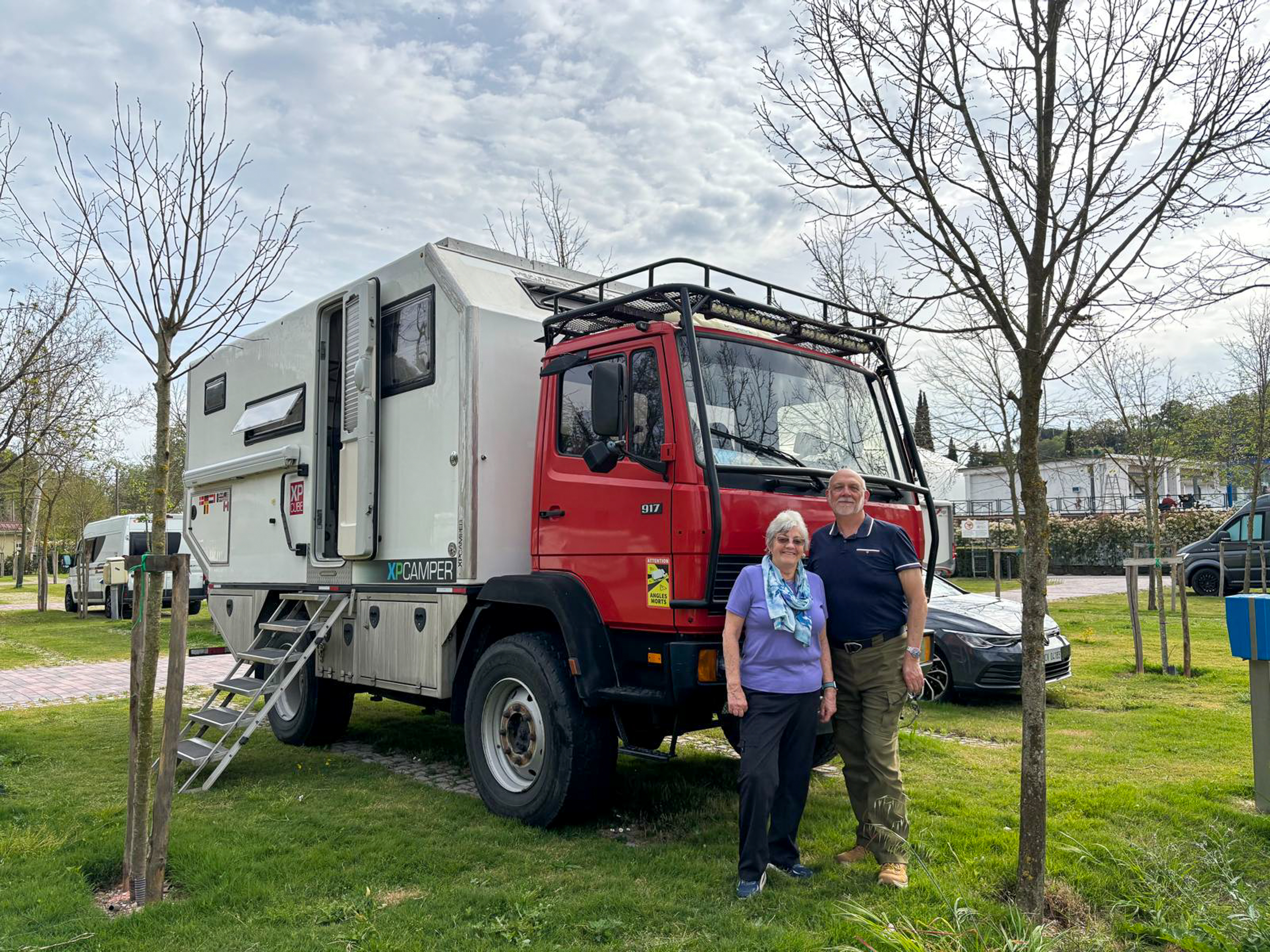
Proving that no challenge was too great, Javier even drove us back to the campground because he wanted to see our camper. We had to make an extra circuit because there is an impassable median outside the campground! Hopefully, we can return a bit of Javier’s hospitality this Fall when he visits Washington.
We were stunned to learn that you cannot simply visit the Forum – you must get tickers in advance, and there were none left. So we broke down and booked a tour of the Forum and the Colosseum. Not our favorite way to visit anywhere but we had no choice. There are great guides and there are others. Sadly, we had one of the others, but it would have made little difference had we visited on our own. Everywhere was packed with people. Between the crowds and the weather, we did not get any great images of the Forum or the Colosseum. Pity, but you will just have to visit on your own!


But we came, we saw, we learned, and returned to the campground feeling that we had packed as much into four days as was possible. Clearly, it was Javier who made it all special.
We were heading for Genoa to take the ferry to Morocco, but as we were now in Holy Week, we had found little availability in campgrounds north of Rome. We did find space at a sosta below Assisi, so that was our next stop.
 DiploStrat
What a special time with your friend, Javier. Great post!