
Why does one go to Avila, Spain? For the walls, of course.

Avila became a sort of no-man’s land in the wars between Christians and Moors. Around 1088, the Christians walled the town and those walls still stand in beautiful condition. It is a bit of an archetype of a walled city on a hill. The views are magnificent. (https://en.wikipedia.org/wiki/Ávila)
We settled into the Area (municipal camping area), which had a great view of the city walls. Quite spectacular, and an easy walk (climb) into town. Here are views, up to the city and back down to the parking area. Medieval cities were always on hills to keep the tourists fit!


Avila’s cathedral is unusual in that its back wall is actually part of the city wall. (Seems like a really bad decision.) The choir has some amazing high relief carvings of episodes in the life of the Christ.


Amazing realism.

The cathedral was used as the interior and exterior of the Church of the Holy Sepulcher in the film “Kingdom of Heaven.” (https://catedralavila.es)


(Note the infamous ladder that cannot be moved.https://en.wikipedia.org/wiki/Immovable_Ladder)


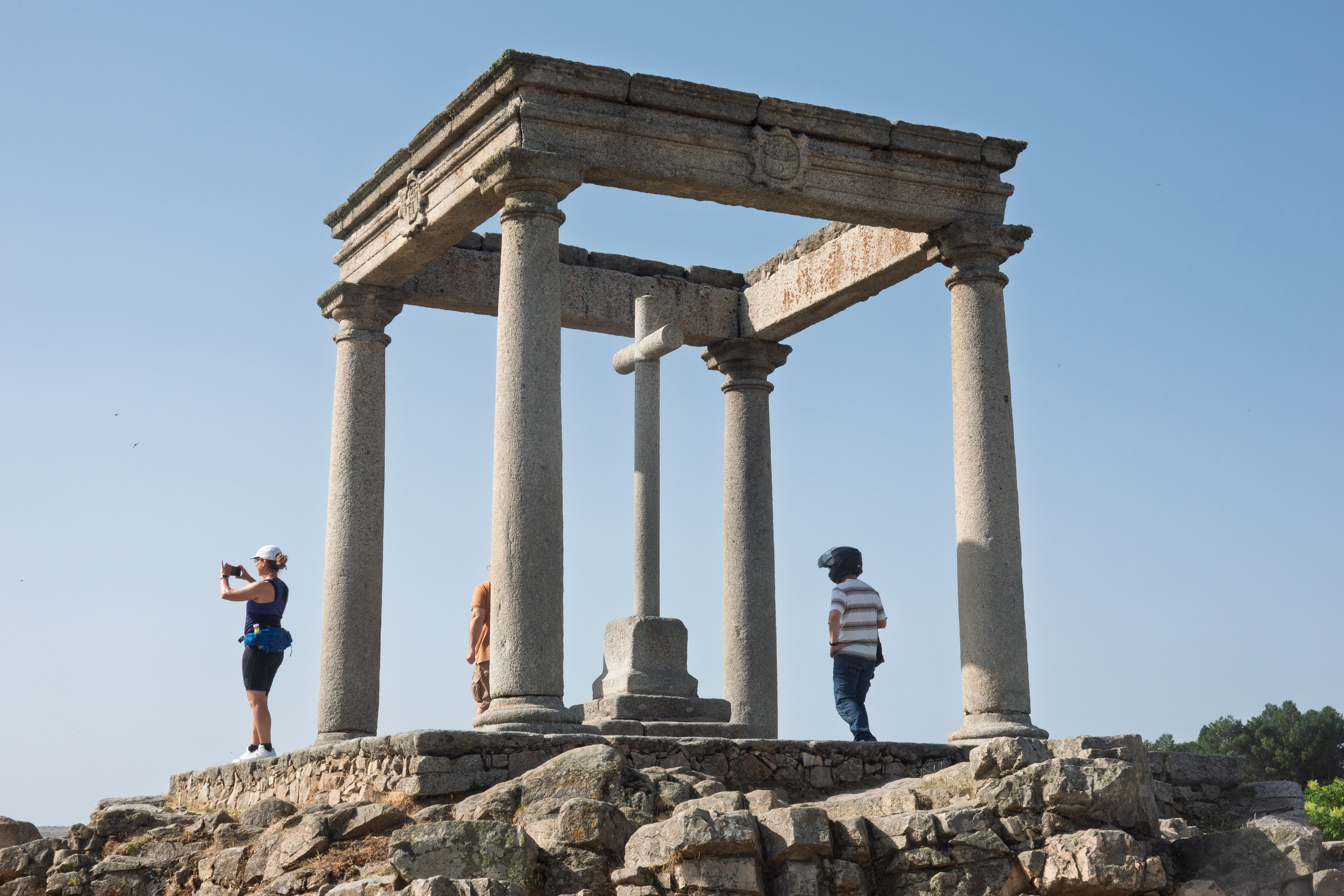
The next morning we drove to the overlook for a last view of the city.


From Avila it was a short drive to Tordesillas. Tordesillas is famous for a treaty between Spain and Portugal in which they basically divided the world between them. (https://en.wikipedia.org/wiki/Tordesillas)


Panoramic view from around 1565. Note that Tordesillas is titled as “Tor de Sylla” – Tower of Sylla, from the Roman Turris Sillae, or Tower on the Hill of Siellas. May also refer to a tower erected by the Roman general Sulla (Siella), possibly a siege tower. Got all that? Everywhere you go, there is a lot of history. Enlarge the image – most of the buildings and features, including the bridge, are still in use.

Tordesillas is also home to a campground with a great restaurant. Our friends Ron and Ton had written about the asada and we had to try it: https://travelintiger.com/a-list-of-places-we-have-visited/countries-we-have-visited-in-europe/spain/castile/may-2-2025-tordesillas-sp
There is a little museum dedicated to the treaty, but its most interesting exhibits are a review of the evolution of European understanding of the world, as shown on ever more accurate maps.(https://www.tordesillas.net)
The big surprise in Tordesillas turned out to be a subterranean winery. (https://www.bodegamuelas.com) The town of Tordesillas sits on a network of interconnected, excavated caves and cellars, that date back to medieval times. Once you know where to look, you will see the air vents everywhere on the streets. The caves extend some 20 meters down. (Some of the connections, as to the drug store and the winery, have been blocked off for security.) Can’t find any mention of the caves being used during sieges, etc., but it seems logical. Today they are used mostly for storage, or as in the case of the Bodega Muelas, for winemaking.
The tour was one of the most comprehensive and informative winery tours we have ever taken. The caves were interesting, but our guide (possibly Reyes Muelas, the great granddaughter2 of the founder) took us step by step through the process of assessing a wine. This did not make experts of us, but gave us a much better understanding of what we were seeing, smelling, and tasting. Lots of fun. And the wines were excellent – we bought several!


After visiting the winery, we stopped for a bite in the main square. There was a musical group performing and we, and the local kids, enjoyed the performance.

One of the main attractions of Tordesillas is the palace where Juana the Mad was confined. Sadly, this was closed, but we enjoyed a wander of the scenic streets. Juana was the daughter of Ferdinand and Isabella, los Reyes Catholicos. (https://en.wikipedia.org/wiki/Joanna_of_Castile)


We then headed some 280 km up the road to Logroño. We skipped Burgos because of the weather, so El Cid got to rest in a bit more peace.
In 2021, we hosted a visit from Carlos and Magy, some serious overlanders. They were finishing up a trip from South America and shipping their truck back to Spain via the port of Baltimore. (https://erg-adventure.com)

Carlos and Magy are just back from an epic trip through the Middle East as far as Afghanistan and India and were eager to host us. We were eager for the opportunity of some shade, so we settled into their garden. They were welcoming, generous, and gracious hosts and we had a wonderful time. Even taking advantage of their well to wash the truck – it really improved solar performance to get a few kilos of Moroccan dust off of the solar panels!
They whisked us off to the Castillo de Clavijo, the site where St. James is supposed to have appeared as Santiago Matamoros – St. James the Moor slayer.

The castle was under renovation and it was wild to see the huge crane towering over the site. They didn’t have that back in the day!


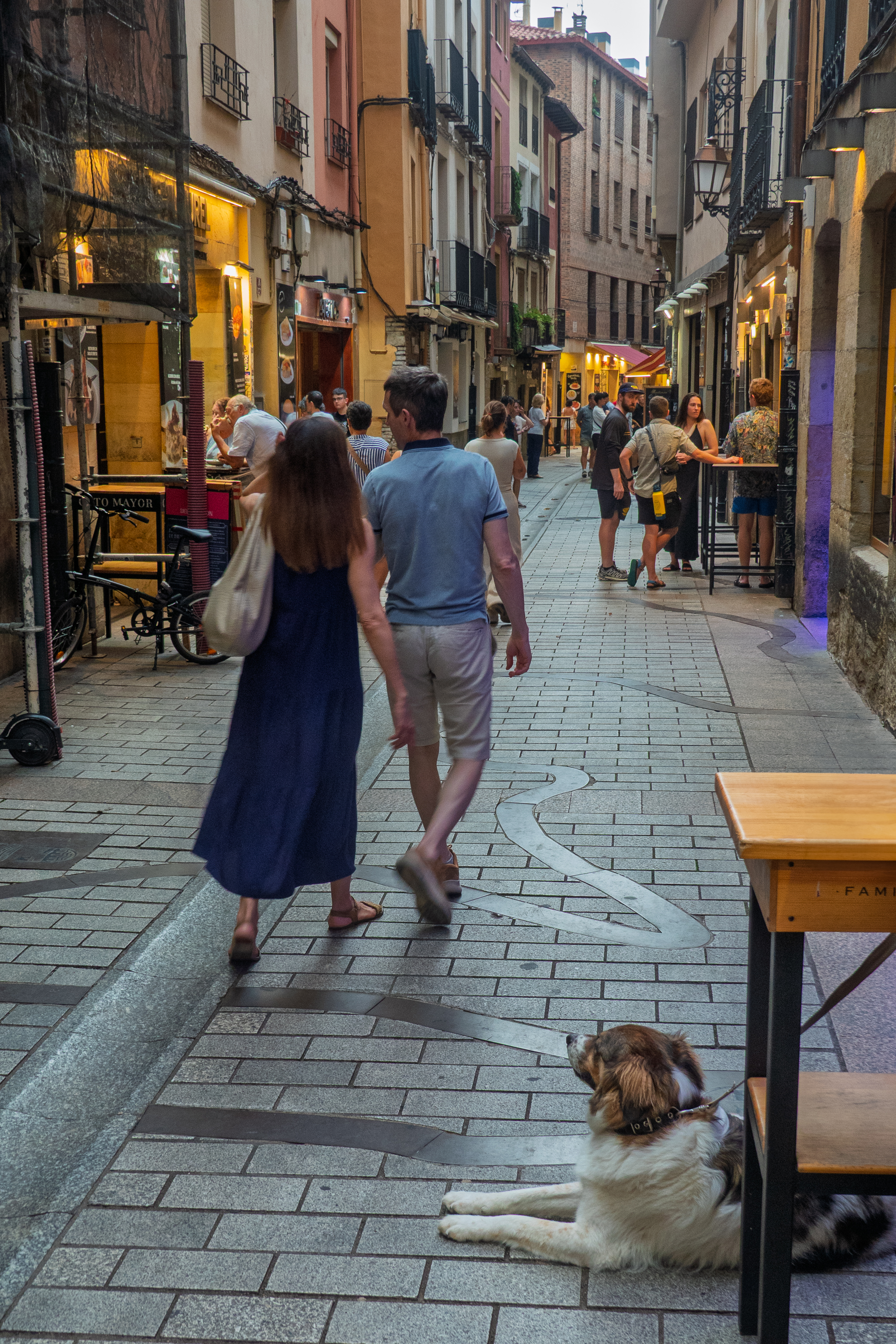
We then heading into town for a tapas crawl.

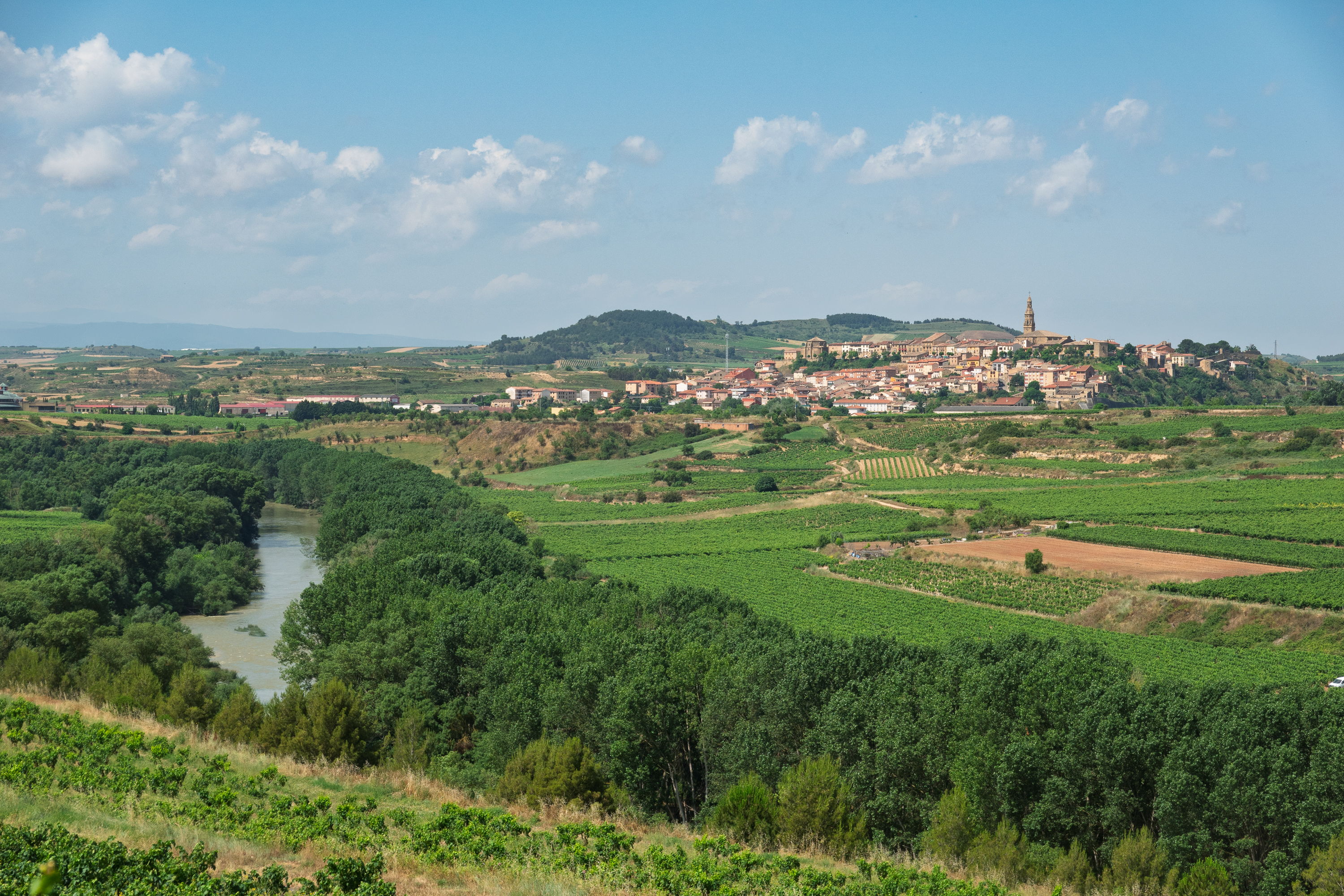
We visited San Vicente de la Sonisierra, starting with a wine tasting. The venue was a large commercial winery. It was fascinating to compare/contrast this visit with the Bodega Muelas, a tiny establishment in Tordesillas. (The Muelas wine was MUCH better.) The views of the surrounding countryside and the church/castle on the hill were great. And a lot greener than the south.


This area was on the border between Castile and Navarre and the local lords spent as much time raiding each other as they attacking the Moors. We visited the castle. As these are ALWAYS on the top of hills, the views were great.


We had a wonderful visit, and even adjusted to Spanish mealtimes! (Almost)


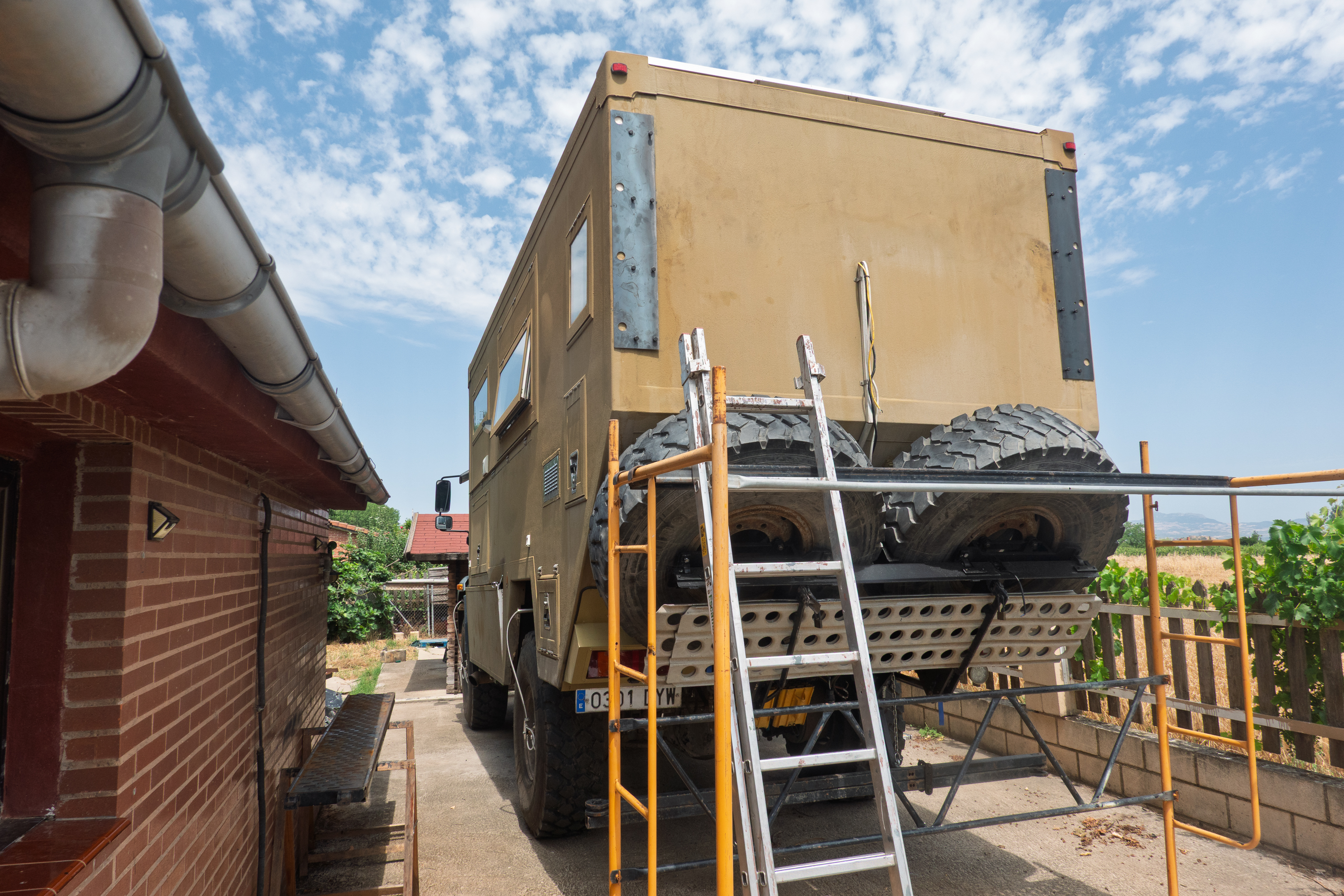
Carlos and Magy worked every morning, before it got too hot, getting their truck ready for their next trip – Spain to South Africa.

At the end of a wonderful visit, we drove north to catch the ferry from Bilbao to Portsmouth, UK. Our luck held, we had great weather and a smooth crossing of the notoriously rough Bay of Biscay.
 DiploStrat