“Man, man, your time is sand, your ways are leaves upon the sea
I am the eyes of Nostradamus, all your ways are known to me”
— Al Stewart “Eyes of Nostradamus” from the album “Past, Present, and Future.”
Provence has lots of famous cities and resorts, from Sainte Tropez to Marseille and many more. But we tend to prefer places off the beaten path. Les Baux de Provence was on our list of must sees, but we were having trouble finding a place to stay. One possibility was the little town of Saint Remy de Provence, but then we noticed that the campground was about to close for the winter. We were off before it was too late!
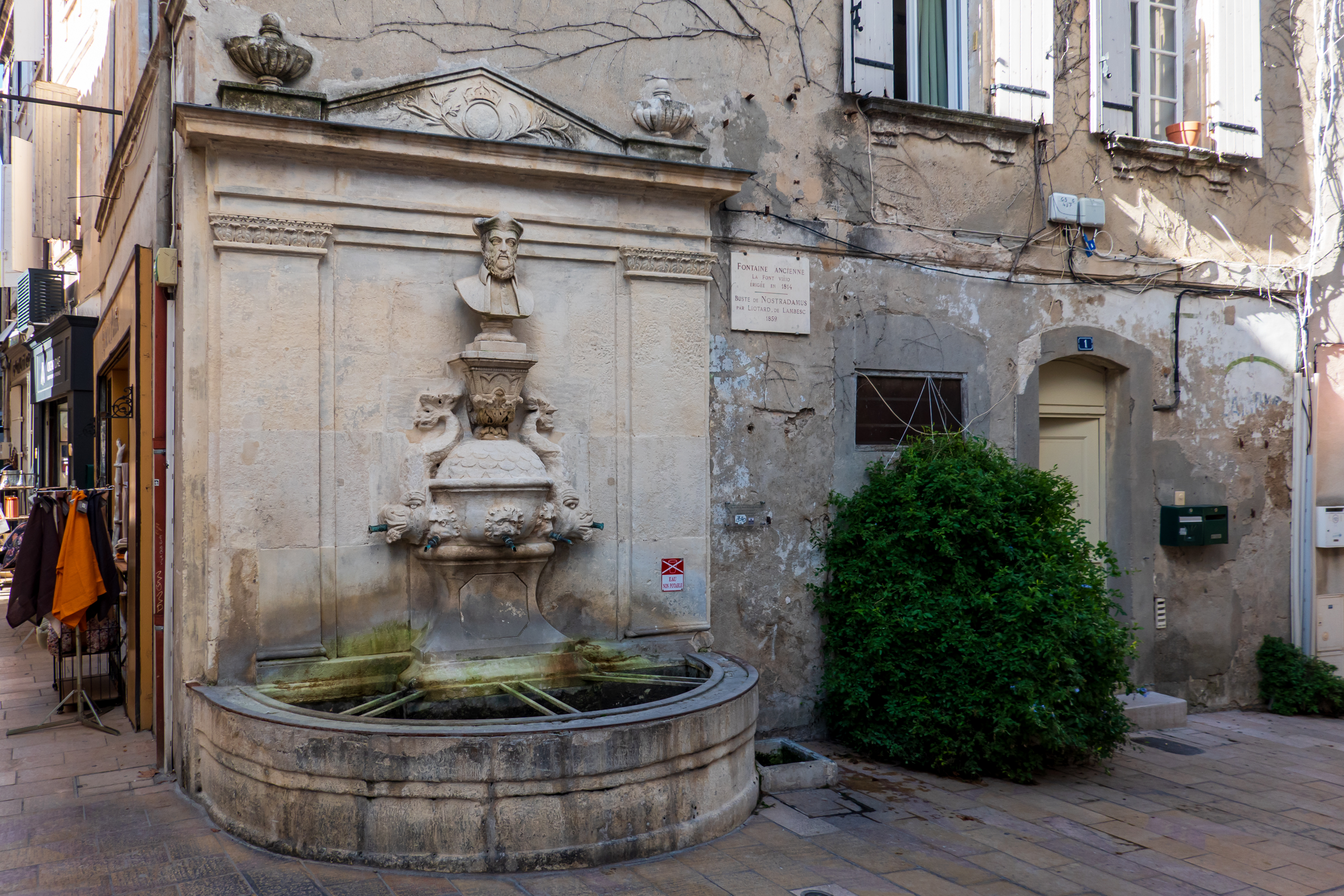
Saint Remy is the birthplace of Michel de Nostredame, more commonly known as Nostradamus. An absolutely fascinating person: https://en.wikipedia.org/wiki/Nostradamus
It proved to be a wonderful visit and one of the highlights of the trip. The campsite was close to the town and it was an easy bike ride to the tourist office – once we found it.
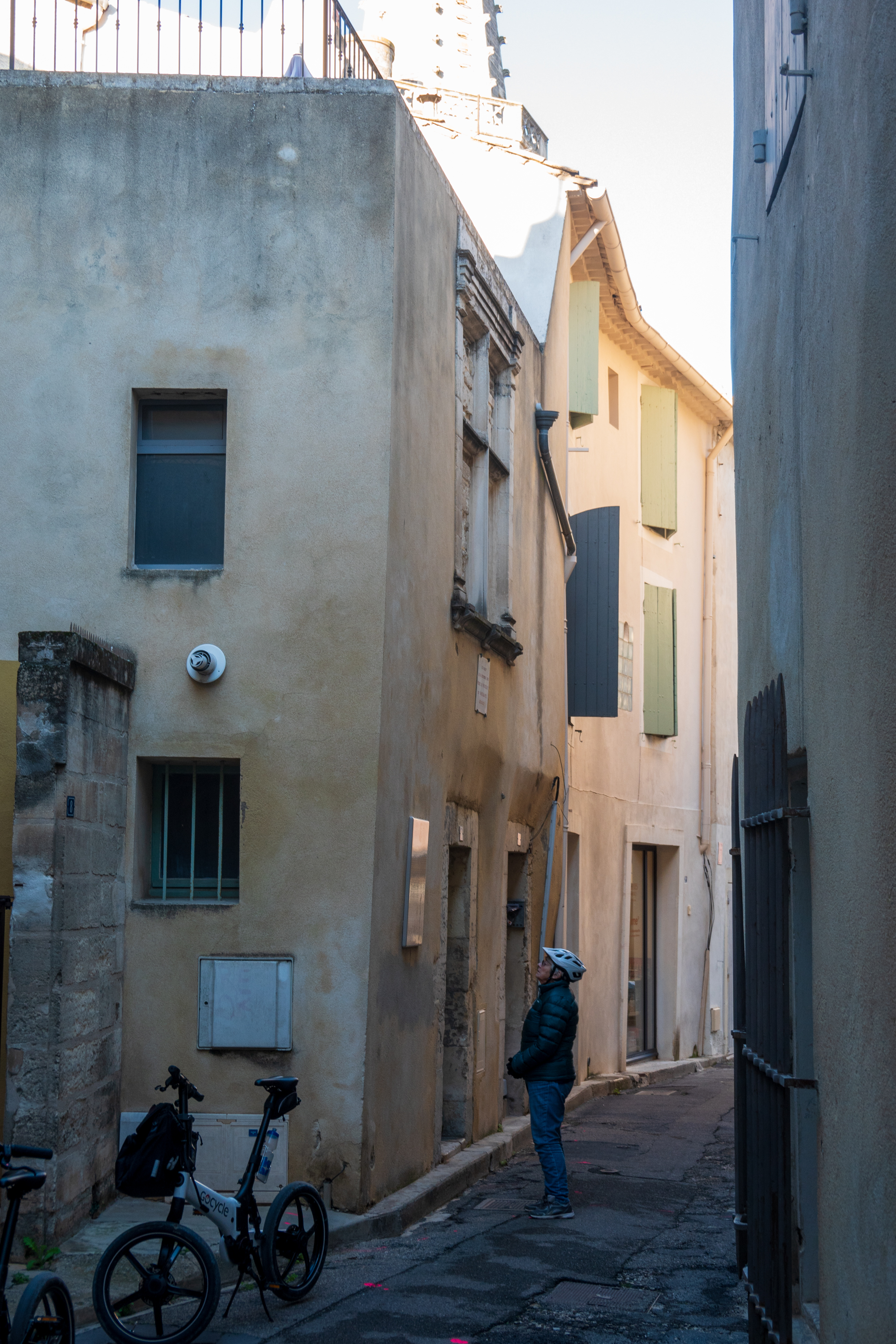

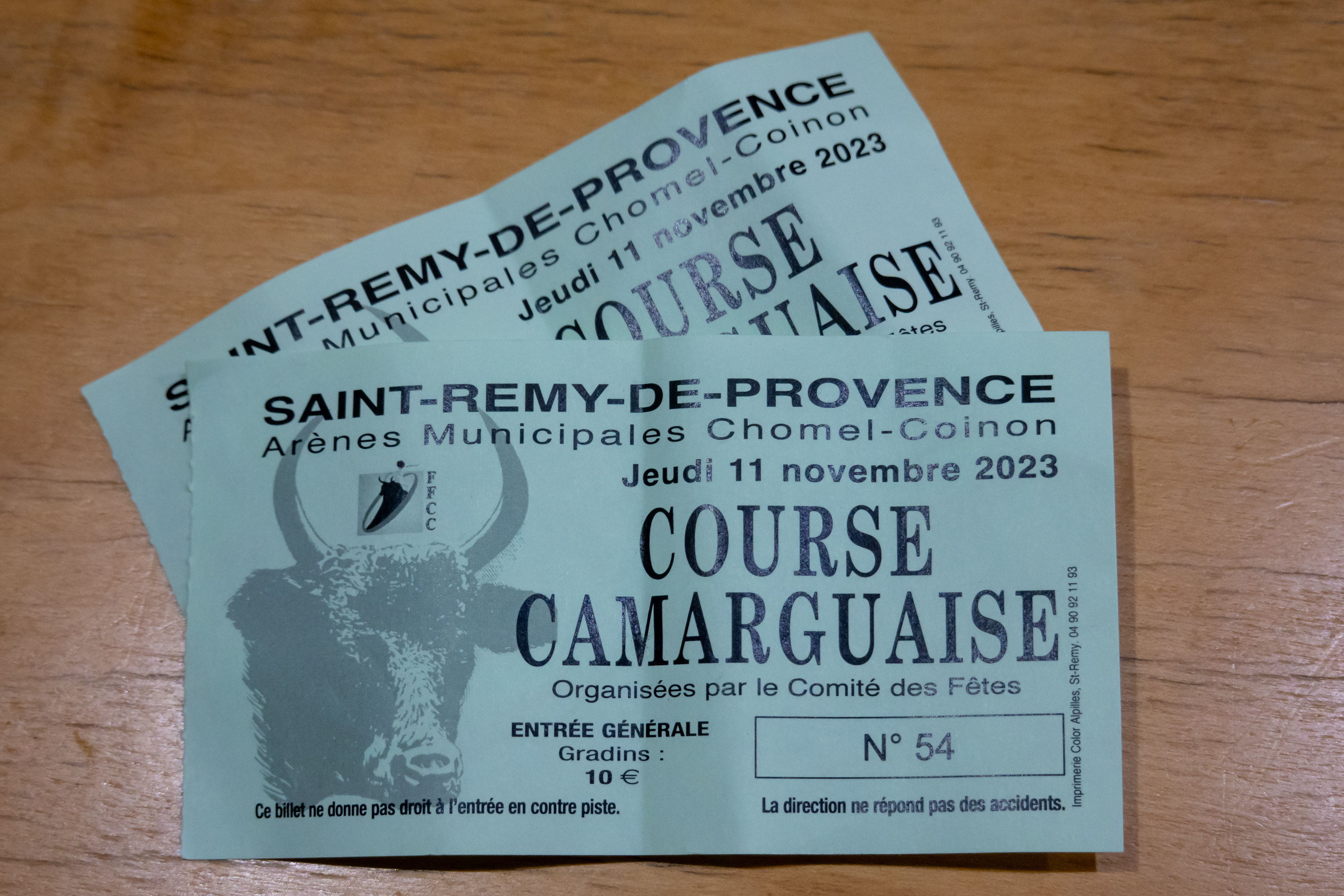
There were also Roman ruins – a whole town of them, but then Denise saw a poster. What on earth is a “course camarguaise?” We repaired to “Paul’s” for coffee, goodies, and research. The course camarguaise turns out to be the local form of non-fatal bull fighting. In fact, the bulls are all repeat performers and have star billing on the flyers. (The bull fighters, or, more appropriately, bull runners, are not mentioned.) This led to a test ride to find the arena and get ready for the last performance of the season, to be held the following afternoon. We were set!
The next morning we rode to Glanum, a small Roman town, founded by the Gauls and dedicated to the local god of plenty and pure water, Glan. (https://en.wikipedia.org/wiki/Glanum)
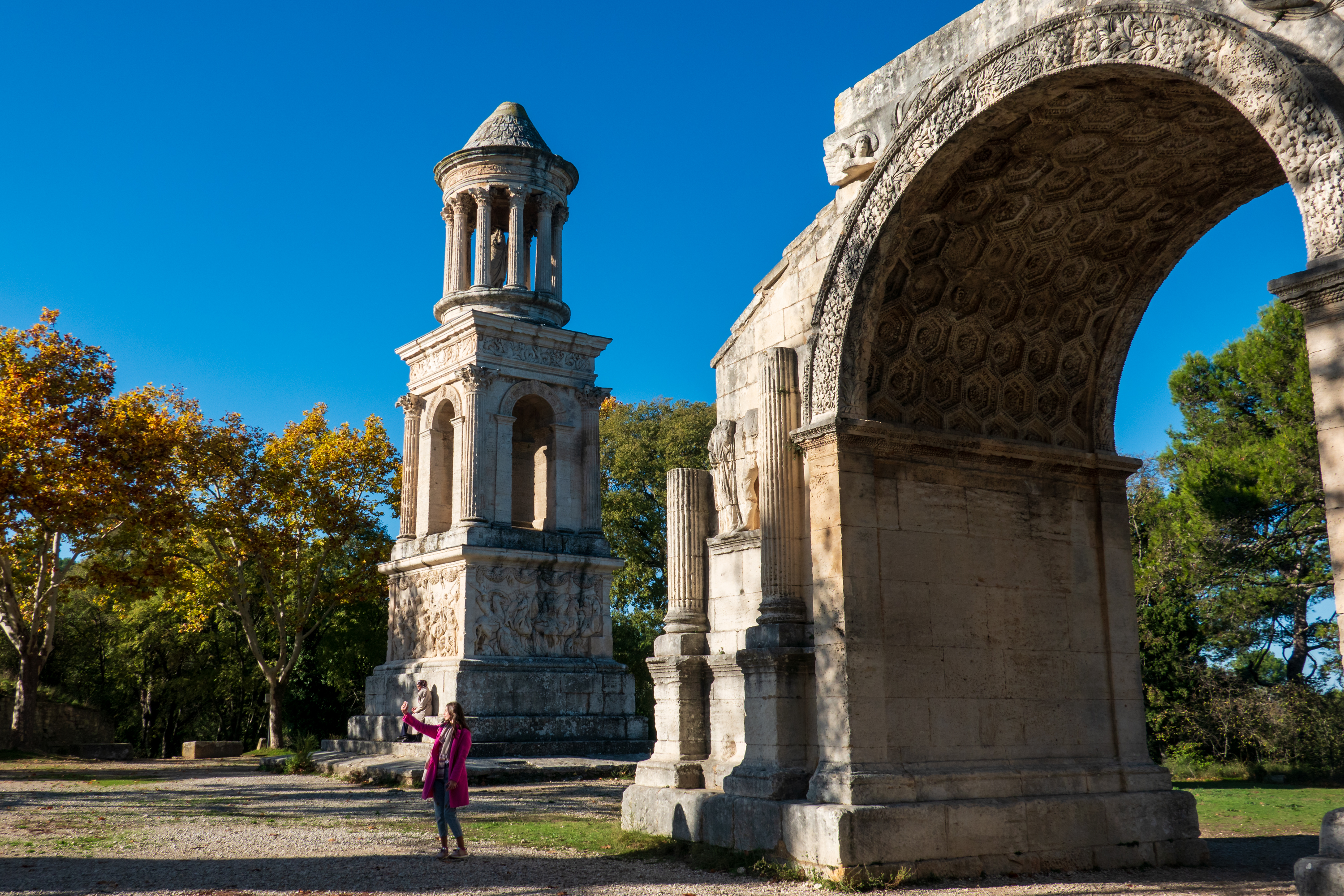
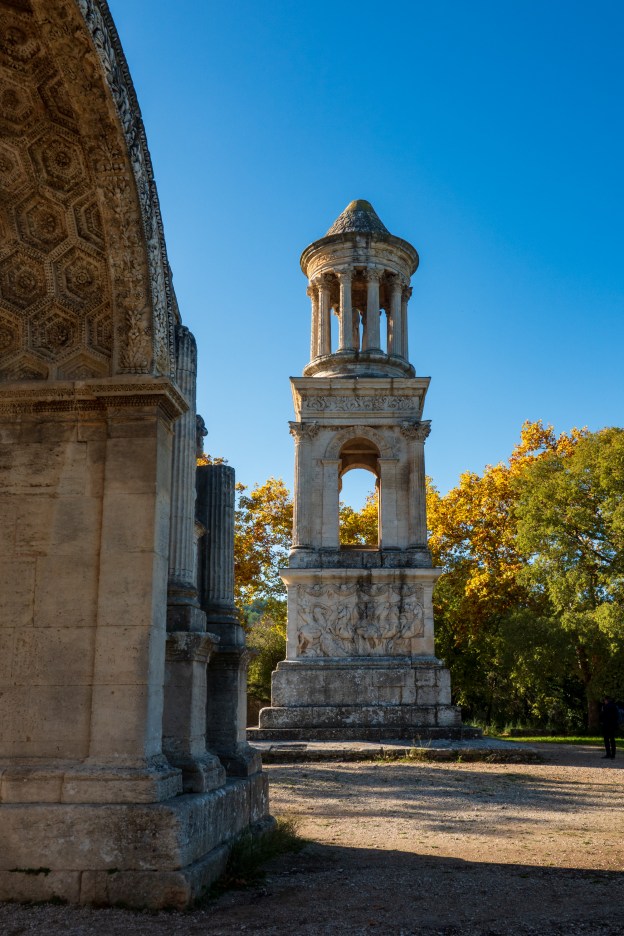
It was a gorgeous day with not a cloud in the sky. Unfortunately, the Glanum site was closed for Veterans/Armistice Day (The eleventh hour of the eleventh day of the eleventh month.) but we could admire the so called “Antiquities”, an arch and a funerary monument, beside the Via Domitian, the Roman road linking Italy to Spain.
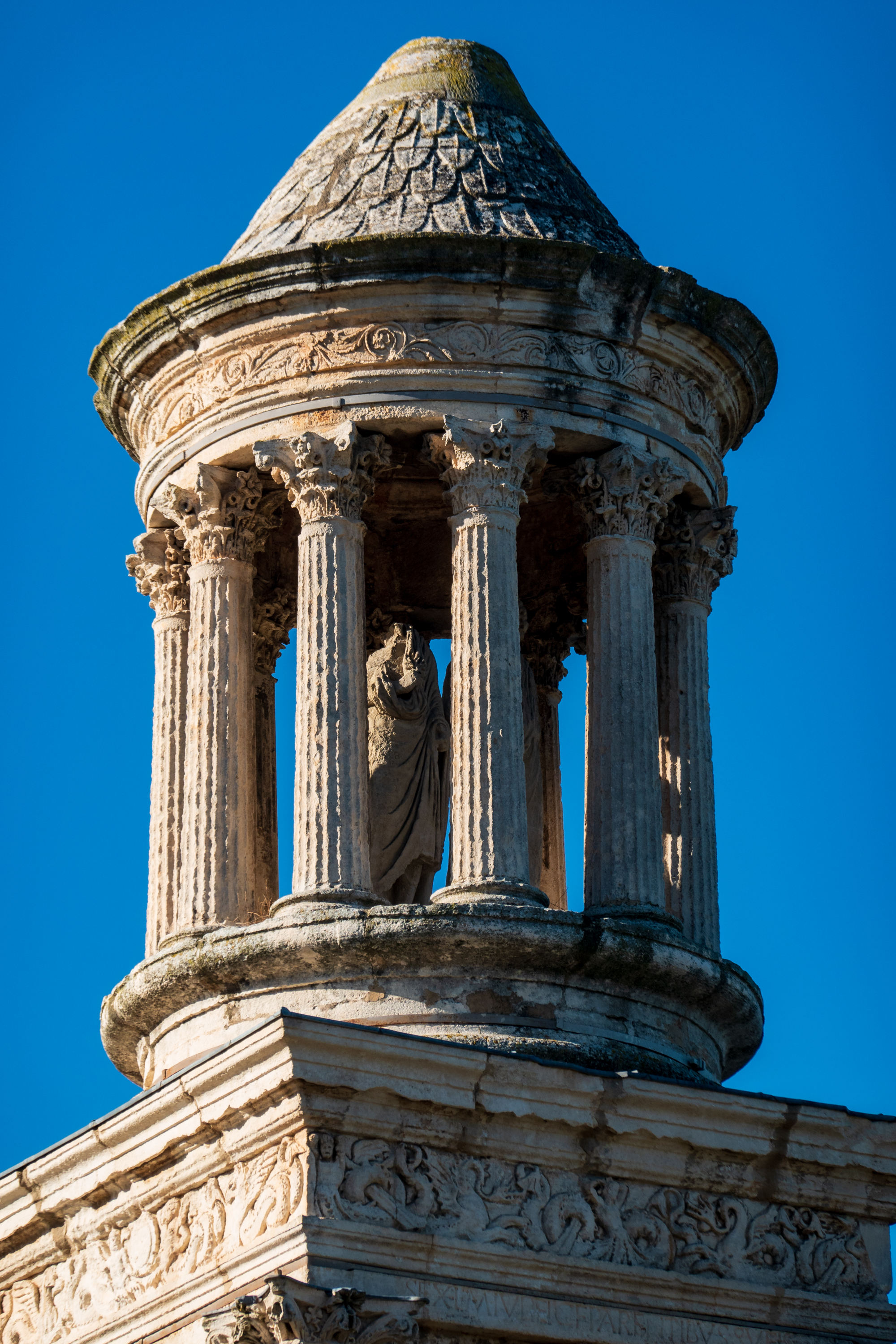


Founded by the Gauls around 600 BC, Glanum became a Greek city before the Romans arrived. The city was abandoned in the third century AD due to attacks by Germanic tribes. Relocating to the larger and more defensible site of the modern Saint Remy, the people dismantled most of the Roman city to reuse the stones. Finally, a flood put it under eight metres of mud, with only the “antiquities” showing.
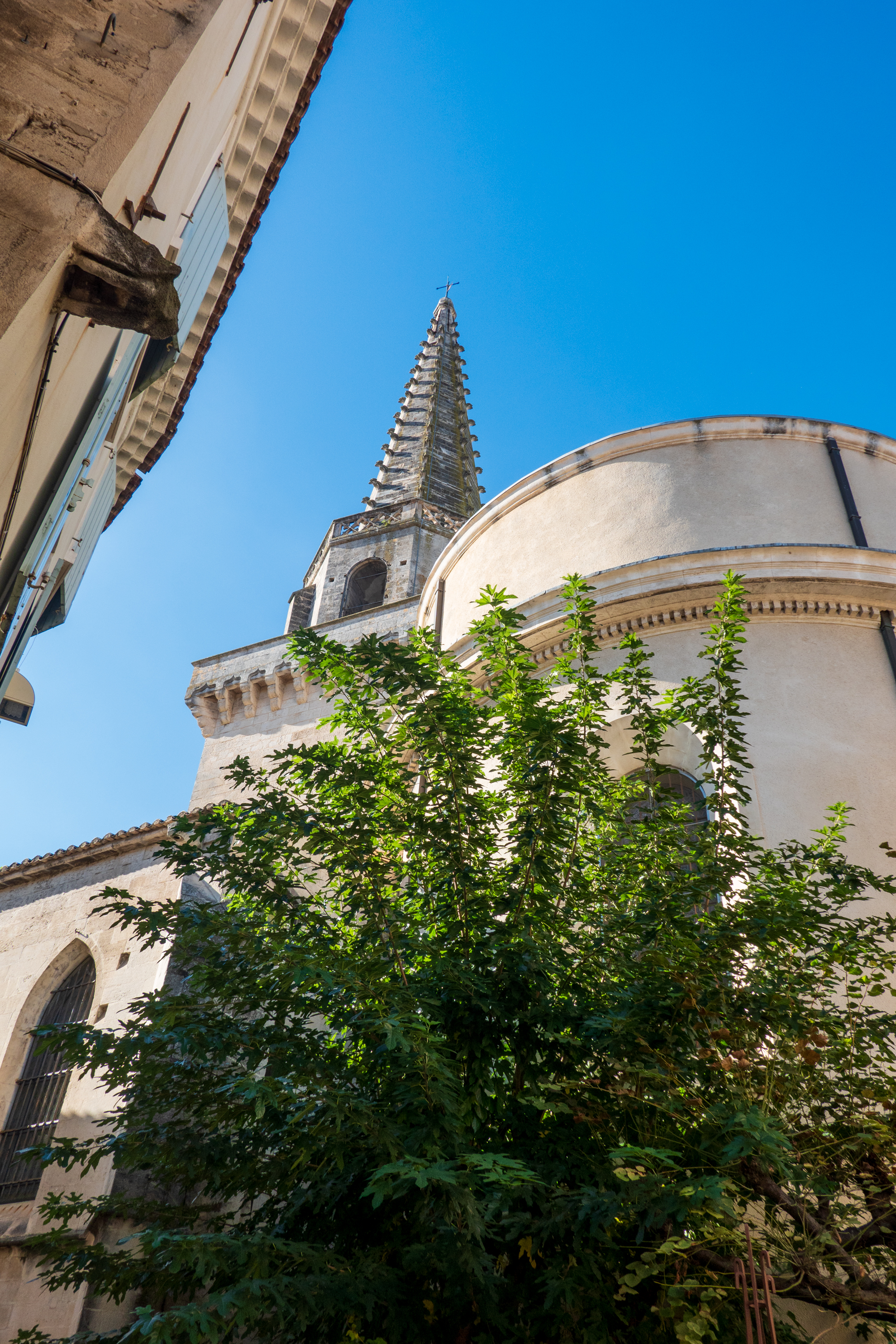
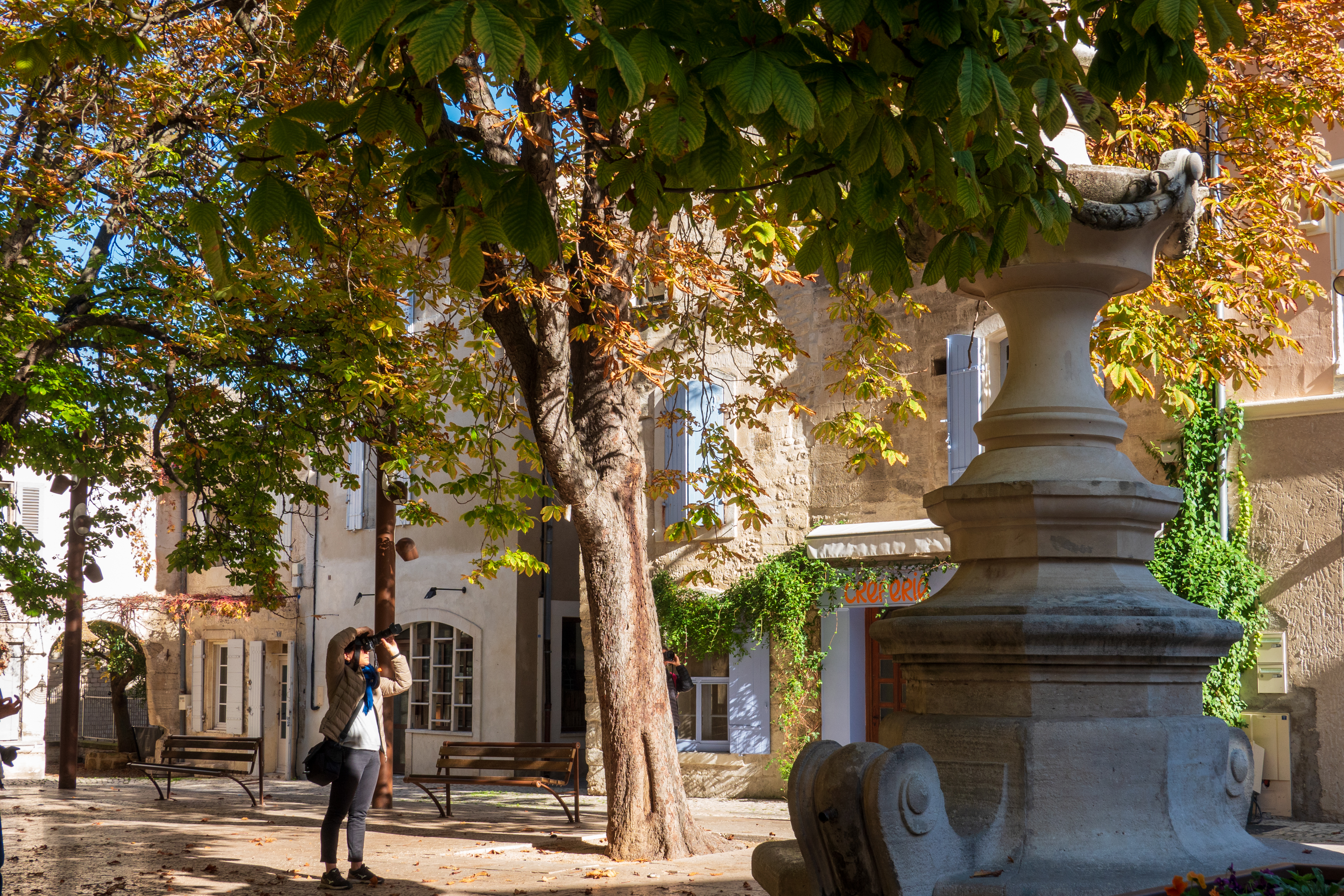
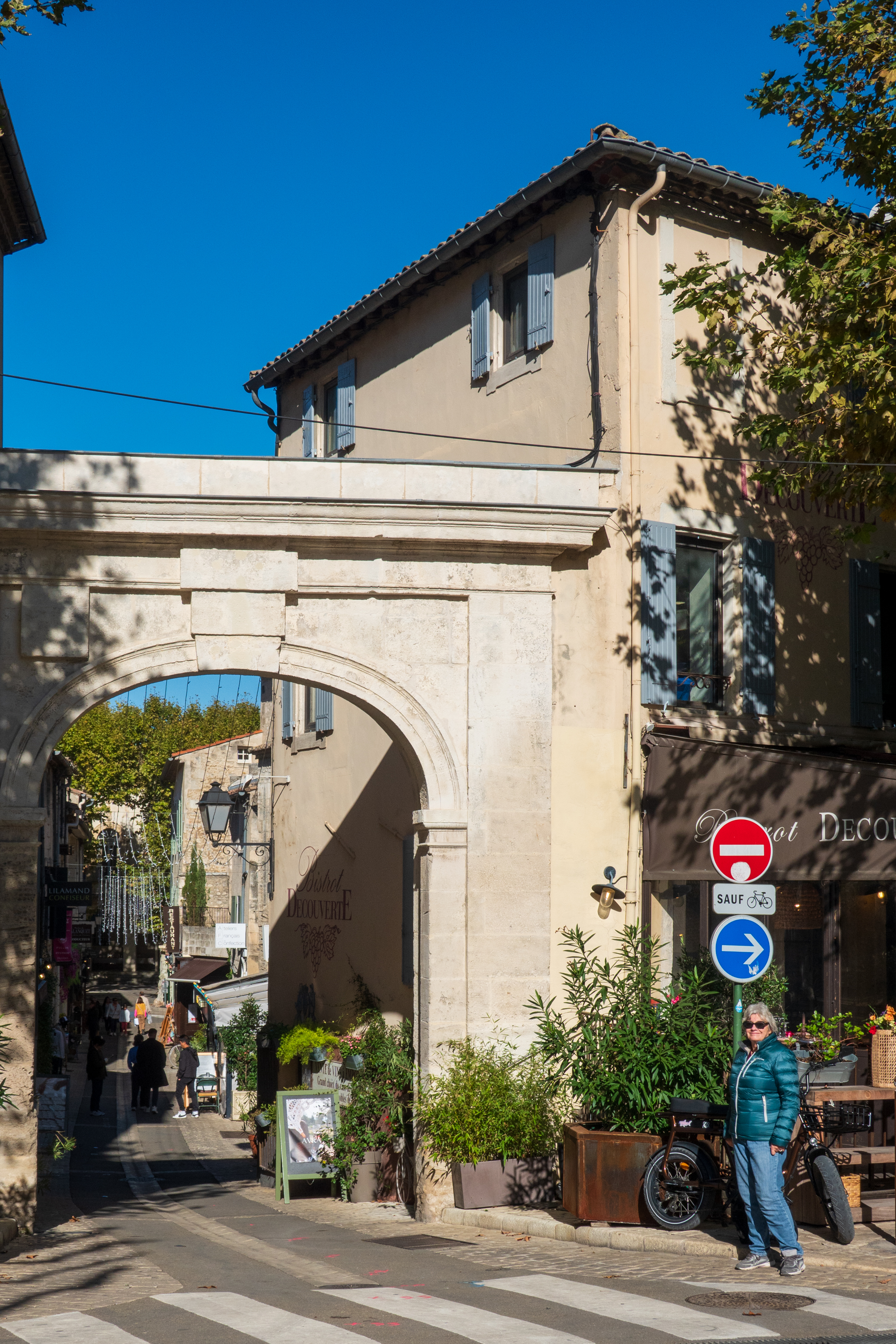
And there it remained until the 1920’s. Read more here: https://www.site-glanum.fr/en/discover/history-of-glanum Our visit complex, we headed back to “Paul’s” to warm up and then to wander and admire the typical Cathar curved streets and, finally, to enjoy a great pizza and Minestrone soup lunch!

That afternoon we joined the local population and we were off to the races. Or bull fights. Or whatever.

When we couldn’t find a bike parking rack, the ticket taker told us to just bring them inside where he could watch them. Settled in our seats, we discovered ourselves next to a locally resident American. (Small world – I think she was as surprised to see us as we were to meet her!) It was the final “performance” of the season, so we studied our program and guide.
A total of six decorated, and named, bulls would spend 15 minutes each in the ring and the 10 raseteurs would attempt to pull their decorations off, leaping out of the ring as each bull approached.
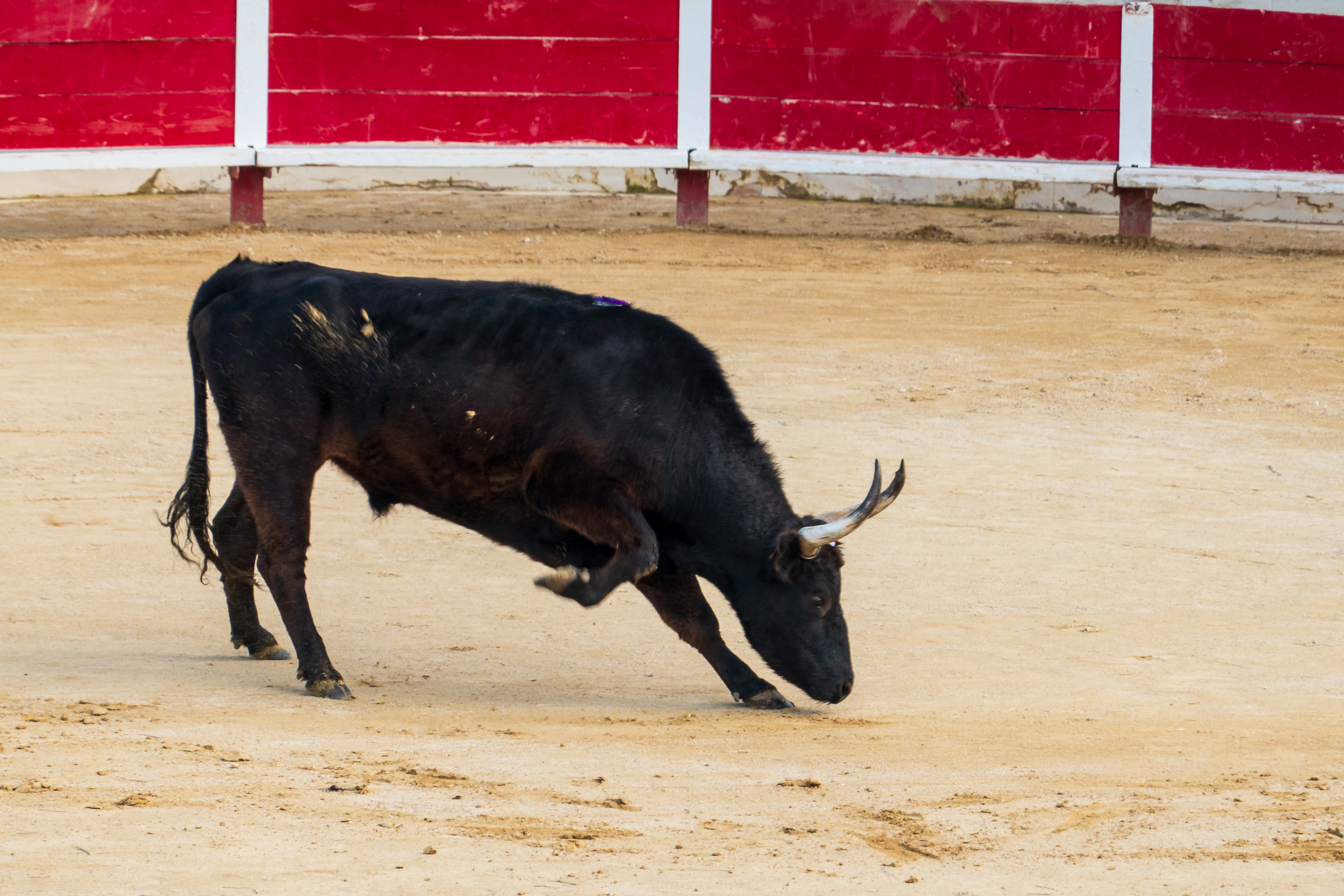
To be honest a couple of the bulls had a rather “been there done that” attitude! One or two clearly had a good sense of time, as at about the 13 or 14 minute mark, they simply quit being ferocious and trotted back to the gate to await the end of the round. It was the last course of the year after all! Animals are amazingly intelligent.
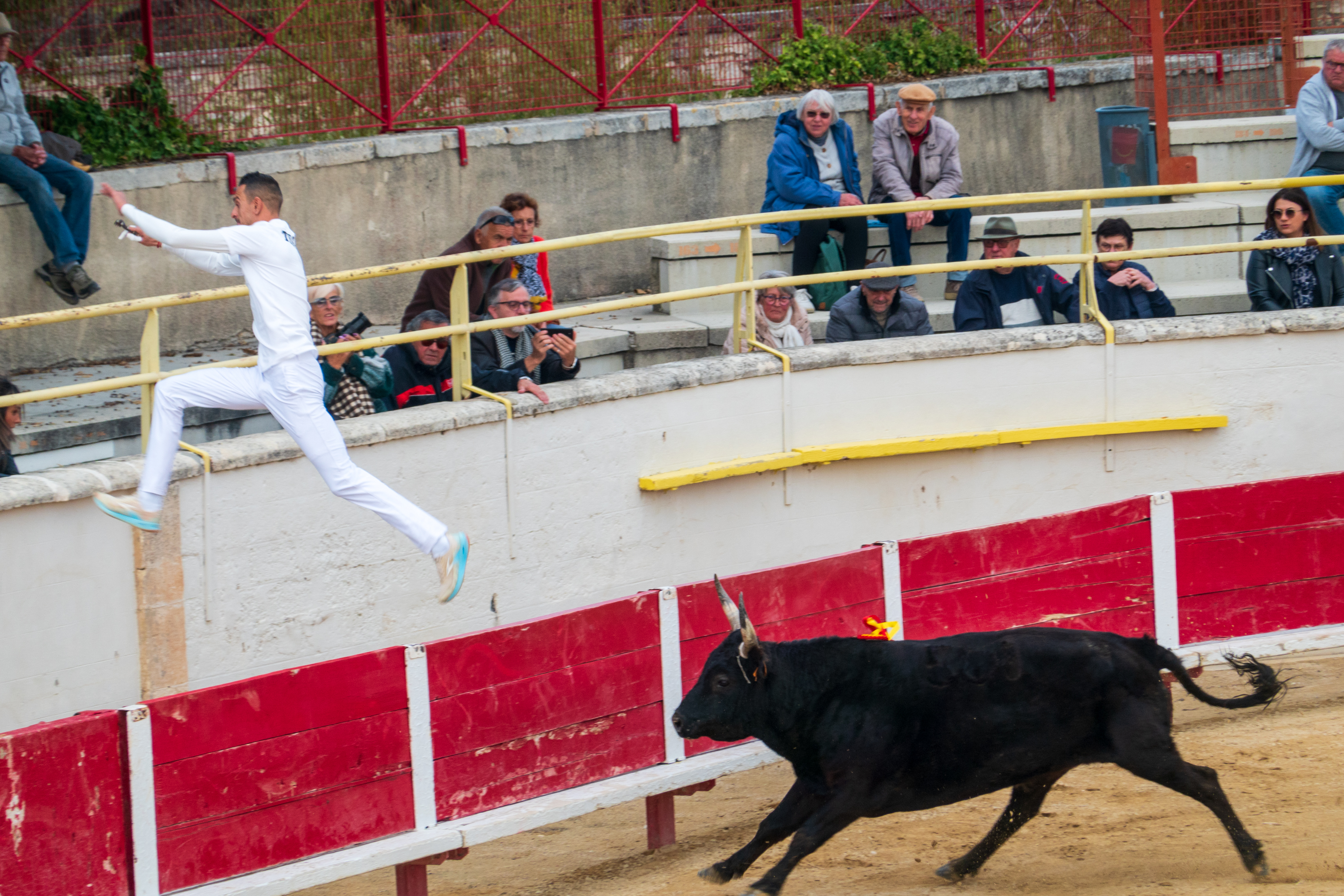
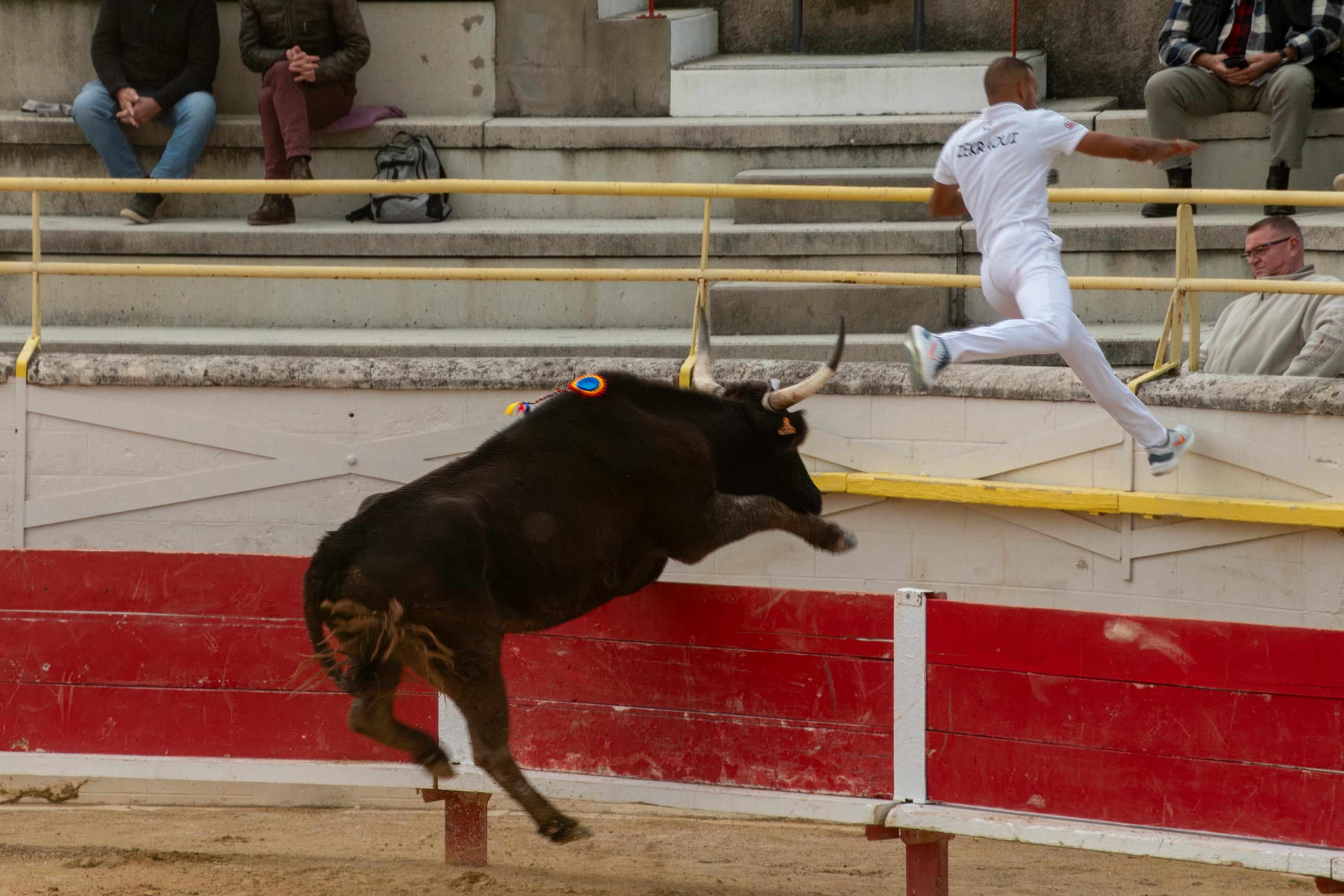
But it was a lot of fun and one bull especially enjoyed leaping over the barrier, four times.
Our very first bull fight, or was it our second rodeo? https://diplostrat.net/2019/06/23/the-oregon-trail-revisited/) Who knows, but it was one that we could enjoy because the bulls returned happily to the pastures after their performances. They had top billing, after all.
We did make it back to Glanum the next day, which unfortunately meant we did not have a day to revisit Les Baux (our last visit was in 1974!). But we thoroughly enjoyed our visit to Glanum and were amazed by this little ancient town.
The site is small, but the excellent museum has many animated light shows and models to explain how the town evolved over the centuries. (https://www.site-glanum.fr/en) The small size makes it easier to get a full understanding of how the city worked.

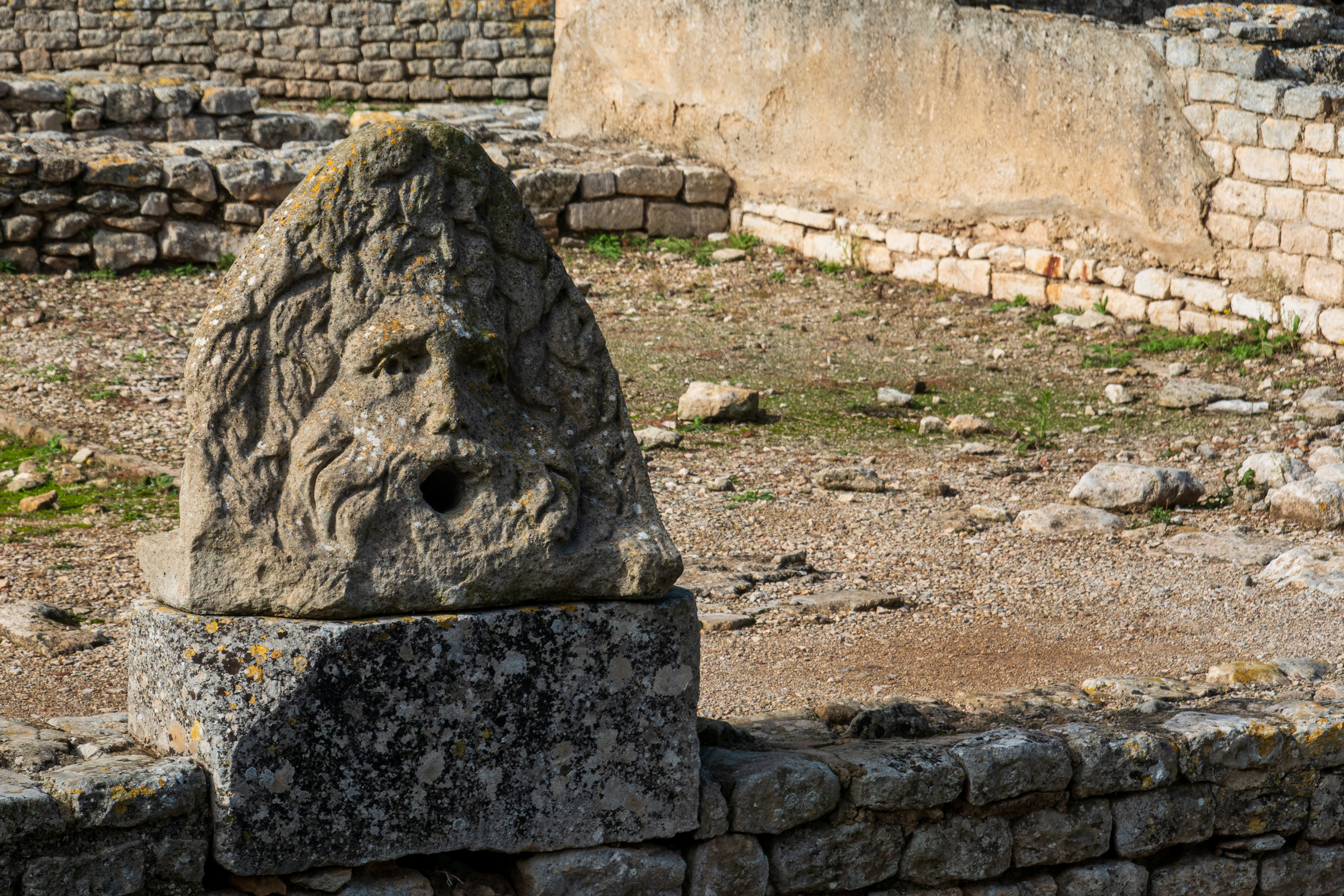
The Gauls established the first settlement, up in the narrow valley and surrounded by walls. By the time the Greeks arrived, the great gate had become the ceremonial entry to the temple sector, with the sacred spring. The spring, of course, is one of the reasons for settling here. By the time the Romans arrived, the spring was purely religious and they fed the city with an aqueduct.
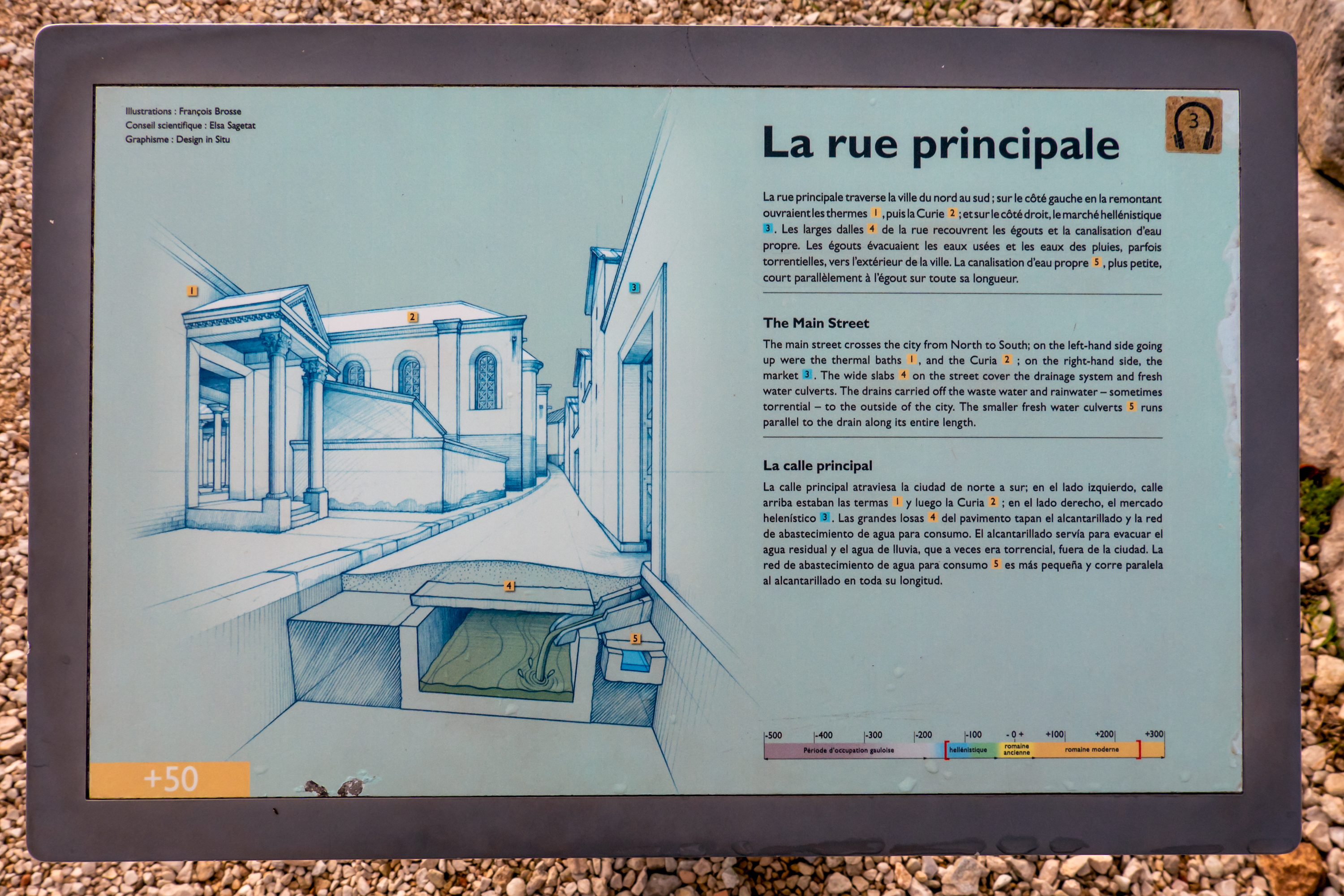
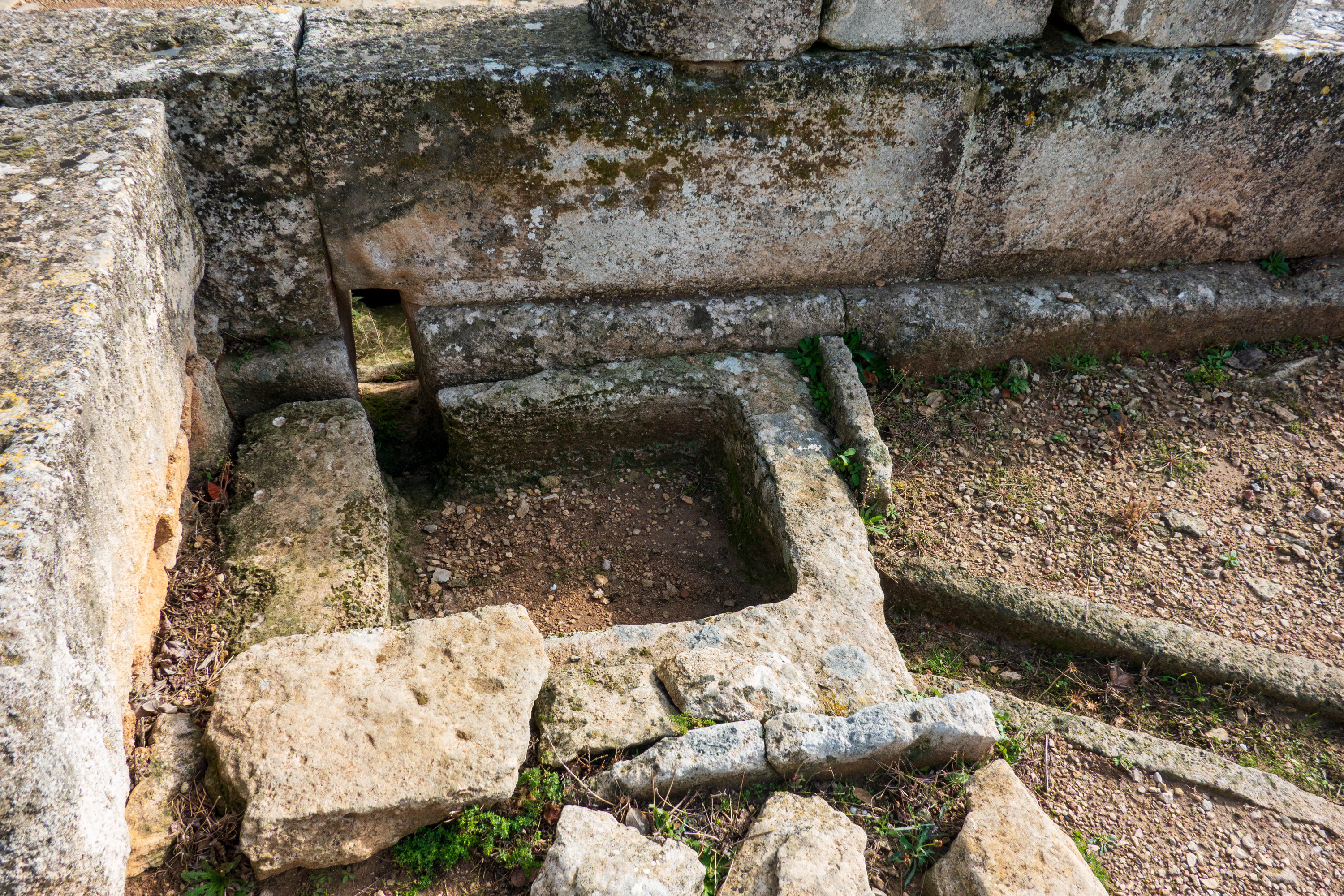
The Romans excelled at civil engineering and, if you had to choose only one thing to demonstrate their superior understanding and technology, it might be water. Clean potable water into towns via aqueducts – see the Pont du Gard. Water storage and distribution to public fountains and houses, and finally, water drainage from houses, baths, and latrines, via the various cloacae. While the Romans were better at this than anyone up to and probably including the 19th centur, think of the London cholera and typhoid outbreaks, they still suffered from plagues and disease as they did not fully understand public sanitation and the spread of illness and parasites. They didn’t always flush the bath water enough and sharing a toilet sponge is not a great idea. Still, compared to the dark and middle ages, they were amazing. (https://en.wikipedia.org/wiki/Sanitation_in_ancient_Rome)



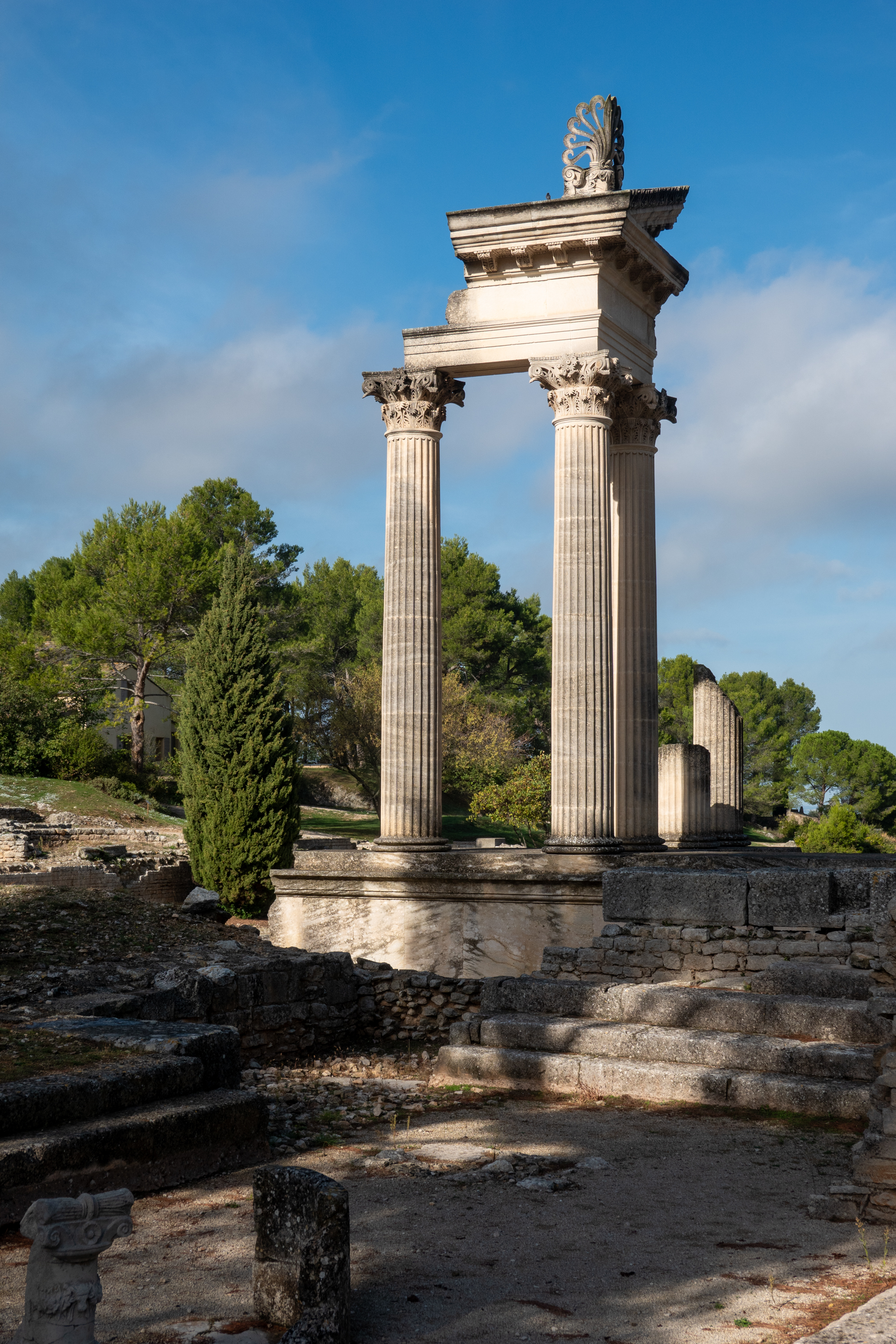

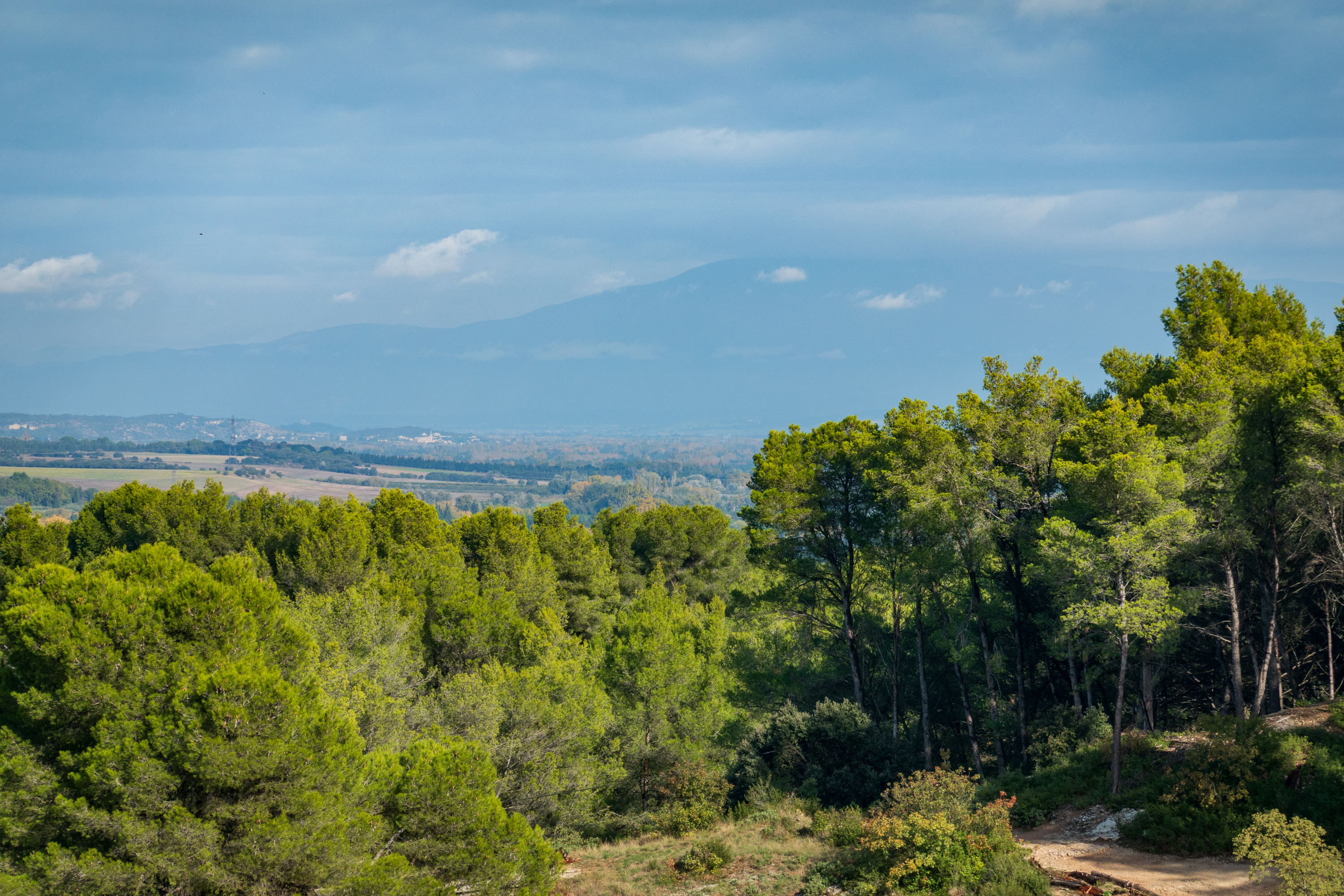
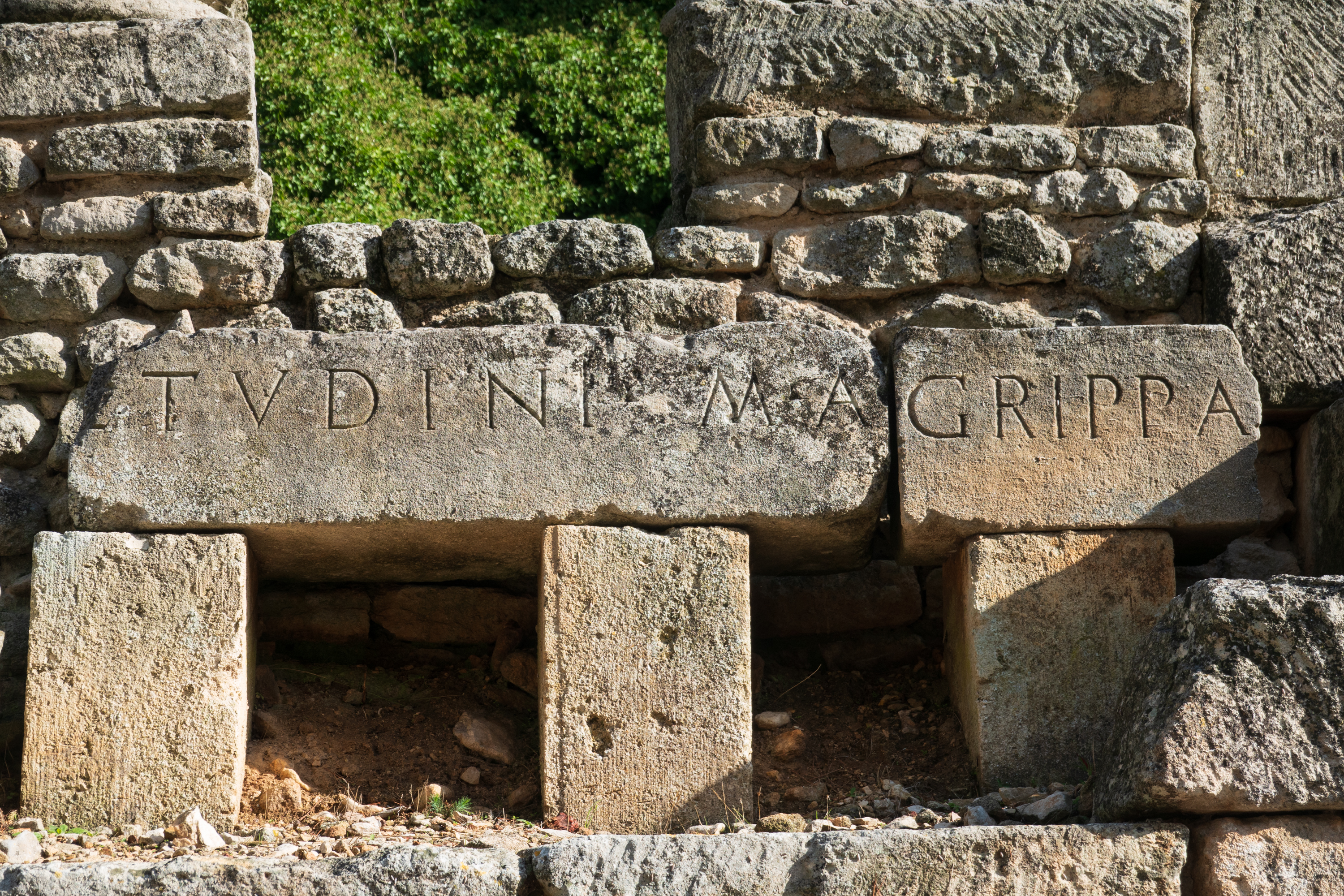

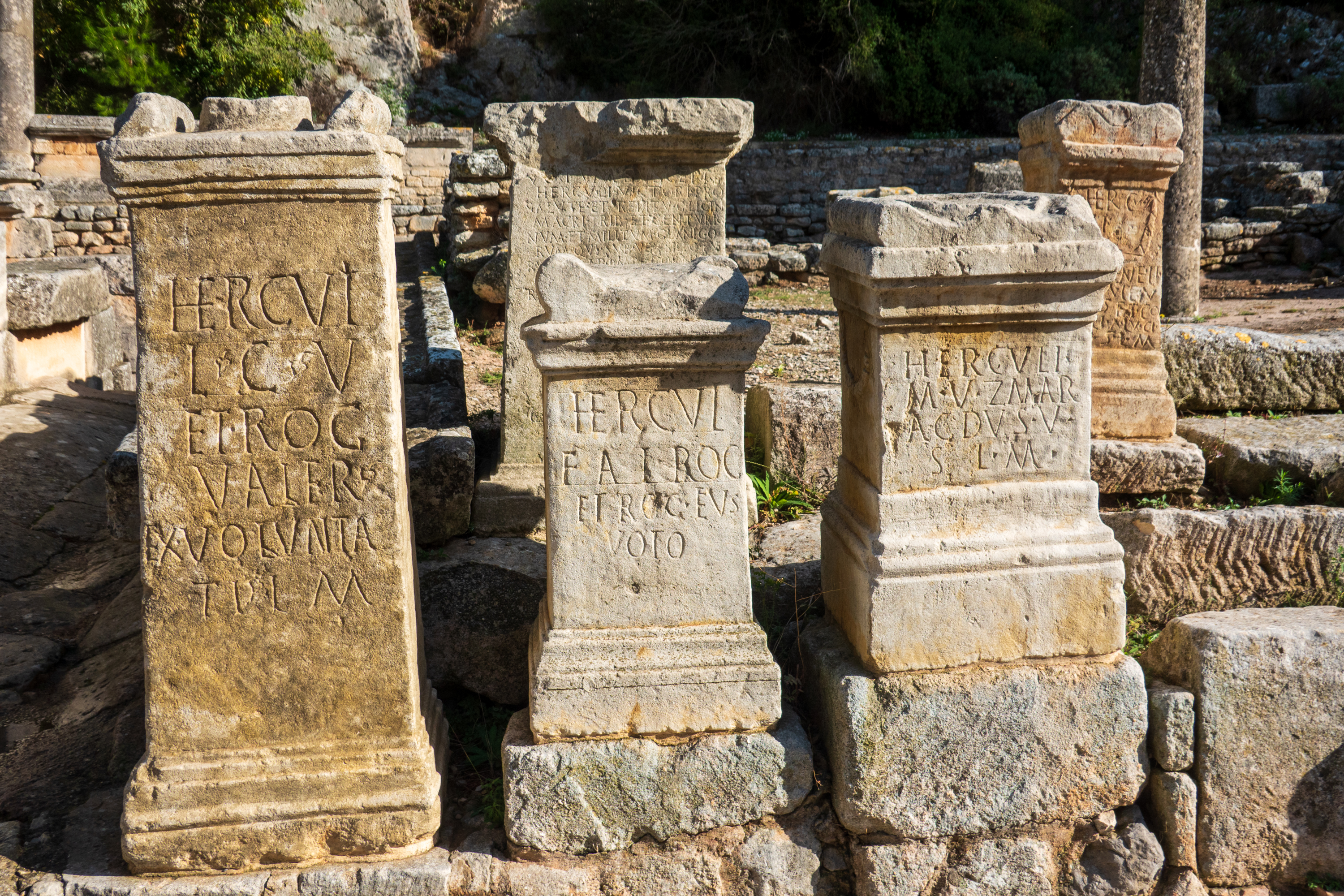

First Gaul, then Greek, then Gallo-Roman, and complete with housing, temples, sacred springs, and ramparts – Glanum is a fabulous visit.
Oh, and Al Stewart, the Scottish musician quoted above? We linked for the quixotic Nostradamus reference, but his whole album “Past, Present, and Future” is a good listen and amazingly good history – especially the song “Roads to Moscow.” Chilling. For a deep dive: https://glintoflight.com/wp-content/uploads/2020/02/Al_Stewart-_-_-Road_To_Moscow.pdf (A tip of the hat to Denise’s brother, Trevor – ever the source of the best music.)

