
And what we did about it. When we last saw our heroes … Their repeated efforts to reseal the front window had failed. So, they sought out an expert in camper leaks. He told them that the problem was (probably) not the window, but rather leaks in other places.
We realized then that we would have to remove everything, solar panels, fans, etc., from the roof, reseal everything, and then remount. Not a trivial task. So we began a diligent internet search and found Avanoa, a new campervan conversion company outside of Draguinan. (https://avanoacampers.fr) They agreed to look at the problem, so we headed to the Draguignan area.
Alexi and his wife, Megane clambered up on top, looked, rolled their eyes, and, in a moment of weakness, agreed to undertake the repairs. But they could not start immediately as we needed to order fans and other parts. We only stayed long enough to make a brief one day visit to Draguignan.
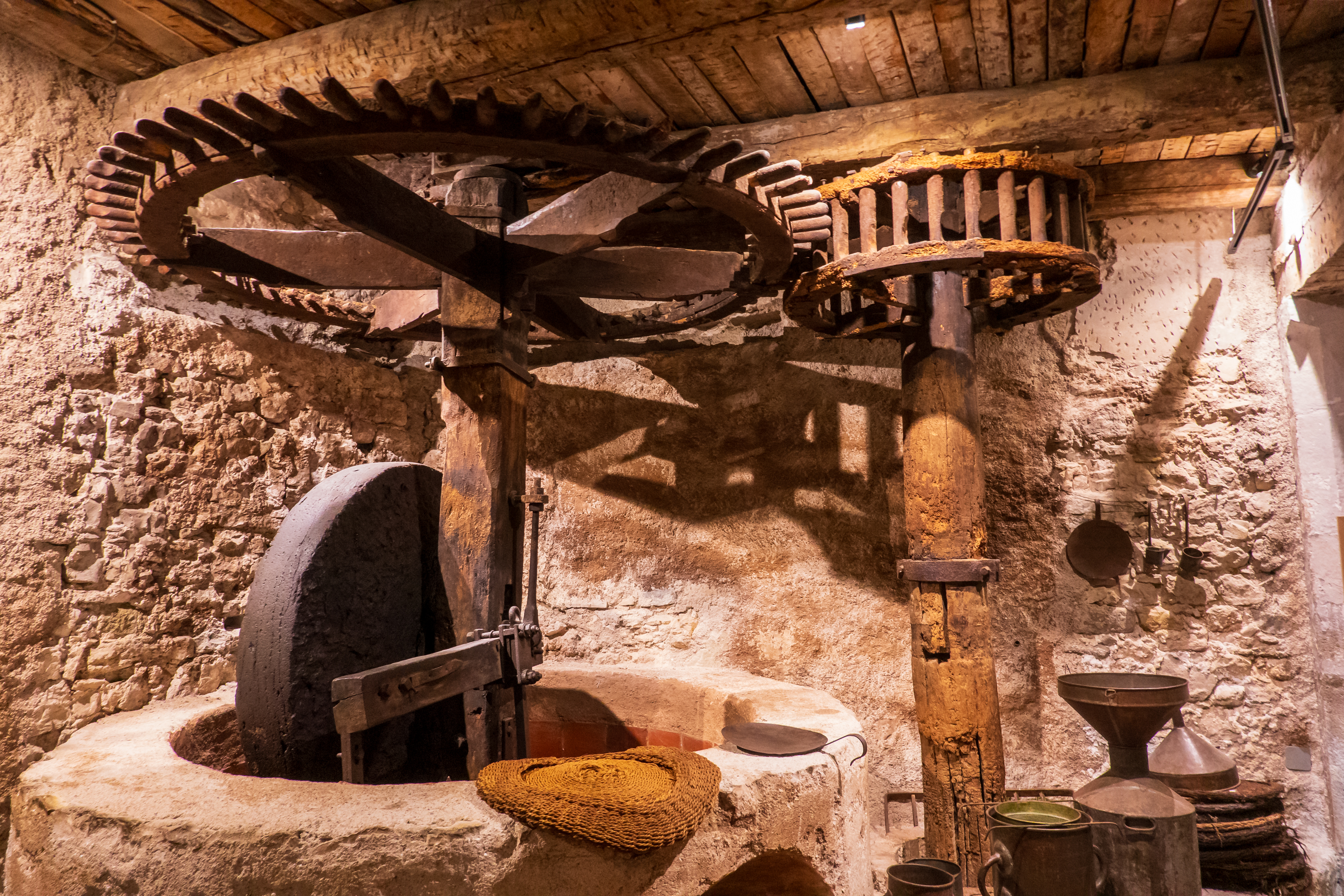
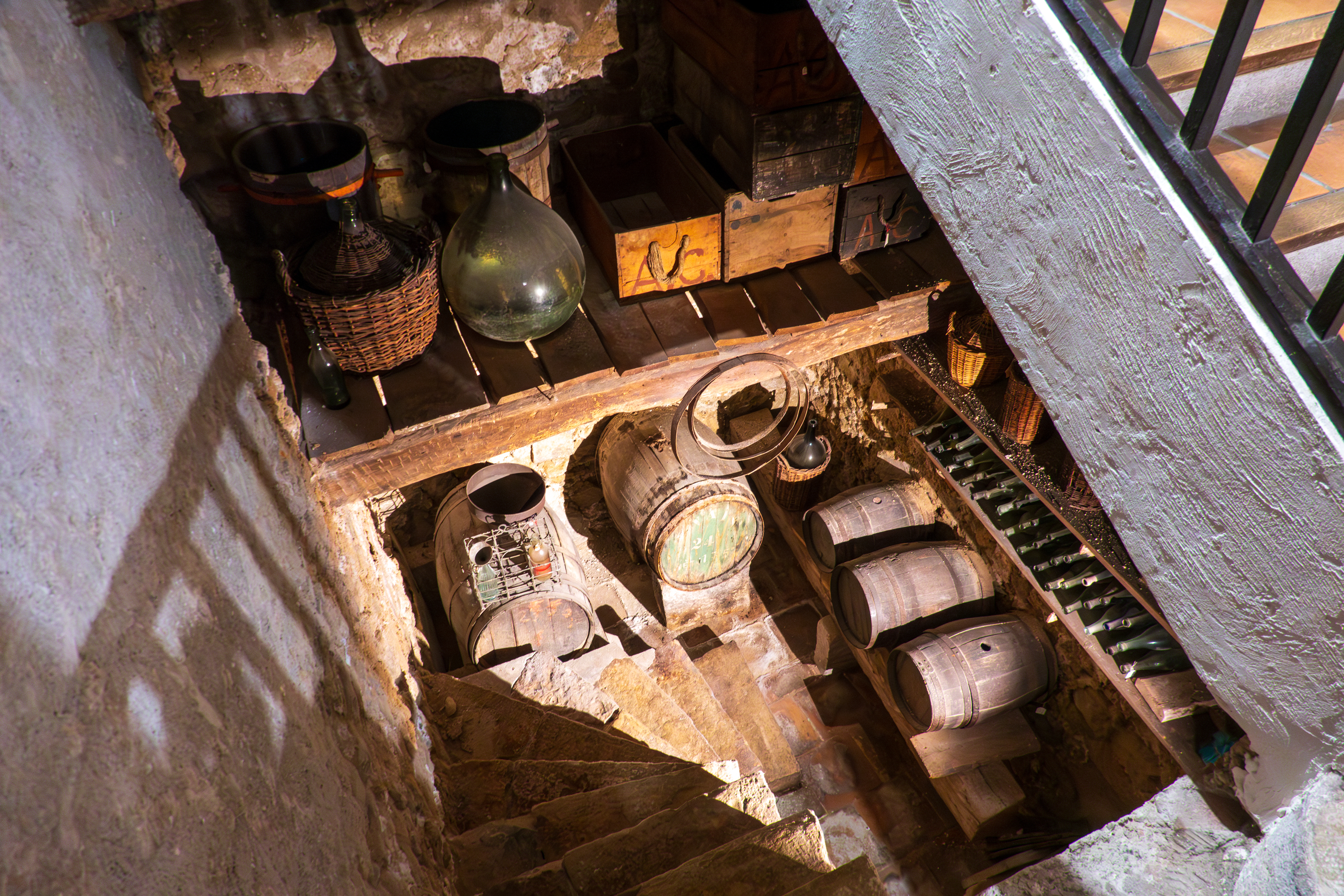
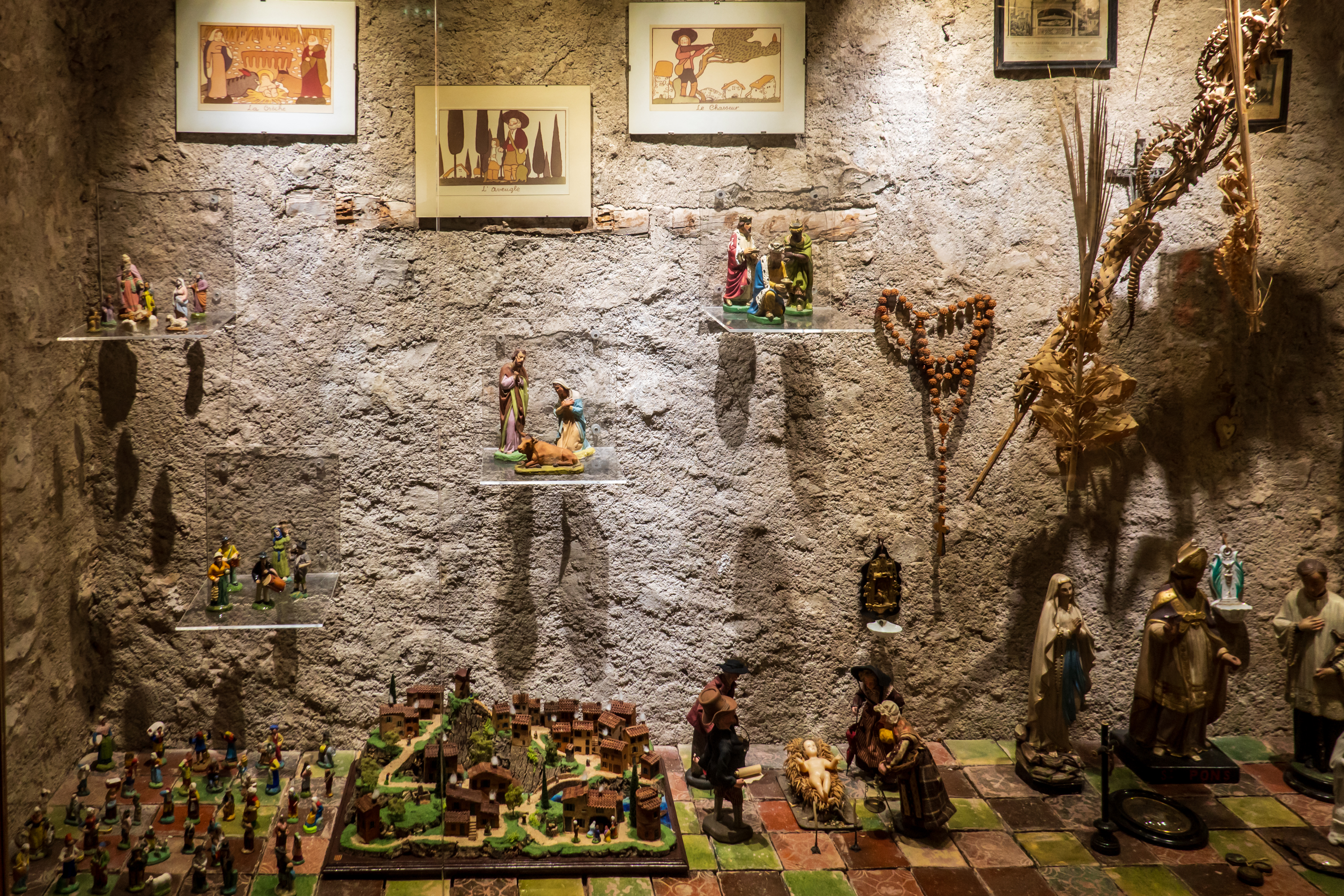
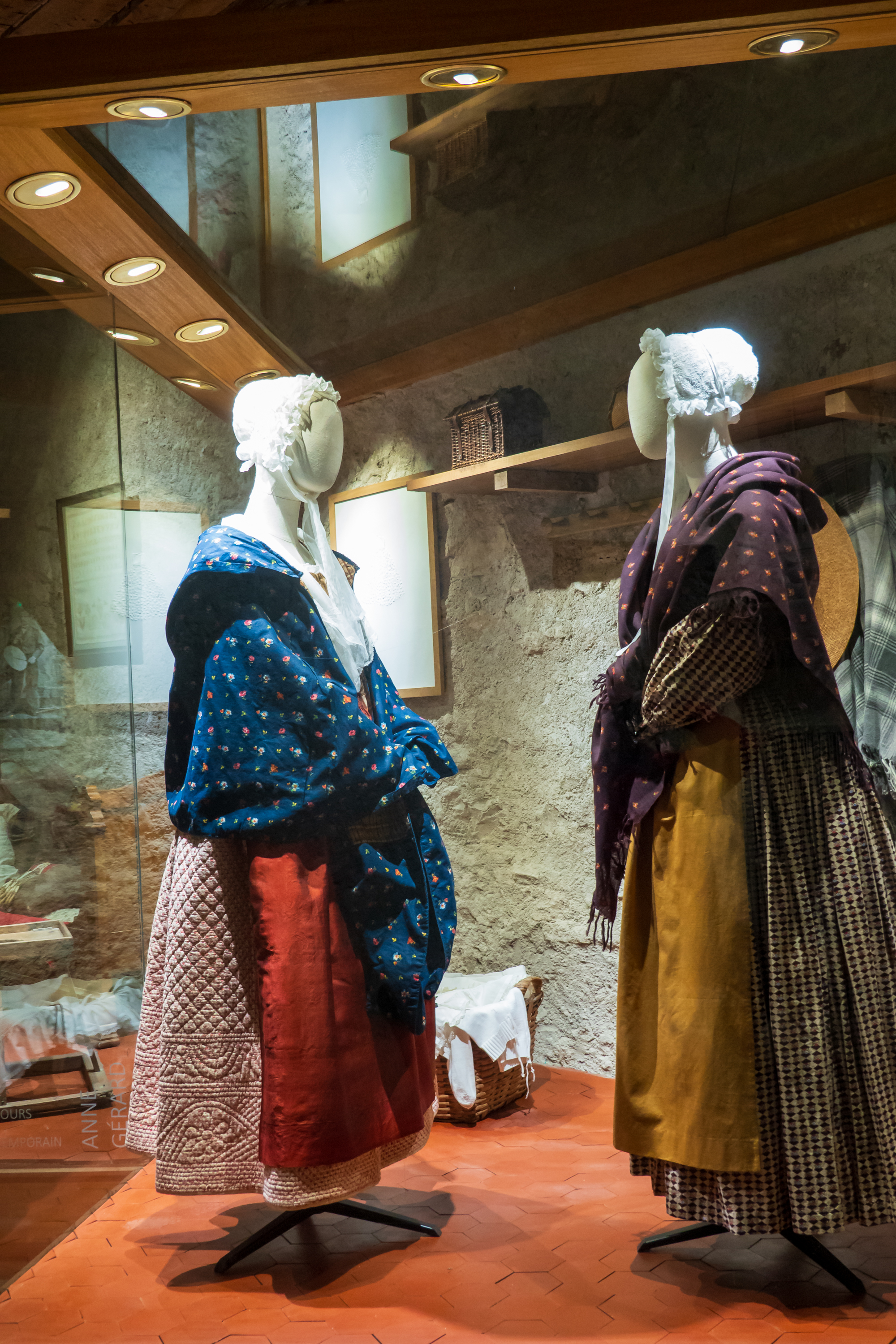
This turned out to be a bit of a disappointment, as one of the museums that we had planned to visit, the French Army Artillery Museum, had decided to close that day. (Denise did not repine. And we were serenaded by the sounds of artillery from the military school.) We did get to visit the Musee des Arts et Traditions Populaires, which Denise did enjoy. And, naturally, we brought home presents.
Draguinan has a small US military cemetery. Operation Dragoon, the invasion of southern France, gets overshadowed by Operation Overlord, the Normandy landing. But, it was long planned. At one point, the two landings were planned to be simultaneous, so as to put the Germans completely off balance, but, in the end, there were simply not enough landing craft. Fortunately, the southern landings were much easier than Normandy. That said, there was a cost and there are memorial plaques all over southern France. The French have never forgotten.

We then headed south to the driest, sunniest place we could find in an attempt to dry out the camper roof while we awaited the arrival of fans and other necessities. This proved to be near Frejus, on the Mediterranean coast.
We found a lovely campground south of Frejus, near Saint Aygulf, the aptly named “Paradise of Campers.” (https://auparadisdescampeurs.com/en/) En route we stopped for a little shopping at a vegetable seller in the main square of Saint Aygulf. This involved circling the block, clambering over curbs, and inching down narrow streets to park inside the square itself. The vendors loved it!
The campsite was next to the beach and there were some beautiful views of the bay looking back to Frejus and Sainte Rafael. Much too cold and windy to get in the water, however.

We ended up staying a full week, although two days were lost to a strong Mistral that rocked the camper from side to side. We took the bikes into Saint Aygulf for a return shopping visit and were welcomed by the vegetable vendors as old friends.
One day we took the bus into Sainte Raphael. Athough the old medieval church that Denise wanted to see turned out to be closed, we did visit the new cathedral, rode the tourist train, and enjoyed lunch by the marina.


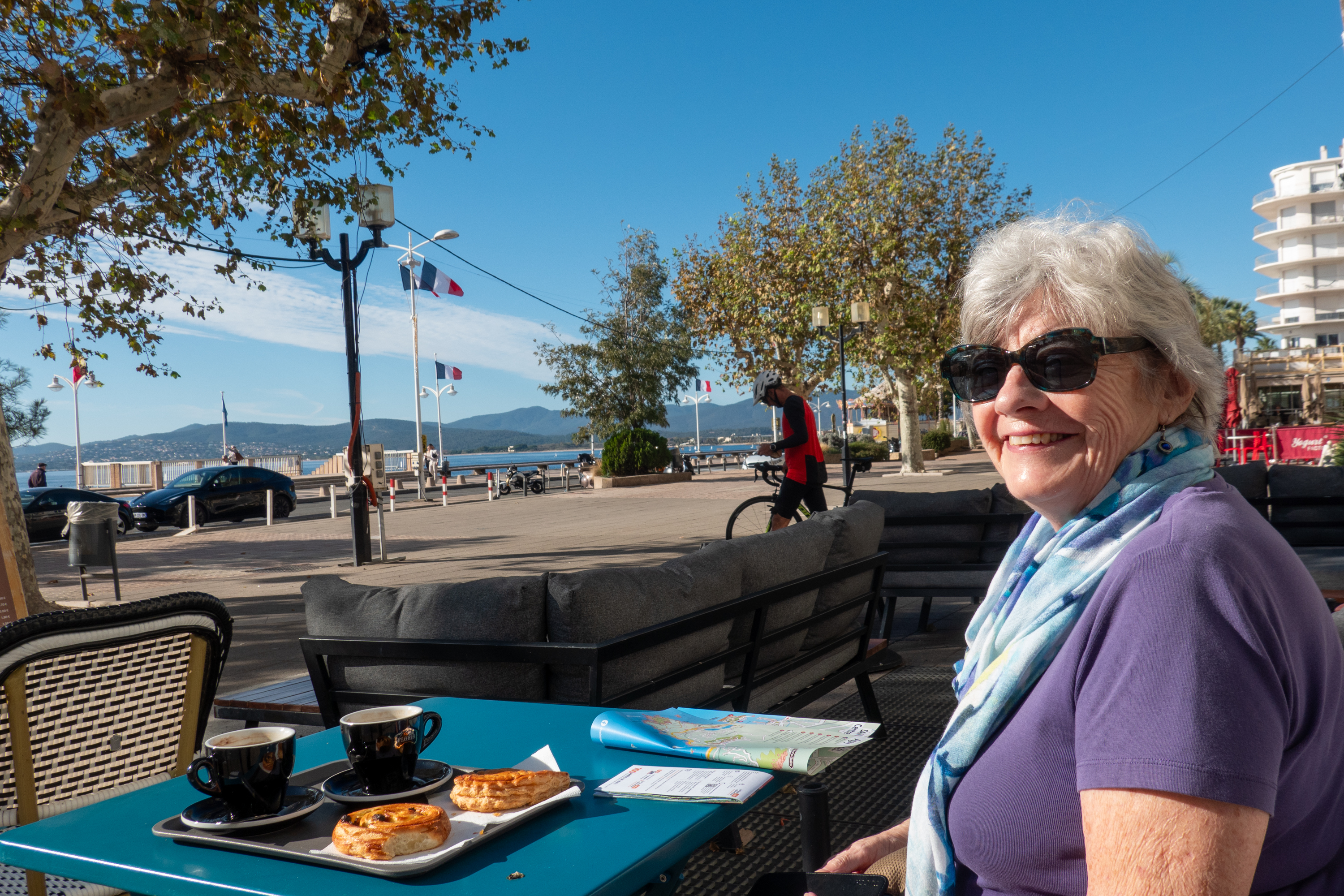
Denise really wanted to revisit Aix-en-Provence, where she had studied, so we studied the approaches. Aix itself was impossible between narrow streets, no parking, and low emission zones. There was a campground, but it had mostly, sketchy reviews. So, we headed to Peyrolles-en-Provence, a small town about 30 minutes away on the bus line. We found the aire in which we were the only campers. It felt a bit odd! (No water, either, as we were so late in the year.)
The next morning we set off on the bus to revisit Aix en Provence. The Christmas market was just opening on the Cours Mirabeau, the main downtown street, and we enjoyed browsing.


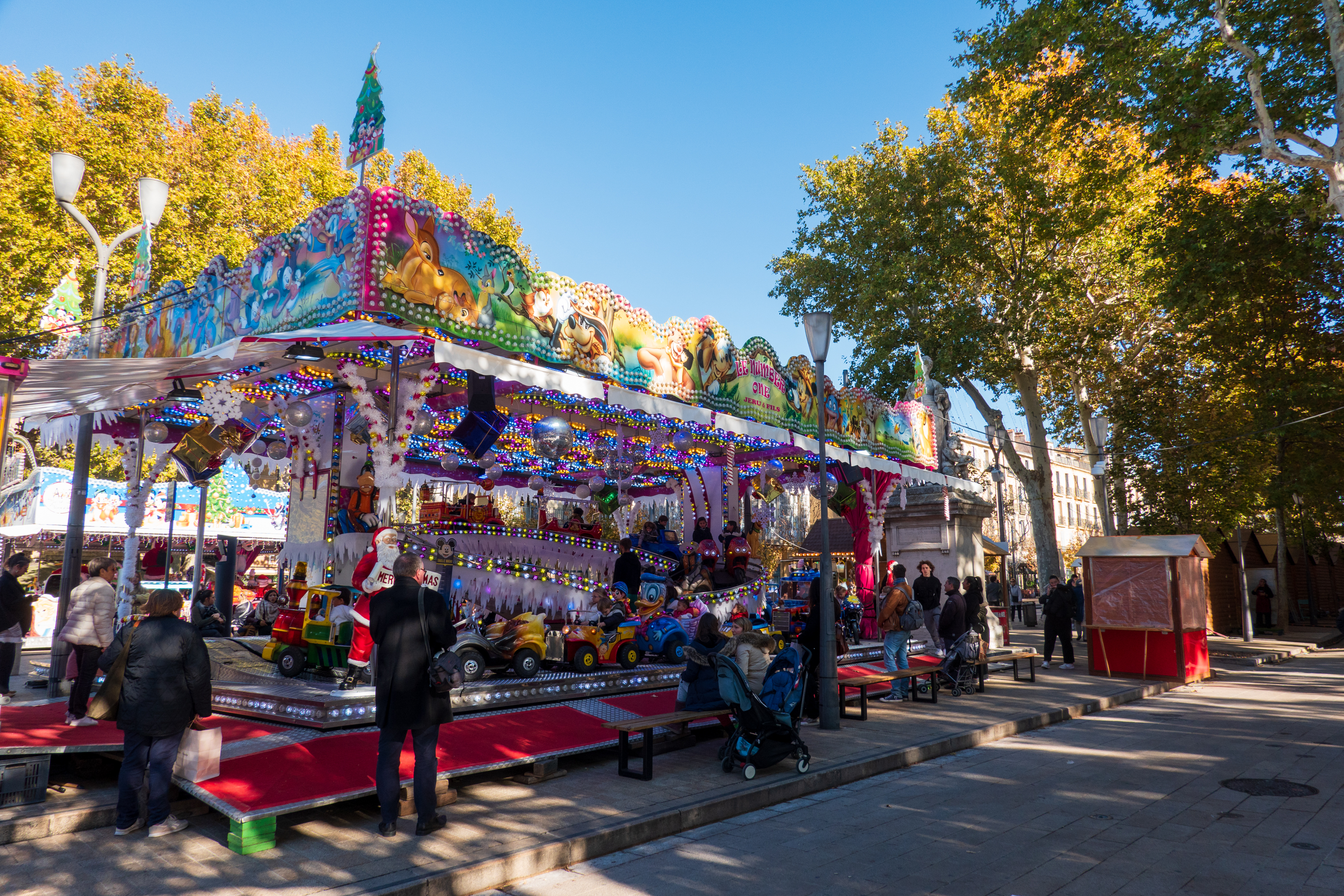
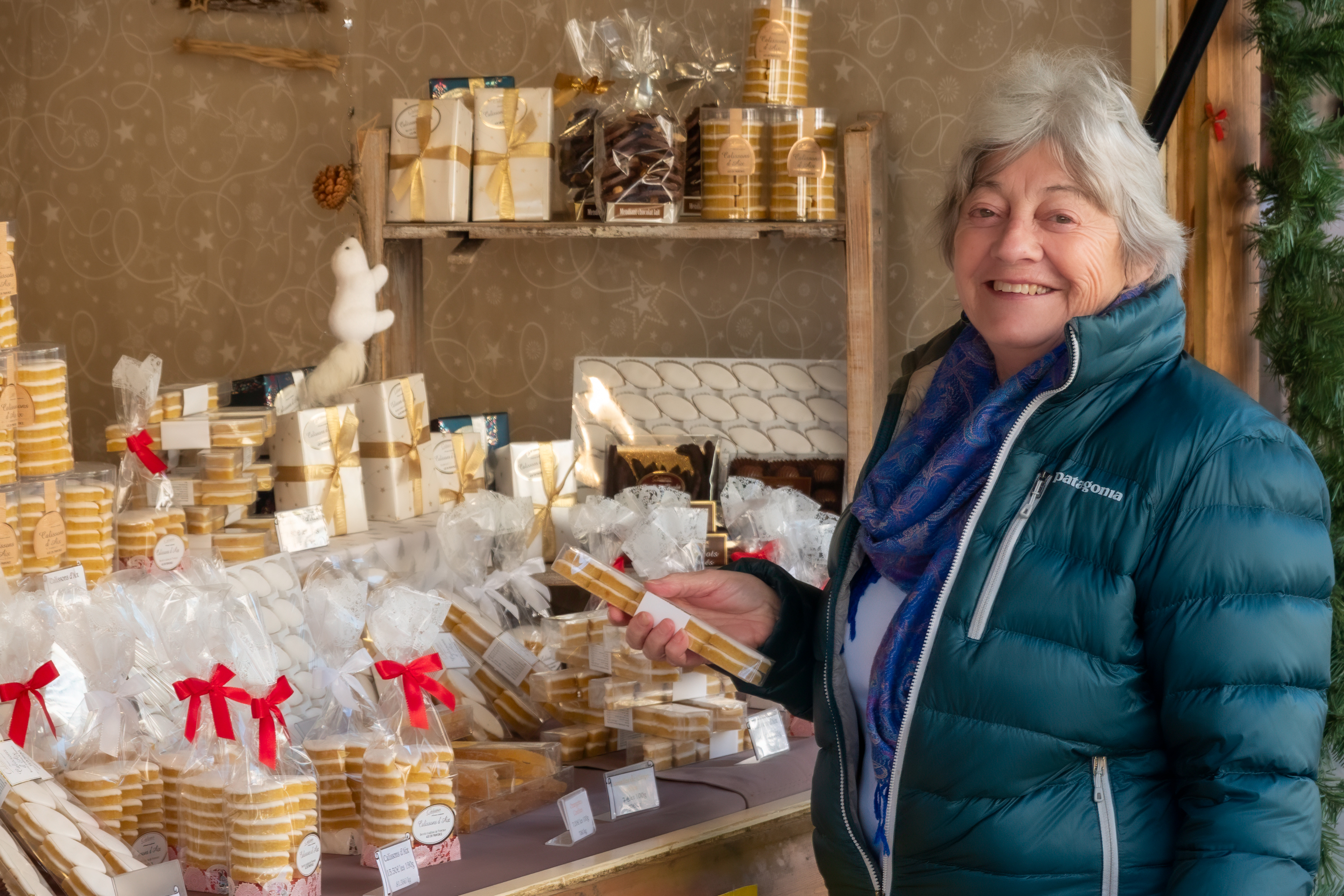
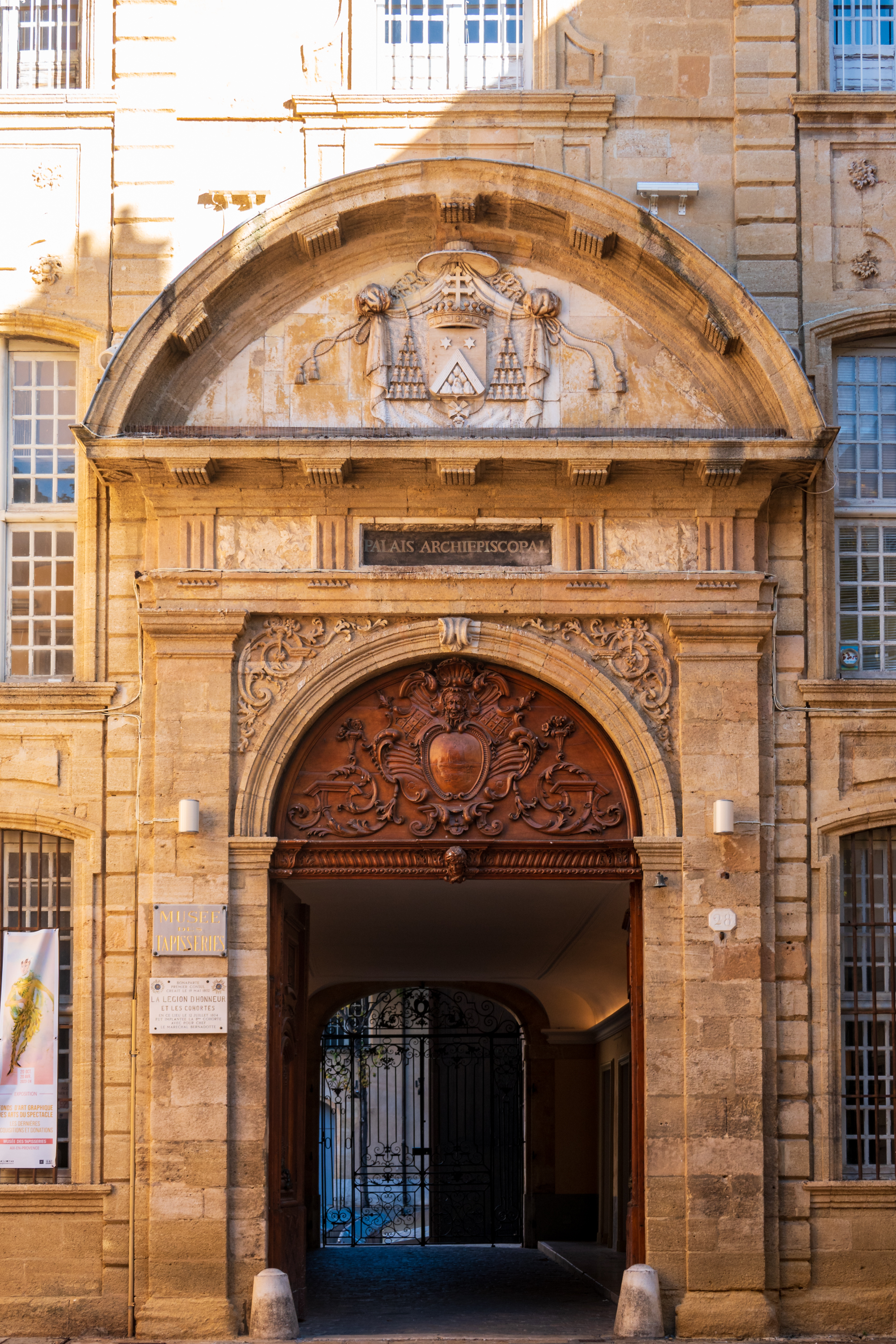
Denise was amazed at how much Aix had changed since she lived there as a student.
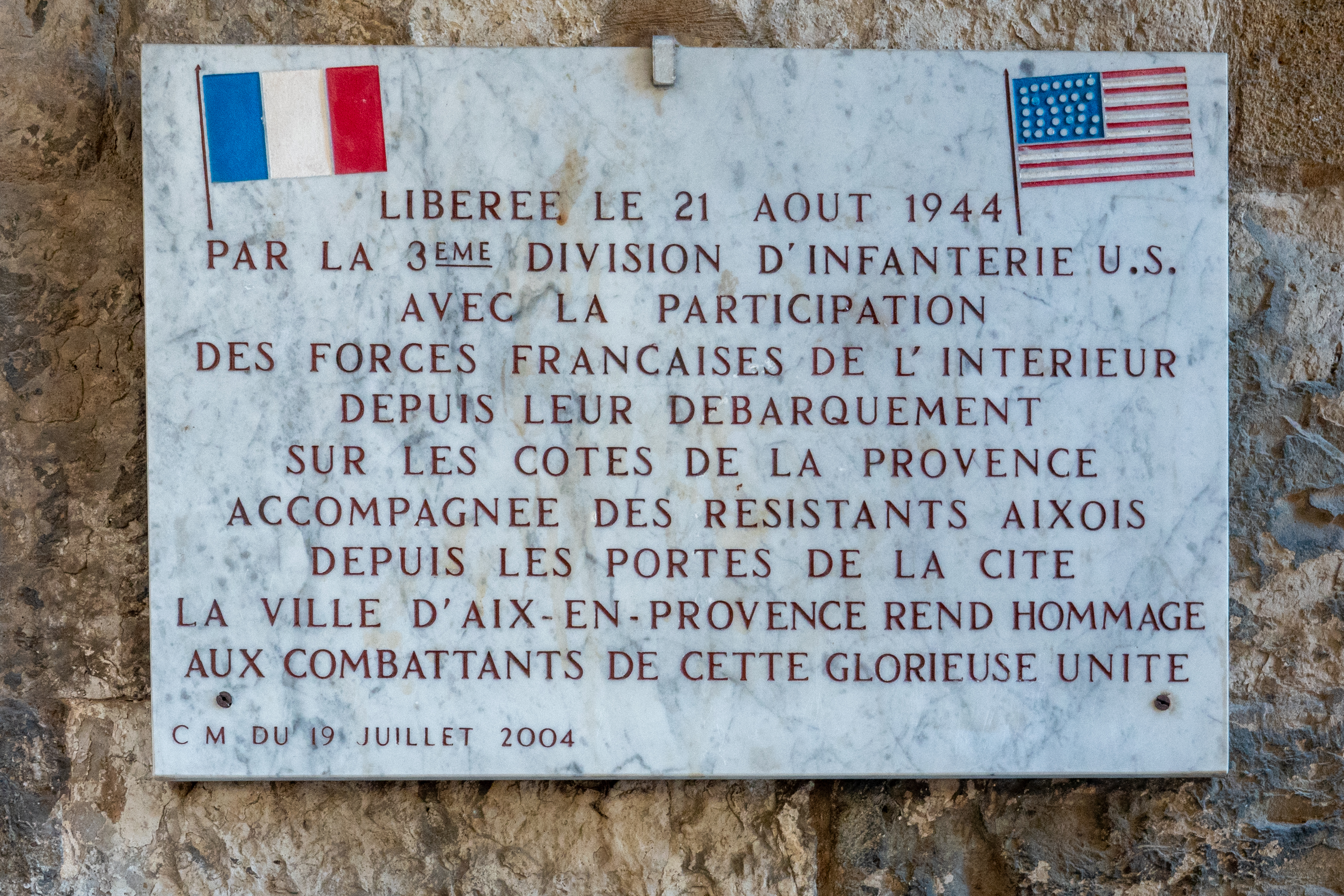
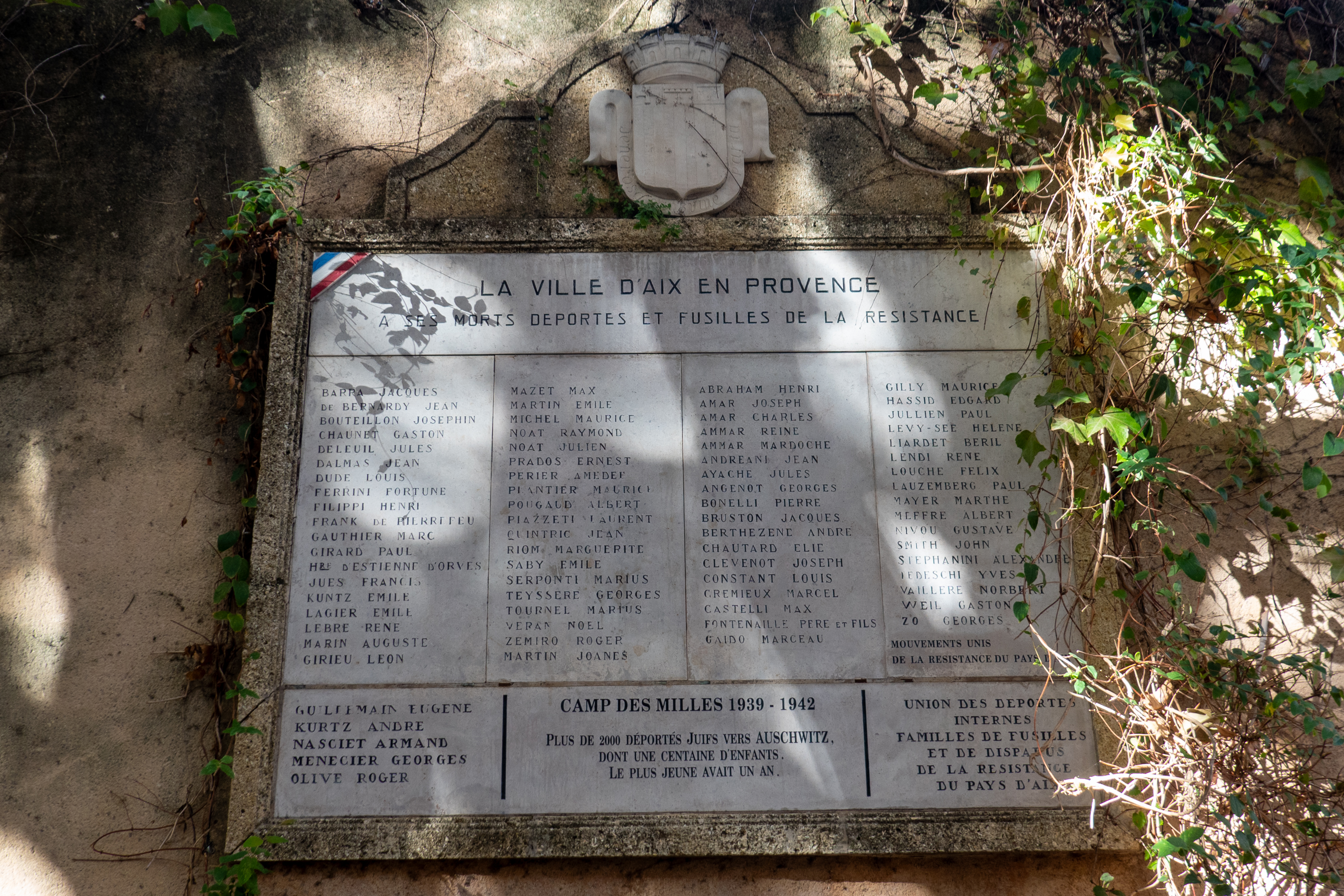
Two plaques that show that freedom isn’t free. The first is a classic appreciation of the liberation by US and Free French troops. The second, dedicated to the shot, deported, and missing of the Resistance, is, perhaps, even more poignant, showing the cost of living under occupation.
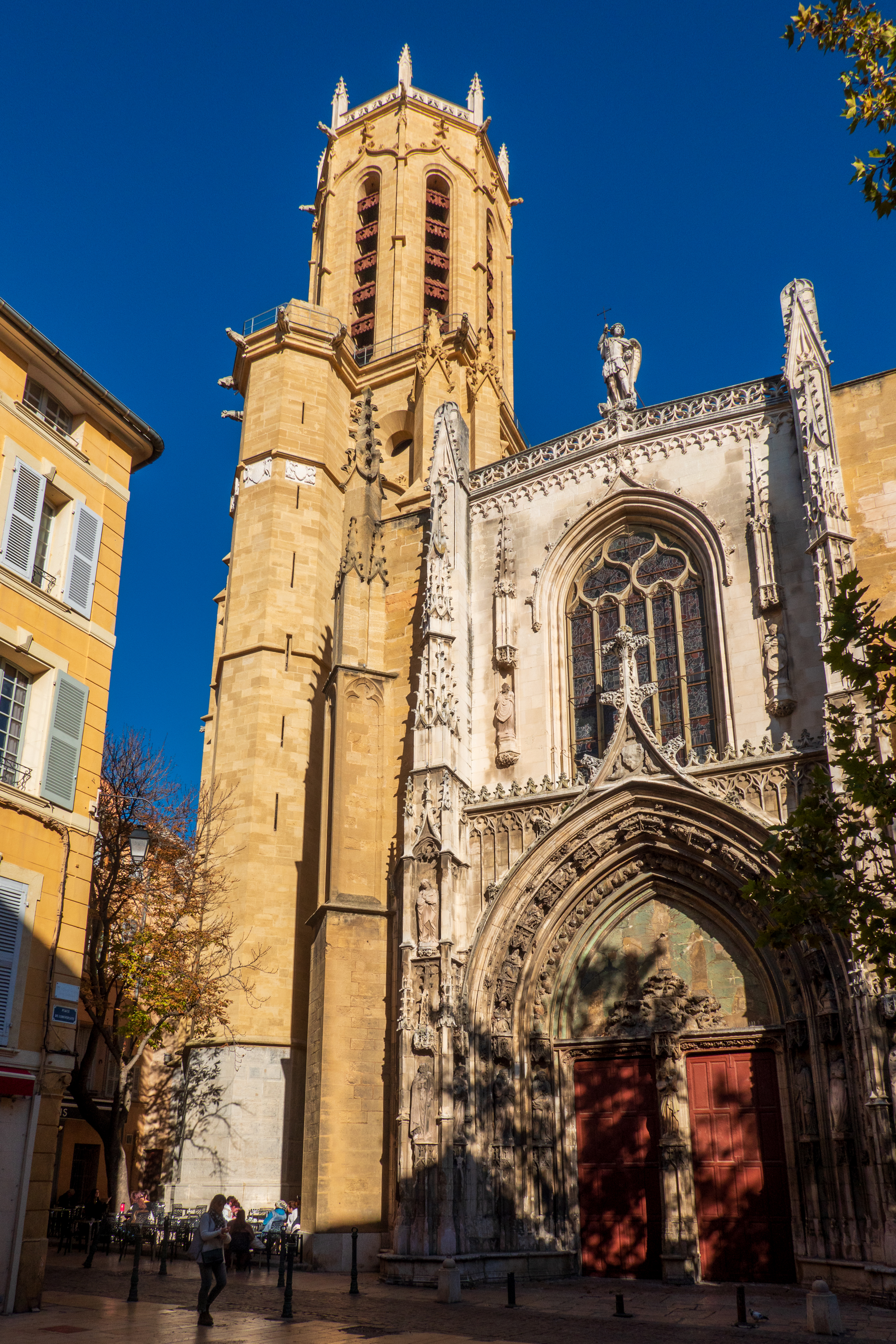

The Cathedral of Saint-Saveur does not generally appear on the list of must see cathedrals but it does have the most amazing baptistry we have ever seen. (https://en.wikipedia.org/wiki/Aix_Cathedral) We tried, but photos simply do not do it justice. The well/basin and lower walls are Roman and the upper works are medieval.
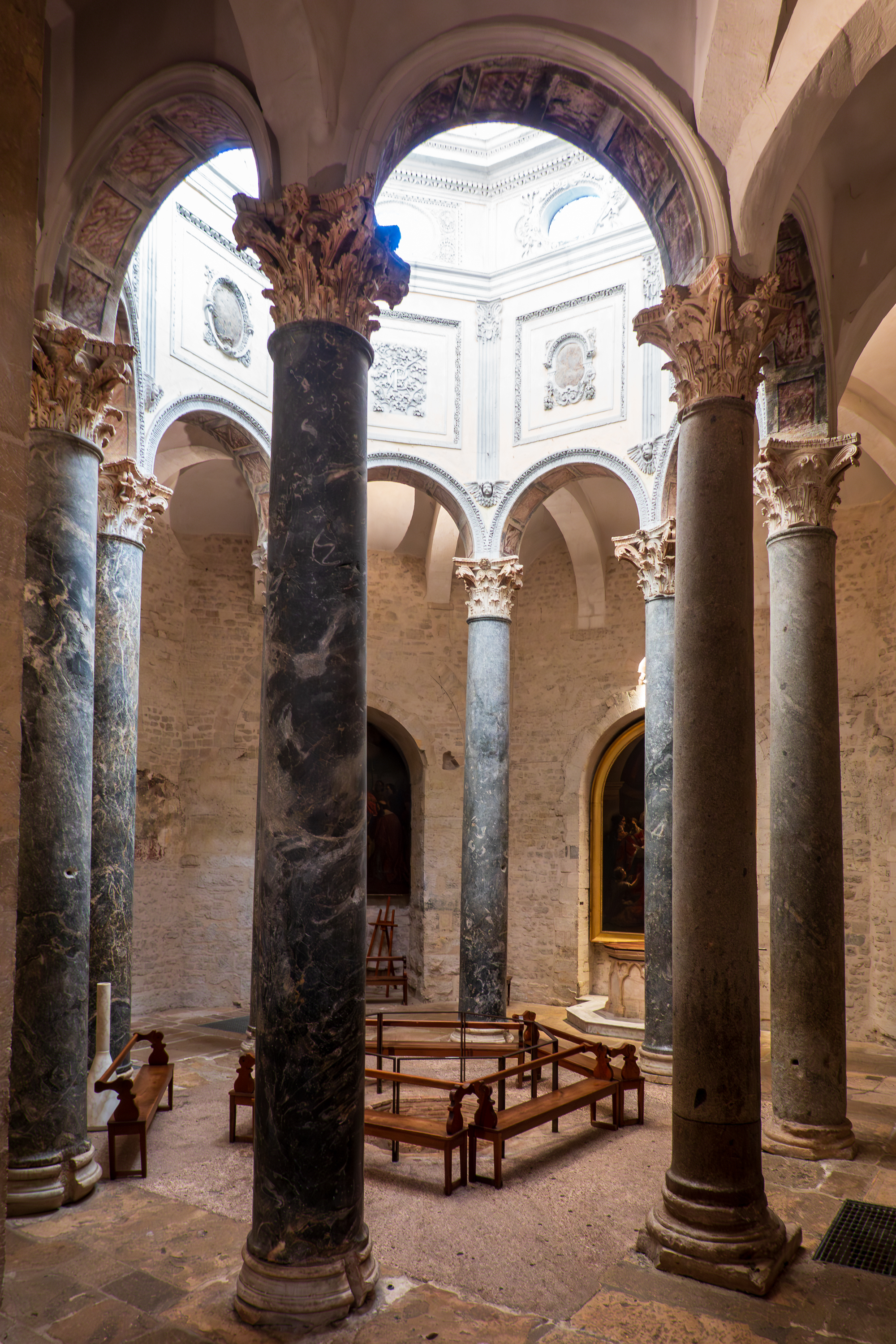

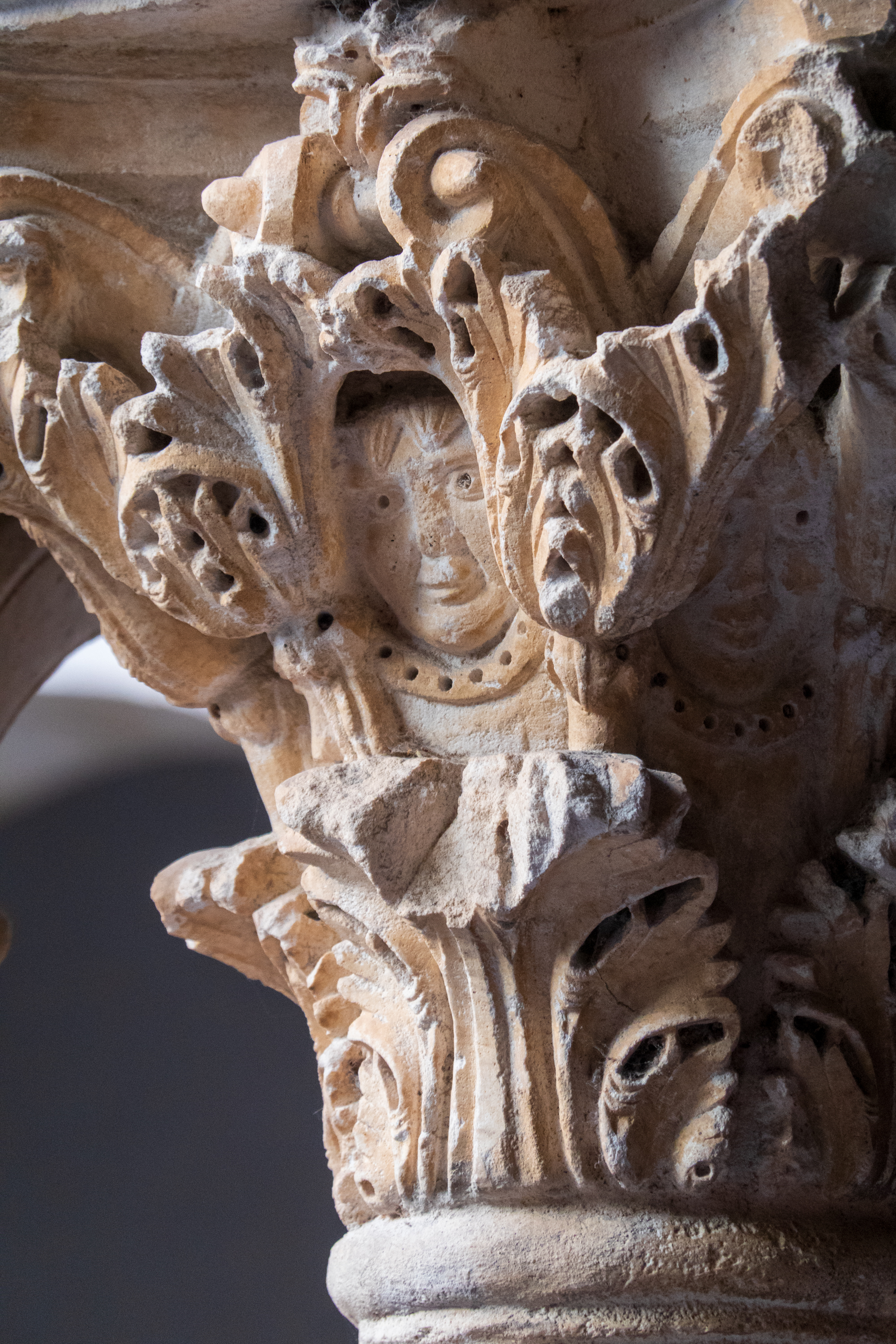
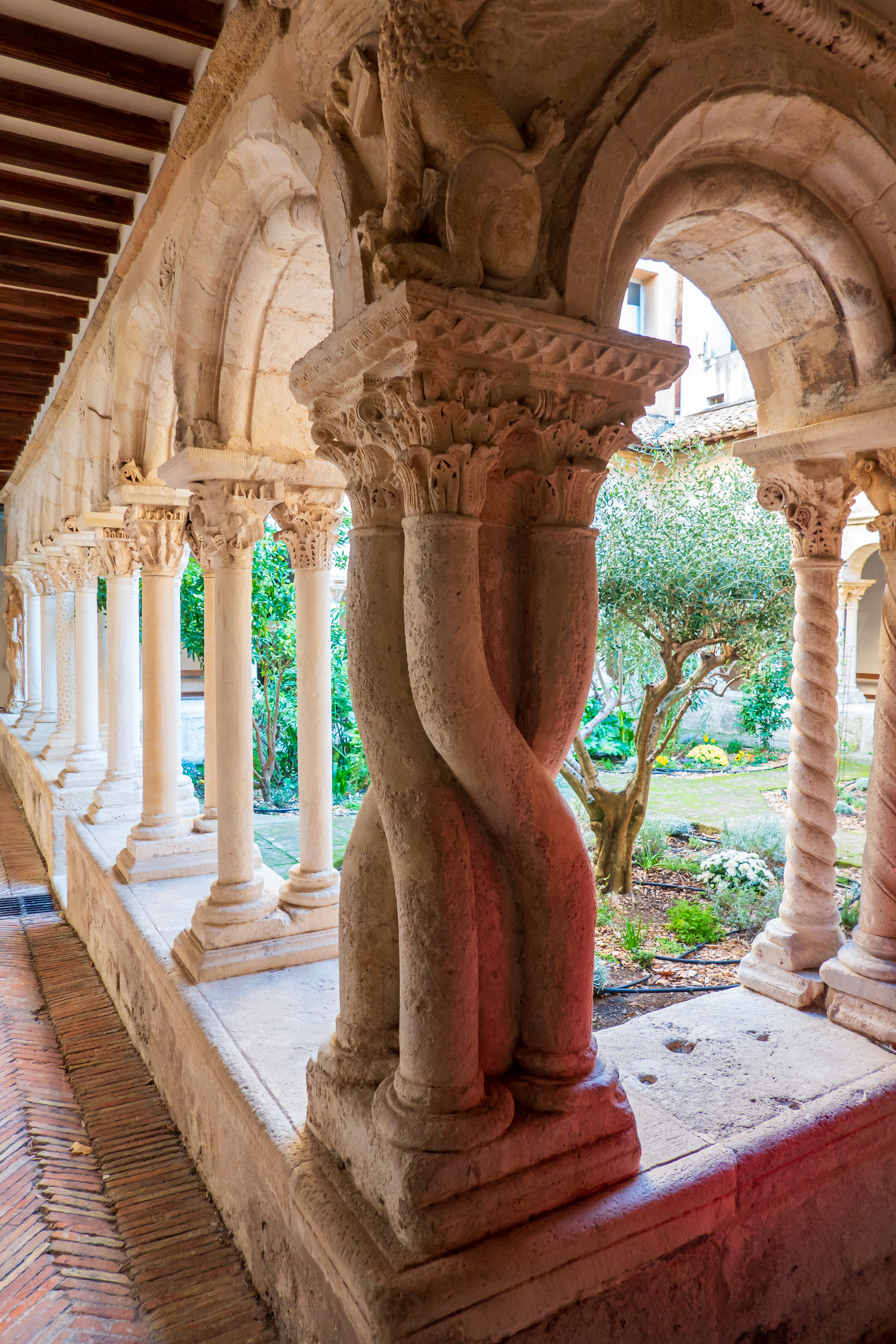
Built on the site of the first century Roman forum, with the two cardos or main streets flanking it, it included a baptismal pool and remnants of Roman mosaics and medieval frescoes, with Roman pillars. We also took a tour of the Cloisters and learned about the former monastery that had been on the site also.

Then on the bus home, we received an email from Avanoa asking us to be there the following afternoon. So we were off the next morning.
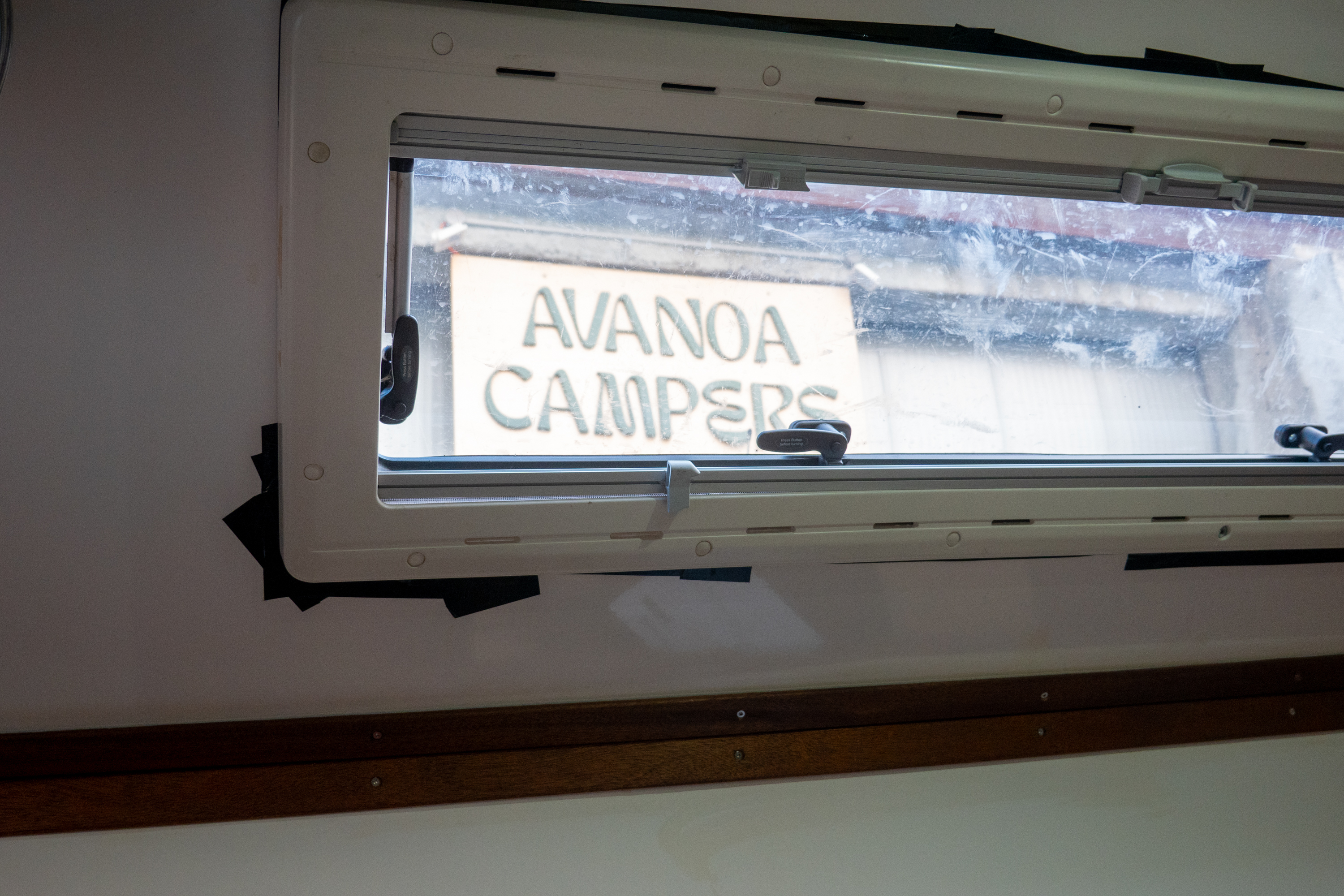
We had pretty much established that the problem was water leaking in at at least one of the fans, and probably from the mountings for the solar panels. Basically, we had a lot of things mounted on the roof with screws through the panel and inadequate, or aged, sealing. So we resolved to remove everything from the roof and remount everything properly using adhesives only. We would also examine for any obvious leaks and repair a section that had delaminated. (WARNING: Extreme camper geekery follows.)
The first challenge was just getting down the lane and up to the shop. We are a bit bigger than most of the vehicles that they work on. With the aid of a saw to trim the trees along the lane, road guides, and careful driving, we settled in to what would be our home for a week.

The first task was to get everything off and assess what was to be done.
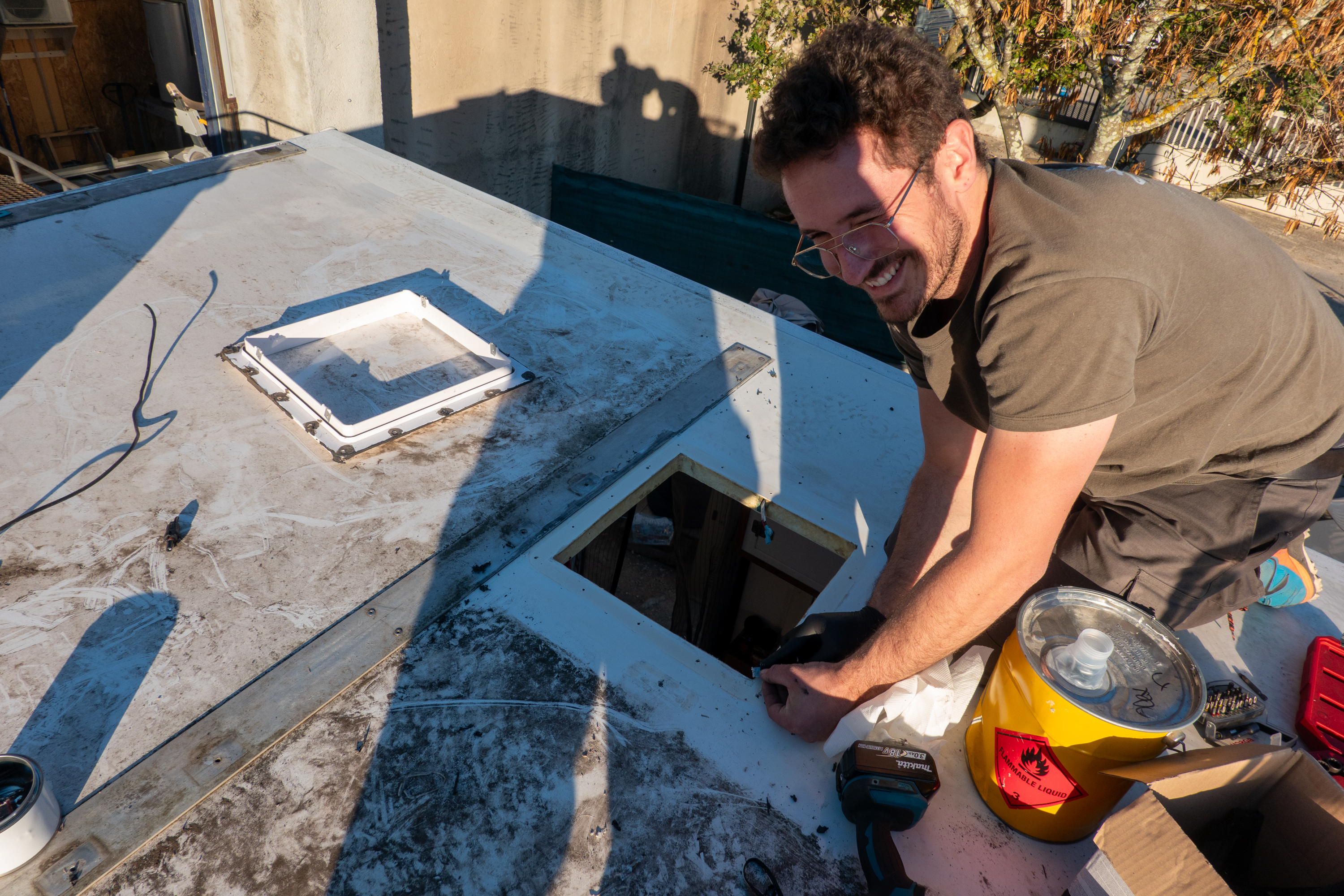
Alexi called in his friend, neighbor, and landlord, who just happens to build composite yachts for a living. He, too, clambered up on the roof and declared that we had to drill holes in the roof and inject epoxy. This might sound terrifying, but it was, in fact, exactly what Total Composites, the manufacturer of the panels suggested. He came over on Sunday to take charge personally.
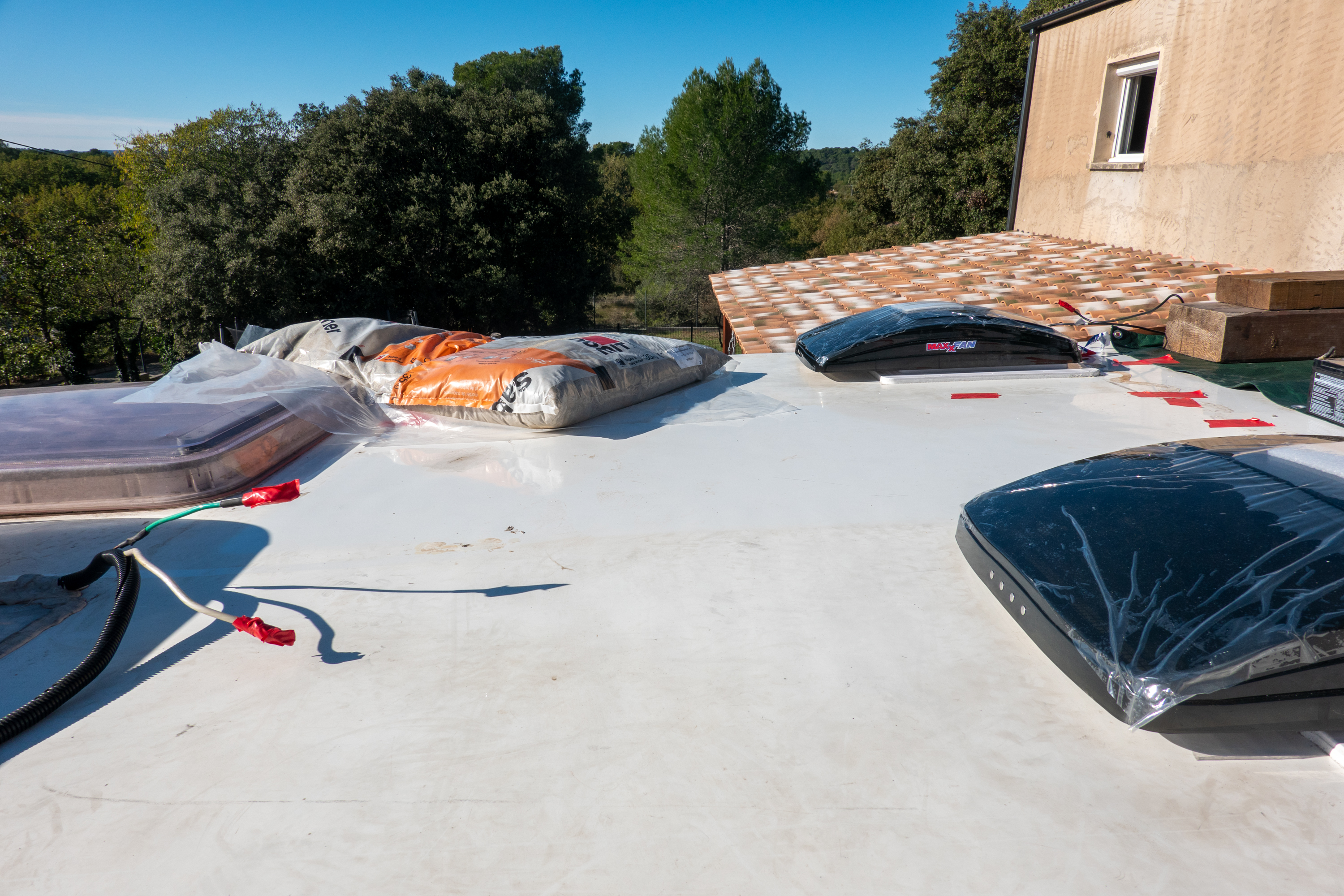
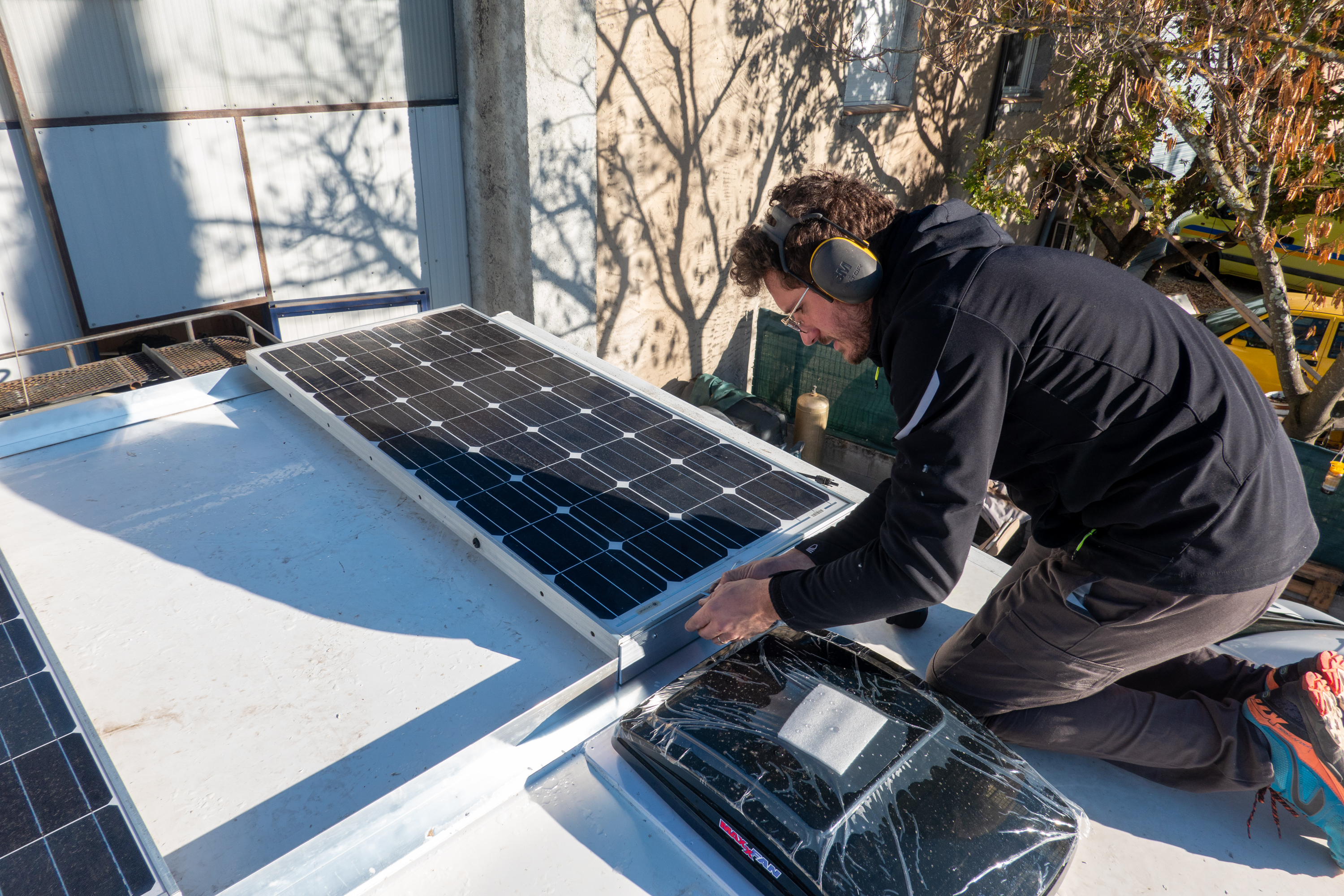
Fortunately, Alexi had taken a training course with Sika adhesives and stocked the full range of their products and the nifty tools to work with them. Who knew that there is a powered caulking gun? Sika adhesives are widely used in the construction of composite campers. (https://fra.sika.com/?_gl=1*nau8a8*_ga*NTEzMzk4MDgyLjE3MDQ2NDg4OTg.*_ga_K04G1QB2XC*MTcwNDY0ODg5OC4xLjAuMTcwNDY0ODkxNy4wLjAuMA..) Most installations required a very strict protocol, clean, sand, prime, bond, cure. We were careful to find, and cover, every screw hole or other opening. In the process we found a crack at the front of the camper – probably a tree strike – and probably the main source of water at the front window.
The repairs, including repair of the delaminated part of the roof, took eight days in total. A great deal was achieved including the fabrication of an aluminum cover for the newly found crack. The solar panels were removed and remounted without piercing the roof, two new fans were installed and. as noted, the delaminated section was repaired. Interesting side note – the owner of Total Composites noted that when he proposed to the fan manufacturer that fans should be mounted with adhesives only, he was warned that that would void the warranty. Needless to say, ours are mounted without screws. I am more worried about leaks than I am about warranties.
Spend a week camping on someone’s doorstep and you develop a real relationship. When we left, Alexi and Megane gave us a wonderful going away package. Should you want a camper, or need repairs in Southern France, see Avanoa.

 DiploStrat
What was the cause of delamination of the TC panels? Just freeze-thaw cycles?
The problem was water entry around screw holes. Originally sealed, it appears that the sealant dries out over the years and allowed water into the panels. Repaired the delamination, sealed the holes, and remounted everything with Sika adhesives.
As far as I know, the panels never froze with water in them.