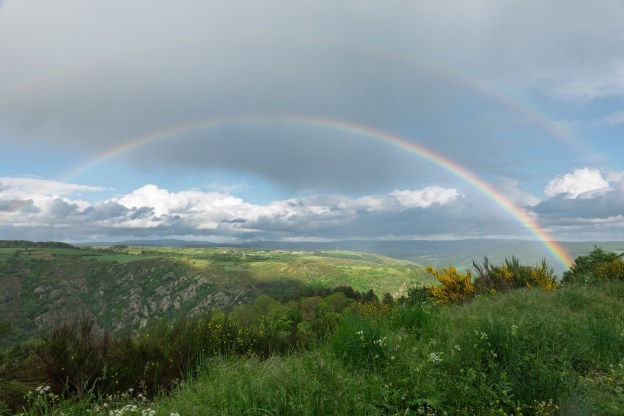
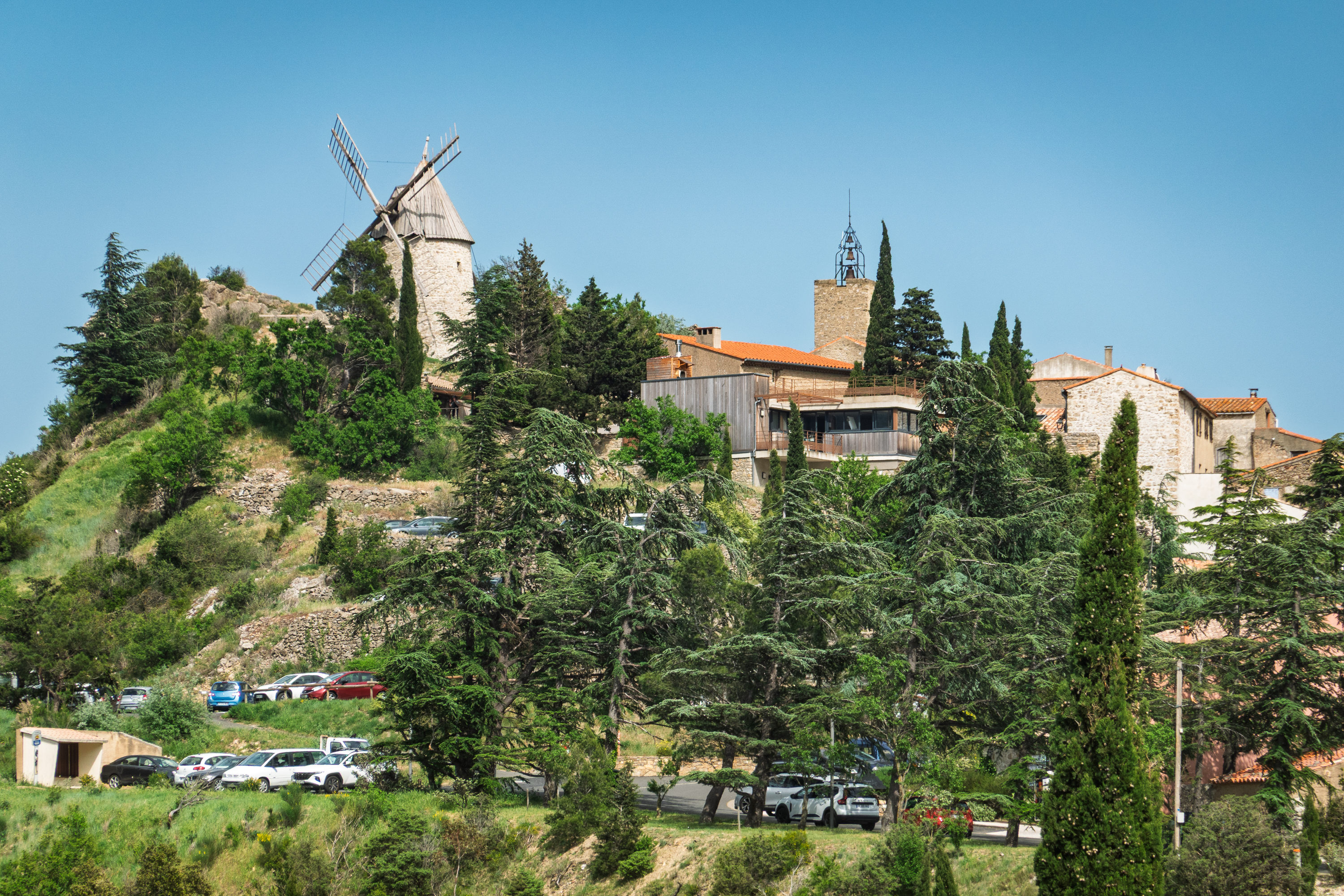
Back in France, our first stop was to visit the Cathar castles above the medieval village of Duilhac, about 45 minutes from Perpignan. There are two of them, Queribus, which we saw from afar, and Peyrepertuse, which is the larger of the two. Peyrepertuse is perched 800 meters high on the hill top, and blends in so well with the limestone rocks, it can be hard to see. (https://www.peyrepertuse.com/en/)
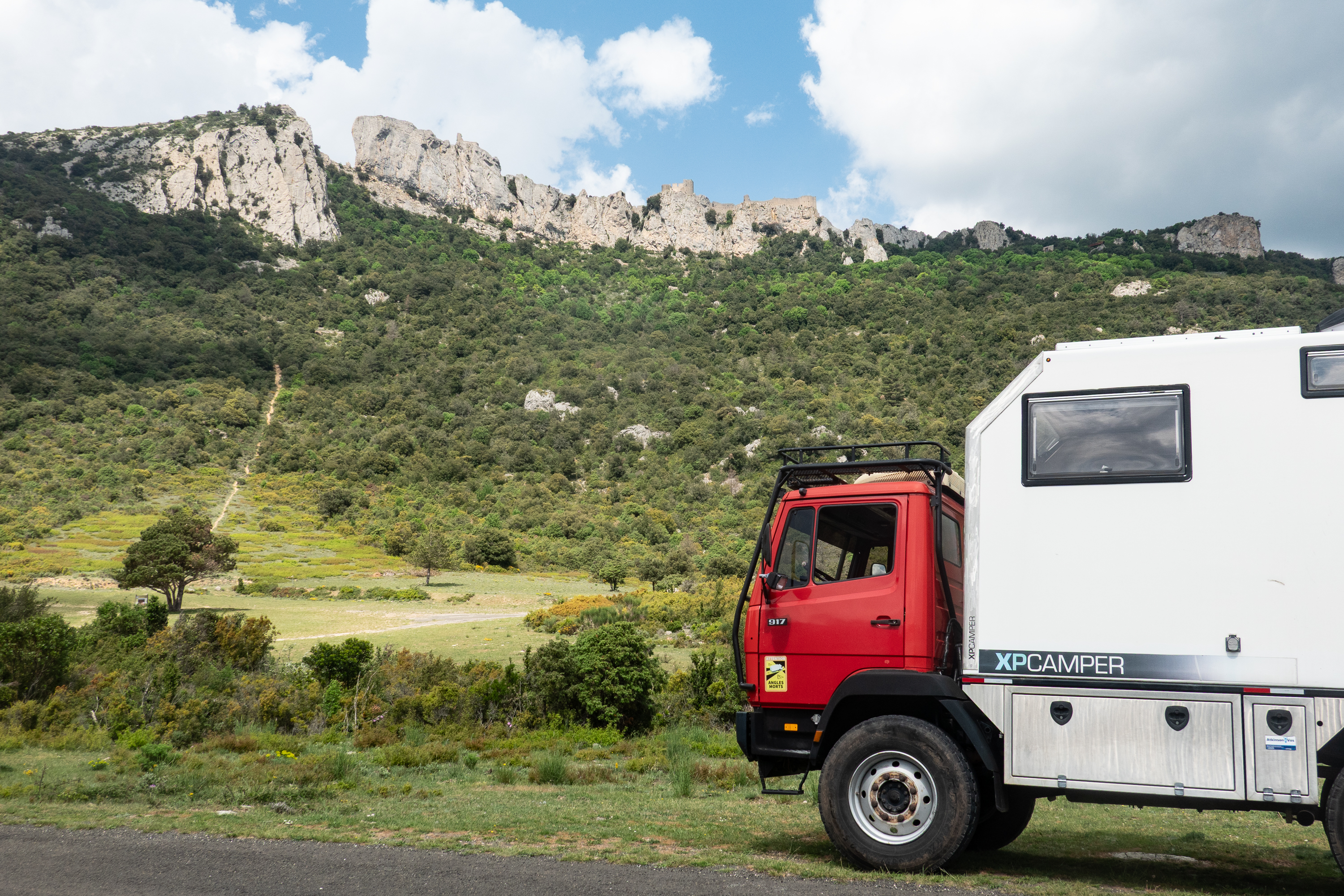
To get to the village, we drove up a steep, winding mountain road, which was mostly one lane. It was rather exciting each time we went around a blind corner and met a large truck! There are, of course, no guard rails. Given tourists and the number of wineries around, there are lots of trucks and busses that share the road. A very sporty time share, indeed.
There is an aire at the base of the mountain but, on the advice of some of the other camper owners there (who were younger and fitter than we were!), we drove about half the way up to a lot provided for bus parking and with space for turning around. We considered the GoCycles, but were unsure of the road surface – we feared gravel, and conscious of the fact that the front wheel drive can slip on steep climbs. So we drove up and parked, and set off to walk the rest of the way along with a number of Germans from a bus, that had preceded us up the mountain. The road was perfectly paved – we could have ridden it. Oh well.
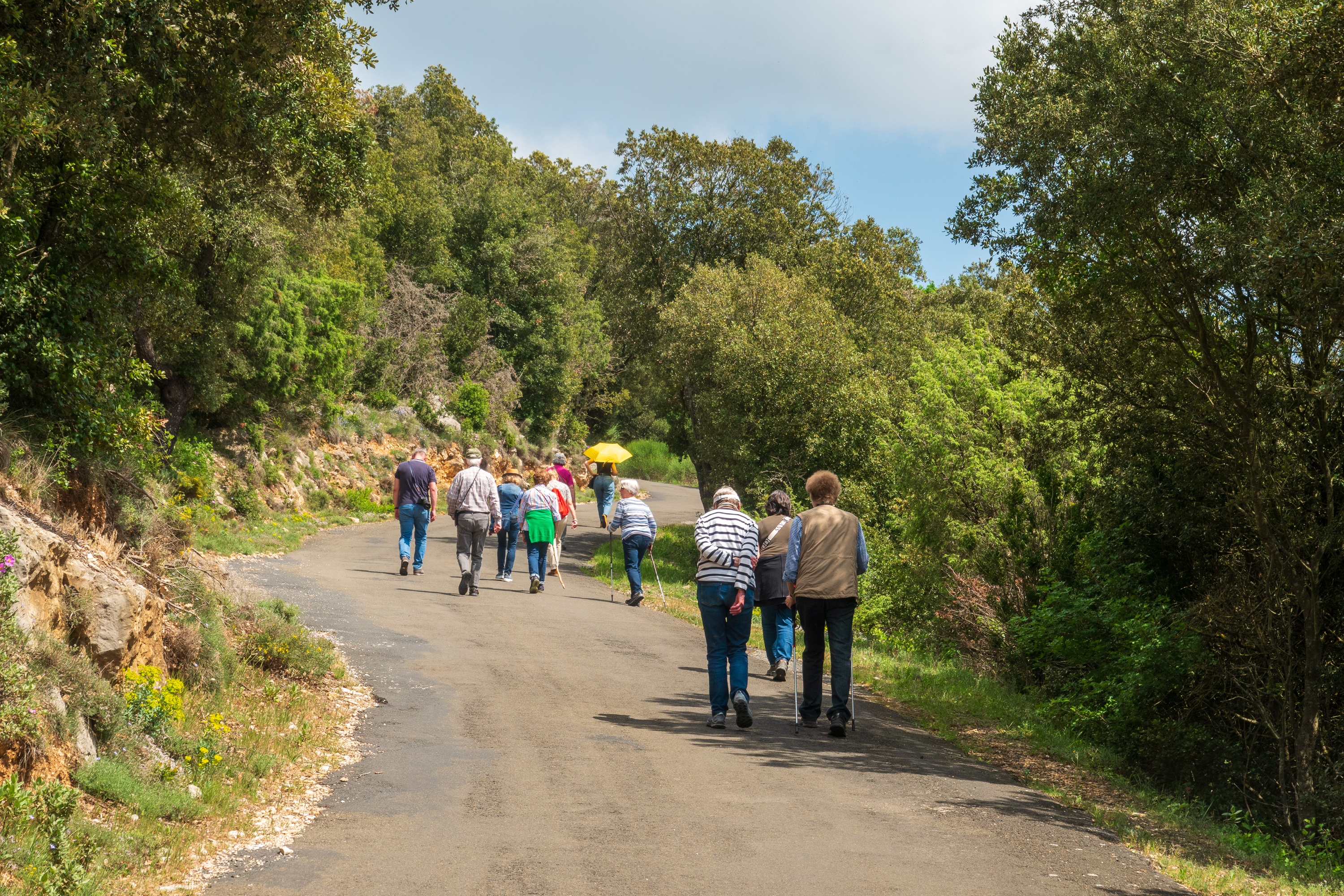
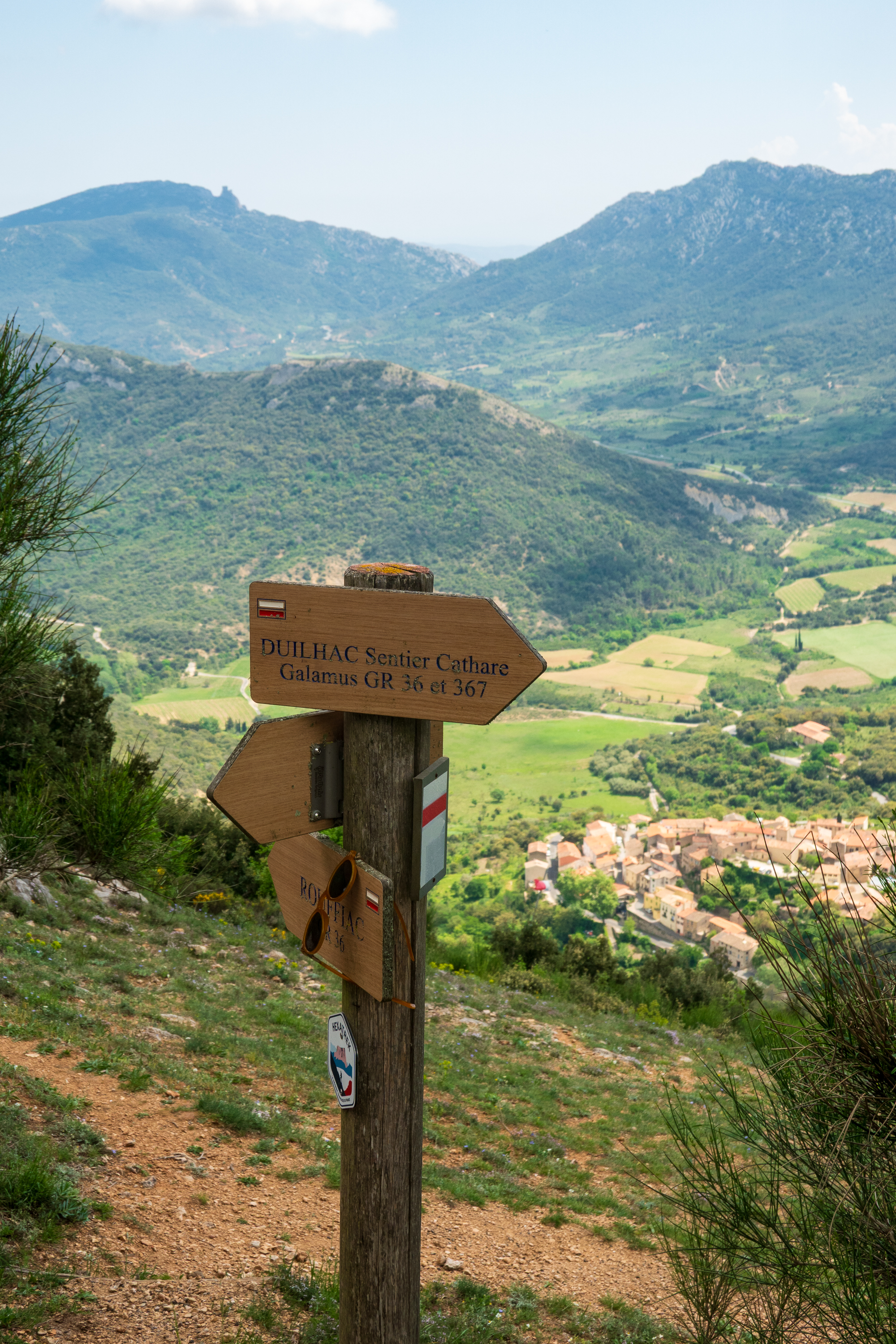
The road continued winding and was really steep. The 300 to 400 meters seemed a long way and we were very tired when we got to the ticket office. We had been warned that after the ticket office, one had to climb another 100 or more steps to reach the ruin and we decided that our view of Peyrepertuse was going to be just fine from below!
There were amazing views, both of the castle and of the valley below it, stretching to the second castle, Queribus.
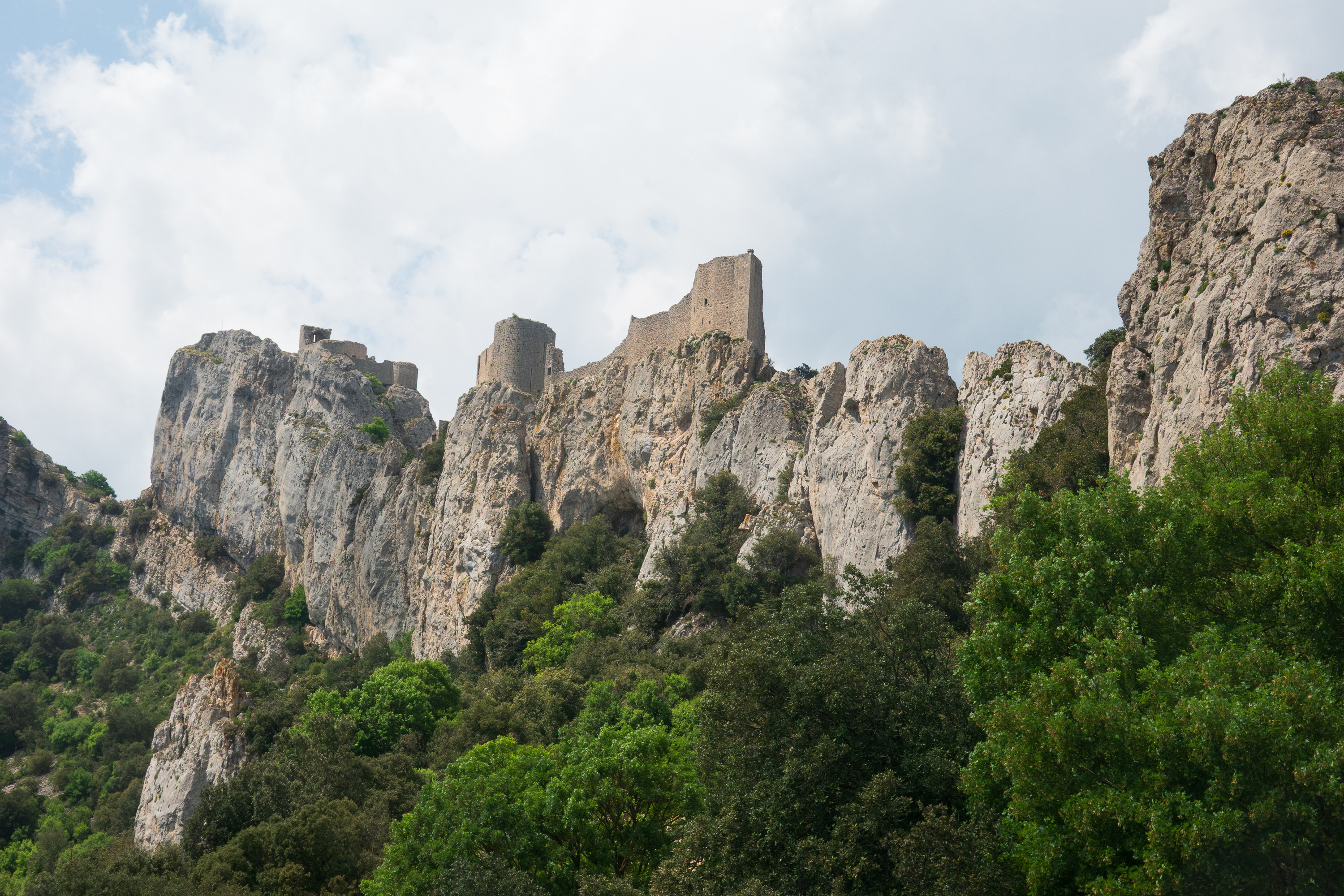
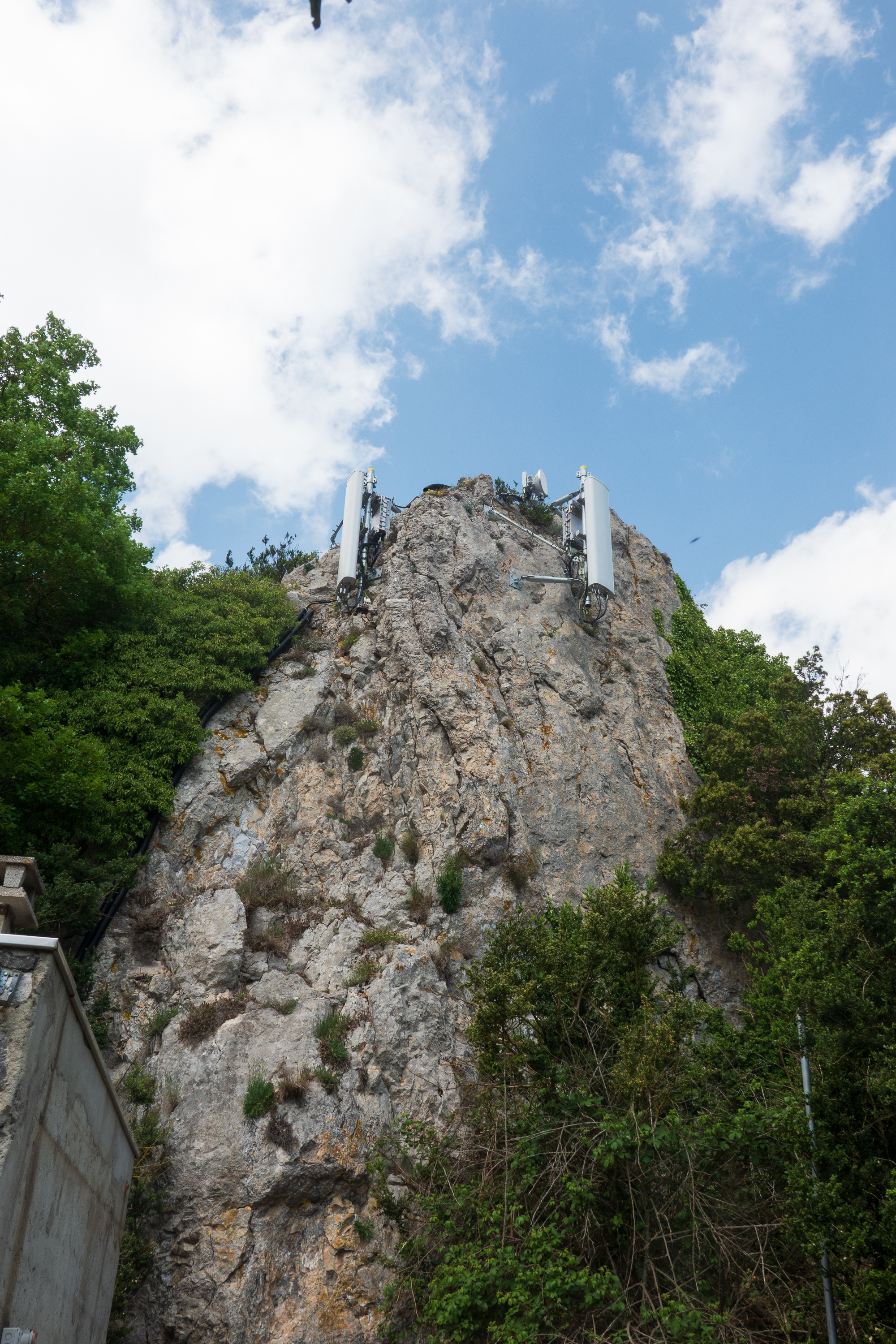
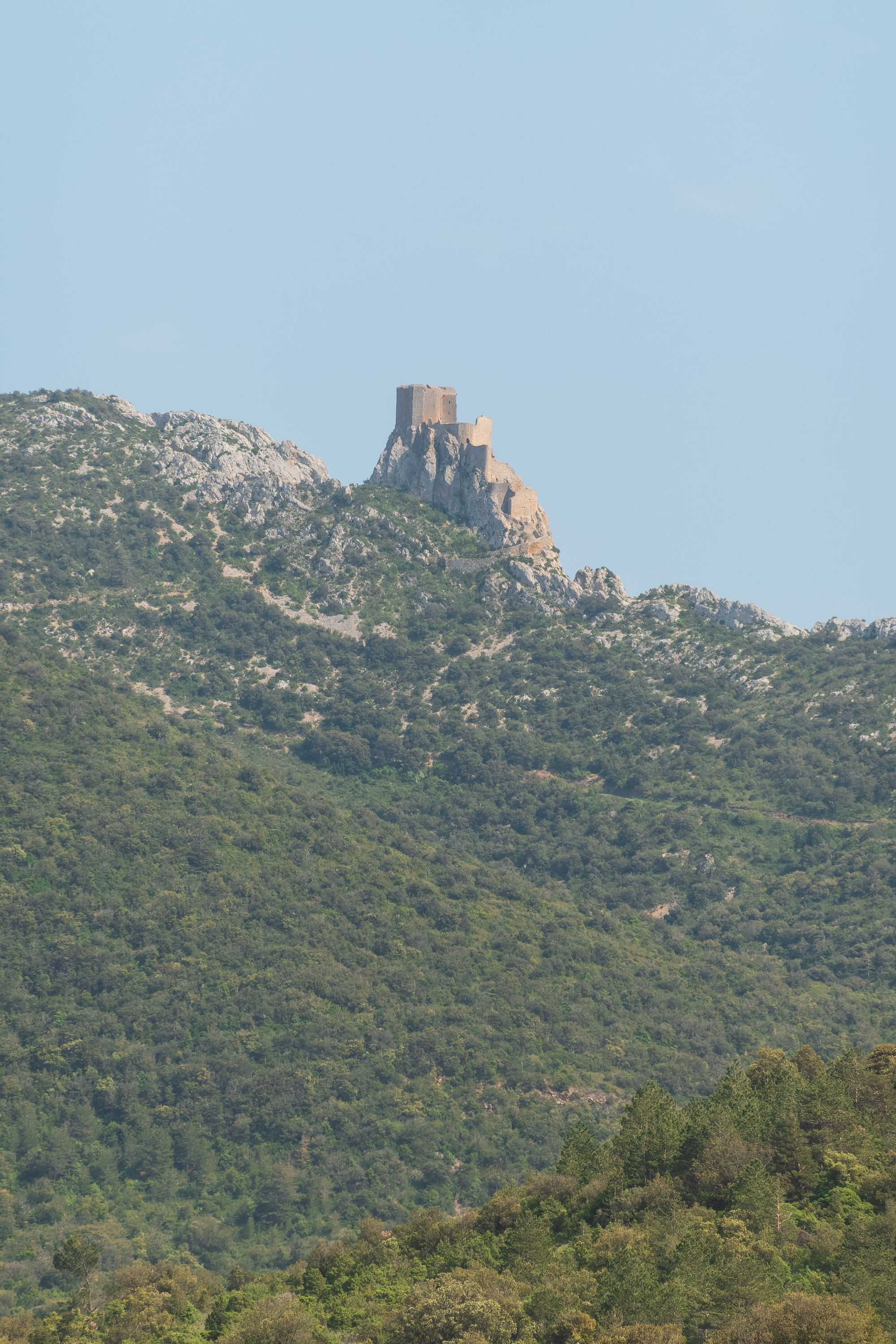
We walked (staggered) back down to the camper to repeat the drive down the mountain. We had stopped at a winery, Peter Sichel, at the village of Duilhac for information on our way up. (https://domainepetersichel.com/ ) It turned out that they were members of France Passion, so we skipped the aire and continued back down to the winery and went inside for a tasting and permission to stay the night.
There were vineyards as far as the eye could see! Most certainly a wine region. We enjoyed our tasting and bought a couple of bottles to enjoy. An extraordinarily light red wine.
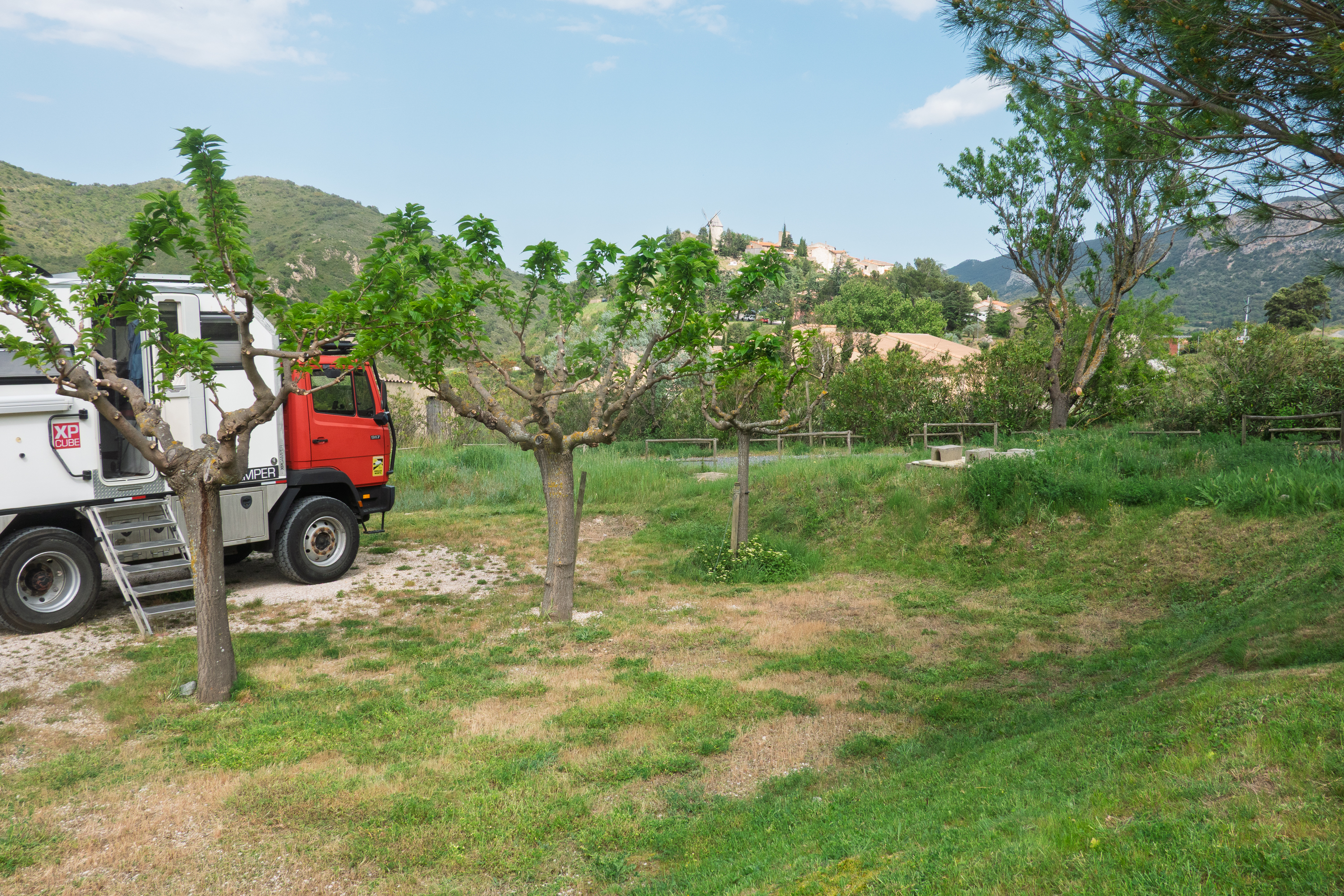
The next morning, we headed north and went back to Bellegard to an aire where we stayed a few years ago.The aire is beside a canal, with many boats and houseboats moored. We put the bikes together and went for a ride down the towpath toward St. Gilles, which was fun.
The following day, after a stop at a large Carrefour shopping center for a food resupply, and a couple of loads in the WashMe, we headed to a campsite we had found online about 25 minutes from Trans en Provence.
We had decided it was a golden opportunity to get some more work done on the camper body. It was a holiday weekend, May 1, and we were afraid that everything would be full. So we booked four nights in a commericial campground and planned to head to Avanoa on Monday morning. The campground proved to be run by a Dutch company, RCN Holiday Parks, and it was just lovely. (https://www.rcn.nl/en/camping/france/provence/rcn-domaine-de-la-noguiere)
They gave us a great site, miles from anyone else, they had wonderful washing machines (which we made use of before we left), a decent restaurant, a huge pool etc. It was too chilly to swim, at least for us, but we did eat in the restaurant once and enjoyed fresh croissants and baguettes. Plus of course we ordered Bitterballen for old times sake – favorite from our visit to Amsterdam. (We later learned that they import their Biterballen from Amsterdam!)
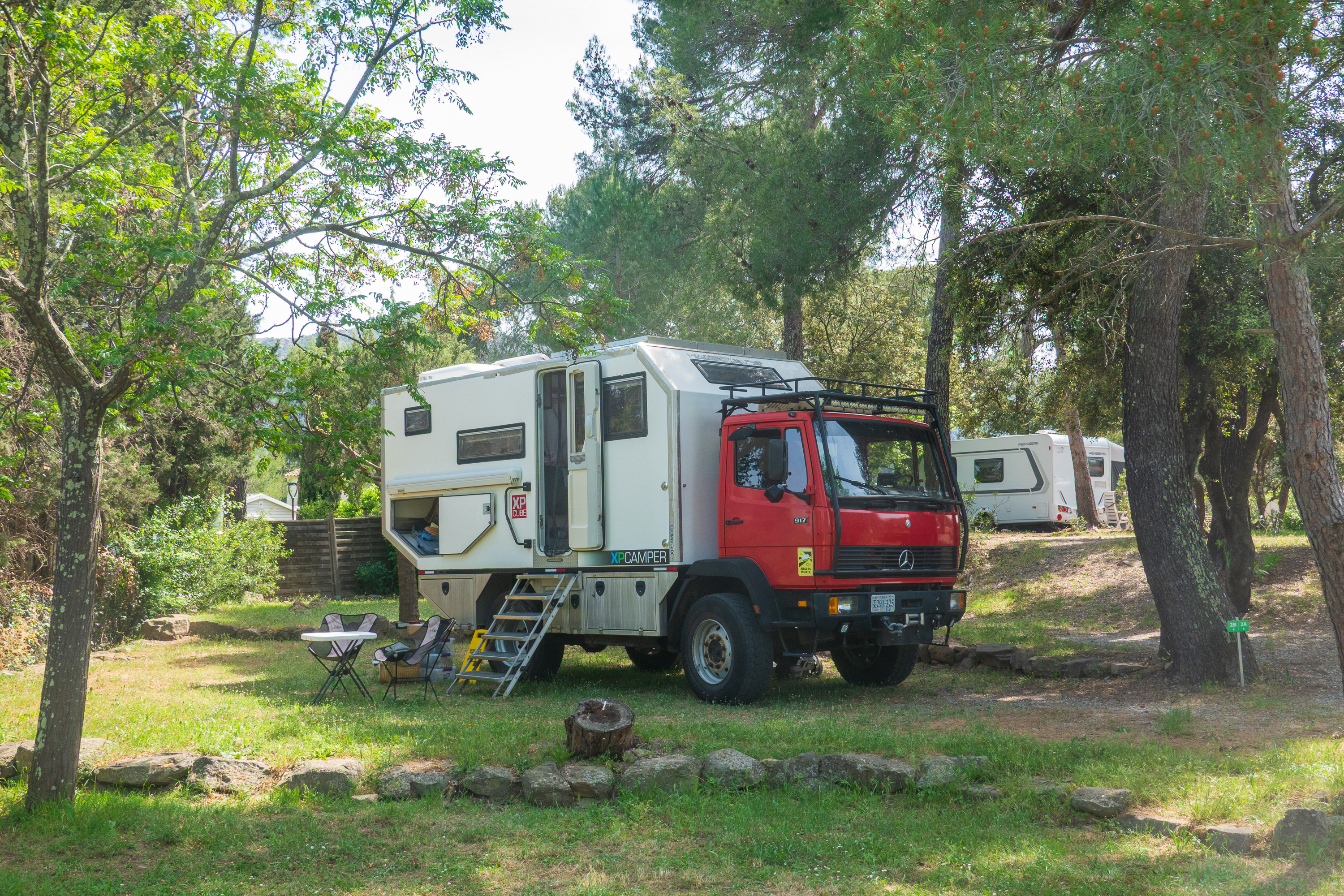
We completed the work at Avanoa at about 6.00 PM on a Thursday evening, before yet another holiday weekend, celebrating VE Day this time. The camper now has bright new aluminum armor/rub rails on all four corners to protect against trees, etc. Alexi accomplished his usual master work. Fans will remember that he remounted all of our roof fittings a few years ago: https://diplostrat.net/2024/01/07/when-it-rains-it-pours/
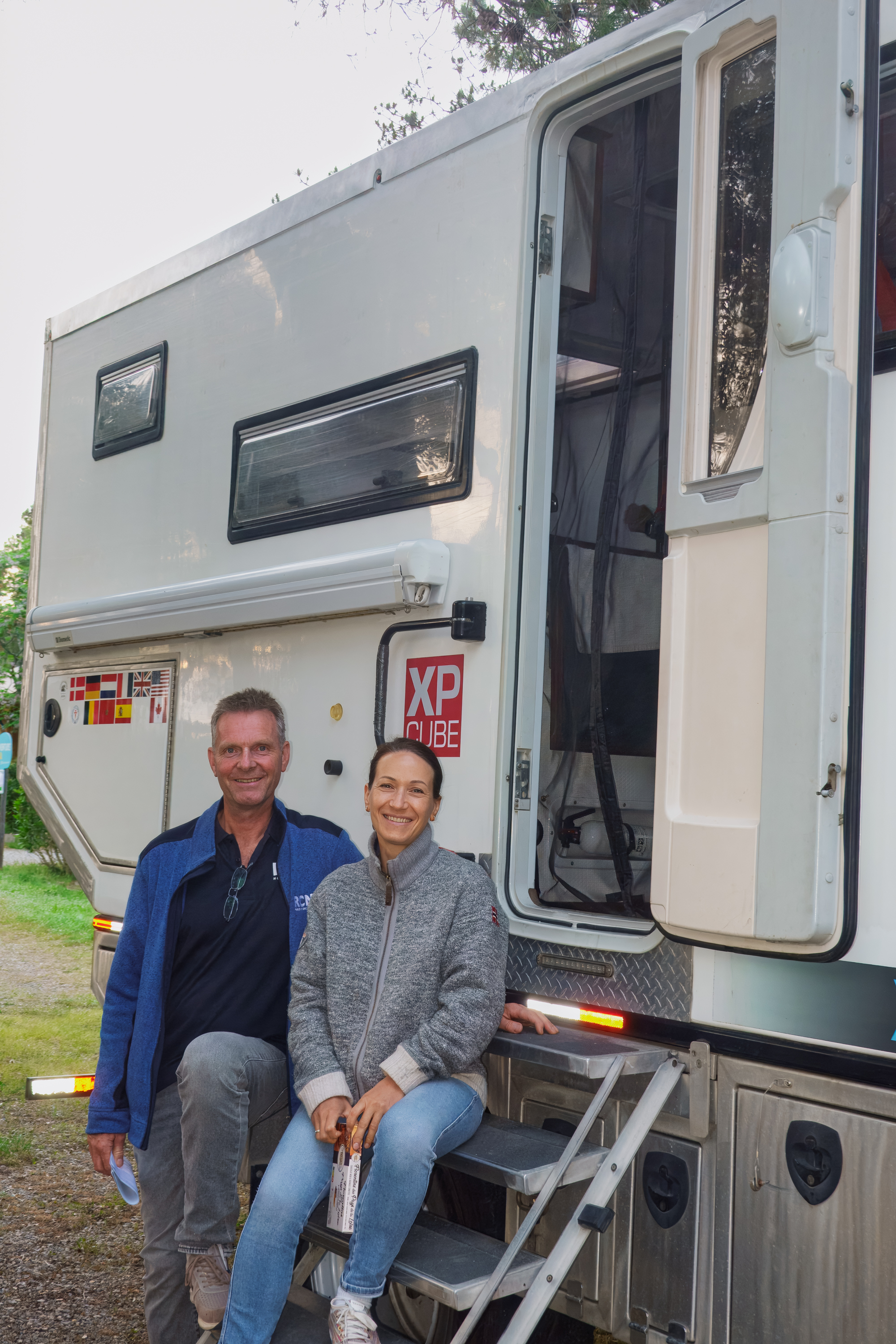
Too tired to go further we, returned to the RCN campground, put ourselves in the same site and headed for the restaurant where everyone greeted us with “you’re back!” This time we only stayed two nights though we ended up eating dinner the second night also. The next morning, we had a visit from the Dutch manager and a Headquarters visitor who sat and chatted for a half hour. That evening after dinner we also enjoyed a great chat with the manager and his wife, who came to visit us in the camper. Their son saw no reason to look at campers and headed of to play video games! And of course, we did more laundry, as the camp has lovely, big machines.
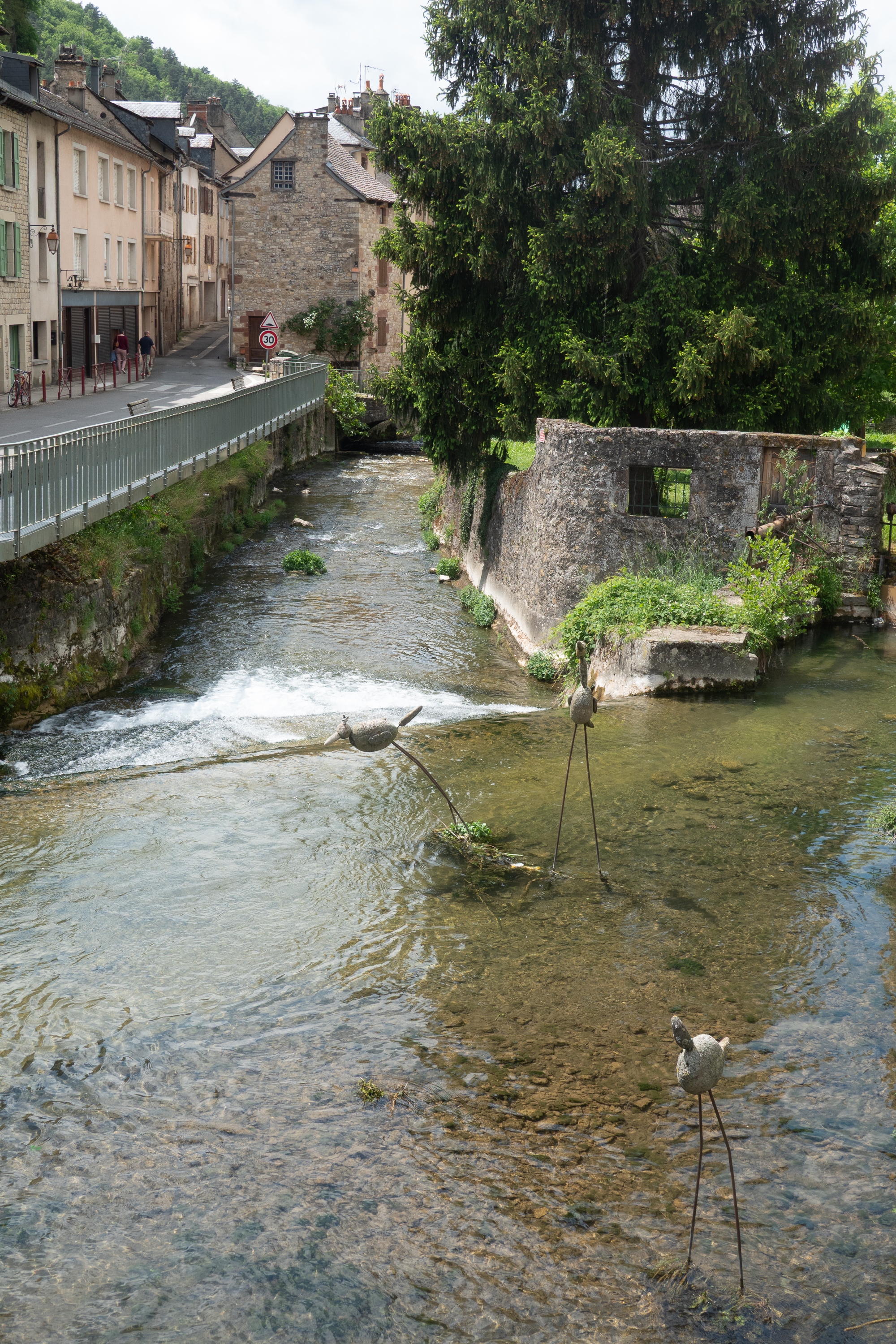
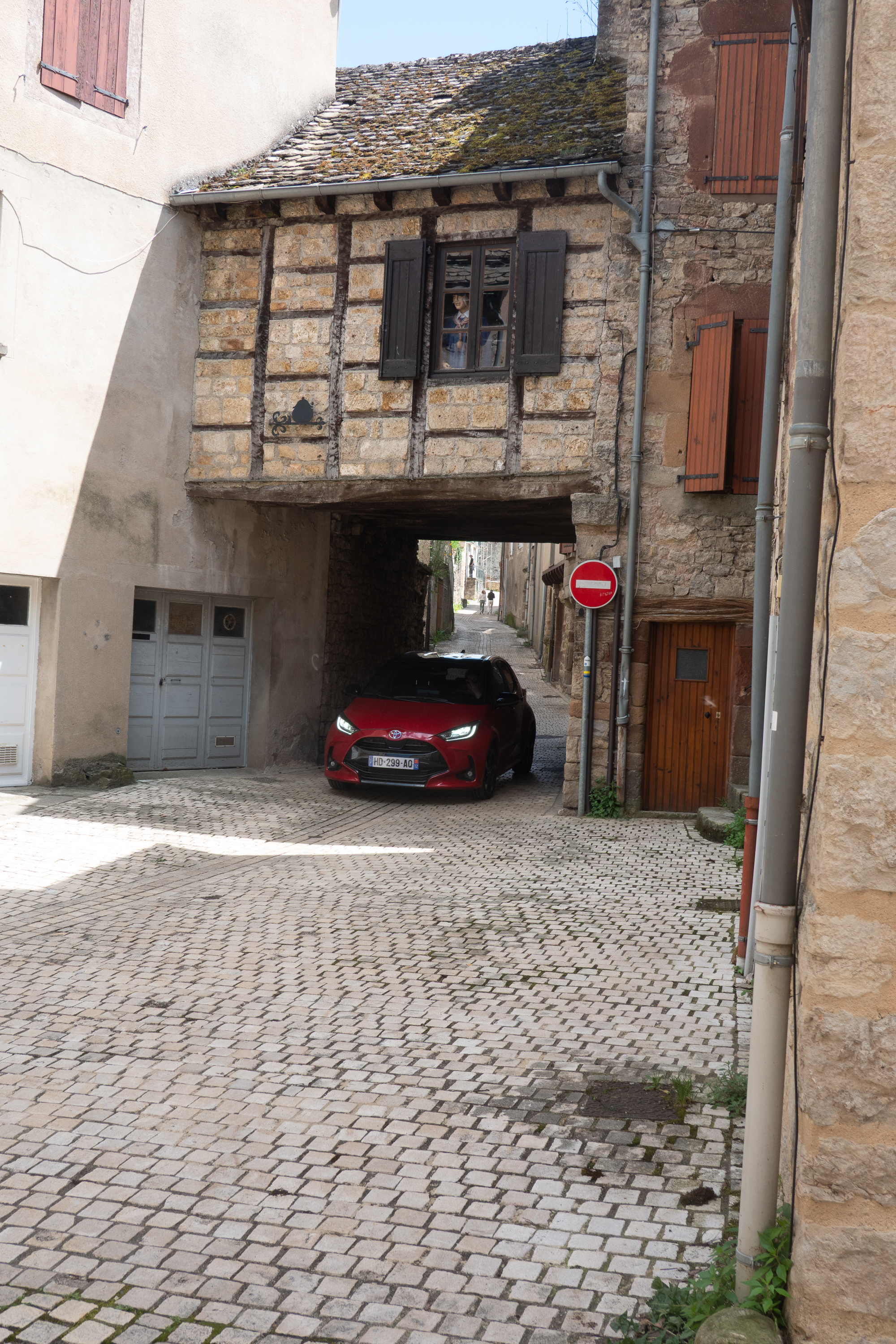
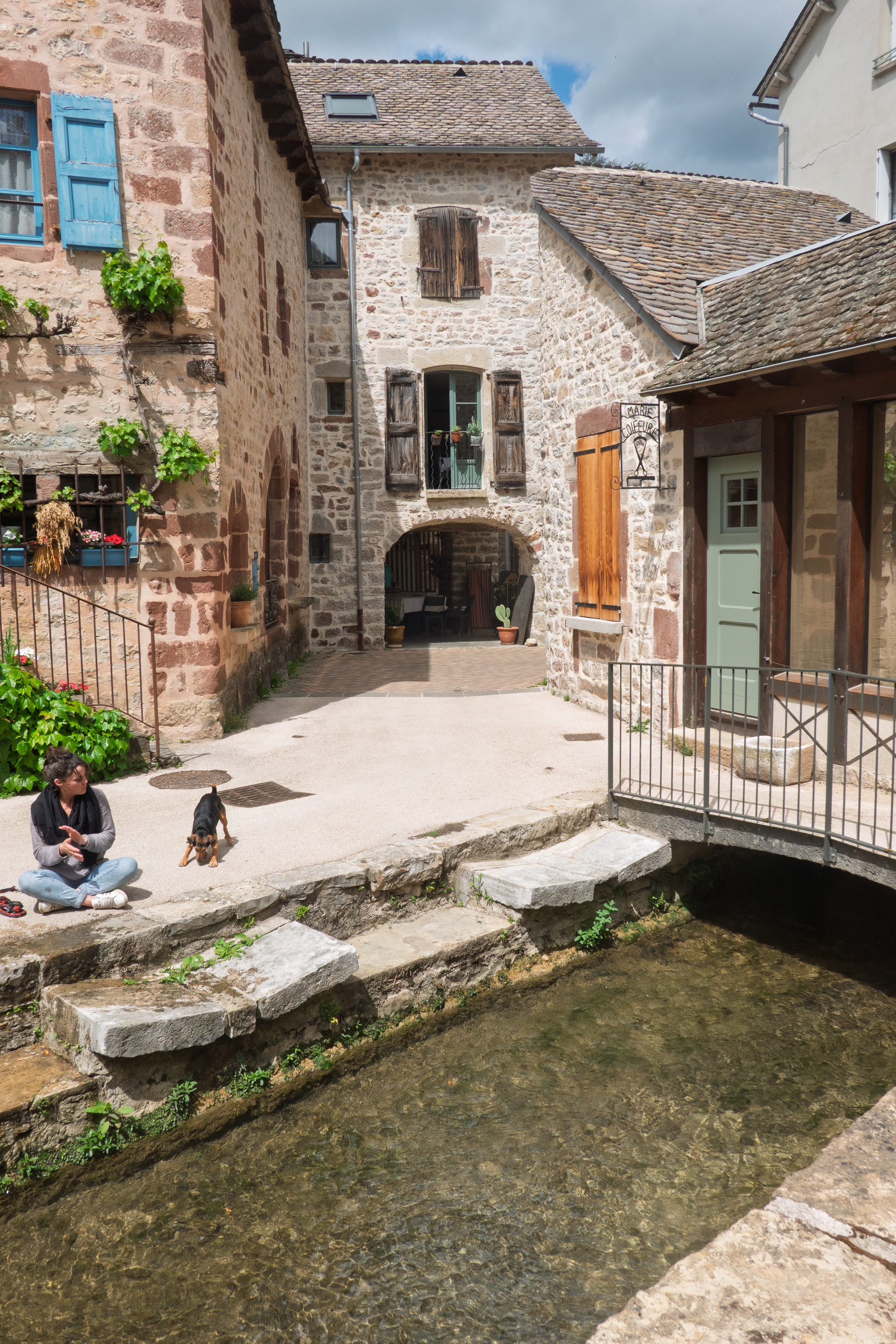
Then it was time to head north, and so we did. We were heading for a Wolf Preserve but first we stopped at an aire at a charming small town called La Canourge, in the Languedoc region of France. Parts of the town date from the 13th century and we enjoyed a walk through the narrow medieval streets – without having to drive them.
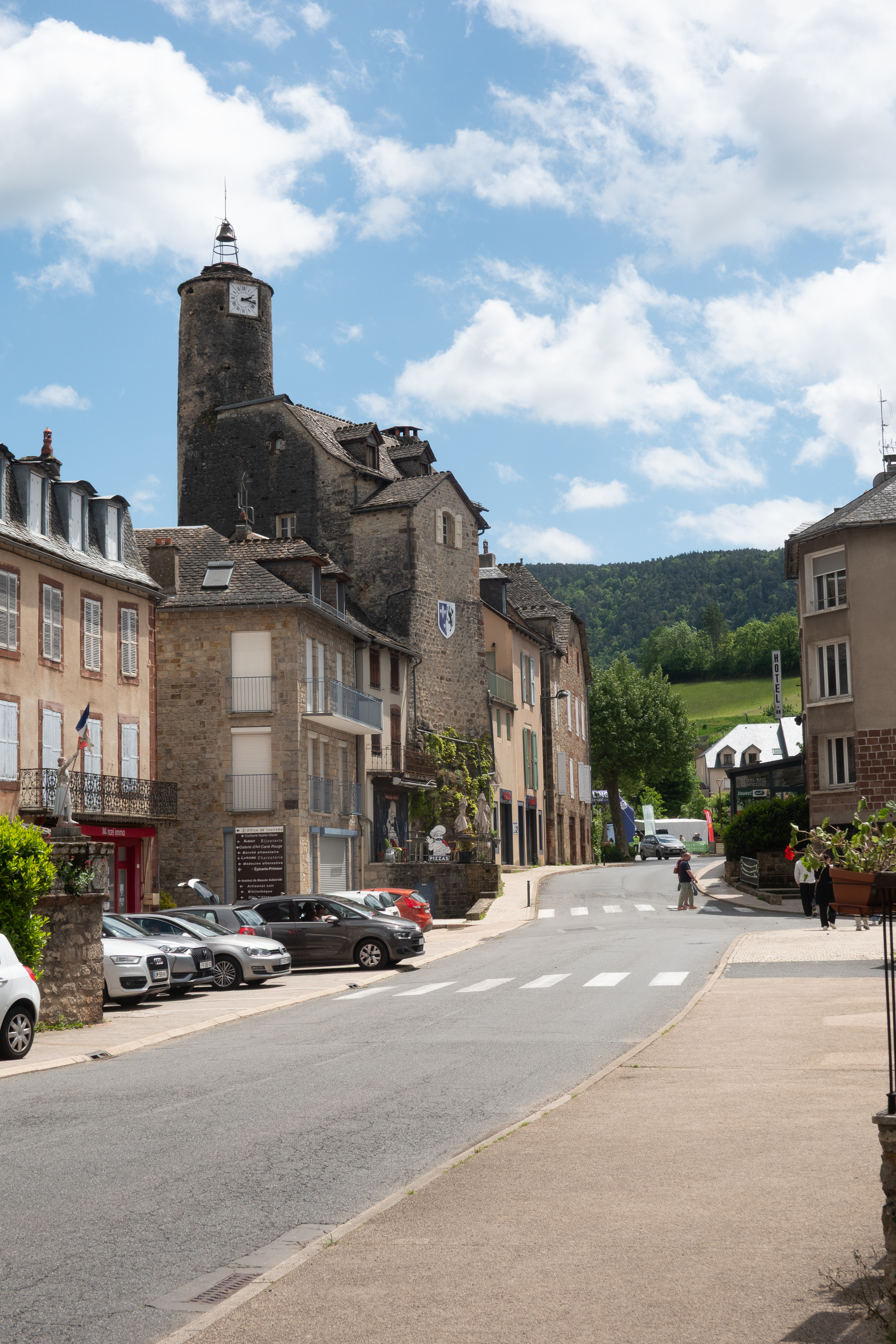
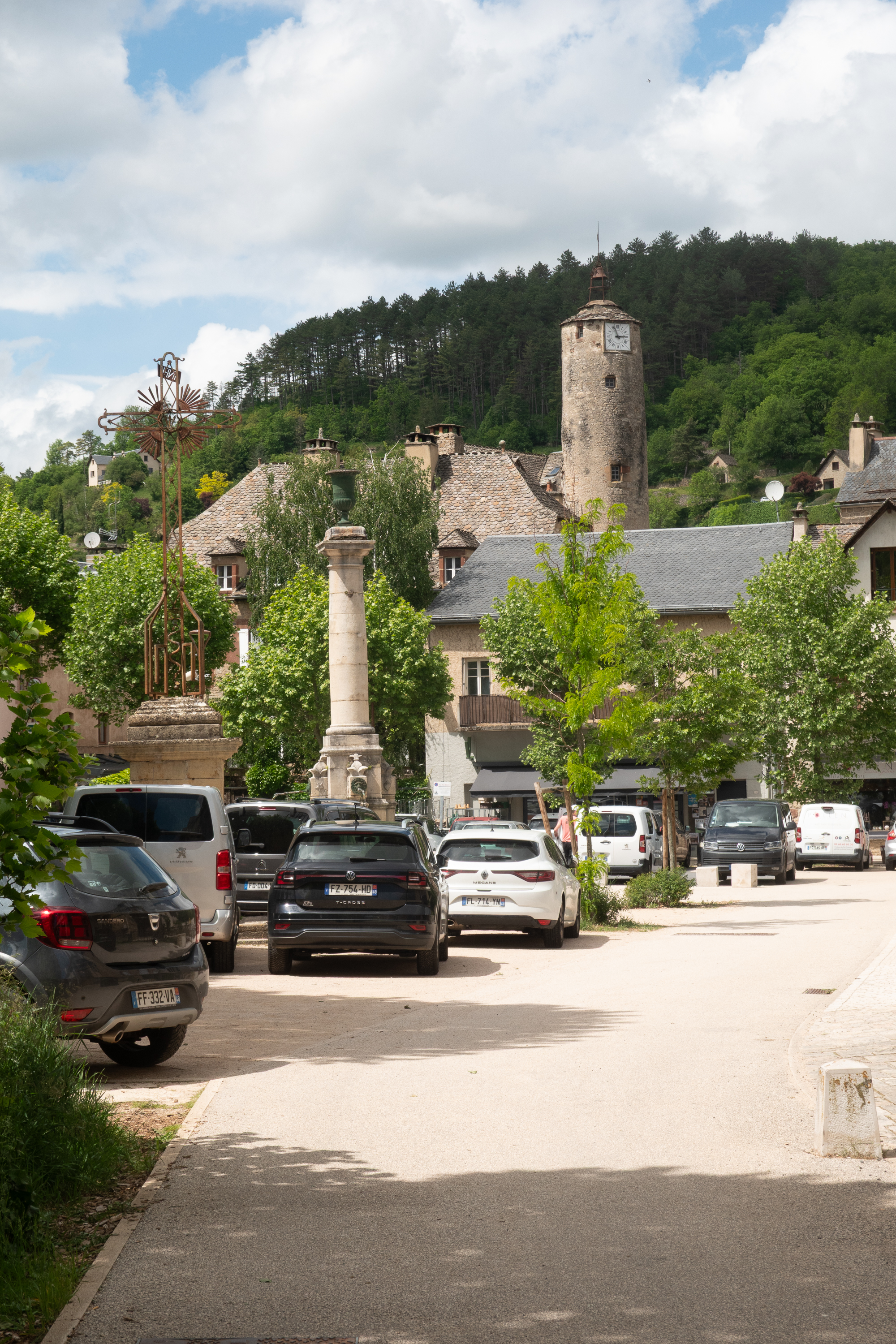
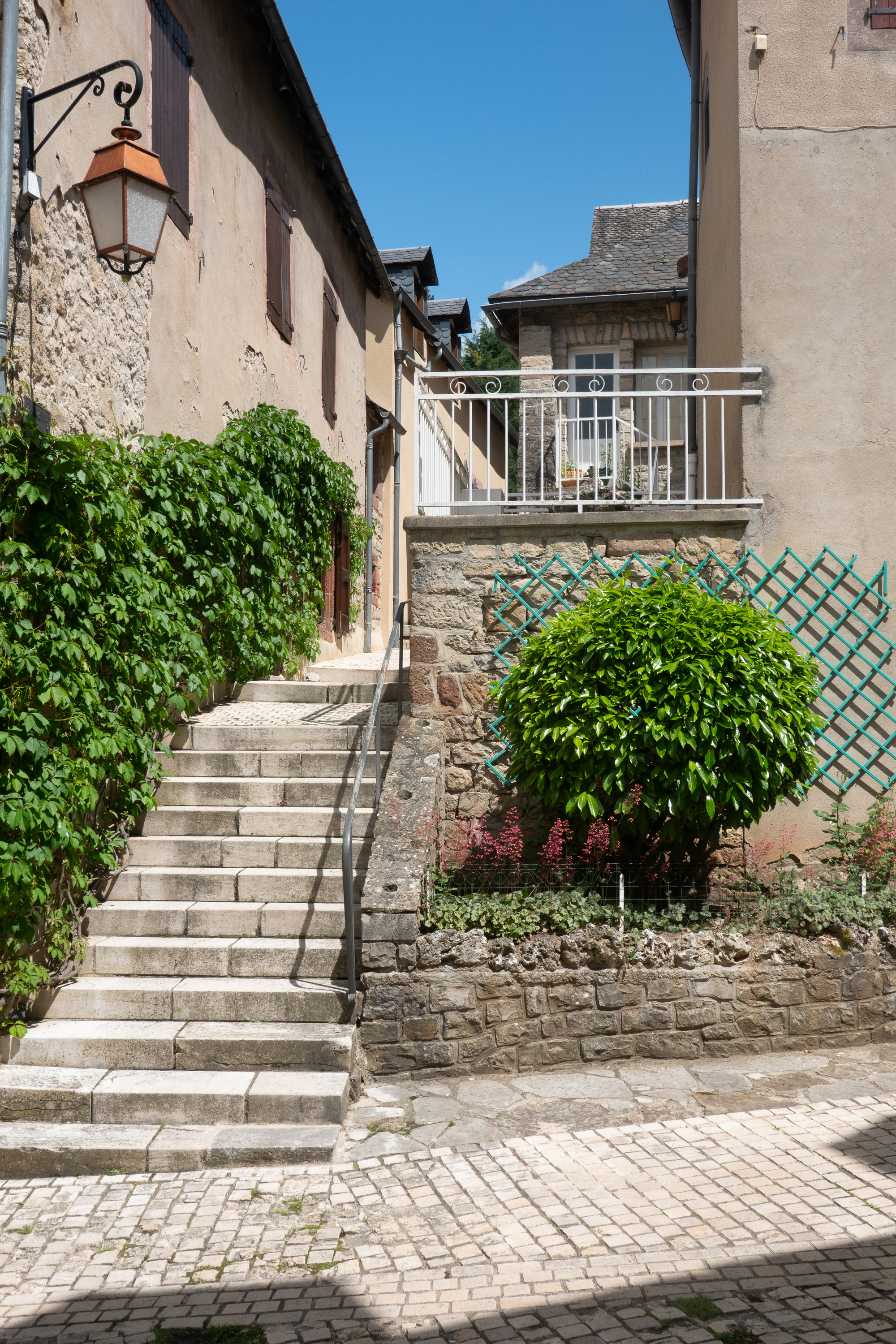
It was the end point for a bike race so lots of bicyclists were arriving. Other than that, the town was closed as it was Sunday!
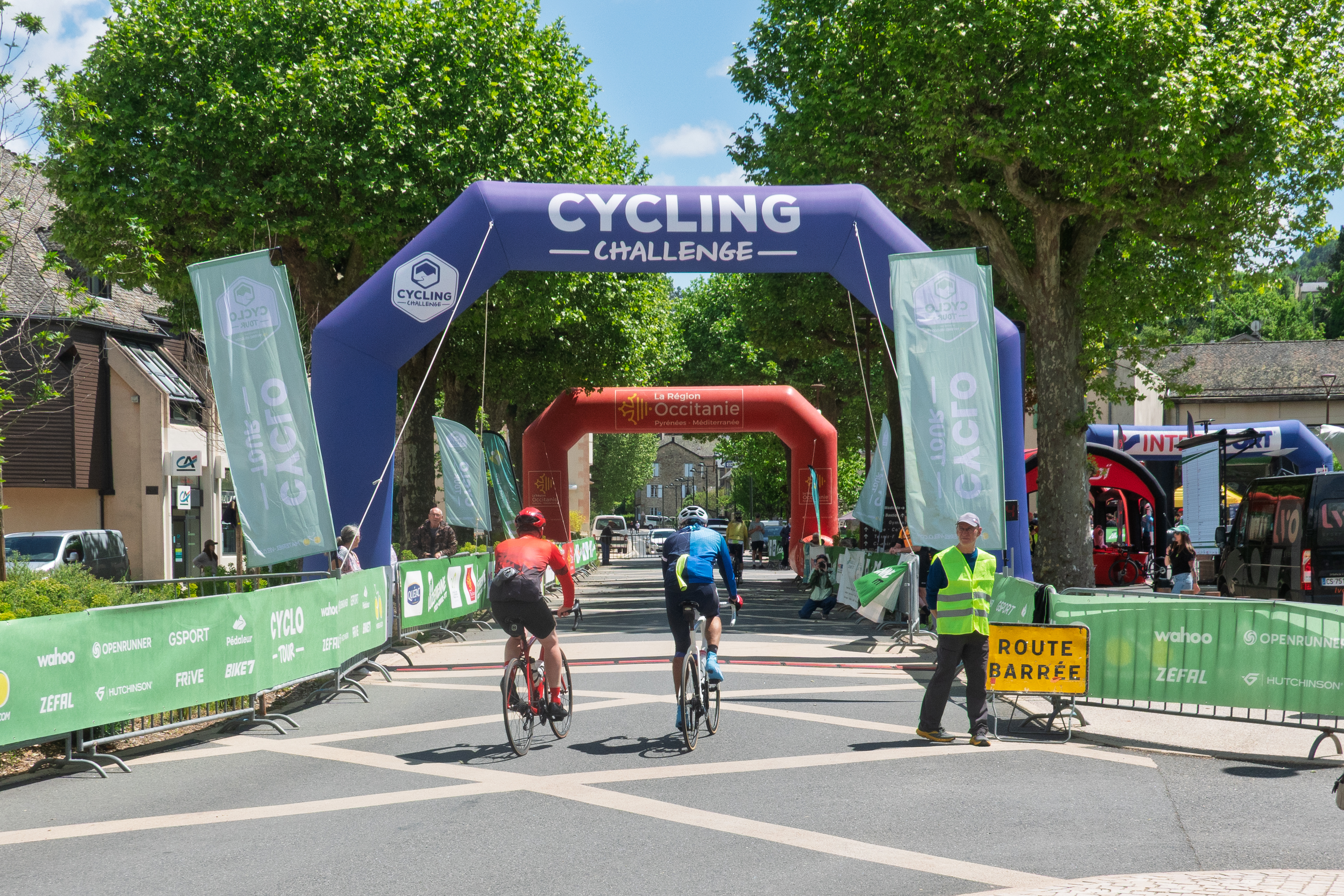
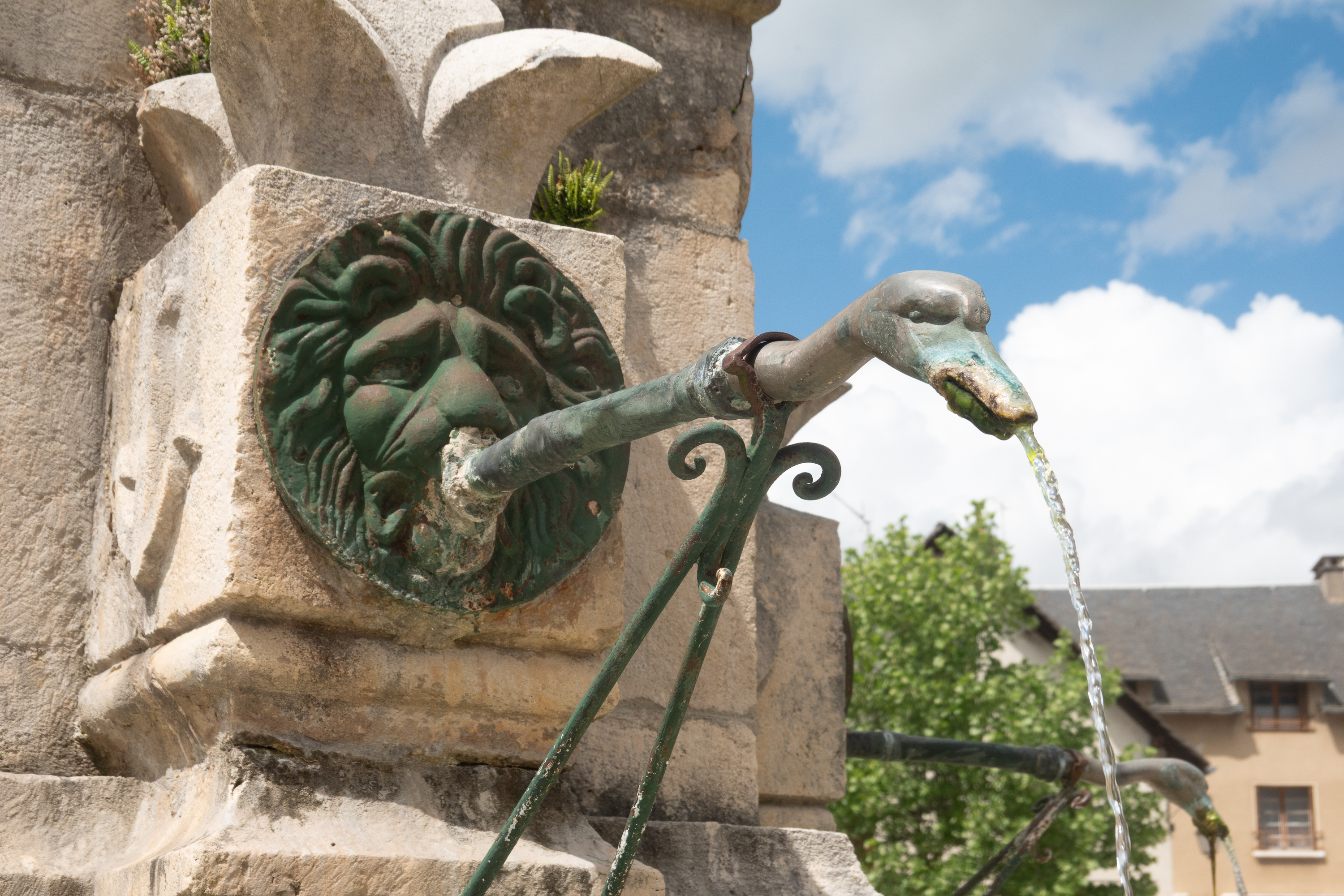
La Canourge has a lot of small canals, so it is called the little Venice of the region.
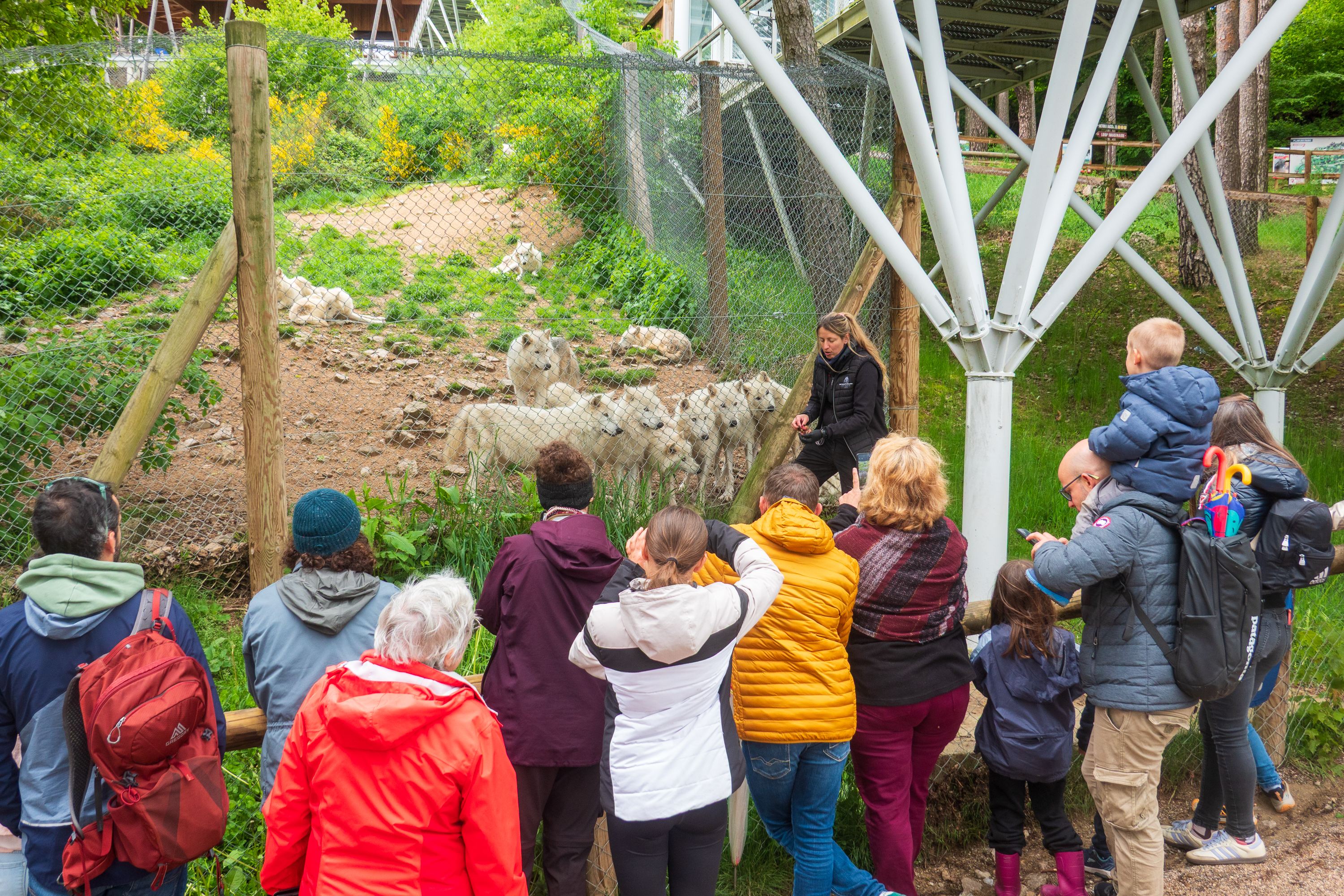
Our next goal was “Les Loups du Gevaudan” a wolf preserve with wolves from Canada, Mongolia, Poland and Siberia. (https://www.loupsdugevaudan.com) We viewed the wolves, most of whom were snoozing on the ground, before taking a tour with an excellent guide, who was most knowledgeable about wolves in general, and their individual pack politics in particular – a lupine soap opera!
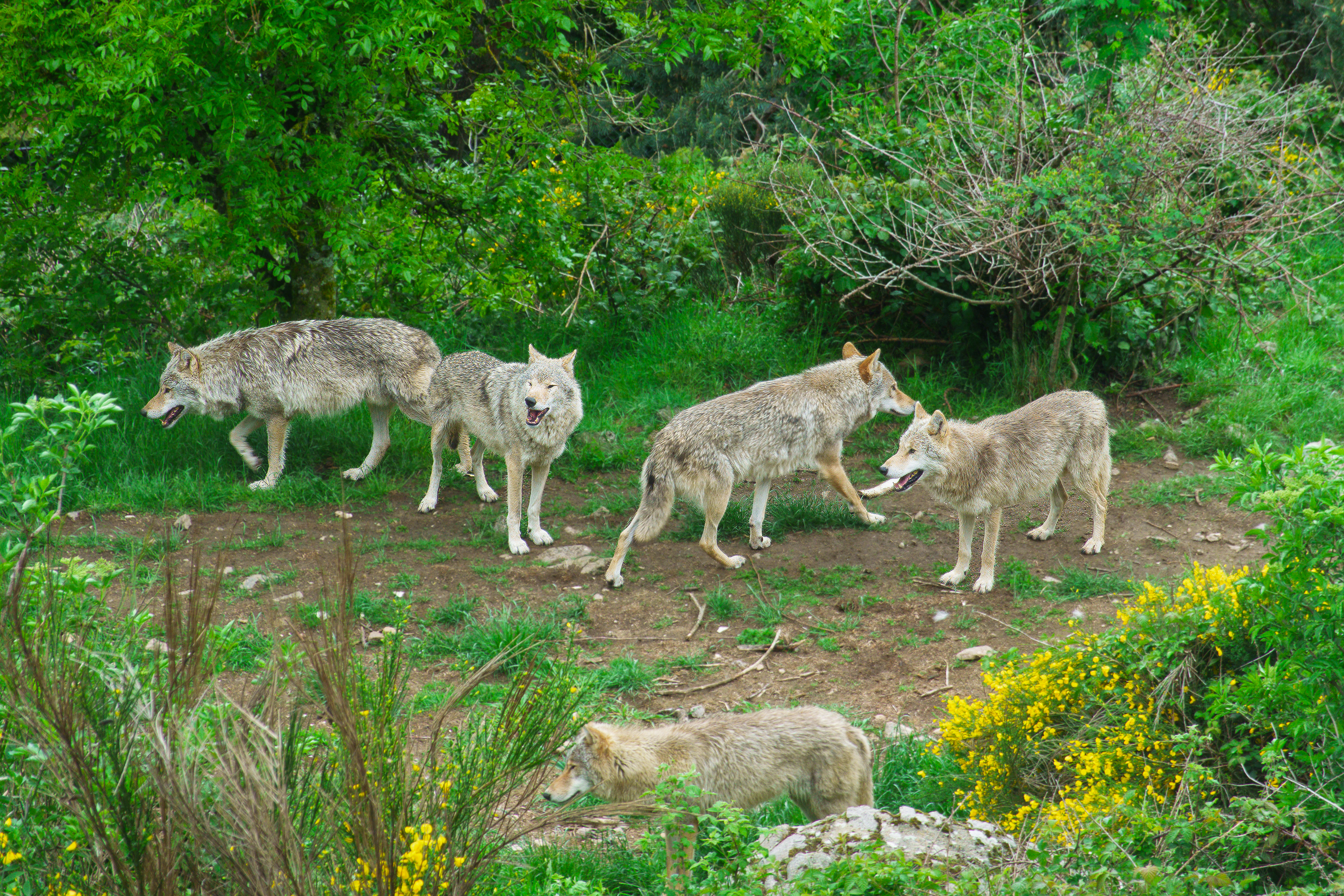
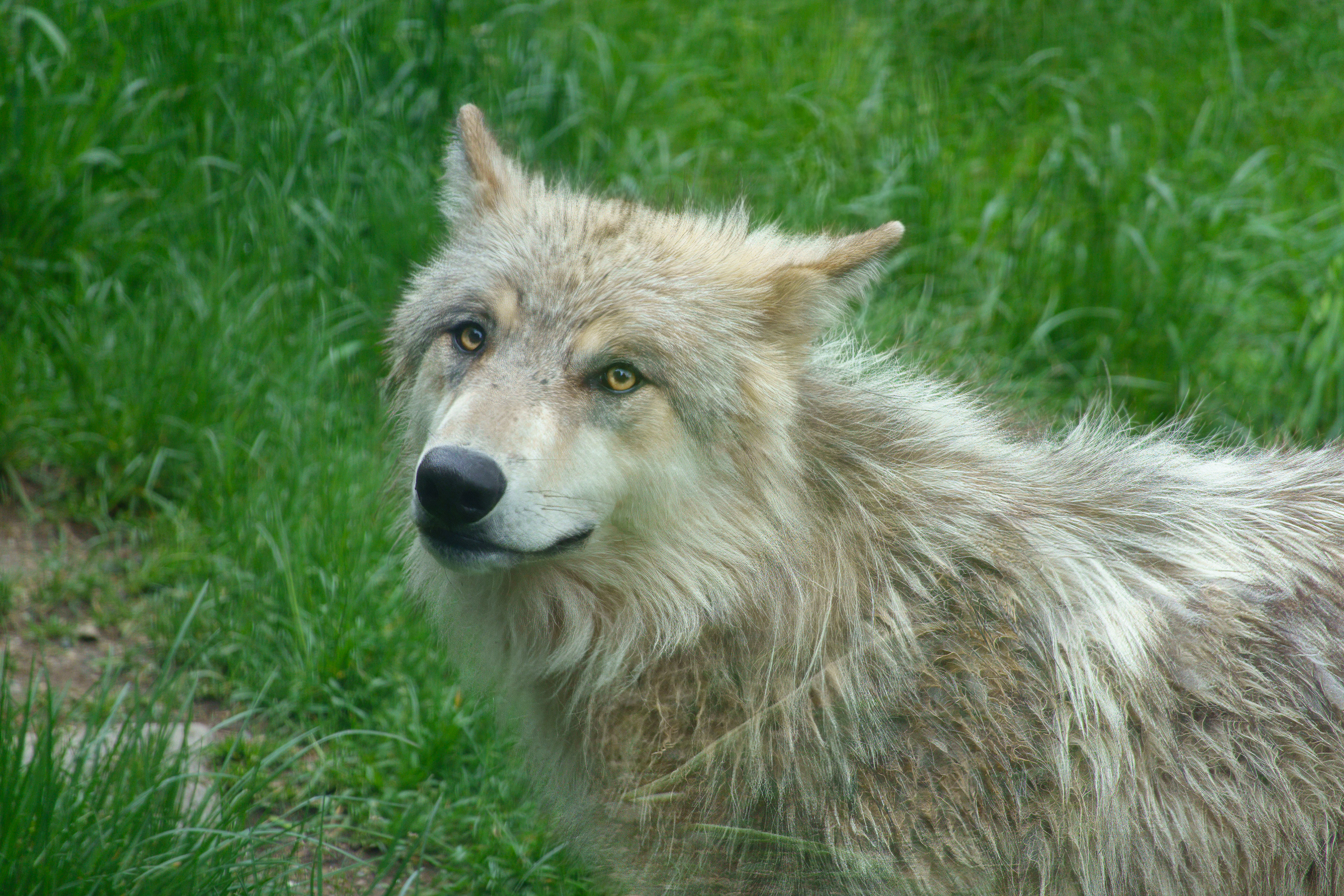
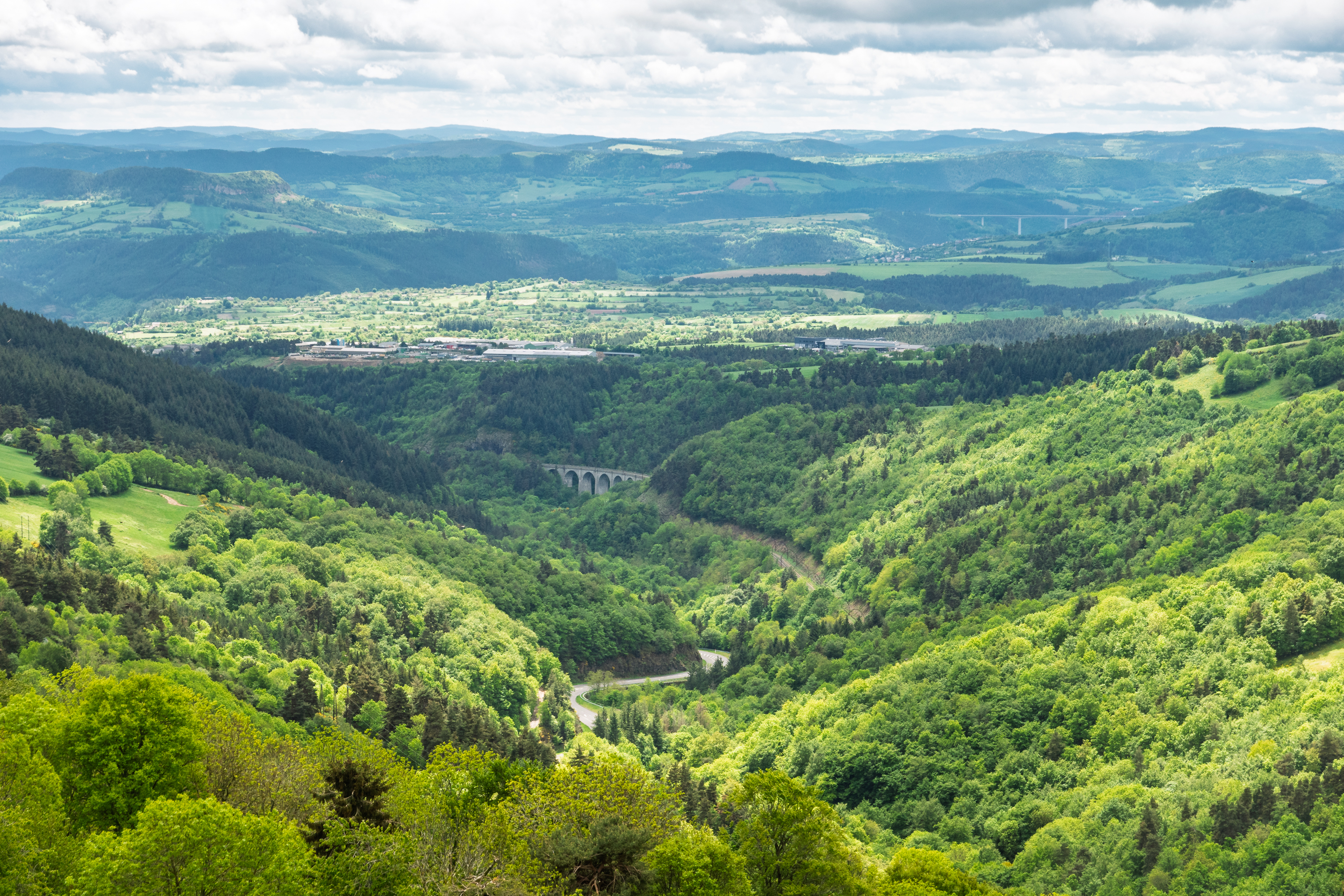
A great visit and we were able to camp there on the edge of a cliff with an incredible view over the valley.
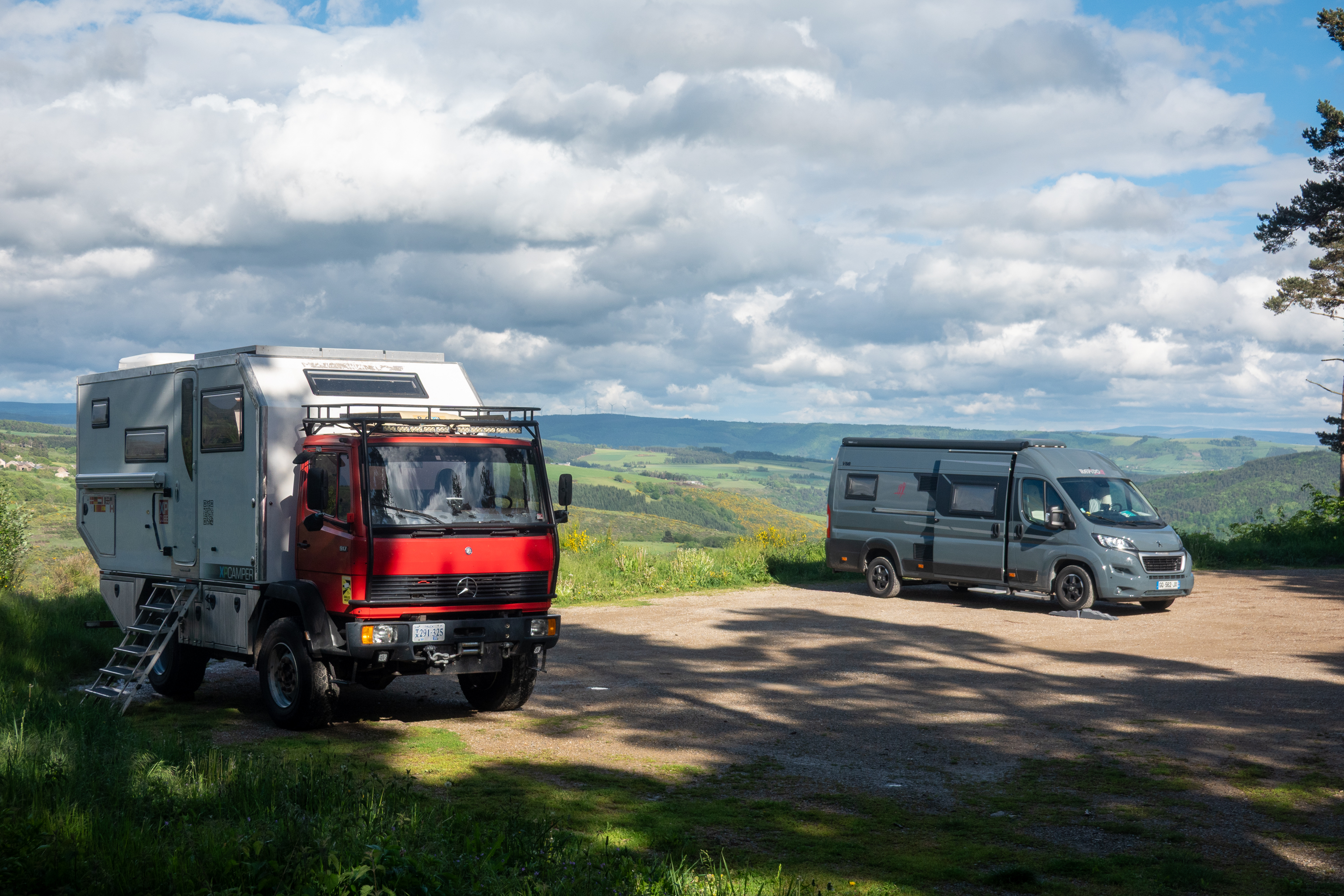
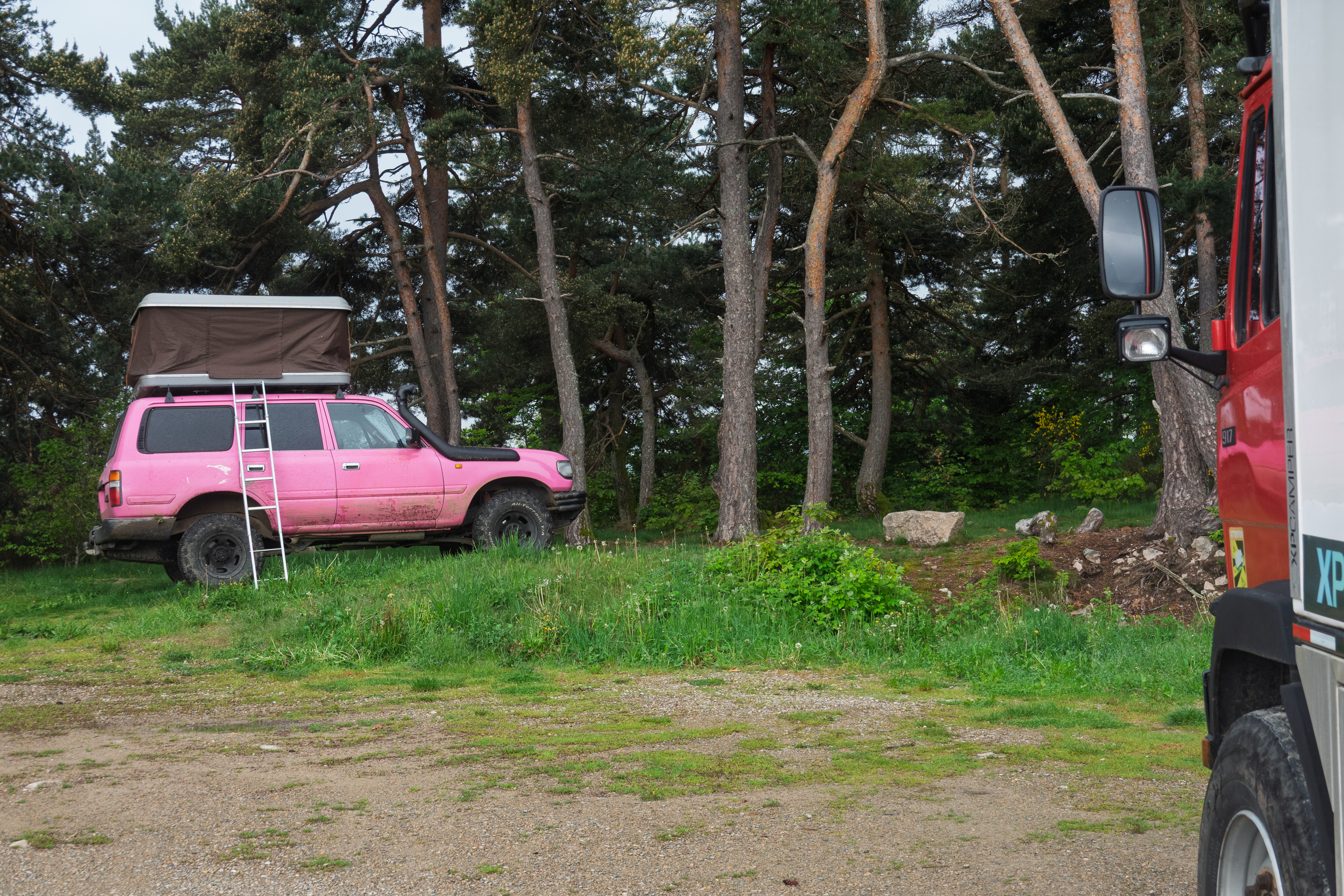
We then headed across country to Perigueux in the Dordogne, on a route that involved a large number of Departmental (“D”) roads with only a little motorway travel. The downside of some of these D roads is that they can be very narrow and very steep. A lot of “gear-change-lever-falling-readily-to-hand” and exhaust braking required! And, of course, near head on collisions with monster semis.
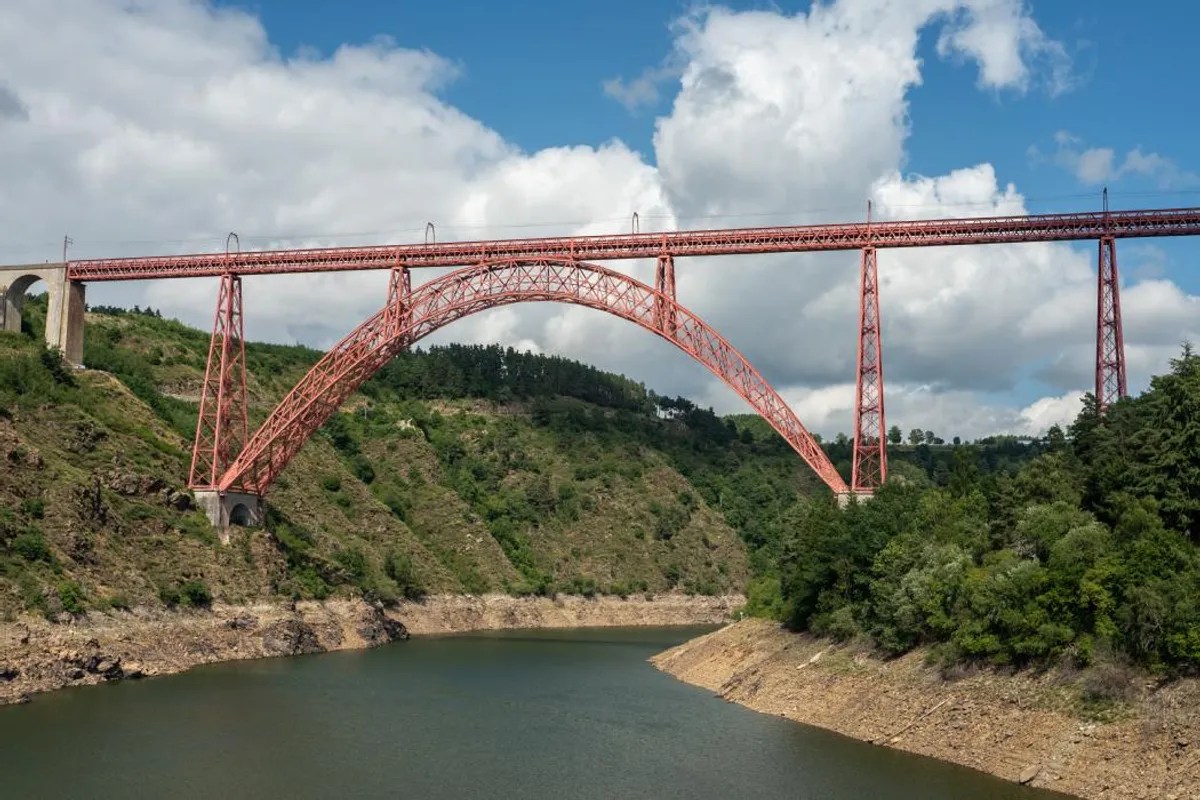
We had never driven across the Auvergne region before and we were impressed. There was gorgeous natural scenery with deeply wooded gorges and valleys crossed by huge viaducts. We crossed through the Parc Naturel Regional des Volcans d’Auvergne and few able to spot multiple likely volcanic cores and a possible caldera. It is a big hiking area. We also spotted several ruined castles and the Garabit Eiffel Viaduct, a railway, bridge and built by Eiffel. It looks a bit like the Eiffel Tower on its side; a pinky orange Eiffel Tower.(https://en.wikipedia.org/wiki/Garabit_viaduct)
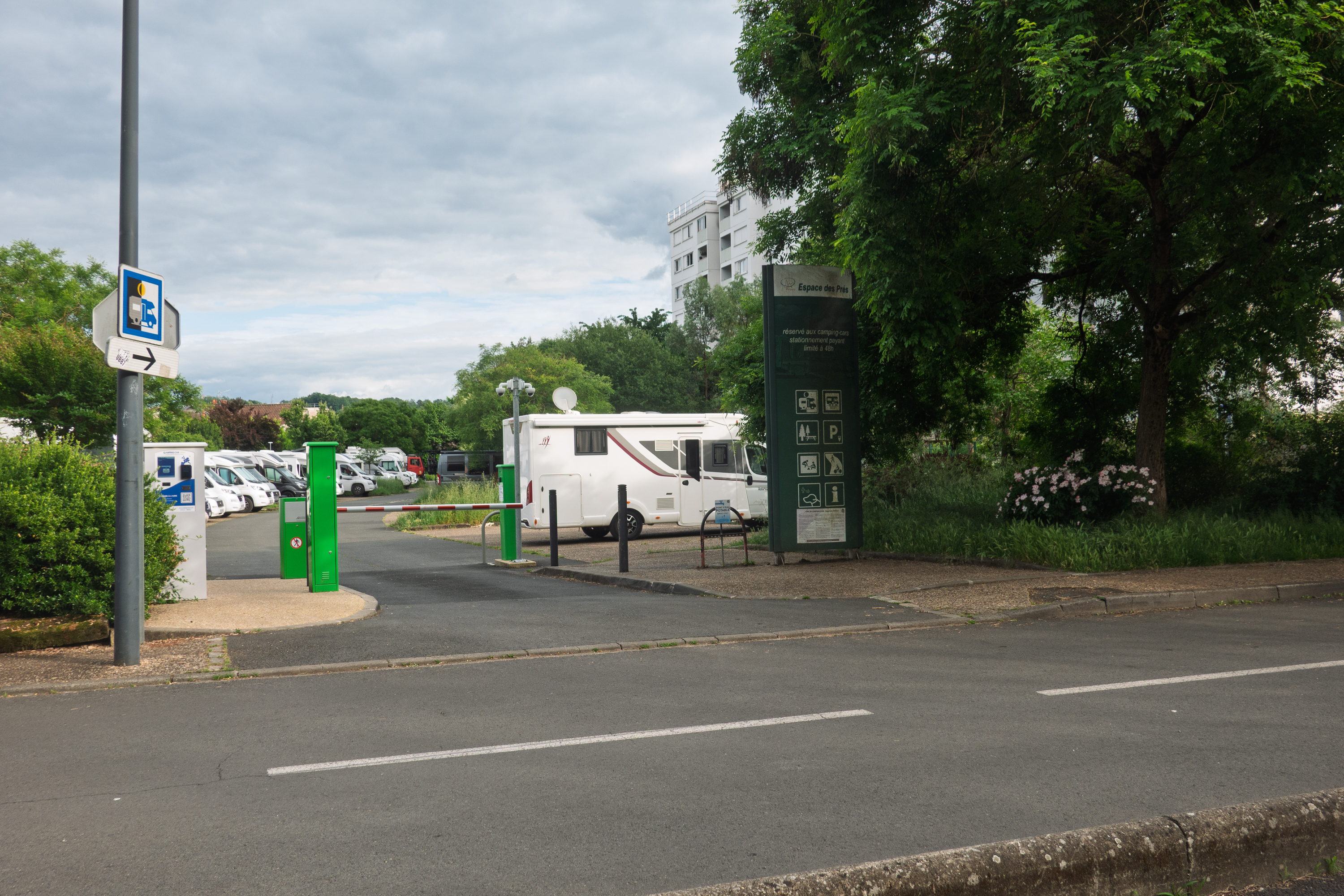
Finding the Aire in Perigueux was somewhat of a challenge, as it often is. More correctly, it is a challenge to find a road wide enough to actually use. Fortunately the city had put up “optimal route to the aire” signs, which helped immensely when both the GPS and Google wanted to send us down alleys. We made it, took a spot and settled in. It had been a long day for us, with nearly seven hours of driving time. We try to avoid days like that.
Perigueux proved to be a lovely town. We set off on our bicycles the next day, once it warmed up a bit, and the clouds lifted somewhat.
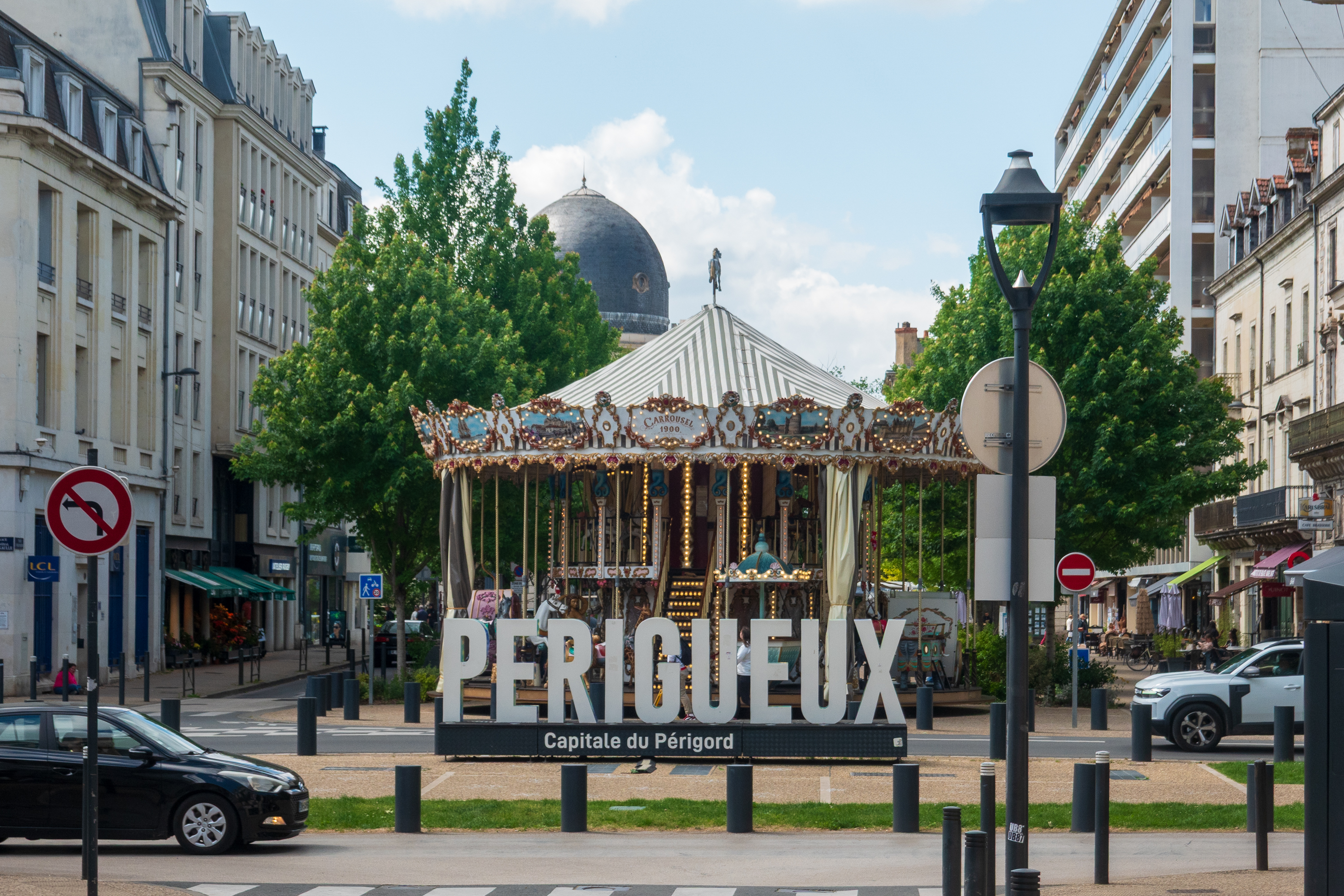
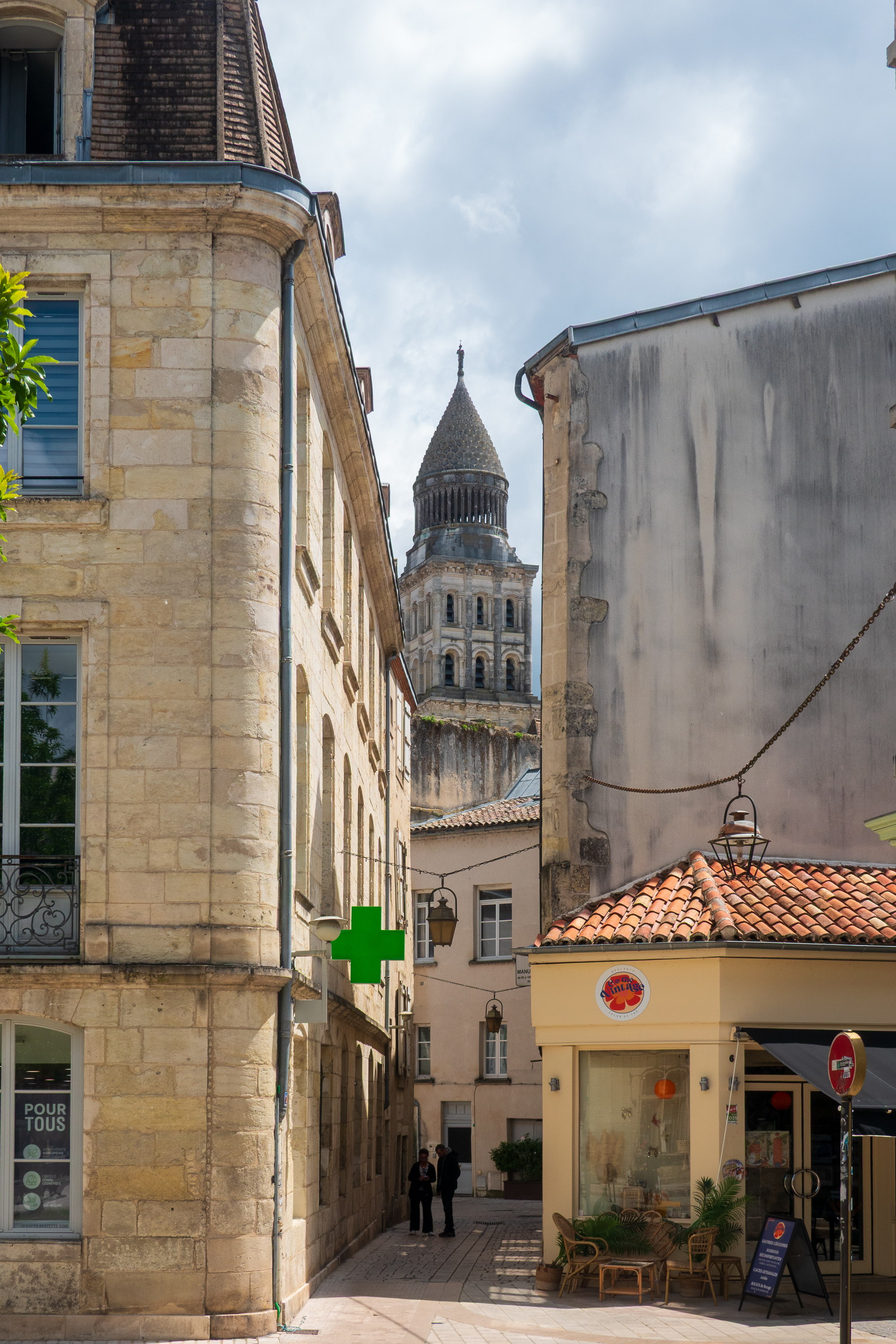
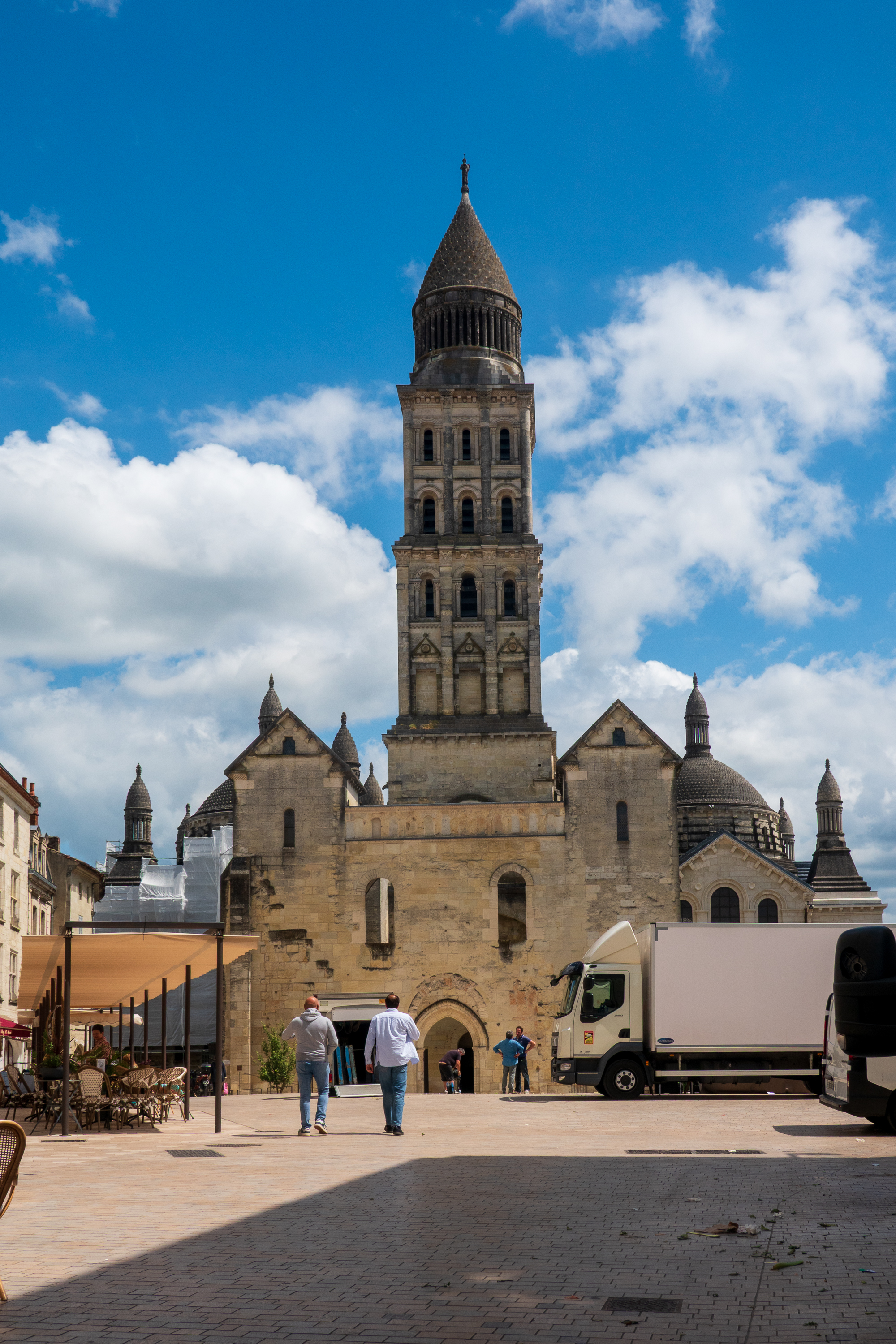
We went first to the medieval center and visited the Cathedral Saint-Front, built on the site of a chapel in the 4th or 5th century. It was quite different from a gothic style cathedral, being built in the shape of a Greek cross and with five domes (like St.Mark’s Basilica in Venice). At one of the main doors is part of a much older romanesque church in ruins but with its cloister intact and was part of an abbey that burned in 1120. (https://fr.wikipedia.org/wiki/Cathédrale_Saint-Front_de_Périgueux Use your browser’s translate function.)
We then headed to the Vesunna, the Gallo roman museum site . Discovered while the adjacent park was being renovated in the 1960’s. This turned out to be a real gem.
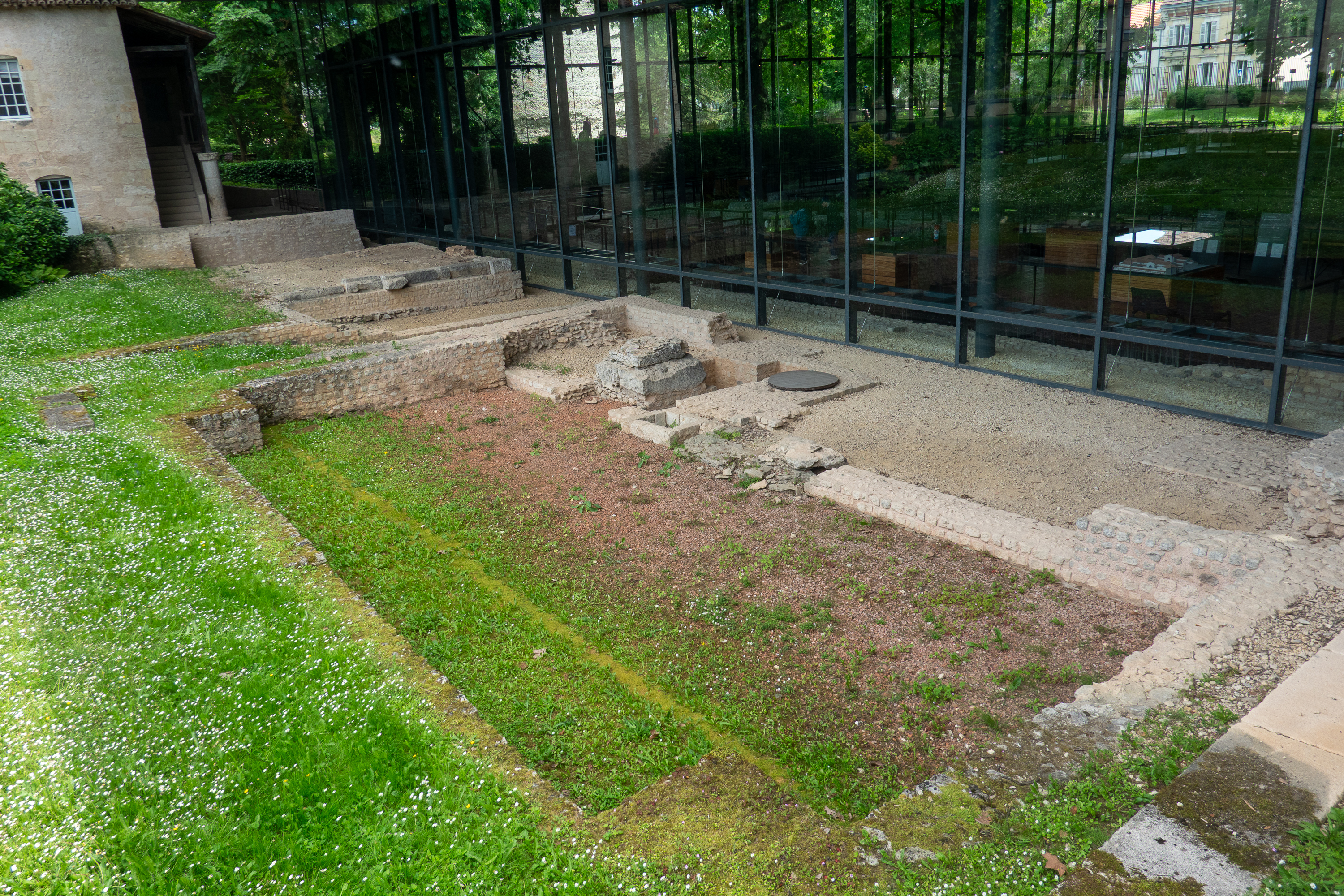
Strangely, it has no mosaics. The villa in Sicily is still the best (https://diplostrat.net/2025/04/03/a-sicilian-mosaic/ ), but it is a well thought out museum/walk through tracing the amazing history of a very opulent house, occupied, in various configurations, for hundreds of years.
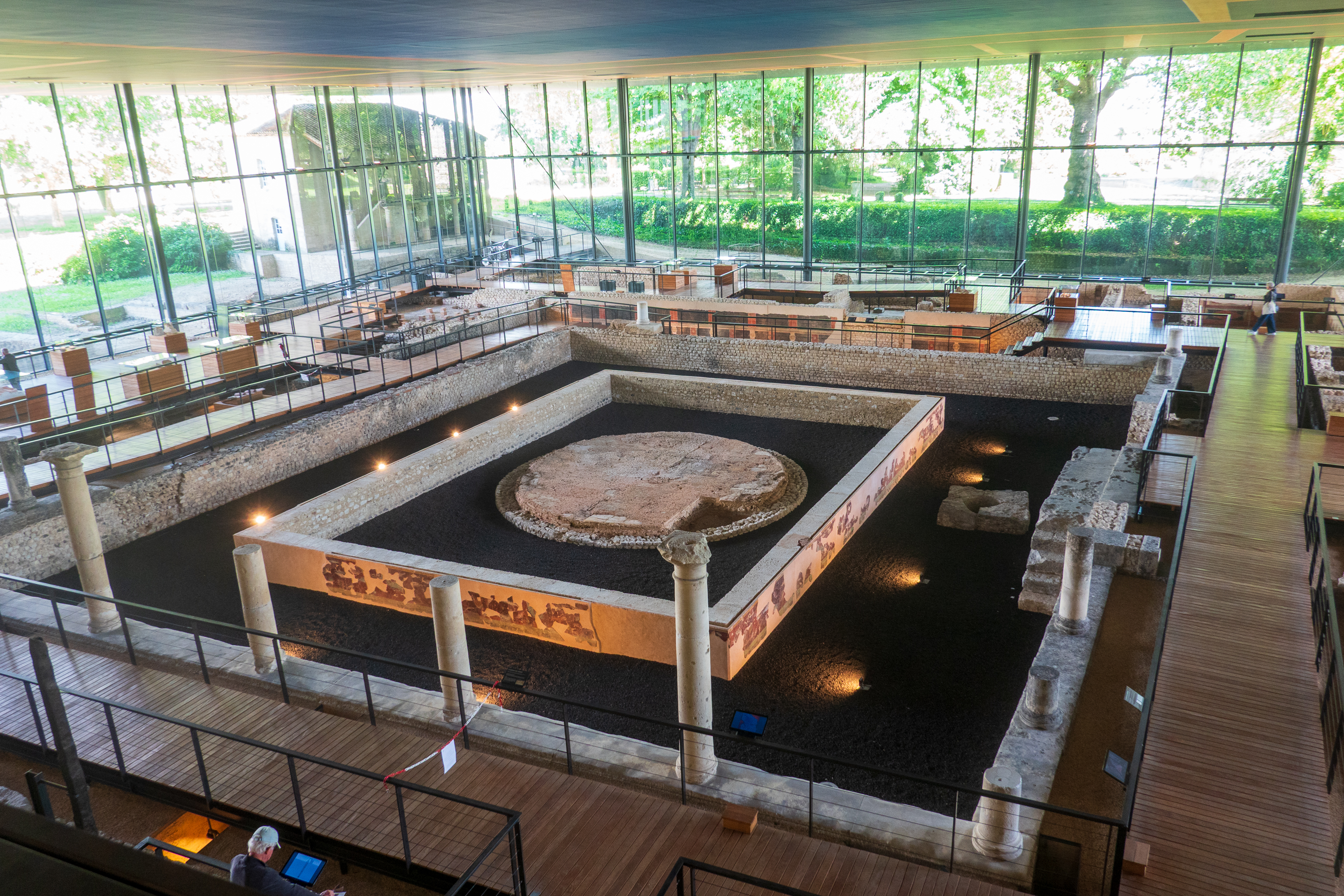
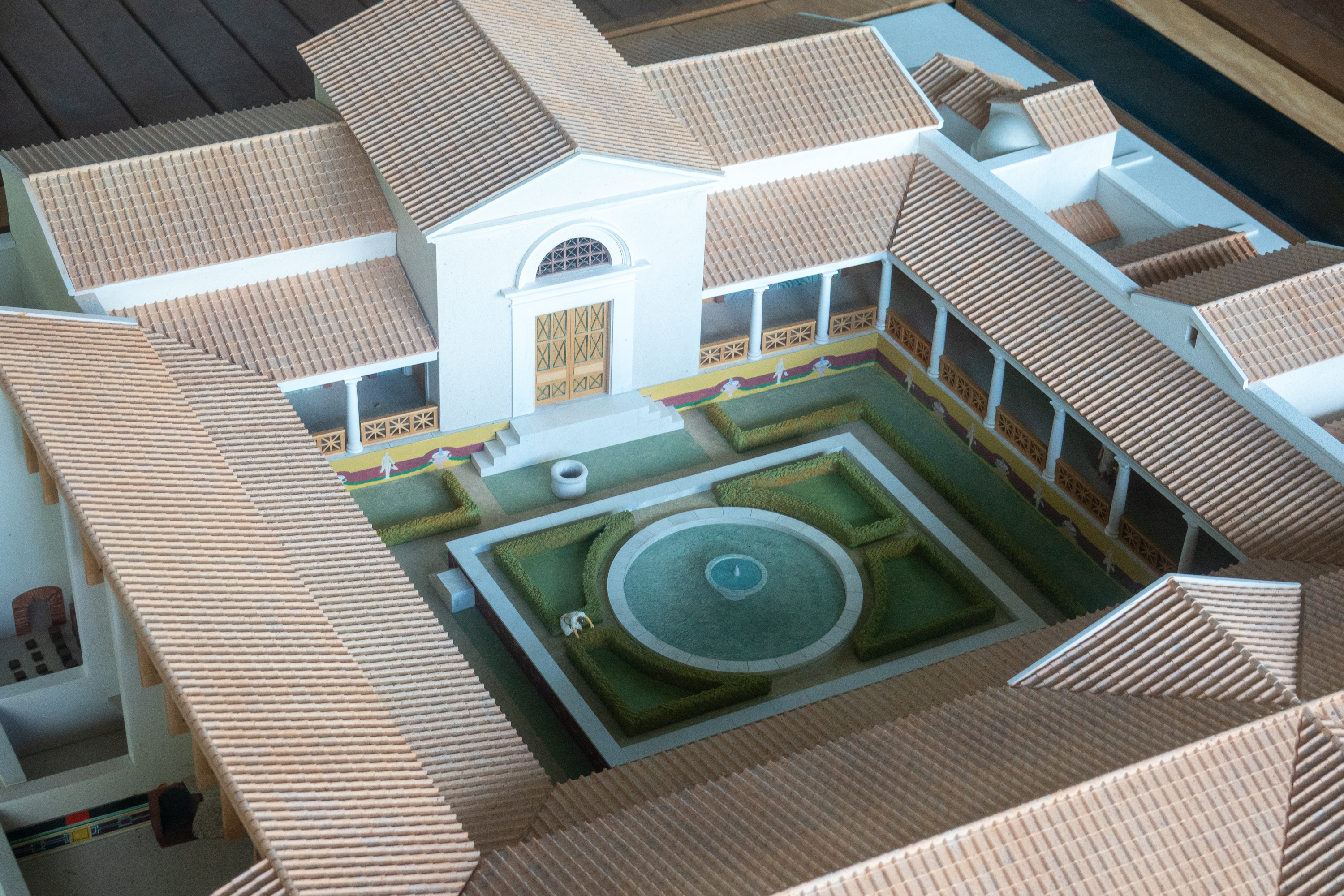
Note the fountain, a constant from the beginning.
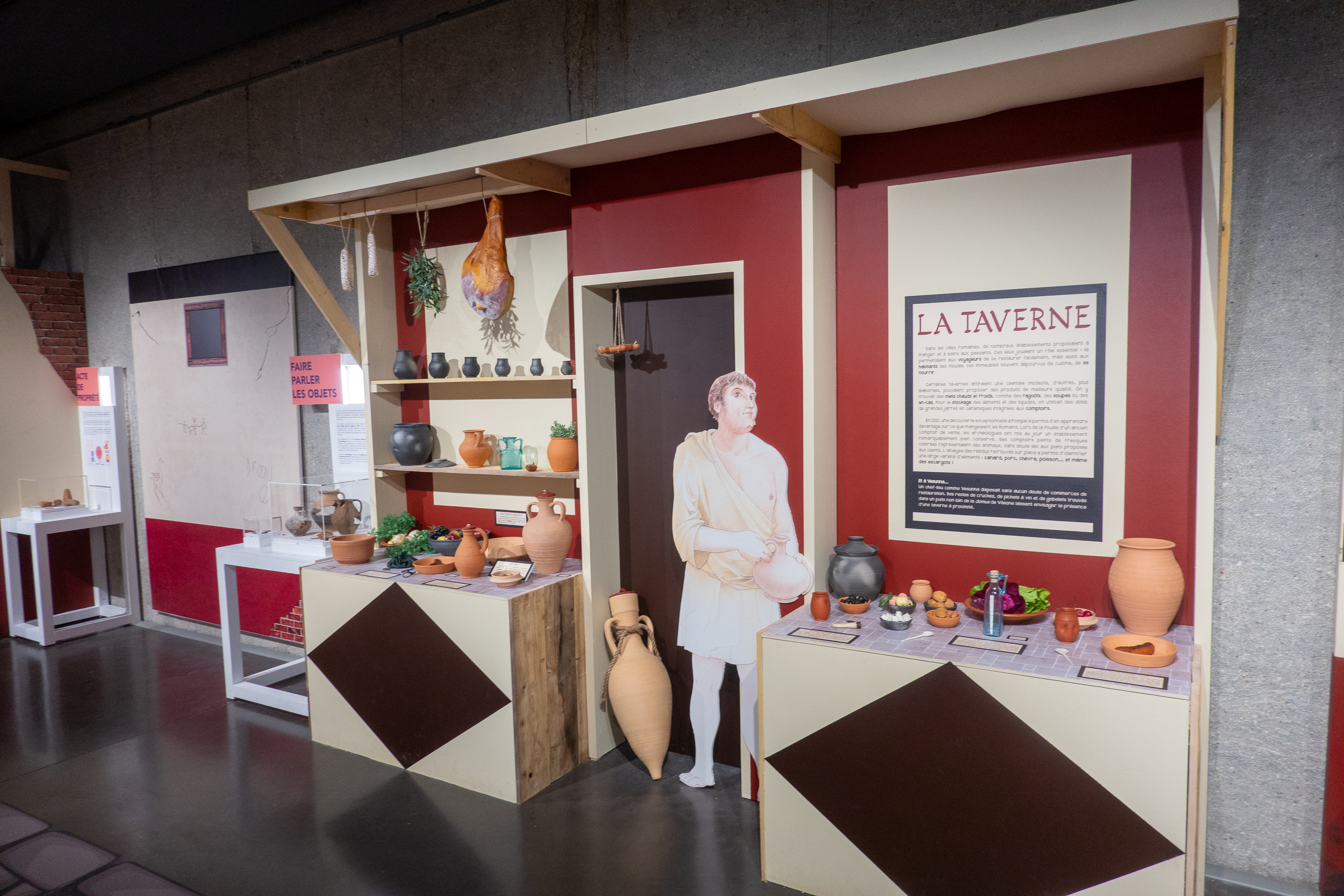
There were latrines as well, but you could not sniff them.
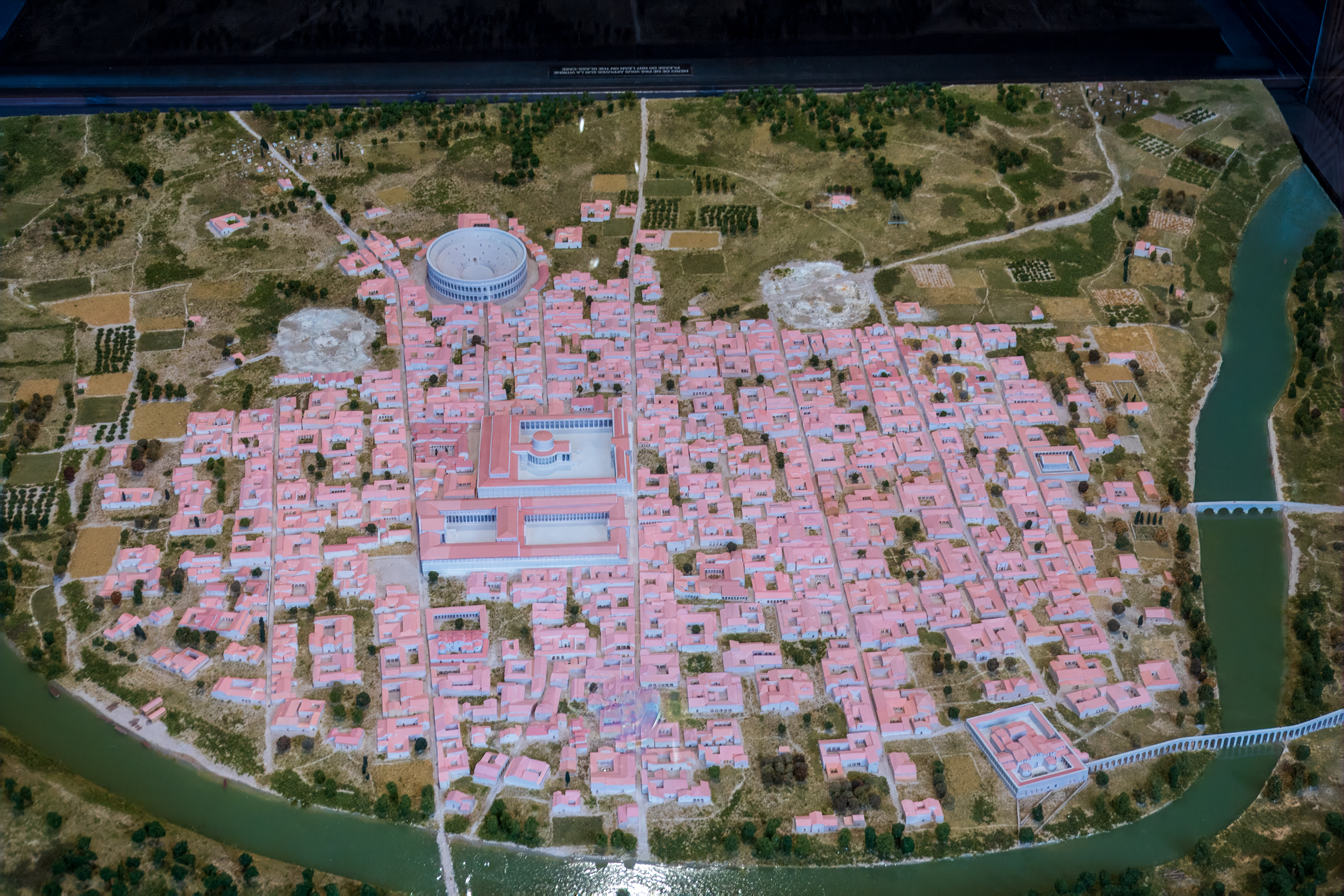
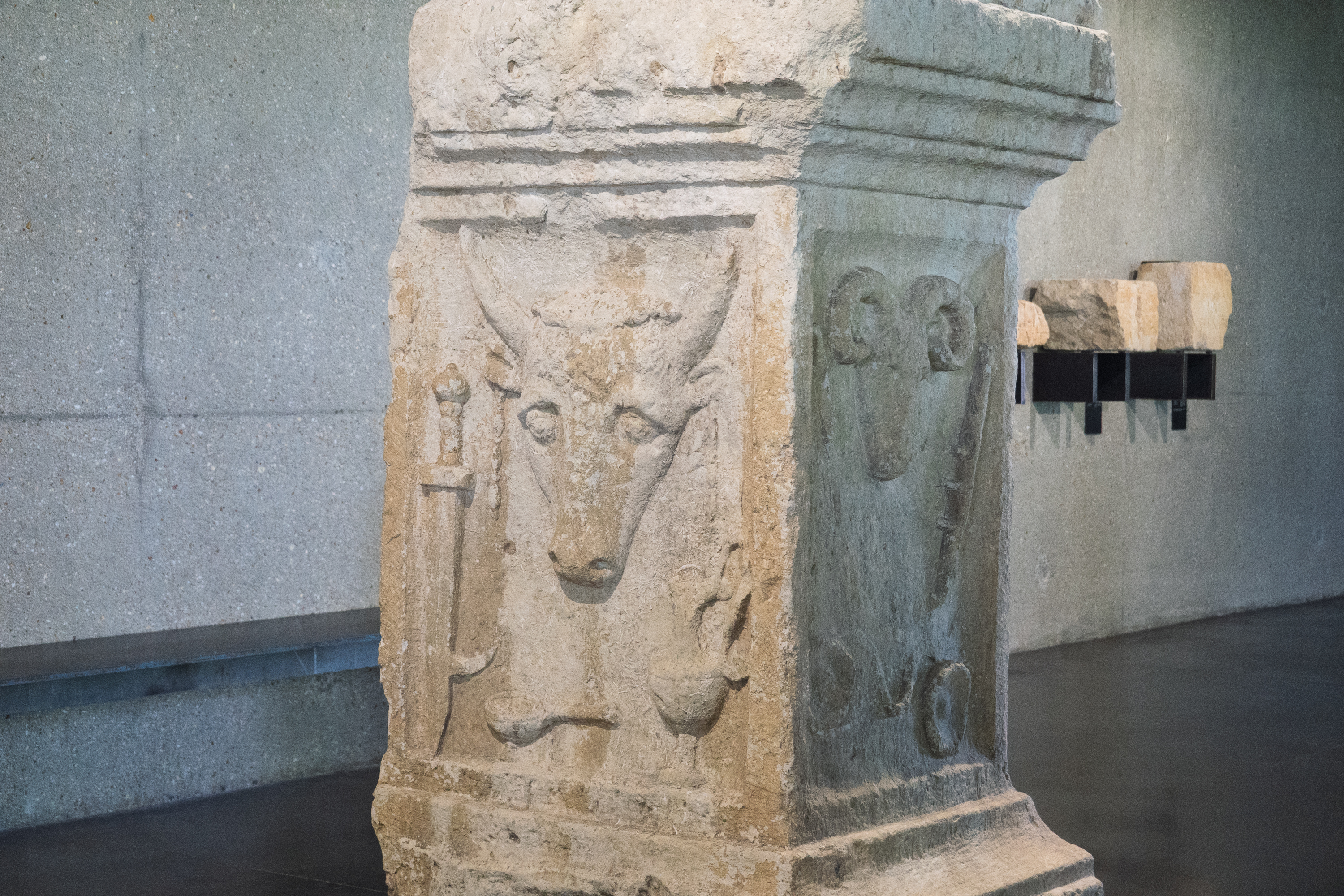
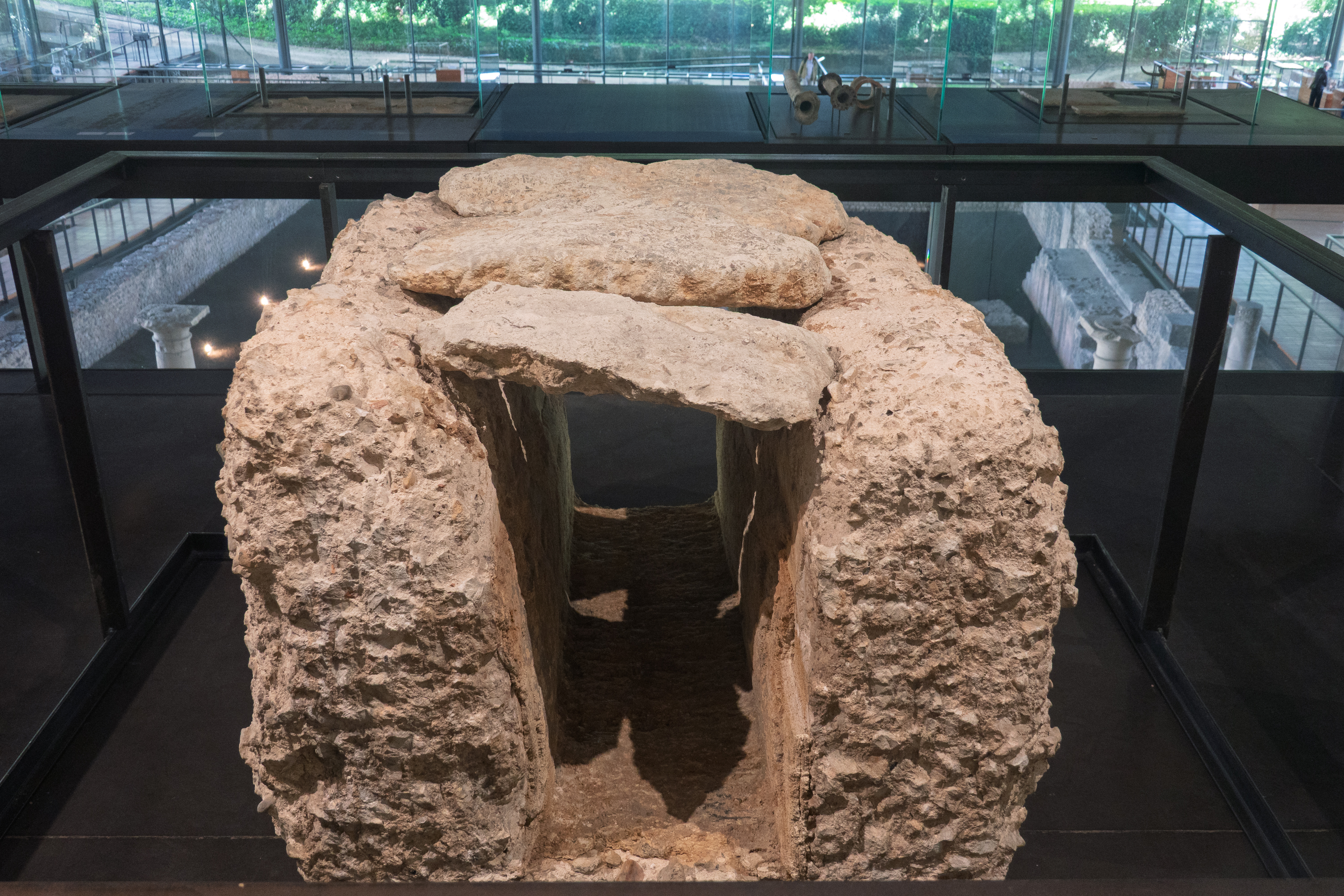
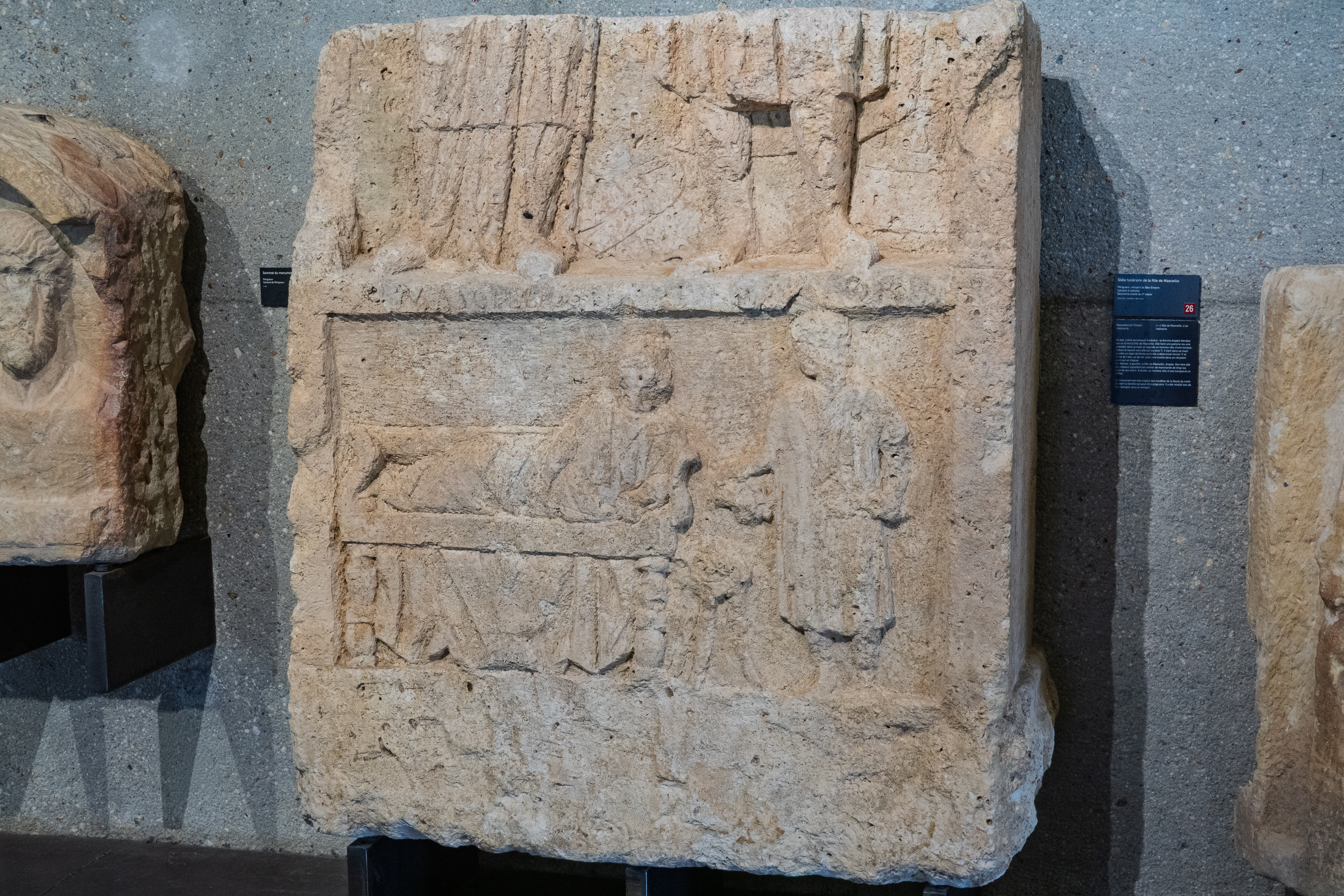
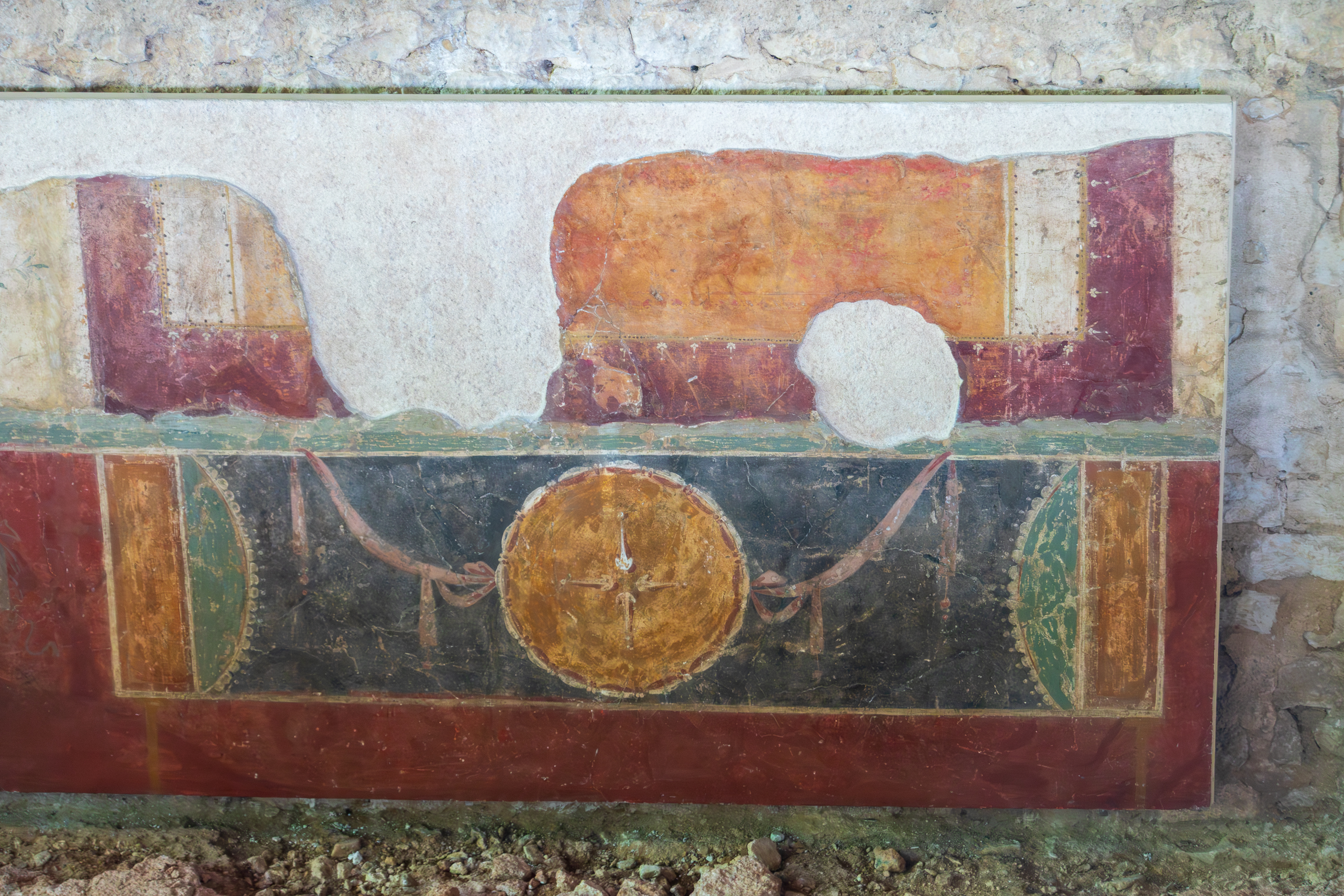
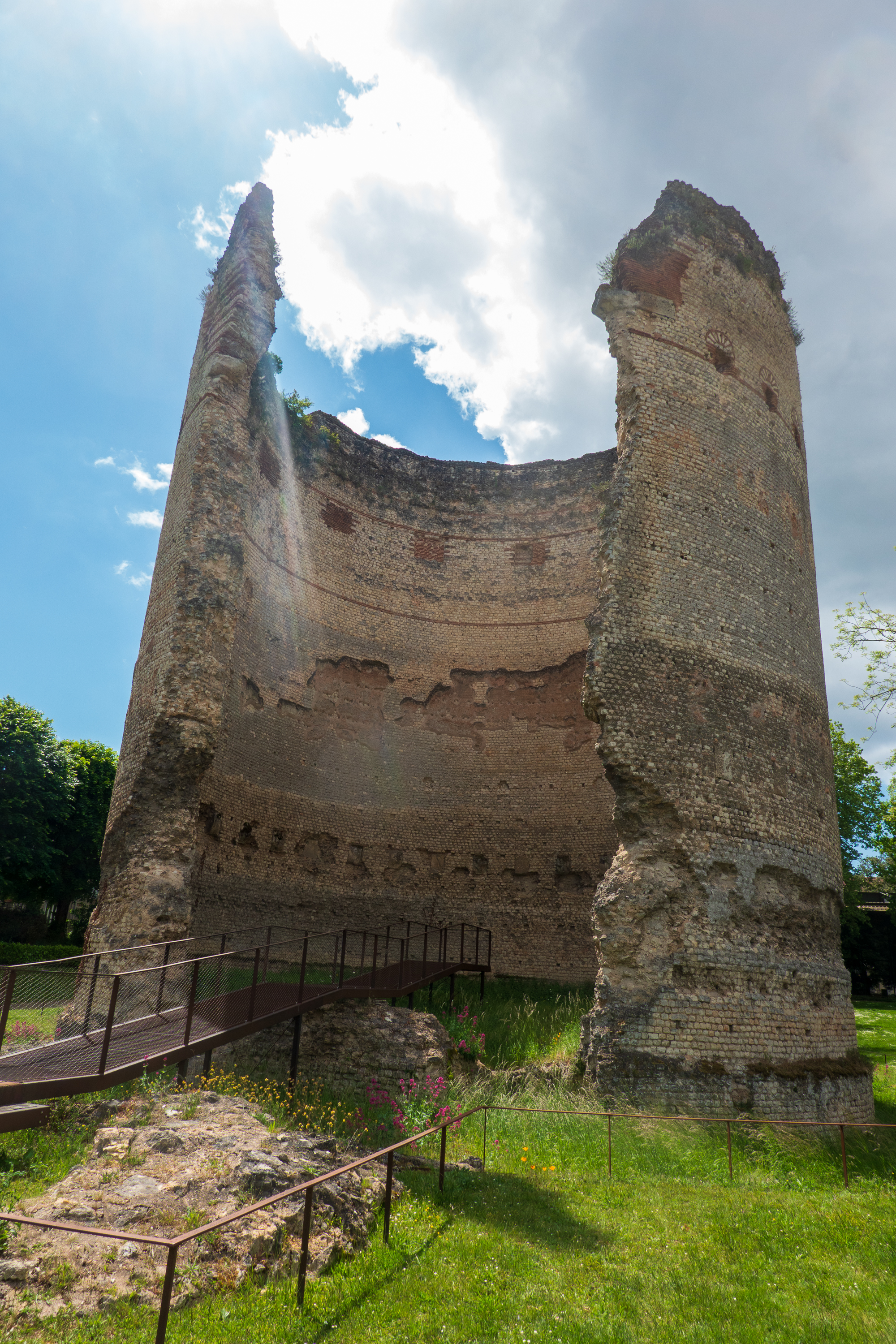
Finally, right next to the villa, the remains of the odd tower in the temple of Venus. Awe inspiring to realize that these two building have remained here for thousands of years.


🤖👍