Category Archives: Expedition Vehicle Travel

An expedition vehicle is basically a four season capable RV that does not depend on hookups and has 4×4.

Tierra Encantada

We entered New Mexico from West Texas, from the desert, and continued to drive through the desert for days.  It was dry and bleak with an occasional oil well pumping and a few head of cattle occasionally visible in what looked like desert ranges. No shade anywhere and the sun shone down relentlessly from a deep blue sky. There was nothing enchanting about this.

Our first stop was at Carlsbad Caverns.  We arrived in the afternoon to get our bearings but decided to visit the caverns the next morning.  We did however return at 7.00 pm for the bat flight.  This was not spectacular as it is early in the season and there are fewer bats in residence in the cave, but we had an interesting introduction by a ranger and we did indeed see a number of bats fly out of the entrance of the cave and chitter above our heads.  Brought back memories of Bangui, where we had thousands upon thousands of bats in the trees near the Residence. These bats were considerably smaller and  quieter.

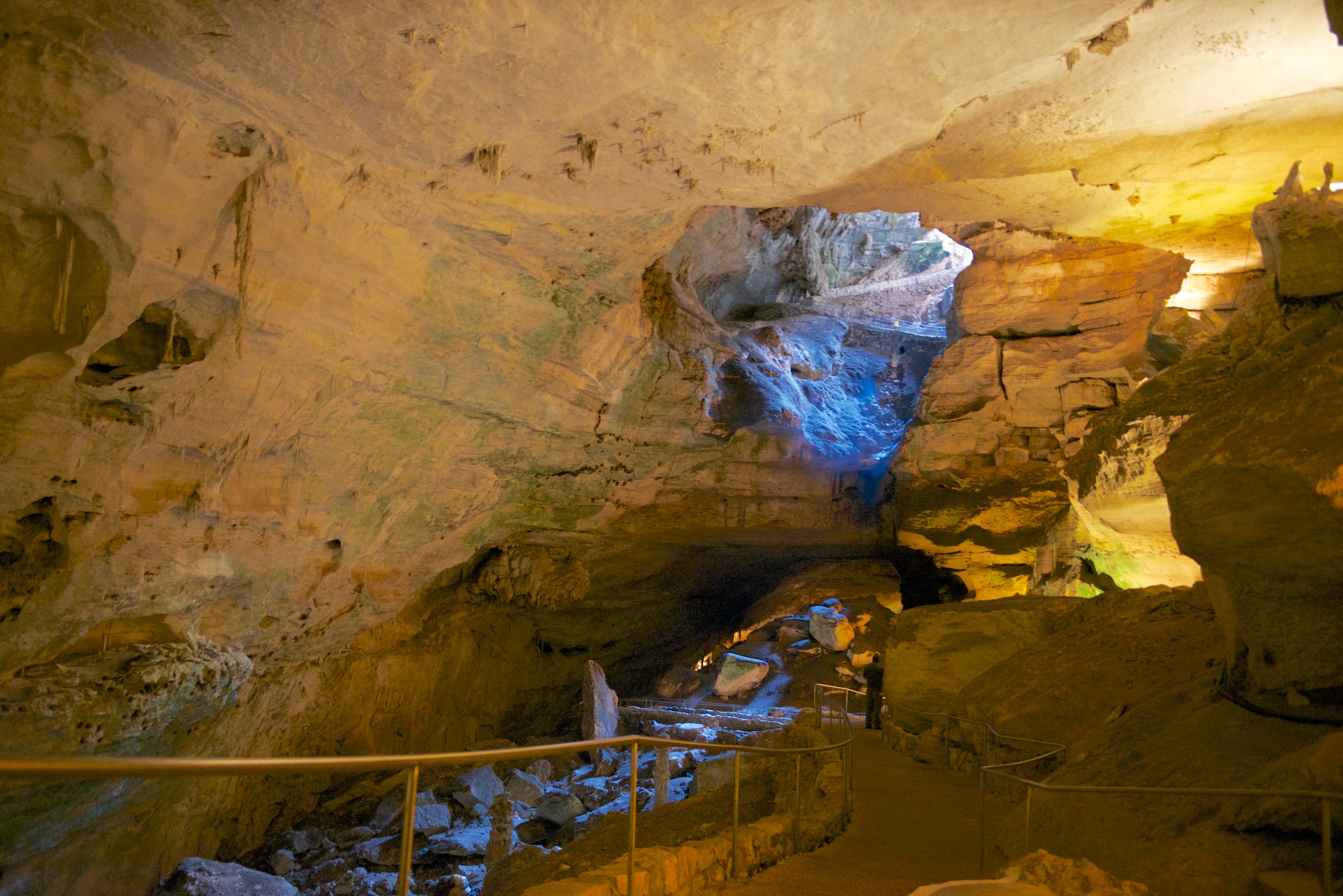
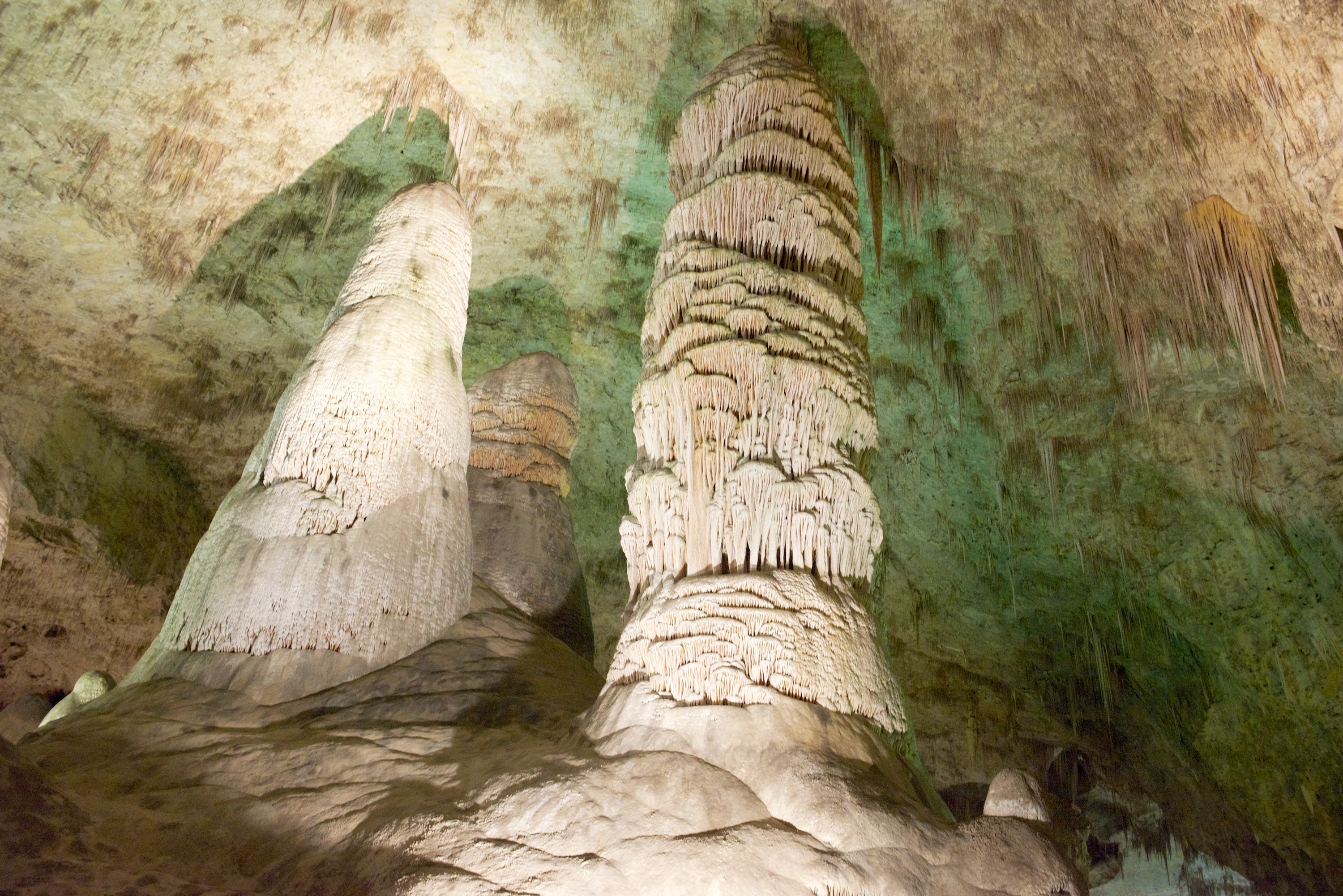
The campsite near the entrance to the Carlsbad Cavern National Park was full, but they let us stay in the residential area at a reduced rate and they had a laundry and excellent internet service!  Plus we were back up at the caverns by 8.30 AM the next morning when they opened the cave entrance, ready to visit.  We entered on foot through the Natural Entrance descending about 800 feet over a distance of 1.25 miles.  It was an amazing experience.  In order to reduce moss growth, the NPS reduces the amount of lighting, only using just enough that one can continue the descent.  Certain really spectacular formations are lighted but most are not.  It gives one a real feeling of how it must be to explore a wild cave.  Once at the base, we walked a 1.7 mile loop of the Big Room.  This is a huge cavern, which is the most popular part of the caverns to be seen by tourists as it has elevator service down and up. We enjoyed our visit and the many spectacular formations of stalagmites and stalactites.  They are still discovering new caves and galleries so it is an amazing complex.  At the end of the visit, we wimped out and took the elevator back up!

Carlsbad  0001

Carlsbad  0002

View back towards the Natural Entrance from the first room in the cave. A bat’s eye view, if you will, as this is their flyway.
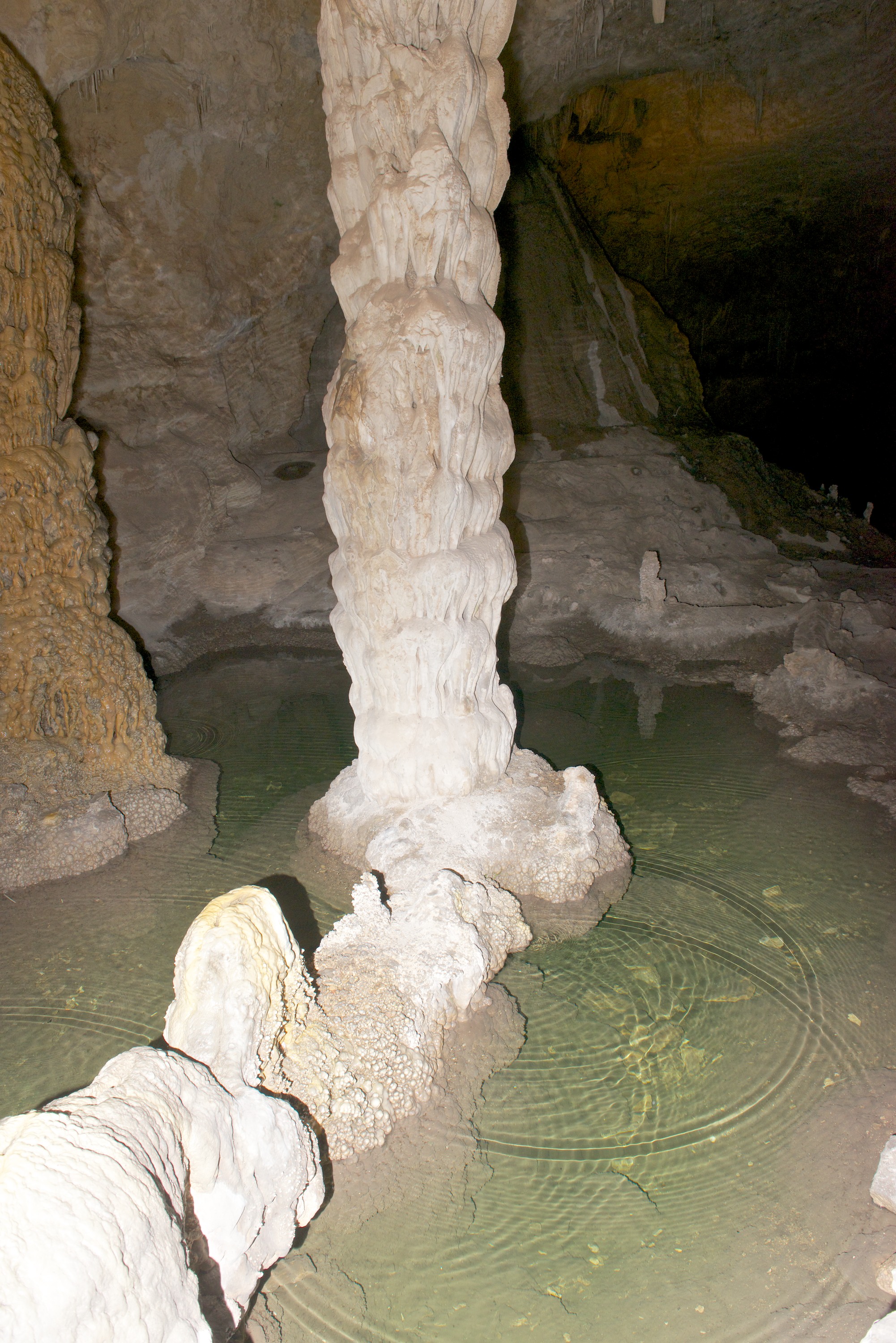
Carlsbad  0003 Column in a pool of water.

Carlsbad  0004 It is a long hike down.

Carlsbad  0005 Enormous columns, over 50 feet high.

Carlsbad  0006 The lower levels of the cave are closed to the public. But the ladder from an old expedition is still available …

Carlsbad  0007 The Big Room is, well, big. Click the image for a larger view and look for the person for perspective.

We went on to visit the Living Desert Zoo and Garden, a botanical garden and animal research zoo, specializing in desert wildlife and fauna.  It was an easy way of seeing everything that is native to this region. As the temperature was near 90F, we saw a lot of dozing animals – Black bears, wolves, mountain lions, elk, prairie dogs et al were sending up lots of zzz’s.  It was a good visit though we might have seen more action in the morning!

LivingDesert  0001 LivingDesert  0002 LivingDesert  0003 LivingDesert  0004

Santa Fe is a lovely town with adobe architecture, amazing history, and the advantage of being much cooler!  In fact, it was chilly at times. Wonderful!  We camped at the Black Canyon campsite, just outside of town in the Santa Fe National Forest. It proved so pleasant that we remained a third night.  After days of desert, camping among pine trees was such a pleasure, even at 8,000 feet!  We visited the Plaza, including the Cathedral and also the San Miguel Mission, both wonderful old adobe churches, with statues brought from Mexico in the 1500’s.  We also spent a couple of interesting hours in the Governor’s Palace and History Museum, which was excellent.  We also had to support the economy of the jewelry vendors outside the museum of course!

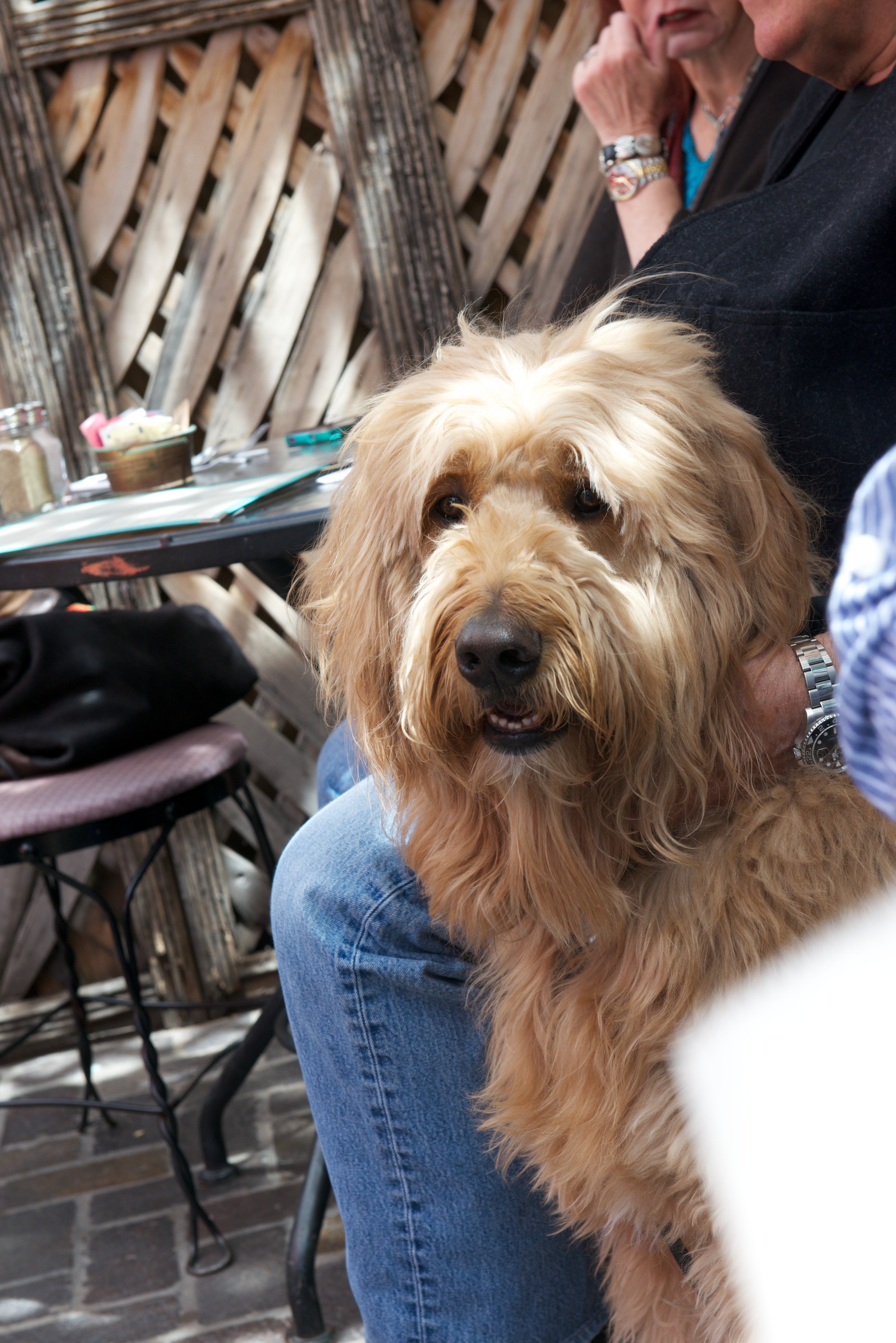
Armies may or may not travel on their stomachs, but we are always on the lookout for a good feed. We had enjoyed our taqueria in San Antonio and we wanted to see if we could discover how New Mexican food differed from that of Texas and Mexico. Don’t know that we found the differences, but thanks to a tip from a local, we found “The Shed” half a block up the street from the Plaza. Built in an old building with a traditional enclosed patio, The Shed offered wonderful food and dogs. Lots of dogs. From a monster described as a cross between a standard poodle and a golden retriever, to a pack of labradors, all in training to be companion dogs. All in all, highly recommended, great food for man or beast. http://www.sfshed.com/home.html

SantaFe  0001 Even the tourist information center is beautiful.
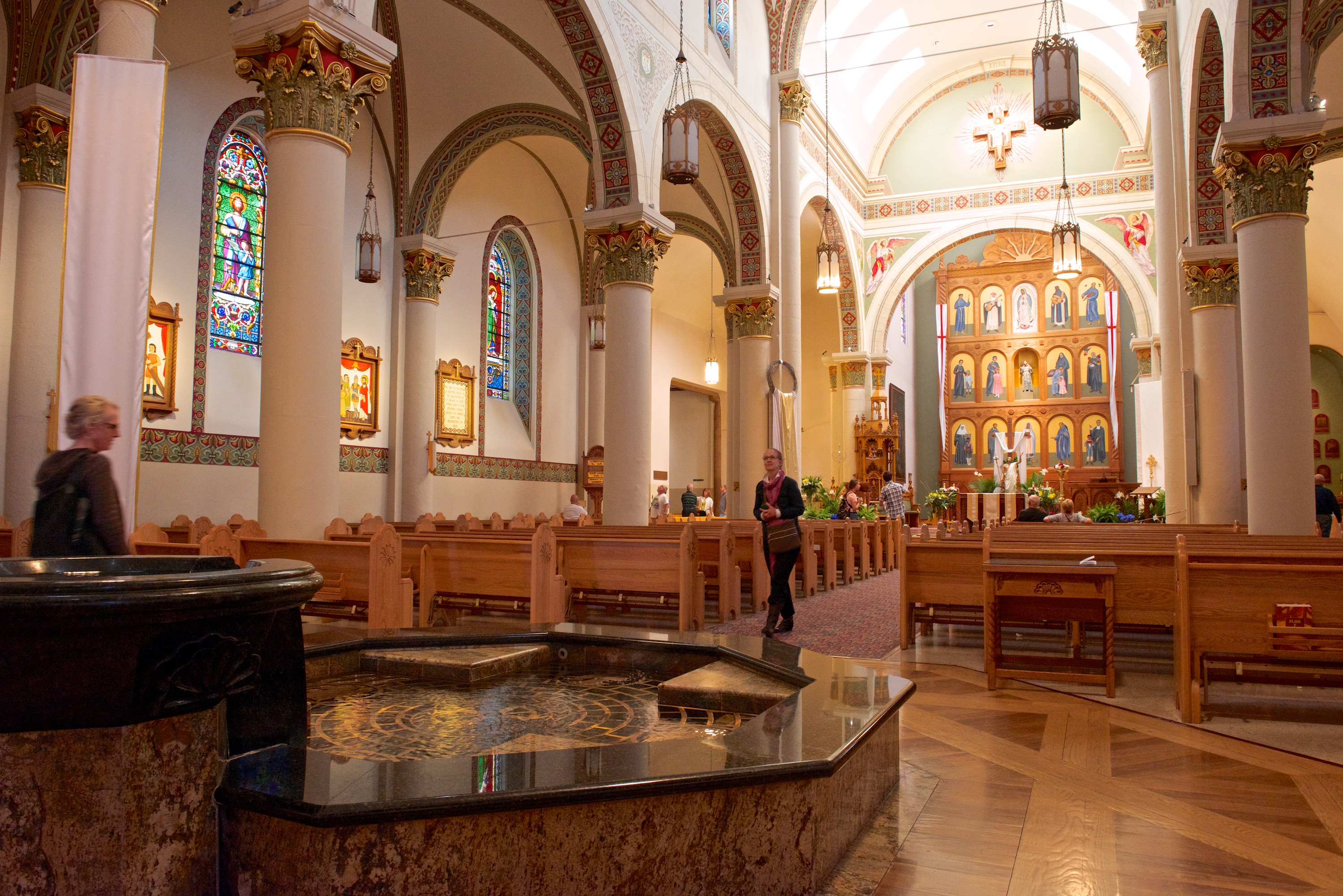
SantaFe  0002 The baptistry in the Cathedral is modern and quite remarkable for its design and symbolism.

SantaFe  0003 The statue of Maria de la Reconquista. Today, this is taken as a reaffirmation of faith; after 1680, it was a very literal reconquest.

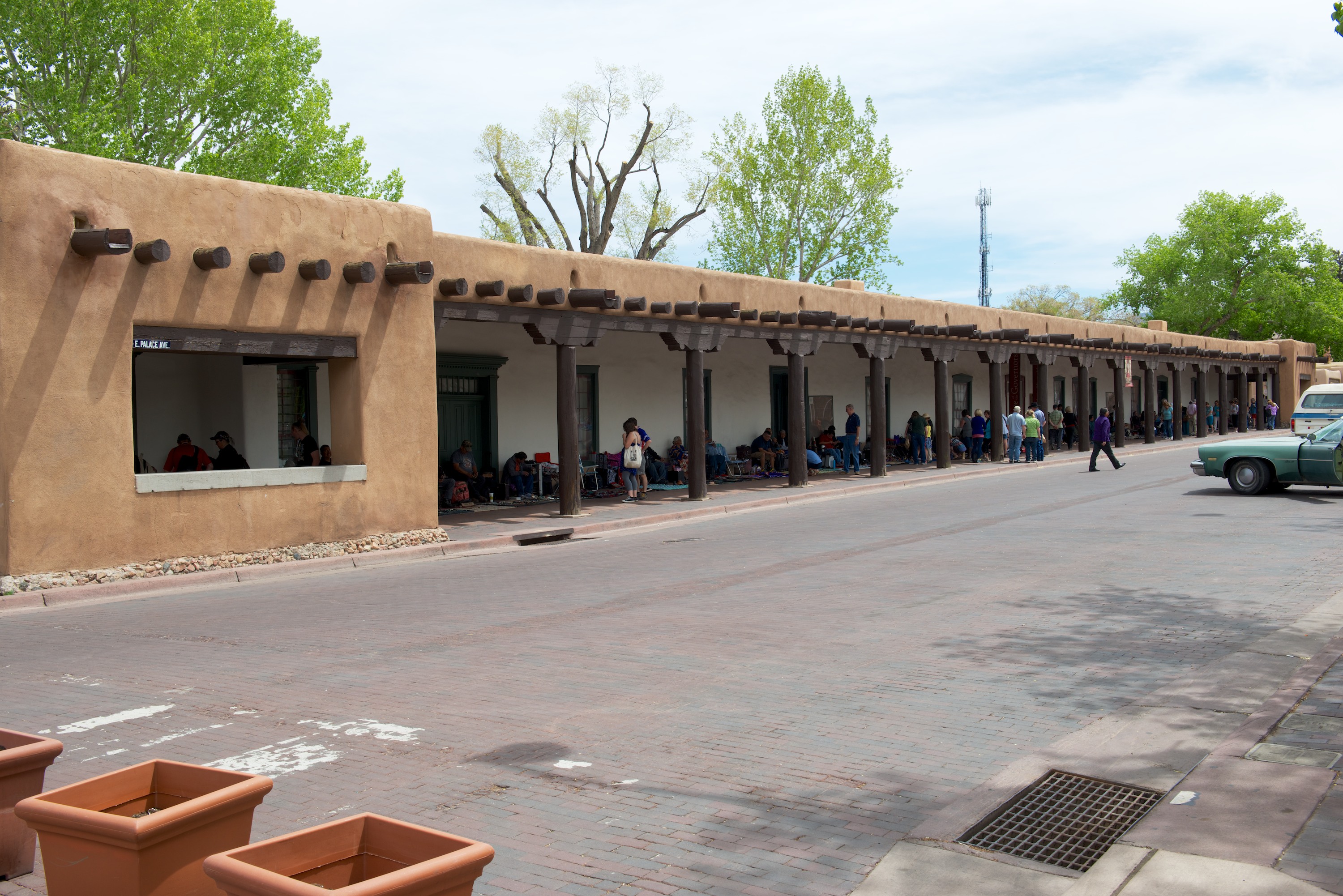
SantaFe  0004 SantaFe  0005 The Governor’s Place is one of the oldest buildings in Santa Fe having survived even the Pueblo revolt of 1680, occupation by the Pueblos, and reconquest by the Spanish.

SantaFe  0006 SantaFe  0007 Put a saddle on that beast!

SantaFe  0008

SantaFe  0009Obligatory nature/flower/animal/bird shot. (Taken in our campground at Black Canyon.)


I Knew Texas was Big, but …

it took two more days of pretty much just driving to reach our next goal, Fort Davis! Of course, there were wonderful interludes like stopping for coffee and an amazing cinnamon bun in a small town called Medina. The coffee shop also had that most wonderful of commodities, free internet! We then walked across the street to a wonderful ACE Hardware where we proceeded to buy peat moss, split loom wire protectors, tie wraps and some other odds and ends – we made their day for the most eclectic mixture of purchases.

We stopped for the evening in a really nice independent campsite (no other real options) called the North Llano River RV Park. They had a great laundry, which meant that the clothes got washed. It was pleasant, much cooler than the temperatures we had suffered in San Antonio and we were invited to share a glass of wine with some very pleasant Texans in a nearby space. (It all started when Denise accosted one of the ladies who was walking a beautiful German Shepherd.) We ended up joining them for dinner at a local dive and enjoyed chicken fried steak with lots of fried vegetables (potatoes, squash and huge onion rings. (Well, it is Texas!). There was a salad bar also, so the diet was only partly shot!

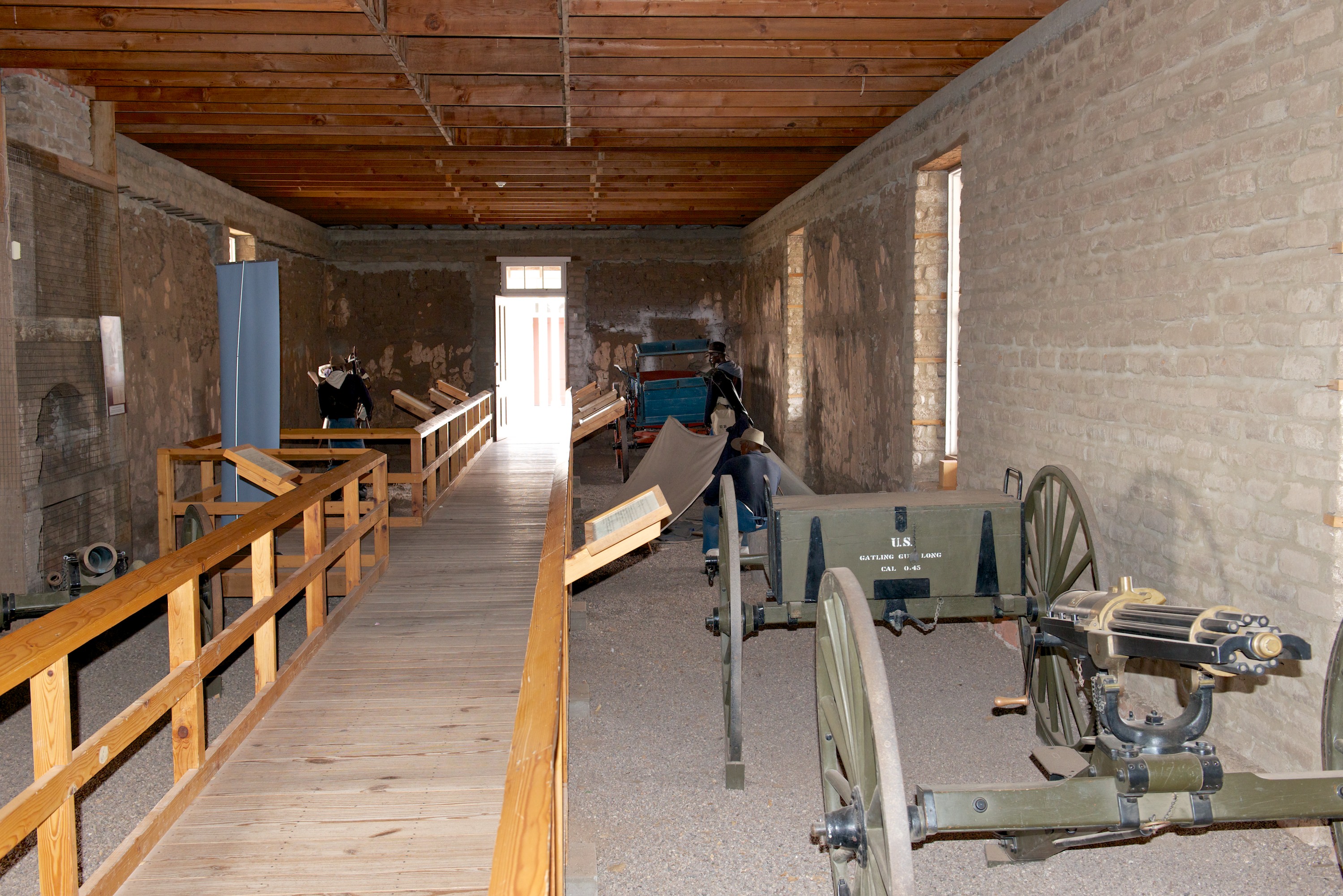
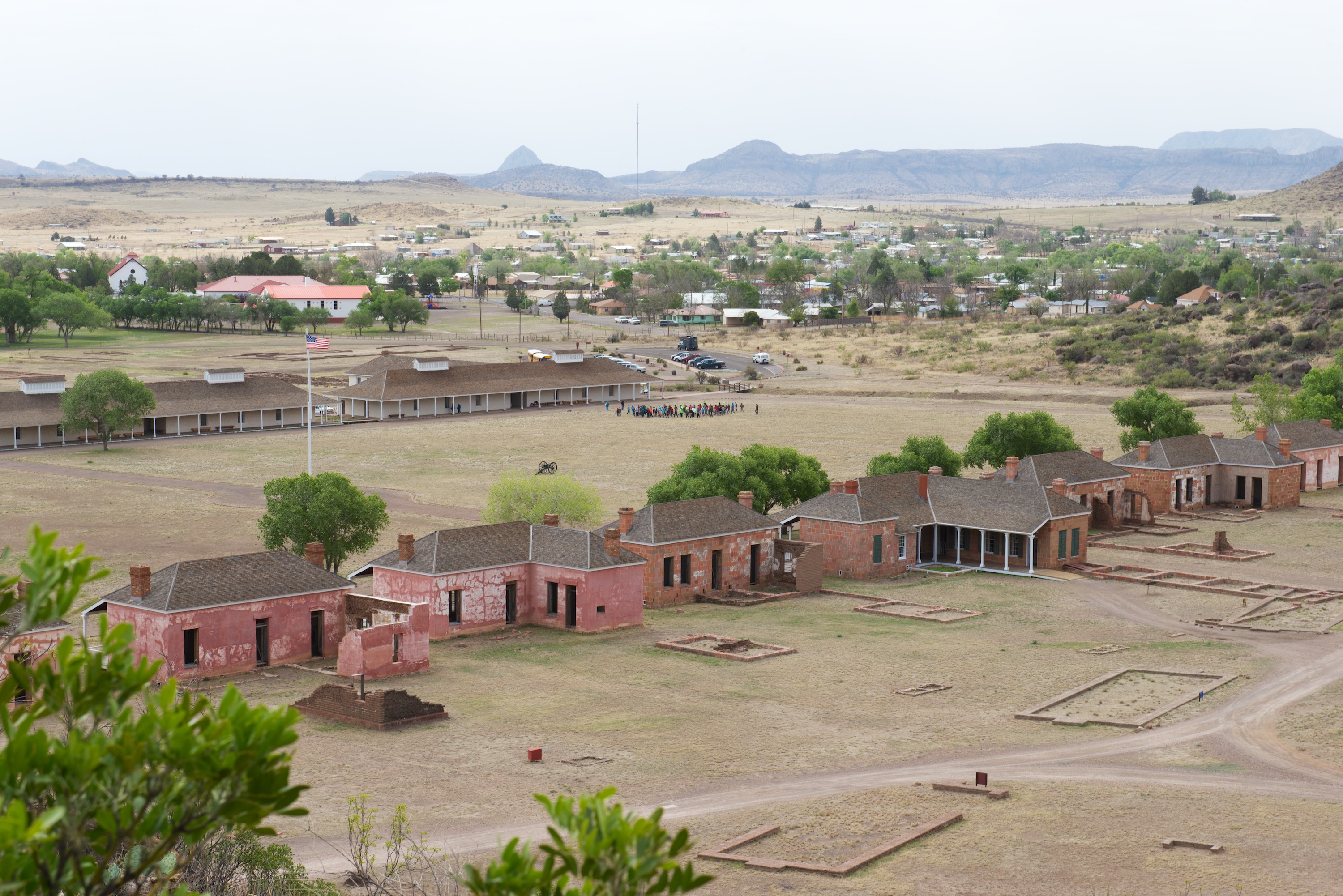
The next day we made it to a lovely state park, Fort Davis State Park. It was still very windy and temperatures had not made it above the low 60’s so it felt cold. The next day dawned cloudy and still super windy. It felt very cold, so having dressed in multiple layers, we headed out to tour the restored fort. The day continued windy and cloudy, but we had a wonderful time inspecting all of the exhibits and climbing to the top of the mountains behind the fort. Fort Davis had a long and fascinating history, from being established before the Civil War, evacuated and occupied by the Confederates during the Civil War, and reoccupied by the U.S. Army after the Civil War. It was manned by the famous “Buffalo Soldiers” for a time before finally being closed when the Indian Wars ended. See more here: http://www.nps.gov/foda/index.htm Highly recommended.

FTDavis  0004Looking across the parade ground towards the Officers’ quarters. We climbed to the top of the mountain in the background.

FTDavis  0005

FTDavis  0006Denise playing the “Road to Fort Davis” game. It took about a month to reach Fort Davis from San Antonio.

FTDavis  0001 View climbing the hill. Note the school kids invading the site.

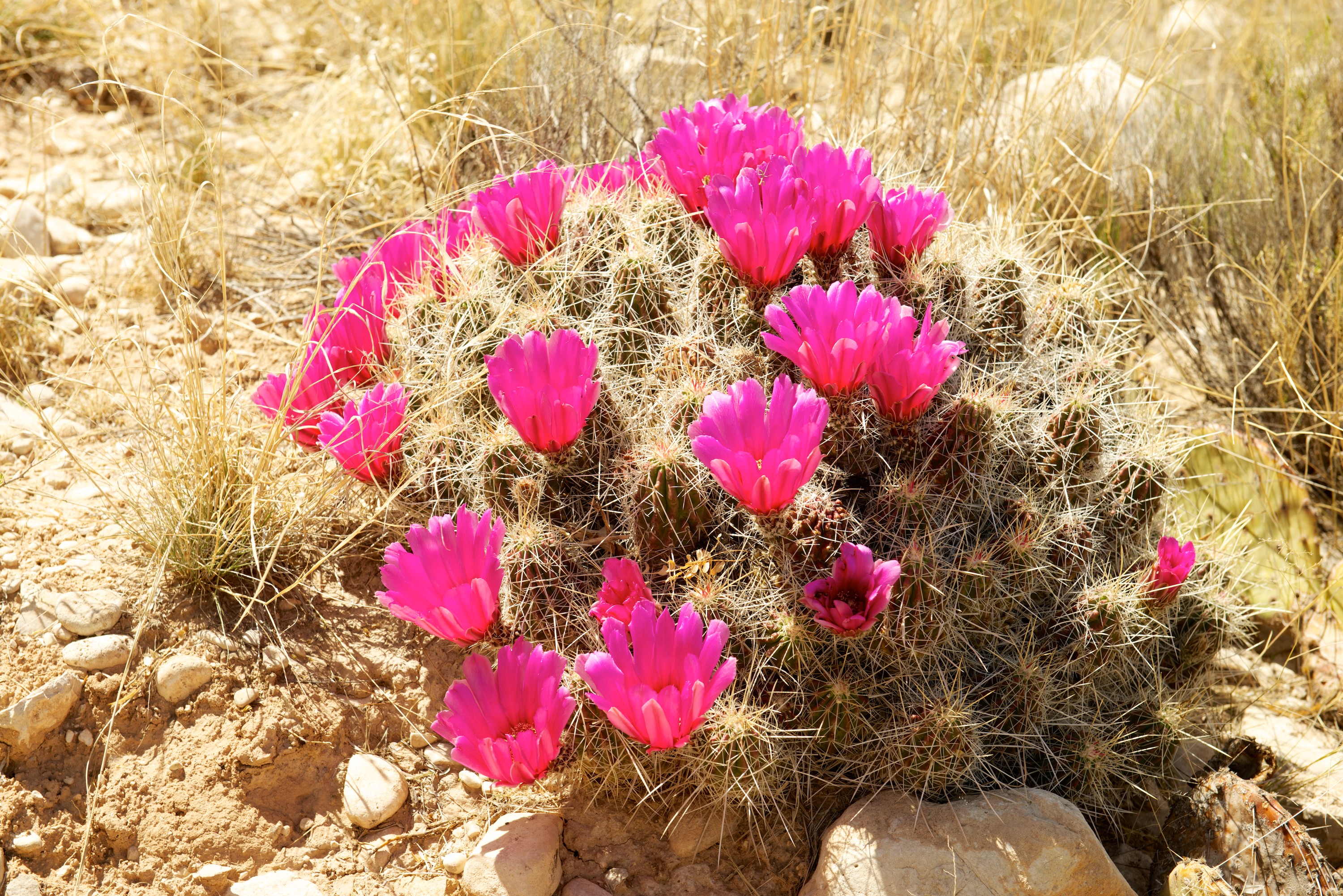
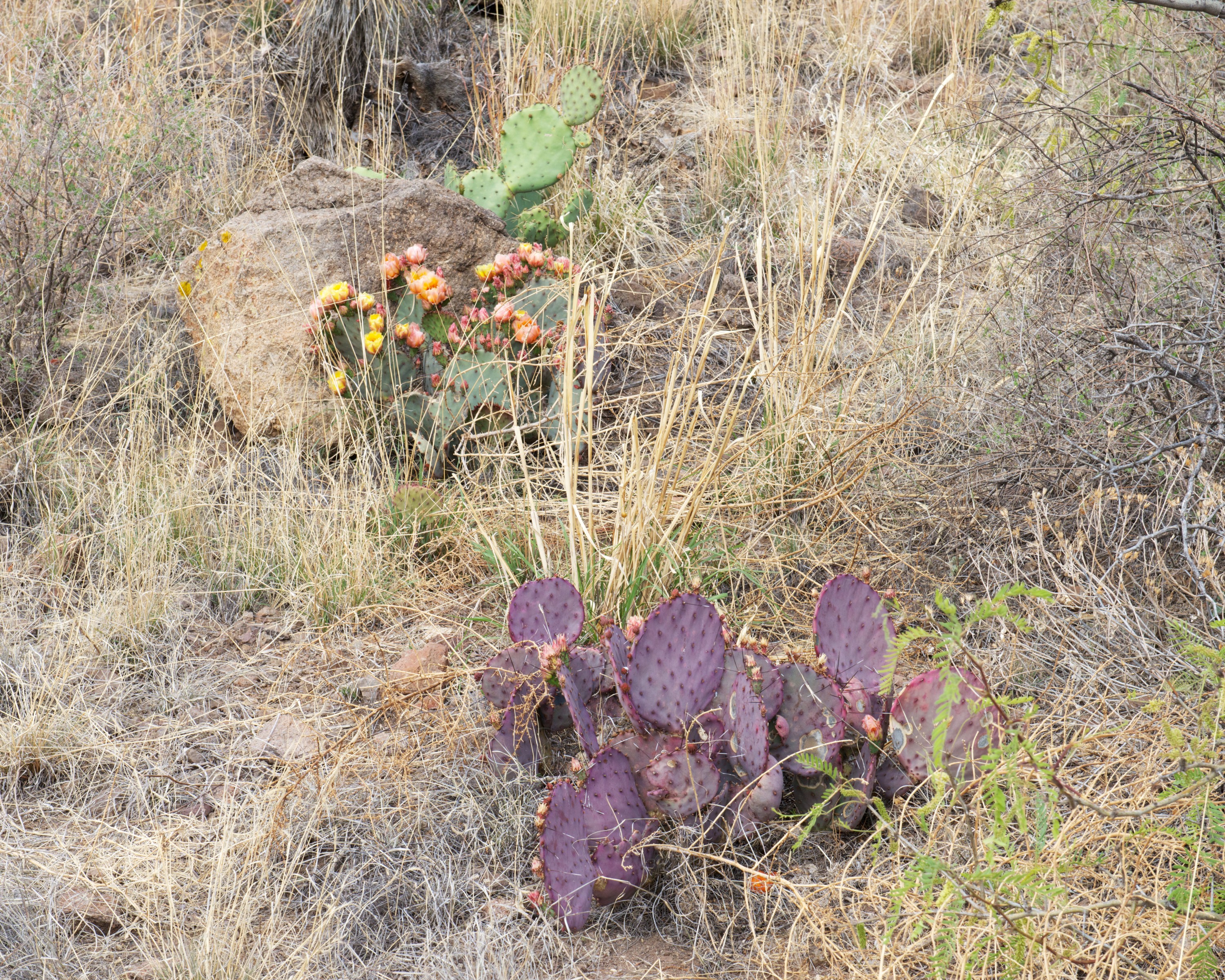
FTDavis  0003 FTDavis  0008Beautiful cacti on the hill.


Into Texas, or, “To Camp or Not to Camp”

With apologies to the Bard, the question is not “To camp or not to camp?” but “Where to camp?” Whether ‘tis nobler in the mind to seek out a pristine forest or local park, or to yield to the temptations of a commercial campground with power and water. With the temperatures soaring into the stratosphere, we have done a bit of both.

Our first campsite in Texas was just over the state line in a county park. It was really more of a day park but they did allow some camping and once we had bought a permit for the princely sum of $3.00 they escorted us to our site. They pointed out that they locked the gates at 7:00 PM and wished us a pleasant evening. It’s the first time we have ever had a whole park to ourselves!

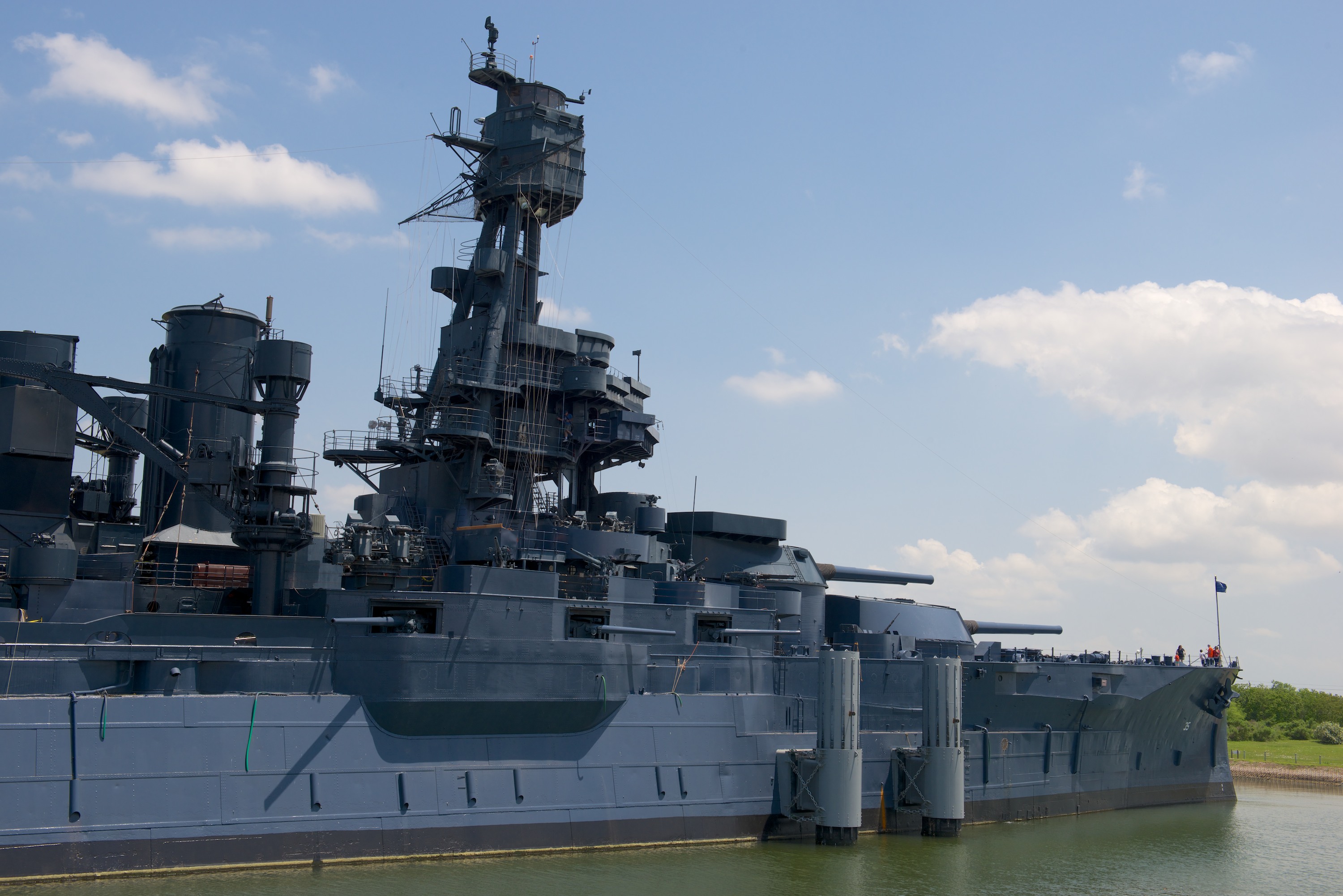
The highlight of our first full day in Texas was a visit to the USS Texas, which is on the Gulf side of Houston at La Porte. It shares the honors with the San Jacinto battlefield which, while preserved, sits incongruously in the midst of acres of oil refineries and holding tanks. The USS Texas is a bit unique among modern museum ships as she is a 1914 “Super Dreadnaught.” As such, she was built to burn coal, has two triple expansion piston engines, and, most unusually for U.S. battleships, she has five turrets. She served in the First World War but saw no combat. Between the wars she was converted to oil and equipped with new, tripod masts so that she resembles a famous ship that was one generation newer, the USS Arizona. Despite her age, she saw extensive action in the Second World War, most notably at the Normandy invasion and later at Iwo Jima and Okinawa. Fans of things naval will rejoice in the anachronistic combination of 5” casement mounted guns along side the ubiquitous 3”/50, quad 40mm, and 20mm guns. Highly recommended.

OEXPO  0011 (1) OEXPO  0009 (1) OEXPO  0008 (1)

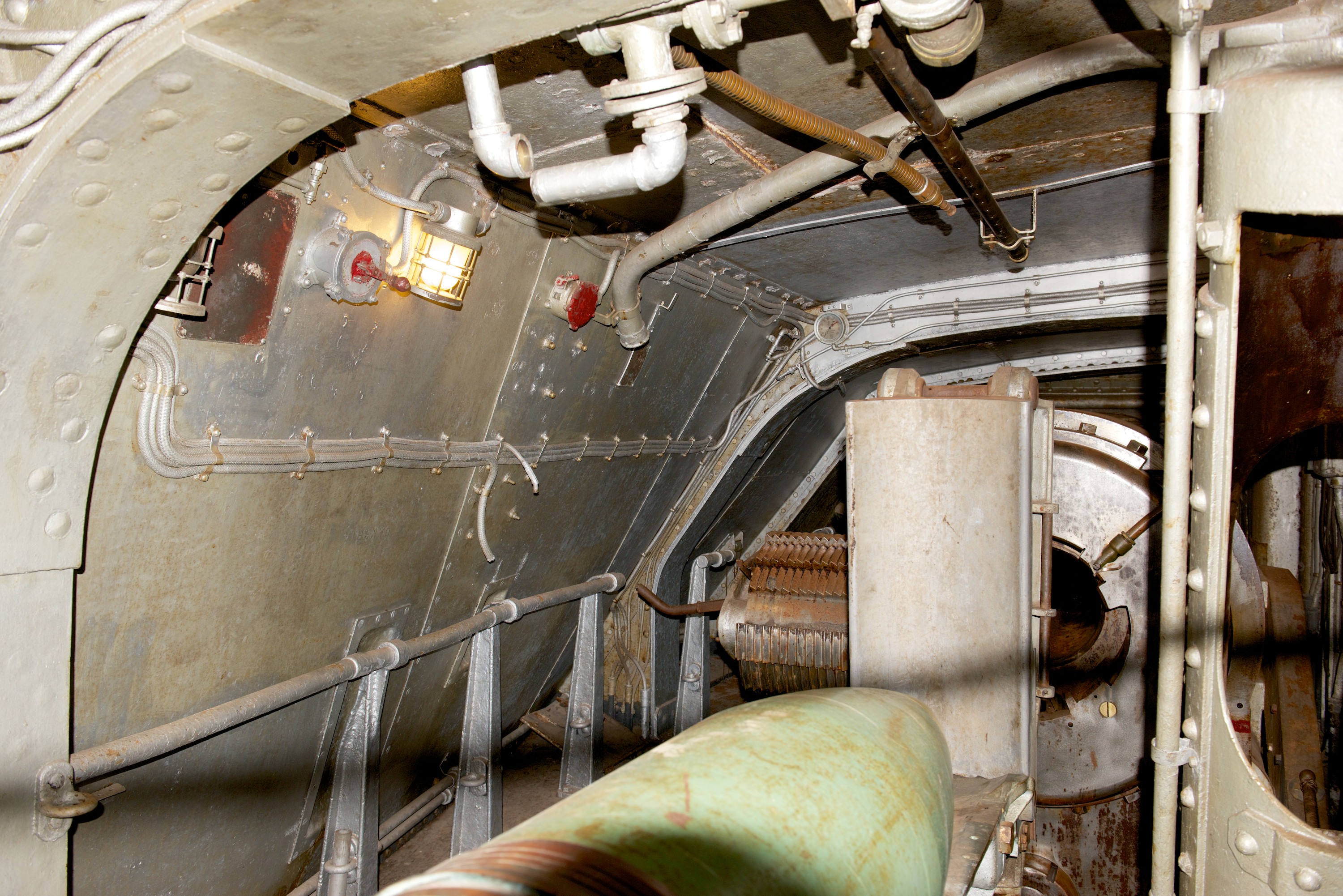
Breech of 14″ main battery gun with shell on the track.

OEXPO  0007 (1)

San Jacinto monument as seen from the U.S.S. Texas.

OEXPO  0010 (1)

Can’t be too careful. (I won’t repeat what I was told to do with prophylactics when I was a Midshipman.)

Our second night in Texas we found ourselves shut out of the inn or at least the State Park where we stopped first. So we ended up cheek and jowl with dozens of other campers in an independent campground. If the camp was less than charming, our neighbours did prove to be and even loaned us their long handled “Class A” windshield cleaning wand and soapy water to wash our windscreen the next morning! It made quick work of a small vehicle like Ndeke Luka. We then headed to San Antonio.

San Antonio again found us in a very busy and rather tightly packed, independent campsite but with a great location on the river and very near the missions. It also had lots of shade, and better than average Internet access. Every bit of shade helped as the temperature set a new record of 99F. We ate at a wonderful Mexican casual diner across the street. Looked like nothing, but all but had a line out the door. (We were the only Anglos in the place.) We ate very well and were even serenaded by a trio of Mariachi players. At this point, it was clear that we were in Texas!

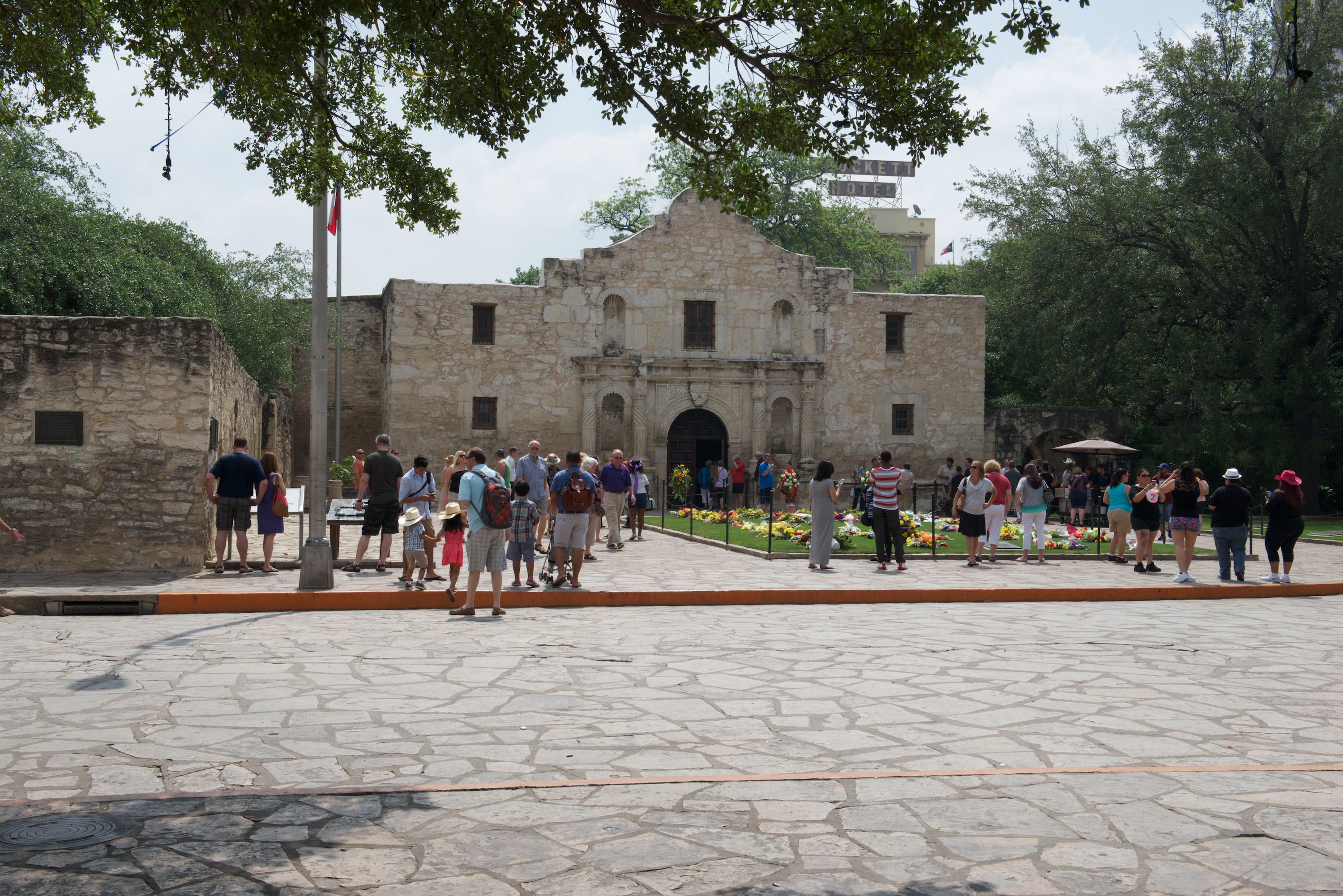
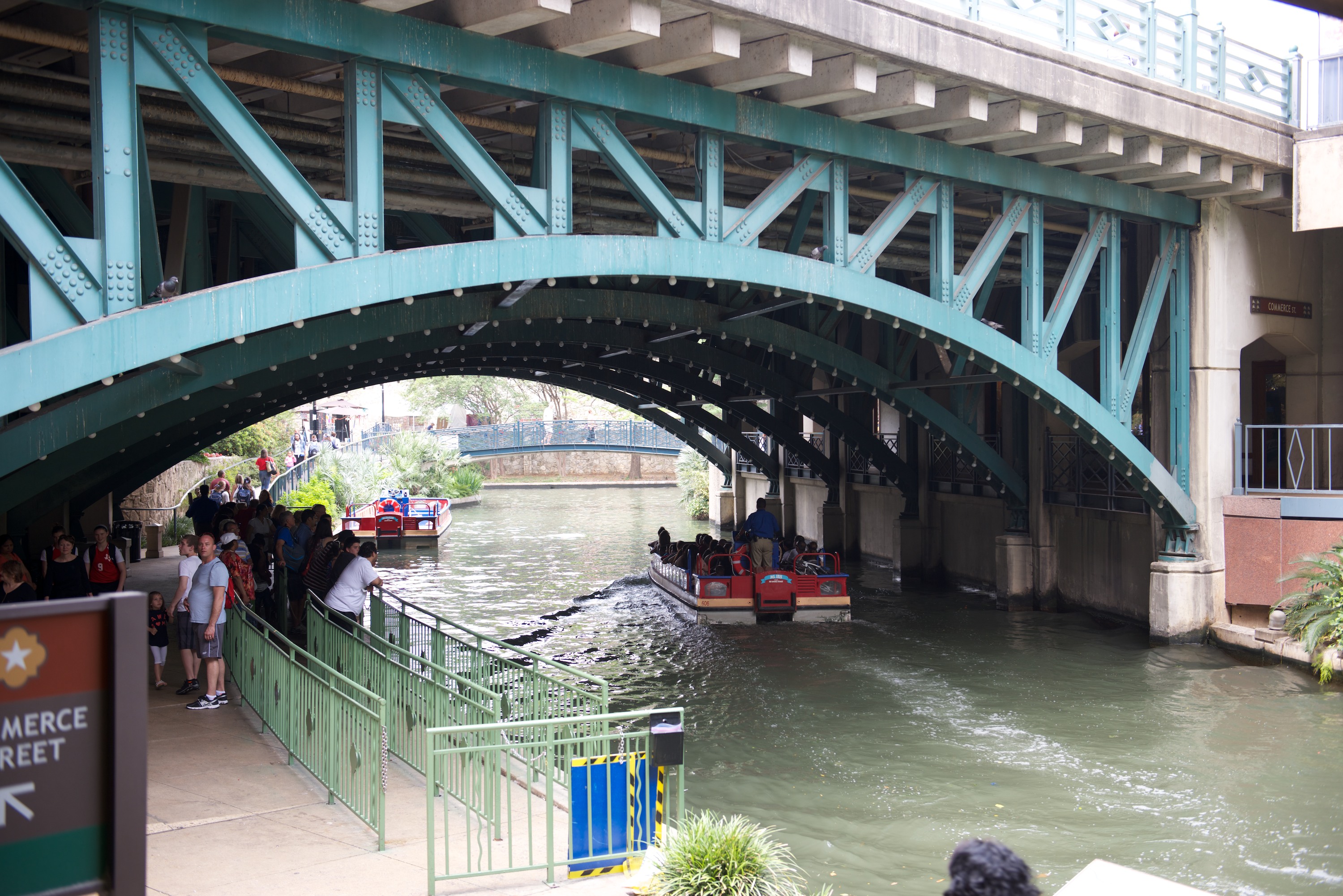
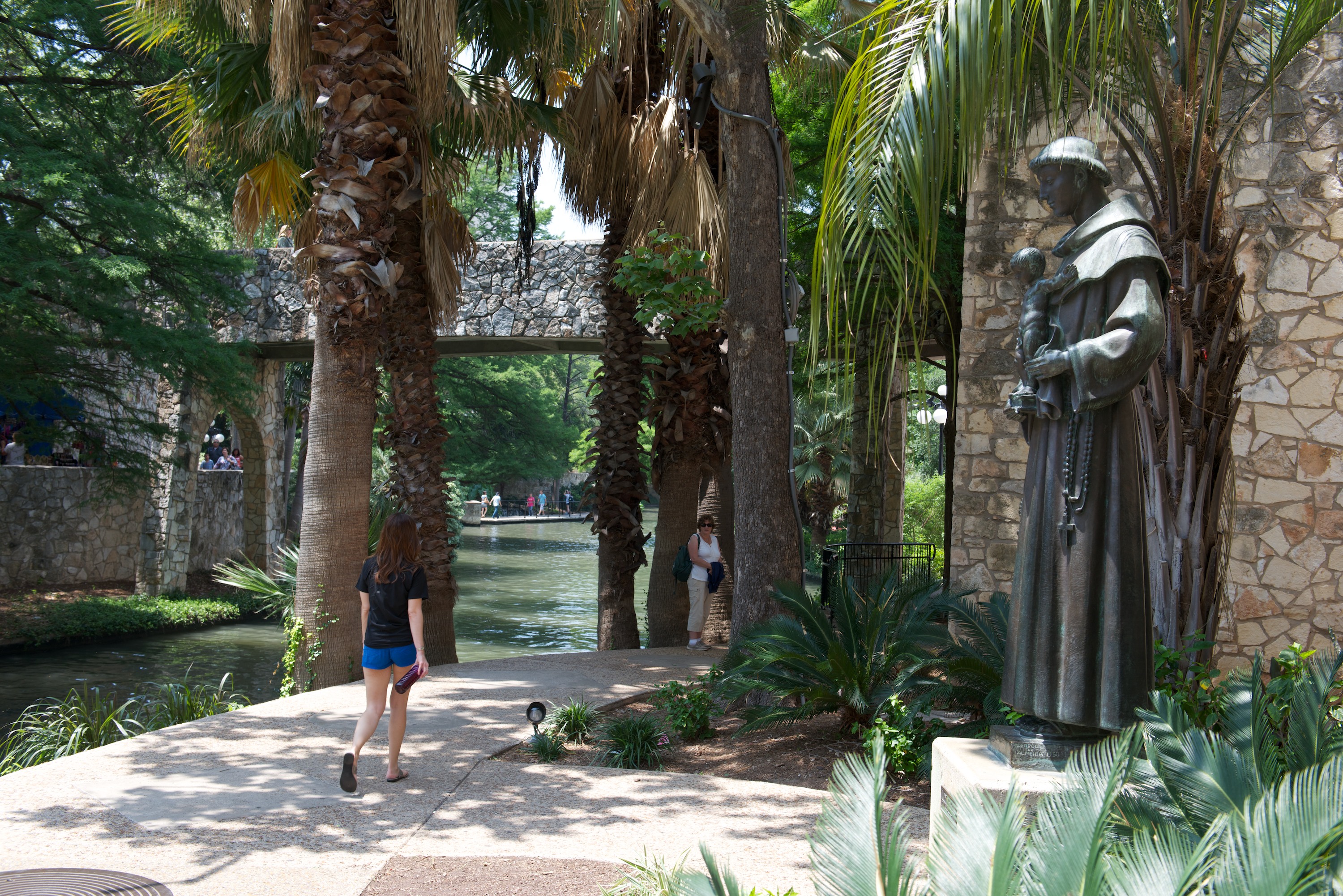
A well-placed bus stop outside the campground deposited us in San Antonio, a short walk from the Alamo, which was much easier than parking. The Alamo looked just like its photos! Of course, all true history buffs know that the actual fort, the old mission walls, were in front of the famous facade, which is only the front of the church. We were fortunate enough to join a historical lecture and learned a lot about the history of Texas, which stood us in good stead as we completed our visit in the museums.  We took a double decker bus tour that was a bit underwhelming. We thought the town had rather a gritty feel to it that did not encourage us to wander.  It may have been partly detritus due to the closing parade of the Fiesta celebration for there was a goodly amount of trash everywhere. However a riverboat ride on the river by the Riverwalk was enjoyable and well worth it. It was cool and shady for the most part also which may have helped. We lunched on the Riverwalk in a pleasant and cool Mexican café (what else?) with great people watching opportunities.

OEXPO  0013 (1) OEXPO  0012 (1)OEXPO  0014 OEXPO  0015

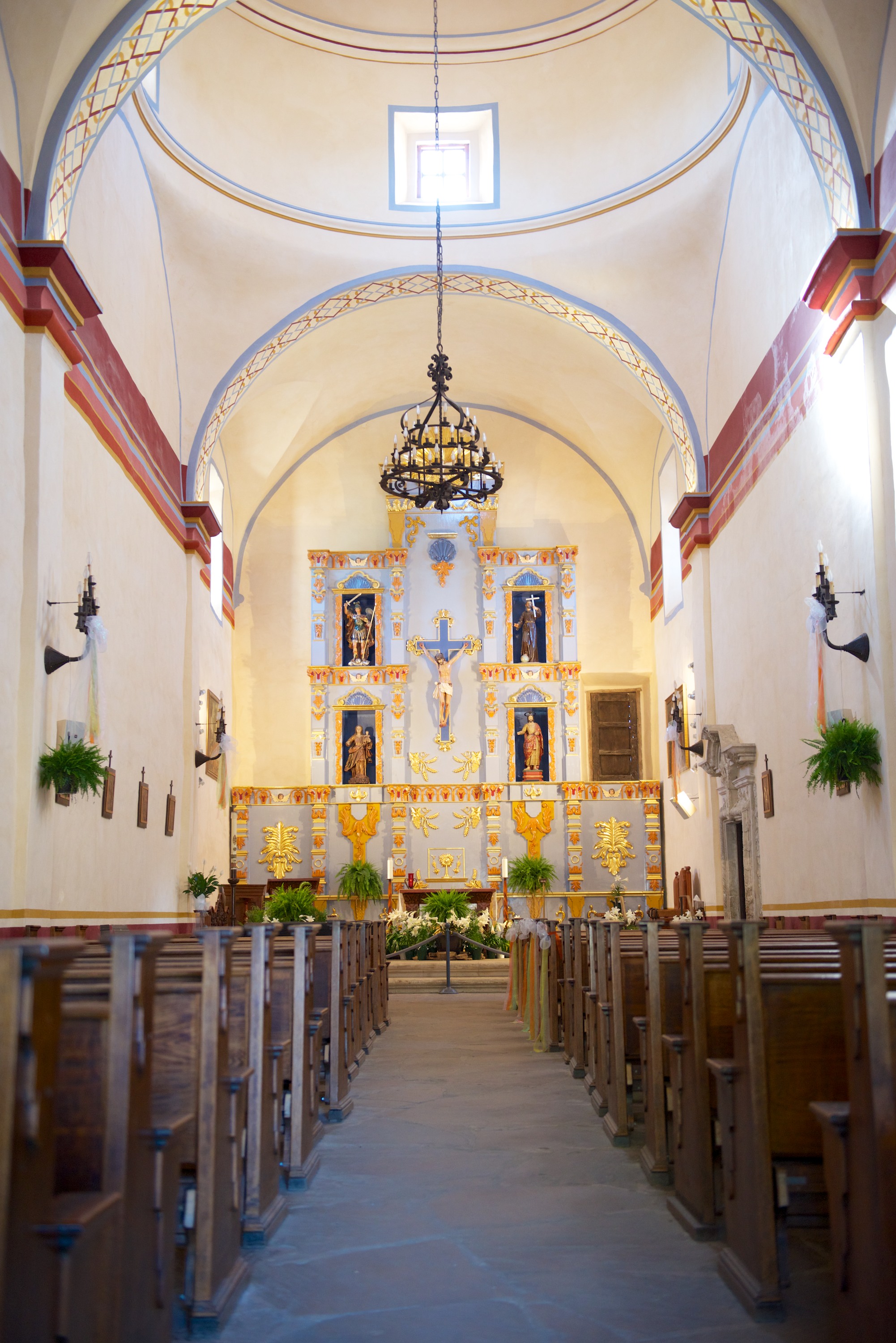
We ended our visit to San Antonio the next day with visits to two of the missions. Mission San Jose is especially worth a visit as it has been almost completely reconstructed and, as a result, looks more like the Alamo than the Alamo itself. You can really see that the missions were well built to repel attacks by those Indians who did not convert.

OEXPO  0016 OEXPO  0017

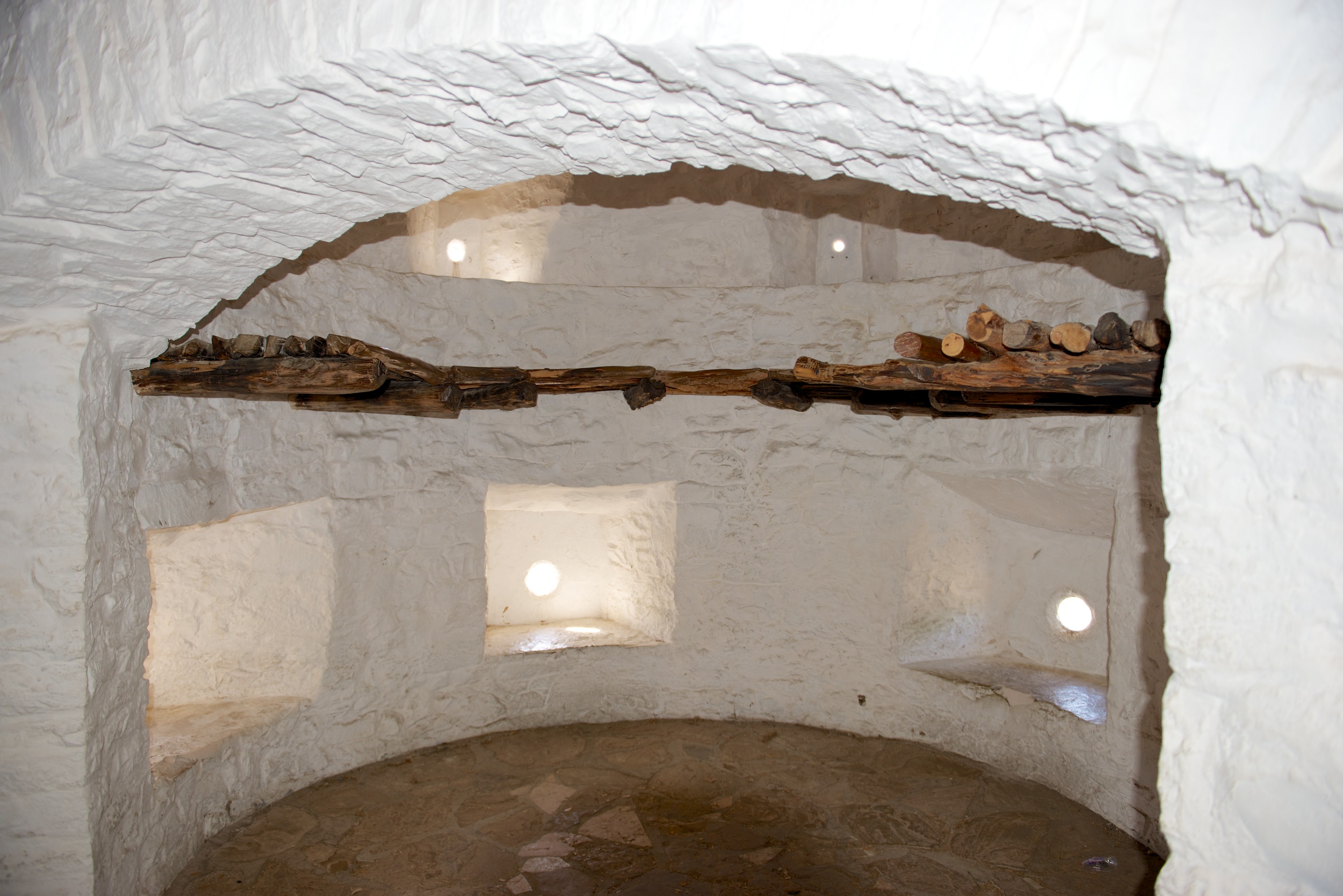
Interior of the corner bastion, cannon down below, muskets above.

OEXPO  0018 OEXPO  0019 OEXPO  0020

Fun Facts about San Antonio: (These must be true as we heard them from tour guides.)

— San Antonio has long had a large German population. Like Rick, they came for the waters. In this case, to use the waters to make beer. With the coming of Prohibition, they faced ruin. So they moved production to Mexico and gave their San Antonio beers new names – like “Corona”, “Dos Equis”, et al.

— The fajita was invented by a Mexican living in San Antonio. When it was a hit, he went home, hoping to make his fortune in Mexico. The Mexicans, however, dismissed the fajita as not being an authentic, Mexican dish. So he returned to San Antonio, took U.S. citizenship and opened a restaurant named “Mi Tierra.” Which restaurant is open to this day.

— San Antonio has a large flour industry, but not a lot of corn. So the German flour miller began to make tortillas from flour and they remain an option in Tex-Mex restaurants.

True? Who knows, but they make good stories.

OEXPO  0021

Finally, hiding from the sun at the Hill Country Nature Reserve.

Et toi! Or how to say “Hi” in the Louisiana Bayous.

Heading down towards the Gulf Coast, we drove that iconoclastic road, Highway 61, of devilish fame. We passed many crossroads but, sadly, Fred’s guitar playing is no better. Actually, Highway 61 was a very pleasant drive, not at all evocative of hard labor or oppression. It was an easy drive with no traffic though Fred was amazed when we came to a four way stop, where two four-lane highways crossed, in the middle of a small town, and nary a traffic light in sight. Such faith in human nature that traffic rules will be obeyed! (Or maybe everyone KNEW where the devil hung out.)

We crossed into Louisiana and found ourselves on a 19-mile bridge. Yes, we had arrived in the swamps and the road was built on pillars over the shortest distance through the swamp, 19 miles. Quite amazing. We stopped at the Visitor Center and enjoyed free coffee and a short movie. They are still building the whole complex and it is going to be well worth a stop when finished. But it did not tempt us to stop for lunch, though a restaurant covered in folk art called Crazy Bout Catfish did. We had a great lunch and both decided we liked crawfish. We knew we liked catfish courtesy of Catfish Dewey’s in Ft. Lauderdale, Florida!

Creole "raised cottage." How the creoles, not the Acadians, lived

Creole “raised cottage.” How the creoles, not the Acadians, lived

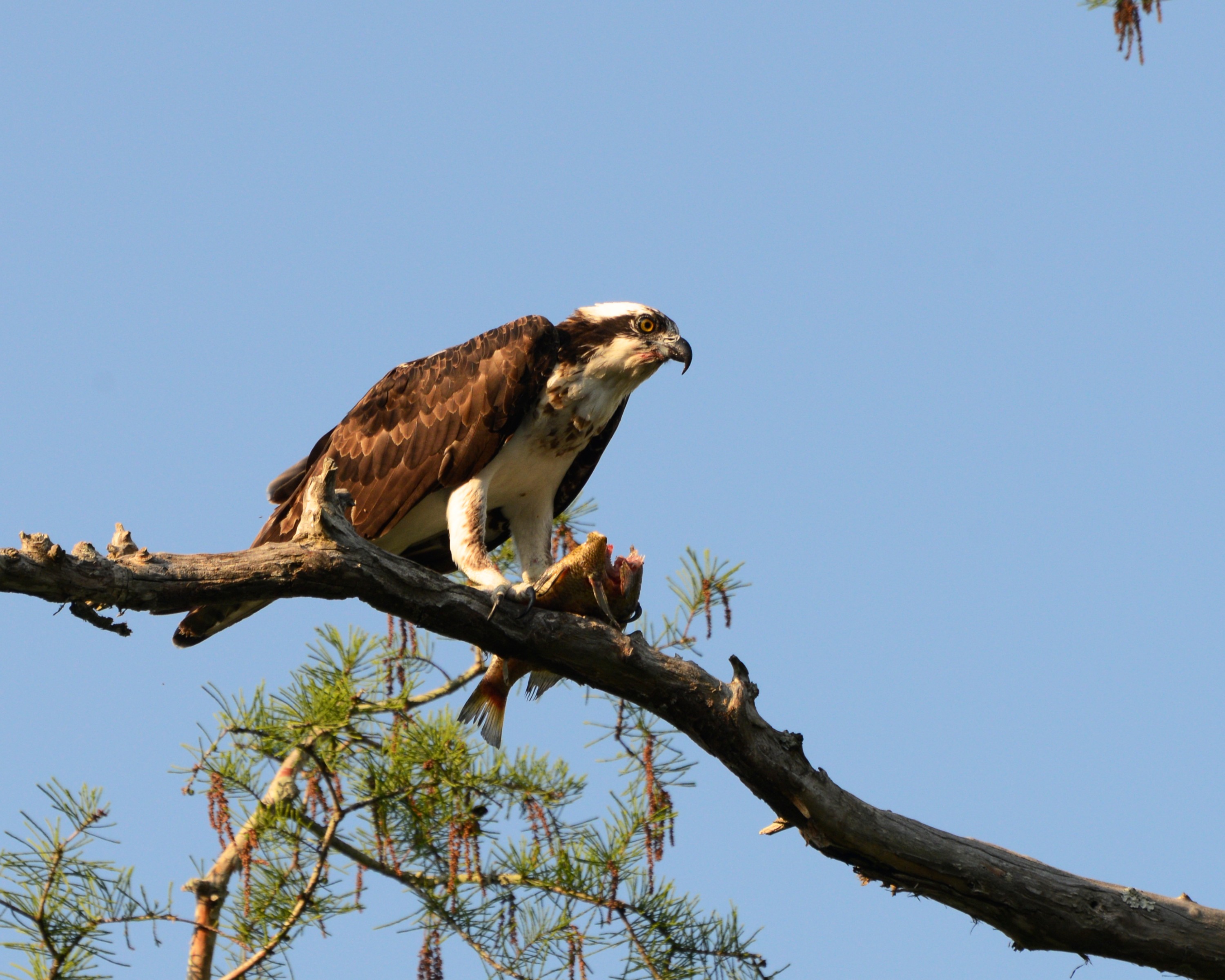
We were entering Acadia and the blending of the Acadian and Creole cultures and Denise wanted to visit a museum, the Longfellow-Evangeline State Historic Site, as it specifically documented their lifestyles, customs and culture. It was a fascinating place where you can see both an Acadian farm and cabin and a French Creole built Raised Creole Cottage. Both were furnished with appropriate furniture and tools. While there, we chatted to one of the Rangers and she recommended we head for the swamp, where a friend of hers owned a business. He would let us camp on the edge of the bayou. So we headed deeper into the swamp and indeed found Champagne’s Swamp Tours. We took swamp tours when living in Florida, but decided to join the evening tour in a small, flat bottomed boat. It was quite an experience and well worth it as you got to see everything up close and very personal. We saw at least a dozen alligators and various birds, including an osprey sitting on a branch munching on a fish. Everyone was snapping photos and it did not move.

Obligatory alligator photo.

Obligatory alligator photo.

Dinner is served.

Dinner is served.

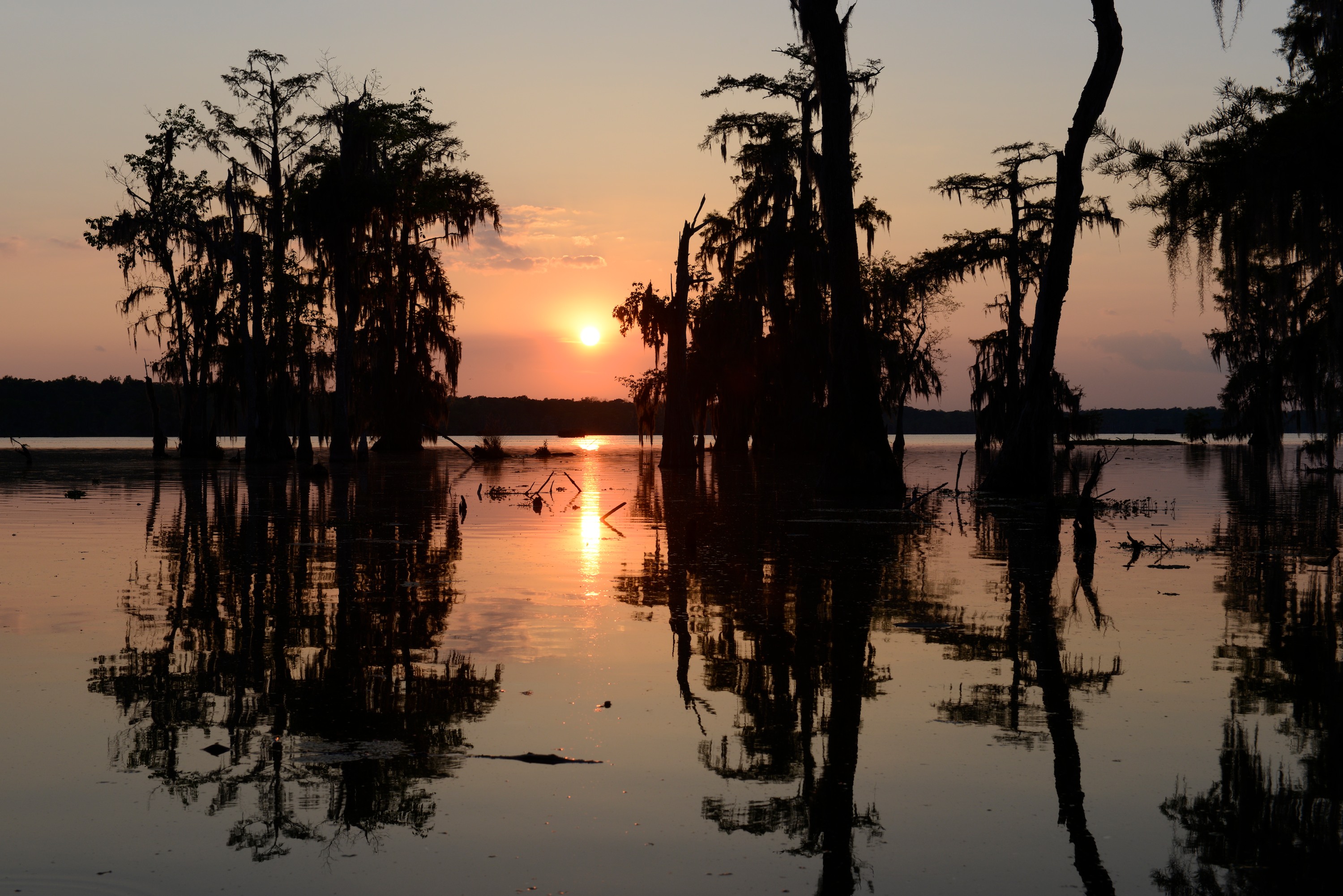
Sunset on the Bayou.

Sunset on the Bayou.

A misty, moisty, morning.

A misty, moisty, morning.

We moved on, the next day to Avery Island, home of Tabasco pepper sauce. We have used the stuff for years and, a bit like visiting Lynchburg, the home of Jack Daniels, we wanted to make the pilgrimage. While the tour itself is a bit underwhelming as, unlike the Jack Daniels tour, you do not get to visiting the actual production or curing facilities, it is well worth the one dollar toll to get to Avery Island, if only to trace the fascinating history of the place. Avery Island is actually a salt dome and while most of the peppers are actually grown in Central America from seeds from Avery Island, the salt mine is still active and the barrels are still covered with salt during the aging process. And where do you get primo barrels in this day and age? From Jack Daniels, of course. In fact, they are used much longer to age Tabasco than they are to age Jack Daniels. Worth noting – Tabasco gives out more and better free samples than does Jack Daniels!


Natchez Under the Hill and the People you Meet at Wal-Mart

We really enjoyed driving the Natchez Trace and learning its history. One of our final stops before Natchez was at Mount Locust, one of the original “stands” or inns run for the travelers, who used it for access to the north, especially for the Kaintucks or boatmen. After the paddle steamers provided alternate and cheaper transport, Mount Locust became a fully-fledged inn and plantation with about 50 slaves.

Upon arrival in Natchez we headed for the River View Campground, on the banks of the Mississippi but on the Louisiana side. (http://www.riverviewrvpark.com/ – The website does not do justice.) It proved to be a great choice, as we were able to get a campsite with shade and a clear view of the river so we could watch the barge tows and other river traffic, plus it had a great laundromat! Once settled in, we decided to celebrate Easter Sunday and headed to Natchez Under the Hill, an area of ill-repute in early times, but now the location of restaurants and a casino. We declined the latter but enjoyed a great meal with river views at the Magnolia Grill. In the old days, the police would stop you before you went down to Natchez under the Hill to be sure that you had a knife or gun and would issue you one if you were lacking. The Army Corps of Engineers rerouted the river and most of the area was washed away. That which remains is very nice, but said to lack the “spirit” of the old docking area.

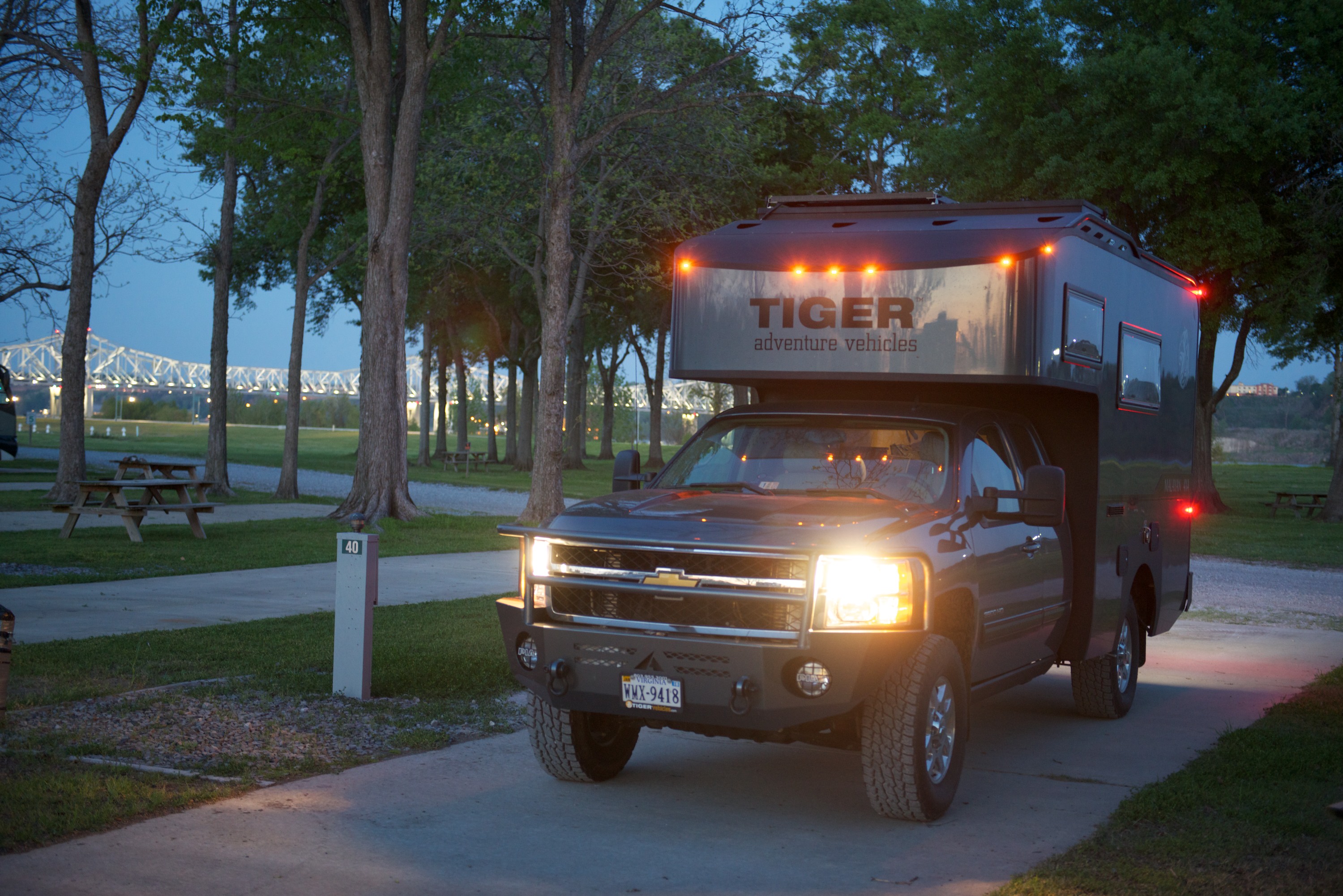
Ndeke Luka settled in for the night on the Mississippi.

Ndeke Luka settled in for the night on the Mississippi.

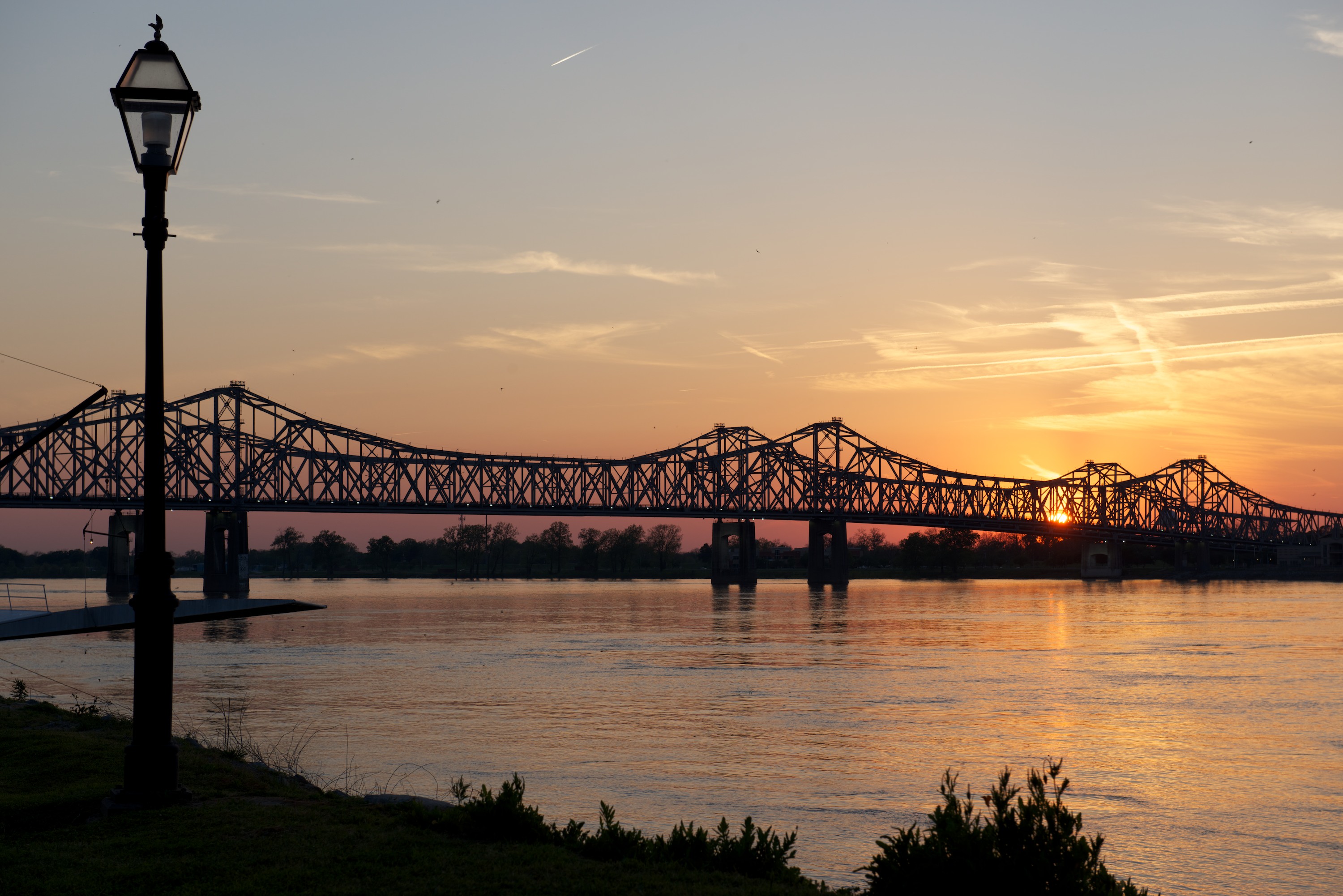
Sunset on the Mississippi as seen from Natchez under the Hill.

Sunset on the Mississippi as seen from Natchez under the Hill.

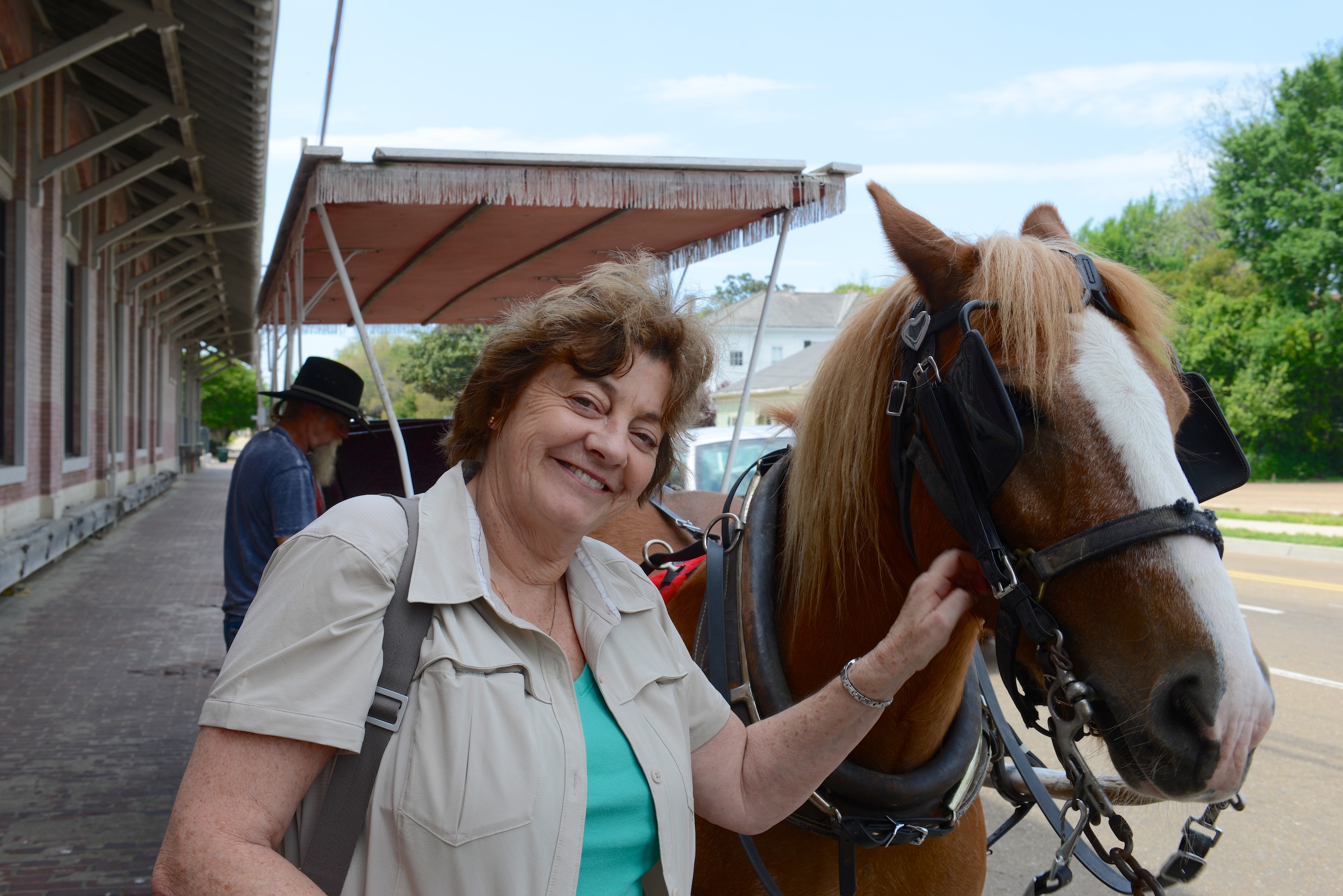
We really liked Natchez. Founded in 1716, its history was evident everywhere. We took a carriage ride with a horse called Champ and a real character who knew all the gossip in Natchez and who kept us entertained. A display of a hundred or so mid 1800 photographs of a number of inhabitants, both white and free blacks, was fascinating, as was a visit to the William Johnson House. William Johnson was a freed black slave who made a name for himself as a businessman and plantation owner and kept a detailed diary for over 20 years. (http://en.wikipedia.org/wiki/William_Johnson_(barber) ) A great barbecue lunch and a visit to the African American Museum completed our day.

Stanton Hall

Stanton Hall

Denise making friends with the horse. (Part Welsh Pit Pony.)

Denise making friends with the horse. (Part Welsh Pit Pony.)

When we awoke the next morning, the Queen of the Mississippi (http://www.americancruiselines.com/small-riverboat-cruise-ships/Queen-of-the-Mississippi) paddle steamer had tied up next to our campground. We of course walked down to inspect, but the day was a bit dismal so we moved on. Our stay in Natchez would not have been complete without a visit to the grocery store and as my peeler had disappeared we headed for Wal-Mart. As we were checking out, a gentleman in a chef’s outfit, with American Cruise Line on his pocket, started unloading trays of mushrooms and shrimps and gluten free items for a passenger in need of a gluten free diet. So, yes, their cuisine is locally sourced, just not exactly where you might expect. The trip sounded like fun, maybe one day. Naturally, Denise started up a conversation that ranged from the gluten free cuisine through all of the challenges of keeping 150 passengers happy.

Queen of the Mississippi.

Queen of the Mississippi.

As a final note, we tend to avoid Wal-Mart like the plague, for political reasons. That said, the stores are lovely and very RV friendly. It is easy to see why so many RV owners patronize them.

Who knew that Tennessee was so Full of Mountains and had so many Cemeteries?

Two things struck us as we drove through the lovely state of Tennessee – that it is has some spectacular grades, even though we stayed away from the Great Smokey Mountains on this trip, and that there were cemeteries everywhere! All the headstones were beautifully decorated also. Driving down I-81 with the views and the redbuds in full flower on a bright sunny day was a most spectacular experience. We stopped to explore the town of Jonesborough, a historic and charming little town with several restored buildings.

We overnighted at another winery, the Tennessee Valley Winery, run by a brother and sister from South Africa. Fred enjoyed a political discussion over a glass of wine at the picnic table with the owner as we gazed at the spectacular vista of hills. He was nice enough to allow us to fill with fresh water and to drain our grey water tank. The Tiger continues to perform beautifully under chilly conditions. The heat is well able to maintain a comfortable temperature, even at 24F. Courtesy of Harvest Hosts, we are able to camp for free. Of course, we then spend more on wine than the charges at a typical campsite. Seems about right.

We continued west and stopped at the Jack Daniels distillery in Lynchburg. We had previously visited the artisanal distillery built by George Washington near Mount Vernon, VA so we had some idea of the whiskey making process, but it was fascinating to see the same process, duplicated hundreds of times into a full-scale production. It is an interesting tour. We declined to buy a full sized bottle and regretted that they did not sell small sample bottles. After ice cream in Lynchburg, we headed off in search of Tim’s Ford State park, where we planned to camp.

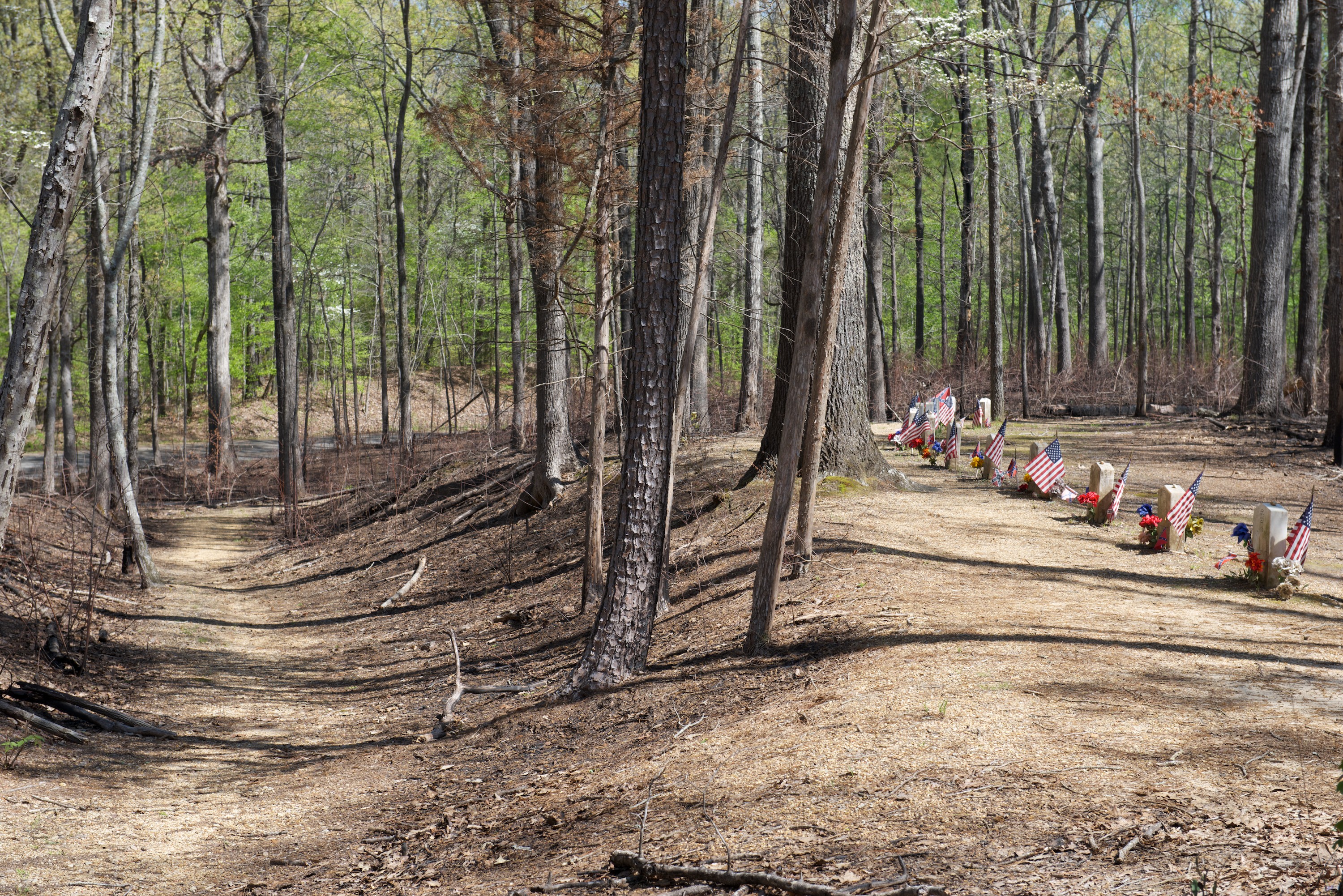
The graves of unknown Confederate soldiers on the old Natchez Trace

The graves of unknown Confederate soldiers on the old Natchez Trace

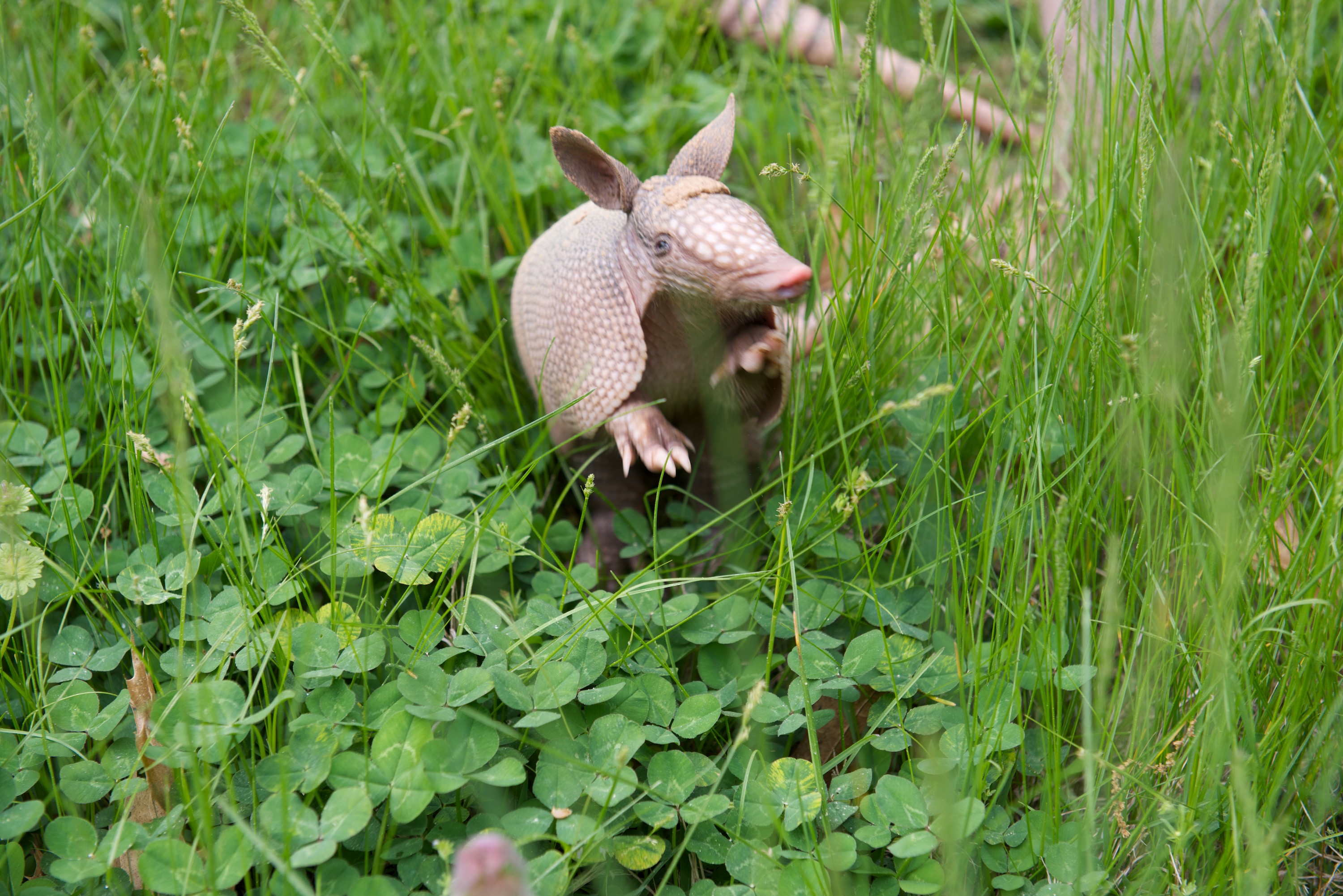
And on to the Natchez Trace, an important transit route for the period 1780 to 1832 especially for the Kaintucks or flatboat drivers who would float their goods to Natchez for sale and then walk home. (Before steam engines, there was no way to move a heavy boat upriver, so they floated down, sold their cargoes, then broke up the flat boats and sold the lumber and finally walked home. The return journey took at about a month at fifteen miles a day.) We decided to pick up the Trace in southern Tennessee and follow it to Natchez. It proved to be a delightful and little used two-lane highway bordered by flowering dogwoods and meadows of wildflowers. We stopped a couple of times to view a nature walk full of bluebells and other wild flowers, Indian burial mounds and the ruins of a “stand” or inn run by George Colbert who also operated a ferry across the Tennessee River. While looking around, we came upon three young armadillos, busily munching beside the road. Fred took various photos and they were quite unconcerned until he tried to pet them! Then they raced off to safety! My first wild ’dillos! Bleu was most interested.

Friendly Armadillo

Friendly Armadillo

Our campsite for the night was at Tishomingo State Park, Mississippi. A pleasant wooded spot, we ate outside and brought Bleu out for a little. He is adjusting very well to life as a camper cat!

Zen and the Art of Packing an RV

Who would have thought that it would take so long to prepare for our first trip? In fact, our preparations brought back memories of the strains and stresses of packing for an overseas move. Days of hauling food and other items to the camper, and lots of questions like “Do we really need this?” and “Where can we possibly put this?” Learned that it is better to take things out of the fridge, because you need to use them up, than to buy new items for the trip. More last minute shopping trips and items plucked from the pantry shelves and finally we were off. A little later in the day than we had planned but we were off. Bad weather was expected the next day and we were in no way inclined to wait for it.

So, we headed out I-66 towards the Skyline Drive, hoping to camp at Lewis Mountain, the only campsite open at this time of year there. All went well until we arrived at the gate; the inn (or rather the campground) was full. The weather had been delightfully warm at last so you cannot blame people for heading to the mountains. So we headed over the mountain into Luray and had a Mexican dinner at a classic but not especially wonderful Mexican restaurant. Then Yogi Bear’s Jellystone Park beckoned. We checked in for the night, taking a tent space with no services. It proved quite pleasant; much nicer than we would have ever expected.

The next morning we went back up onto the Skyline Drive and headed south through the rain and fog, admiring the ghostly shape of deer beside the road. We stopped for lunch at the Lewis Mountain campsite, but our planned walk was washed out by the rain. After over thirty-five years of camping beside the truck, we are slowly growing accustomed to the luxury of hot soup for lunch inside the truck – where it is warm and dry. This RV shtick has much to recommend it. Coming down off the Skyline Drive, we heading down I-81 in the sleet and rain. Fortunately, the weather cleared just at we arrived at the Attimo Winery, our first experience with the Harvest Host scheme. (http://harvesthosts.com/) The parking was free and we could even use the Internet, but we spent nearly as much on wine than we spent at the Jellystone RV park. We are really enjoying the excellent wine, so we plan to go back. Should you want to go there, start here: http://www.attimowinery.com/