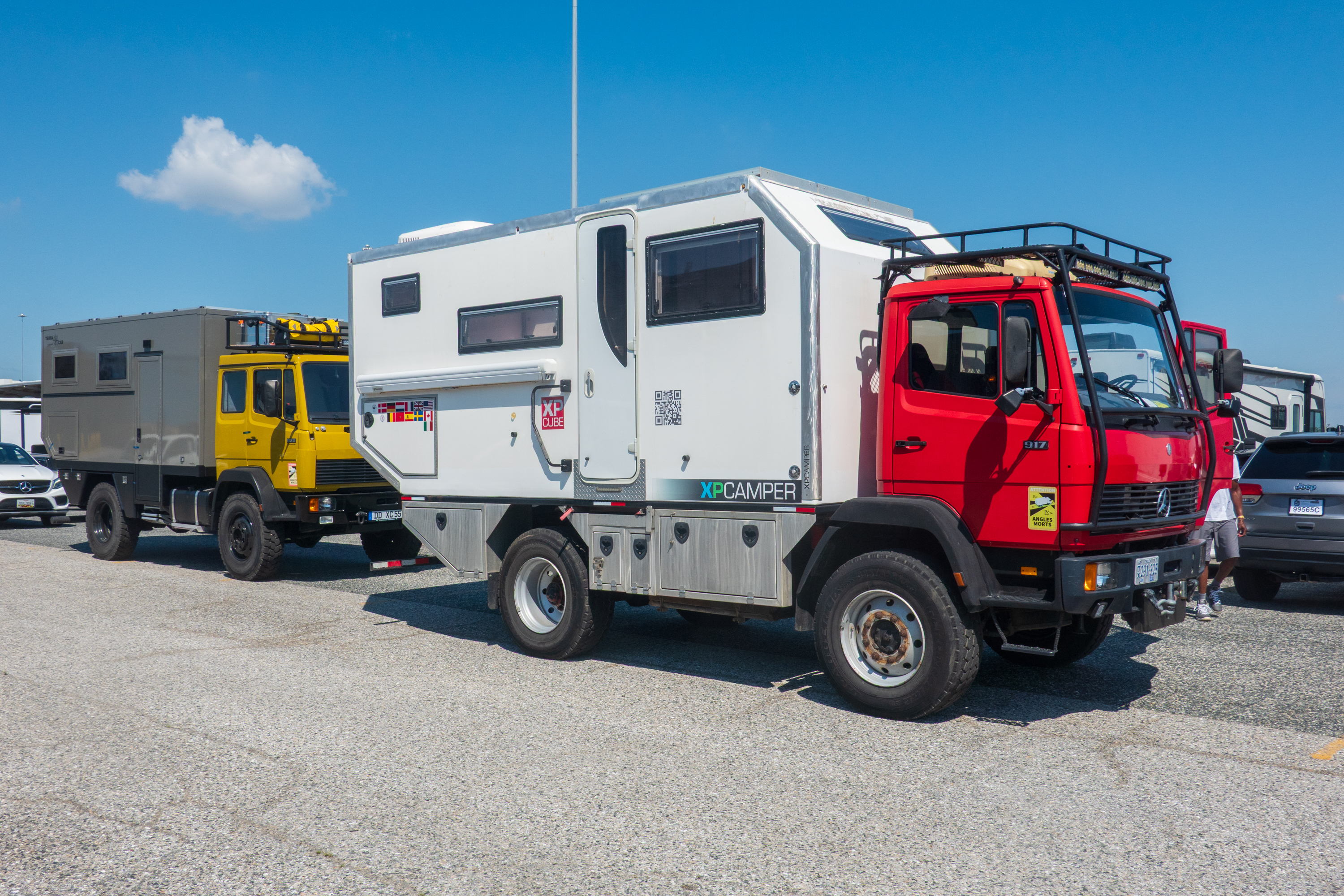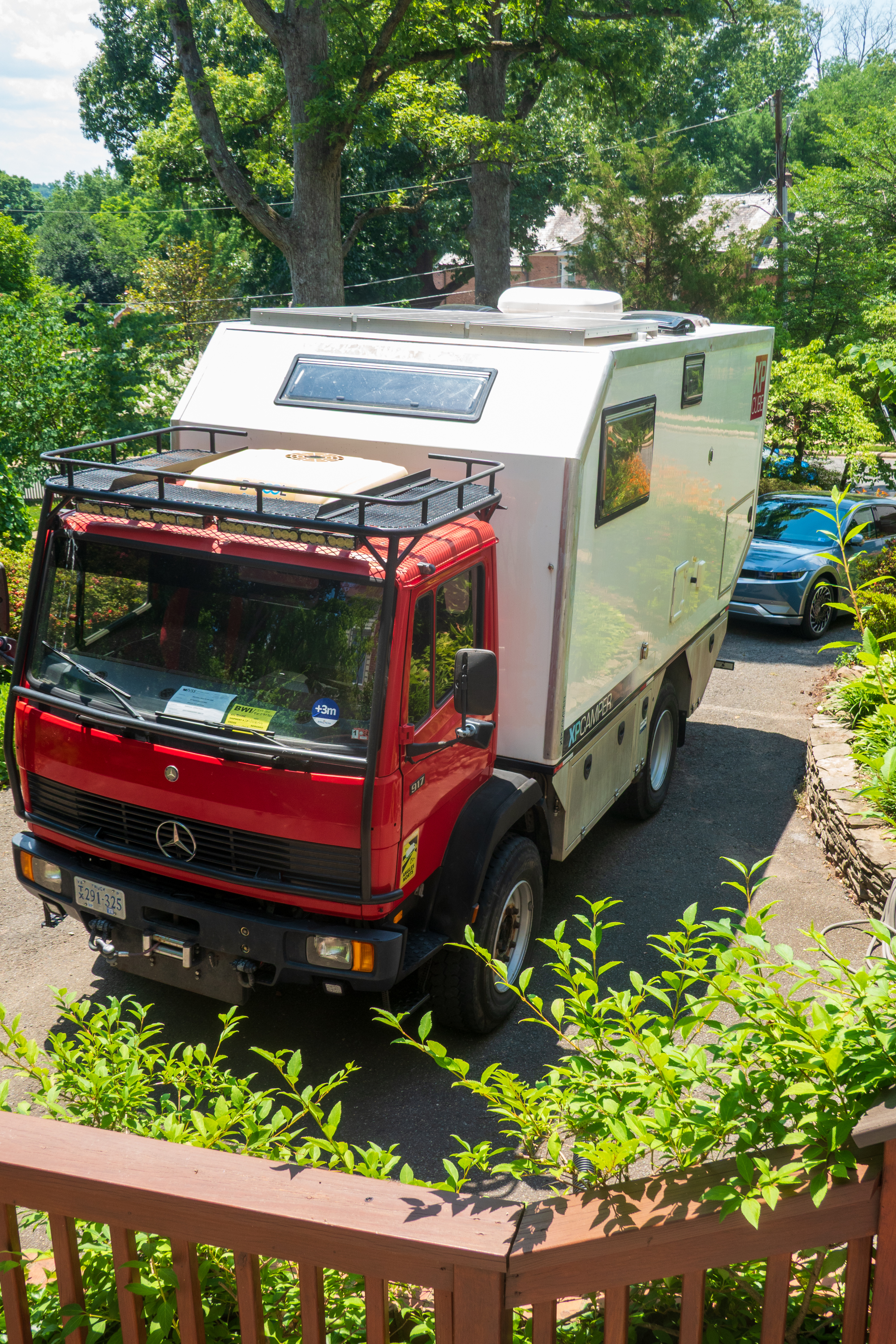
It was, of course, a holiday weekend in the UK, so we were able to enjoy some fun family time as we were preparing the truck for shipment back to the US. The preparations involved power washing, especially the chassis underneath, cleaning the interior, removal of all food items, and making sure that everything left was stashed away and not visible. The family time included a great dinner at a nephew’s house, a wonderful lunch with my sister and brother in law, and a barbecue with other family members.
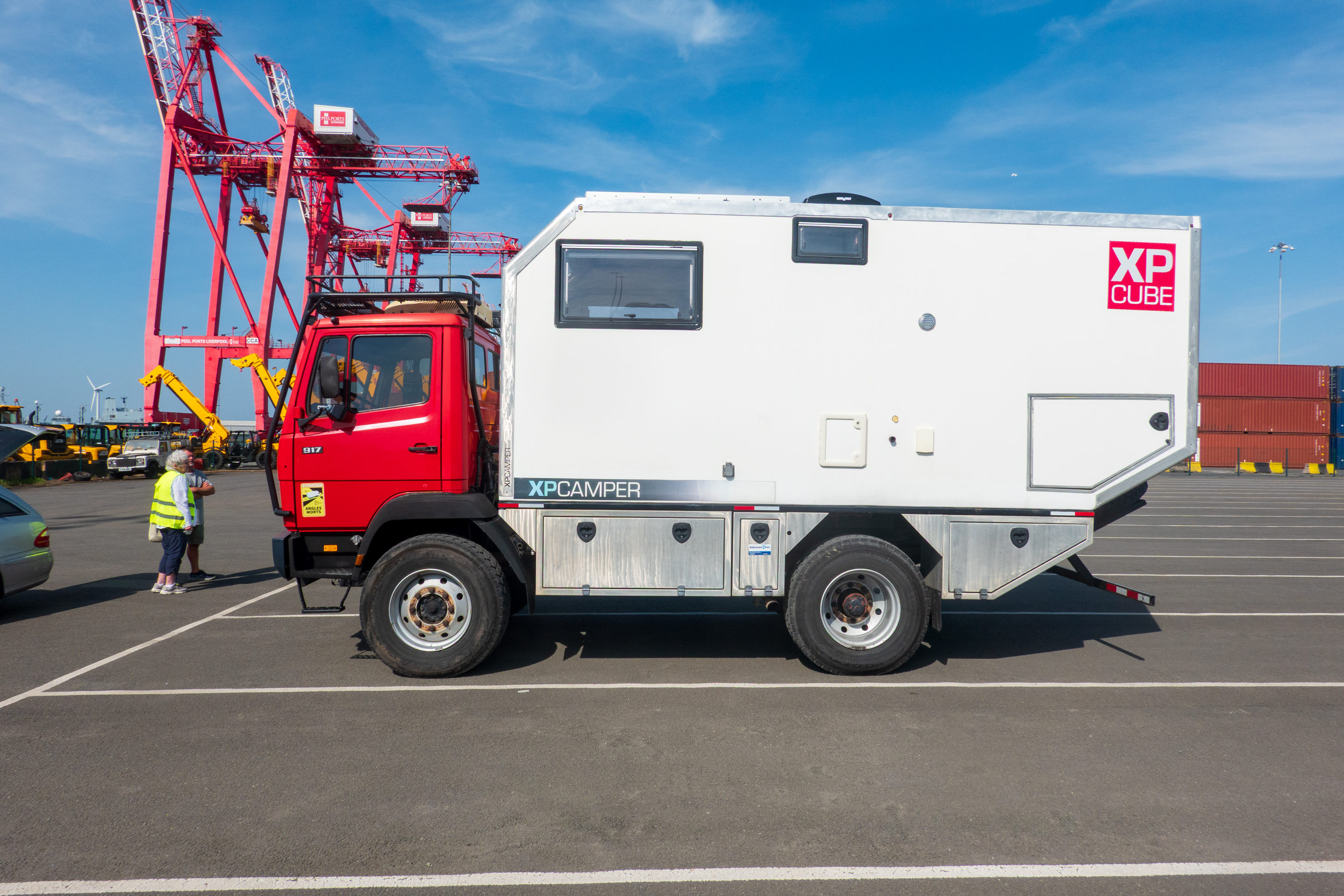
Bon Voyage to the 917
So, after the Bank Holiday Monday, we headed north towards Liverpool in the truck. Traffic was bad in places and we did lose some time but we made it to the hotel we had reserved near the port of Liverpool and managed to find a place to park.
Dropping off the truck proved to be fairly simple. Though as usual, there were few signs and Fred had to hunt down the office, in an unmarked cabin. Armed with our instructions we found the parking area and met with the agent. He took over our keys and then was nice enough to drive us, and our bags, to the local train station. A most helpful gentleman, he was in the process of building up his own Land Rover in preparation for a European trip, and was delighted to examine our truck.
Hitting the Rails
Once at the station, we bought tickets for Glossop, Derbyshire and sorted out our train route. It involved several changes, but all went well and we were met at Glossop station by a friend from Botswana with whom we were spending three nights. It was wonderful to see her again. We had stayed before and visited several of the outstanding mansions in the neighbourhood, Chatsworth, Haddon Hall, and Lyme Park, so this time we were happy to relax a bit. We enjoyed a great dinner with her family, even with her son, a fireman, being called out on a run.
Then it was time for the next stage of our train saga to begin; first stop, York.
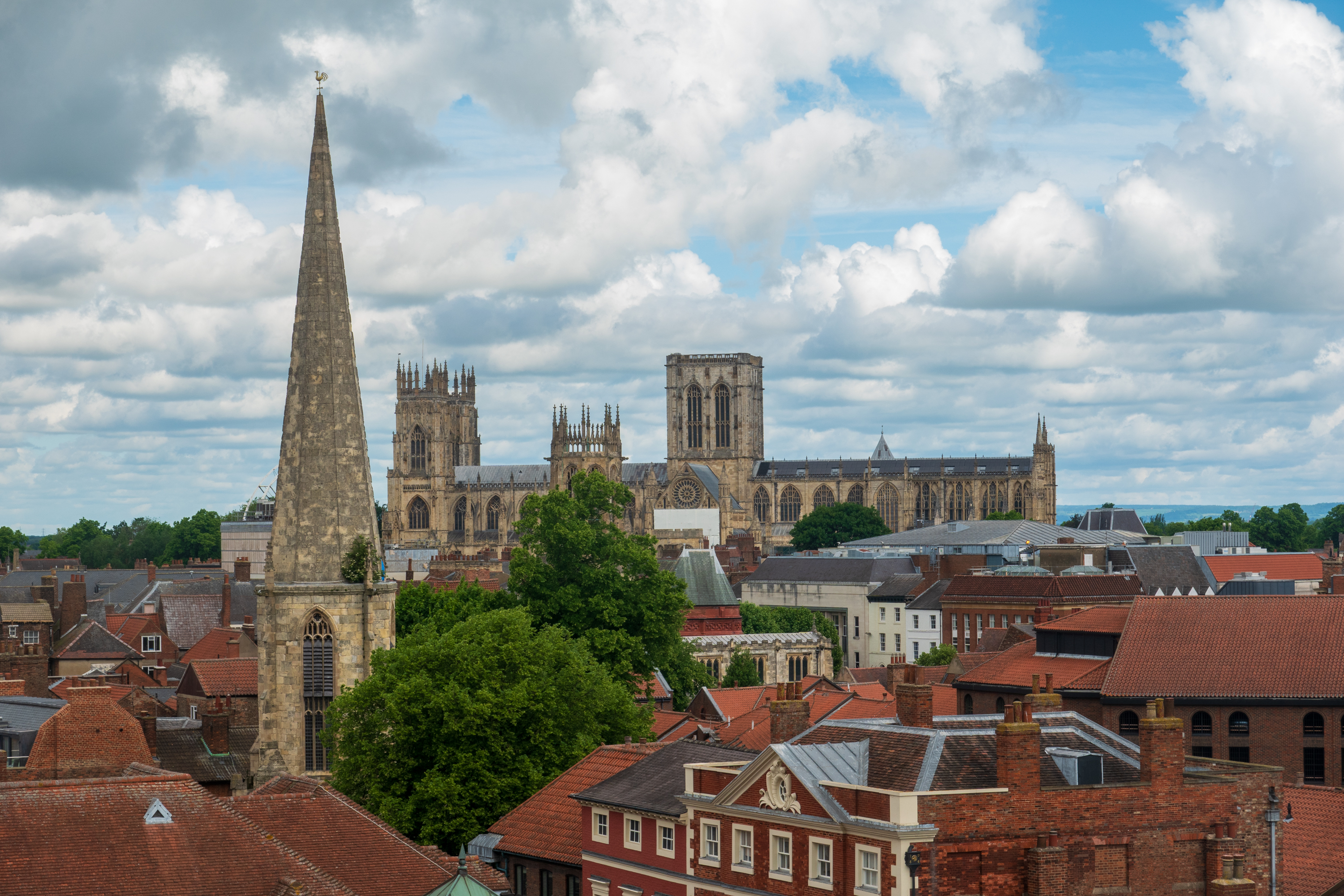
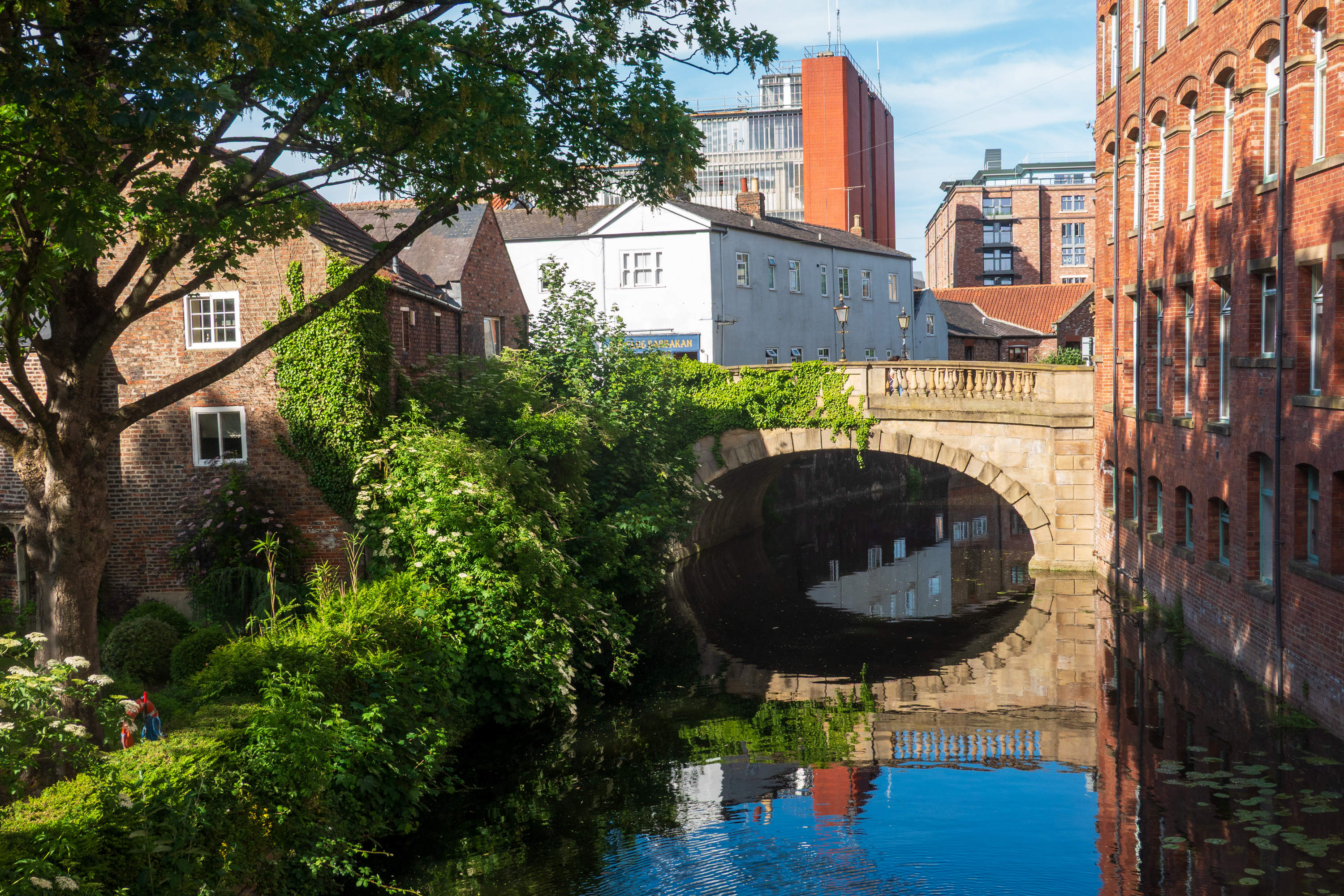
It had been years since we had been there, so it was fun to rediscover the city. We started with a hop on and hop off bus trip which we caught at the infamous Clifford’s Tower. (https://en.wikipedia.org/wiki/York_Castle)
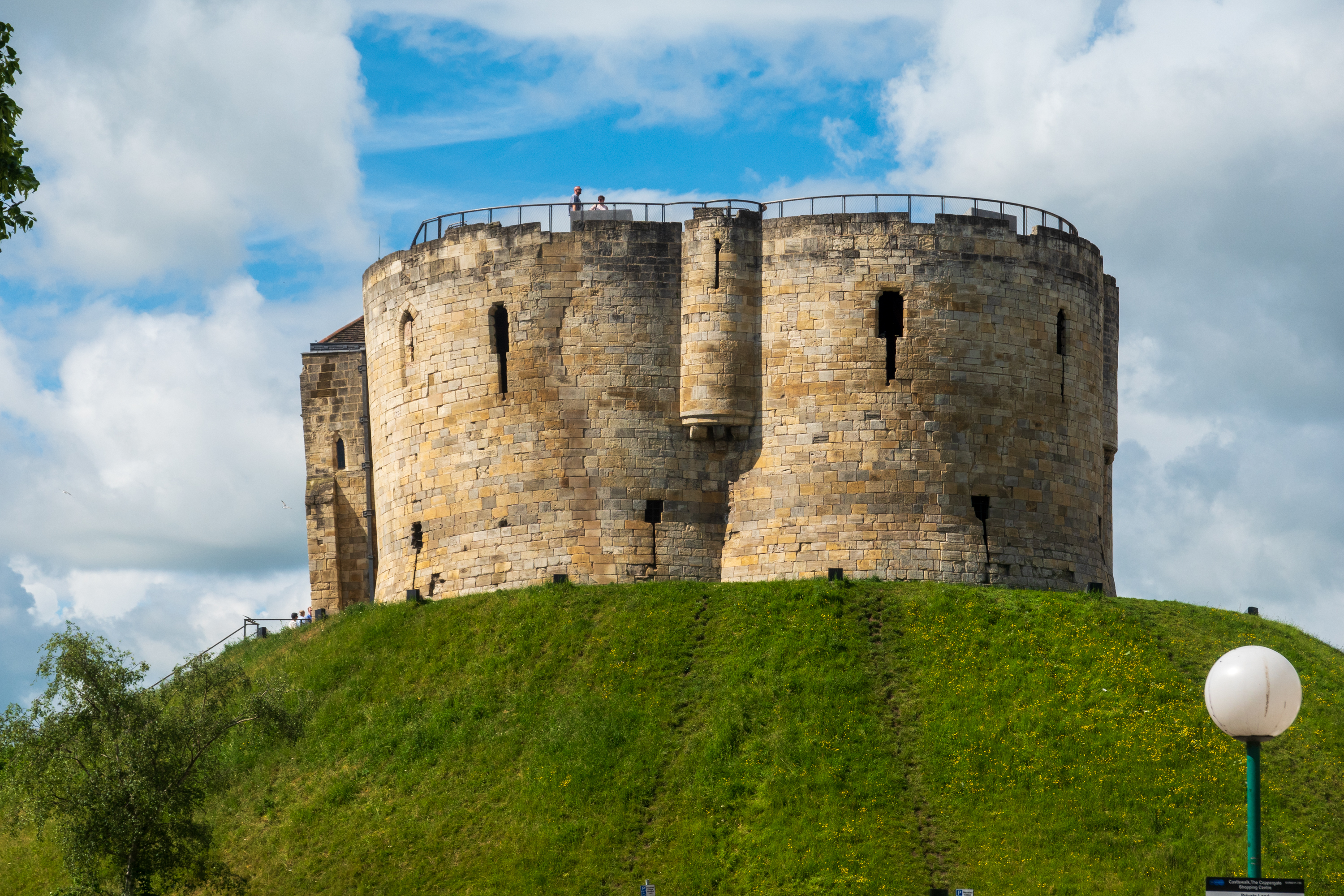
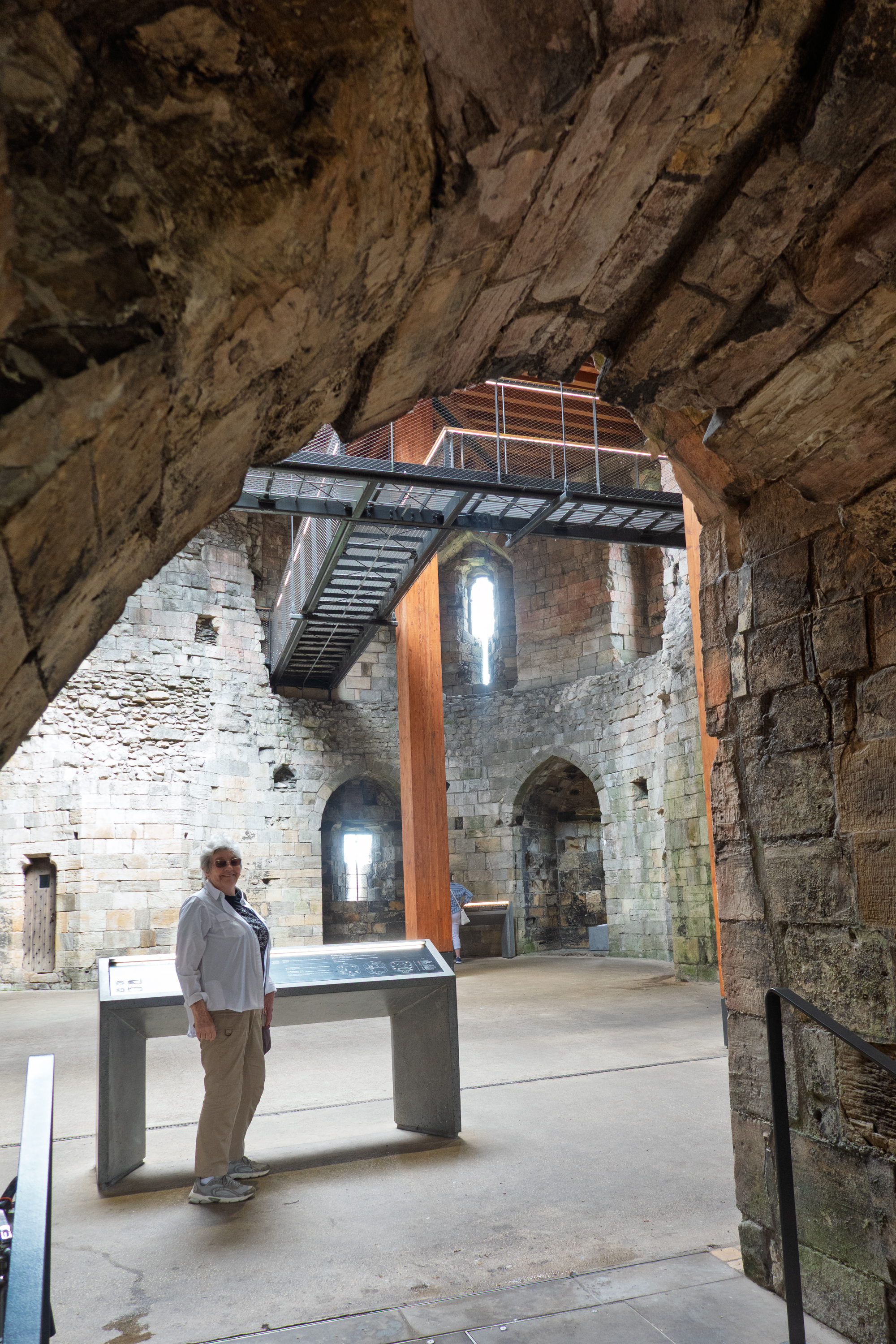
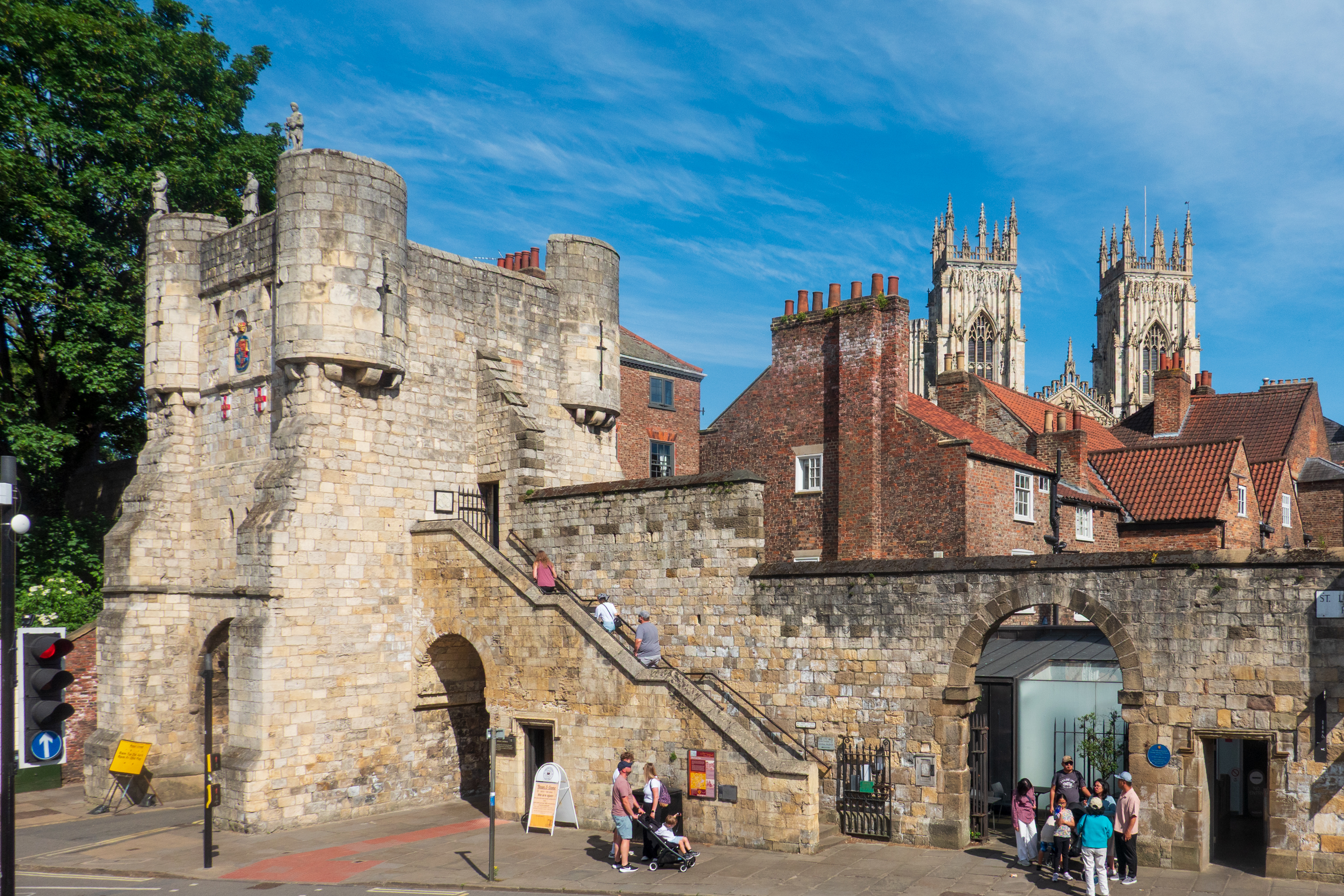
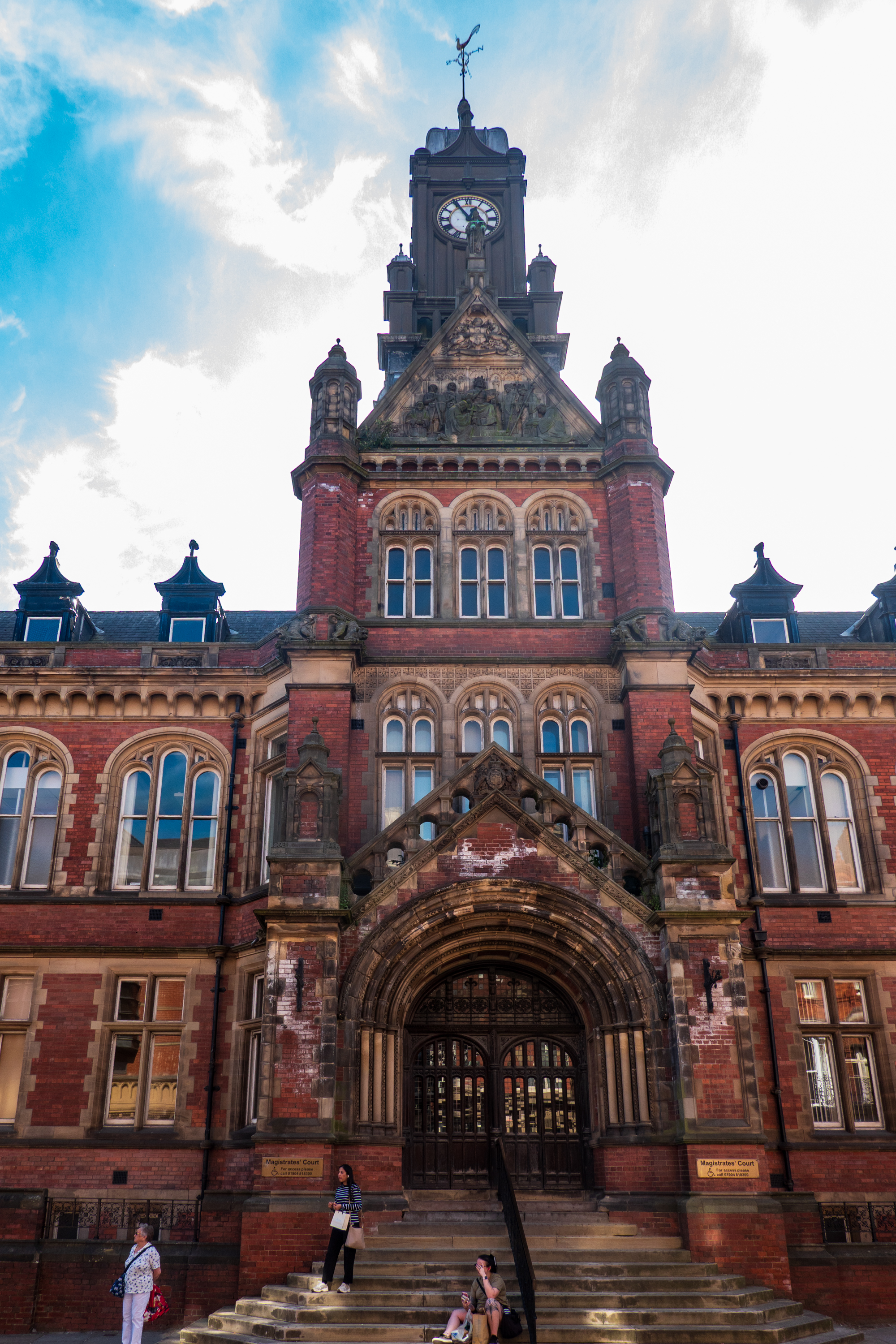
On the square below Clifford’s Tower is the Castle Court Museum. (https://www.yorkcastlemuseum.org.uk) This is a lot of fun, partially arranged as a trip to York in Victorian times. You play the part of a traveler, en route to York. As you approach the exhibits, you stop in inn room where various fellow travelers introduce themselves and tell you why they are going to York and what they hope to do. Once in the exhibits, you visit the streets and shops they mentioned.
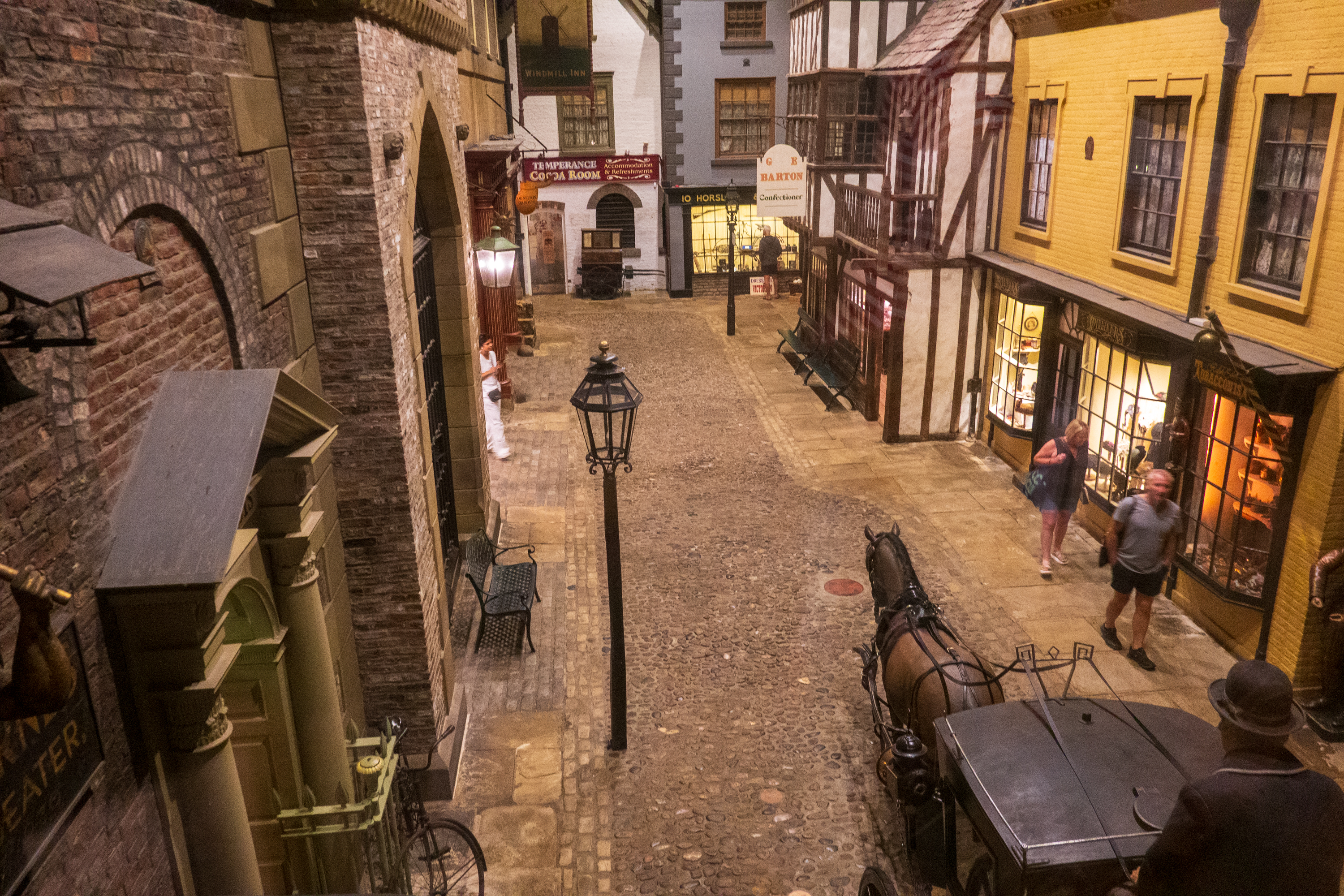
We wandered the debtor’s prison, the WWI exhibit and the rather perfunctory ’60’s exhibit.
We had rebooked a visit to the Yorvik Viking Center, a museum below the streets of York where a Viking settlement had been discovered. (https://www.jorvikvikingcentre.co.uk/) They have revamped the train and exhibits, but it was just as much fun this time as it had been when we visited and the children were small. The Yorvik center is unusual as the ruins are, of course, exactly where they were found and the modern street follows the Viking street exactly. The ruins were found during a renovation, so the Yorvik center is just another entrance on a modern shopping street. All of the actual exhibits are under the modern buildings, at the old ground level.
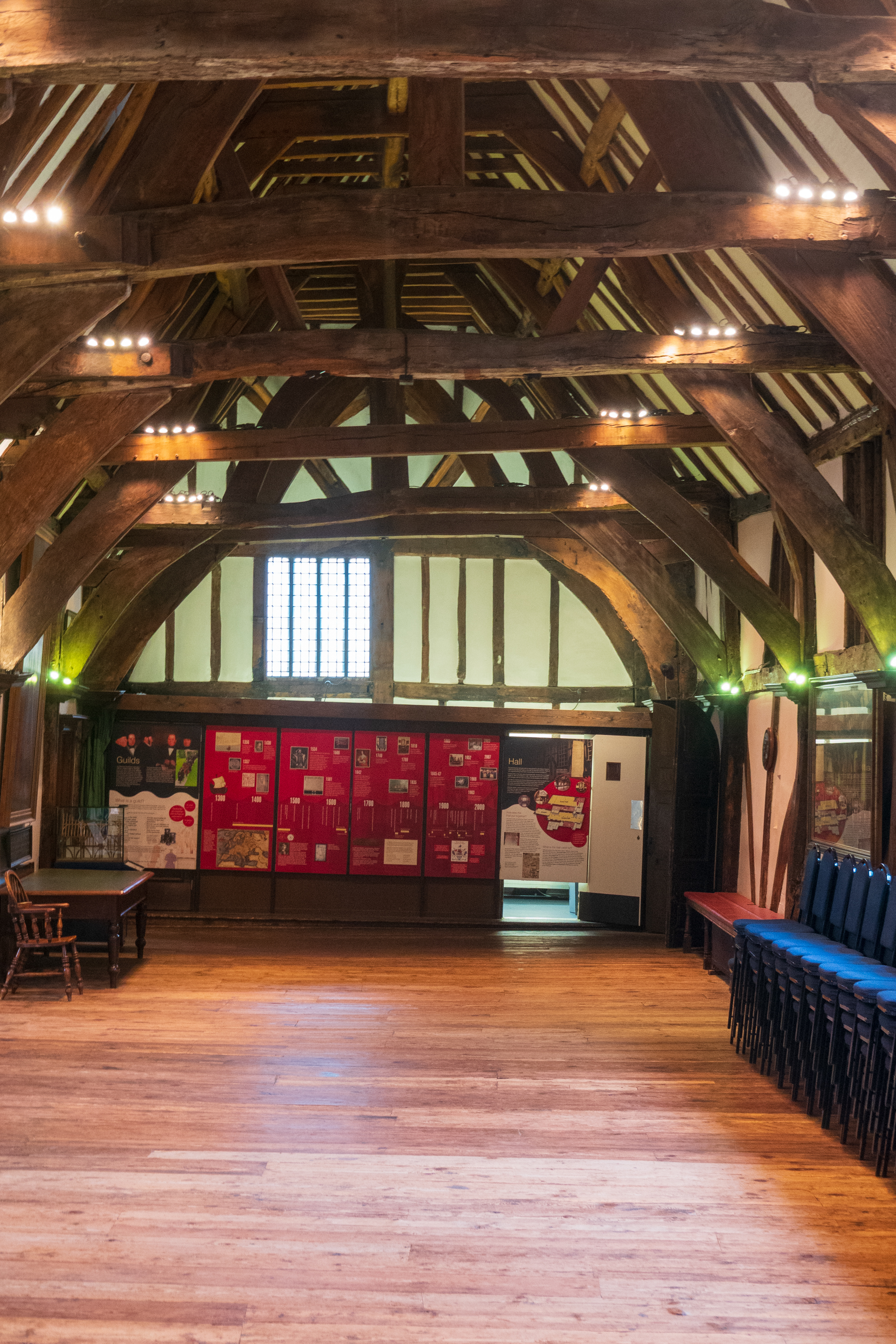
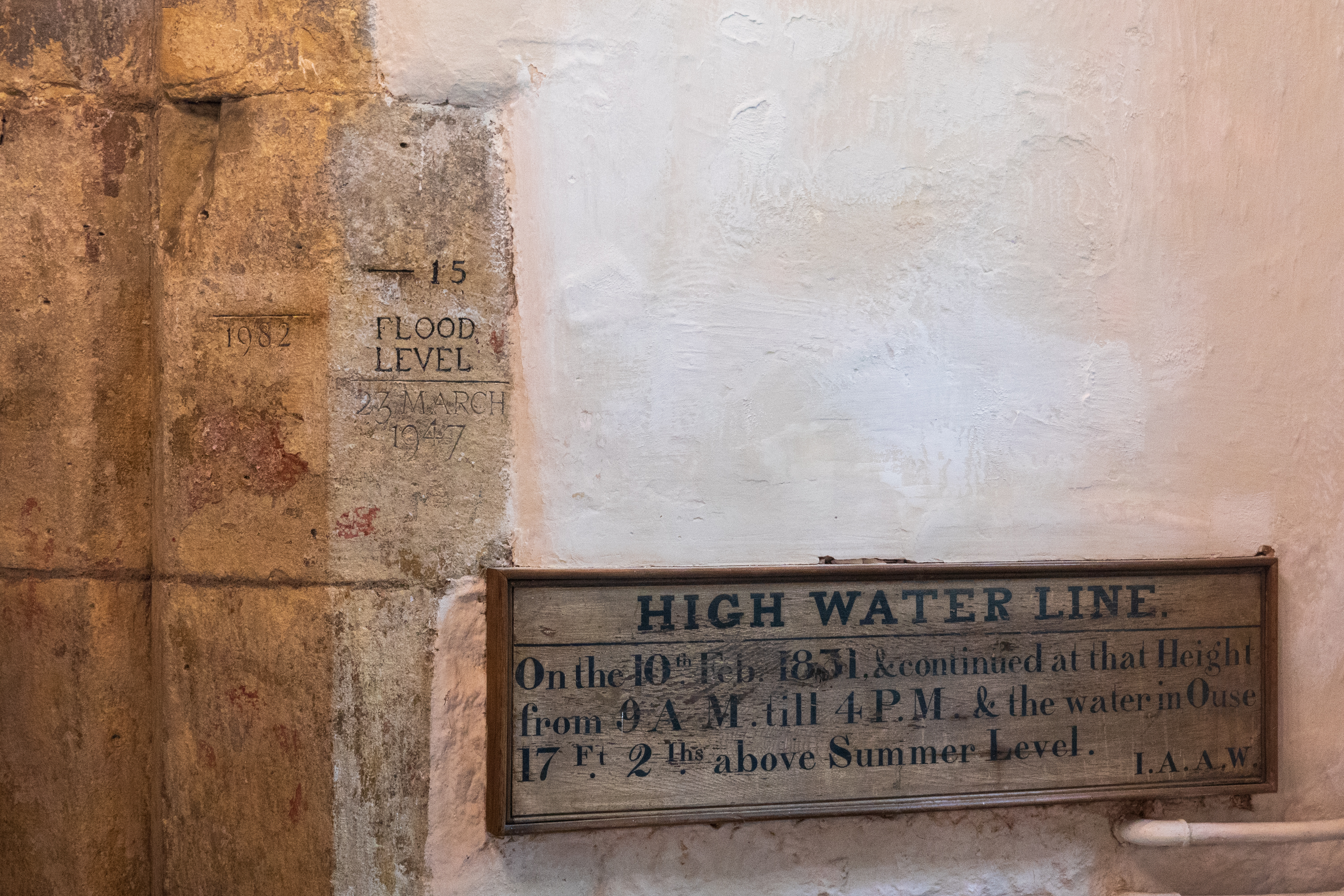
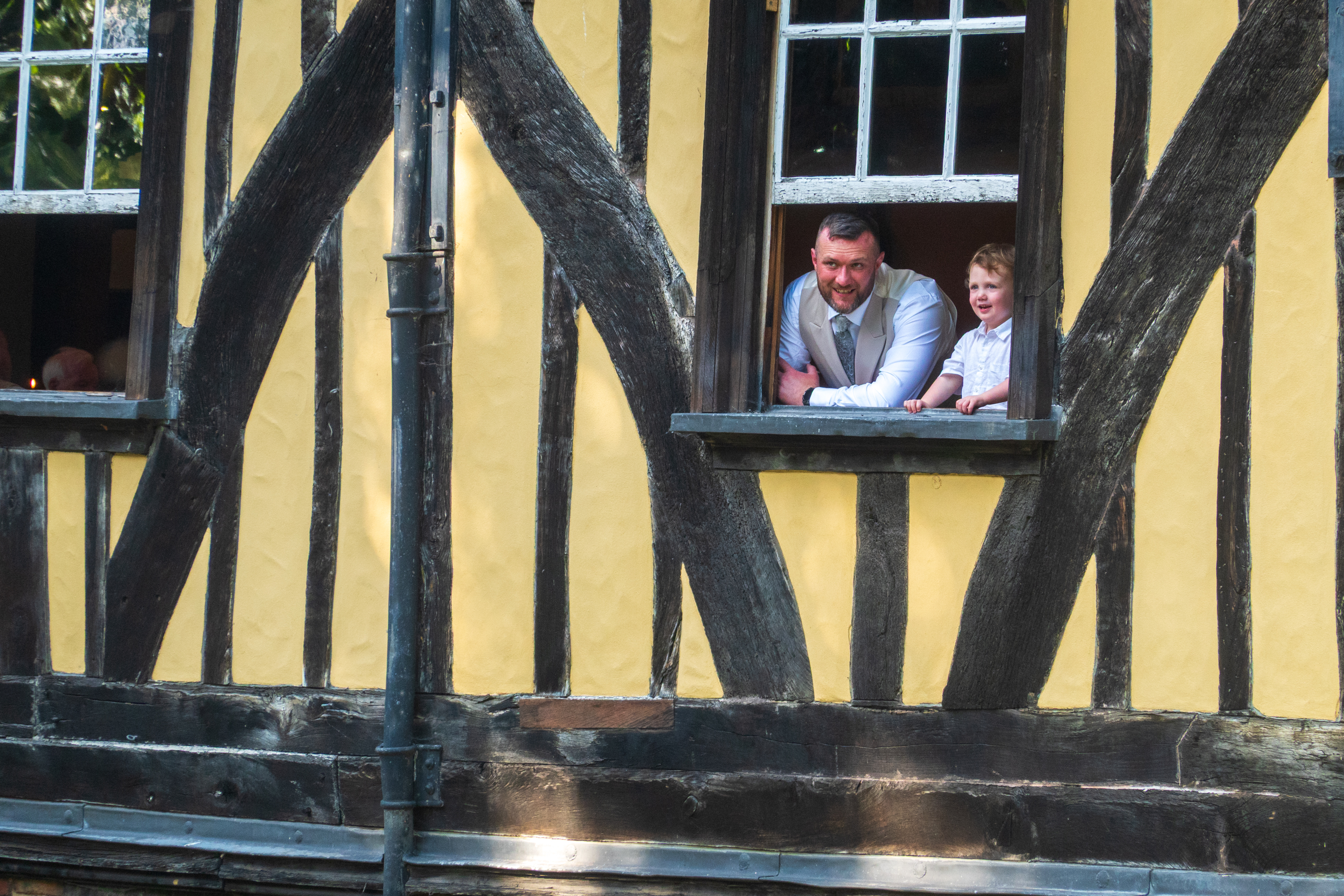
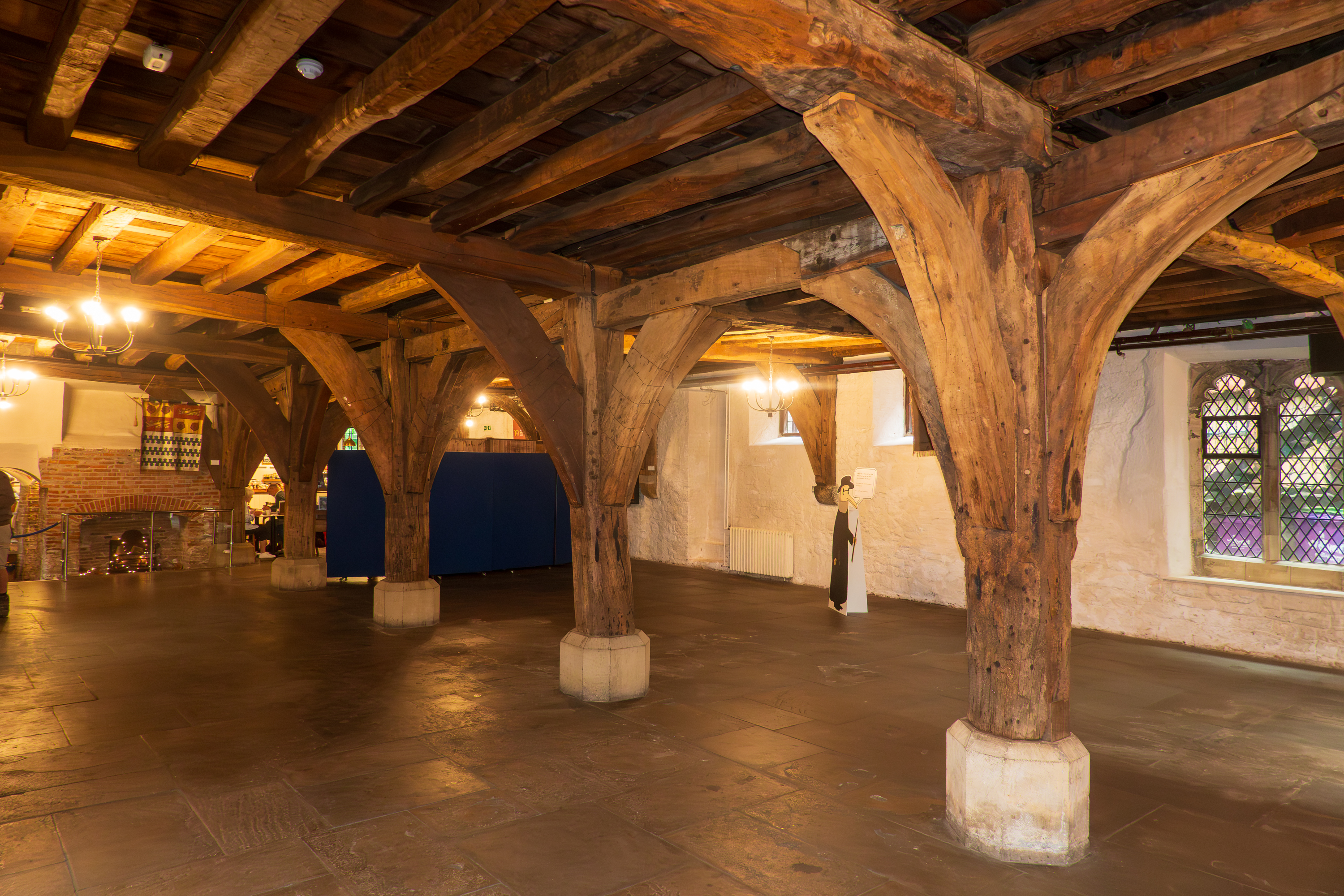
A new discovery this trip is the Merchant Adventurer’s Guildhall, an interesting study in both architecture and business practices – the guild is still active and just elected a woman president. (https://en.wikipedia.org/wiki/Merchant_Adventurers’_Hall)
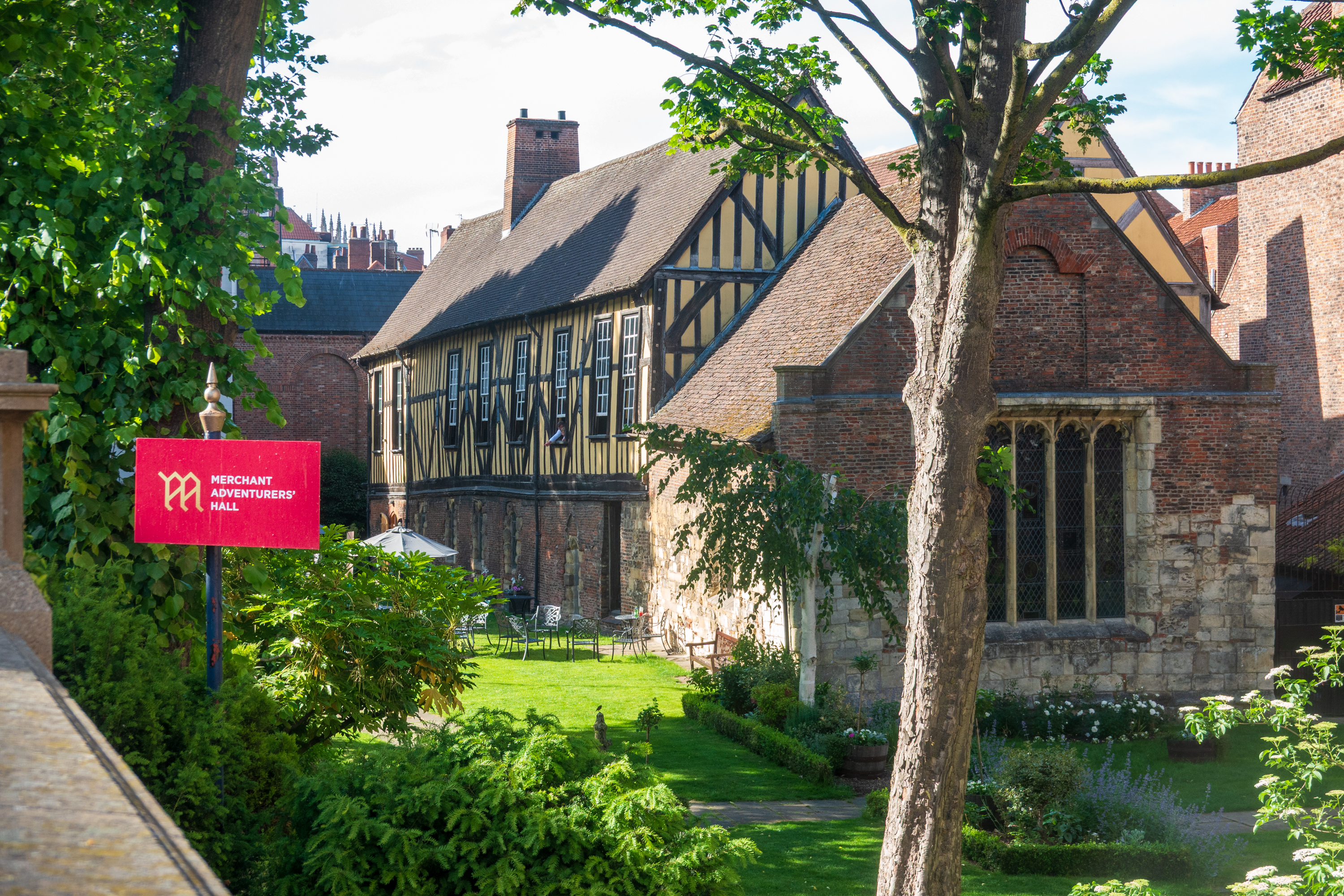
This is an amazing old building from the 13th century, still available for hire even though the flooring is not at all flat. It felt quite odd to walk on it and would really not like to dance on it! But the museum was well worth the visit.
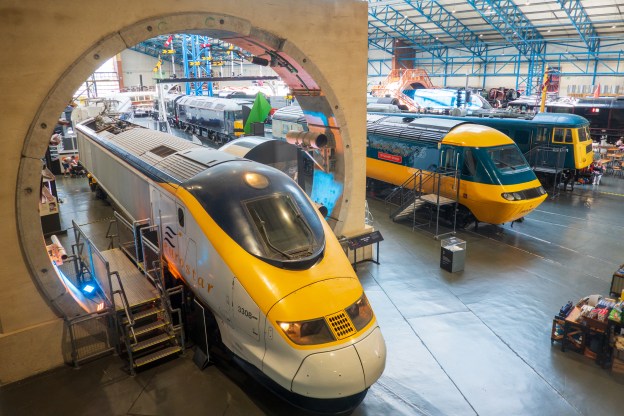
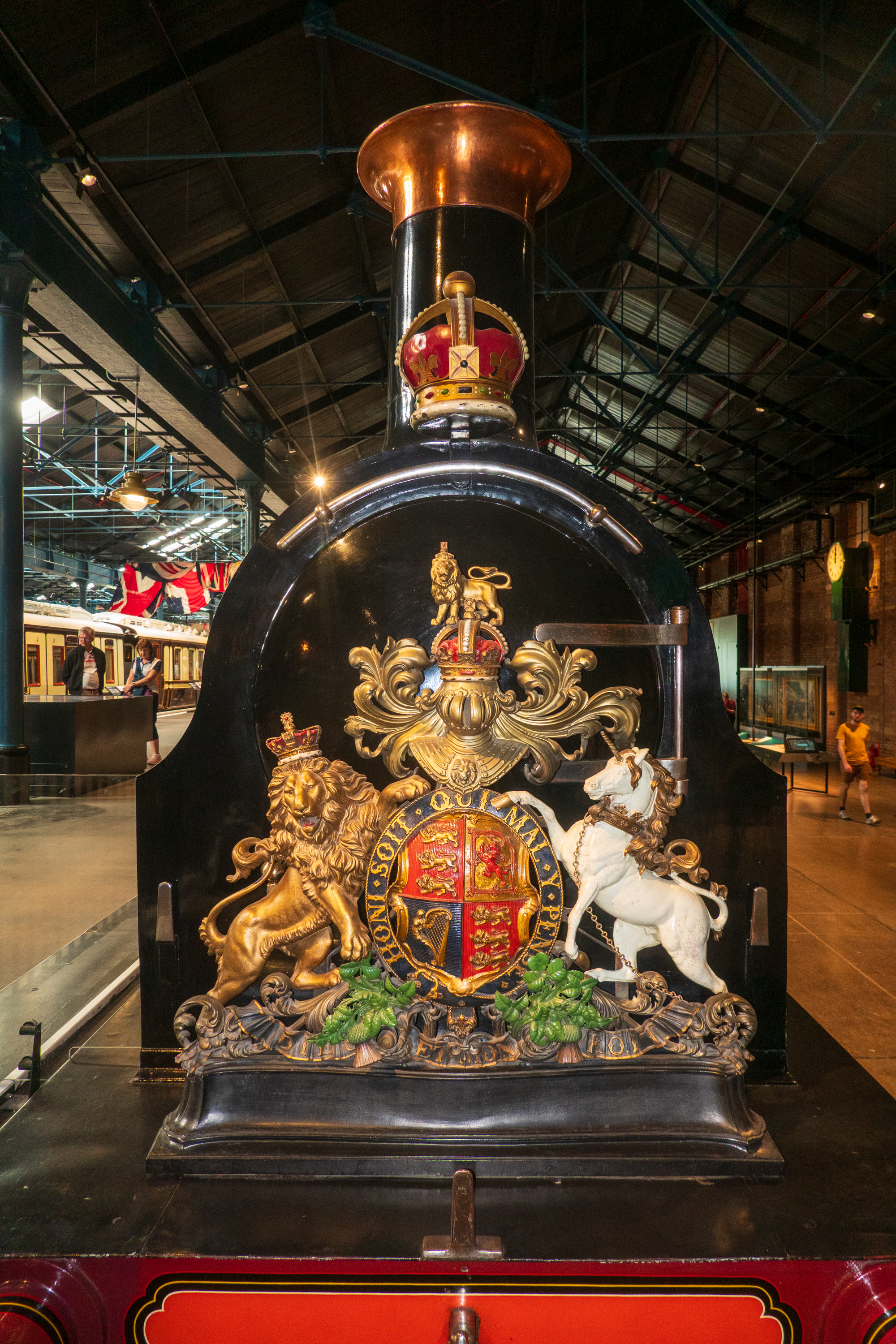
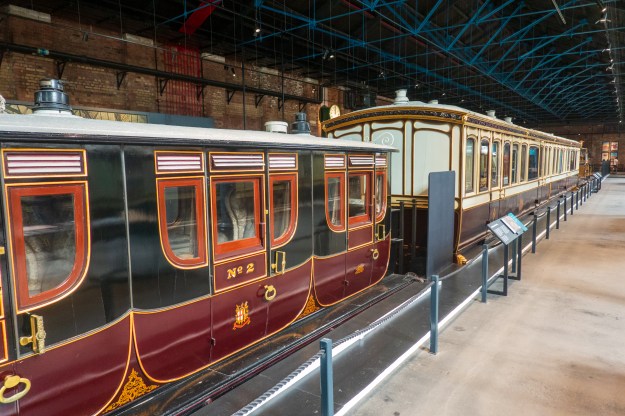
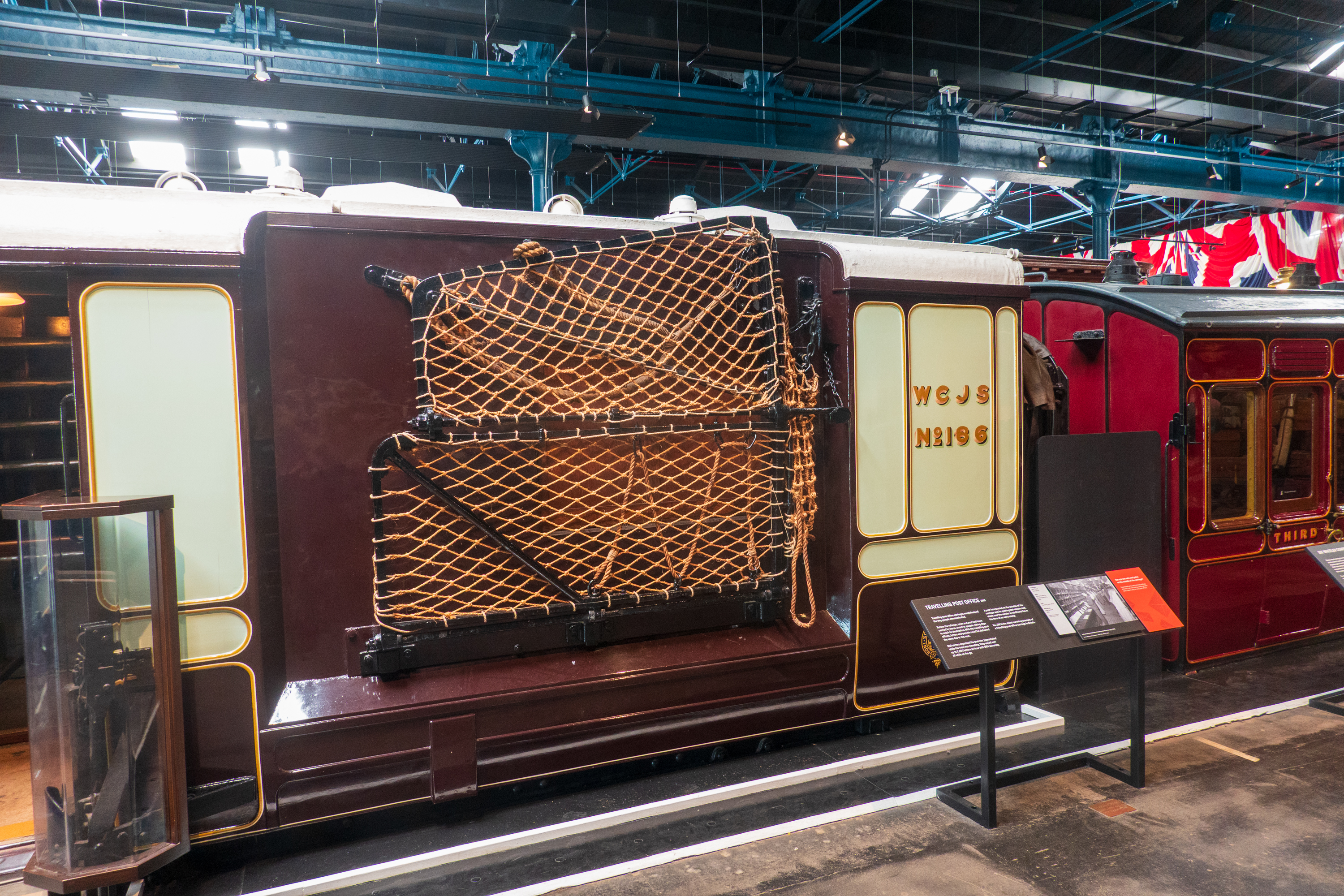
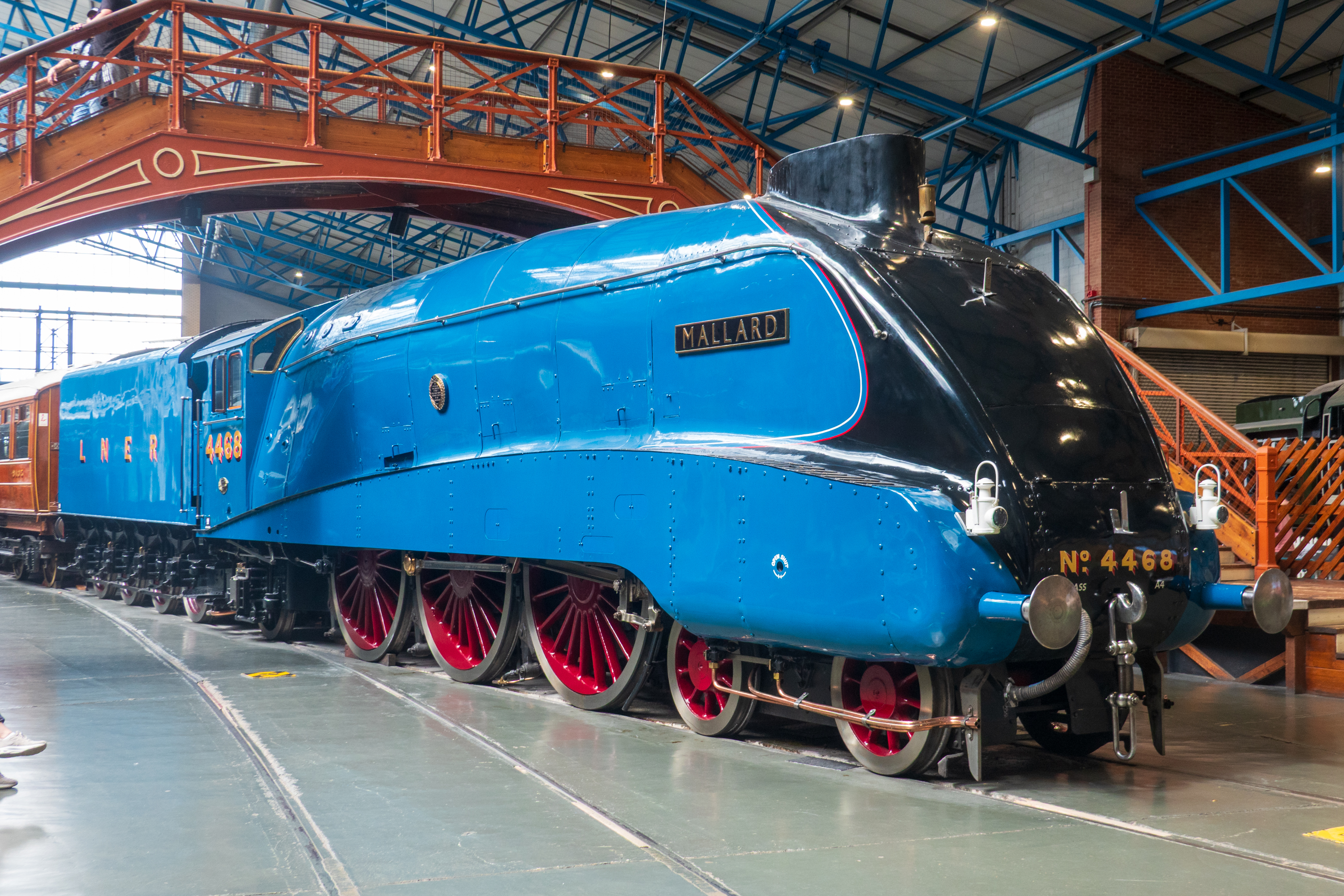
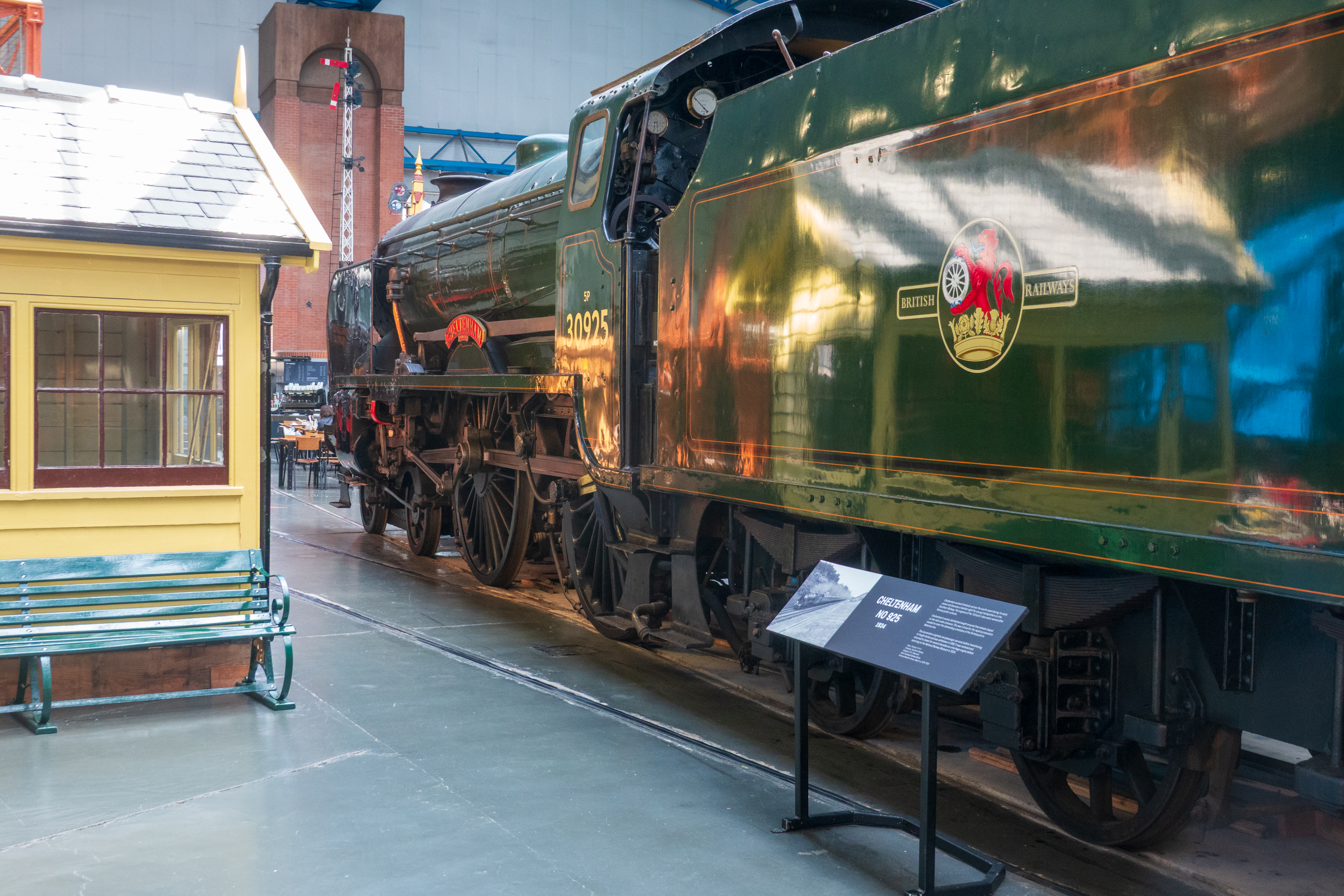
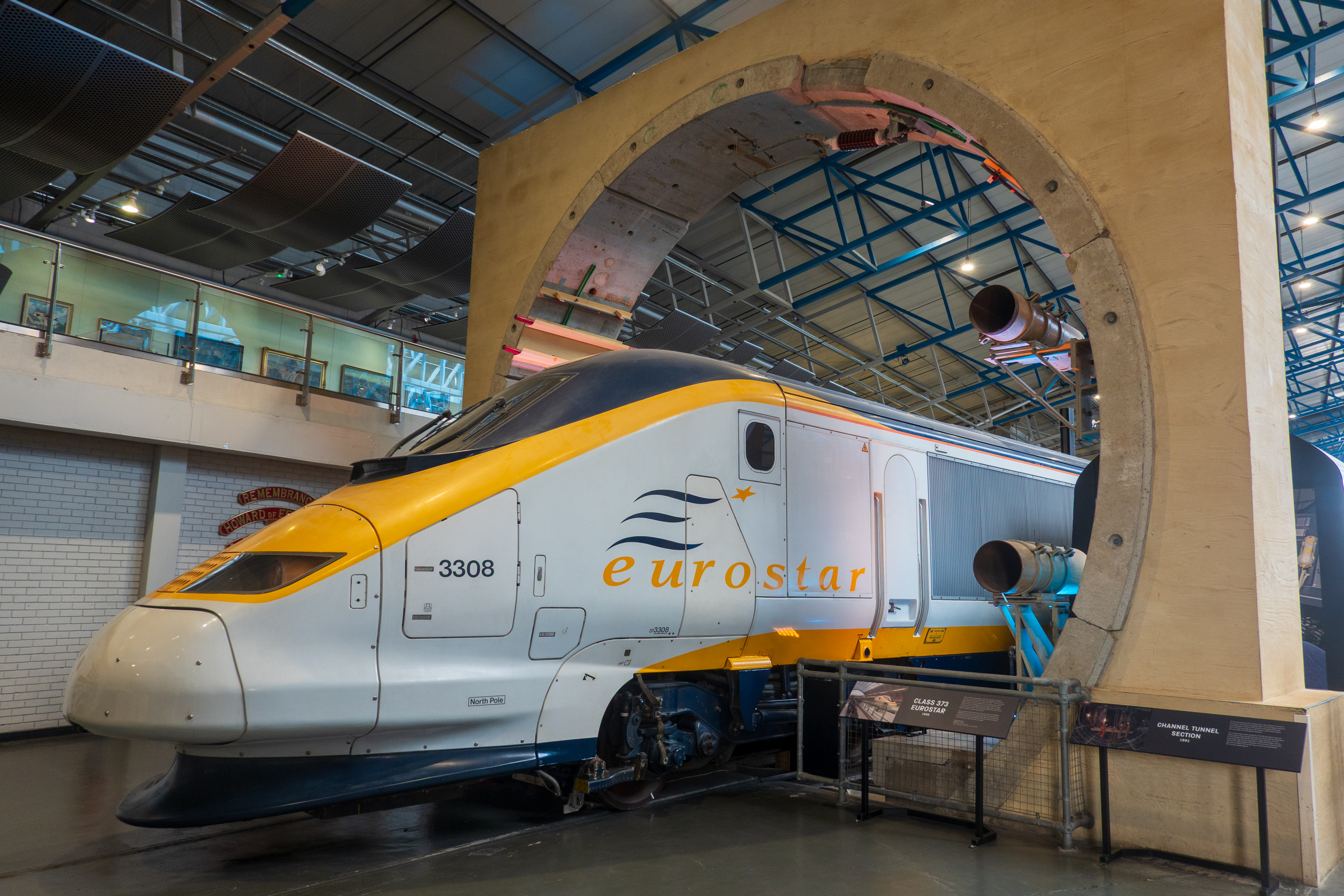
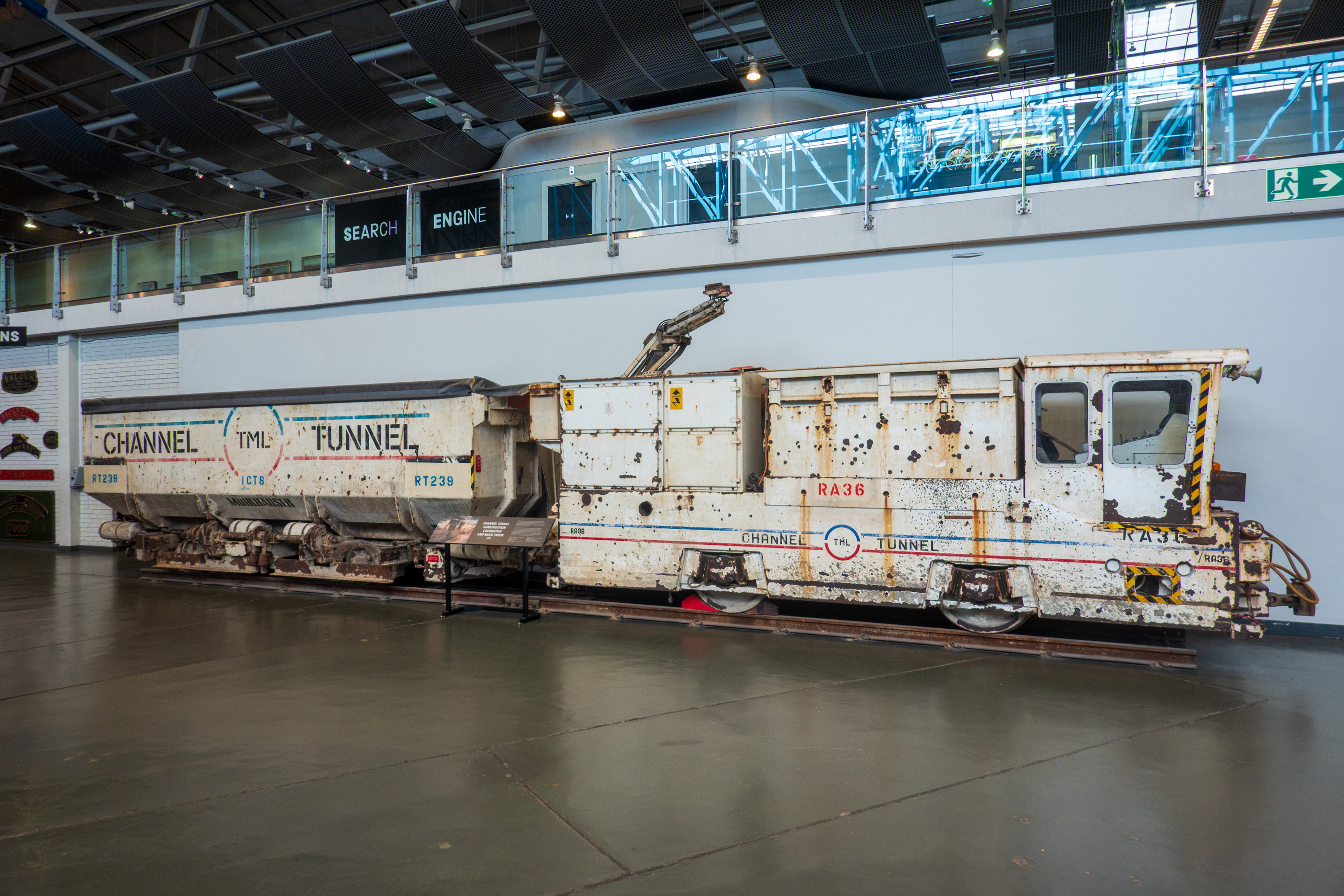
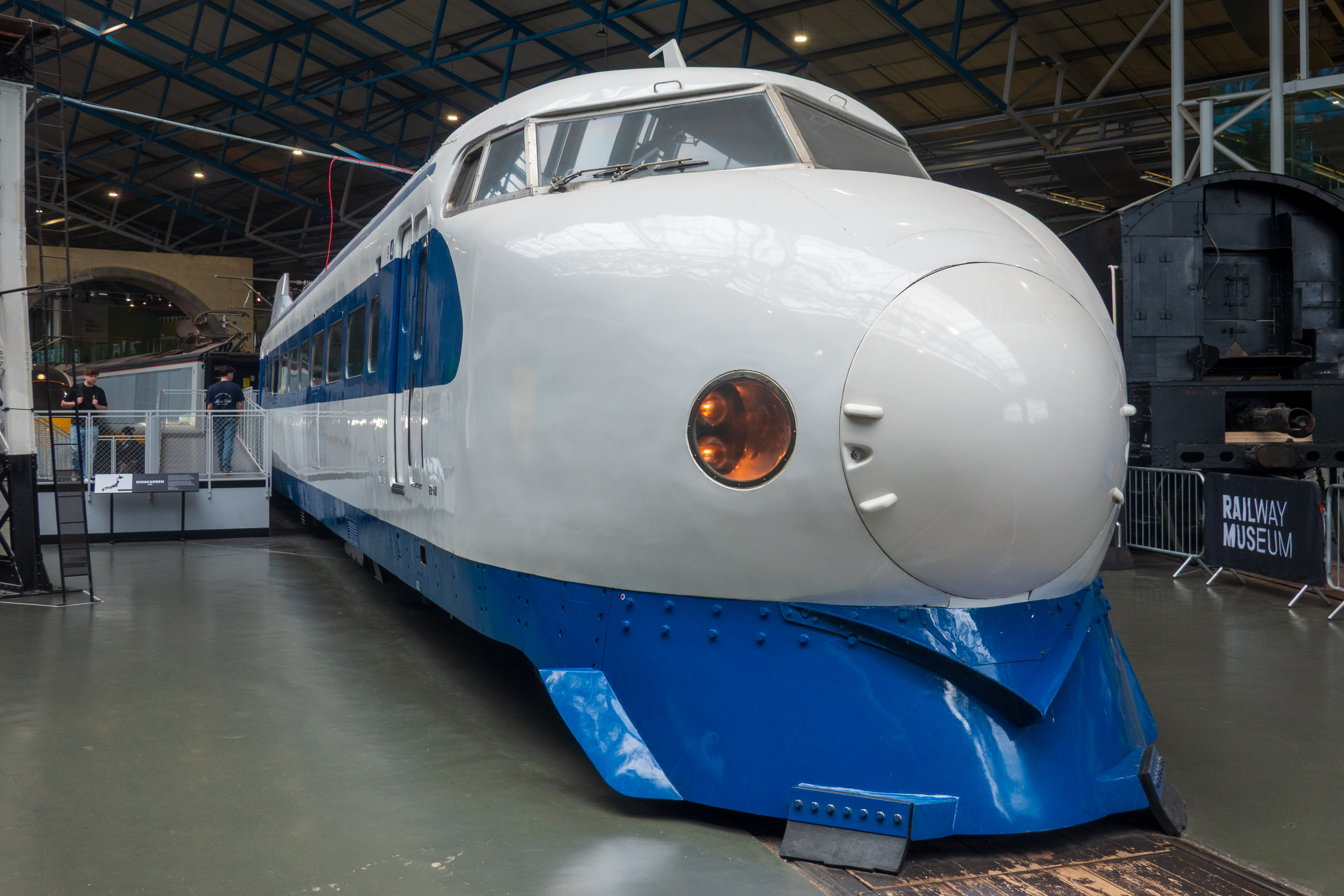
Fred also revisited the railway museum. Denise declined, as she had visited it previously. (https://en.wikipedia.org/wiki/National_Railway_Museum)
So Fred set out on the trek, and trek it was, first back to the modern railway station, then through a tunnel to the museum entrance – which was closed – under construction. Another half mile hike down beautiful bike trails let him around back to the old entrances. Fortunately, the museum was well worth it! The collection is huge, spanning UK, and some world railroads, all the way from the “Rocket” to modern high speed trains.
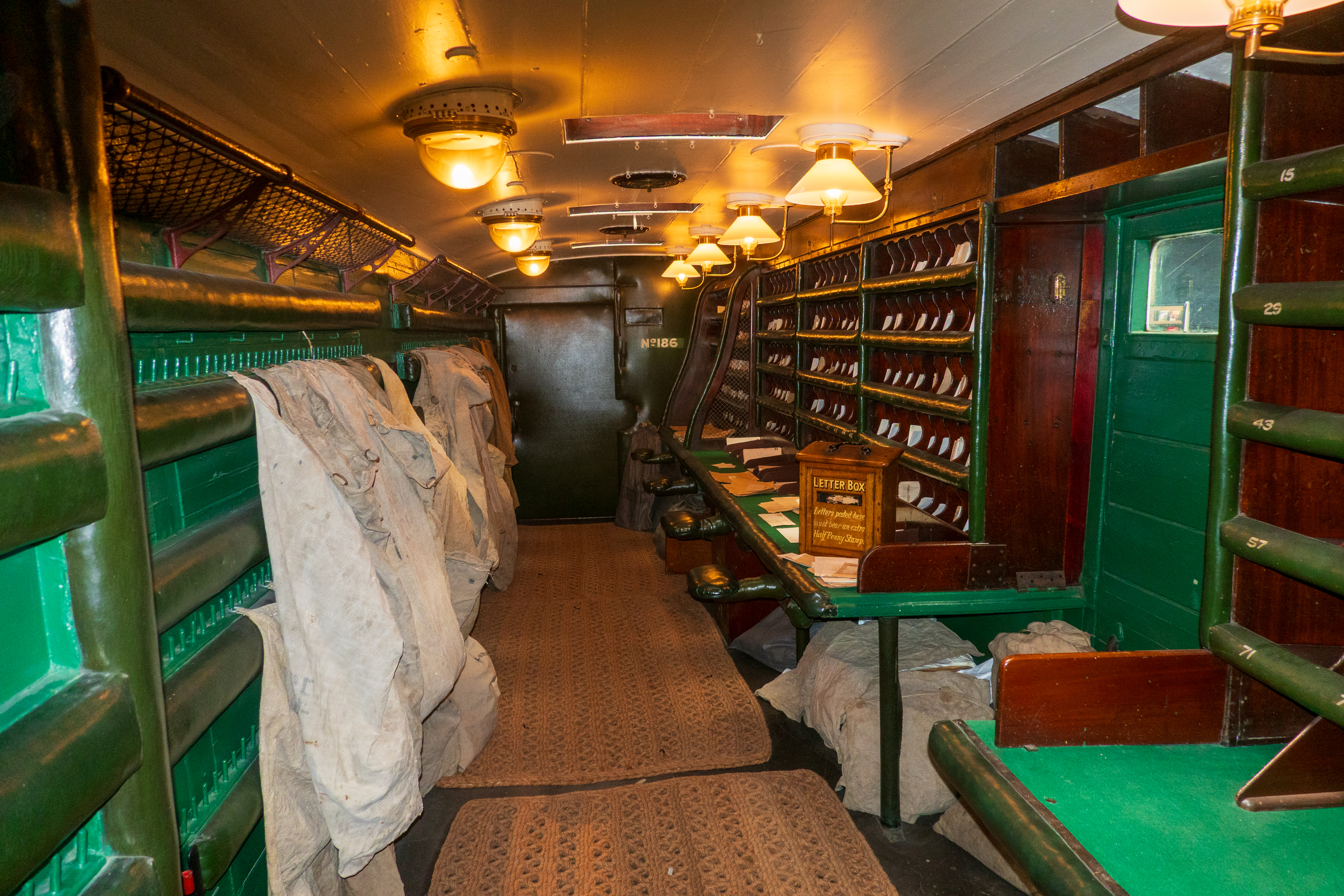
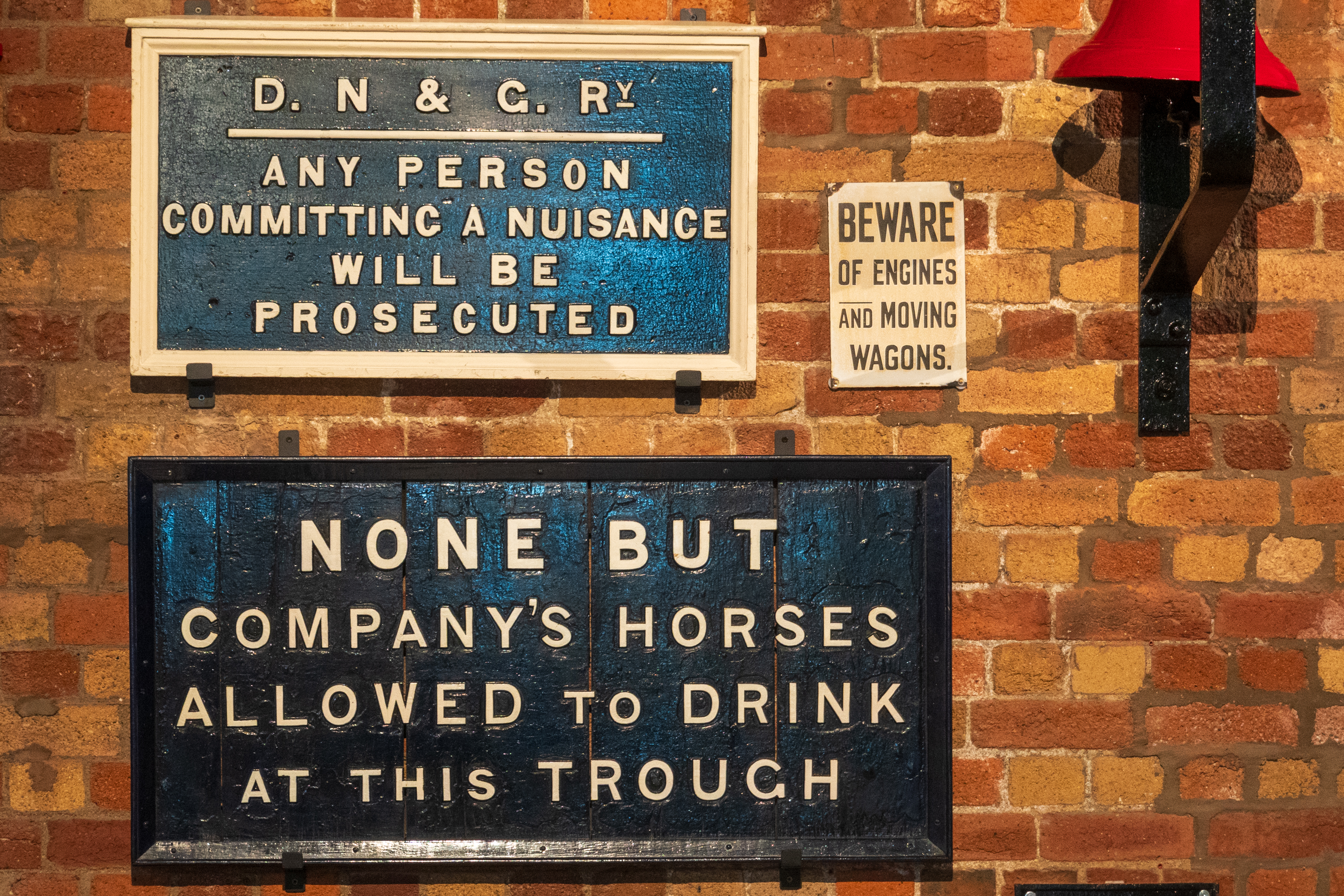
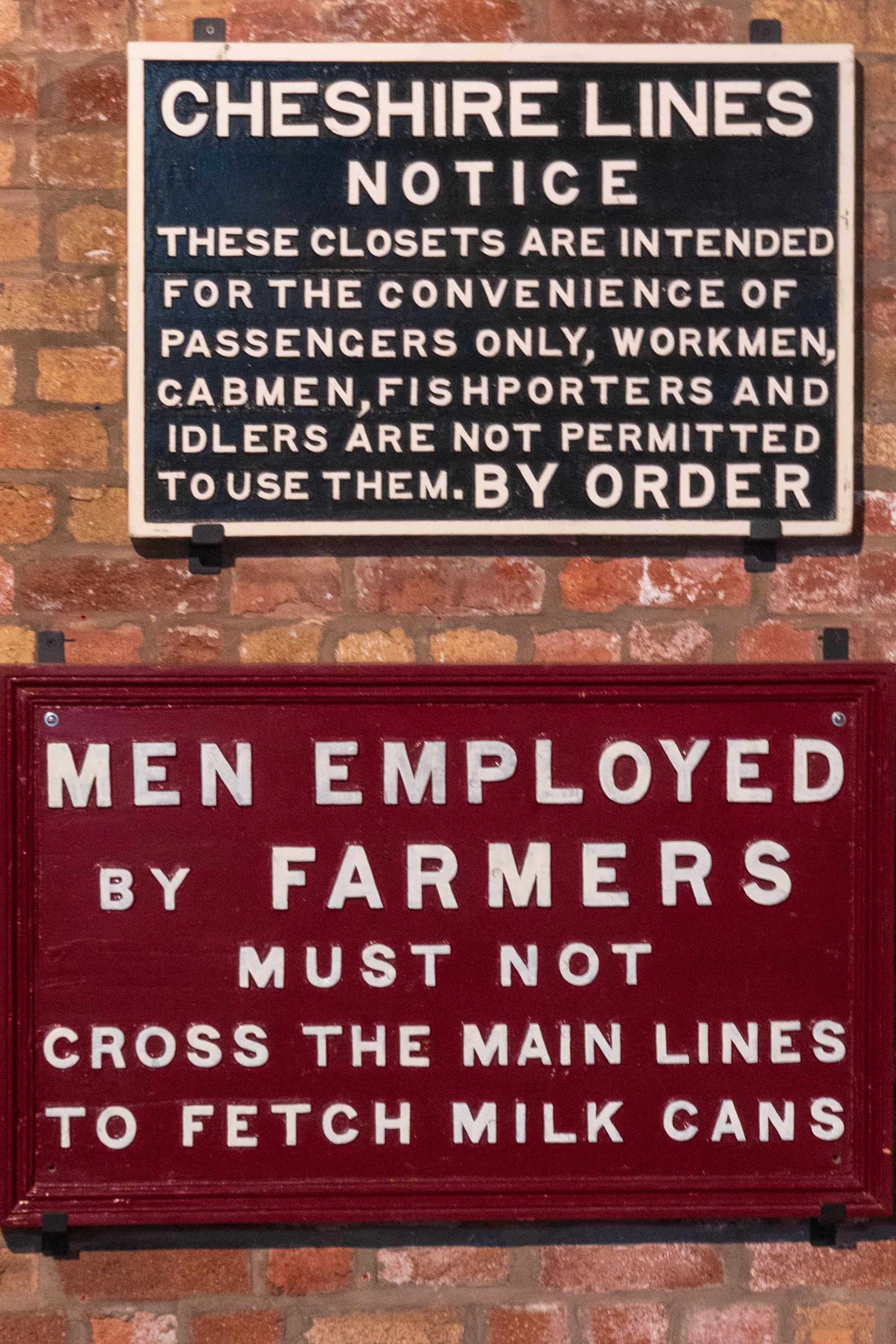
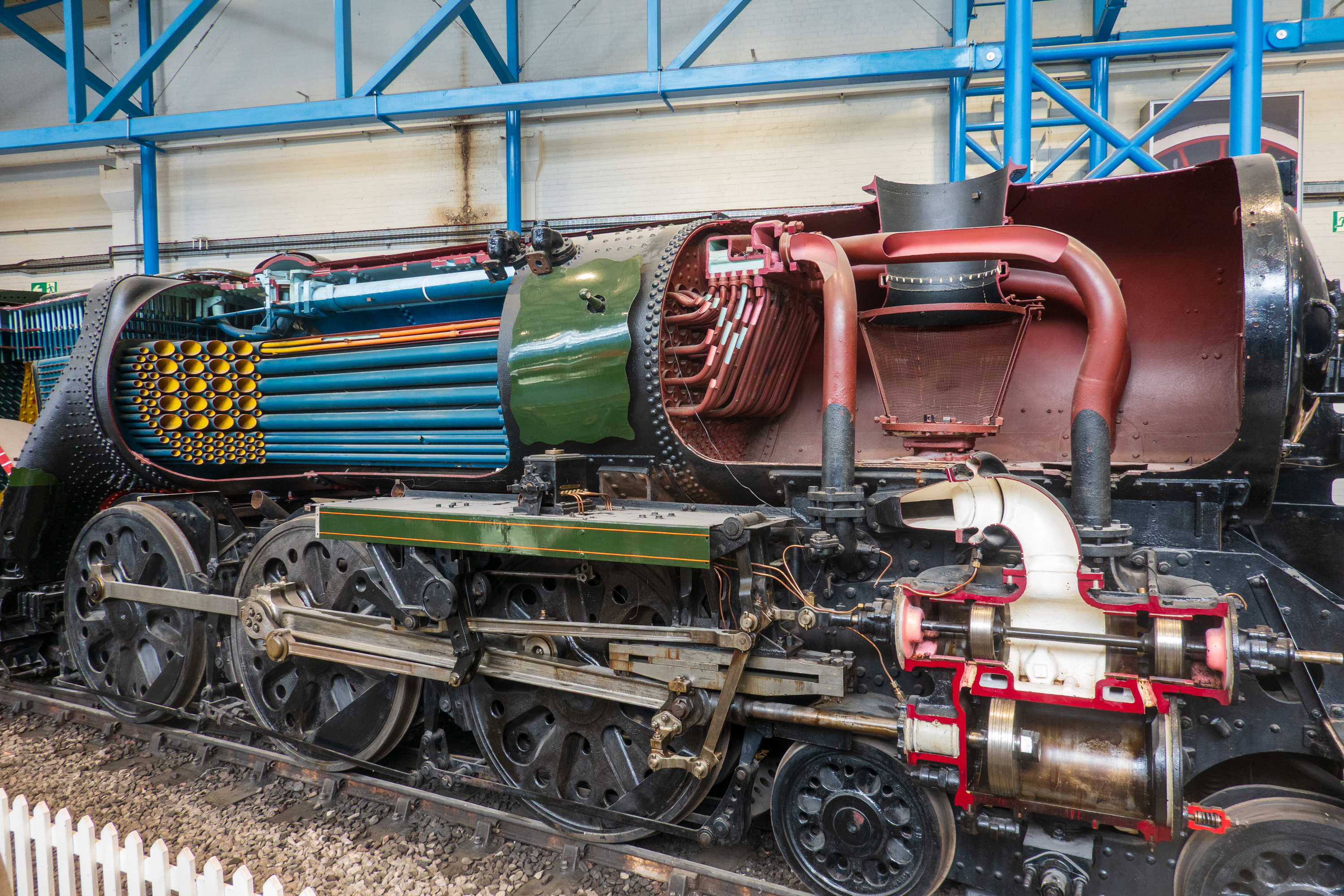
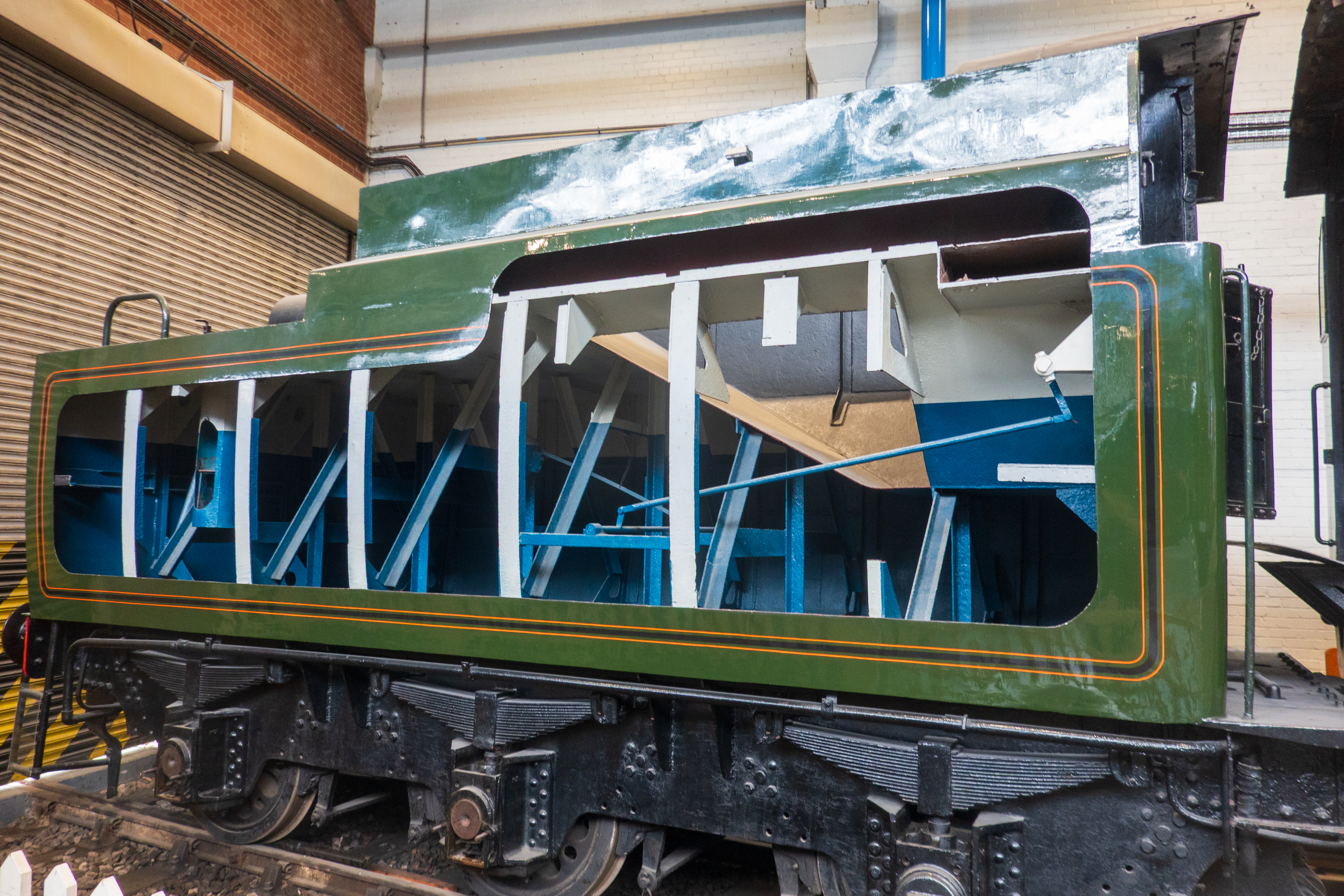
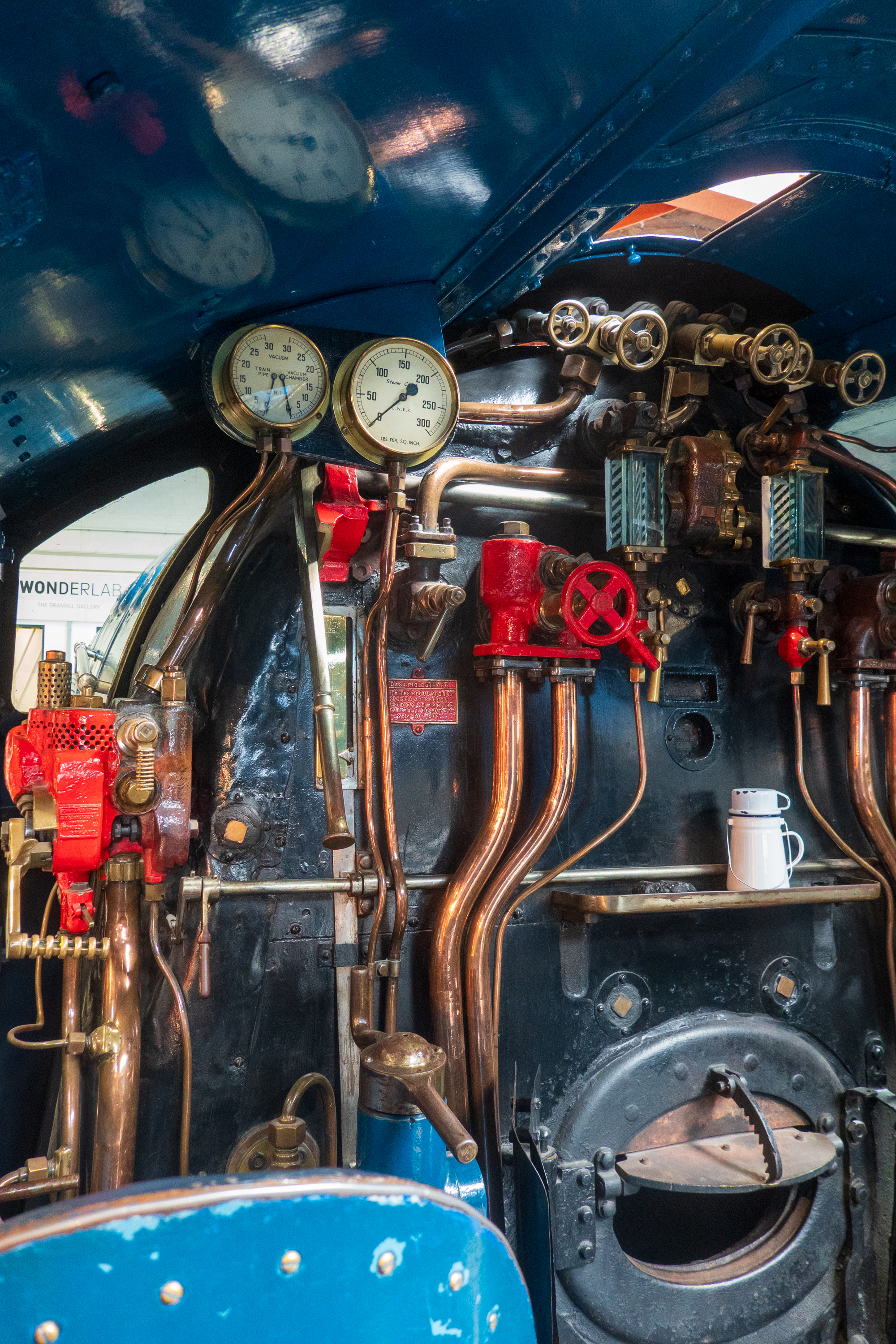
If you ever wondered how a steam engine and tender worked, this should help.
Actually, the cut away of the “Rocket” is even easier to follow as it is really simple to understand. (https://en.wikipedia.org/wiki/Stephenson%27s_Rocket)
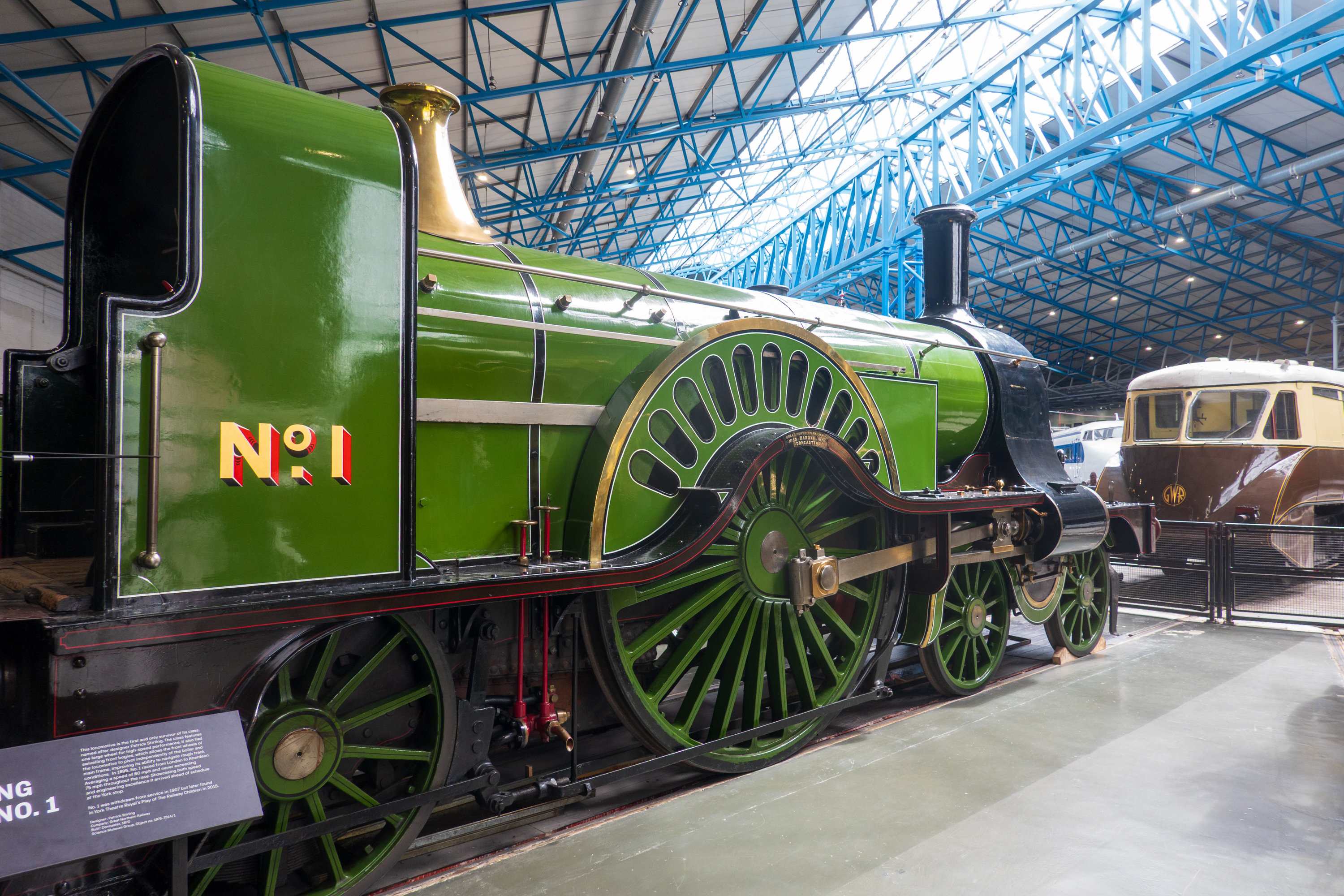
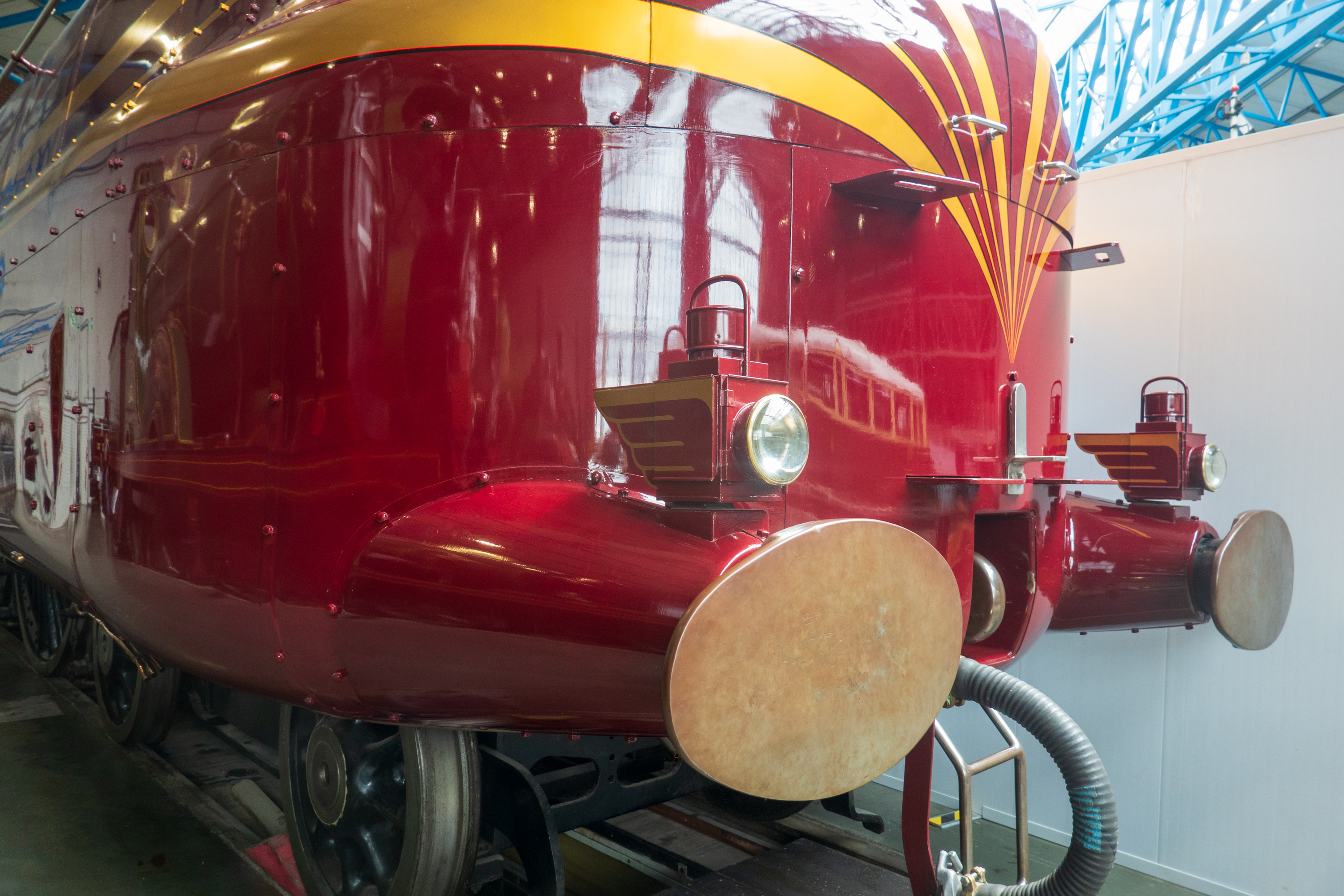
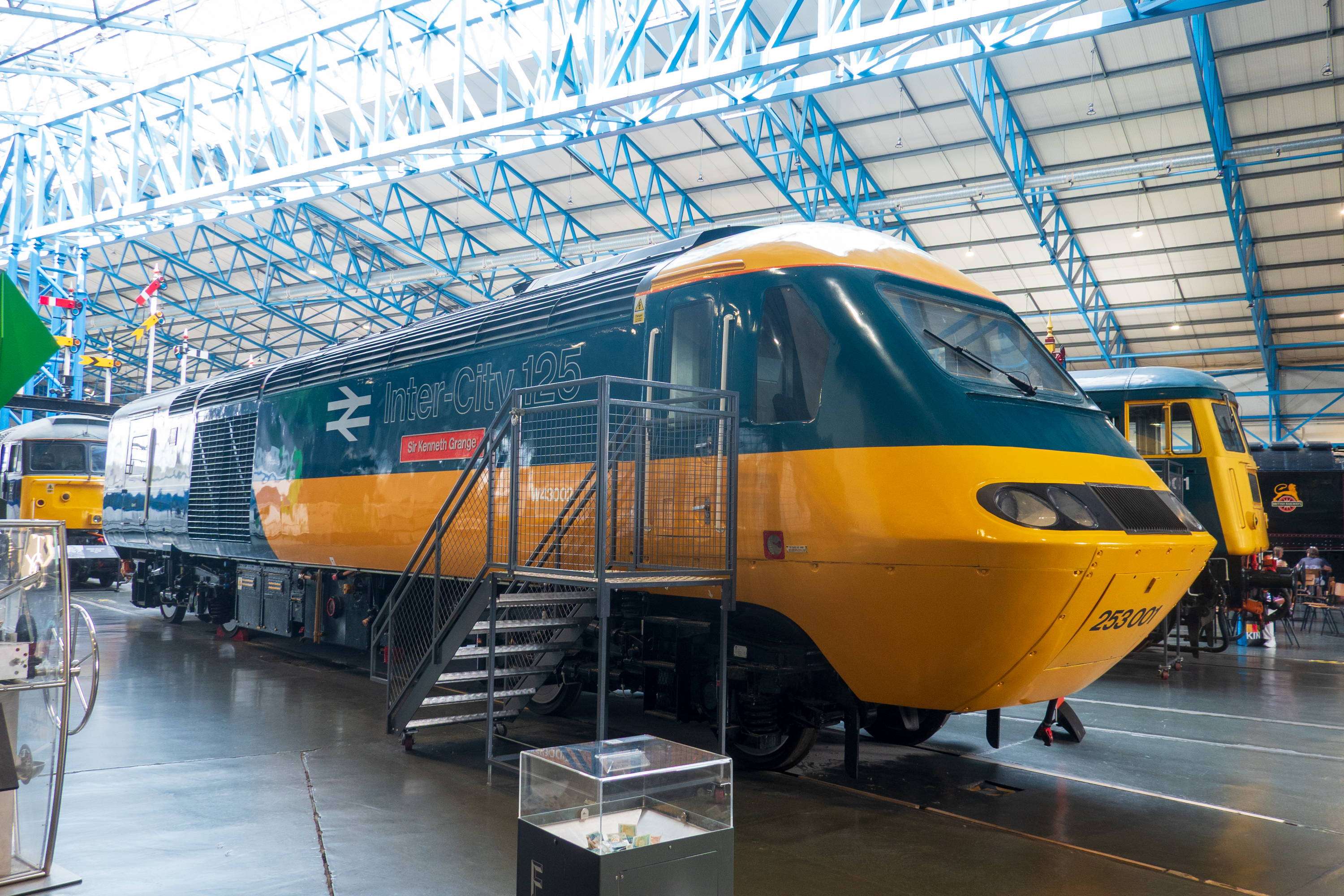
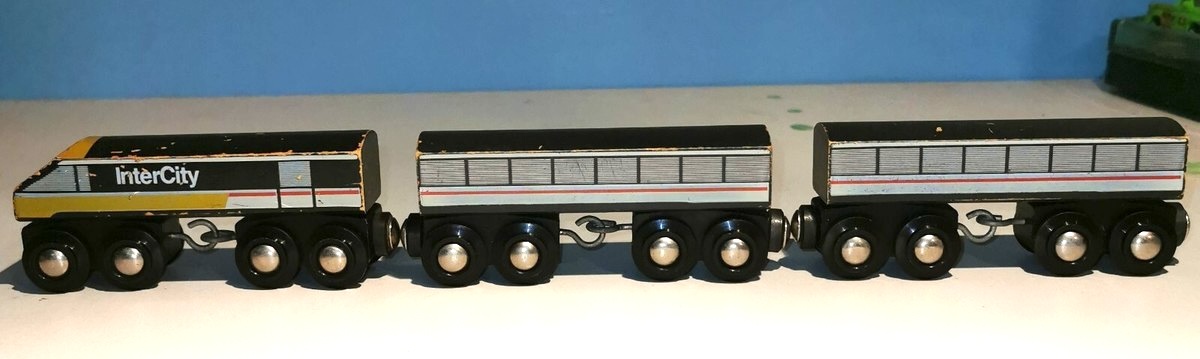
The Intercity 125 was one of Britain’s first high speed trains. Our son, Trevor had one in his Brio train set. Don’t think any of us ever rode one, but we did play with the toy.
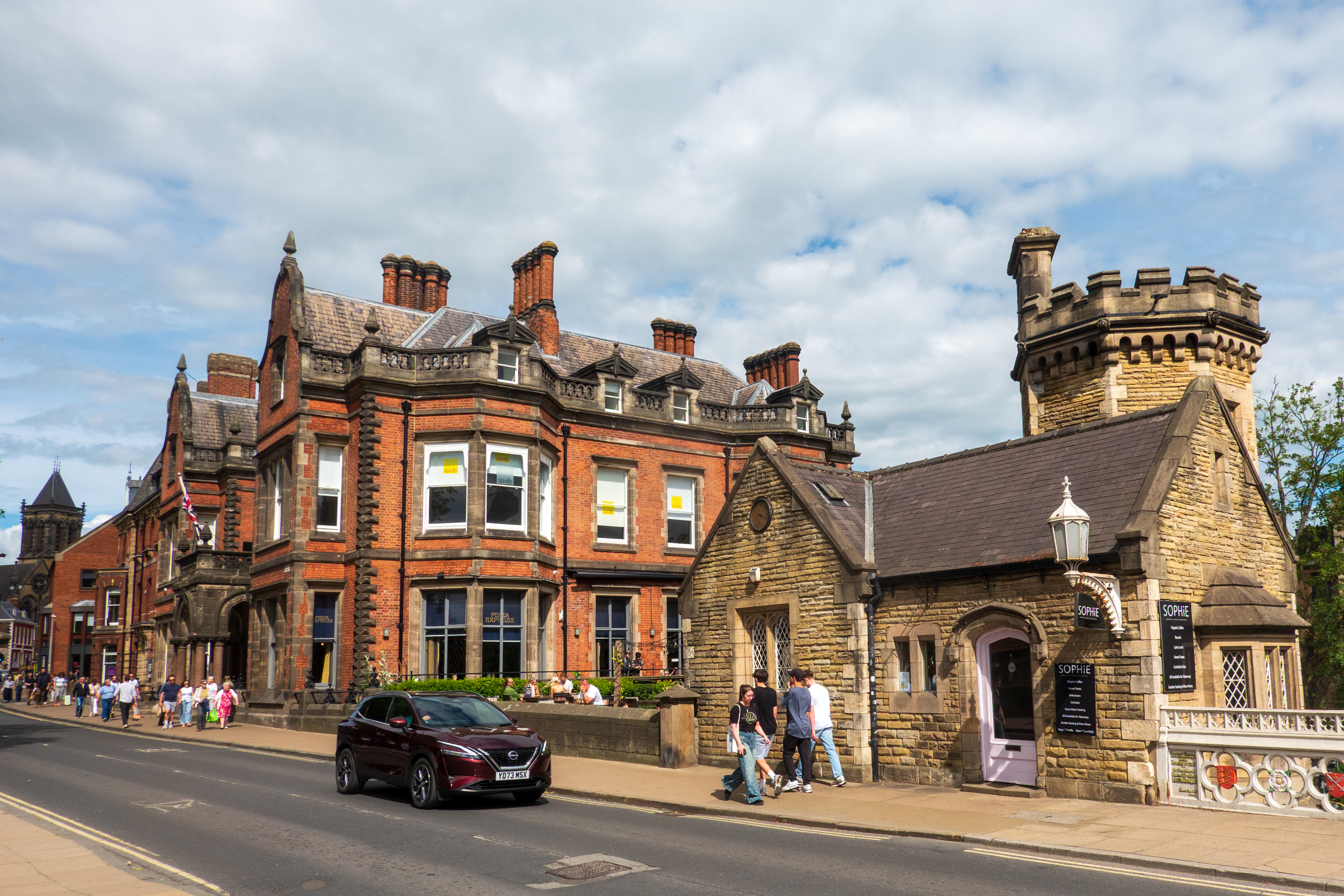
Back to the train station for our next train ride, with only one change this time, to Cambridge. We were stopping here for a visit to Duxford Air Field with its huge number of airplanes, including Spitfires, and various displays of its role in World War II. (https://en.wikipedia.org/wiki/Duxford_Aerodrome)
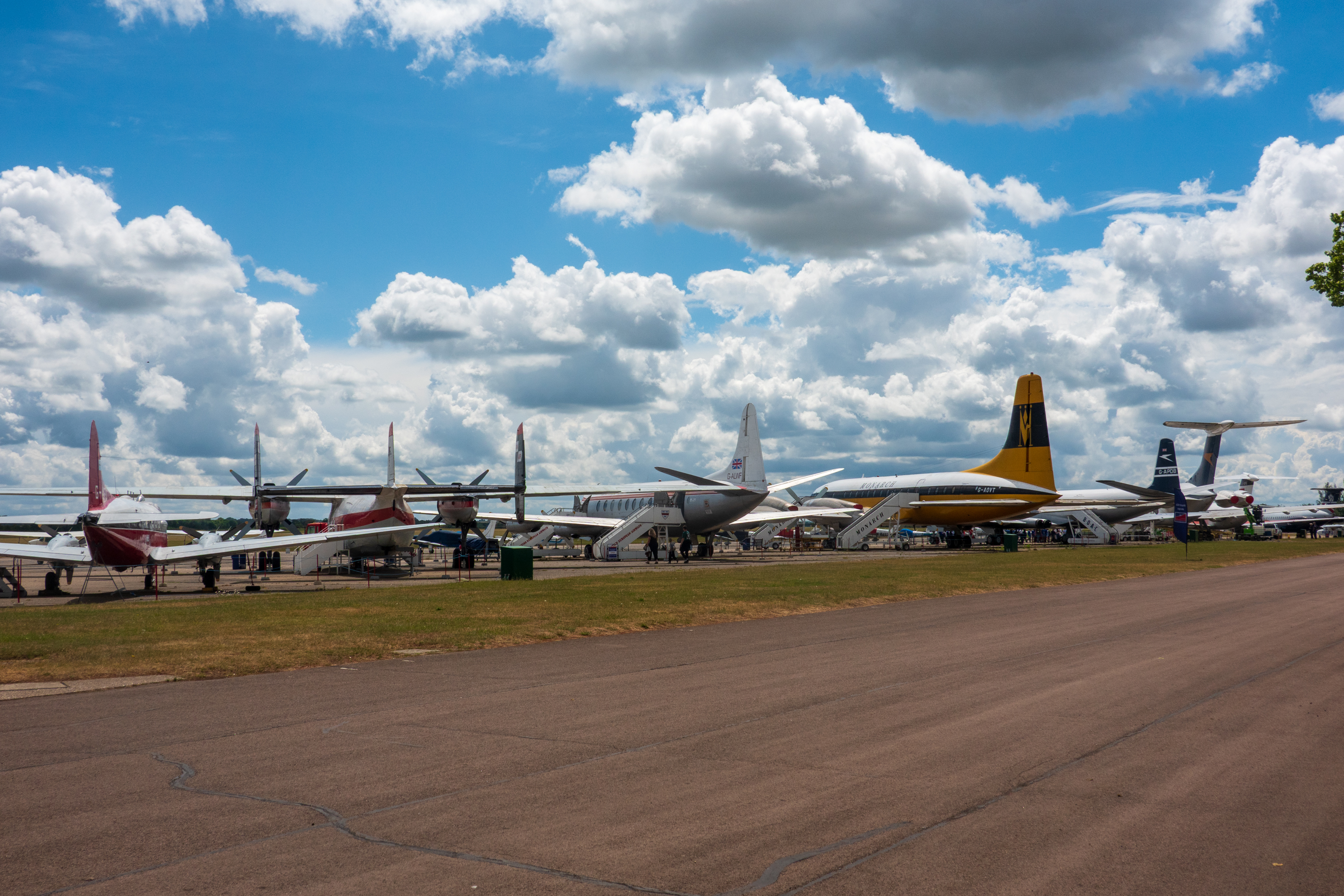
We took a taxi to Duxford, as it is about 10 miles from Cambridge. We had an excellent visit and were able to walk through several interesting airplanes, including the Concorde.
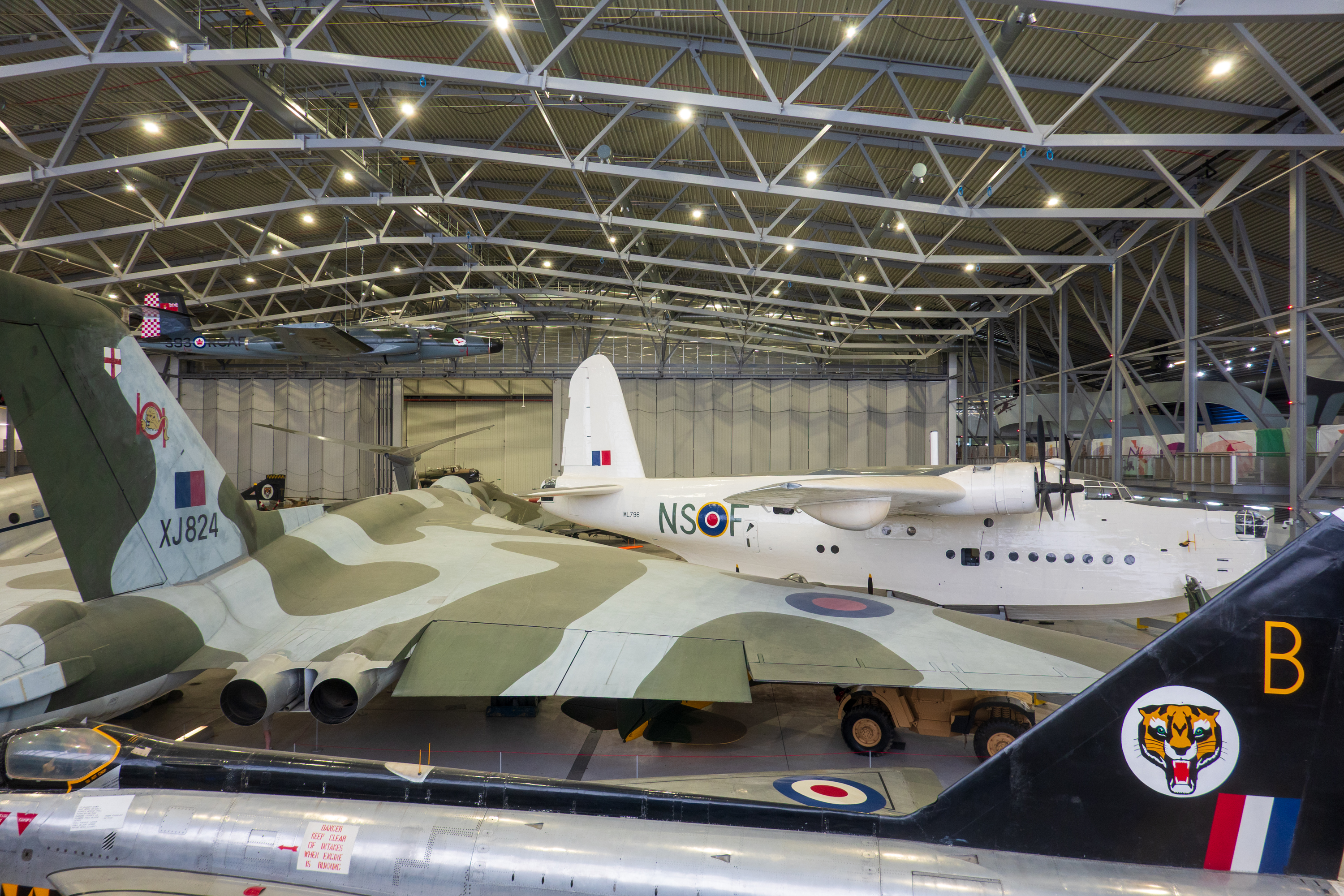
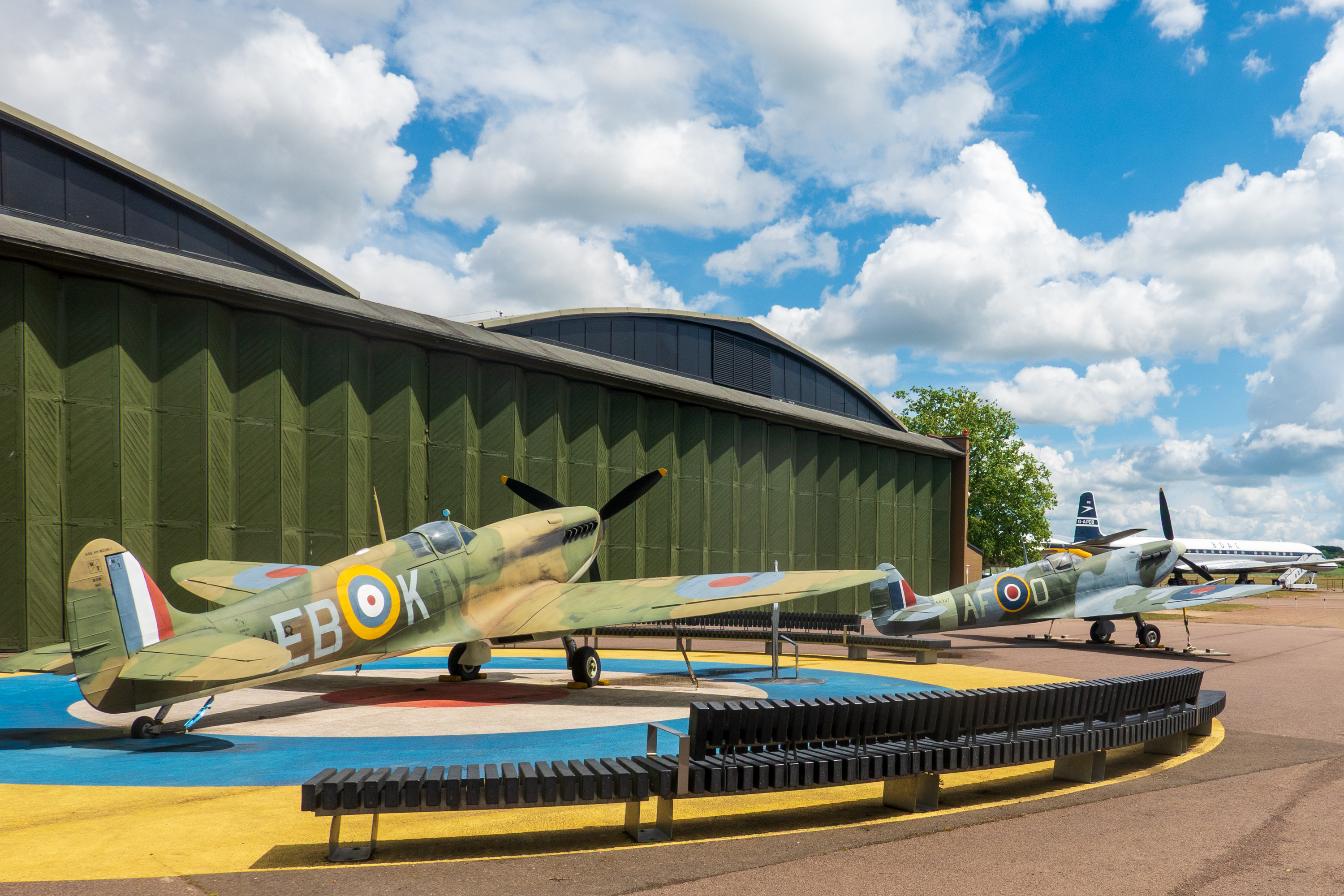
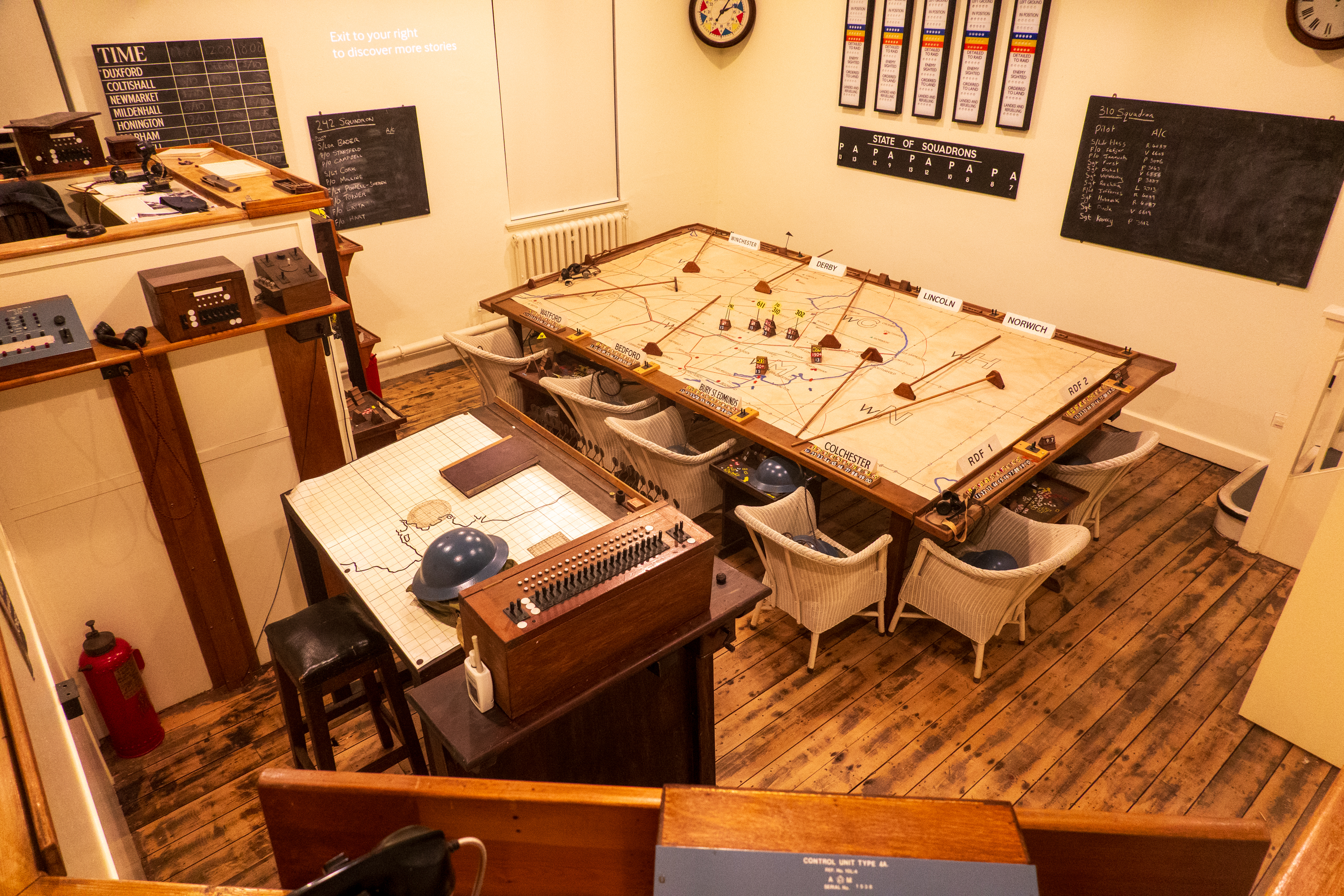
Duxford is an interesting counterpoint to the Smithsonian, as it focusses on British aircraft. Fred especially enjoyed revisiting planes that we had both flown as children, like the Vickers Viscount, as well as others, like the Bristol Britannia, that we had not.
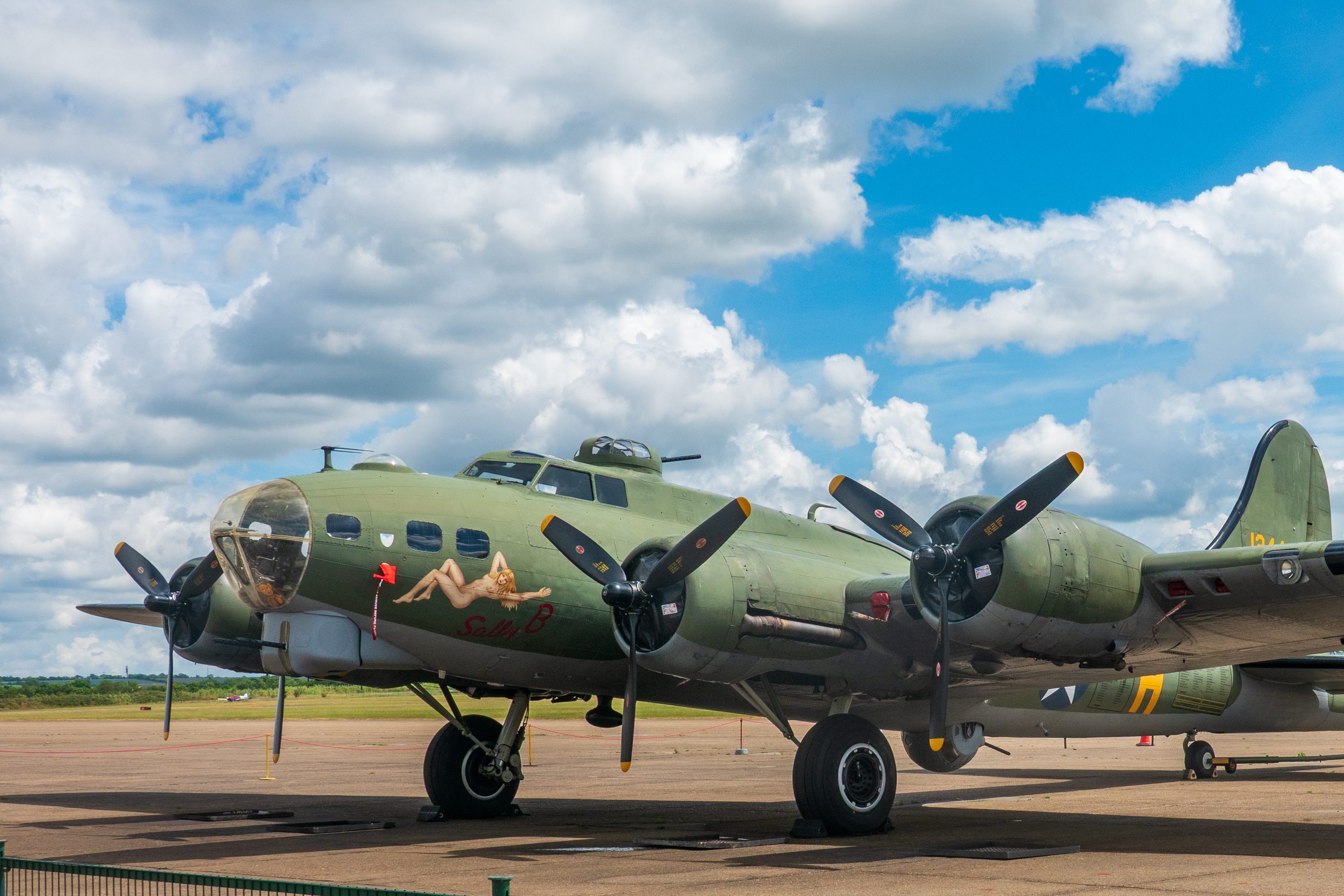
Scholars will note that the B-24 flew more missions and carried more bombs further and faster. (You have to go inside the American Pavilion to admire a B-24.)
There is a large “American Pavilion” which makes a real effort to tie into the TV series, “Masters of the Air.”.
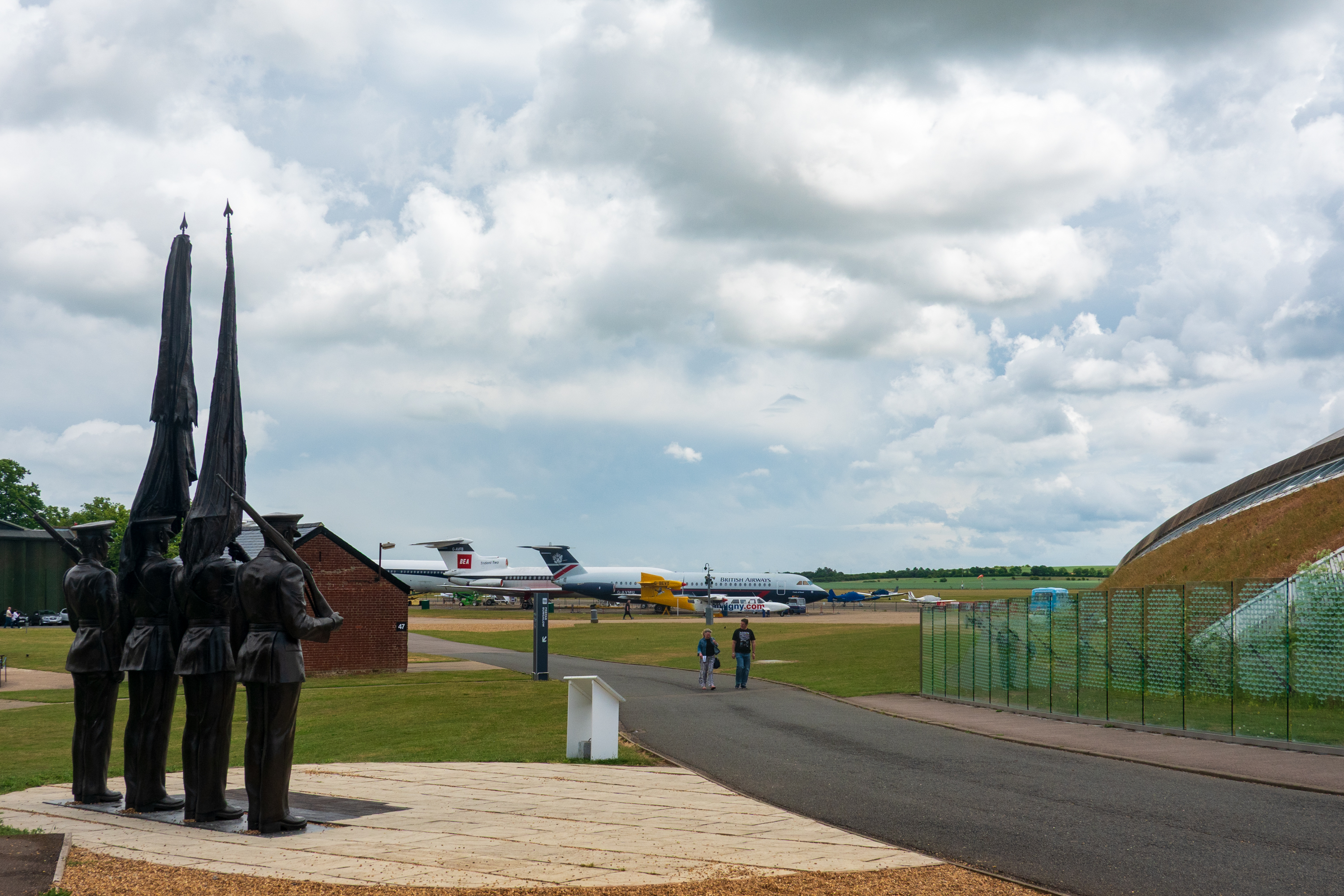
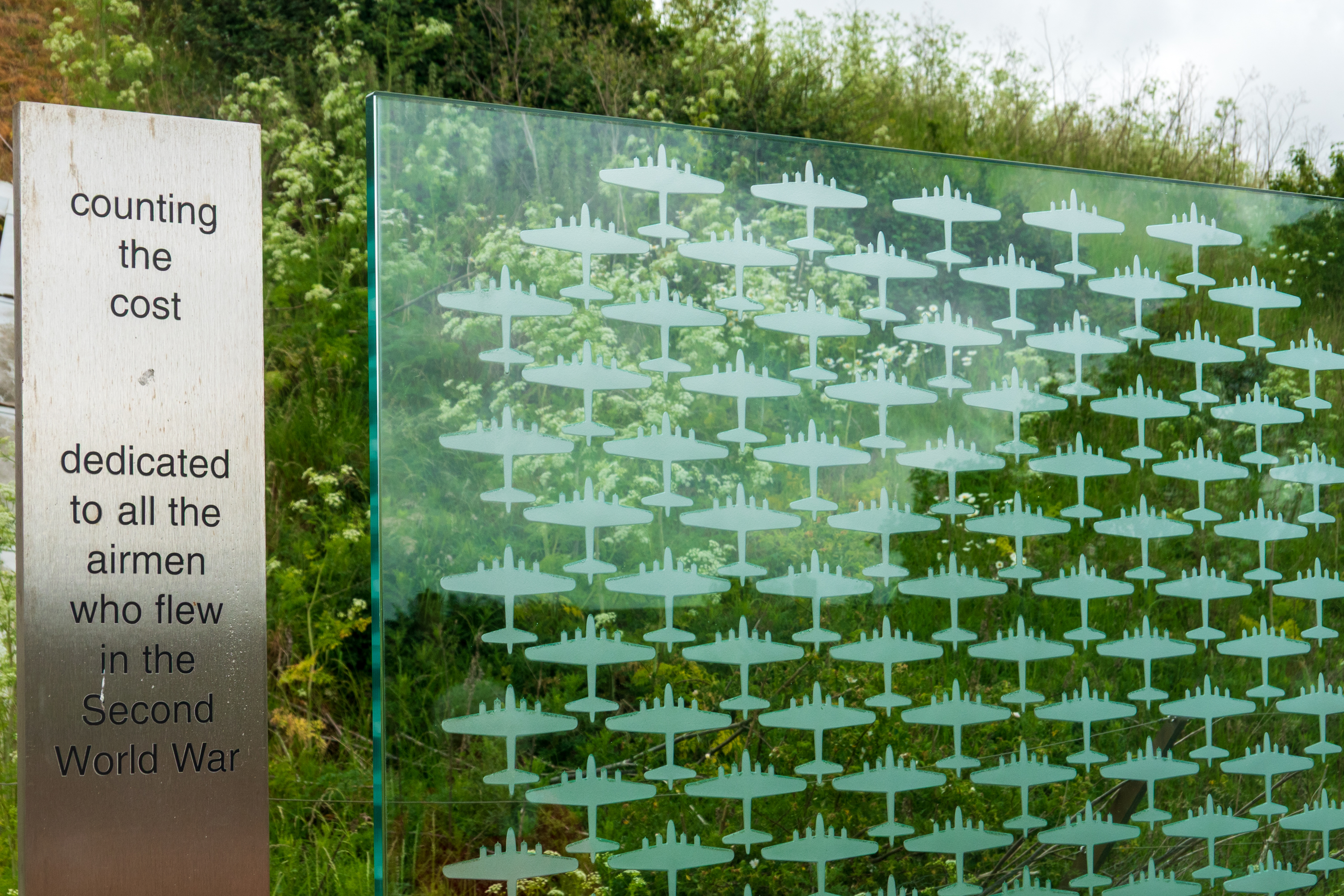
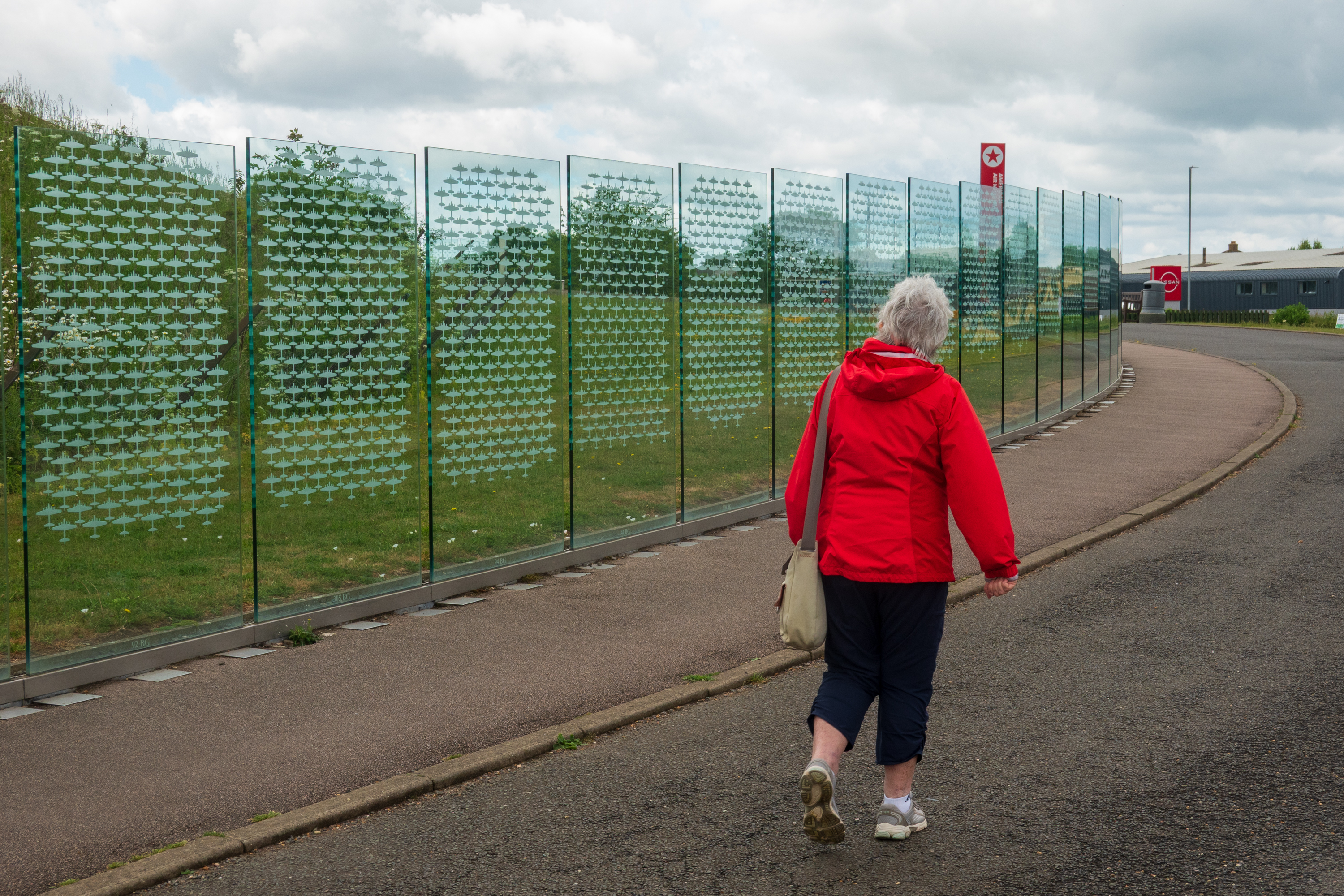
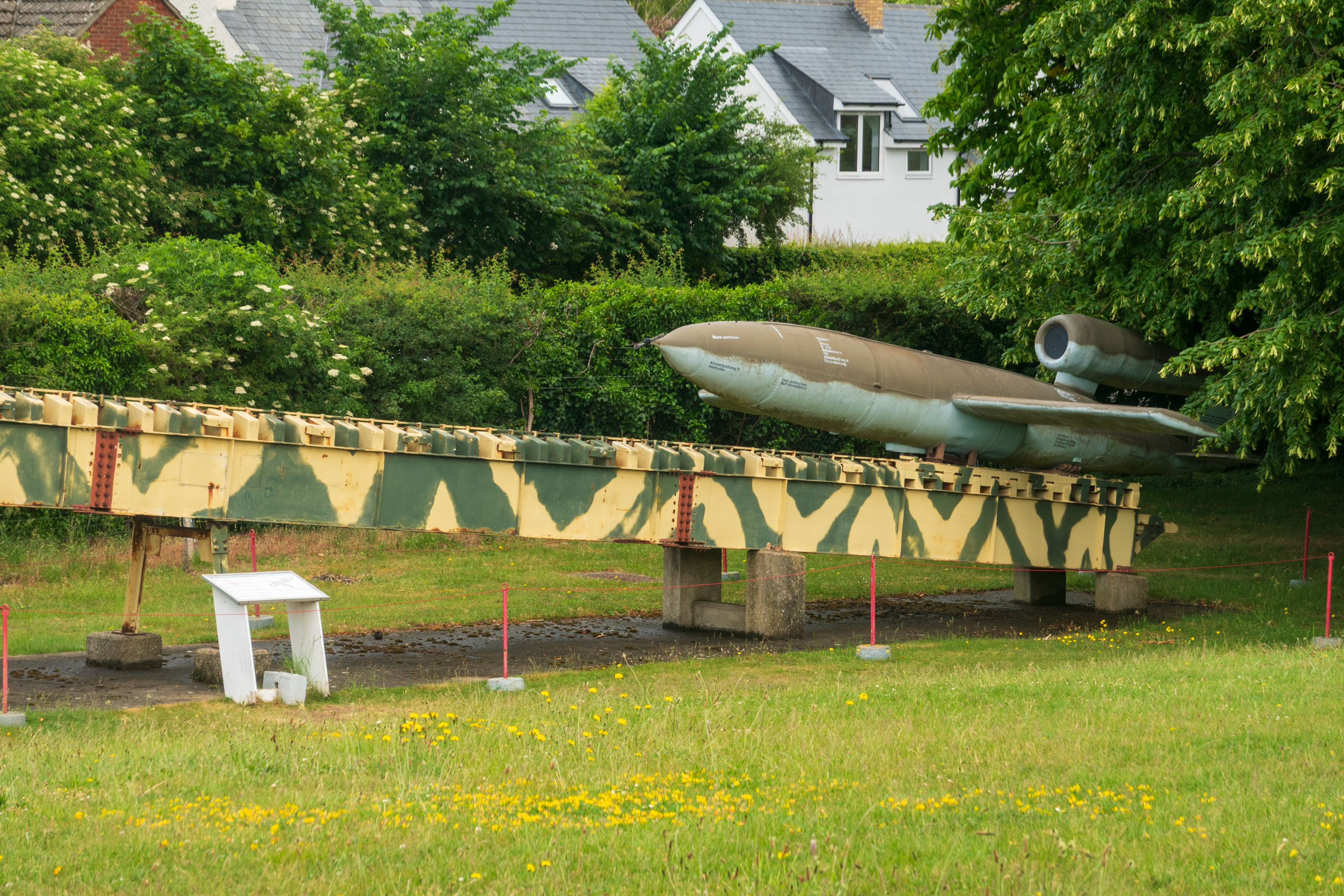
Of course, after the visit, we had to rewatch the 1969 movie “The Battle of Britain.” We remarked that many of the scenes looked just like Duxford. Turns that it was Duxford.
On our return to Cambridge the sun came out, so we wandered the town and viewed some of the colleges from the outside.
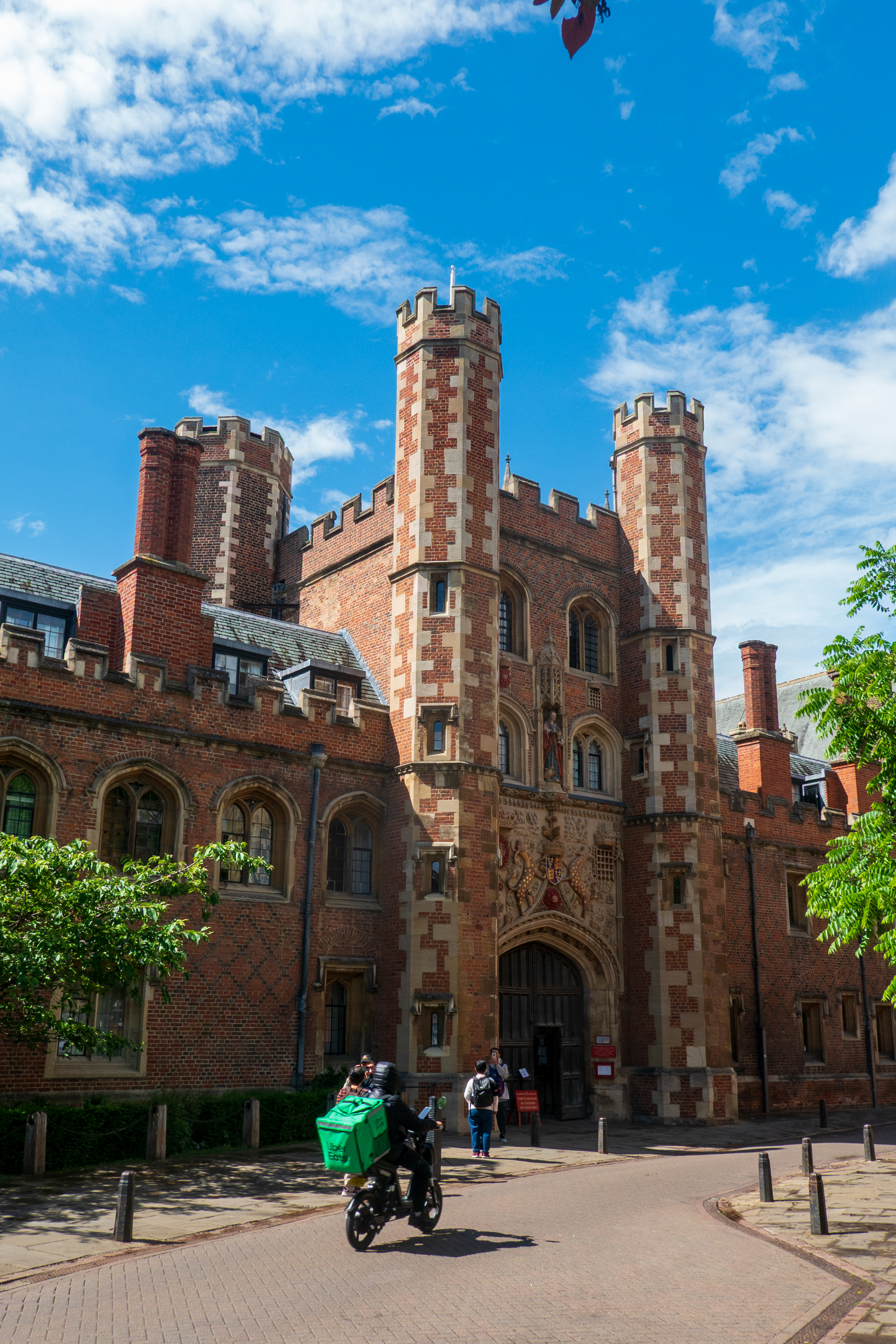
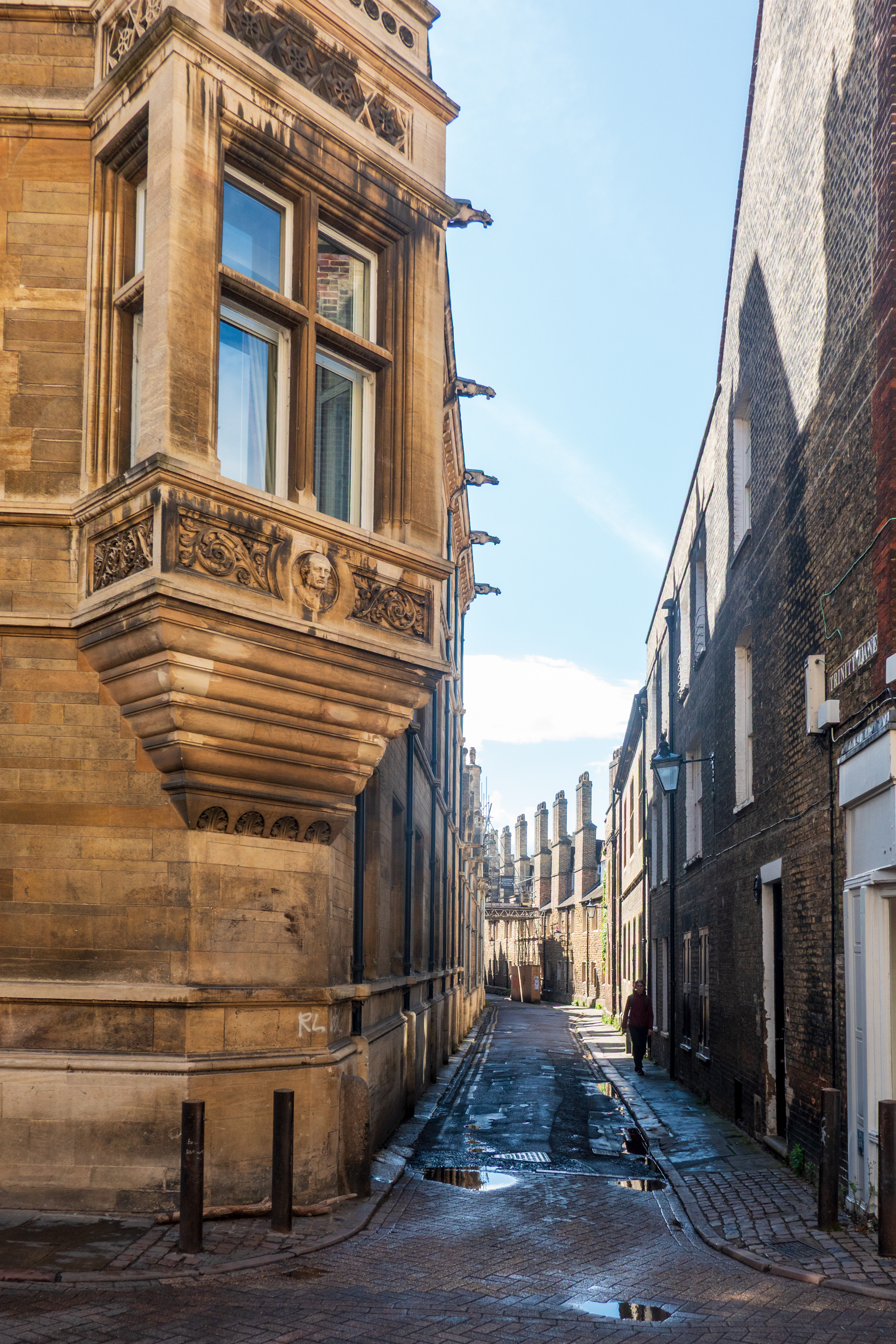
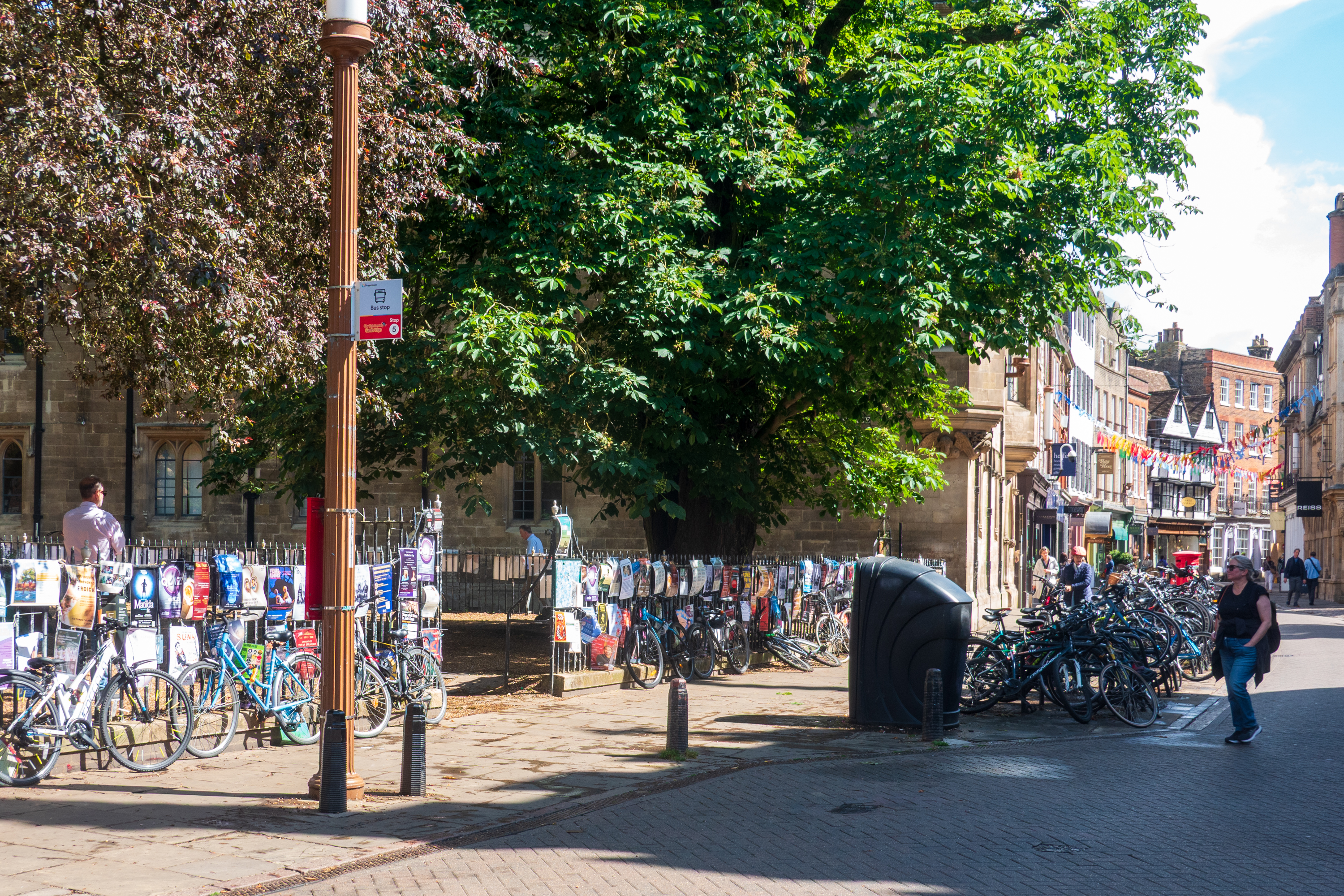
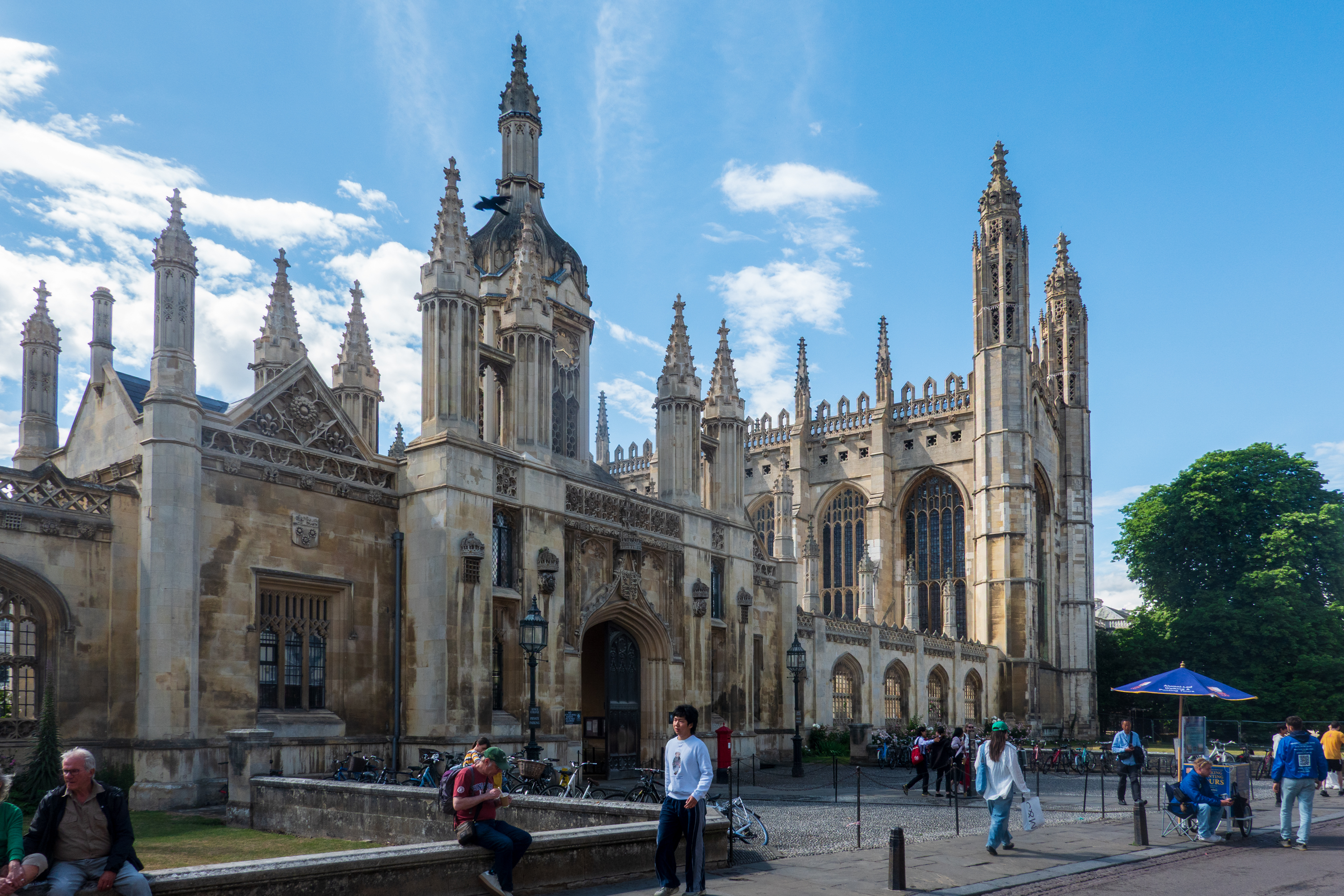
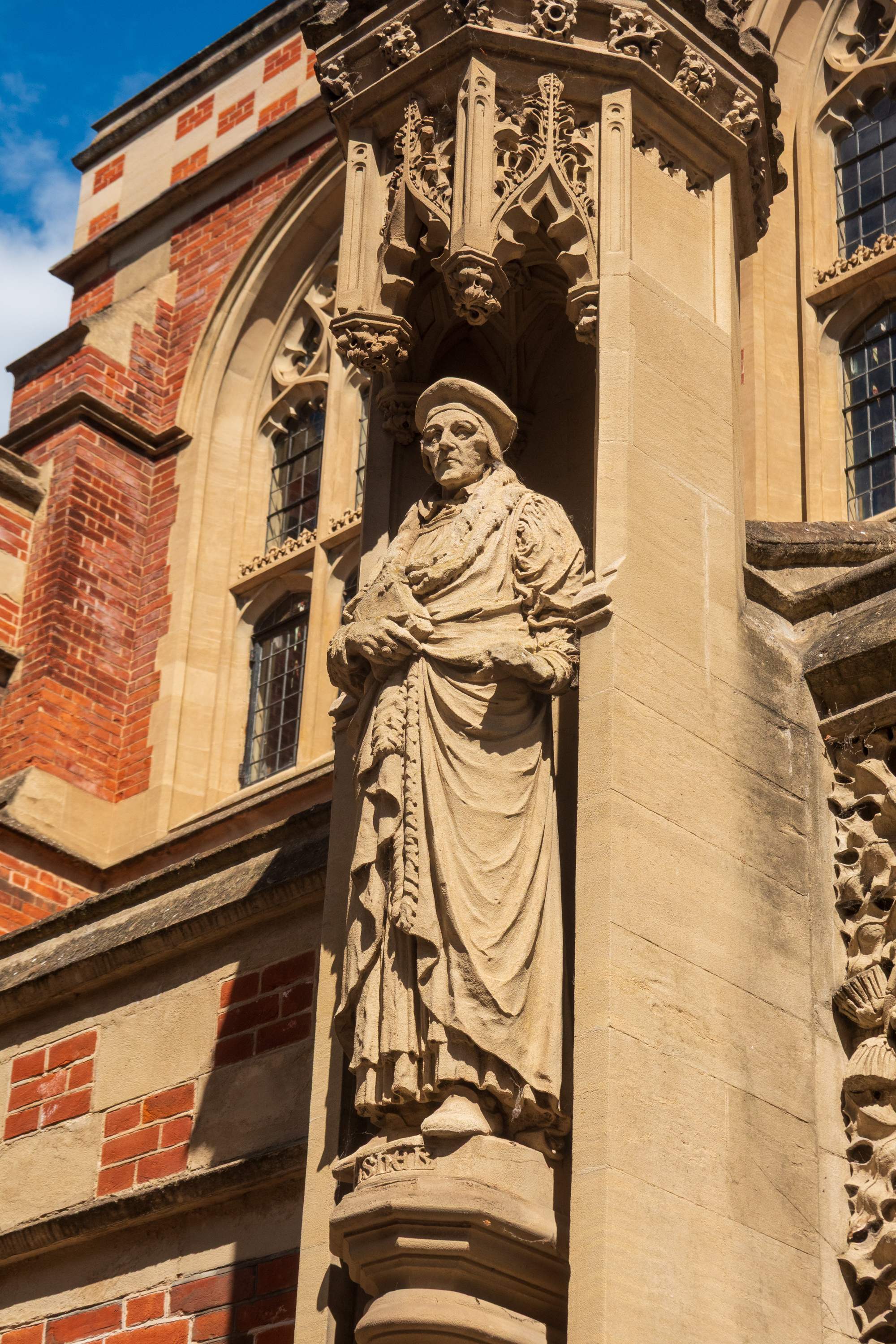
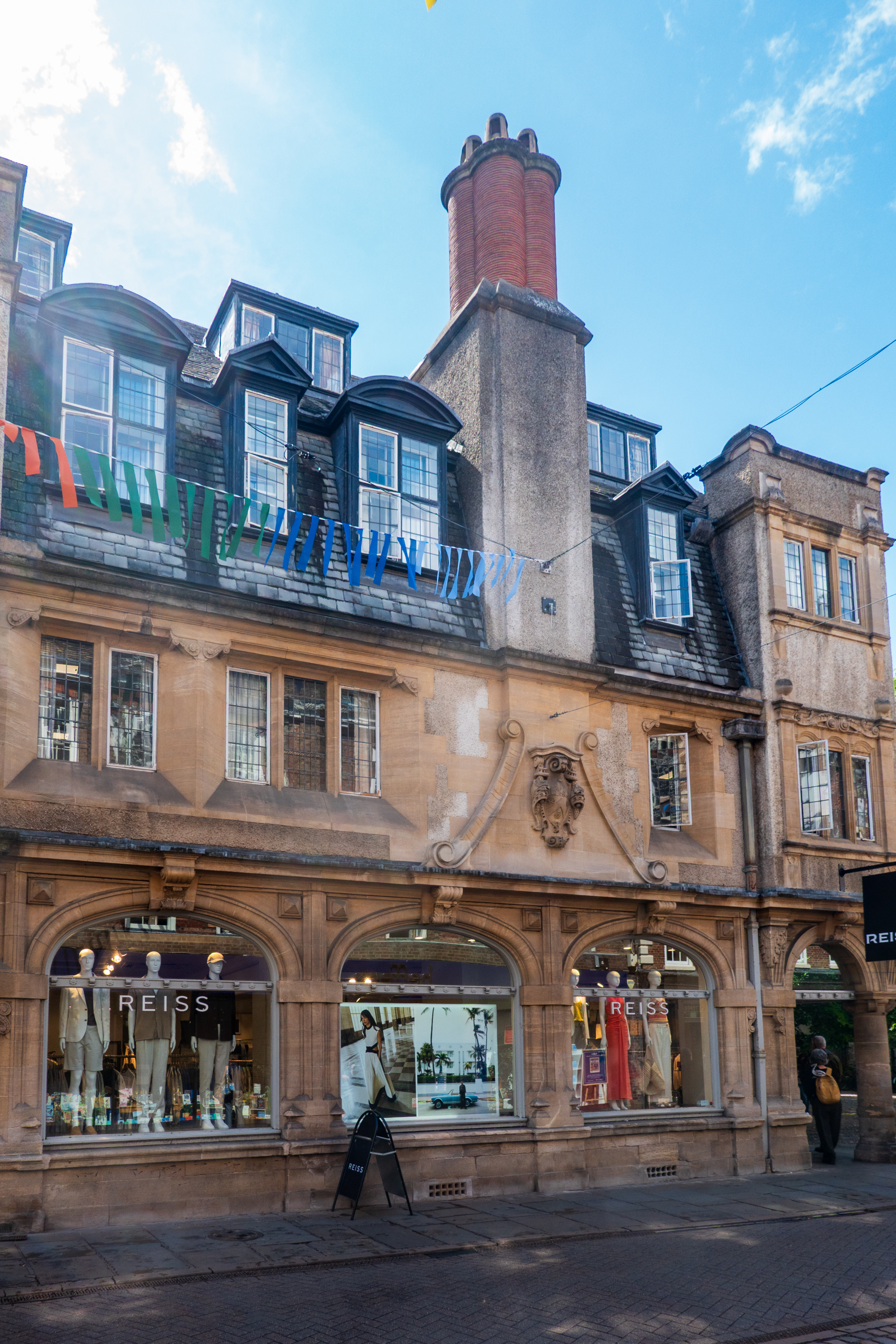
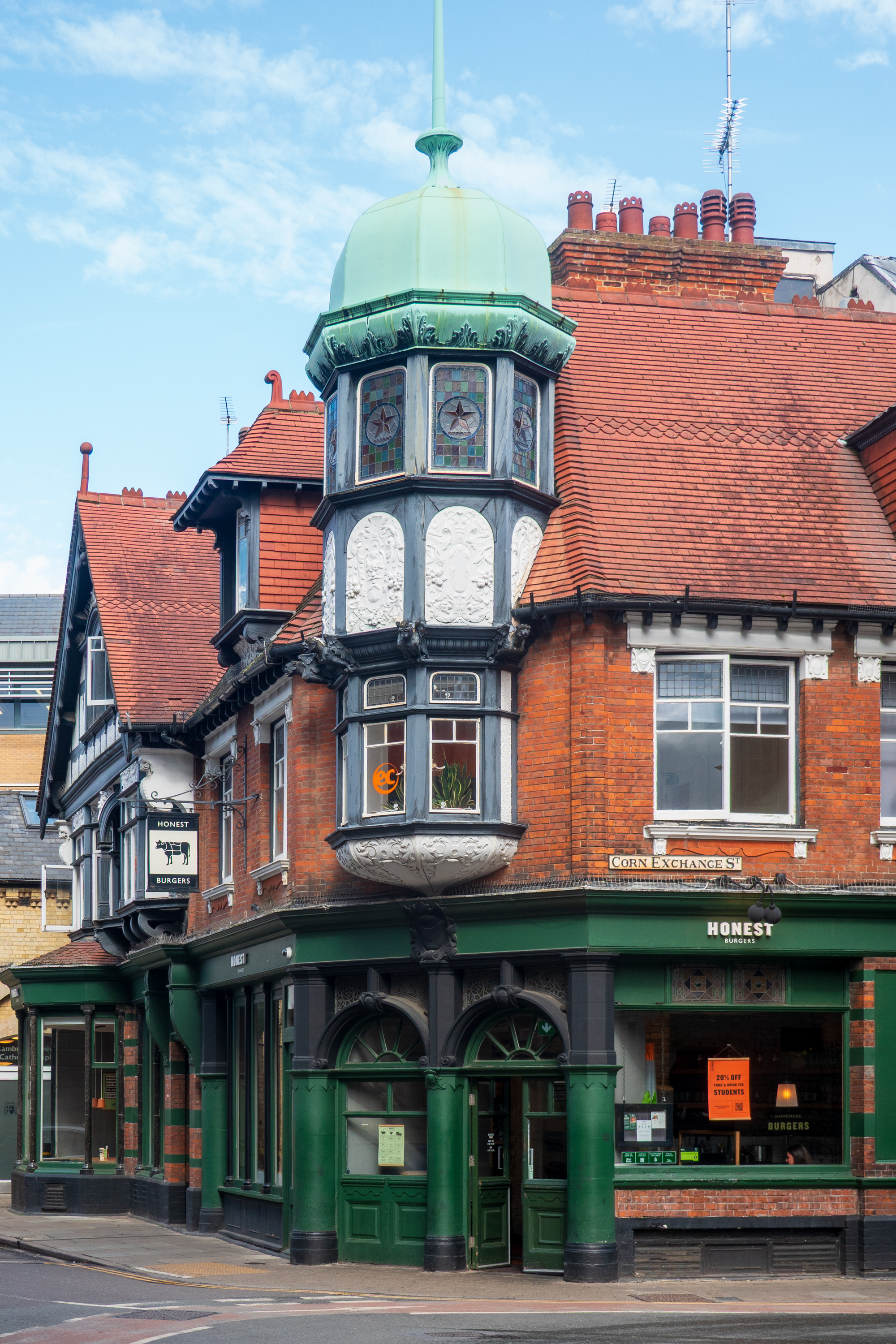
Somehow, my local burger joint isn’t this cool.
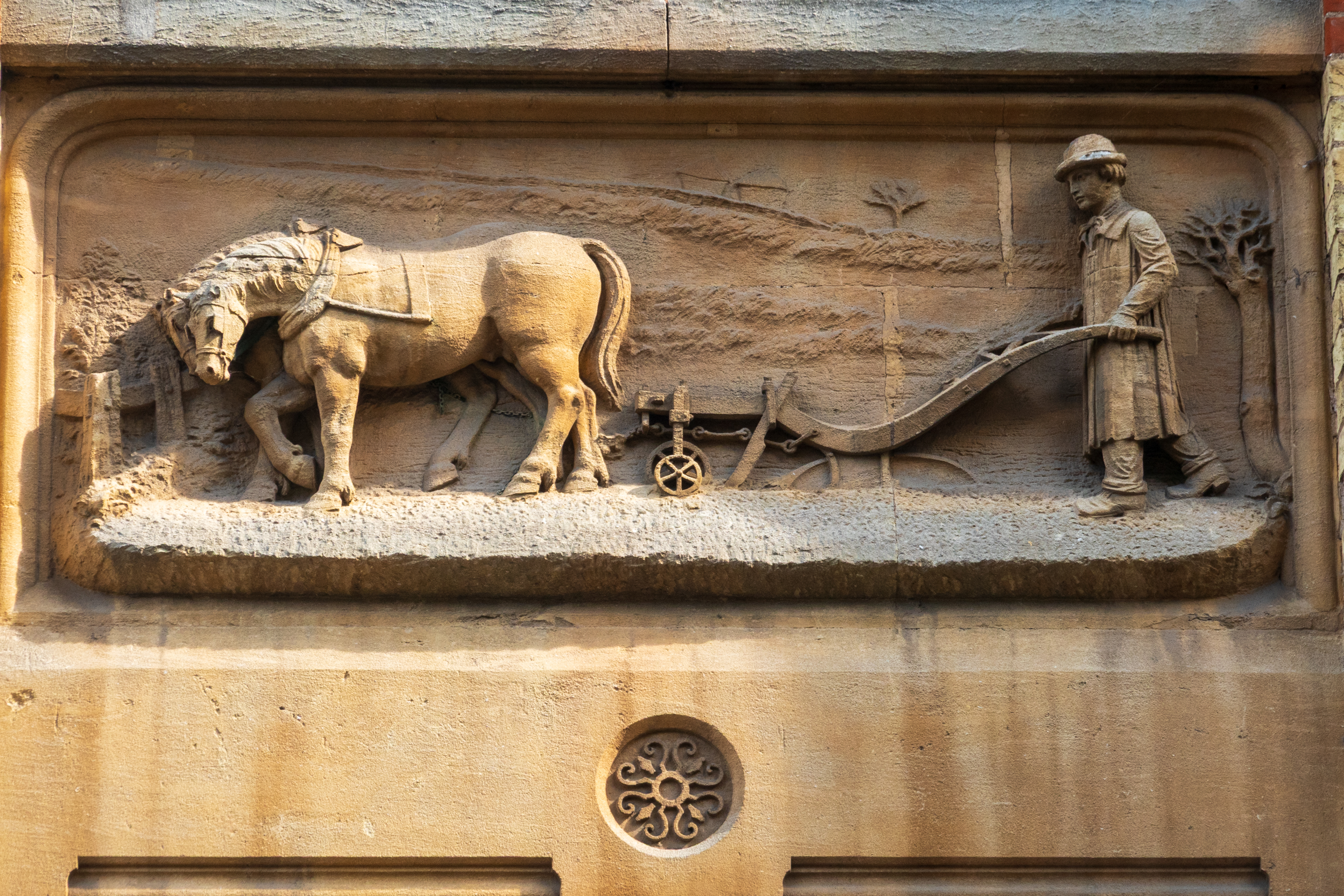
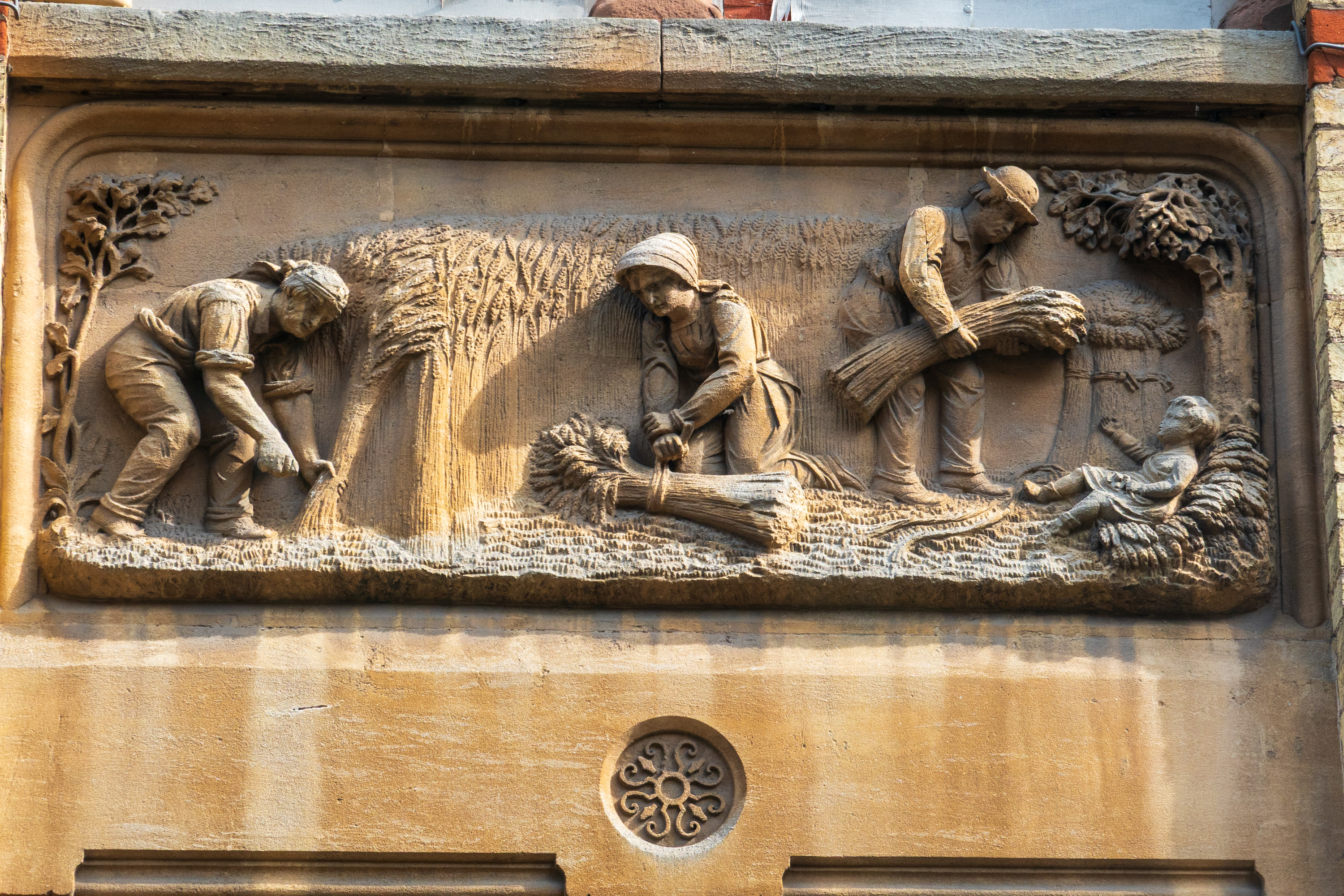
An Eye on London
And then it was time to take the train to London. No train changes this time, but a taxi ride from the station to our hotel which was about two minutes walk from the London Eye. (https://en.wikipedia.org/wiki/London_Eye)
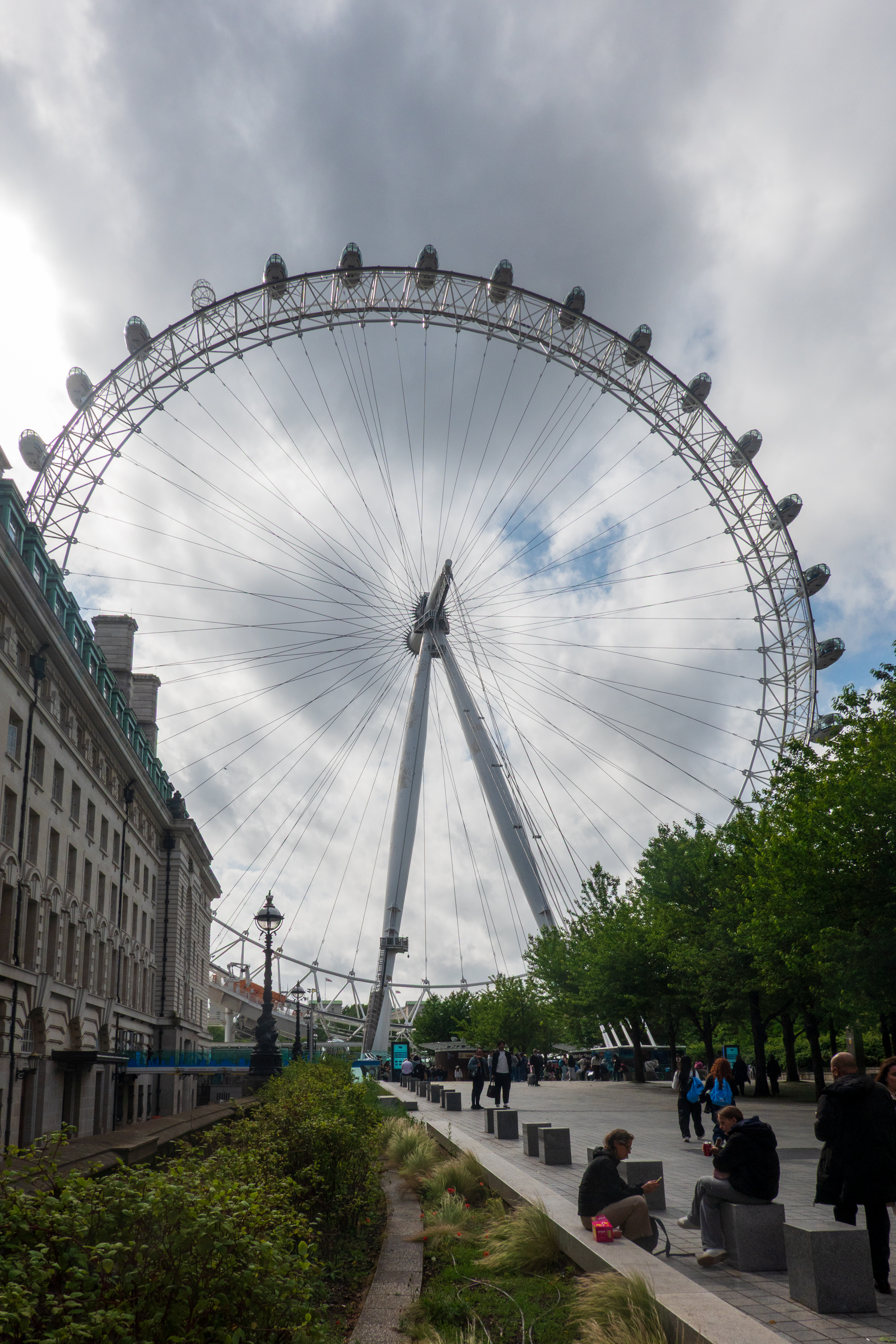
This proved to be an inspired location as on our first day there, as the Tube was on strike! But we had booked a river cruise and the weather held.
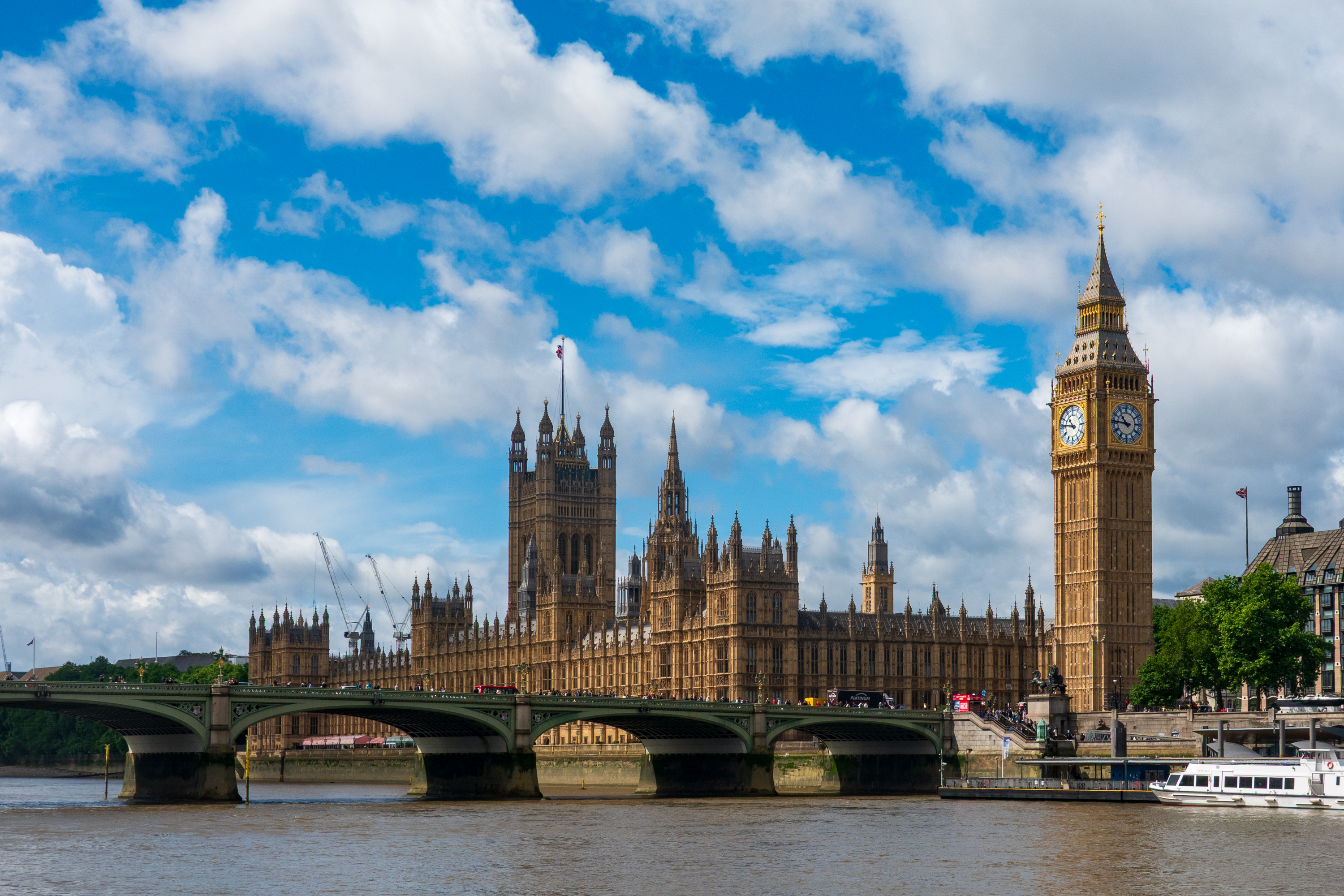
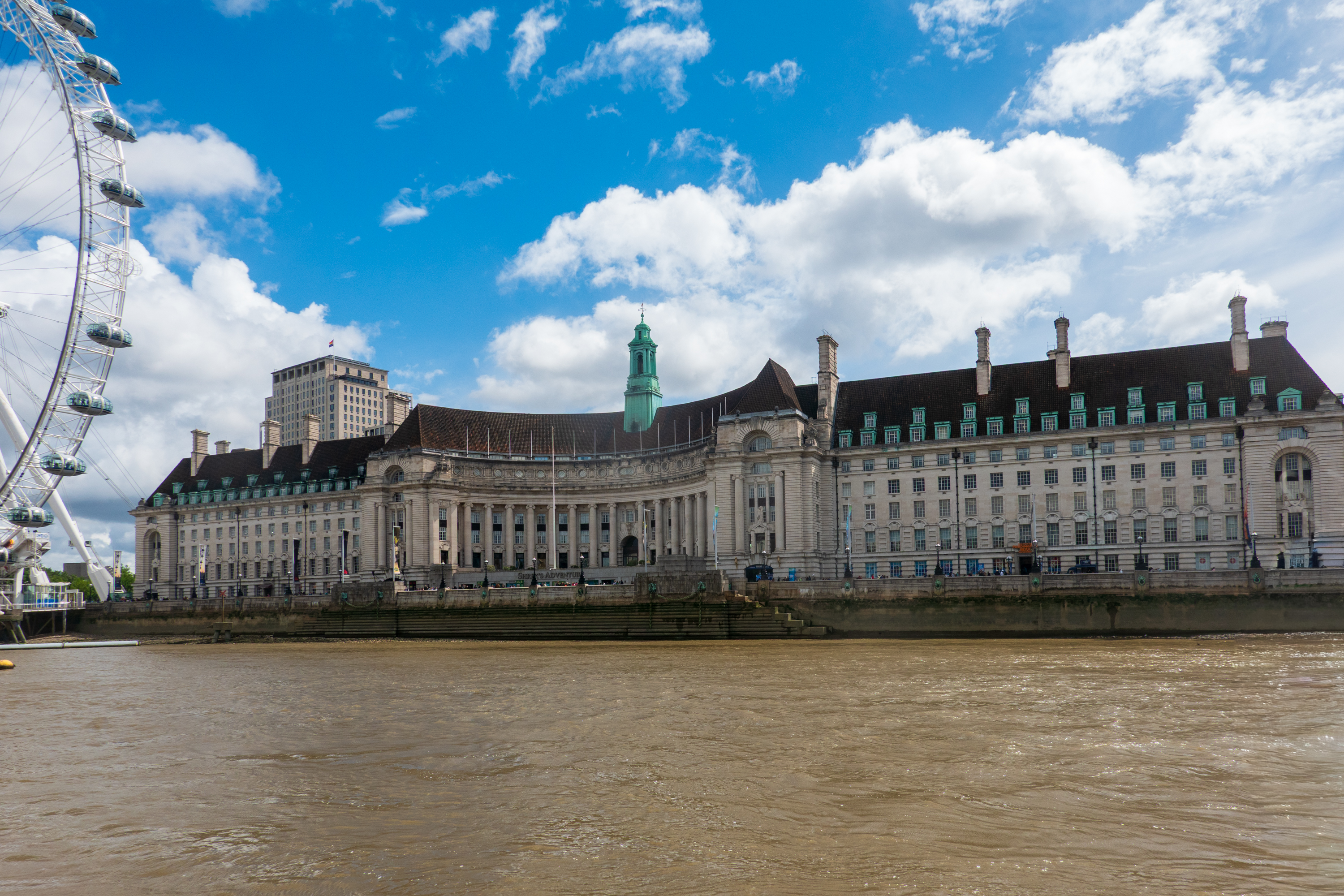
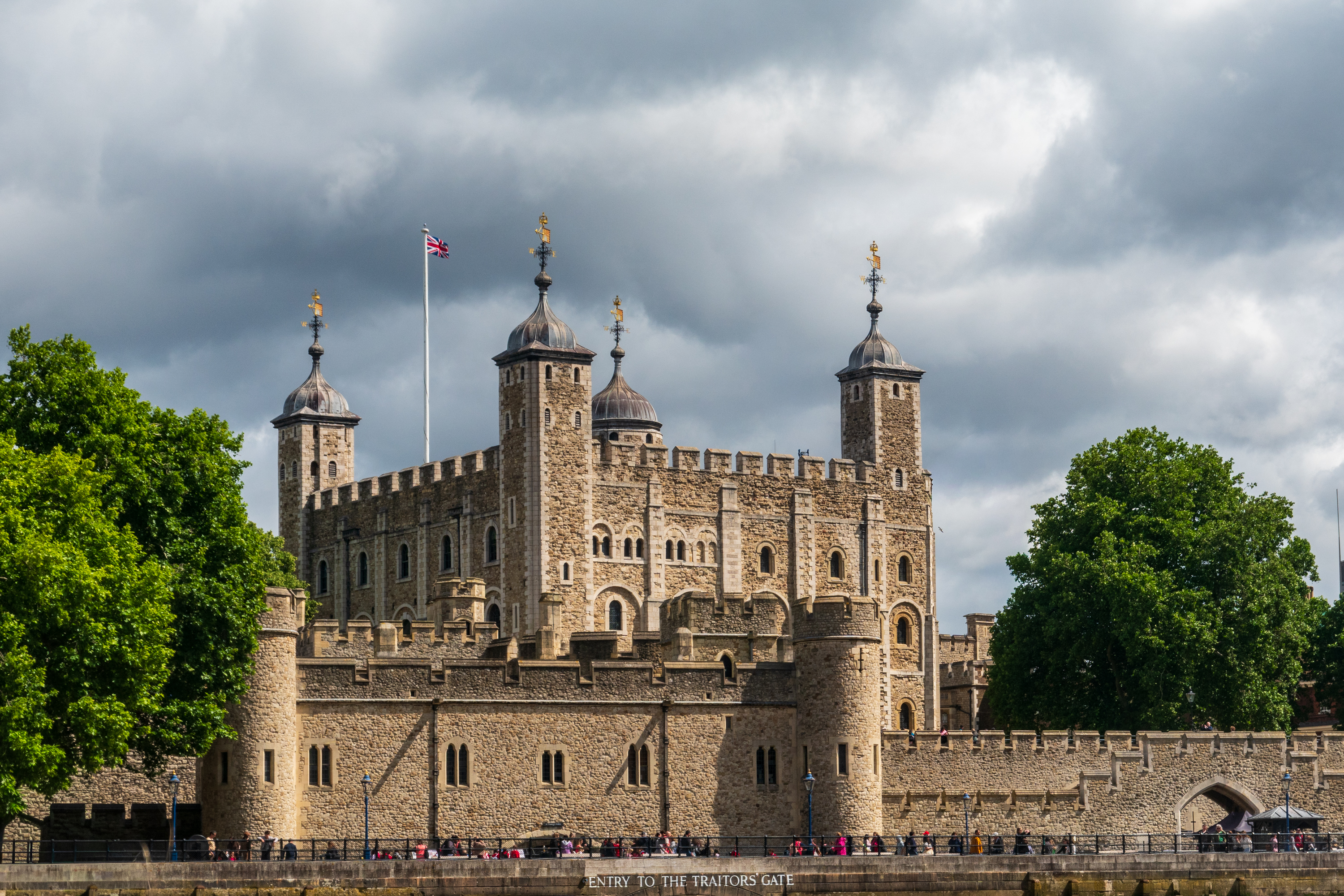
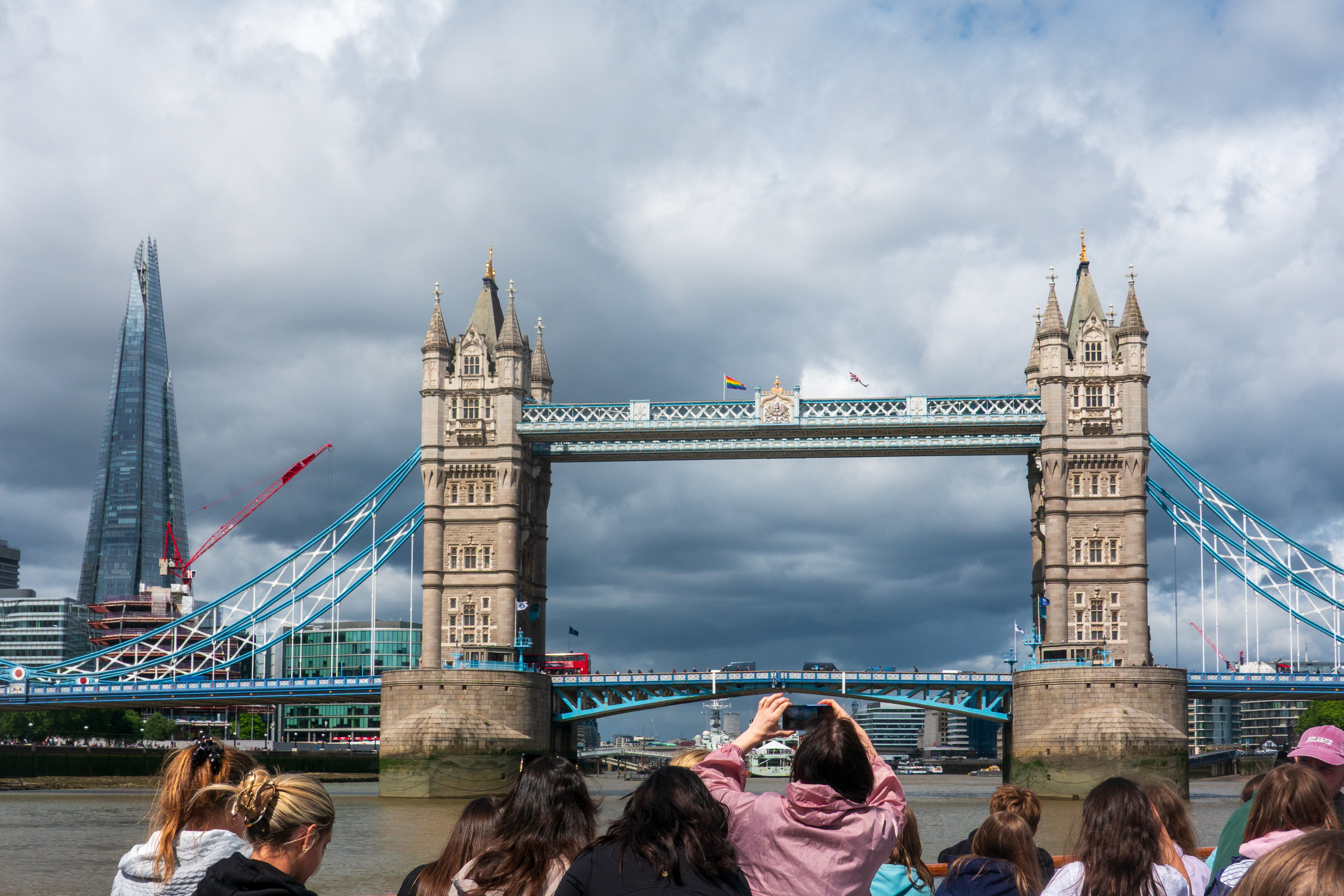
In the afternoon, we realized we could walk to the Imperial War Museum so we did. It was an excellent visit with some amazing displays, especially the Battle of Britain display and the Holocaust Display. The World War One was also an exceptional display. (https://www.iwm.org.uk/visits/iwm-london)
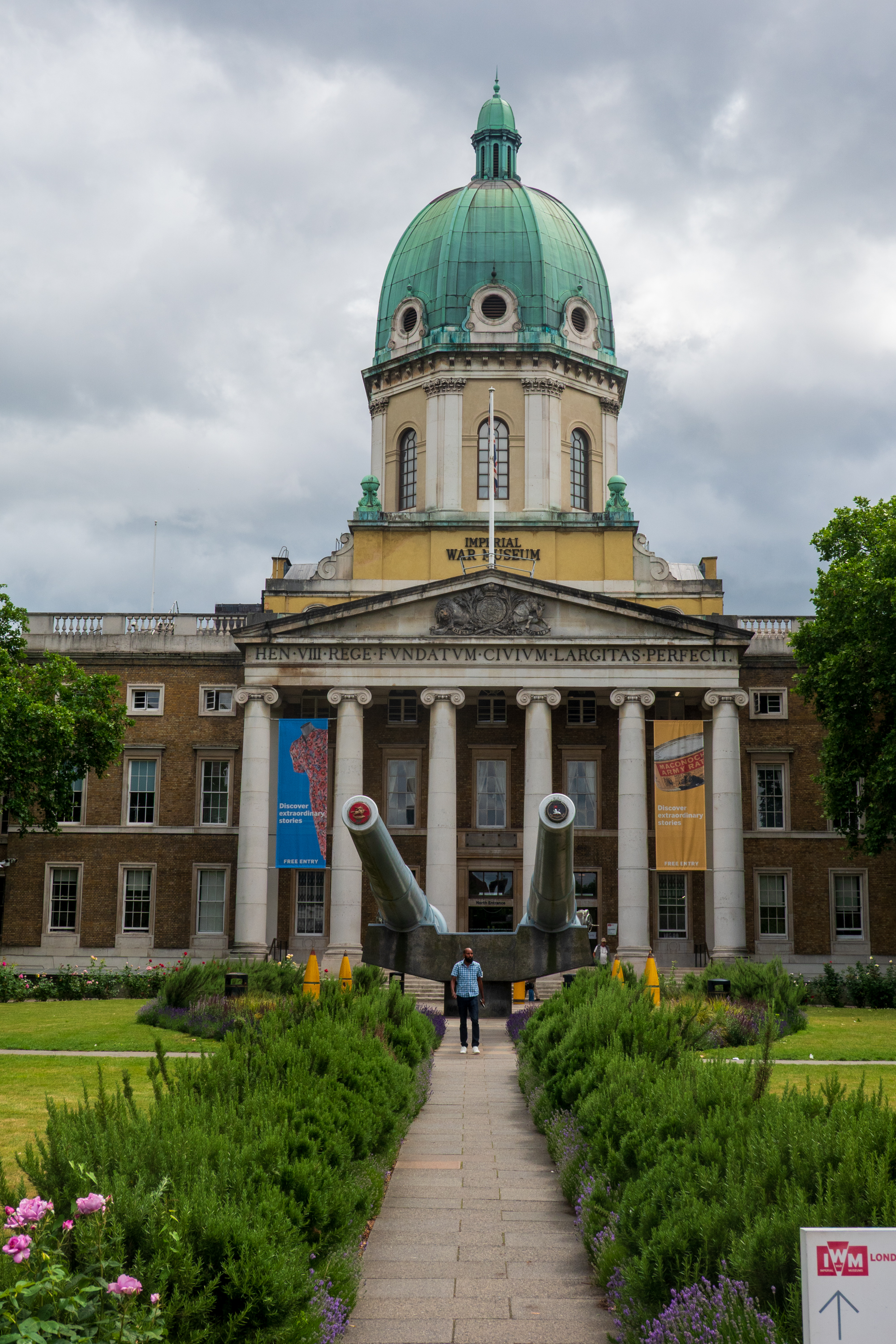
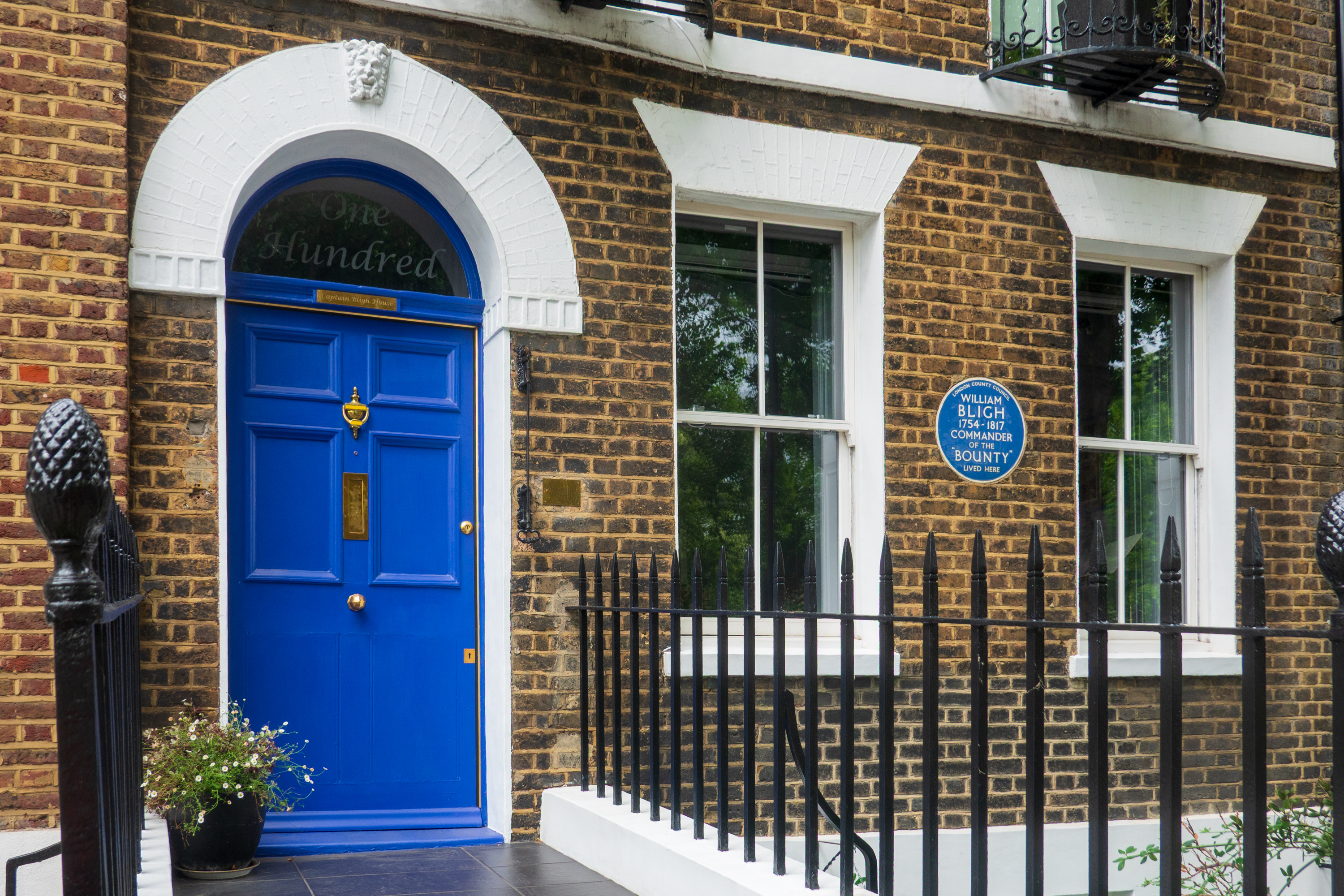
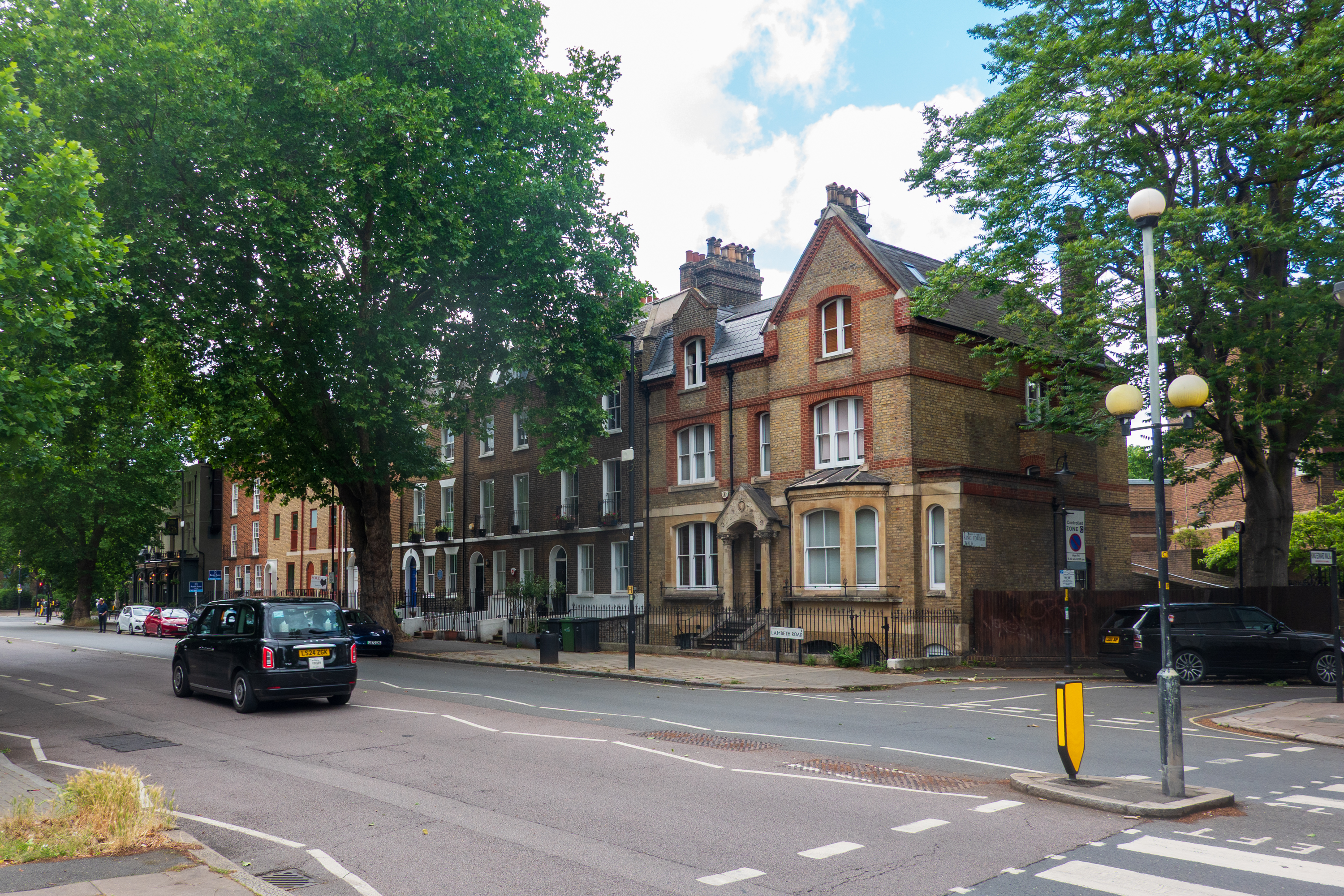
History literally around every corner.
Come evening, it was time for our visit to/ride on, the London Eye. (https://en.wikipedia.org/wiki/London_Eye) The Eye is a classic tourist trap hold over, like the Eiffel Tower, but, like the Eiffel Tower, it is an amazing bit of engineering and provides great views. Pro tip, book in the evening and you can walk right aboard without queuing.
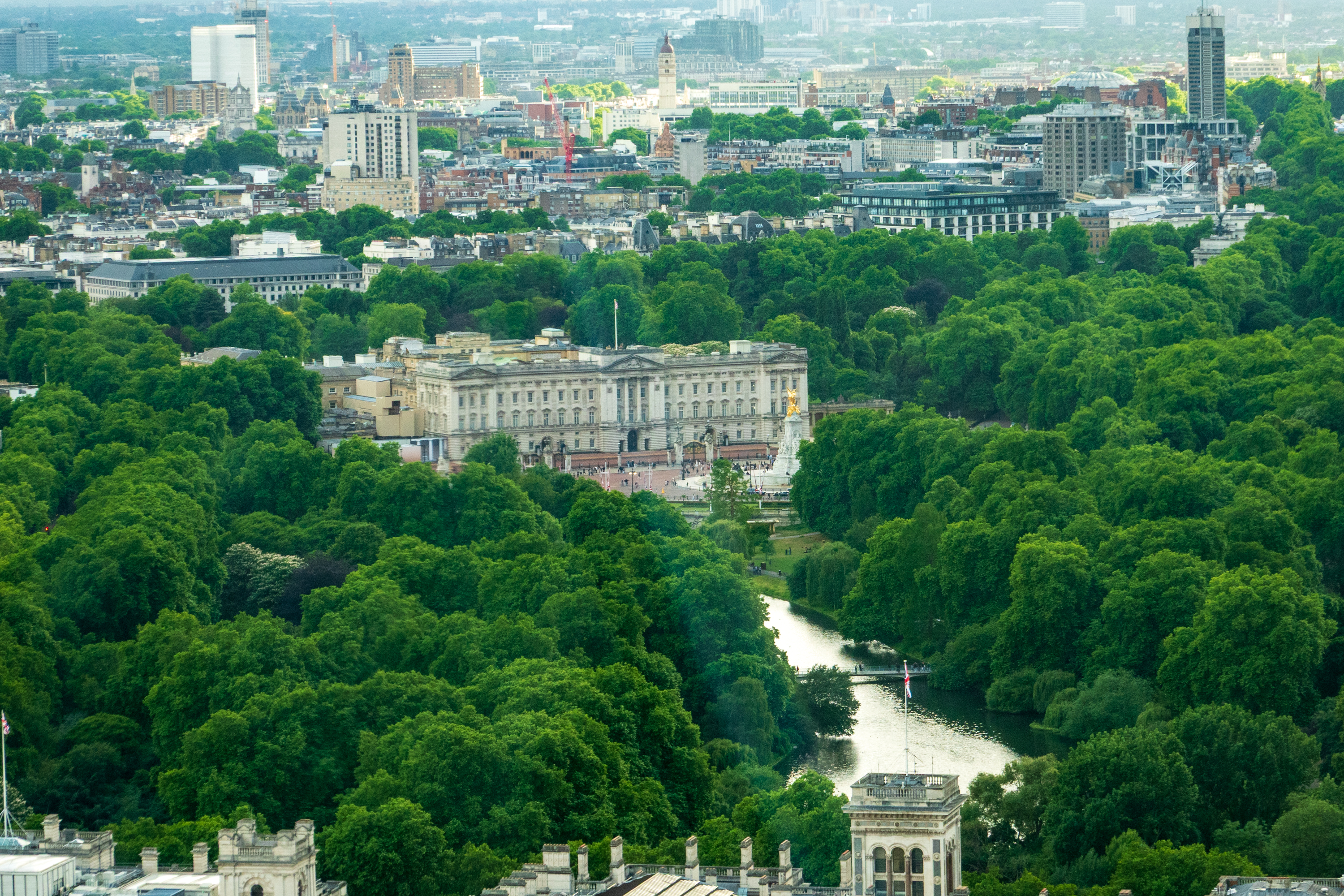
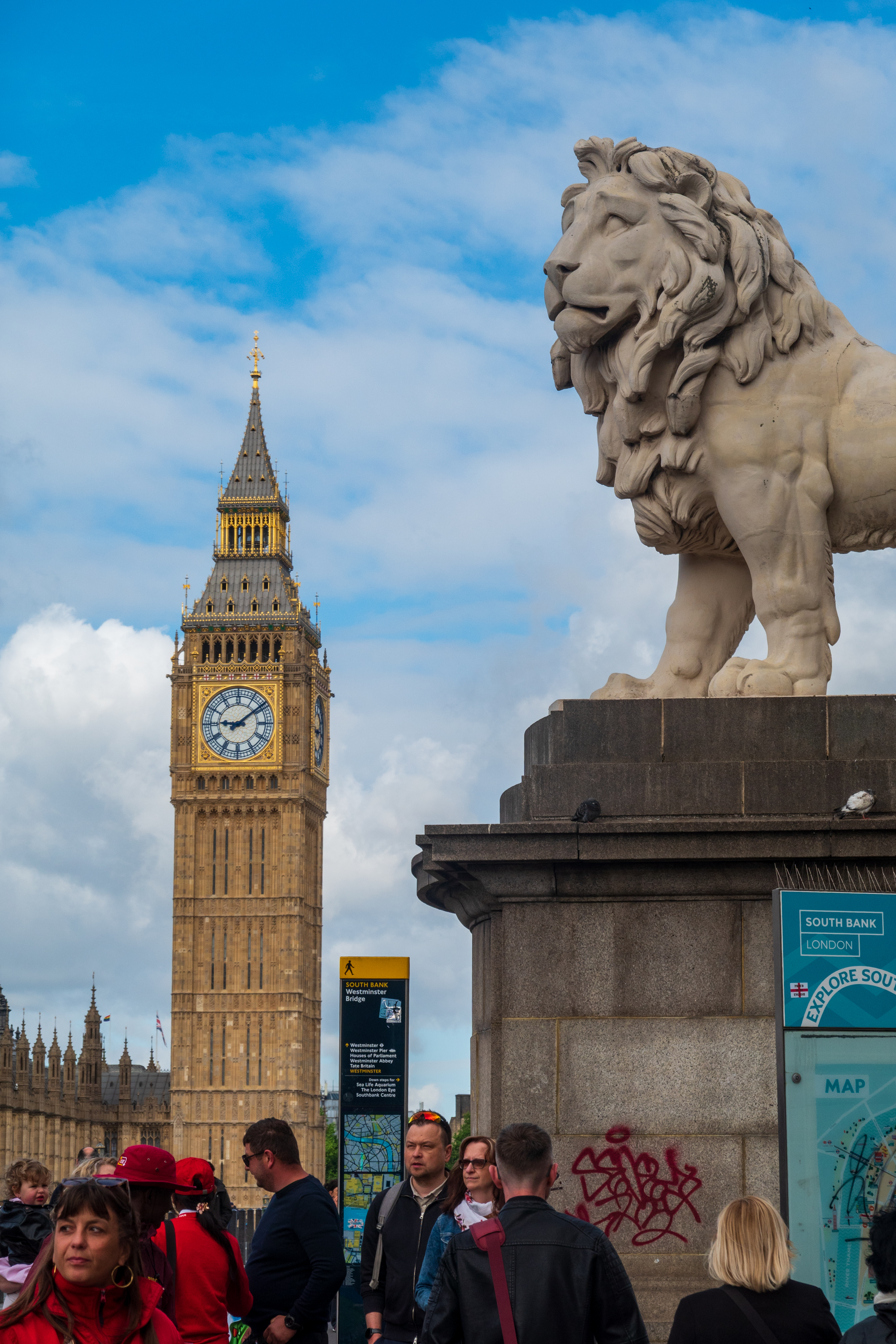
London trivia, there are eight points from which the view of St. Paul’s may not be obstructed. Now you know why London has some misshapen skyscrapers. And, if you ask for directions to the “Elizabeth Tower,” even the cabbie may not know where to go! (https://en.wikipedia.org/wiki/Big_Ben)
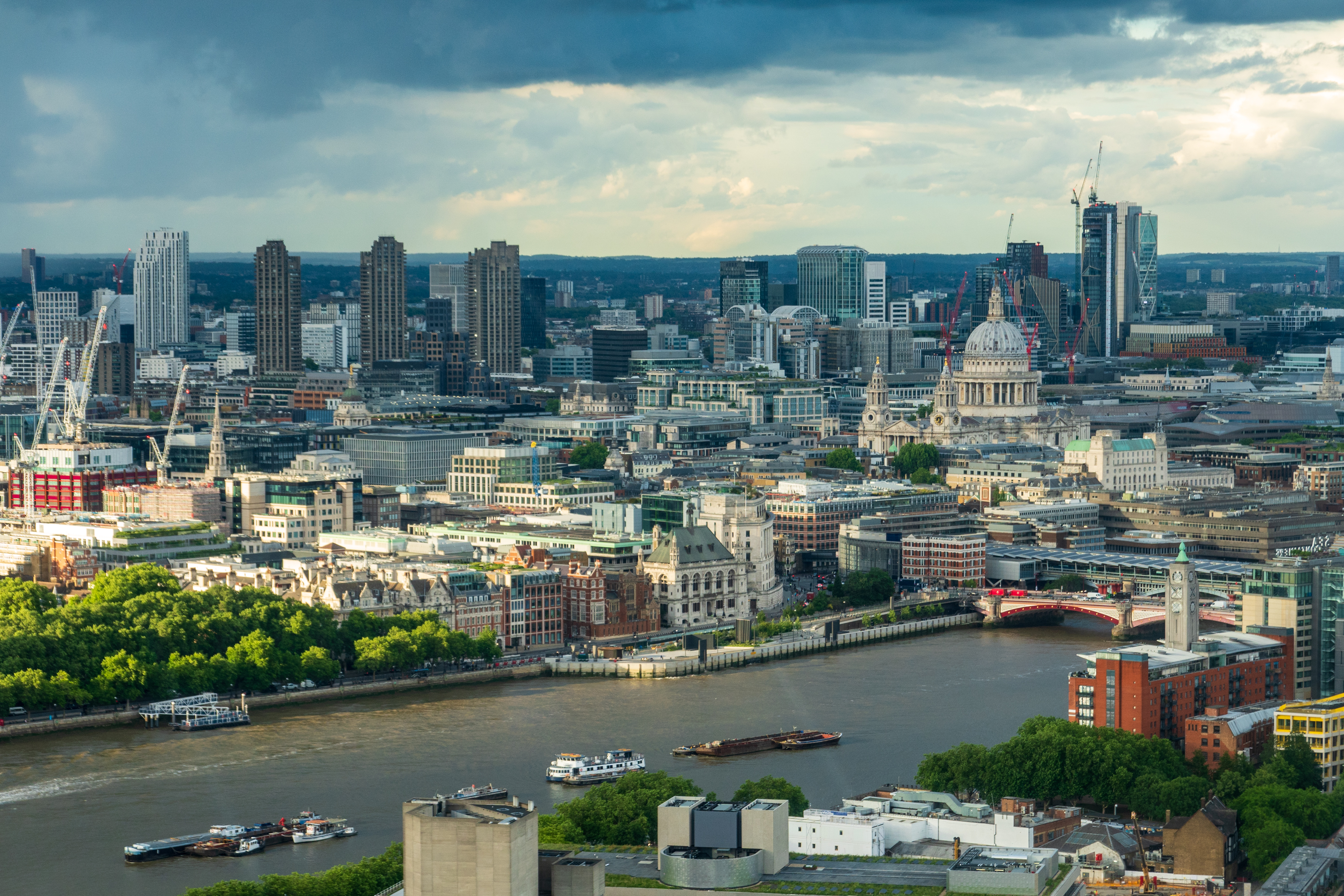
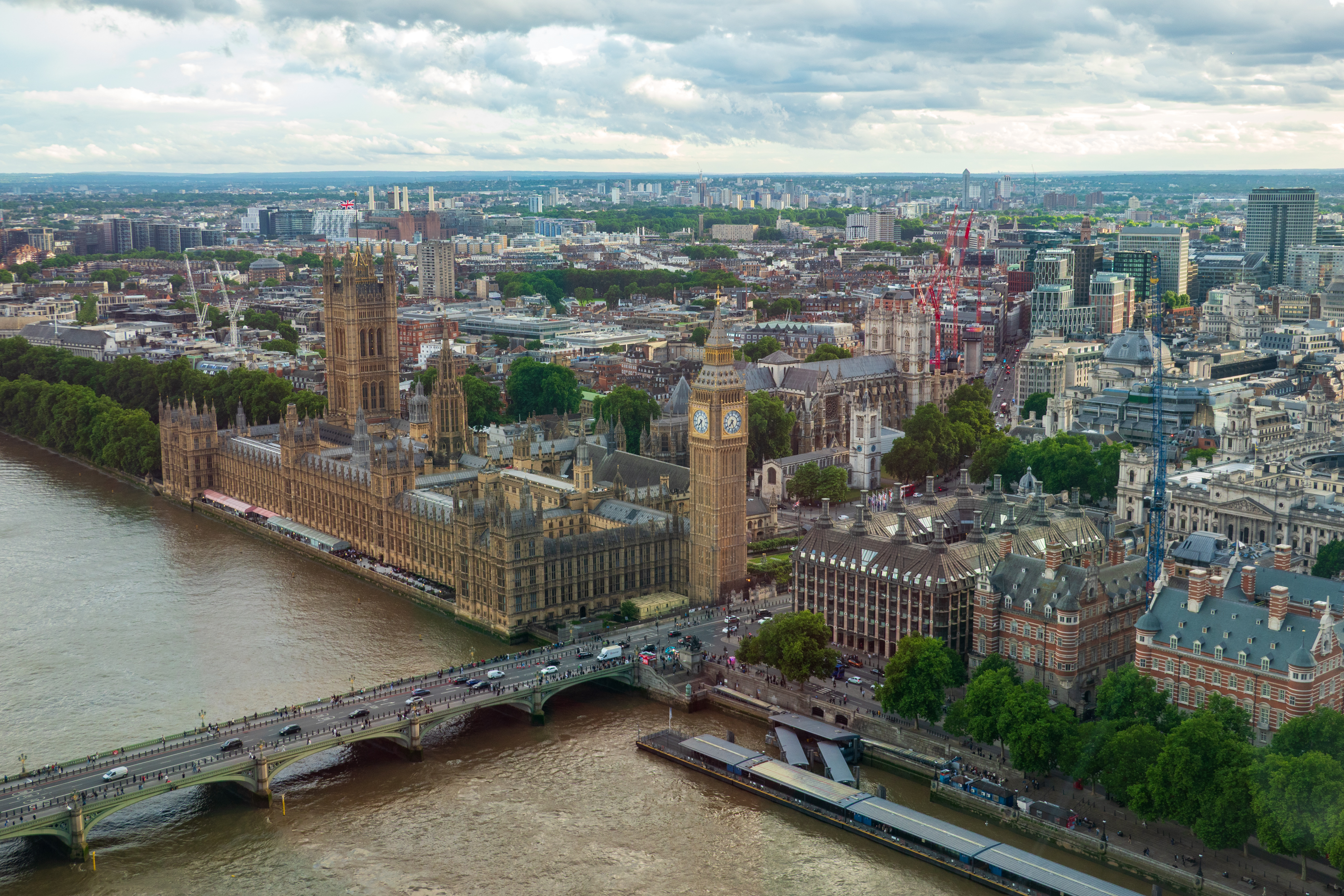
The following morning we had booked a visit to the Churchill War Rooms. (https://www.iwm.org.uk/visits/churchill-war-rooms) We were actually rather disappointed in this. It was rather chaotic and suffered from too many people trying to see the displays at the start. It would have been better to take a small group around rather than allow 40 or so people entry en mass.
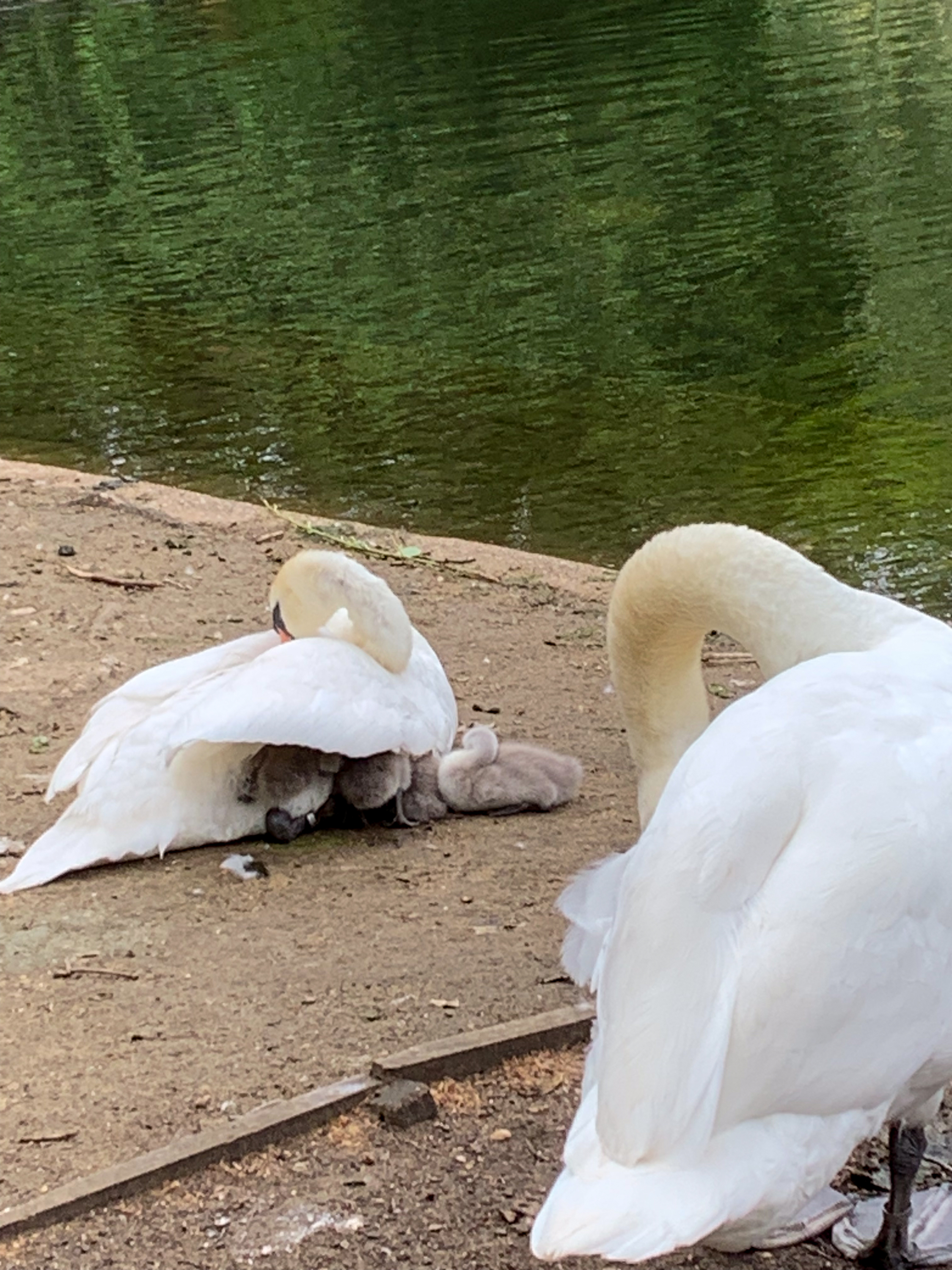
We then started walking around the edge of St. James’ Park, admiring the lovely water fountain and a swan with her cygnets tucked under her wing.
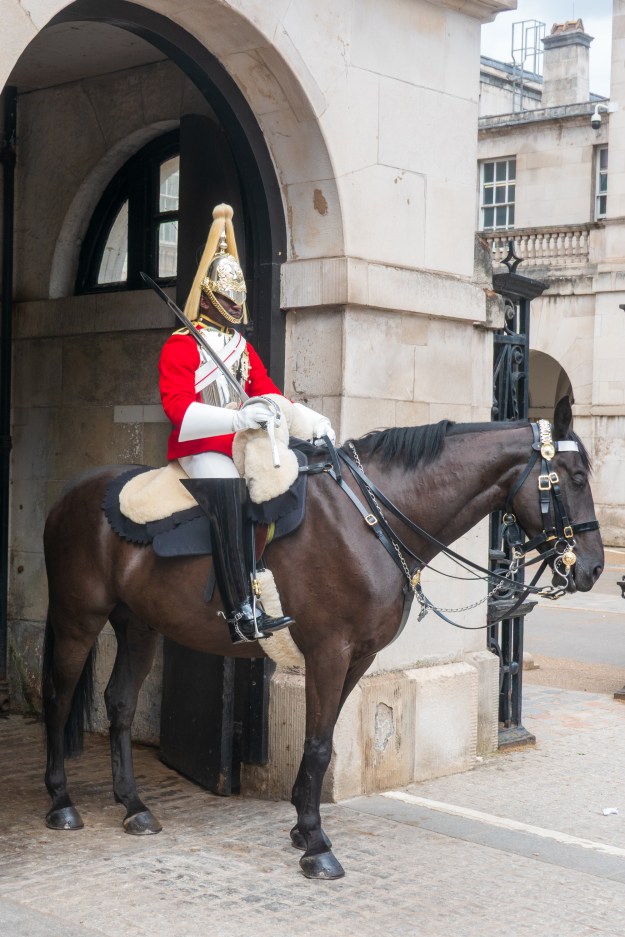
We came to the Horse Guards parade area and spotted a lot of tourists. So we joined them and enjoyed an exchange of mounted horse guards, including a group coming from Buckingham Palace.
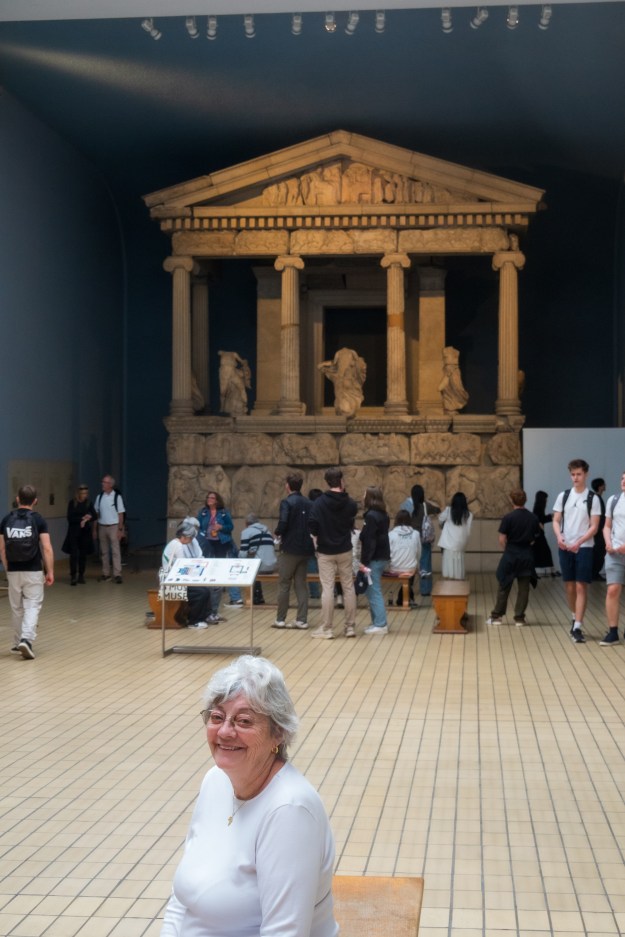
Our final visit was to the British Museum. (https://www.britishmuseum.org/) Neither of us had ever visited and we found it most interesting. We saw the Rosetta Stone and the Elgin Marbles and other displays from around the world. Would take weeks to do it justice.
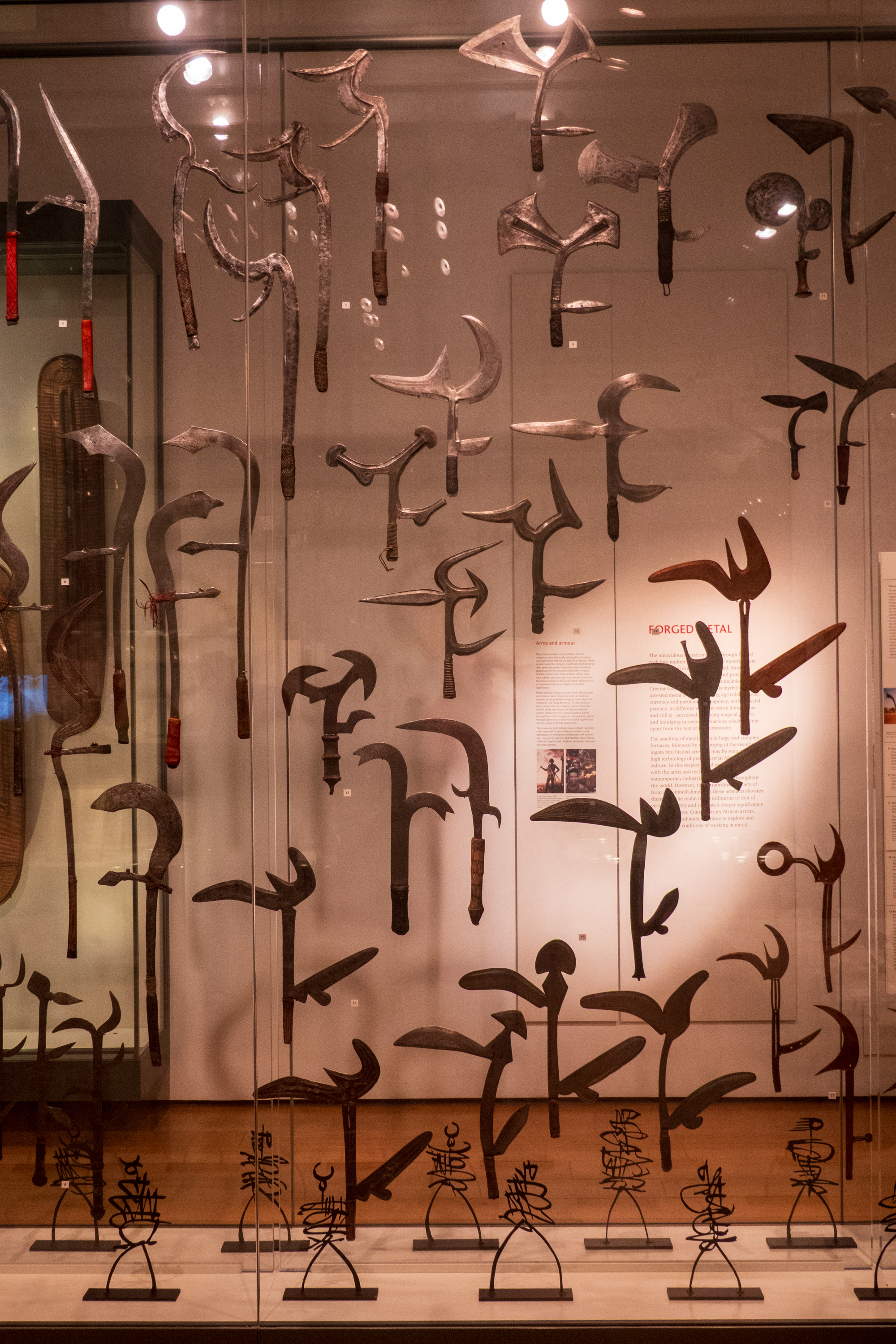
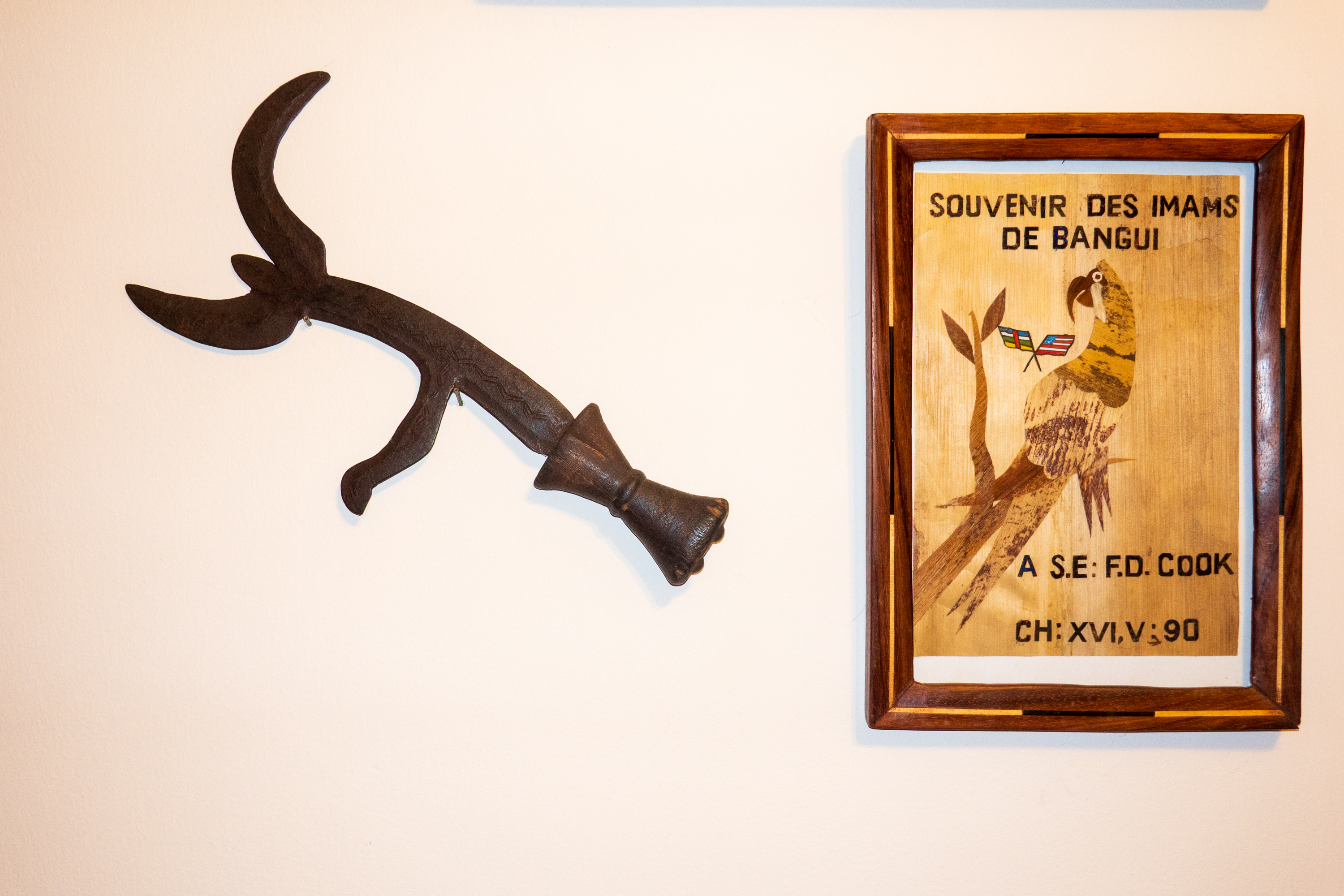
My own Kpinga, residing on the wall next to a nice homage from the Imams of Bangui
Years ago, we attended the dedication of a health center partially funded by the
Ambassador’s Self-Help fund in the Central African Republic. It was one of those rare success stories and the people made Denise and me very, very welcome. Part of the day long ceremony included an “animation” in which “youth” fought off ignorance and disease with a kpinga, an odd, multi bladed knife. At the end of the ceremony, I was presented with the knife and it resides on my office wall to this day. (https://en.wikipedia.org/wiki/Mambele) One way to know that the people were Azande. So, imagine our surprise when we turned the corner in the British Museum and were presented with a wall of them!
And the next day we took the train back to Chichester to spend a last couple of days with Denise’s brother and sister in law. We made it in time to go to the Chichester Cathedral for the annual flower festival.
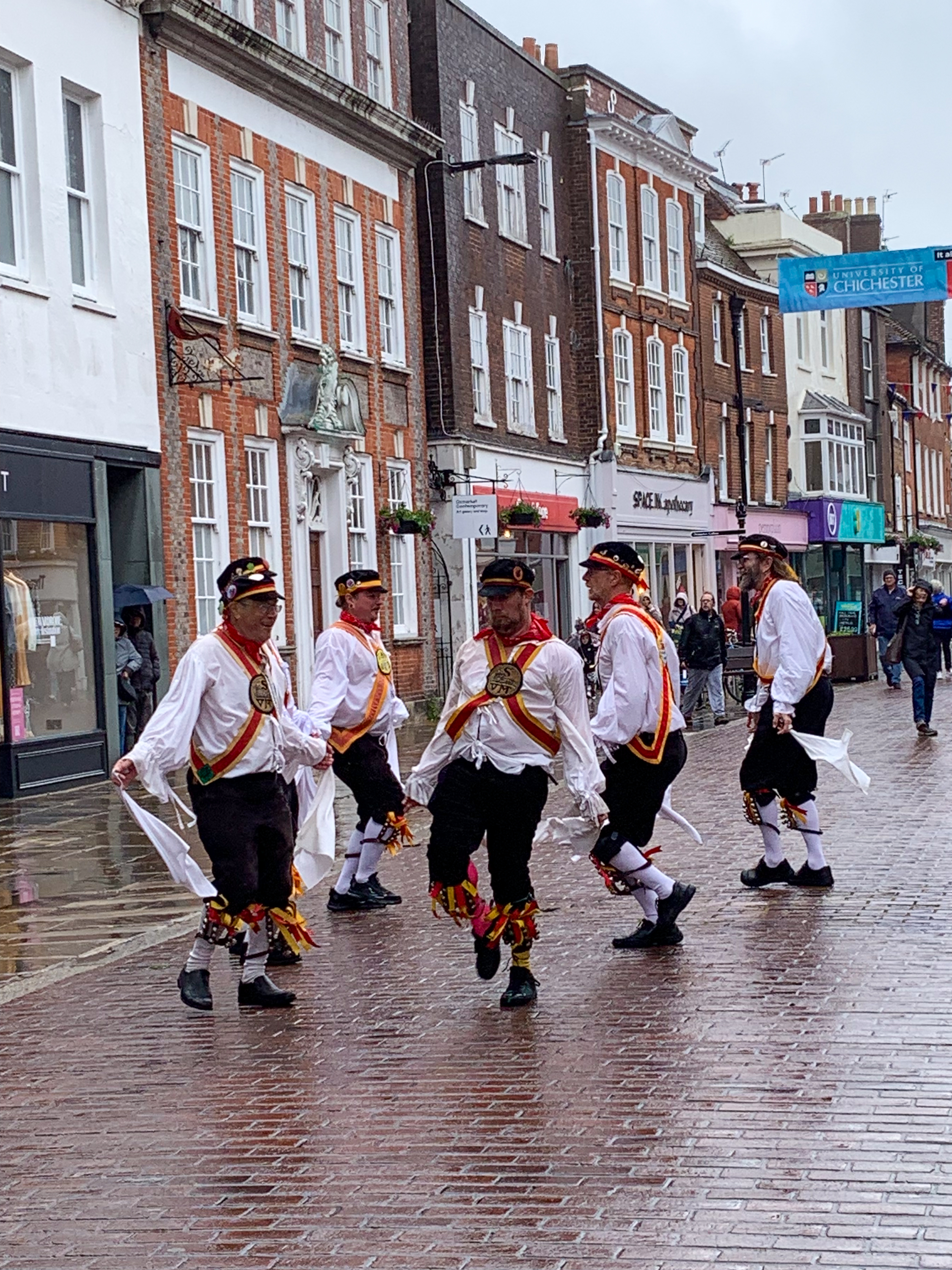
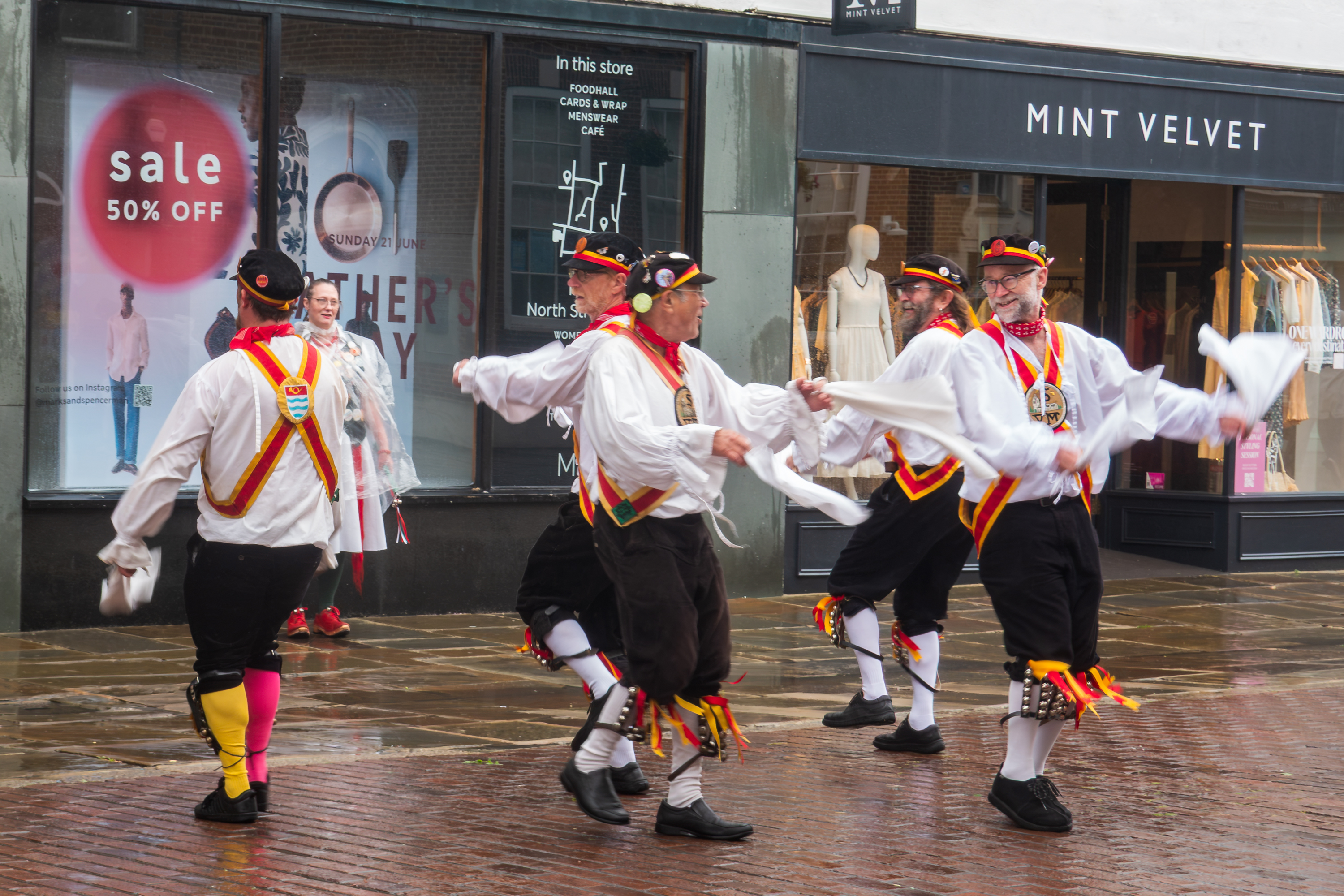
As we walked to the Cathedral, we encountered a group of Morris dancers, in the rain.
Various flower shops, churches and other flower designers had created marvelous displays of flowers all through the Cathedral. A fabulous visit.
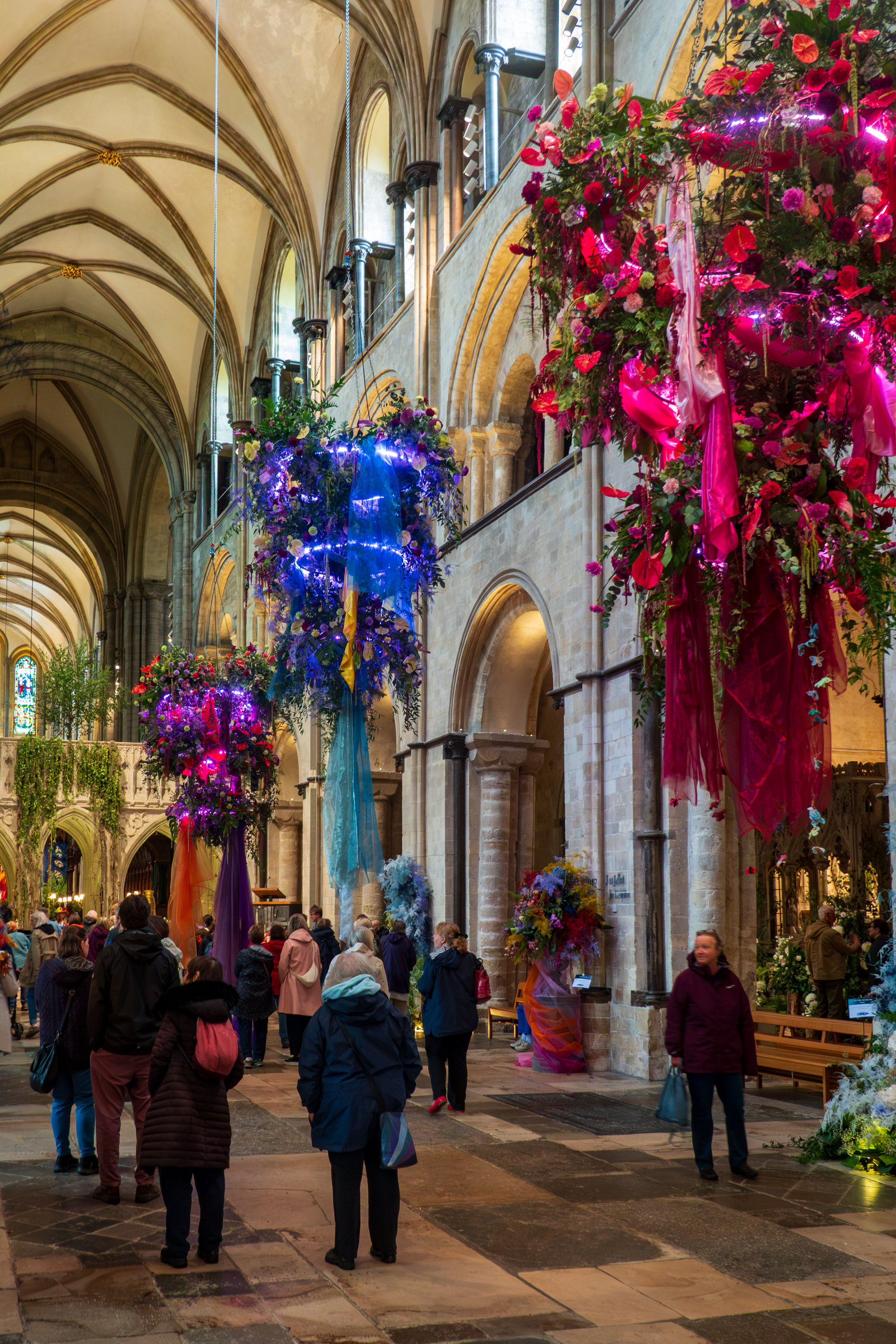
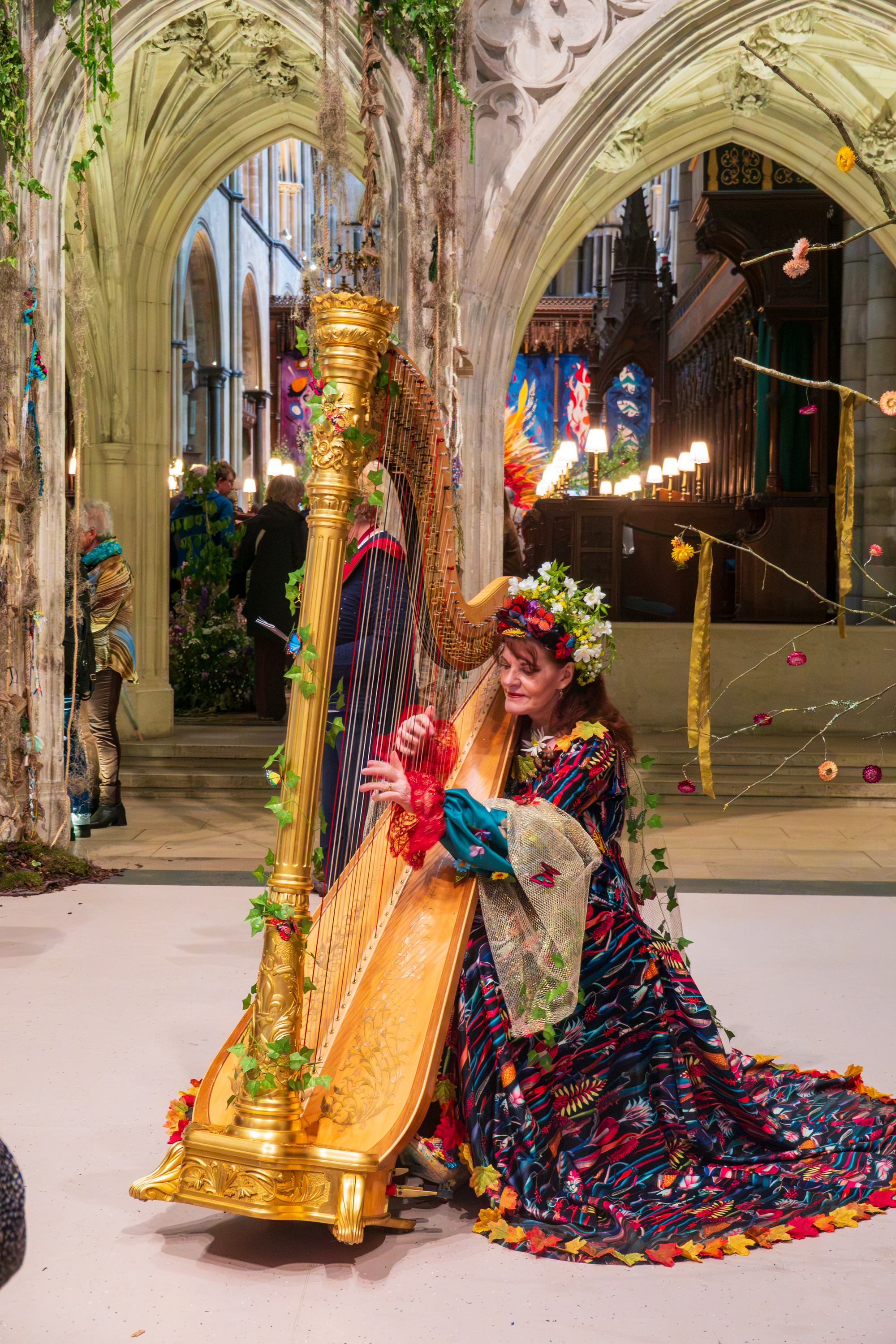
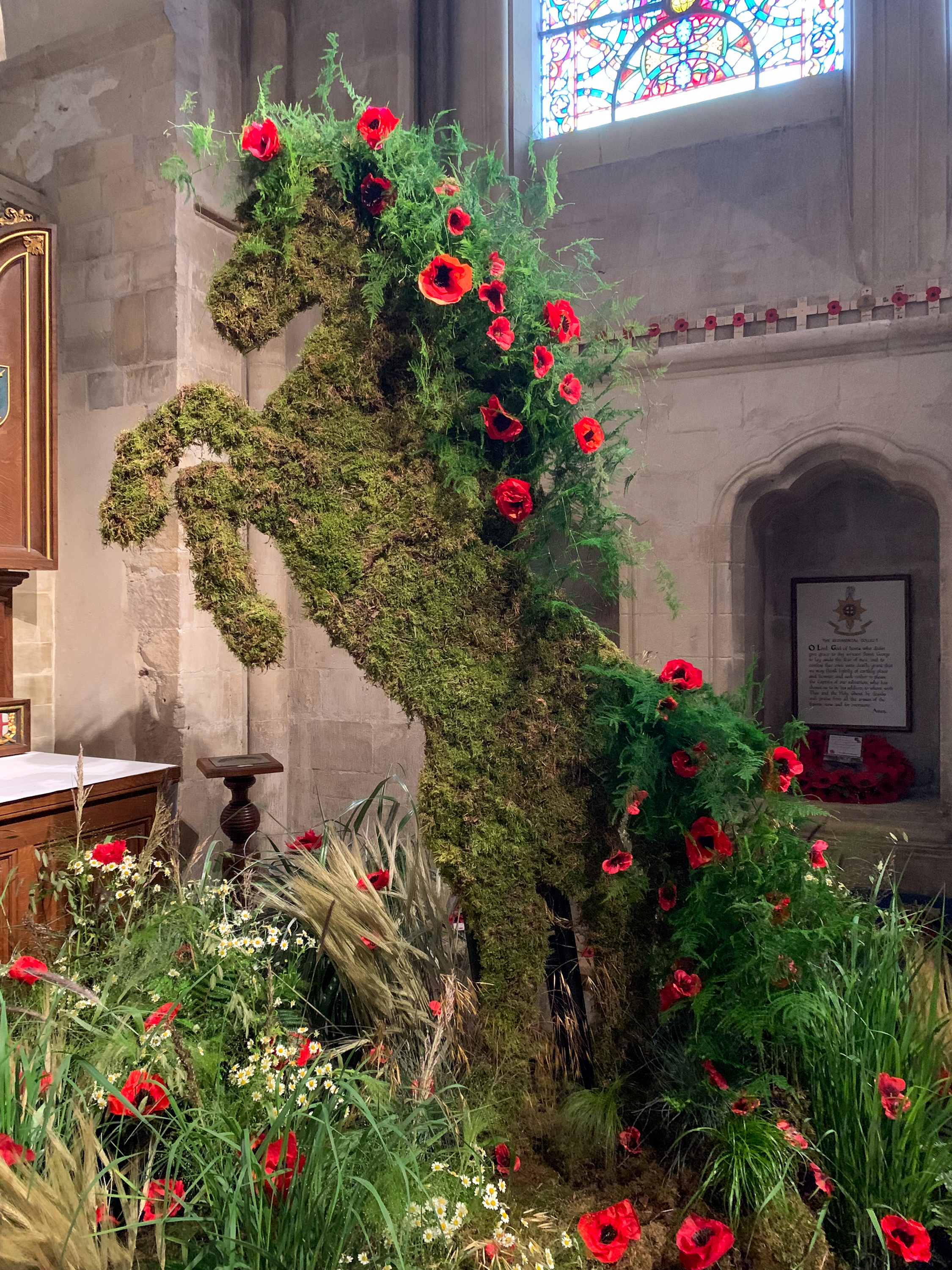
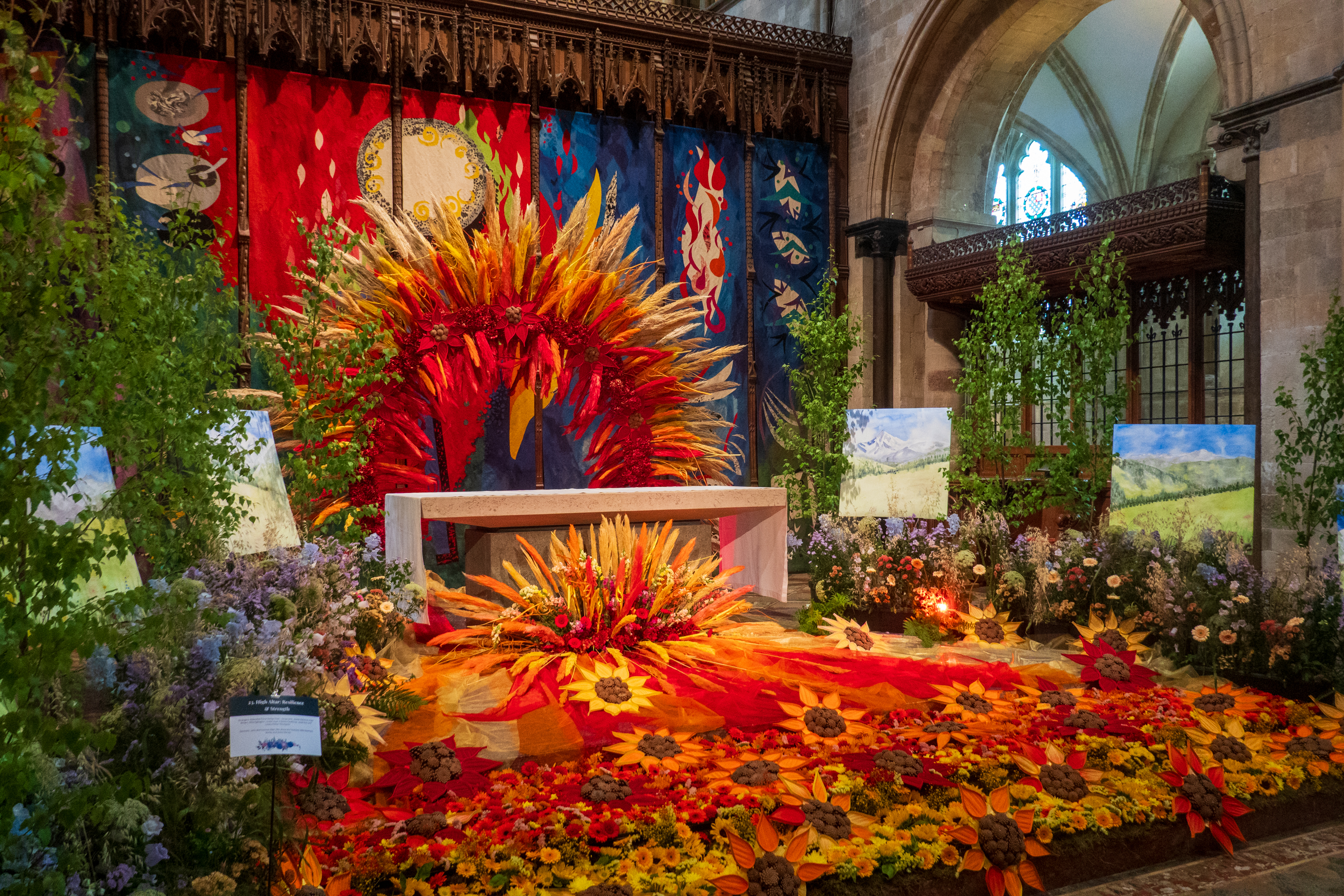
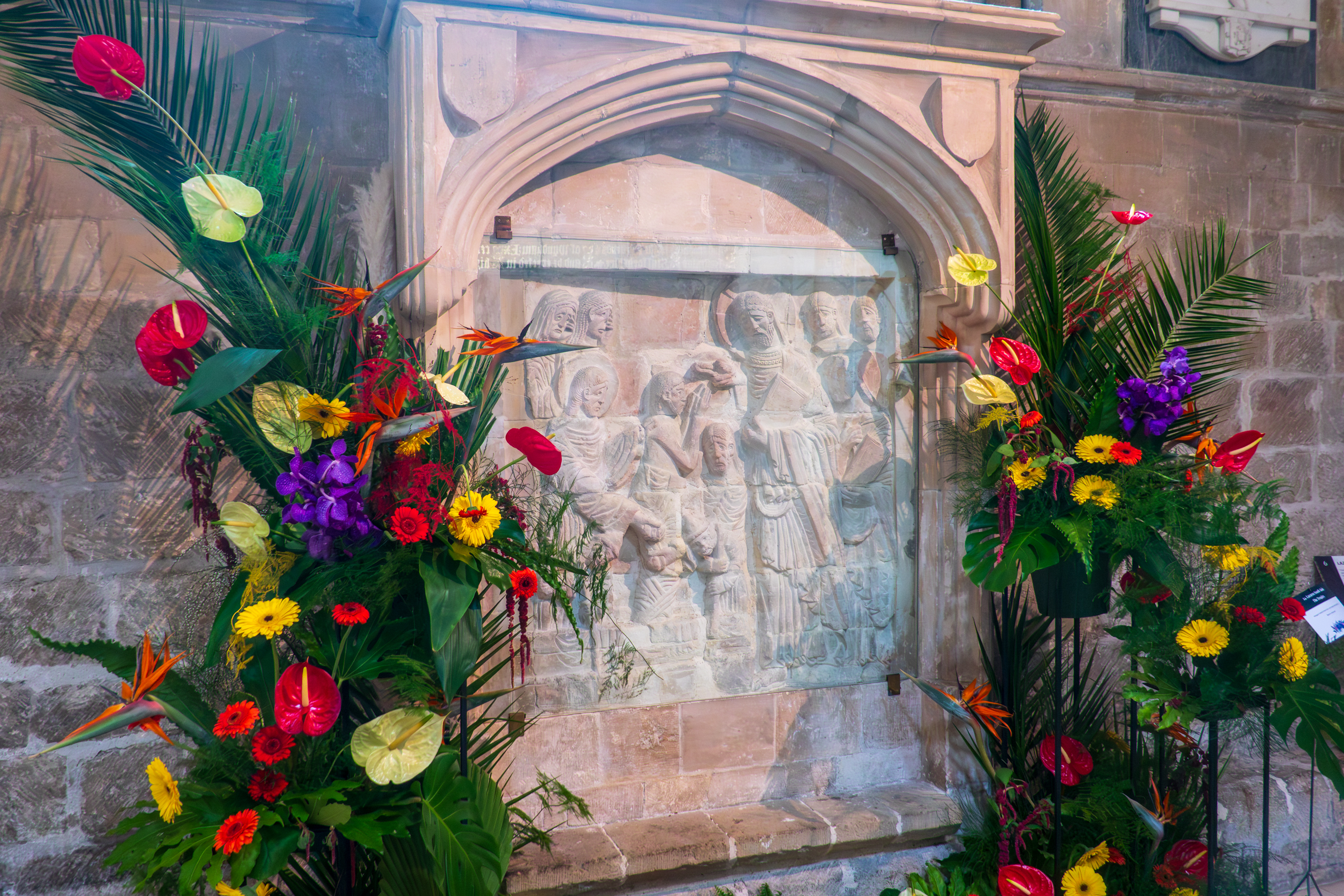
(https://www.chichestercathedral.org.uk/cathedral-plan/delve-deeper-lazarus-reliefs)
On our last day we took a taxi back to Heathrow and we made our flight back to the US. The three year Euro Saga is complete.
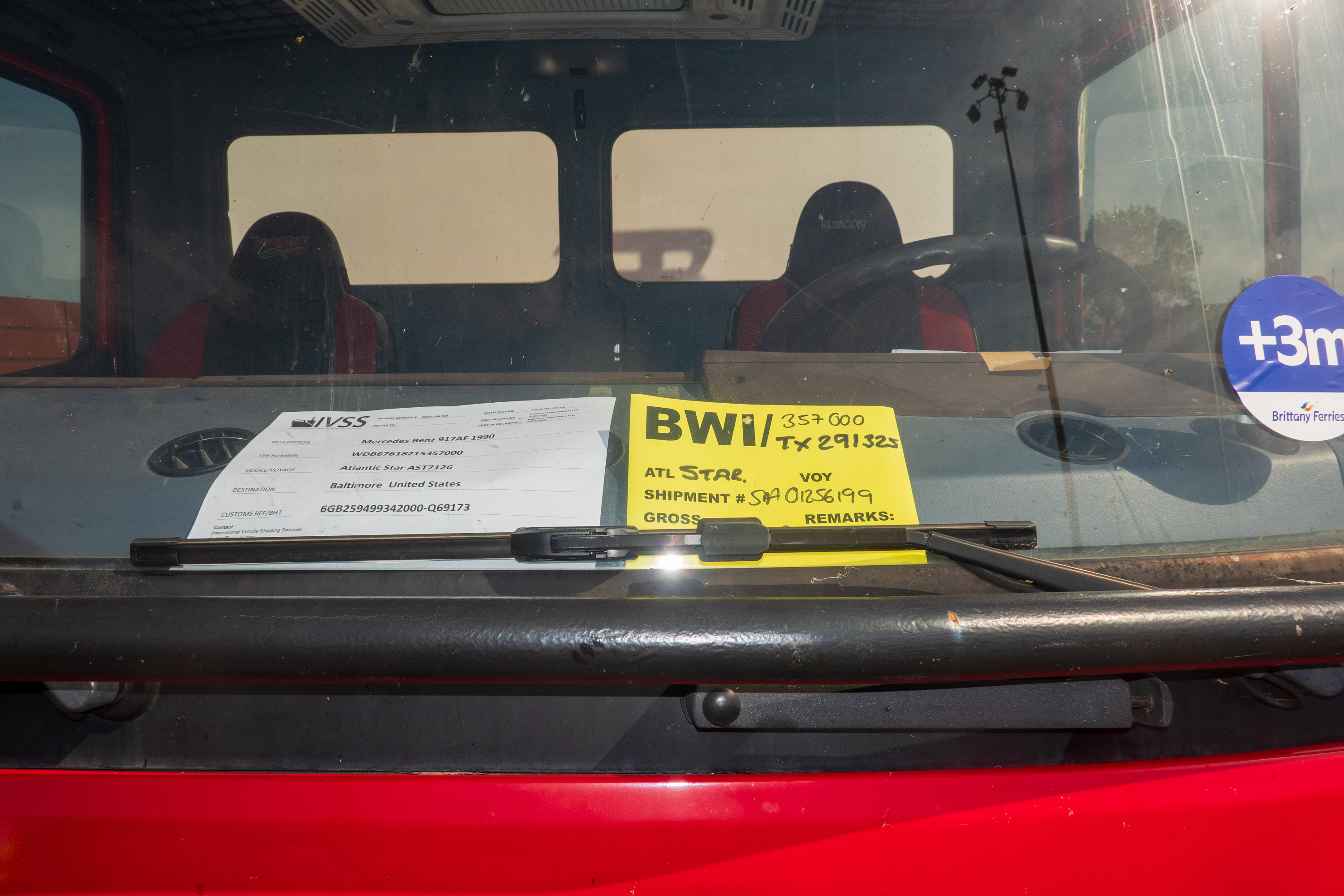
Once we received the paperwork we were off to Baltimore to pick up the truck. The last time Fred picked up a vehicle in Baltimore, in 1974 after the trans Sahara trip, it had been stripped clean. This time, fortunately, everything was perfect, indeed, there was no sign that the vehicle had been entered either in the UK or upon arrival in the US. Wonderful!