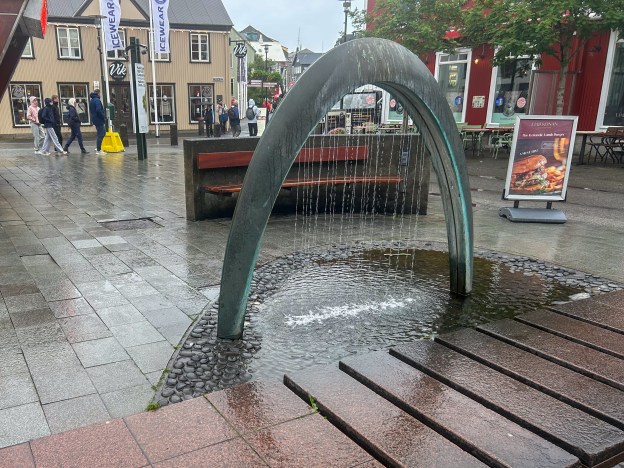
And on to Reykjavik and the end of our cruise. We had planned a couple of extra days in Reykjavik to see Denise’s cousin, Barry, and his wife Thorunn. Our first Icelandic immigration formalities were quickly accomplished. We have, thus far, been spared any of the nightmares that many have reported with the new European Entry System.
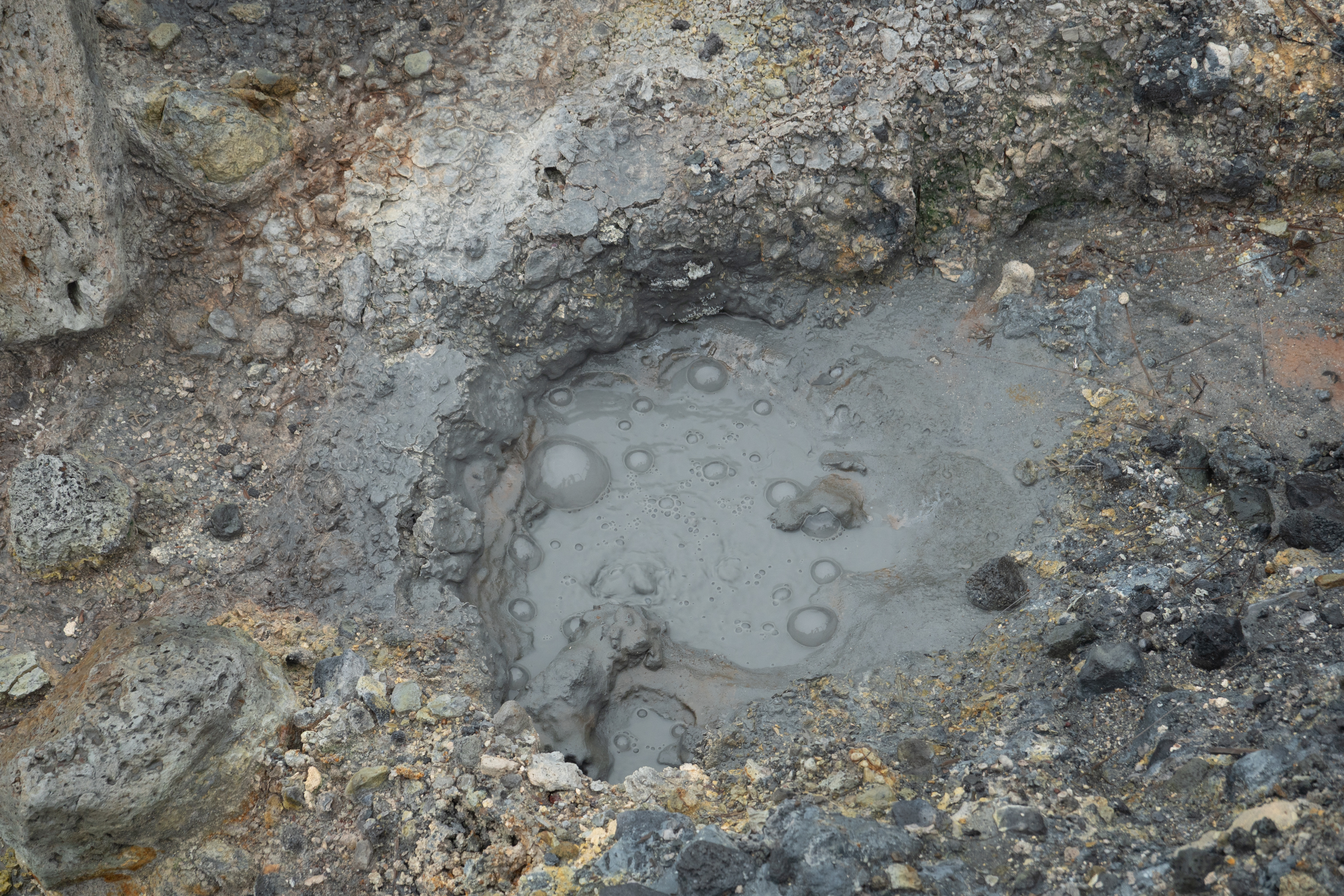
First impressions are always interesting. The Vikings’ first impression was that of a “Smokey Bay”, thus they named it Reykjavik. The smoke turned out to be steam from hot springs, and those hot springs are still there today. Descending from a ship, and driving through town, everything struck us as super Scandinavian modern. Modern buildings, multi lane motorways, etc. Dramatic contrast to the small towns and hamlets that we had seen to date.
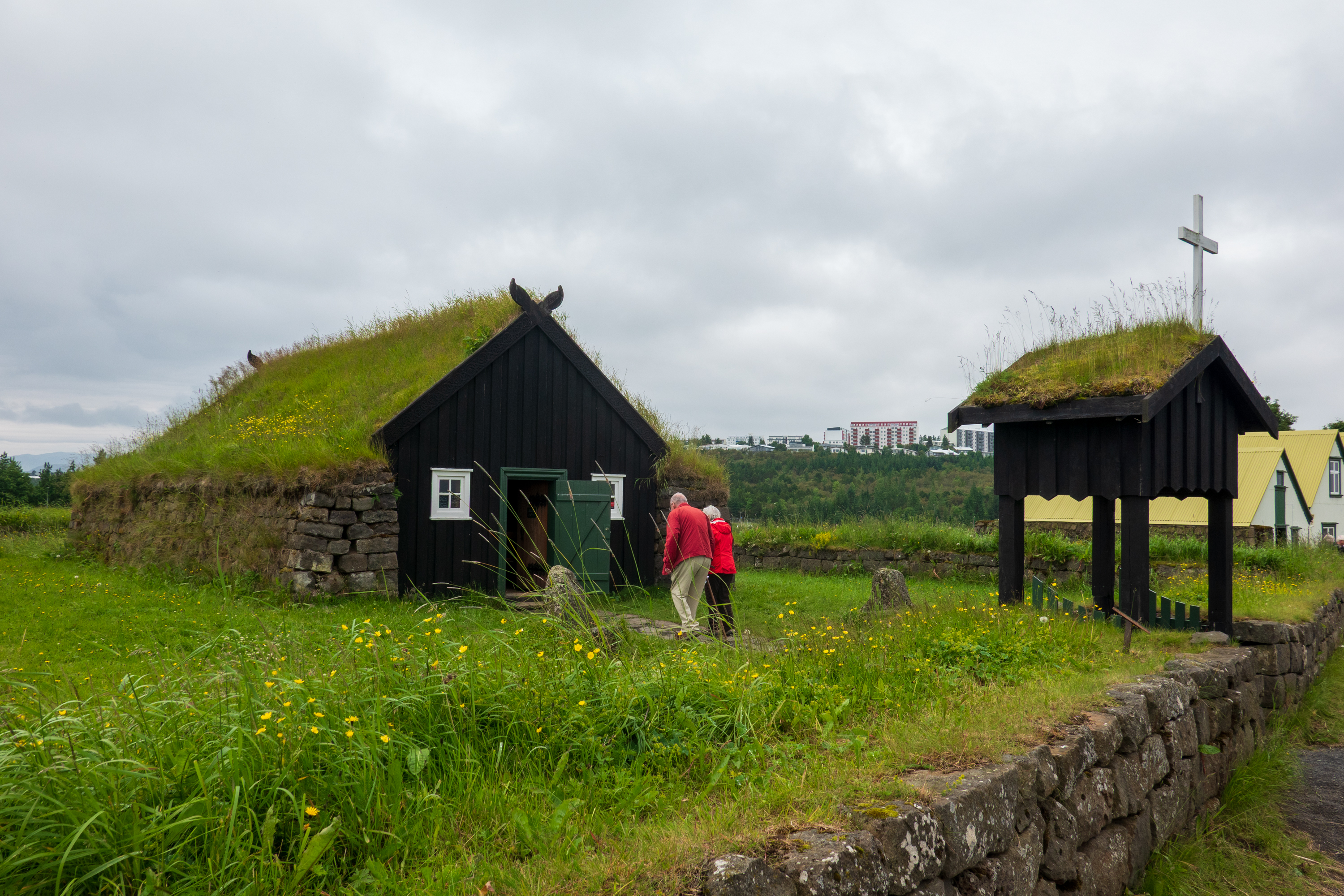
After finding our hotel, and meeting up with Barry and Thorunn, we headed for the Arbaer Open Air Museum, which is about four miles from downtown. (https://borgarsogusafn.is/en/arbaer-open-air-museum) Built on the site of an old farm, It features over 20 relocated historic and turf-roofed buildings that recreate a 19th and 20th century Icelandic village, farm, and town square.
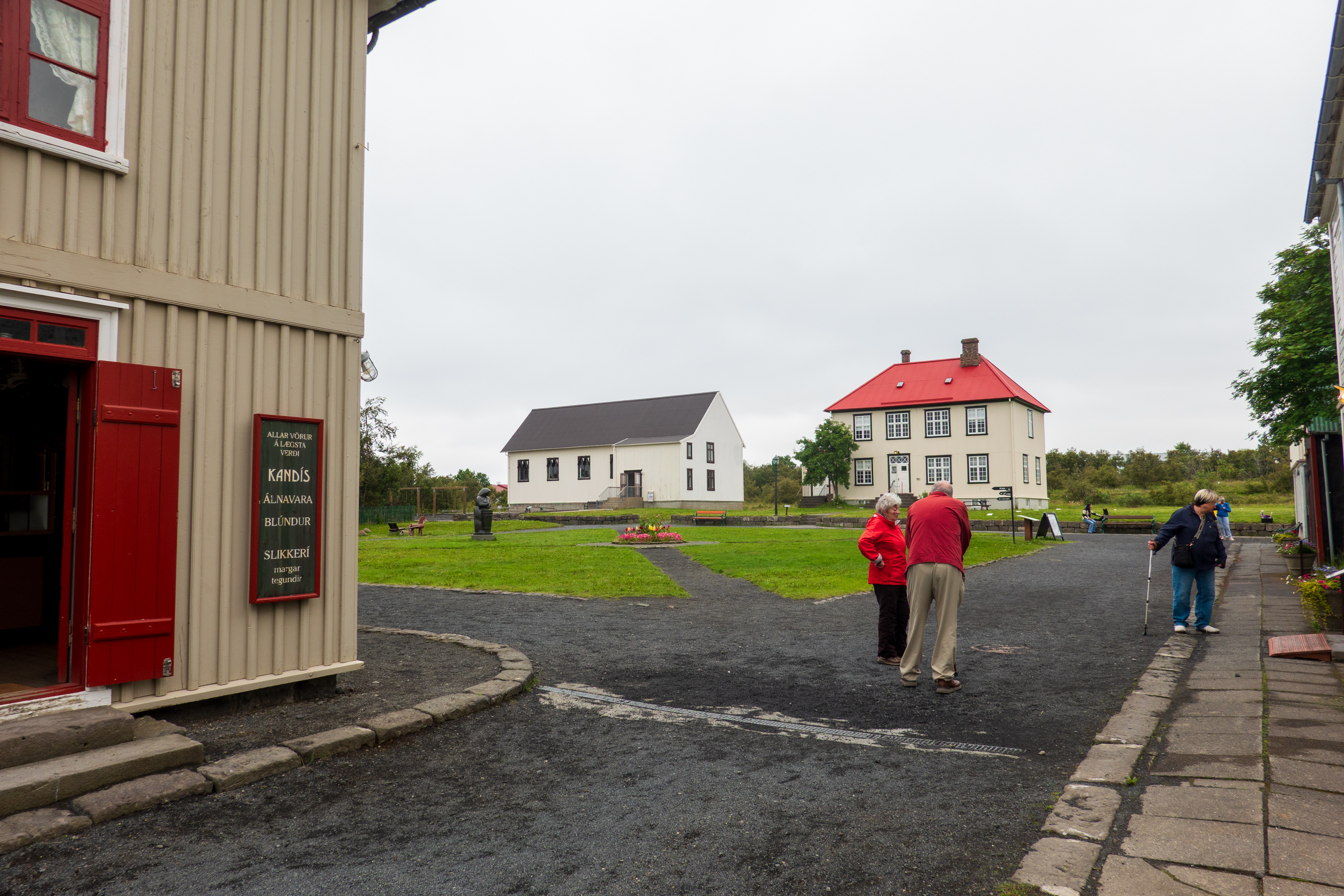
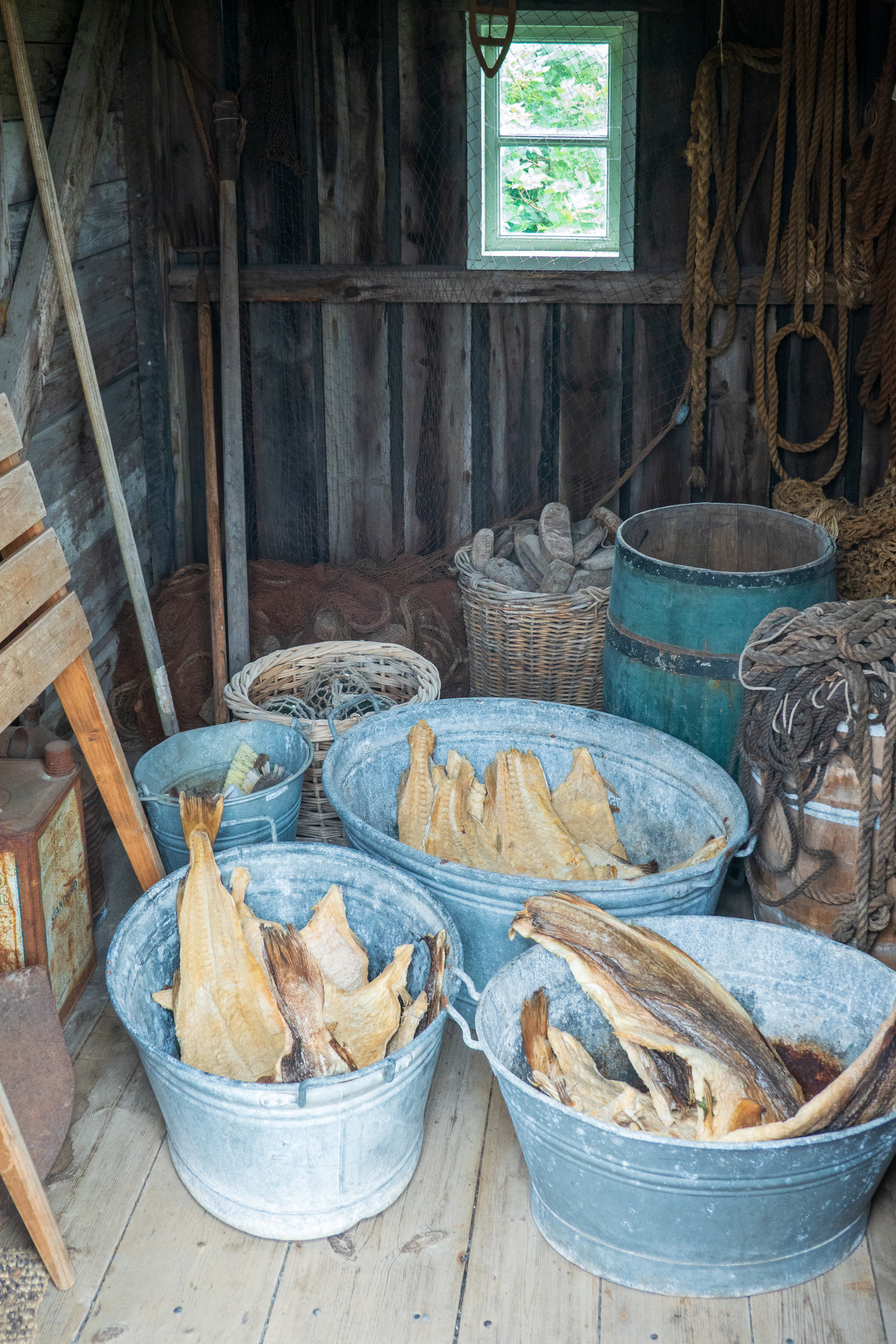
Interesting historical note. While most of Europe heated homes with a combination of wood and coal, neither was readily available in Iceland. The Vikings cut a lot of trees, sheep reduced regrowth, and a huge eruption in the 1300’s killed off a lot of people and vegetation.
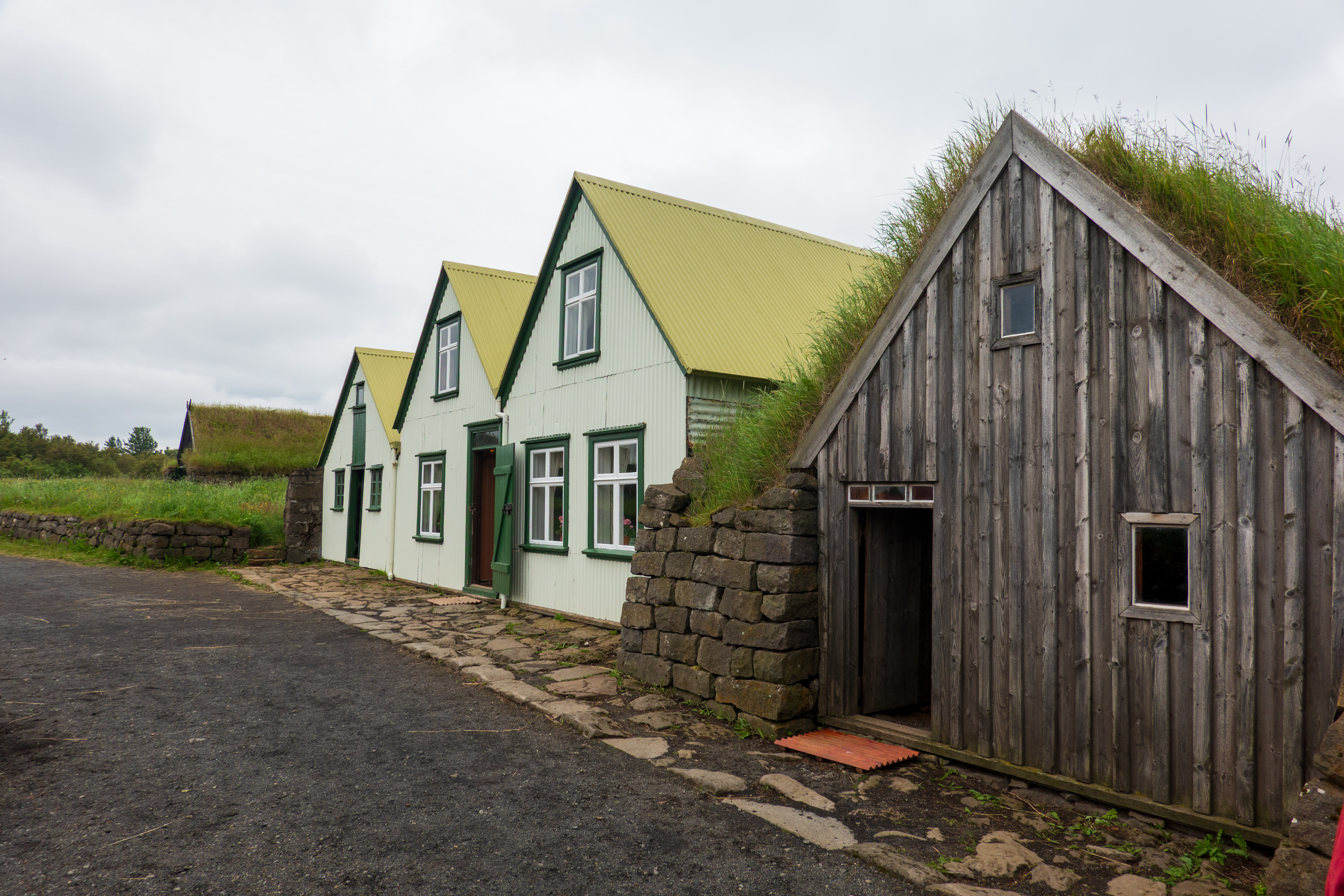
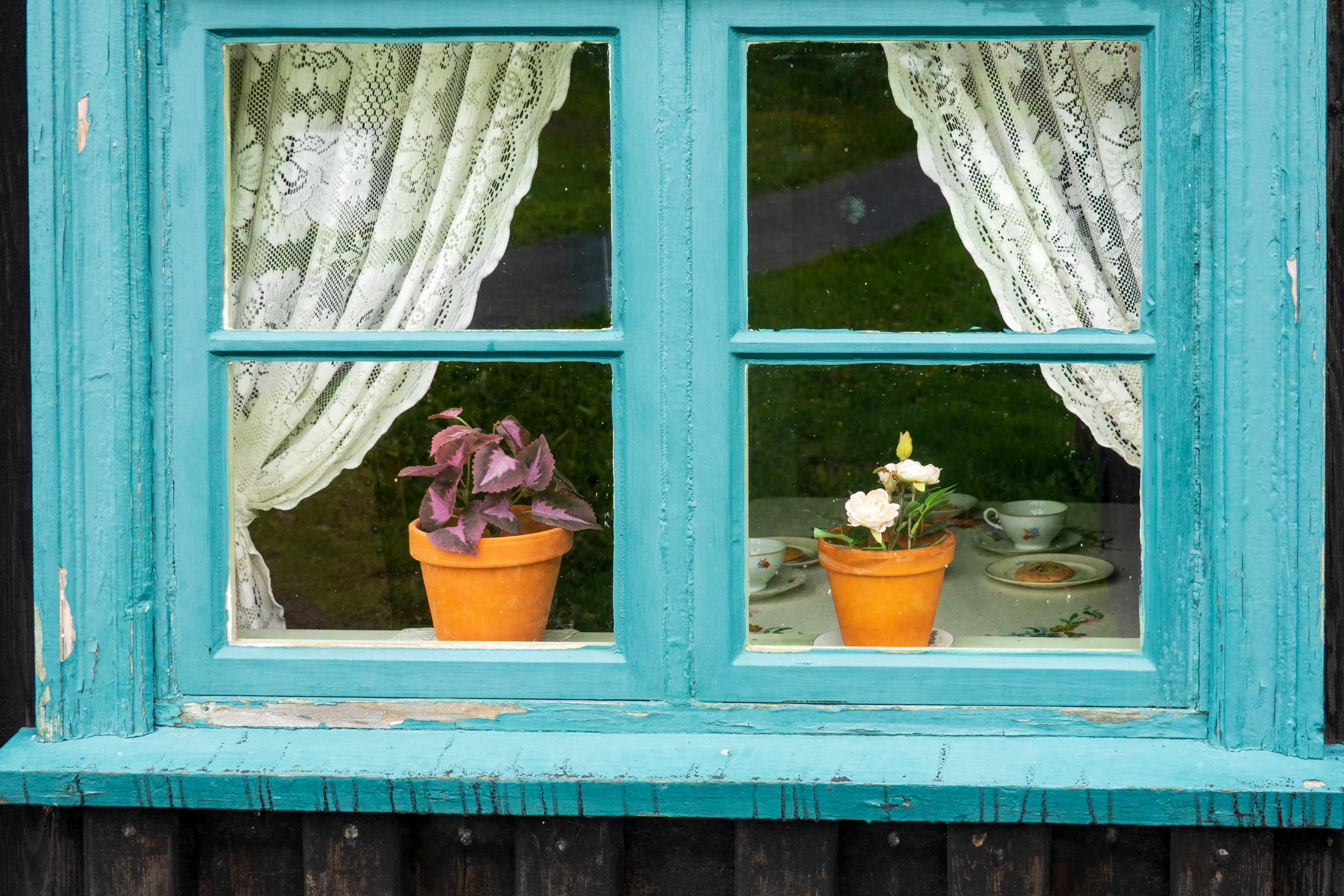
So for generations, Icelanders burned peat, driftwood, animal dung, kept animals inside, wore wool, built well insulated houses, took geothermal hot baths, and shivered.
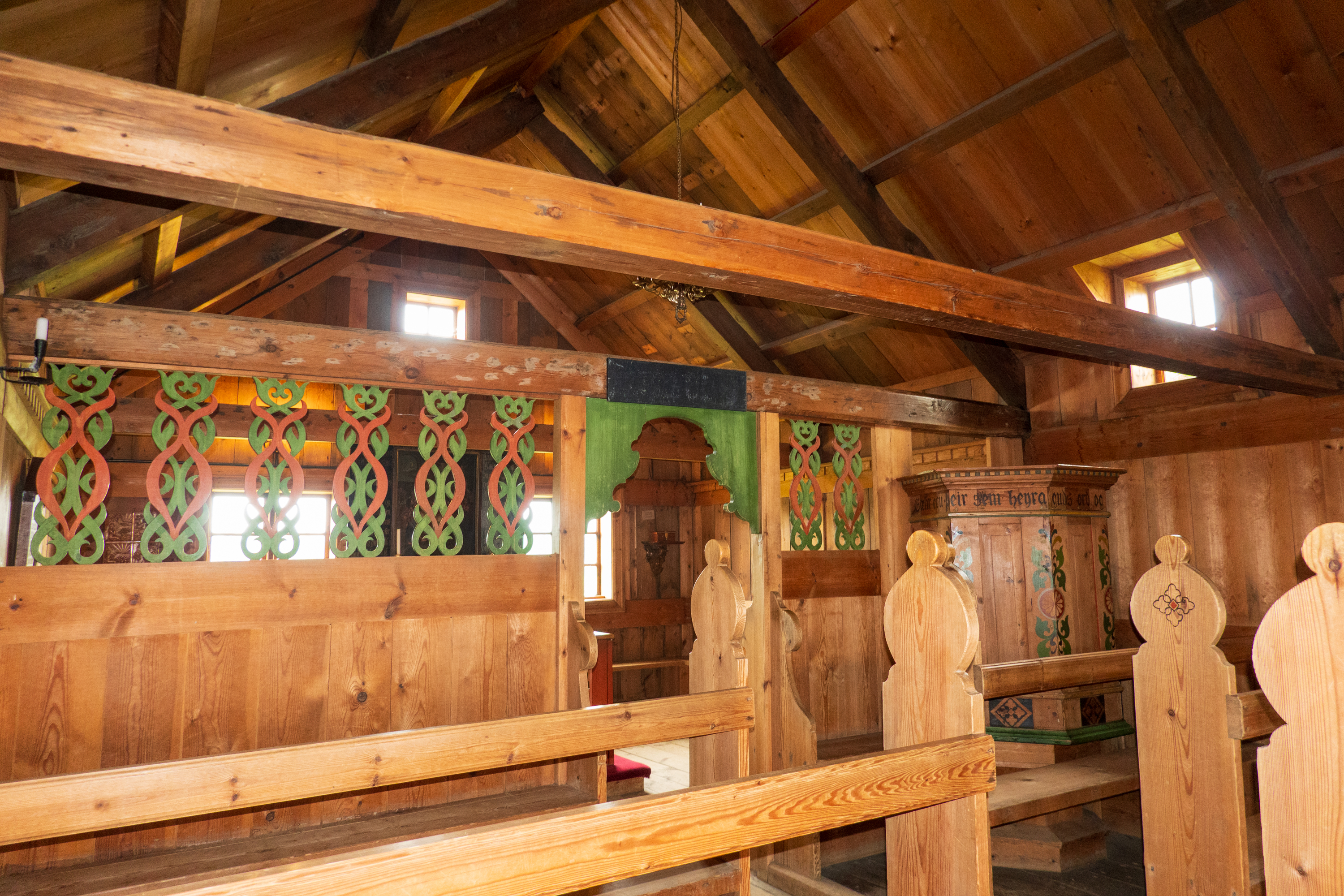
A most fascinating site made all the more special as Barry and Thorunn were married in the little church there.
We moved on to the Botanical Gardens. (Yes, they have them!) https://reykjavik.is/en/botanical-garden)
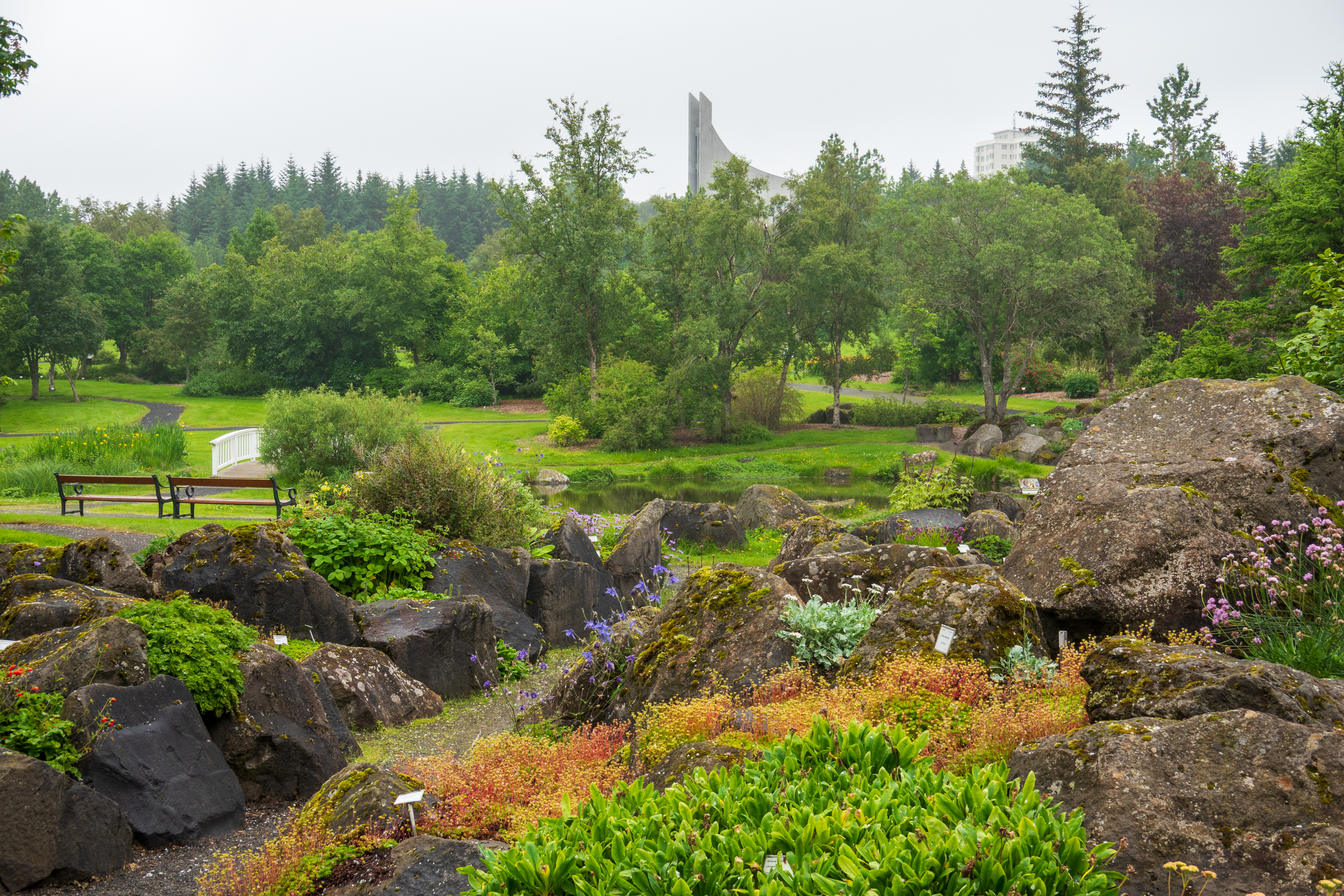
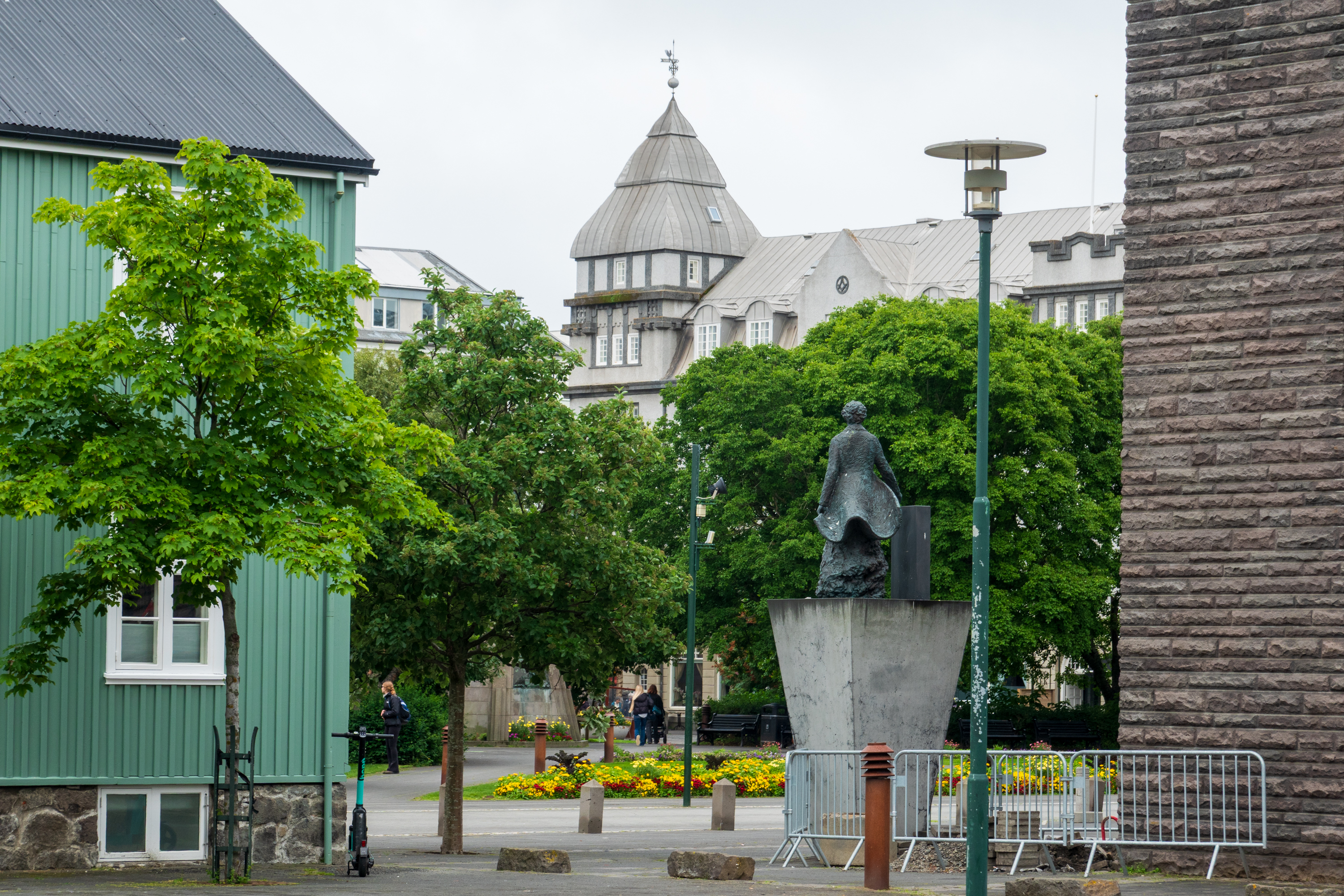
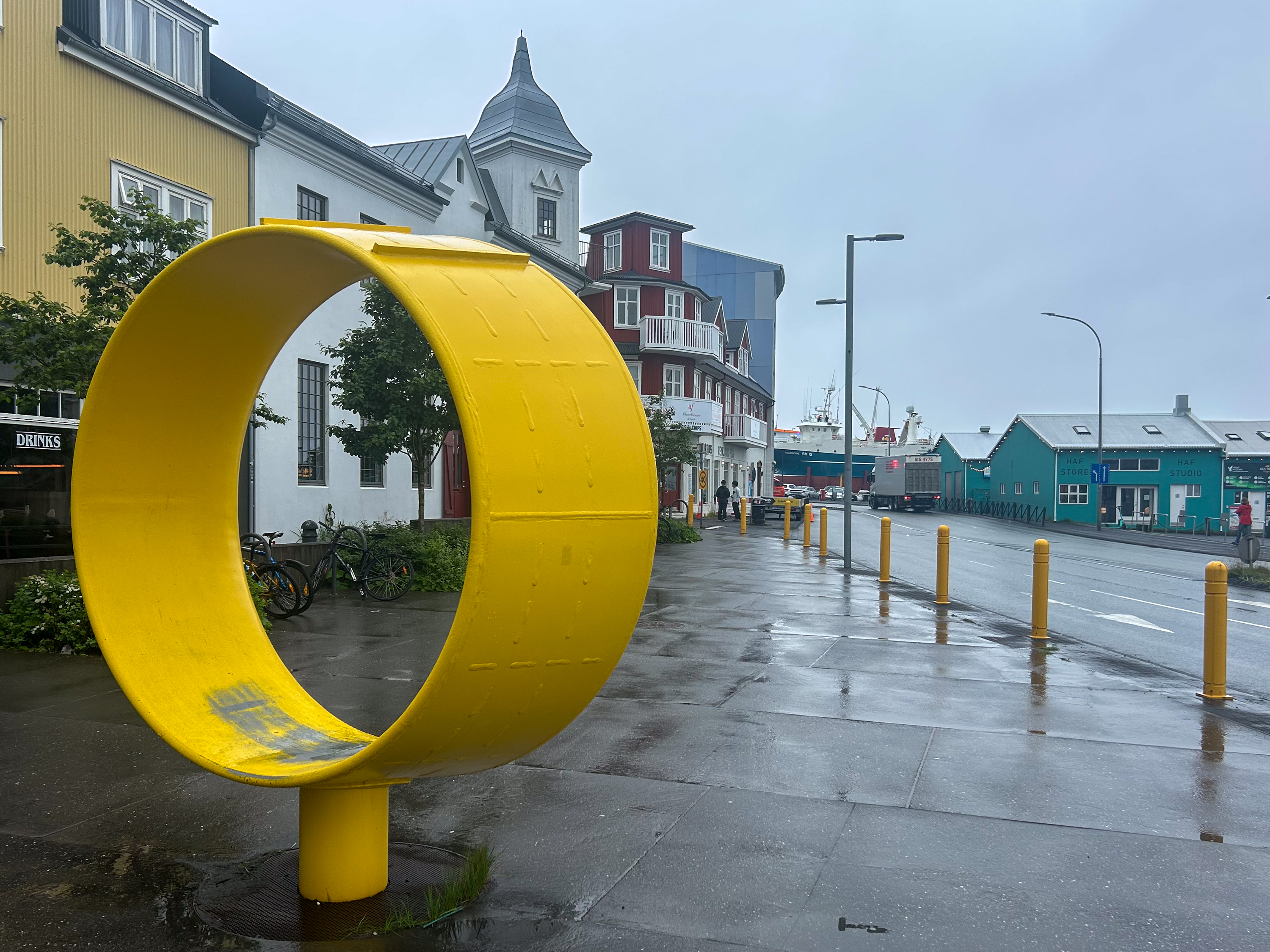
After a lovely lunch at the Cafe Flora in the gardens, we went to discover the downtown. Quaint buildings, some lovely squares and the Parliament House were all interesting.
Unlike the rest of Europe, Iceland has no railways. There have been two, one that ran from 1913 to 1928, to haul stone for the harbor and the parliament, and another in the 2000’s to build a dam for hydro electric power. (https://en.wikipedia.org/wiki/Rail_transport_in_Iceland) Before the widespread availability of electricity, the cost of coal for a railroad would have been high. Now, electric trains might be an option, but the cost of maintaining the road beds over unstable volcanic ground would be high. One reason that most roads in Iceland are simply graded gravel – easier to repair after snow and landslips.
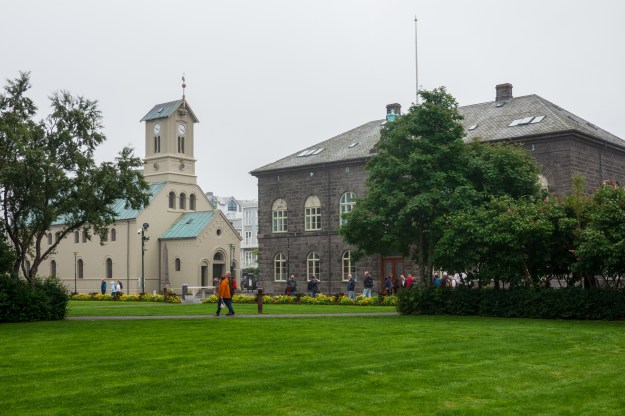
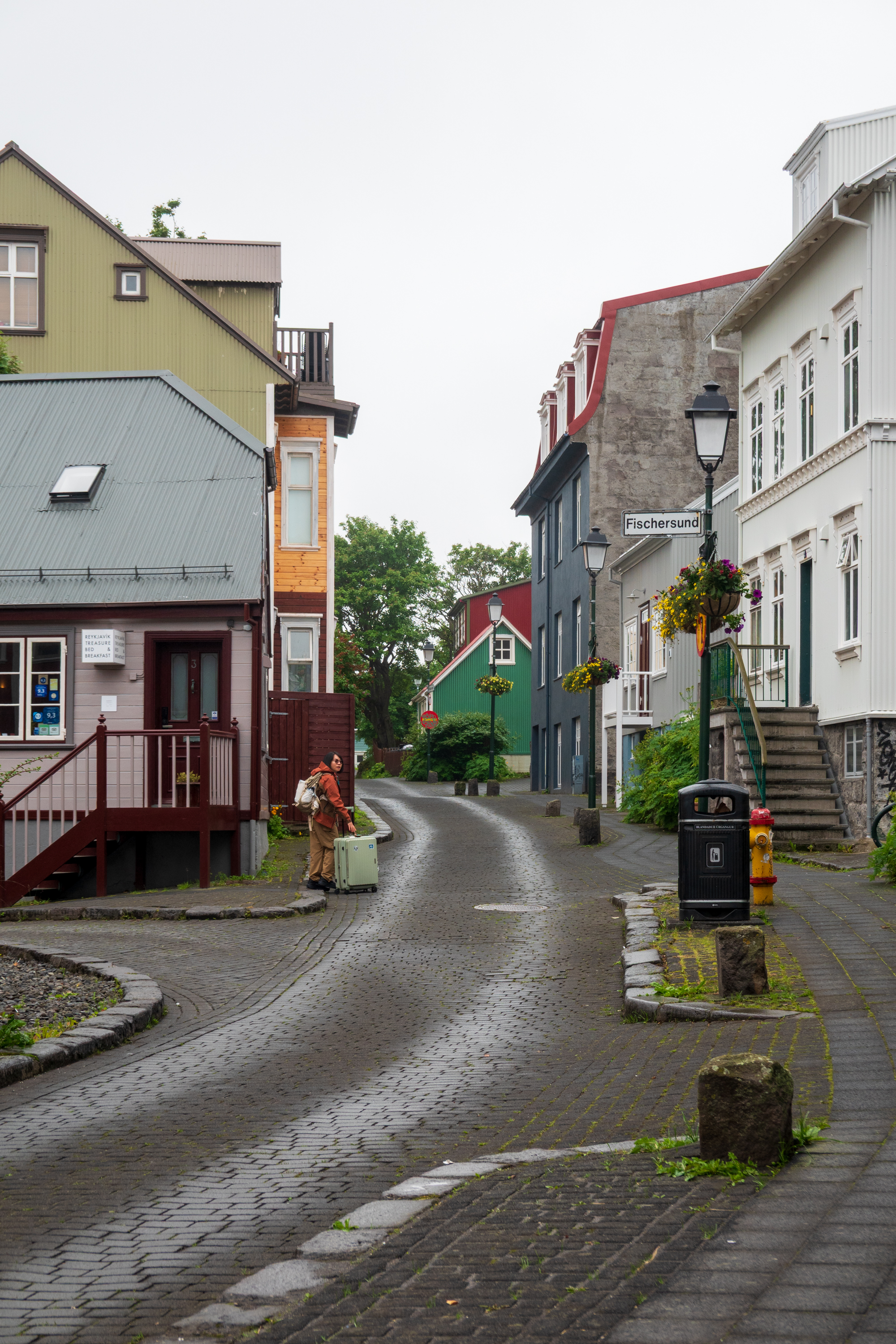
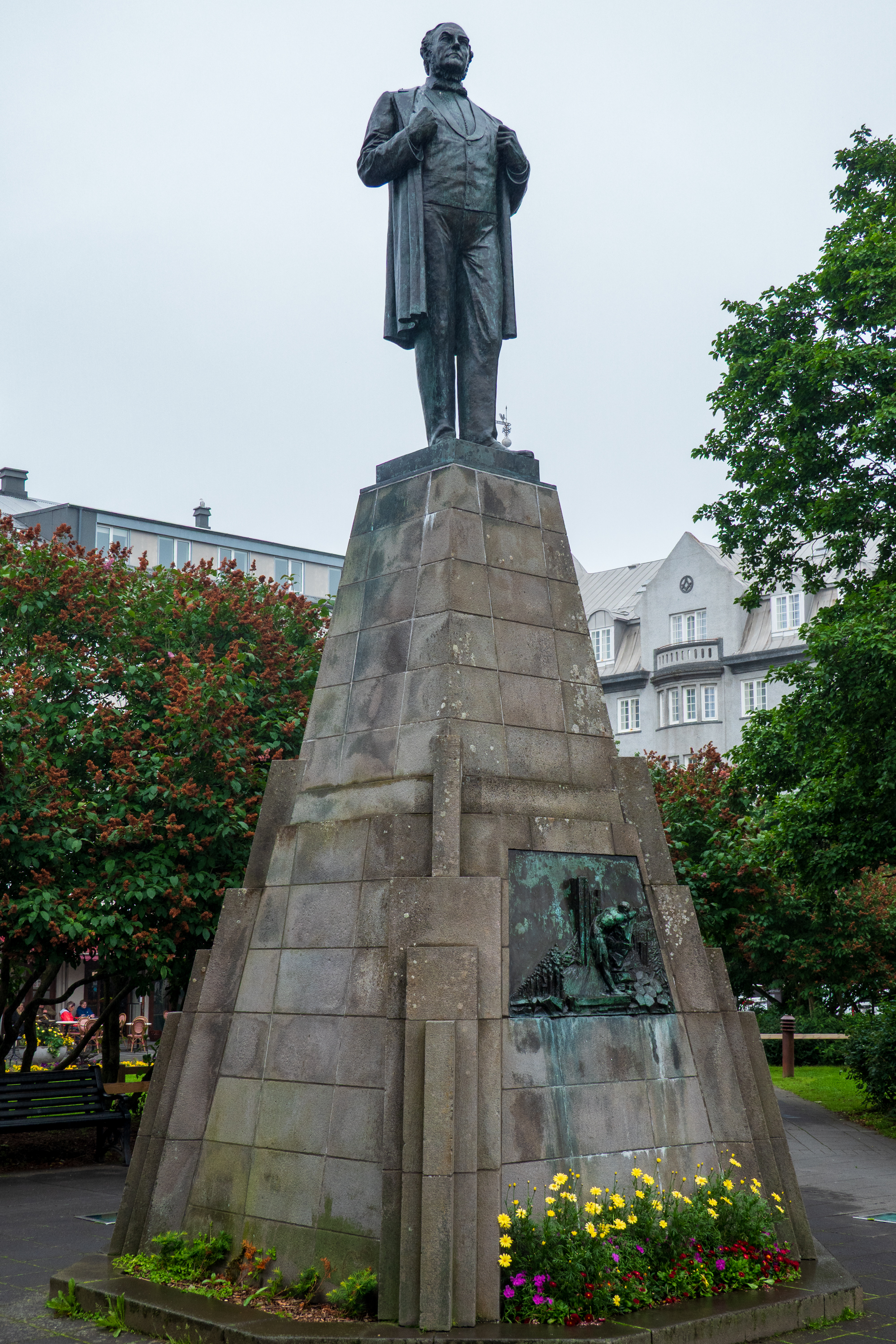
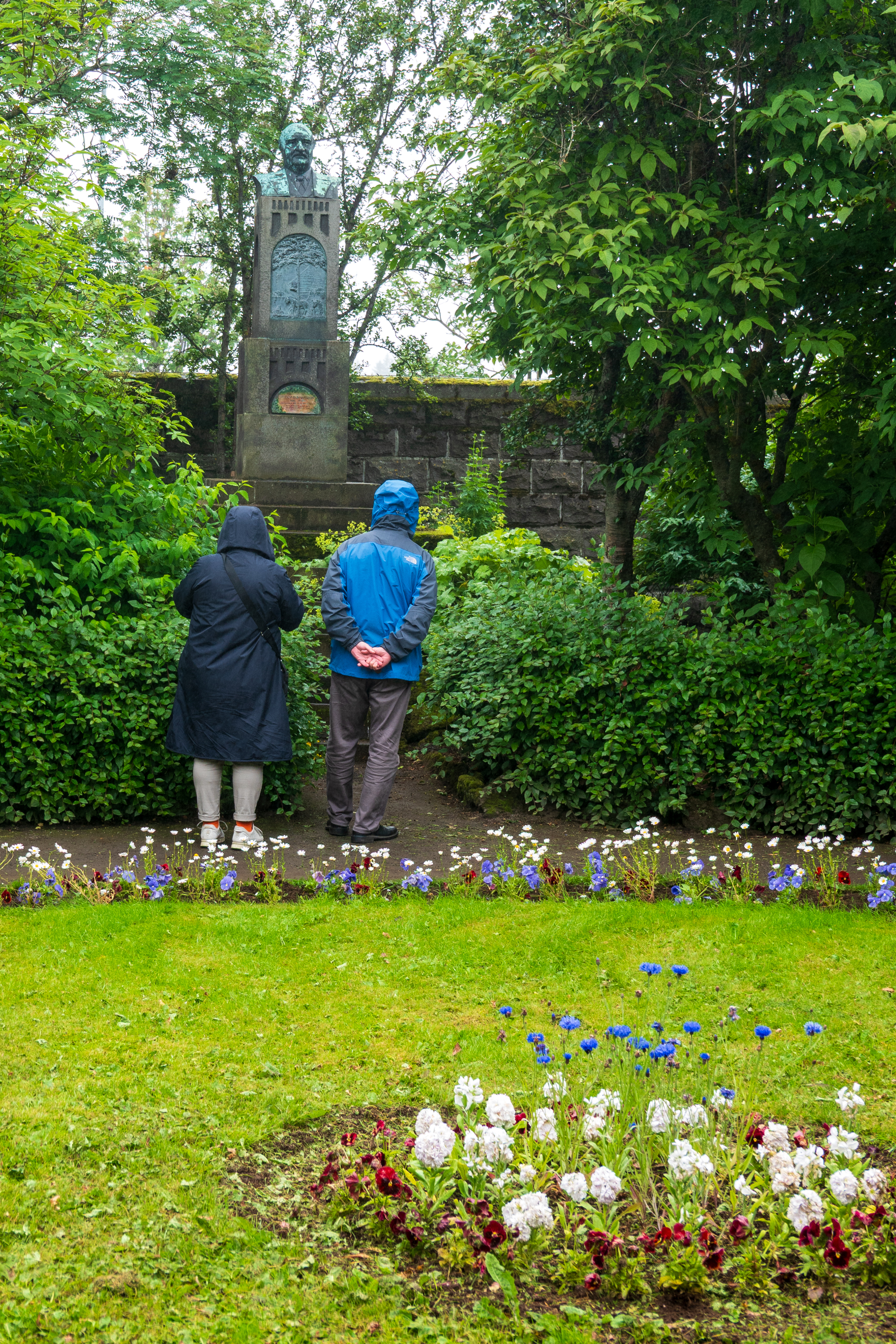
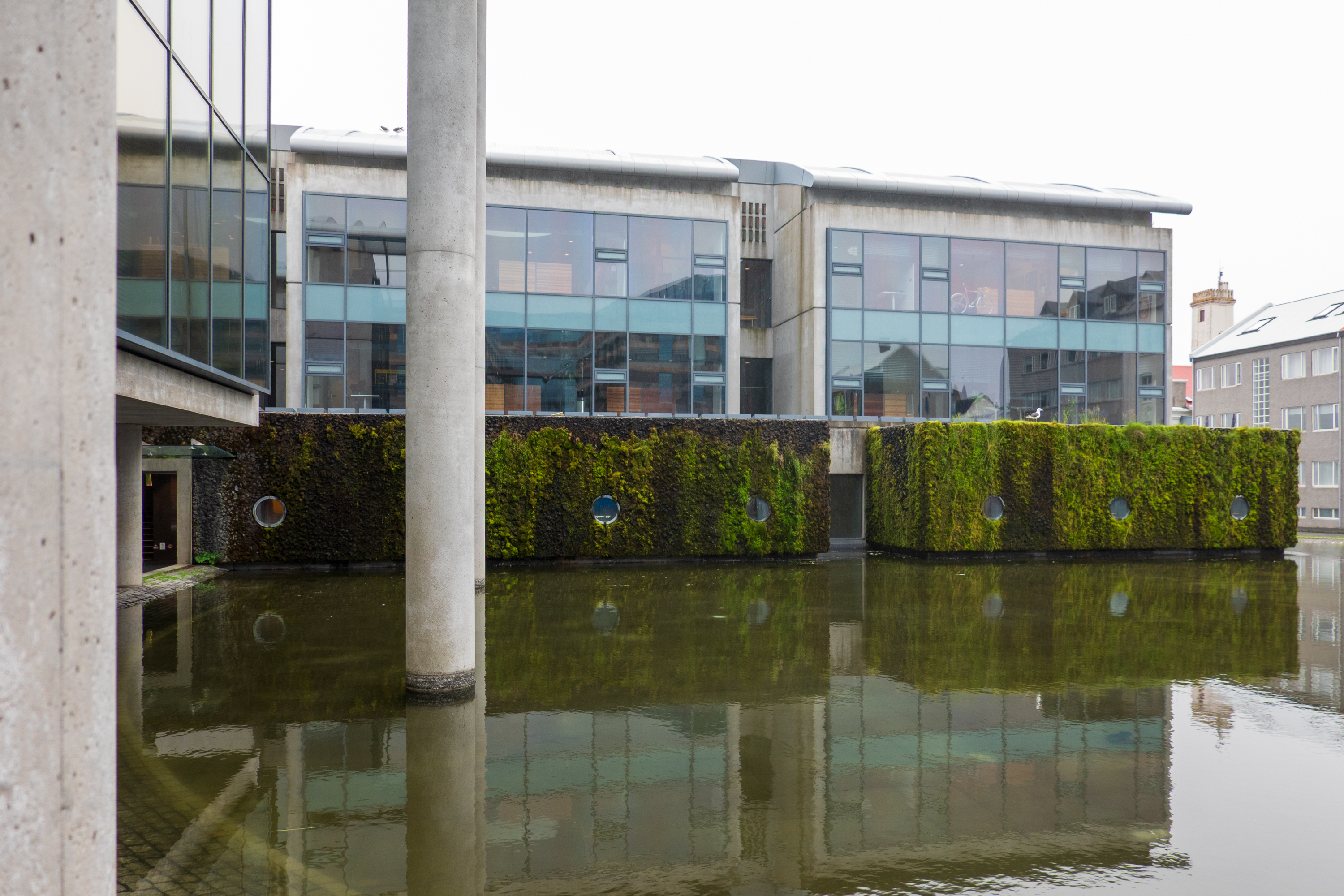
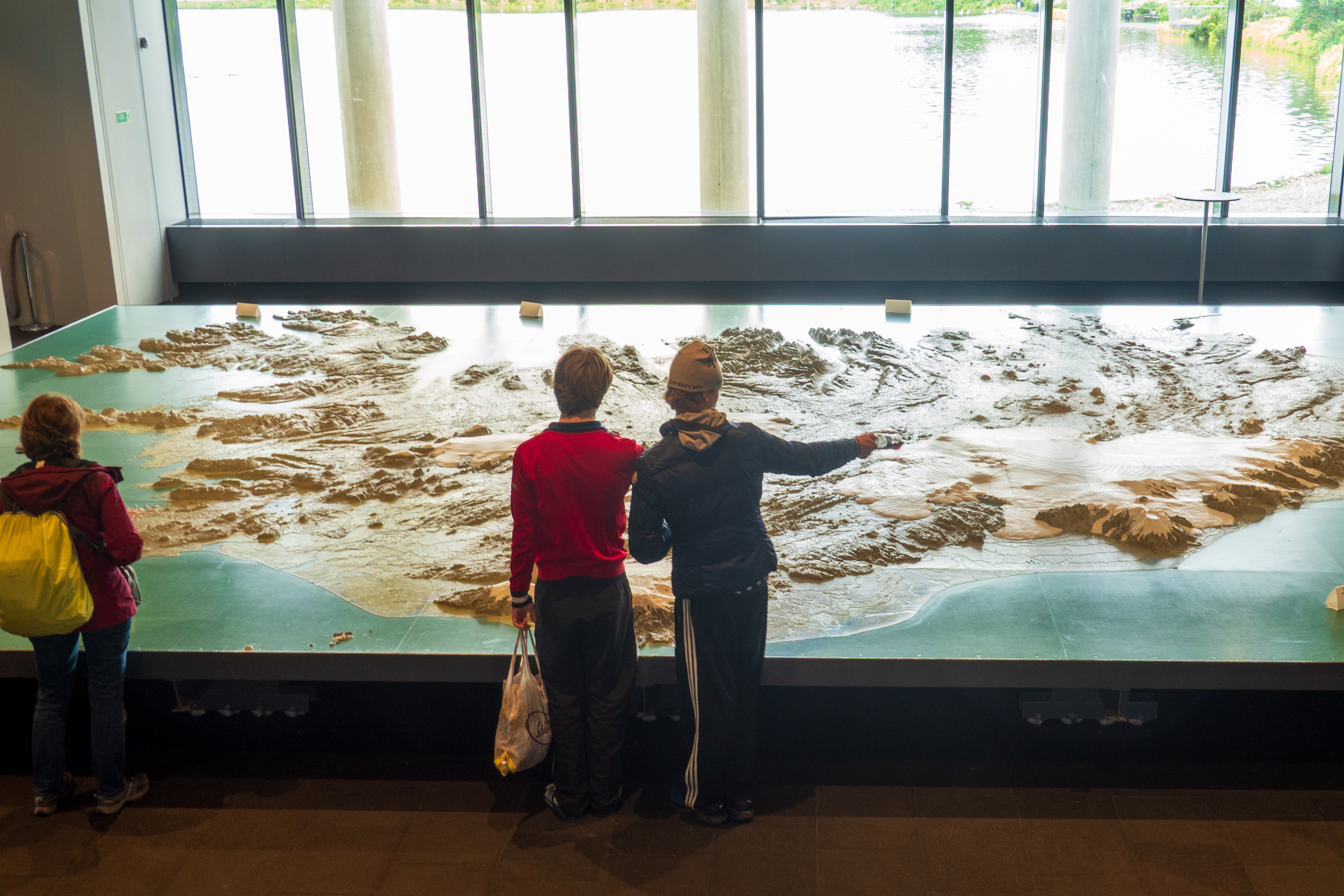
The City Hall also had a wonderful 3D map of Iceland which we examined at length. Fascinating to trace our route around the island.
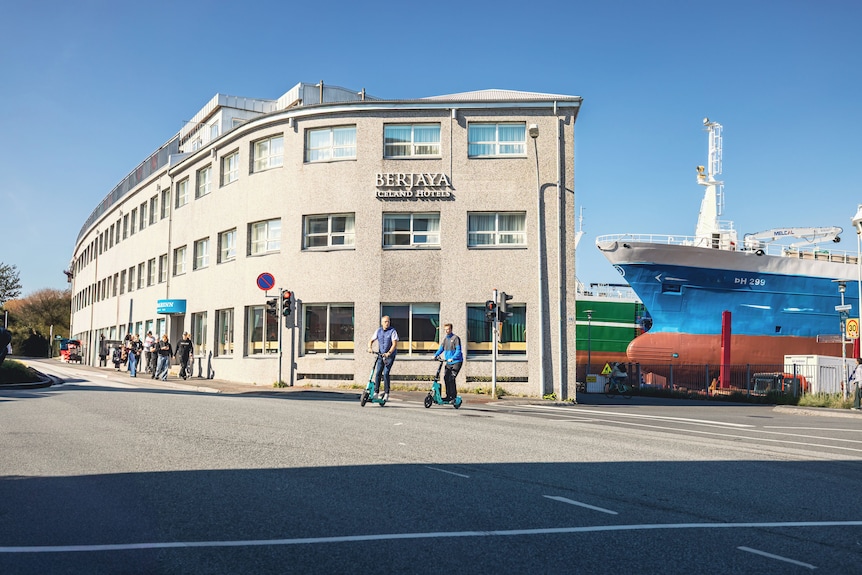
We ended up the day by checking into our room – luggage already delivered. The hotel, now run by a Malaysian company, sits right next to the ship yards.
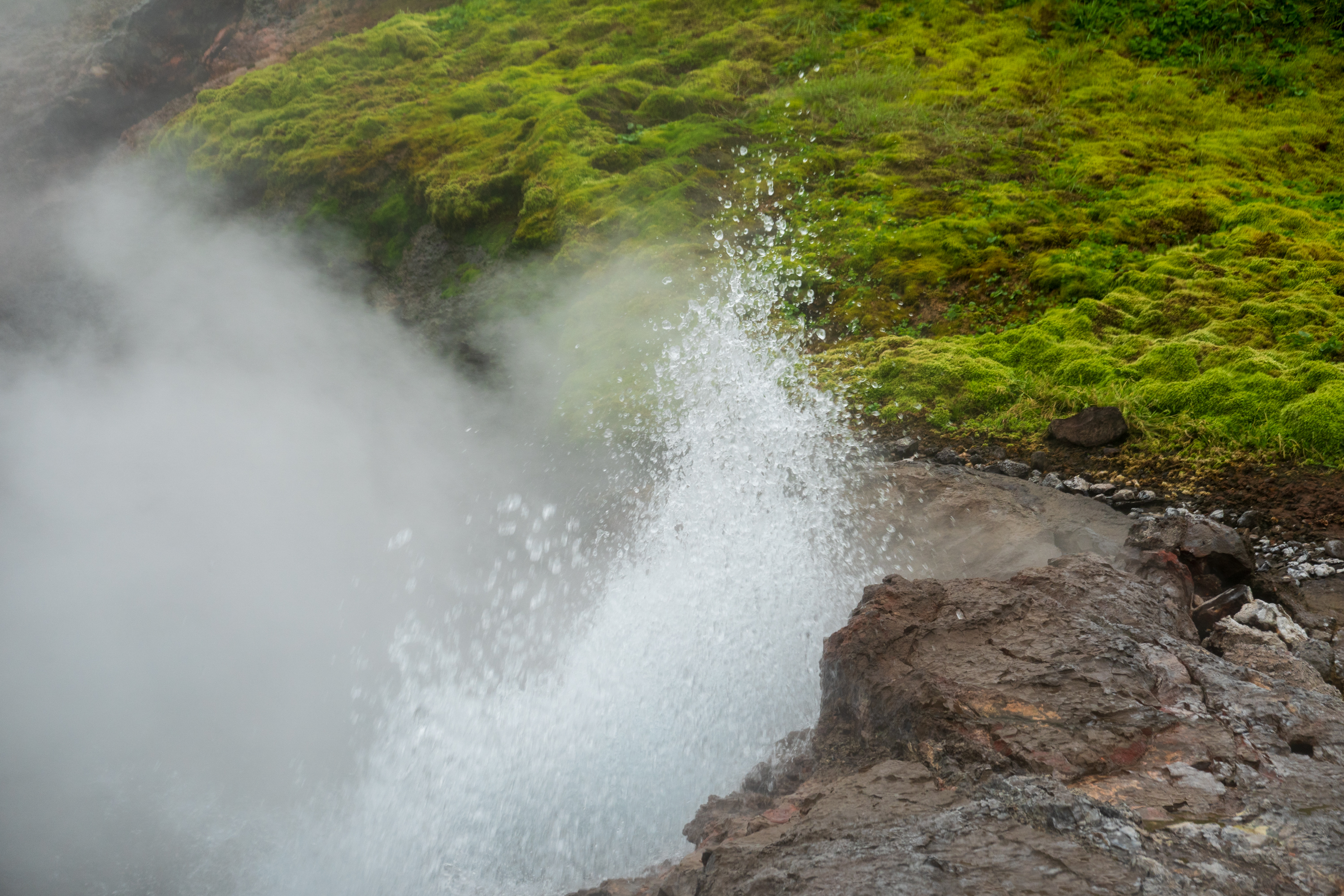
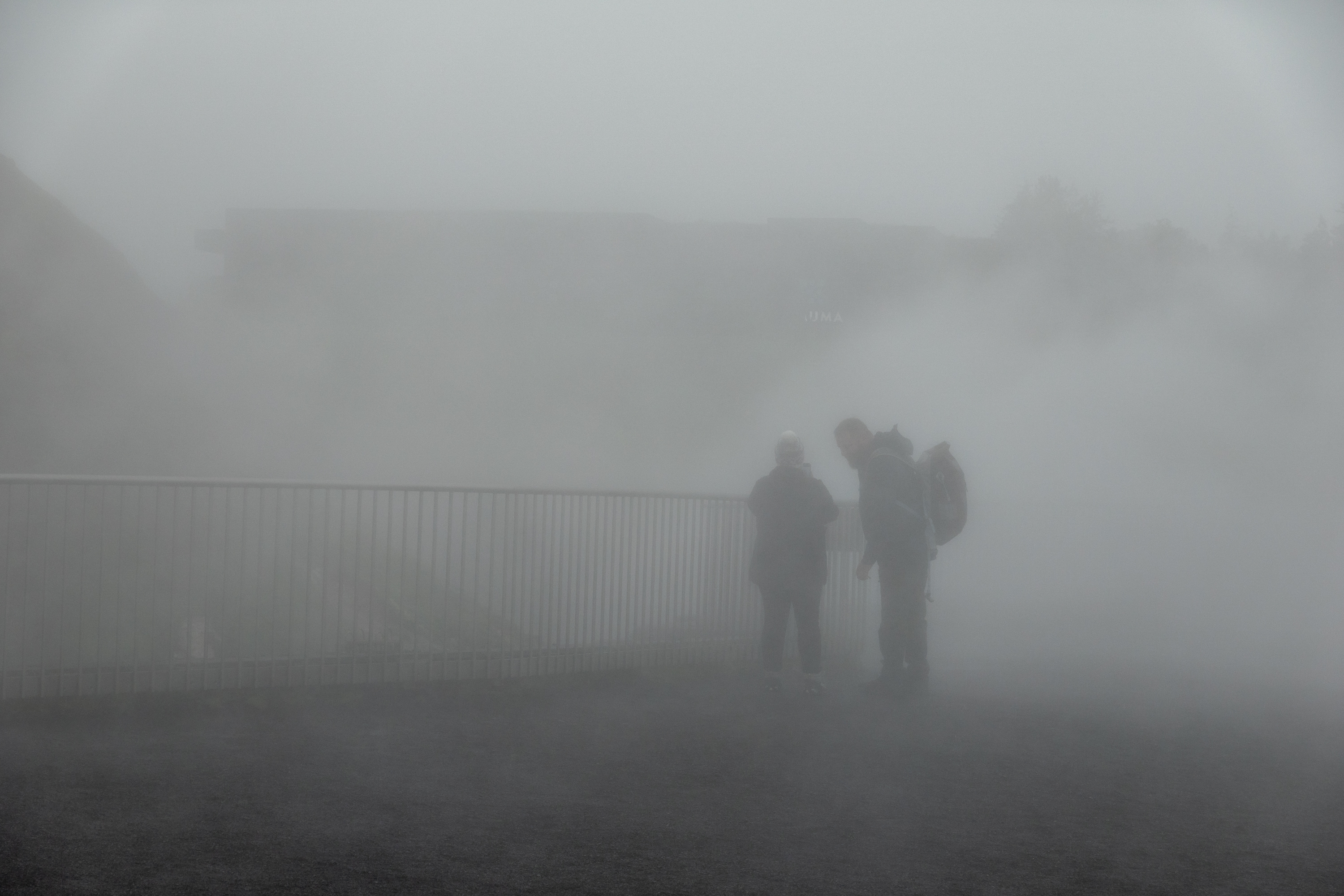
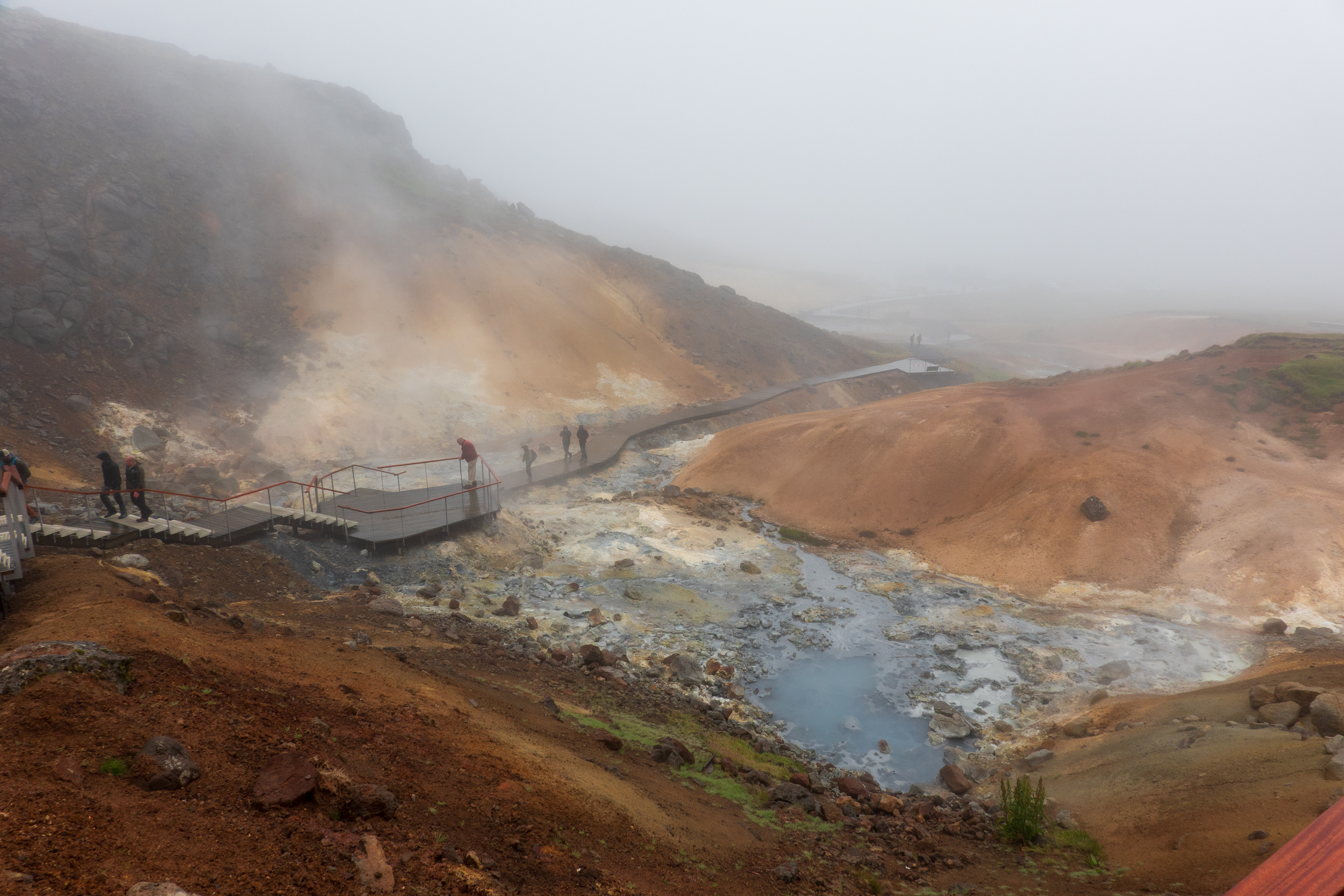
During the next two days, Barry and Thorunn took us to explore the area outside the city. Sadly, the rain continued unabated, so we skipped some of the scenic overlooks. We stopped by a popular hot spring, but did not stay to bathe.
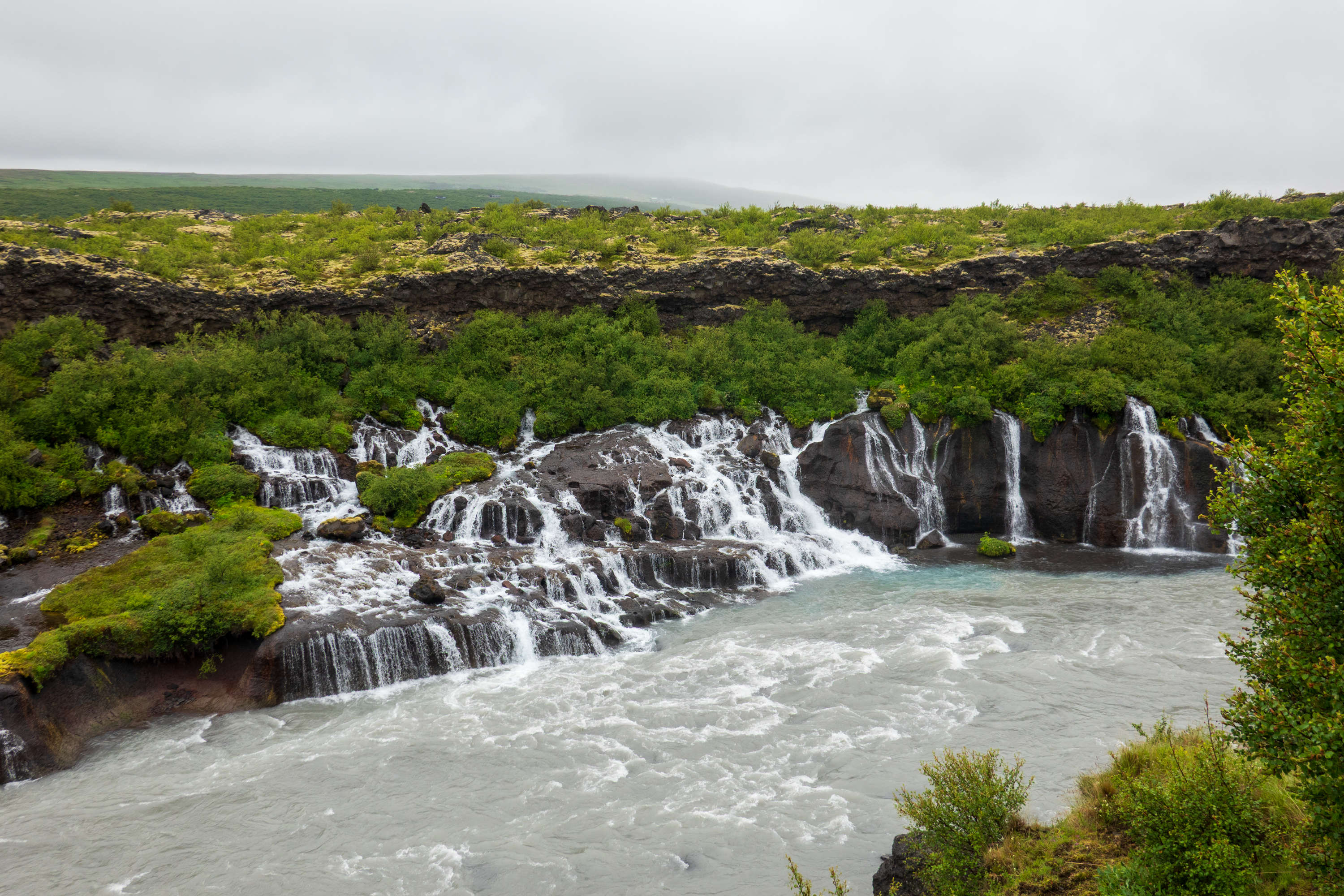
We visited the Reykholt Hraunfossar, an unusual water fall as there is no visible river upstream. It it fed only by water seeping through the lava field.
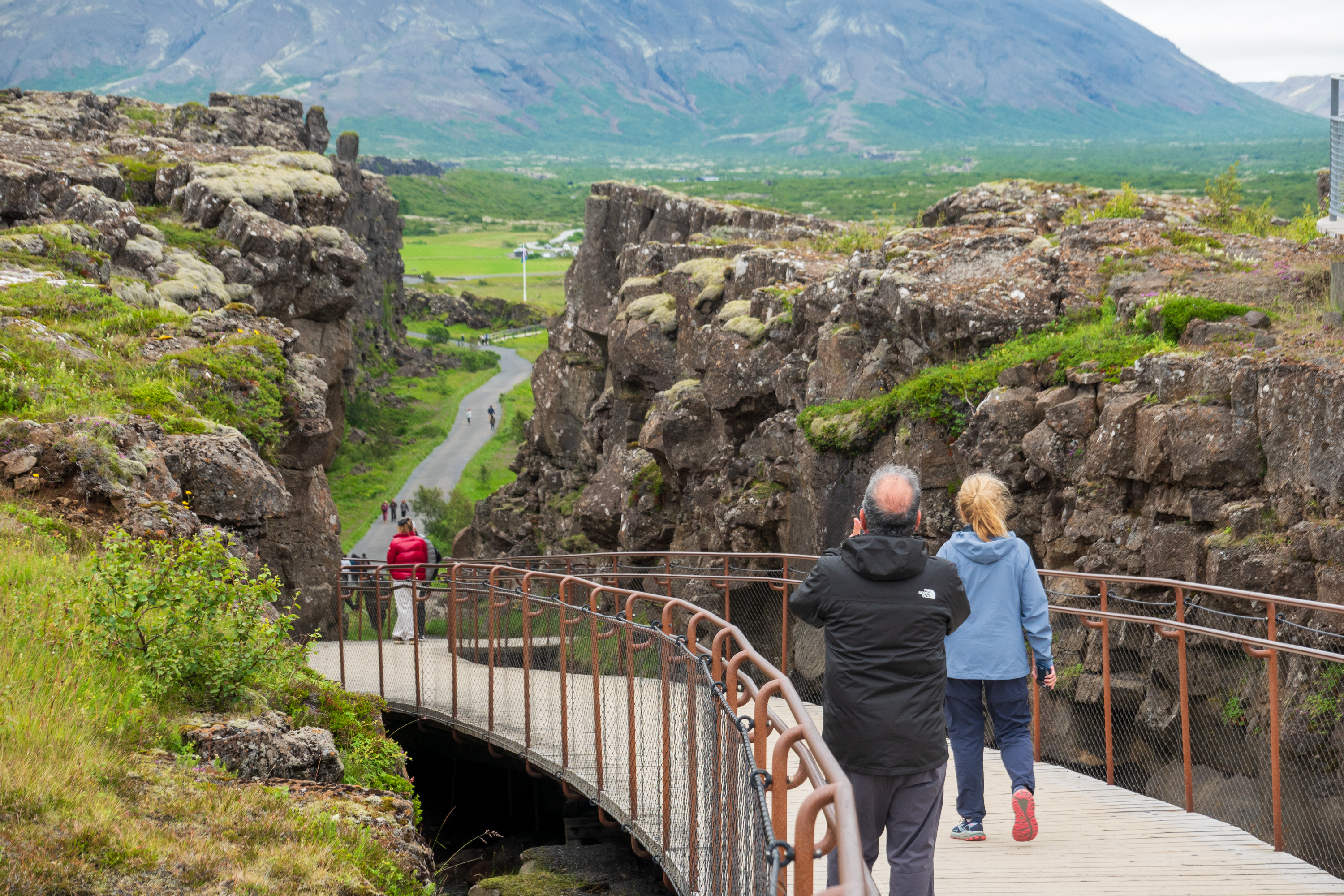
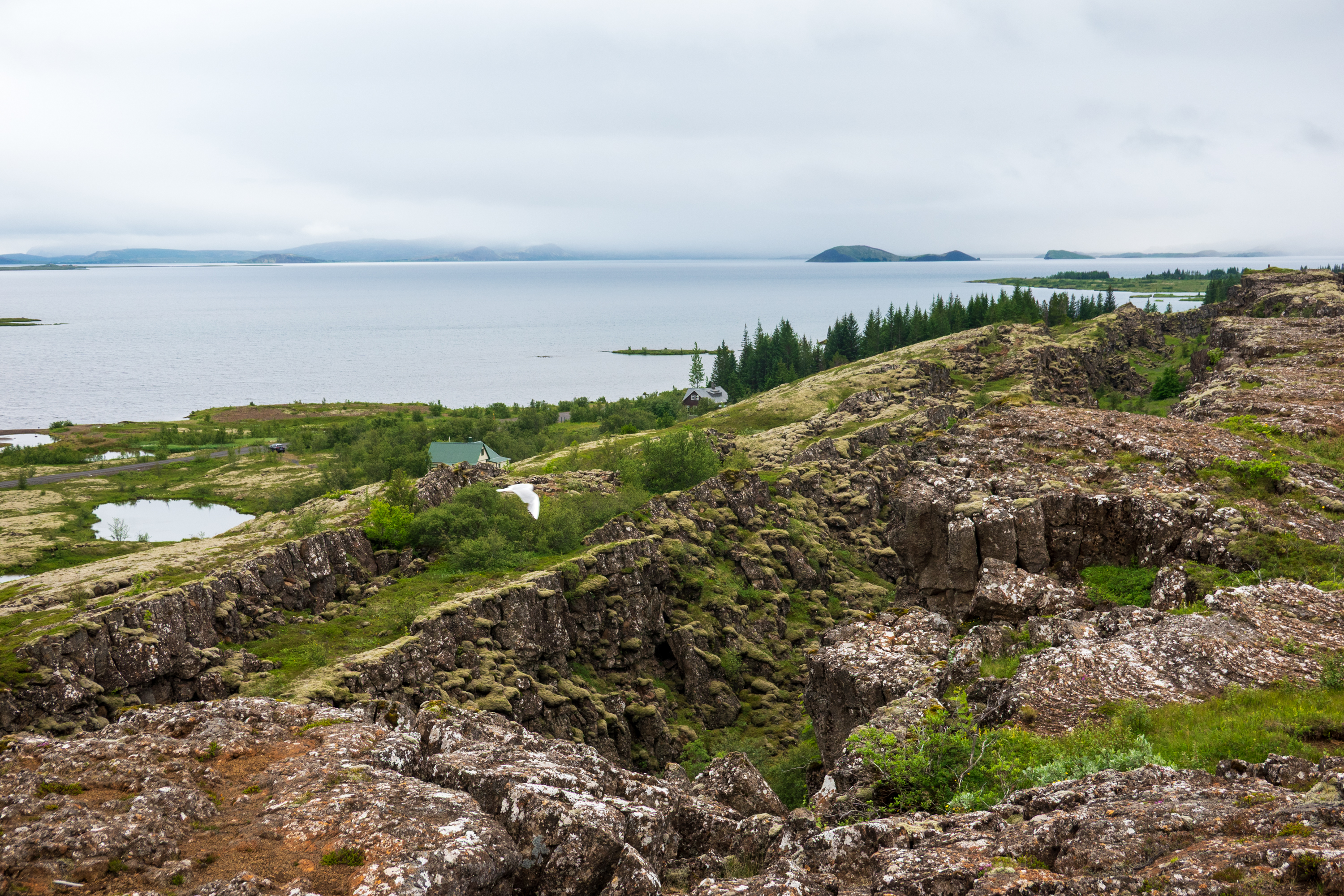
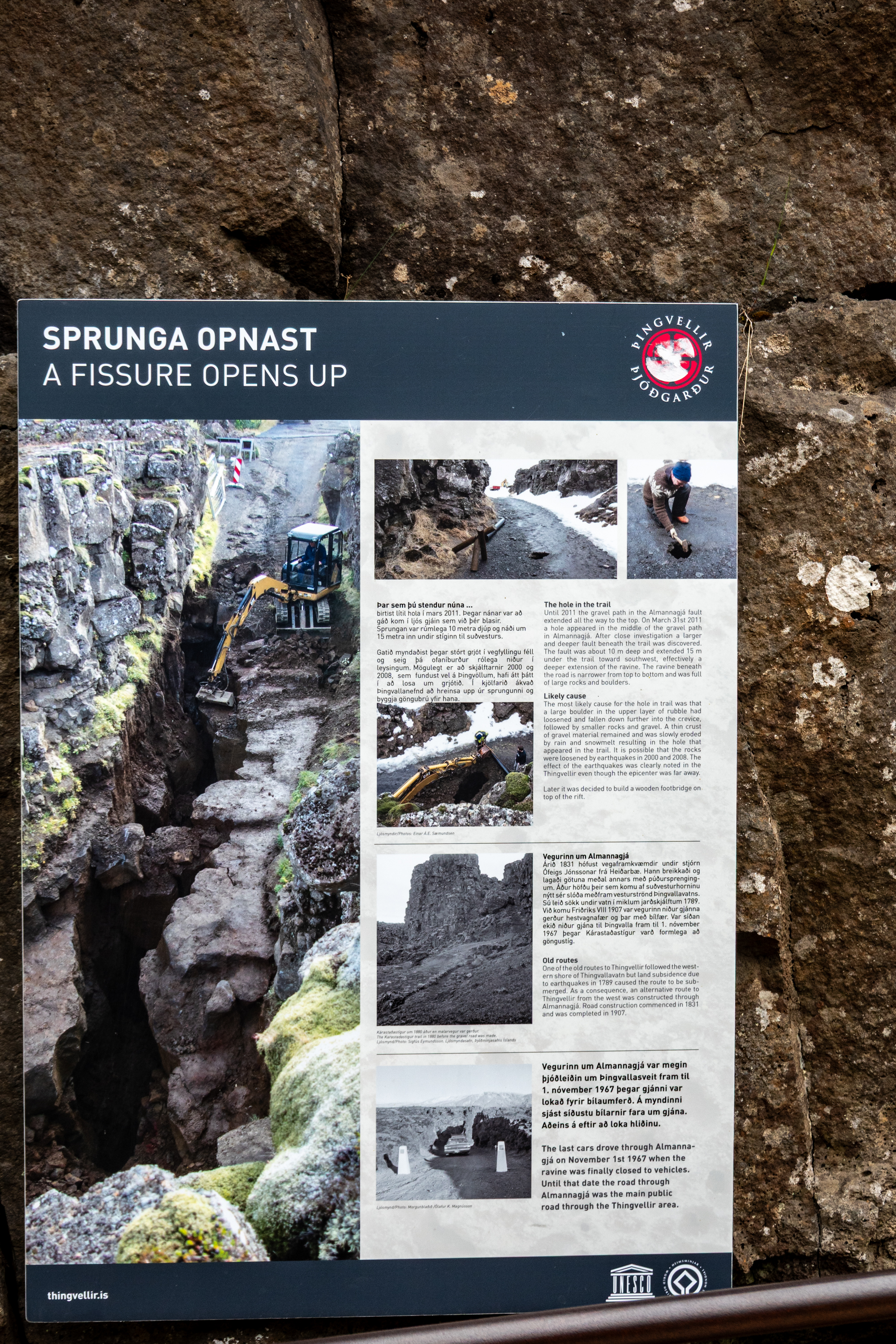
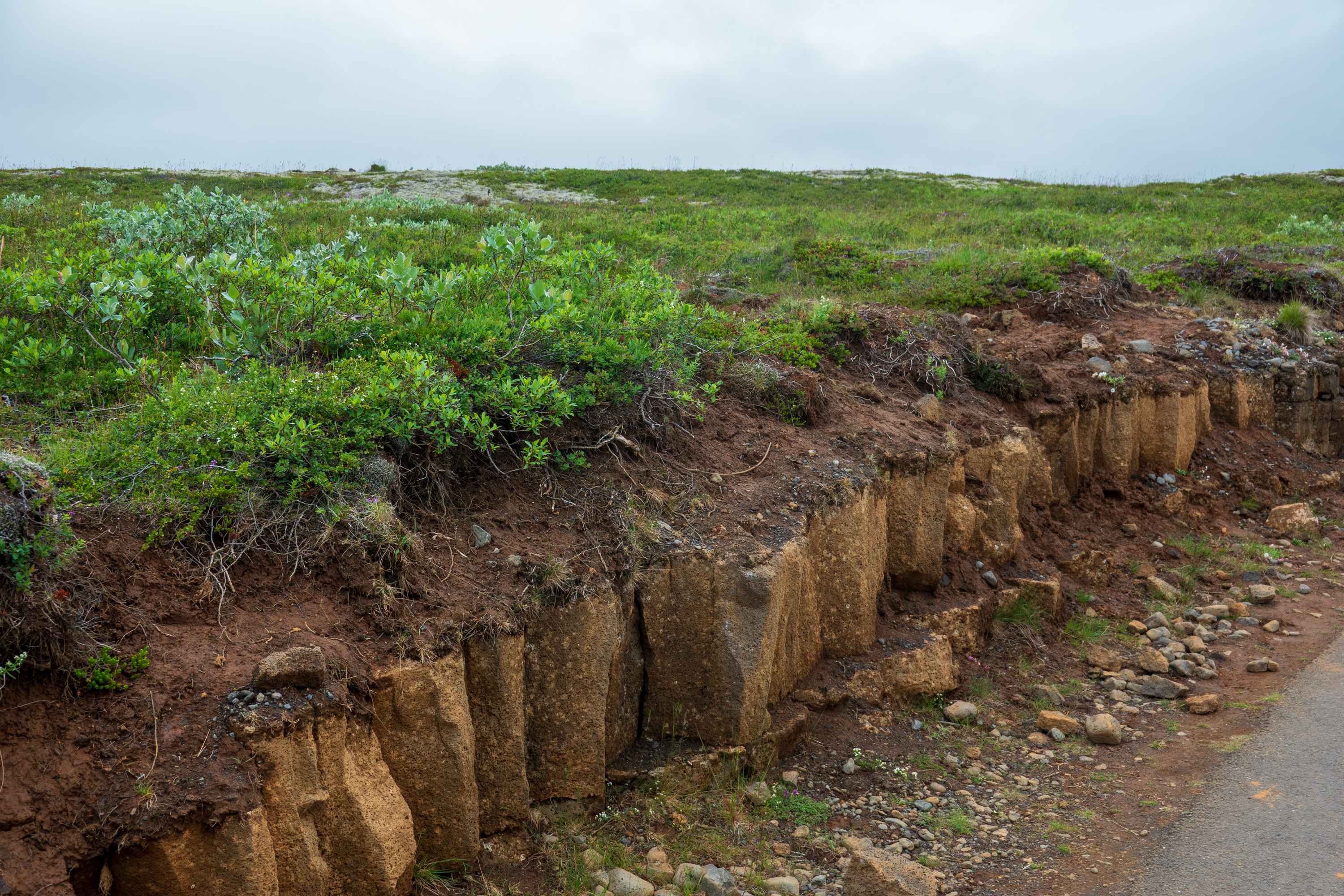
Iceland sits on the North Atlantic Ridge. (https://en.wikipedia.org/wiki/Mid-Atlantic_Ridge) Indeed, it only exists as dry land because, over the millennia, the lava from the volcanos has built an island. And that island is literally split in two. At the Þingvellir National Park you can stand on two tectonic plates at the same time. Þingvellir is also the site of the original Icelandic parliament, dating from about 930.
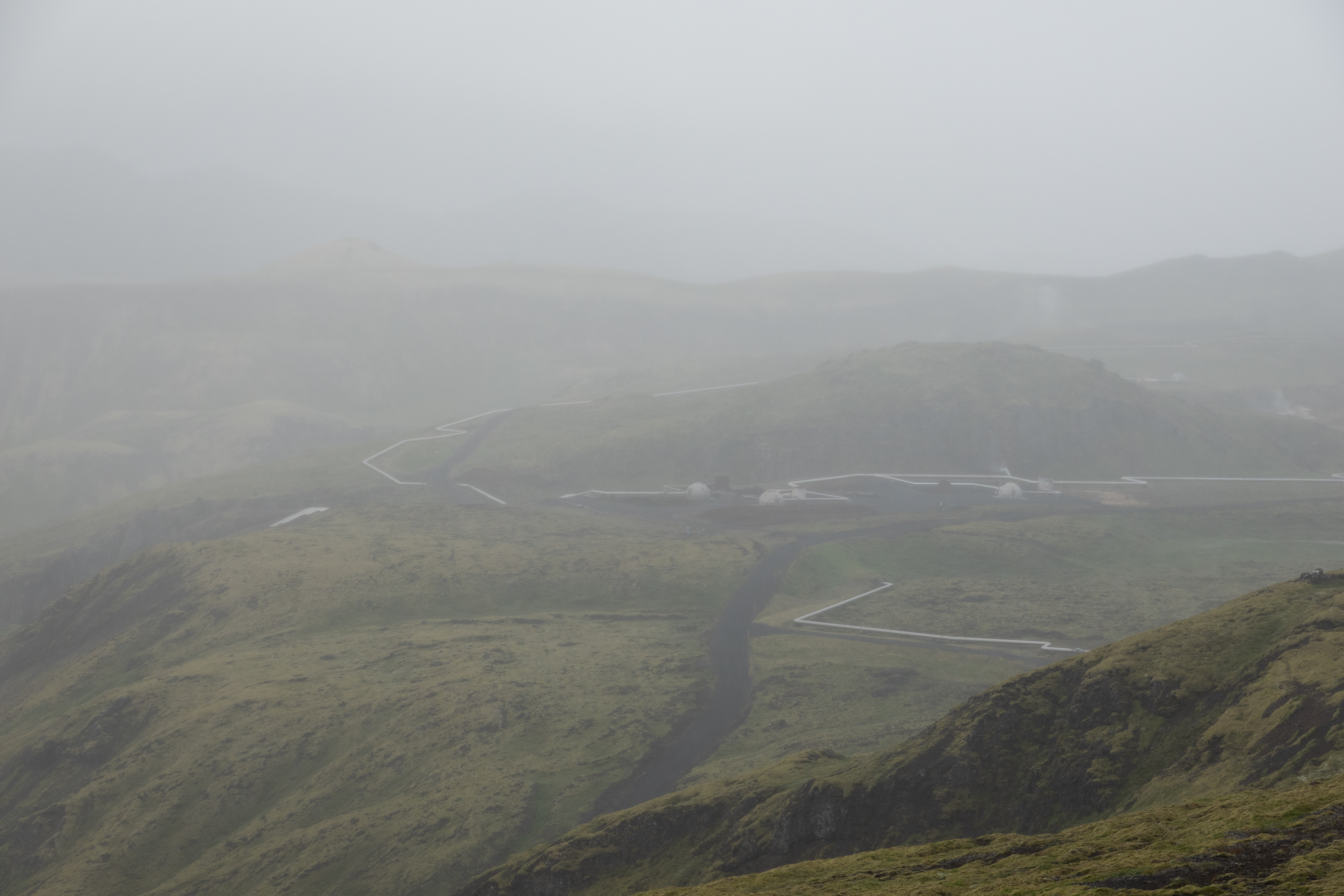
Nesjavallavirkjun is one of the biggest thermo electric plants in Iceland, providing power to Reyjavik. The highly insulated pipes carry volcanic hot water great distances at extreme pressure.
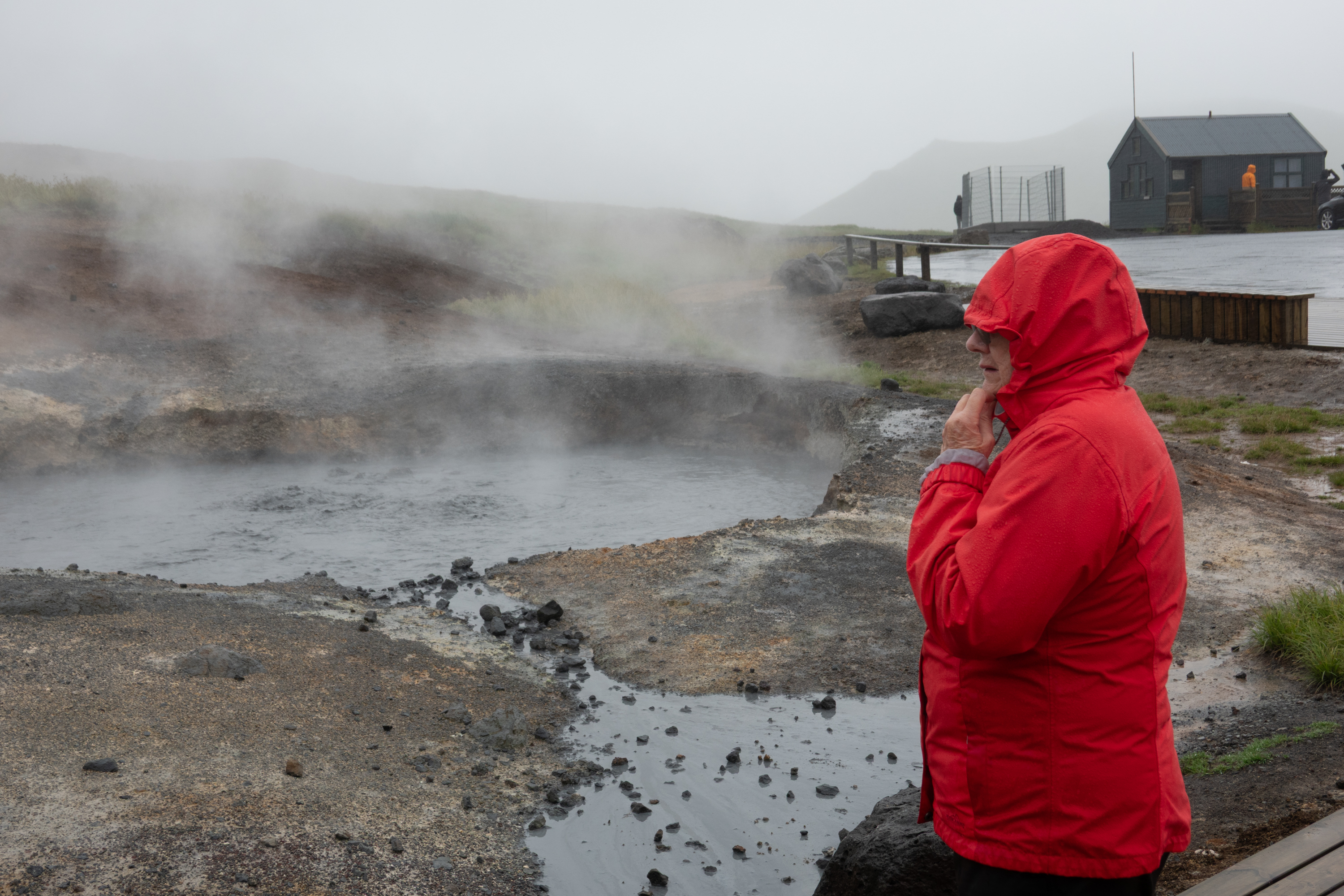
Deildartunguhver hot spring has the greatest hot (100C) water flow in Europe. Provides domestic hot water to towns up to 60 kilometers away.
After three wonderful, if soggy, days, we had an easy flight back home to Washington.

