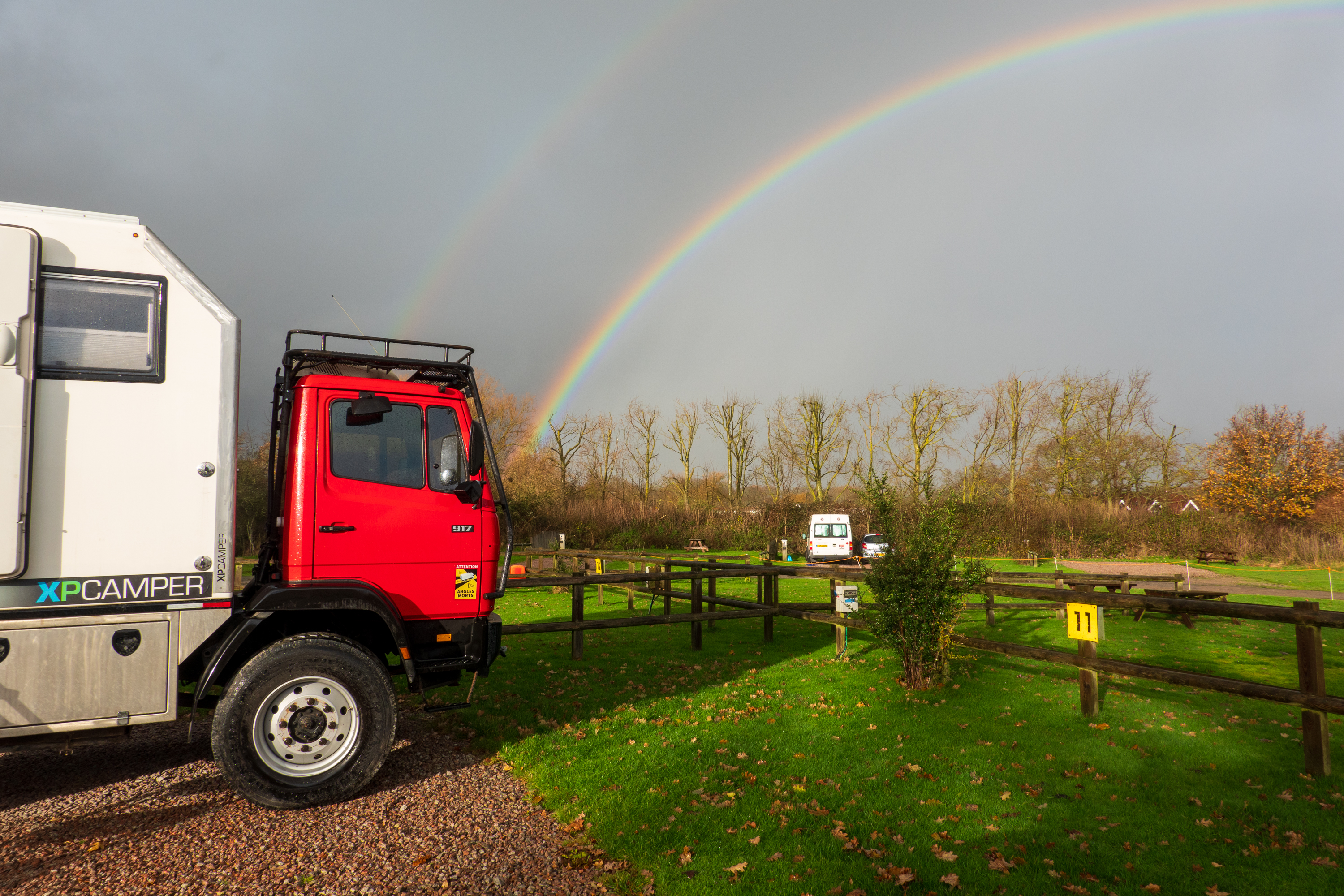
Category Archives: Expedition Vehicle Travel

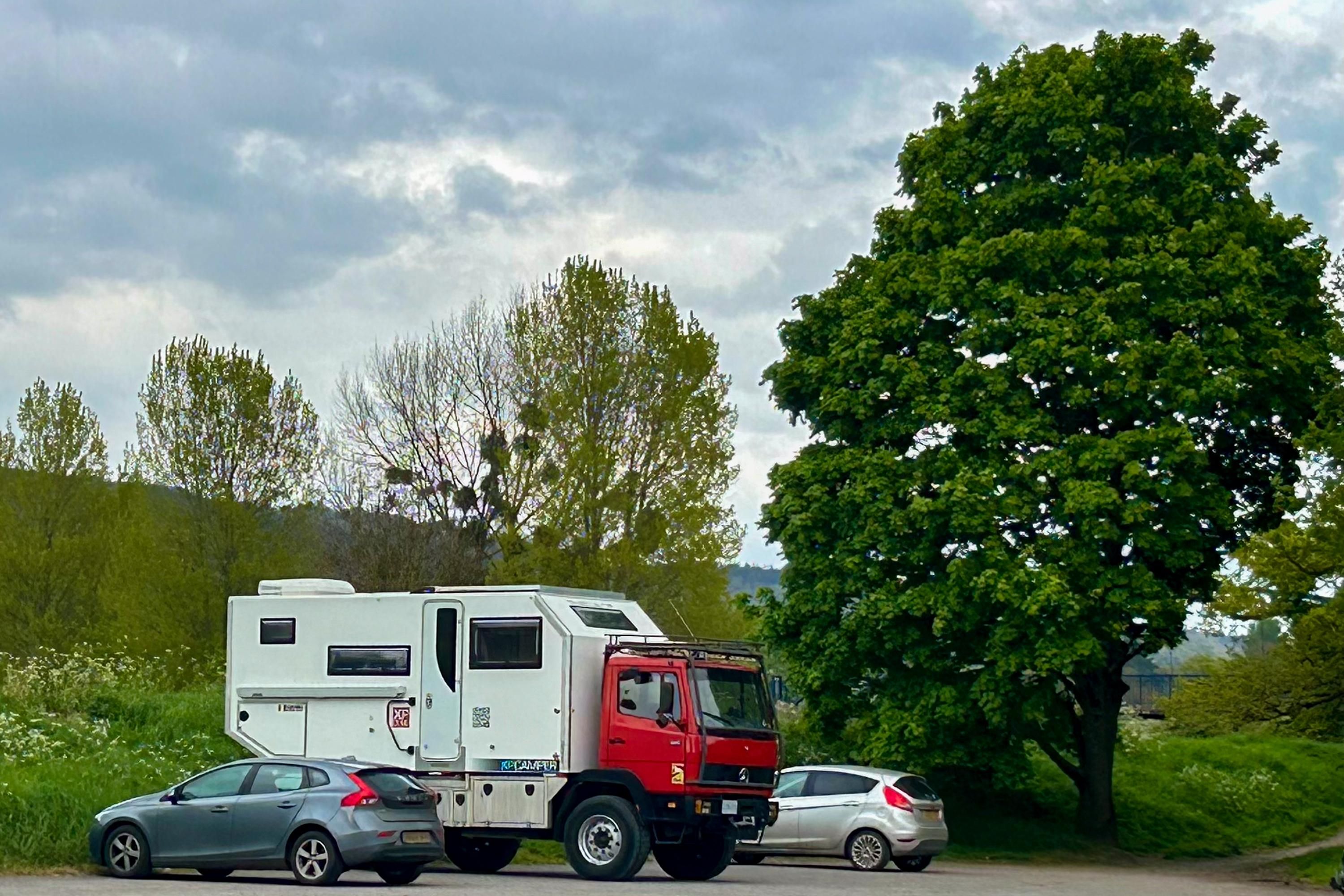
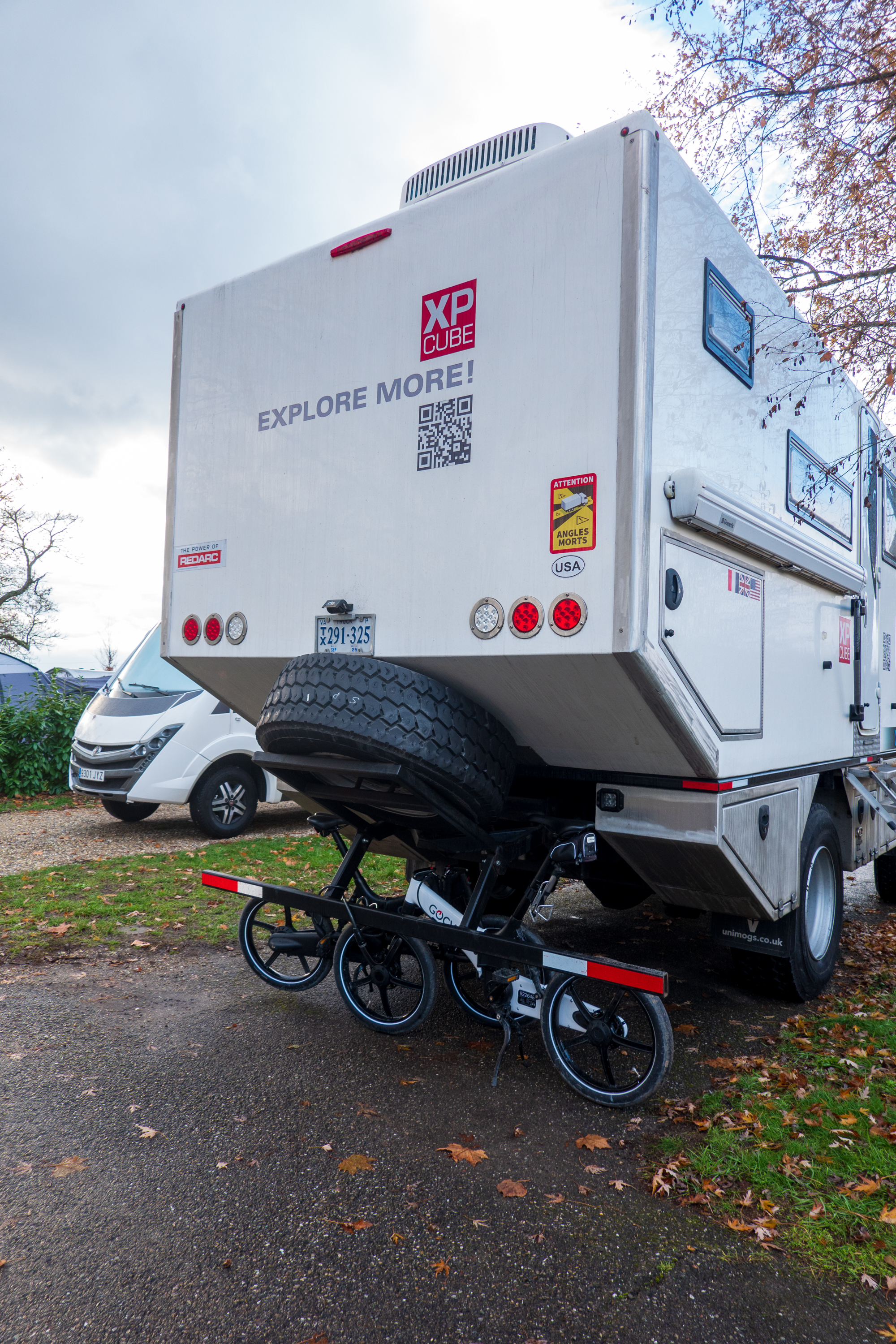
An expedition vehicle is basically a four season capable RV that does not depend on hookups and has 4×4.

København

We headed to Copenhagen for a couple of days, staying at a monster campground; what appears to be the mother temple of the Danish camping association. As big as it is, it was quite pleasant with the sites grouped into little clusters surrounded by hedges which gave a lot of privacy. And, it had a washing machine! We are finding laundry a much greater challenge on this trip, so any time we find a campsite with a laundry, we jump on it.

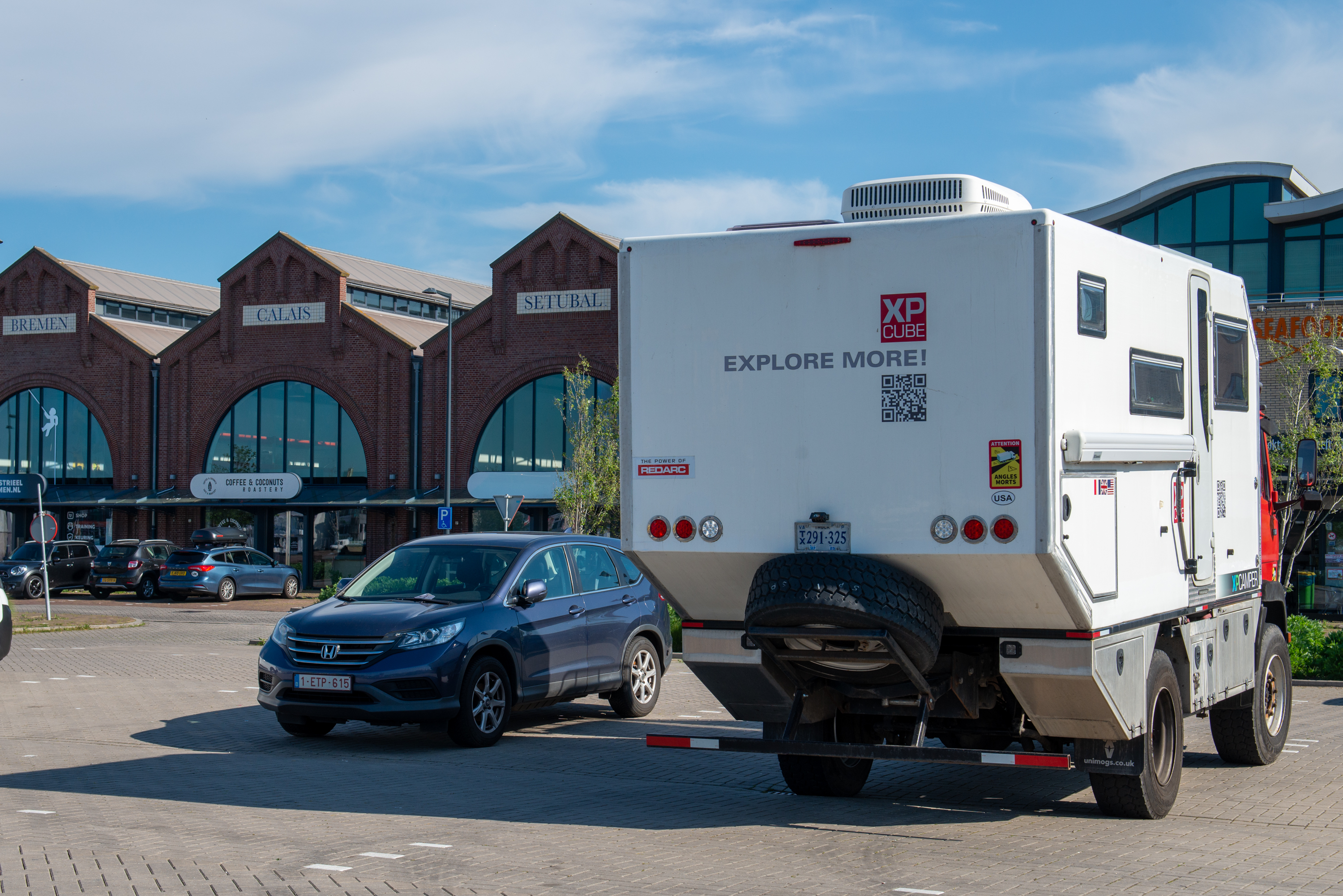
We have seen an amazing selection of exotic American vehicles – a GMC motorhome from the ’70’s. And still ahead of its time.
The owner of this home-brew fire truck conversion came tapping at our door. He was pleased to find a kindred vehicle.

One of the reasons for choosing this site is that is is only about 15 minutes walk from a suburban train station.  We fumbled a bit the first time, it was hard to find the actual station, and then the ticket machine did not work, but we managed to get to the main station downtown in about 20 minutes.  

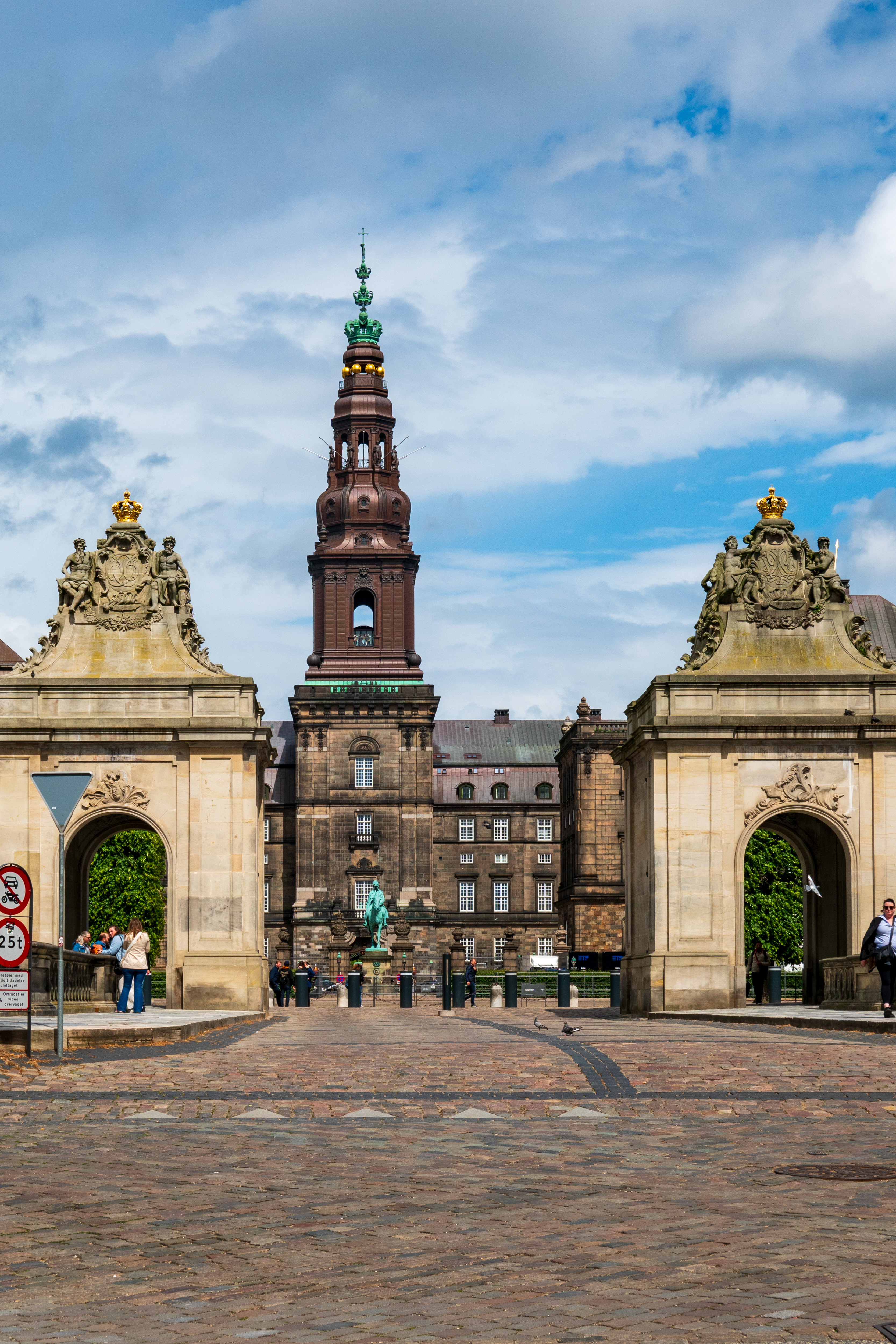
Christiansborg Palace
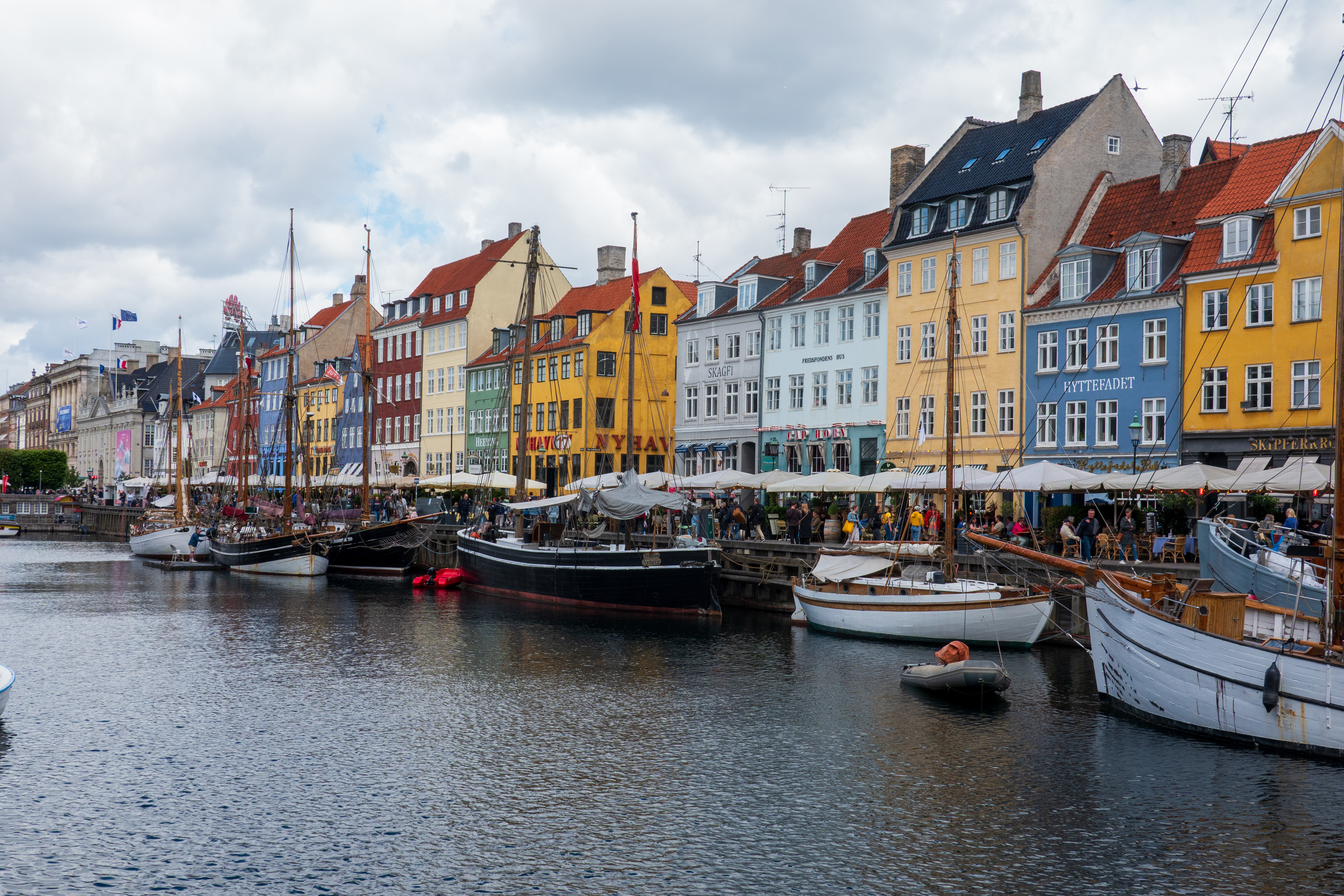
Postcard street scene

Our main purpose was to visit the National Museum and this took most of the day – it is a large museum.  (https://en.natmus.dk) It also has a lovely restaurant and, of course, we started our day with coffee before tacking the various floors.  It quickly became clear that it is more a museums for Danes to discover the world and less a museum to teach foreigners about Denmark. So we got a world tour and an overview of Danish history.

Ever since the movie, Ben-Hur, Fred has been interested in galleys. (See also: Barcelona) This is a really rare piece. Click the image to see the detail. The only better model may be part of Trajan’s column.
Palace from the museum.

We enjoyed our visit and also our rather late lunch there, the traditional Danish open face sandwich again.

The following day was a Monday, which means most things are closed in Europe.  (Grrr!) We took the train again, helping some German tourists who were as bewildered as we were the first day, and started our day with a Hop On Hop Off Bus, which is a really good way of getting an orientation to a new place.  We included a canal/harbour boat cruise, which was most interesting, as it showed different aspects of the harbour. 

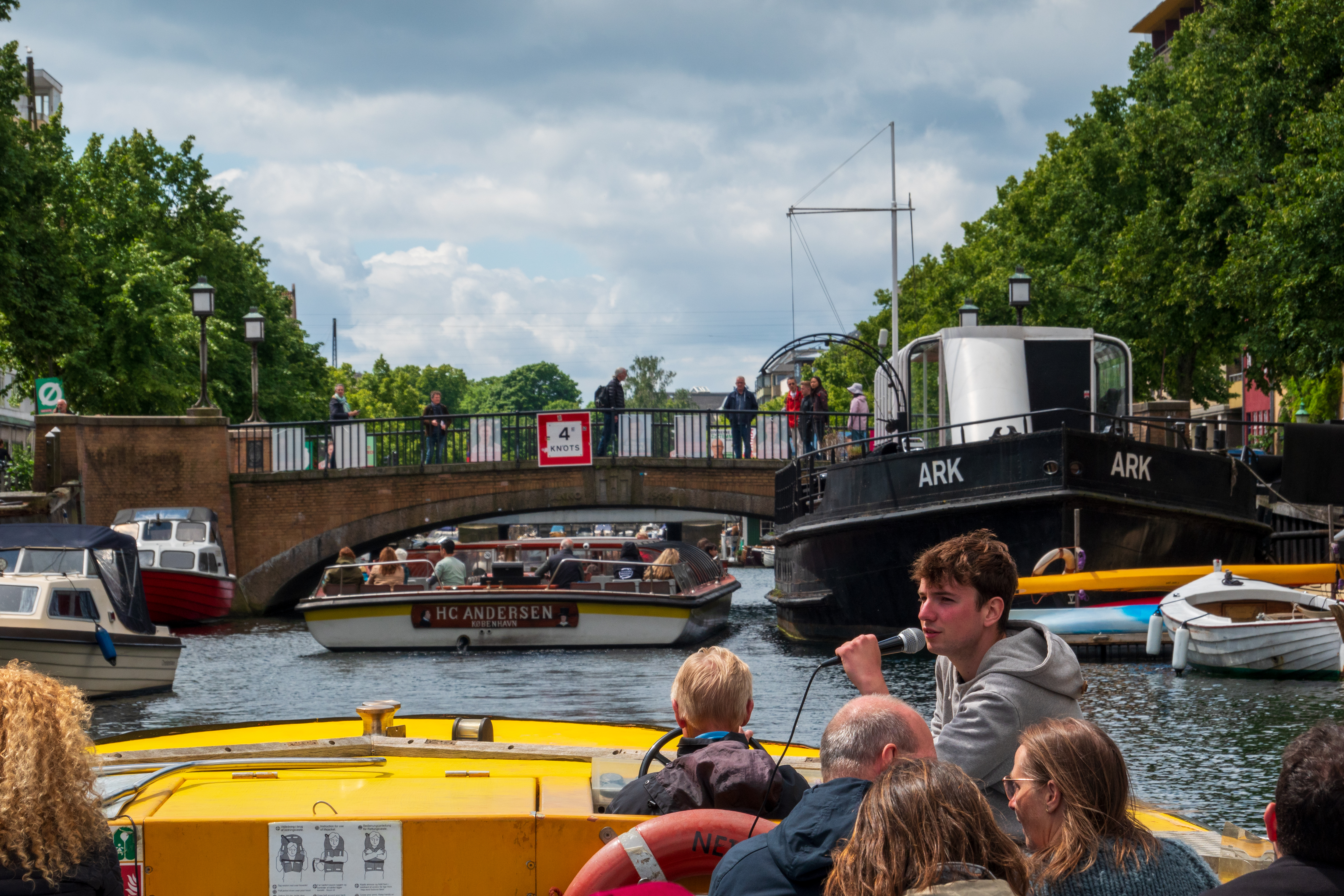
The canal part of the tour wandered through various neighborhoods.
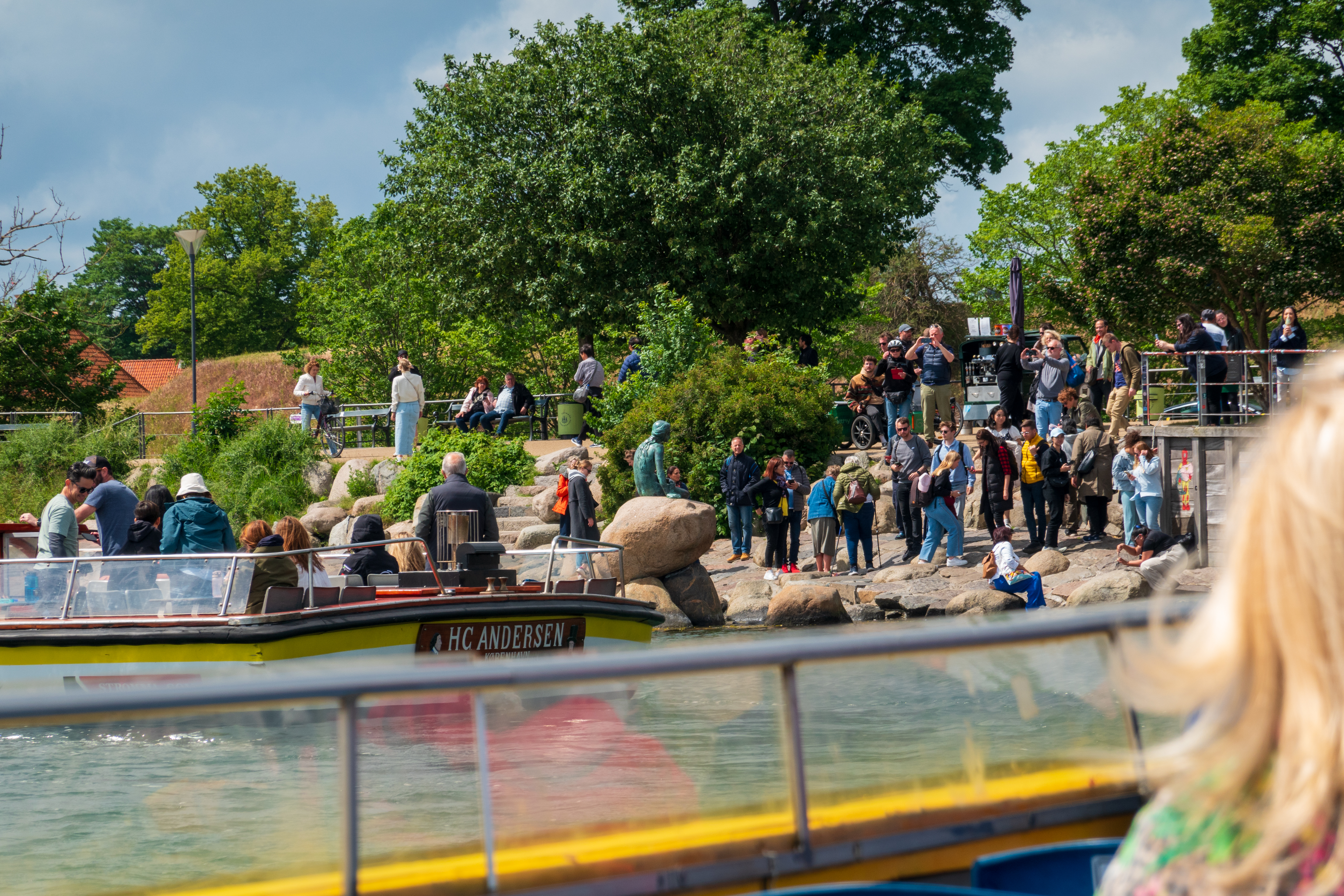
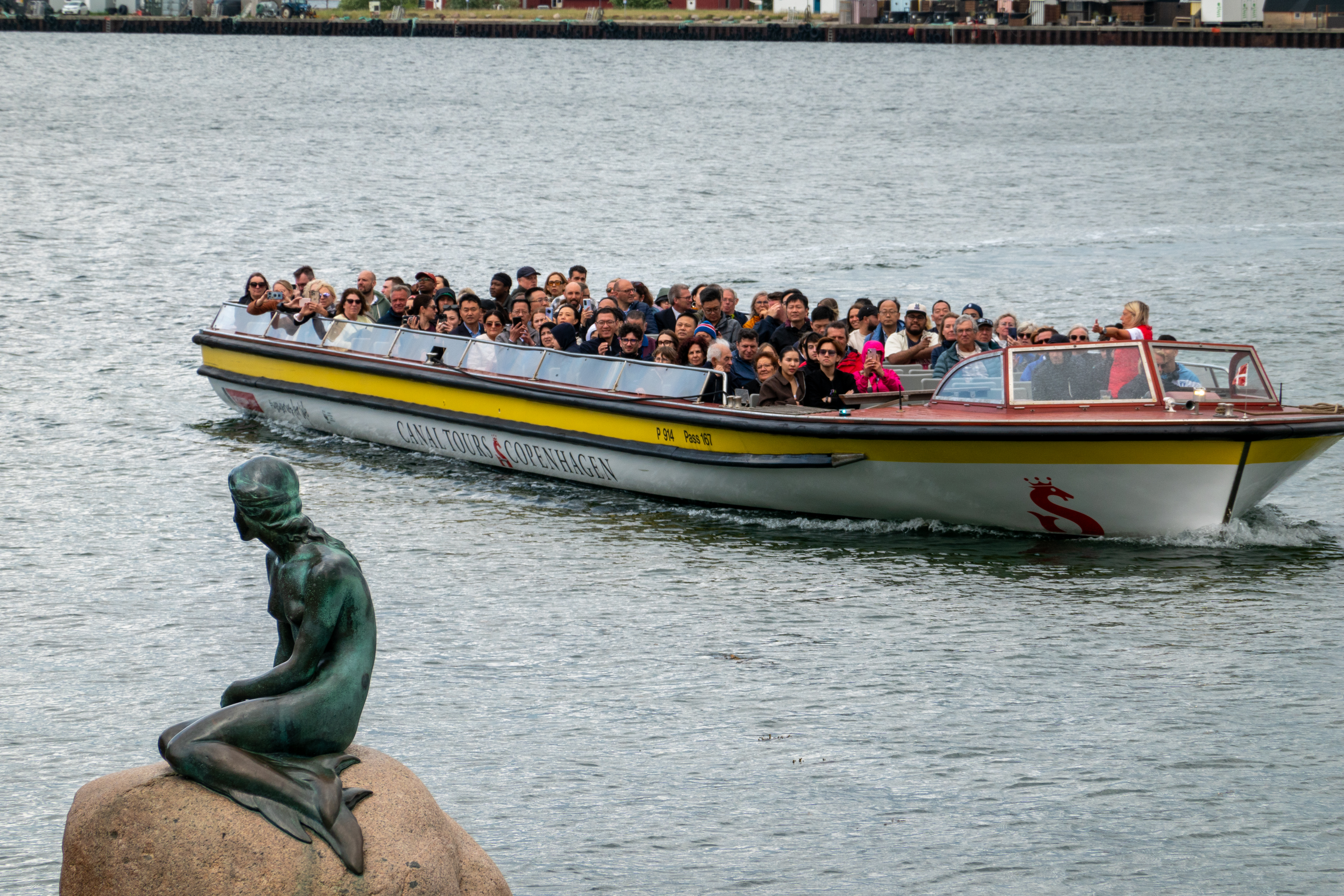
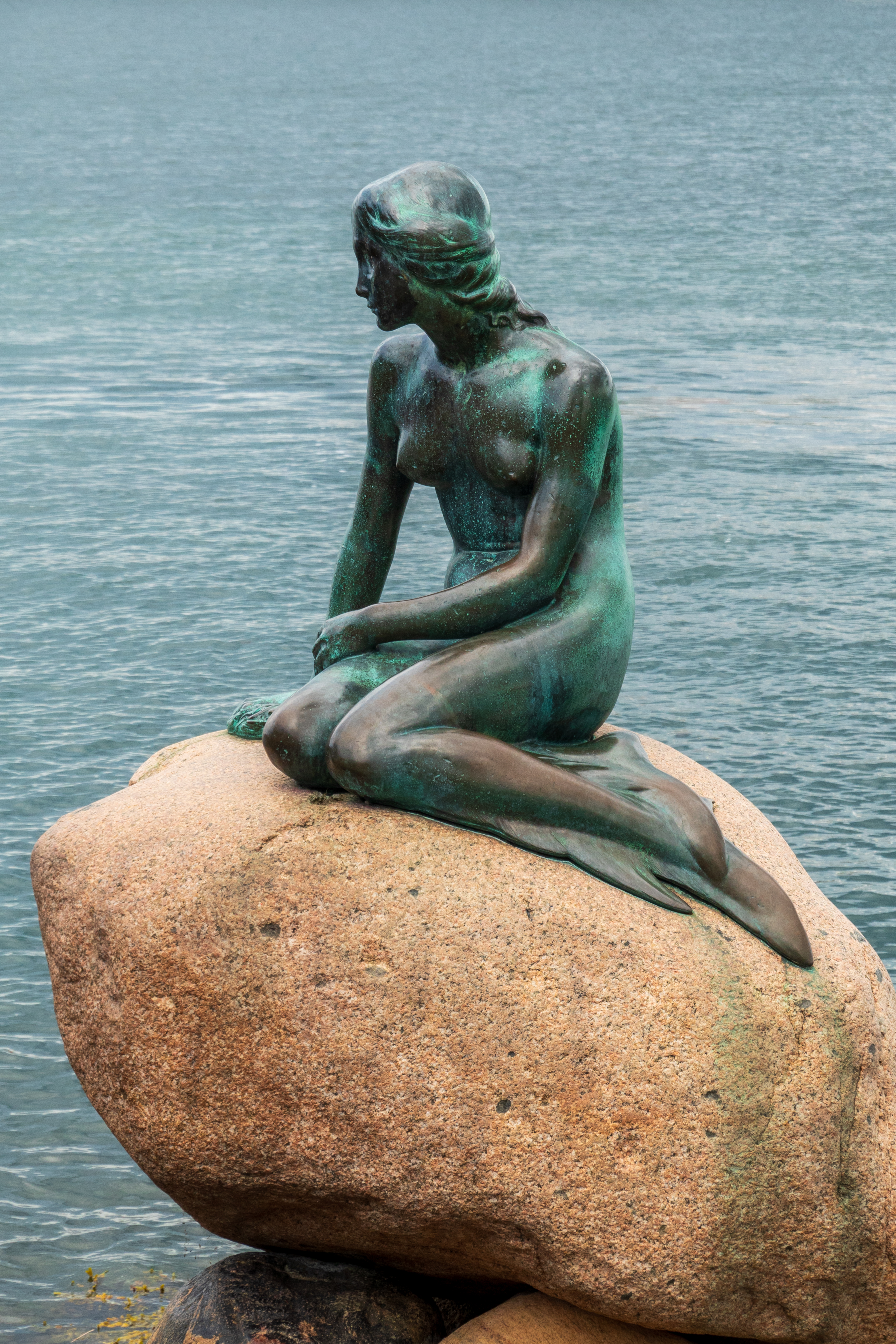
Boat scrum at the Little Mermaid.
Memories of our Viking crossing which began our Euro Saga.
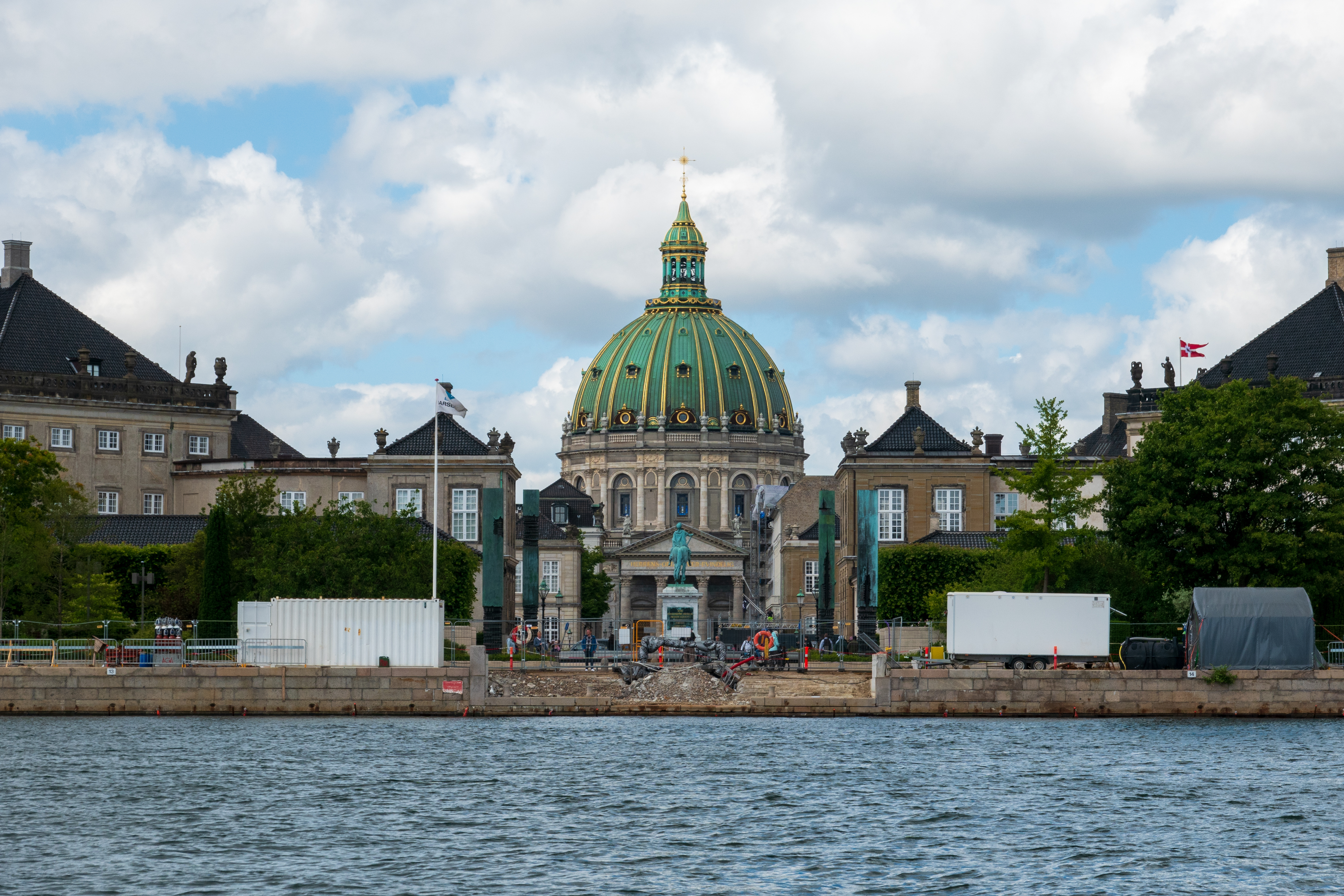
Frederik’s Church
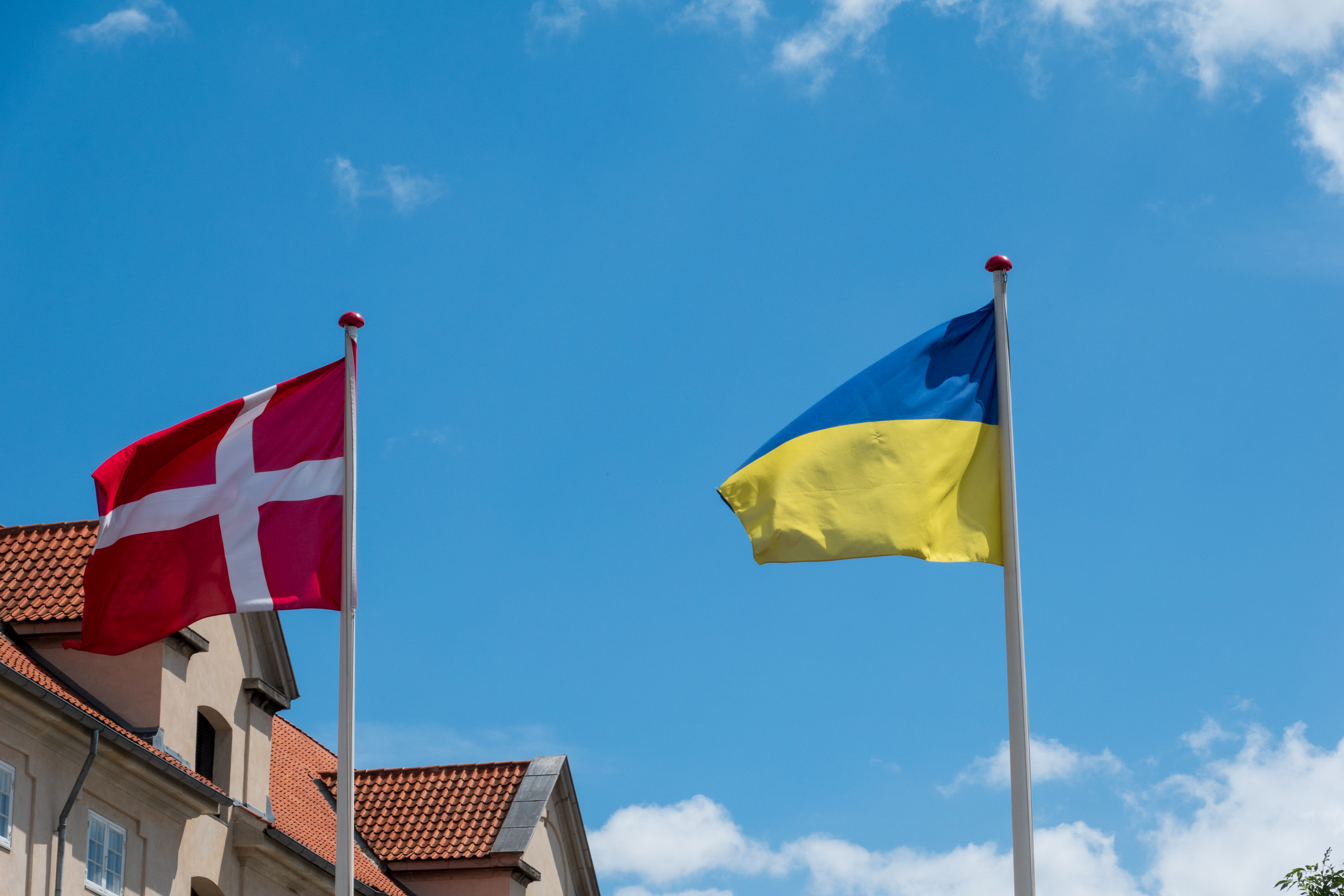
Ukrainian flags are everywhere. The Danes get it.
Canal side dining.

We ate lunch beside one of the canals and then headed to the Museum of Danish Resistance.

The Resistance museum is a high tech, underground museum which was most interesting as it portrayed the three reactions to the Nazi occupation – Resistance, Acceptance and Avoidance.  Like many museums we visited, it does not shy away from hard questions. (https://en.natmus.dk/museums-and-palaces/the-museum-of-danish-resistance/)

We then headed to the Little Mermaid to take her picture from the front.  The boat cruise had shown us her rear! 

Tourists, like us, by the boat load!
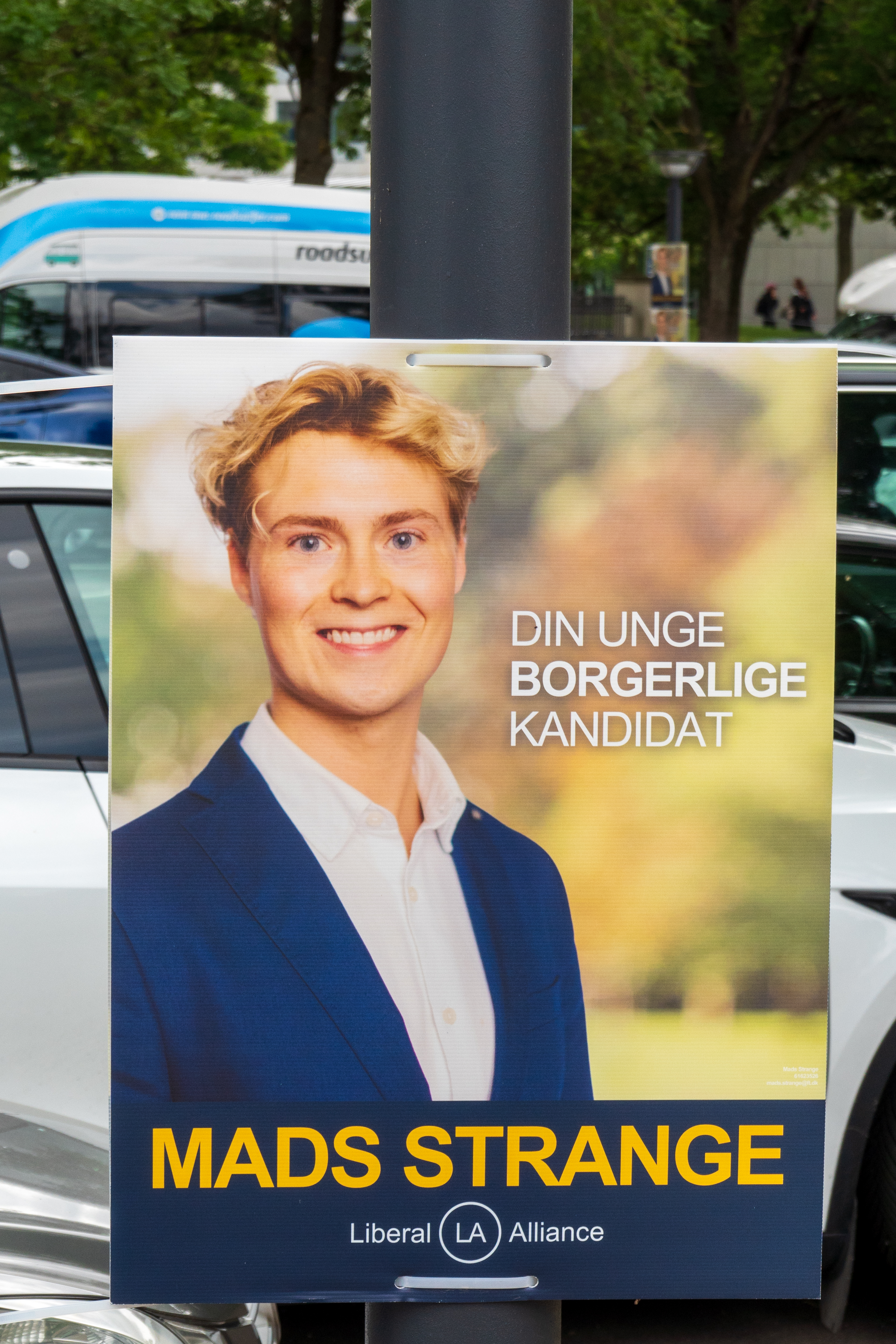
Don’t know if this is a better name for a politician or an action hero.
The iconic image.
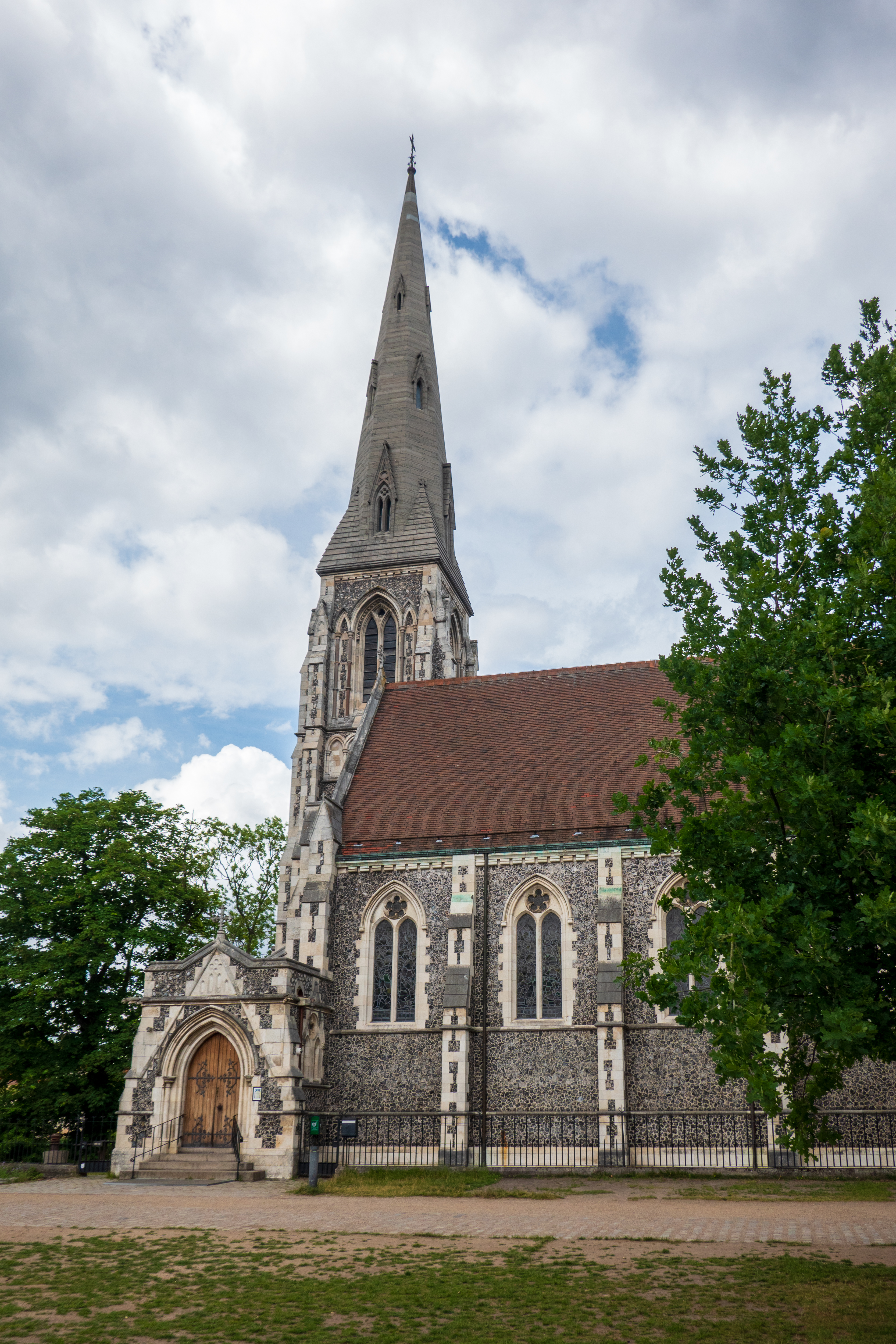
The Anglican Church
(https://www.st-albans.dk)

Each time we considered Tivoli, the rain started!  So we took the hint, concluded our Copenhagen visit, and took the mega bridge to Malmo, Sweden.

To go a Viking!

We headed north to Roskilde and camped in a parking lot. Not the height of luxury, but it was quiet and there were no knocks on the door in the night. Next morning we set off on our bicycles for the Viking Ship Museum, despite the nasty black cloud on the horizon. (https://www.vikingeskibsmuseet.dk/en/) Sure enough, a 15 minute bike ride later, the heavens opened, just as we were locking up the bikes. We headed for coffee and dried off a bit before joining a 45 minute tour in English. 

In the museum building, where the original ships are displayed, our guide was a young historian who knew a great deal about the period and gave us lots of information on the five different Viking ships which had been raised from the bay nearby. He was also well versed in Viking history in general and their expansion across the world. As a geo-history nut, Fred loved discussing this part with him.

Known as the Skuldelev ships, the museum ships were all older ships that had been deliberately sunk around 1070 to block the channel and to protect Roskilde from attack. They were found in the bay, about 20 kilometers north of Roskilde.

They are planning to move the museum, but the problem is that the building was constructed around the ships and there is now no way to get them out.

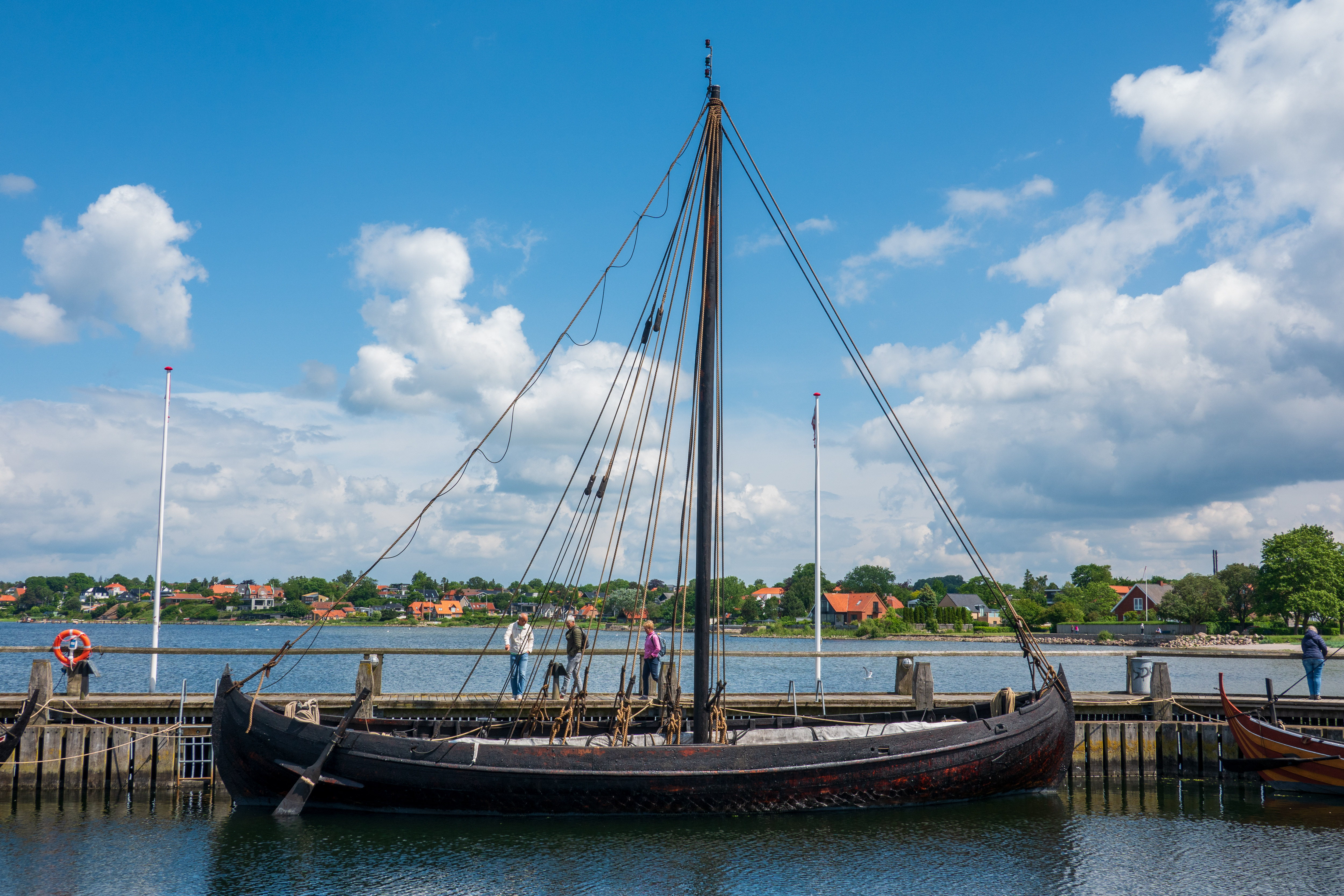
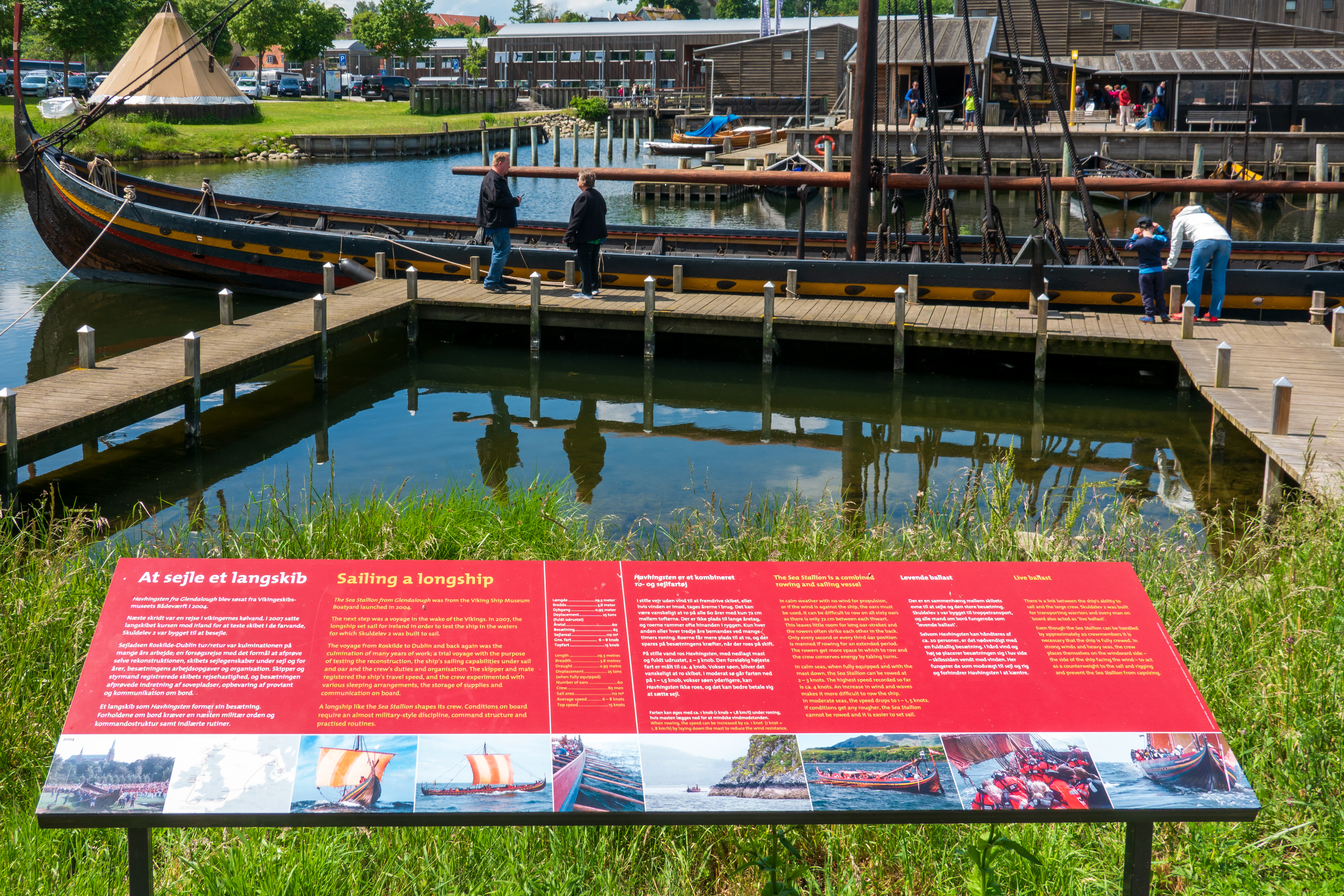
Obviously none of the ships was complete, and they had deteriorated during the hundreds of years that they had been under water, but the museum has pieced them together as accurately as possible. At 30 metres, Skuldelev 2, rebuilt as the Sea Stallion, was one of the largest Viking warships ever found. (https://en.wikipedia.org/wiki/Havhingsten_fra_Glendalough)

This thing that looks a bit like a shark appears to be part of the keel, where the mast was stepped.
Viking ship by IKEA – some assembly required.
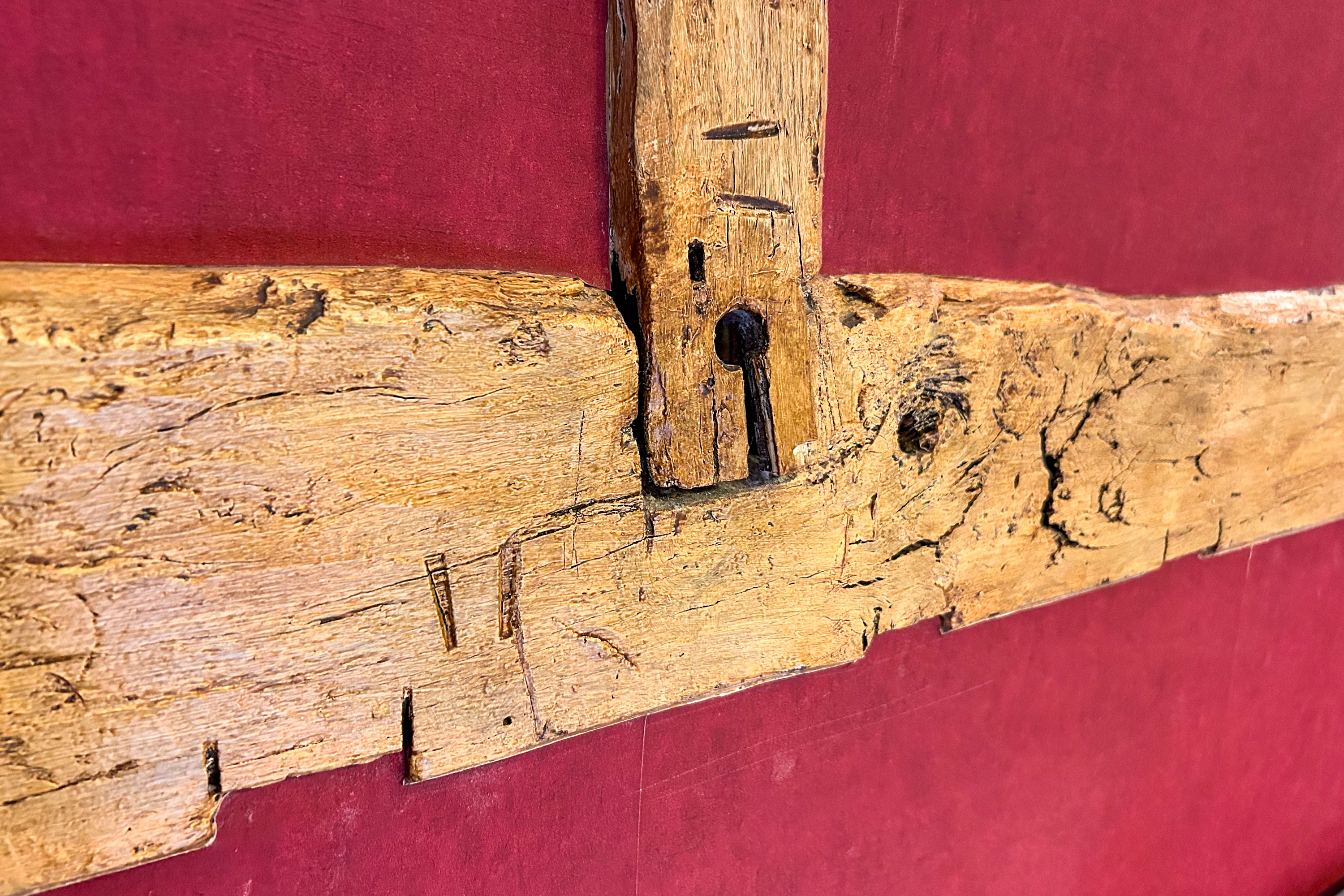
Amazing to look at original wood work, hundreds of years old.
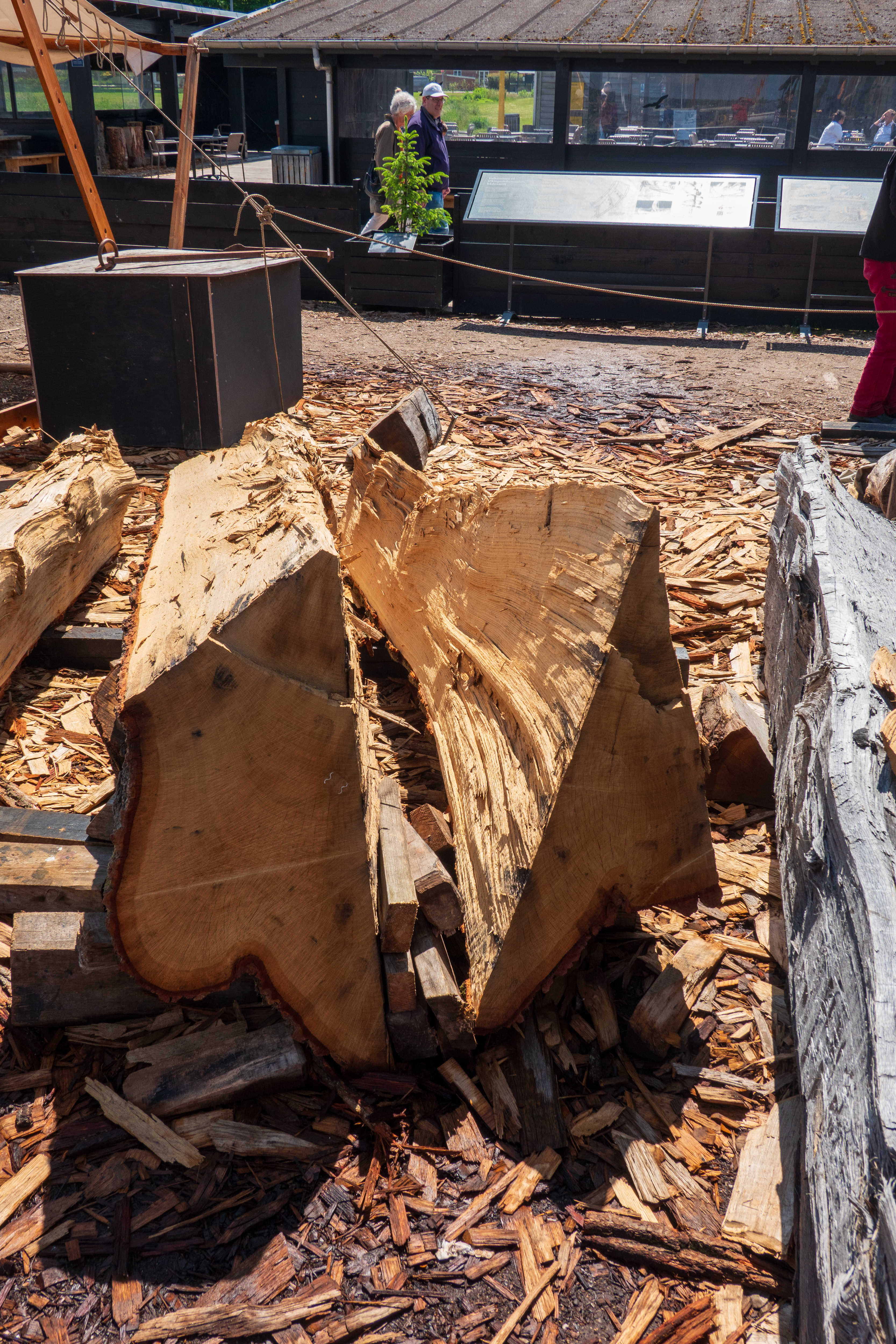
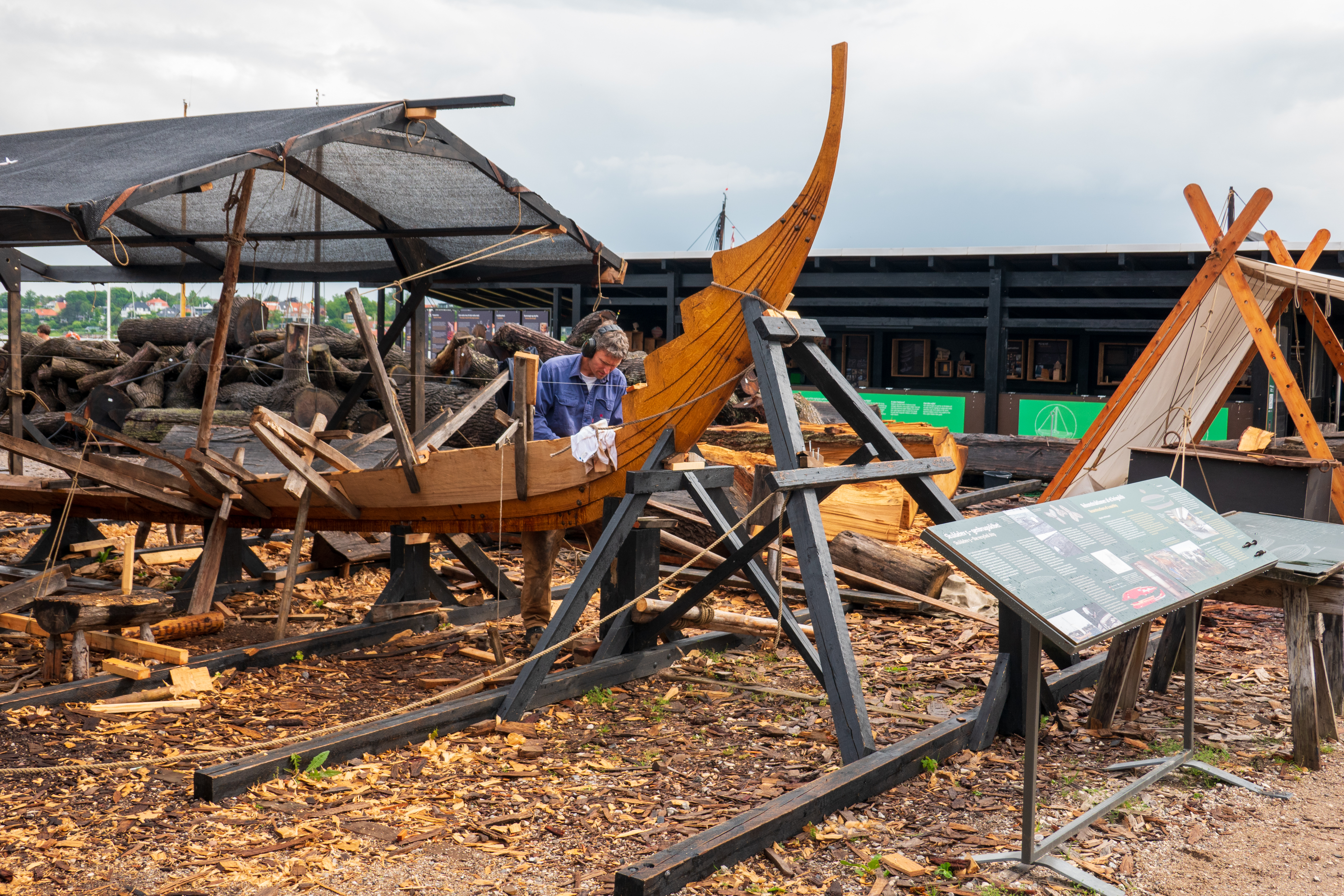
Not a replica, but a full reconstruction, with every effort to use the original techniques as best they can be determined,
Not all of the ships were the fast, longships, some were freighters.

Back outside, we visited the Sea Stallion, a full scale reconstruction (not a replica) of a Viking ship built in Dublin around 1042. (Who knew the Vikings actually settled, as opposed to raiding, in Ireland?) The reconstructed ship was even sailed to Dublin, but it is speculated that the modern crew took longer than the Vikings would have taken back in the day.

So what is the difference between a replica and a reconstruction? The movie company, Universal built a Viking ship for the movie The Vikings and MGM built a replica of HMS Bounty for Mutiny on the Bounty. The ships looked right, but were built with modern techniques and the Bounty even had a diesel engine. A reconstruction, on the other hand, is built with period correct techniques and tools – a lot harder, but a fantastic opportunity to see how ancient techniques actually worked. Note: some were a lot better than you would expect.

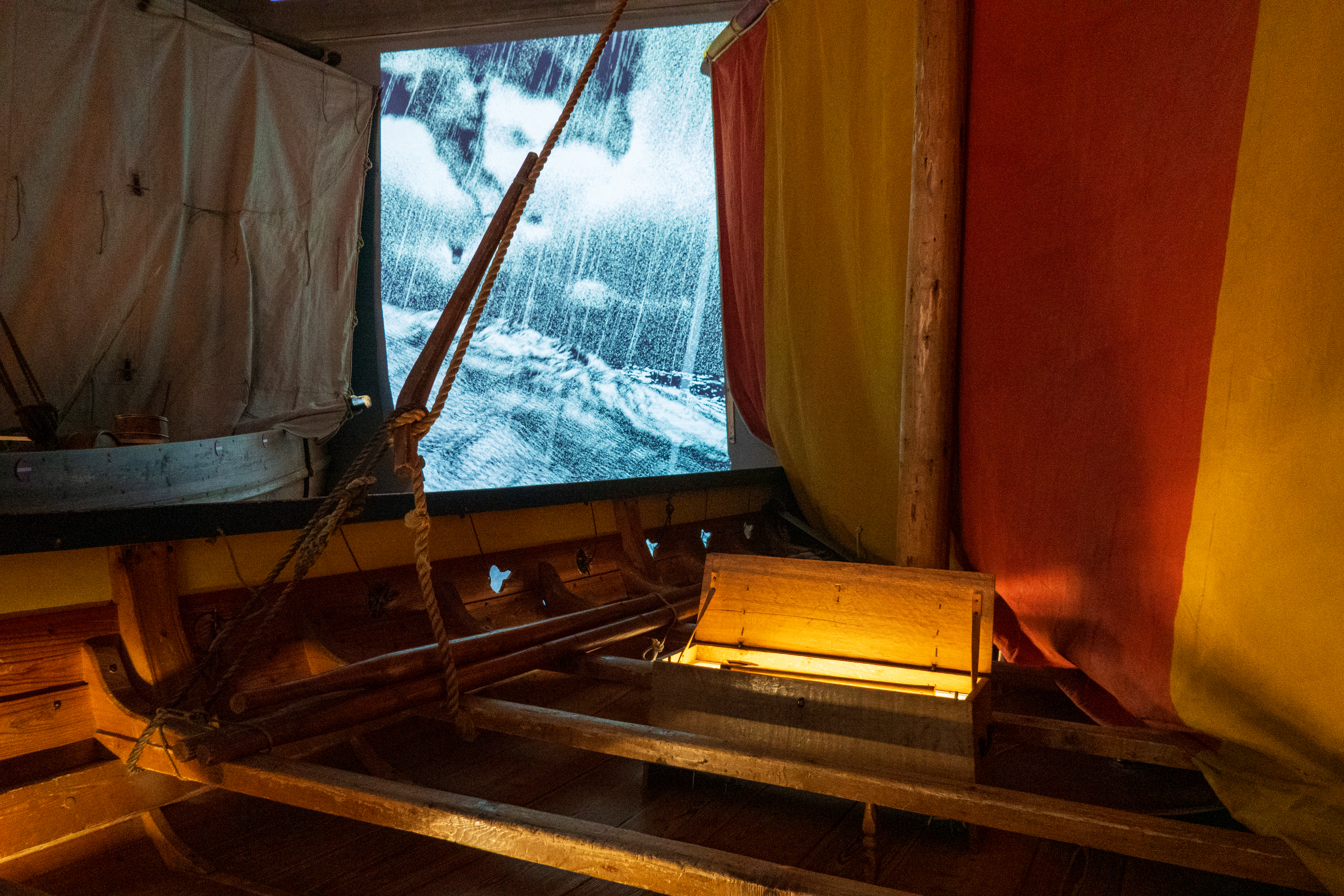
You can get into one of two ship mockups in a studio and sail into the storm!

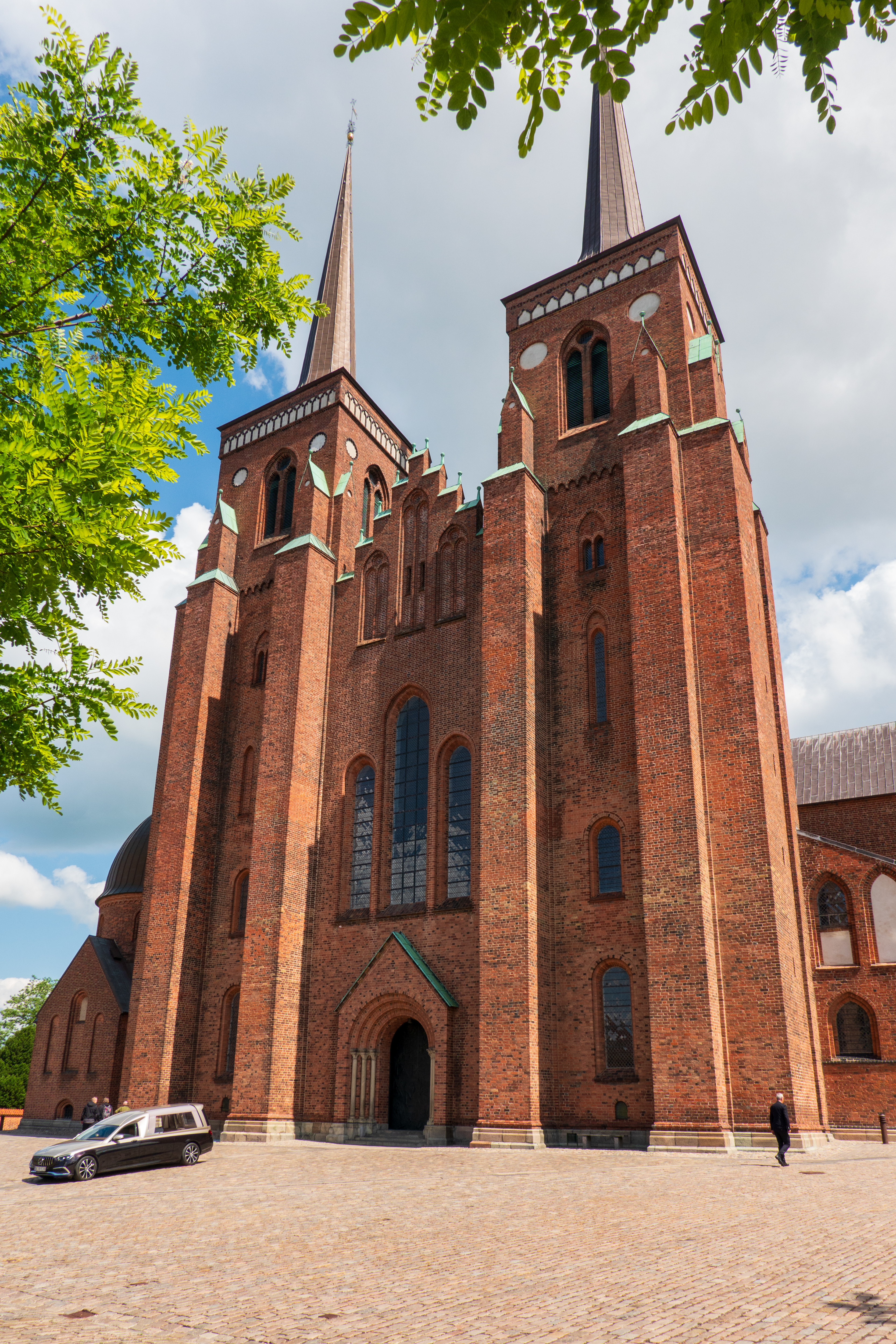
We finished our visit with lunch, a “Viking Platter.” A selection of interesting dishes – one being more than enough for the two of us. We then headed up the hill to the church. Sadly, a funeral prevented a visit inside.

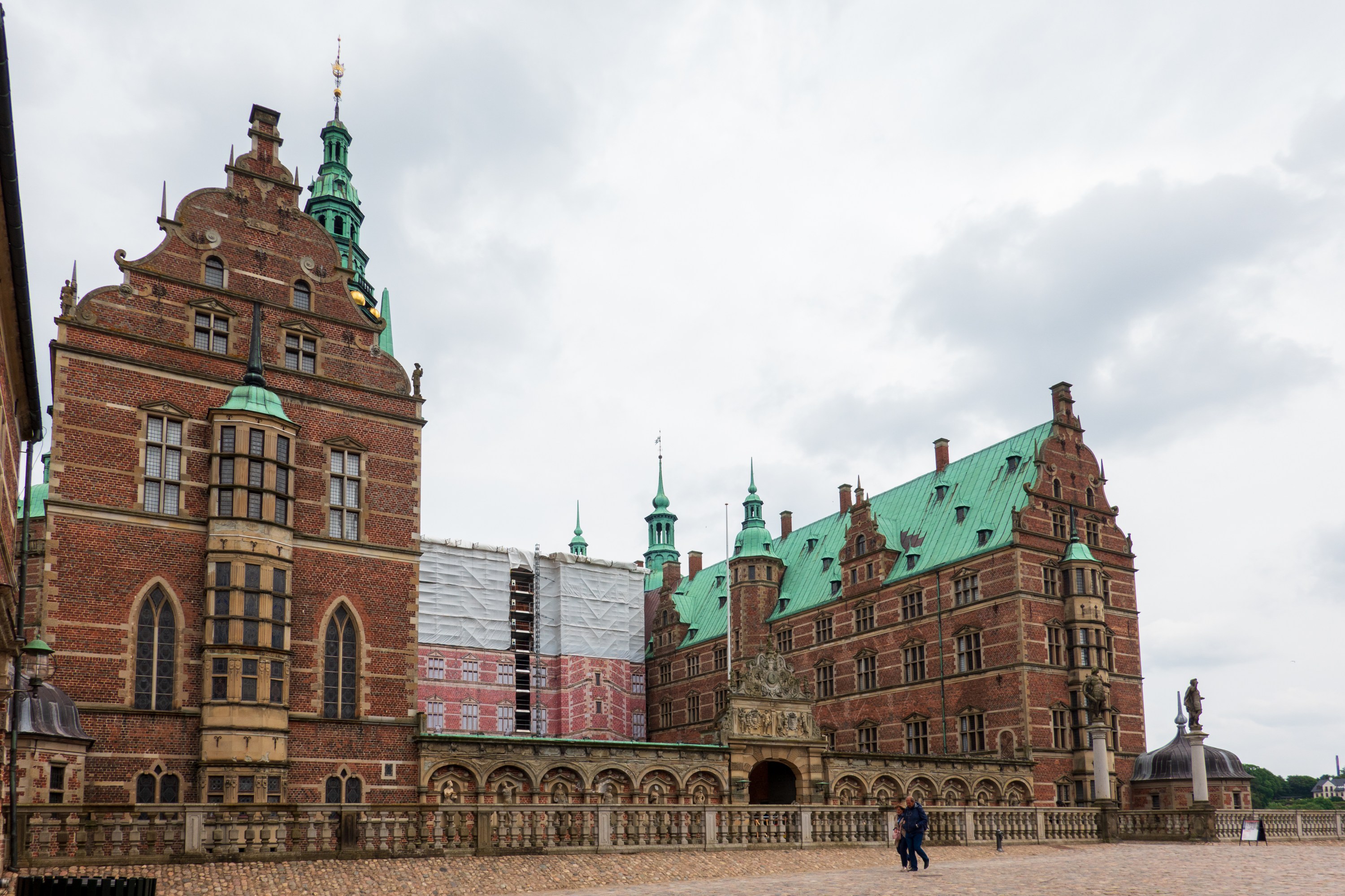
We moved on to a lovely campground in Hillerod and, in a burst of sunshine, set out to find the Frederiksborg castle.  (https://dnm.dk/en/frederiksborg-castle/) From the website: Frederiksborg Castle was built by King Christian IV in the early decades of the 17th century and is the largest Renaissance complex in the Nordic region. The aim of the building was to show off and enhance Christian IV’s status as a powerful European monarch. Accordingly the castle is richly adorned with symbolic and decorative elements: for example, the impressive Neptune Fountain and the Marble Gallery of the King’s Wing. Another study in obscene income inequality. And keeping up with the neighbor nation Joneses!

A short ride and we were at the main entrance.  It was closed as it was later than 5 PM and so we set off back to the campground as it began to rain!!  Again! 

The next morning we headed to the Castle. No sun, but no rain. 

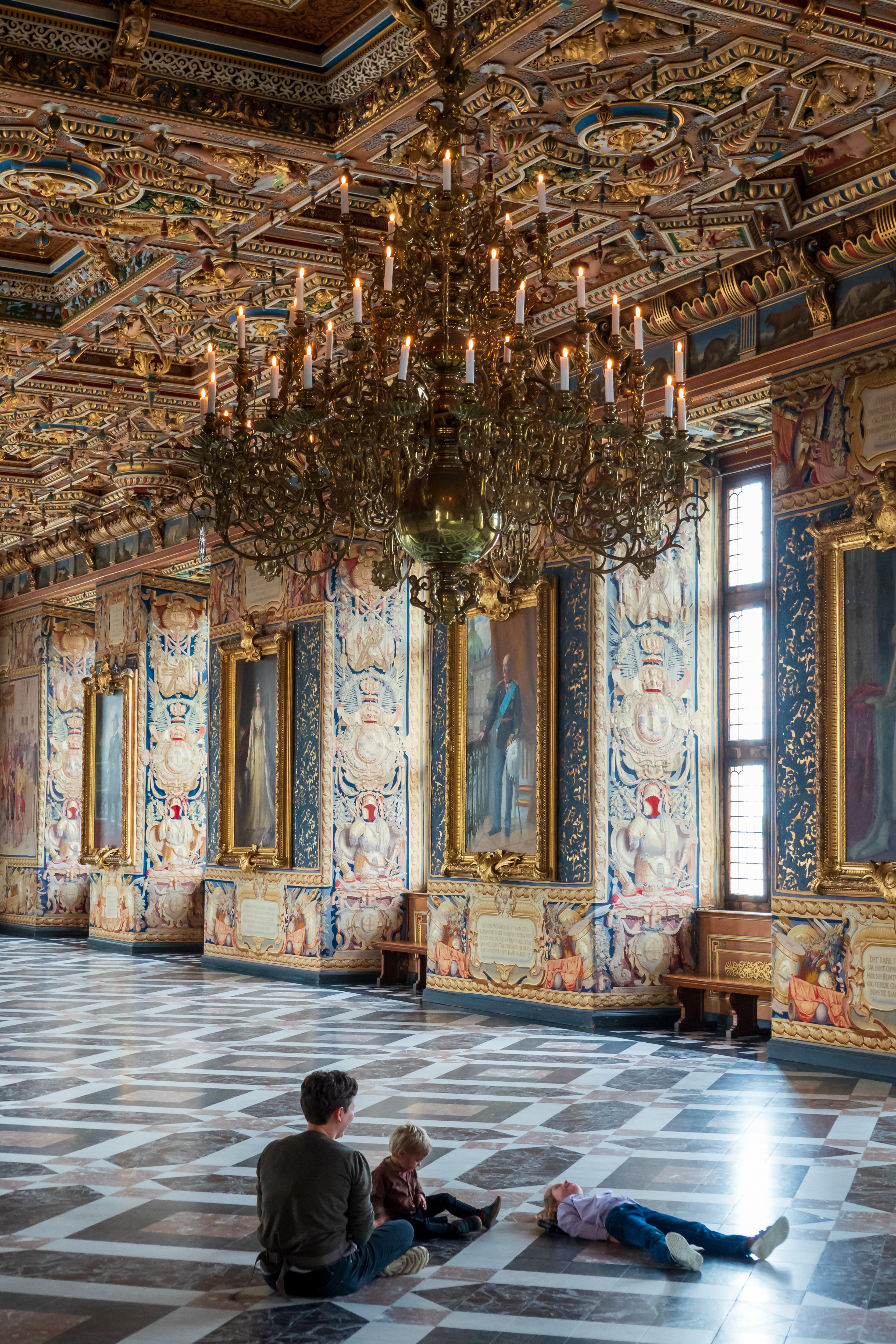
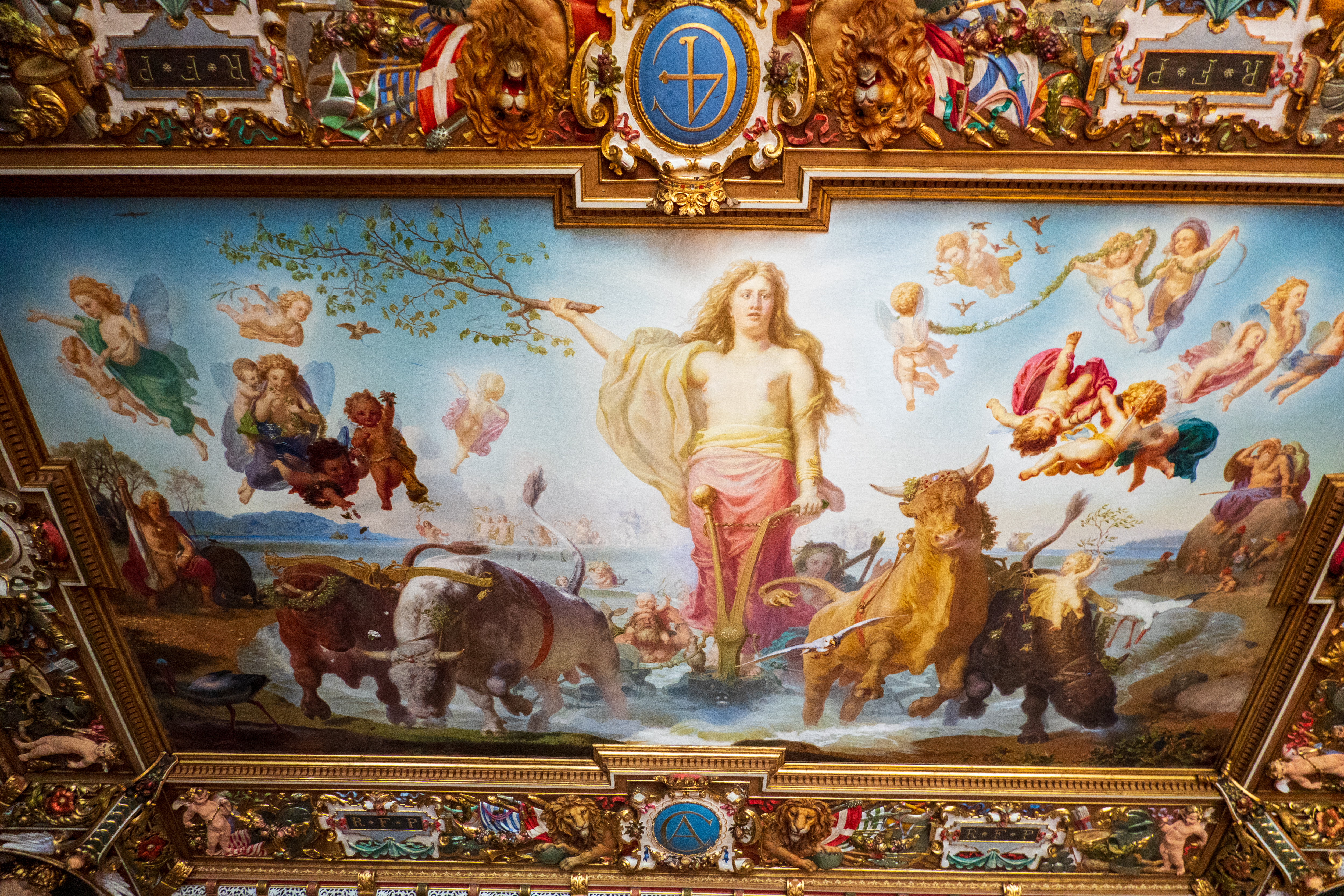
It was was “royally” decorated with spectacular ceilings in reception rooms. 

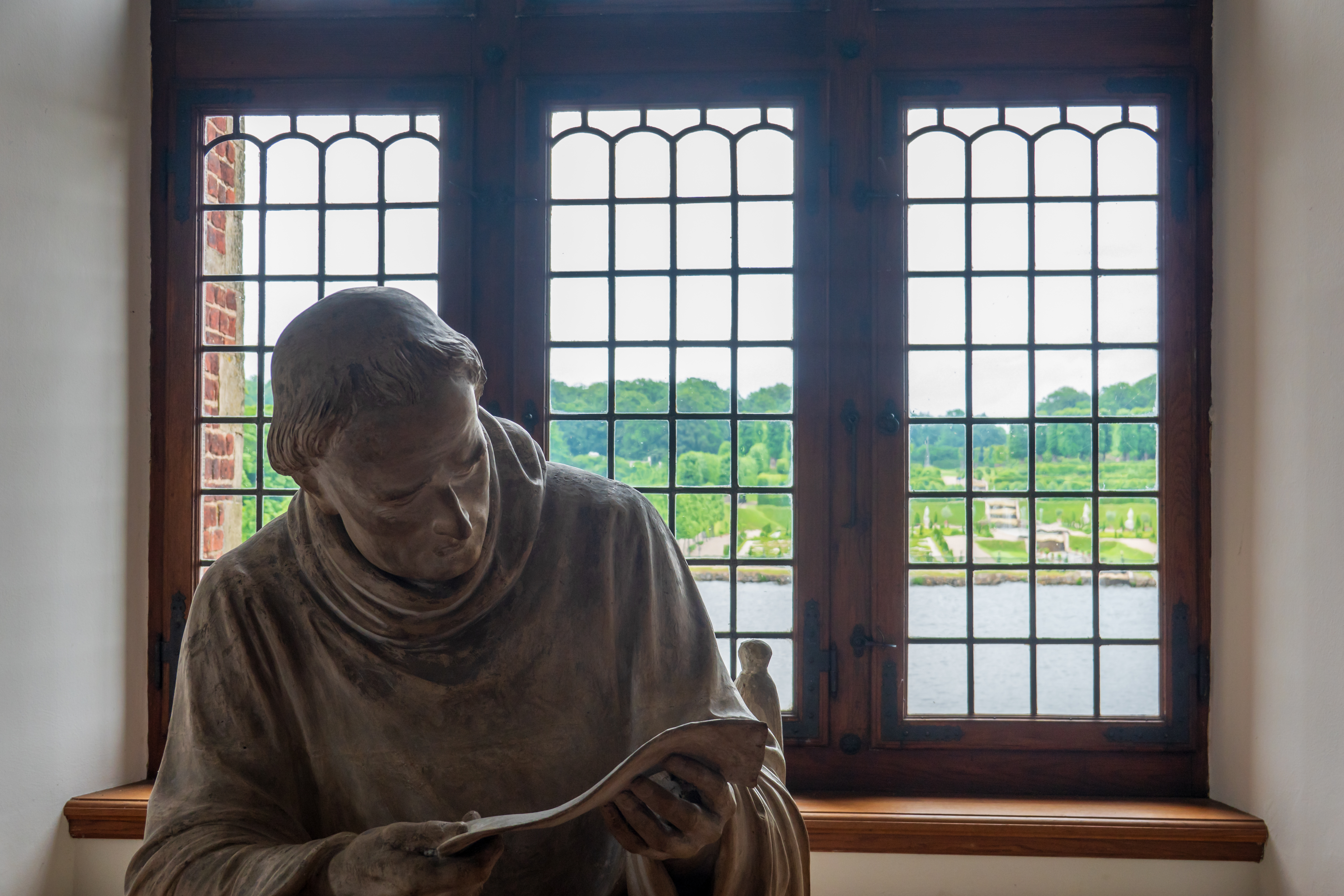
The palace has great views of the enormous formal gardens.
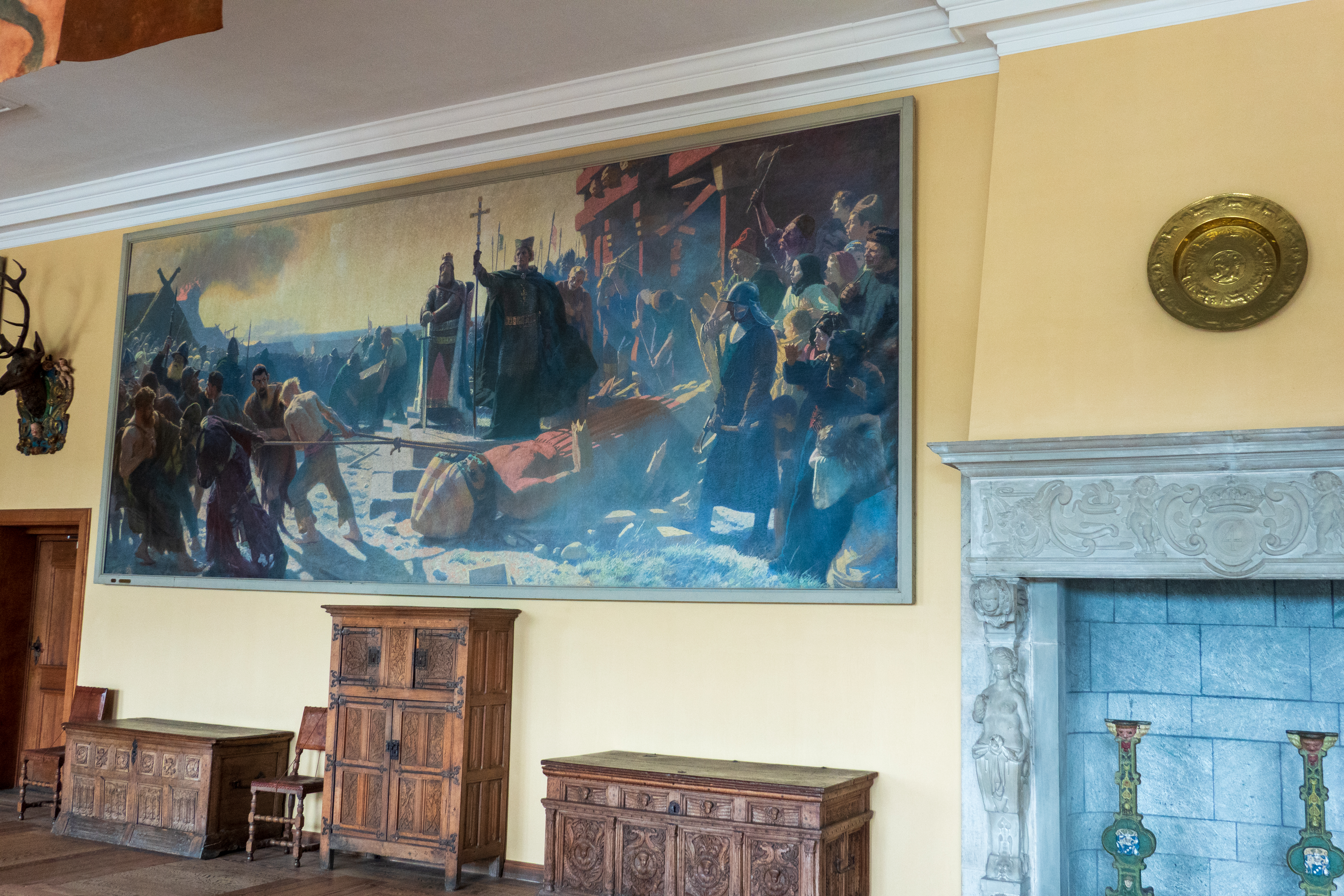
I have always marveled that the Scandinavians ever converted to Christianity. This painting appears to show a king or bishop destroying a statue of one of the Norse gods.
Sometimes the littlest tourists know how to get the best views.
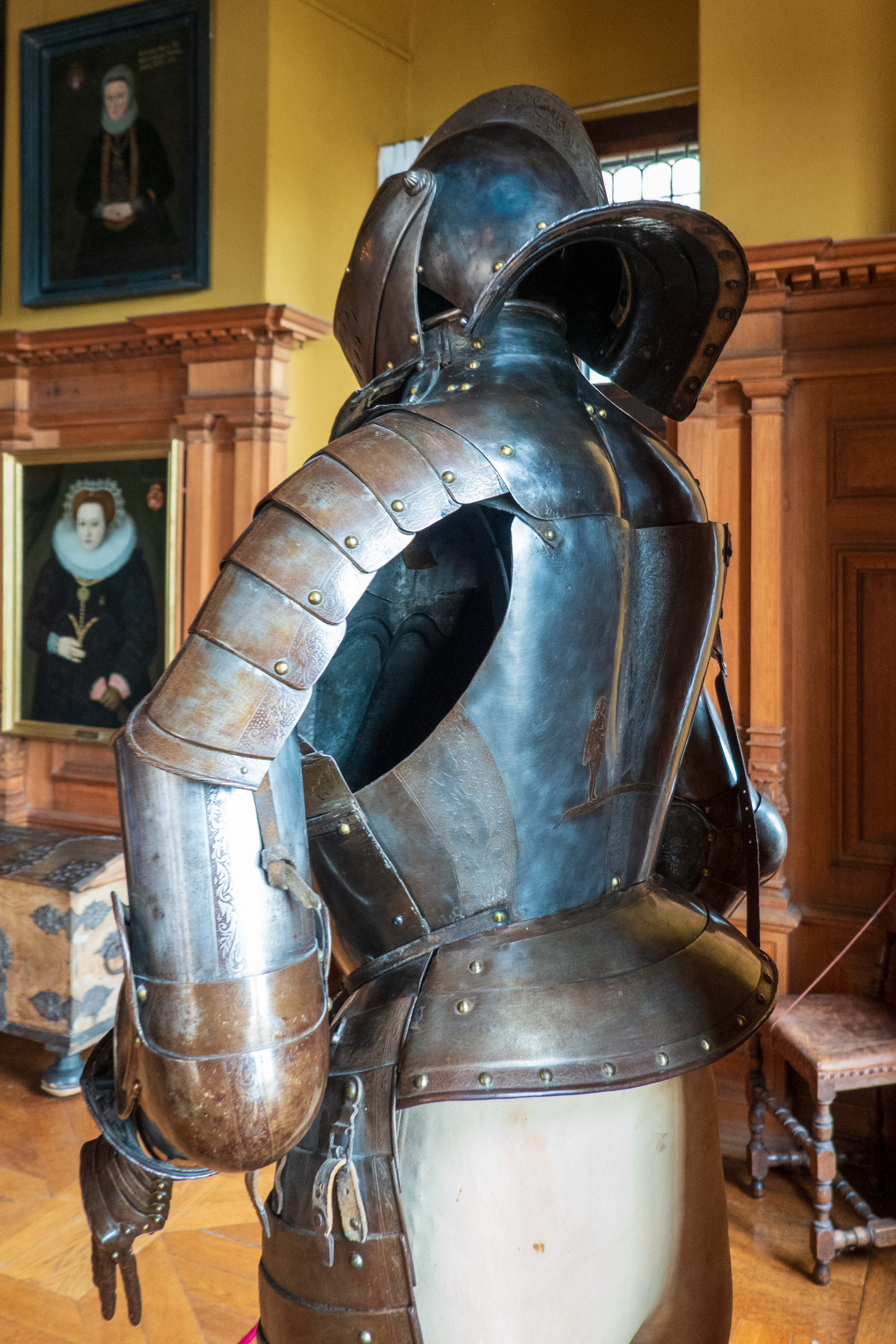
A stunningly beautiful suit of armor.
Another mechanical astronomical model.
Would love to have this in our living room.
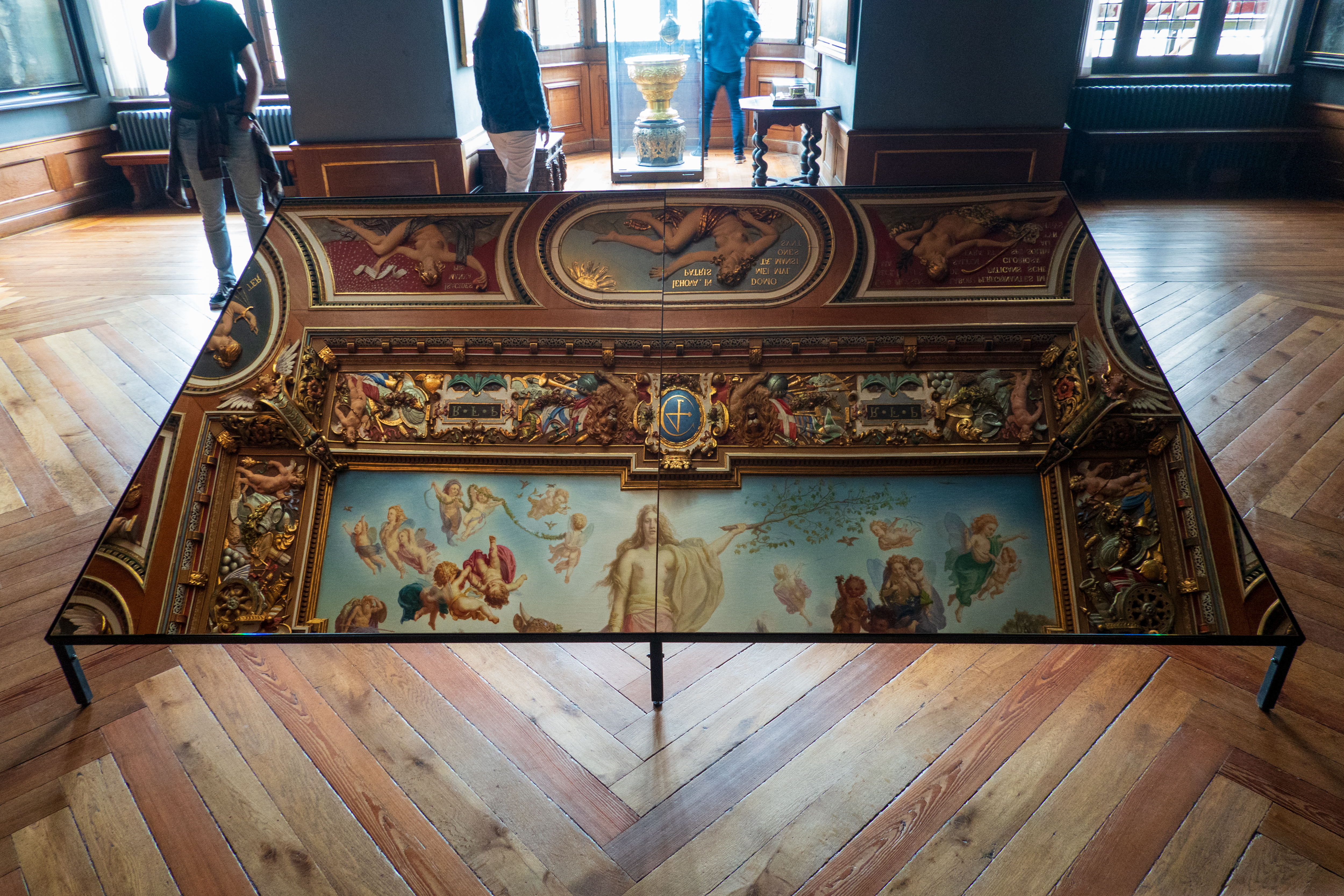
The ceiling art is a bit over the top. literally.
And so you don’t have to lie on the floor, they put a mirror on the floor.

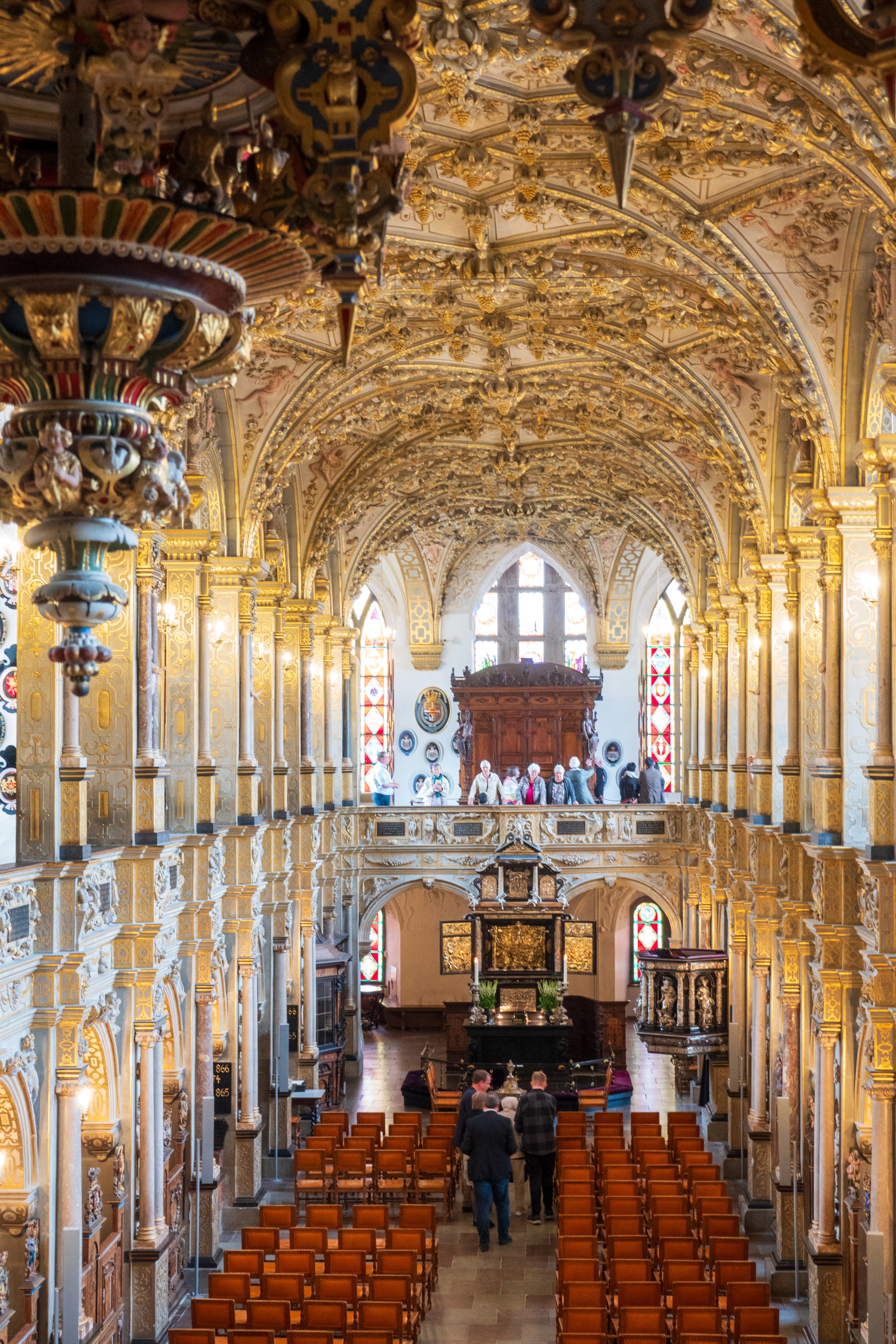
The highlight from our point of view was the chapel, which was simply glorious. We were walking along a corridor when one of the docents told us to hurry – the chapel would be opened for only a few minutes before the wedding. Wonderful opportunity to see everything lit up and decorated.

Preparations were underway for a wedding but we were permitted to enter the gallery running the length of the chapel and to marvel at the ornate ceiling and at the number of royal boxes each with its individual crest. 

We have a thing about organs.
Amazing decoration.
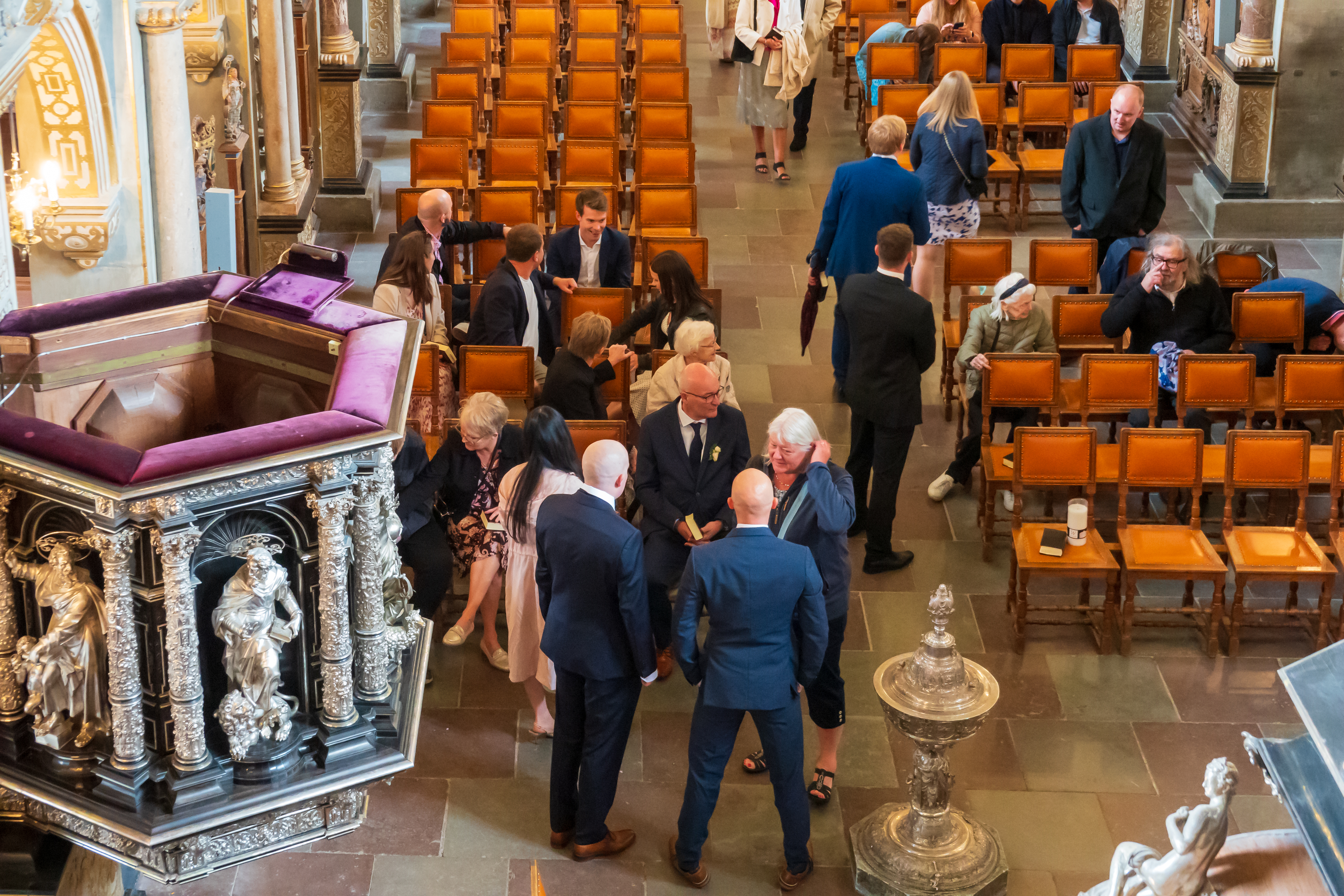
Wedding party huddle.

We returned to collect the camper and set out for Copenhagen.

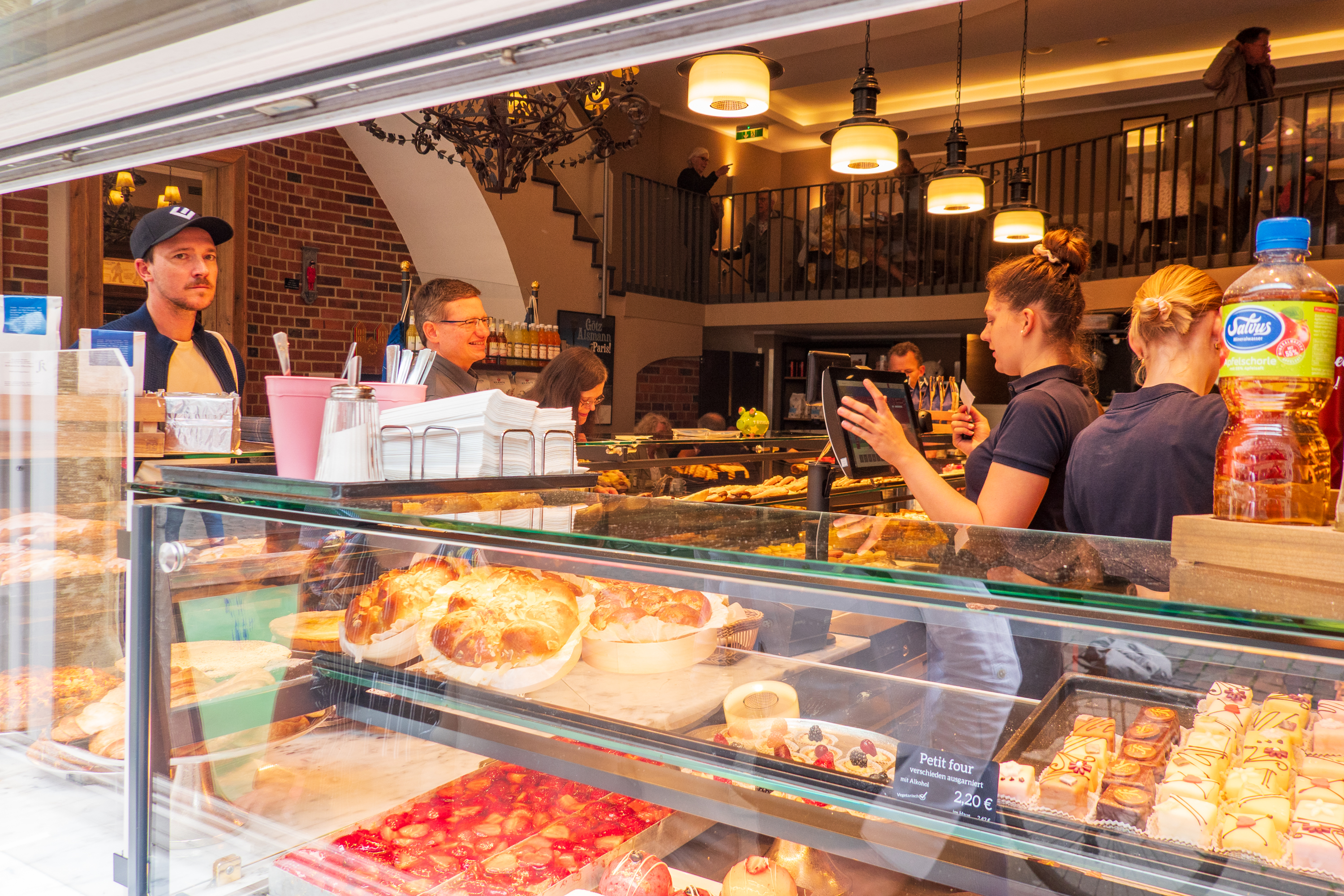
Beginning to fear that there are no Danish pastries in Denmark.

In Search of Danish Pastries

After leaving the ferry in Rodby, an easy drive took us to Nakskov, in the Lolland Falster region of Denmark. Nakskov is a resort destination with a large campground and lots of summer homes. It even has a beach and claims the warmest water in Denmark. Still too chilly to tempt us!

We had planned a day of visits to a sugar museum and then on the second day, a ride on the Post Boat in the Nakskov Fjord.  However, the first day, Sunday, proved sunny so Fred decided it was time to paint the roof rack over the cab. Like everything else, it had really suffered in the soggy English winter. So he borrowed a ladder from someone in the campground and spent the day painting the roof rack (and himself) a lovely glossy black.  Weeks later, he still sports Goth fingernails – Rust Oeleum is tenacious stuff! Denise meanwhile assisted where she could and then took a walk out to the point to admire the fjord.

First task was to cover the truck. Fortunately, Fred had thought to buy painter’s tape and plastic sheeting.
Looks better, but I still missed a lot of spots!

To celebrate completion of the project, we took ourselves out to dinner at a lovely restaurant nearby.

The next day proved much cloudier and windier but we cycled into the town and had a look around. 

Being Monday tourist attractions were mostly closed but such is life! It seems that one must close on Monday to recover from the effort of closing on Sunday. Banks were open, but would not change money. In fact, they have no tellers and a sign that no cash is handled in the bank. Interesting. So it was off to the ATM and that did work.

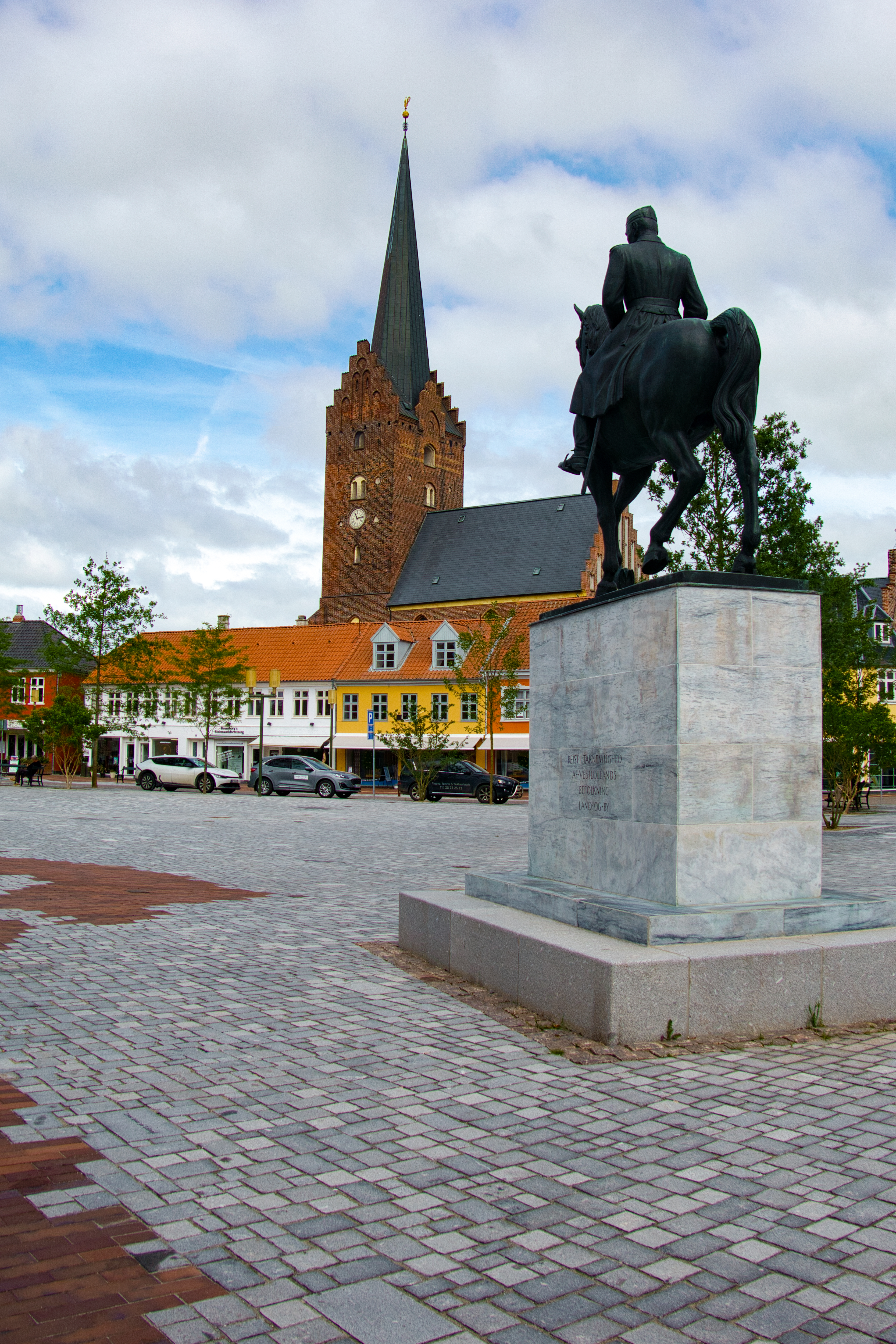
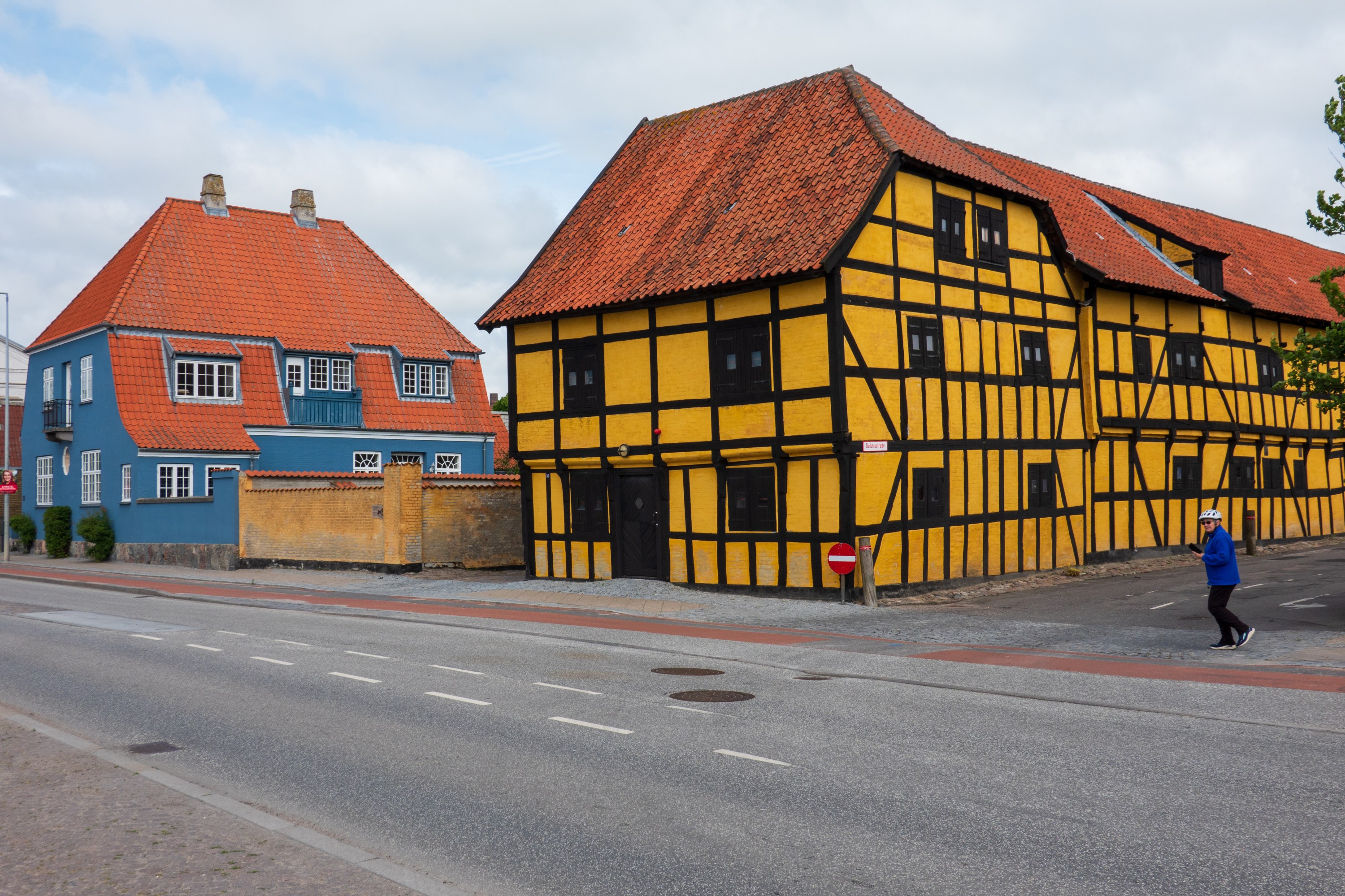
We admired the small section of town with older buildings, many of which were painted a dark yellow. 

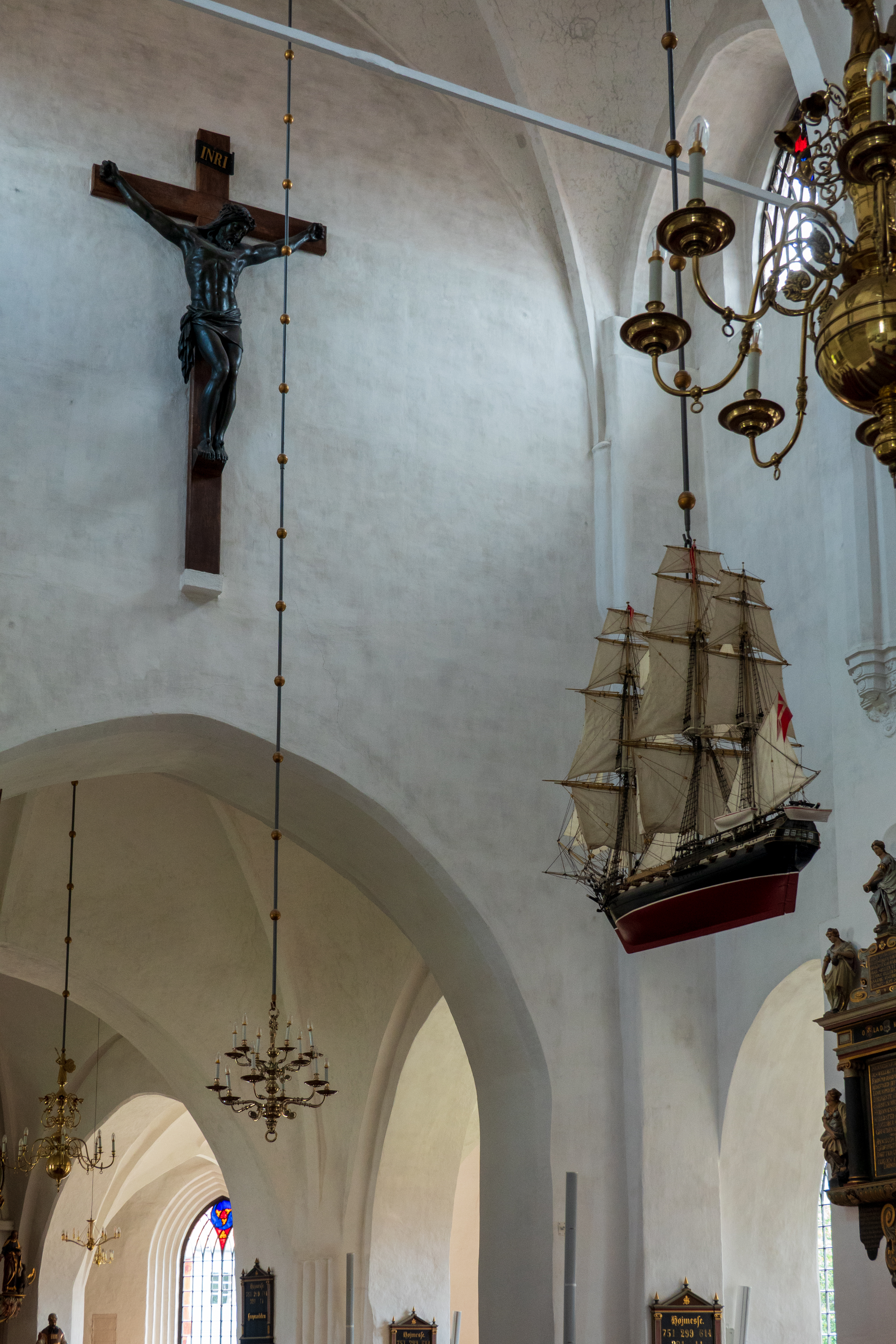
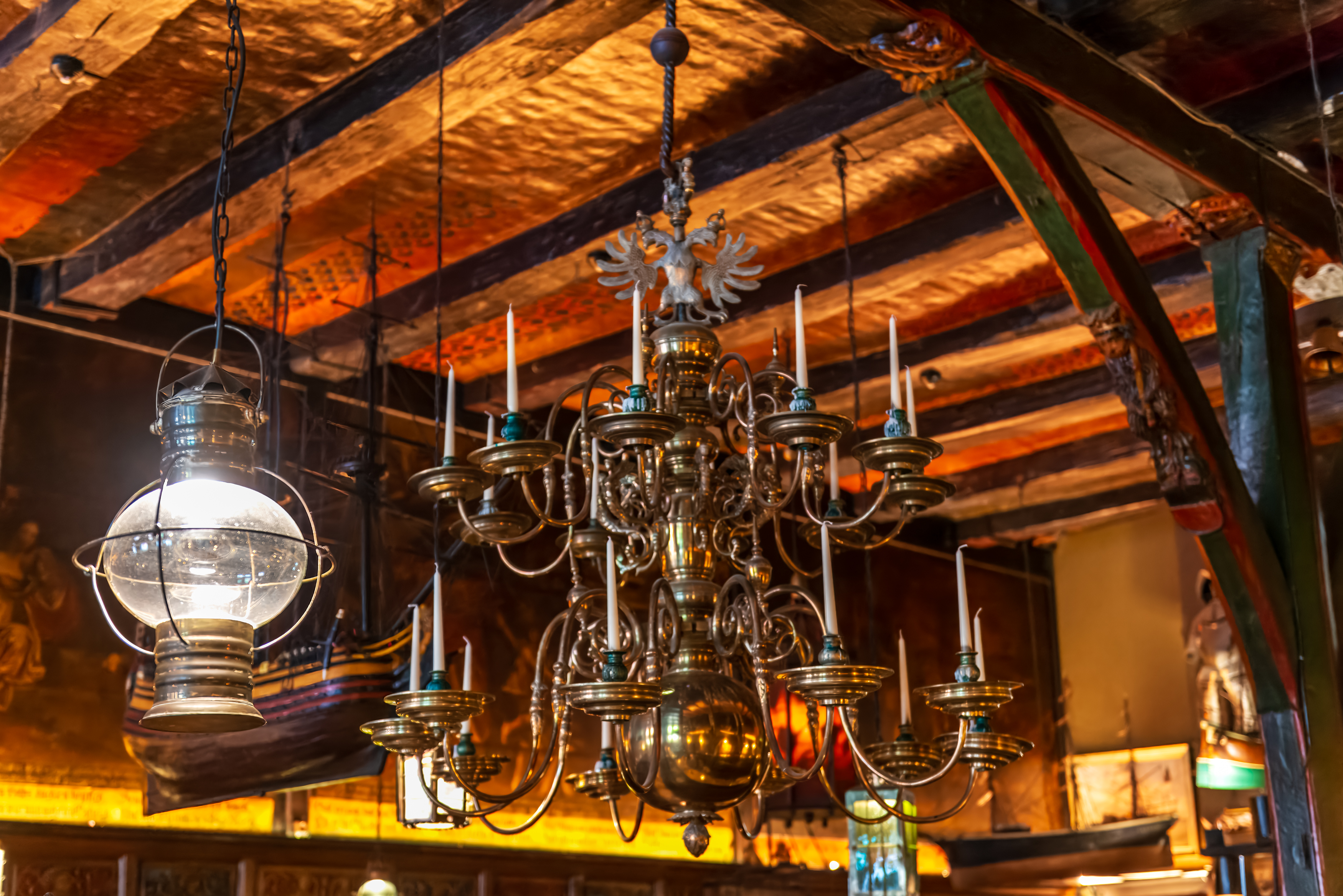
We also visited the church, St. Nickolai.  It was interesting and in keeping with the importance of the fishing industry to Nakskov, a model of a boat was hanging in the church above some pews.  

Ship model suspended in the church.
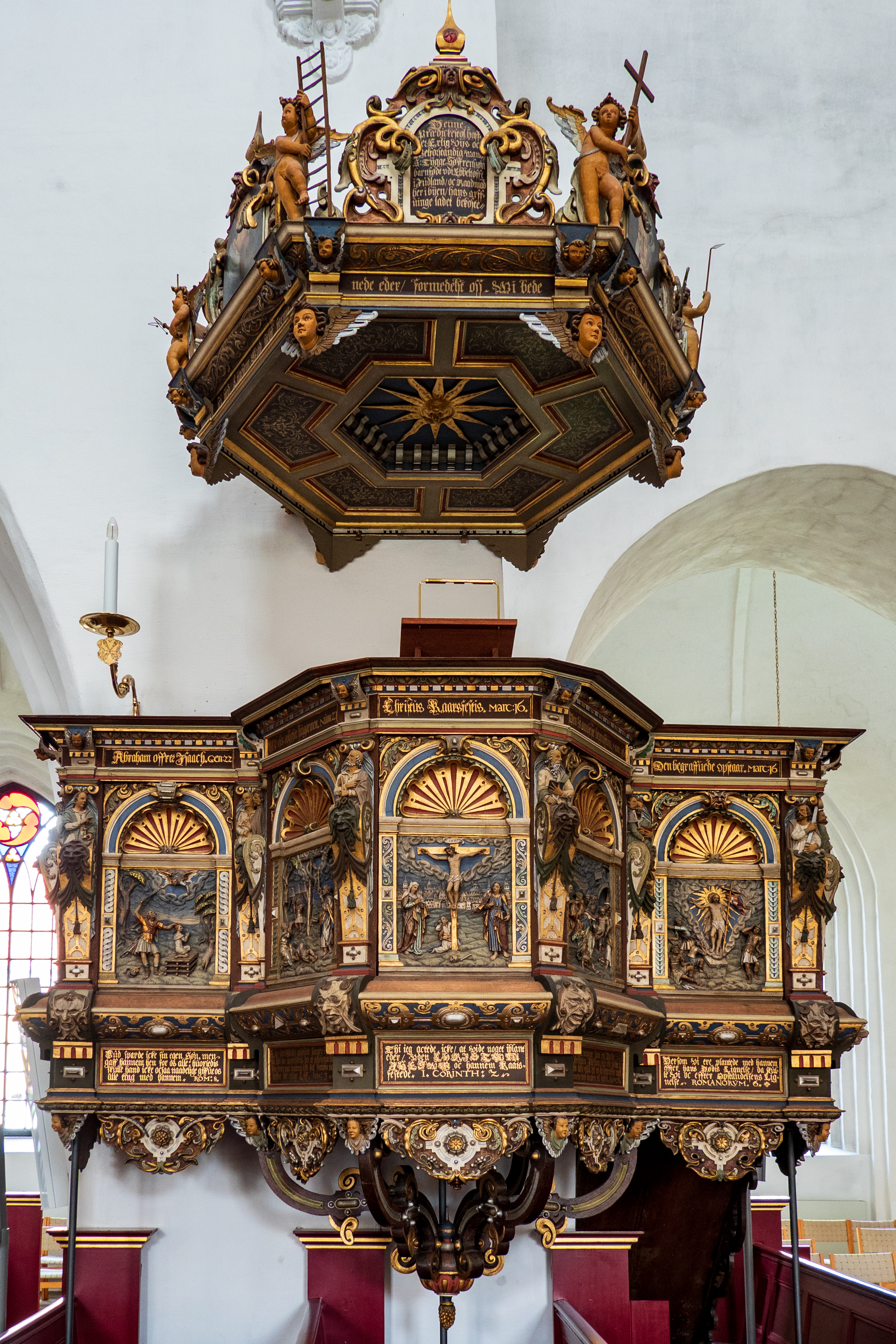
Gloriously decorated pulpit.
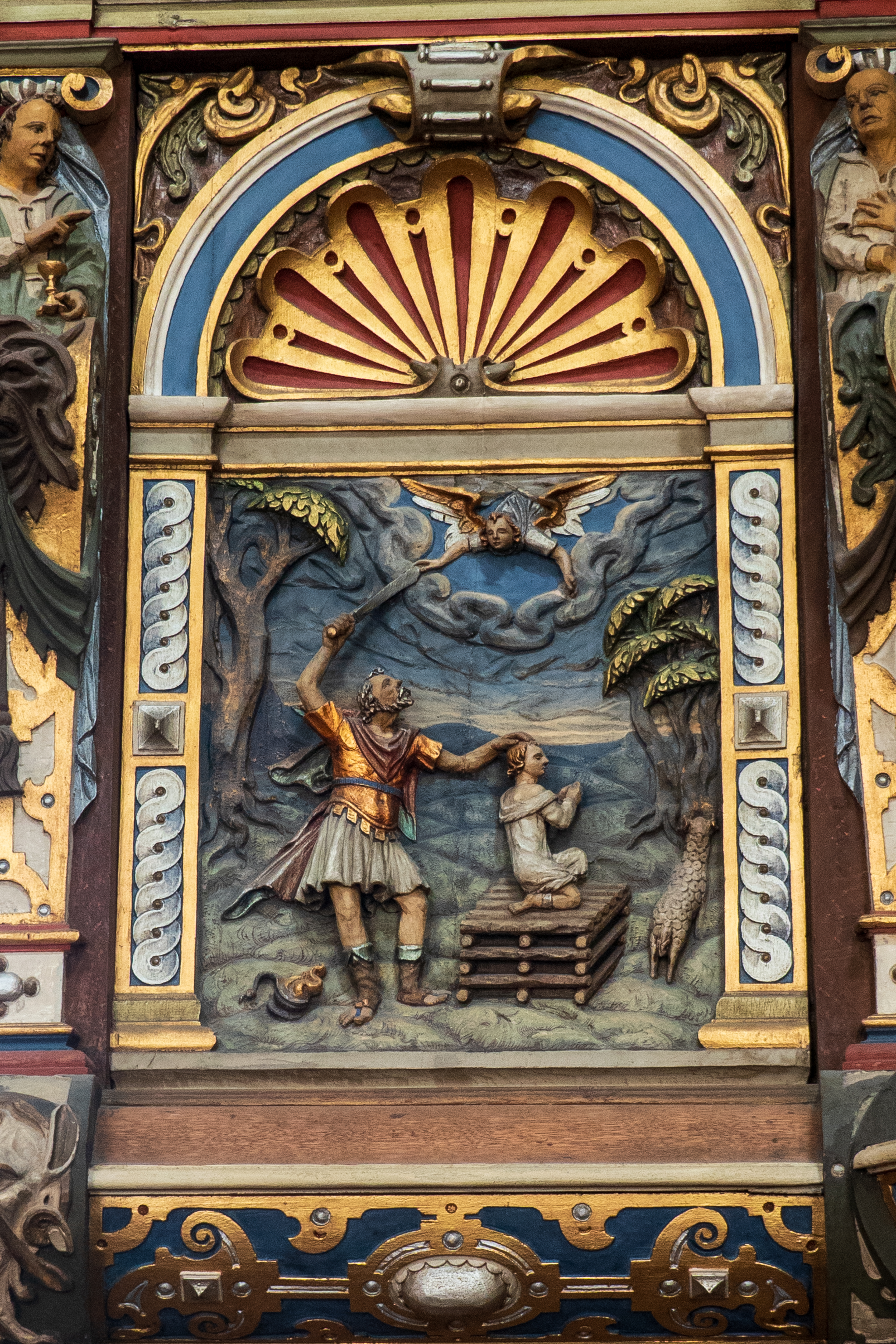
Very detailed, and Scripturally correct, detail of Abraham and Isaac.

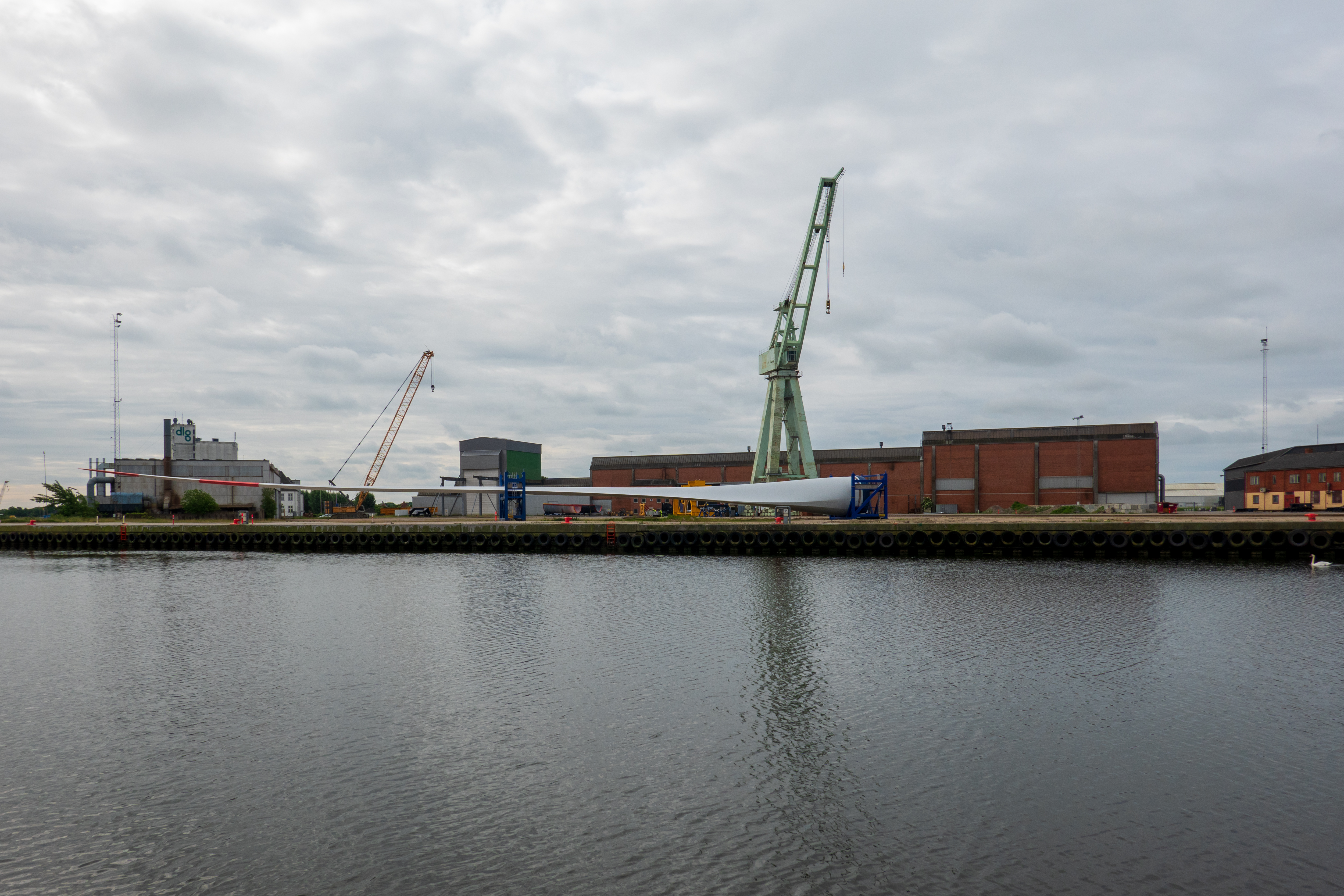
The Post Boat did sail on Tuesday morning and we enjoyed the trip, although the sun barely poked through.  The water was calm and the wind quite decent.  Sailing out of the harbor, we admired that factory that makes massive windmill blades.

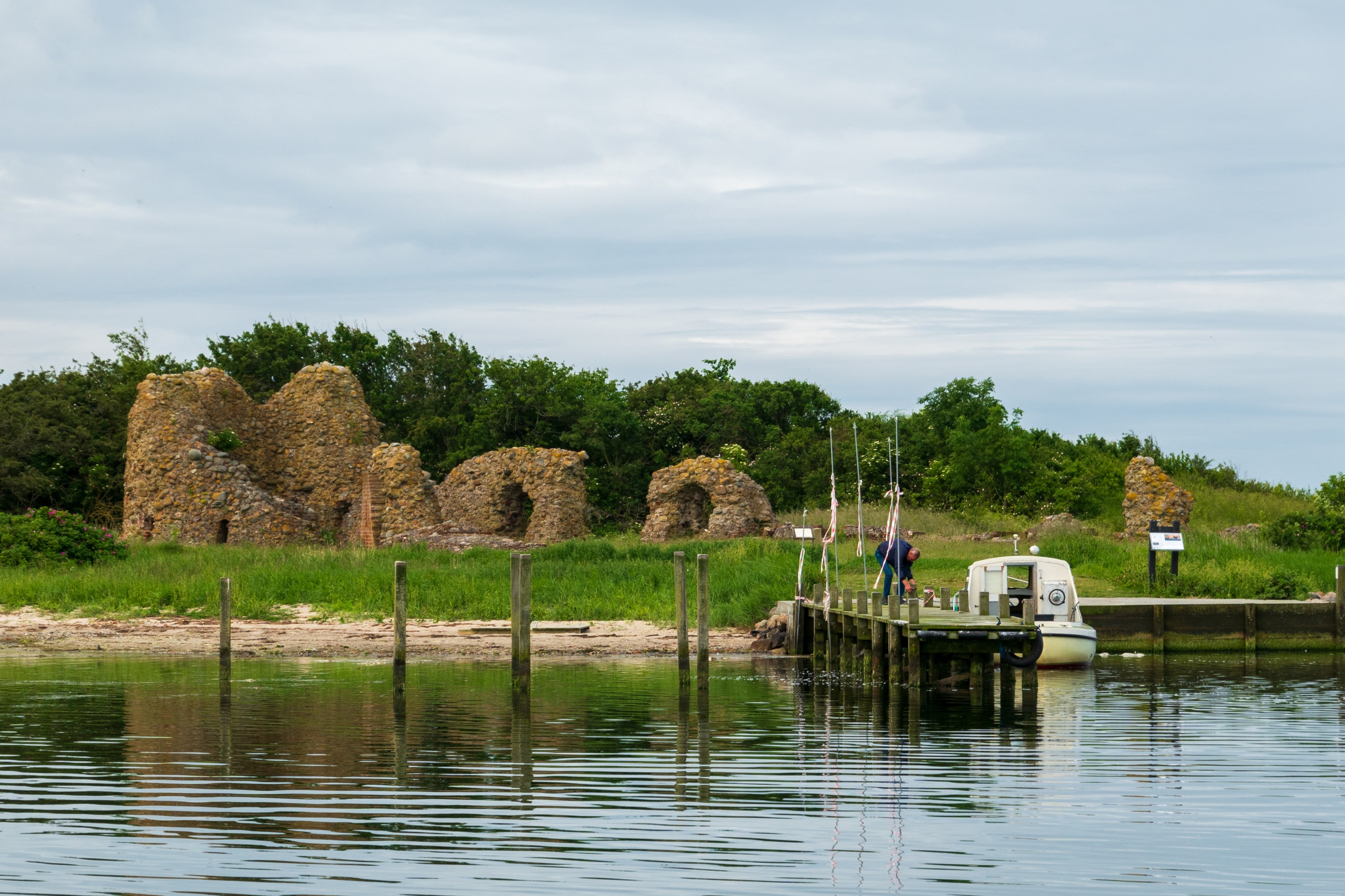
We visited two islands in the bay, both with wildlife preserves. The first, Enehøje, had been owned by the Danish explorer, Peter Freuchen. We had never heard of him, but he is actually a most interesting gentleman: https://en.wikipedia.org/wiki/Peter_Freuchen.

We ate our pack lunch on the second of the two. Fred climbed the lookout tower and admired ships through the 15 centimeter (!!) binoculars. Huge!

While chatting with the other passengers on the boat, we discovered that there was a cherry winery, the Frederiksdahl Kirsebaervin, nearby.  Cherry wine? As in, made with cherries, not grapes? Such an interesting idea that we had to visit.  Needless to say, it had just closed when we arrived, but a charming gentleman opened it up for us and we enjoyed a tasting.  (https://frederiksdal.com/int) We bought a selection of wines, including sparkling and cordials. Cherry wine is a serious wine, but much stronger and less sweet than grape wine. Much more of a cordial than a drinking wine, at least to our tastes. One recommended drink is to mix with strawberry/rhubarb tonic water. Not bad at all.

We could not stay overnight at the winery, but were directed to a small port nearby, where we could camp for the night.  This proved to have a great view of the Tars to Spodsbjerg ferry. We enjoyed watching its hourly comings and goings.

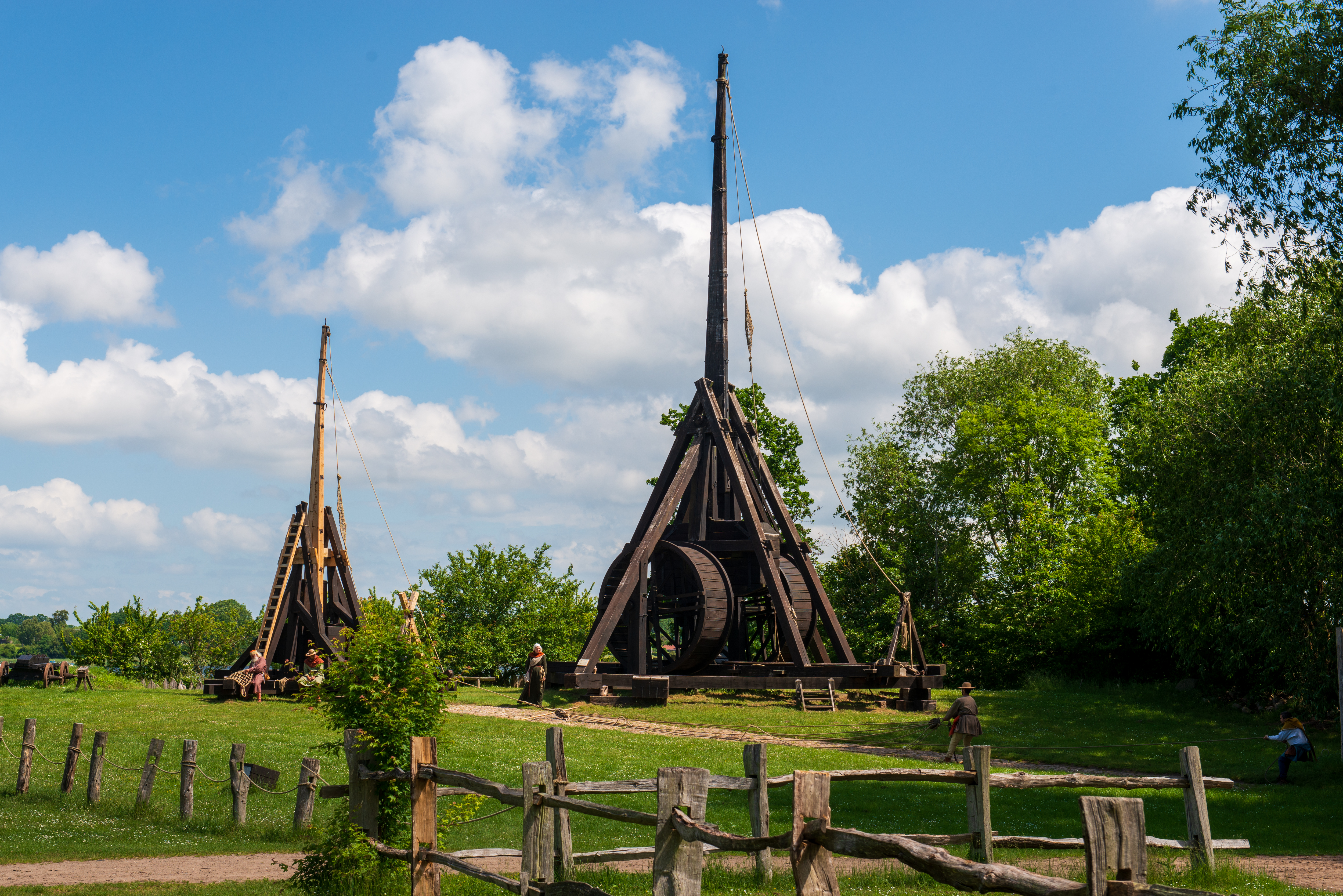
Our next stop, at the Mitteladldercentret, or Medieval Center was interesting and well worth it.  (https://www.middelaldercentret.dk/?lang=en) We are suckers for “living history” exhibits. We wandered in, looking for lunch, only to learn that they had not one, but two trebuchets and they were going to fire them at noon! Too cool! OK, you have to be a real medieval history freaque to even know what a trebuchet is, but let us just say that for hundreds of years it was the biggest dog in the artillery game. Lobbing stones in a ballistic arc, it could be used as a kind of long range battering ram. (You could also lob all manner of other things as well.) Read more here: https://en.wikipedia.org/wiki/Trebuchet

Fred was thrilled to actually see one in action. Needless to say, the rocks landed in the river so as to avoid damage to the houses across the river!  The small trebuchet was armed by audience participation – they dragooned a dozen or so folks to pull the ropes that pulled down the throwing arm. The big one used the squirrel wheel winch.

Not one, but TWO trebuchets!
Using the squirrel wheel winch to pull down and lock the throwing arm.
Firing, or releasing the small trebuchet.
And the stone is on its way!

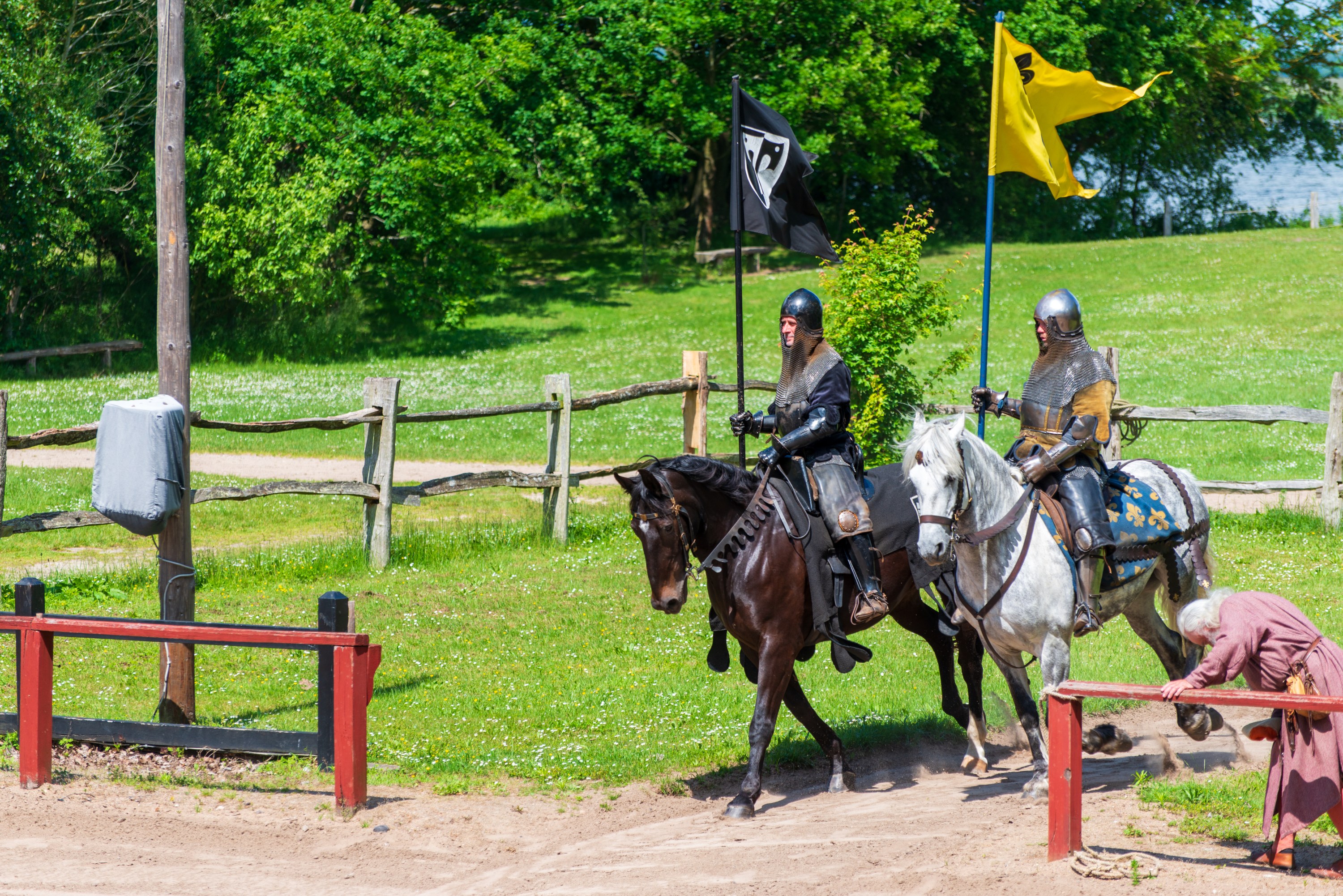
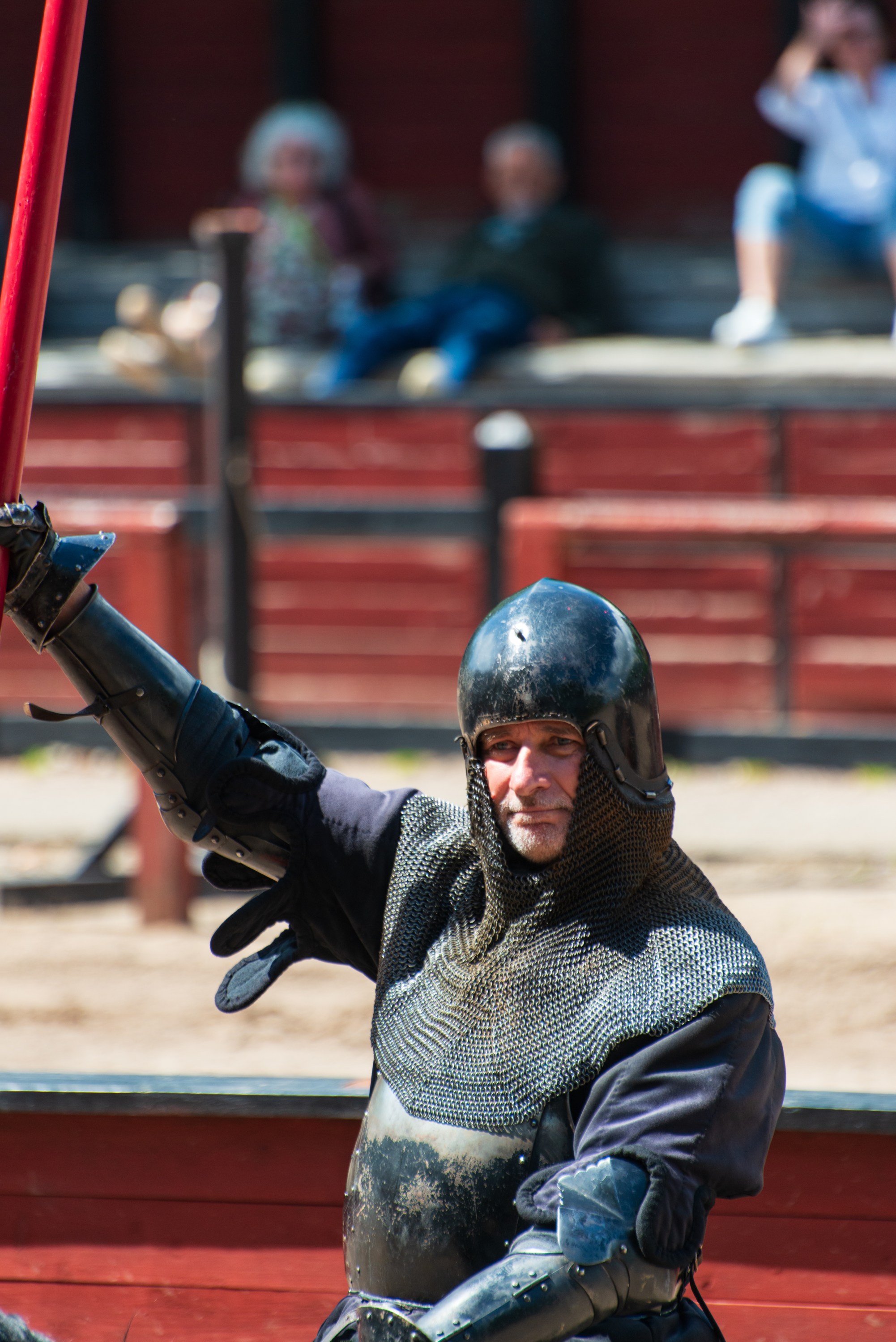
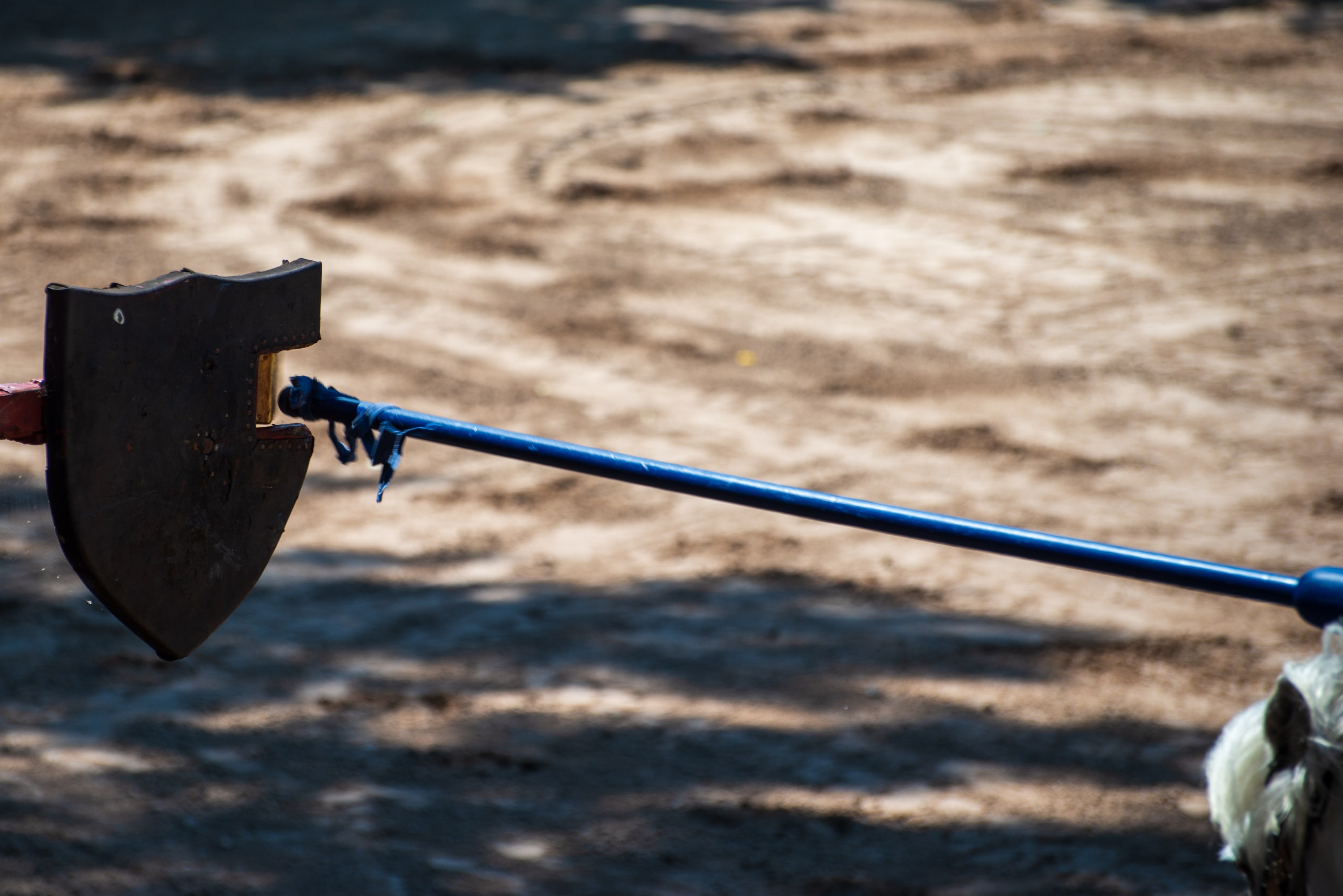
There was also a competition or “joust” between two knights which Denise enjoyed.  The horses seemed to be having a good time also!  All the staff were in medieval costume which added to the atmosphere. 

As well as being a bit of a comedian in several languages, the presenter was actually very well versed in his medieval arts and crafts.

Even with stunt lances and real armor, these guys had to be good not to hurt themselves. The displays of lance vs, various targets, to say nothing of each other, was most impressive. It felt like being an extra in the movie “A Knight’s Tale.”

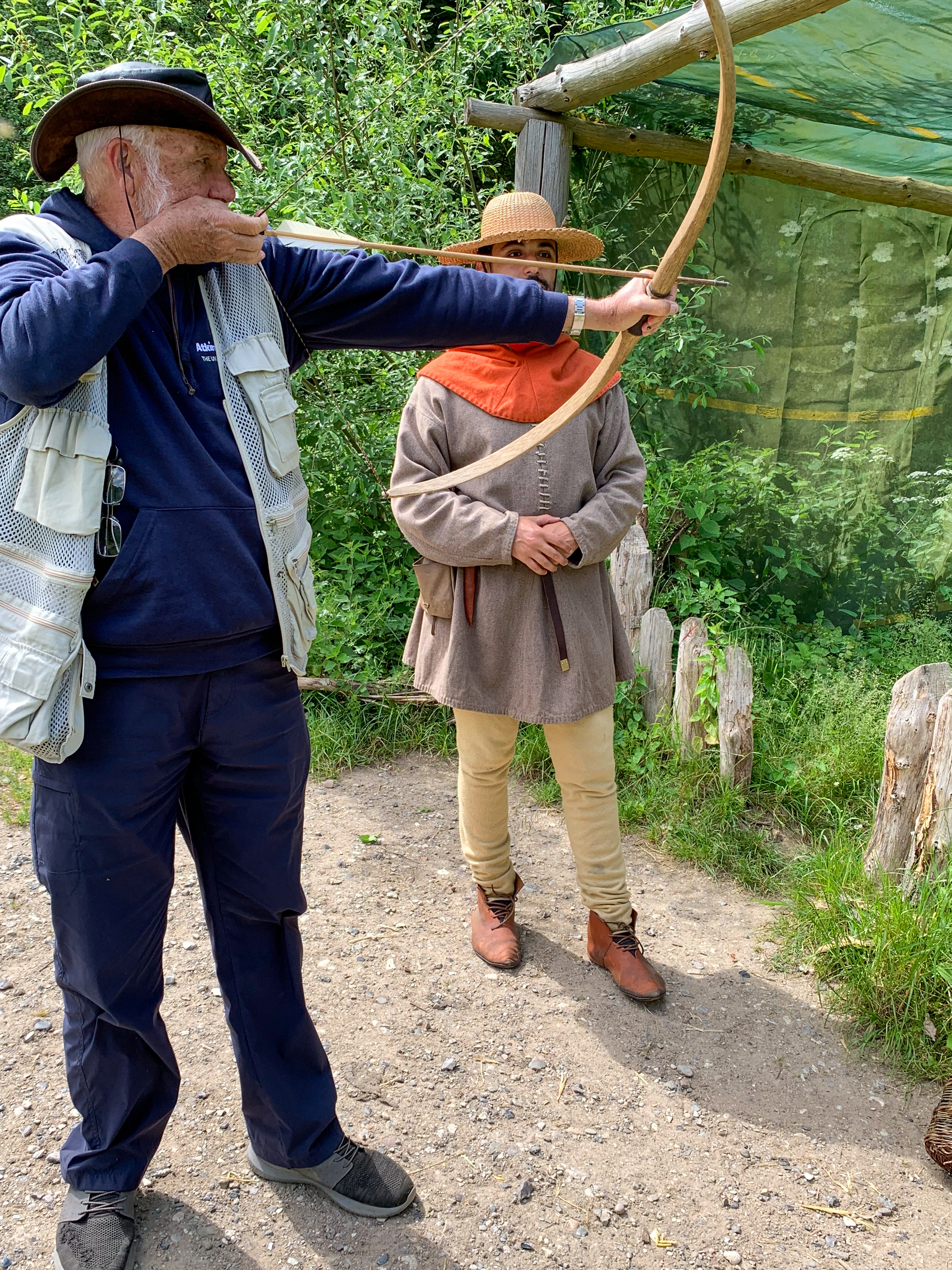
Fred tries his hand at the bow.
Thatched roof, pulled back so you can see how it is constructed.
Village feels like traveling back in time.

We stayed the night in the parking lot and moved on the next day to Roskilde, known for its Viking Museum.

Auf Wiedersehen, Germany

Continuing north, our next stop was Lübeck, another of the great Hanseatic towns.  We had made a reservation at a campground on a bus route into the old town.  We then heard from  Ron and Ton Corbin, who mentioned that they could meet us there and they would make reservations at the same campsite.  We had last met in Aigues Mortes in France as they finished a tour last November. (https://travelintiger.com)

Together again, but this time with more sunlight!

Wildest grey water drain I have ever seen. You wheel this thing up to your truck. If Mohammed cannot go to the mountain, then …

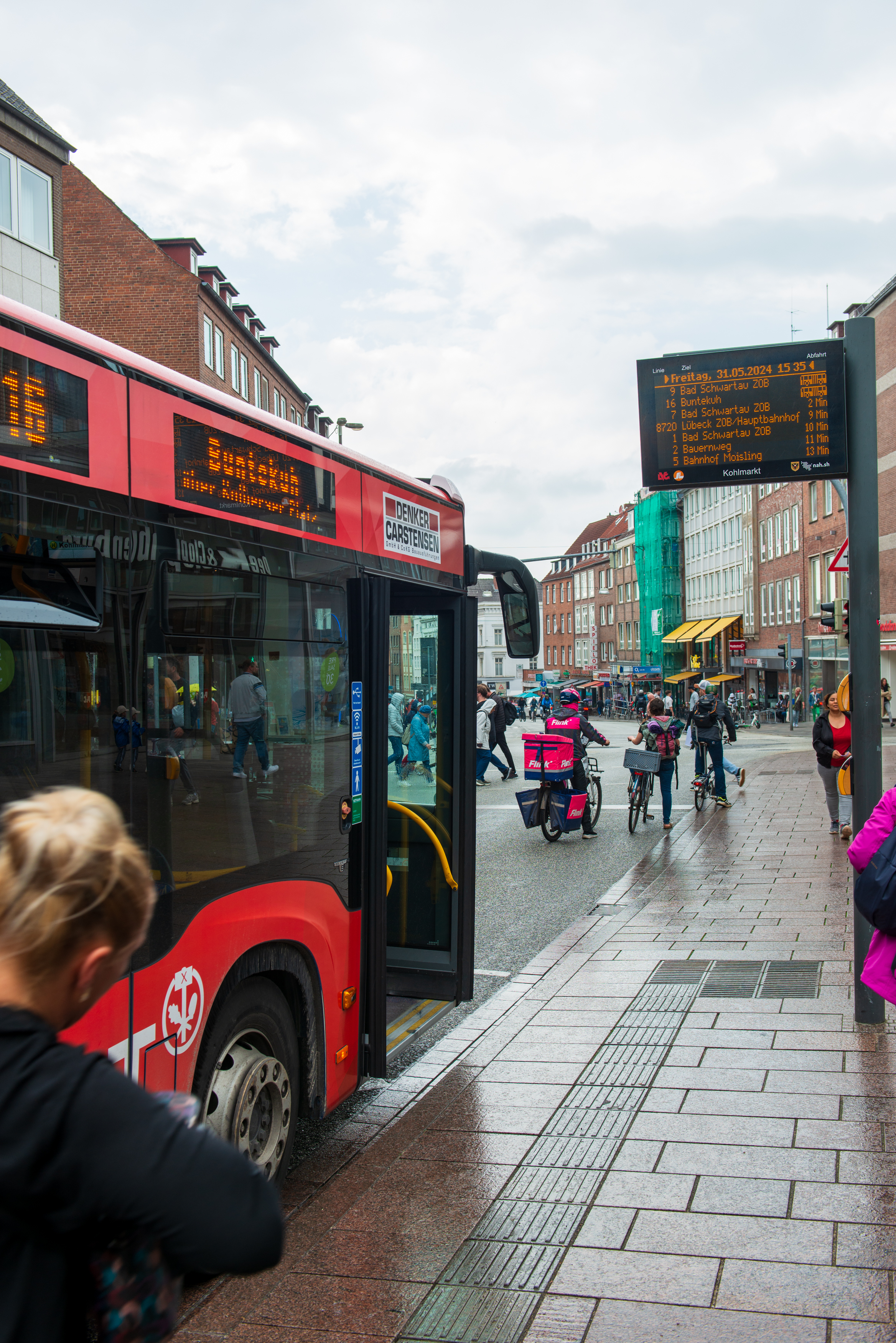
So we set off on the bus, bearing rain wear as the weather forecast was not great. To our surprise the sun came out and we had a great time discovering Lübeck.  The bus, every 15 minutes, dropped us right at the old city gate.

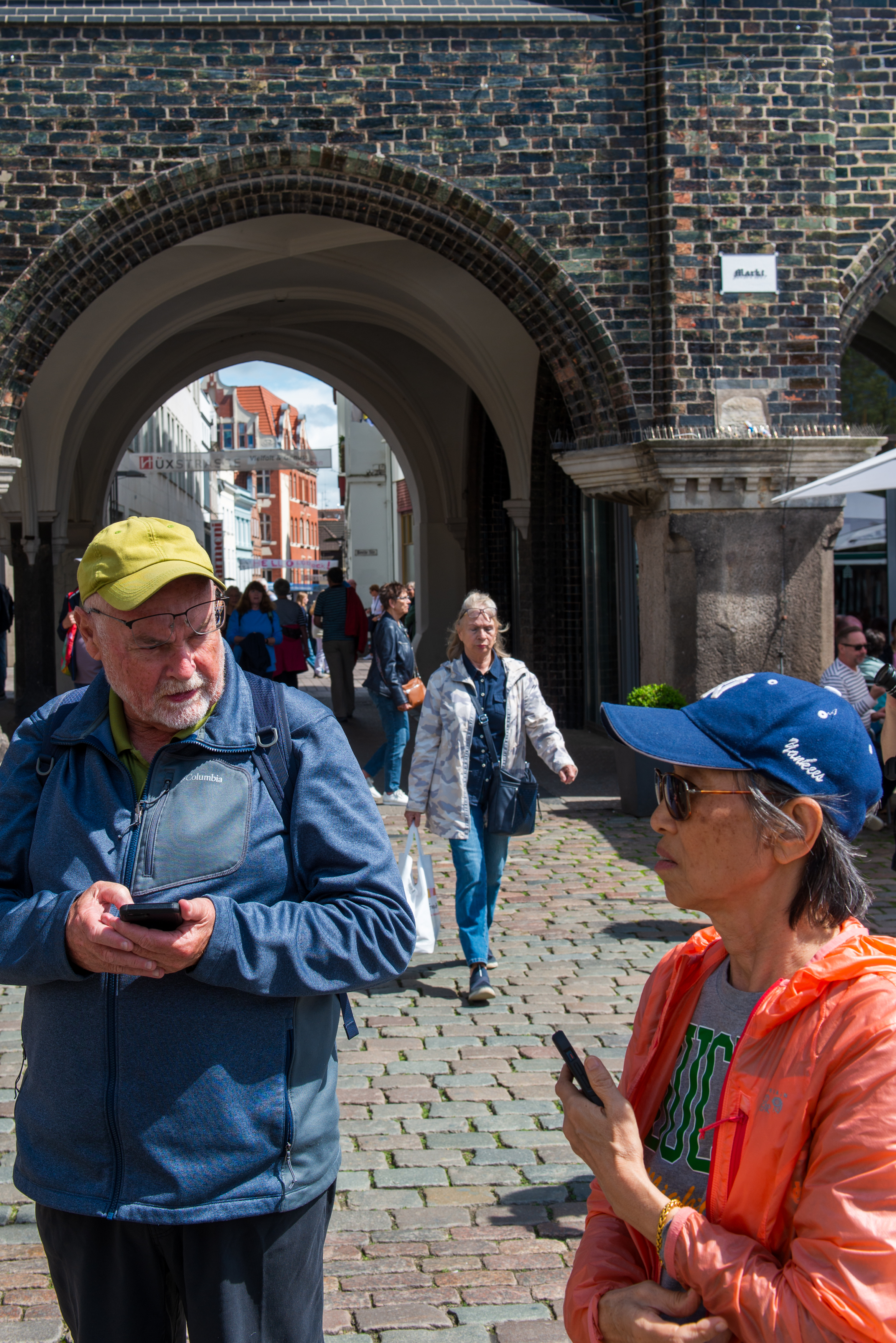
The old city gate, the Holstentor, once the only entrance to the city. Built in 1466.

Peace at home, force abroad.

We started our visit at the market, as always!

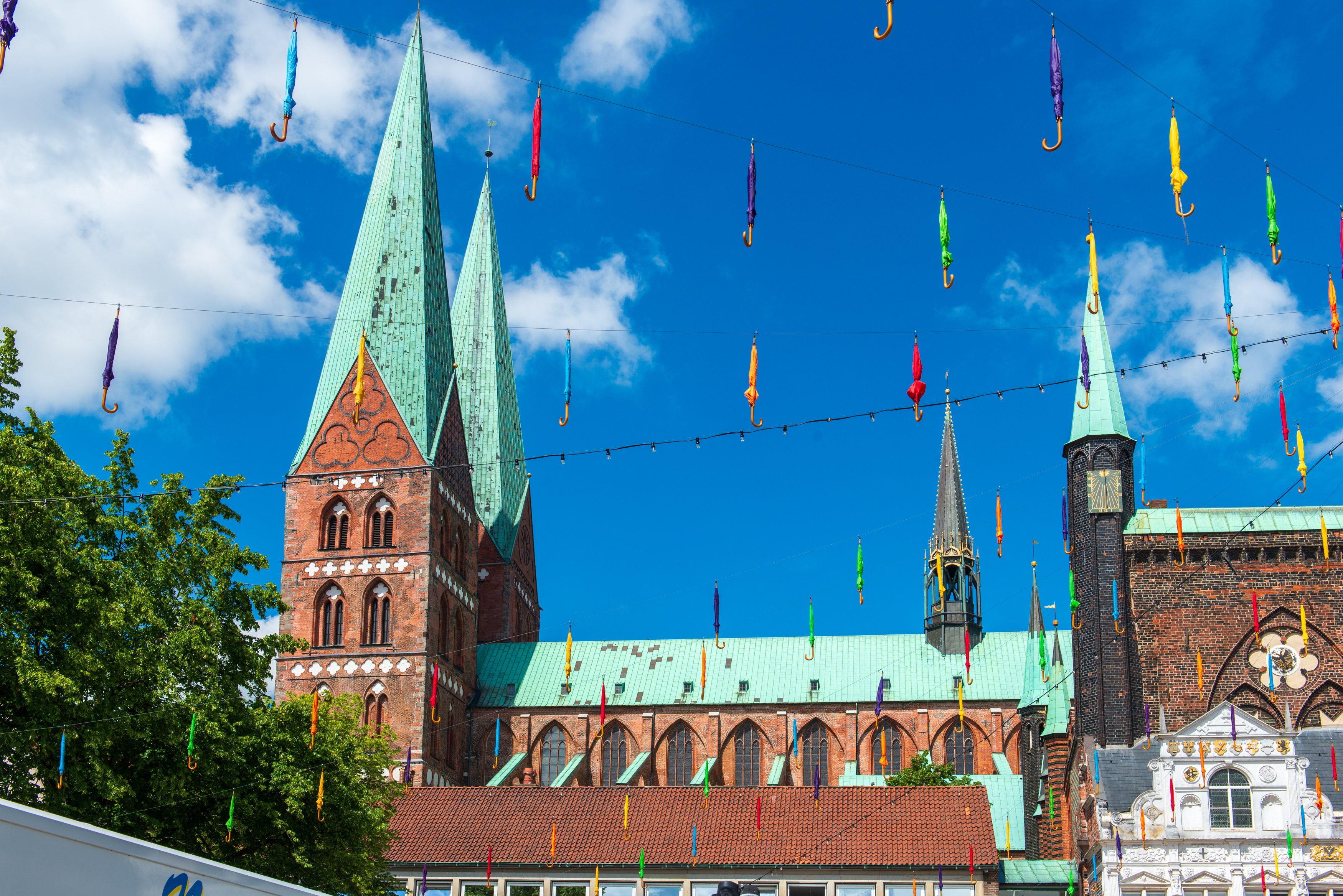
The sky was full of umbrellas. To keep it from raining?
Denise, with the fatal menu.
Wall built to reinforce the church, with big holes to let the wind through.
Ron and Ton debate routes.

Lübeck is known for its marzipan so our first stop was to taste and buy some. Our first effort fizzled as, for the first time, ever, we encountered a waitress who refused to wait on us because we asked if she had a menu in English. She simply walked off and didn’t even wait for Denise to dust off her German. We did better on our second try.

Coffee and marzipan accomplished, we set off to discover the town, wandering the streets, admiring the architecture, and enjoying a walk along the canal. 

Main shopping street.
Wonderful old street. Click to expand.
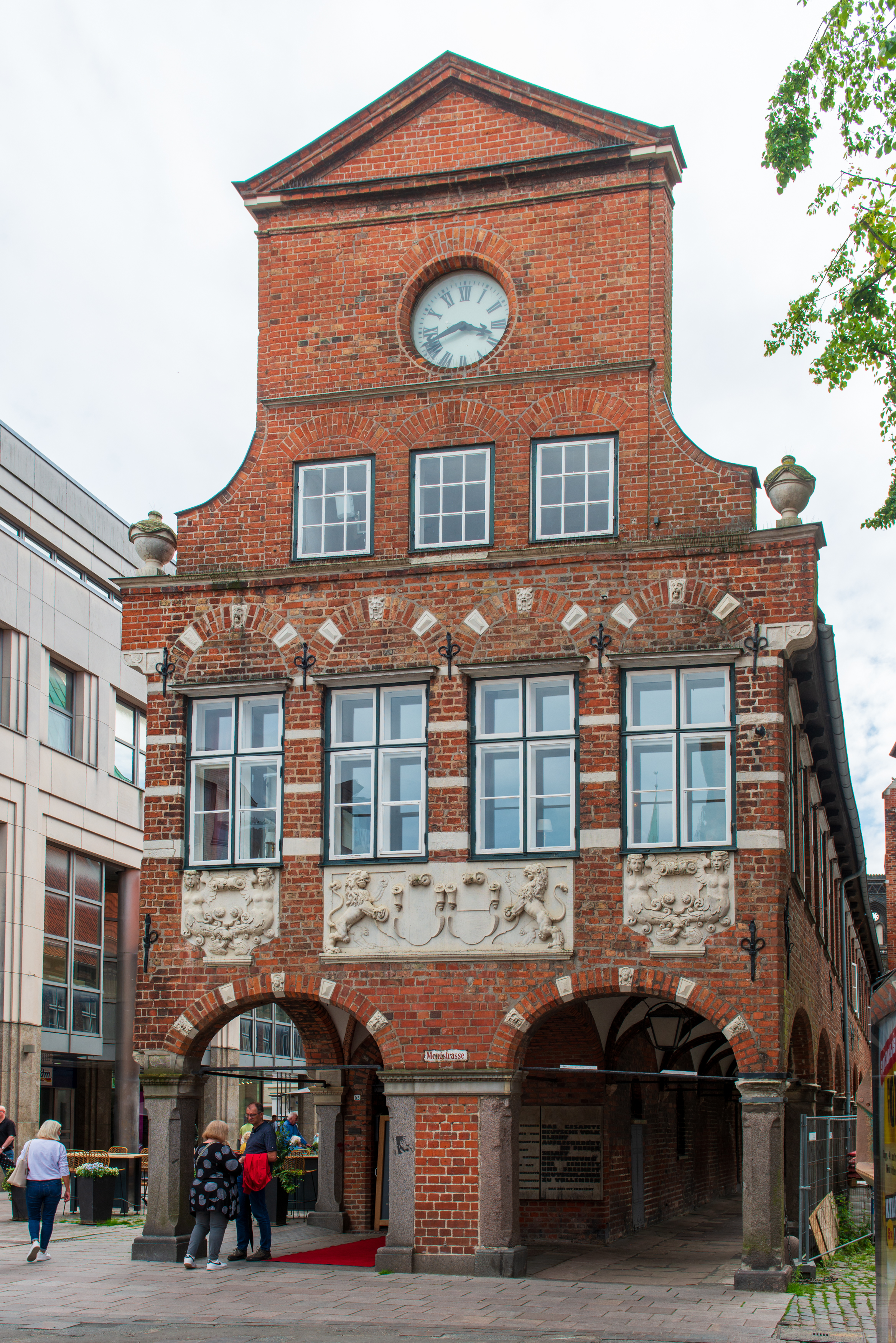
Old market building.

Denise had made a day trip to Lubeck, about fifty years ago.

She was thrilled to revisit old sites.

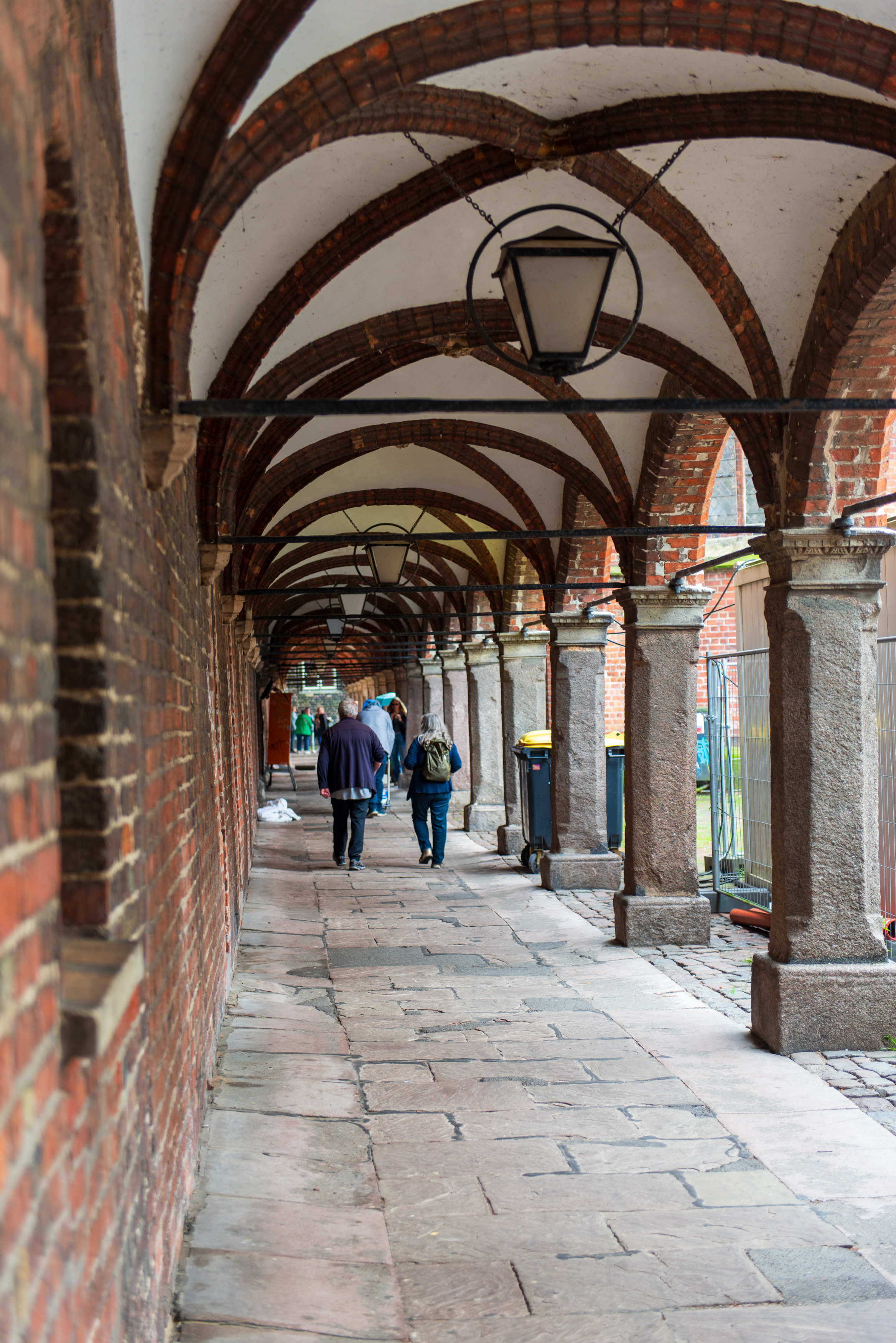
Covered passage next to the market.
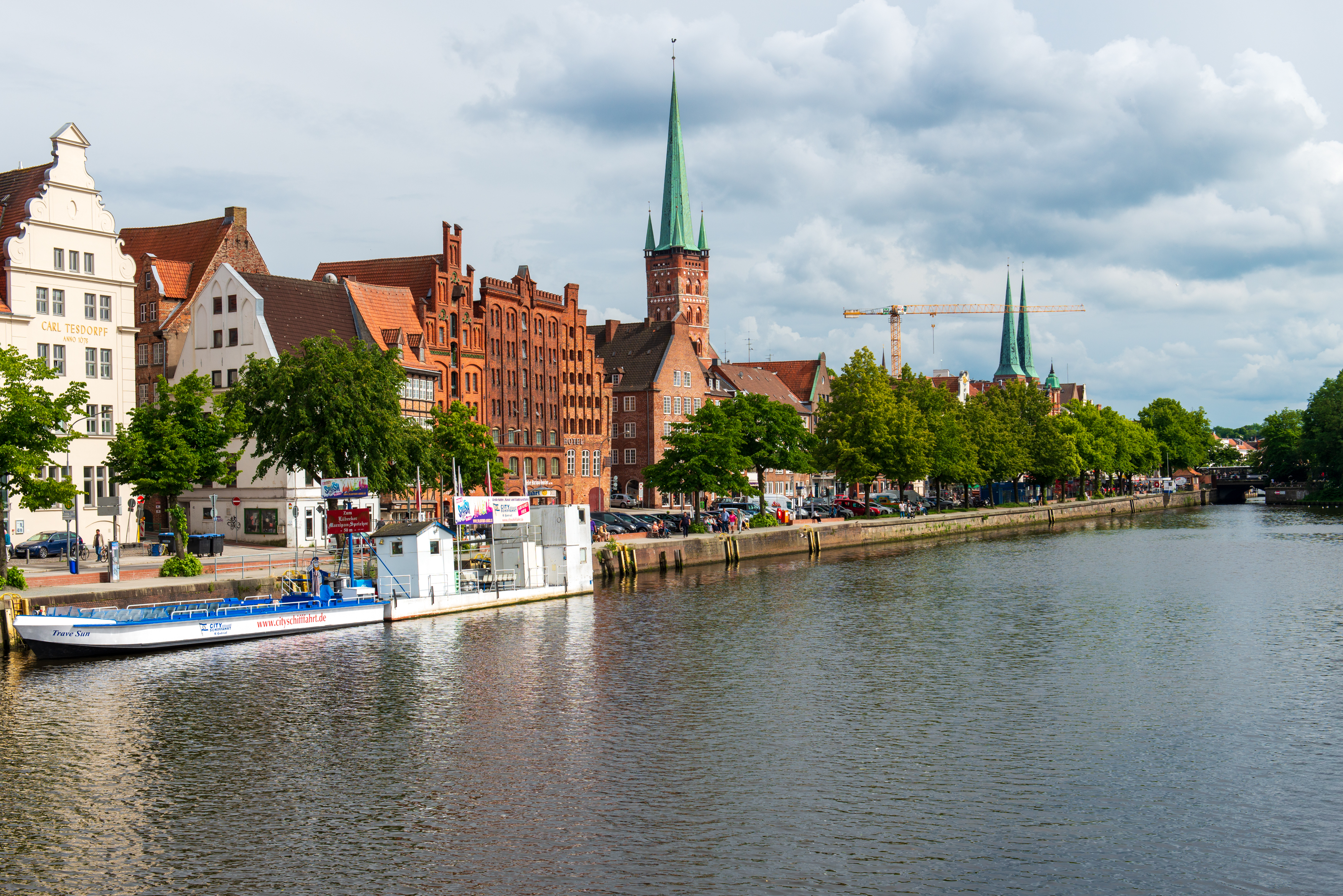
View along the river.

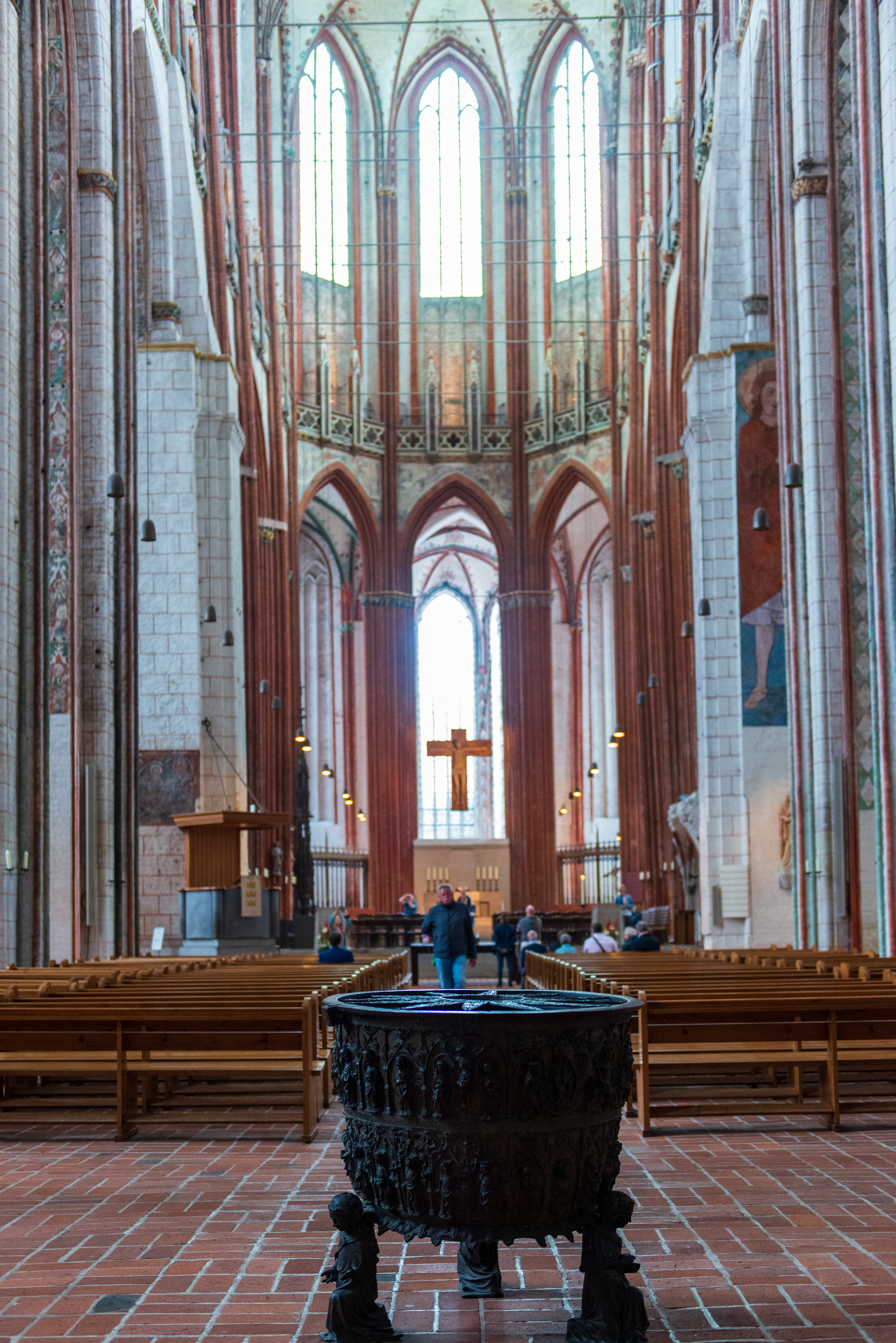
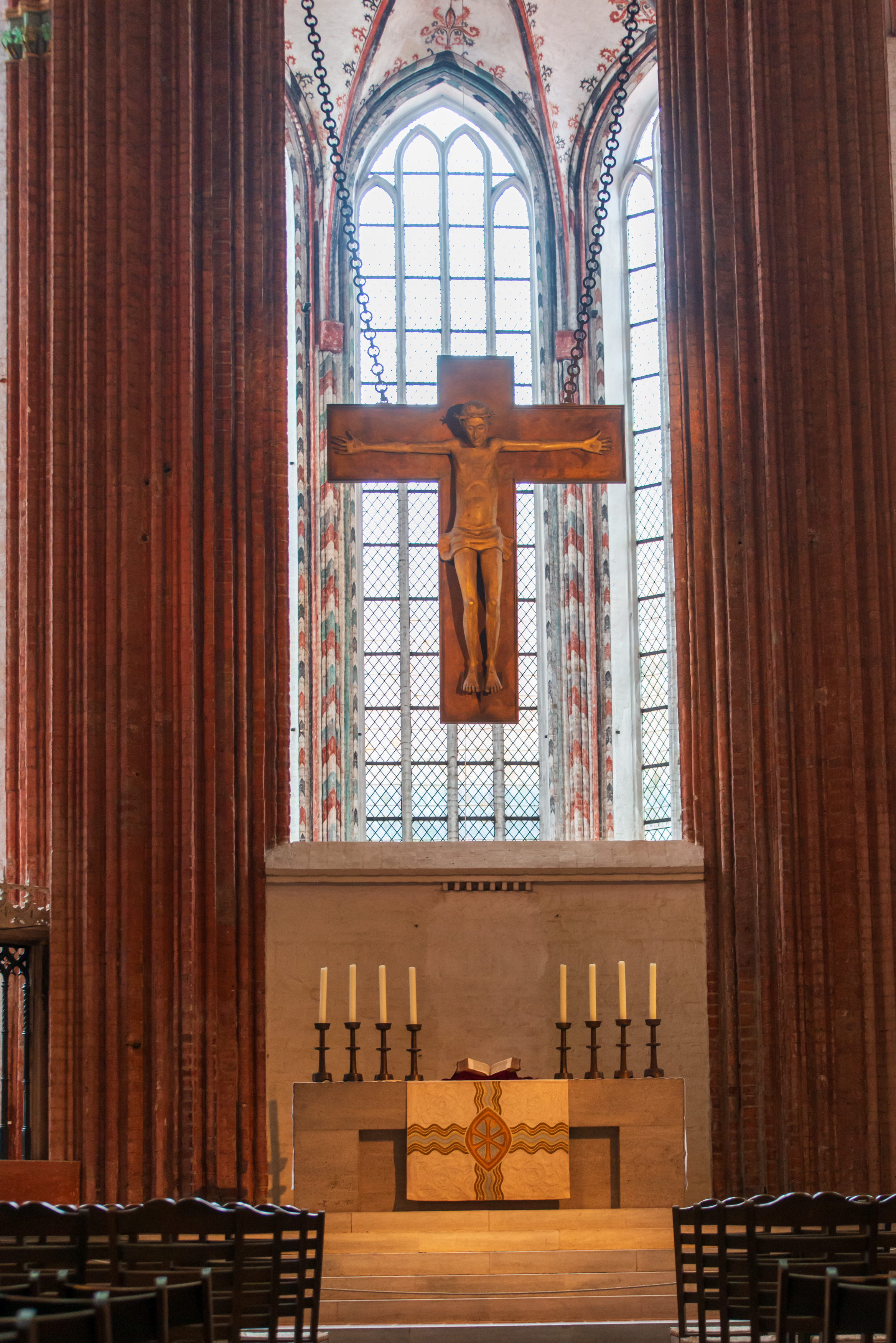
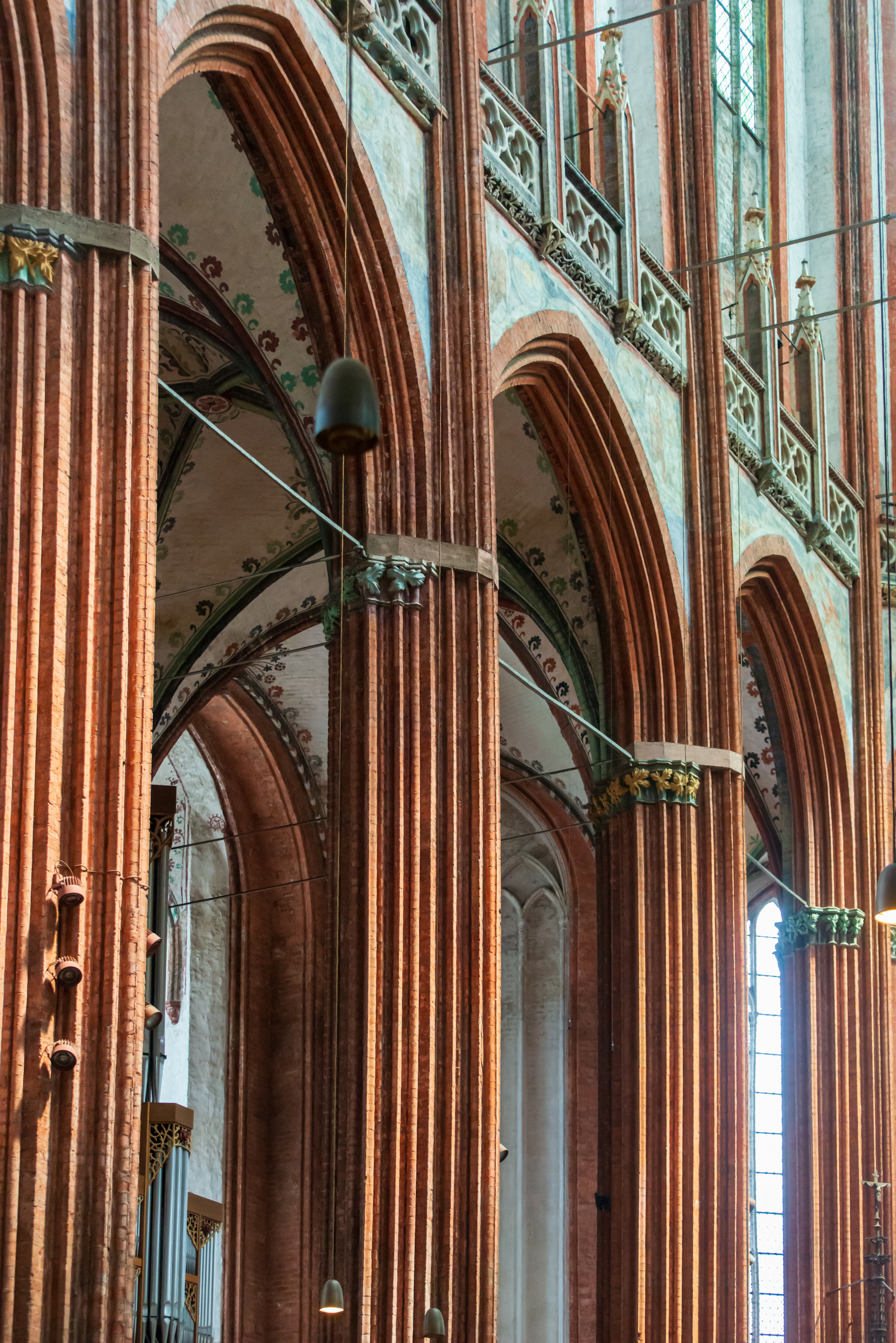
On a second visit we visited the Marien Kirche or St. Mary’s Church.  The church was severely damaged during World War II but has been rebuilt. 

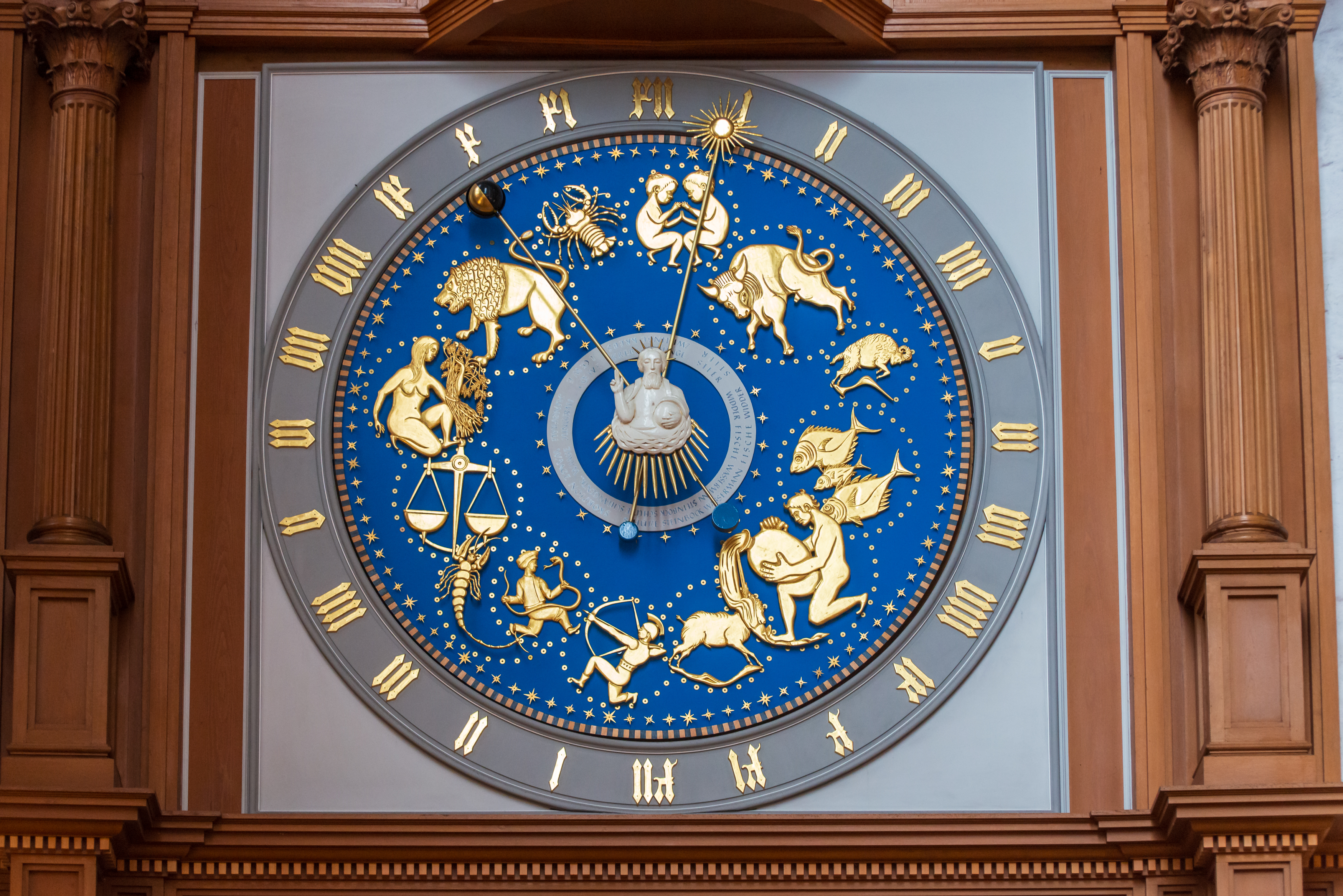
We have a thing about these amazing clocks.

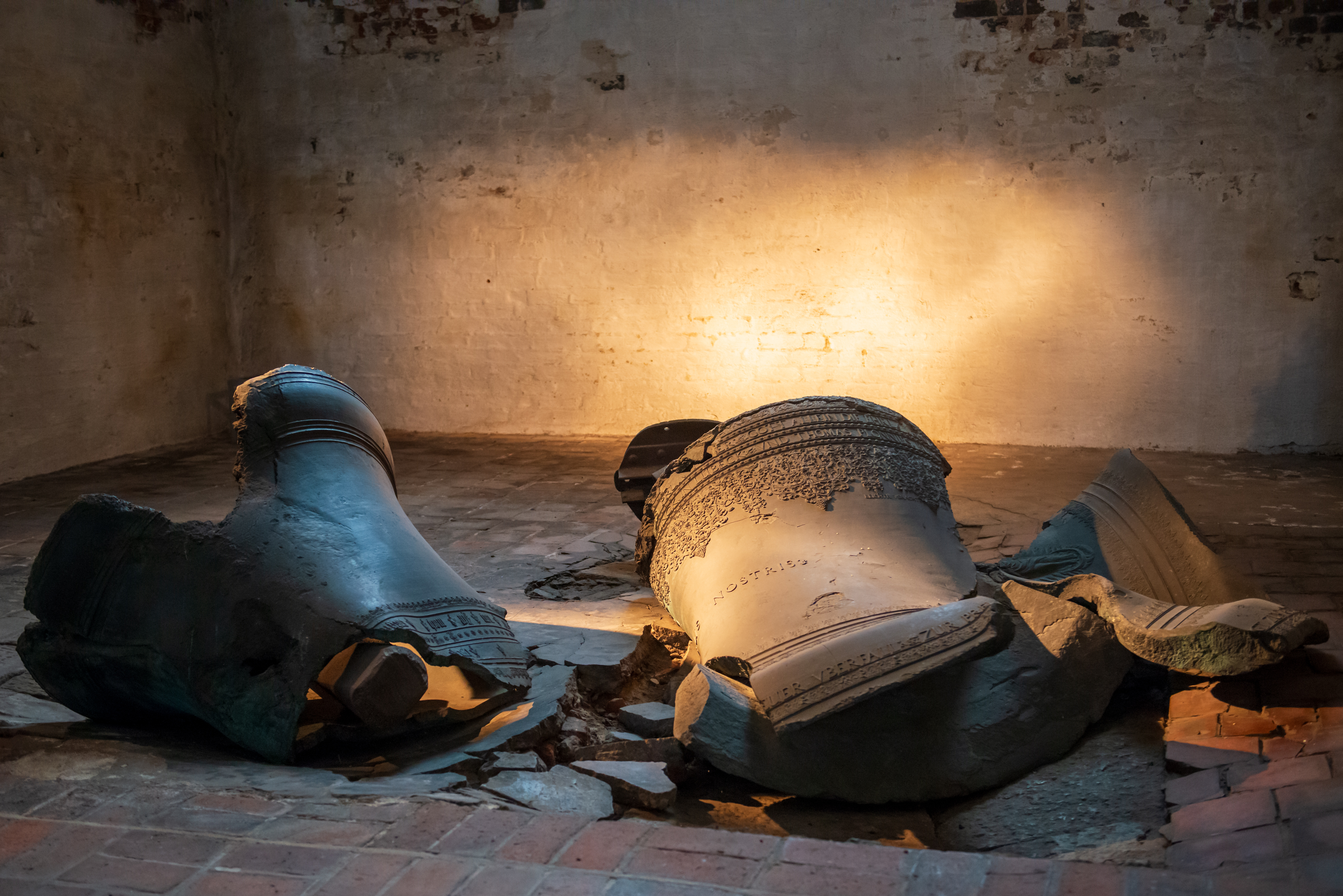
We admired the astronomical clock and also stood wondering before the bell shards lying in one corner.  These pieces are all that was left of the bells after they fell during the bombing.  They have been most poingnantly displayed.

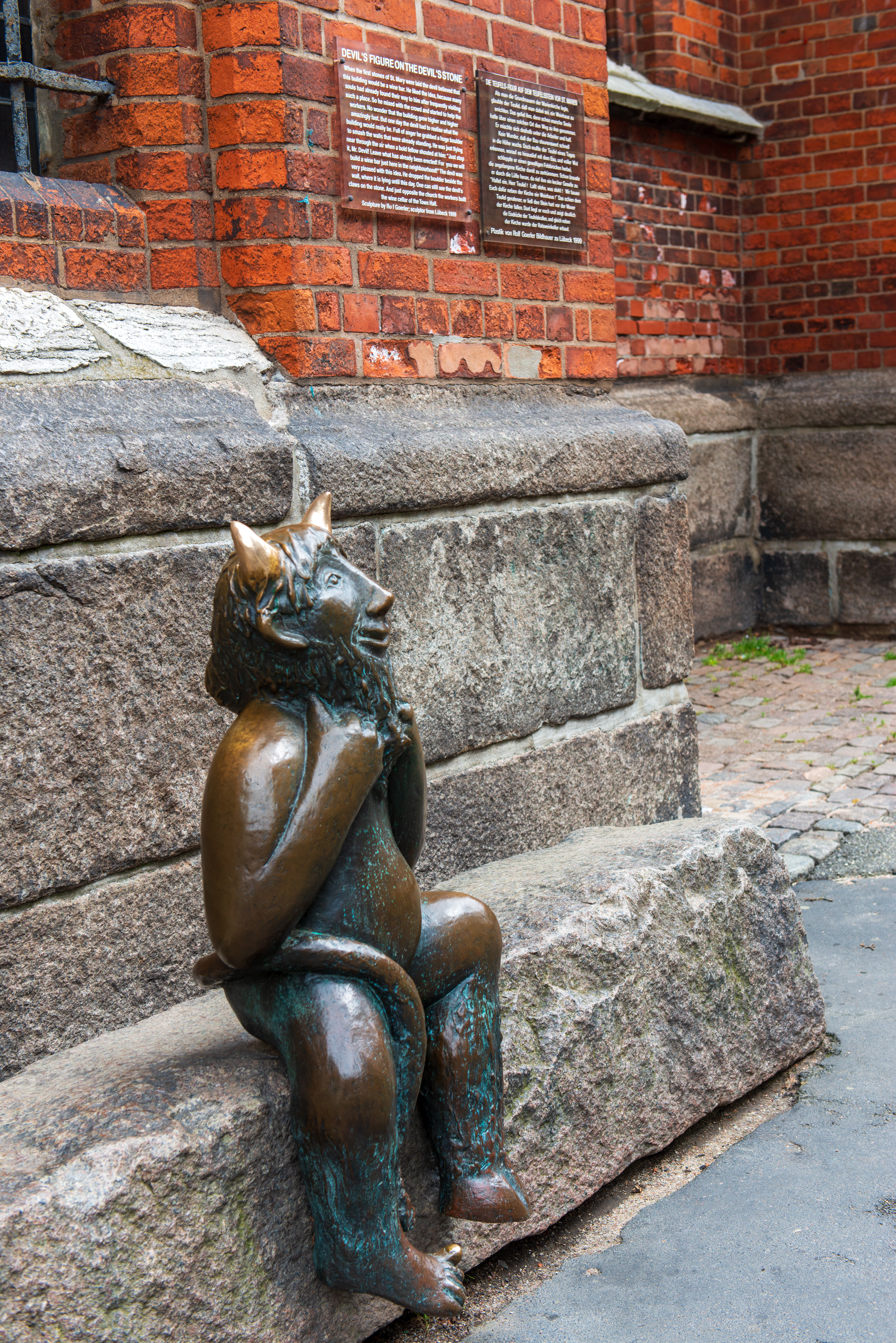
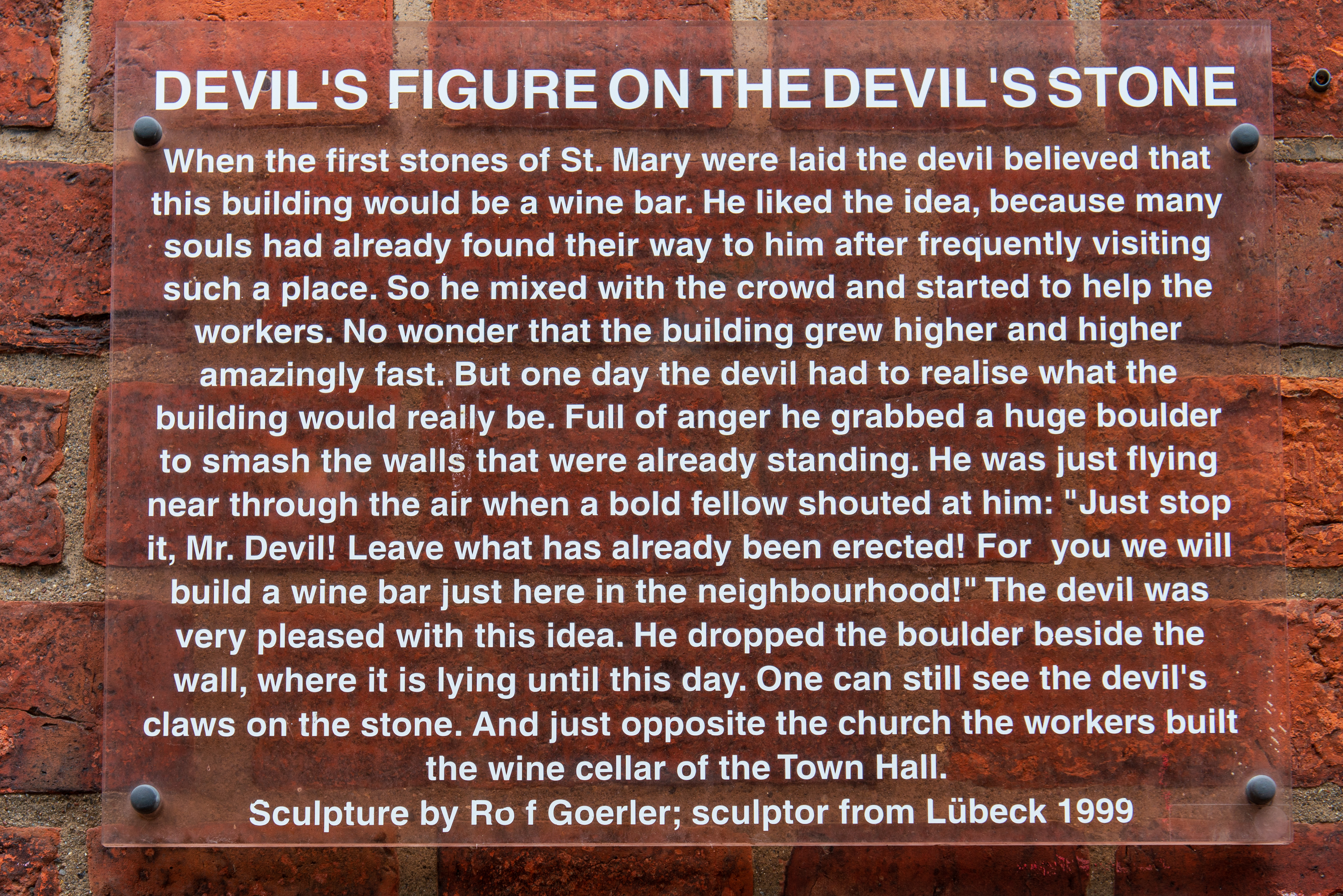
On a lighter note, we met with the devil. He as, of course, outside of the church.

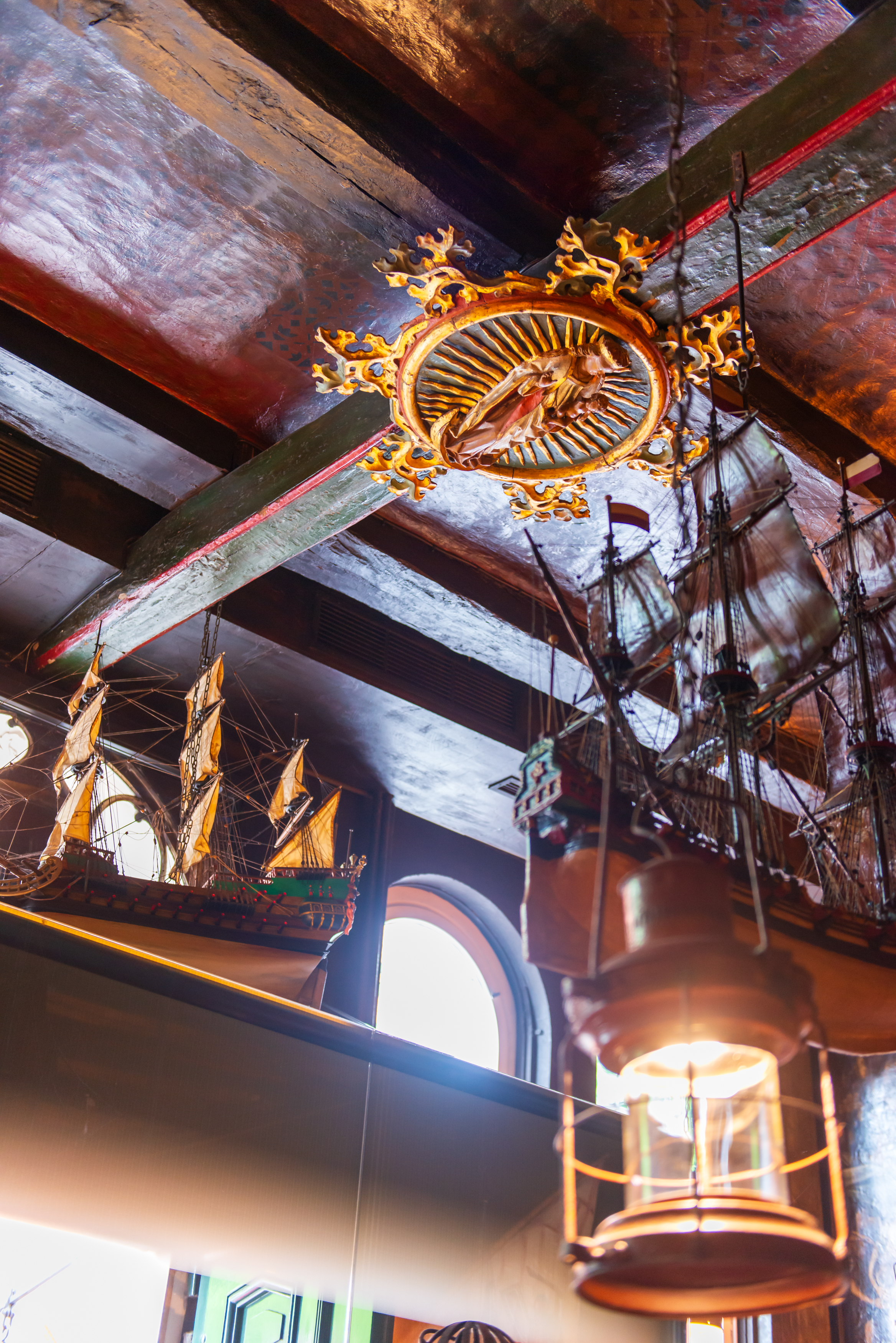
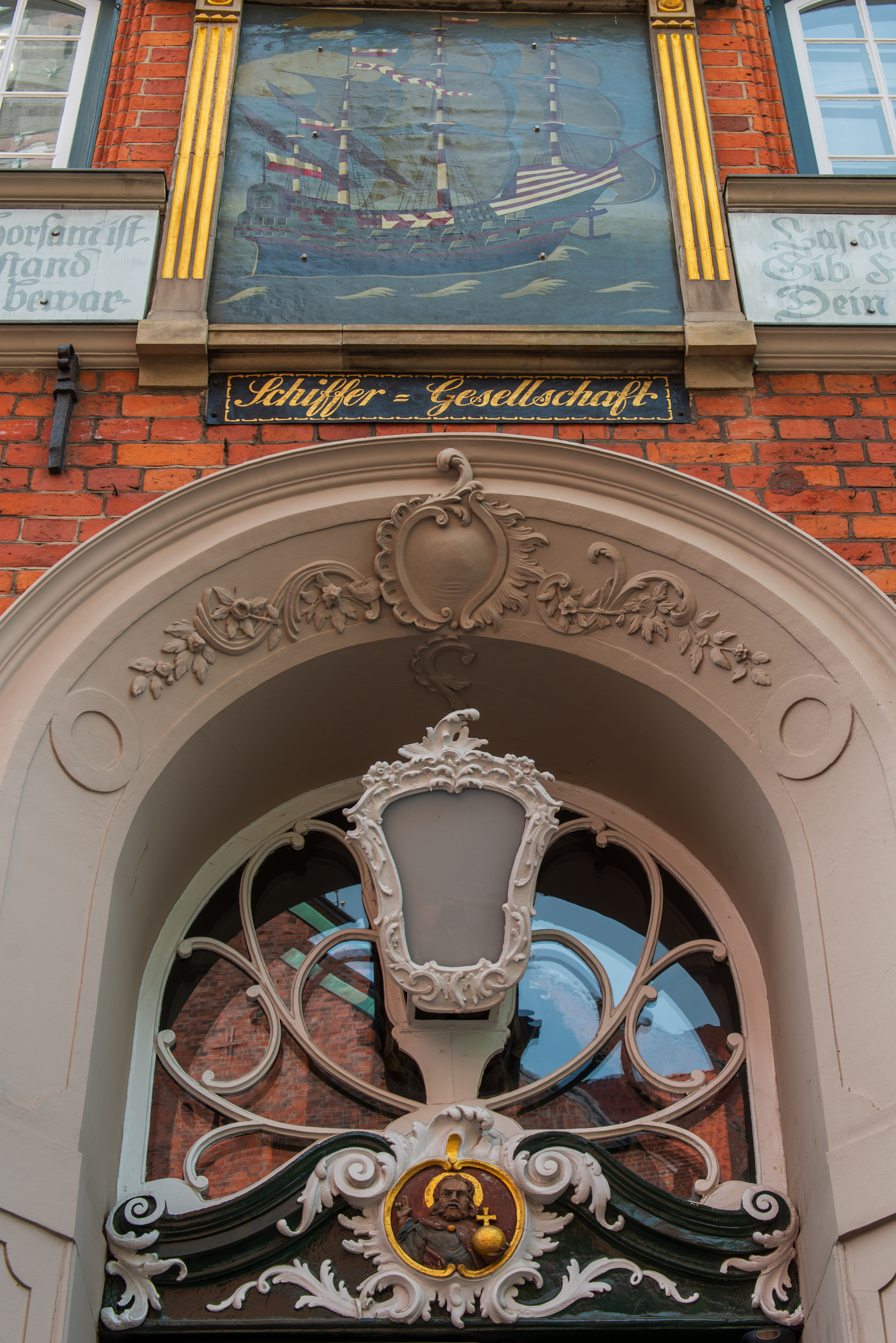
We had a lovely lunch at one of the oldest buildings in the city, one that fortunately missed being damaged during the WW II bombing.  It was formerly the assembly hall of the traditional Schiffergesellschaft, the mariners’ association. Over the centuries it offered a crash pad for destitute sailors as well as seating, by language, for the various captains who navigated the Baltic.

The moonlight Madonna.

Fancier than most union halls in the US.

The guild bought the house, built in red brick renaissance style in 1535, and made it their assembly hall. 

Today, the Schiffergesellschaft is a landmark and also an excellent restaurant.  We admired the large number of hanging ships  which decorate the ceiling.  Bible verses and wall paintings, darkened with age, decorate the walls.  Our lunch was excellent, especially the white asparagus soup. It is the season after all!!

Are you SURE that’s what it says?

As the rain started, we caught our bus back to the campsite.

Love the high tech bus signs.

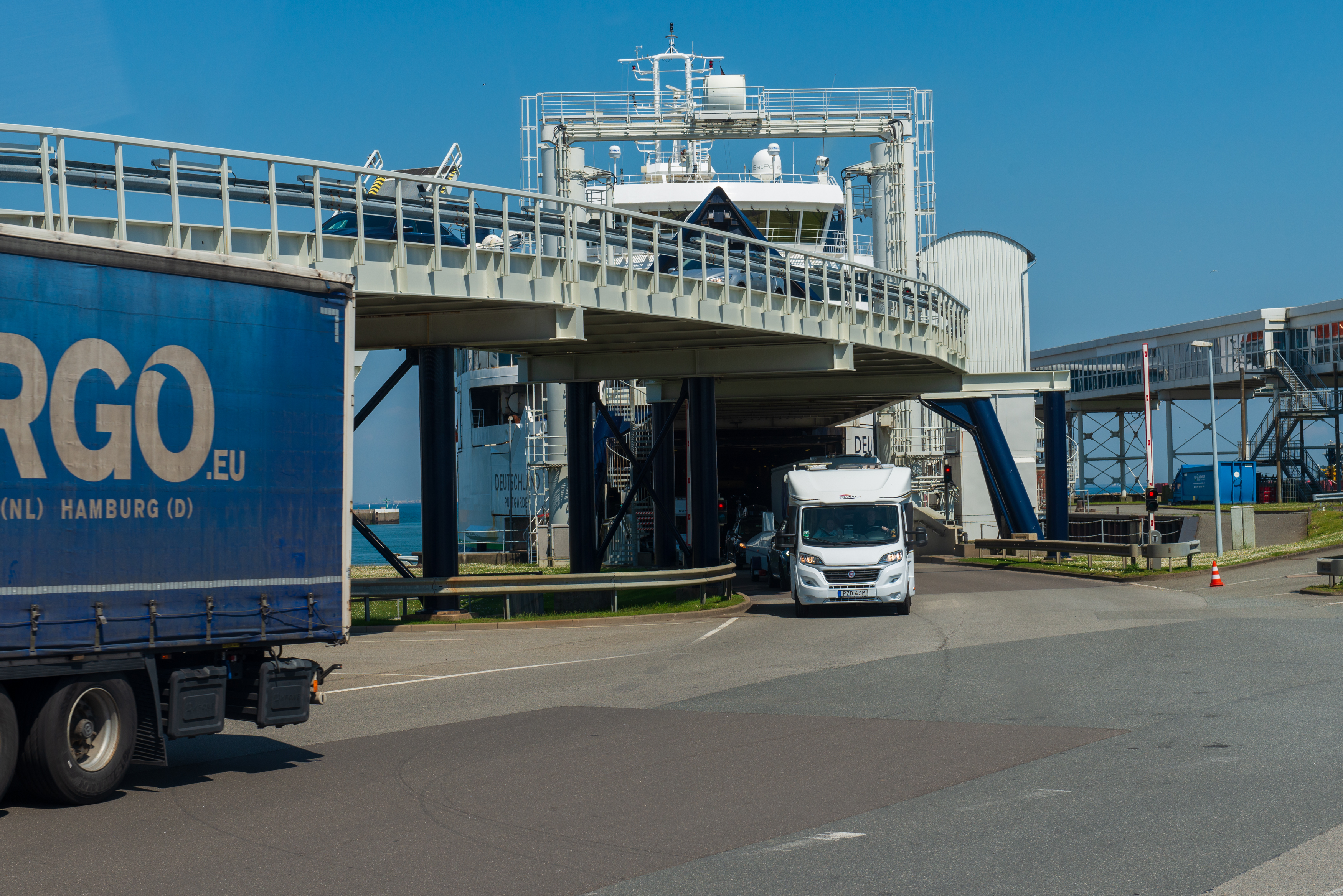
Heading north the next day, we tried a short detour to Kellenhusen, where Denise had worked as a student.  Unfortunately, due to a Saturday festival, we could not even get to, let alone drive into, the car park, so we gave up and continued north to the ferry from Puttgarten to Rødby in Denmark. 

Boarding was fast and easy, with bi-level ramps.
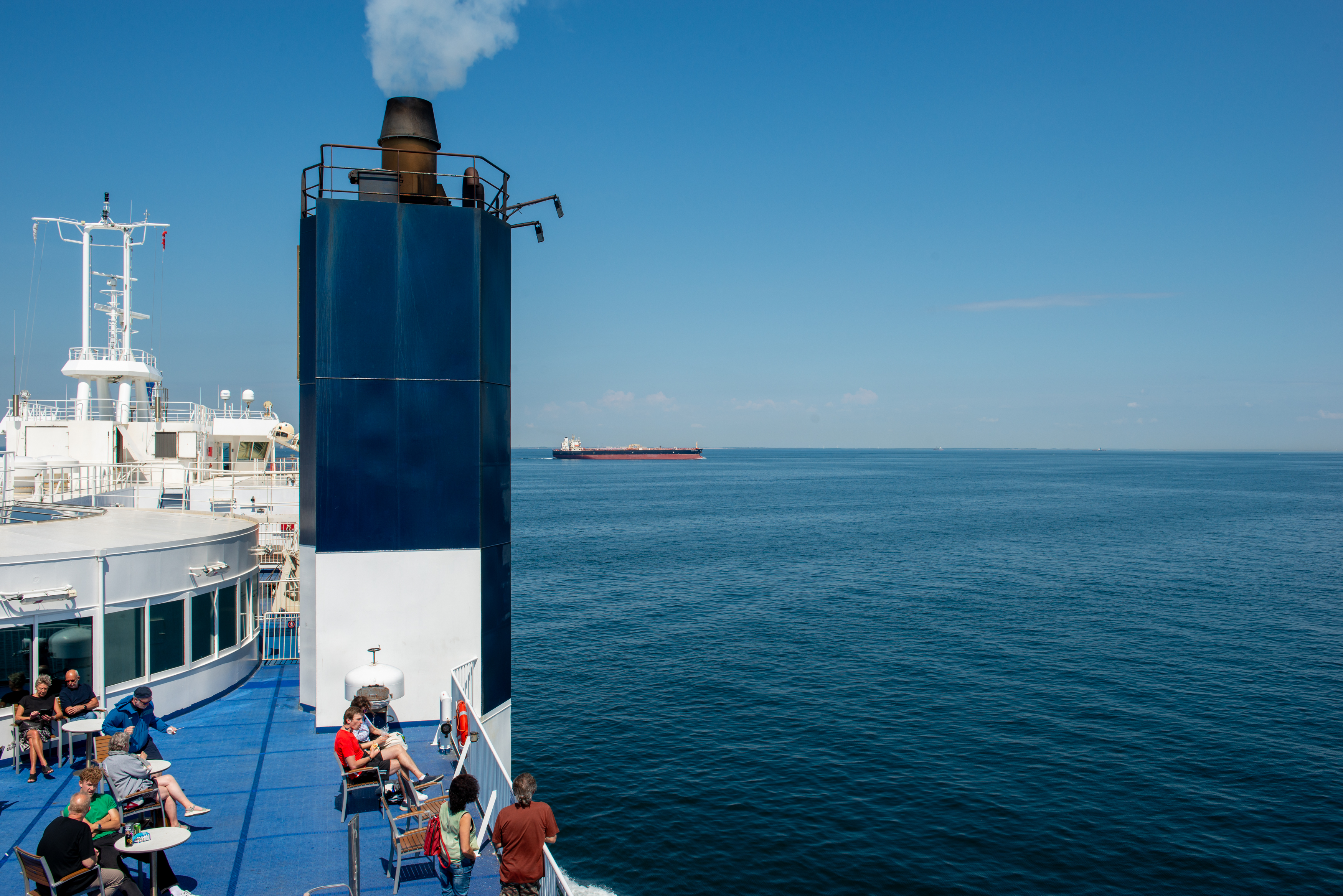
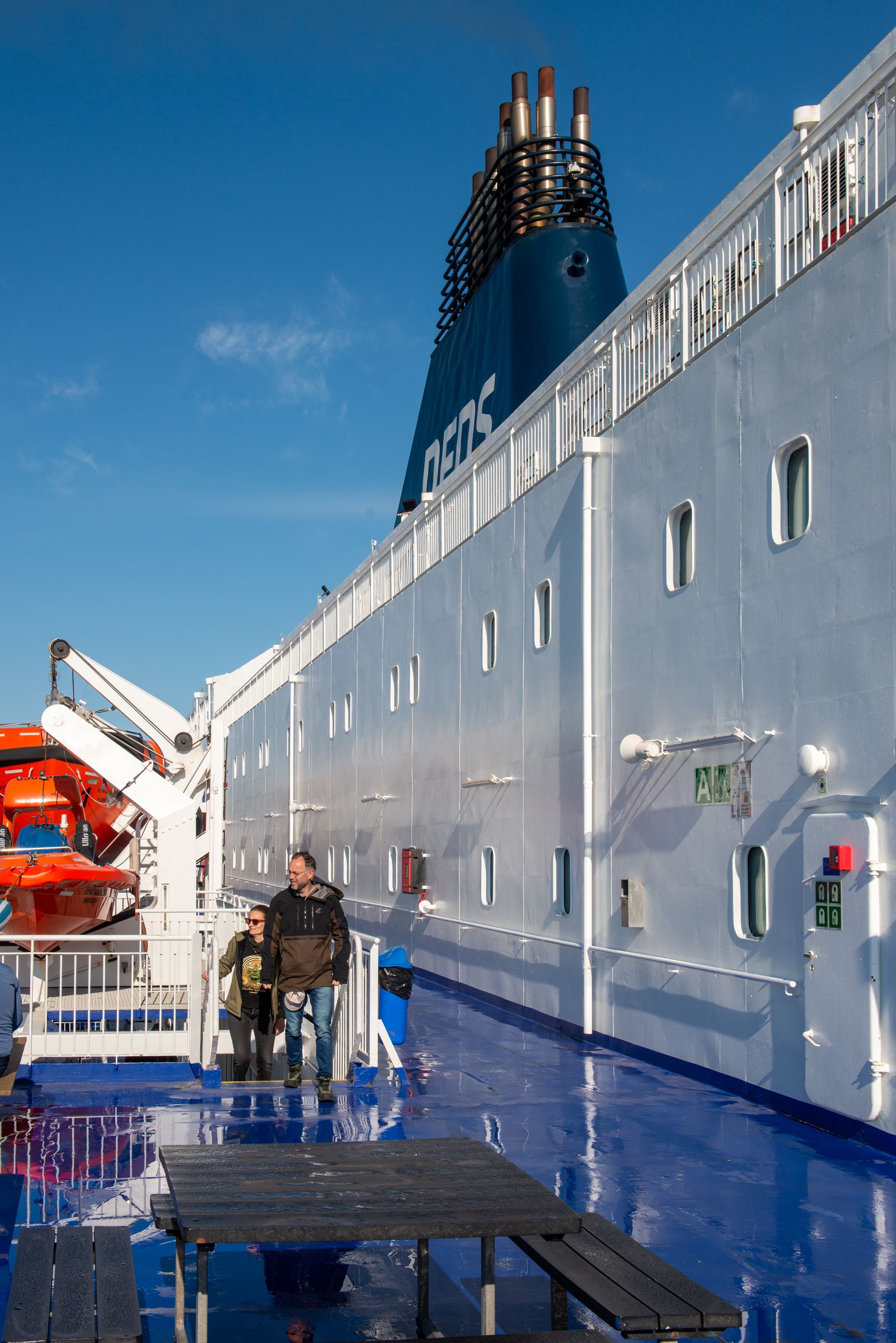
Doesn’t look it, but the stack gas is mostly water vapor.
We passed another ferry, going the other way.

Boarding was easy and we enjoyed the 40 minute trip in sunny weather and very calm seas! 

The coolest car on the ferry, a German plated MGA. Note the suitcase properly stowed on the luggage rack. The driver sported a cloth cap and proper driving gloves. All too cool for school!

Next up, Denmark!

Into Germany

The next day, we crossed into Germany with Münster as our first stop. We stayed at a riding stable! It was very close to town and on an easy bike route into the center. It was quite a novel experience watching the horses, and the 85 Shetland ponies, leave the stable each morning and take themselves to the fields, so that their stalls could be cleaned and breakfast set out.  Needless to say, they came back quite happily knowing that breakfast was waiting!

A lot of ponies, all in one place!
Observing the new campers.
Yes, it was crowded. No, we weren’t getting out anytime soon.
So, what time is breakfast?
Heading back for breakfast!

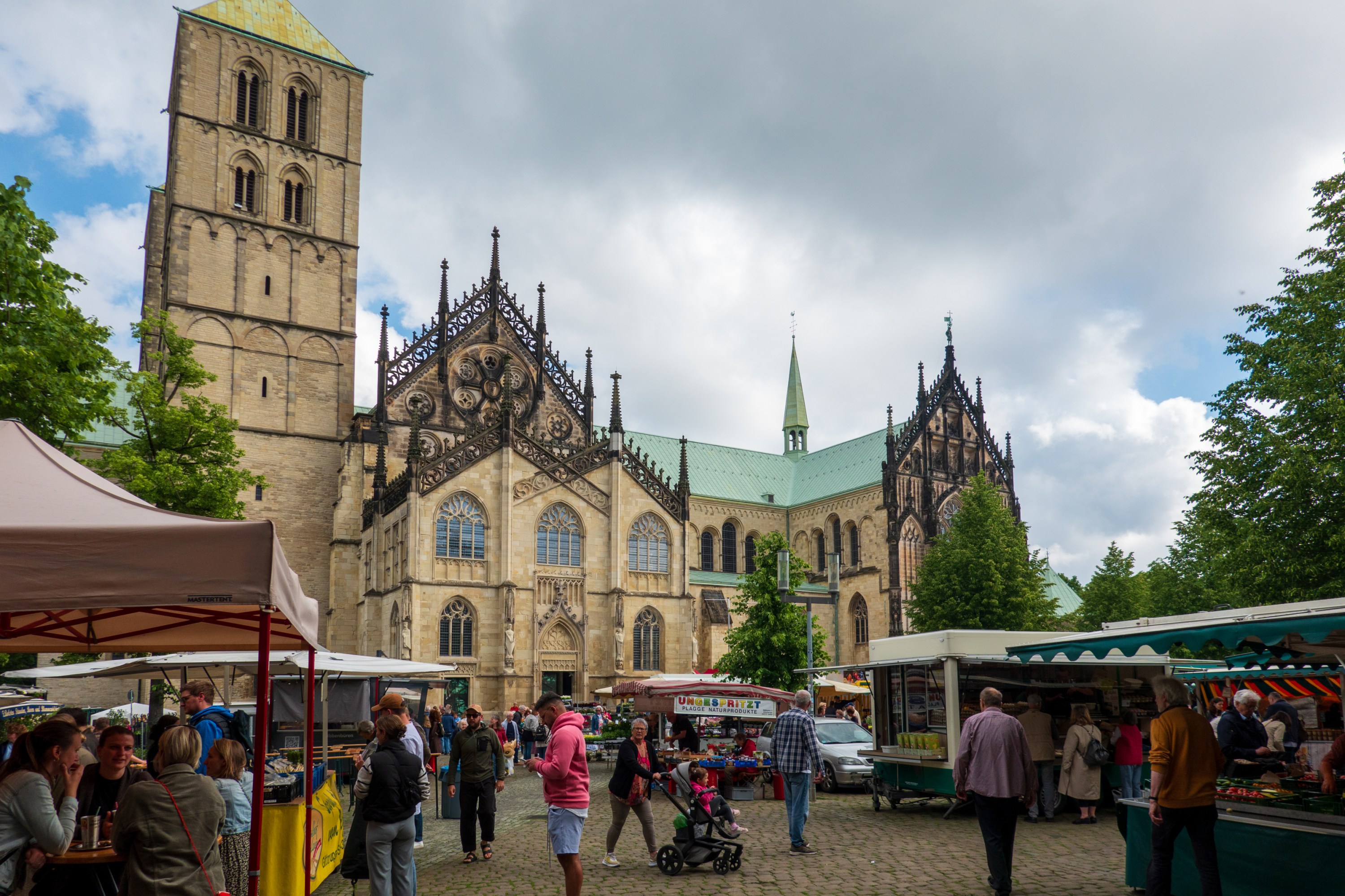
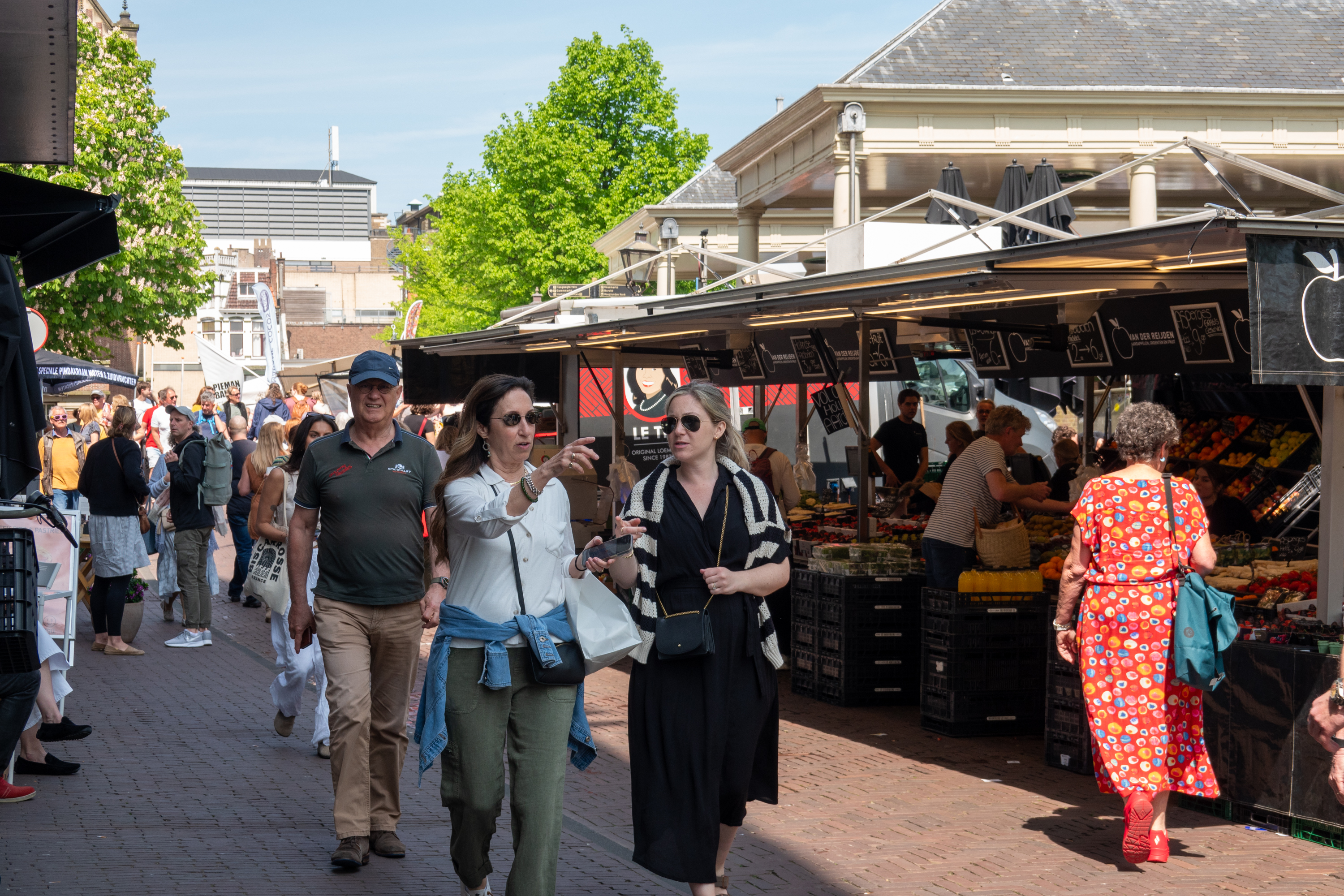
Münster proved to be a pleasant town with lots of traditional architecture.  We cycled in on Market Day, so we of course had to browse the market. 

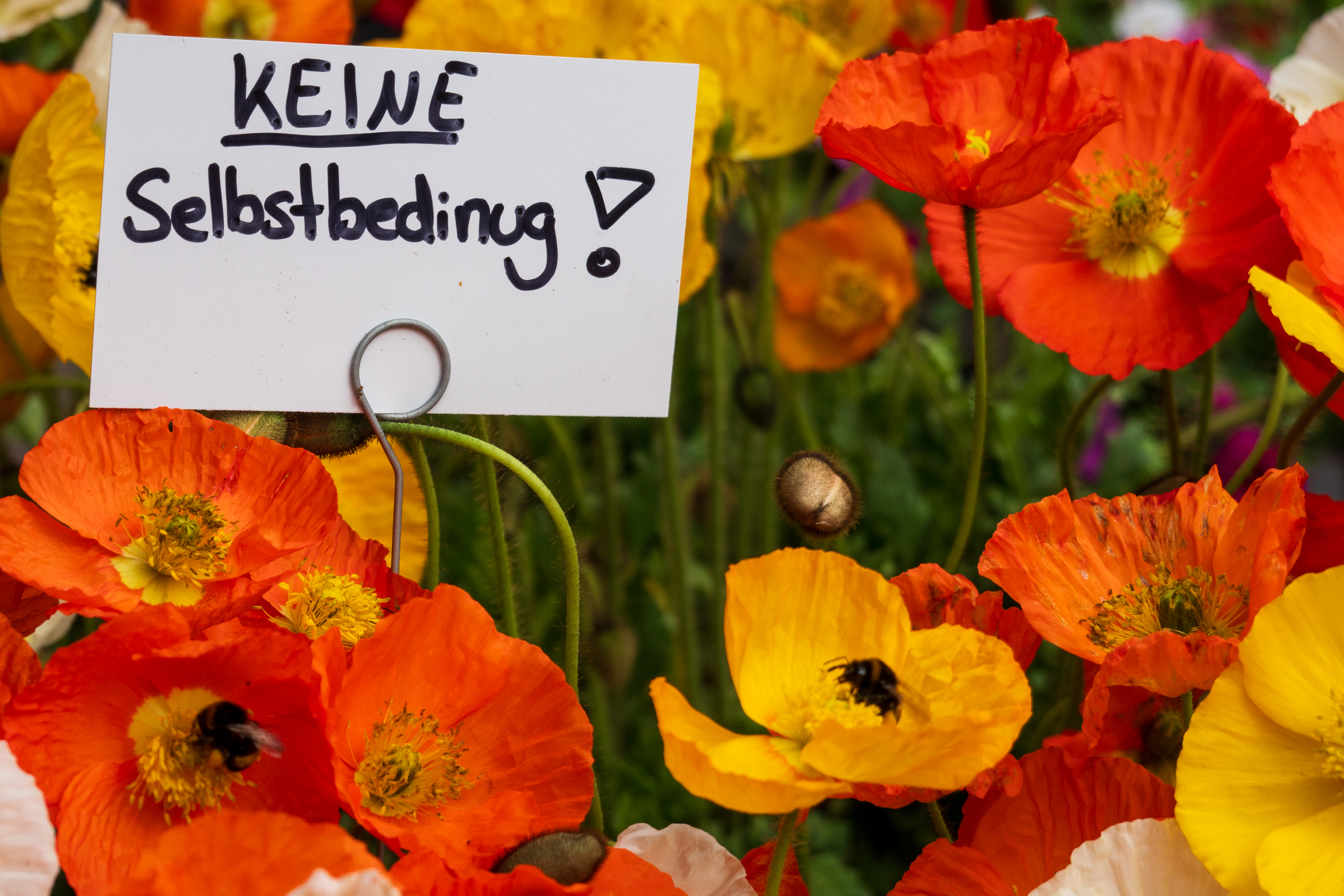
Denise purchased a some vegetables and looked longingly at the flower arrangements but they really do not hold up well in the camper.  

Yes, they are fresh!
Not self spreading, but the bees don’t care.

We then visited the Dom St Paul (Cathedral) which sits on the Markt or main square.  The Dom was constructed between 1225 and 1265 but suffered extensive bomb damage during WW2. 

Baptismal font.

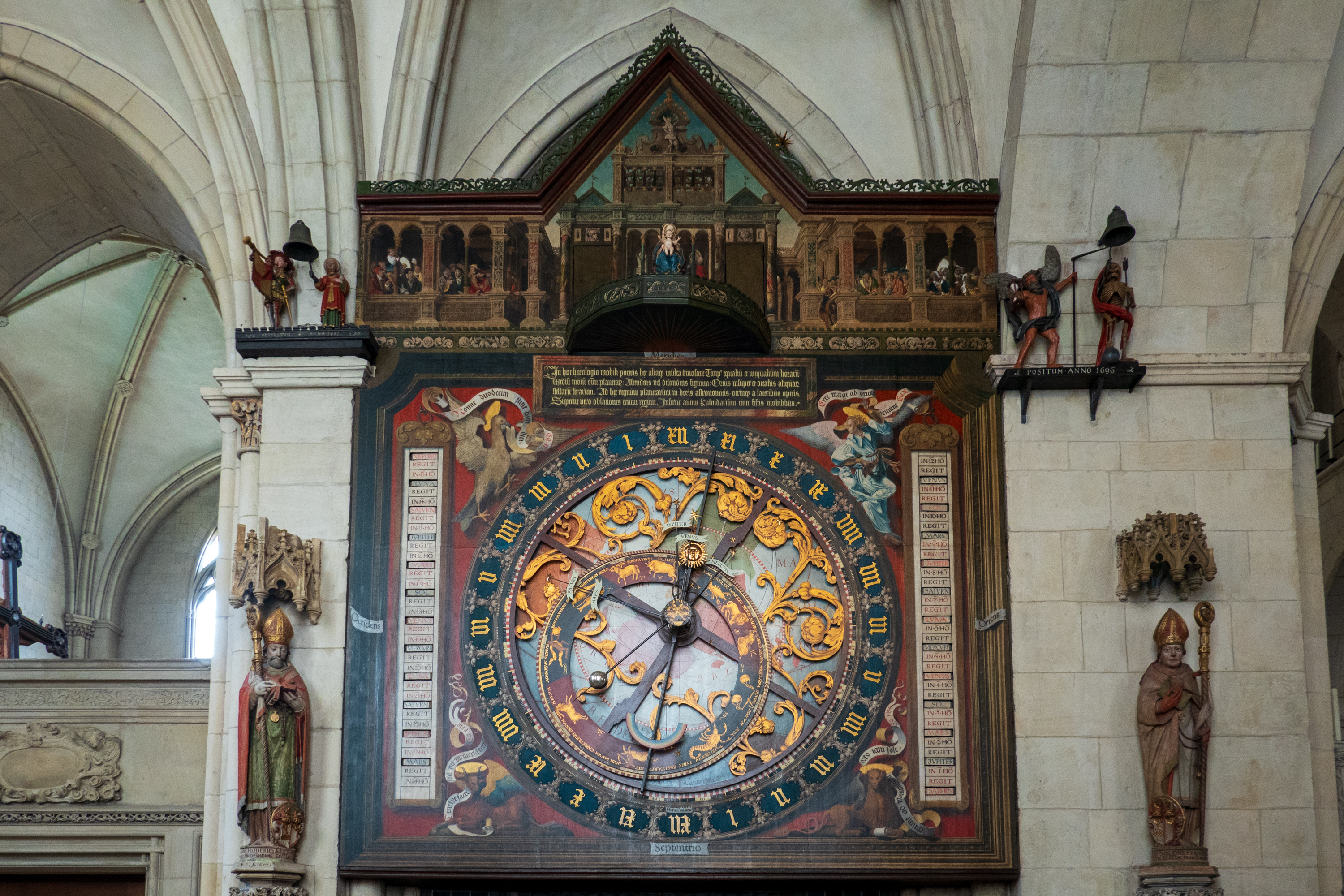
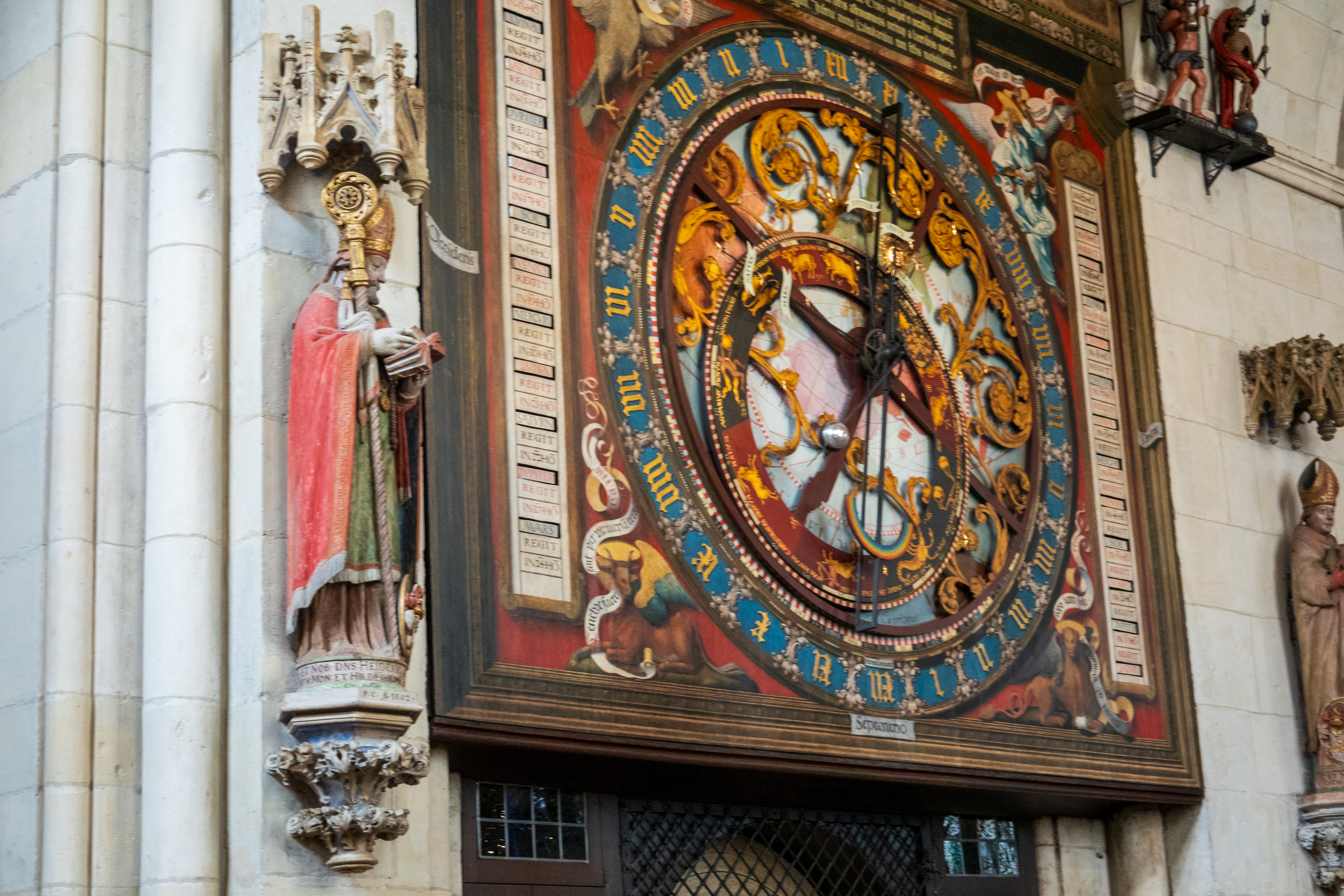
Inside is an amazing astronomical clock dating from 1540. The first Münster astronomical clock was built in 1408 – but destroyed in 1534 by iconoclasts during the Anabaptist disturbances. It features figures of the Magi who pay tribute to the infant Jesus at noon each day.  We unfortunately missed the noon show, but did hear Death (upper right) striking the bell for the half hour!

The clock in all its glory.

Astronomical clocks are intended to tell the time and to act as calendars for religious festivals. And, in the Christian Church, these were set from the date of the Spring New Moon, making the transfer to a mechanical mechanism a bit tricky. So Christians face a bit of math with Easter dates, as do Muslims with Ramadan. The new clock was a team effort from 1540 to 1542. A mathematician and a cathedral preacher did the maths. A blacksmith actually built the mechanism, and a painter decorated the whole thing. In 1582 the Pope changed the calendar and leap years had to be added. Easter dates, already challenging, went out the window. Updates kept the clock running until 1927 when it stopped. Rather than being retired, it underwent another restoration from 1929 to 1932. It was removed from the church for safety during World War II and, as its vault was not destroyed in the bombings, it was reinstalled and made to run again at the end of 1951.

Beautiful doorway.
Yet another, smaller clock.
Suspect he is really reading the owner’s manual!
Modern stained glass.

Reading the clock takes a four page guide, but this clock, one of the youngest of its type, has an accuracy of 532 years. You could spend hours staring at it.

After leaving the church, we moved on to the market street in search of lunch.

Goodies!
The Rathaus. Means city hall, but, on a bad day, the name sounds about right in English.
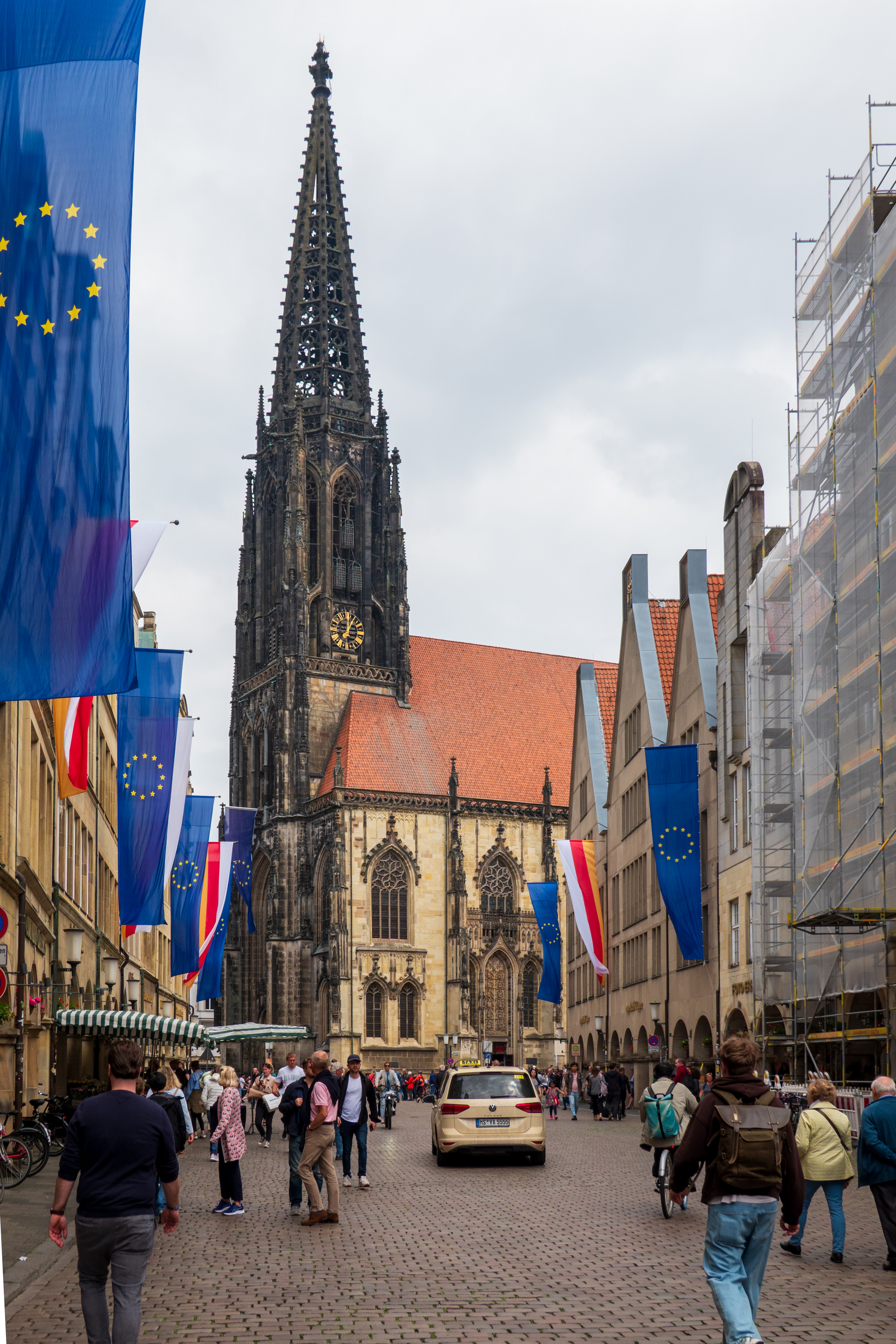
St. Lamberti
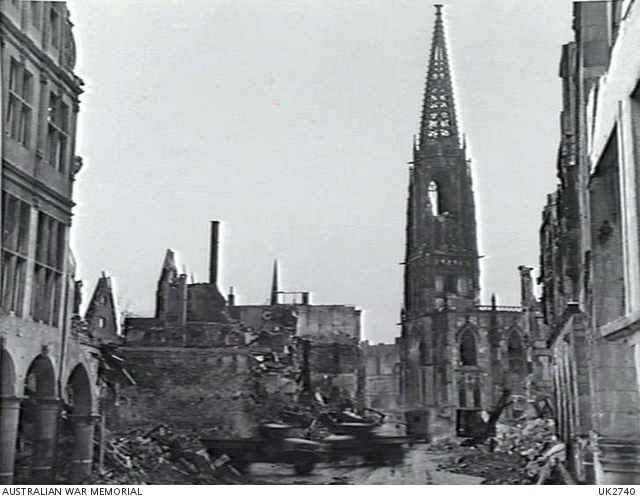
The same street in 1945. There are equally terrifying pictures of the same street in the ’30’s, draped in Swastikas.

We found a wonderful, if pricy restaurant and had a great meal.

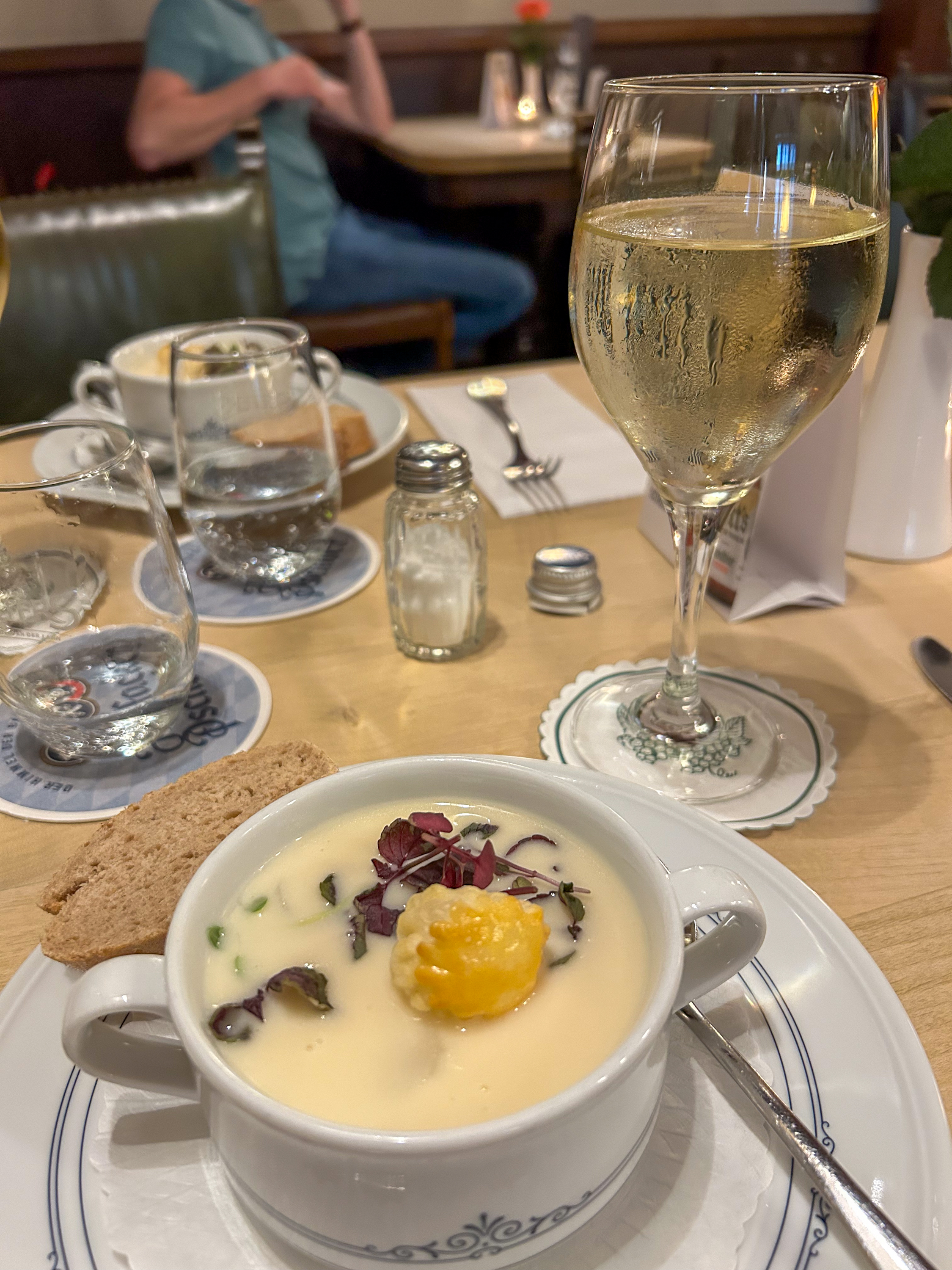
In the spring, people go nuts for white asparagus. One of the best forms is in a soup, and this one was divine.

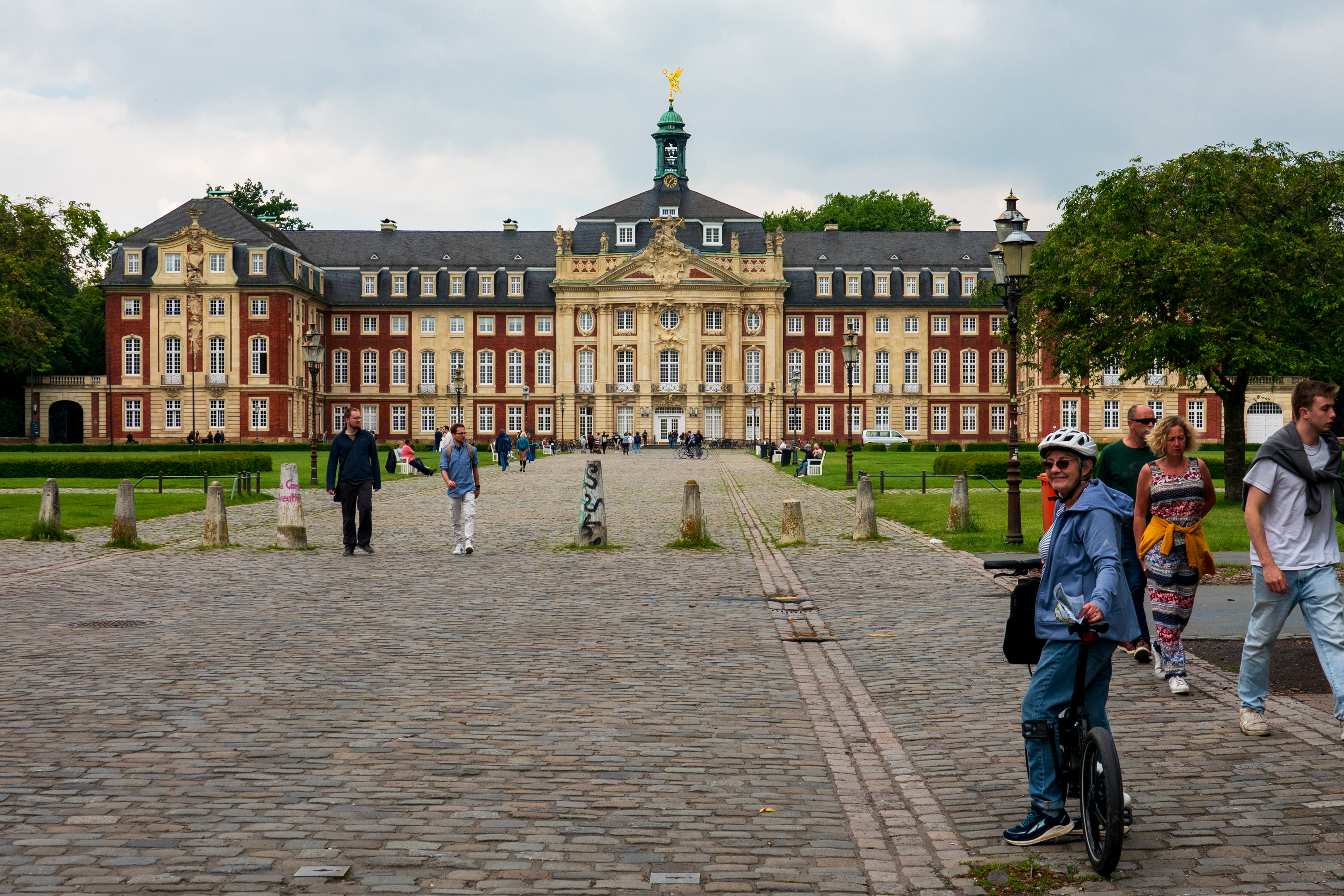
One the way back to the camper, we cycled by the Schloss, formerly the residence of the Prince-Bishops of Münster and now the headquarters of the university.  (https://en.wikipedia.org/wiki/Schloss_Münster) Fortunately we returned to the camper before yet another thunderstorm and downpour!

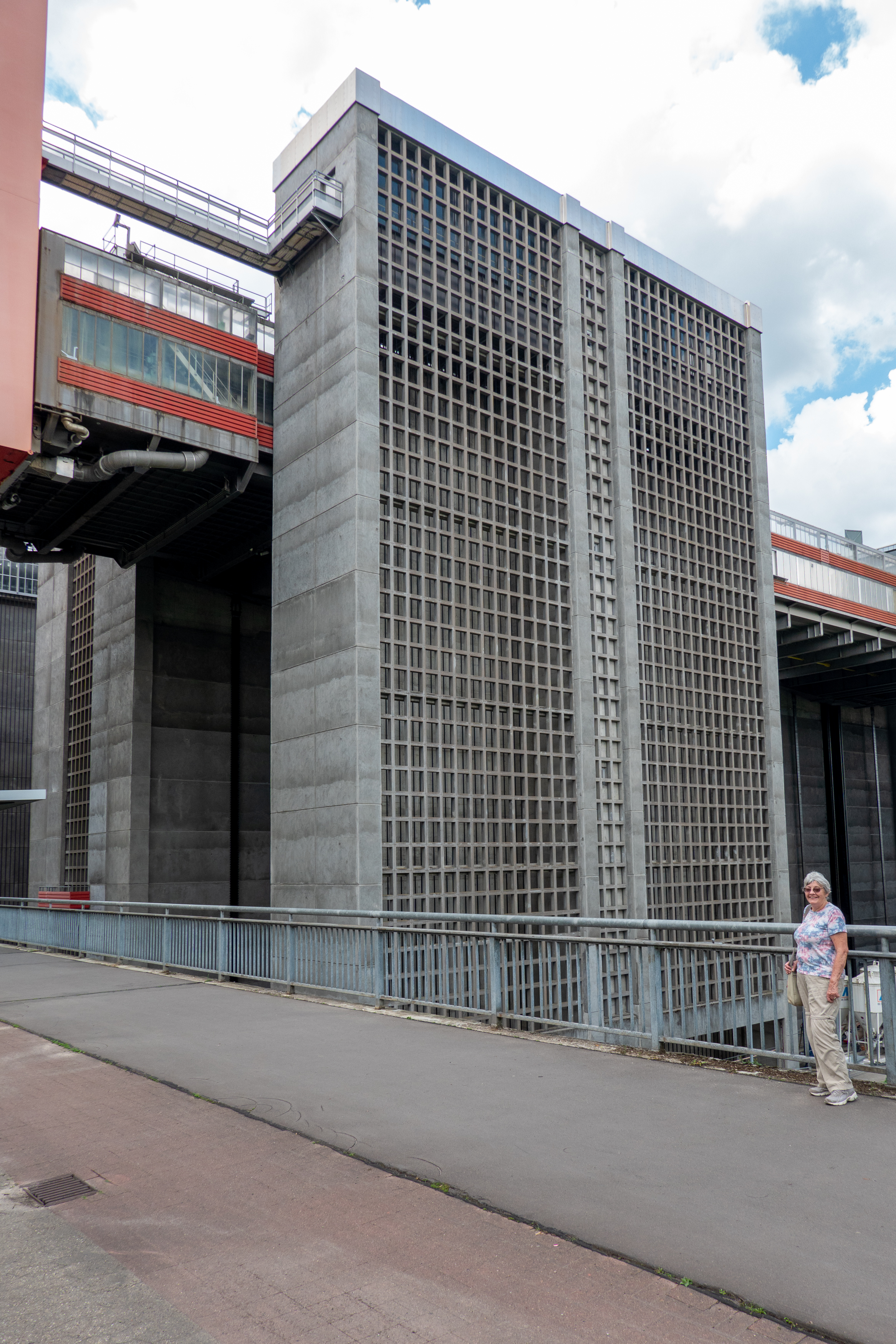
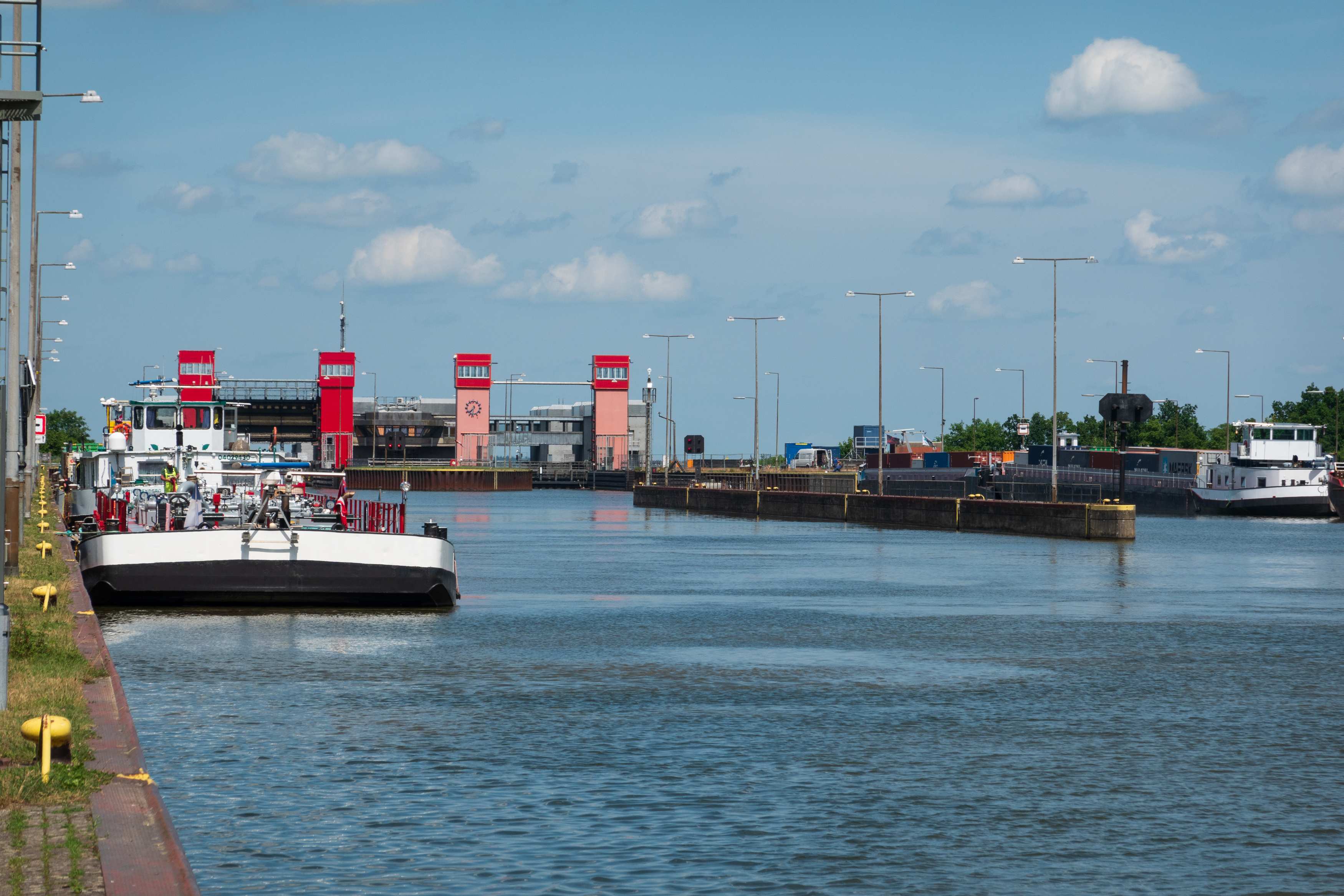
If Münster is infamous for the damage it suffered during WWII, Lüneburg is famous for not having been bombed. We found a stellplatz within easy biking distance, and, as a bonus, it is the parking lot for the Scharnebeck ship lift. (https://en.wikipedia.org/wiki/Scharnebeck_twin_ship_lift)

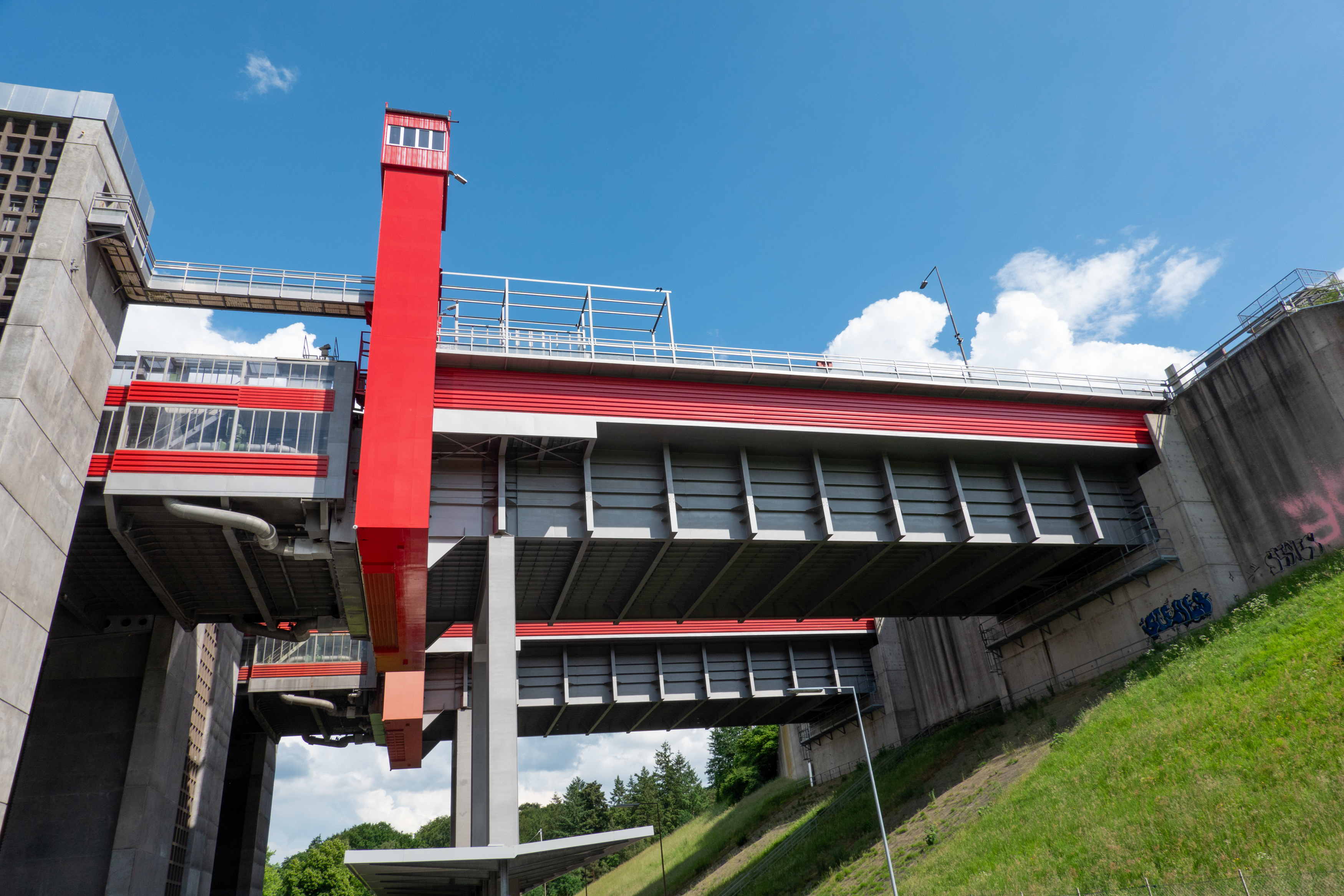
The horizontal structures between the blocky towers are the gondolas that lift and lower ships.

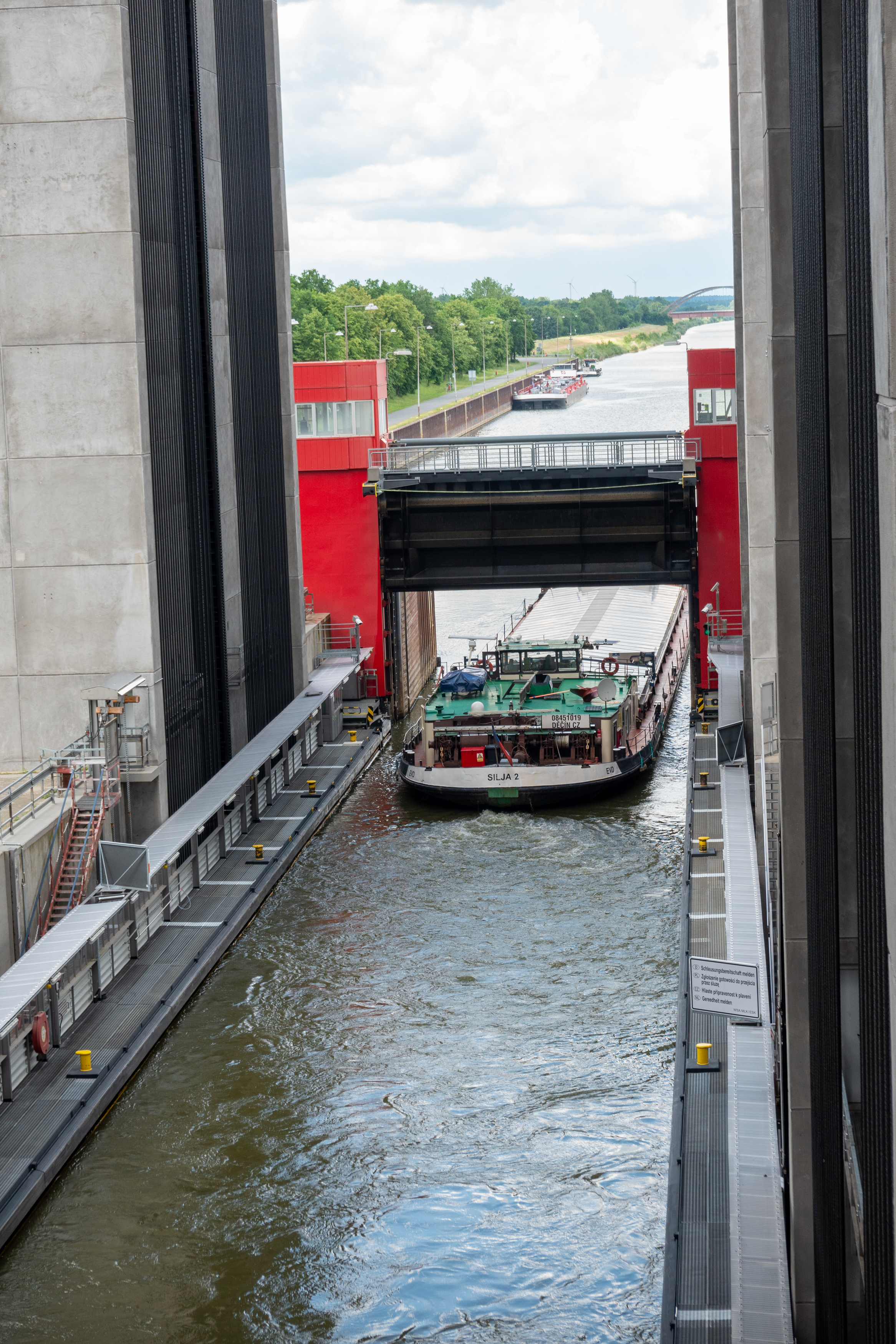
This proved most interesting as we watched barges and various other pleasure boats be lifted or lowered 38 meters from one canal level to the other.  Having visited the Falkirk Wheel, Fred was fascinated by the different approach to the same problem. The lift or descent takes next to no energy as the gondola is matched with four counterweights. And remember, because of displacement, the gondola always weighs the exactly the same, whether there is a boat in it or not.

Yes, it’s big. the grey towers hold the massive counterweights.
Entering the gondola in the lower position.
About half way up, almost to the level of the street. It seems to take forever to get the boats into the gondola, but the actual ascent only takes three minutes.
Looking up at the upper passage. The gondola, on the left, has reached the top, 38 metres higher.
Approach to the ship lift from the higher side.

The Sunday we arrived we watched a party boat being lifted. Monday it did not appear that a single ship used the lift.

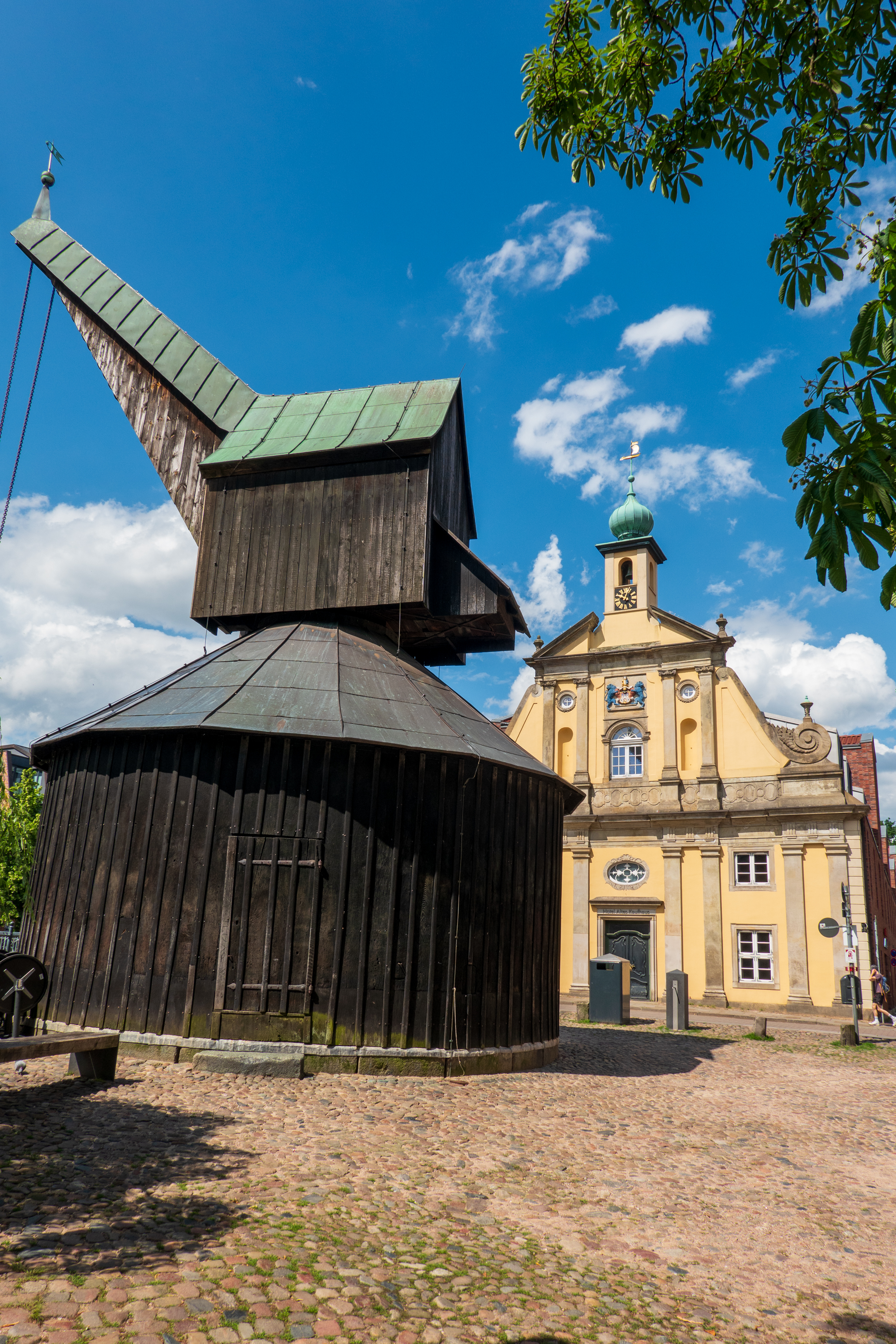
The cycle trip into town was a little longer (about 10Km) but we enjoyed the visit.  The town was part of the Hanseatic League based on the salt mined there beginning in 956.  We admired the 14th century crane, used for hauling the salt up until the late Middle Ages. 

The crane is most impressive,

The old crane is Lüneburg’s secret landmark. A crane is mentioned for the first time in 1346. We could not see inside as the crane is only open to formal tours. The German texts say that it is operated by “carrying wheels.” Probably what would be called today “Treadwheels.” People step inside and walk to provide the power.

Treadwheels on a crane.

When Lüneburg was connected to the railway network in 1846, the crane became redundant.

Salt boats on the canal.

And (of course) we stopped for a coffee and a cake (Kaffee und Kuchen) beside the canal, as we admired the really old houses. 

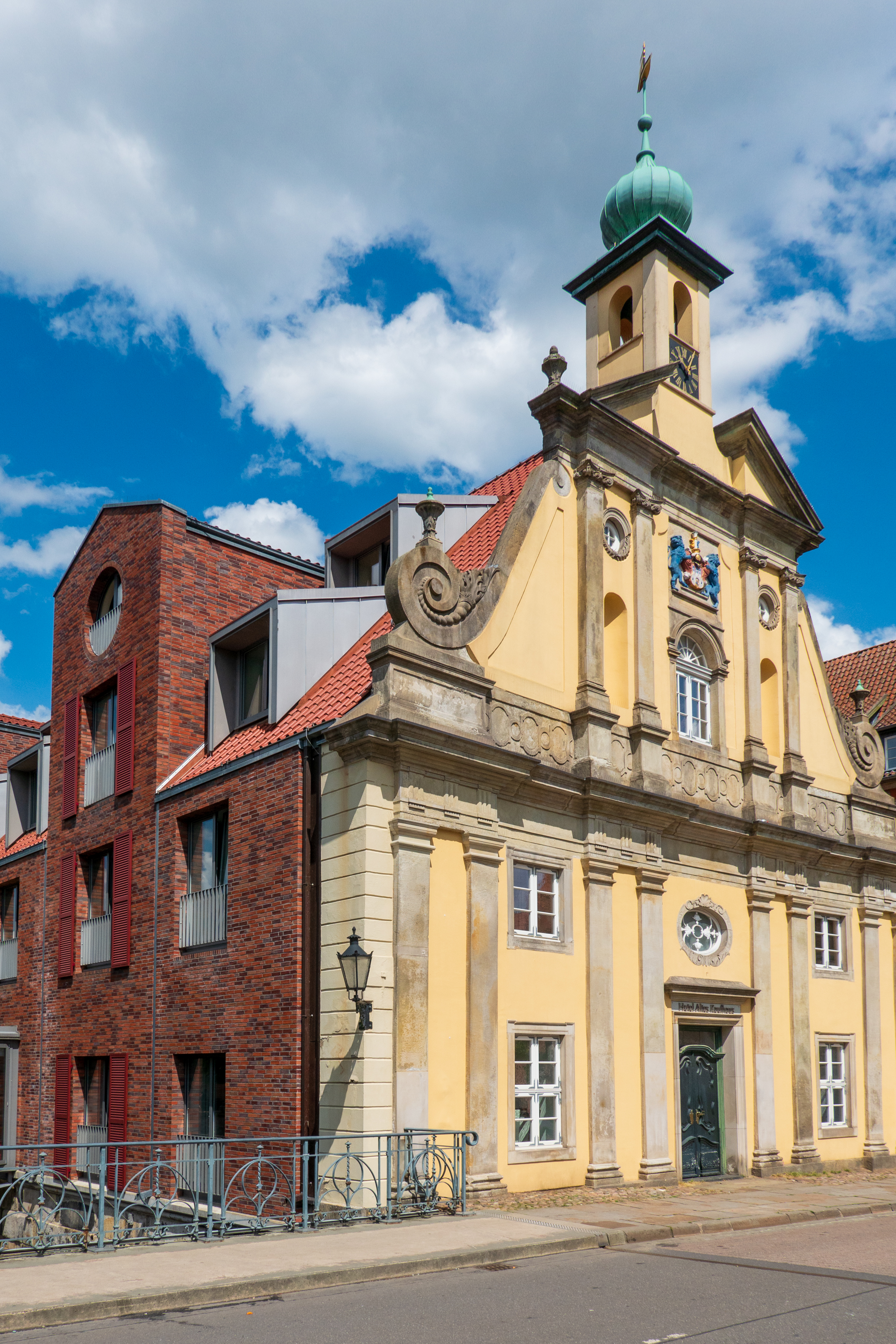
Note the modern side and older facade.
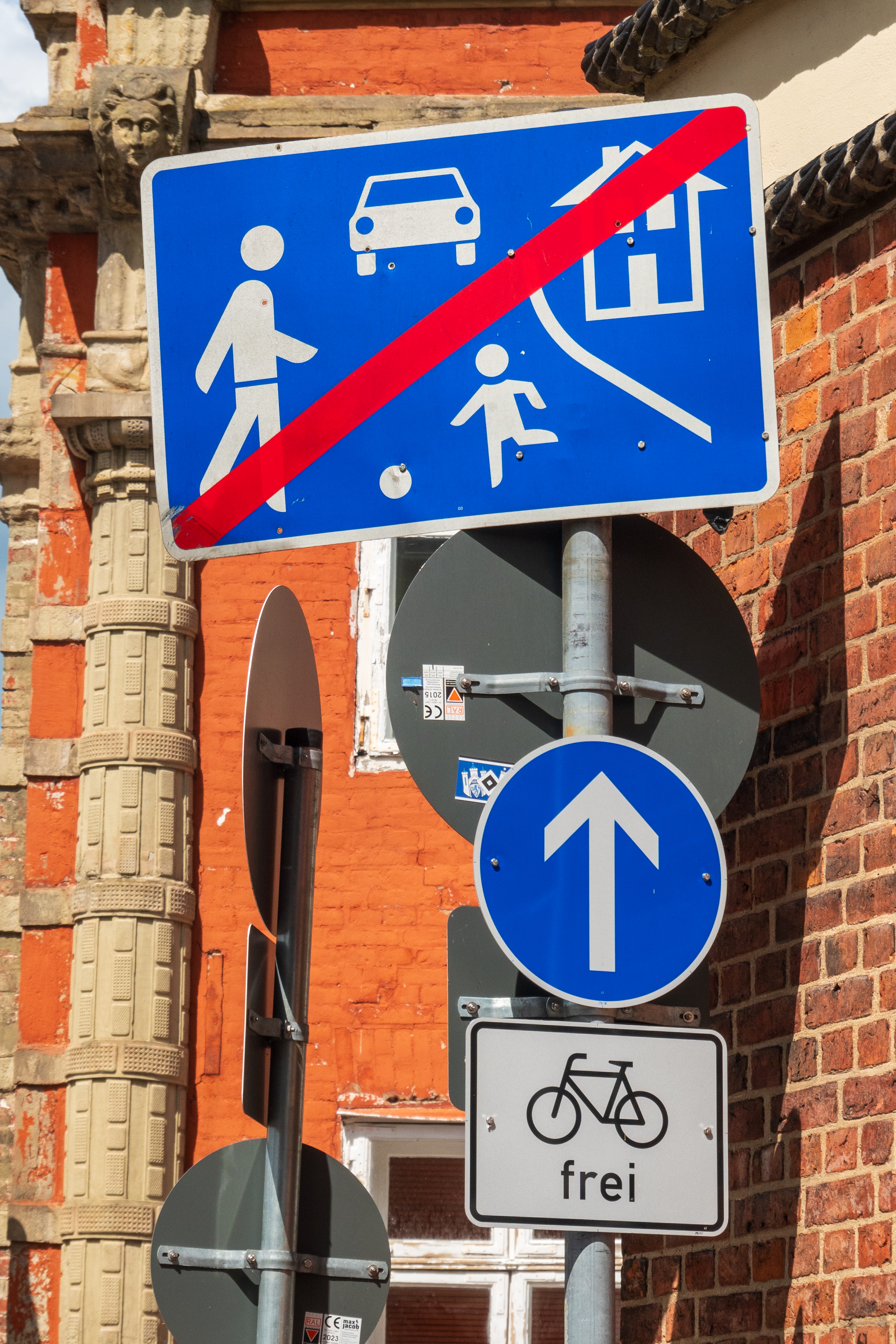
Not sure how to read this sign. Seems like you can’t play ball in the street but there is free passage for bikes. We took it!
Goodies at the old fish market, by the canal.
The Rathaus.
Beautiful brickwork.

As noted, Lüneburg survived the war without damage so there was no rebuilding.

On the practical side, the camping thinned out after the weekend and was quite pleasant and there is an ALDI within walking distance! The little things, like food, matter!

Off to the Races!

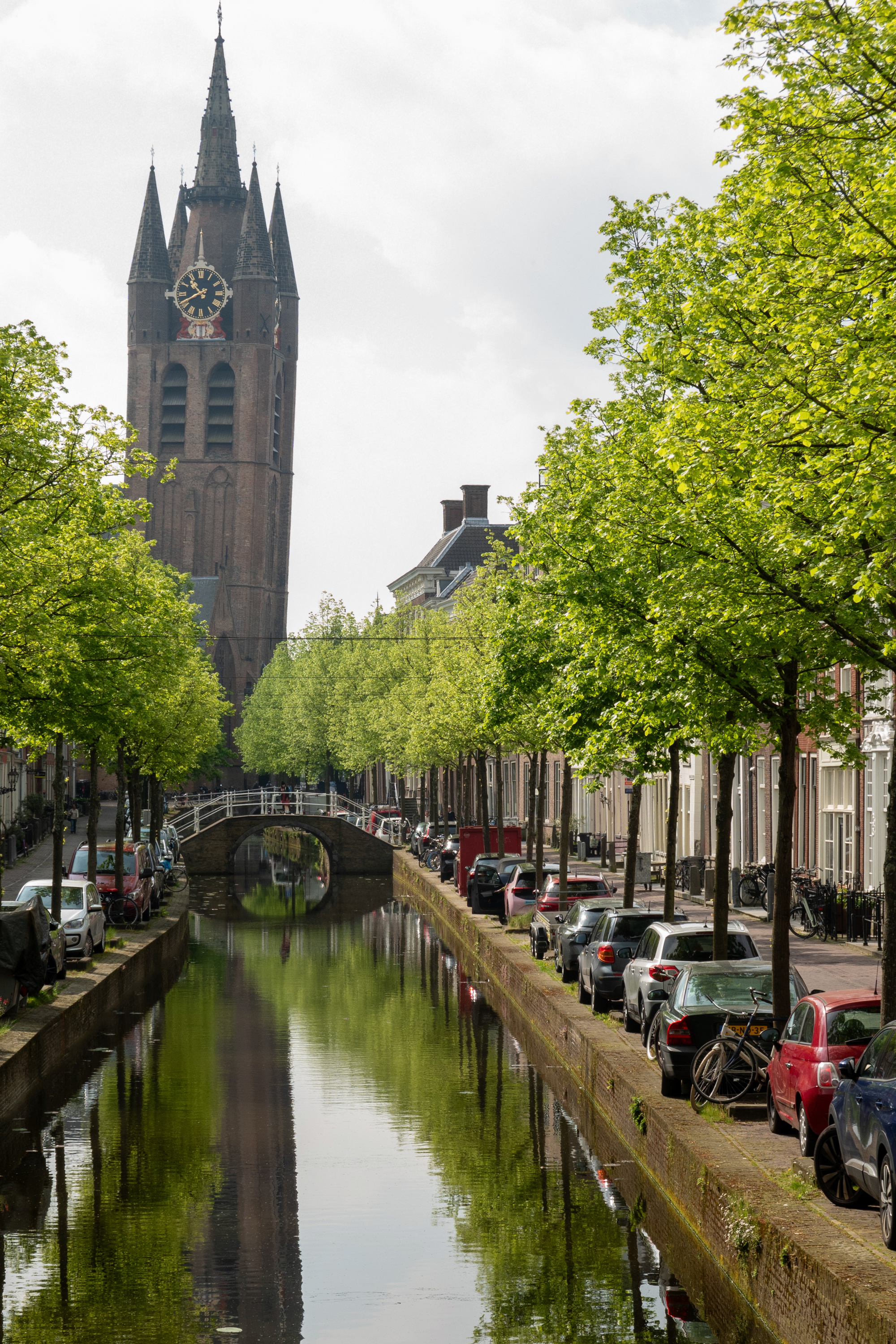
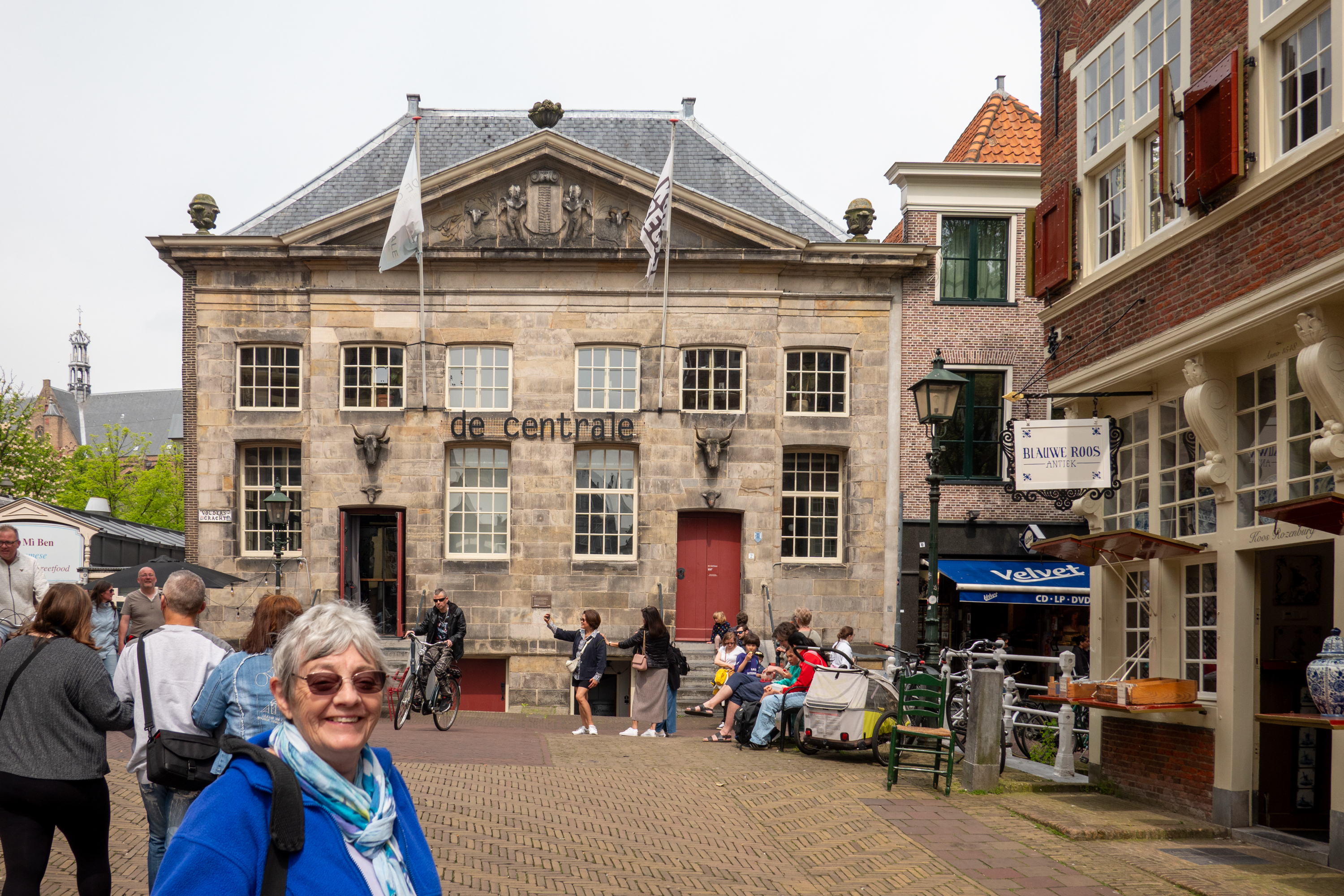
We detoured briefly to Delft on our way to the campground near Leiden. Denise wanted to see it, and although it was a holiday and the Delft porcelain factory was closed, she was expecting a quiet small town. It turned out to be a day of races with hordes of people. We parked not far from the center of town in a huge park by a lake and bicycled in. The wonderful Dutch bike trails soon delivered us into town and yes, Delft really does look like a post card, complete with a leaning tower and, of course, canals.

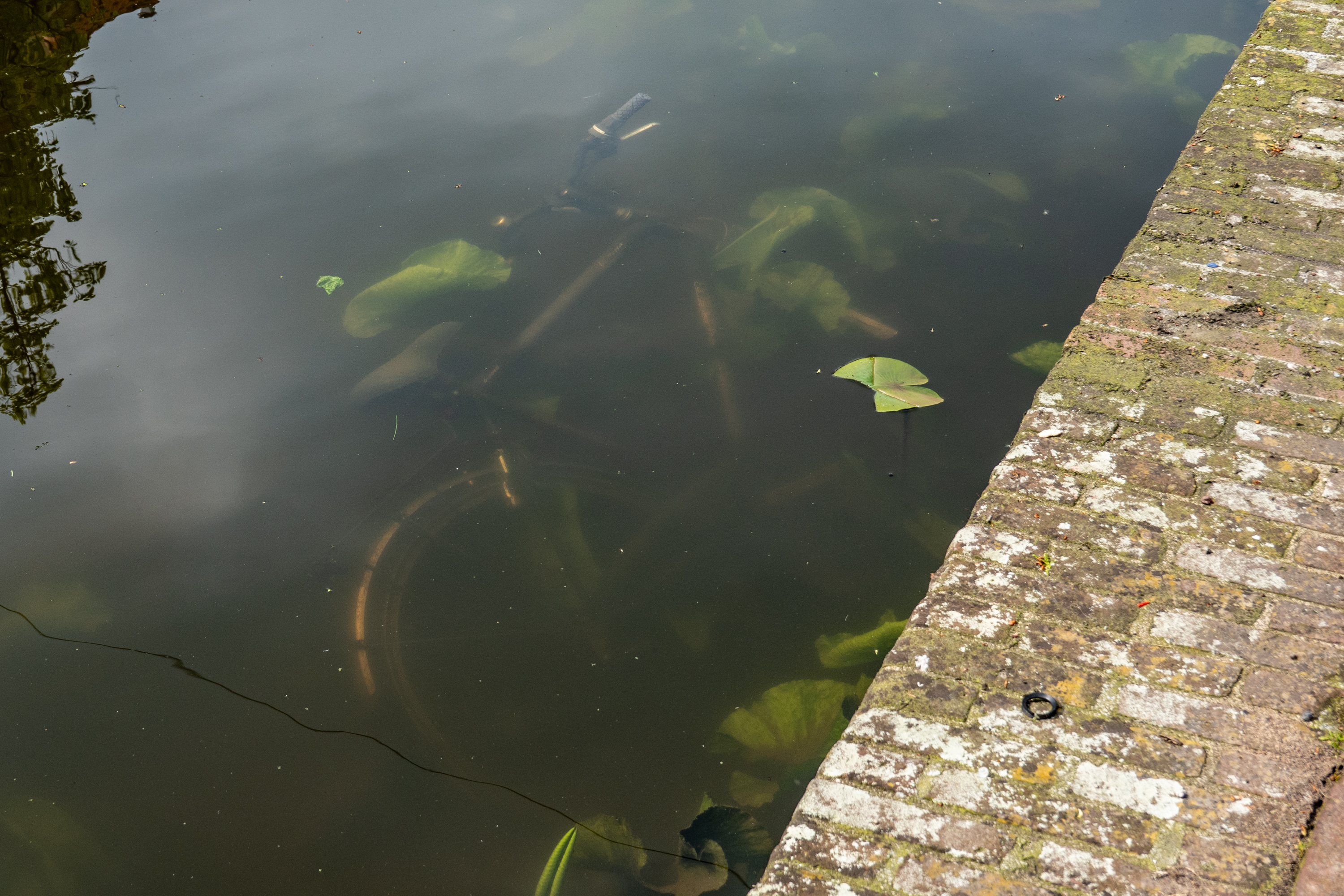
We found a quiet side street to park our bikes, being careful not to join the bikes already in the canal!

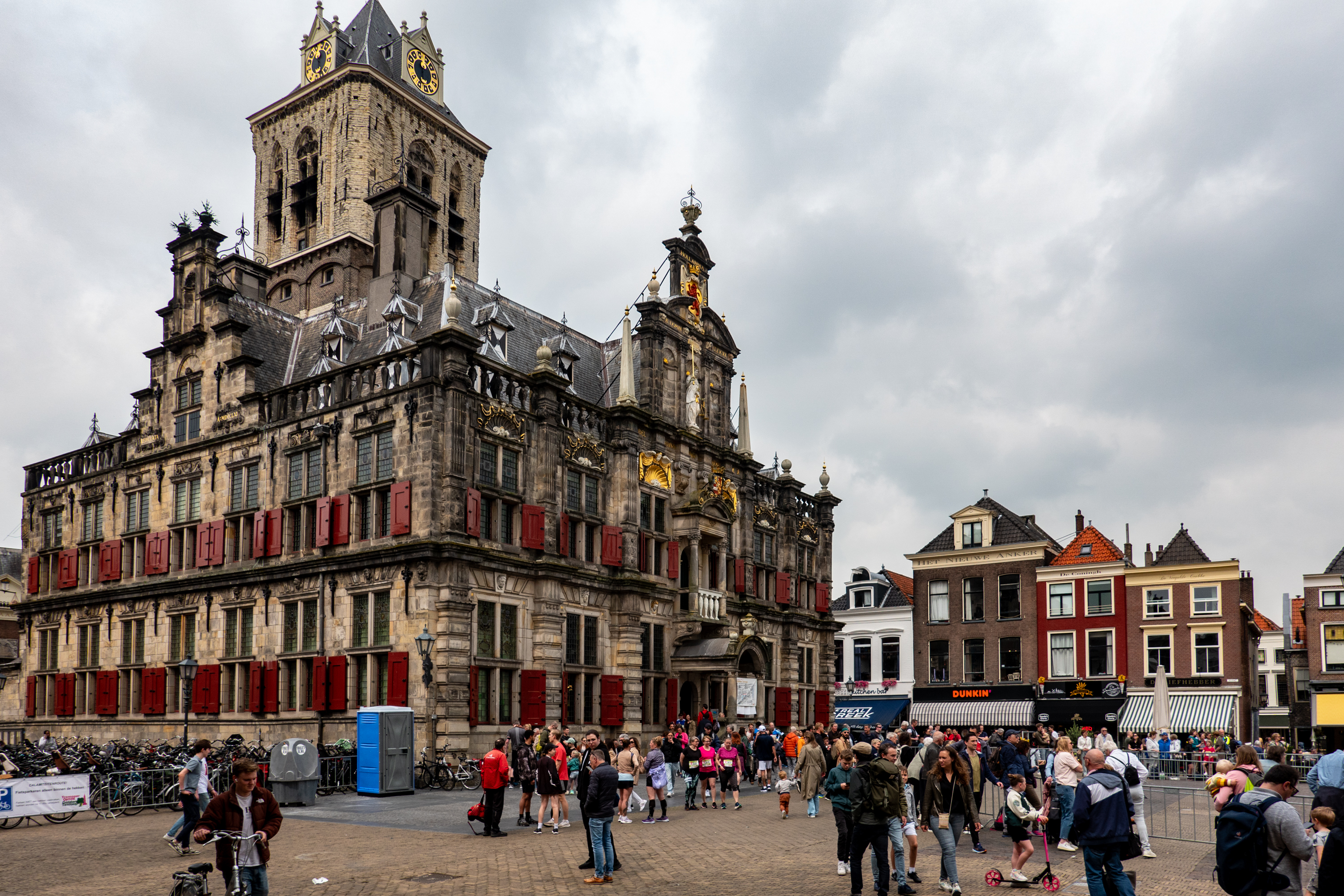
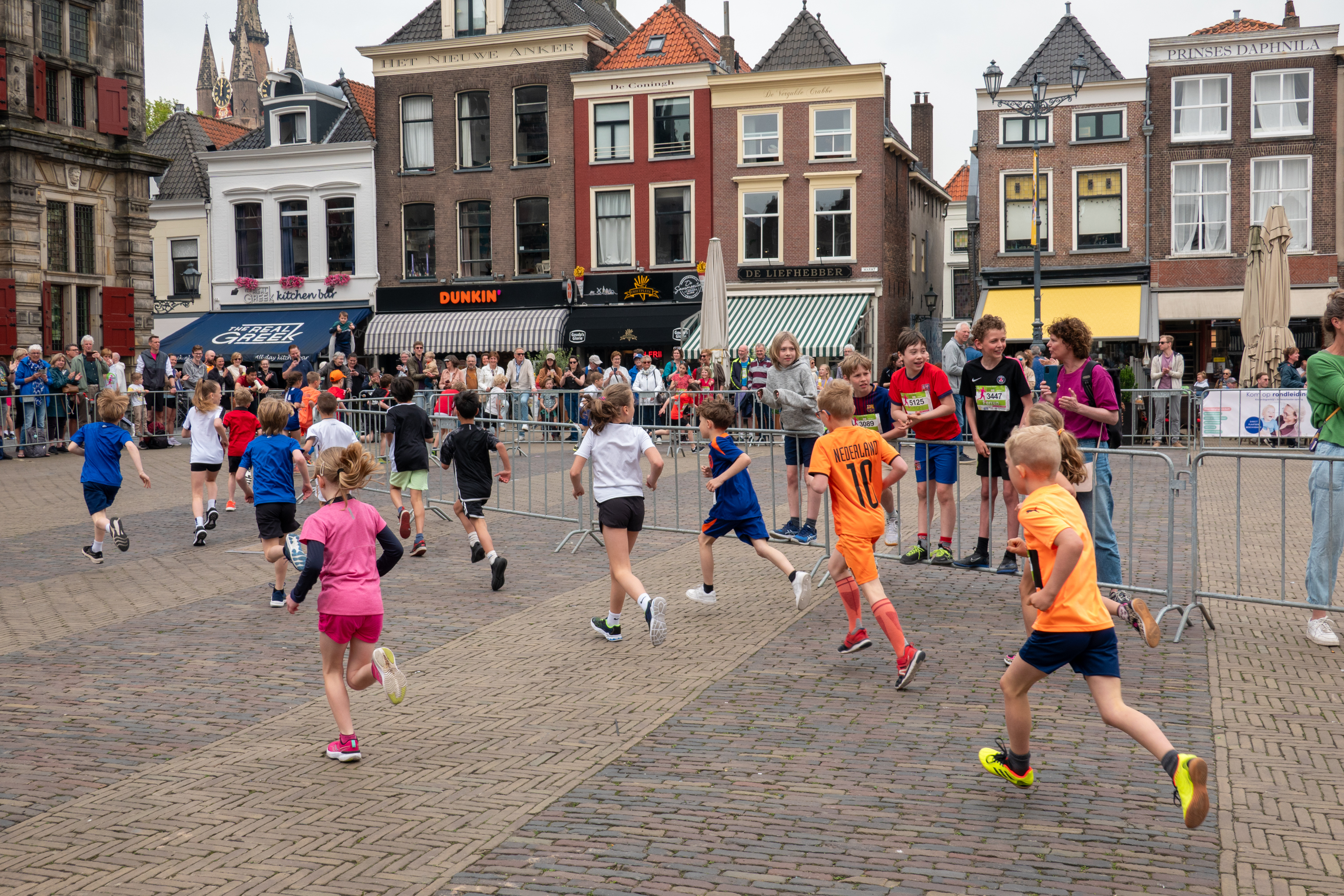
We then worked our way to the main square or “Markt” and found it blocked off with metal railings for the various races. We wandered a little, admiring the old buildings in the medieval trading center or “Waag.” There was the house with butter above it (for butter trading), one with cows’ heads (for meat), and fish etc. And of course the Town Hall.

We enjoyed watching the children’s race around the Markt,

The highlight of our morning was finding a wonderful waffle restaurant. Two cups of coffee, and two different styles of waffle (Brussels and Liegois) later, we were able to face the crowds celebrating Ascension Day.(https://wafelsenzoenen.nl/Menu/)

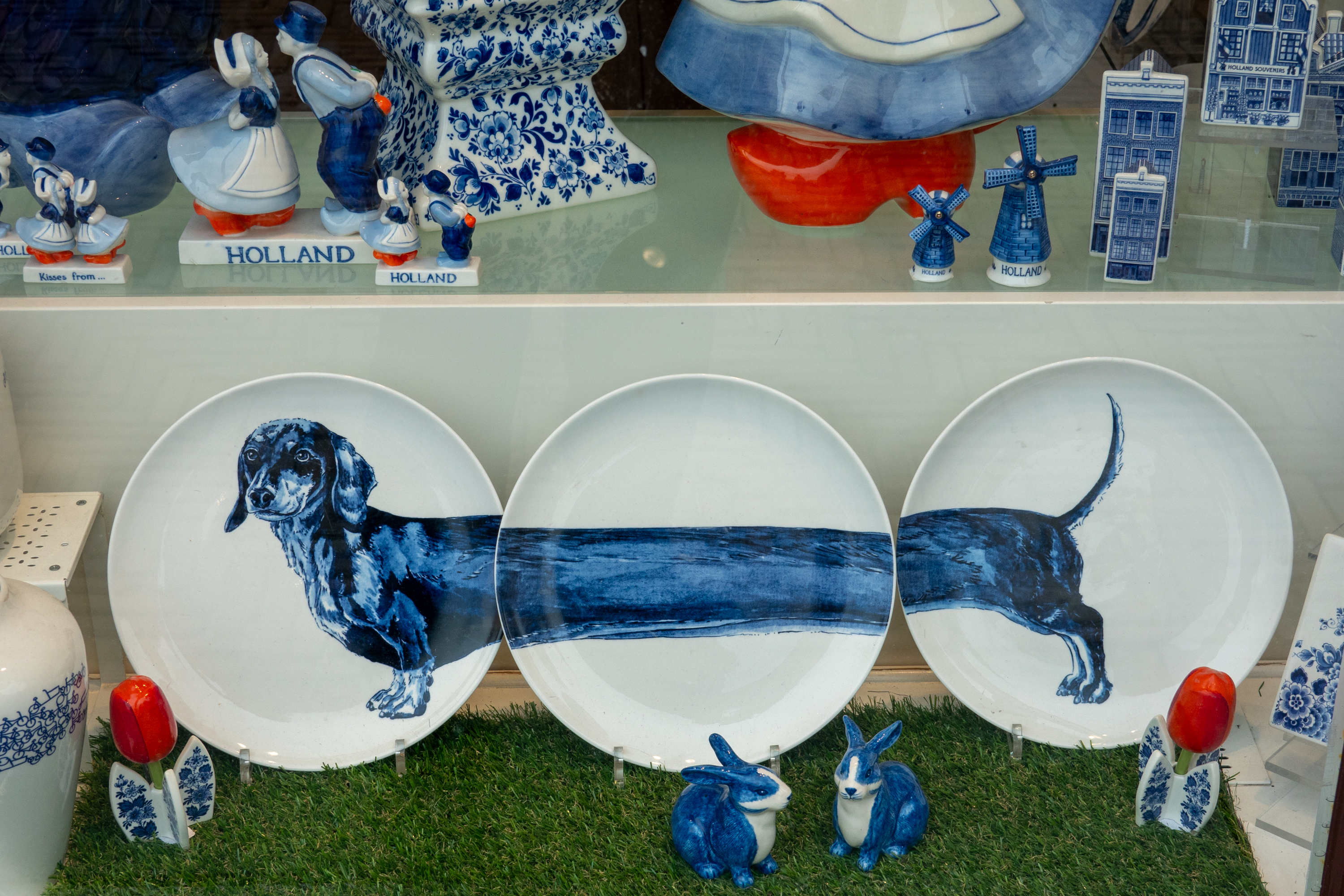
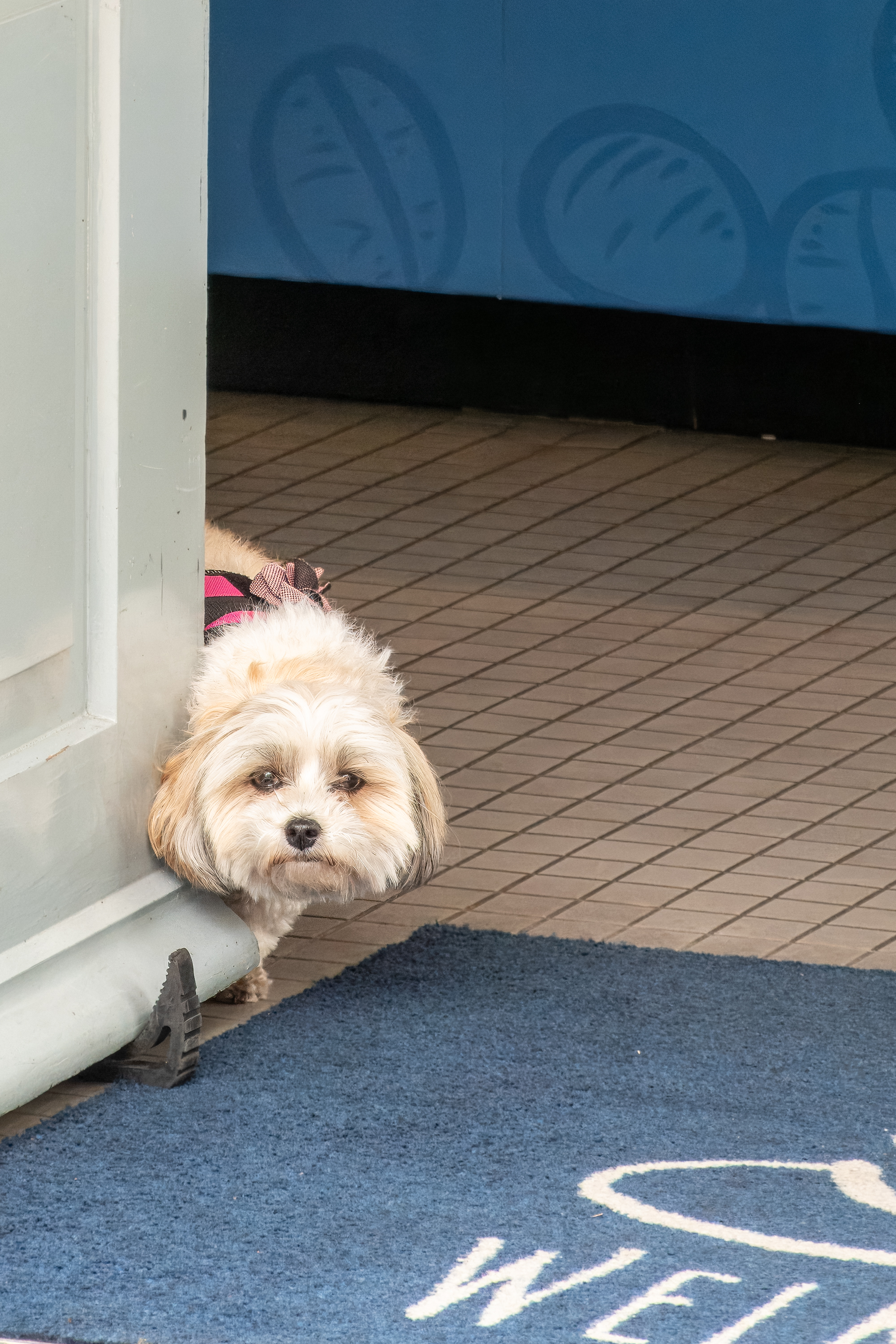
Fortified with coffee, we could enjoy a bit of whimsy in the local shops. (We have friends with dogs who would especially enjoy these images!)

We found a stand selling Bitterballen, which Fred really likes, and nibbled on some before heading back to the bikes to get back to the truck. Or trying to! We found our route back blocked with another race, adults this time. But we did eventually succeed.

We then made our way to the campground outside of Leiden, our base while we attempted to repair our bikes.

The next day, the ride into Leiden was delightful, with a beautiful section across the polder. We found the GoCycle dealer, but we were not able to see the technician who knew GoCycles until late in the afternoon as his cat was very ill. As cat lovers, we were very patient.

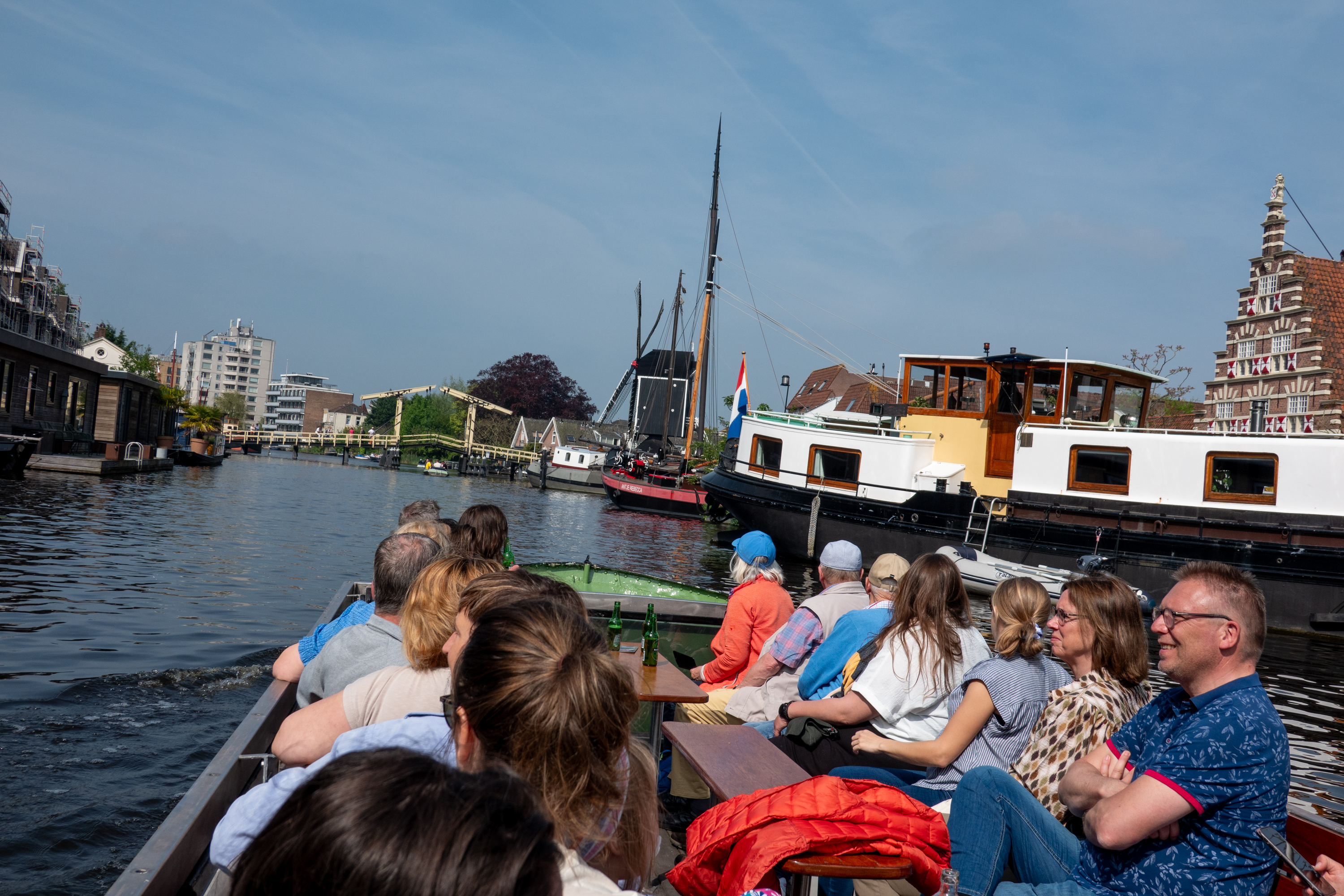
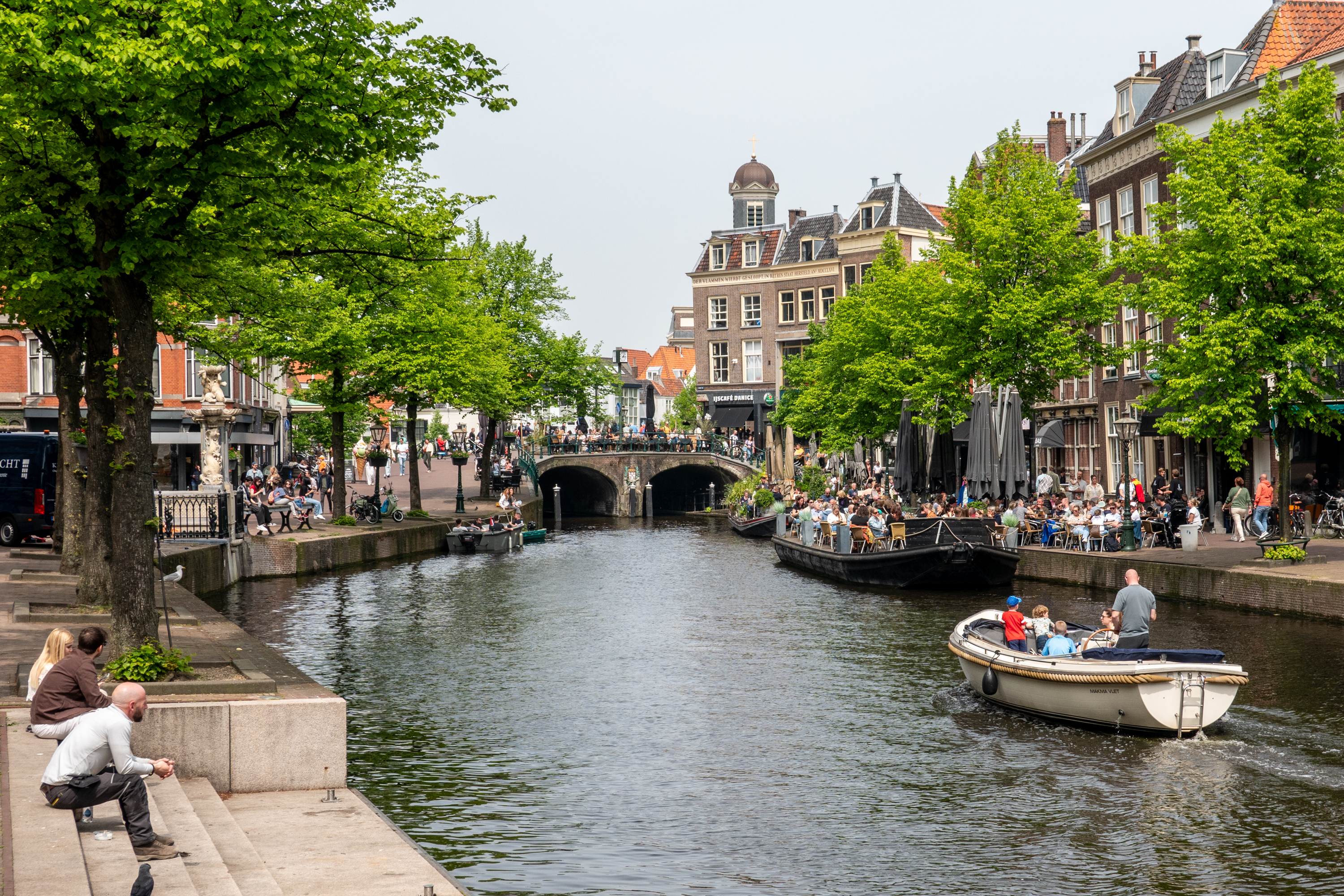
We set out to spend a pleasant day in Leiden, a beautiful town full of canals, canal side cafes and restaurants and wonderful ice-cream shops! For Americans, it has a special importance as many of the Pilgrims lived here before the famous voyage to Massachusetts. We started with a canal cruise which showed us even more of the traditional architecture and history of the town.

Canal tunnel under the street, complete with an underground intersection.
Plaque commemorating one the the Pilgrim Fathers.
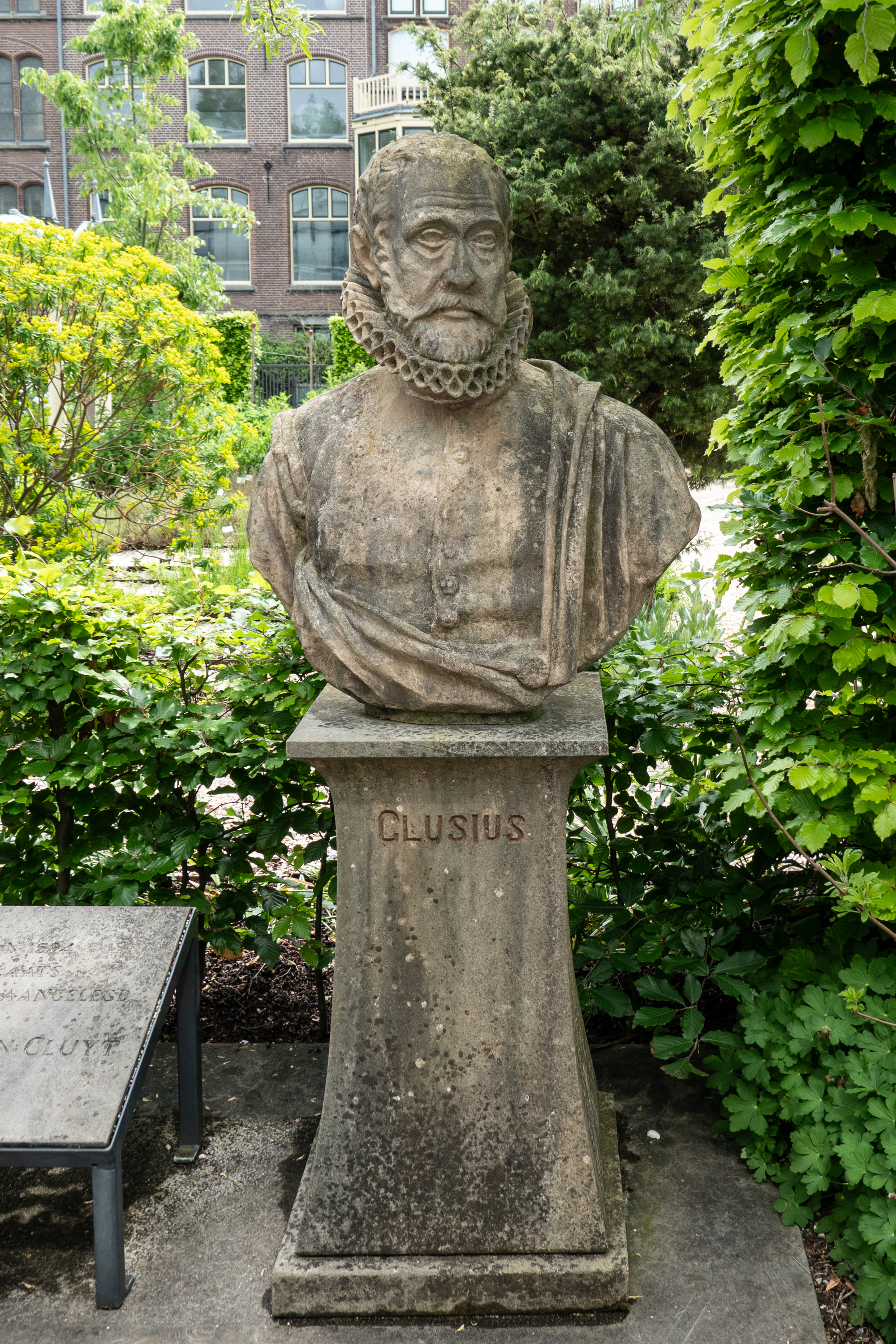
Statue in the botanical gardens, dedicated to the “father” of the Dutch tulips.
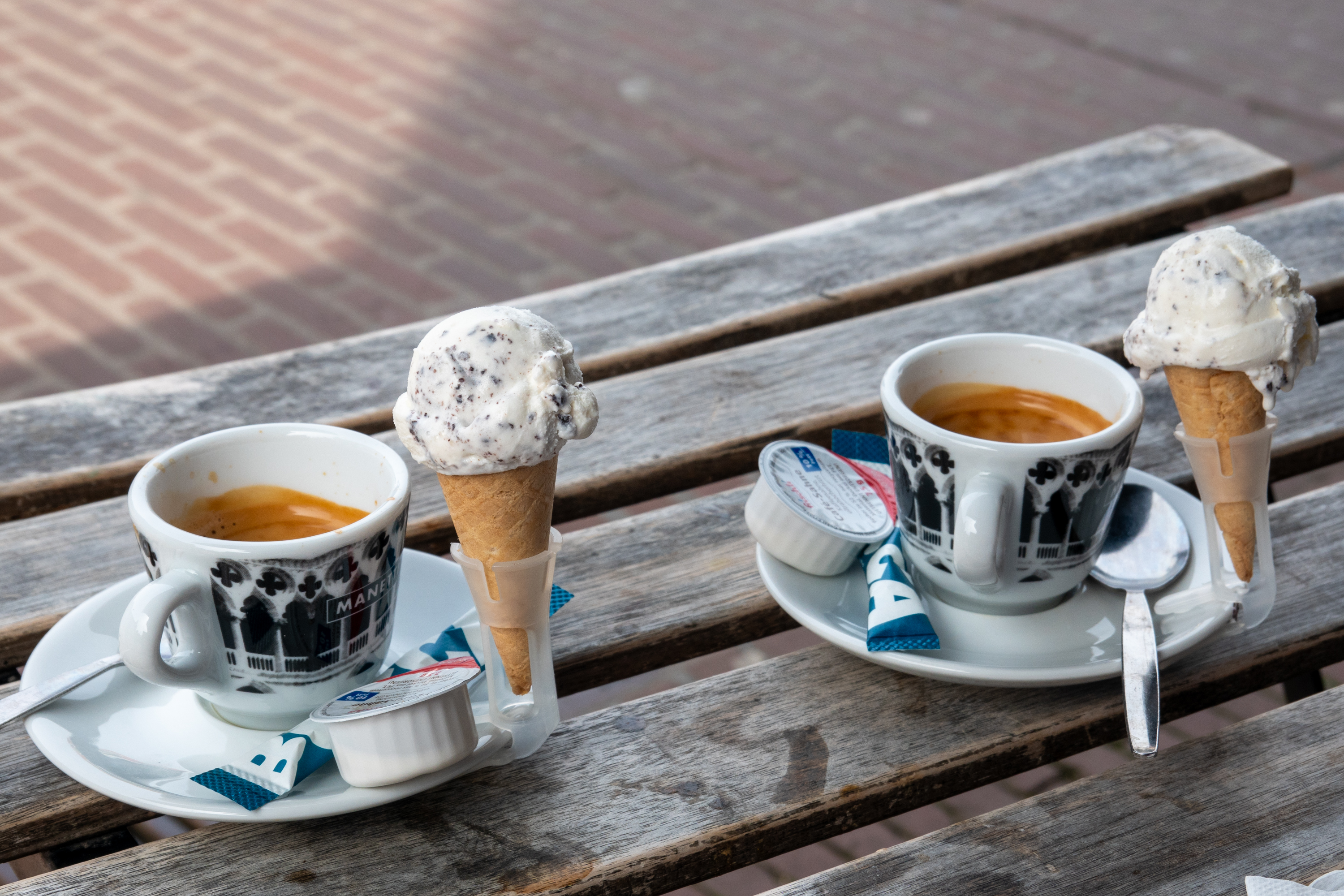
Absolutely over the top espresso service. Yes, those are real miniature cones with real ice cream!
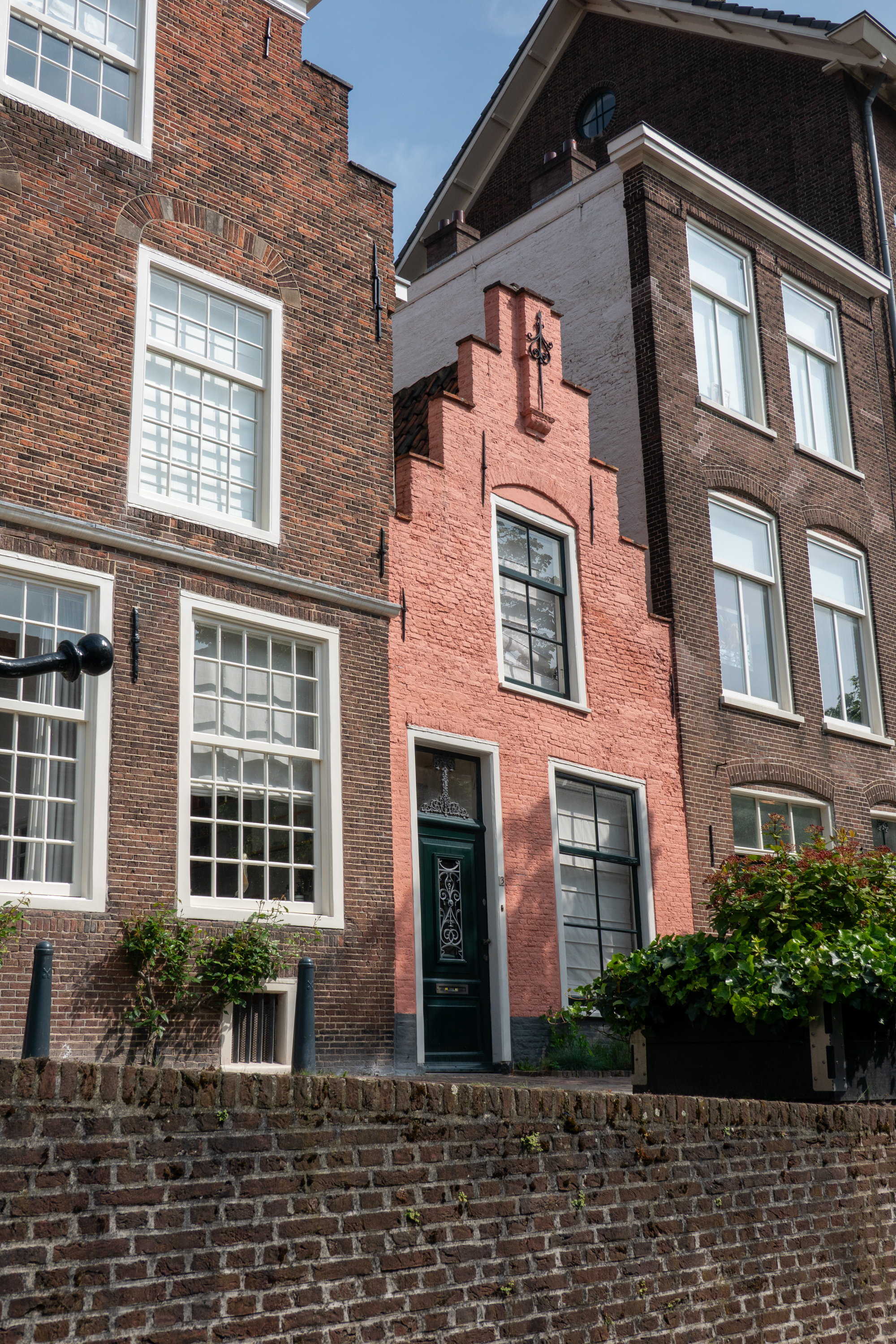
The pink building was a cat house, set up to service the needs of the cadets at the military academy across the canal.
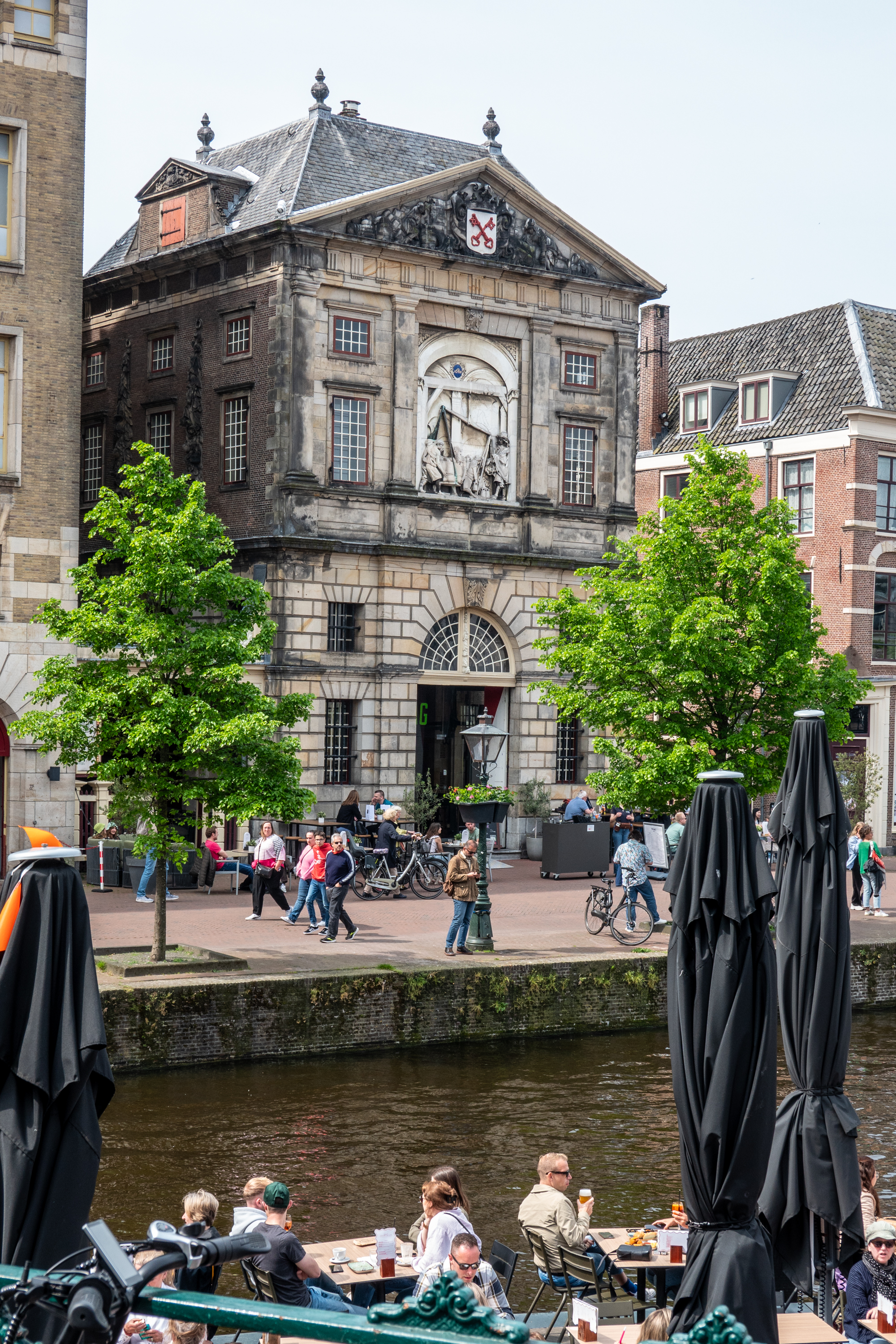
The seal of the city of Leiden has the crossed keys – one to the city and the other to heaven.
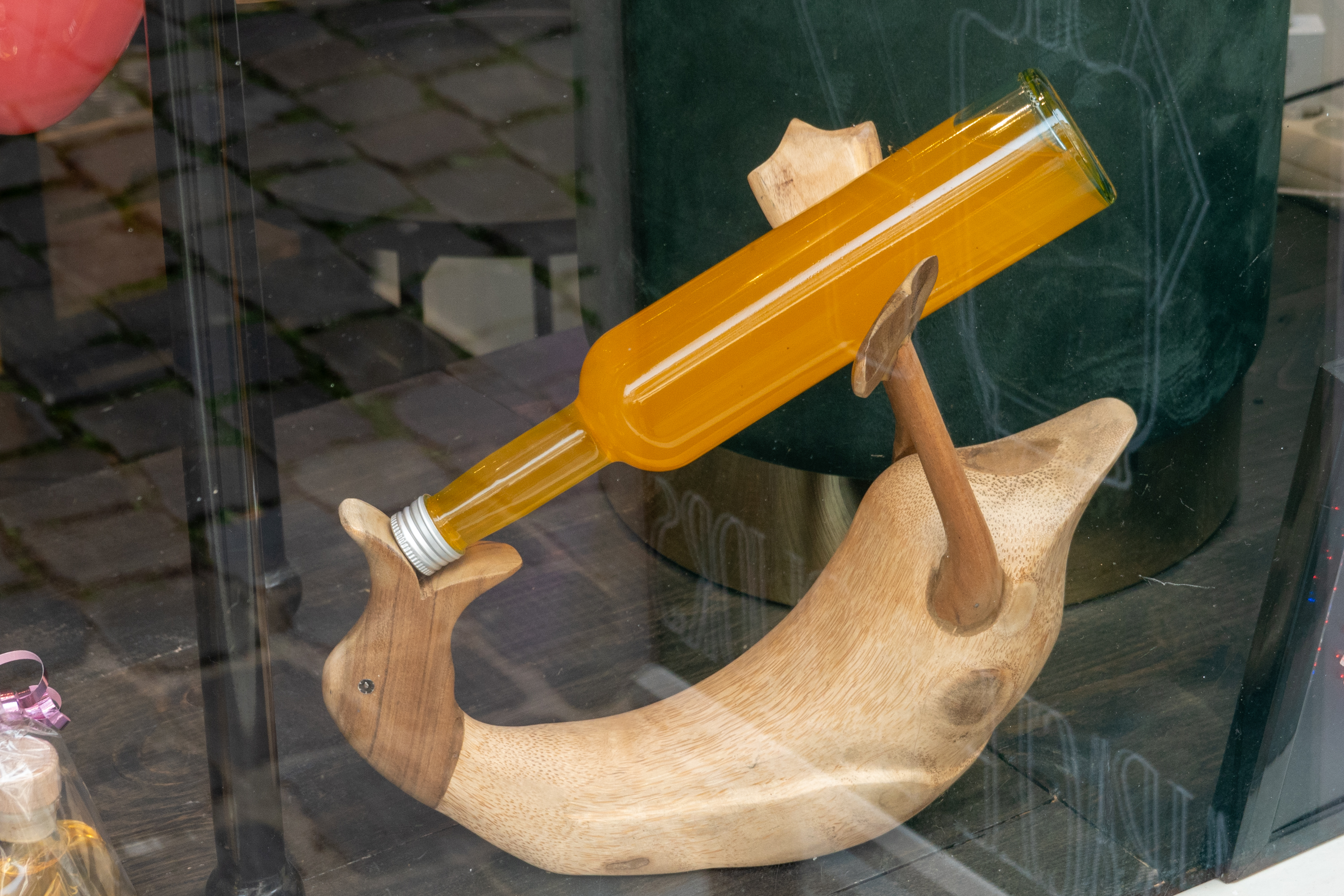
Wonderful happy duck bottle holder in local firewater store.
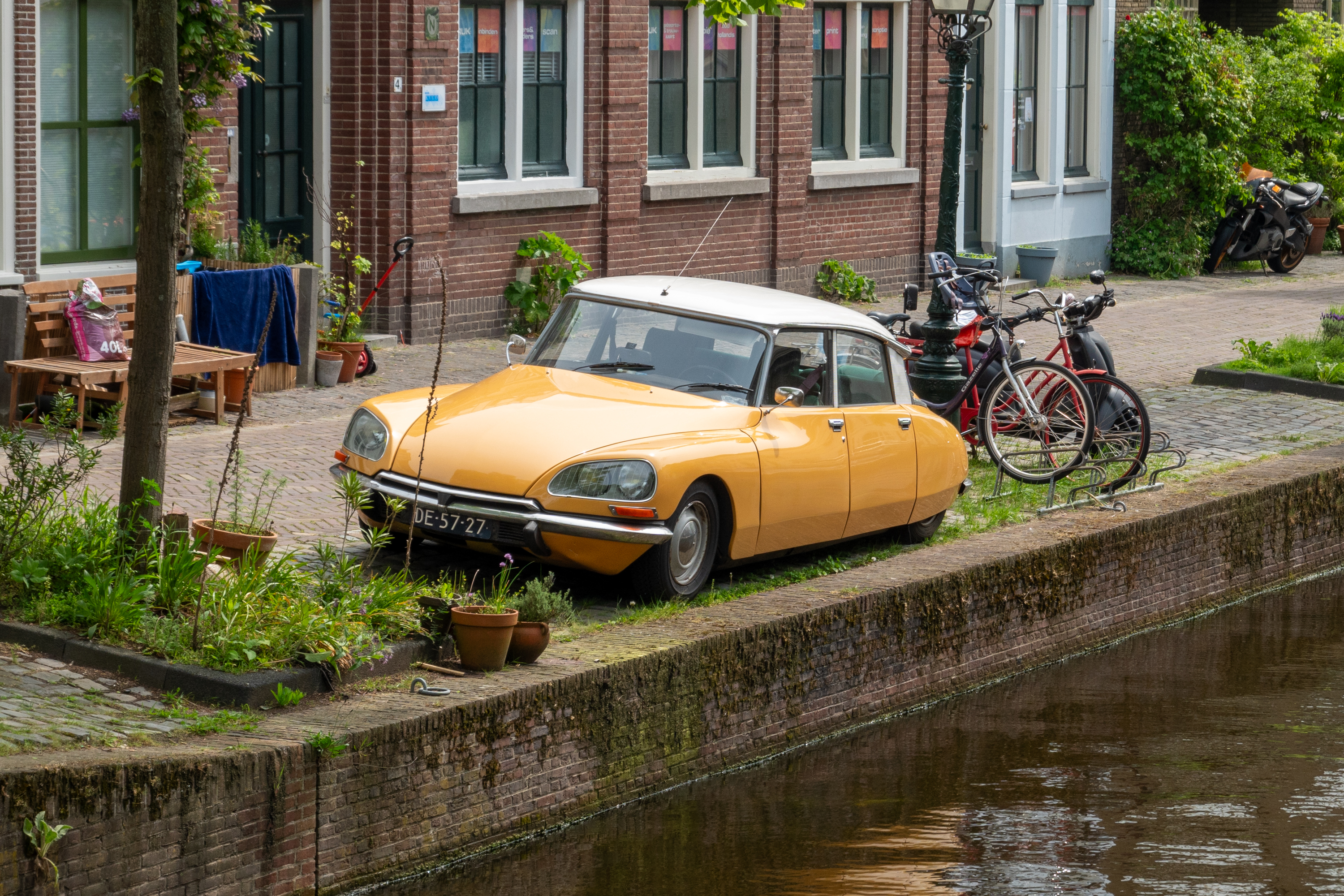
Ever since our days in Cameroon, we have had a thing for Citroen DS. (DS = Déesse = goddess)

By the time we finally found the Pilgrim Museum, it was too full for us to get in. So we headed back to the GoCycle dealer.

The tech consulted with GoCycle headquarters in the UK, removed the mother board, and determined that it was corroded and would have to be replaced. Naturally, he had none in stock and, due to holiday weekends, he was unsure when he would receive it.

Our ride back to the campground was applauded by this feathered friend.

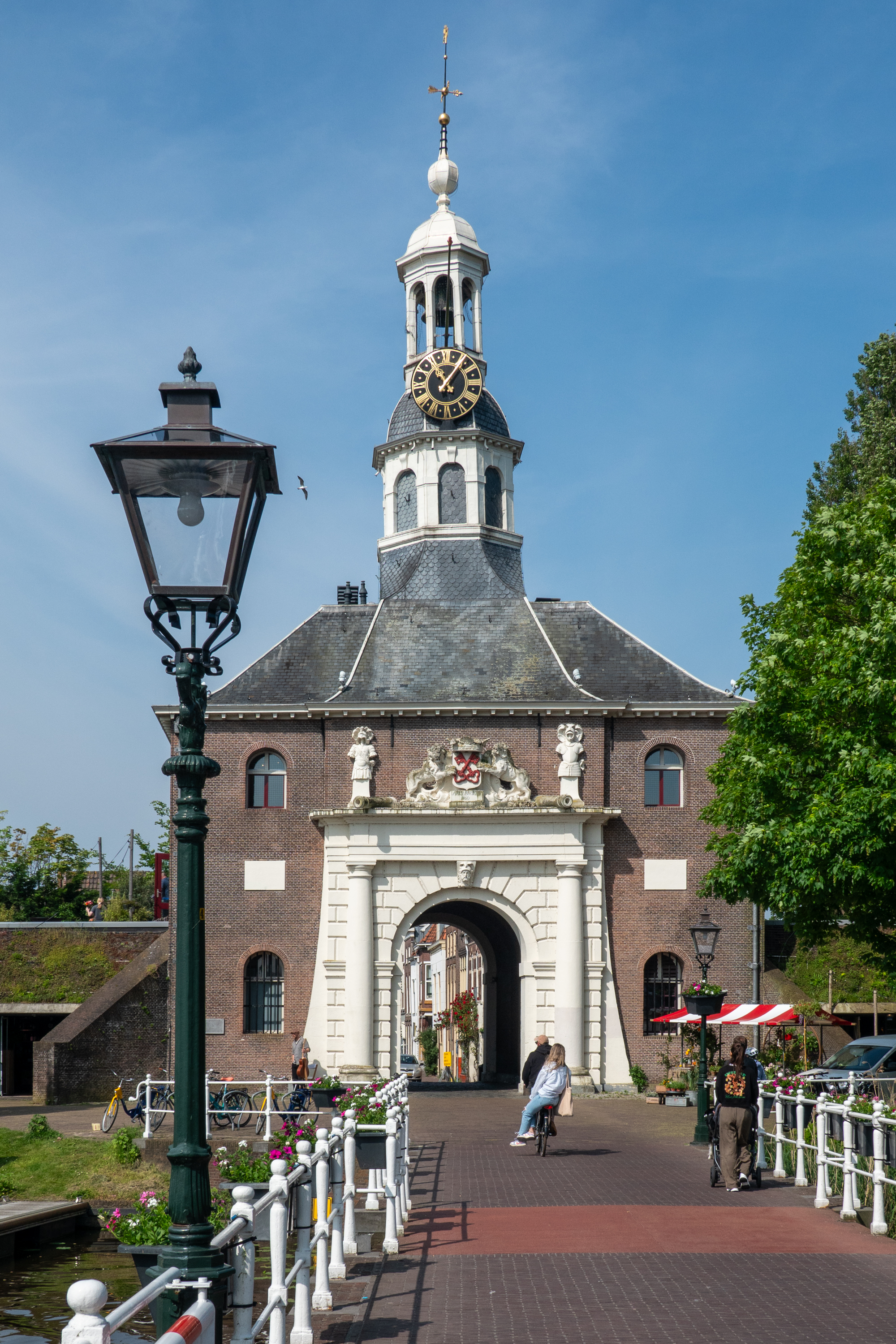
The following day we returned to town for the Saturday market. Denise was greatly in need of various food items as we had still not been able to find a supermarket. We had also noted that the Dutch prefer to be paid in cash whenever possible, which had not been the case in the UK or in France. Our route to the market passed through one of the old gates.

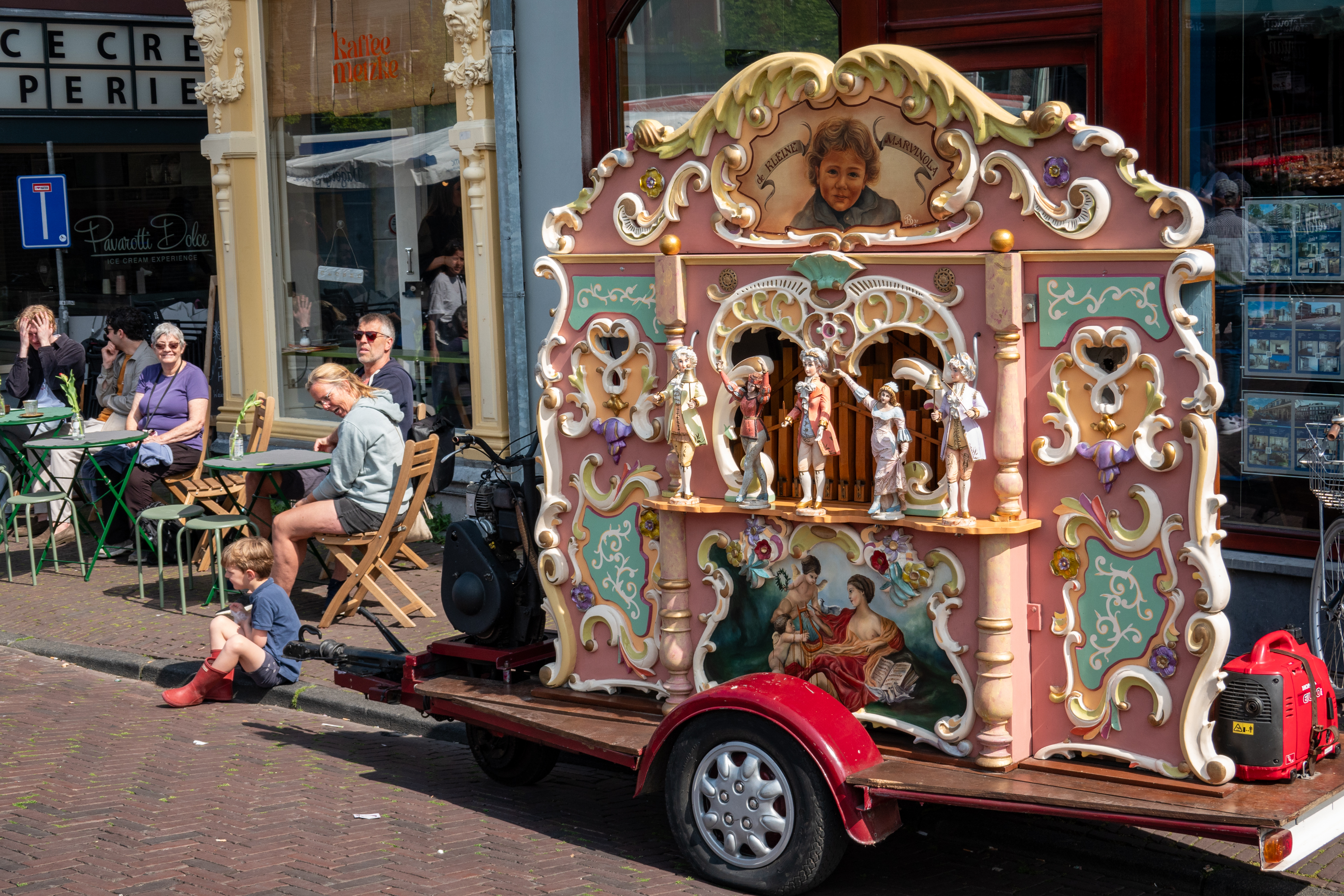
After the ride, we of course had to fortify ourselves with more pancakes and coffee, serenaded by a giant rolling music box, complete with animated figures.

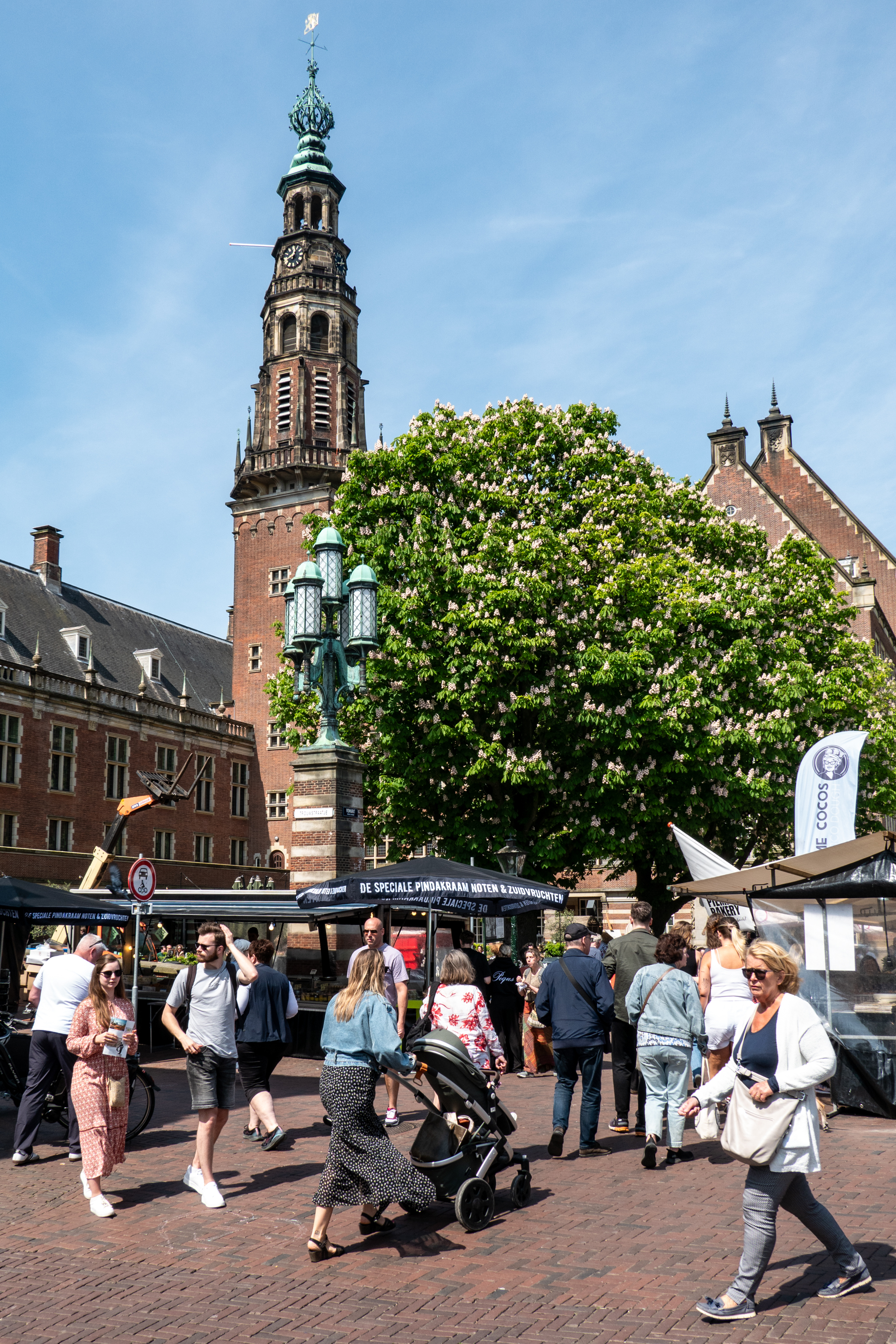
We then explored the market and shopped till we dropped. Compared to the previous day, the place was heaving!

There is no really big square in the center, so this market runs all along the sides of several canals.

We had lunch at an Indonesian kiosk, giving Fred a chance to dust off his Bahasa Indonesia; some 50 years old. The young man running the “warung” was suitably impressed, even if he had been born in the Netherlands. Talk about feeling old!

It was then time to fit all our purchases into the bicycle bags and make it home. This was somewhat of a challenge but we packed everything in! On the way, Denise realized that her bike no longer had electric power so serious maintenance became even more critical.

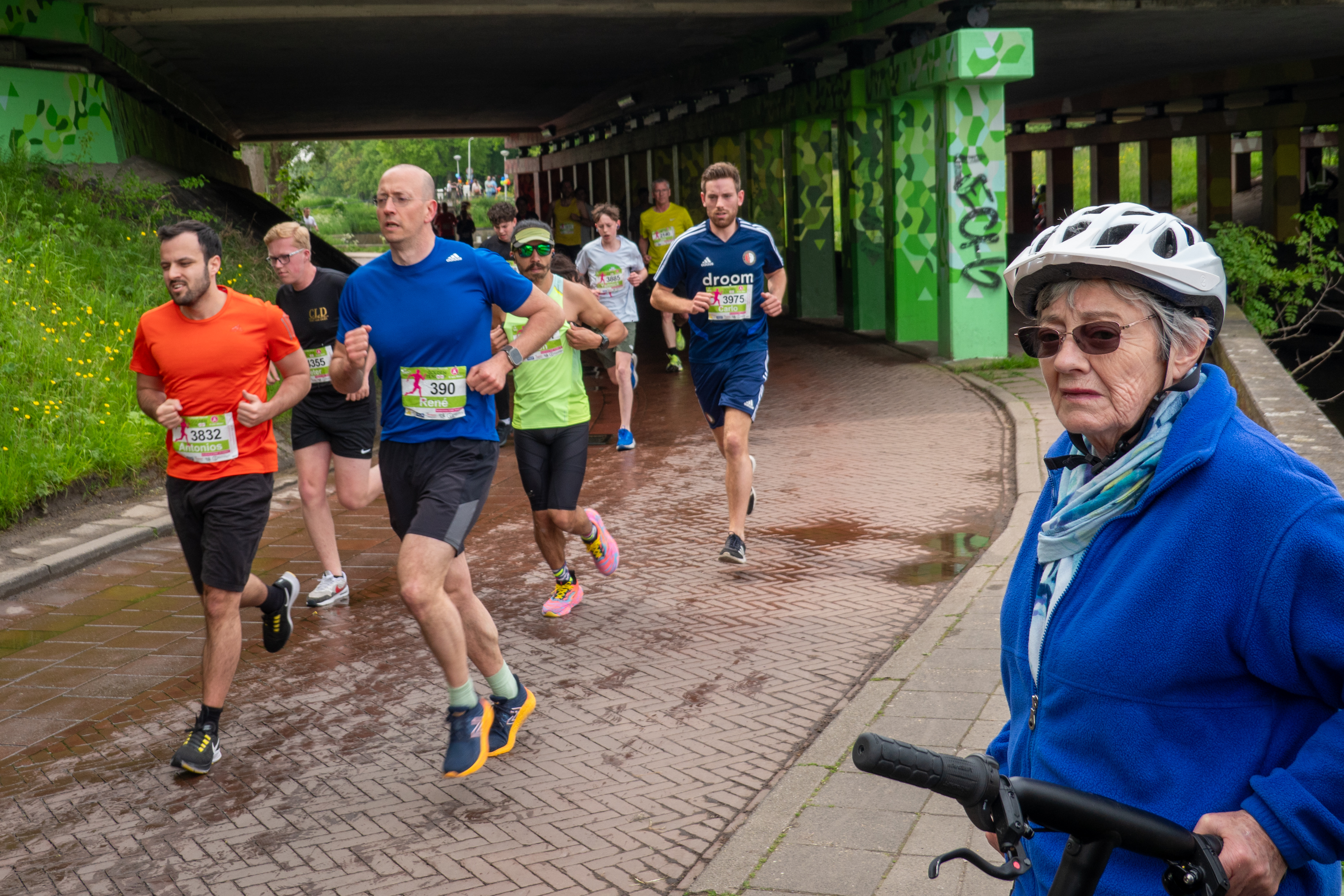
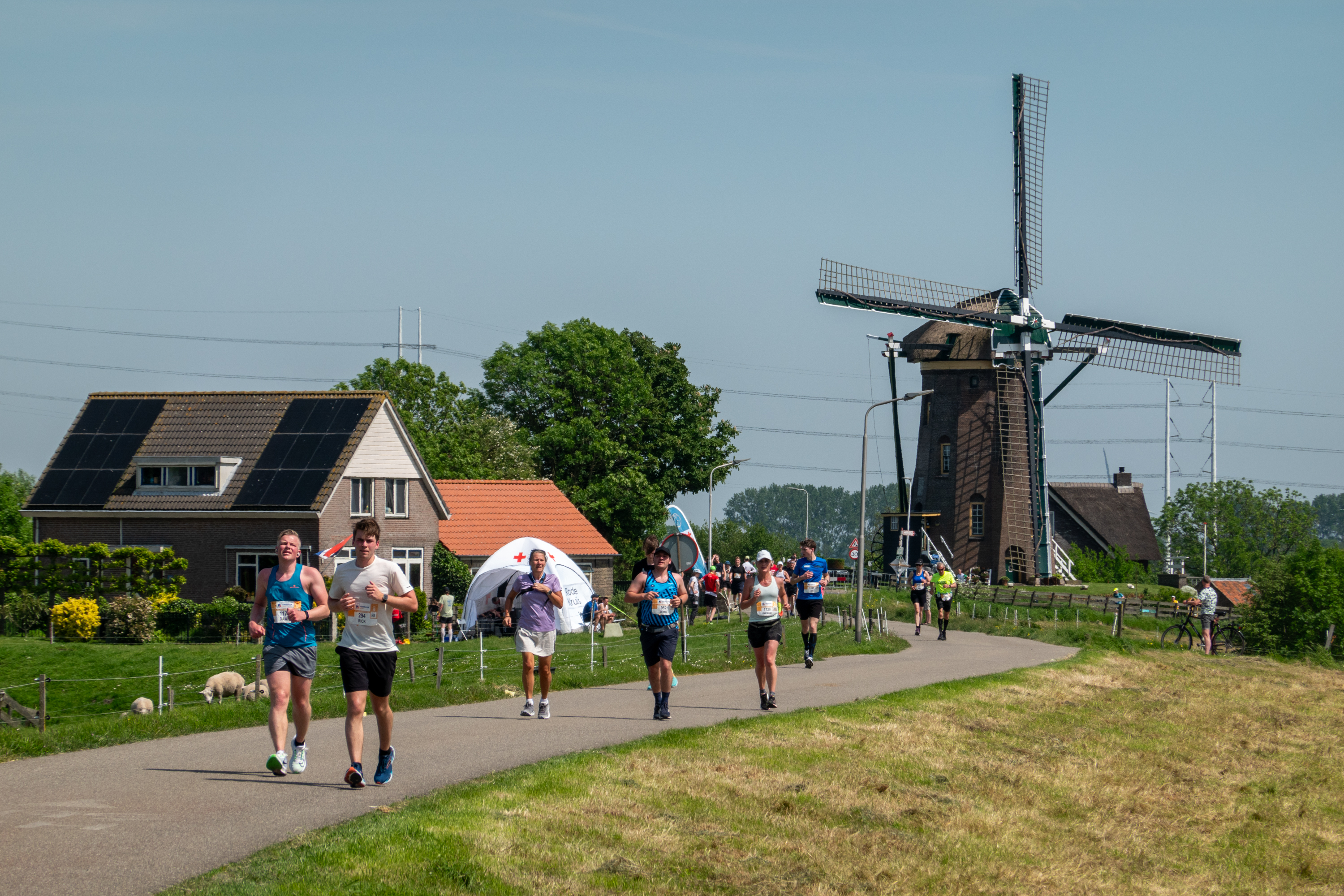
The following day, we had planned to visit the windmills on a local bike route. Fred took the bike with no battery power and we set off. We had seen signs for a marathon race and knew it would not be a good day to go to Leiden, but we found the marathon was coming our way, anyway! We found a very pleasant coffee shop where we had coffee and bitterballen, and then split a huge chicken burger. Needless to say, no dinner was served that evening.

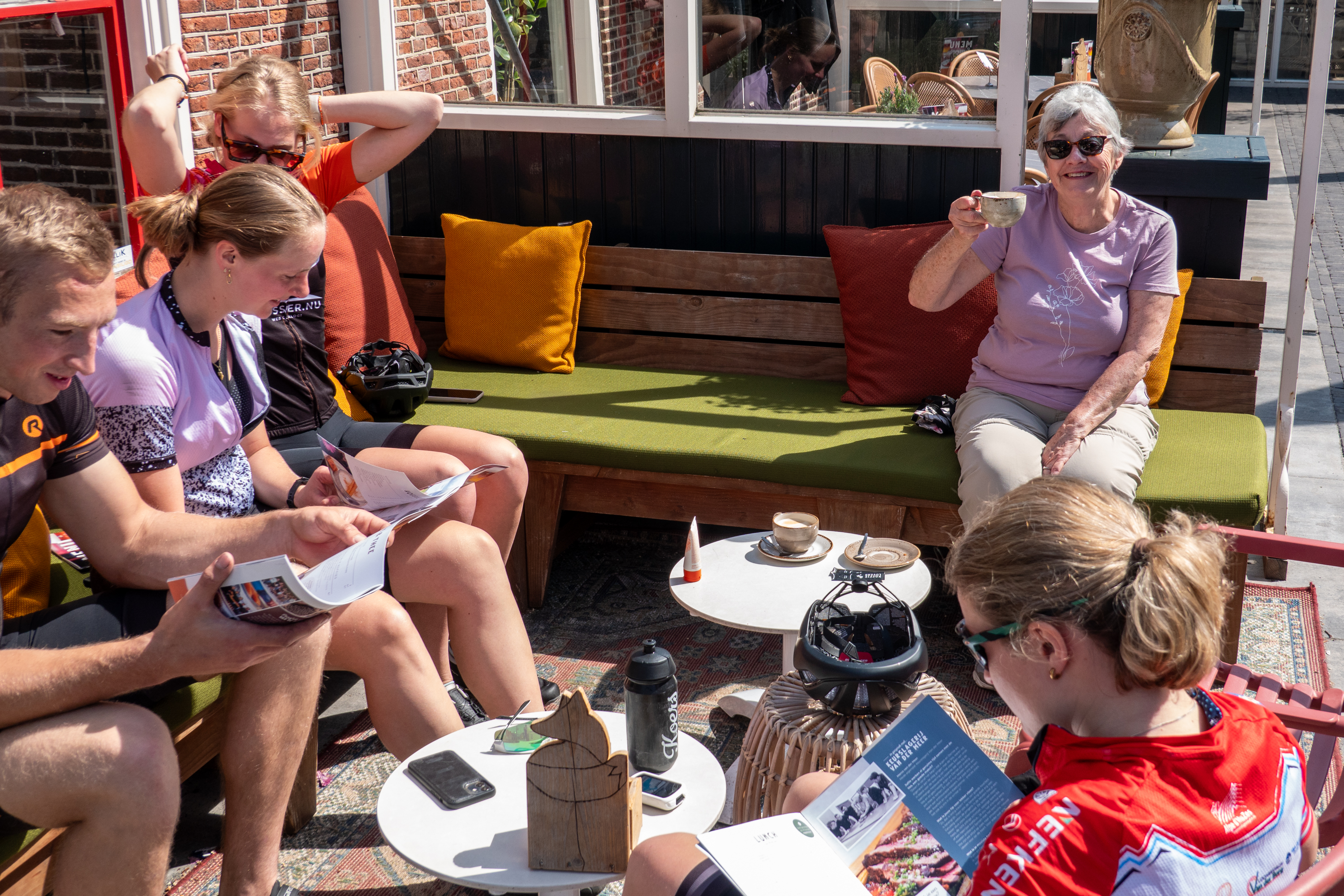
We shared our space with some obscenely fit young cyclists. From the food and beer they were knocking back, it must have been a serious ride!

Then the first runners arrived – a half a dozen East African runners who were a full 30 minutes ahead of the next runners. So early that Fred could not get a picture in time. Amazing!

We did make it to one windmill despite the road closures and were able to chat to the lady who lived there. She and her family were running a water station. She took the time to tell us about her windmill.

The mill pulls water from the fields in front and lifts it to the canal on the other side of the dyke.

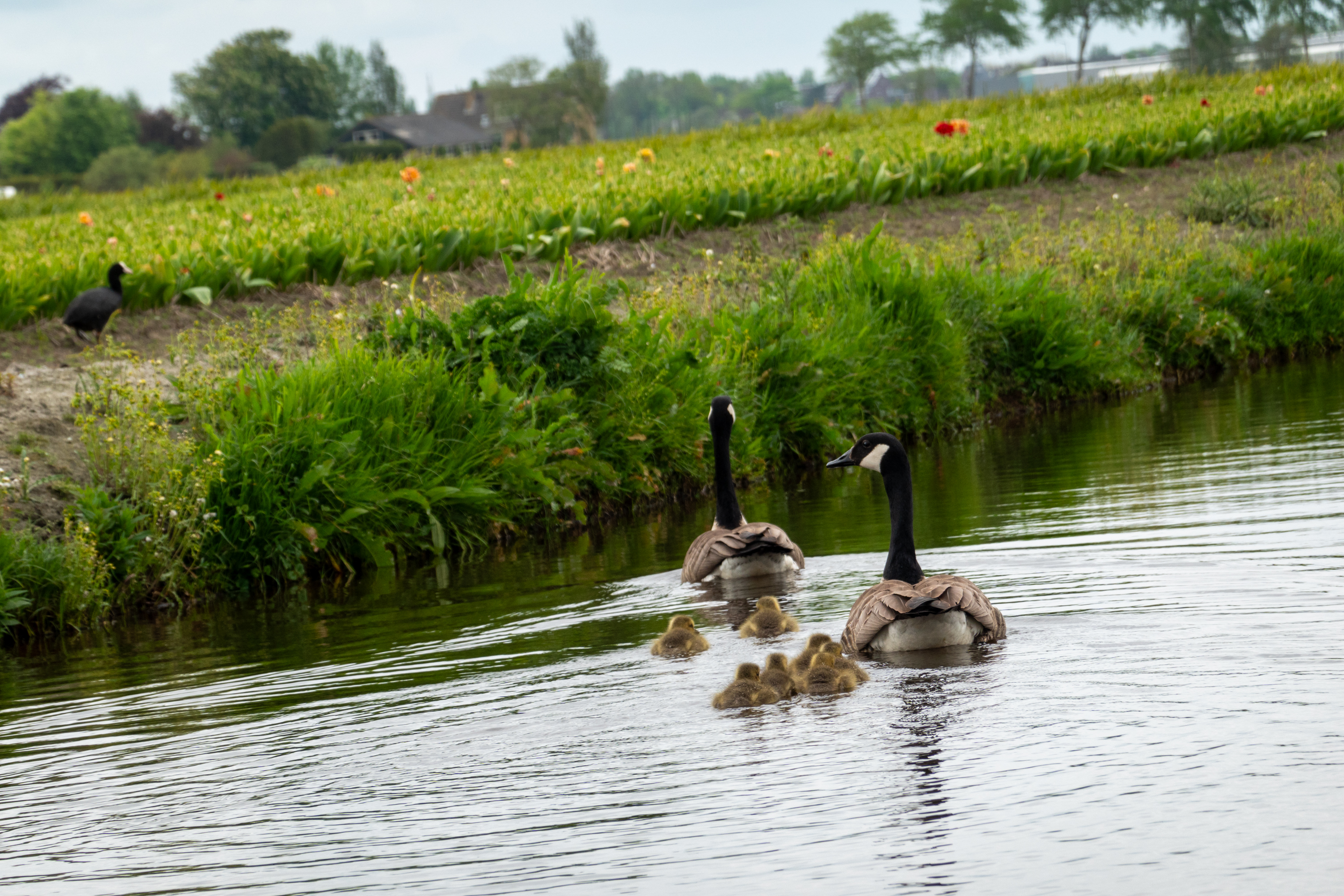
We have thoroughly enjoyed cycling along the polders (or drained fields). Always edged by canals, the polders are a great source of bird life and flowers. Daisies and other wild flowers abound, with a few poppies already out. We have seen nesting coots and geese, some with babies, and a beautiful heron drying his wings. And rabbits bounding across the fields.

Given the severity of the bike situation and the fact that the bicycle technician in Leiden was not very experienced with GoCycles, we decided to move on to Nijmegen, which we had wanted to visit and where there was a more experienced technician.

A New Flag on the Door

With the arrival of May, it was time to head back to Dulles for the flight to England. On landing, we retraced our taxi/train/taxi tango and picked up the truck which started the very first time. And, there were no signs of water leaks.

Parked at the Congresbury Arms for our first jet lagged night.

The next morning we headed off to spend a weekend with Denise’s brother and sister-in-law near Chichester. A family gathering including Denise’s sister and brother-in-law on Saturday was wonderful. We also walked through and admired local bluebell woods, which brought back childhood memories for Denise.

We then headed north to Atkinson Vos for two spa days for the truck.

Glamour shot in the parking lot.

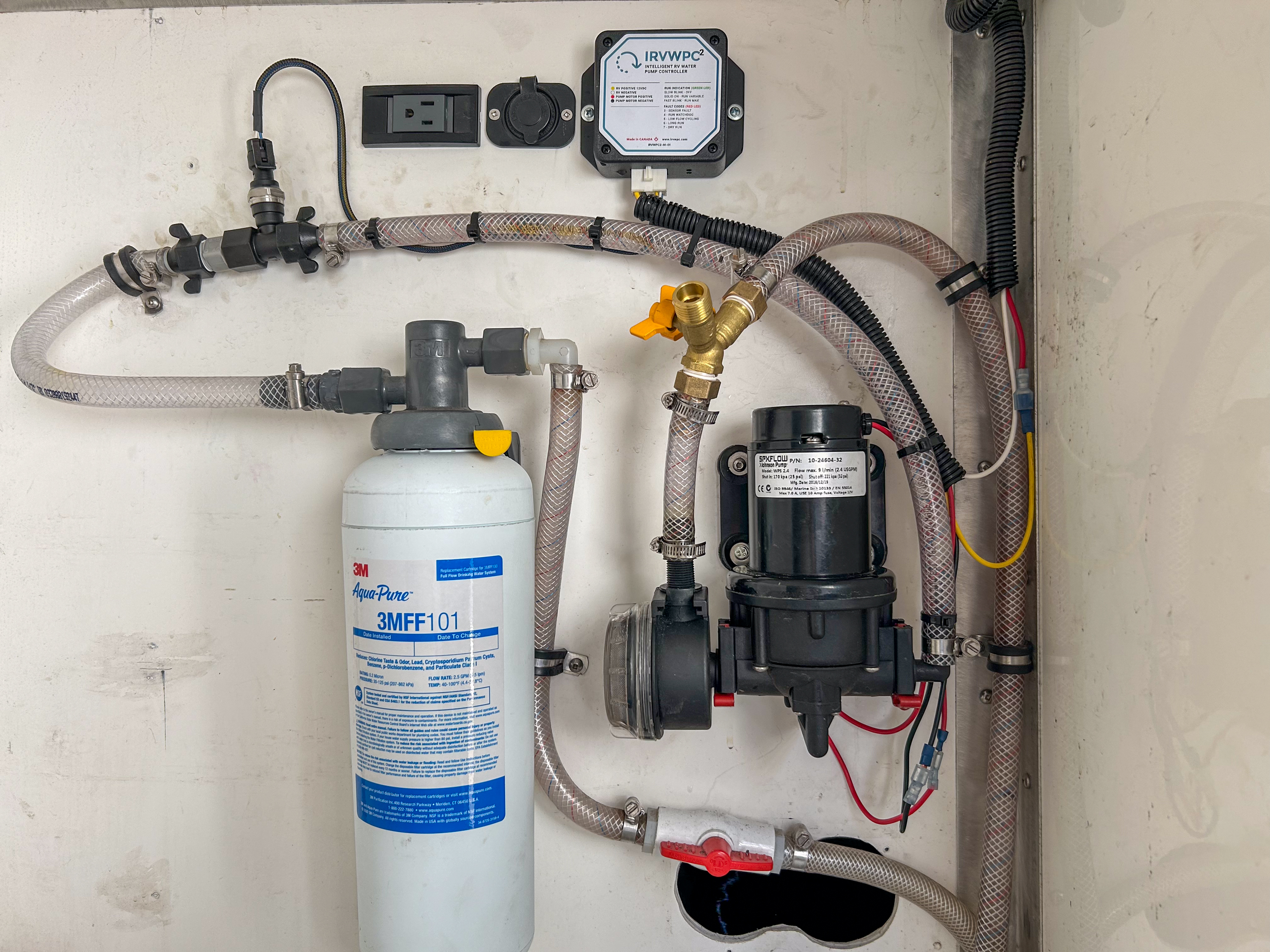
We were greeted as old friends and got all manner of service and work done. The list is getting shorter and shorter, but the oddest things take the greatest effort – like reorienting the water pump so that it is right side up.

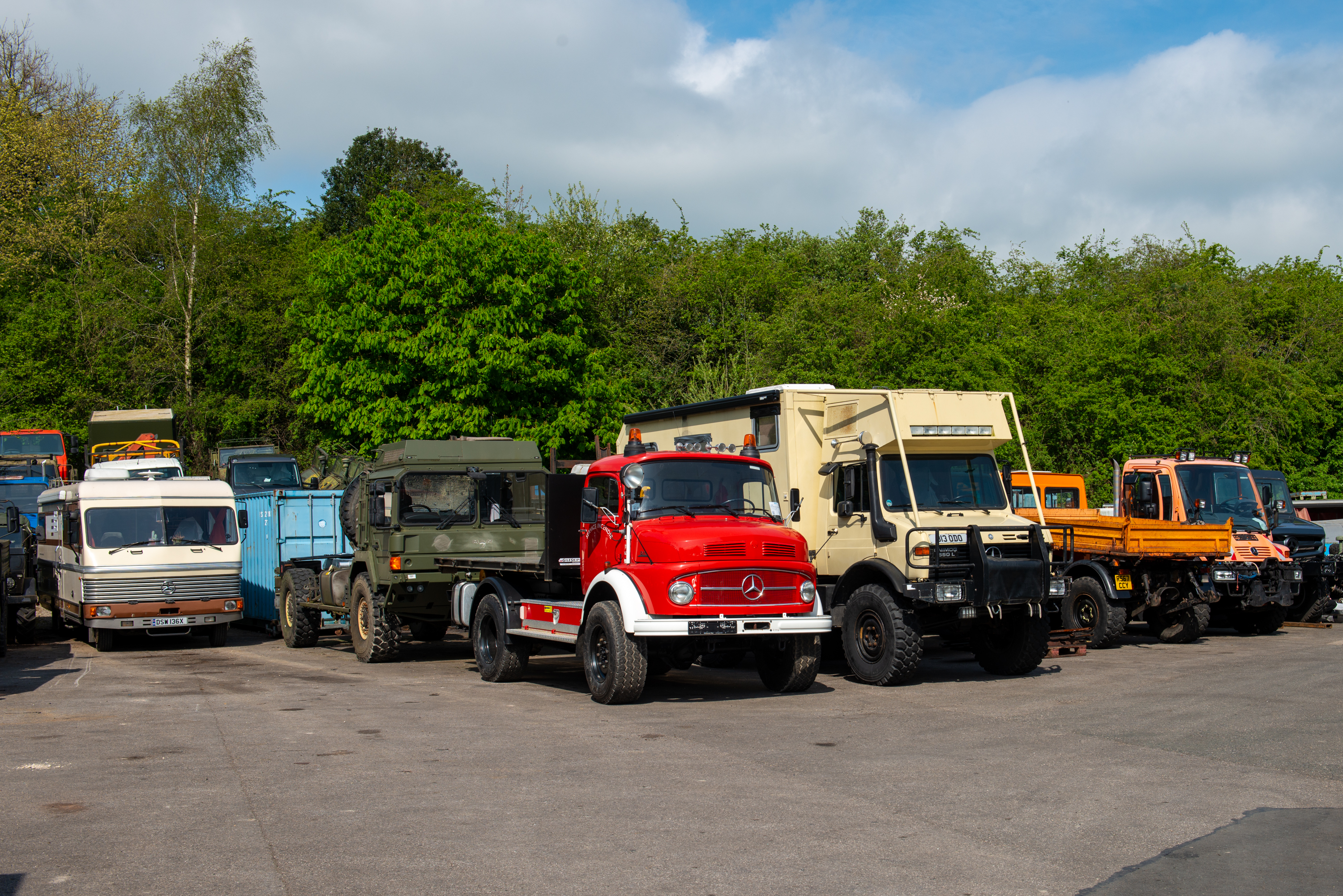
Nifty trucks, new and (very) old.
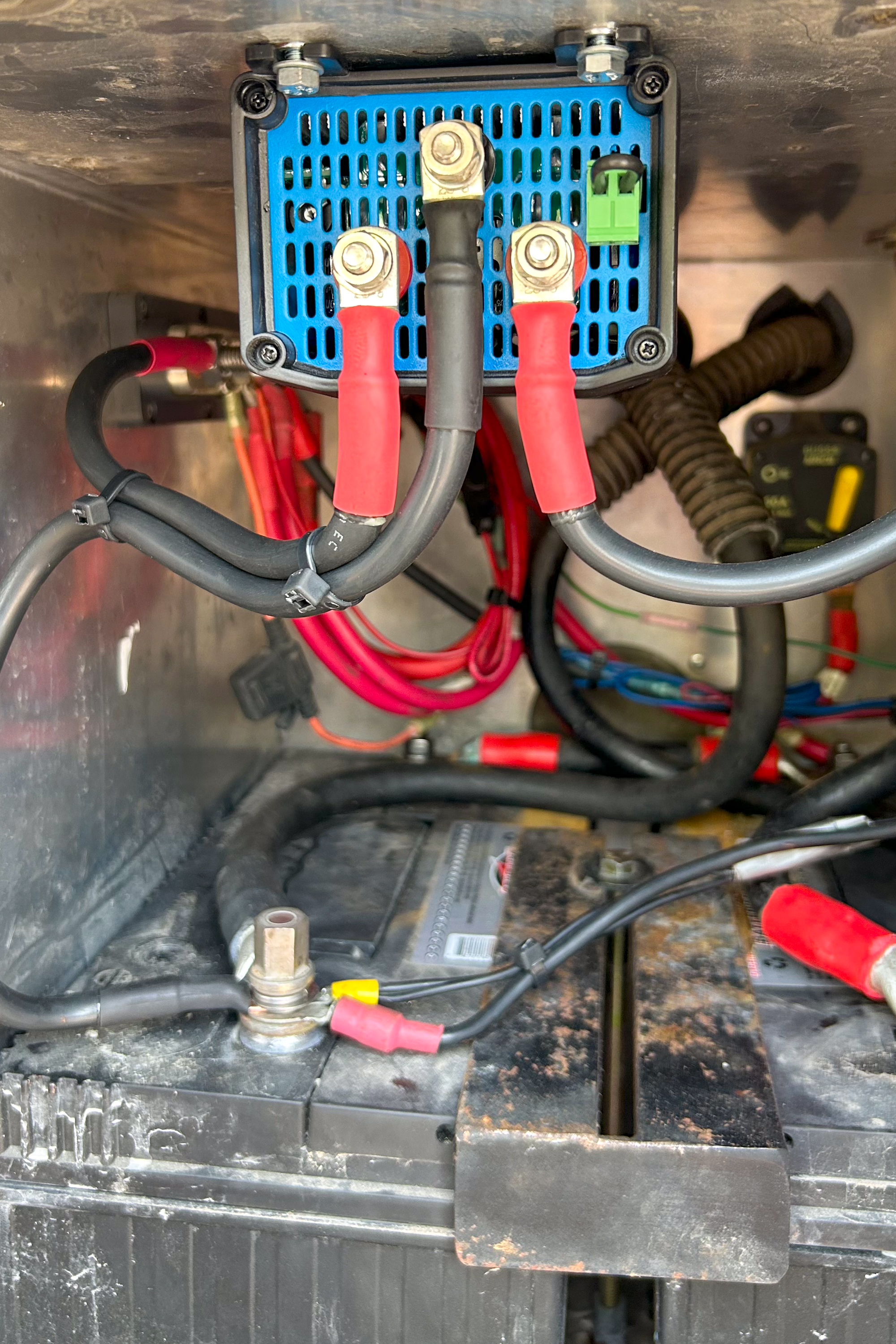
New battery charger with neater wiring.
Old iron holds a LOT of oil.
New pump controller and better routing.

While the truck was worked on, we stayed in an old coaching inn in Bentham.

Sometimes you just have to make a few compromises to get the car around back! (Note shaved corner!)
Room with a view
Wonderful old beams

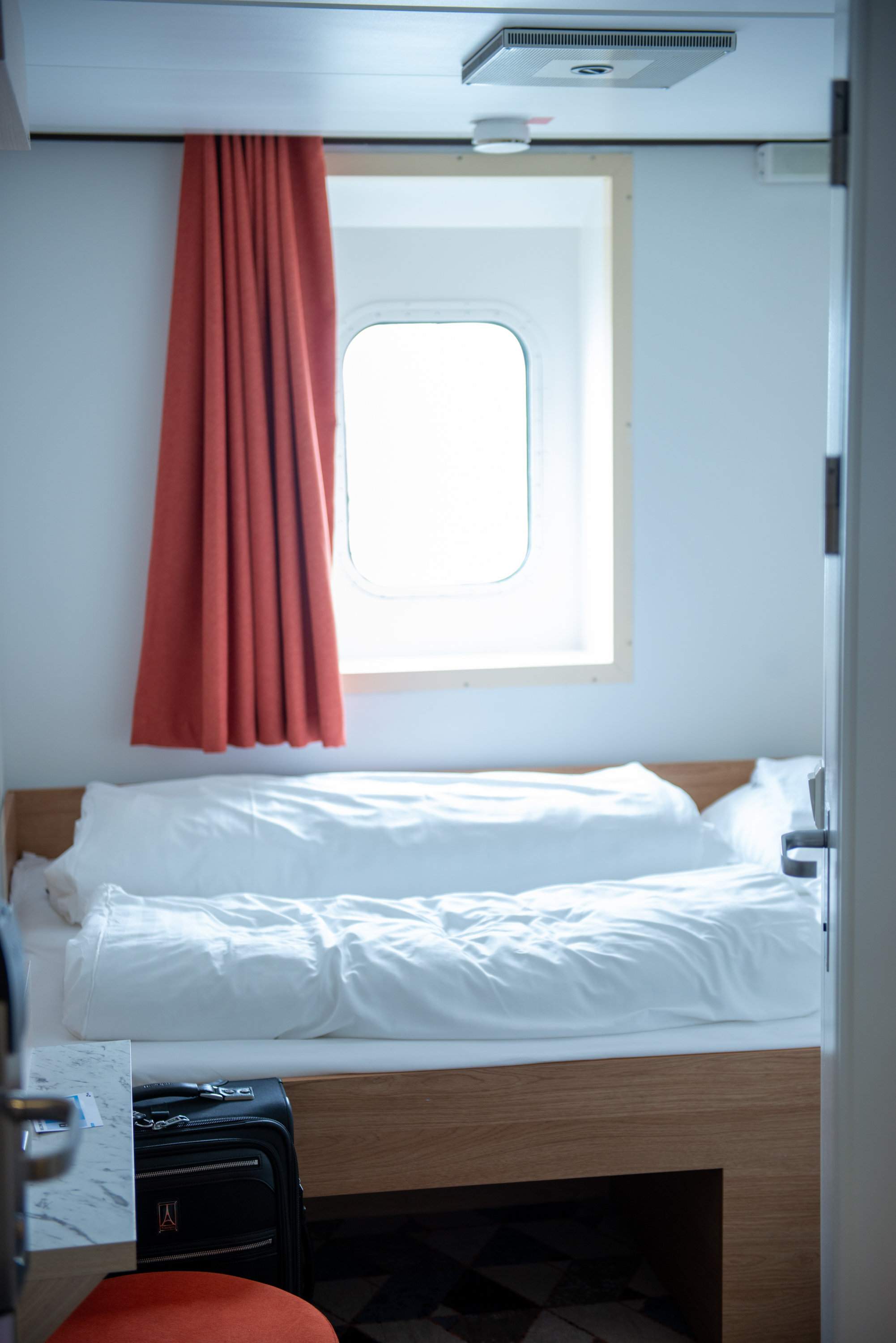
Then our trip really began as we prepared ourselves for a ferry crossing from Newcastle to Ijmuiden, near Amsterdam. We left early giving ourselves lots of time for the boarding and it was just as well, as the Tyne Tunnel was reduced to one lane in each direction and there was a huge back up. But we made it on time, boarded, and found our rather small but totally adequate cabin.

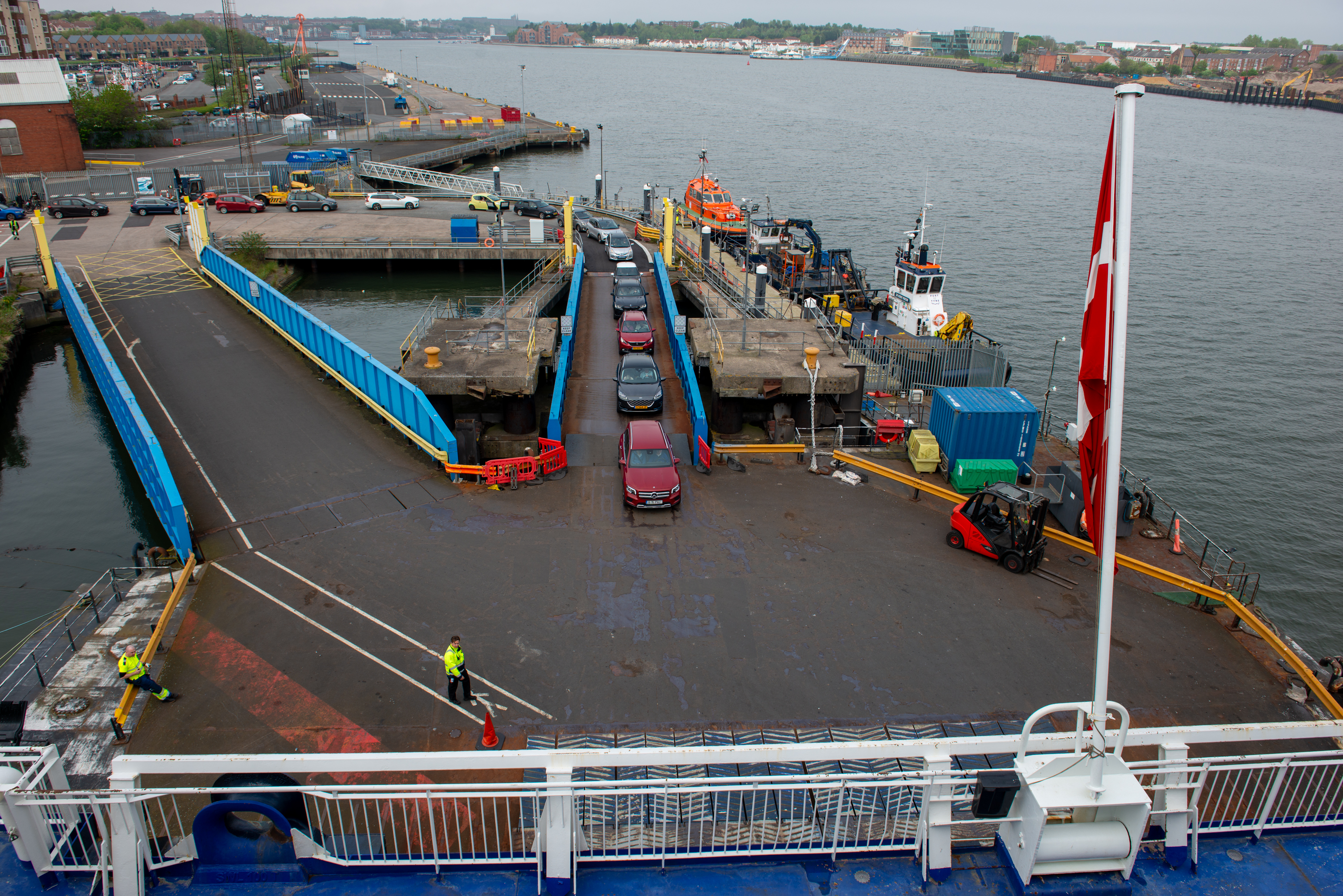
We were early enough to watch the parade of cars come on board.
Architecture on the Tyne; very modern and very old.

We decided to go to the restaurant for dinner, rather than the buffet and thoroughly enjoyed it. The service was excellent and the food better than we expected. And this is a ferry boat. The big cruise lines make a huge effort to recognize repeat customers. Here, lots of truckers are literally regulars and know the staff by their first names.

Steelworks on the skyline.
Old warehouses made into stylish shops.
Denise, ready to put a new flag on the door.

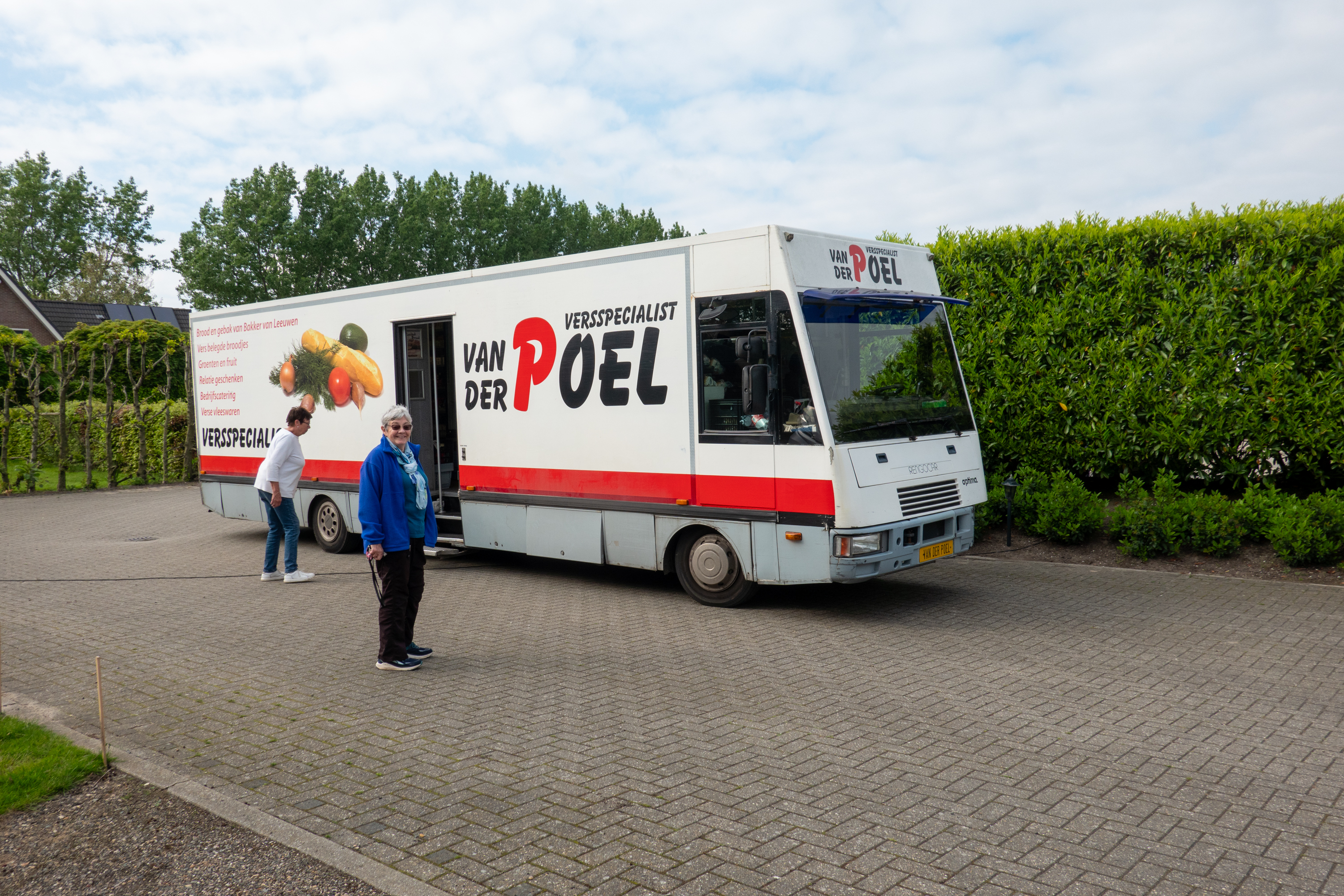
So far we have found camping to be a little more challenging in the Netherlands than in France. After a bank holiday in UK, we arrived in the Netherlands to a series of holiday weekends. When a few attempts at reservations were met with “Sorry, we’re full!” we have been very careful to be sure that we have confirmed reservations. And even then, we have been in overflows or had to extend extra days. The Dutch are out and on the road! But the campgrounds themselves have been lovely. Our first campground included a grocery truck which came every evening and sold all necessary products. As we have not found any large supermarkets (more on this subject later), this was a bit help!

As we have not found grocery stores with parking, having a camp store that comes to you was wonderful. And packed with fresh veggies and an insanely wide range of products!

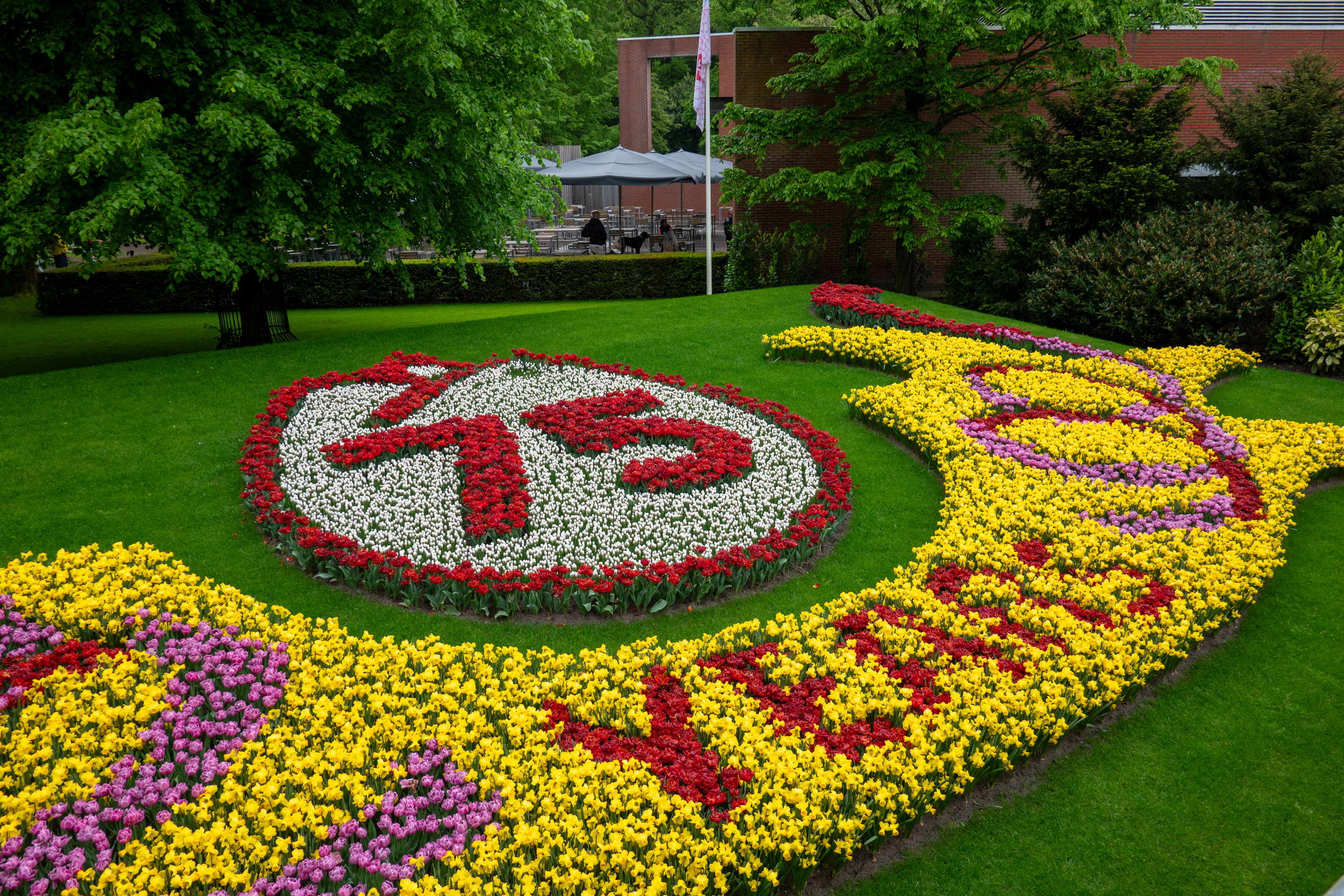
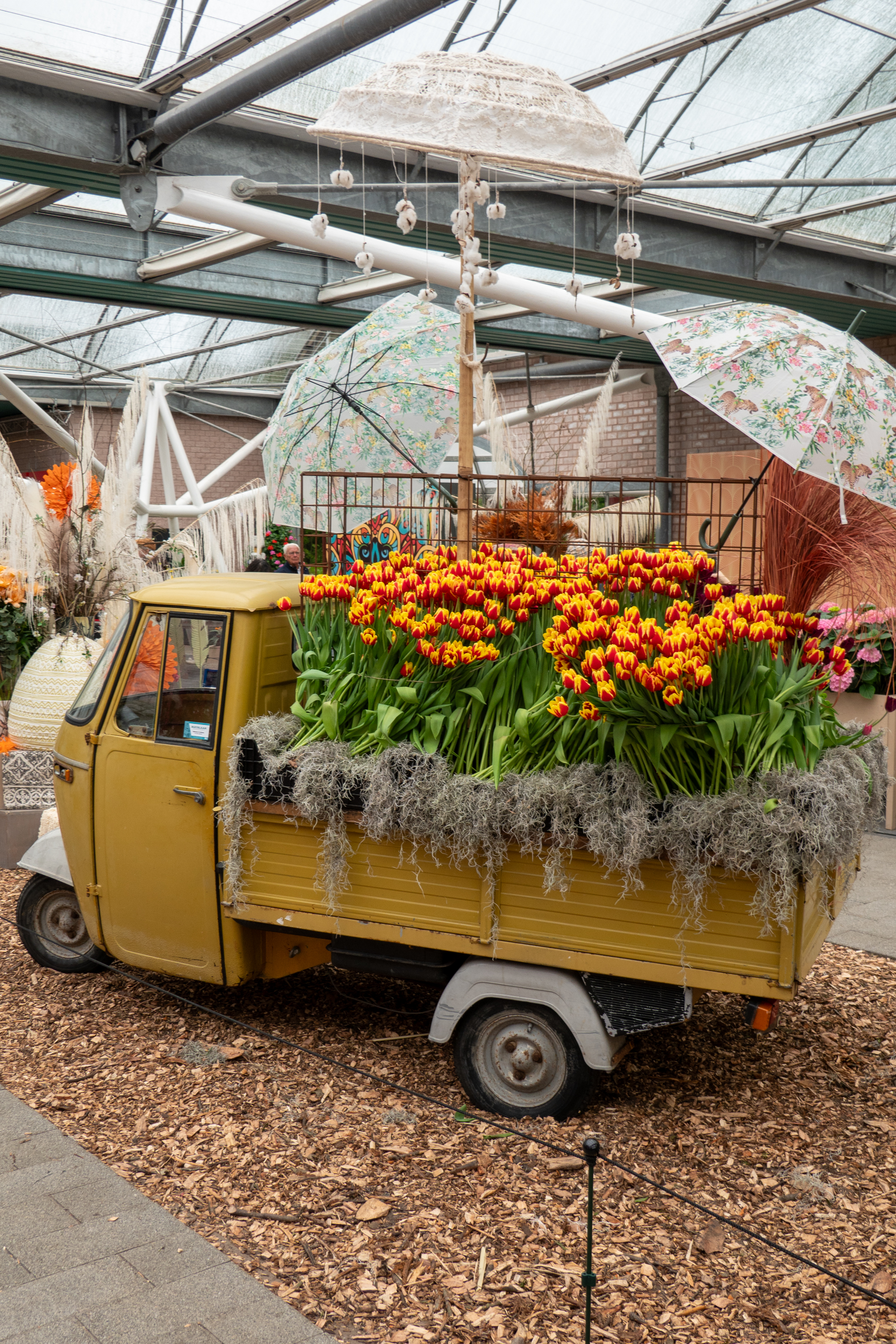
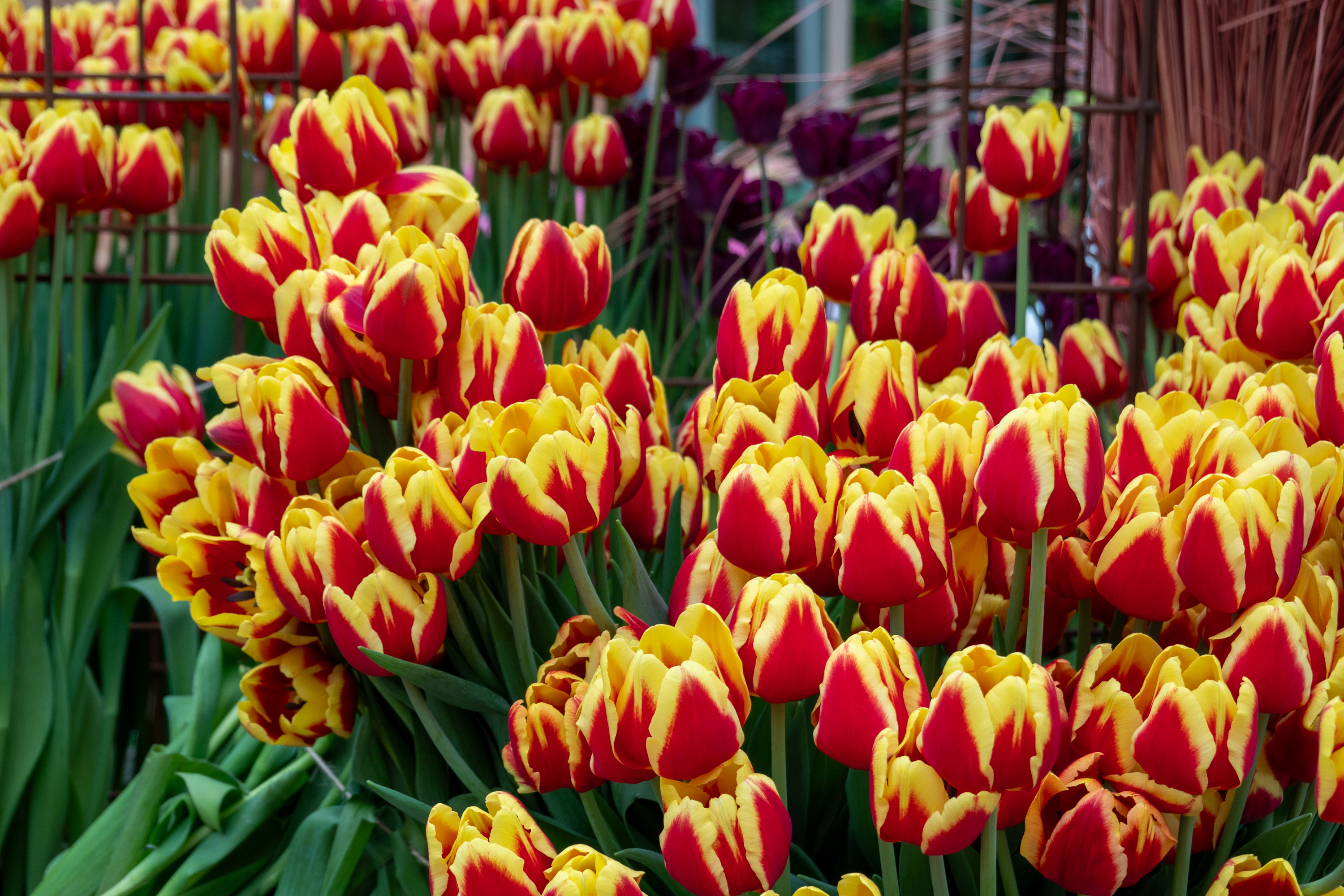
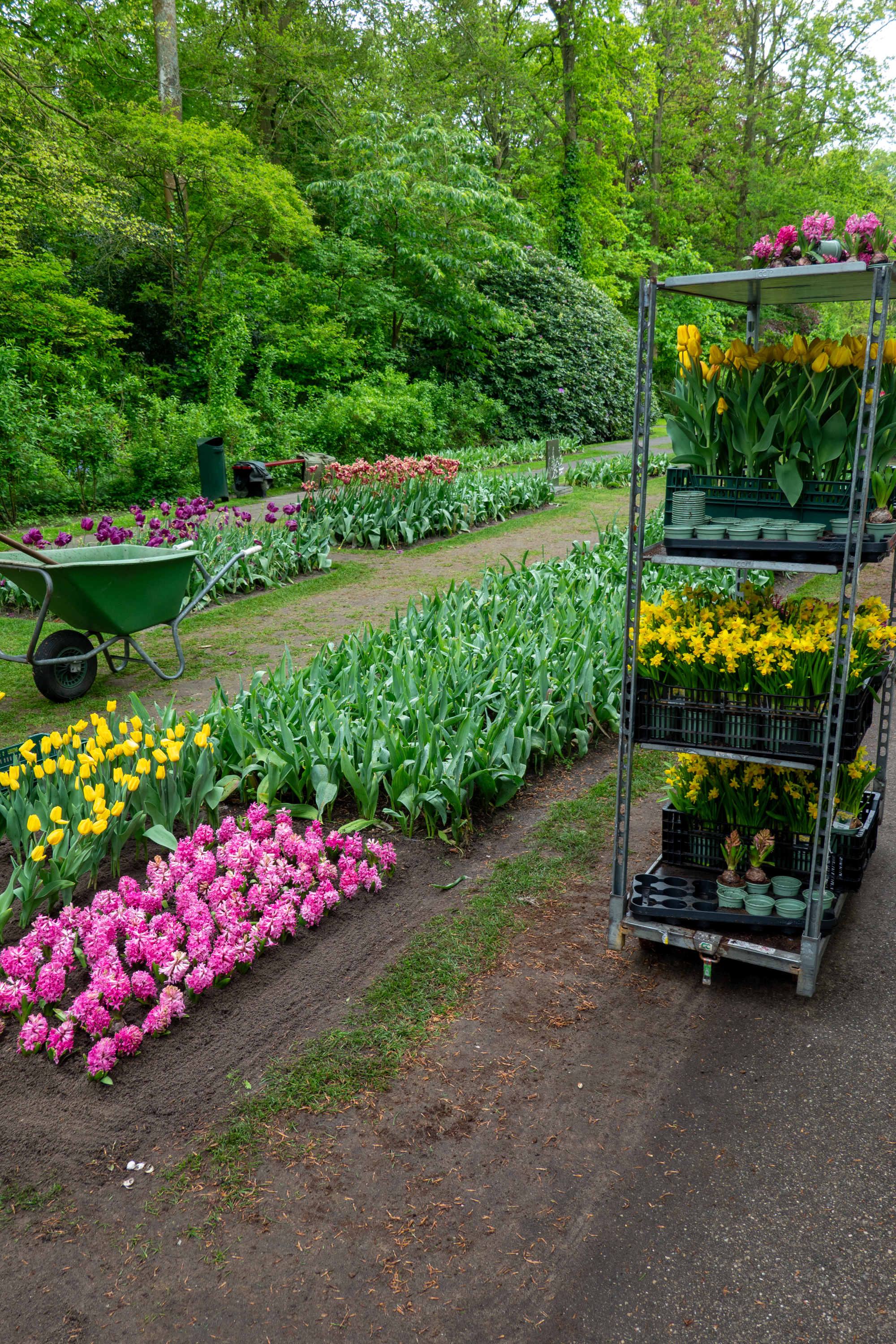
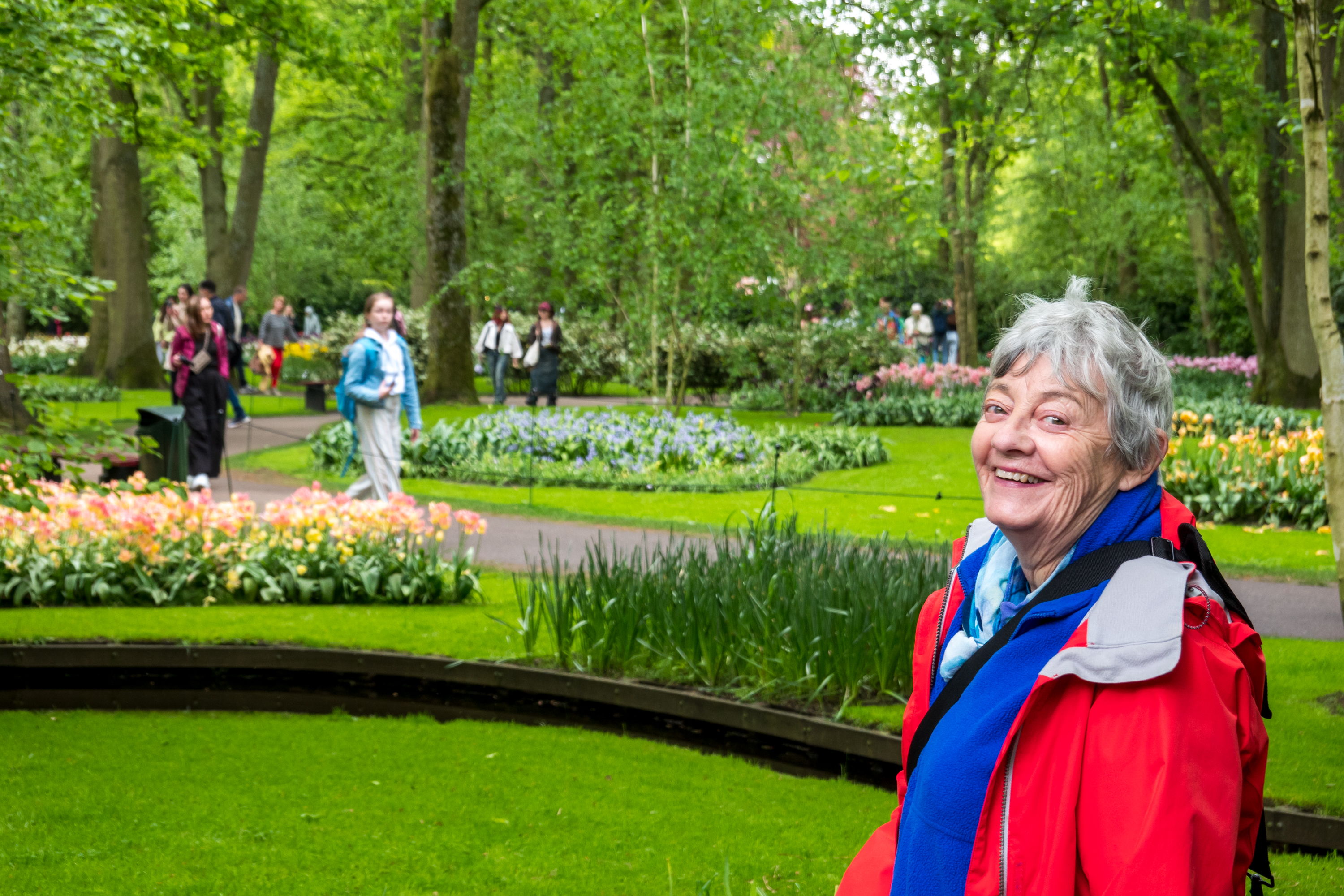
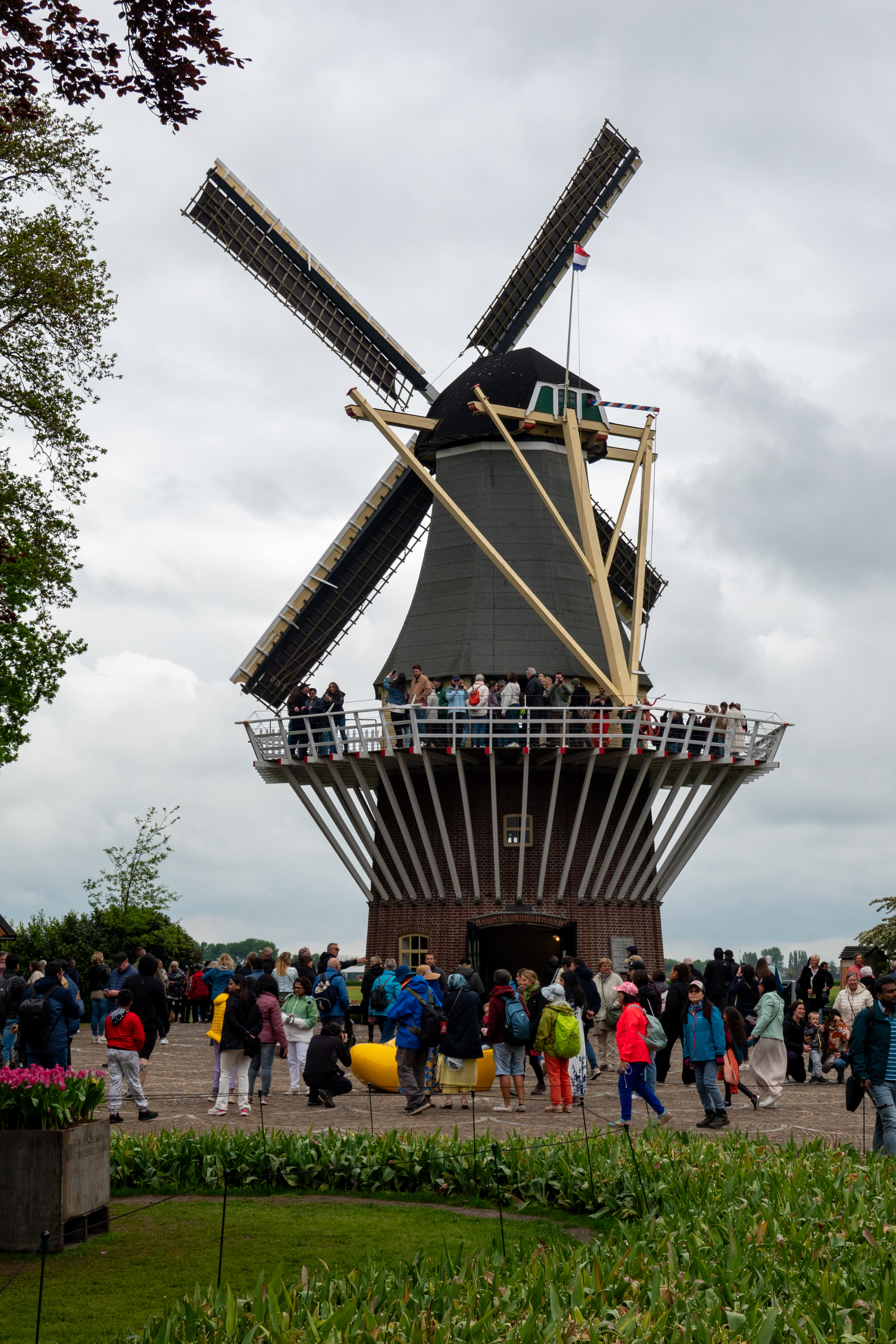
The Keukenhof is one of the largest flower gardens in the world, covering some 79 acres. (https://keukenhof.nl/nl/) It opens every spring for a flower and tulip display. We were a bit late in the season, but it was still amazing. Naturally, we had tickets for the cloudy/rainy day, but we cycled the 10 Km to the park wearing multiple layers. It was chilly enough to keep our jackets on all day! It was the very end of the season and most of the tulips and other spring flowers had finished. We do give them credit though for replenishing a lot of the beds with new blooming tulips and daffodils so that those coming during the last four days would still see some color.

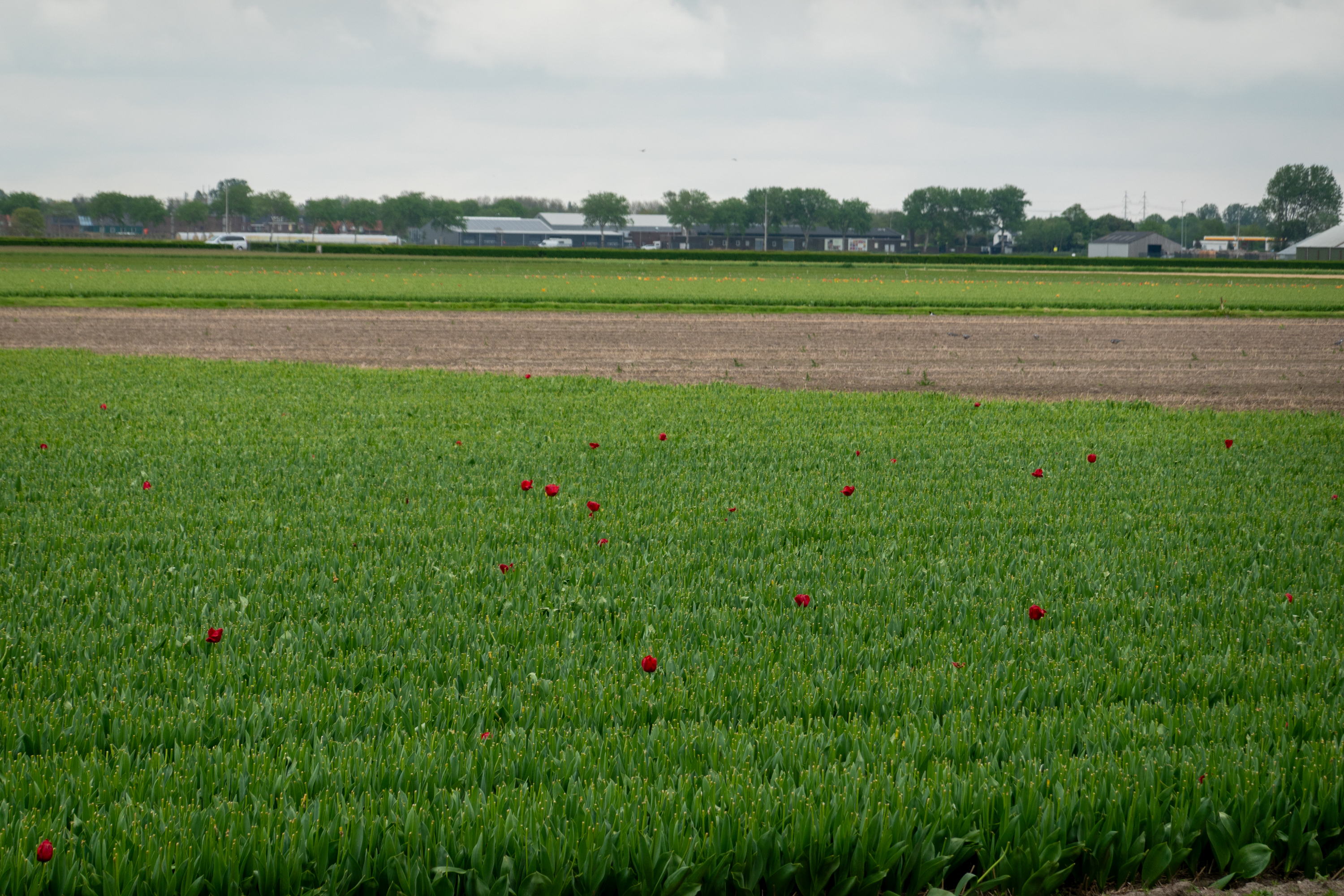
We also took a fun ride on the Whisper Boat, which included seeing the only field with tulips which had not yet been shaved (cut). So we did have a pleasurable experience.

It is said to be better to leave a few blooms than to damage the pants – which are needed for new bulbs.
Canadian tourists.
You can see what a show it would be if the fields had not been cut. “Shaved” in the local parlance.
Stilt dancers
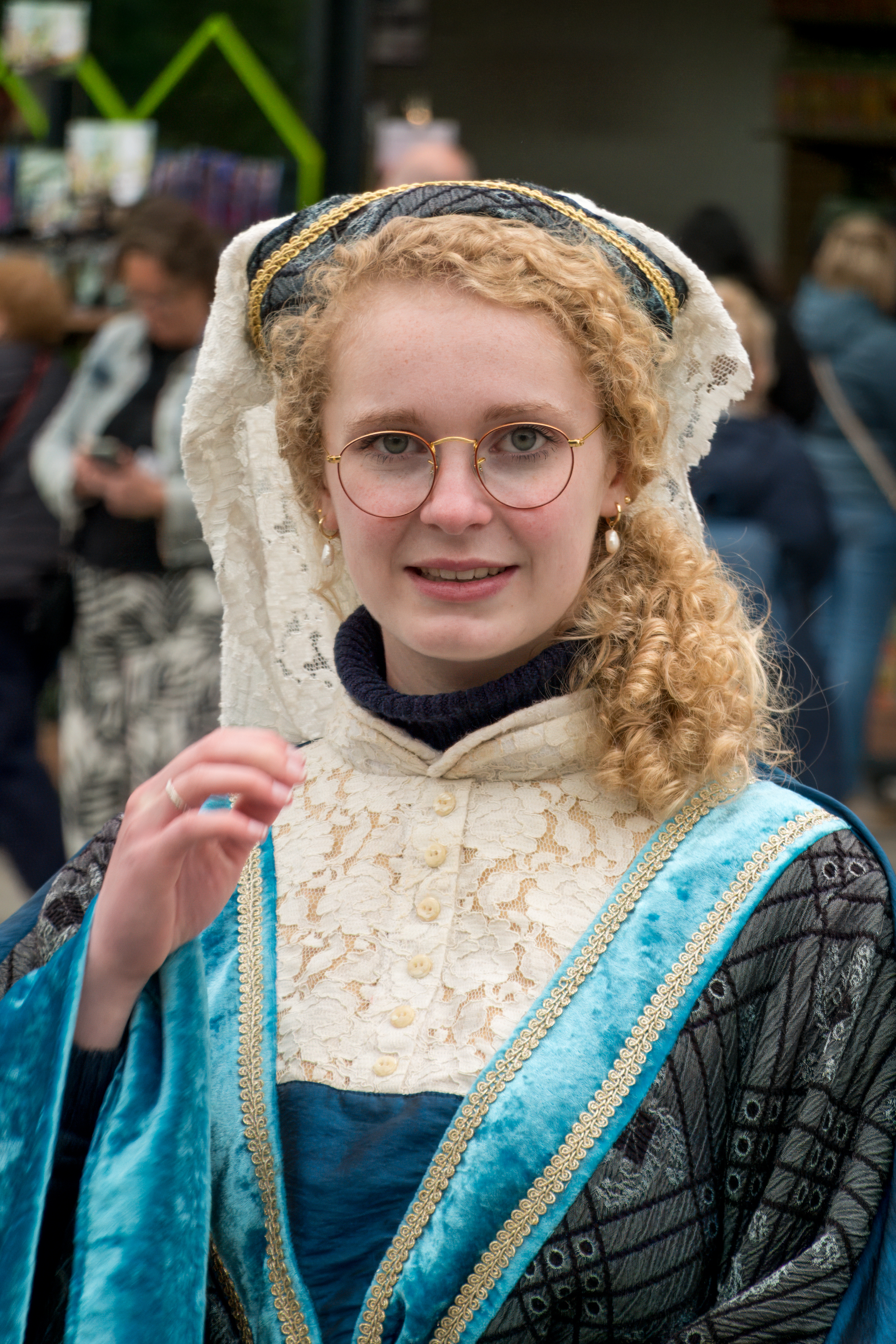
Tourist photo with young ladies in costume.

It was our first trip on the bikes and it was clear that bike riding in Holland is not the same as in the US. The Dutch cycle very fast! The infrastructure is amazing, even out in the country. There are separate lanes for bicycles and these lanes have their own traffic lights and priority rules. Amazingly, electric bicycles and powered scooters are allowed with no restrictions. We are getting better and loving it. The Dutch are WAY ahead of the US or UK and even France.

We realized that one of the electric bikes was not working well and so we decided to head to Leiden where there was an authorized dealer and managed to get into the closest campground by agreeing to be in the field, rather than the campground.

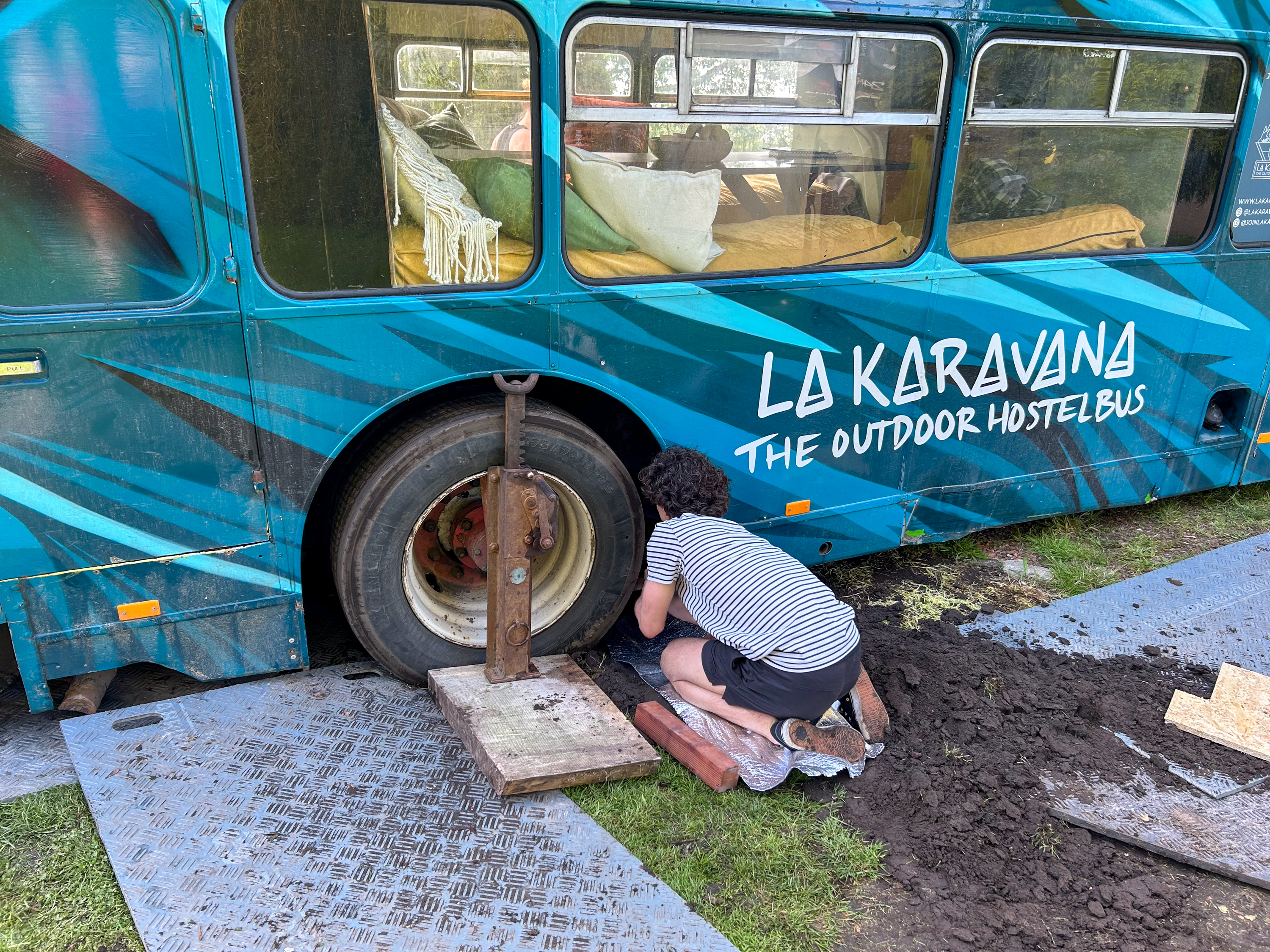
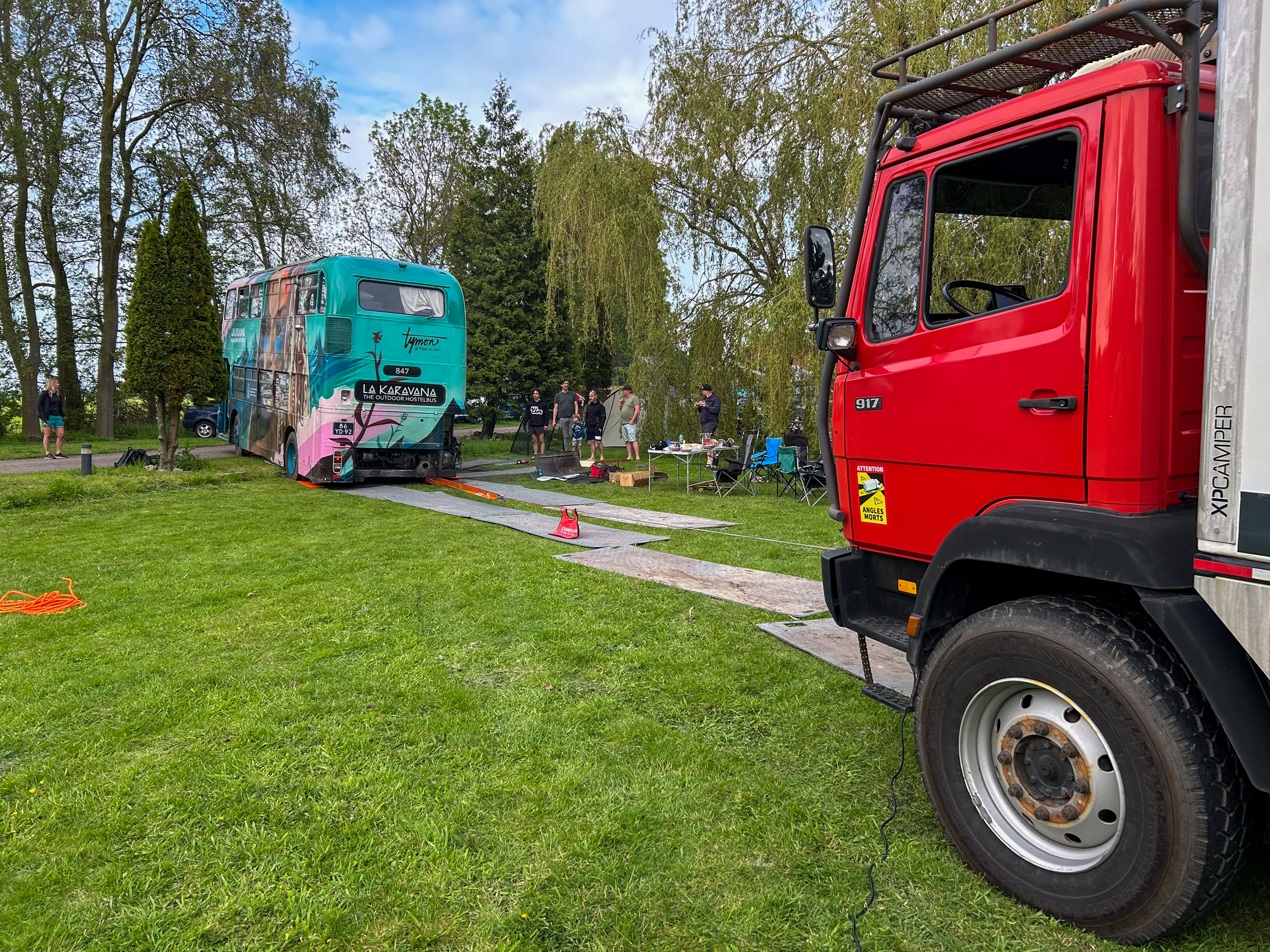
We actually had an interesting first afternoon as we ended up winching out an English double decker bus, that had sunk in the dirt up to the body. Digging was required as well!

Gotta fit the jack in here somehow!

Fred finally got them out with a combination of jacks, traction ramps, and, finally, a pull from our front winch.

Only the third time we have used the winches.

Took a while to get all of the toys put away again! And the bicycle saga is only beginning!

Heading North or the End of the Road (for now)

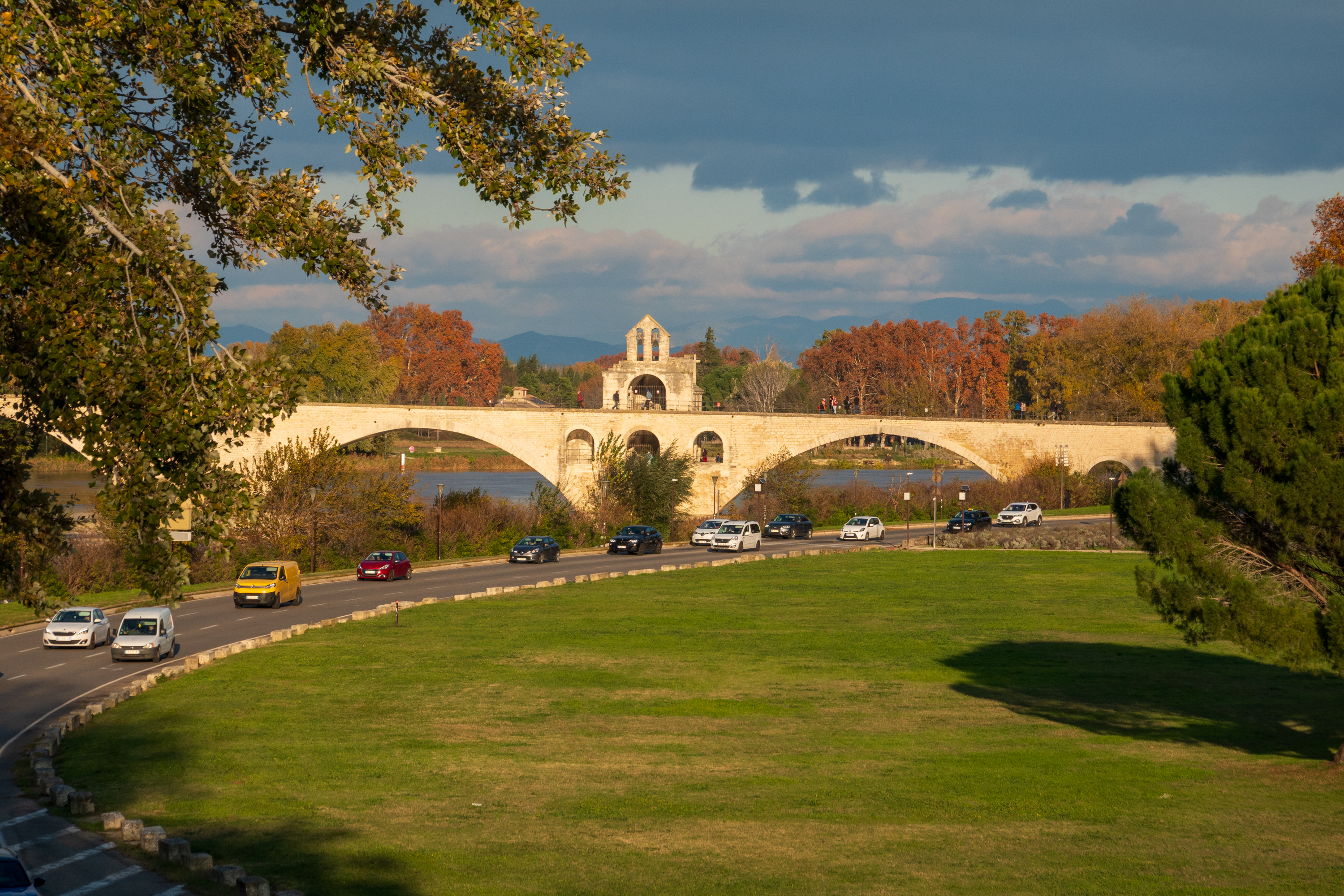
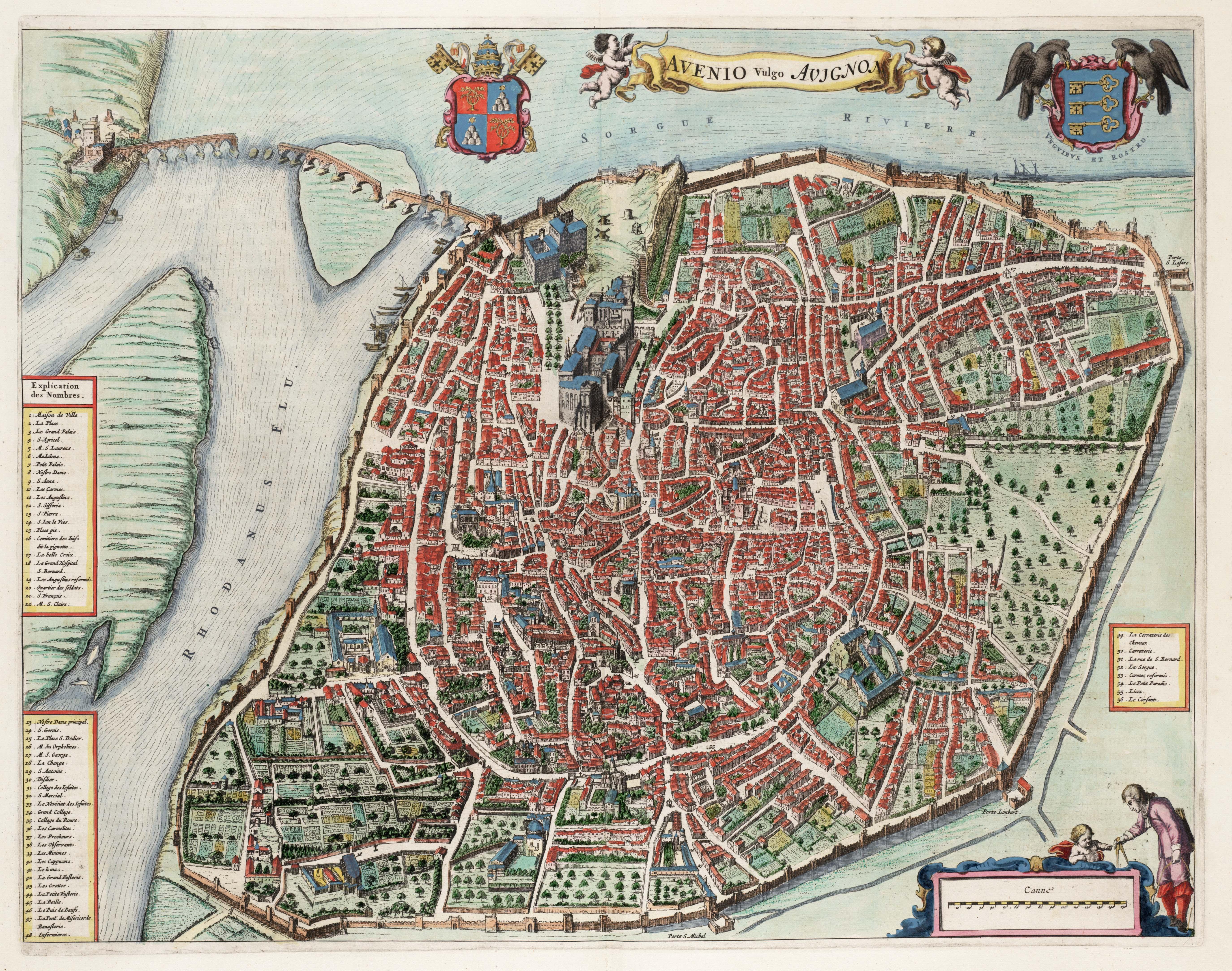
Our last visit in Provence was to Avignon, a town known for its bridge.

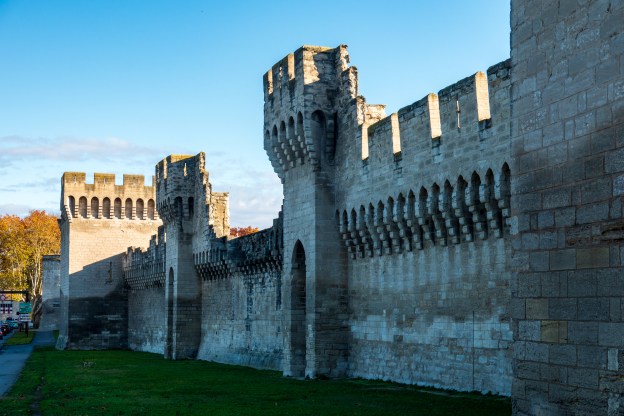
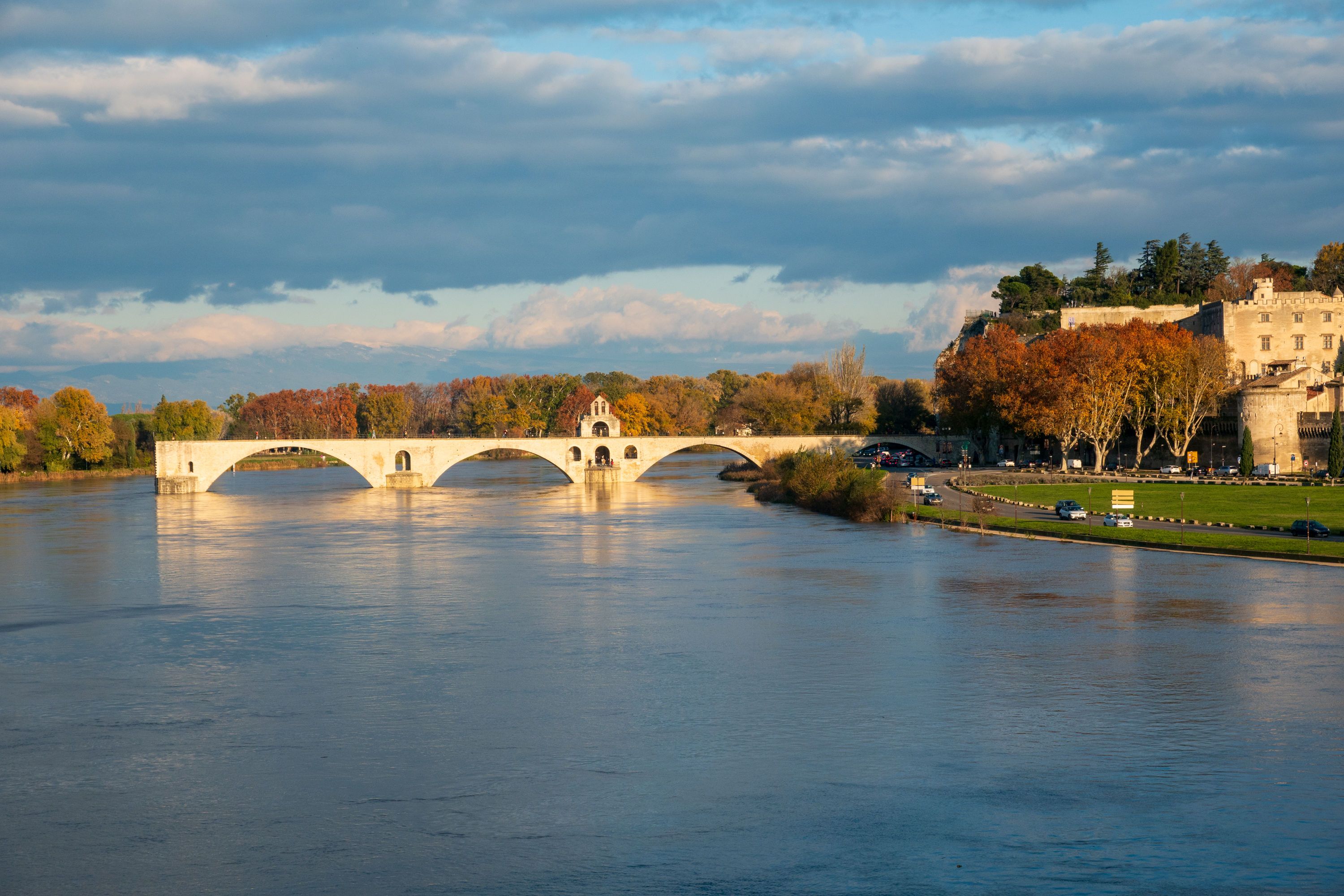
The campground, on an island in the Rhone, was not only open but had incredible views of the walled city of Avignon and the remains of the famous medieval bridge. 

Only three arches have survived.
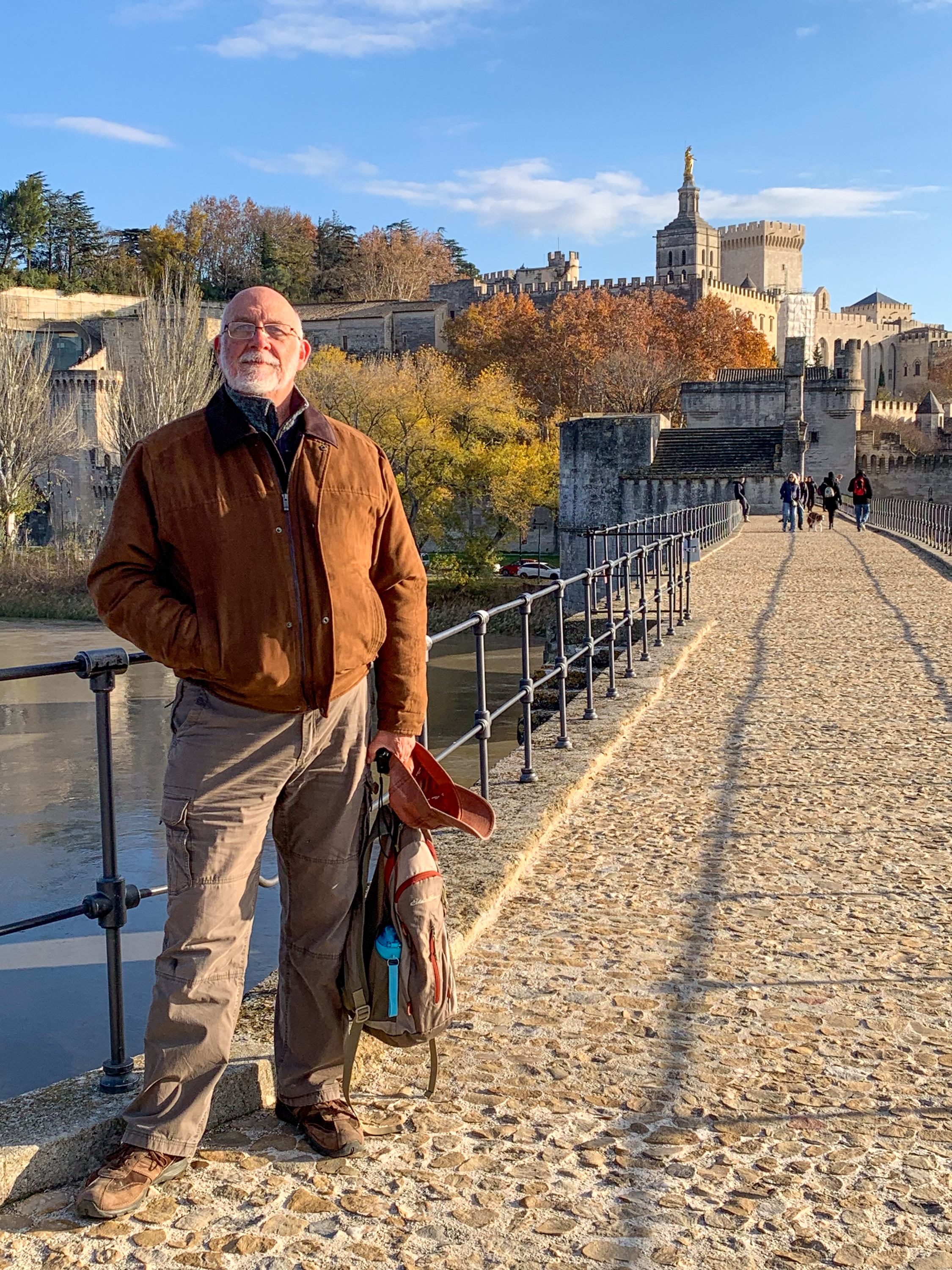
The Papal Palace dominates the skyline.

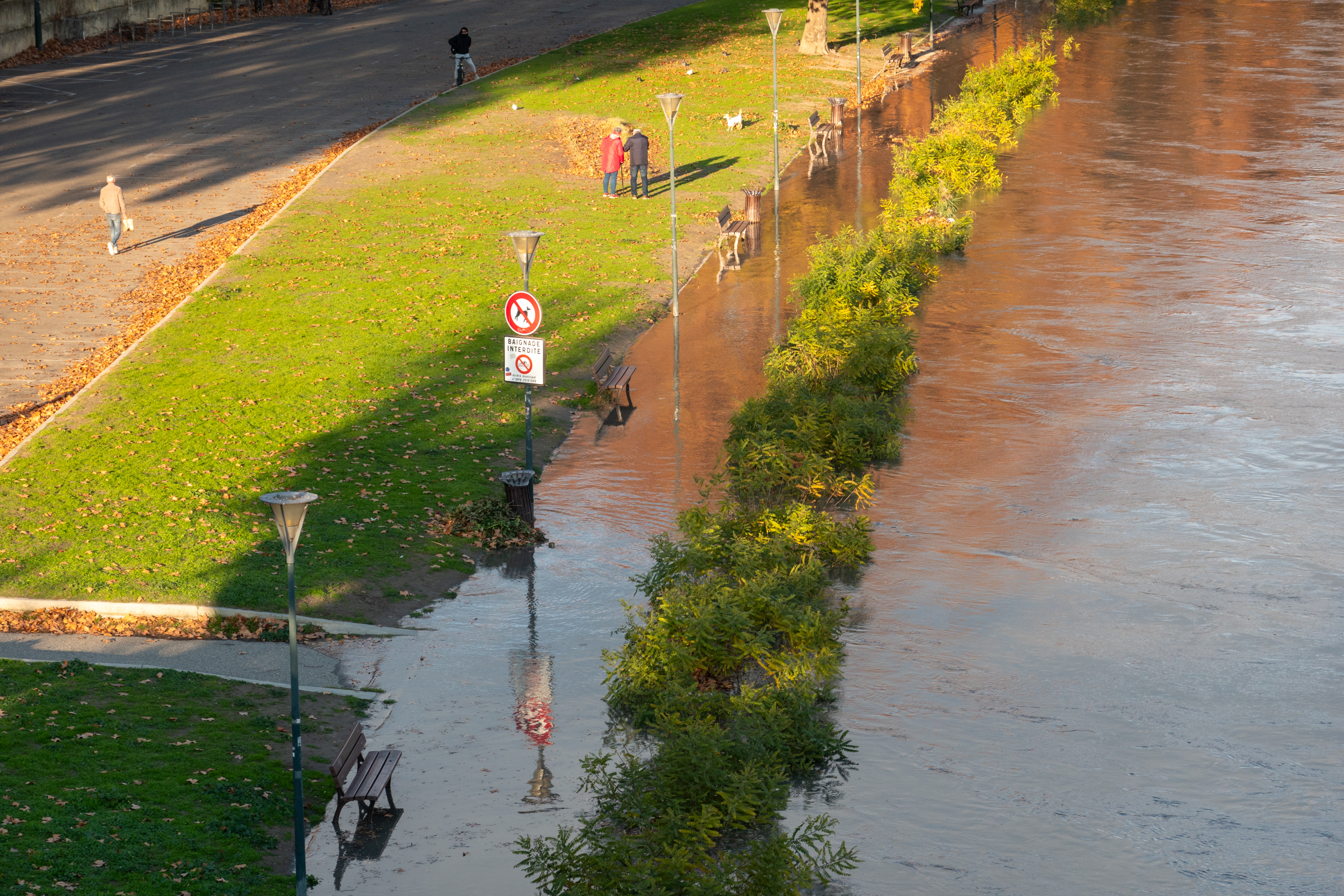
We walked across the modern bridge over the Rhone to the city and noted that the river was quite high, to the point of flooding.  Police were closing a riverside road.  Quite a change from the River Loire which had all but dried up.

The weather was cold but mainly sunny.  We found the ticket office for the bridge first and bought double tickets for the bridge and for the Palais des Papes (Pope’s Palace).  We decided to tackle the latter first.

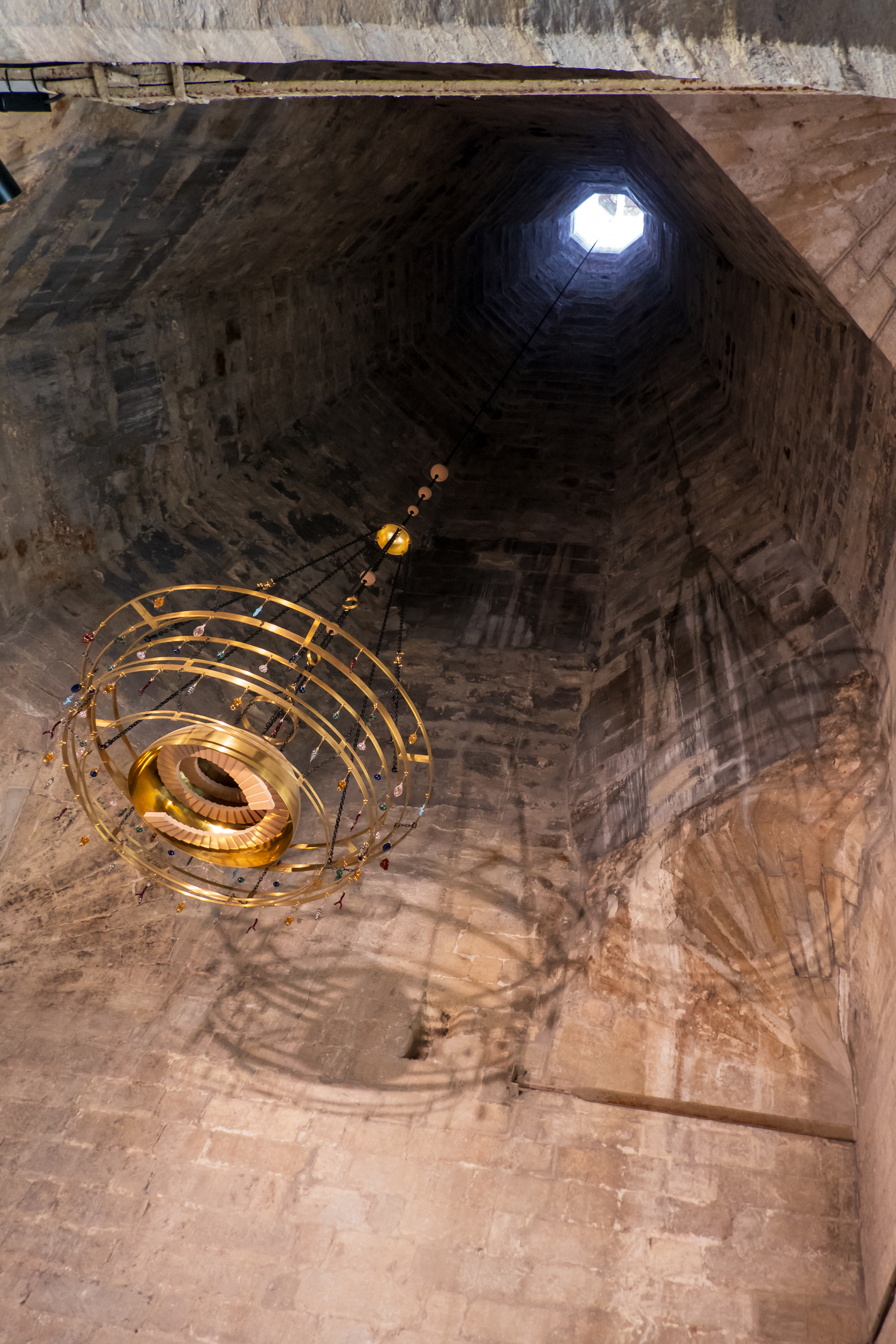
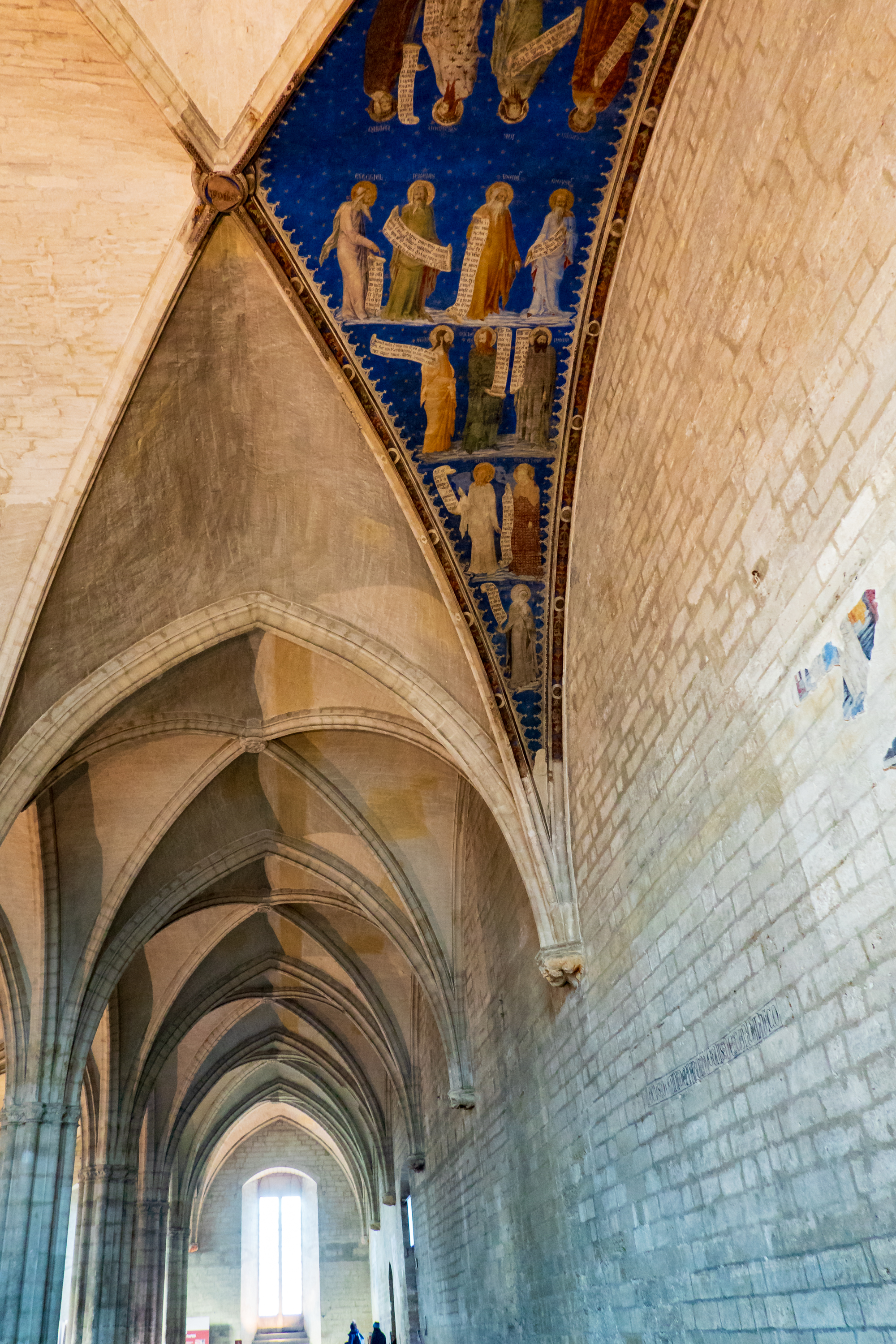
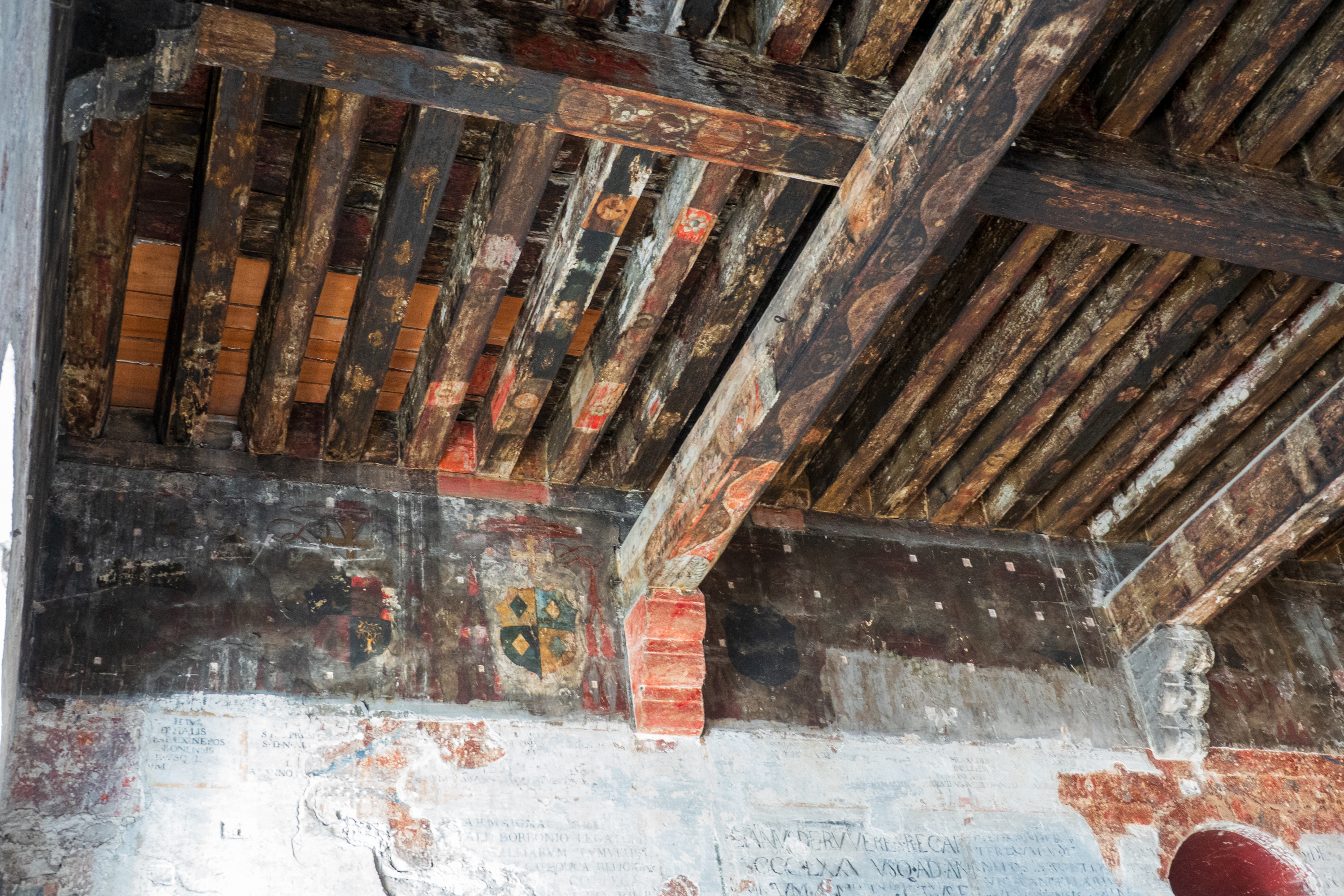
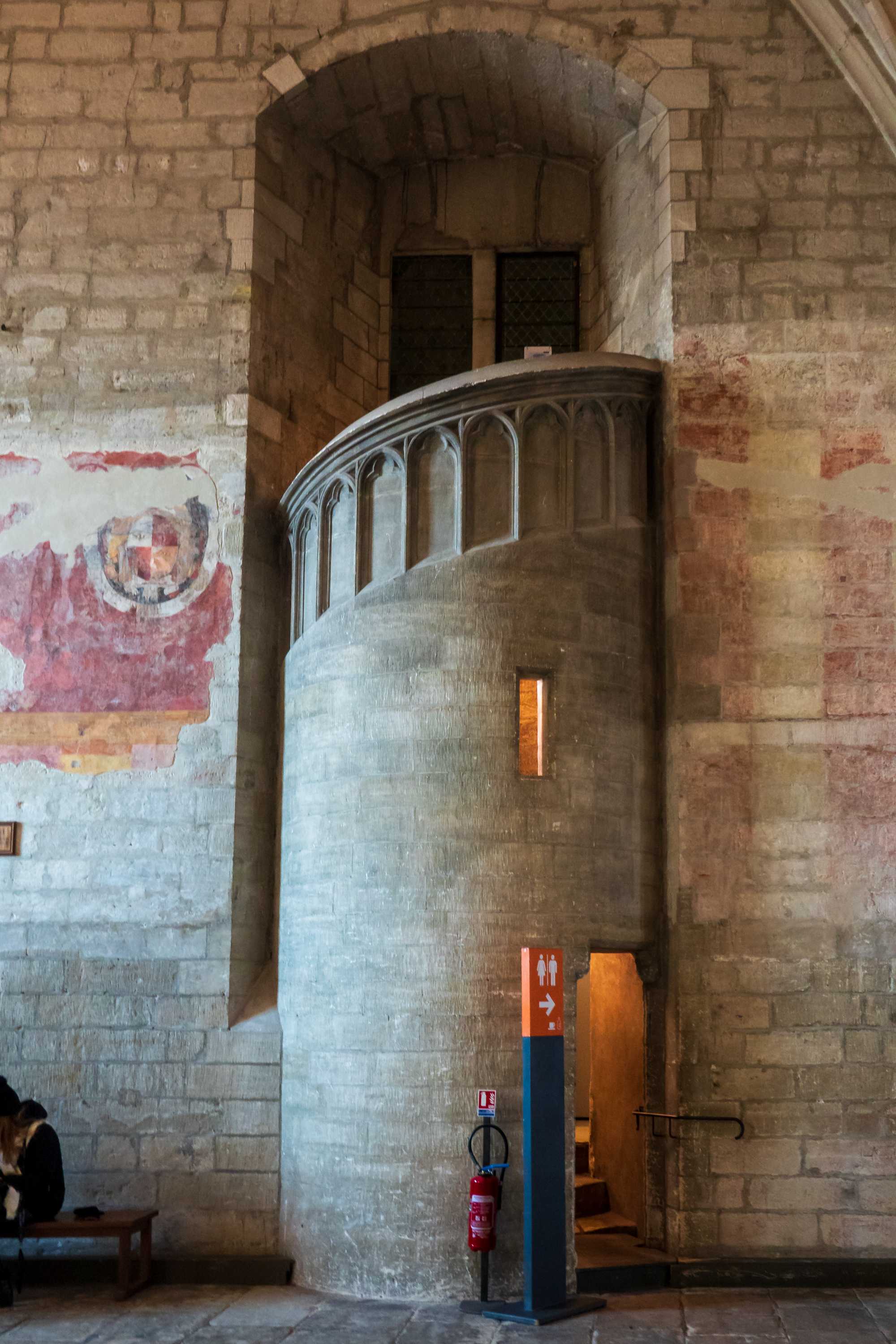
The Palais des Papes was huge, with exceedingly large rooms.  (https://en.wikipedia.org/wiki/Palais_des_Papes) It brought to mind the Prince Bishop’s palace we had visited in Germany, but it is even larger.  We had an electronic guidebook which let you see an image of how each room had been decorated and explained the history of the Papal Residence and its later transitions.  It was certainly not handicap friendly as it involved a lot of steps both up and down! The Avignon Papacy is one of the stranger periods of Christian history. More here: https://en.wikipedia.org/wiki/Avignon_Papacy

And did we mention that this place is huge? (Click to expand gallery.)

Starving after all that exercise, we headed for the center of town to find food and ended up in a Moroccan restaurant upstairs on the main square.  The the food was delicious and it was nice to be out of a biting wind.

After lunch, we walked back to the Saint Bénézet bridge where we watched two videos about its construction and history. (https://en.wikipedia.org/wiki/Pont_Saint-Bénézet) More popularity known as the Pont d’Avignon and, to some of us, at least, it is where you go to dance.

Chapel of Saint Bénézet on the bridge.

Seriously, everybody knows the folk song, don’t they? What you may not realize is that the original, medieval bridge was actually huge, spanning two branches of the River Rhone.

The famous bridge is up at the top left. The modern campground is on the island.

There is an old Avignonese proverb which states that one cannot cross the bridge of Avignon without encountering two monks, two donkeys, and two whores. Our visit was a bit more tame, perhaps because the ruins of the bridge are so short. But we did take a moment to dance.

Gate house on the Avignon side, where the bridge meets the city walls.
Fred, not quite dancing “tous en ronde.”

After our little dance we retreated to the camper to warm up!

Trick photo! NOT our truck! These folks were heading south to Morocco. (The weather is better there!)

As we headed north the weather continued to deteriorate.  It was December, after all, and it rained a lot! 

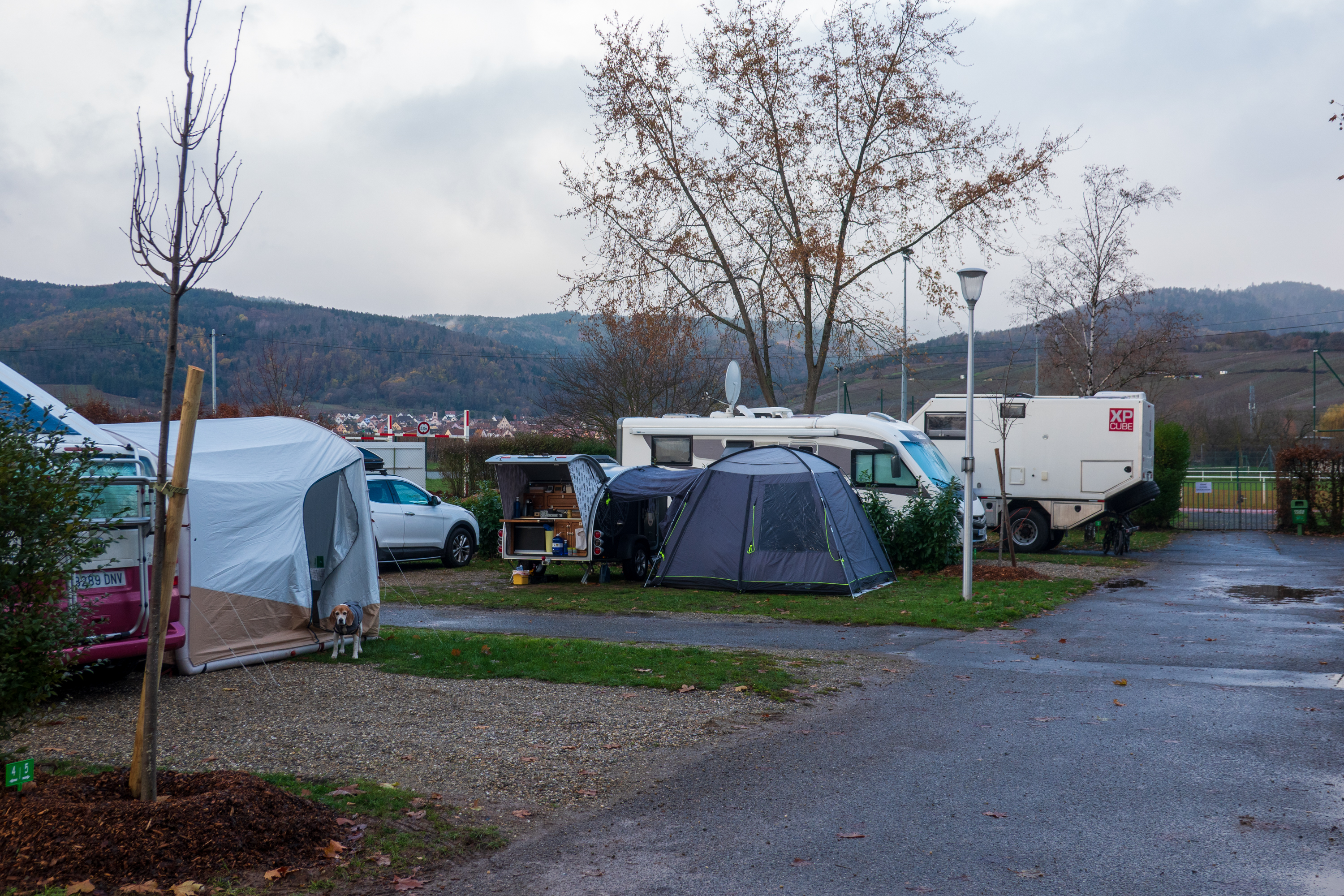
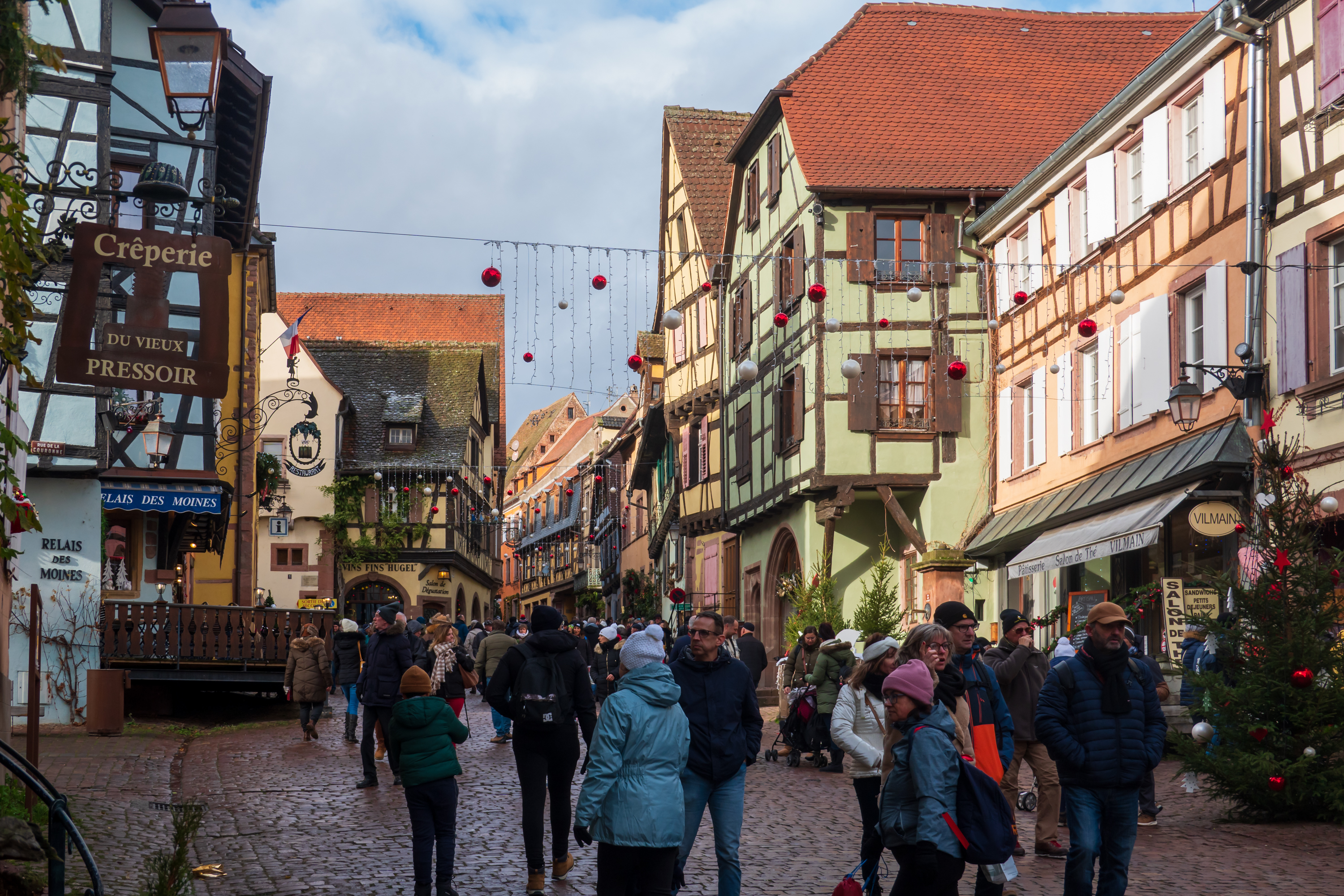
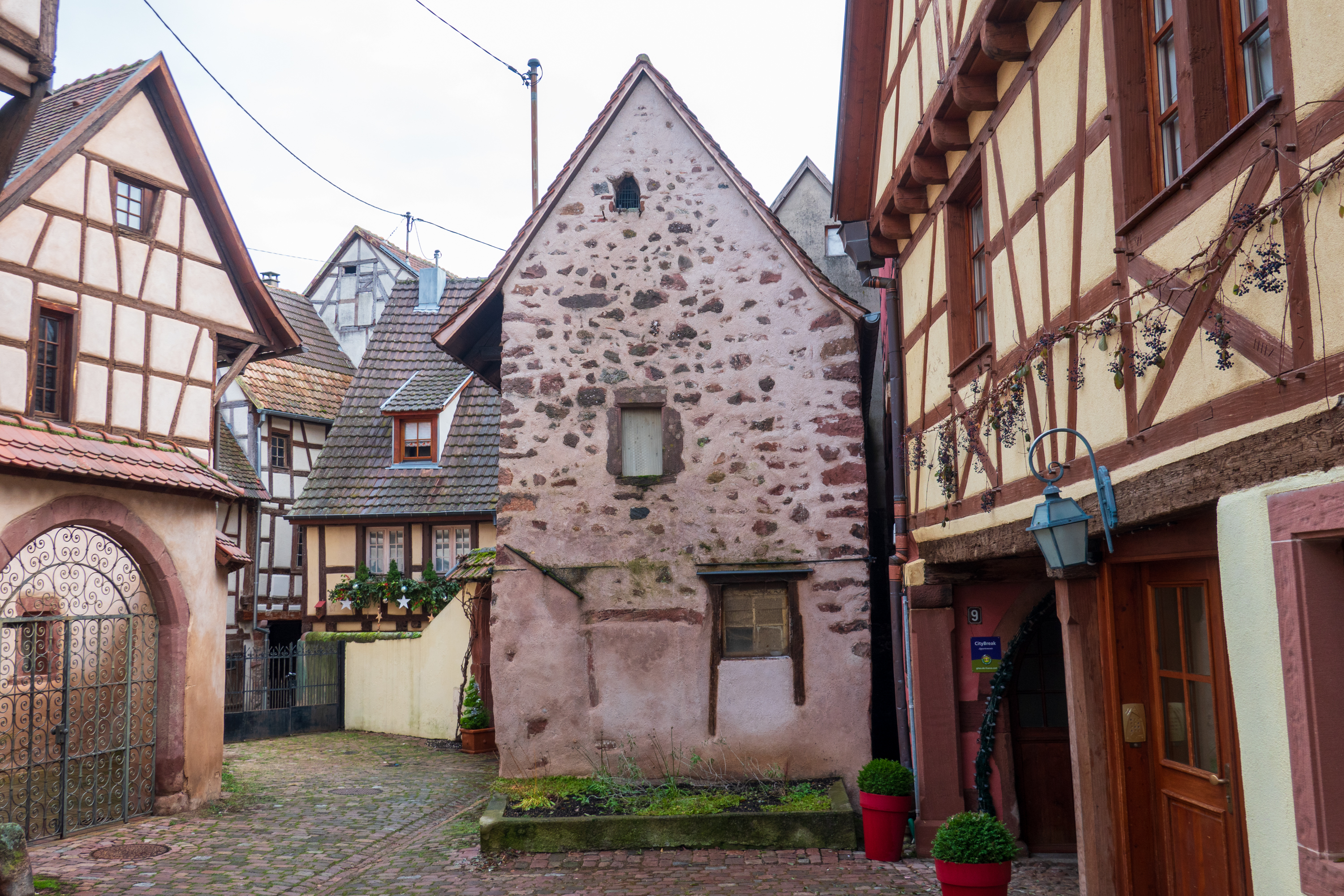
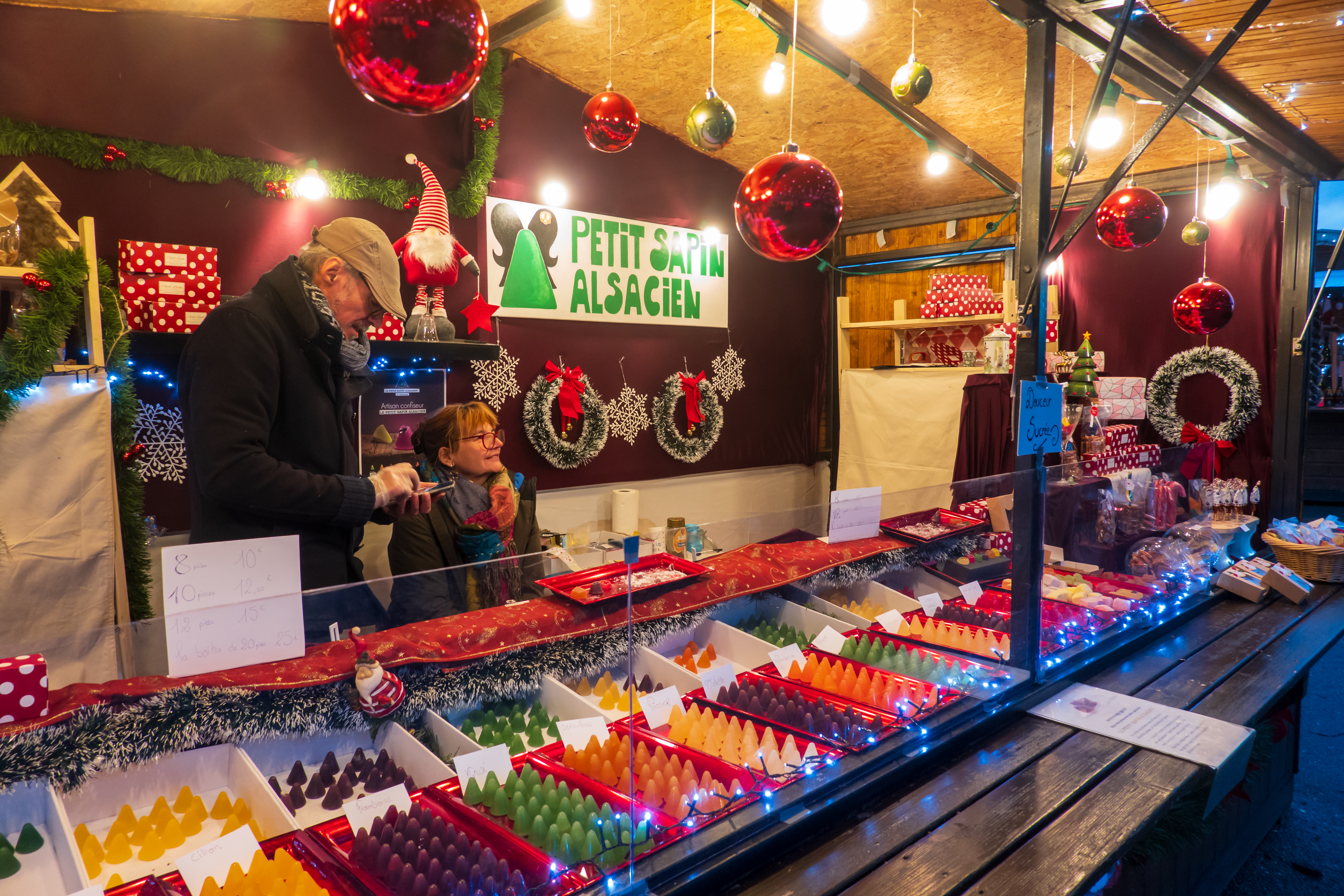
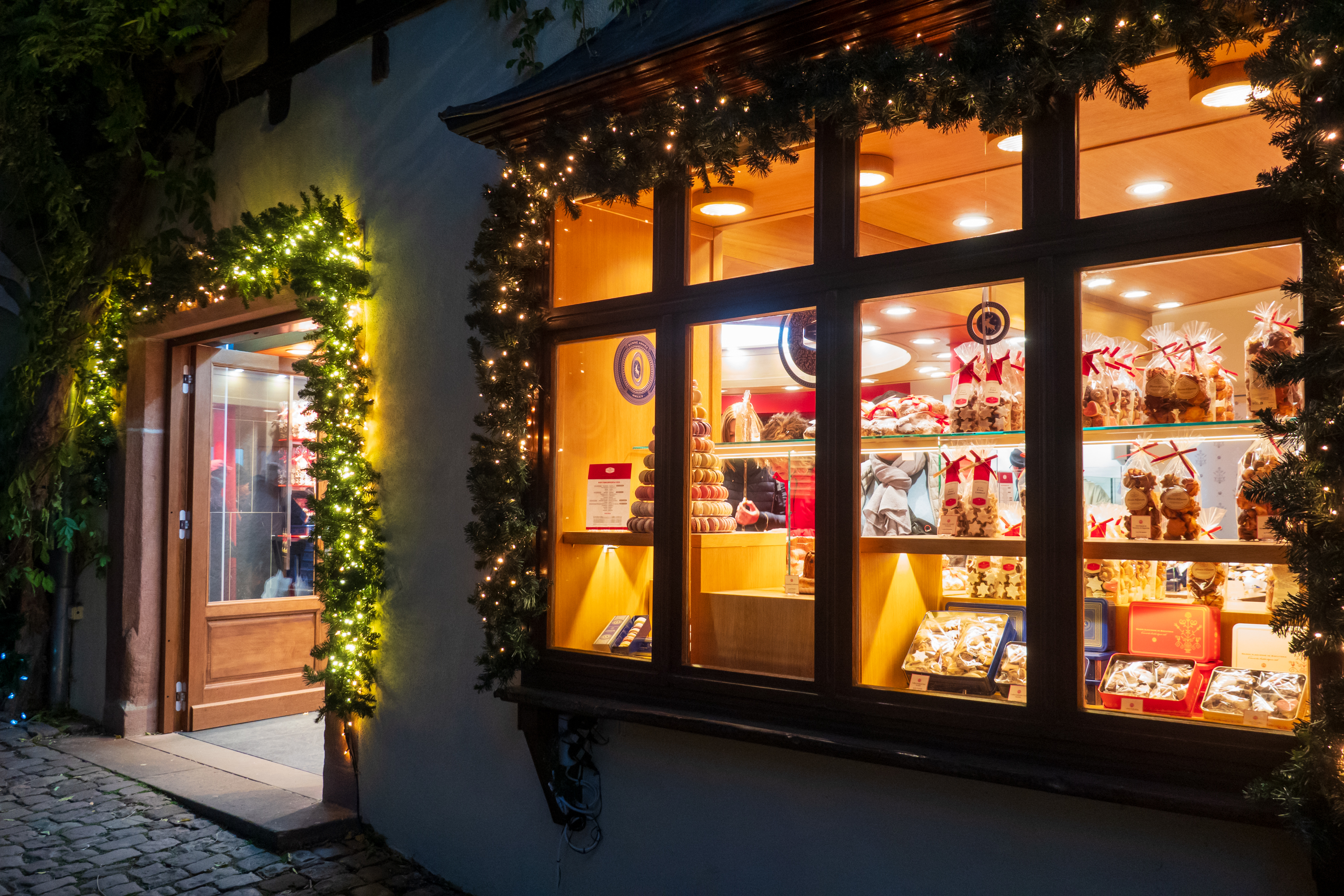
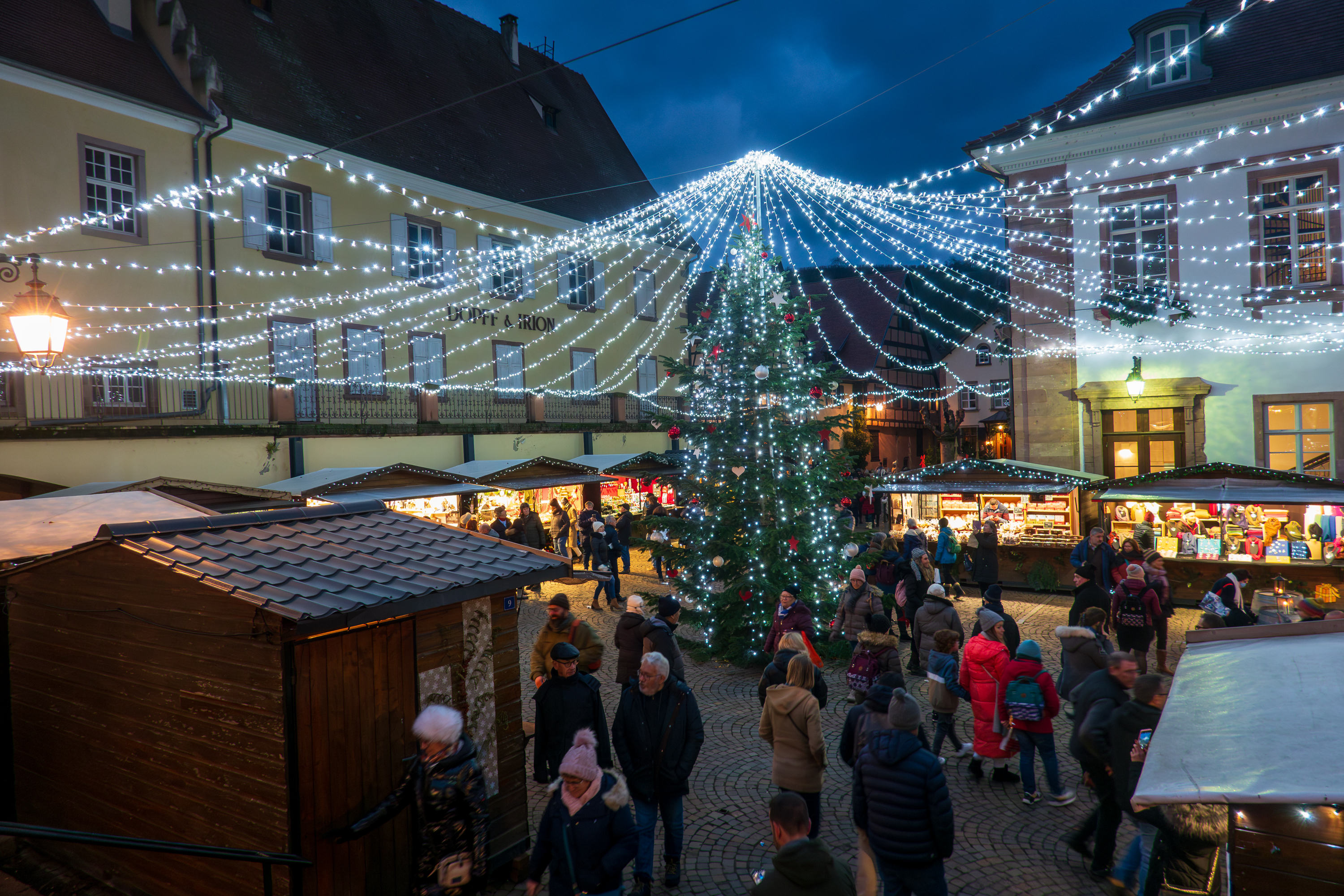
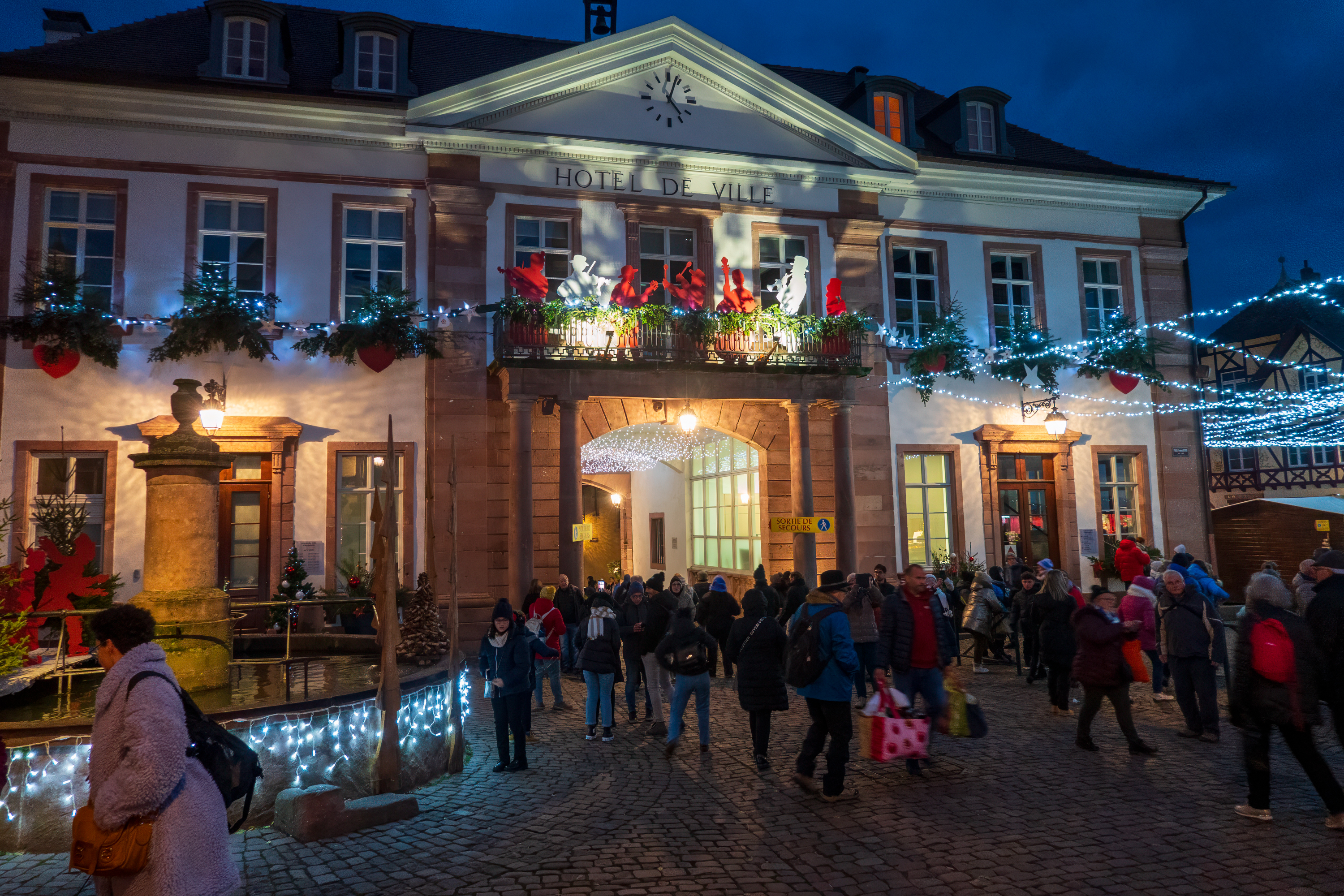
Then it was on to Riquewihr in Alsace for a visit to the Christmas Market. Denise had wanted to go to Colmar, but the only campground open was full.  The campground at Riquewihr was lovely and it was an easy bike ride to the market. 

Looking across campground towards Riquewihr.
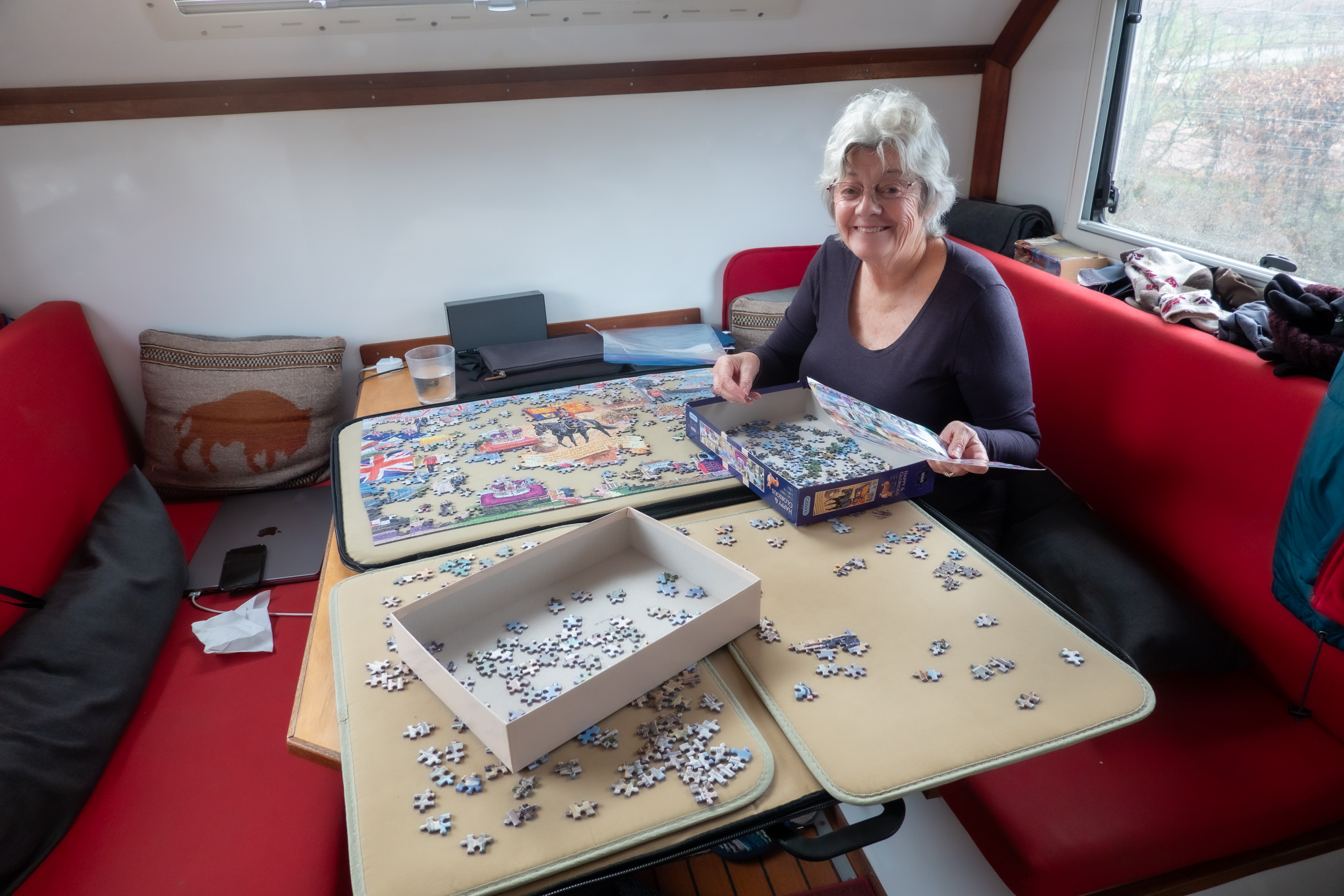
Doing a puzzle.
Bikes sheltering from the rain.

As it was mid week, the shuttle buses to Colmar and Ribeauville were not running, but the market was open and was busy, with at least six tour buses, and lots of campers parked everywhere.  Using the bikes, it was easy to make several visits.

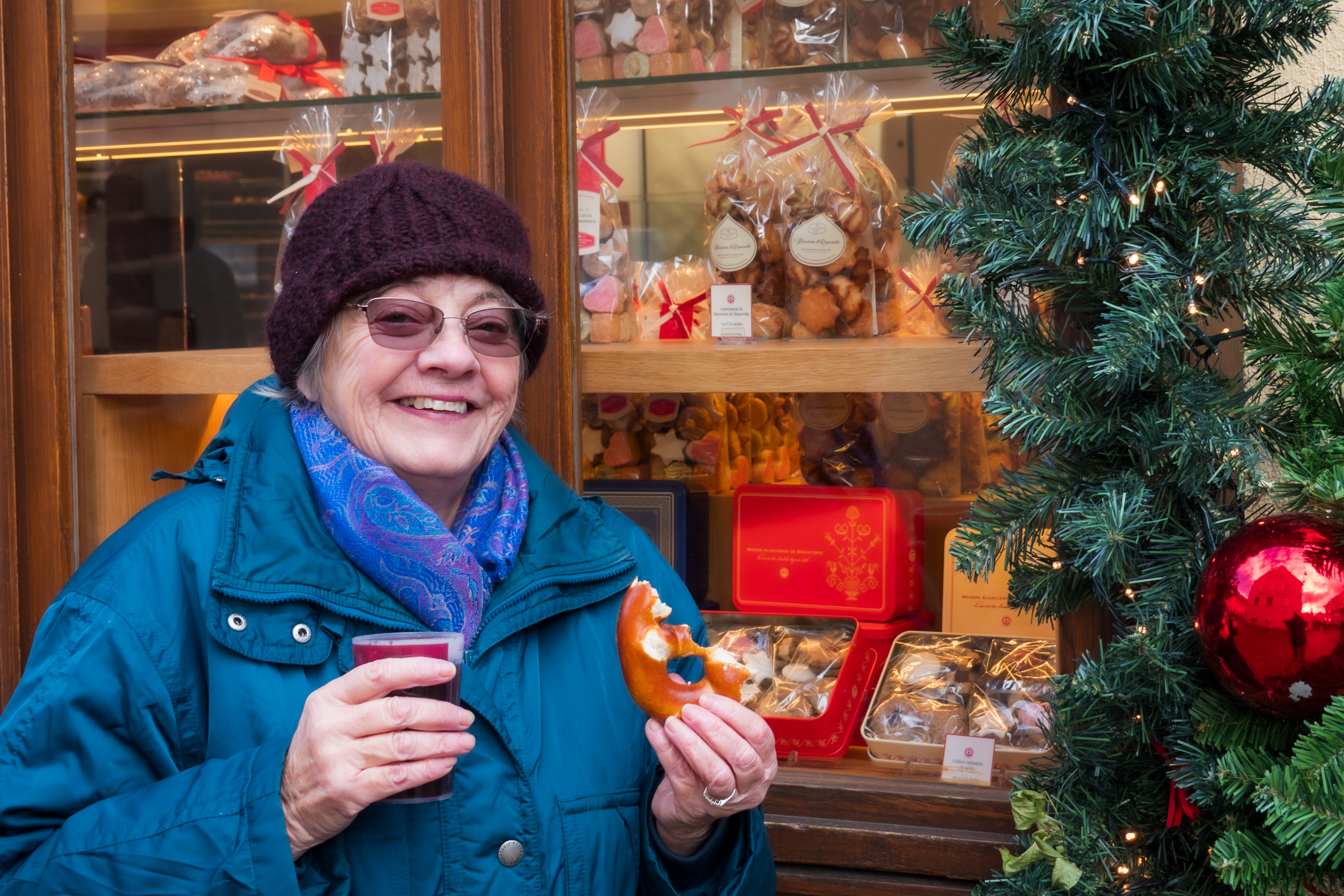
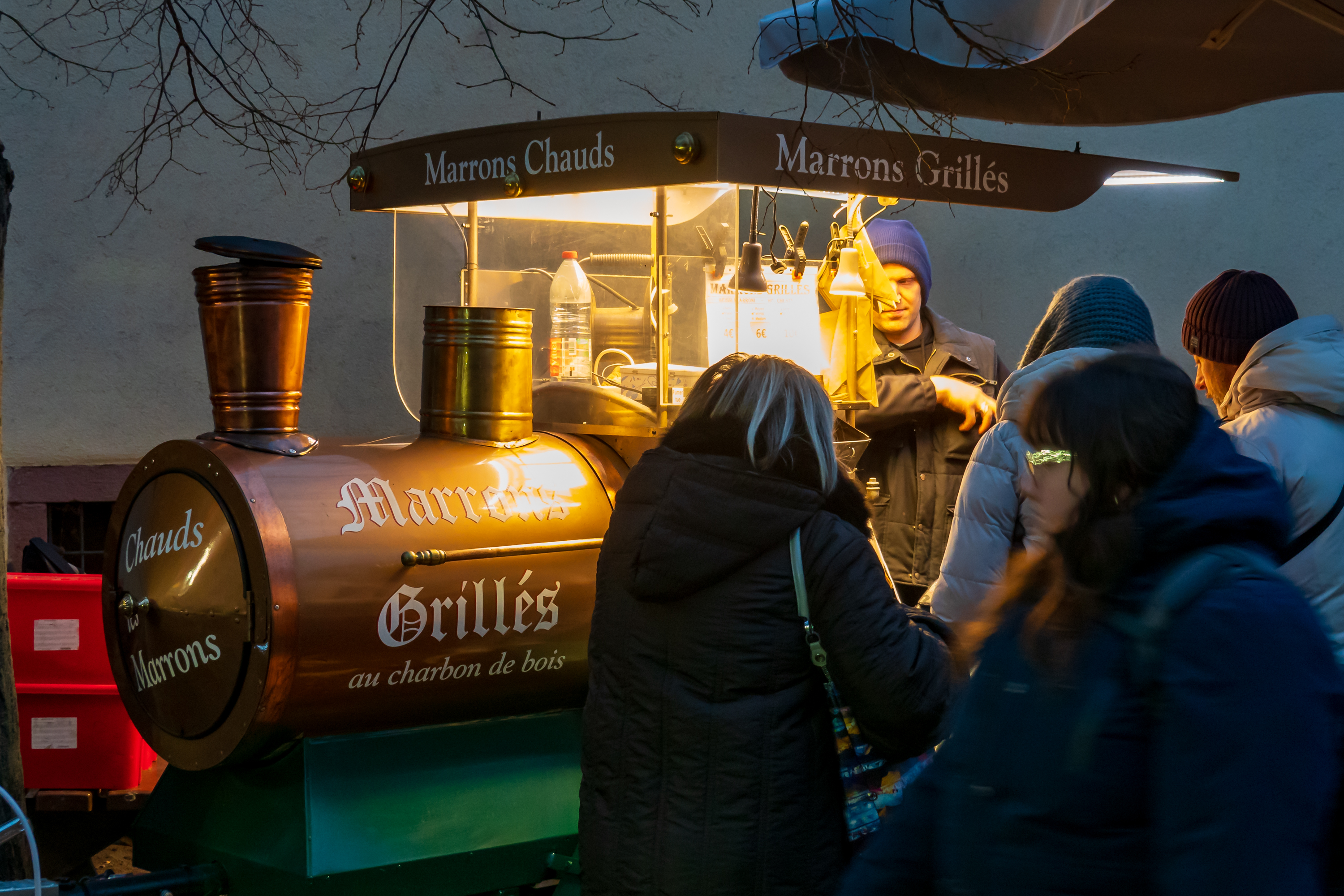
We enjoyed the gluhwein and nibbled on various treats, including fresh roasted chestnuts.

“Chestnuts roasting on an old steam train …”
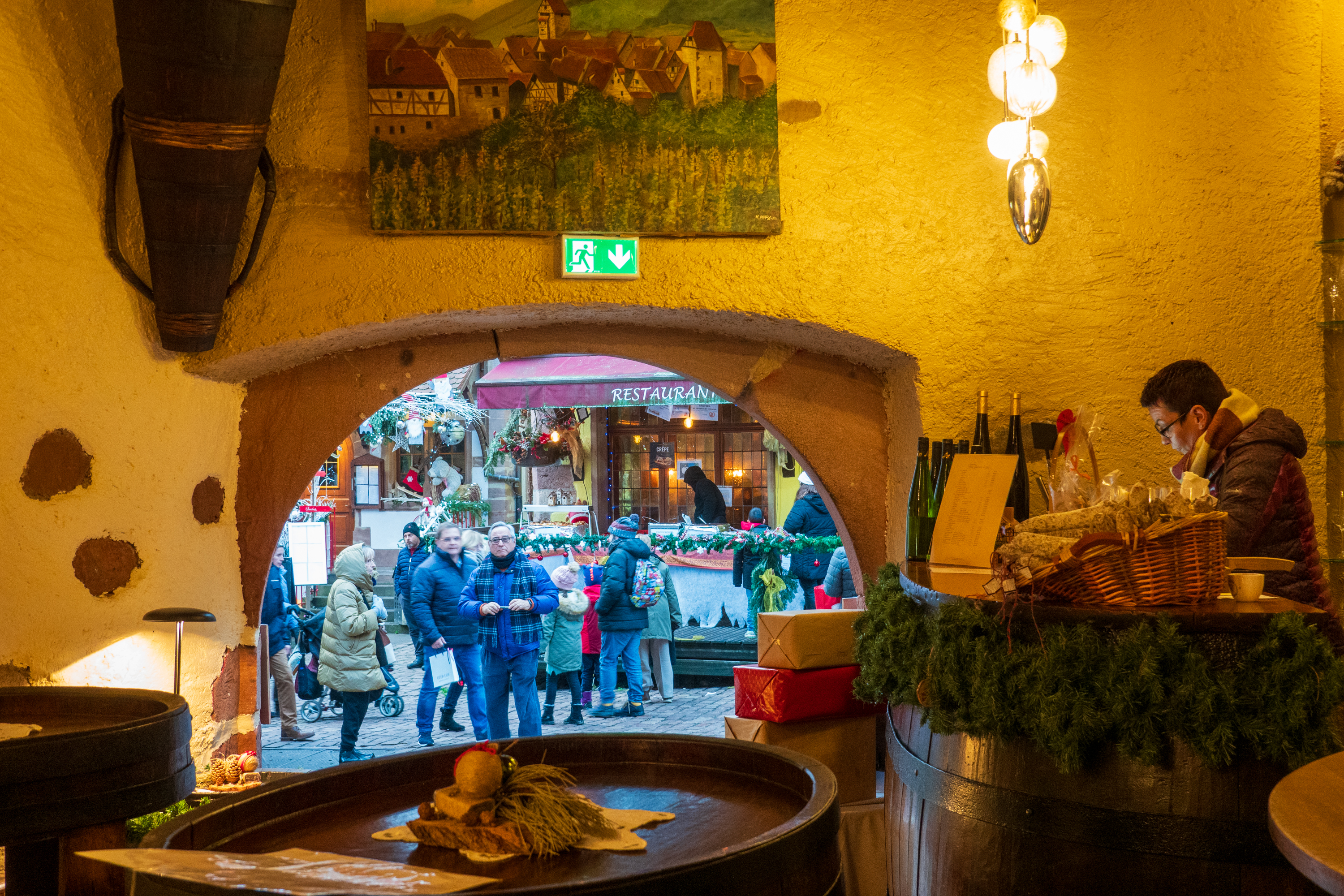
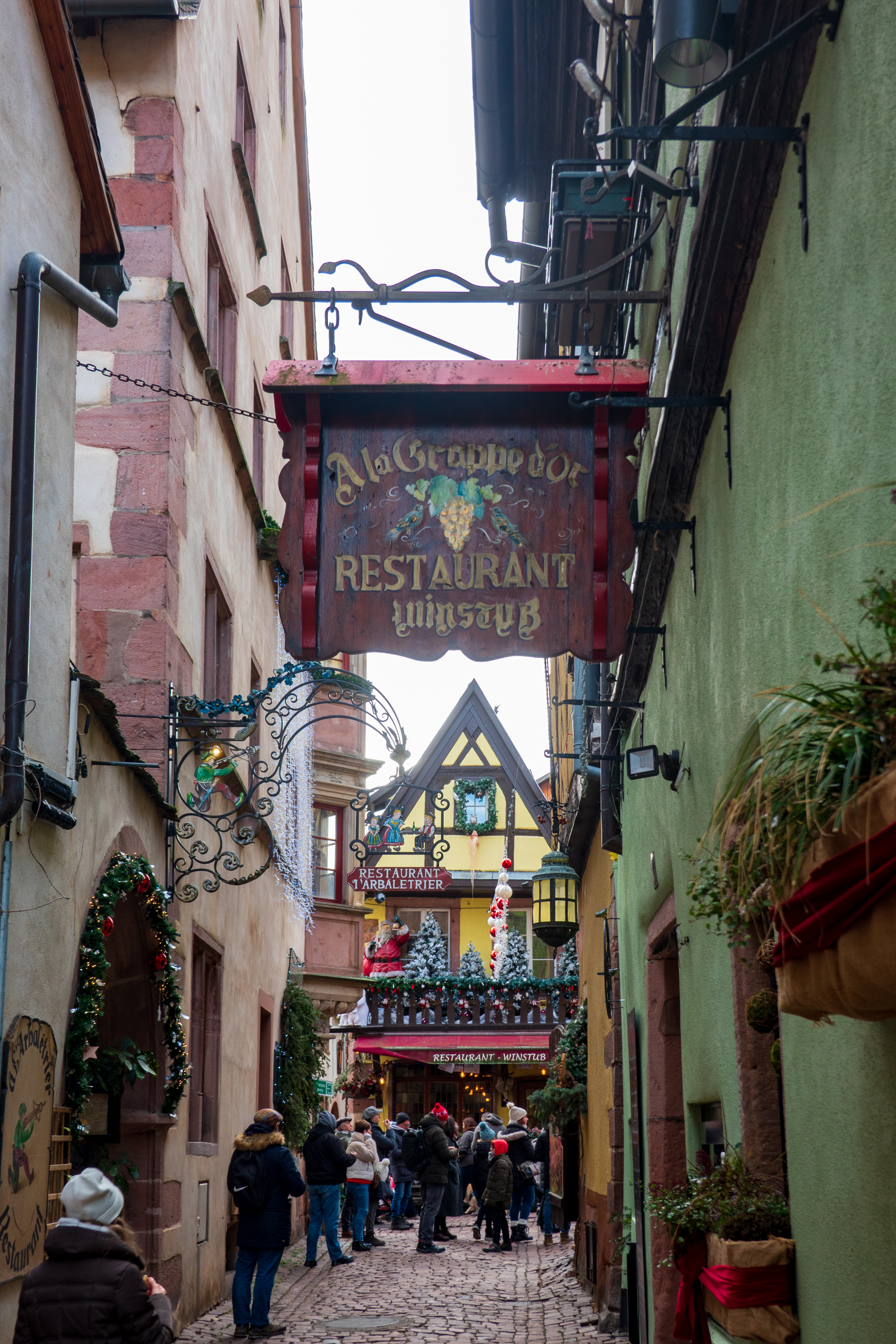
Street from inside a wine bar.

Click on gallery to expand.

We also bought a santon nativity group, as we realized we had failed to buy one in Provence and Denise collects nativity sets.  The lunch we had planned was impossible as all the restaurants were either full or closed by 1:00 PM (!!) – place was heaving! So we returned to the camper.

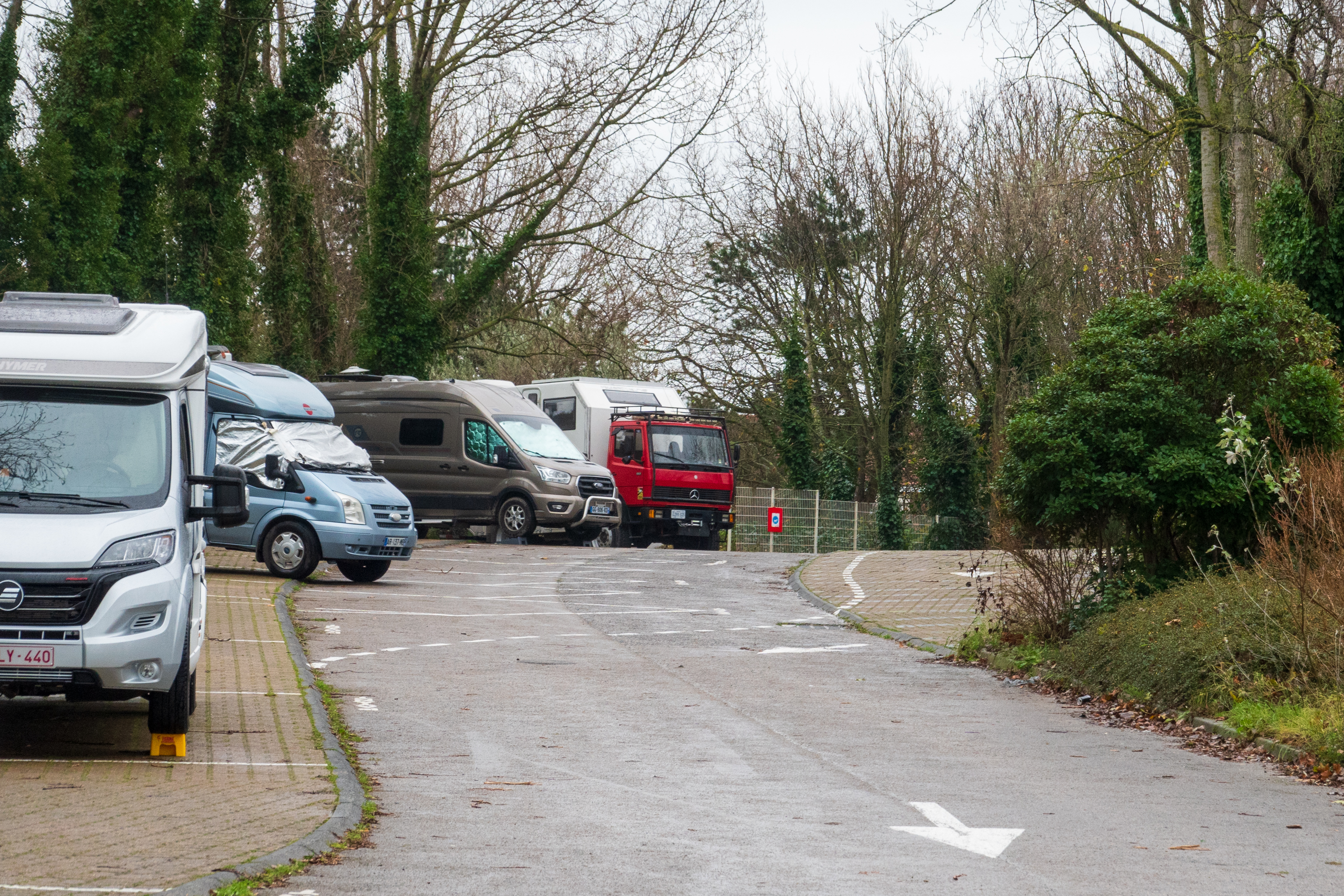
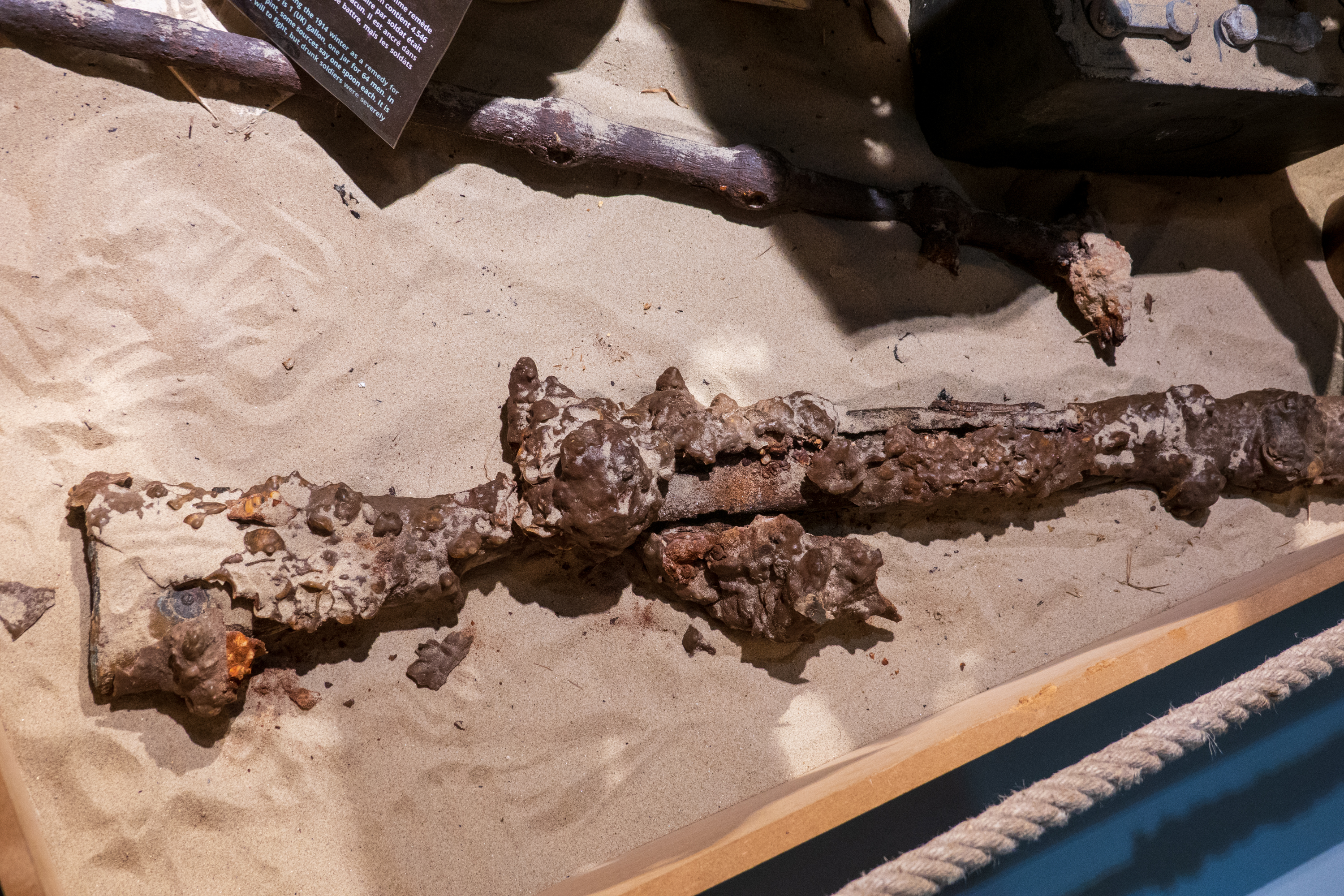
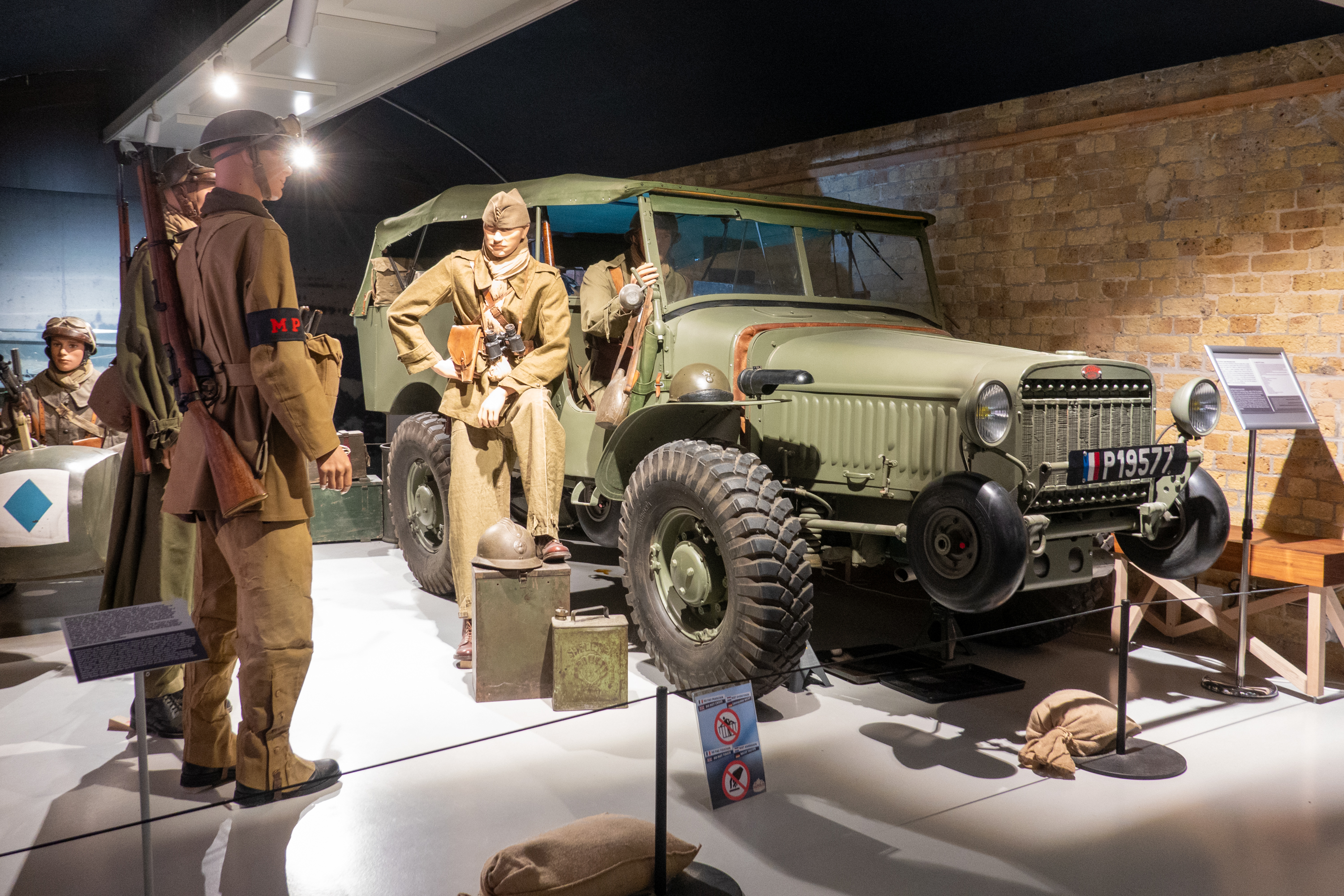
Having visited our Christmas market, we now began the serious trip to Calais to take the Shuttle back to the UK.  Even the wineries were closing and the remaining aires were filling up, but we made it to Dunkirk. The aire was on a steep hill, right next to a little museum dedicated to Operation Dynamo, the Dunkirk evacuation. (https://en.wikipedia.org/wiki/Dunkirk_evacuation)

Leveling blocks help.
Rife recovered from the ocean.
Nifty 4×4 with rollers on front bumper.

From Dunkirk it was off to Calais and one last stop at the Carrefour superstore before heading to a very pleasant campground near Ashford, in Kent (https://www.broadhembury.co.uk), where we were able to clean the camper, do the necessary laundry and prepare it for its storage in Yatton.

A spectacular end to this year’s travels.

When it rains, it pours …

And what we did about it. When we last saw our heroes … Their repeated efforts to reseal the front window had failed. So, they sought out an expert in camper leaks. He told them that the problem was (probably) not the window, but rather leaks in other places.

We realized then that we would have to remove everything, solar panels, fans, etc., from the roof, reseal everything, and then remount. Not a trivial task. So we began a diligent internet search and found Avanoa, a new campervan conversion company outside of Draguinan. (https://avanoacampers.fr) They agreed to look at the problem, so we headed to the Draguignan area.

Alexi and his wife, Megane clambered up on top, looked, rolled their eyes, and, in a moment of weakness, agreed to undertake the repairs. But they could not start immediately as we needed to order fans and other parts. We only stayed long enough to make a brief one day visit to Draguignan.

This turned out to be a bit of a disappointment, as one of the museums that we had planned to visit, the French Army Artillery Museum, had decided to close that day. (Denise did not repine. And we were serenaded by the sounds of artillery from the military school.) We did get to visit the Musee des Arts et Traditions Populaires, which Denise did enjoy. And, naturally, we brought home presents.

Provence is the home of the Santons, the “little saints.” These little ceramic figures are used for nativity sets. Typically, there is a figure of a person from Provence, holding his or her hat in the Mistral!

Draguinan has a small US military cemetery. Operation Dragoon, the invasion of southern France, gets overshadowed by Operation Overlord, the Normandy landing. But, it was long planned. At one point, the two landings were planned to be simultaneous, so as to put the Germans completely off balance, but, in the end, there were simply not enough landing craft. Fortunately, the southern landings were much easier than Normandy. That said, there was a cost and there are memorial plaques all over southern France. The French have never forgotten.

We then headed south to the driest, sunniest place we could find in an attempt to dry out the camper roof while we awaited the arrival of fans and other necessities.  This proved to be near Frejus, on the Mediterranean coast. 

We found a lovely campground south of Frejus, near Saint Aygulf, the aptly named “Paradise of Campers.” (https://auparadisdescampeurs.com/en/) En route we stopped for a little shopping at a vegetable seller in the main square of Saint Aygulf. This involved circling the block, clambering over curbs, and inching down narrow streets to park inside the square itself. The vendors loved it!

The campsite was next to the beach and there were some beautiful views of the bay looking back to Frejus and Sainte Rafael. Much too cold and windy to get in the water, however.

We ended up staying a full week, although two days were lost to a strong Mistral that rocked the camper from side to side.  We took the bikes into Saint Aygulf for a return shopping visit and were welcomed by the vegetable vendors as old friends.

One day we took the bus into Sainte Raphael. Athough the old medieval church that Denise wanted to see turned out to be closed, we did visit the new cathedral, rode the tourist train, and enjoyed lunch by the marina.

Denise really wanted to revisit Aix-en-Provence, where she had studied, so we studied the approaches. Aix itself was impossible between narrow streets, no parking, and low emission zones. There was a campground, but it had mostly, sketchy reviews. So, we headed to Peyrolles-en-Provence, a small town about 30 minutes away on the bus line. We found the aire in which we were the only campers.  It felt a bit odd!  (No water, either, as we were so late in the year.)

The next morning we set off on the bus to revisit Aix en Provence. The Christmas market was just opening on the Cours Mirabeau, the main downtown street, and we enjoyed browsing. 

Looking down the Cours Mirabeau.
Holding up commerce can give you a headache.
Kiddie ride
Denise buying calison, the typical candy of Provence.
Look at the eroded limestone!
Entrance to Archbishop’s palace. Shall we debate the poverty of the Christ?

Denise was amazed at how much Aix had changed since she lived there as a student. 

Two plaques that show that freedom isn’t free. The first is a classic appreciation of the liberation by US and Free French troops. The second, dedicated to the shot, deported, and missing of the Resistance, is, perhaps, even more poignant, showing the cost of living under occupation.

Main Entrance
Altar

The Cathedral of Saint-Saveur does not generally appear on the list of must see cathedrals but it does have the most amazing baptistry we have ever seen. (https://en.wikipedia.org/wiki/Aix_Cathedral) We tried, but photos simply do not do it justice. The well/basin and lower walls are Roman and the upper works are medieval.

Absolutely amazing
Roman mosaic uncovered in the baptistry.

Built on the site of the first century Roman forum, with the two cardos  or main streets flanking it, it included a baptismal pool and remnants of Roman mosaics and medieval frescoes, with Roman pillars.  We also took a tour of the Cloisters and learned about the former monastery that had been on the site also.  

Column capital
Twisted Column in the Cloister
Ceiling dome with skylight.

Then on the bus home, we received an email from Avanoa asking us to be there the following afternoon.  So we were off the next morning.

We had pretty much established that the problem was water leaking in at at least one of the fans, and probably from the mountings for the solar panels. Basically, we had a lot of things mounted on the roof with screws through the panel and inadequate, or aged, sealing. So we resolved to remove everything from the roof and remount everything properly using adhesives only. We would also examine for any obvious leaks and repair a section that had delaminated. (WARNING: Extreme camper geekery follows.)

The first challenge was just getting down the lane and up to the shop. We are a bit bigger than most of the vehicles that they work on. With the aid of a saw to trim the trees along the lane, road guides, and careful driving, we settled in to what would be our home for a week.

Alexi has established a good reputation and his yard is full of customer’s vehicles.

The first task was to get everything off and assess what was to be done.

Denise got used to lots of pounding and scraping on the roof.

Alexi called in his friend, neighbor, and landlord, who just happens to build composite yachts for a living. He, too, clambered up on the roof and declared that we had to drill holes in the roof and inject epoxy. This might sound terrifying, but it was, in fact, exactly what Total Composites, the manufacturer of the panels suggested. He came over on Sunday to take charge personally.

Epoxy curing under sandbags. Note the shiny new fans.
Looking a lot better. The new mounting actually restores an airfoil to keep road wind from getting under the panels.

Fortunately, Alexi had taken a training course with Sika adhesives and stocked the full range of their products and the nifty tools to work with them. Who knew that there is a powered caulking gun? Sika adhesives are widely used in the construction of composite campers. (https://fra.sika.com/?_gl=1*nau8a8*_ga*NTEzMzk4MDgyLjE3MDQ2NDg4OTg.*_ga_K04G1QB2XC*MTcwNDY0ODg5OC4xLjAuMTcwNDY0ODkxNy4wLjAuMA..) Most installations required a very strict protocol, clean, sand, prime, bond, cure. We were careful to find, and cover, every screw hole or other opening. In the process we found a crack at the front of the camper – probably a tree strike – and probably the main source of water at the front window.

The repairs, including repair of the delaminated part of the roof, took eight days in total.  A great deal was achieved including the fabrication of an aluminum cover for the newly found crack.  The solar panels were removed and remounted without piercing the roof, two new fans were installed and. as noted, the delaminated section was repaired. Interesting side note – the owner of Total Composites noted that when he proposed to the fan manufacturer that fans should be mounted with adhesives only, he was warned that that would void the warranty. Needless to say, ours are mounted without screws. I am more worried about leaks than I am about warranties.

Spend a week camping on someone’s doorstep and you develop a real relationship. When we left, Alexi and Megane gave us a wonderful going away package. Should you want a camper, or need repairs in Southern France, see Avanoa.

When we left, Alexi and Megane gave us some wonderful gifts!

Time is Sand

“Man, man, your time is sand, your ways are leaves upon the sea
I am the eyes of Nostradamus, all your ways are known to me”
— Al Stewart “Eyes of Nostradamus” from the album “Past, Present, and Future.”

Provence has lots of famous cities and resorts, from Sainte Tropez to Marseille and many more. But we tend to prefer places off the beaten path. Les Baux de Provence was on our list of must sees, but we were having trouble finding a place to stay. One possibility was the little town of Saint Remy de Provence, but then we noticed that the campground was about to close for the winter. We were off before it was too late!

Saint Remy is the birthplace of Michel de Nostredame, more commonly known as Nostradamus. An absolutely fascinating person: https://en.wikipedia.org/wiki/Nostradamus

It proved to be a wonderful visit and one of the highlights of the trip.  The campsite was close to the town and it was an easy bike ride to the tourist office – once we found it.
Nostradamus is perhaps Sainte Remy’s most famous son. Denise admires the unassuming building credited as his birthplace.
Stairway to heaven? Part of a lost floor or attic? Whatever, it was way cool.
Bust of Nostradamus at a fountain.

There were also Roman ruins – a whole town of them, but then Denise saw a poster. What on earth is a “course camarguaise?” We repaired to “Paul’s” for coffee, goodies, and research. The course camarguaise turns out to be the local form of non-fatal bull fighting. In fact, the bulls are all repeat performers and have star billing on the flyers. (The bull fighters, or, more appropriately, bull runners, are not mentioned.) This led to a test ride to find the arena and get ready for the last performance of the season, to be held the following afternoon. We were set!

The next morning we rode to Glanum, a small Roman town, founded by the Gauls and dedicated to the local god of plenty and pure water, Glan. (https://en.wikipedia.org/wiki/Glanum)

It was a gorgeous day with not a cloud in the sky.  Unfortunately, the Glanum site was closed for Veterans/Armistice Day (The eleventh hour of the eleventh day of the eleventh month.) but we could admire the so called “Antiquities”, an arch and a funerary monument, beside the  Via Domitian, the Roman road linking Italy to Spain. 

Gaul was deeply Romanized, but that did not prevent the Romans from including a fair number of scenes of Gallic defeats on their public buildings. A not-so-subtle reminder.
Expand the photo – the carving detail under the arch is beautiful.

Founded by the Gauls around 600 BC, Glanum became a Greek city before the Romans arrived. The city was abandoned in the third century AD due to attacks by Germanic tribes. Relocating to the larger and more defensible site of the modern Saint Remy, the people dismantled most of the Roman city to reuse the stones. Finally, a flood put it under eight metres of mud, with only the “antiquities” showing.

And there it remained until the 1920’s. Read more here: https://www.site-glanum.fr/en/discover/history-of-glanum Our visit complex, we headed back to “Paul’s” to warm up and then to wander and admire the typical Cathar curved streets and, finally, to enjoy a great pizza and Minestrone soup lunch!

Church spire.
I always keep an eye out for people who look like serious photographers. If they are looking at it, I probably should as well!
Denise at the entrance to the old town.
So, how big is that ‘Murican iron?

That afternoon we joined the local population and we were off to the races. Or bull fights. Or whatever.

Stadium with the “Alpilles” (little alps) in the background.

When we couldn’t find a bike parking rack, the ticket taker told us to just bring them inside where he could watch them. Settled in our seats, we discovered ourselves next to a locally resident American. (Small world – I think she was as surprised to see us as we were to meet her!) It was the final “performance” of the season, so we studied our program and guide. 

A total of six decorated, and named, bulls would spend 15 minutes each in the ring and the 10 raseteurs would attempt to pull their decorations off, leaping out of the ring as each bull approached.

This guy raced right to the center of the ring and proceeded to put on a huge show of pawing and snorting!

To be honest a couple of the bulls had a rather “been there done that” attitude!  One or two clearly had a good sense of time, as at about the 13 or 14 minute mark, they simply quit being ferocious and trotted back to the gate to await the end of the round. It was the last course of the year after all! Animals are amazingly intelligent.

But it was a lot of fun and one bull especially enjoyed leaping over the barrier, four times. 

Coming at you, sucka!

Our very first bull fight, or was it our second rodeo? https://diplostrat.net/2019/06/23/the-oregon-trail-revisited/) Who knows, but it was one that we could enjoy because the bulls returned happily to the pastures after their performances. They had top billing, after all.

Souvenirs!

We did make it back to Glanum the next day, which unfortunately meant we did not have a day to revisit Les Baux (our last visit was in 1974!).  But we thoroughly enjoyed our visit to Glanum and were amazed by this little ancient town.

The site is small, but the excellent museum has many animated light shows and models to explain how the town evolved over the centuries. (https://www.site-glanum.fr/en) The small size makes it easier to get a full understanding of how the city worked.

Top of the town is nestled in a tiny valley, with the Alpilles behind, and long antedates the Romans.

The Gauls established the first settlement, up in the narrow valley and surrounded by walls. By the time the Greeks arrived, the great gate had become the ceremonial entry to the temple sector, with the sacred spring. The spring, of course, is one of the reasons for settling here. By the time the Romans arrived, the spring was purely religious and they fed the city with an aqueduct.

The Romans excelled at civil engineering and, if you had to choose only one thing to demonstrate their superior understanding and technology, it might be water. Clean potable water into towns via aqueducts – see the Pont du Gard. Water storage and distribution to public fountains and houses, and finally, water drainage from houses, baths, and latrines, via the various cloacae. While the Romans were better at this than anyone up to and probably including the 19th centur, think of the London cholera and typhoid outbreaks, they still suffered from plagues and disease as they did not fully understand public sanitation and the spread of illness and parasites. They didn’t always flush the bath water enough and sharing a toilet sponge is not a great idea. Still, compared to the dark and middle ages, they were amazing. (https://en.wikipedia.org/wiki/Sanitation_in_ancient_Rome)

Main street, showing the covered sewer and with the fresh water channel exposed,
Denise mapping the water courses and drains.
Expand to read the explanation.
Junction box, probably a drain, exiting to the street through the upper hole.
Bath
Fountainhead feeding the pool.
A classic beauty shot. The Victorians would have loved it.
View of the lower part of the city, looking towards Saint Remy. You can see all the way to Avignon from the top of the hill.
The big Alps, off in the distance.
Yes, it was built by Agrippa. (Yes, THAT Agrippa: https://en.wikipedia.org/wiki/Marcus_Vipsanius_Agrippa)
The sacred spring still has water.
If you want Hercules on your side, and you do, you erect a votive altar, or several.
Much of the stone is sediment and you can see the fossilized sea shells.

First Gaul, then Greek, then Gallo-Roman, and complete with housing, temples, sacred springs, and ramparts – Glanum is a fabulous visit.

Oh, and Al Stewart, the Scottish musician quoted above? We linked for the quixotic Nostradamus reference, but his whole album “Past, Present, and Future” is a good listen and amazingly good history – especially the song “Roads to Moscow.” Chilling. For a deep dive: https://glintoflight.com/wp-content/uploads/2020/02/Al_Stewart-_-_-Road_To_Moscow.pdf (A tip of the hat to Denise’s brother, Trevor – ever the source of the best music.)